Kyoto
Full City Guide, Map & 117 Things To Do
1,463,723 people live here.
That's 1.18% of the entire population of Japan.
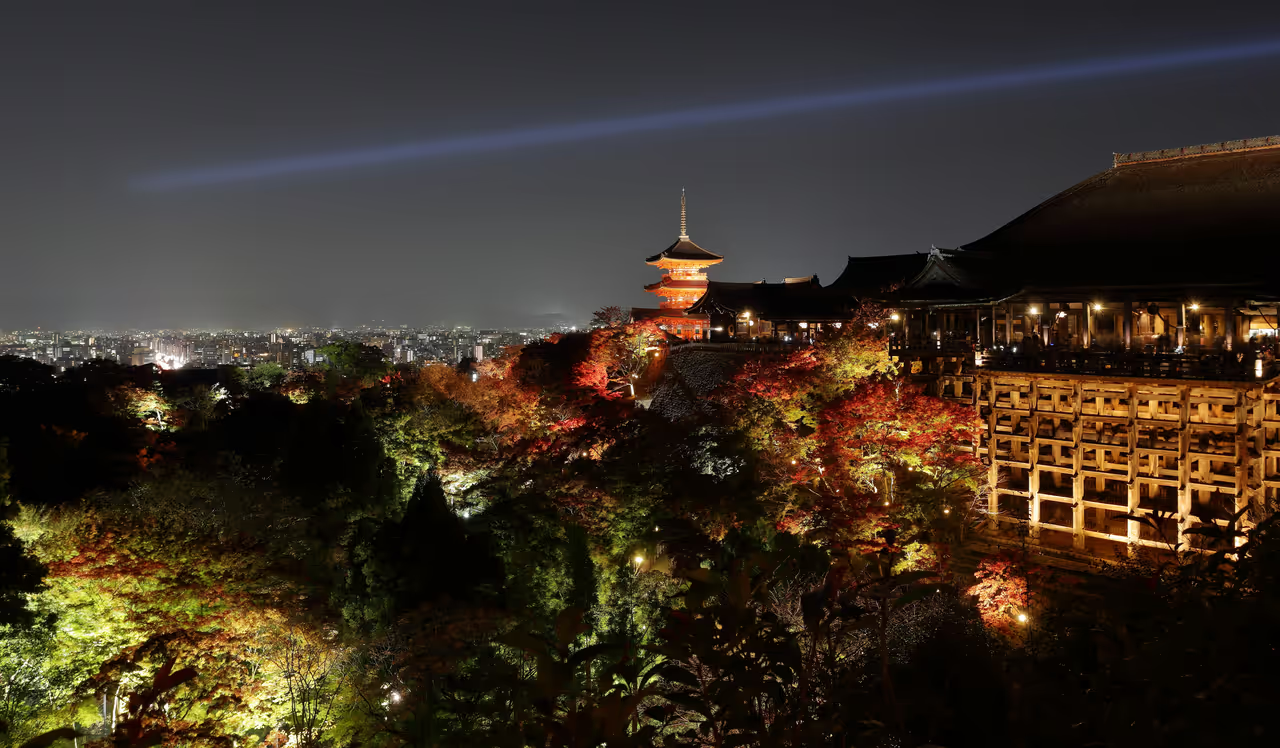
Kyoto stands as Japan's undisputed cultural heart, a city where over a millennium of history lives and breathes on every corner. Serving as the imperial capital from 794 to 1868, it was spared the widespread destruction of World War II, leaving an unparalleled legacy of wooden machiya townhouses, majestic palaces, and thousands of sacred shrines and temples. It is a place of profound beauty, where meticulously raked Zen rock gardens invite quiet contemplation and the transient pink canopy of spring cherry blossoms paints the landscape. Beyond its ancient aesthetics, Kyoto is a thriving, forward-thinking metropolis that serves as the headquarters for global tech giants and boasts a vibrant university scene. Visitors are drawn into an intricate tapestry of traditional geiko culture in the Gion district, tantalising culinary mastery, and artisanal crafts passed down through generations. Whether you are seeking spiritual serenity in an ancient bamboo grove or exploring the neon-lit alleyways filled with modern Izakayas, the city delivers an unforgettable journey through time.
Kyoto DNA
History of Kyoto
Emperor Kanmu dragged his court out of Nagaokakyo in 794, fleeing political assassinations and bad omens to establish Heian-kyo. He envisioned a flawless, symmetrical grid modelled after the Tang dynasty's capital. The geography had other plans. The western half of the new grid sank into a damp, mosquito-ridden marsh, prompting the aristocracy to completely abandon it and crowd into the eastern sector, Sakyo. The grand central avenue, Suzaku Oji, quickly lost its purpose as a dividing line. Aristocrats built winding alleys called zushi right through the rigid imperial blocks to reach their walled compounds faster. Total devastation arrived in the fifteenth century with the Onin War. Rival samurai clans reduced the northern district of Kamigyo to ash, turning the streets into contested battlegrounds. Citizens had to fortify their own neighbourhoods with moats and earthworks just to survive the endless skirmishes. Decades later, the warlord Toyotomi Hideyoshi decided to forcefully redraw the map. He threw up a massive earthen wall known as the Odoi around the entire urban boundary to control trade and defend against attacks. You can still spot remnants of this sixteenth-century barricade squeezed between apartment buildings in the Kita Ward today. Power officially drifted east to Edo in the 1600s, leaving Kyoto to figure out a new identity. The city pivoted from political scheming to obsessive craftsmanship. Artisans in the Nishijin district perfected complex silk-weaving techniques, filling the void left by departing bureaucrats with the clack of looms. Wealthy merchants bankrolled tea ceremonies and Noh theatre, demanding exacting standards from local potters and lacquerware makers. A distinct division took hold. The northern half handled the refined demands of the imperial court, while the southern Shimogyo district became a sweaty, noisy commercial hub ringing with the haggling of traders along the banks of the Kamo River. The true existential crisis hit in 1869. The teenage Emperor Meiji permanently relocated to Tokyo, draining Kyoto of its population and its primary economic engine. Desperate to avoid fading into irrelevance, city leaders gambled heavily on aggressive modernisation. They bored a massive tunnel through the eastern mountains to construct the Lake Biwa Canal, bringing fresh water and generating Japan's first commercial hydroelectricity at the Keage Power Station. The gamble paid off. By 1895, the country's first electric streetcars were rattling down local avenues, powered entirely by the flow of the new canal. The brick arches of the Suirokaku aqueduct still carry that same water through the quiet grounds of Nanzen-ji temple. Planners in the 1940s slated Kyoto for atomic destruction, yet the city miraculously survived the Second World War with its ancient timber fabric largely intact. This survival created a strange, fertile environment for post-war innovation. Inside narrow, dimly lit wooden machiya townhouses, mechanics and engineers quietly began building global empires. A local playing card manufacturer named Nintendo transformed into a worldwide technology titan without ever leaving the city limits. Today, strict height limits and aggressive aesthetic regulations keep the skyline low and heavy with ceramic roof tiles. Delivery trucks quietly idle next to thousand-year-old Shinto shrines on Karasuma Street.
14 Events spanning 1229 years
Map of Kyoto
Interactive Destination & Itinerary Map
This map blends our curated city guides—featuring best photo spots, scenic walks, viewpoints, hidden gems and much more—with a live Wikipedia explorer. Click on our numbered pins to plan your routes, or zoom in on the surrounding neighborhoods to discover verified local landmarks, museums, and stories with dynamic Wikipedia summaries and photos!
Fun Facts
- • Kyoto was originally at the top of the target list for the atomic bomb in World War II, but was spared due to the intervention of the US Secretary of War who had previously honeymooned there.
- • The global video game giant Nintendo was founded here in 1889, originally manufacturing traditional Japanese playing cards long before the concept of digital gaming existed.
- • You can walk across 'nightingale floors' inside Nijo Castle, which were ingeniously constructed to chirp like birds underfoot to warn the Shogun of approaching ninja assassins.
- • Despite its image as the bastion of traditional green tea and rice, the city consumes more coffee and bread per household than anywhere else in Japan.
- • The local geisha are uniquely referred to as 'Geiko', which translates directly to 'women of art', while their younger apprentices are known as 'Maiko'.
Did You Know?
- • The city's original layout was modelled directly on Chang'an, the ancient capital of the Chinese Tang dynasty, utilising a strict grid system that has survived for over a millennium.
- • To preserve its historic sightlines and protect the mountainous backdrop, the local government enforces incredibly strict building height and design regulations, completely banning mega-skyscrapers.
- • Seventeen different historic monuments in and around the city collectively form a single UNESCO World Heritage site, representing a staggering concentration of preserved cultural assets.
- • The innovative Lake Biwa Canal, completed in 1890, was an engineering marvel that not only provided drinking water but also powered Japan's first commercial hydroelectric plant.
- • The city contains roughly 2,000 religious places, including 1,600 Buddhist temples and 400 Shinto shrines, housing approximately 20% of Japan's National Treasures.
Videos of Kyoto
Seasons
Spring
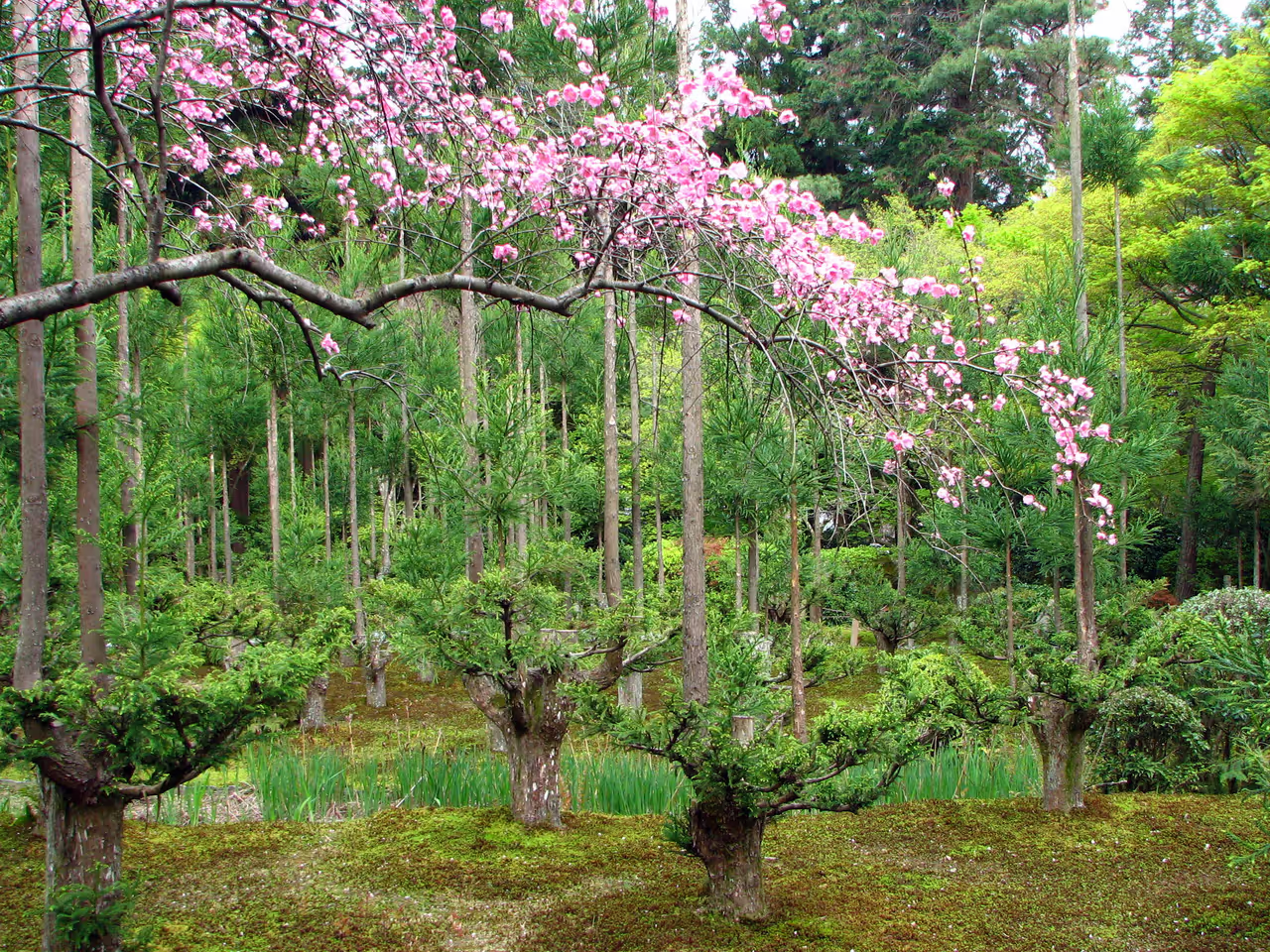
The city transforms into an absolute dreamscape as thousands of cherry blossoms erupt into brilliant shades of pink and white...
Summer
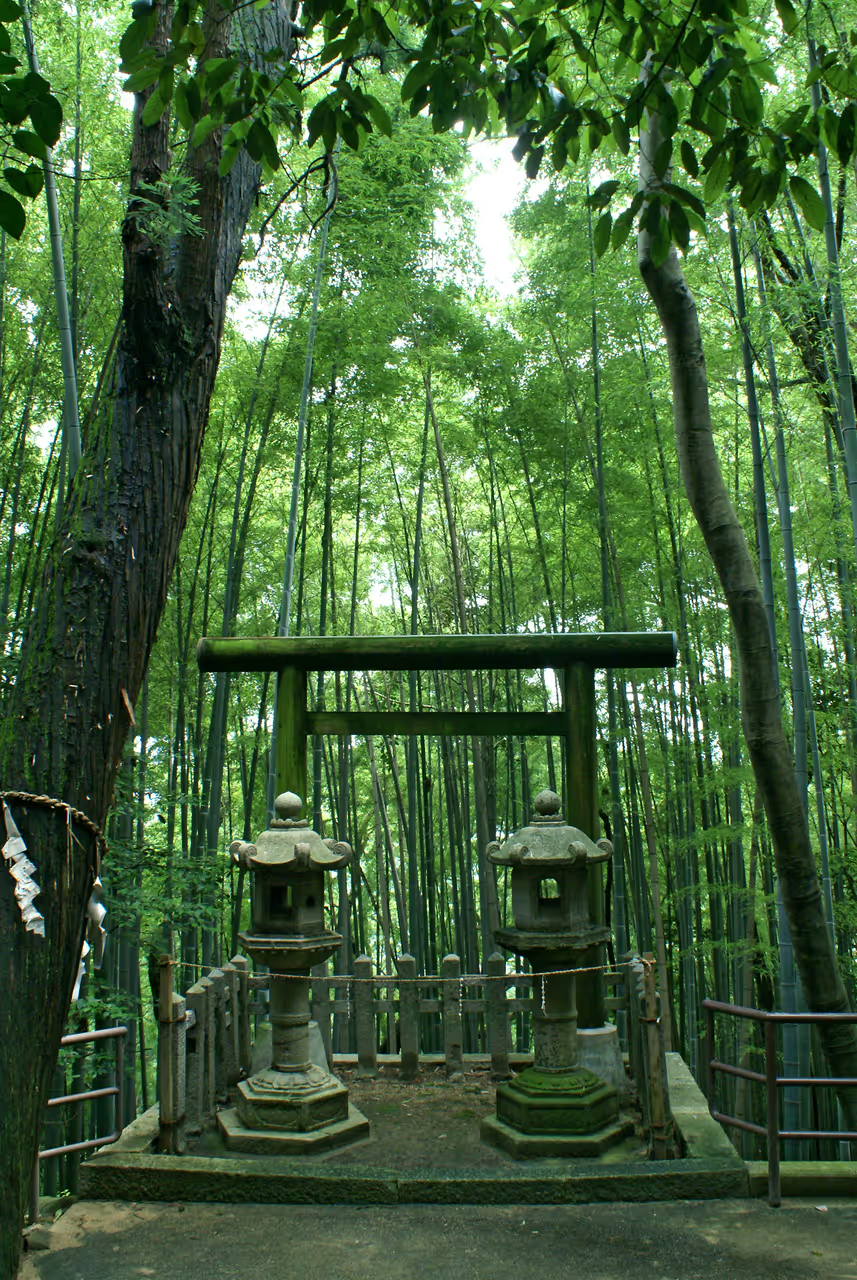
Summer brings intense heat and heavy humidity as the surrounding mountains trap the warm air over the city basin. Despite the...
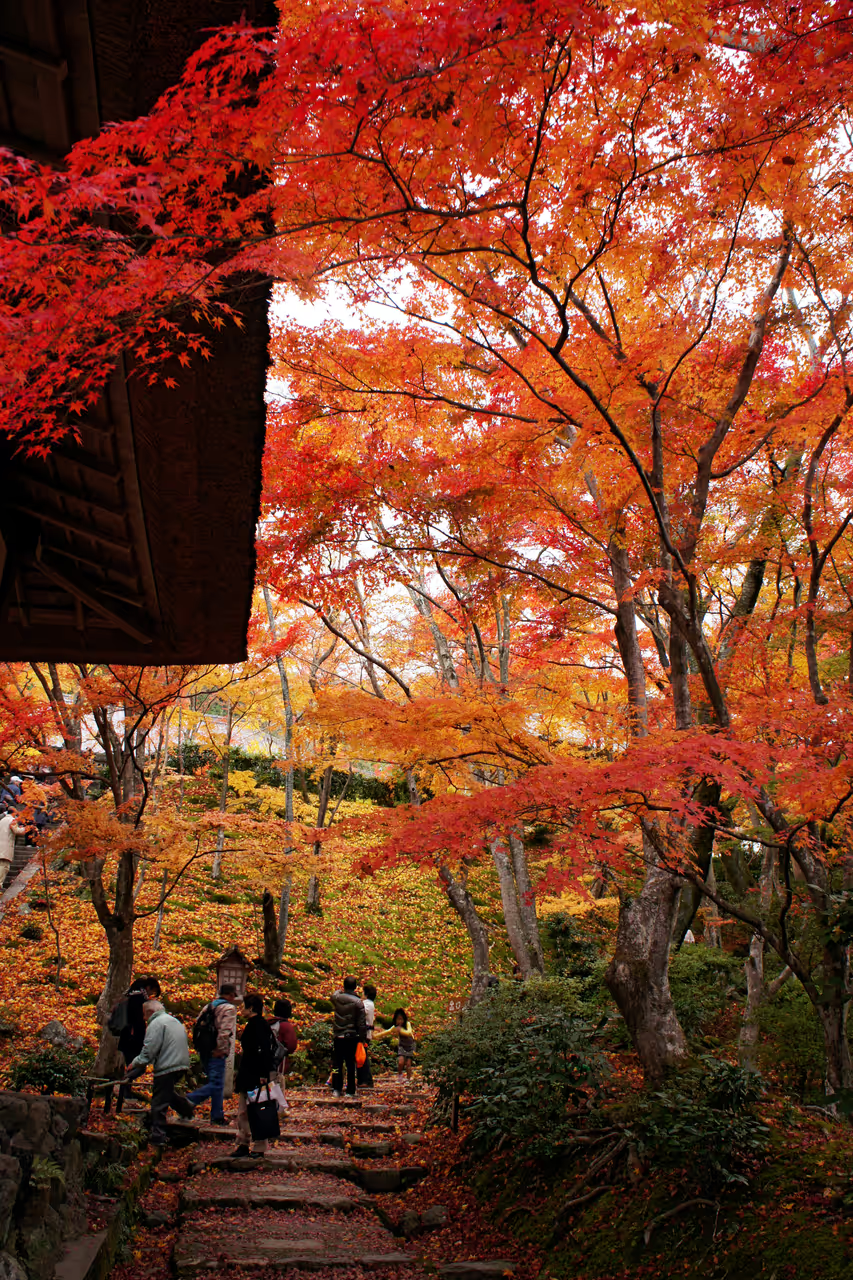
Autumn
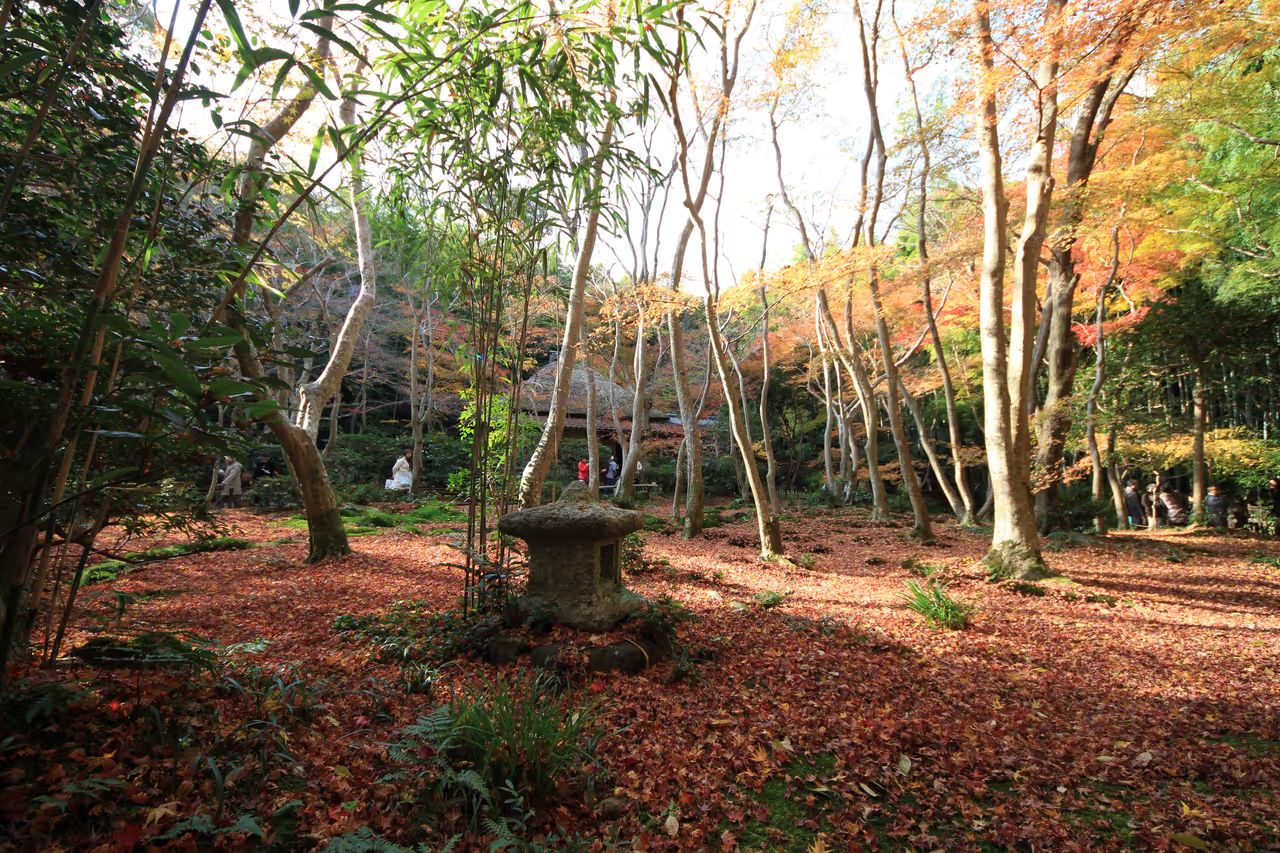
This season arguably rivals spring in sheer visual impact, as the maple trees across the city ignite into fiery hues of...
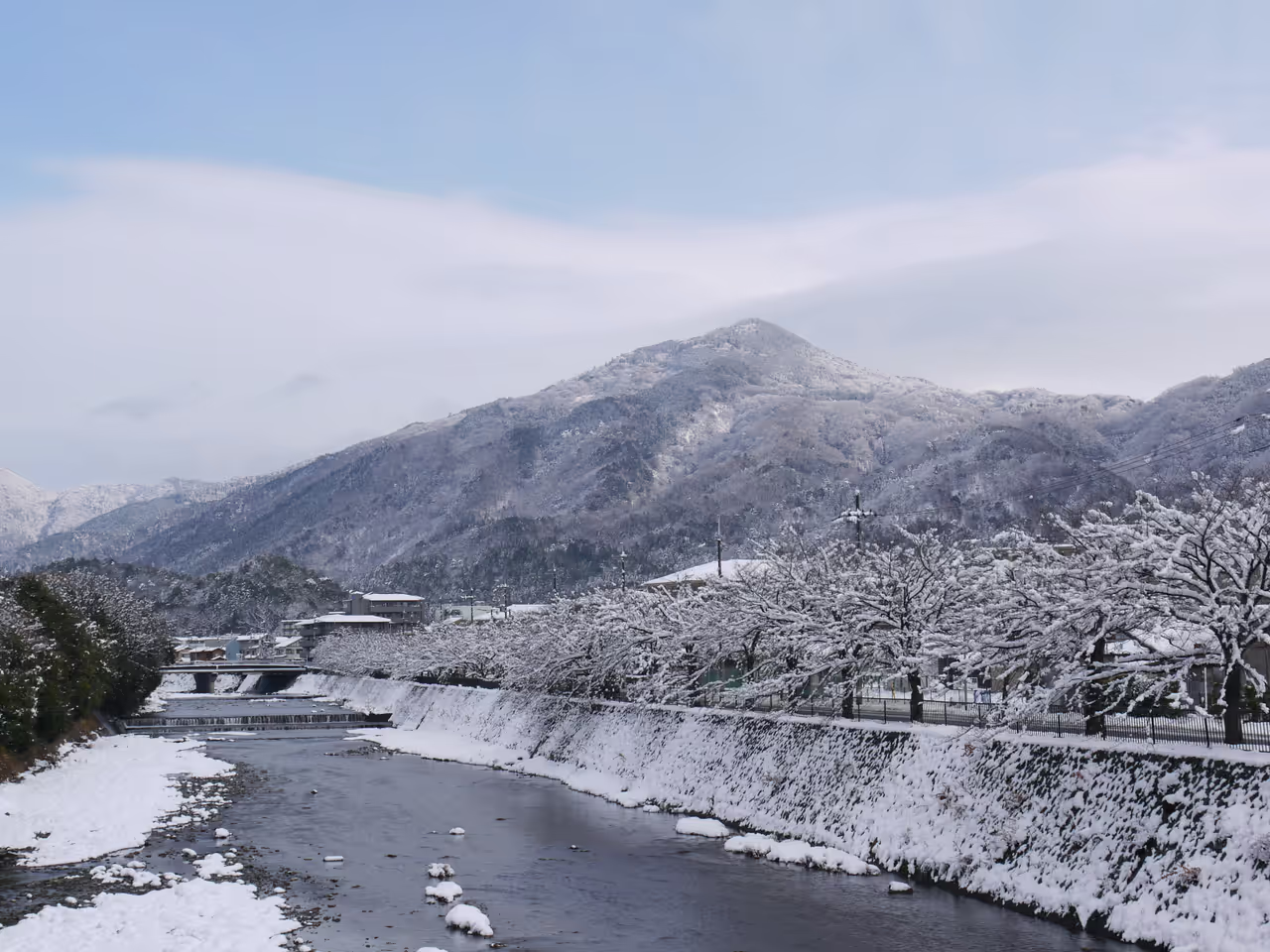
Winter
Winter brings a sharp, piercing cold, but it drastically reduces the tourist crowds, returning a profound sense of peace and...
Top Attractions in Kyoto
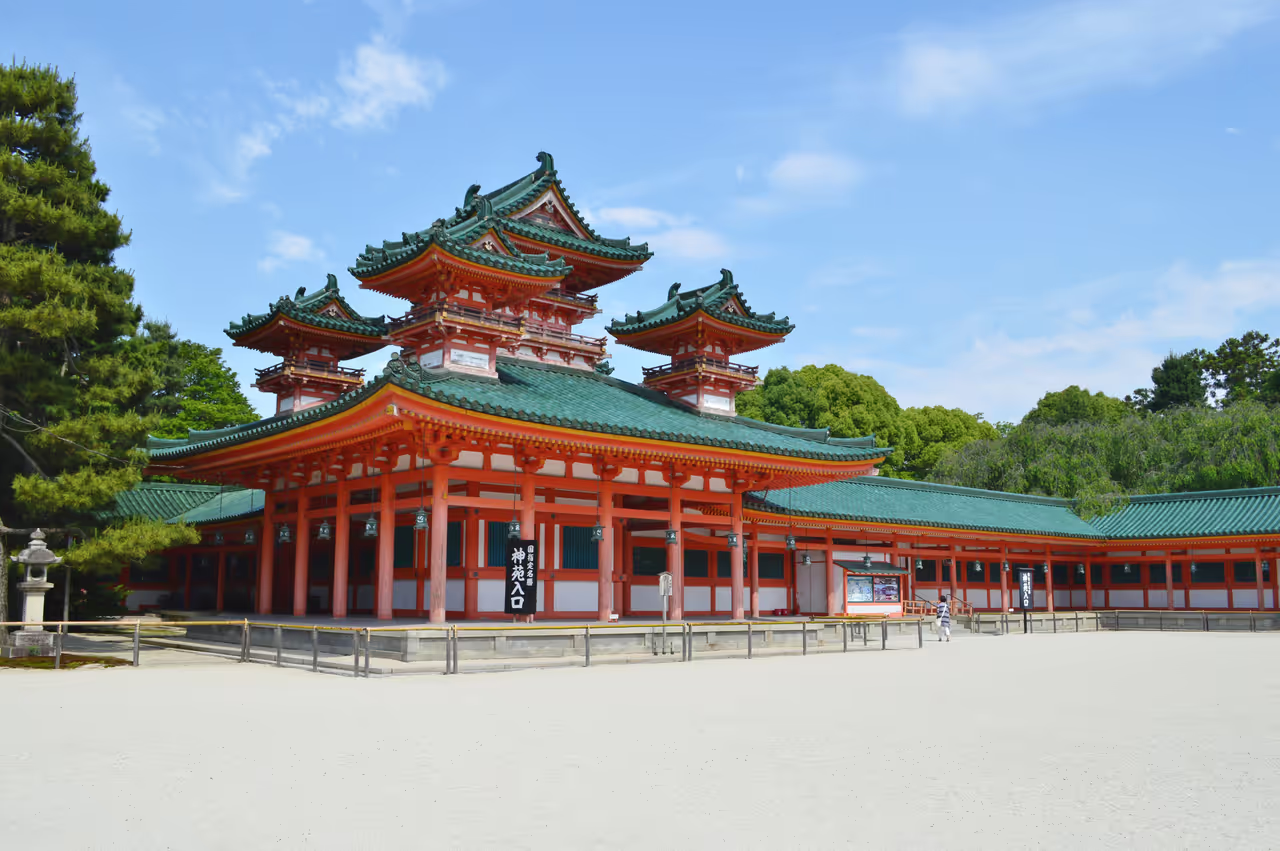
Heian Shrine
Heian Shrine stands as a vibrant testament to the imperial heritage of Kyoto, offering a colourful escape from the modern city...
view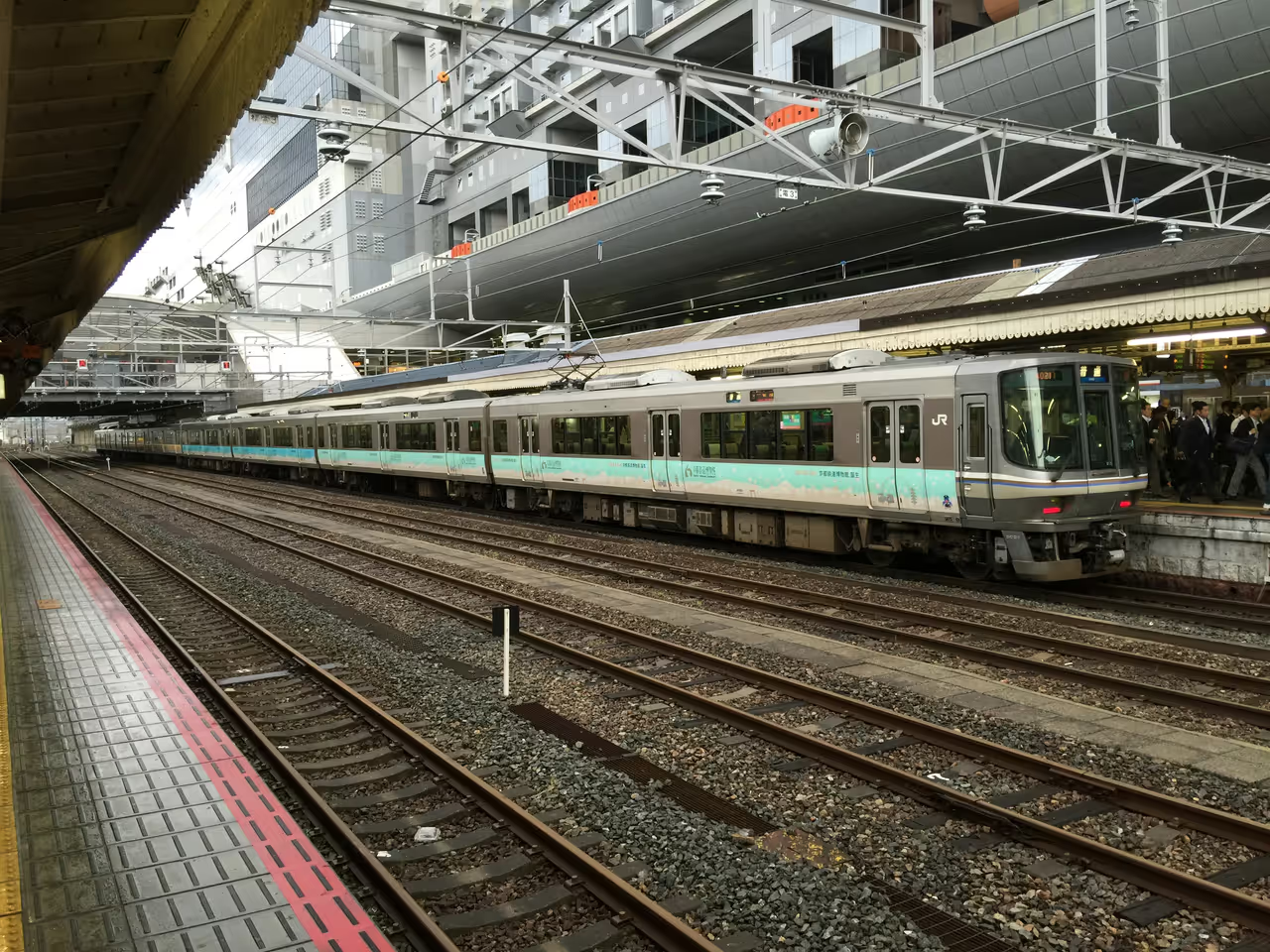
Kyoto Railway Museum
Step into a world where steel and steam defined the modern era at one of Japan's most impressive transport collections. The...
view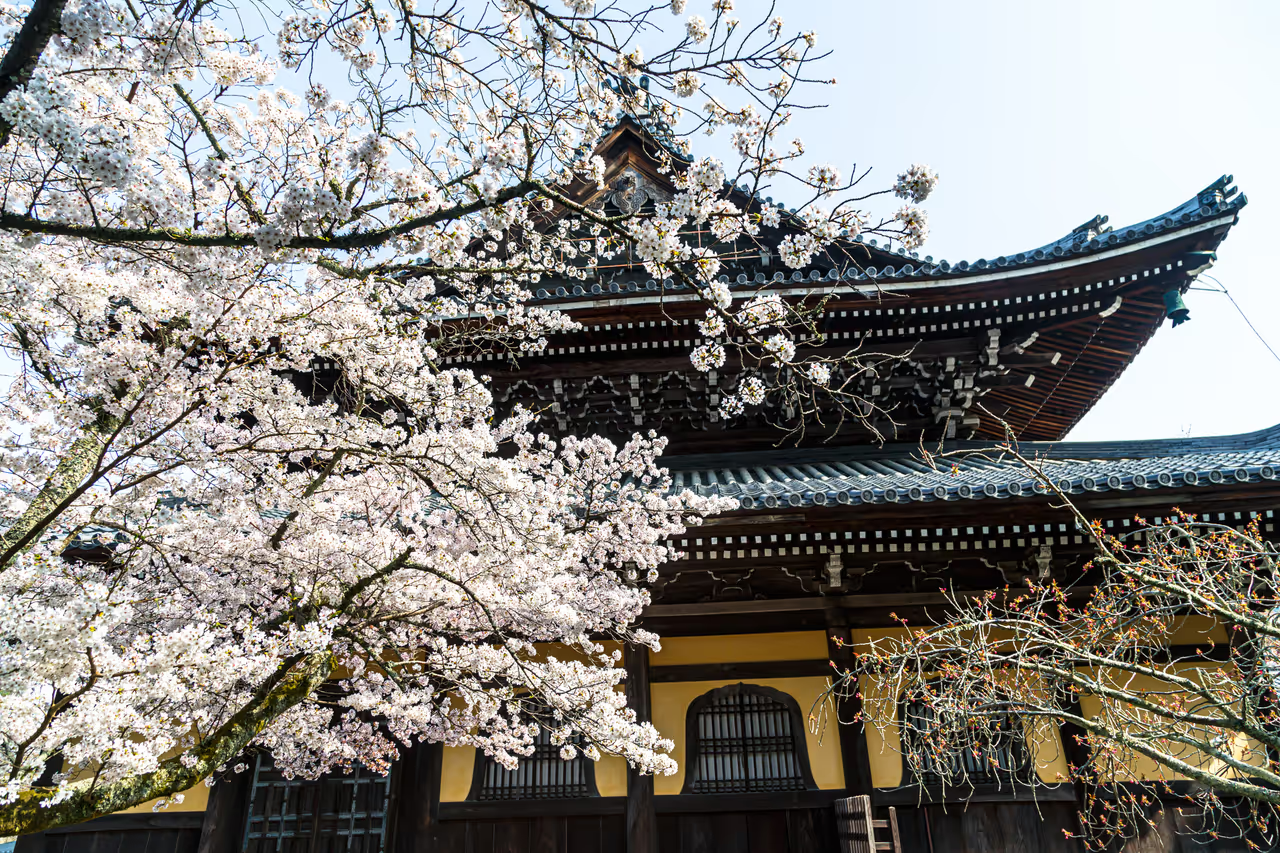
Nanzen-ji Temple
Step into a world where centuries of history blend seamlessly with the quietude of Zen tradition at Nanzen-ji. This sprawling...
view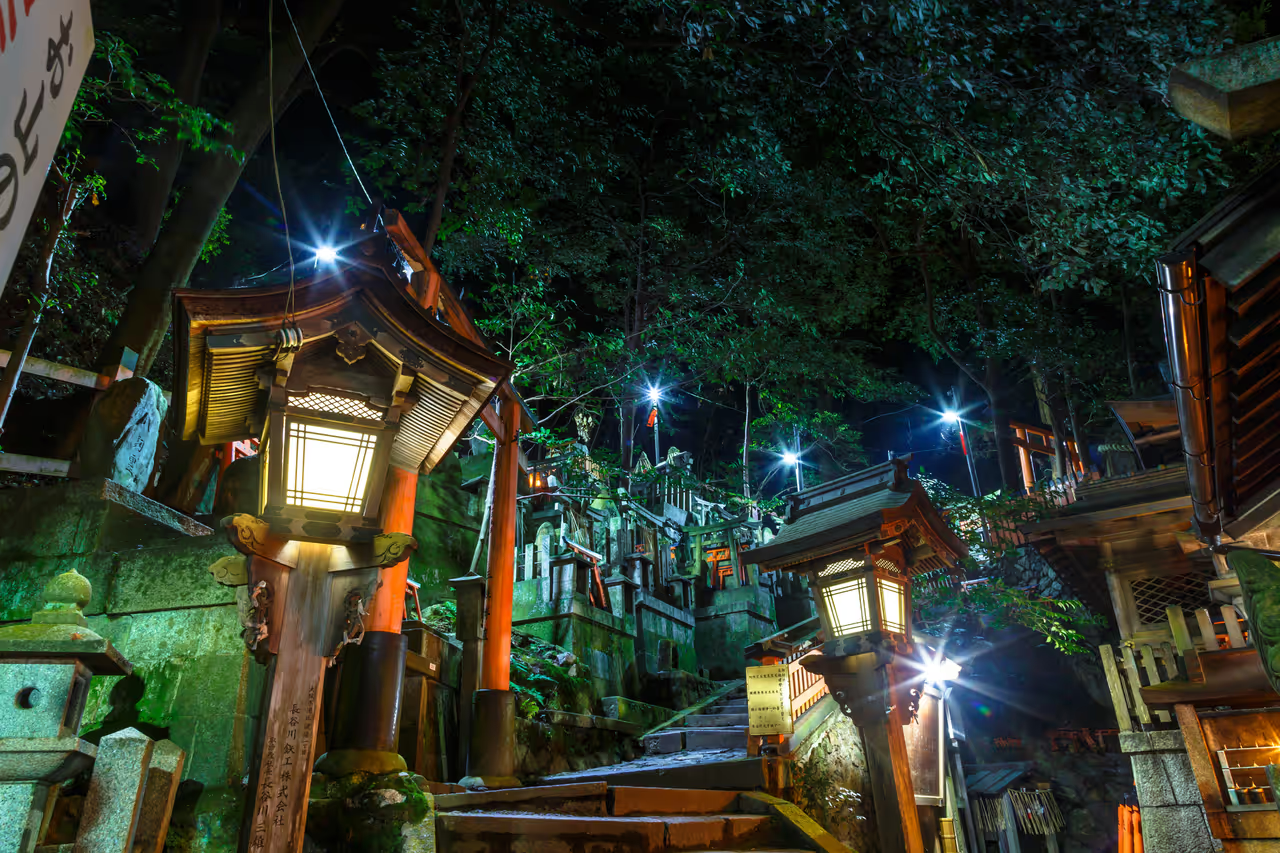
Thousand Torii Gates at Fushimi Inari-taisha
Fushimi Inari-taisha offers a breathtaking experience where thousands of vermilion torii gates create a tunnel of colour up the...
view
Best Views
Kyoto Itineraries
TRIP PLANNER
4 Days Recommended
Four days provides a comfortable balance, allowing enough time to explore the major districts like Arashiyama in the west and Higashiyama in the east without suffering from temple fatigue. It gives you the flexibility to mix early morning shrine visits with relaxed afternoon strolls and dedicated time for authentic culinary experiences. This timeframe ensures you capture the quintessential highlights while still having moments to wander off the beaten path.
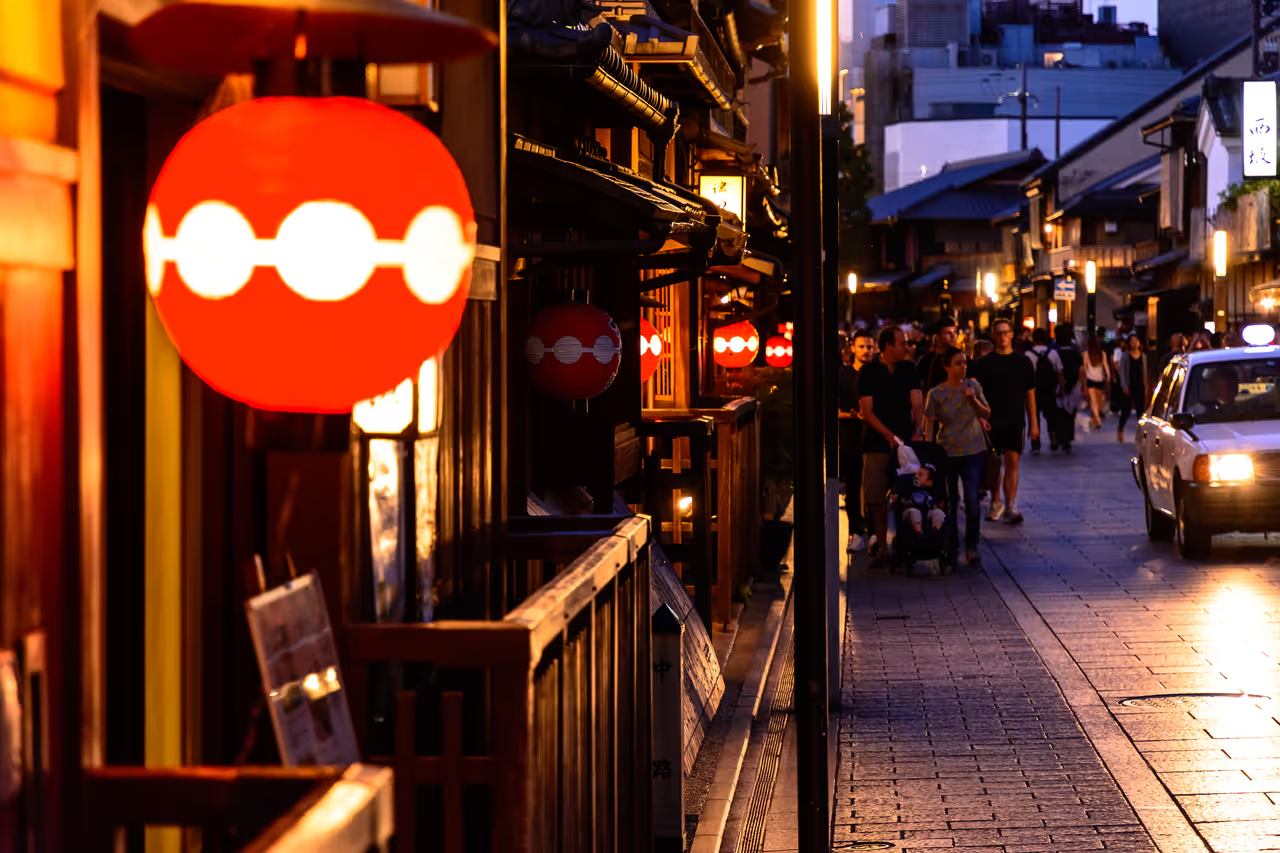
1 Day in Kyoto: The Essentials Itinerary
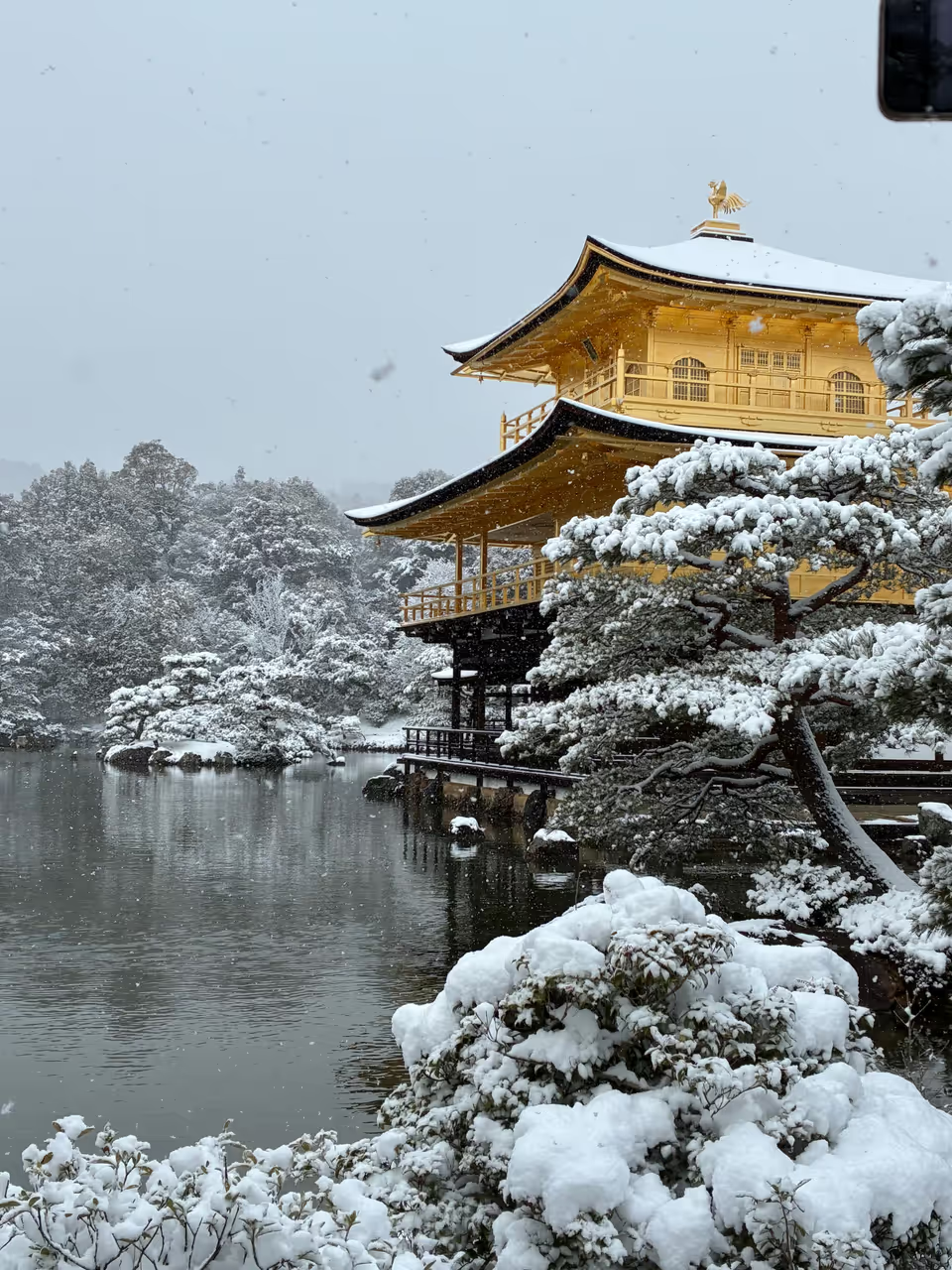
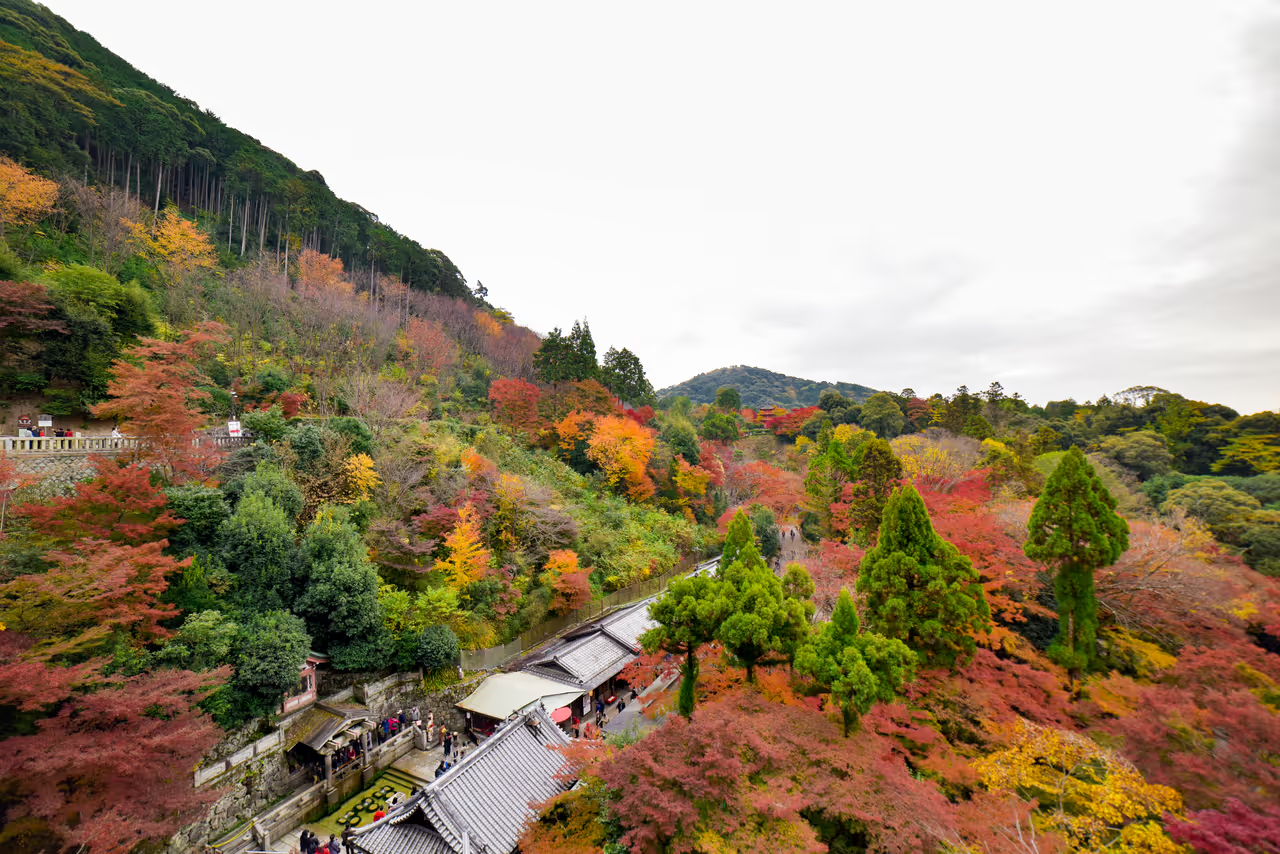
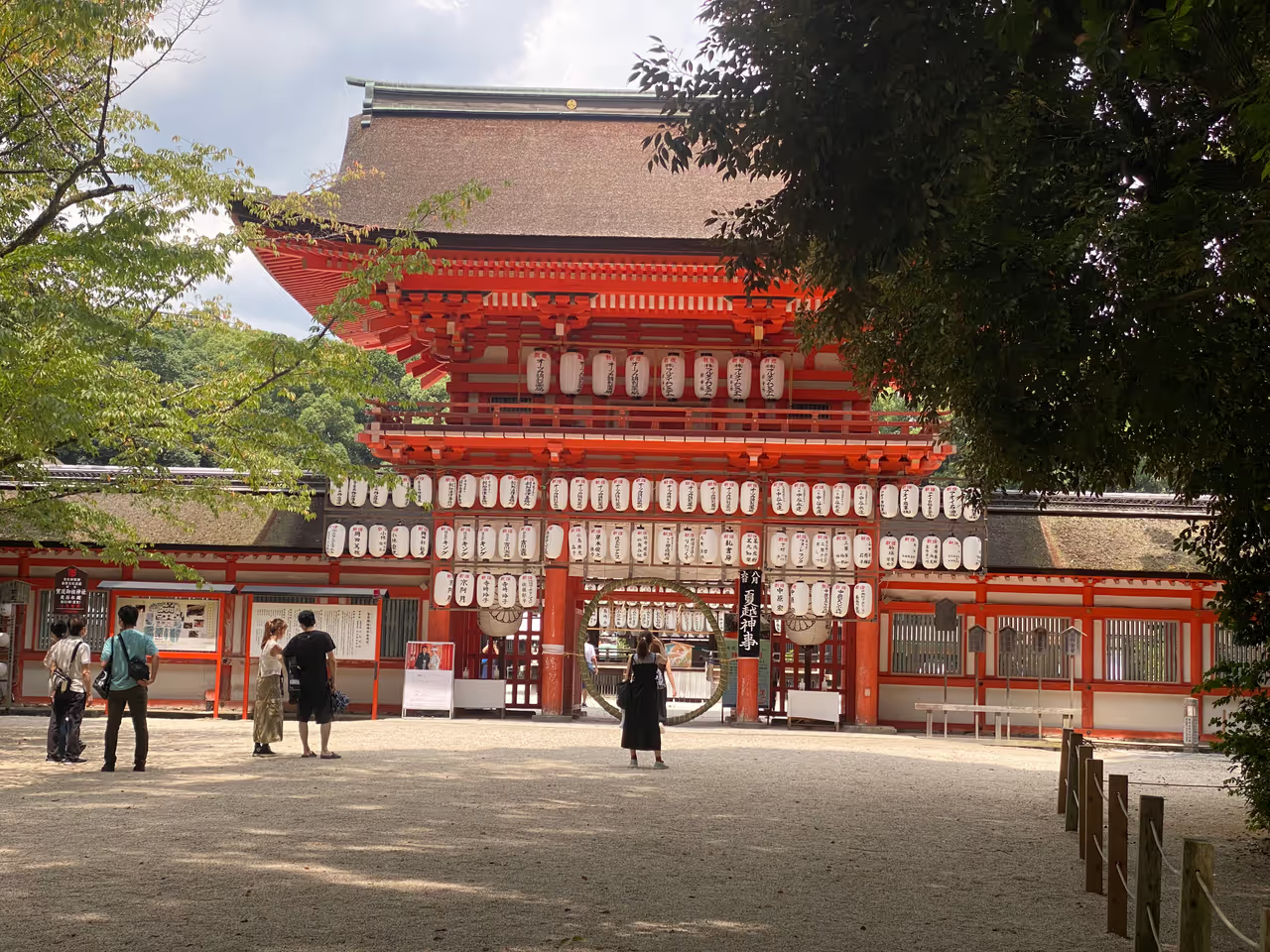
If you only have a single day, this highly efficient route ensures you experience the absolute defining landmarks that have made the city globally famous. You will traverse from the glowing golden pavilion in the north to the sprawling wooden stage overlooking the eastern hills, finishing amidst the traditional geisha districts. This is an incredibly fast-paced, high-impact itinerary designed to maximise your visual and cultural intake. Be prepared for substantial walking and utilise taxis or rapid trains between the major geographical jumps to save precious time.
view itinerary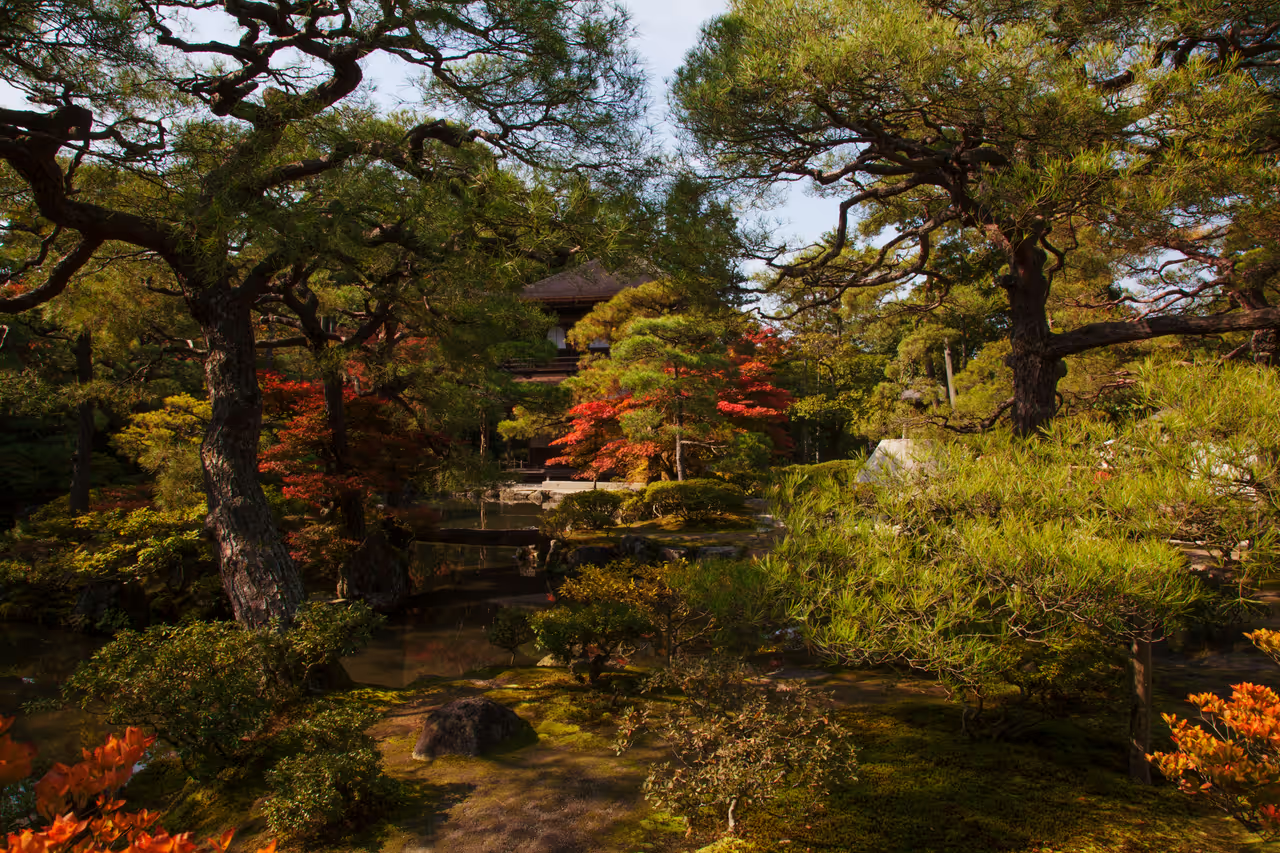
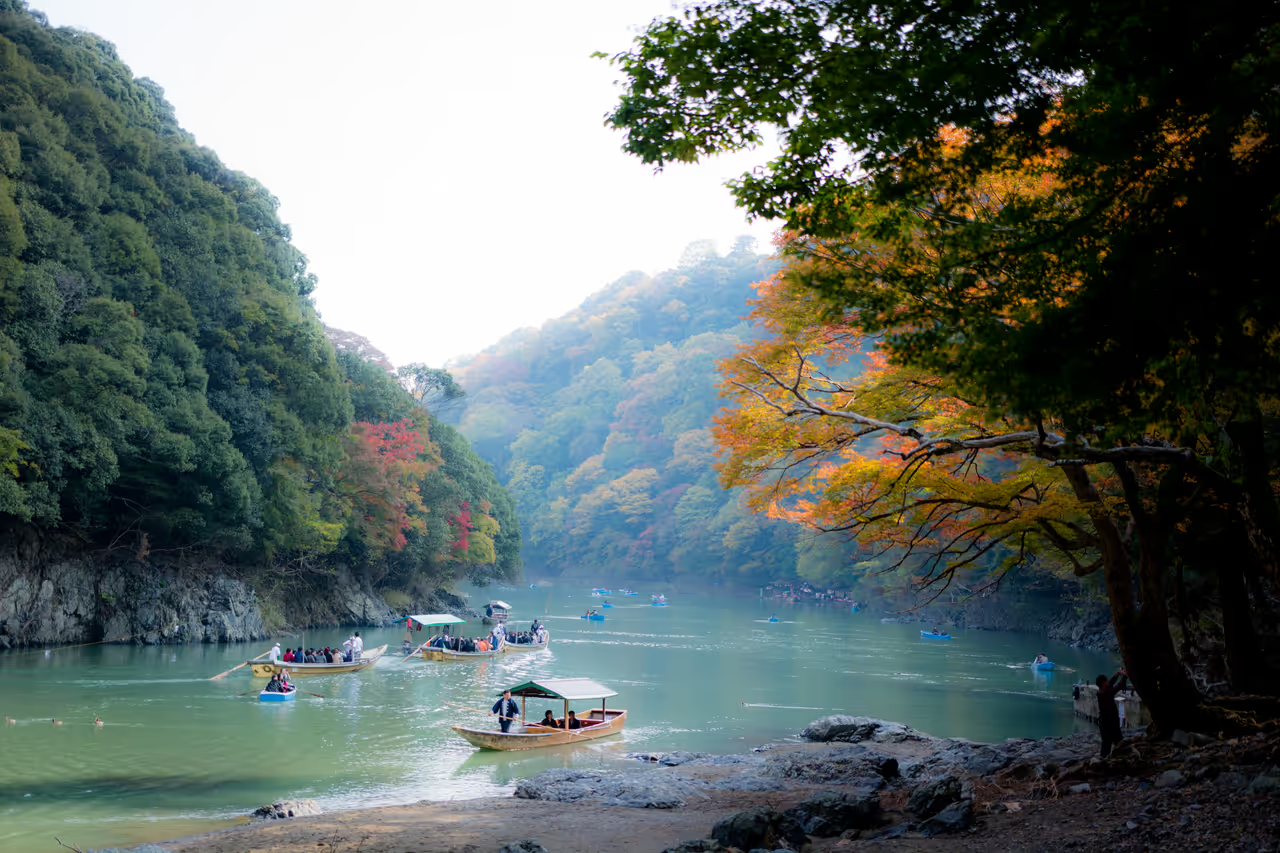
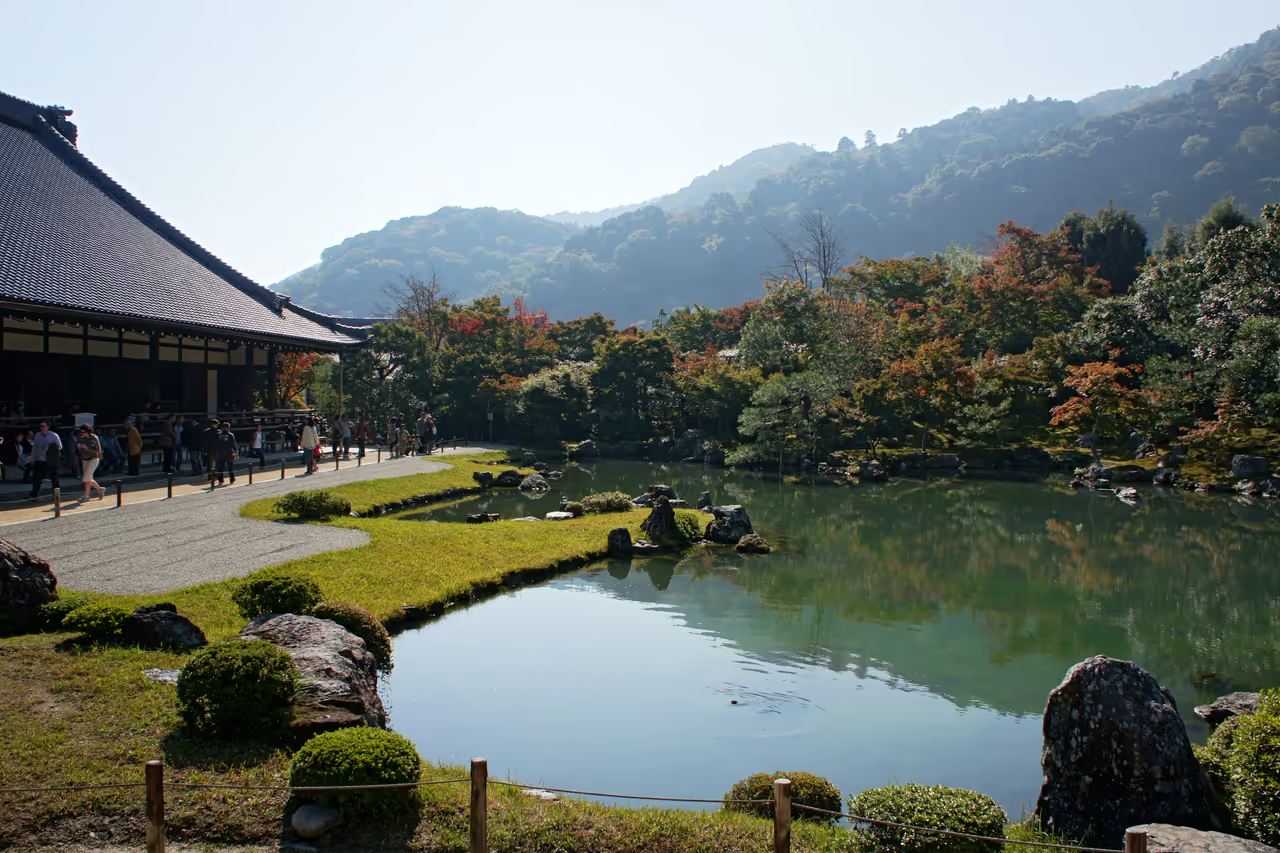
3 Days in Kyoto: Culture and Nature Itinerary
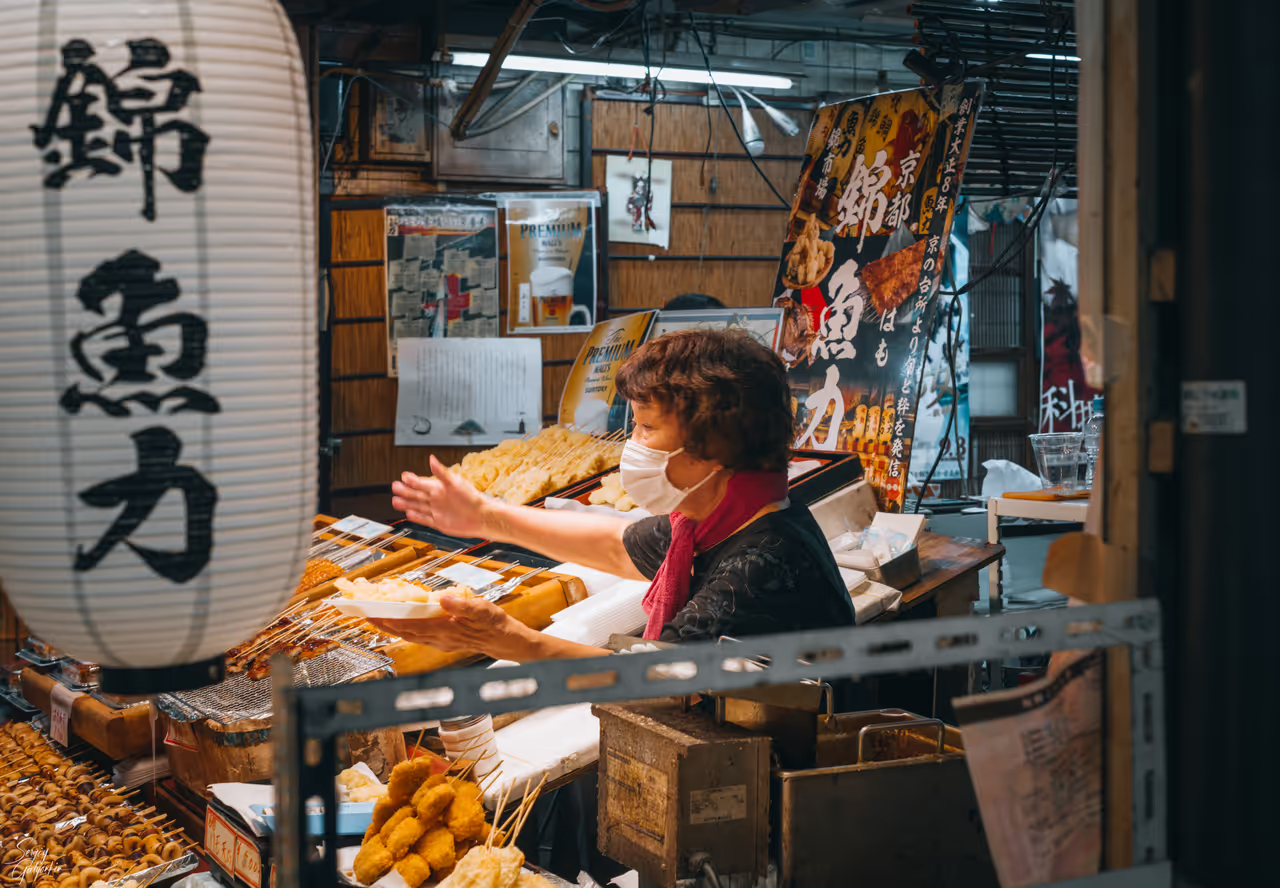
Three days allows you to significantly expand your exploration beyond the immediate city centre, dedicating specific days to distinct geographical and cultural zones. You will uncover the majestic bamboo forests in the west, hike the infinite red gates in the south, and still have time to dive deep into the central culinary markets. This pacing provides enough time to enjoy lengthy, scenic walks and sit for proper, traditional meals without feeling constantly rushed. It strikes the perfect balance between hitting the major sights and absorbing the local atmosphere.
view itinerary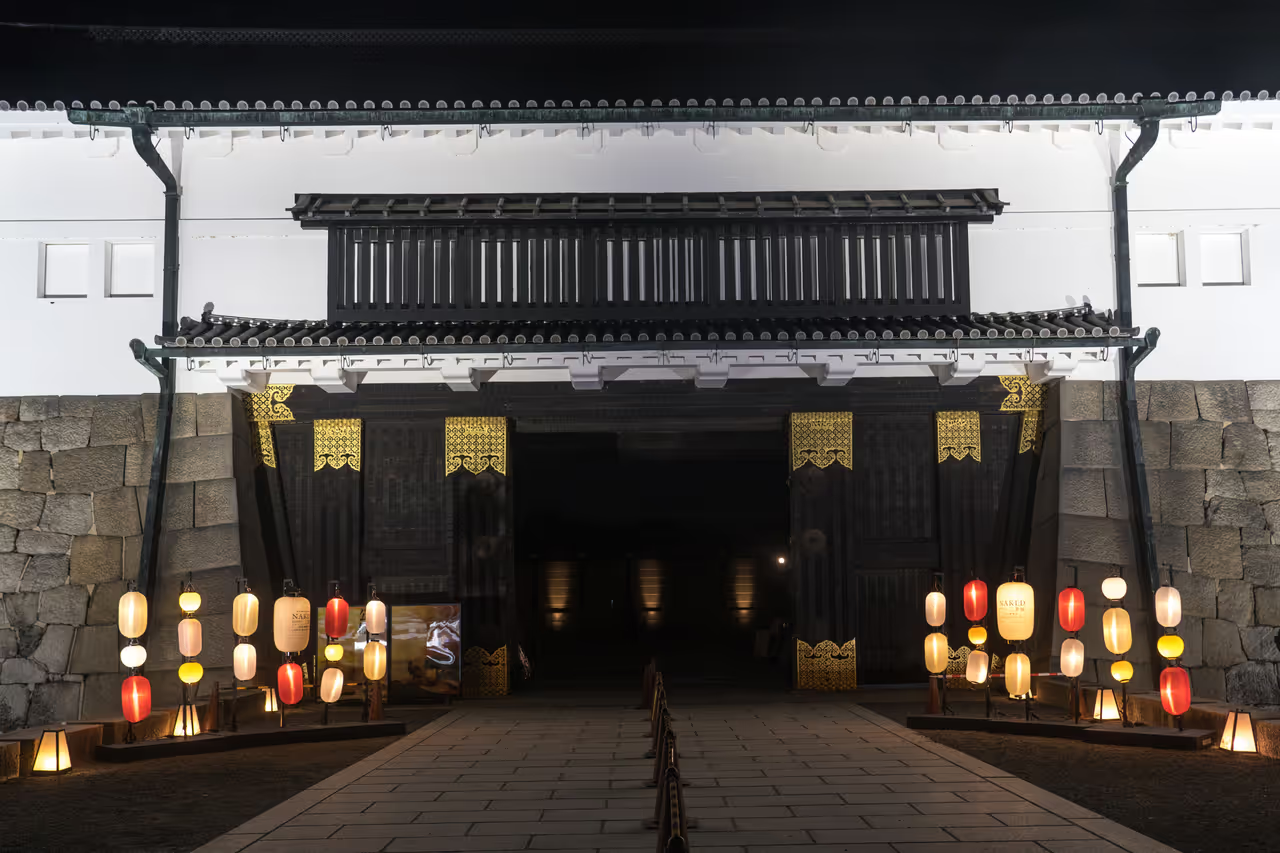
5 Days in Kyoto: The Deep Immersion Itinerary
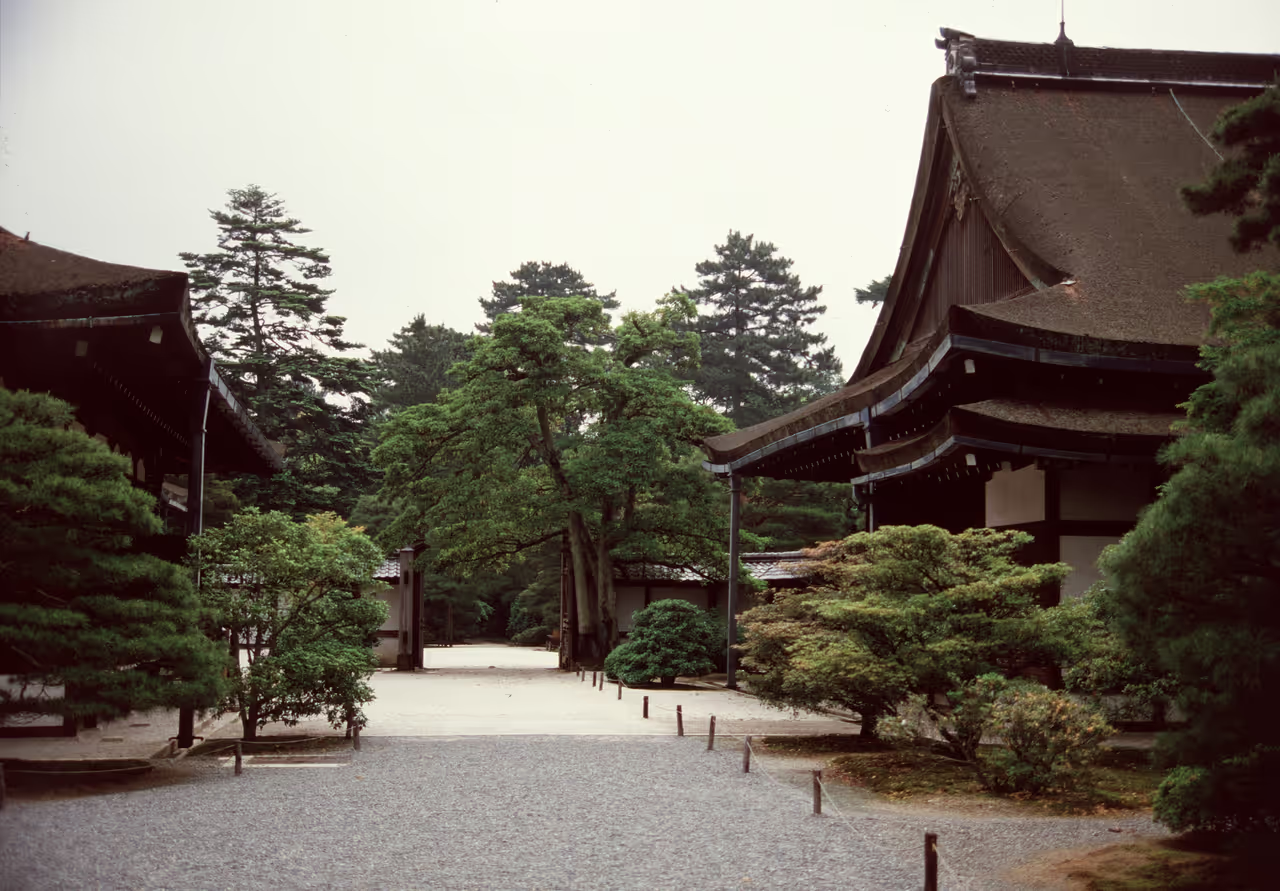
A generous five-day stay grants you the absolute luxury of slowing down and exploring the quiet, hidden corners that most travellers never see. Beyond the iconic temples, you will have time to discover secluded mountain shrines, delve into the imperial history of the grand palaces, and enjoy restorative public bathing. This extended itinerary allows you to dedicate entire afternoons to aimless, scenic strolls and highly authentic culinary experiences. It is the ultimate way to truly connect with the profound spiritual and historical rhythm of the ancient capital.
view itinerary
Food in Kyoto
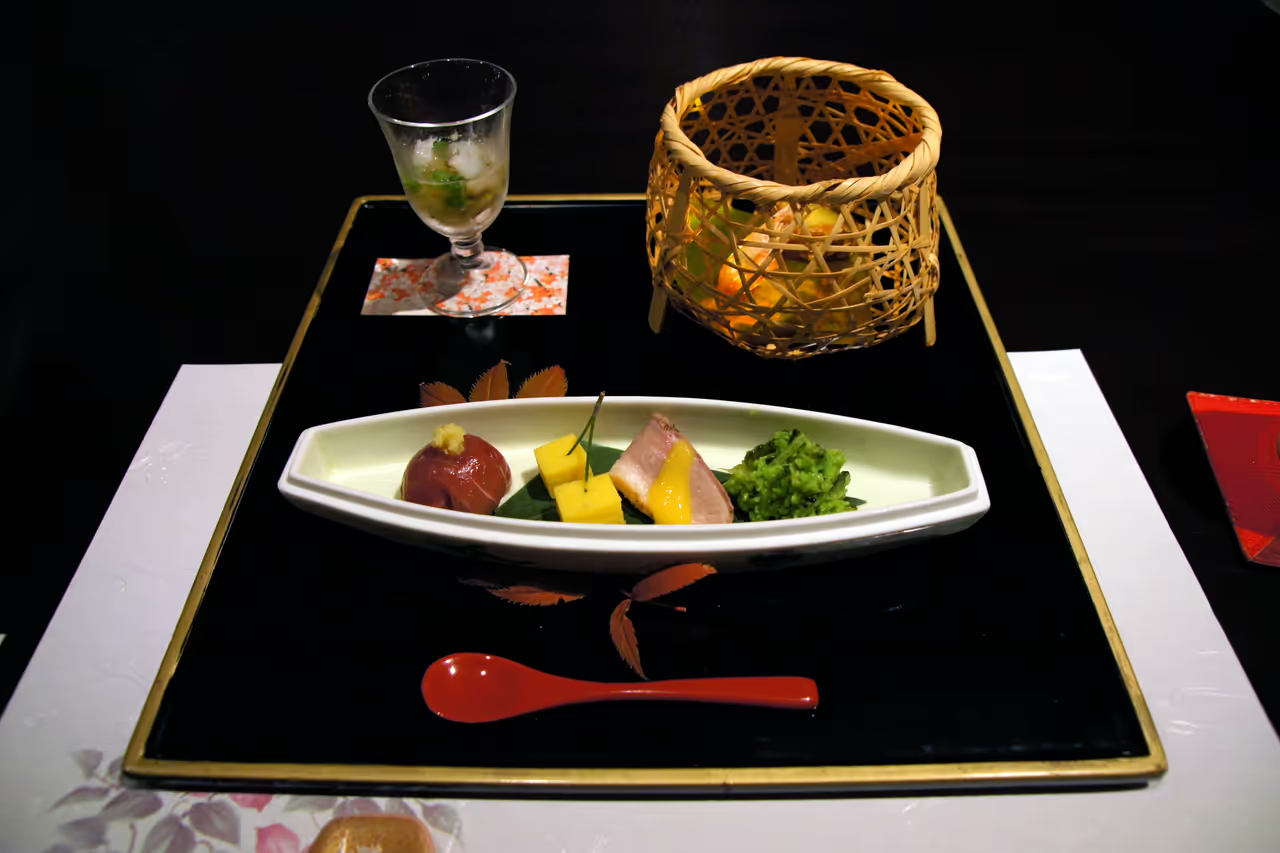

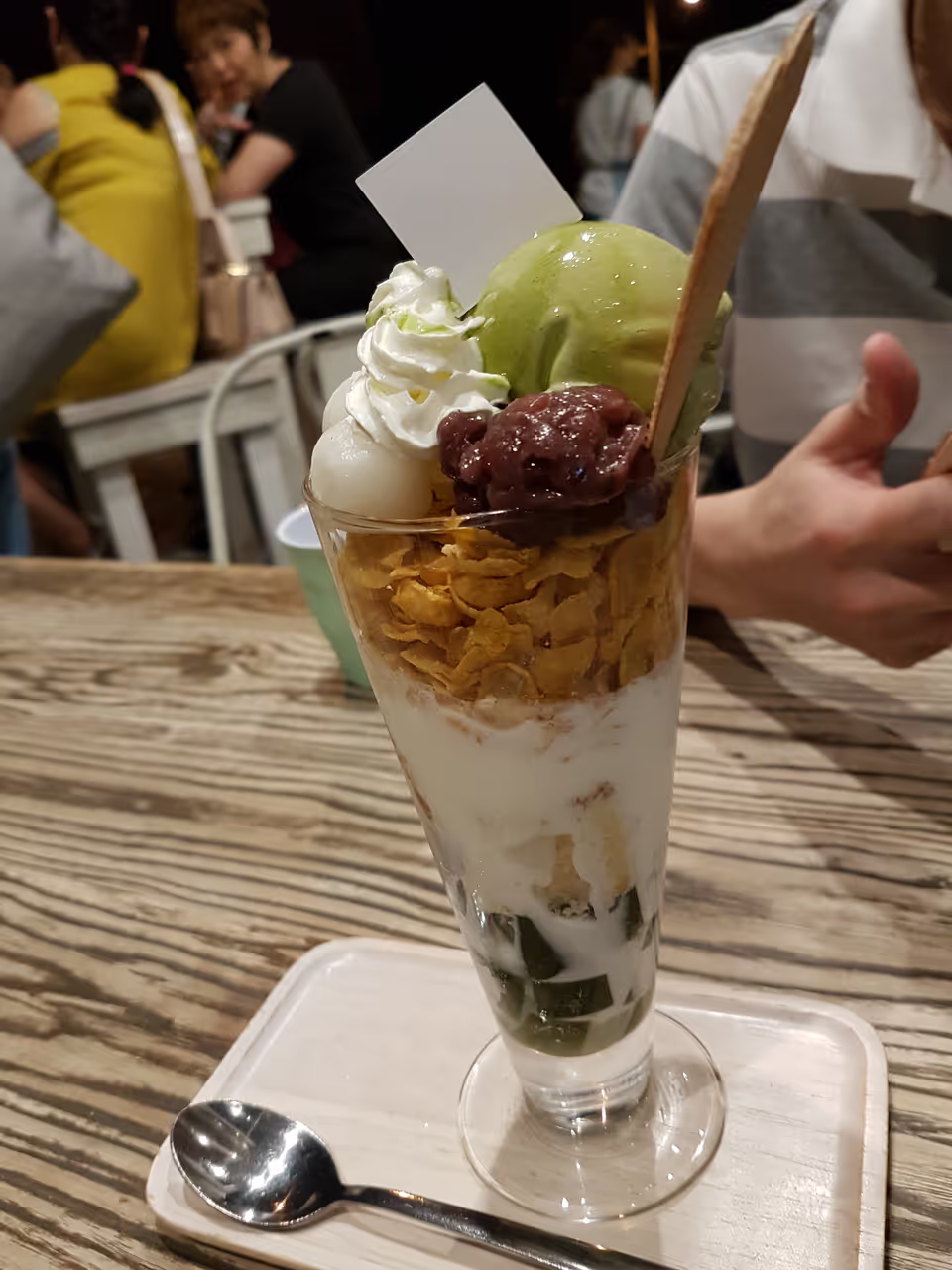
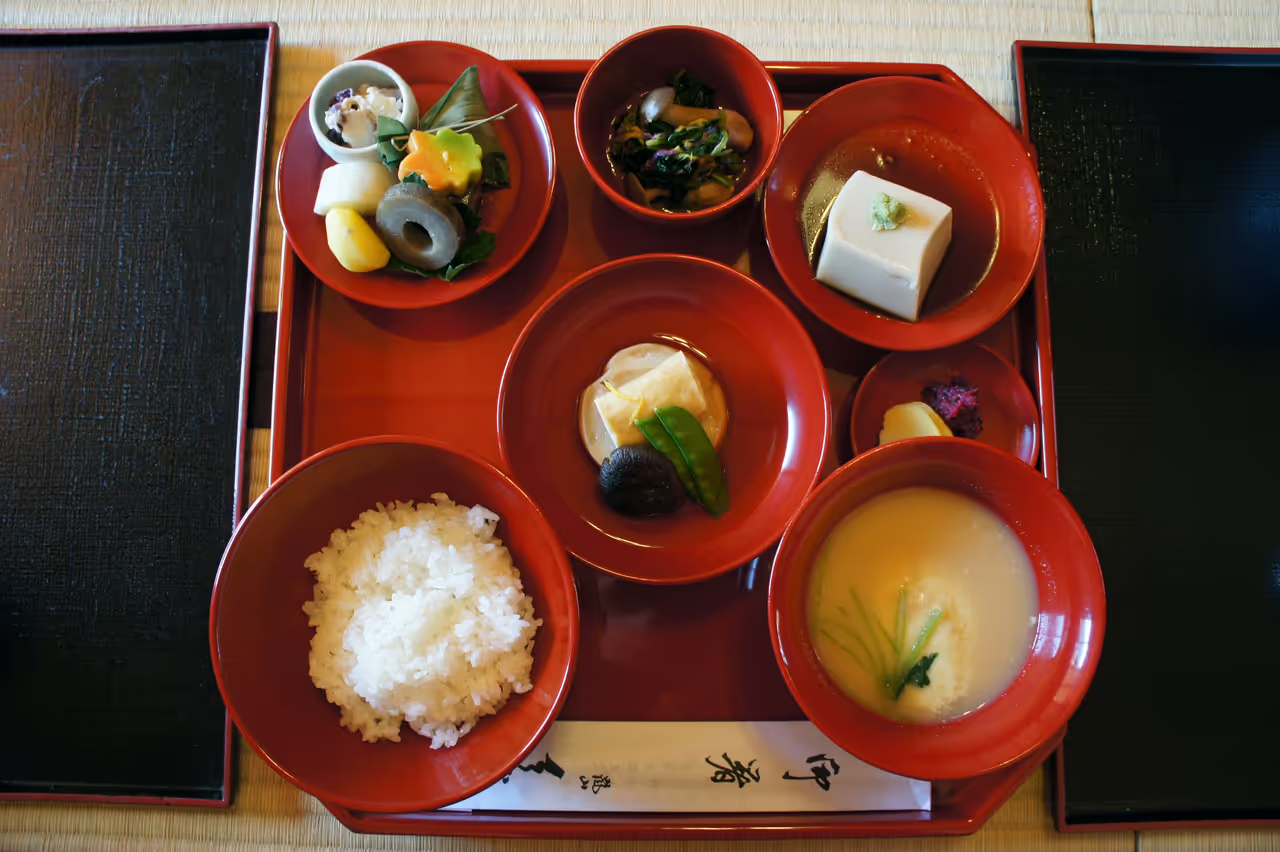
UNESCO World Heritage Sites
Kinkaku ji (The Golden Pavilion)
The sight of Kinkaku ji shimmering across the surface of the Mirror Pond is one of the most iconic images of Japan for a reason...
viewKiyomizu-dera
Kiyomizu-dera is one of Kyoto's most celebrated temples, perched on the slopes of Mount Otowa with a massive wooden veranda that...
viewNijō Castle
Standing as a stunning testament to the power of the Tokugawa shogunate, Nijō Castle offers a glimpse into a time when samurai...
viewRyōanji Temple
Step into a world of profound stillness at Ryōanji, home to Japan's most celebrated dry landscape garden. This UNESCO World...
view
Free Things to do in Kyoto
Parks & Nature
Arashiyama
Nestled on the western outskirts of Kyoto, Arashiyama feels like stepping into a traditional Japanese painting, complete with...
view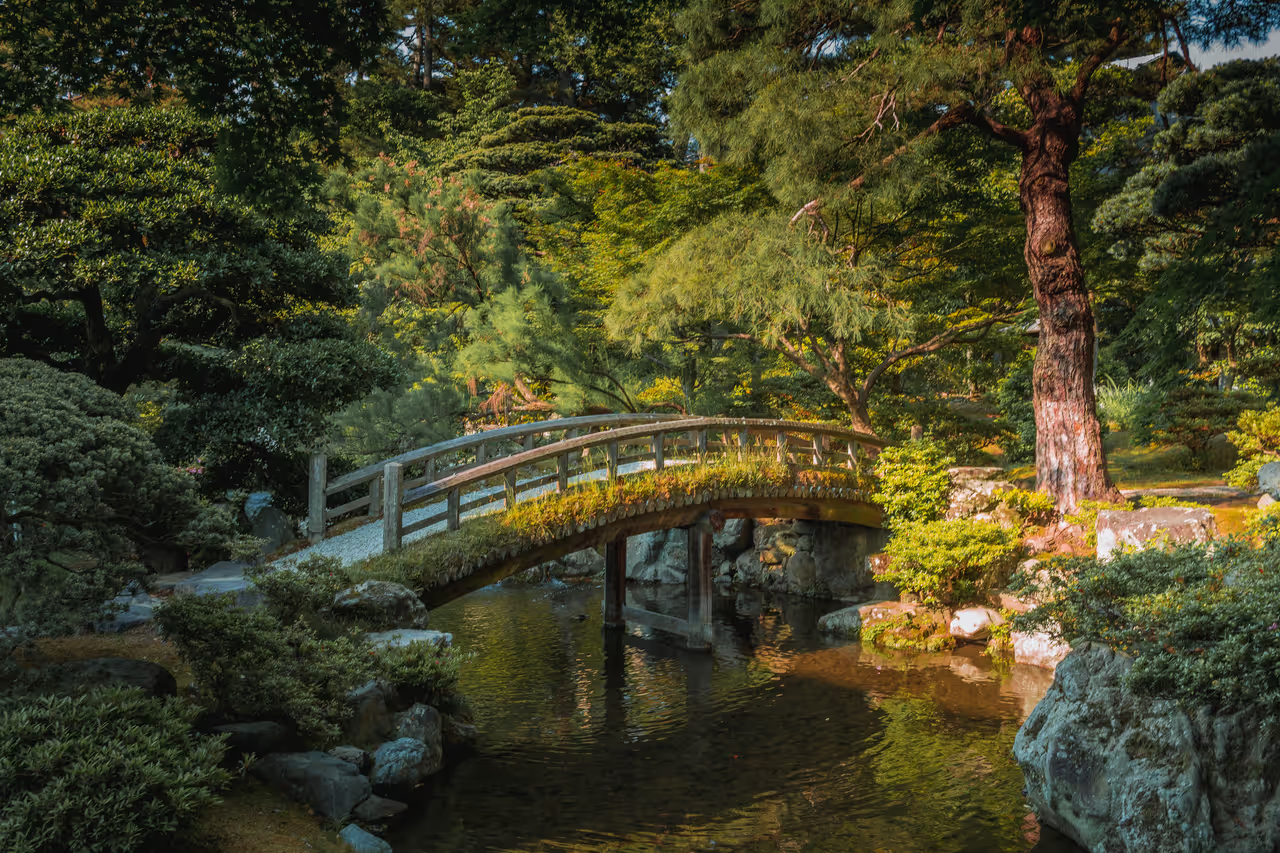
Kyoto Gyoen National Garden
Kyoto Gyoen National Garden serves as the magnificent green heart of Kyoto, offering a sprawling urban oasis that seamlessly...
view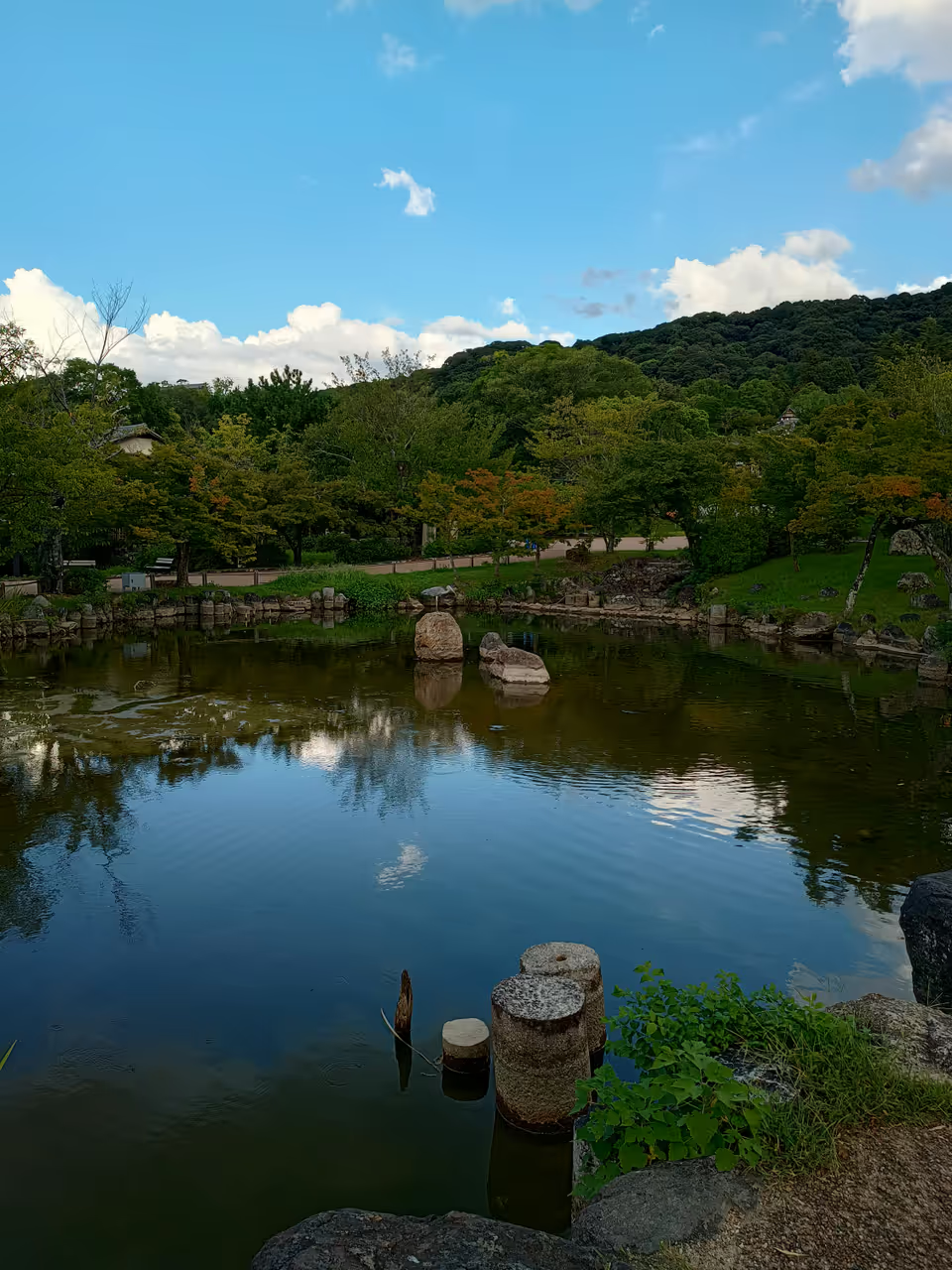
Maruyama Park
Maruyama Park serves as the beating heart of outdoor life in Kyoto, especially during the ephemeral splendour of spring. As the...
view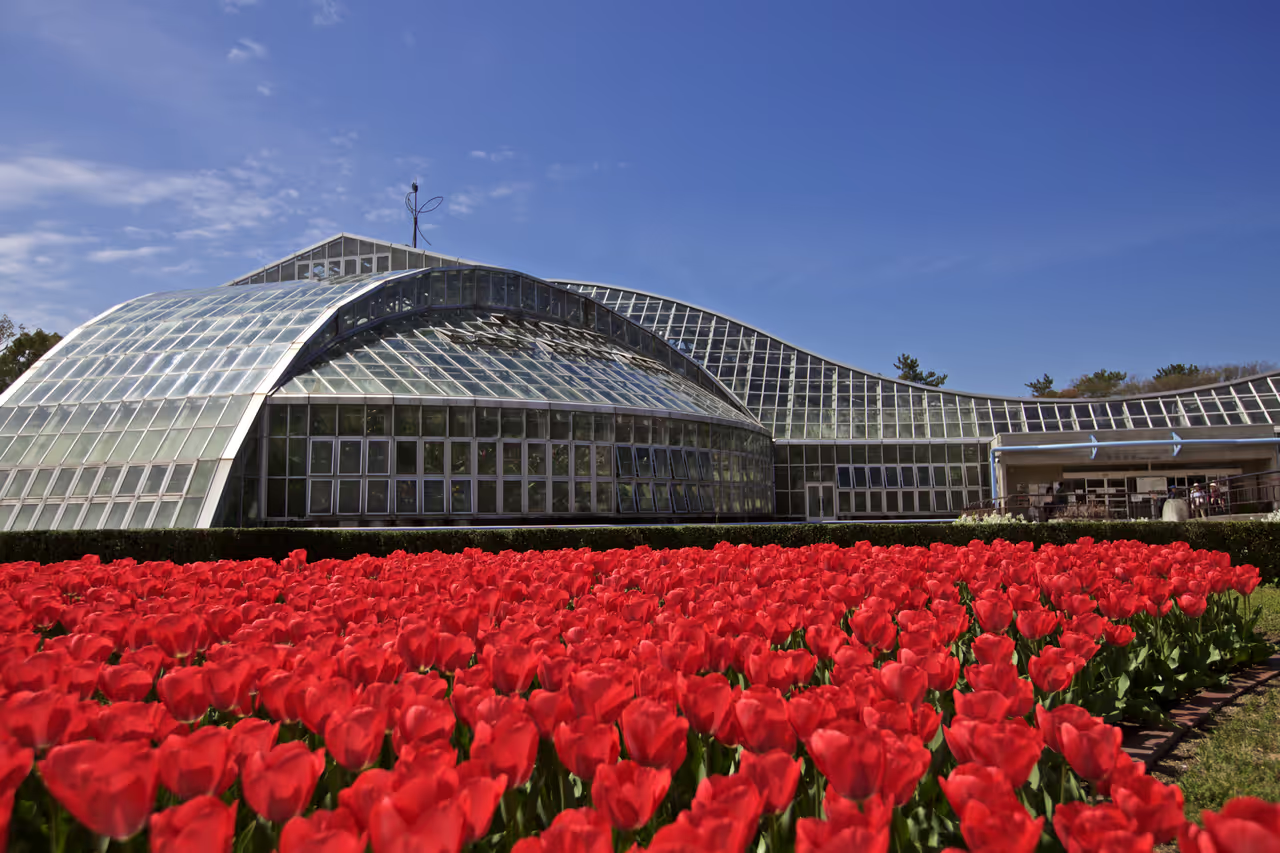
Kyoto Botanical Gardens
Stretching gracefully alongside the scenic Kamo River, the Kyoto Botanical Gardens offer a serene escape from the city’s...
view
Highlights & Must-Sees
Gion Geisha District
Gion is the city's most famous entertainment district and the epicentre of traditional geiko and maiko culture. Walking through...
view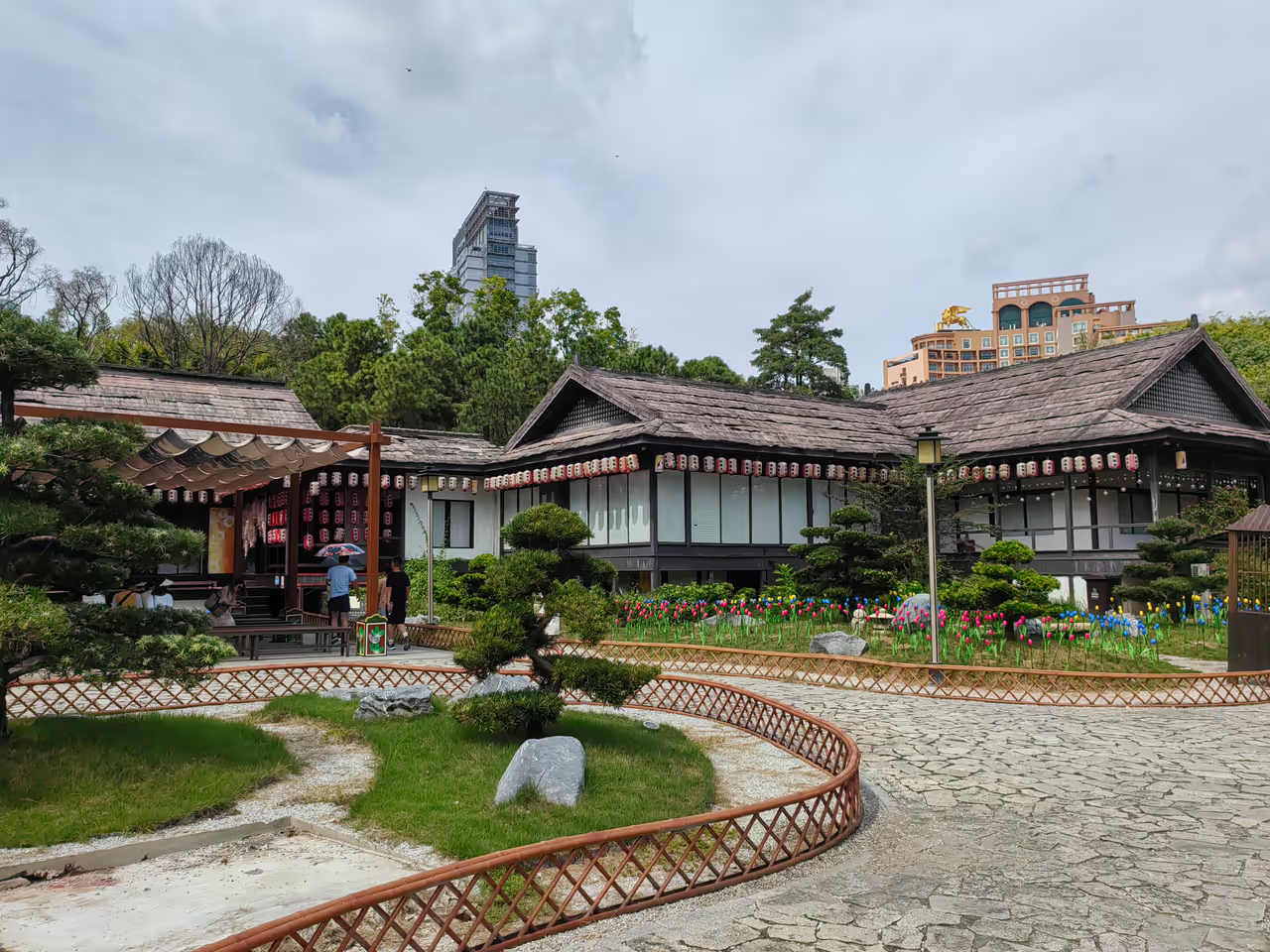
Katsura Imperial Villa
Regarded as one of the finest examples of Japanese architecture and garden design, this 17th-century villa is a masterpiece of...
viewKyoto Imperial Palace
Serving as the residence of the Imperial Family until the capital was moved to Tokyo in 1868, this grand complex showcases the...
view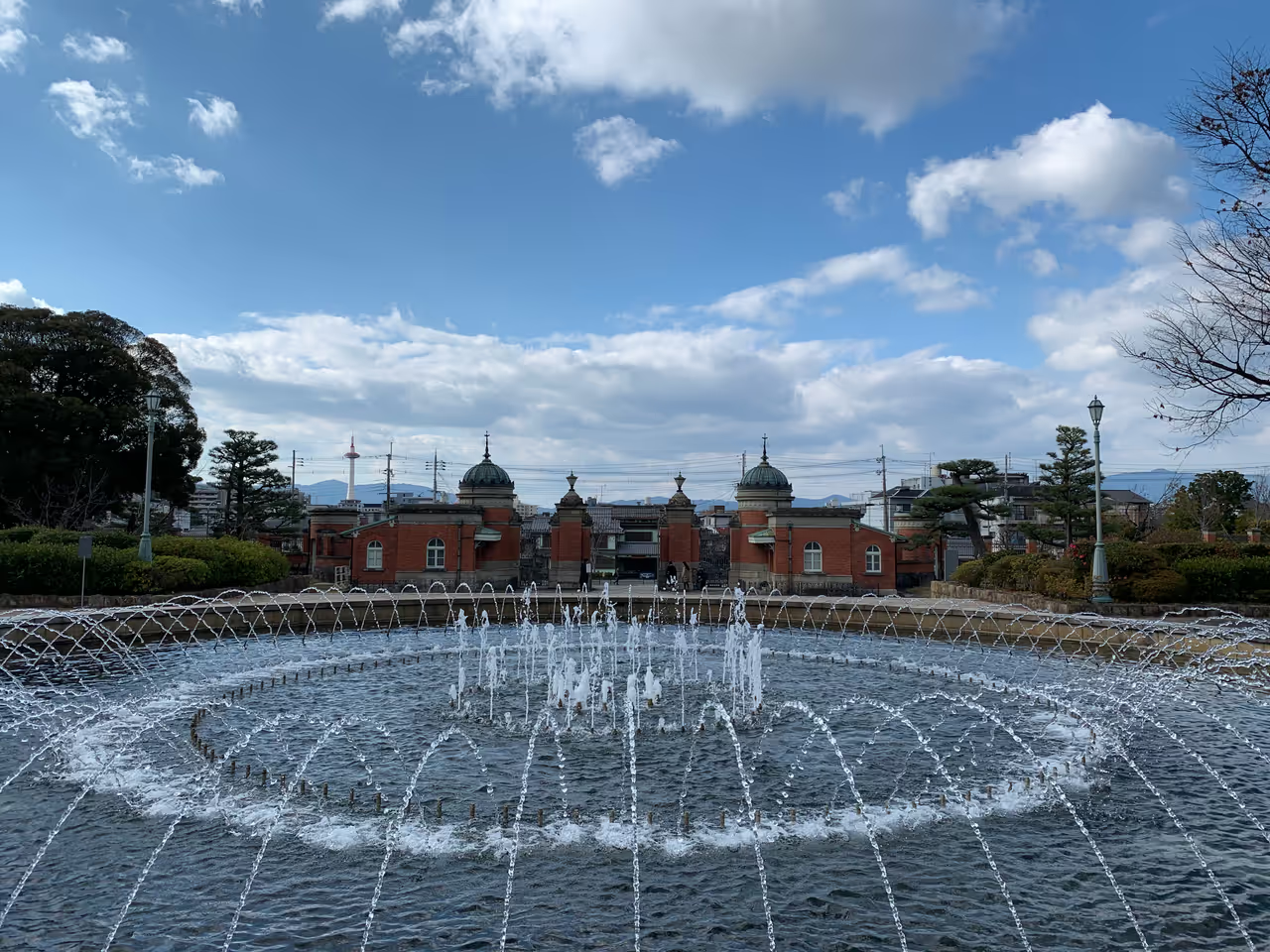
Kyoto National Museum
Established in 1897, this is one of the most distinguished art museums in Japan, safeguarding a staggering collection of...
view
Best Walks in Kyoto
- HIGHLY RECOMMENDED
Historic Higashiyama Wander
Wandering through the preserved historic district on the eastern hills is like stepping straight into a woodblock print of old Japan. The narrow, sloping streets are lined with traditional wooden storefronts, teahouses, and artisanal pottery shops that have stood for generations. Without the intrusion of overhead power lines or modern signage, the atmosphere is intoxicatingly authentic and beautifully maintained. The walk offers sudden, sweeping views over the city rooftops and leads to some of the most iconic religious sites in the country.
- HIGHLY RECOMMENDED
Arashiyama Bamboo Serenity
This legendary walking path cuts directly through a dense, otherworldly forest of towering green bamboo stalks that sway gently in the wind. The sheer height of the bamboo creates an immersive, tunnel-like effect, filtering the sunlight into a soft, ethereal green glow. The rustling sound of the stalks knocking against one another has been officially recognised as one of the definitive soundscapes of Japan. It is a brief but profoundly atmospheric walk that feels entirely detached from the modern world.
Philosopher's Path
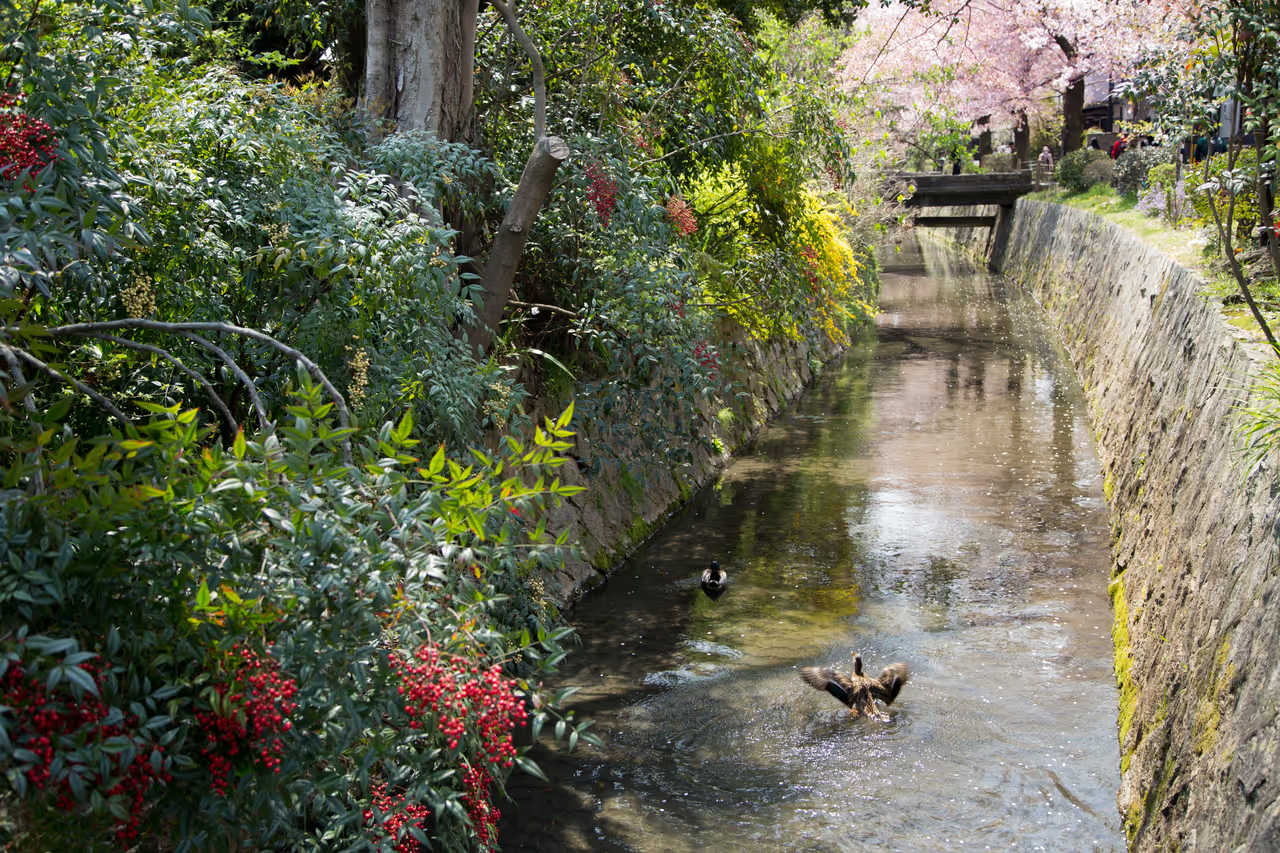
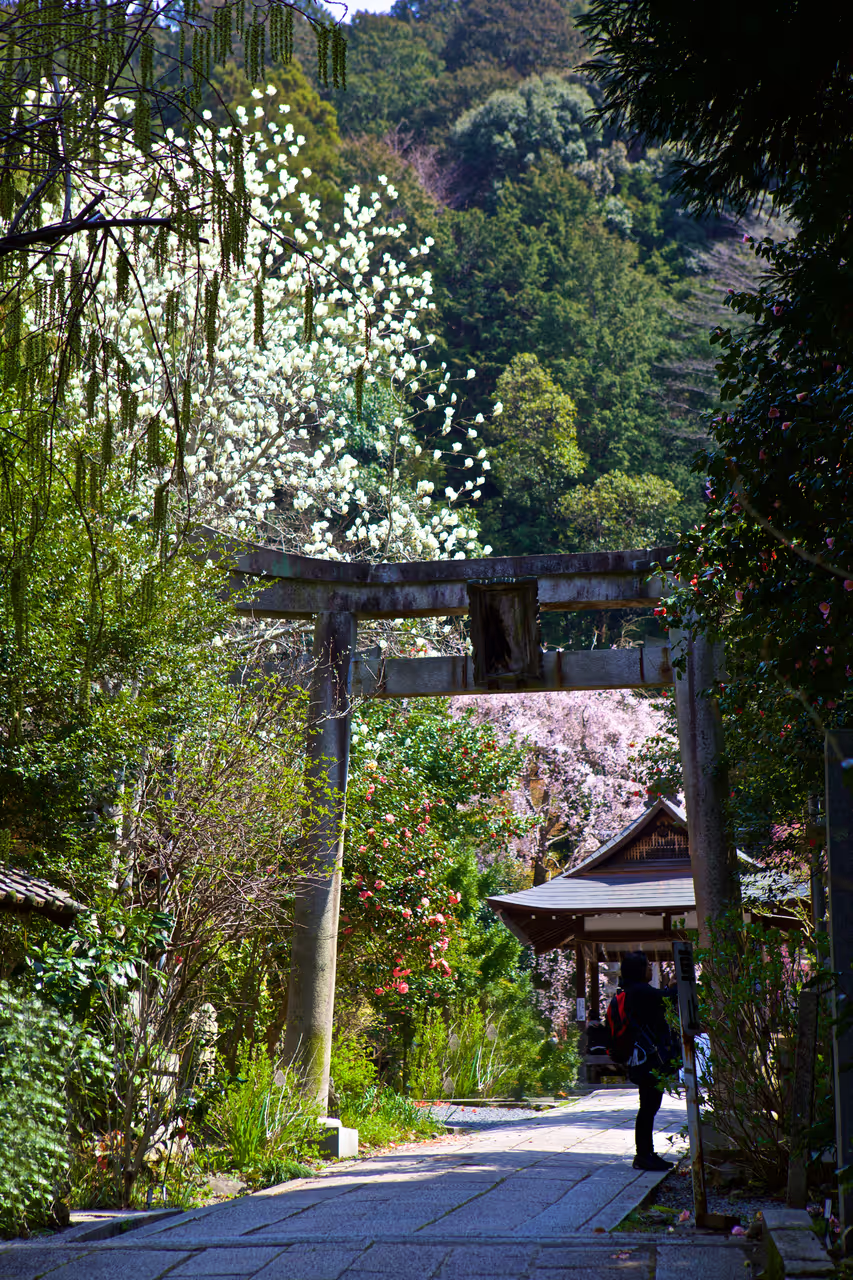
Named after an influential 20th-century philosopher who walked this route daily in meditation, this picturesque stone path runs alongside a shallow canal at the base of the mountains. It is flanked by hundreds of cherry trees, creating a spectacular floral tunnel in spring and a lush, green canopy in summer. The route is highly peaceful, completely avoiding major roadways and connecting an array of intimate temples, quaint cafes, and artisan boutiques. It invites a slow, contemplative pace that perfectly matches the spiritual nature of the surrounding area.
Architecture & Landmarks
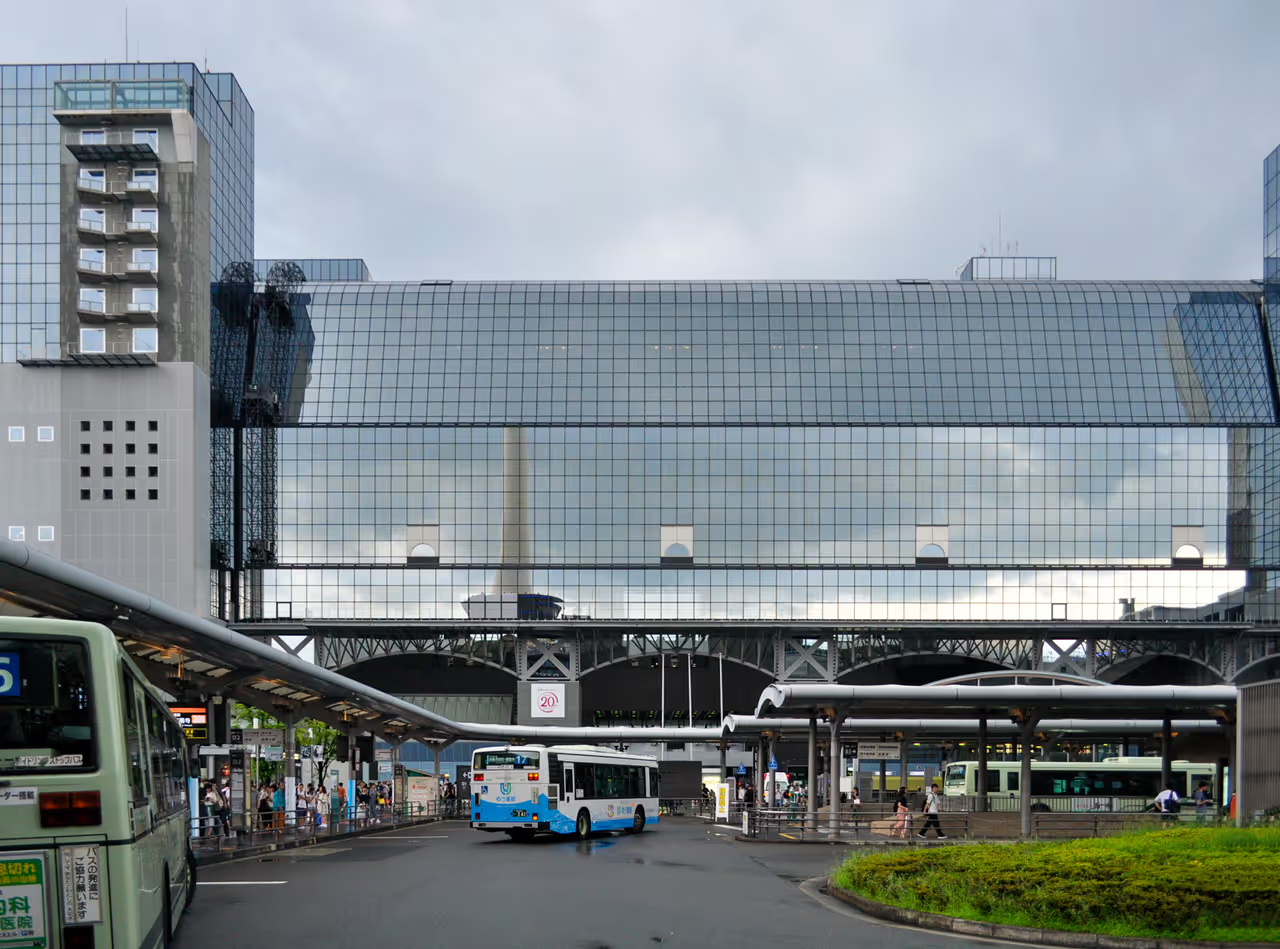
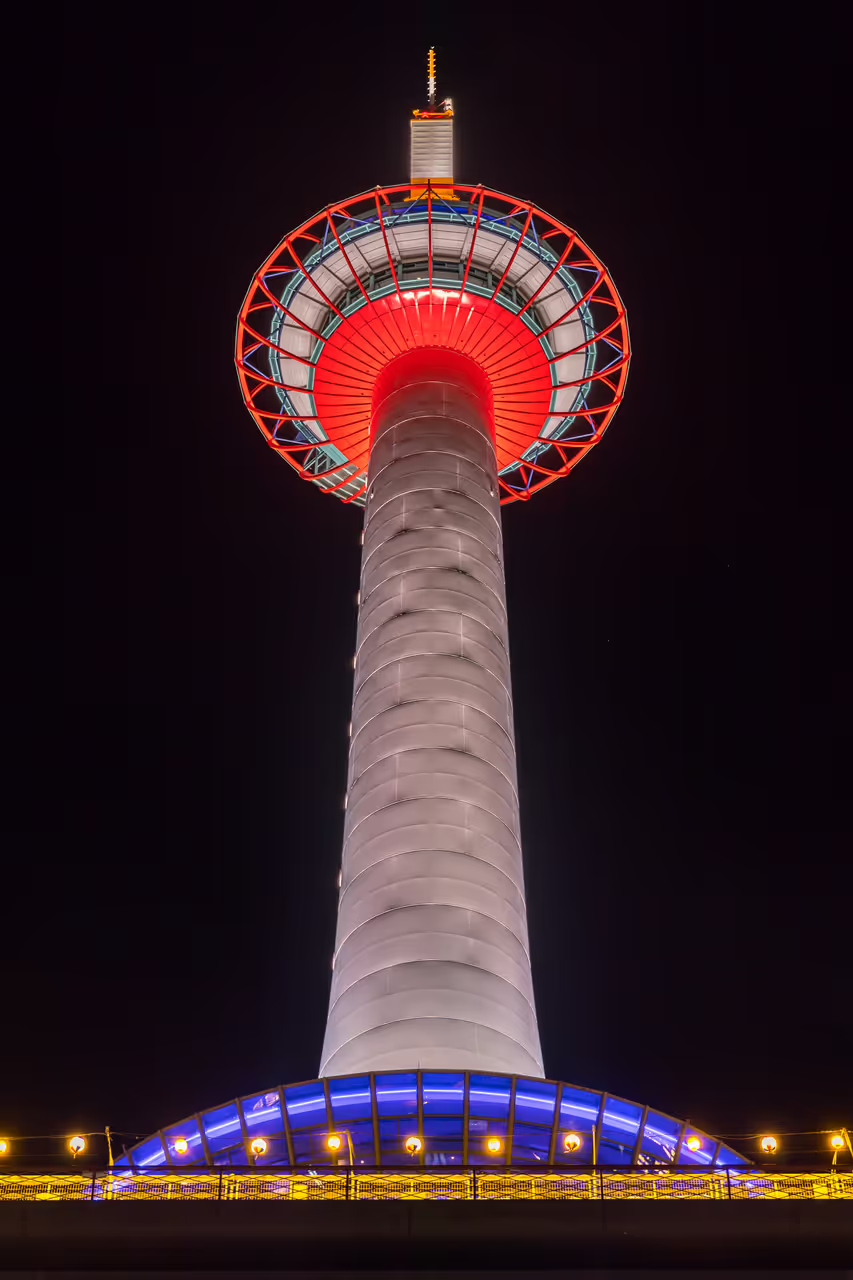
Kyoto Station Building
Opened in 1997, this massive, futuristic transport hub stands in dramatic contrast to the city's ancient image. Designed by...
view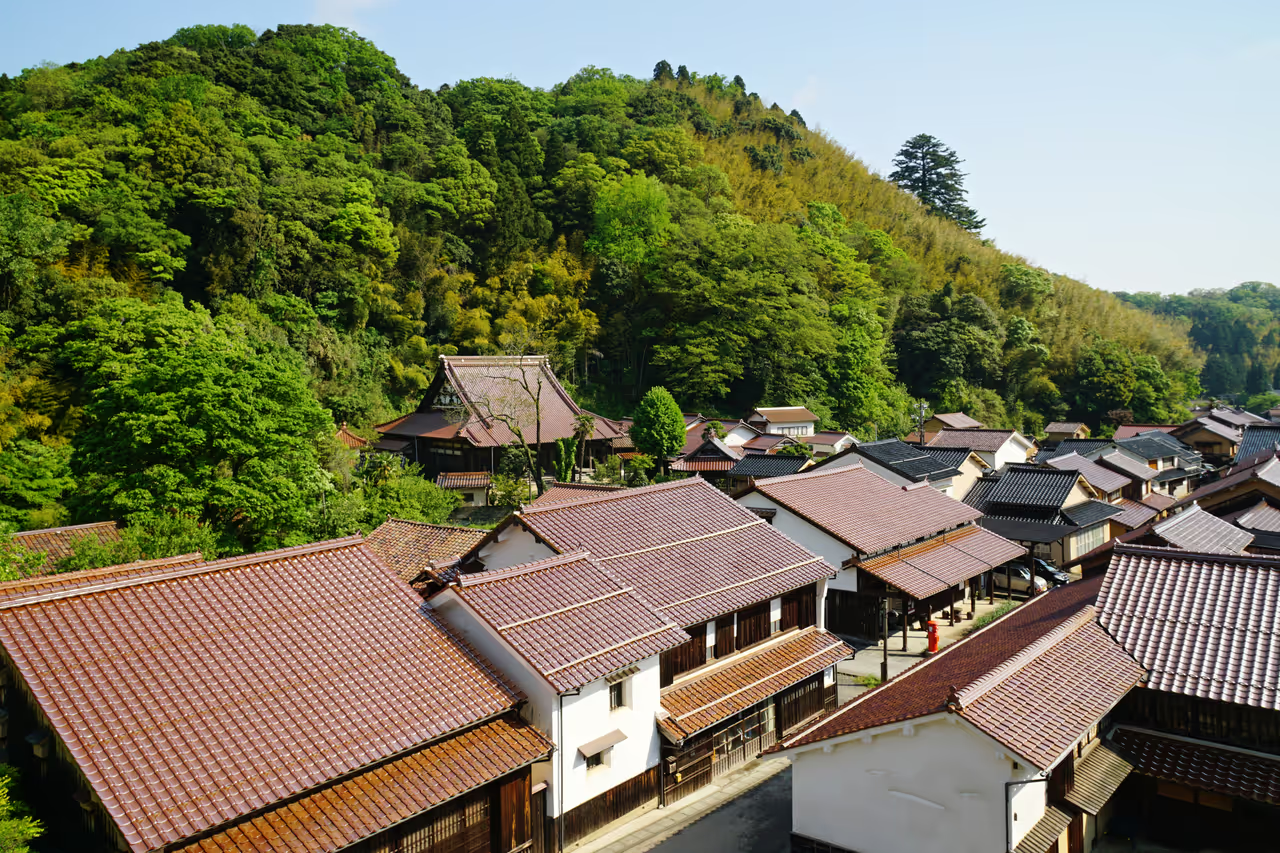
Traditional Machiya Townhouses
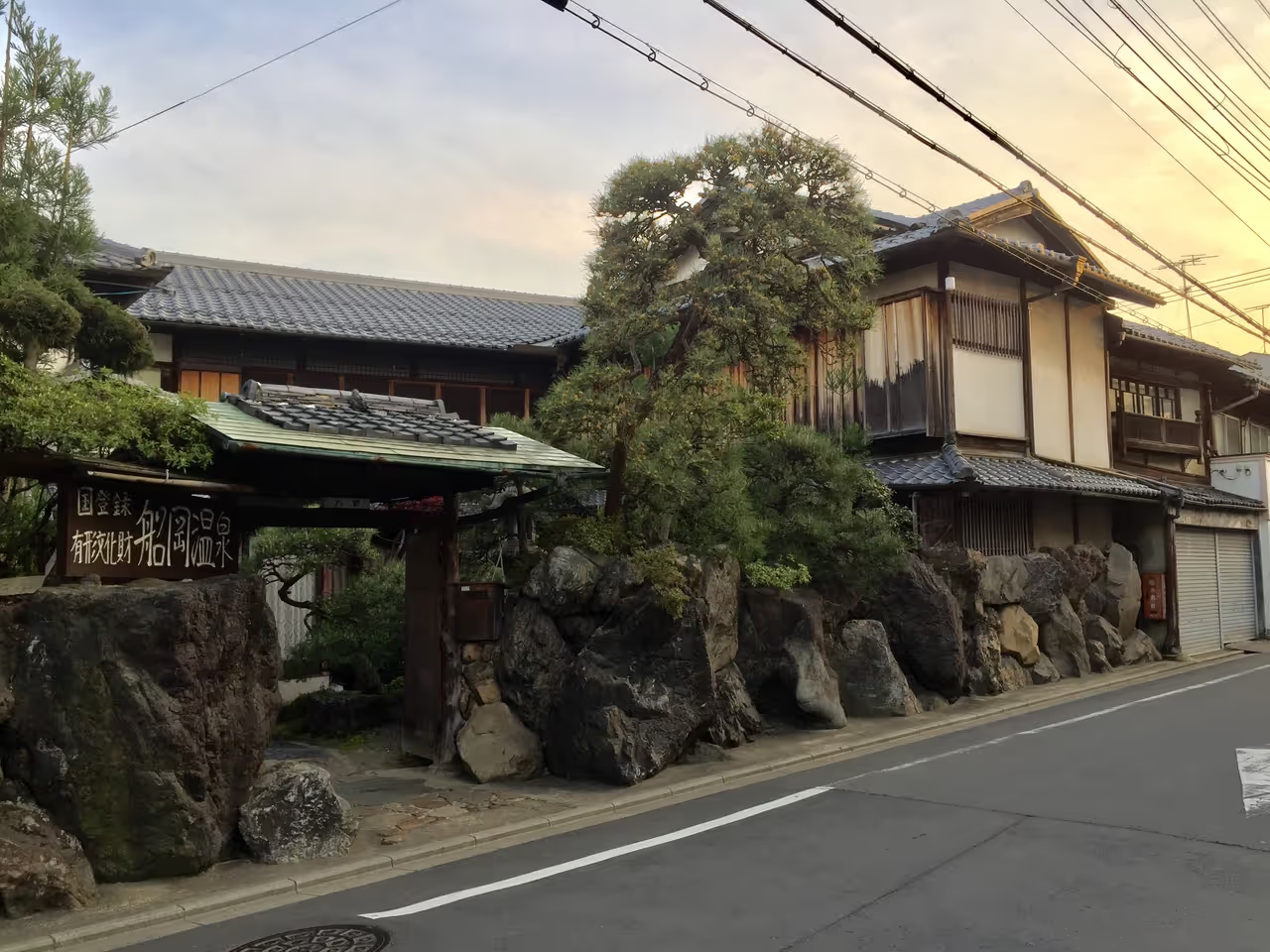
These elegant, historic wooden townhouses define the traditional streetscape of the city centre and its merchant districts...
view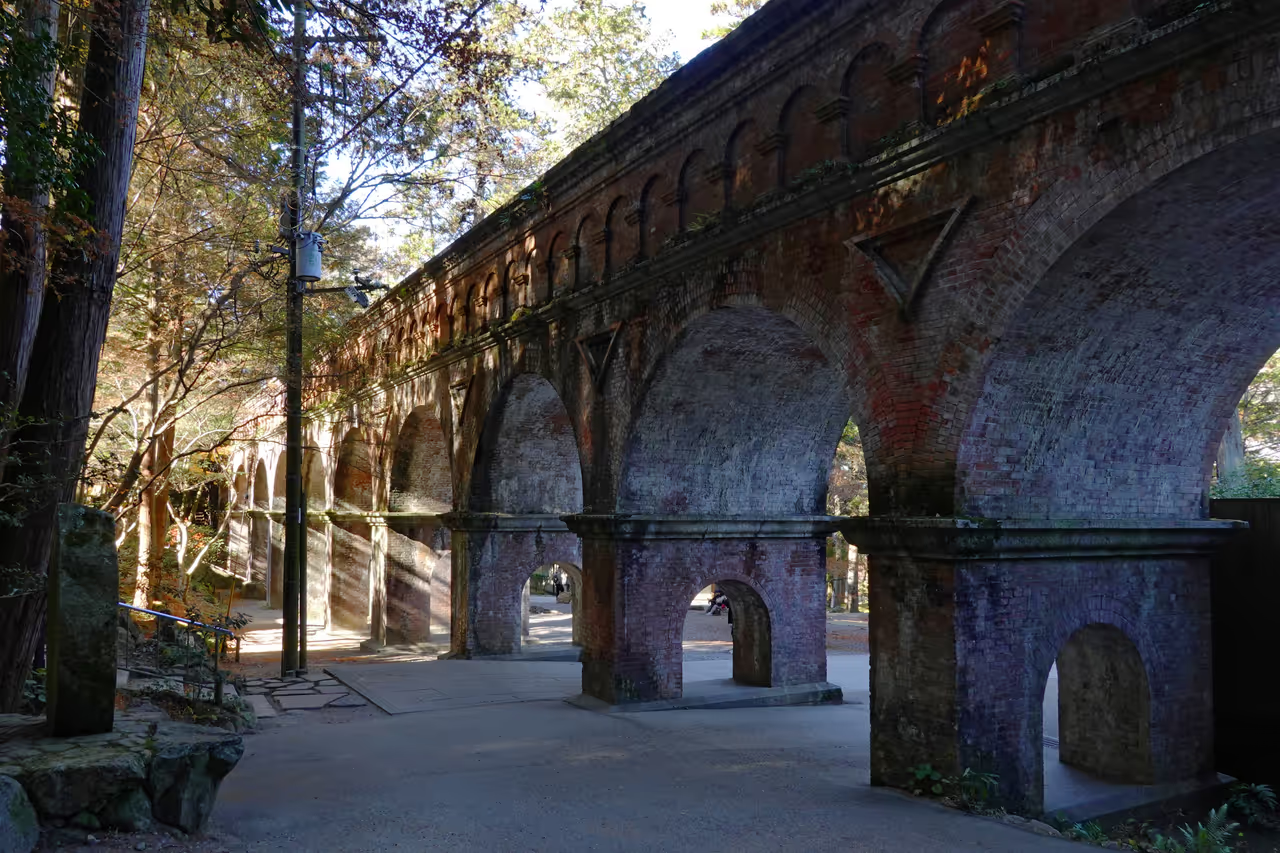
Nanzen-ji Suirokaku Aqueduct
Hidden within the grounds of a sprawling, ancient Zen temple, this red-brick aqueduct provides a completely unexpected...
view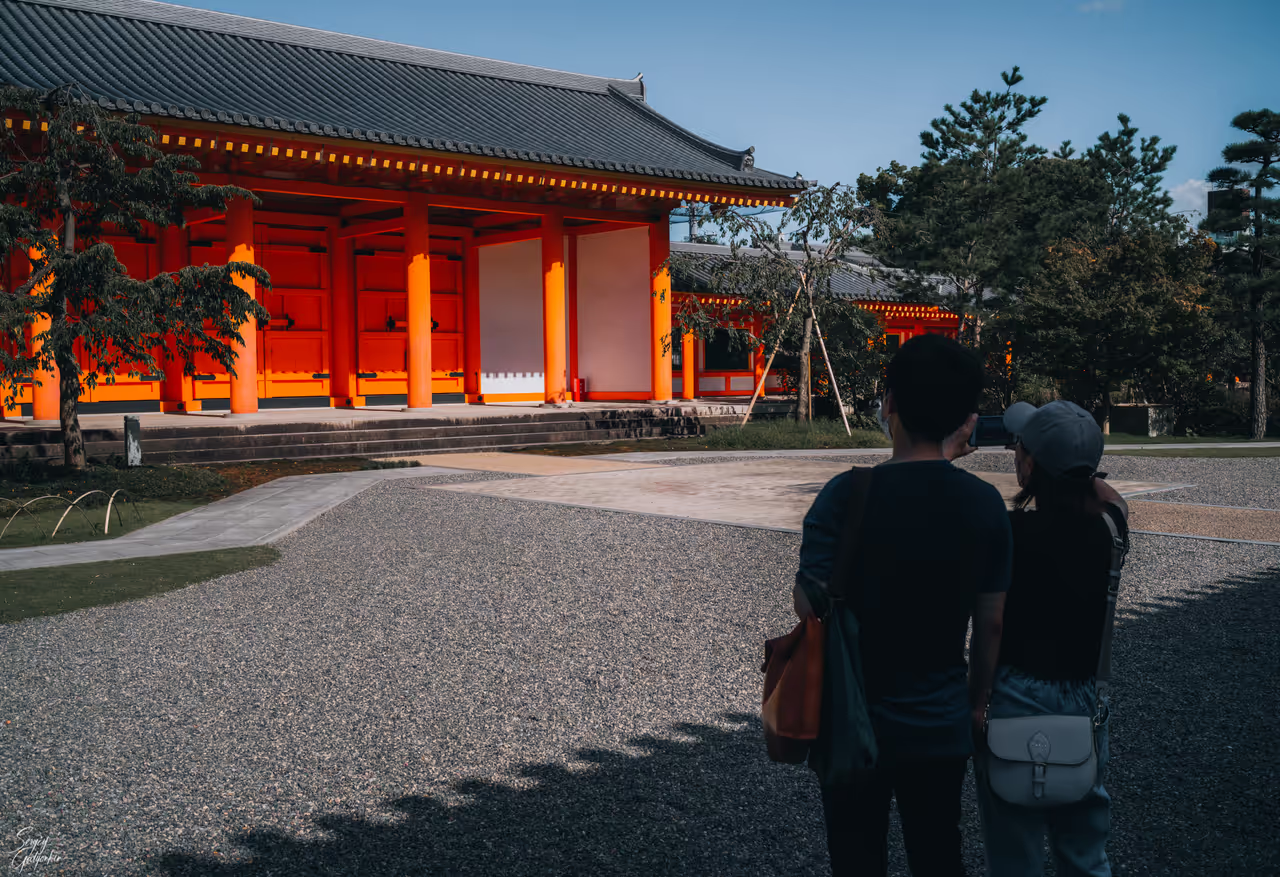
Sanjusangen-do Hall
This awe-inspiring Buddhist temple is renowned for its incredibly long main hall, measuring an astonishing 120 metres in length...
view
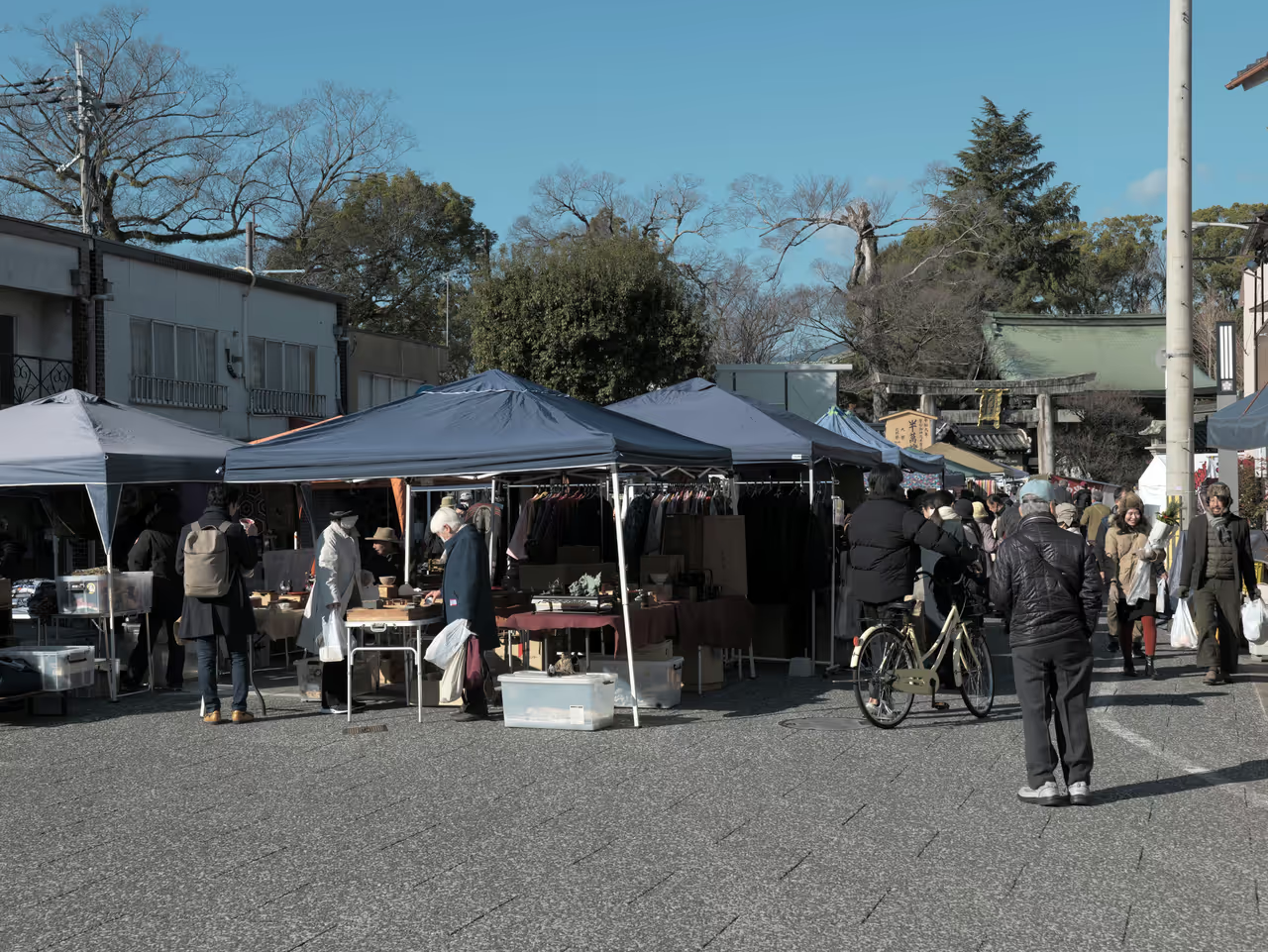
Markets & Shopping
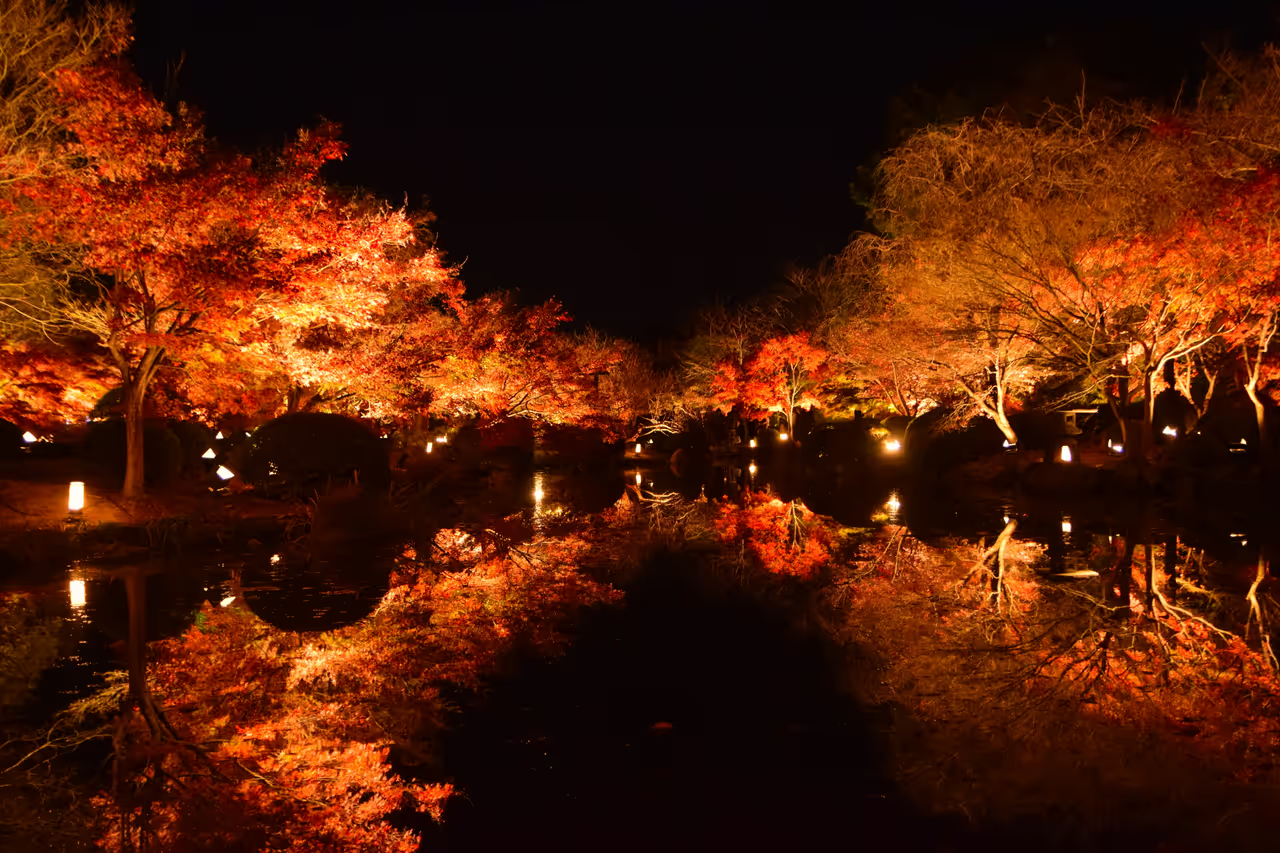
Kyoto Nightlife
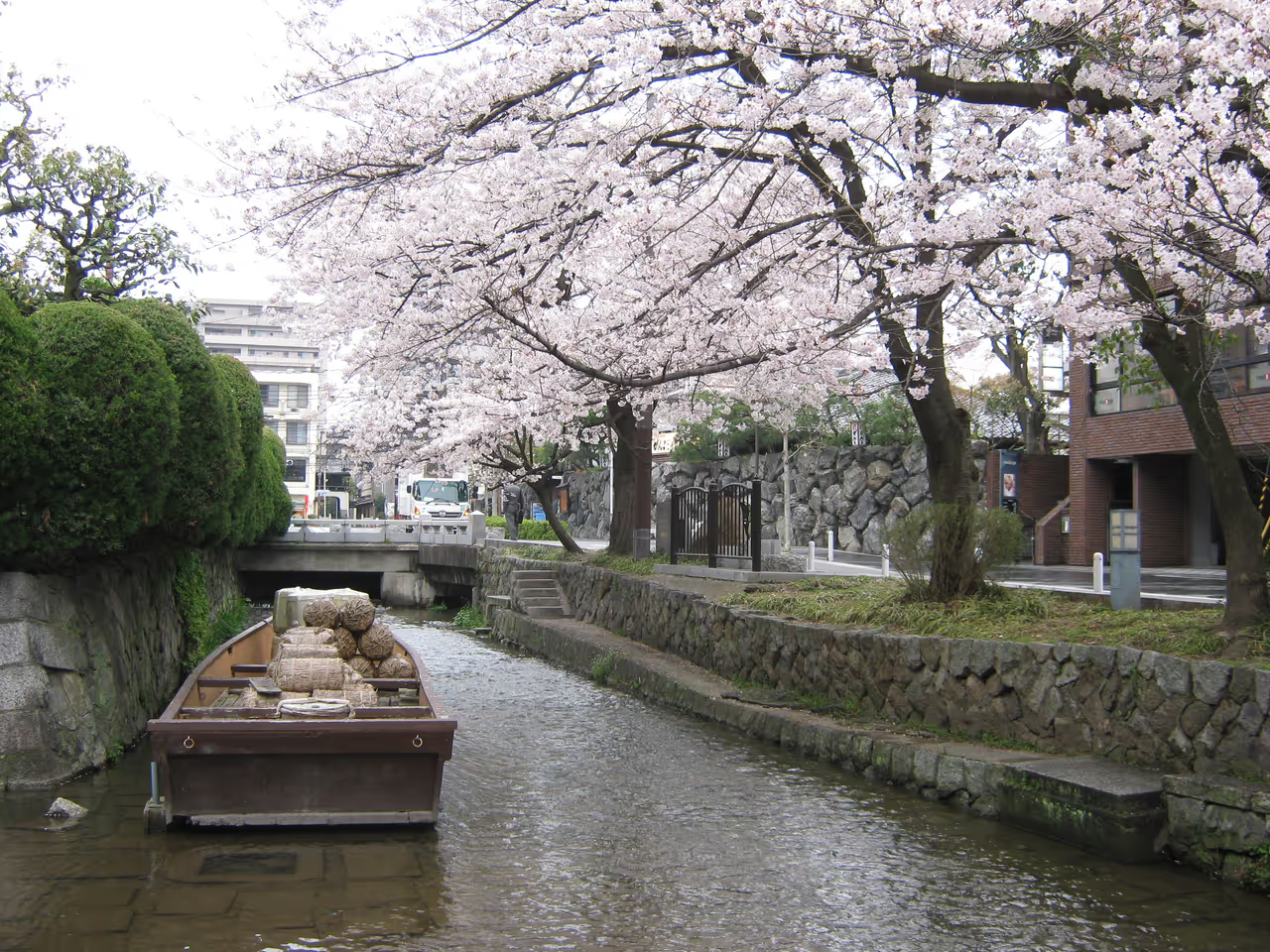
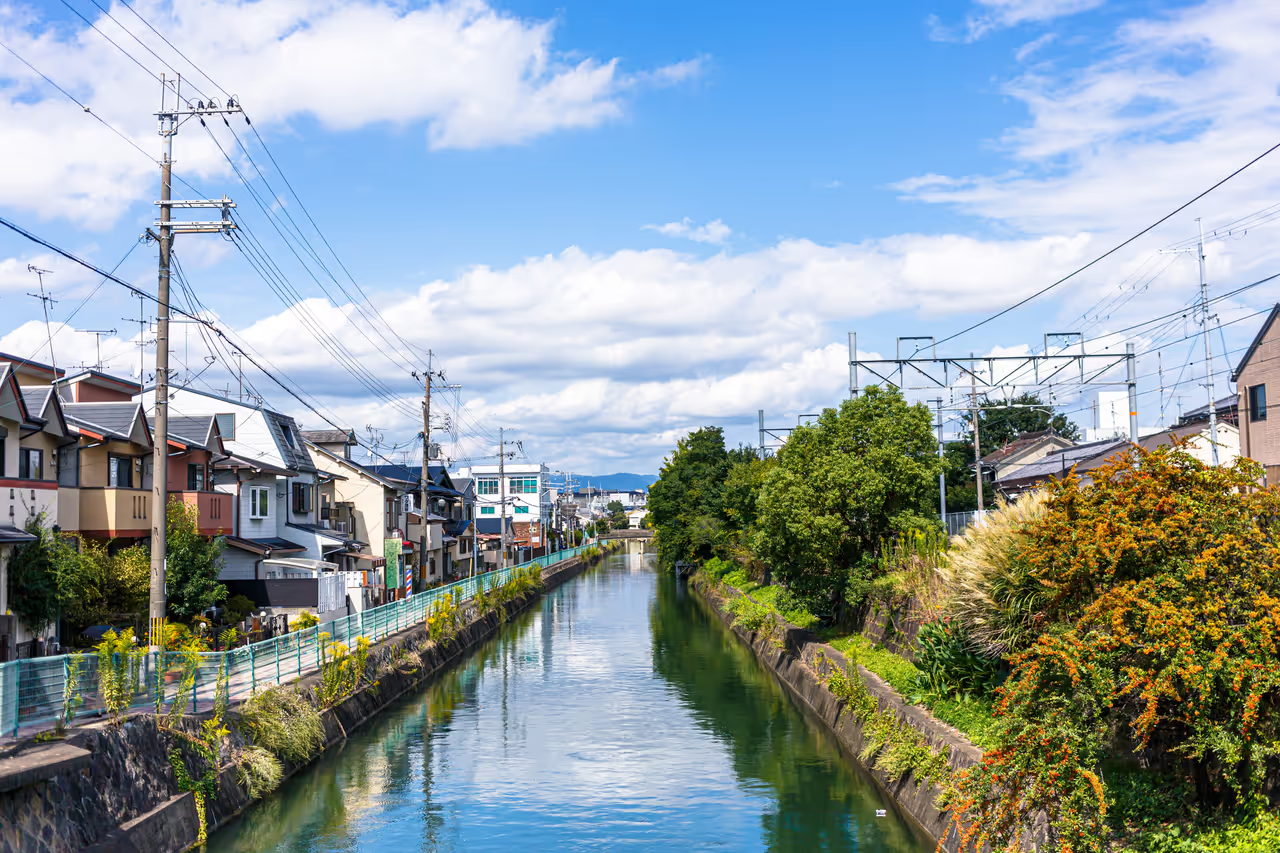
Photo Spots
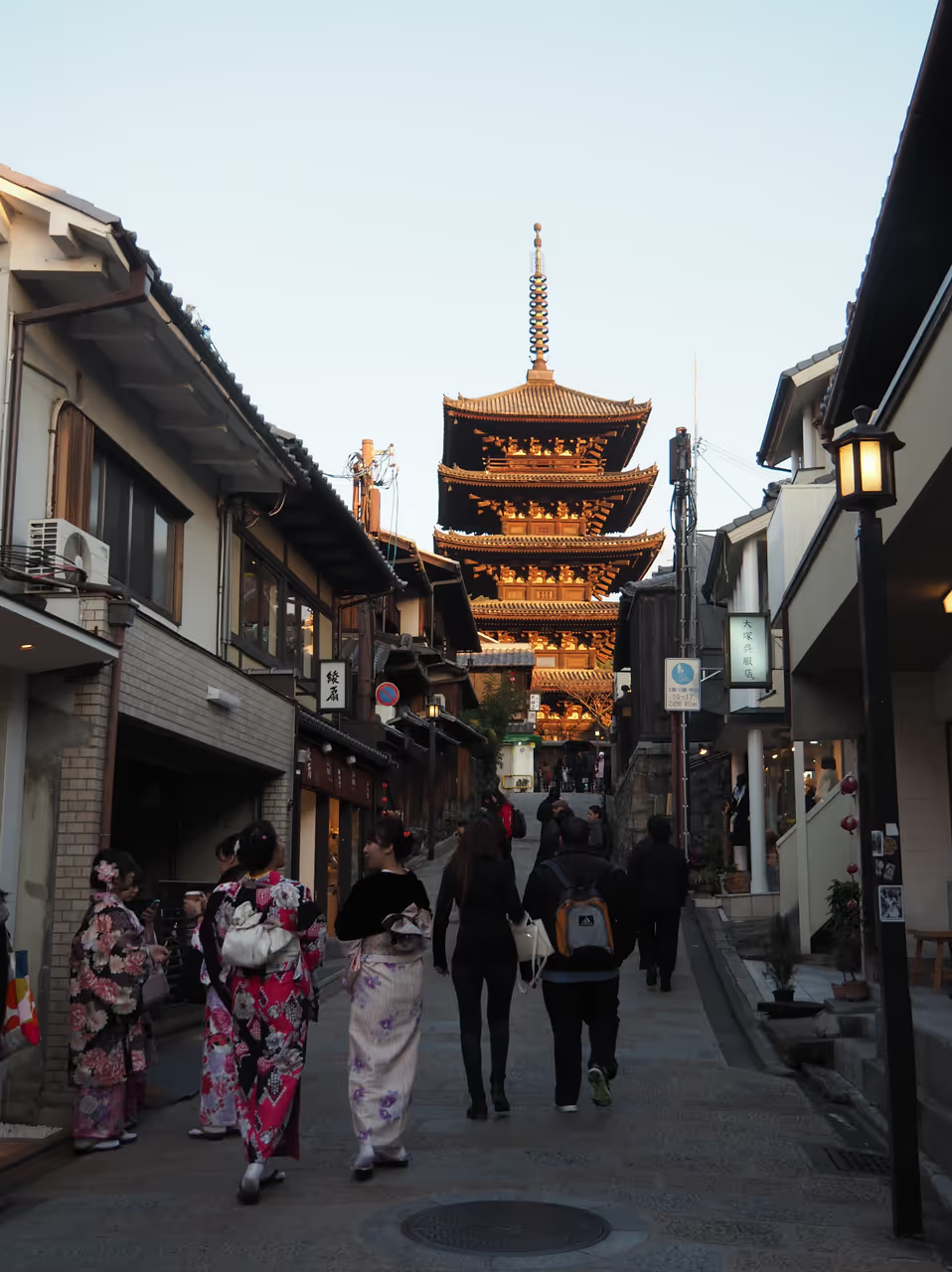
Activities & Experiences
Cycling Routes
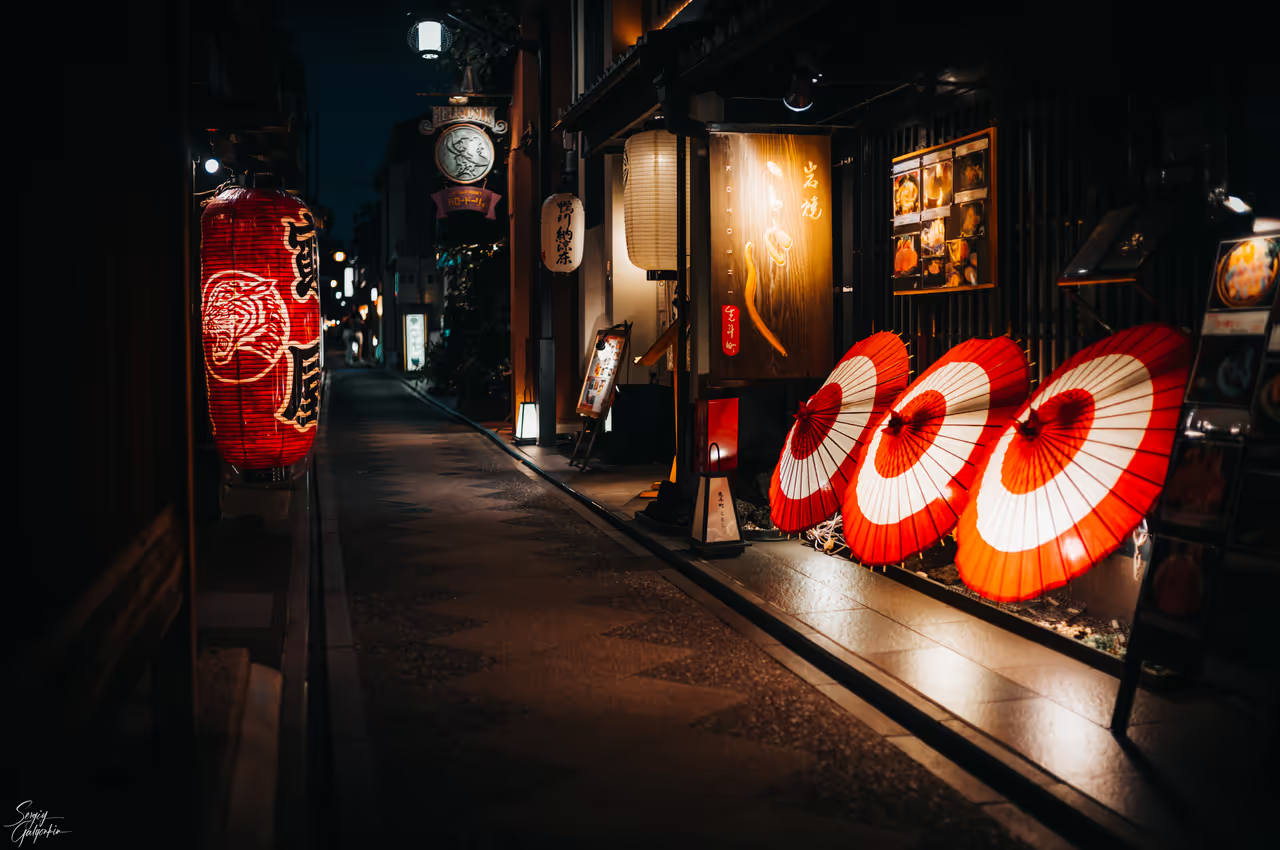 HIGHLY RECOMMENDED
Kamo River Glide
This magnificent route follows the wide, paved paths alongside the city's main waterway, offering a stress-free and visually stunning journey. Without the worry of car traffic, you can effortlessly pedal past locals picnicking on the grassy banks, elegant herons hunting in the shallows, and historic dining terraces hanging over the water. The path stretches for miles, providing dynamic views of the surrounding mountains and connecting seamlessly to several major cultural sites. It is an incredibly peaceful way to experience the city's natural artery.
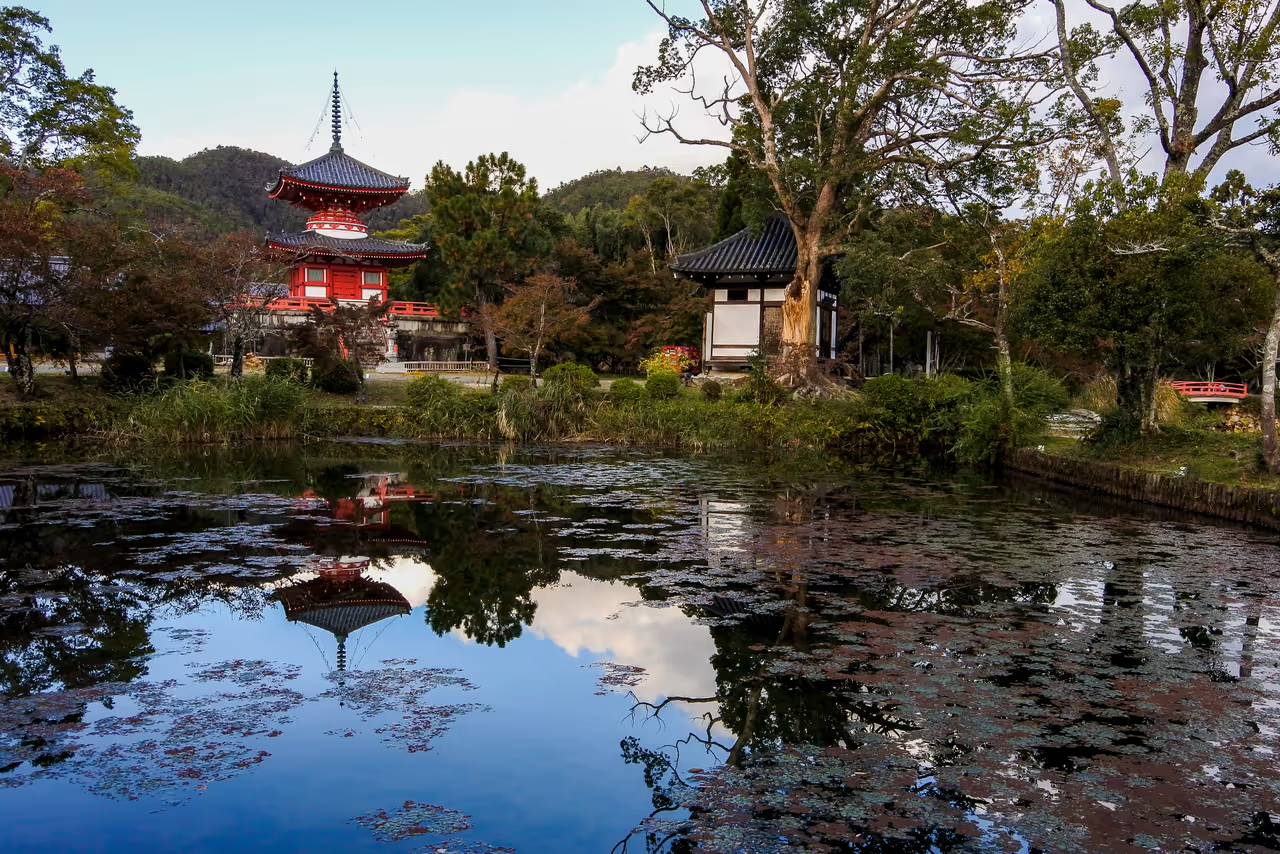
Arashiyama Heritage Route
Exploring the western outskirts on a bicycle allows you to cover significant ground across a landscape celebrated by ancient nobles for its profound beauty. The route weaves alongside a wide, picturesque river, skirts the edges of forested mountains, and traverses quiet agricultural fields leading to majestic temple grounds. It offers a glorious escape from the dense city grid, trading urban sprawl for dramatic seasonal colours and expansive skies. The freedom of a bike means you can easily bypass the heavily congested pedestrian areas to find secluded scenic spots.
Eastern Canal Trail
This gentle ride traces the base of the eastern mountains, following the path of a historic, cherry tree-lined canal. The route links several magnificent temple complexes and meanders through quiet, highly traditional residential neighbourhoods filled with artisanal cafes and craft shops. It provides an excellent, elevated vantage point over the city basin while keeping you deeply immersed in nature. The cycling here is unhurried and incredibly picturesque, capturing the quintessential elegance of the ancient capital.
Self-Guided Tours
Footsteps of the Emperors
Trace the lineage of absolute power and exquisite architectural refinement by exploring the grand residences of the imperial court and the military shoguns. This tour highlights the dramatic tension between the symbolic authority of the Emperor and the real political might of the samurai warlords. You will walk through expansive palace grounds designed for aristocratic leisure and heavily fortified castles built to project dominance. It offers a fascinating dive into the intricate politics, betrayals, and artistic flourishing that defined the city's role as the nation's capital. The sheer scale and opulence of these properties provide a sharp contrast to the city's humble merchant districts.
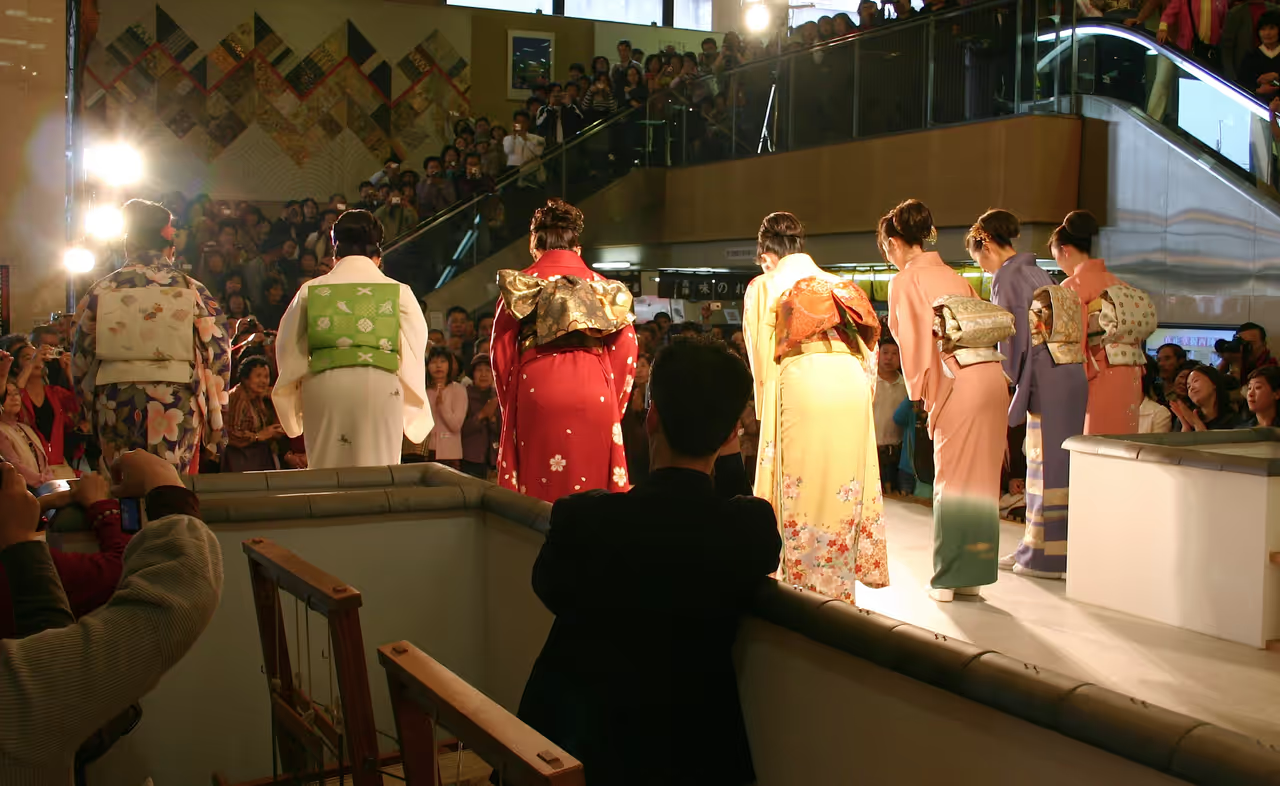
Artisans' Trail
Delve into the city's rich legacy of master craftsmanship by exploring the districts where ancient techniques are still meticulously practised today. This tour connects you with the generational artisans who produce the textiles, ceramics, and specialty goods required by the temples and geisha. You will witness the incredible precision required to weave intricate silk kimono fabrics and the delicate art of crafting bamboo goods. It provides a rare, behind-the-scenes look at the intensive labour and dedication that sustains the city's traditional cultural output. It is a fantastic opportunity to purchase highly authentic, locally made souvenirs directly from the creators.
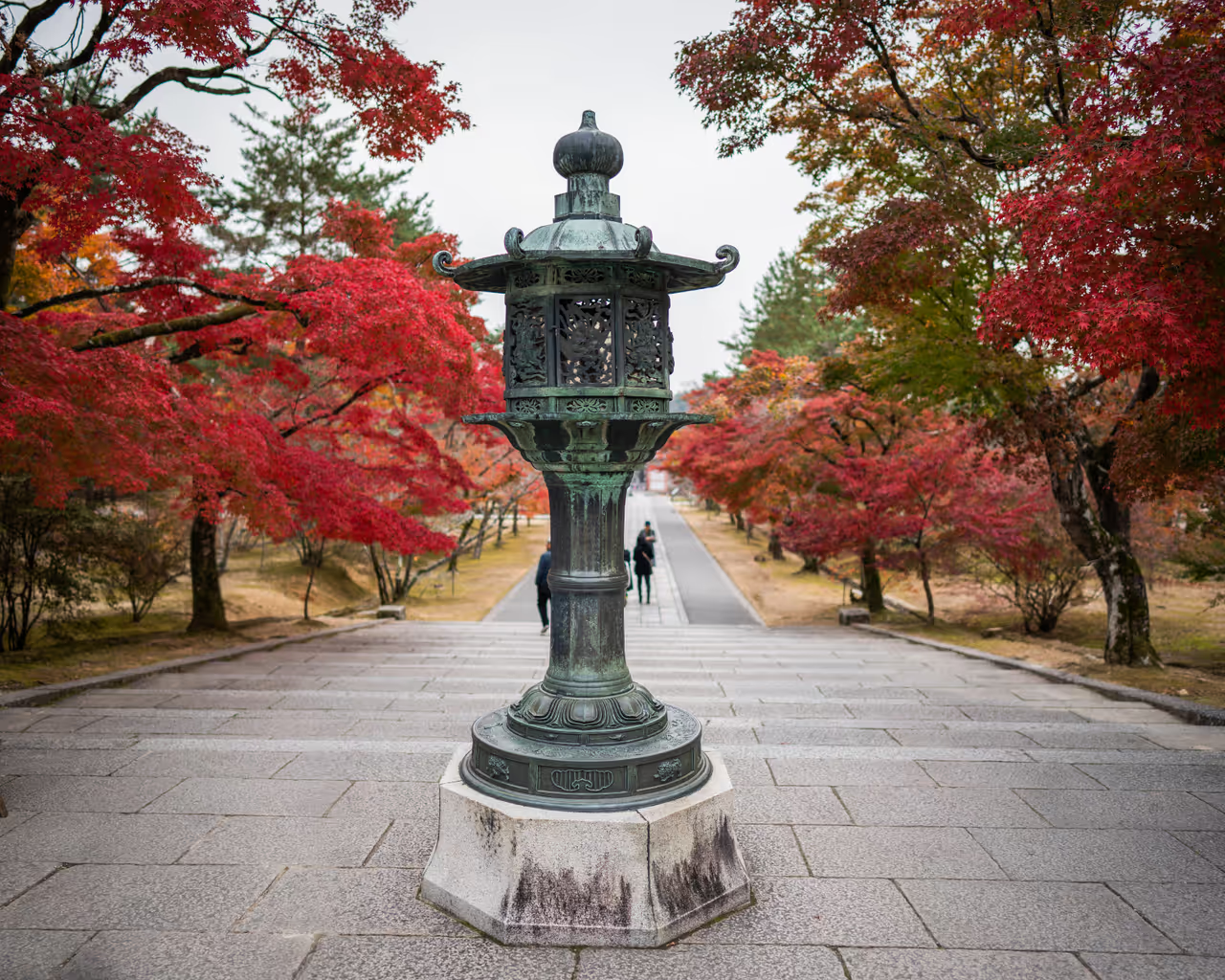 HIGHLY RECOMMENDED
Zen Garden Discovery
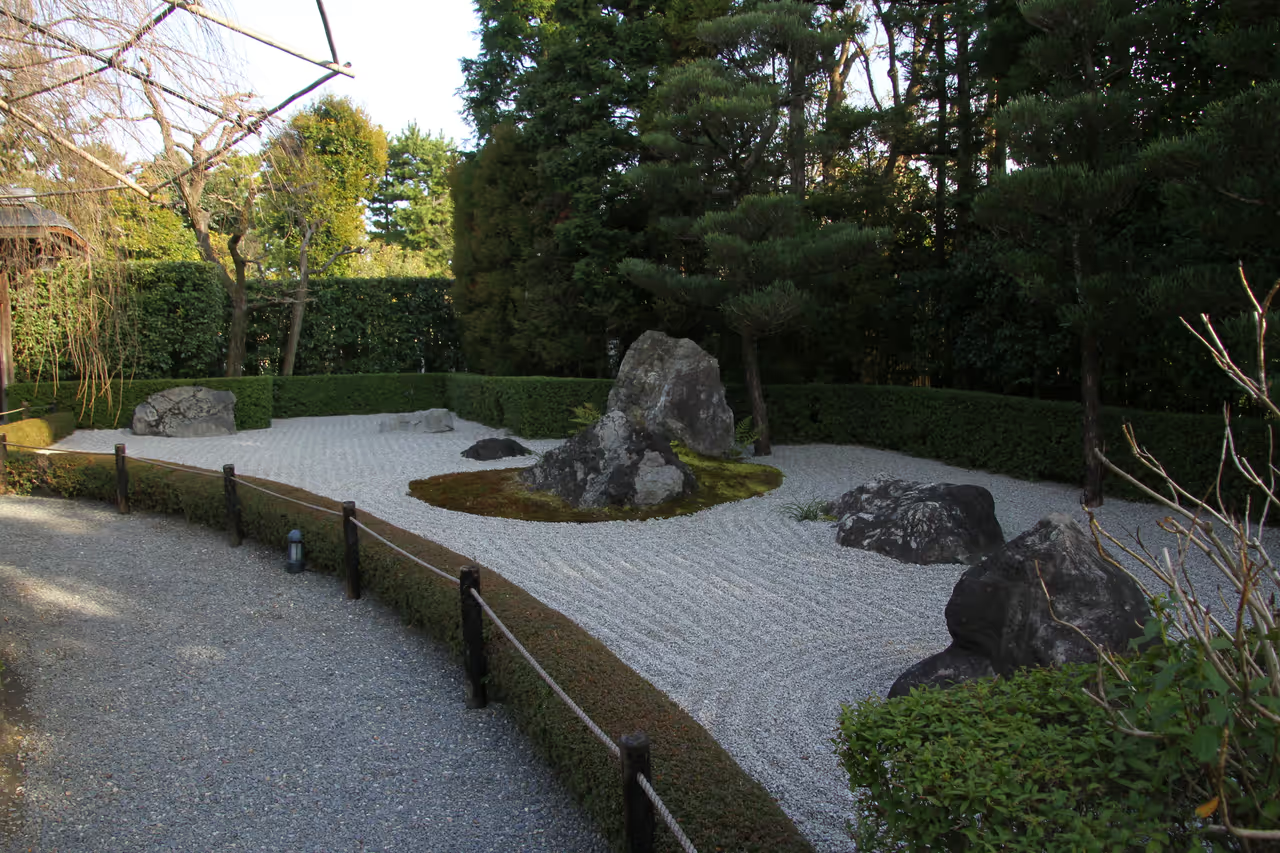
Embark on a profound spiritual and visual journey exploring the city's most renowned karesansui, or dry landscape gardens. This tour delves into the austere beauty of Zen Buddhism, where carefully placed rocks and raked gravel represent expansive oceans, islands, and cosmic concepts. You will discover how these minimalist spaces were designed to aid monks in deep meditation and understand the profound symbolism behind their deliberate emptiness. It is an exploration of the unique Japanese aesthetic of wabi-sabi, finding beauty in imperfection and impermanence. The experience requires a slow pace and a quiet mind, offering a deep, restorative calm.
Annual Festivals & Events
 HIGHLY RECOMMENDED
Gion Festival
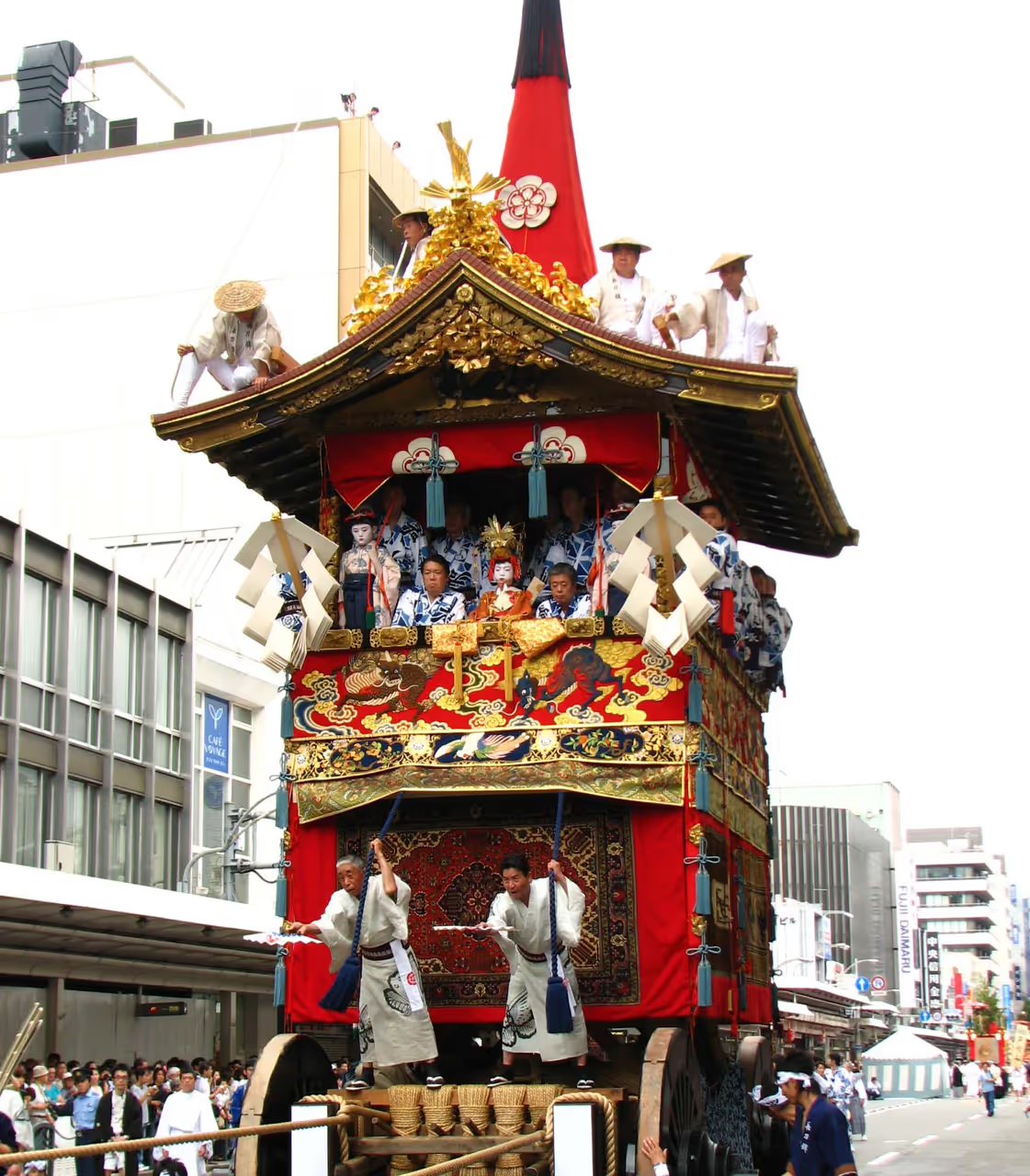
Recognised as one of Japan's top three festivals, this spectacular month-long event completely transforms the city centre. The highlight is the grand procession of massive, elaborately decorated floats called Yamaboko, which are pulled through the streets by teams of men in traditional garb. The evenings leading up to the parade feature vibrant street parties with countless food stalls and locals dressed in colourful yukata robes. It is a breathtaking display of community spirit and living history.
 HIGHLY RECOMMENDED
Mountain Bonfire Festival
Marking the end of the Obon season, this deeply spiritual event involves lighting massive bonfires on five mountains surrounding the city. The fires are arranged in the shapes of giant Chinese characters and symbols, designed to guide the spirits of ancestors back to the netherworld. The most famous is the 'Daimonji' character, which blazes brightly in the night sky and can be seen from across the city. The atmosphere is quiet, respectful, and visually awe-inspiring.
Festival of the Ages
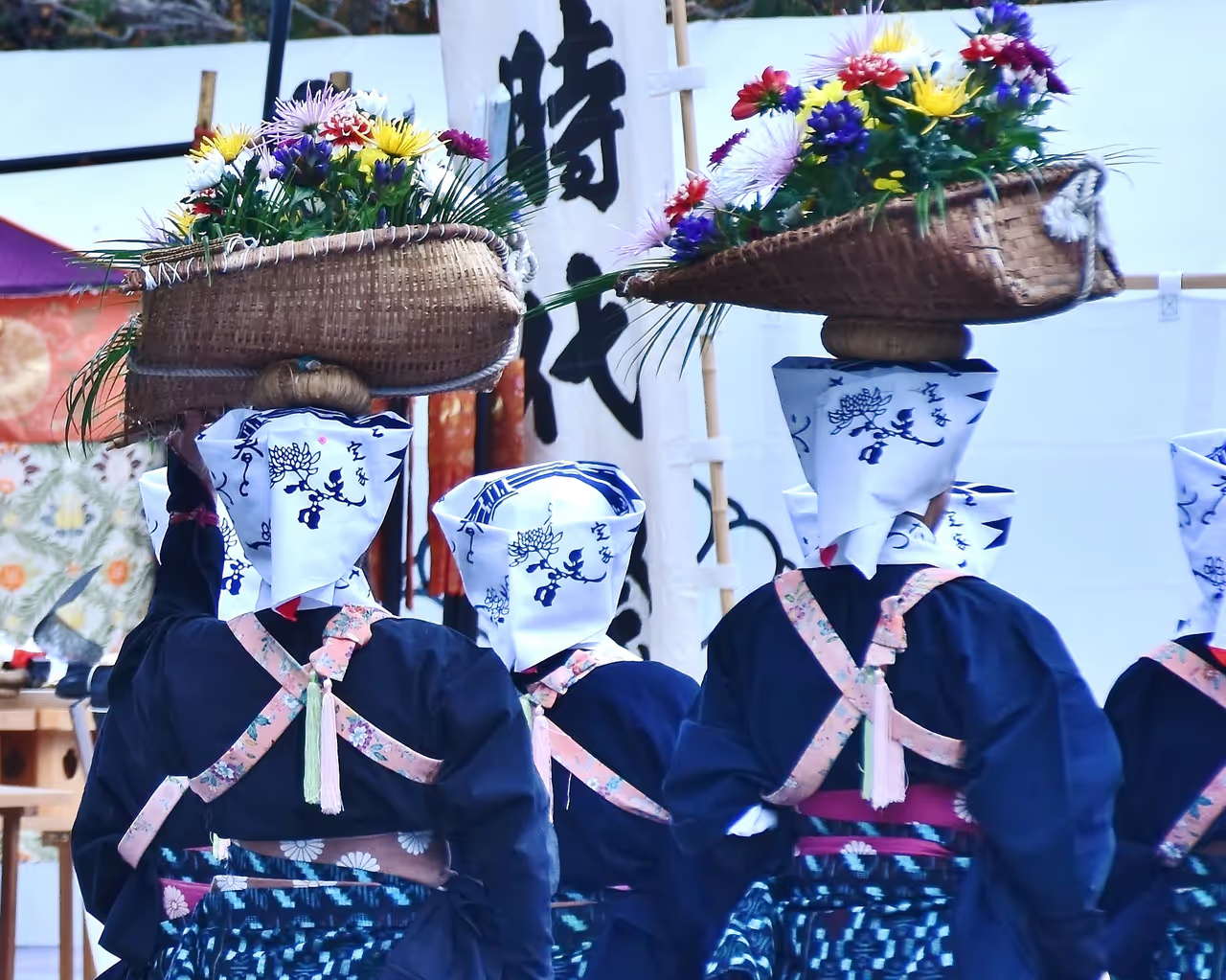
Created to celebrate the city's illustrious past and the anniversary of its founding, this extraordinary historical pageant brings over a millennium of history to life. A massive procession features thousands of volunteers dressed in highly accurate costumes representing different eras, from the 8th century up to the Meiji period. Historical figures, samurai warriors, and elegant court ladies march towards Heian Shrine in a vivid, moving timeline. It is an educational and visually stunning spectacle.
Insider Tips
Pick up an ICOCA smart card at the station; it saves you fumbling for exact change on the city buses and works seamlessly on local trains and subways too.
When spotting a Geiko or Maiko in Gion, admire them from a respectful distance; do not block their path, touch their kimono, or take intrusive photographs.
Despite its modern veneer, this is very much a cash-driven society, so always carry enough Yen for small temples, local markets, and family-run eateries.
Avoid the crowded city buses if you are travelling with large luggage; use the subway or forward your bags directly from the station to your accommodation.
Kaiseki dining requires reservations weeks in advance, but many top-tier restaurants offer highly affordable lunch sets that provide a similar culinary experience for a fraction of the cost.
Learn the local Kansai dialect greeting 'ookini' instead of the standard 'arigato' for thank you; locals will deeply appreciate the cultural effort.
PERFECT FOR
This destination is an absolute dream for cultural enthusiasts, history lovers, and photographers seeking deep immersion into traditional Japanese aesthetics. It perfectly suits deliberate travellers who enjoy taking slow walks through meticulously curated gardens, participating in quiet tea ceremonies, and discovering artisanal crafts. Food connoisseurs and spiritual seekers will equally find endless avenues for exploration and inspiration.
VIBE
The city exudes an elegant tranquillity that contrasts beautifully with its underlying energetic pulse. Incense smoke drifts across ancient wooden temple verandas while modern commuters rush past centuries-old shrines on their daily routes. It is a place where deep reverence for tradition seamlessly integrates with the dynamic hum of contemporary urban life.
Frequently Asked Questions about Kyoto
While we strive to keep this information accurate and up to date, we recommend verifying any details independently before making decisions based on them.
Similar Destination in Japan
Continue your journey. Explore this highly recommended city and uncover more of what Japan has to offer.