Kamo River Glide
Cycling RouteThis magnificent route follows the wide, paved paths alongside the city's main waterway, offering a stress-free and visually stunning journey. Without the worry of car traffic, you can effortlessly pedal past locals picnicking on the grassy banks, elegant herons hunting in the shallows, and historic dining terraces hanging over the water. The path stretches for miles, providing dynamic views of the surrounding mountains and connecting seamlessly to several major cultural sites. It is an incredibly peaceful way to experience the city's natural artery.
SURFACE BREAKDOWN
ELEVATION PROFILE
WHY WE LOVE THIS ROUTE
This ride completely eliminates the stress of navigating urban traffic while delivering uninterrupted, scenic views of the city's vibrant river culture. It perfectly captures the harmonious blend of urban life and natural beauty.
RIDER'S NOTEBOOK
- • Grab some snacks from a convenience store before hitting the path for an impromptu picnic on the grassy banks.
- • The path is shared with pedestrians and runners, so keep your speed moderate and use your bell politely.
- 1NIGHTLIFE
Pontocho Riverside
先斗町The traditional wooden dining terraces jutting out over the riverbank create a striking, highly photogenic contrast against the flowing water.
FULL PLACE DETAILS
OVERVIEW & STATS
- Established
- In 1674, making it 352 years old
to next stop - 2FREE THING TO DO
Kamogawa Delta
鴨川デルタThis iconic V-shaped river junction features famous turtle-shaped stepping stones and serves as a beloved gathering spot for students and families enjoying the outdoors.
to next stop - 3UNESCO HERITAGE SITE
Shimogamo Shrine
下鴨神社Hidden within a primeval forest, this ancient UNESCO World Heritage site offers profound serenity and magnificent vermilion architecture untouched by modern development.
FULL PLACE DETAILS
ARCHITECTURE & HERITAGE
- Heritage Status
- Historic Site Of JapanNational Treasure Of JapanPart Of Unesco World Heritage Site
- Architectural Styles
- Nagare-zukuri
WEB & AMENITIES
Other Cycling Routes
Check out other routes in Kyoto
Arashiyama Heritage Route
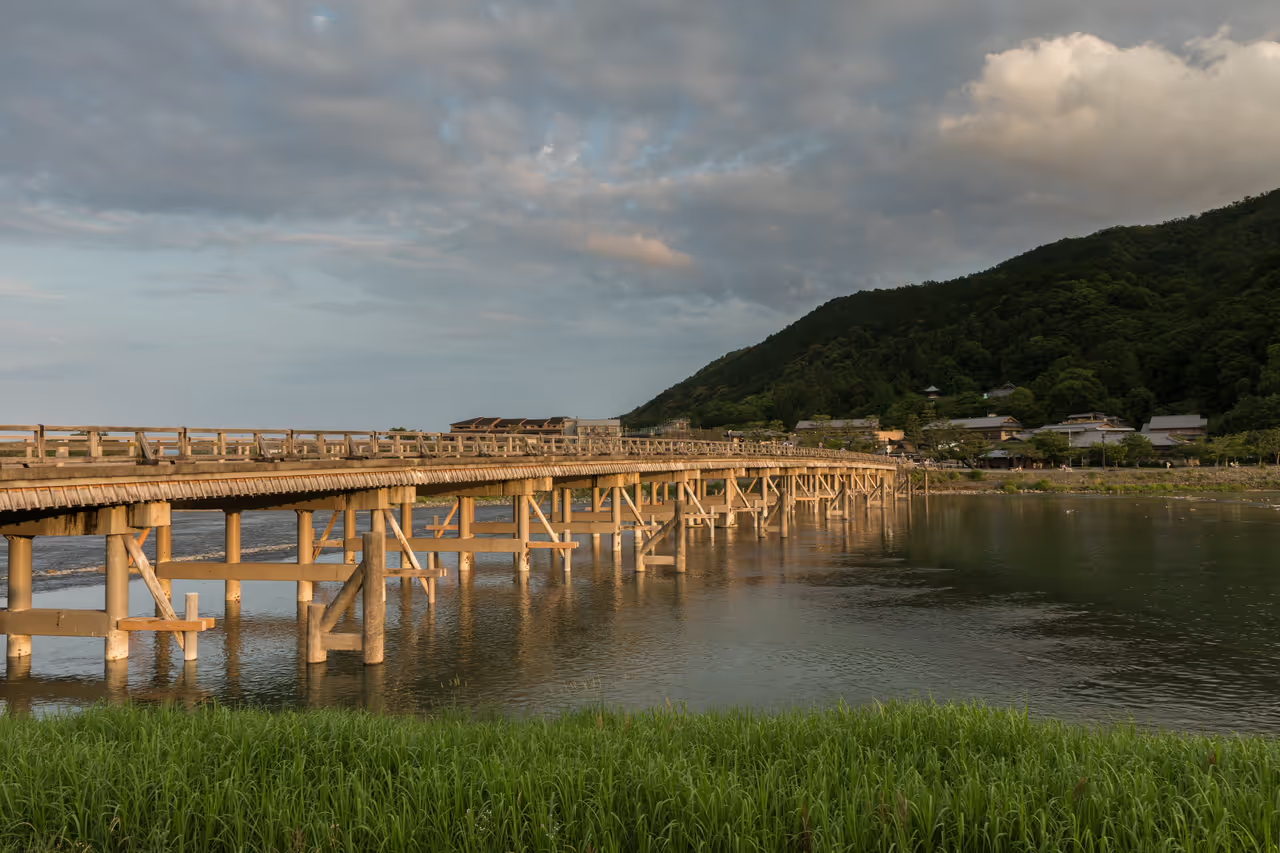
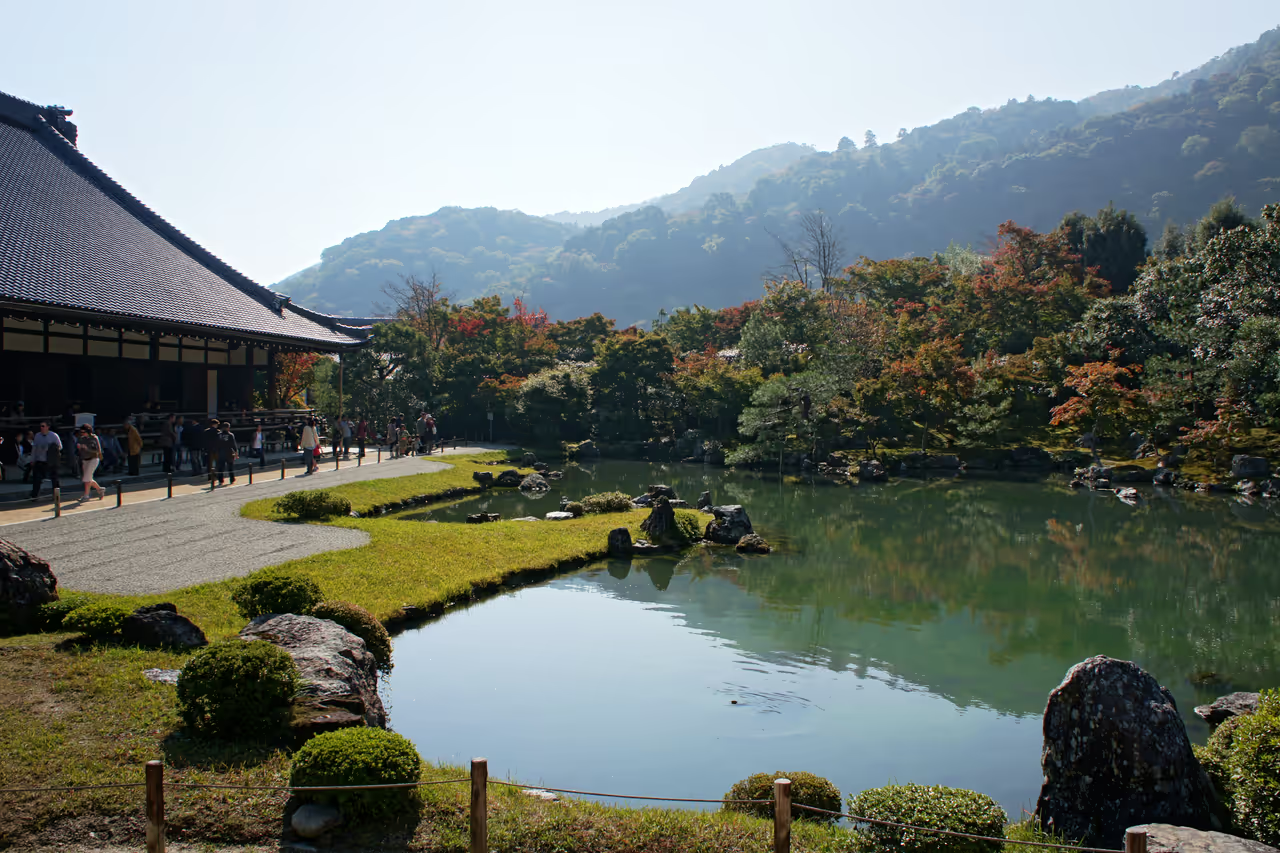
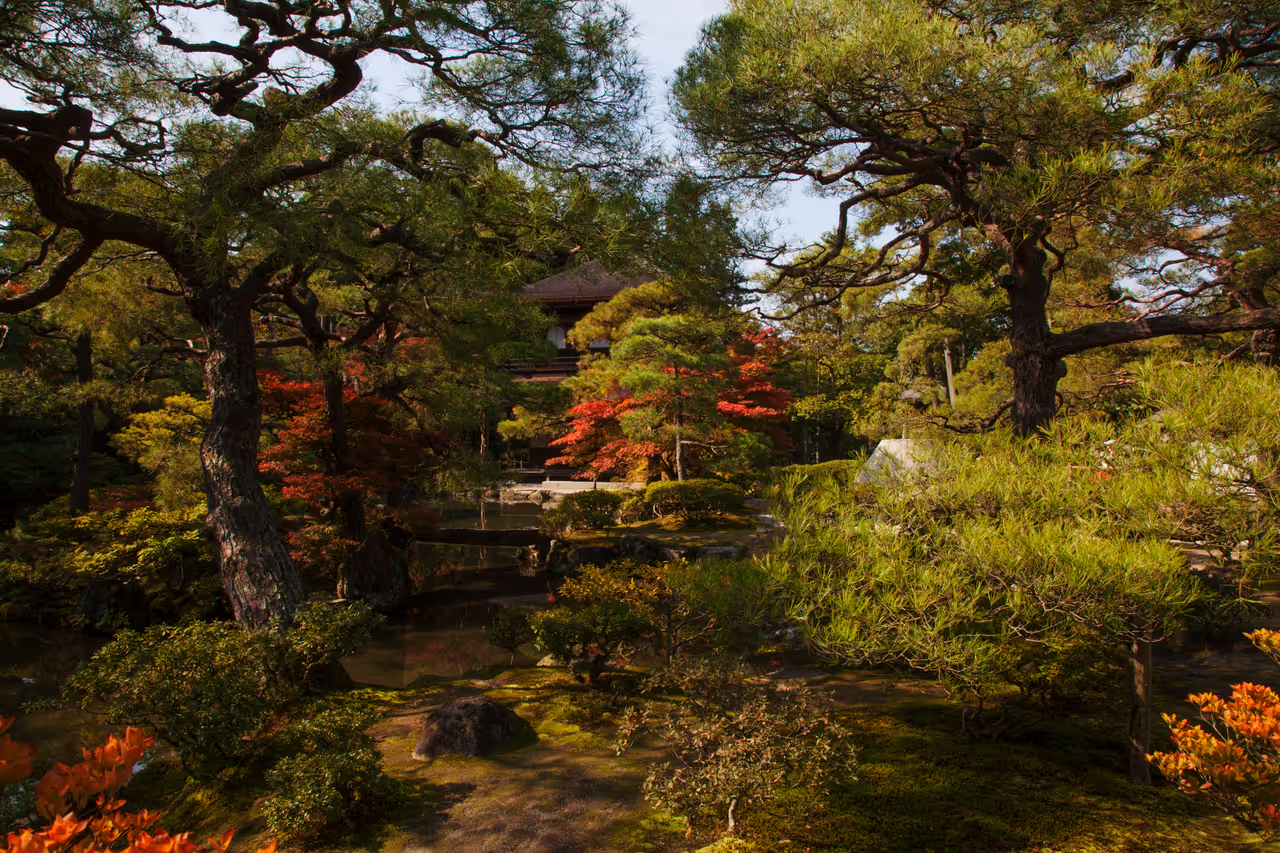
Exploring the western outskirts on a bicycle allows you to cover significant ground across a landscape celebrated by ancient nobles for its profound beauty. The route weaves alongside a wide, picturesque river, skirts the edges of forested mountains, and traverses quiet agricultural fields leading to majestic temple grounds. It offers a glorious escape from the dense city grid, trading urban sprawl for dramatic seasonal colours and expansive skies. The freedom of a bike means you can easily bypass the heavily congested pedestrian areas to find secluded scenic spots.
view route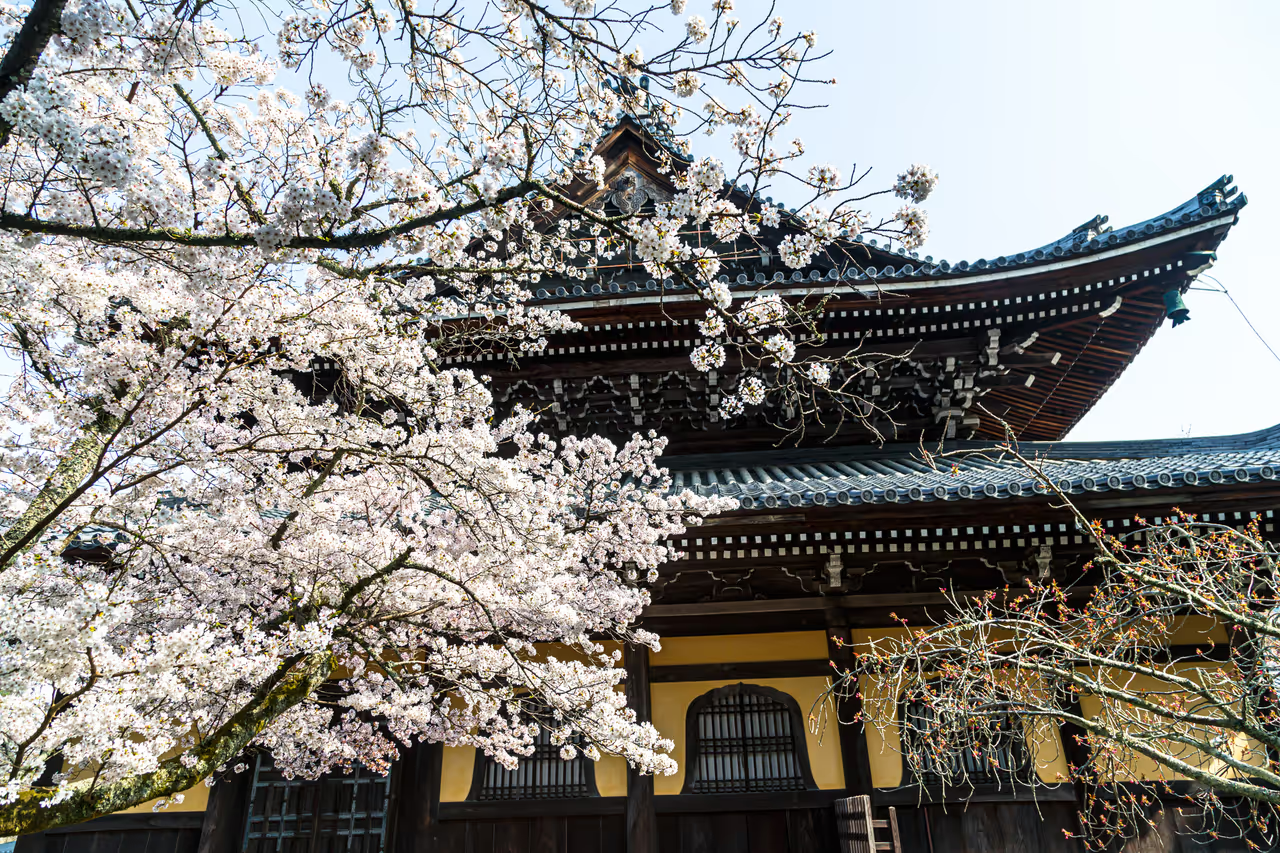
Eastern Canal Trail
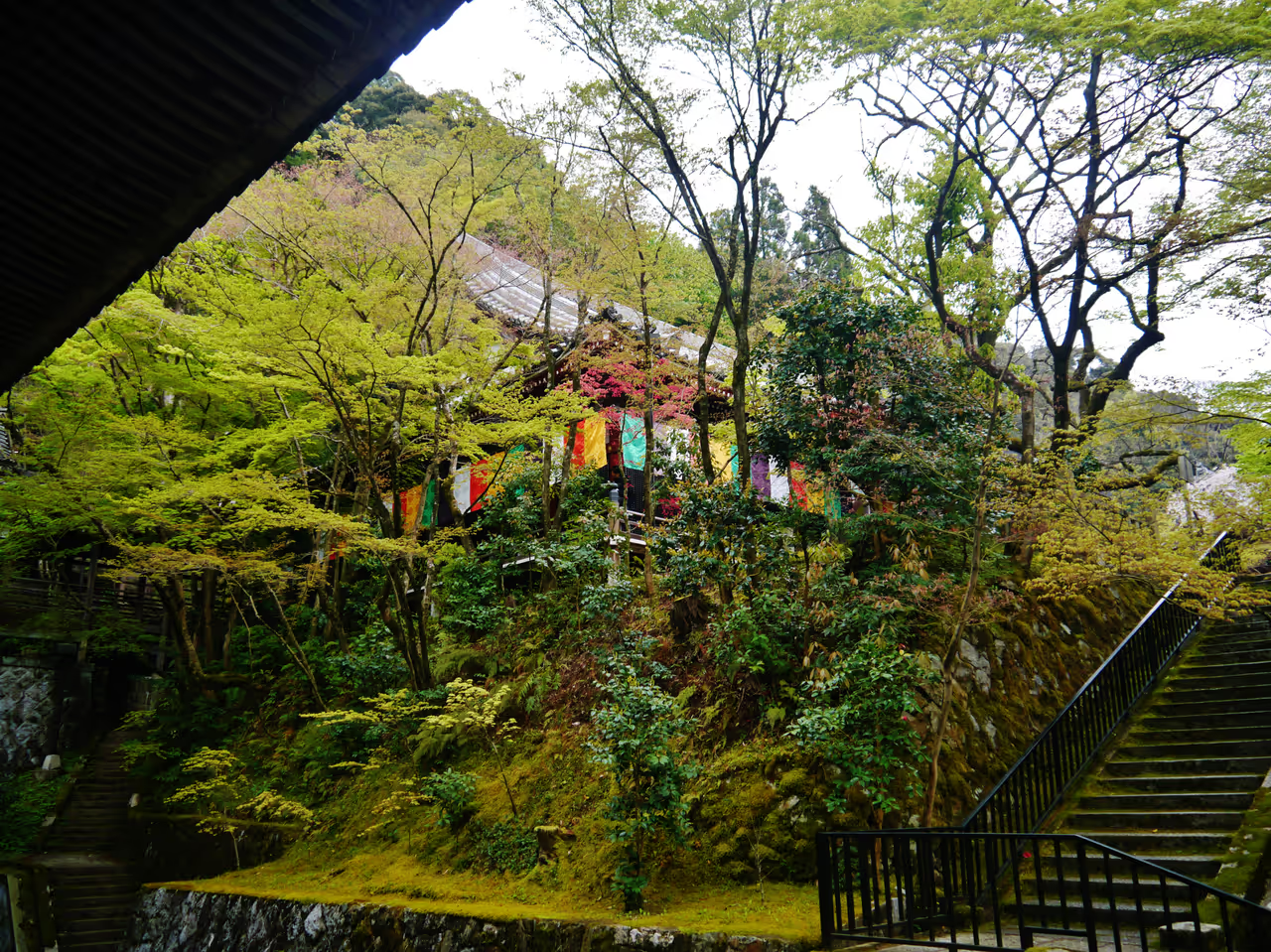
This gentle ride traces the base of the eastern mountains, following the path of a historic, cherry tree-lined canal. The route links several magnificent temple complexes and meanders through quiet, highly traditional residential neighbourhoods filled with artisanal cafes and craft shops. It provides an excellent, elevated vantage point over the city basin while keeping you deeply immersed in nature. The cycling here is unhurried and incredibly picturesque, capturing the quintessential elegance of the ancient capital.
view route
Alternative Ways to Tour the City
Switch your pace. Discover curated routes by bike, foot, or self-guided exploration.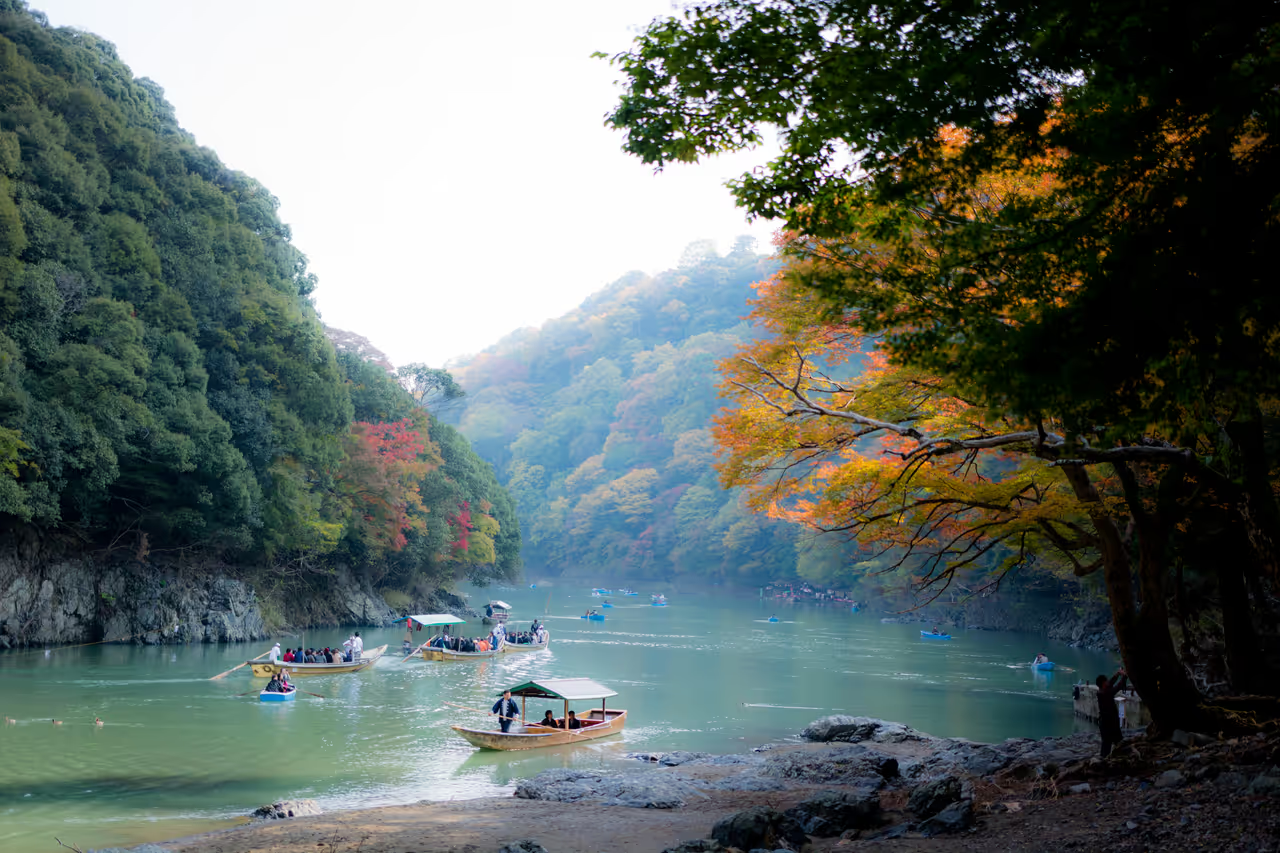
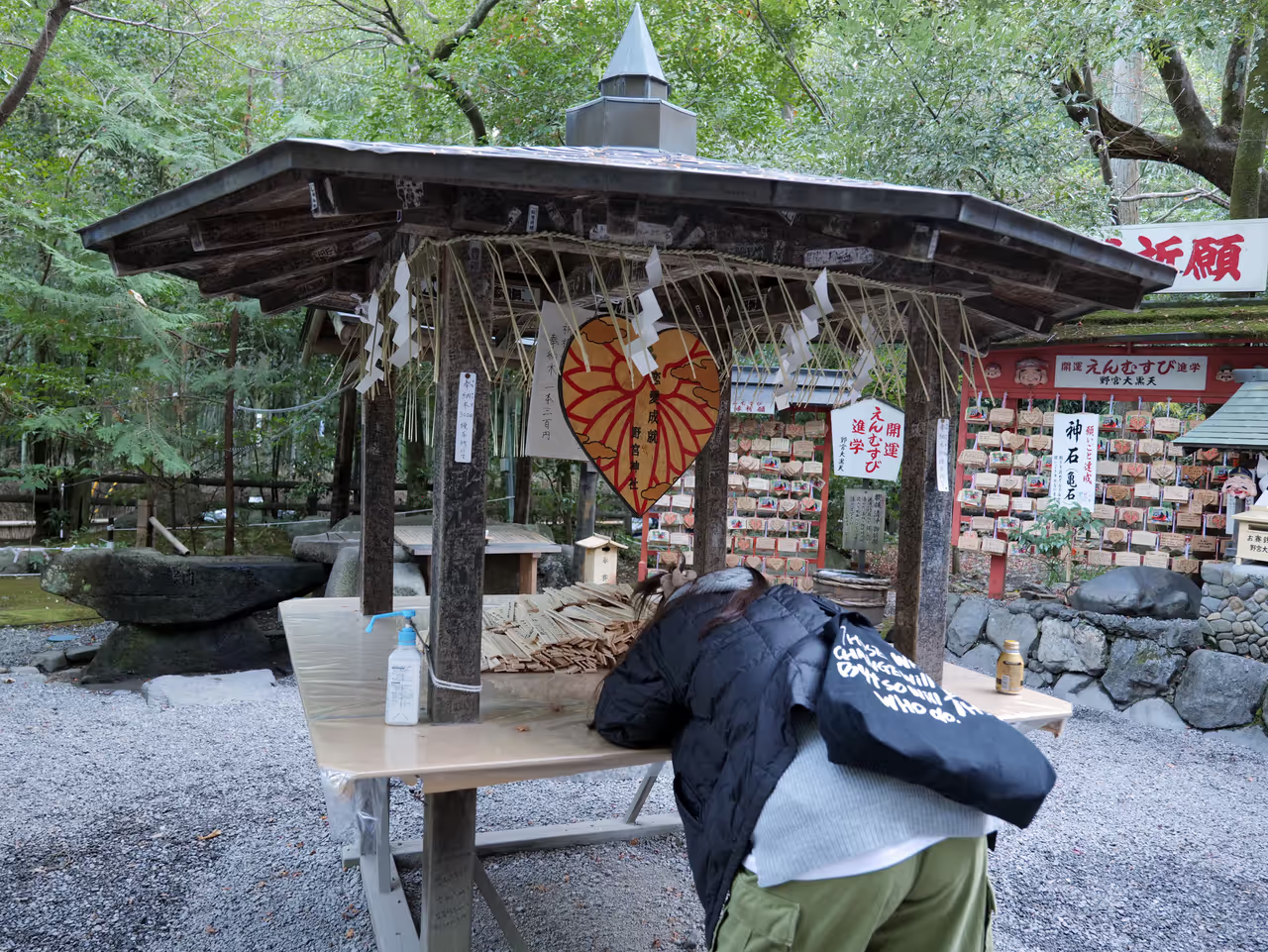
Arashiyama Bamboo Serenity
This legendary walking path cuts directly through a dense, otherworldly forest of towering green bamboo stalks that sway gently in the wind. The sheer height of the bamboo creates an immersive, tunnel-like effect, filtering the sunlight into a soft, ethereal green glow. The rustling sound of the stalks knocking against one another has been officially recognised as one of the definitive soundscapes of Japan. It is a brief but profoundly atmospheric walk that feels entirely detached from the modern world.
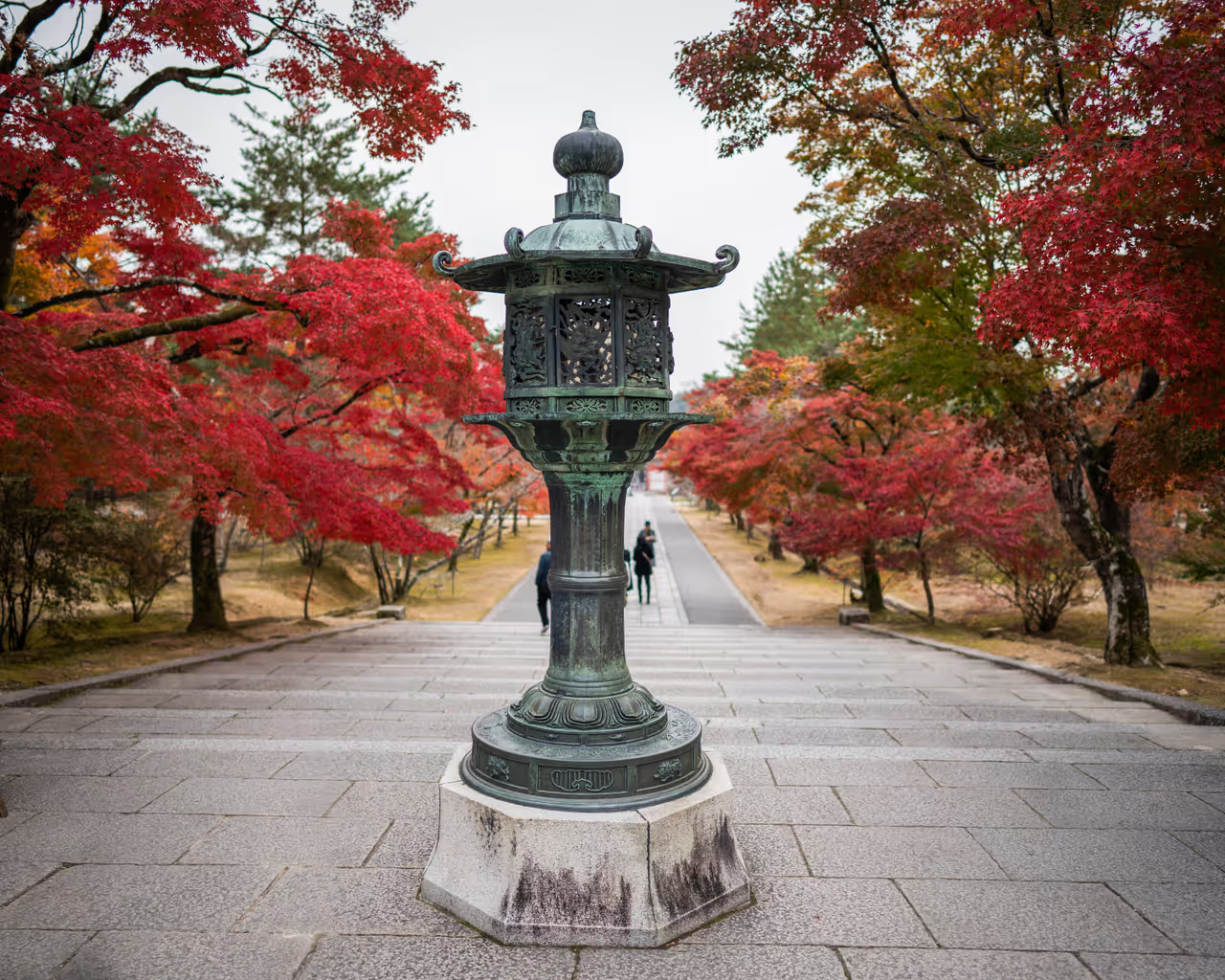
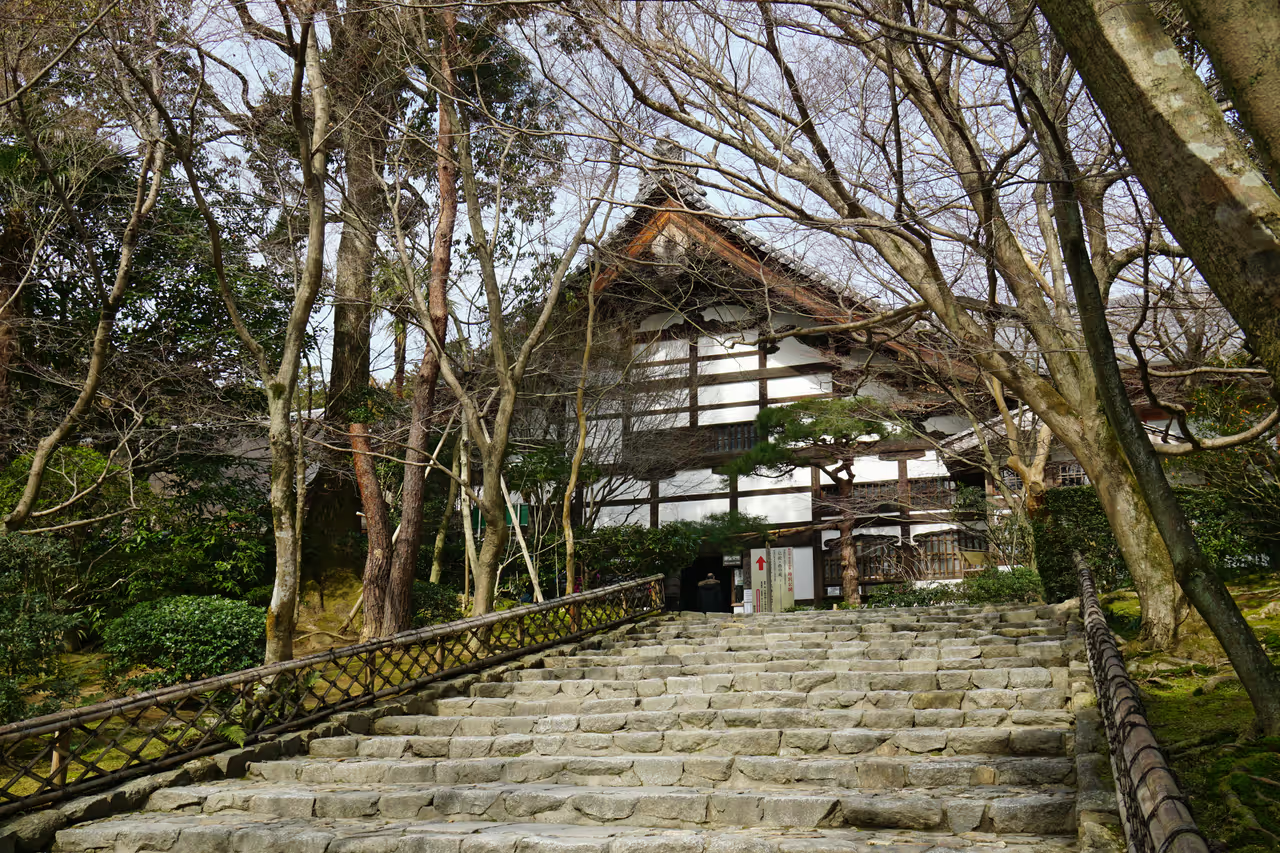
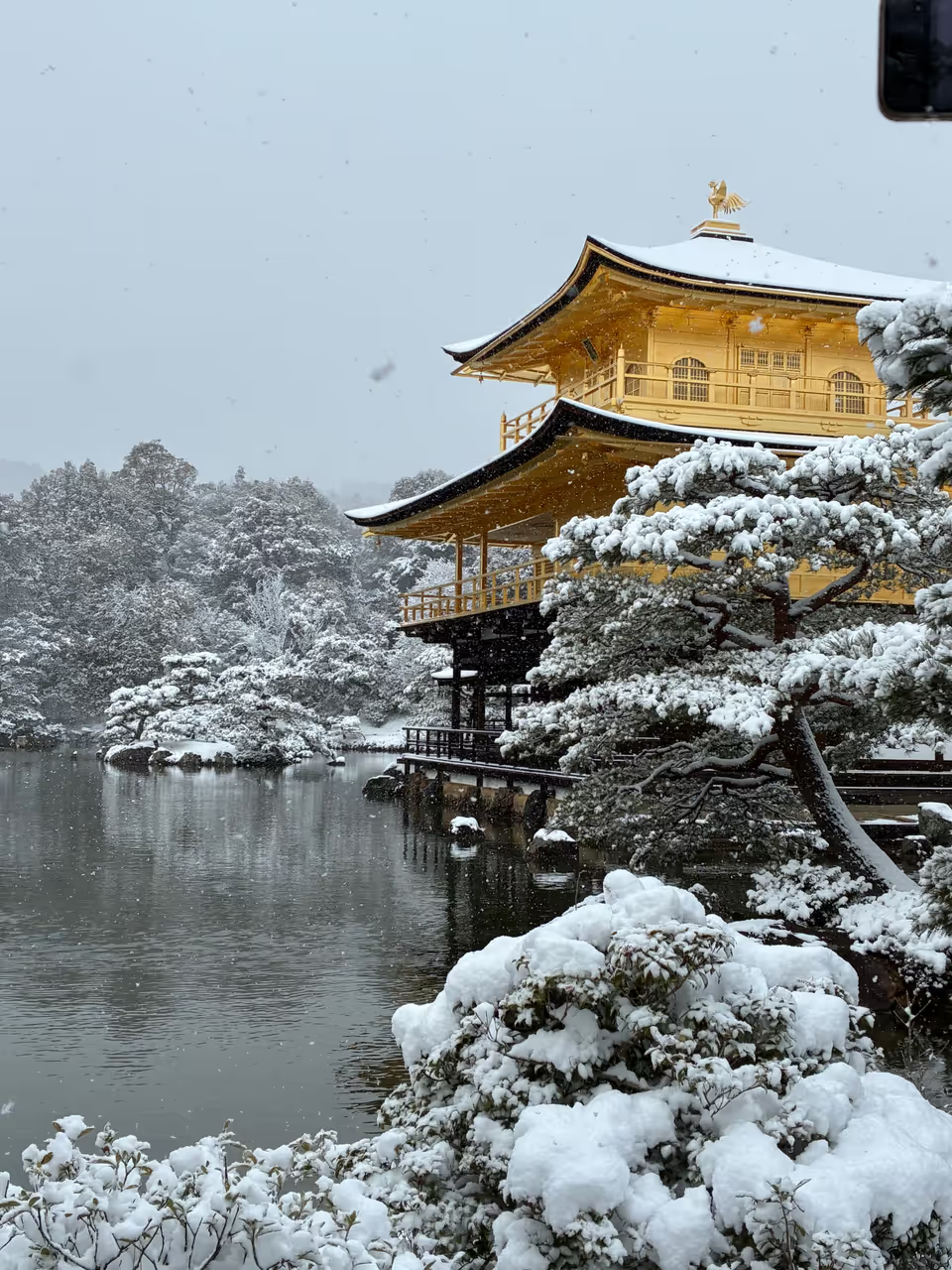
Zen Garden Discovery
Embark on a profound spiritual and visual journey exploring the city's most renowned karesansui, or dry landscape gardens. This tour delves into the austere beauty of Zen Buddhism, where carefully placed rocks and raked gravel represent expansive oceans, islands, and cosmic concepts. You will discover how these minimalist spaces were designed to aid monks in deep meditation and understand the profound symbolism behind their deliberate emptiness. It is an exploration of the unique Japanese aesthetic of wabi-sabi, finding beauty in imperfection and impermanence. The experience requires a slow pace and a quiet mind, offering a deep, restorative calm.