Shimogamo Shrine
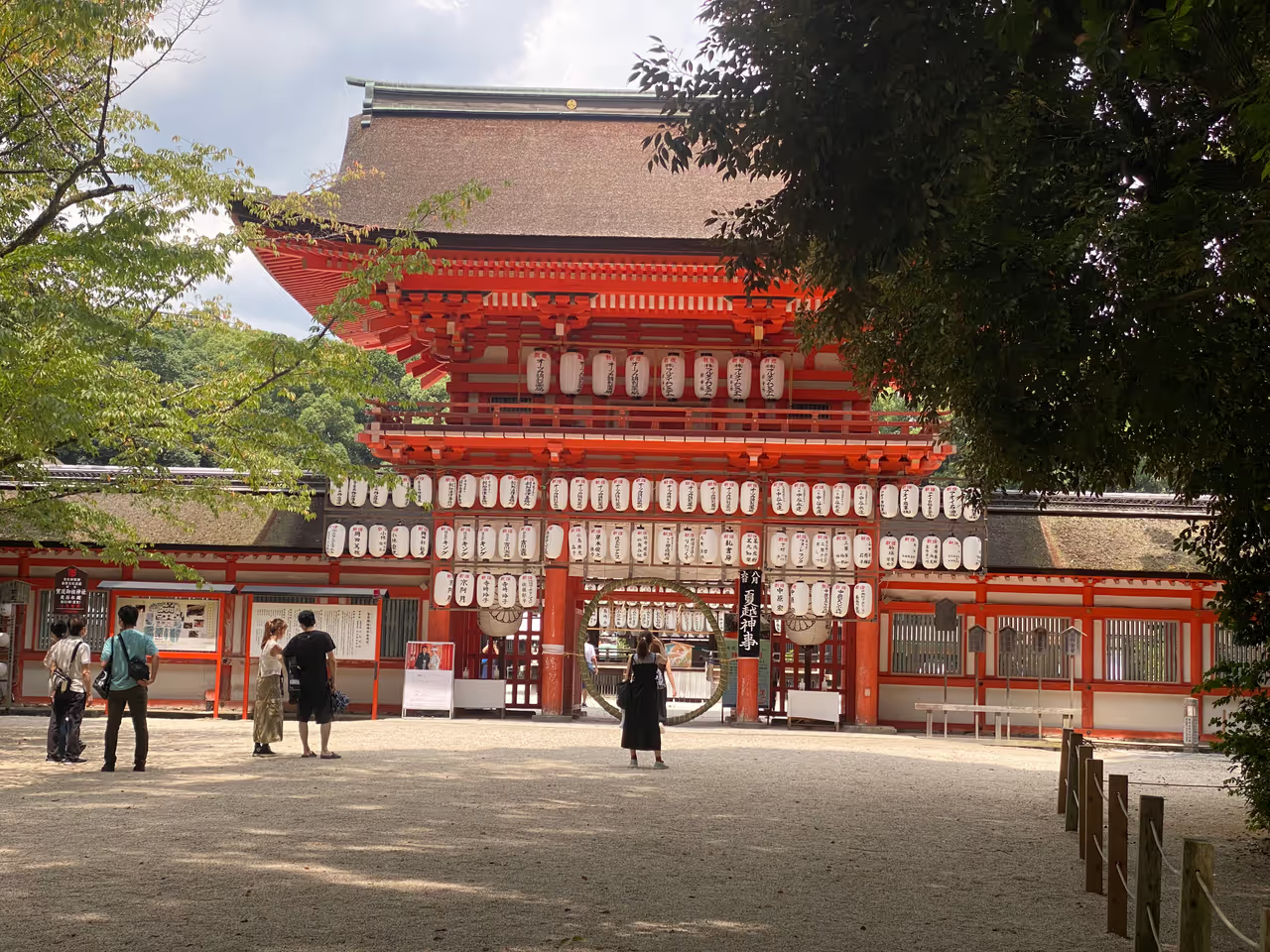
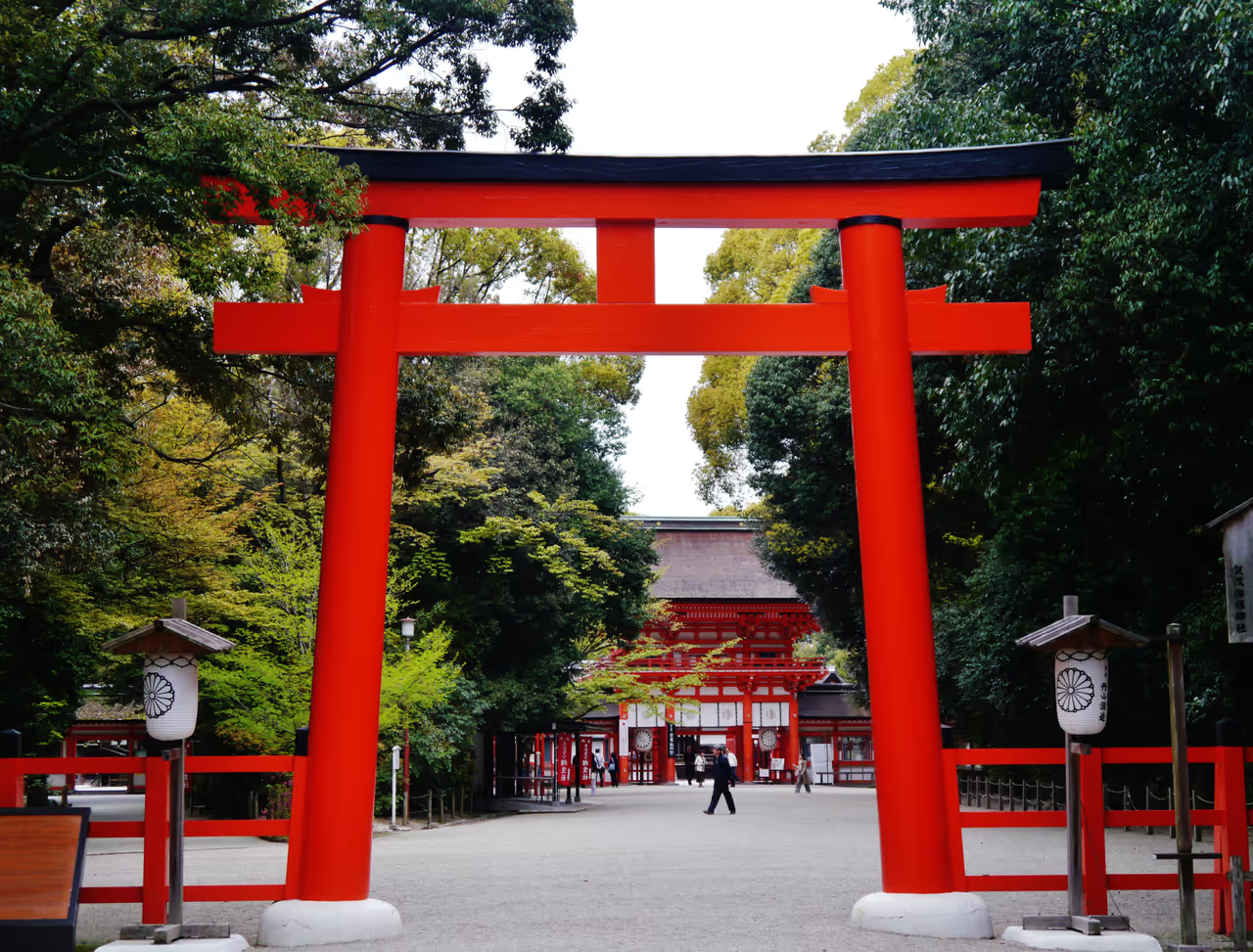
Shimogamo Shrine stands as a serene portal to Kyoto's ancient past, nestled within the lush, primeval embrace of Tadasu no Mori forest. As one of the oldest and most significant Shinto sanctuaries in Japan, it offers a tranquil retreat where time seems to slow down among centuries old trees. Walking the sun dappled paths toward the vermilion gates feels like stepping into a living chapter of history, far removed from the modern city outside. It is a place where you can connect with the spiritual roots of the Kamo clan and witness traditions that have been honoured for over a millennium. Visitors are drawn here for the profound peace and for the chance to experience rituals, festivals, and architecture that define the cultural heritage of Japan.
Videos
History of Shimogamo Shrine
Long before Kyoto transformed into the grand capital of Japan, the Kamo clan resided in the lush, riverine landscape of the Yamashiro Basin. They established a sanctuary that would eventually become the Shimogamo Shrine, anchoring the spiritual life of the region in the 6th century. This sacred ground served as a bastion against malign influences and a guardian for the city that would eventually rise around it. The shrine flourished under Imperial patronage, particularly during the Heian period, when it became a central pillar of the state's religious hierarchy, ensuring the favour of the gods for the ruling dynasty. The identity of the shrine is inextricably linked to the surrounding Tadasu no Mori, a primeval forest that has survived the encroachment of urban development for centuries. While other parts of the region succumbed to the pressures of time and expansion, this woodland remained a protected sanctuary, preserving a slice of the ancient Japanese wilderness. This environmental preservation is a testament to the reverence held for the site, where the boundary between the human and the divine feels thin. It represents a continuous link to the past, where the rites performed by the Kamo clan continue to resonate through the centuries. Today, the shrine stands as a survivor of history, having endured countless reconstructions and the changing tides of political power. The architecture, largely reflecting the style of the 17th century, captures the elegance of traditional Japanese design, while the ritual cycles like Shikinen Sengu ensure that the structures remain fresh and spiritually potent. Whether through the celebration of the Aoi Matsuri or the quiet prayers offered at the zodiac shrines, Shimogamo Shrine maintains its role as a vital custodian of Kyoto's soul. It invites reflection on the enduring nature of faith and the natural world, offering a profound sense of continuity.
Events spanning 1444 years
Fun Facts
- • During the Edo period, the shrine was a prominent site for the game of Kemari, a traditional Japanese ball game that remains a part of its festive ceremonies today.
- • For centuries, it served as one of the two chief Shinto shrines for the former Yamashiro Province, holding immense political and religious power.
- • It operates on a cycle of periodic rebuilding known as Shikinen Sengu, a tradition that historically occurred every 21 years to maintain the spiritual purity of the structures.
- • Kamo no Chomei, the famous author of the classical Japanese literary work Hojoki, was the son of one of the shrine's head priests, deepening its connection to the literary arts.
- • Tadasu no Mori, the primeval forest surrounding the shrine, translates to Forest Where Lies are Revealed, a name originating from ancient legends where the forest's spirits would force truth from liars.
- • The Higashi Honden or East Main Hall enshrines Kamo Taketsunumi no Mikoto, a deity said to have transformed into a golden hawk to guide the legendary Emperor Jimmu on his conquest.
- • The Nishi Honden or West Main Hall is dedicated to Tamayorihime, the mother of the deity who protects the sister site, Kamigamo Shrine.
- • The shrine complex predates the establishment of Kyoto as the national capital, tracing its roots to the 6th century or even earlier during the reign of Emperor Sujin.
- • The shrine features seven small, distinct structures known as the Kotosha shrines, each dedicated to a god of the Chinese zodiac, inviting visitors to pray at the one matching their birth year.
- • The shrine grounds encompass 30 acres of ancient forest, providing a rare glimpse into the natural landscape of the Yamashiro Basin as it existed before urbanisation.
Shimogamo Shrine FAQ
While we strive to keep this information accurate and up to date, we recommend verifying any details independently before making decisions based on them.
Shimogamo Shrine Map & Neighborhood Explorer
This interactive map is centered on Shimogamo Shrine. Zoom in and move the map around to automatically discover Wikipedia photos and summaries of other nearby sights, monuments, and historical points of interest and stories in real-time!
Places near Shimogamo Shrine
Make the most of your trip. Check out these top-rated spots located nearby.
 766m
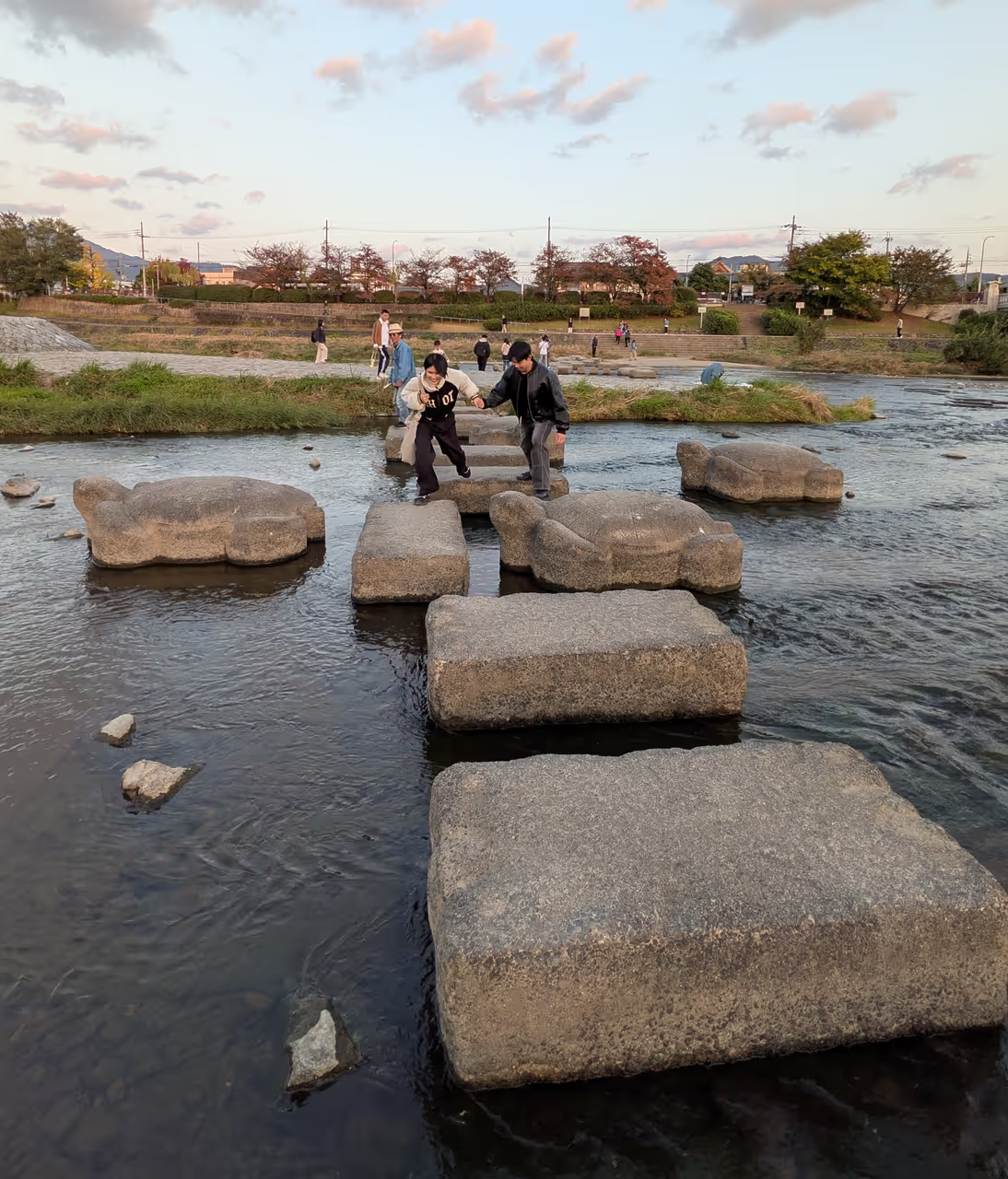
766mKamogawa Stepping Stones
Located at the picturesque delta where two rivers merge, this highly playful set of stone blocks allows you to literally hop across the wide river. Some of the stones are delightfully carved into the shapes of large turtles and flying birds. It is a wonderfully relaxing spot where local families, students, and travellers gather to cool their feet in the water and enjoy impromptu picnics on the grassy banks. Skipping across the water provides a fun, surprisingly engaging break from the serious historical sightseeing.
free thing to do view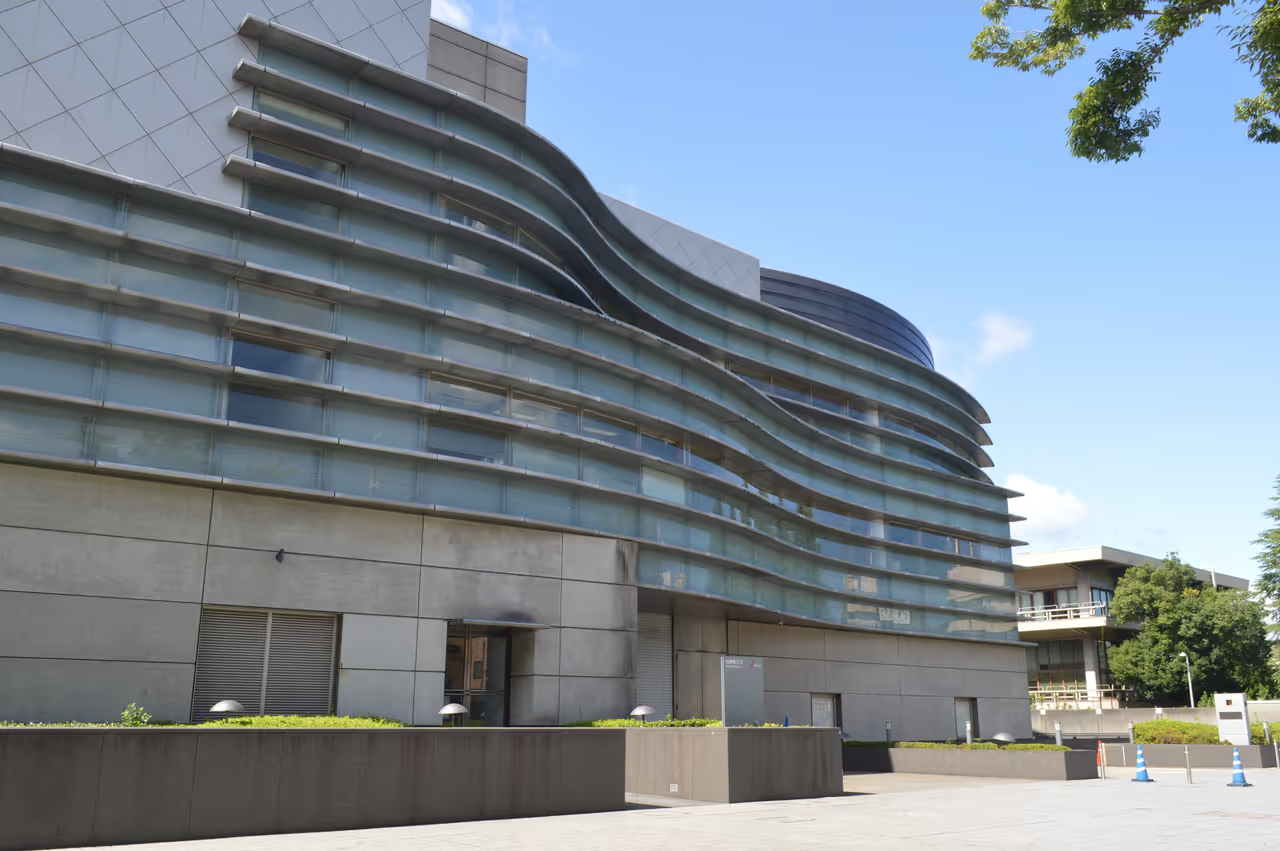 1537m
1537mKyoto Concert Hall
Designed by the internationally acclaimed architect Arata Isozaki, this striking modern venue was built to celebrate the 1,200th anniversary of the city's founding. The architecture masterfully blends contemporary geometries with subtle references to traditional Japanese design and the surrounding natural landscape. The building features a distinctive, asymmetrical cylindrical form and a grand, spiralling internal ramp that leads patrons up to the main auditorium. The interior boasts world-class acoustics, making it the premier destination for classical music performances in the region. It is a fantastic example of late 20th-century civic architecture.
architecture view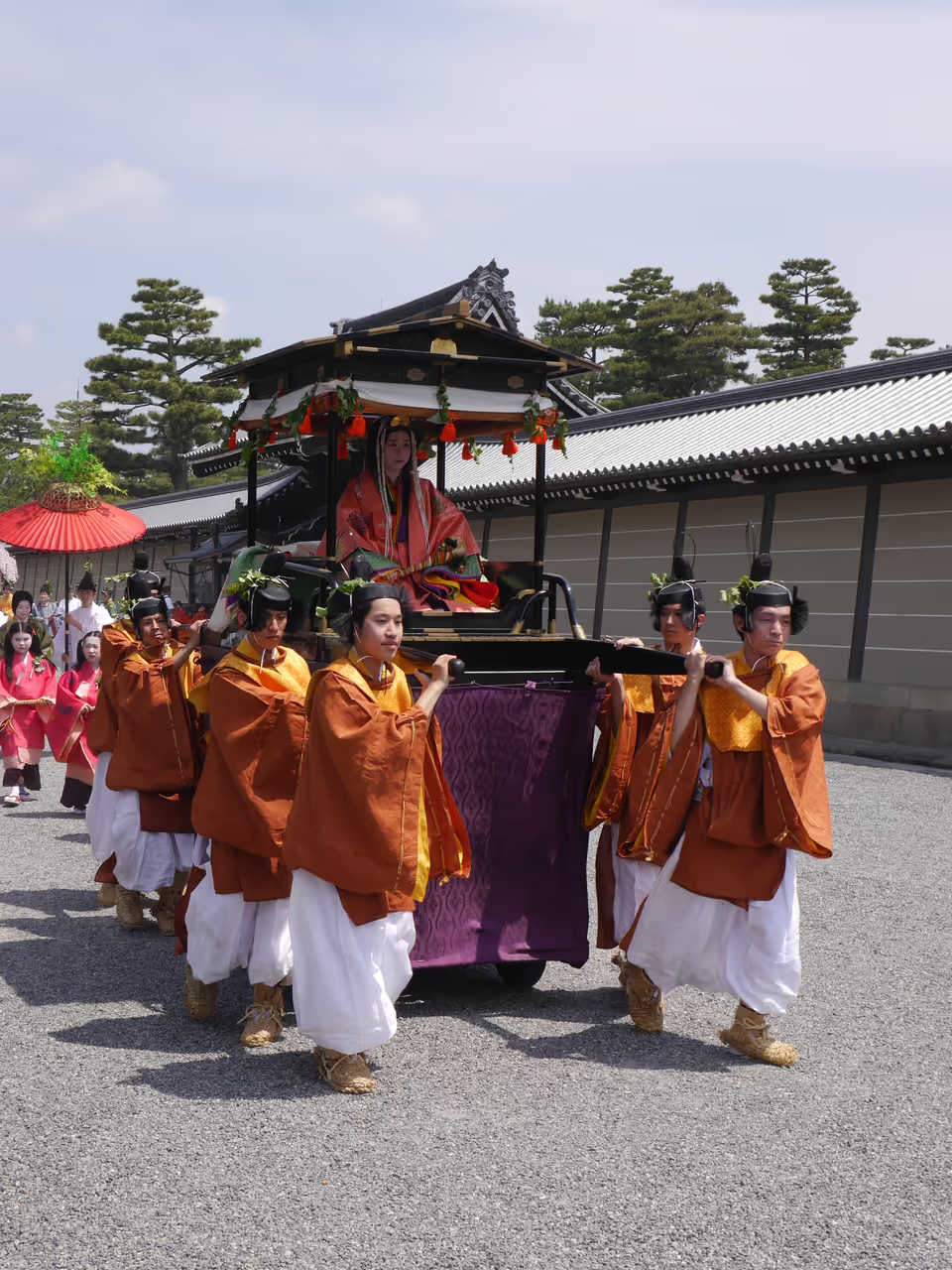 1595m
1595mHollyhock Festival
This elegant and solemn procession traces its origins back to the 6th century, making it one of the oldest continuous festivals in the world. Hundreds of participants dress in authentic, aristocratic Heian-period costumes, parading gracefully from the Imperial Palace to the Kamo Shrines. The festival takes its name from the hollyhock leaves that decorate the participants, carts, and animals. It offers a mesmerising glimpse into the refined court culture of ancient Japan.
festival view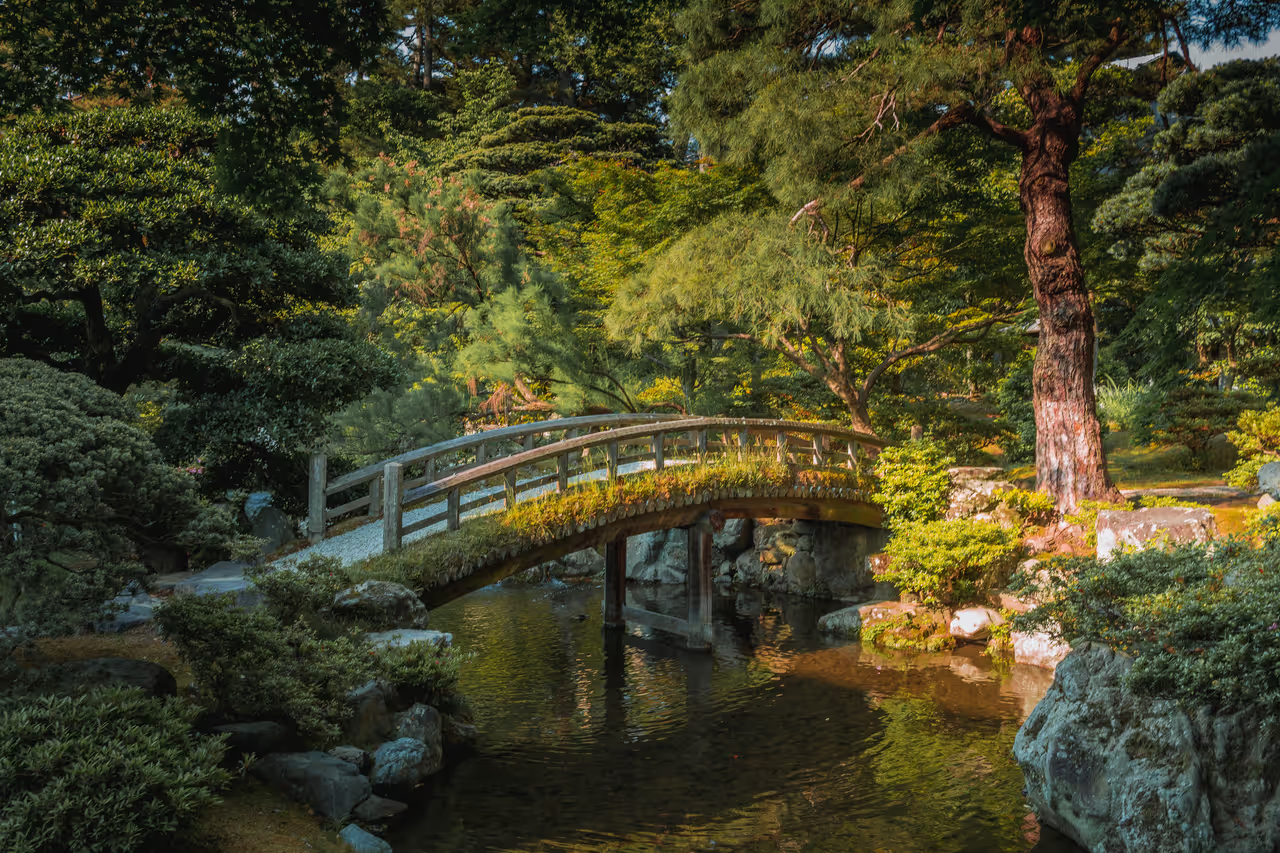 1595m
1595mKyoto Gyoen National Garden
Kyoto Gyoen National Garden serves as the magnificent green heart of Kyoto, offering a sprawling urban oasis that seamlessly blends imperial history with serene natural beauty. Once a densely packed district filled with the residences of high ranking nobles, this vast park now provides a tranquil escape where visitors can wander beneath towering trees and along iconic gravel paths. It is a rare space where the grandeur of the Imperial Palace grounds meets the everyday rhythm of local life, making it an ideal destination for morning strolls, birdwatching, and quiet contemplation. Throughout the seasons, the landscape transforms with vibrant blossoms and changing foliage, ensuring a unique experience no matter when you arrive. Visiting here allows you to step back in time while enjoying one of the most significant and well preserved cultural sites in Japan.
park & nature view
Explore Similar Places in This Collection
Featured on These Itineraries and Routes
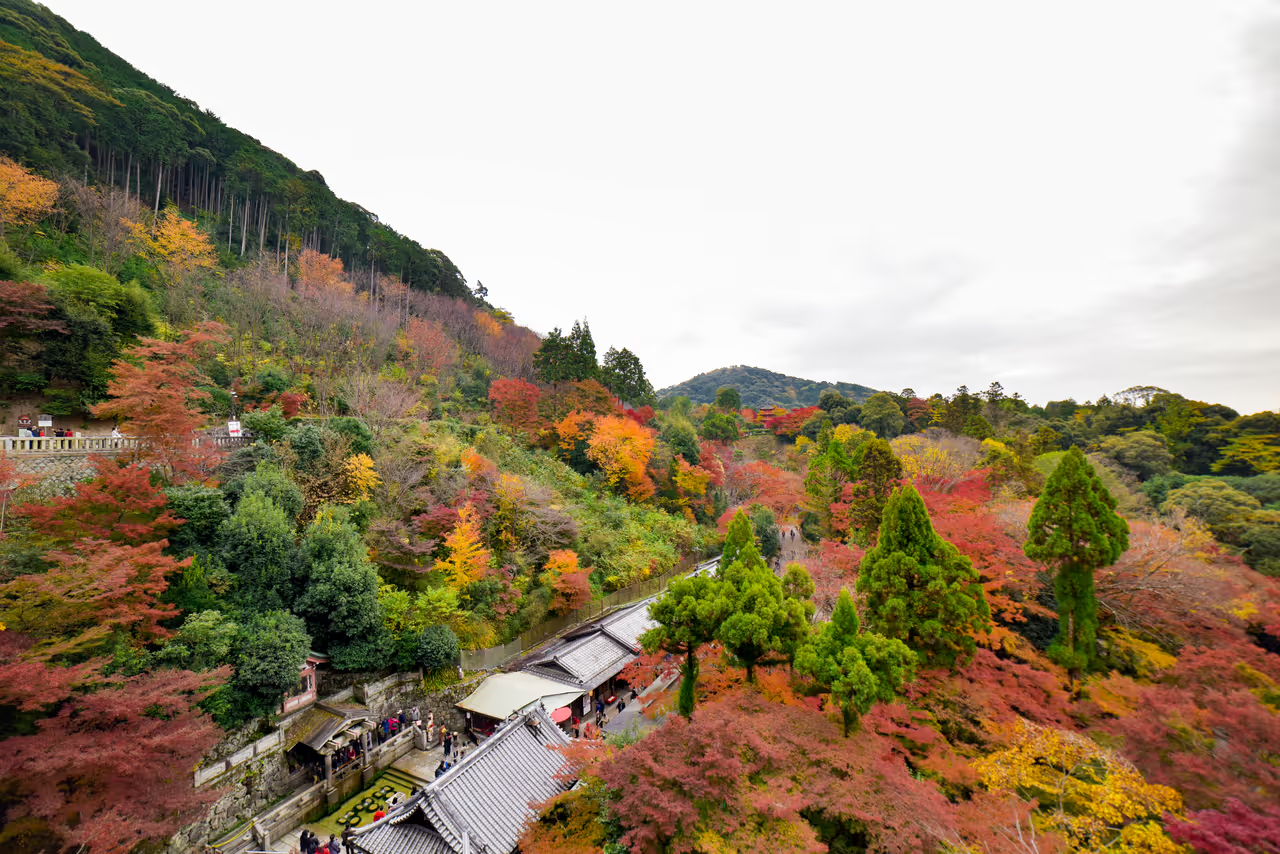
5 Days in Kyoto: The Deep Immersion Itinerary
A generous five-day stay grants you the absolute luxury of slowing down and exploring the quiet, hidden corners that most travellers never see. Beyond the iconic temples, you will have time to discover secluded mountain shrines, delve into the imperial history of the grand palaces, and enjoy restorative public bathing. This extended itinerary allows you to dedicate entire afternoons to aimless, scenic strolls and highly authentic culinary experiences. It is the ultimate way to truly connect with the profound spiritual and historical rhythm of the ancient capital.
view itinerary
Kamo River Glide
This magnificent route follows the wide, paved paths alongside the city's main waterway, offering a stress-free and visually stunning journey. Without the worry of car traffic, you can effortlessly pedal past locals picnicking on the grassy banks, elegant herons hunting in the shallows, and historic dining terraces hanging over the water. The path stretches for miles, providing dynamic views of the surrounding mountains and connecting seamlessly to several major cultural sites. It is an incredibly peaceful way to experience the city's natural artery.
view cycling route
See all unesco sites in Kyoto
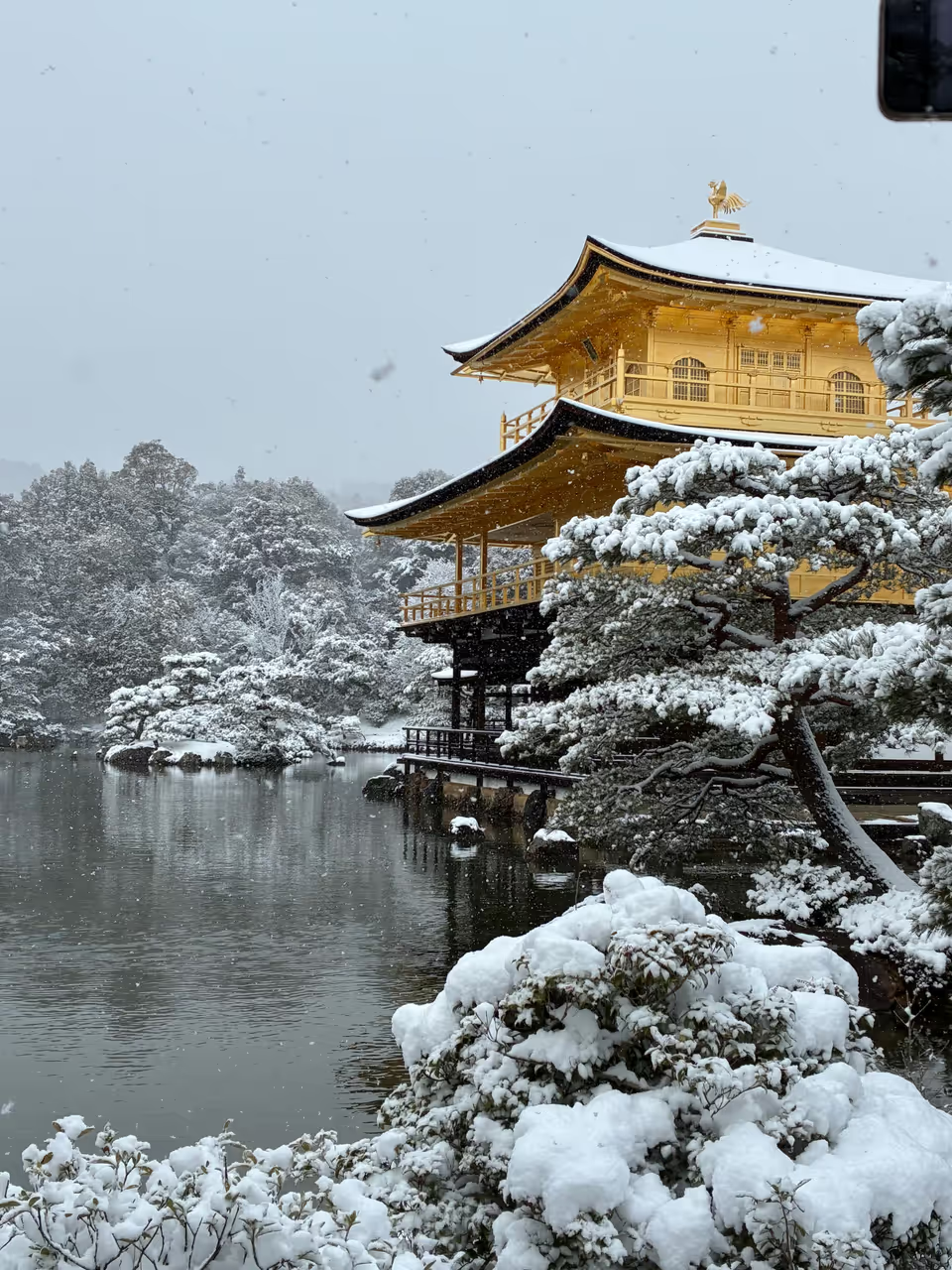
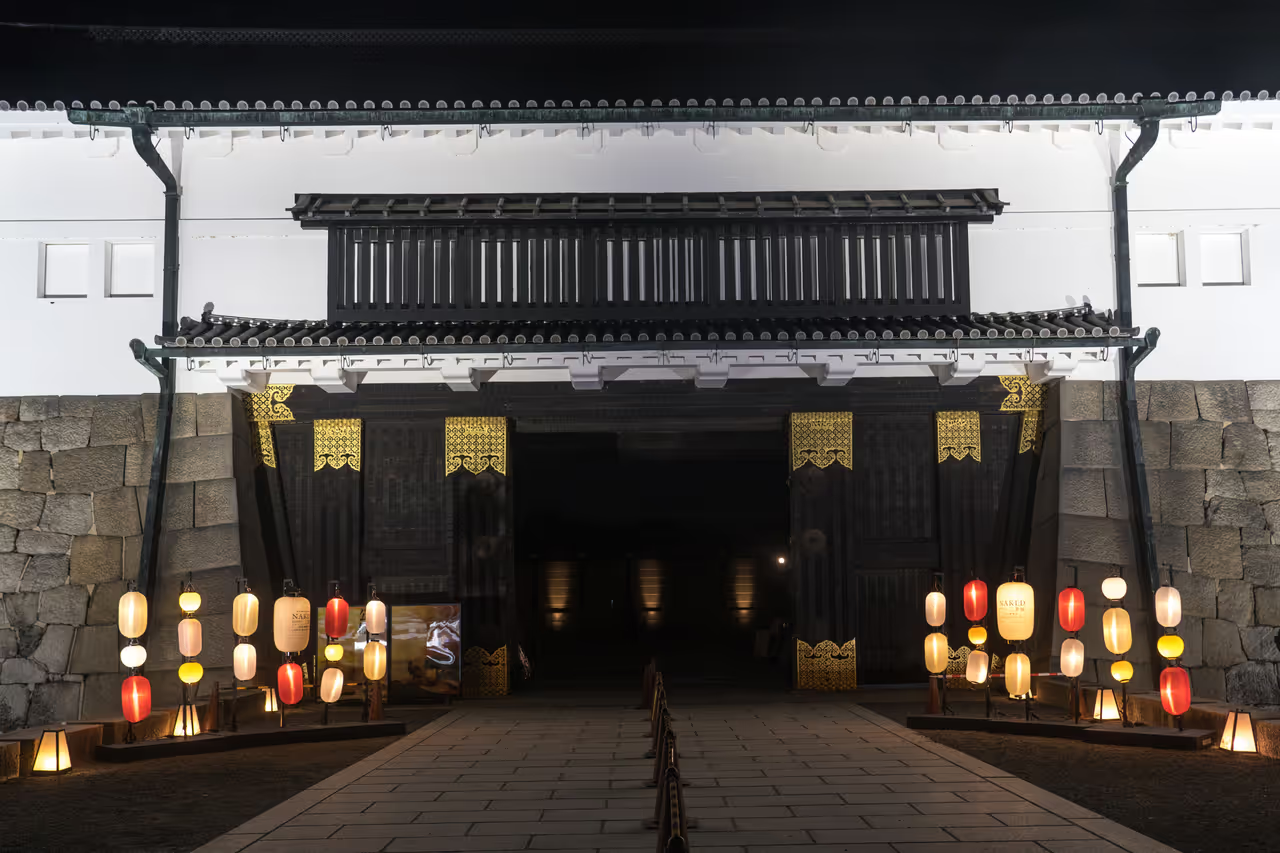
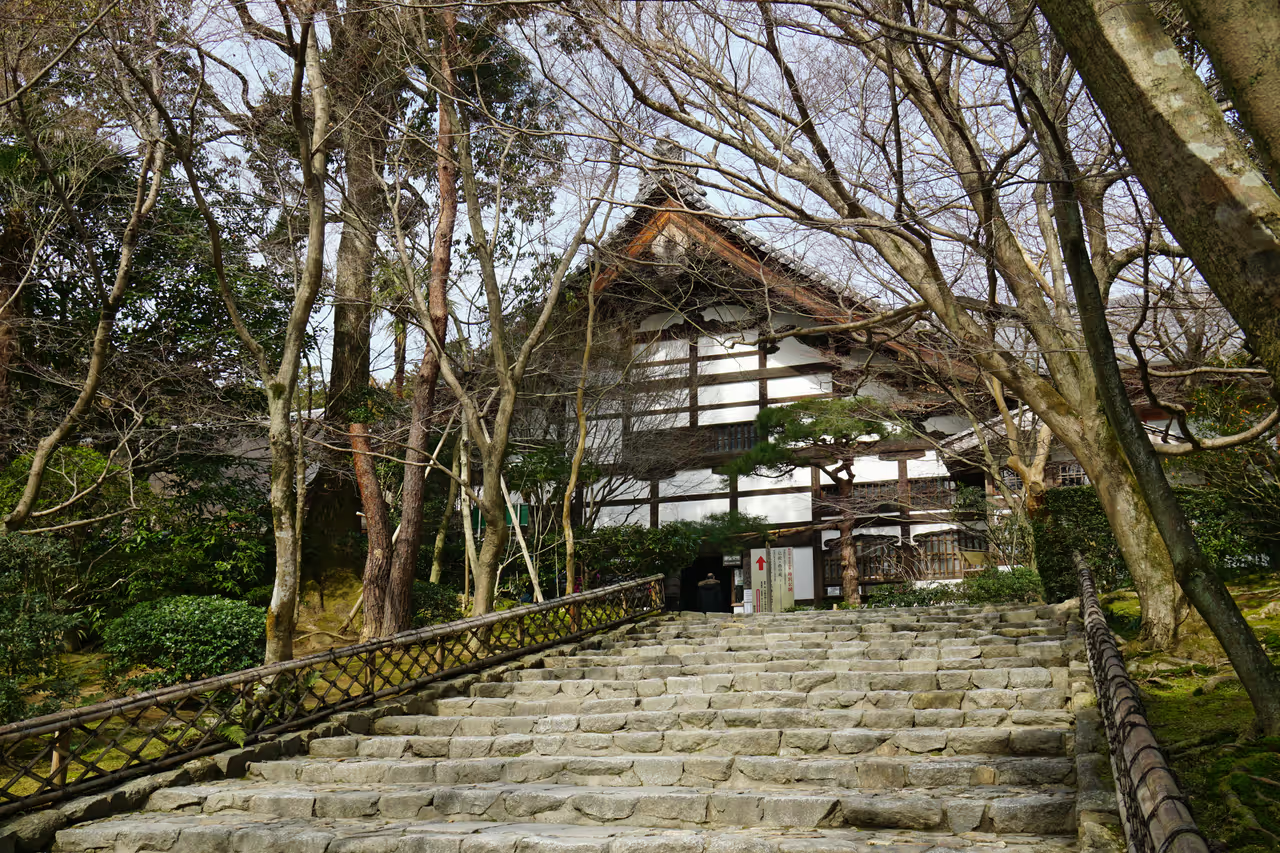
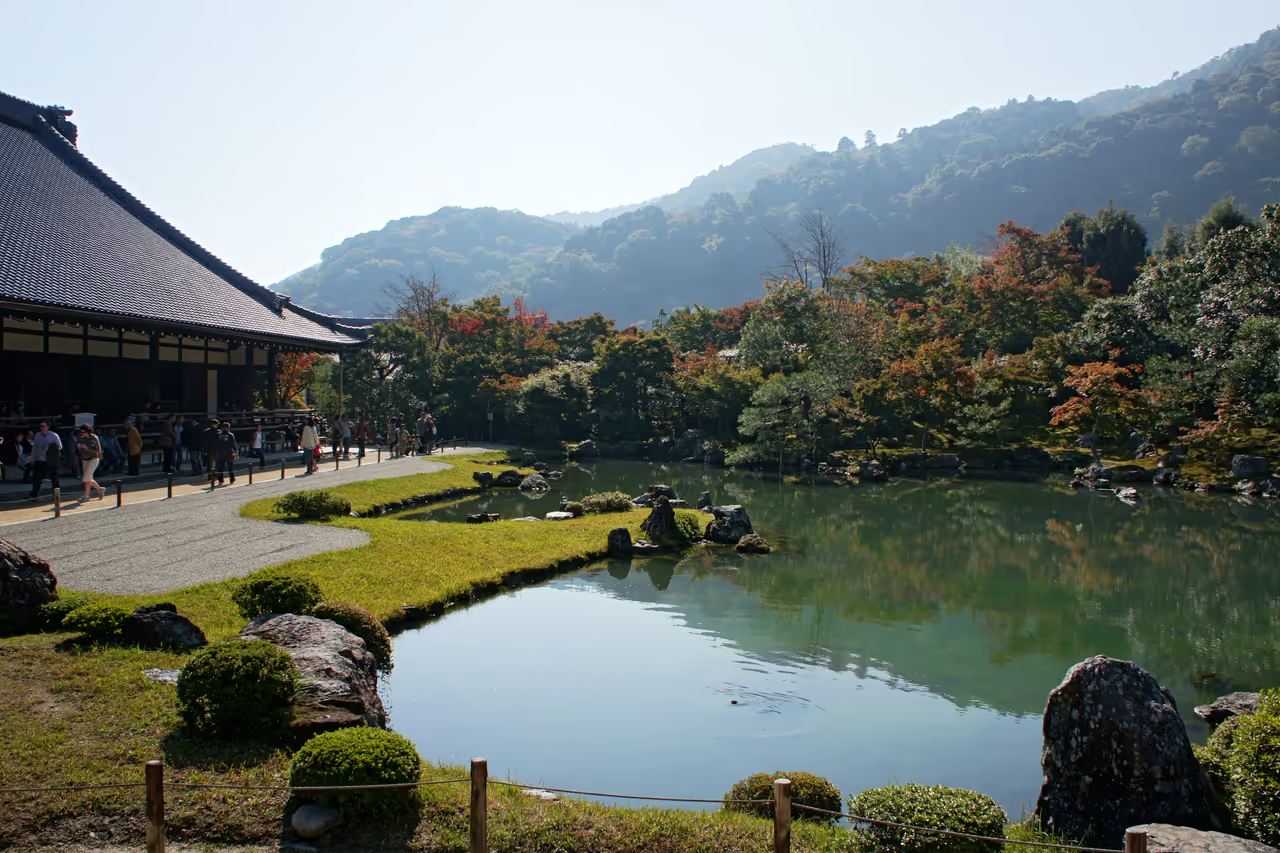
Kinkaku ji (The Golden Pavilion), Kiyomizu-dera, Nijō Castle, Ryōanji Temple, Ginkaku-ji, Tenryū-ji Temple...