Kyoto Gyoen National Garden
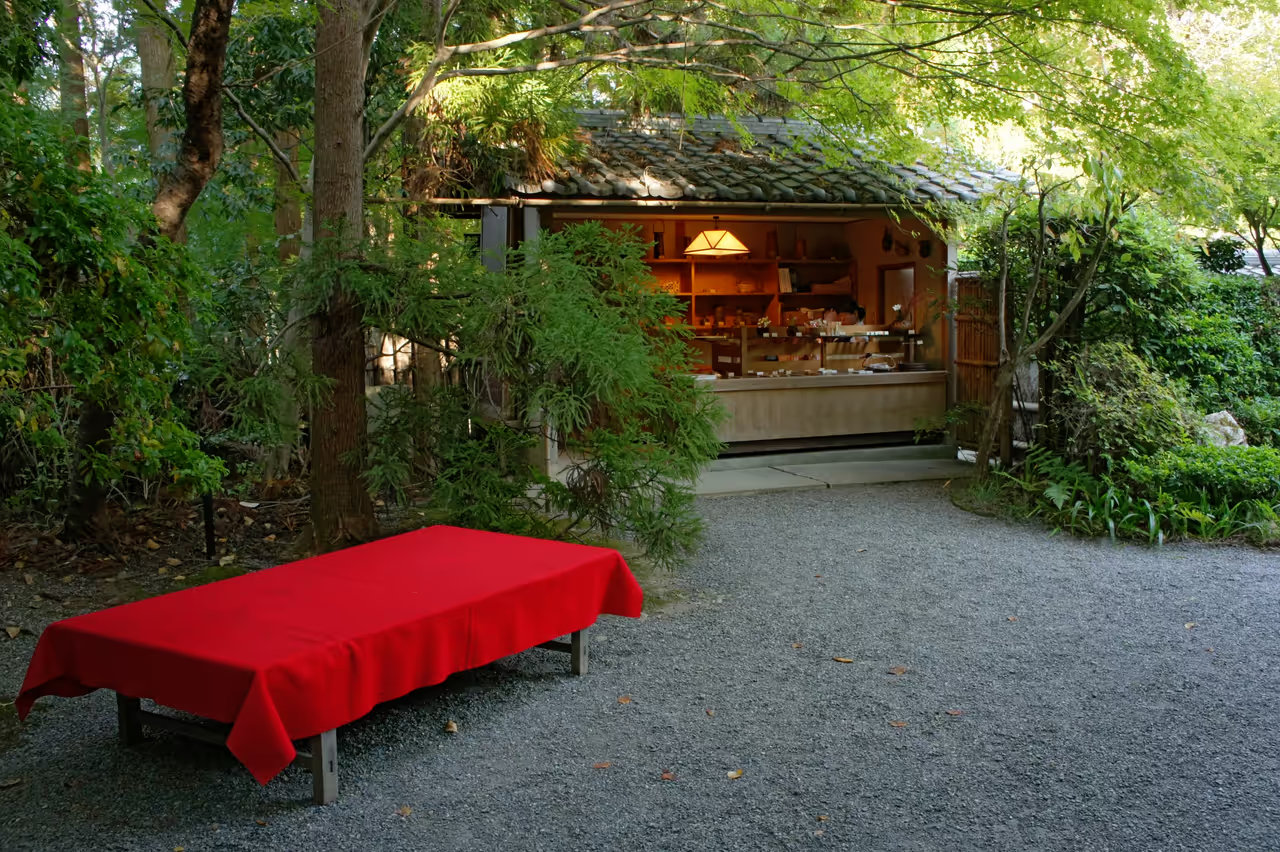
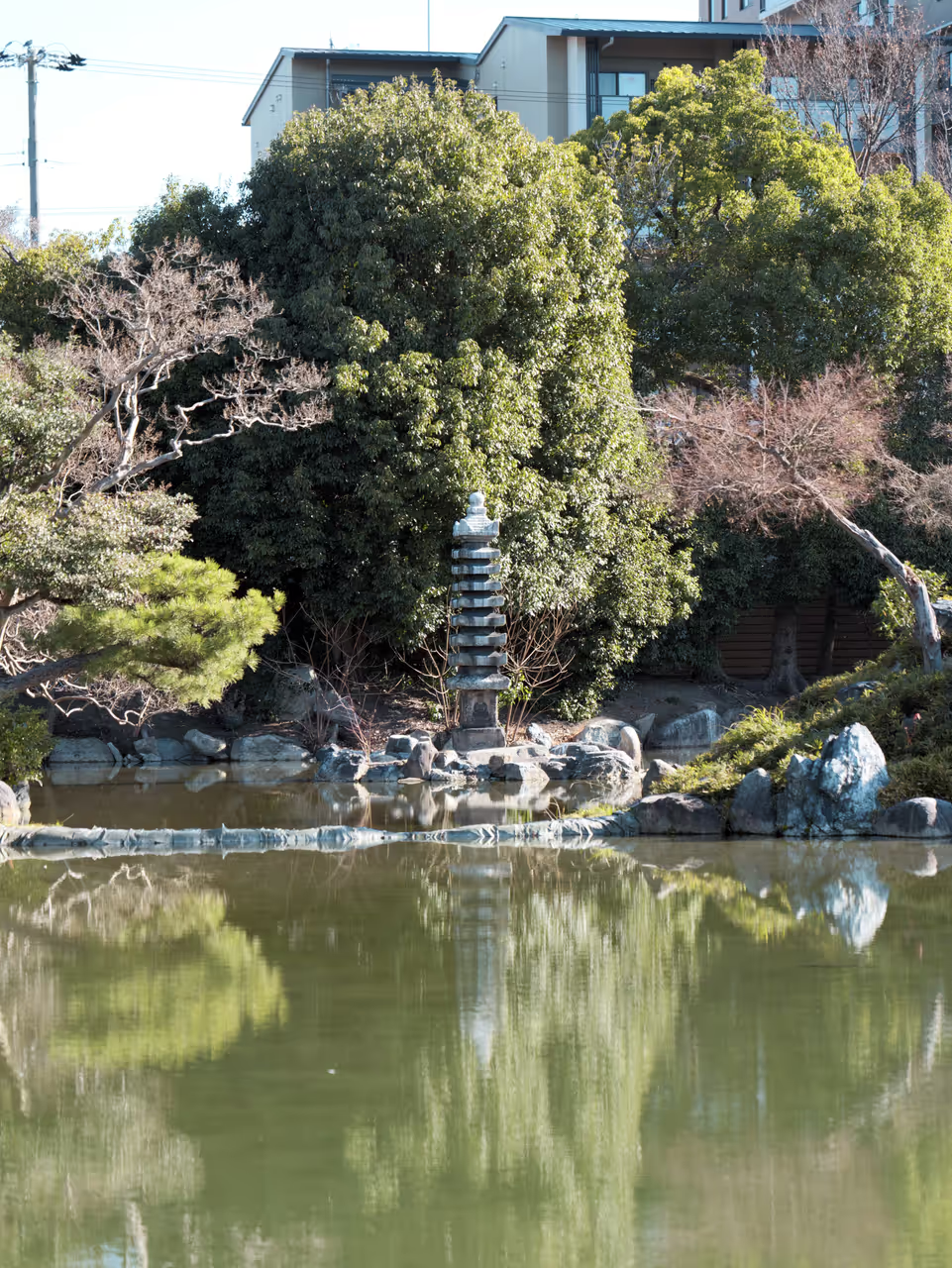
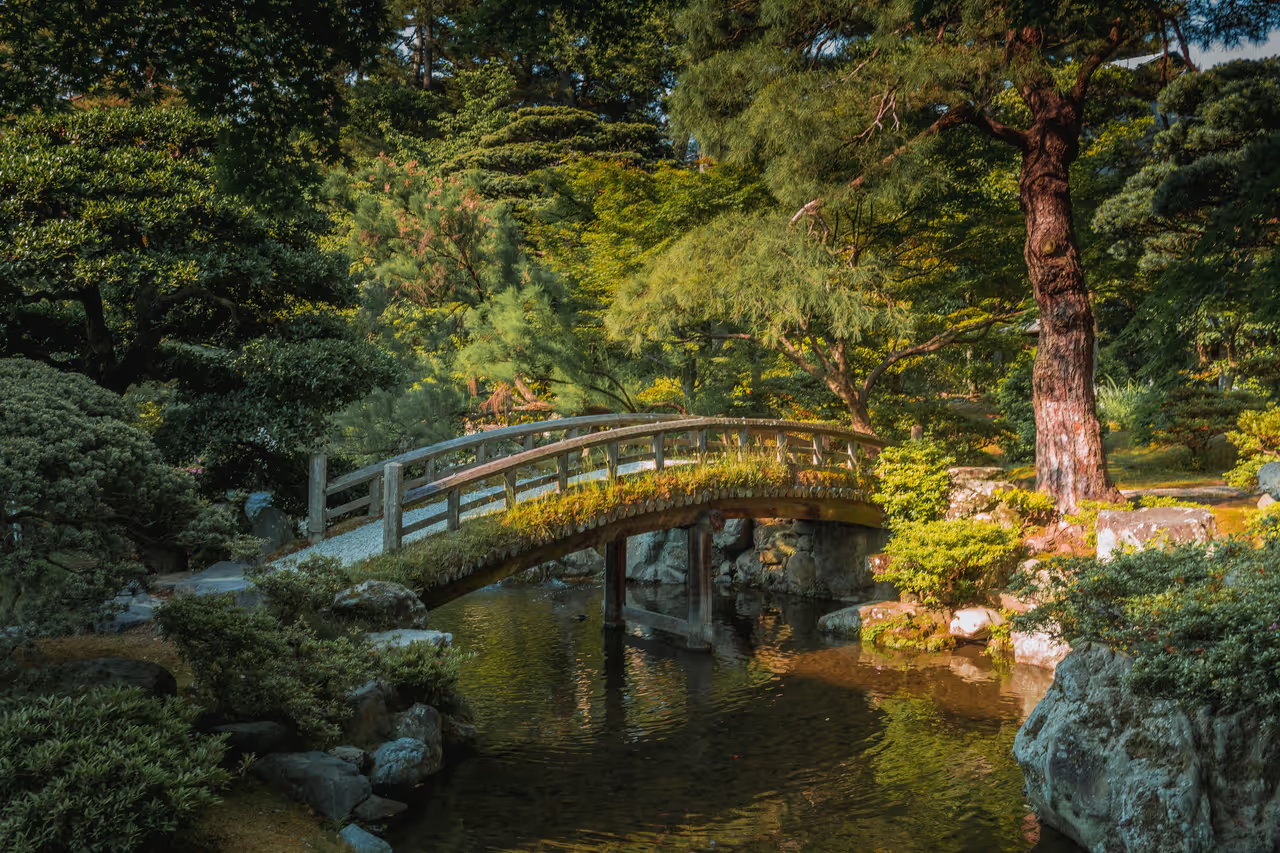
Kyoto Gyoen National Garden serves as the magnificent green heart of Kyoto, offering a sprawling urban oasis that seamlessly blends imperial history with serene natural beauty. Once a densely packed district filled with the residences of high ranking nobles, this vast park now provides a tranquil escape where visitors can wander beneath towering trees and along iconic gravel paths. It is a rare space where the grandeur of the Imperial Palace grounds meets the everyday rhythm of local life, making it an ideal destination for morning strolls, birdwatching, and quiet contemplation. Throughout the seasons, the landscape transforms with vibrant blossoms and changing foliage, ensuring a unique experience no matter when you arrive. Visiting here allows you to step back in time while enjoying one of the most significant and well preserved cultural sites in Japan.
Videos
History of Kyoto Gyoen National Garden
The history of Kyoto Gyoen is defined by a dramatic transition from an exclusive noble enclave to a shared public sanctuary. Following the Meiji Restoration and the subsequent move of the capital to Tokyo, the elite district surrounding the Imperial Palace was suddenly emptied of its residents. The noble families who had lived there for centuries followed the Emperor, leaving behind sprawling, elegant estates that quickly began to crumble into ruin. This decay threatened the dignity of the Imperial Palace itself, prompting urgent calls for intervention. In a pivotal moment for Kyoto, statesmen like Iwakura Tomomi championed the preservation of the imperial surroundings. The government initiated a massive effort to clear the dilapidated structures and create a protective, forested buffer zone. This undertaking involved careful landscape planning, turning the once private maze of noble houses into an expansive, open space. Over time, this land was meticulously cultivated, with thousands of trees planted to reclaim the area as a lush, natural environment. Today, the site stands as a testament to this preservation effort. It is no longer a restricted zone for the aristocracy but a vibrant civic space where history and nature coexist. The modern identity of the park is one of resilience and public service, serving as the lungs of the city. From the ancient gates that whisper of samurai skirmishes to the quiet pathways enjoyed by modern students and visitors, the garden holds the memory of Kyoto's transformation, firmly rooted in its role as a living cultural treasure.
Events spanning 136 years
Fun Facts
- • It hosts a variety of traditional shrines including Shirakumo Shrine and Munakata Shrine, each with deep historical ties to former noble families.
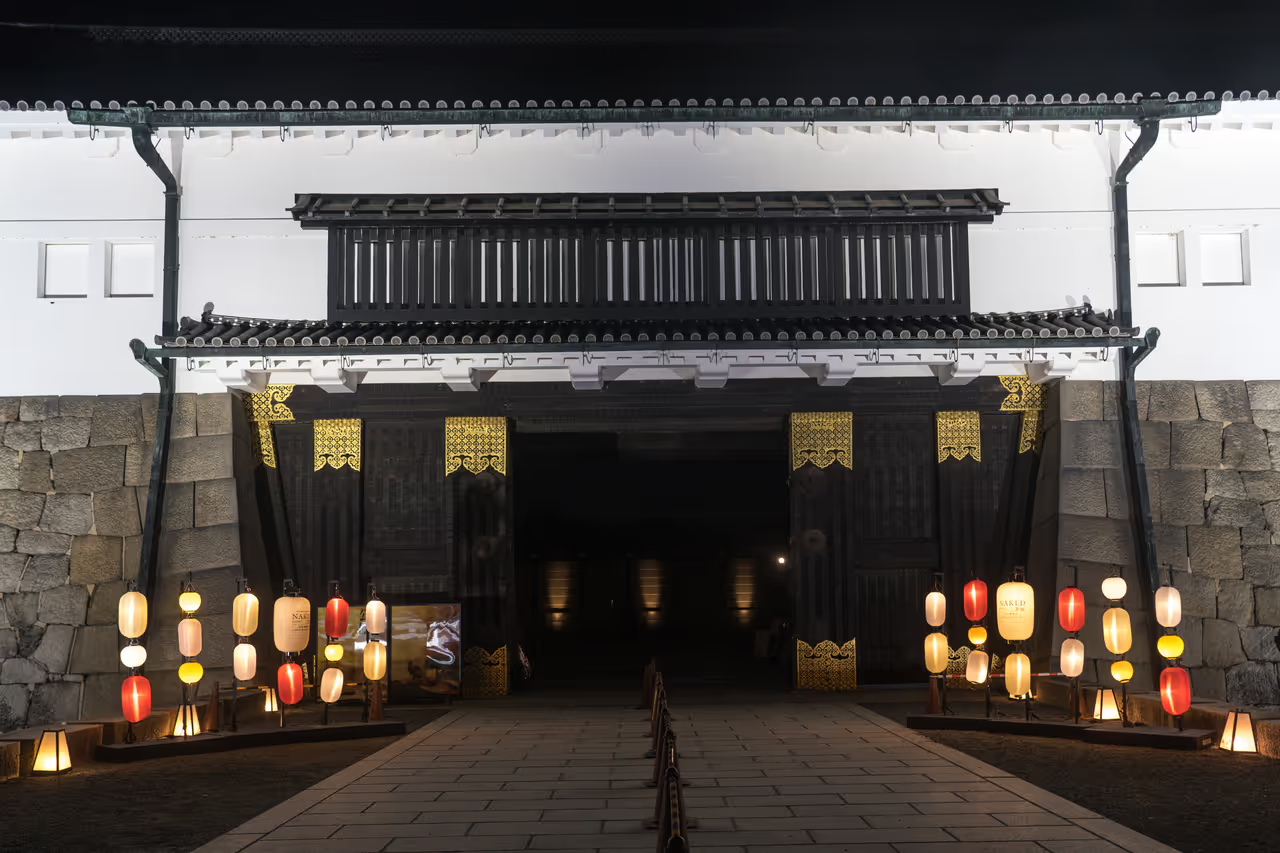
- • It houses nine distinct outer gates that originate from the Edo period, serving as grand entryways to the grounds.
- • It was created through the systematic removal of over 100 noble estates that had fallen into disrepair after the Meiji Restoration.
- • Over 50,000 trees thrive within the park, supporting a surprisingly rich urban ecosystem.
- • The Kyoto State Guest House is a masterpiece of modern Japanese architecture that blends traditional motifs with contemporary design.
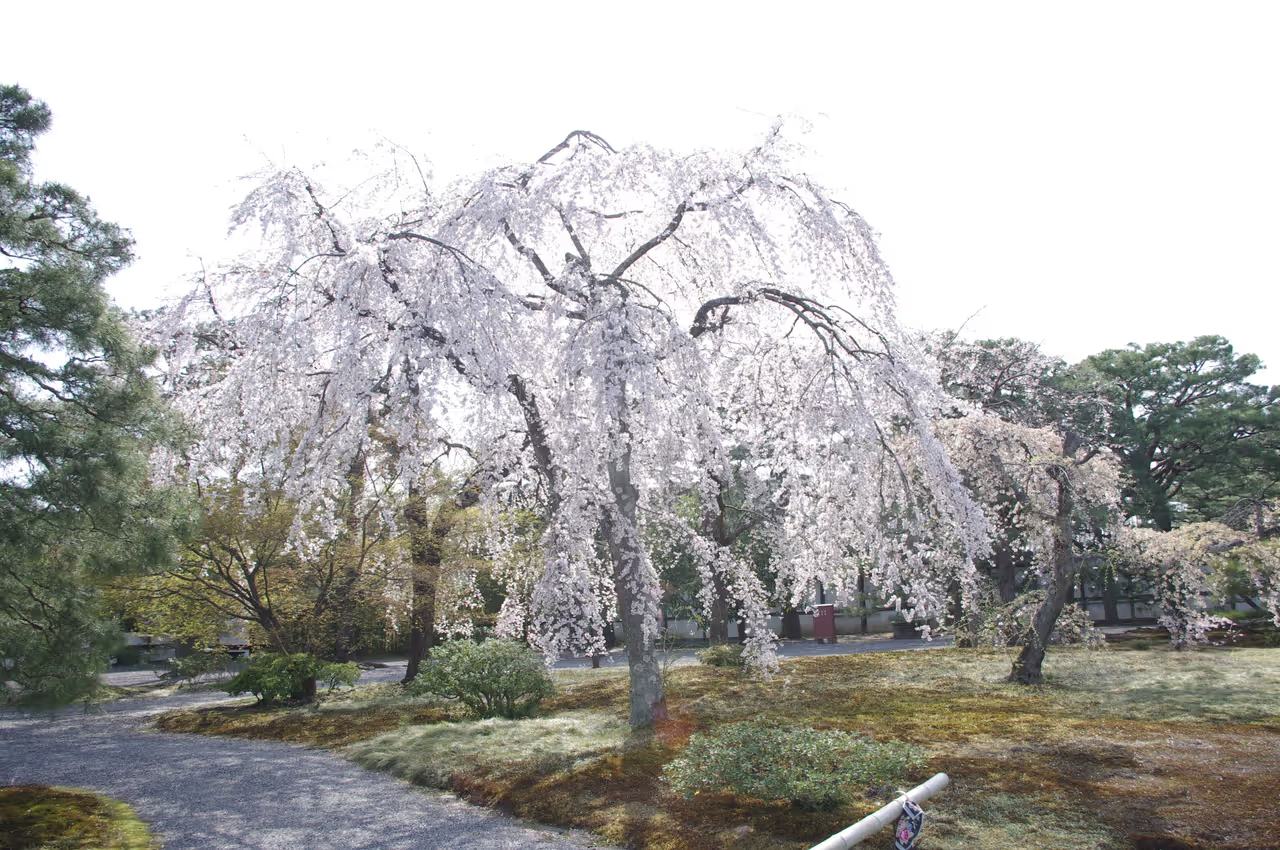
- • The area contains the ruins of the historic Konoe residence, famous for the beautiful weeping cherry trees that draw crowds every spring.
- • The famous Hamaguri gomon gate still bears the physical scars and bullet holes from the 1864 Kinmon Incident.
- • The gravel pathways are a signature element, famously known among locals as the Gosho no Hosomichi.
- • The northeast corner of the palace grounds features the Saruga tsuji, or Monkey Corner, which is designed to ward off evil spirits.
- • The park serves as a refuge for over 100 species of birds, making it a premier spot for ornithologists and nature lovers.
- • The park spans 65 hectares in the centre of the city, acting as a crucial green lung for the metropolitan area.
- • The site acts as the starting point for major cultural events, including the historic Aoi Matsuri and Jidai Matsuri.
Kyoto Gyoen National Garden FAQ
While we strive to keep this information accurate and up to date, we recommend verifying any details independently before making decisions based on them.
Kyoto Gyoen National Garden Map & Neighborhood Explorer
This interactive map is centered on Kyoto Gyoen National Garden. Zoom in and move the map around to automatically discover Wikipedia photos and summaries of other nearby sights, monuments, and historical points of interest and stories in real-time!
Places near Kyoto Gyoen National Garden
Make the most of your trip. Check out these top-rated spots located nearby.
 0m
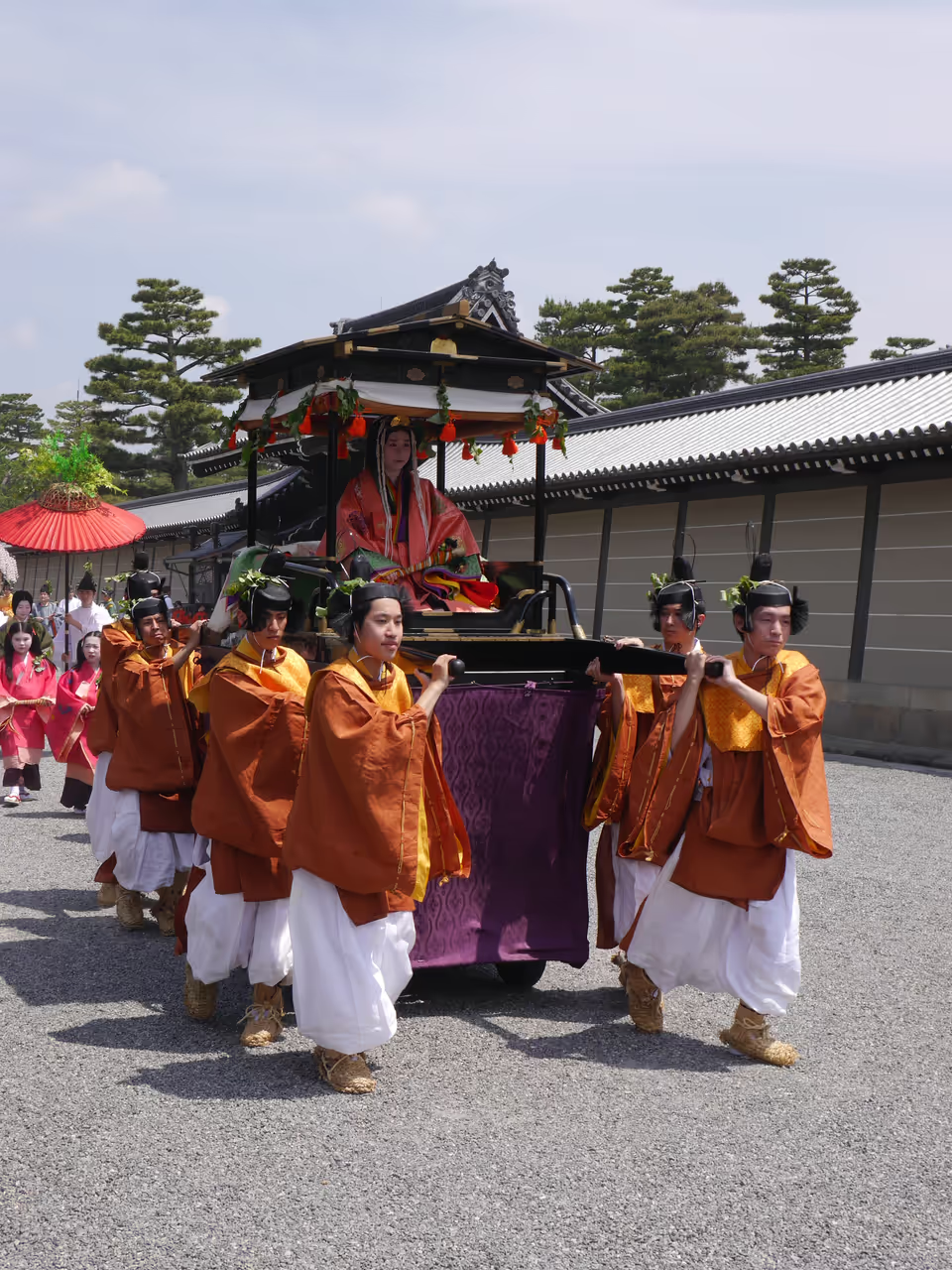
0mHollyhock Festival
This elegant and solemn procession traces its origins back to the 6th century, making it one of the oldest continuous festivals in the world. Hundreds of participants dress in authentic, aristocratic Heian-period costumes, parading gracefully from the Imperial Palace to the Kamo Shrines. The festival takes its name from the hollyhock leaves that decorate the participants, carts, and animals. It offers a mesmerising glimpse into the refined court culture of ancient Japan.
festival view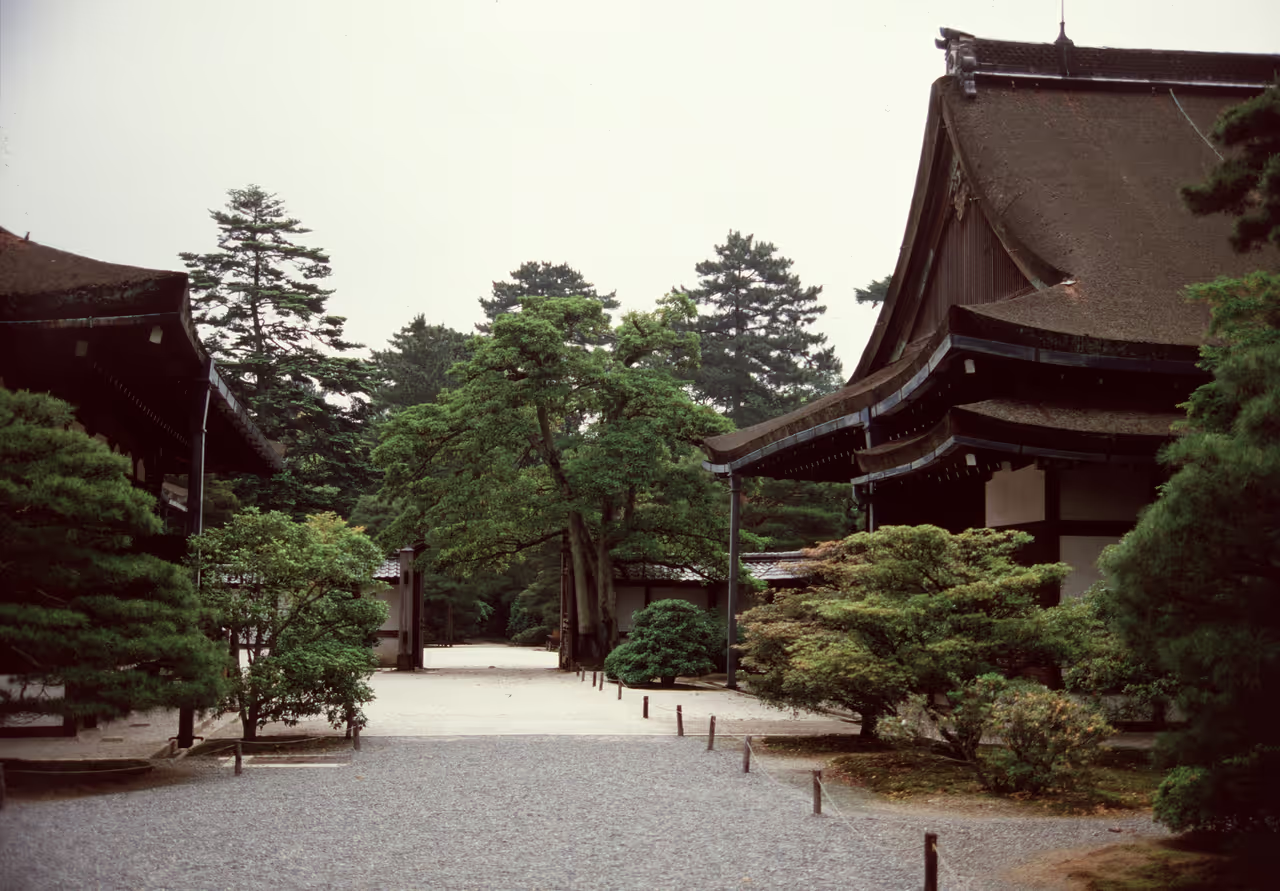 0m
0mKyoto Imperial Palace
Serving as the residence of the Imperial Family until the capital was moved to Tokyo in 1868, this grand complex showcases the pinnacle of classical Japanese architecture. The palace features beautifully austere, unpainted wooden structures, expansive gravel courtyards, and highly symbolic ceremonial halls. Visitors can wander through the grounds to admire the intricate gates and the elegant simplicity of the imperial aesthetic. It sits within a massive public park that provides a sprawling, green oasis in the centre of the city. The sheer scale of the grounds highlights the historical reverence commanded by the Emperor.
highlight view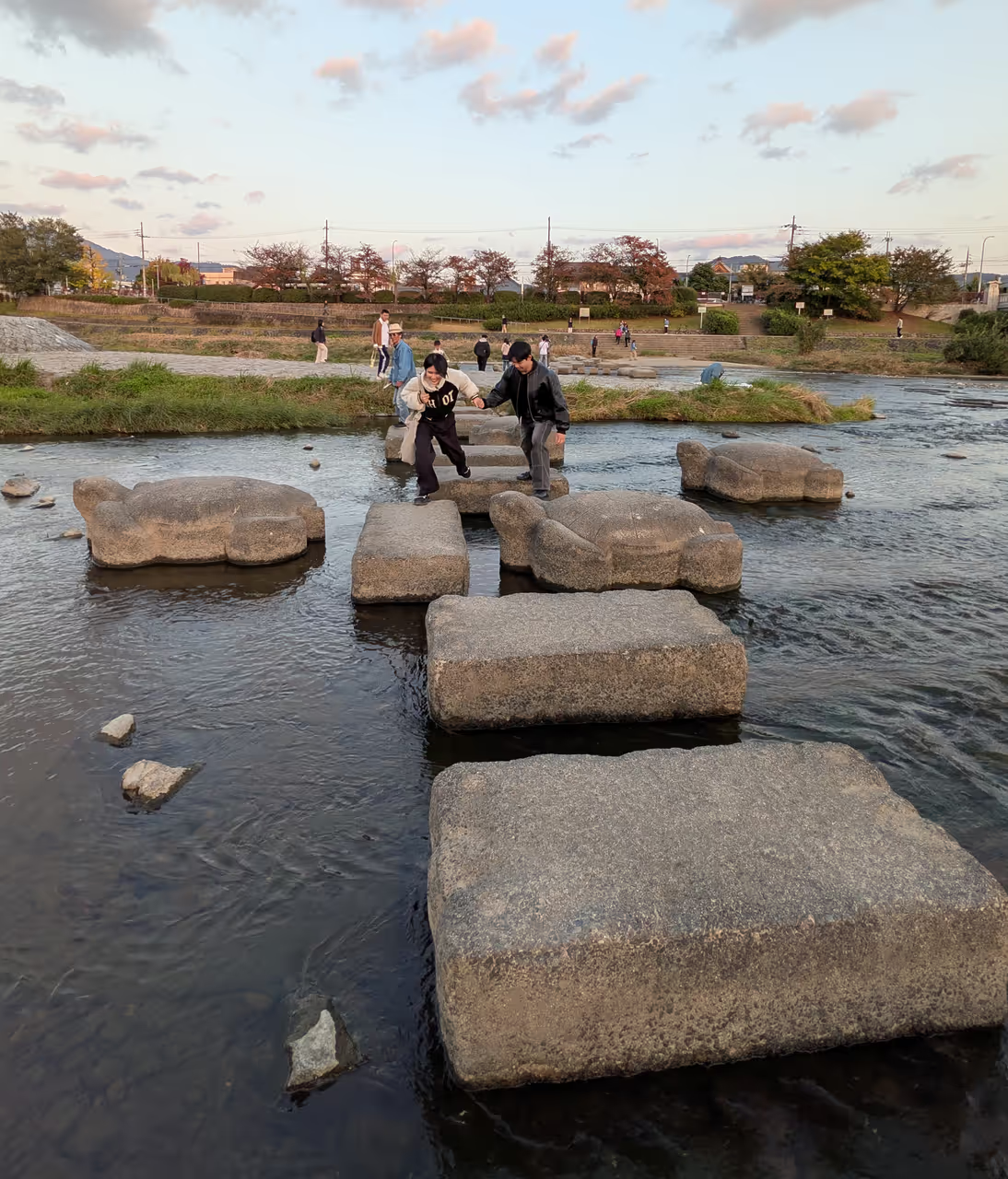 1011m
1011mKamogawa Stepping Stones
Located at the picturesque delta where two rivers merge, this highly playful set of stone blocks allows you to literally hop across the wide river. Some of the stones are delightfully carved into the shapes of large turtles and flying birds. It is a wonderfully relaxing spot where local families, students, and travellers gather to cool their feet in the water and enjoy impromptu picnics on the grassy banks. Skipping across the water provides a fun, surprisingly engaging break from the serious historical sightseeing.
free thing to do view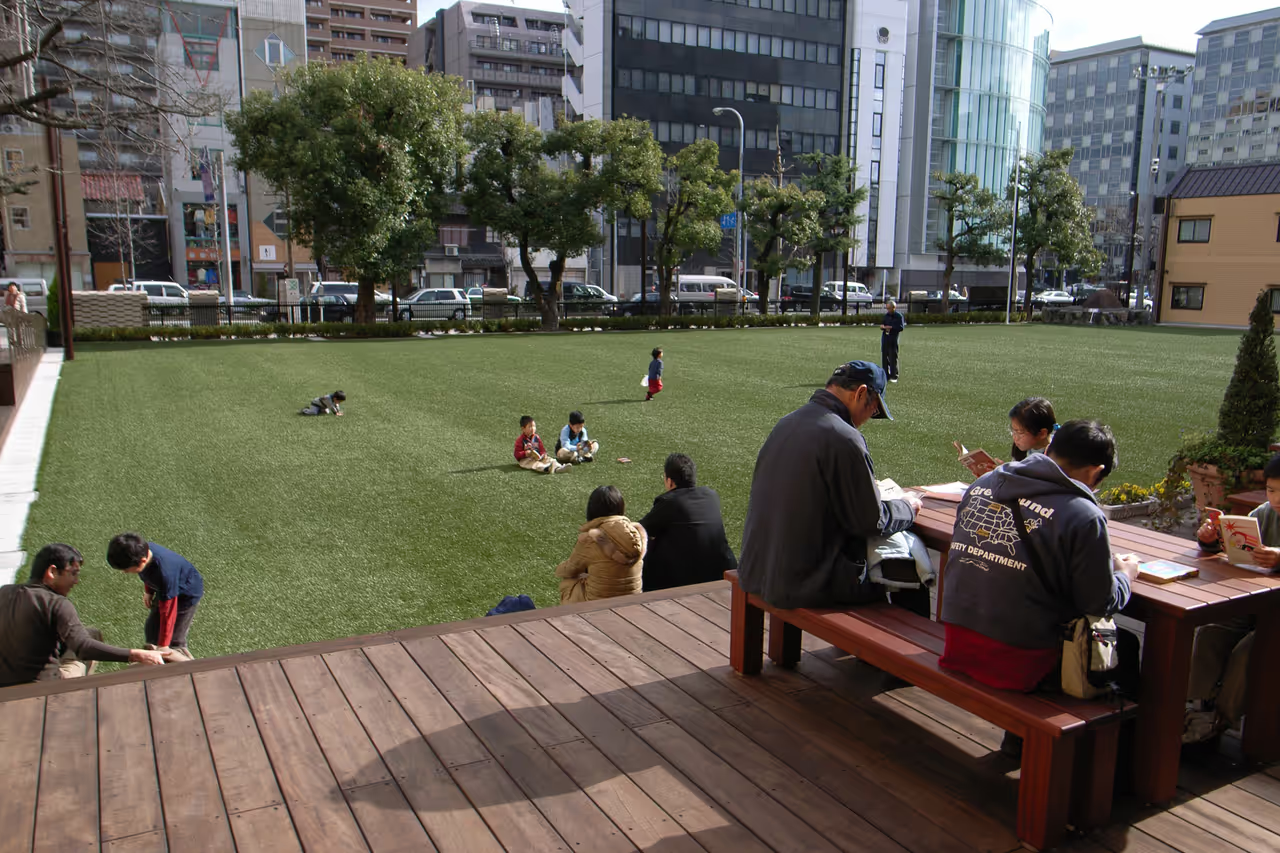 1535m
1535mKyoto International Manga Museum
Housed in a repurposed, historic primary school building, this vast museum is dedicated entirely to the art, history, and culture of Japanese comics. The walls are lined with a staggering collection of over 300,000 manga volumes, ranging from rare historical artifacts to contemporary masterpieces. Visitors are actively encouraged to pull books off the 'Wall of Manga' and read them on the sunny outdoor lawn or in the wooden corridors. The museum frequently hosts workshops, live drawing sessions, and exhibitions exploring manga's global impact. It is an absolute paradise for pop culture enthusiasts.
highlight view
Explore Similar Places in This Collection



Featured on This Route
See all nature & parks in Kyoto
Arashiyama, Maruyama Park, Kyoto Botanical Gardens, Murin-an Garden, Ōkōchi Sansō Villa, Shoseien Garden...