Iconic Architecture and Landmarks in Kyoto

Discover the buildings, monuments, and structures that define the skyline. From historic masterpieces to modern marvels, explore the architectural soul of Kyoto, showing off styles like Postmodern and Meiji-era Western.

  • FUTURIST / POSTMODERN

    Kyoto Station Building

    京都駅ビル

    Opened in 1997, this massive, futuristic transport hub stands in dramatic contrast to the city's ancient image. Designed by Hiroshi Hara, the striking glass and steel structure features an exposed, cavernous central concourse with a soaring, matrix-like roof. The building was highly controversial upon its construction due to its stark modernism, but it has since become a beloved landmark. It features an enormous grand staircase, elevated aerial walkways, and sweeping views of the city from its open-air rooftop. It serves as a bold, architectural statement that the city is looking forward as much as it looks back.

    LOCATION

    Loading map...
  • TRADITIONAL JAPANESE VERNACULAR

    Traditional Machiya Townhouses

    京町家

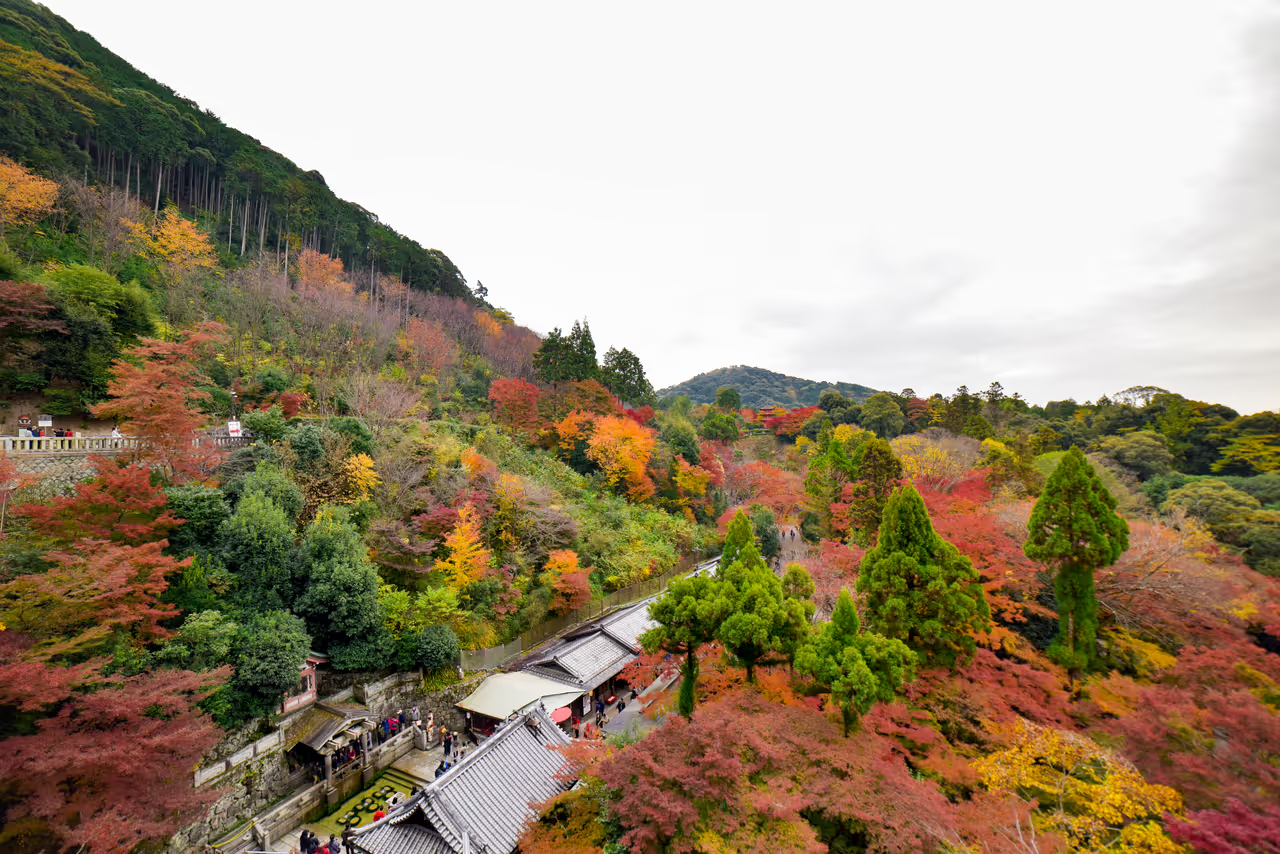
    These elegant, historic wooden townhouses define the traditional streetscape of the city centre and its merchant districts. Characterised by their narrow, unassuming facades, the buildings stretch deeply backwards, a design famously nicknamed the 'eel's bed'. They feature delicate wooden lattice work, earthen walls, and clever internal courtyard gardens designed to draw cool breezes through the home during the stifling summers. Many of these historic structures have been beautifully restored and repurposed into stylish cafes, boutique shops, and unique guesthouses. They are the living embodiment of the city's architectural heritage.

    LOCATION

    Loading map...

    FULL PLACE DETAILS

    ARCHITECTURE & HERITAGE

    Architectural Styles
    Minka
  • MEIJI-ERA WESTERN / ROMANESQUE REVIVAL

    Nanzen-ji Suirokaku Aqueduct

    南禅寺水路閣

    Hidden within the grounds of a sprawling, ancient Zen temple, this red-brick aqueduct provides a completely unexpected, Western-style architectural twist. Constructed during the Meiji period in the 1890s, it forms part of the impressive canal system bringing water from Lake Biwa to the city. The structure's elegant, Roman-style arches heavily contrast with the surrounding traditional wooden temple buildings and the lush forest canopy. The weathering of the bricks has allowed it to blend beautifully into the landscape, creating a hauntingly picturesque, highly photographed architectural curiosity.

    LOCATION

    Loading map...

    FULL PLACE DETAILS

    OVERVIEW & STATS

    Established
    In 1988, making it 38 years old
  • JAPANESE BUDDHIST ARCHITECTURE

    Sanjusangen-do Hall

    三十三間堂

    This awe-inspiring Buddhist temple is renowned for its incredibly long main hall, measuring an astonishing 120 metres in length. The structure's name translates to 'thirty-three spaces', referencing the spaces between the supporting pillars, a significant number in Buddhist tradition. Inside, the massive, dimly lit wooden hall protects an overwhelming sight: 1,001 life-sized, golden statues of Kannon, the goddess of mercy, standing row upon row in silent ranks. The sheer scale and repetitive visual power of the architecture and statuary make it one of the most uniquely imposing buildings in the country.

    LOCATION

    Loading map...

    FULL PLACE DETAILS

    OVERVIEW & STATS

    Established
    In 1165, making it 861 years old

    ARCHITECTURE & HERITAGE

    Heritage Status
    National Treasure Of Japan
    Architectural Styles
    Wayō
    Founders
    Emperor Go-shirakawaTaira No Kiyomori
  • CONTEMPORARY / POSTMODERN

    Kyoto Concert Hall

    京都コンサートホール

    Designed by the internationally acclaimed architect Arata Isozaki, this striking modern venue was built to celebrate the 1,200th anniversary of the city's founding. The architecture masterfully blends contemporary geometries with subtle references to traditional Japanese design and the surrounding natural landscape. The building features a distinctive, asymmetrical cylindrical form and a grand, spiralling internal ramp that leads patrons up to the main auditorium. The interior boasts world-class acoustics, making it the premier destination for classical music performances in the region. It is a fantastic example of late 20th-century civic architecture.

    LOCATION

    Loading map...

    FULL PLACE DETAILS

    ARCHITECTURE & HERITAGE

    Architects
    Arata Isozaki
  • MEIJI-ERA WESTERN / BRITISH COLLEGIATE

    Ryukoku University Main Hall

    龍谷大学本館

    Completed in 1879, this significant structure serves as a prime surviving example of the city's rapid Westernisation during the early Meiji period. The building heavily features European design elements, heavily influenced by British collegiate architecture, utilising red brick, arched windows, and a prominent central clock tower. It stands as a stark architectural contrast to the city's deeply traditional image, showcasing a pivotal era when the city actively sought out foreign knowledge to reinvent itself. It remains an active and cherished part of the university campus today.

    LOCATION

    Loading map...

    FULL PLACE DETAILS

    OVERVIEW & STATS

    Established
    In 1639, making it 387 years old
KEEP EXPLORING

More to see in Kyoto