Kyoto Botanical Gardens
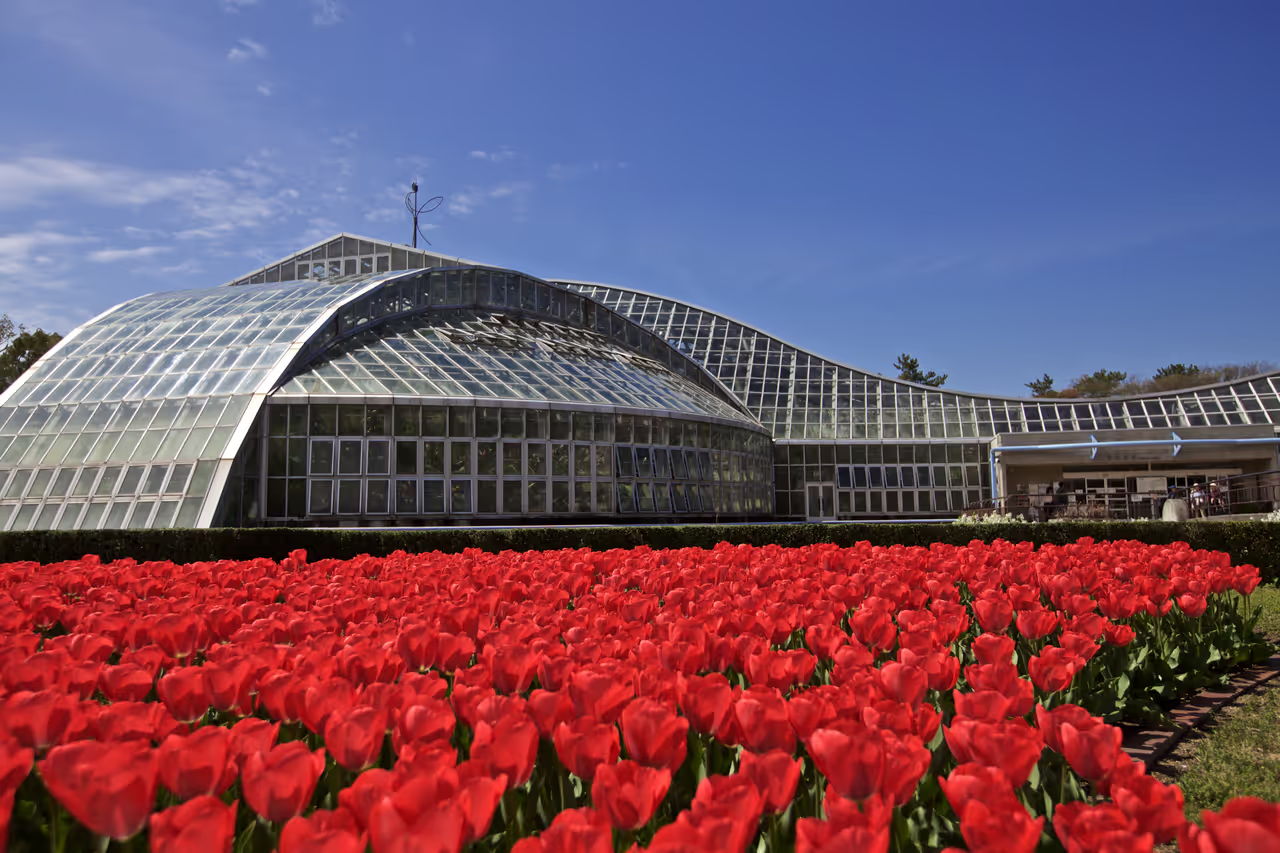
Stretching gracefully alongside the scenic Kamo River, the Kyoto Botanical Gardens offer a serene escape from the city’s historic tempo. As the first public botanical garden in Japan, this expansive green space serves as a living museum of nature, showcasing an incredible variety of flora across its carefully manicured grounds. Visitors can wander through themed zones like the Japanese iris garden or the tranquil bamboo grove, which capture the essence of traditional local aesthetics. The architectural highlight is undoubtedly the sprawling glass conservatory, a structure artfully designed to echo the silhouette of Kyoto’s northern mountains. Whether you are seeking a quiet morning stroll among weeping cherry trees or a vibrant botanical education, the gardens provide a refreshing atmosphere that evolves with every changing season. It is a place where locals and travellers alike find tranquility, making it a perfect spot to pause and reconnect with the natural world.
Videos
History of Kyoto Botanical Gardens
The history of the Kyoto Botanical Gardens is a narrative of resilience and scientific ambition. When it opened in 1924, the institution represented a bold vision for Japan, aiming to cultivate a public space dedicated entirely to the systematic study and appreciation of global flora. It was an era when Kyoto was looking to modernise its relationship with nature, moving away from purely private temple gardens toward a space that served as both an educational facility and a public park, accessible to all who wished to learn about the diversity of the plant kingdom. However, the gardens were not immune to the upheavals of the twentieth century. The mid-1940s marked a sombre turning point when the grounds were requisitioned by Allied occupation forces in 1946. Transformed into a military garrison, the carefully tended landscape faced a period of neglect and repurposed utility that stripped away much of its botanical focus. For many years, the site was effectively silenced, with its primary mission subordinated to the logistical needs of the occupation. This period remains a testament to how even the most tranquil sanctuaries can be caught in the sweep of global history. The recovery of the gardens in the latter half of the century was marked by a commitment to reinvention. The pivotal moment came with the unveiling of the massive glass conservatory in 1992, a piece of architecture that redefined the garden's identity. By designing the structure to echo the peaks of the northern mountains and the temple architecture of the city, the creators wove the history of the landscape into the modern glass. Today, the gardens stand as a vibrant synthesis of past and present, housing rare specimens alongside the ancient forest remnants of the Yamashiro Basin, serving as a living, breathing archive of Kyoto's dedication to the natural world.
Events spanning 68 years
Fun Facts
- • During the post-war Allied occupation in 1946, the site was requisitioned and converted into a military garrison, halting horticultural progress for several years.
- • Established in 1924, this was the very first public botanical garden to open in Japan, setting the standard for botanical curation in the country.
- • In the spring, the garden becomes one of the most popular locations in the city for viewing cherry blossoms, with varieties that bloom earlier and later than the main city displays.
- • It maintains a close academic relationship with the nearby Kyoto Prefectural University, often serving as a living laboratory for botanical research.
- • The Nakaragi-no-mori pond area remains a vital sanctuary for the original vegetation of the Yamashiro Basin, essentially acting as a time capsule of local forest history.
- • The conservatory is one of the largest in Japan, housing approximately 25,000 distinct specimens within its humid, carefully climate-controlled rooms.
- • The grounds cover 24 hectares, allowing for a vast diversity of landscapes ranging from the formal European style garden to a wild, dense bamboo grove.
- • The modern glass conservatory is architecturally unique, with its multi-angled roofline specifically engineered to mimic the silhouettes of the mountains in northern Kyoto.
- • The water mill situated within the grounds is a nod to the agricultural history of the surrounding area, grounding the botanical displays in the agrarian roots of the region.
- • Visitors can walk through a dedicated desert and savanna room that houses succulents from around the globe, contrasting sharply with the traditional Japanese pine gardens nearby.
Kyoto Botanical Gardens FAQ
While we strive to keep this information accurate and up to date, we recommend verifying any details independently before making decisions based on them.
Kyoto Botanical Gardens Map & Neighborhood Explorer
This interactive map is centered on Kyoto Botanical Gardens. Zoom in and move the map around to automatically discover Wikipedia photos and summaries of other nearby sights, monuments, and historical points of interest and stories in real-time!
Places near Kyoto Botanical Gardens
Make the most of your trip. Check out these top-rated spots located nearby.
 529m
529mKyoto Concert Hall
Designed by the internationally acclaimed architect Arata Isozaki, this striking modern venue was built to celebrate the 1,200th anniversary of the city's founding. The architecture masterfully blends contemporary geometries with subtle references to traditional Japanese design and the surrounding natural landscape. The building features a distinctive, asymmetrical cylindrical form and a grand, spiralling internal ramp that leads patrons up to the main auditorium. The interior boasts world-class acoustics, making it the premier destination for classical music performances in the region. It is a fantastic example of late 20th-century civic architecture.
architecture view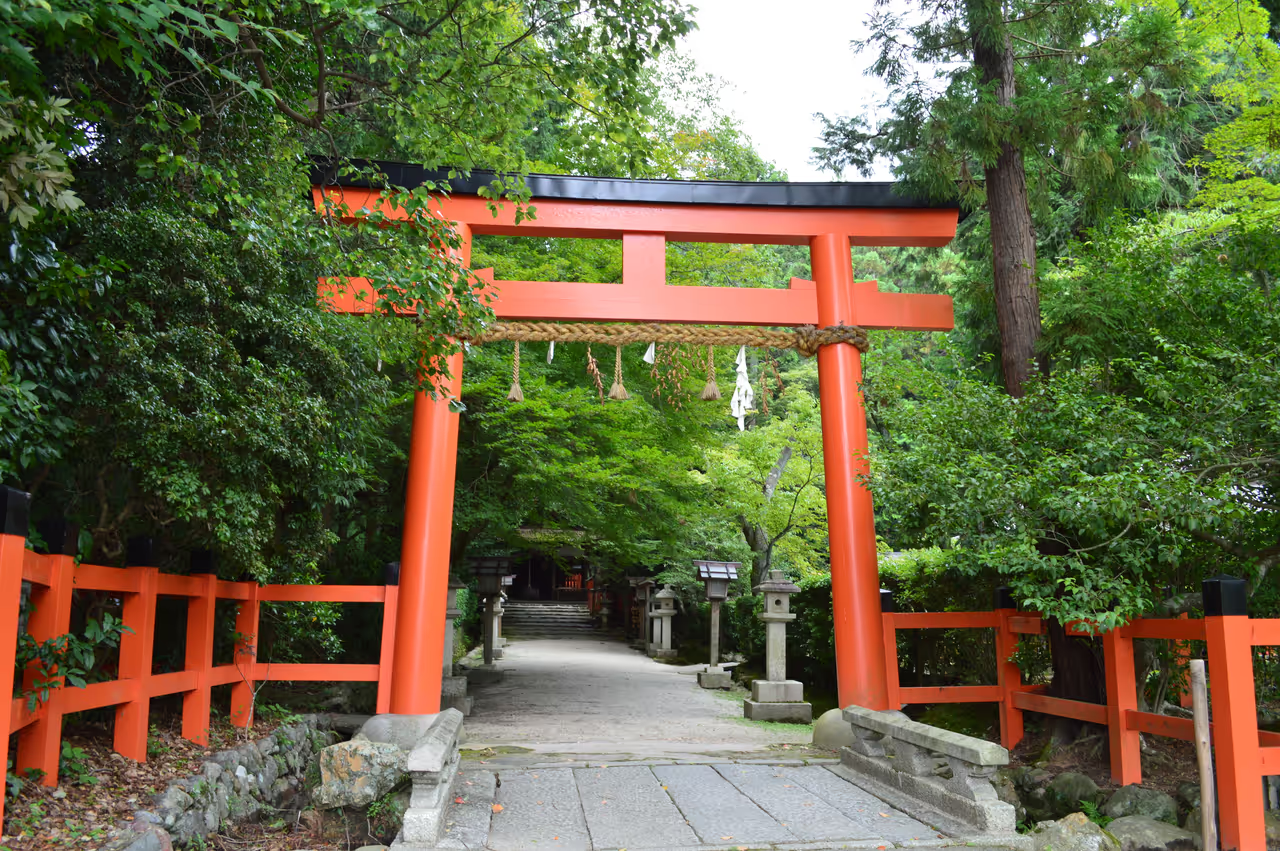 1303m
1303mOta Shrine
Situated just a short walk from the massive Kamigamo Shrine, this much smaller, highly ancient Shinto sanctuary is a heavily guarded local secret. The shrine is fiercely dedicated to the deity of longevity and the arts, offering an incredibly quiet, unpolished spiritual atmosphere. Its absolute claim to fame is a marshy pond located just off the main path, which erupts with thousands of rare, deep purple iris flowers every May. Designated as a National Natural Monument, the vivid floral display provides a brief, spectacular window of beauty hidden within a quiet residential neighbourhood. It is a deeply authentic, rewarding detour.
hidden gem view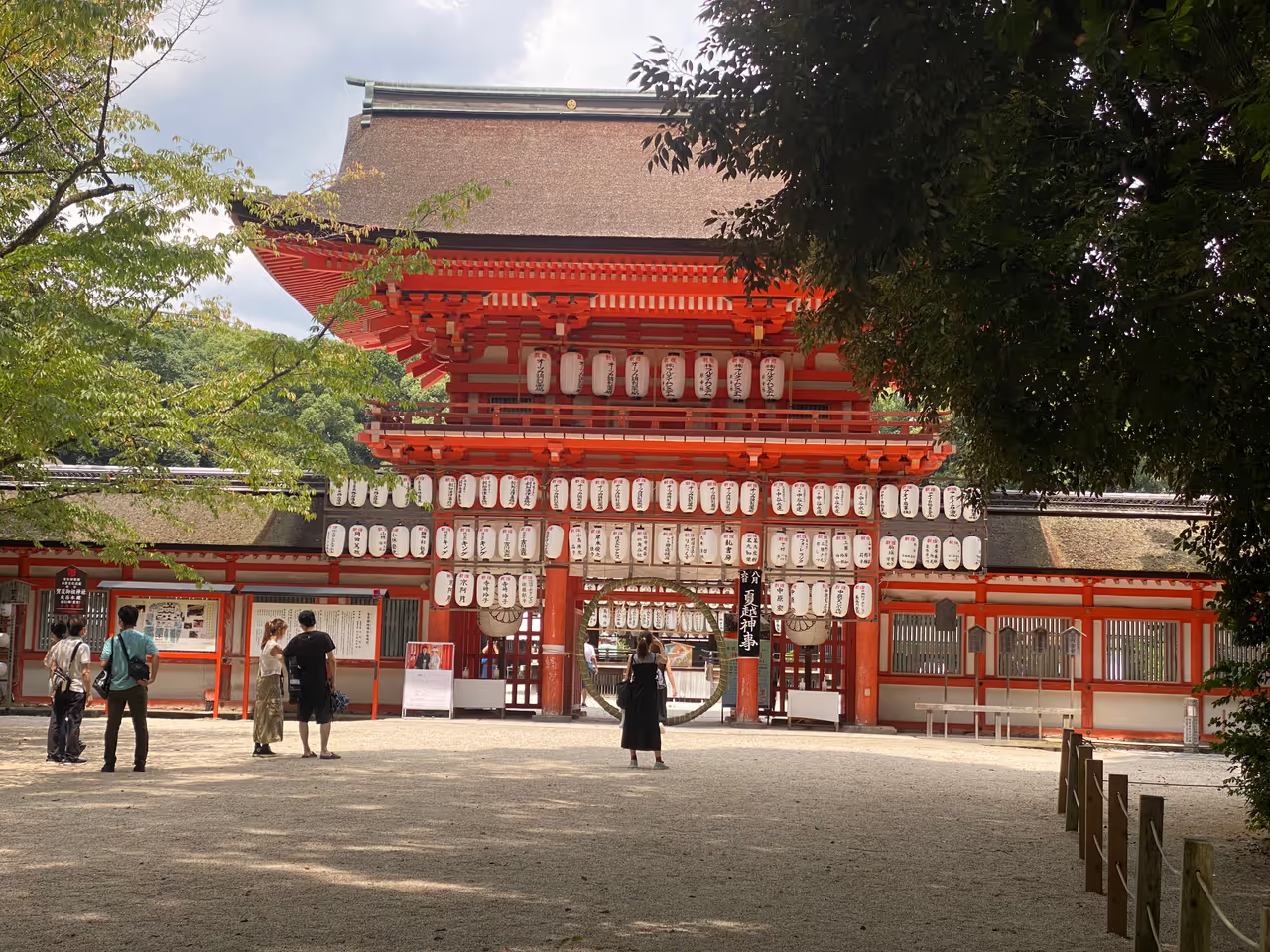 1624m
1624mShimogamo Shrine
Shimogamo Shrine stands as a serene portal to Kyoto's ancient past, nestled within the lush, primeval embrace of Tadasu no Mori forest. As one of the oldest and most significant Shinto sanctuaries in Japan, it offers a tranquil retreat where time seems to slow down among centuries old trees. Walking the sun dappled paths toward the vermilion gates feels like stepping into a living chapter of history, far removed from the modern city outside. It is a place where you can connect with the spiritual roots of the Kamo clan and witness traditions that have been honoured for over a millennium. Visitors are drawn here for the profound peace and for the chance to experience rituals, festivals, and architecture that define the cultural heritage of Japan.
unesco heritage site view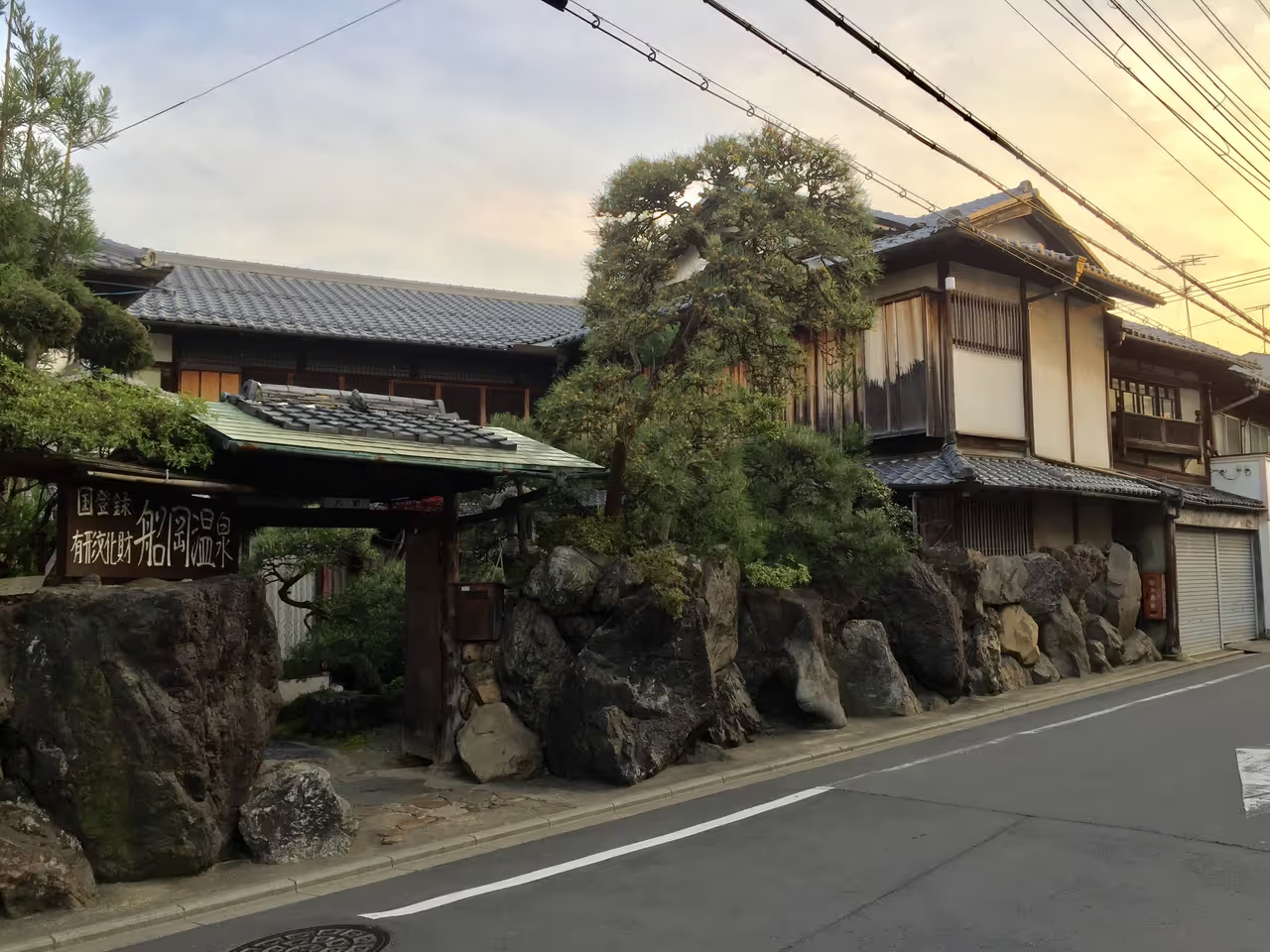 1980m
1980mFunaoka Onsen
Despite its name, this is actually a historic public bathhouse (sento) rather than a natural hot spring, and it stands as the undisputed 'king of sento' in the city. Operating since the 1920s, the facility is a masterpiece of retro architecture, featuring incredibly intricate wood carvings, colourful majolica tiles, and a classic wooden changing room. Locals flock here to soak in a variety of therapeutic tubs, including herbal baths, an electric bath, and a surprisingly elegant outdoor rock bath. Stripping down and bathing alongside the community offers an exceptionally authentic, unpretentious local experience. It is a fantastic, deeply relaxing dive into early 20th-century culture.
hidden gem view
Featured on This Itinerary
See all nature & parks in Kyoto
Arashiyama, Kyoto Gyoen National Garden, Maruyama Park, Murin-an Garden, Ōkōchi Sansō Villa, Shoseien Garden...