Tokyo
Full City Guide, Map & 112 Things To Do
14,264,798 people live here.
That's 11.53% of the entire population of Japan.
Tokyo runs on contradiction and doesn't apologise for it. Vending machines glow beside centuries-old shrine gates, and a five-minute walk can take you from the pachinko din of Kabukicho to the raked gravel silence of a Zen garden. Shibuya Crossing floods with pedestrians on cue, timed to the second by the traffic lights, while a few stops away Yanaka's narrow lanes still smell of grilled unagi and incense from family-run temples that survived the 1923 earthquake and the firebombing of Tokyo largely intact. Food ranges from a 300 yen bowl of tsukemen eaten standing at a counter to a nine-course kaiseki menu at a three-Michelin-star restaurant with a two-month waiting list. The Yamanote loop line circles the whole city, and the trains run so precisely that a delay of a few minutes warrants a public apology. You'll queue for ramen behind salarymen on their lunch break, then twenty minutes later be alone in a moss garden in Asakusa, wondering how both belong to the same city.
Tokyo DNA
History of Tokyo
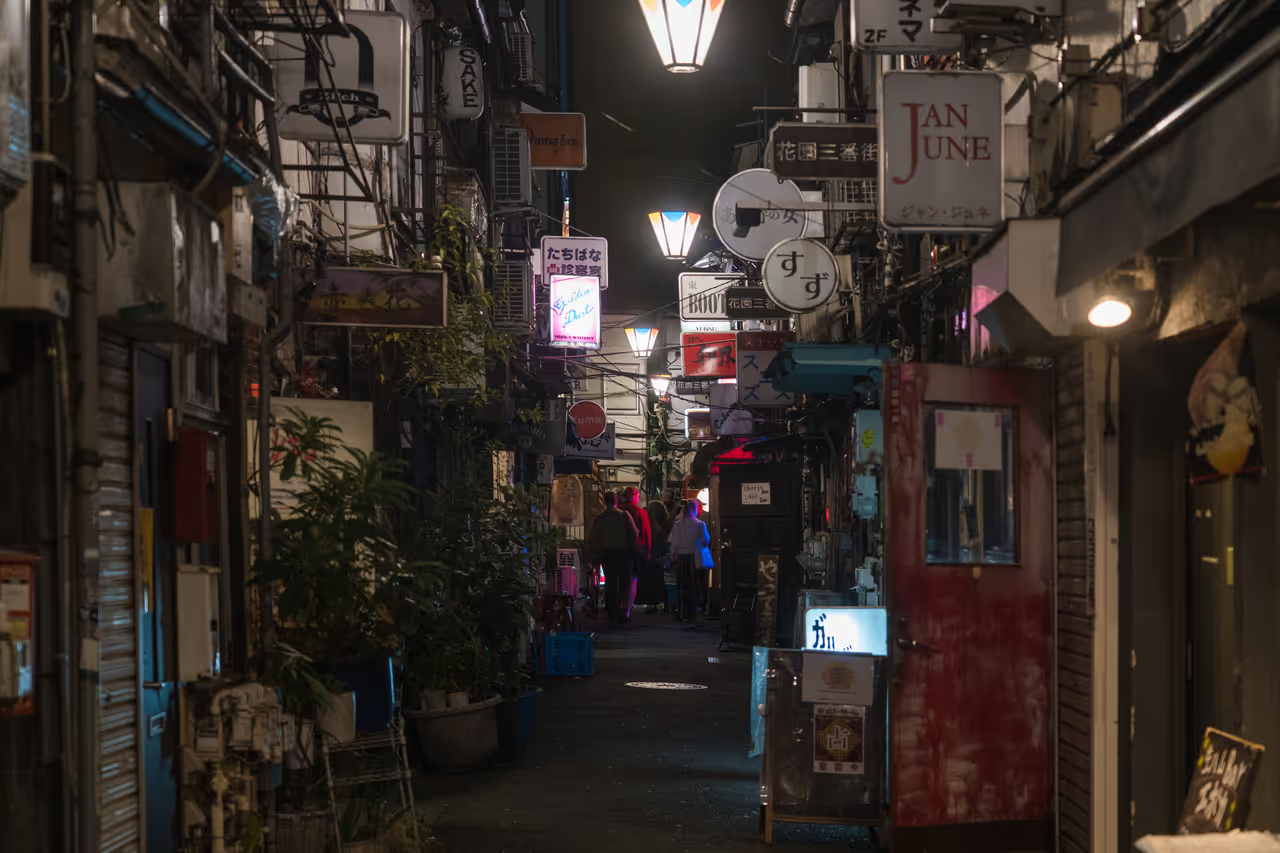
Tokugawa Ieyasu did not inherit a gleaming capital. When the warlord arrived in the Kanto region at the end of the sixteenth century, the area was little more than a muddy tidal estuary fringed by reeds. Rivals snickered at this apparent demotion, yet Ieyasu immediately saw the strategic brilliance of the location. He ordered hills levelled and shallows filled, reshaping the very coastline to build Edo. Men carved out a labyrinth of moats and canals that doubled as a transport network for timber and rice. Within a century, this sodden marsh transformed into the largest metropolis on earth. Over a million people lived shoulder to shoulder in wooden rowhouses, giving birth to the sharp witted and stylish Edokko local spirit that still shapes the capital today. The grip of the shogunate eventually slipped during a tense political standoff in 1868. Imperial forces marched on the city and threatened to burn it to the ground. A secret meeting between two rival leaders at a mansion in Shinagawa secured a peaceful surrender of Edo Castle, sparing the wooden metropolis from ashes. The teenage Emperor Meiji soon arrived in a lacquered palanquin, took up residence in the former fortress, and renamed the city Tokyo. Gas lamps flickered to life along the Ginza bricktown. Telegraph wires sliced through the sky above traditional tiled roofs as the city rushed headlong into an era of top hats and steam trains. This rapid modernisation would be tested by complete annihilation twice in a single generation. The ground violently buckled during a late summer morning in 1923, toppling brick facades and sparking firestorms that swallowed entire wards. Tokyo rebuilt itself with wider avenues and reinforced concrete, only to face devastating aerial bombardments in 1945. The sheer scale of destruction meant the city had to be drawn from scratch again. Instead of implementing rigid grid plans, residents simply rebuilt on the asymmetrical footprint of old Edo paths. This is why modern salarymen in business suits still navigate narrow twisting alleys in neighbourhoods like Shinjuku Golden Gai, drinking in bars that occupy the exact dimensions of postwar black market stalls. The real turning point for the contemporary skyline arrived with the 1964 Olympics. Desperate to showcase a resurrected and highly advanced nation to the world, engineers worked around the clock to construct the Metropolitan Expressway. Lacking space, they routed these elevated concrete arteries directly over the old Edo canals, casting a permanent shadow over the historic Nihonbashi bridge. The bullet train debuted just days before the opening ceremony and pulled into a sprawling Tokyo Station. That frantic midcentury ambition cemented the current character of the city. Today the metropolis operates as a supremely efficient and endlessly layered organism where automated trains glide silently above neon soaked streets, and ancient shrines sit wedged tightly between the glass facades of global finance towers.
13 Events spanning 555 years
Map of Tokyo
Interactive Destination & Itinerary Map
This map blends our curated city guides—featuring best photo spots, scenic walks, viewpoints, hidden gems and much more—with a live Wikipedia explorer. Click on our numbered pins to plan your routes, or zoom in on the surrounding neighborhoods to discover verified local landmarks, museums, and stories with dynamic Wikipedia summaries and photos!
Fun Facts
- • Shinjuku Station holds the Guinness World Record for the busiest transport hub globally handling millions of passengers daily.
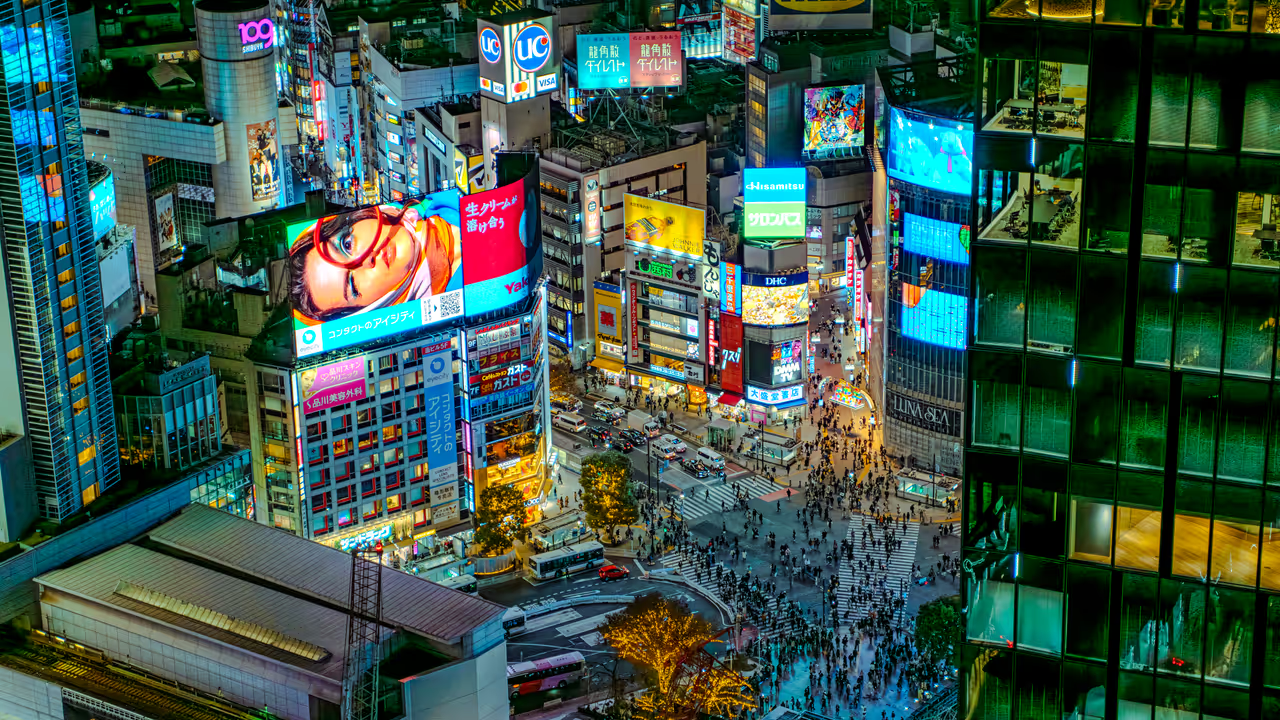
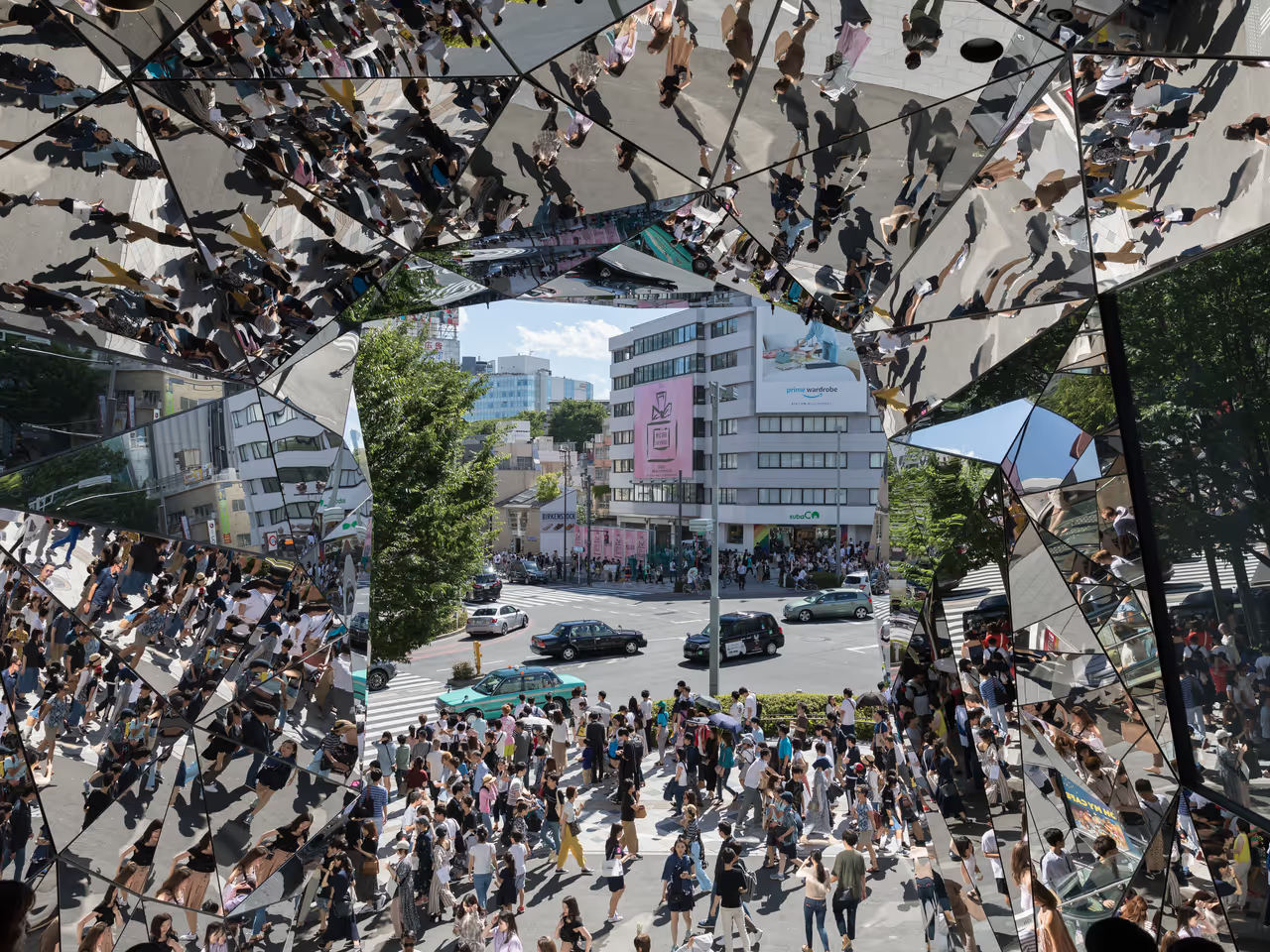
- • The famous Shibuya Crossing is widely considered the busiest pedestrian intersection in the world with thousands crossing at peak times.
- • Vending machines are practically a cultural institution here offering everything from hot coffee to fresh umbrellas on almost every corner.
- • Tokyo boasts the highest number of Michelin starred restaurants globally surpassing traditional culinary capitals like Paris.
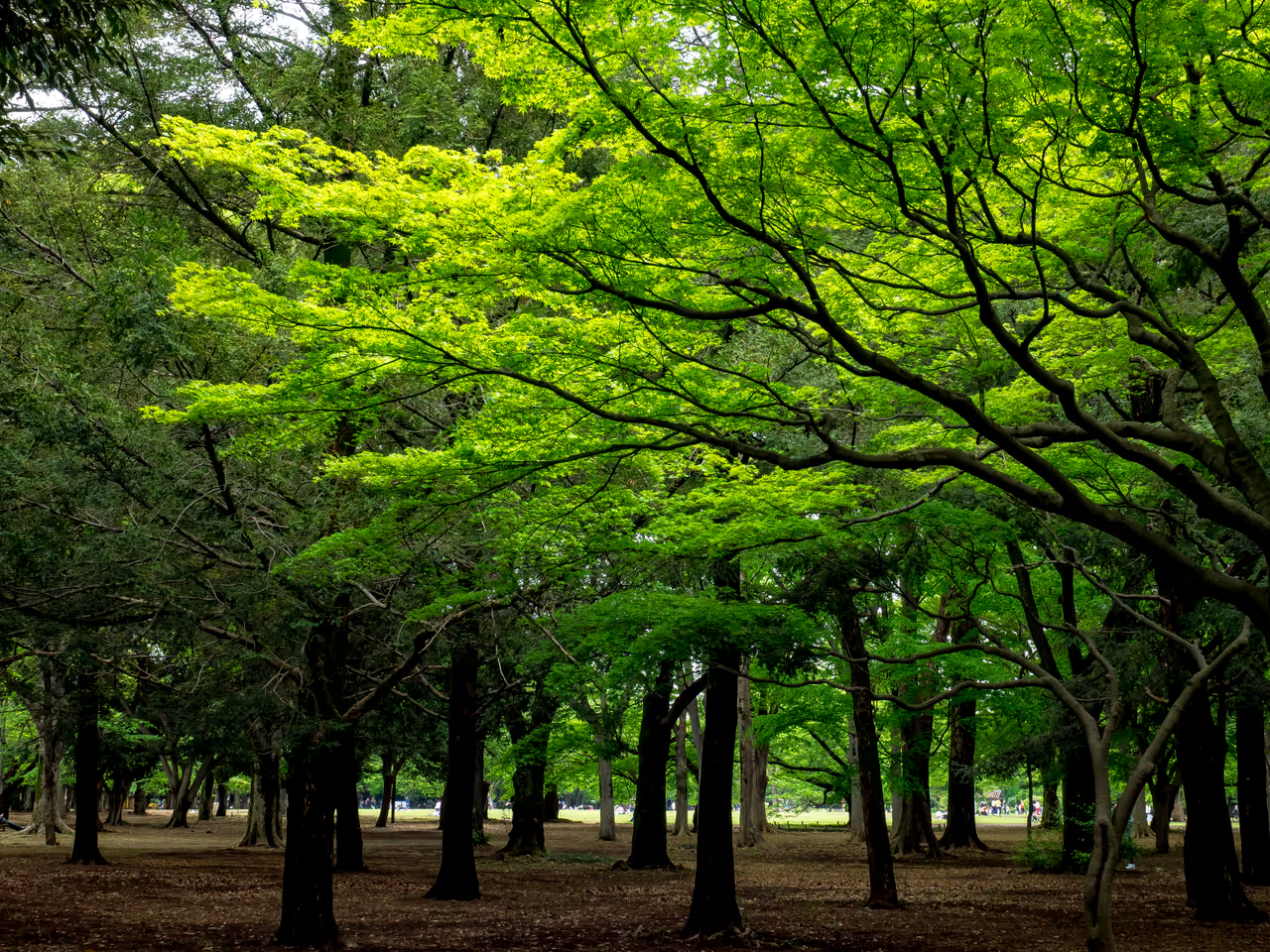
- • Despite being a hyper modern metropolis the city contains a surprising amount of green space including sprawling national gardens and hidden temple courtyards.
- • Tokyo Tower is actually thirteen metres taller than the Eiffel Tower it was inspired by, yet it weighs nearly half as much due to advancements in modern steel manufacturing.
- • During the intense morning rush hour, the railway system employs white gloved staff known as 'oshiya' or pushers whose sole responsibility is to physically cram commuters into the overflowing train carriages.
- • The hyper realistic plastic food displays seen outside almost every local eatery are part of a massive artisan industry, and these fake replicas often cost significantly more to produce than the actual edible dishes they represent.
Did You Know?
- • The Tokyo metropolitan area is the most populous urban economy in the world generating an immense and globally significant economic output.
- • Rebuilt after the 1923 earthquake and the 1945 air raids the city's modern infrastructure features some of the most advanced earthquake resistant engineering on the planet.
- • The Tsukiji Fish Market which recently relocated its wholesale operations to Toyosu was historically the largest wholesale fish and seafood market in the world.
- • Tokyo's intricate underground system is a marvel of urban planning moving millions of commuters daily with legendary punctuality and safety.
- • The city seamlessly integrates ancient Shinto and Buddhist practices into daily life preserving spiritual traditions amid rapid technological advancement.
- • Tokyo is not technically a single city but an administrative metropolis comprising twenty three special wards, twenty six cities, five towns, and eight villages, with its jurisdiction extending to subtropical islands located over a thousand kilometres away in the Pacific Ocean.
- • Beneath the outskirts of the capital lies an awe inspiring feat of engineering resembling a massive subterranean cathedral, built specifically to divert monsoon waters and protect the massive urban basin from catastrophic flooding.
- • The remarkably resilient ginkgo tree serves as the official symbol of the metropolis because several of these trees miraculously survived both the devastating earthquake of 1923 and the intense firebombing of 1945, coming to represent the enduring spirit of the capital.
Videos of Tokyo
Seasons
Spring
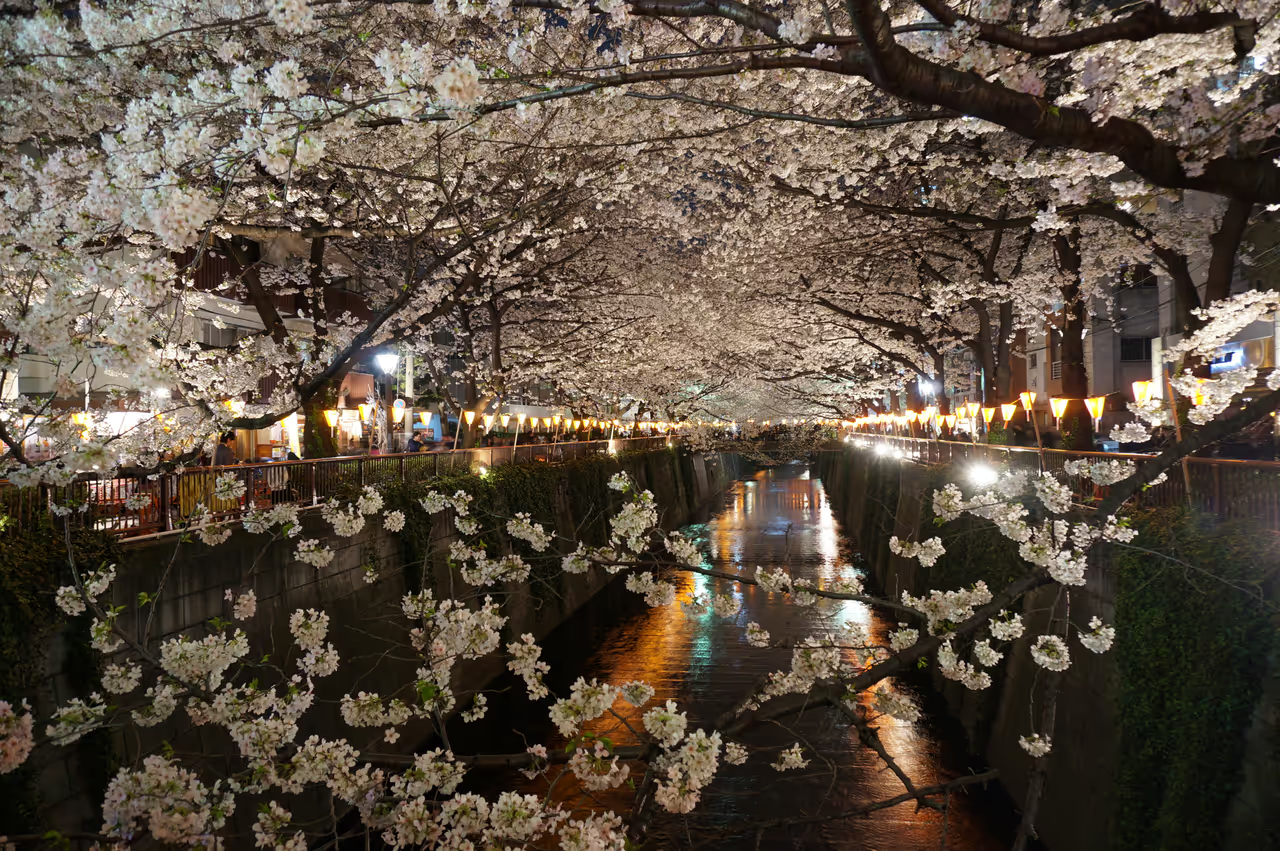
The city completely transforms as thousands of trees burst into delicate pink blooms signalling the arrival of warmer weather...
Summer
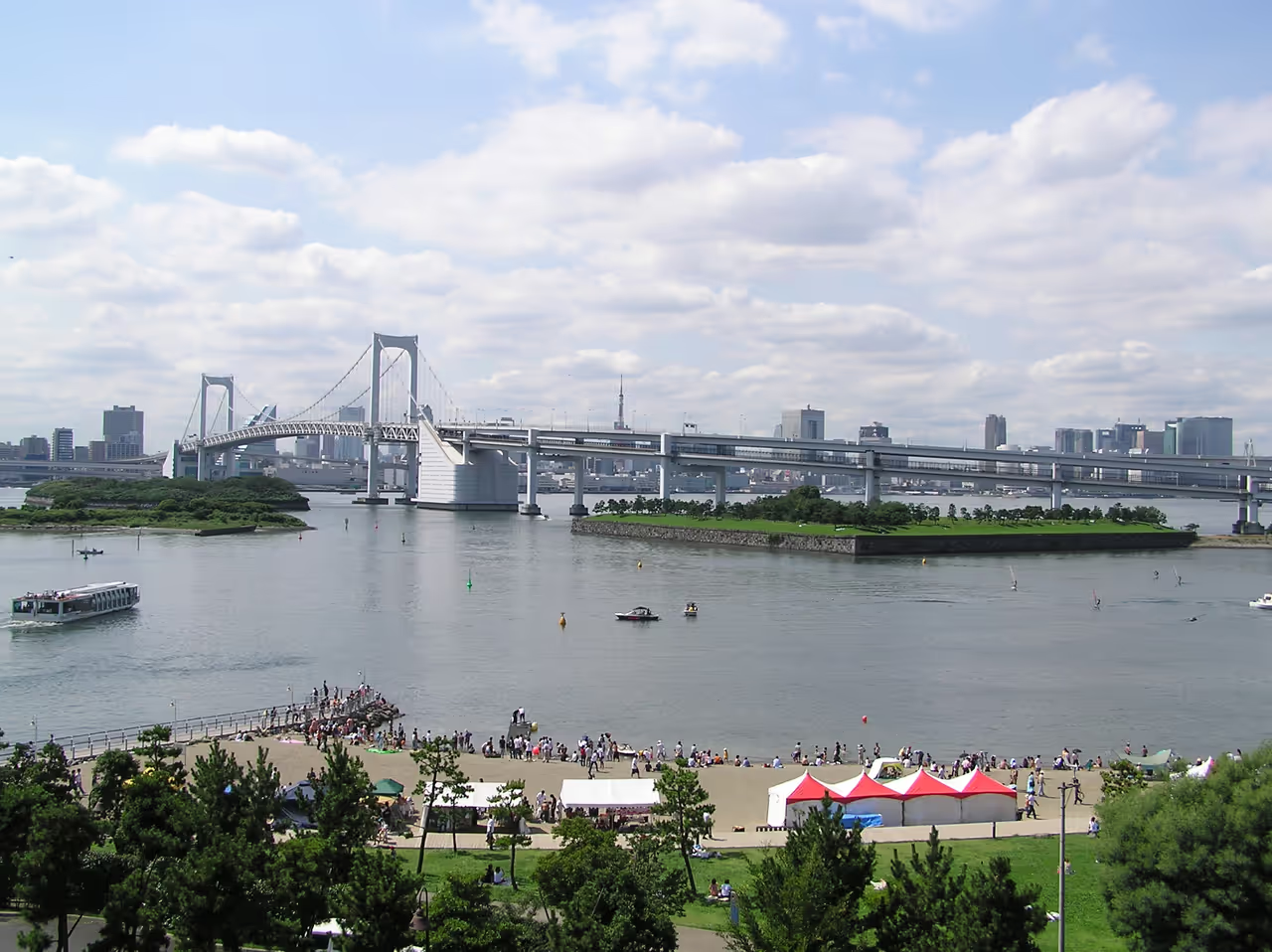
The hot and highly humid climate is offset by an explosion of energetic cultural celebrations across every neighbourhood...
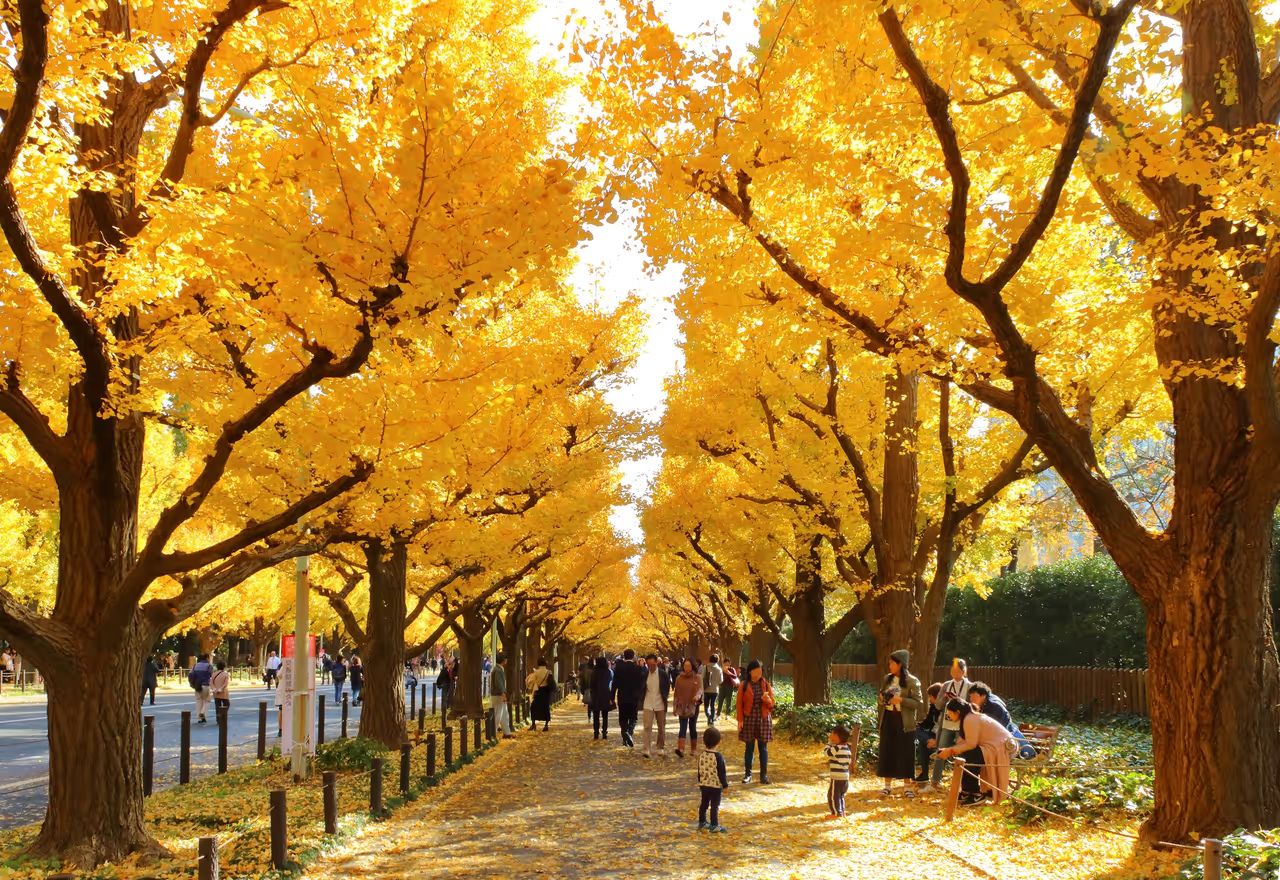
Autumn
A highly refreshing drop in temperature brings clear skies and comfortable conditions for extensive urban exploration. The...
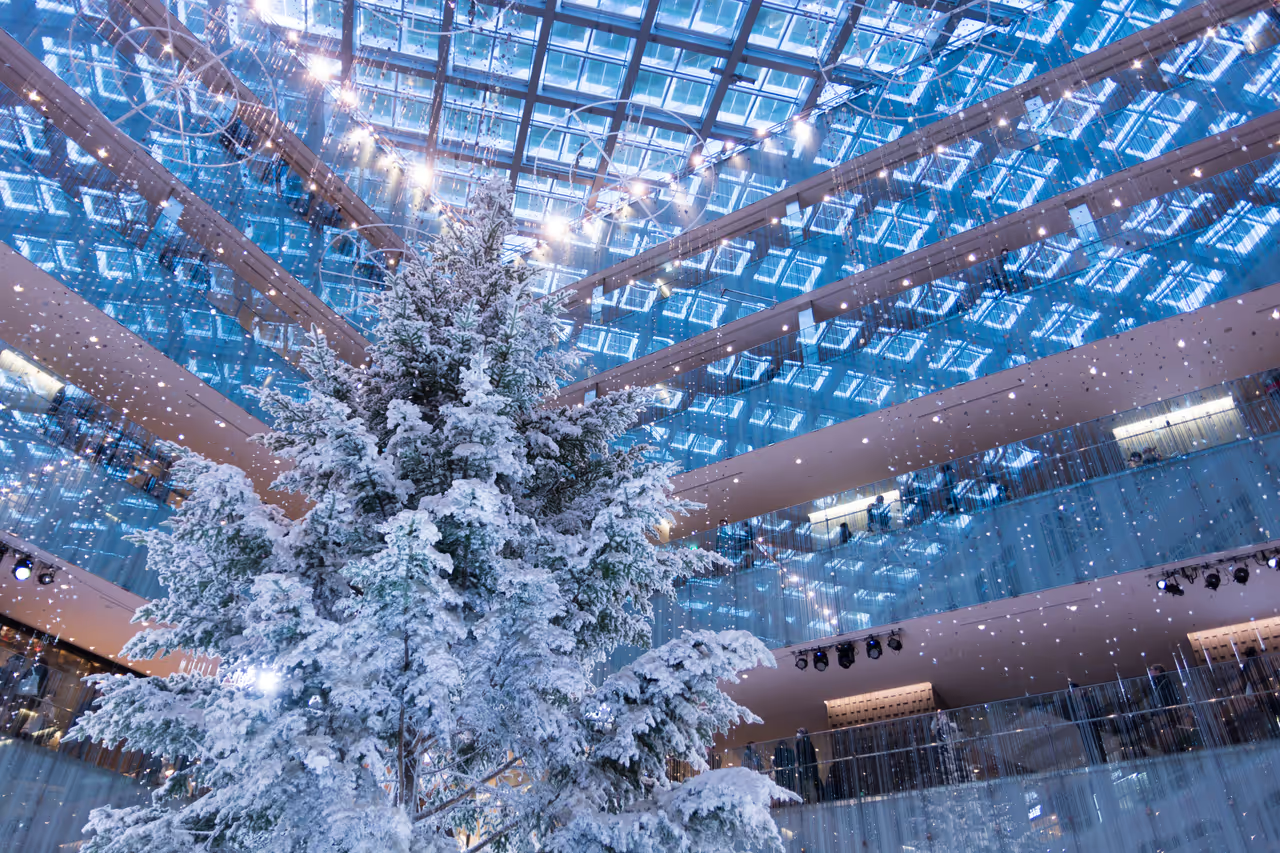
Winter
The cold crisp days are marked by striking blue skies and incredibly low humidity providing excellent distant visibility. As...
Top Attractions in Tokyo
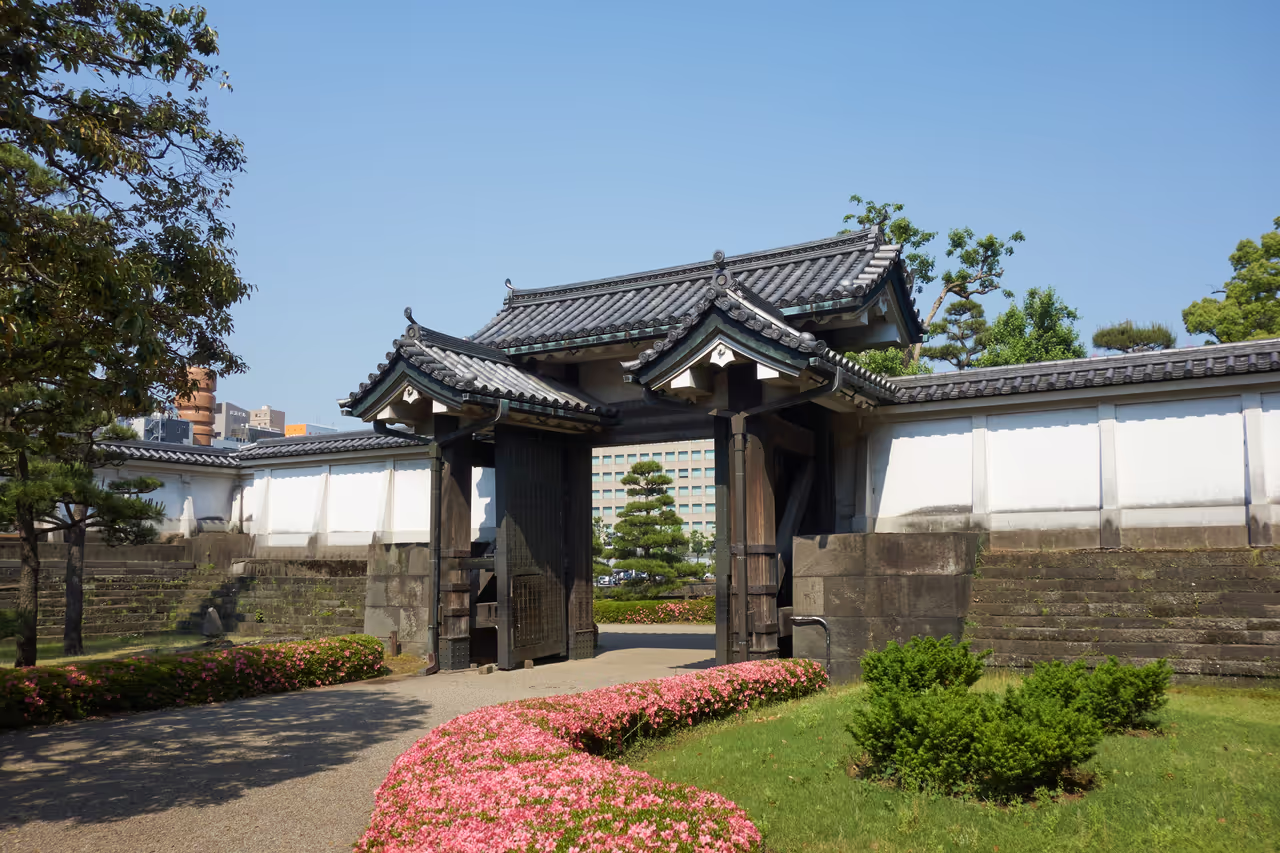
Imperial Palace
Sitting at the absolute heart of Tokyo, the Imperial Palace is a place of profound serenity, offering a rare glimpse into the...
view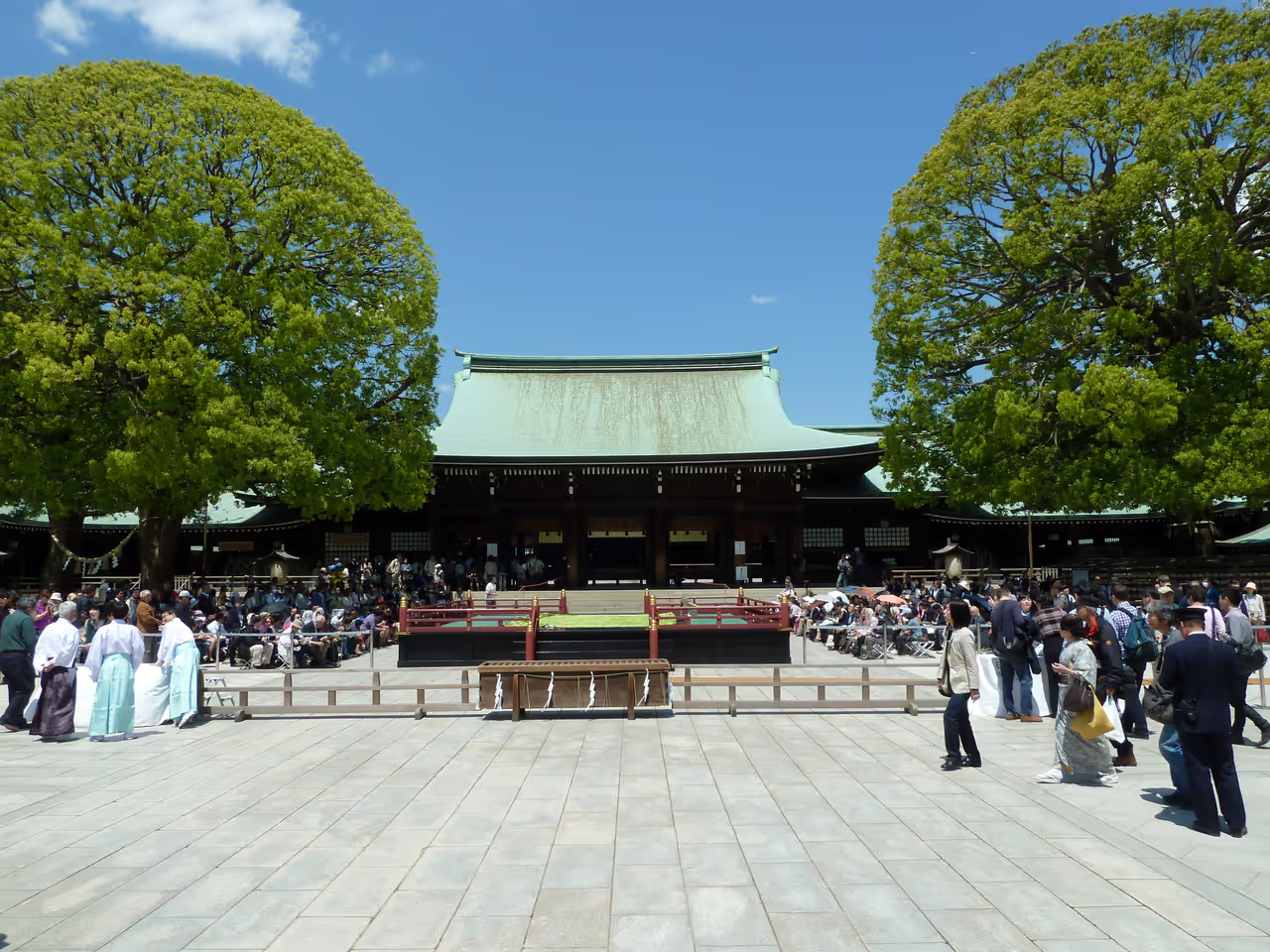
Meiji Jingu
Nestled within a vast, serene forest in the heart of Tokyo, Meiji Jingu offers a profound escape from the urban energy...
view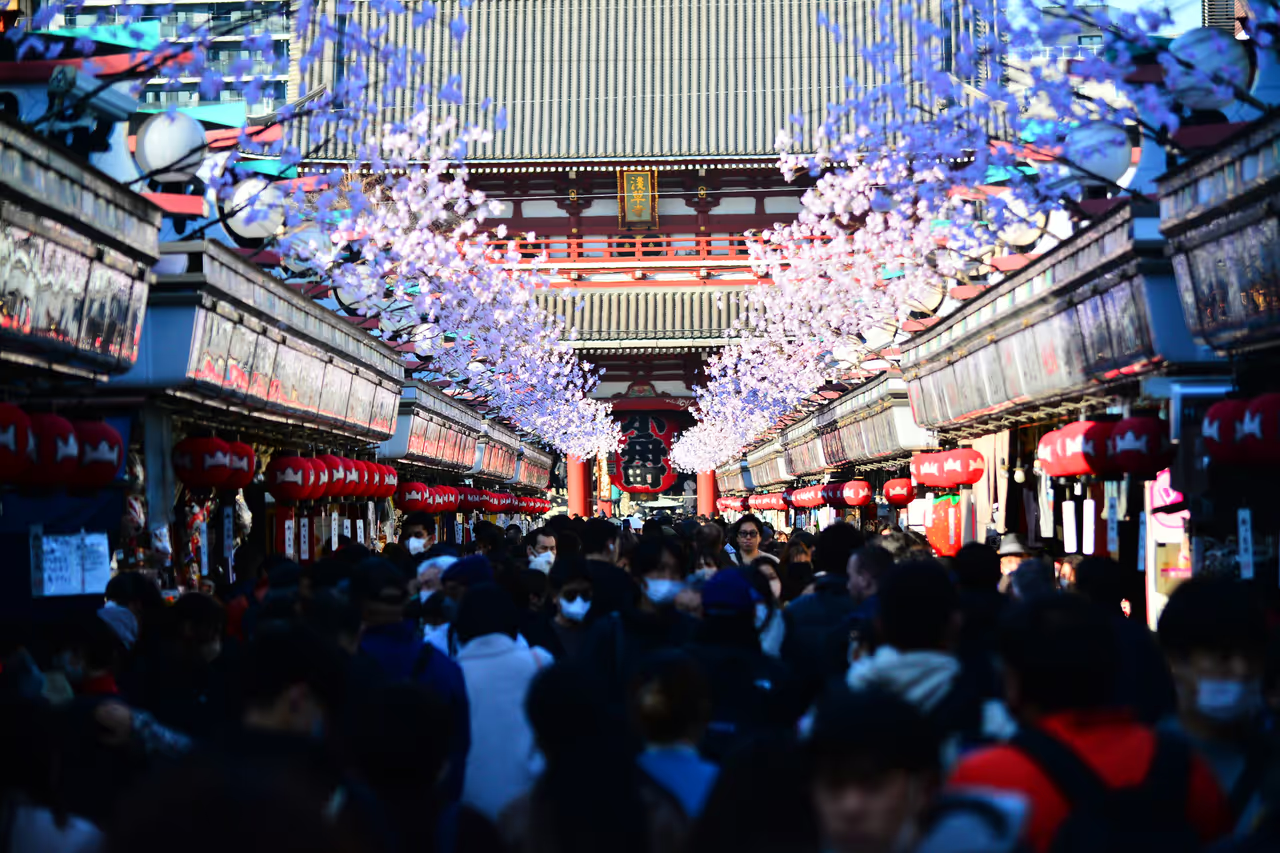
Senso-ji Temple
Step into the heart of Tokyo's history at Senso-ji, the city's oldest and most iconic Buddhist temple. As you pass through the...
view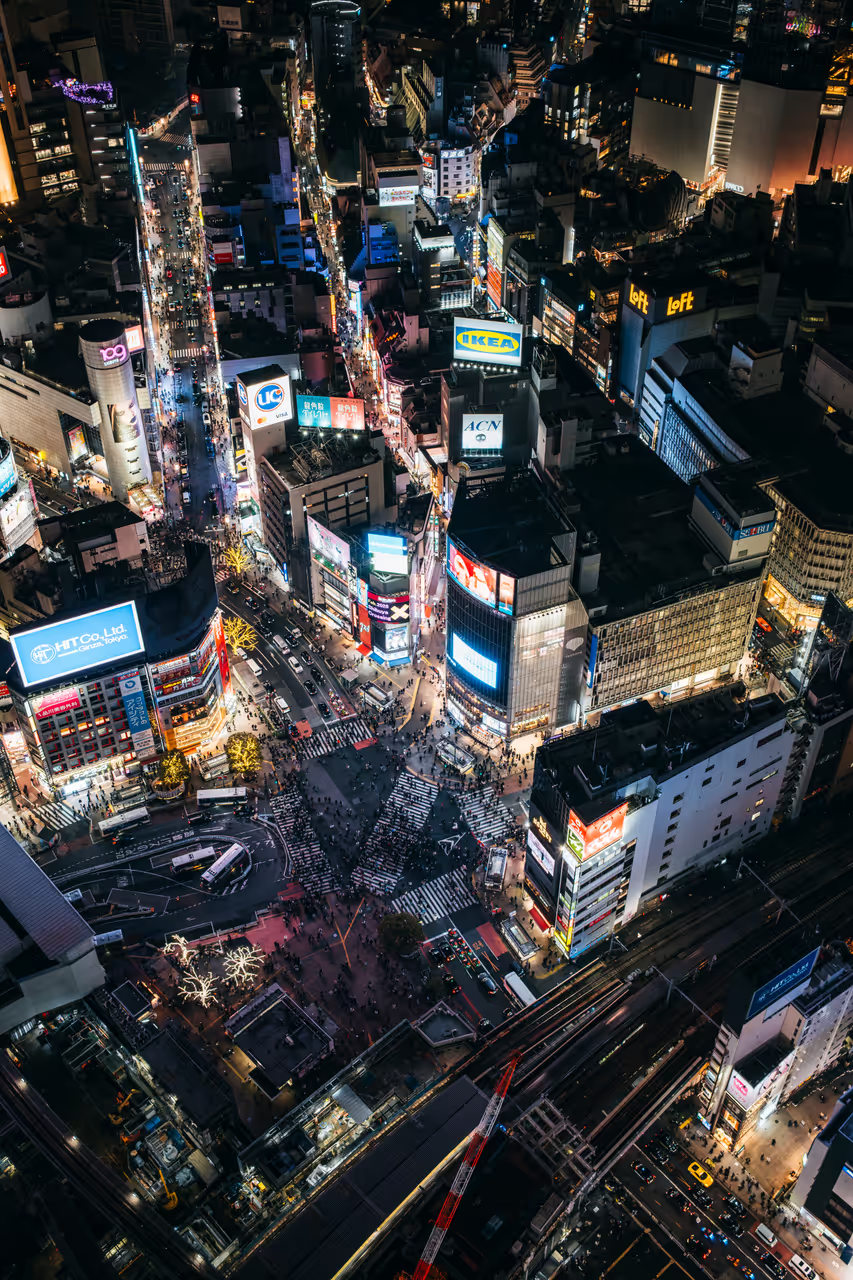
Shibuya Scramble Crossing
Step into the heart of Tokyo at the world famous Shibuya Scramble Crossing, a junction that has become the definitive symbol of...
view
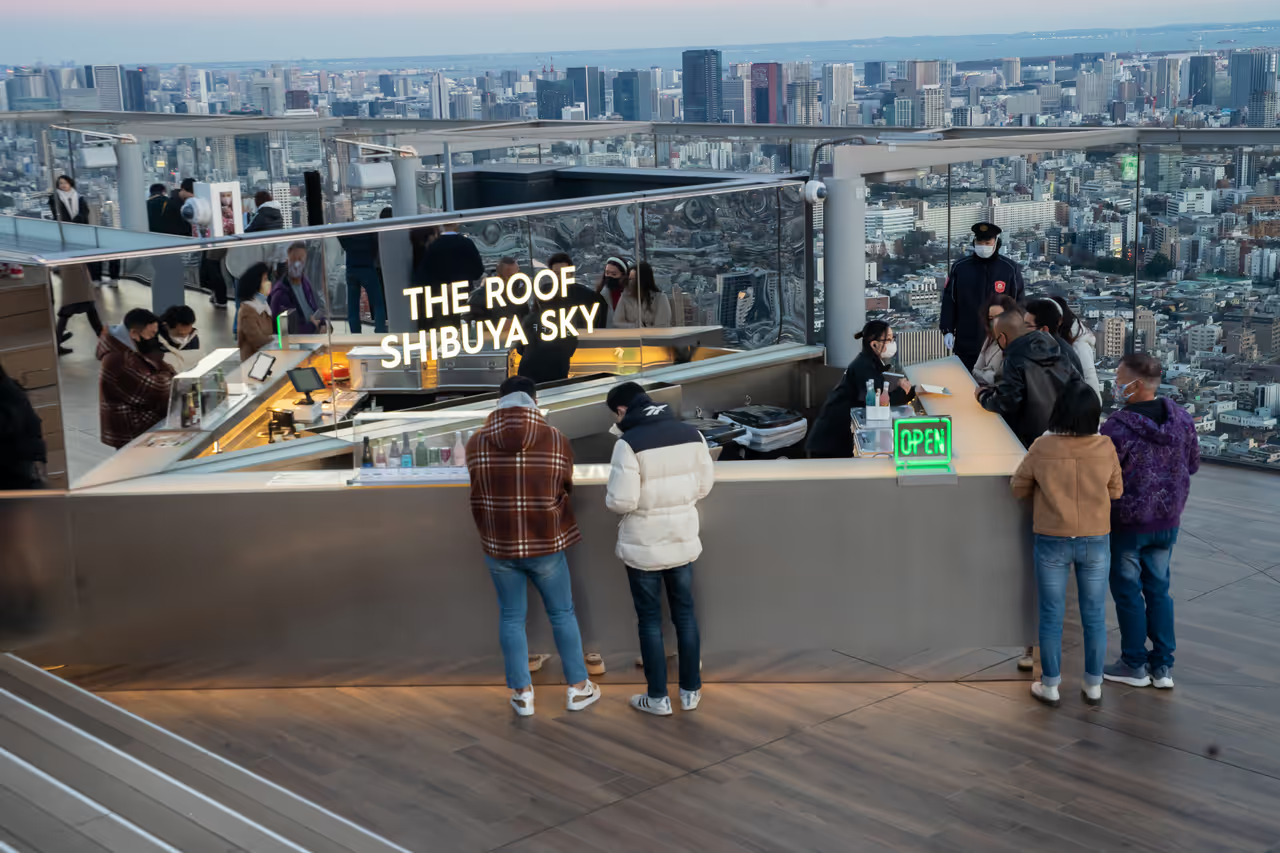
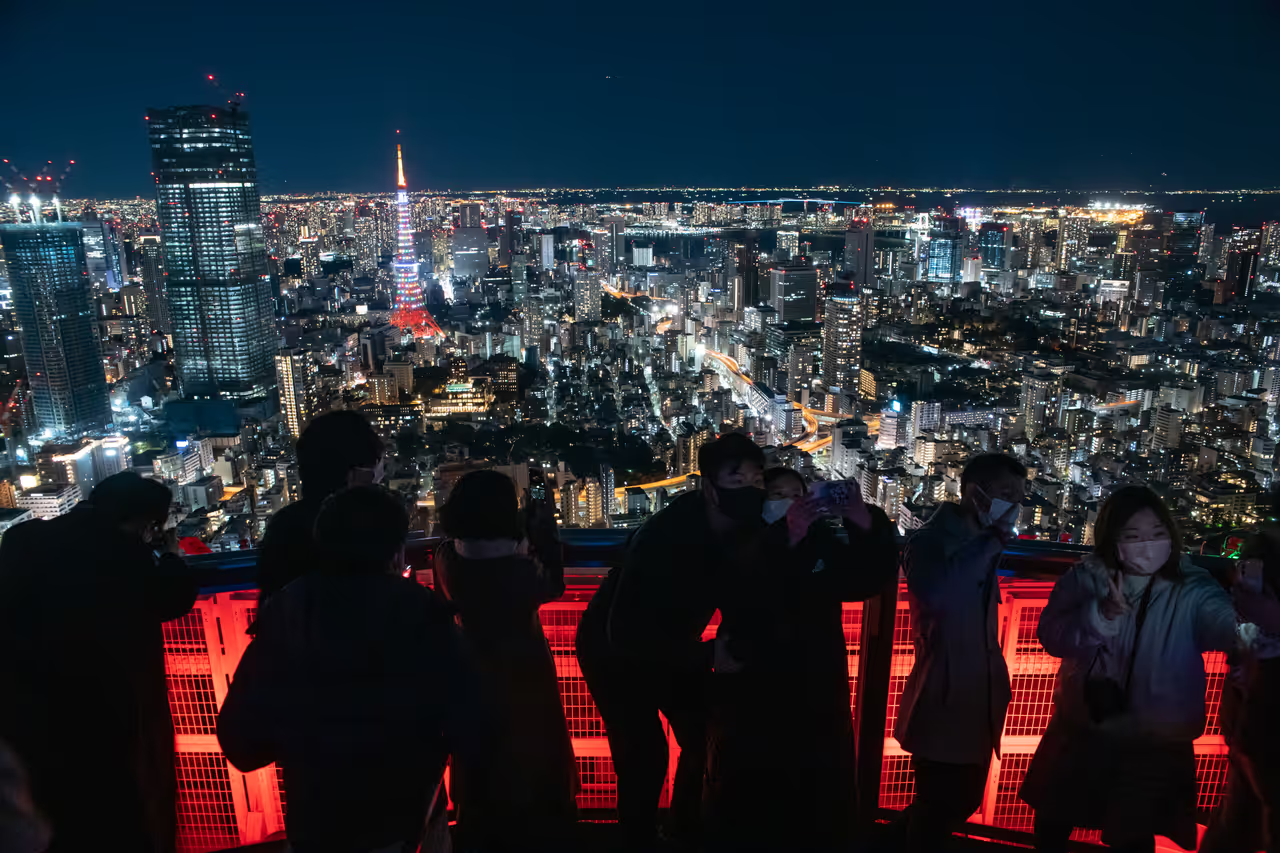
Best Views
Tokyo Itineraries
TRIP PLANNER
5 Days Recommended
Five days provides ample time to explore the vast array of distinct neighbourhoods without feeling rushed. Visitors can dedicate full days to major districts like Shibuya and Asakusa while leaving room for extensive culinary exploration. This duration allows for a balanced mix of cultural heritage sites and modern technological marvels.
1 Day in Tokyo Itinerary
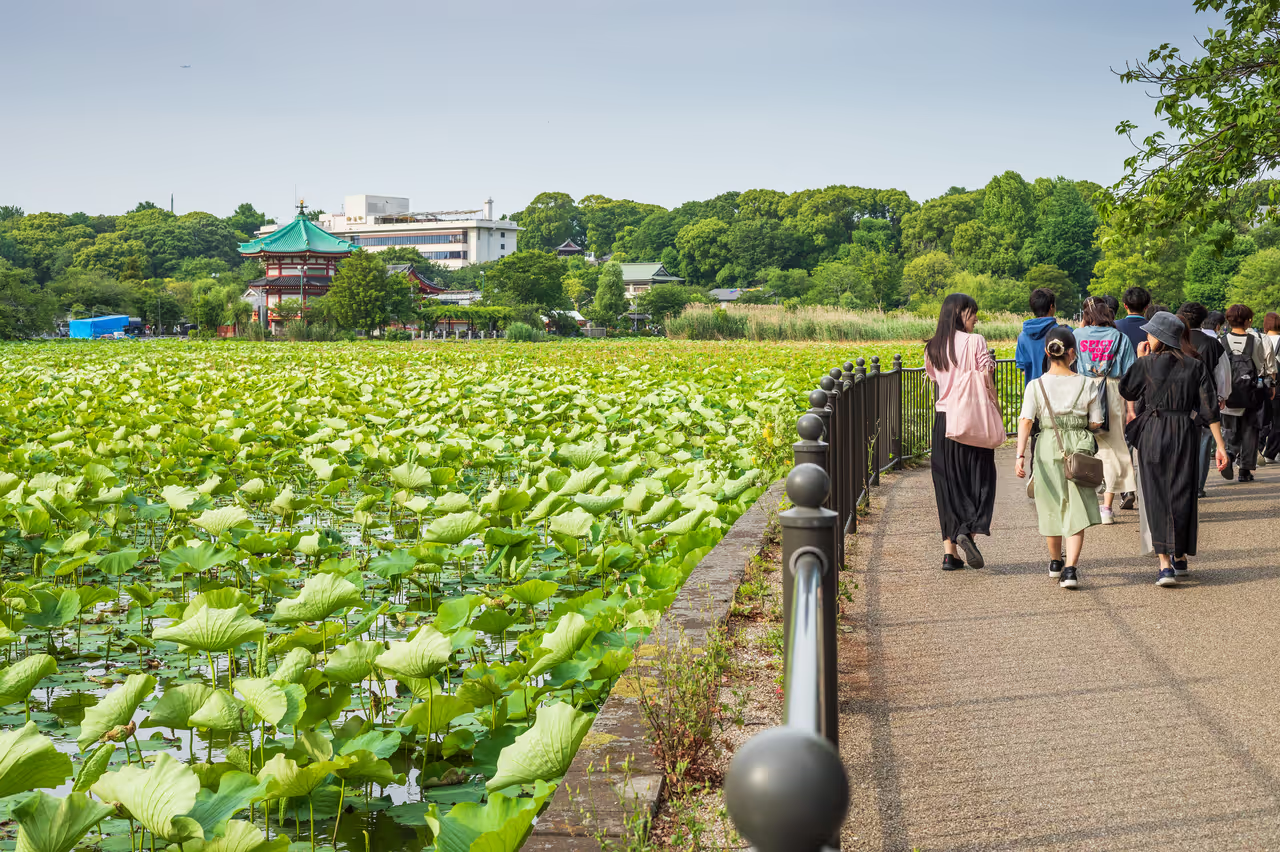
A highly efficient whirlwind tour capturing the absolute most iconic sights spanning both deep history and modern energy. This plan aggressively moves across the metropolis ensuring you witness the crucial landmarks that define the global image of the capital. The route relies heavily on the reliable transit system to cover significant distances rapidly. It provides a thrilling taste of the extreme contrasts that make the city so incredibly fascinating. Perfect for travellers on an extremely tight schedule wanting maximum visual impact.
view itinerary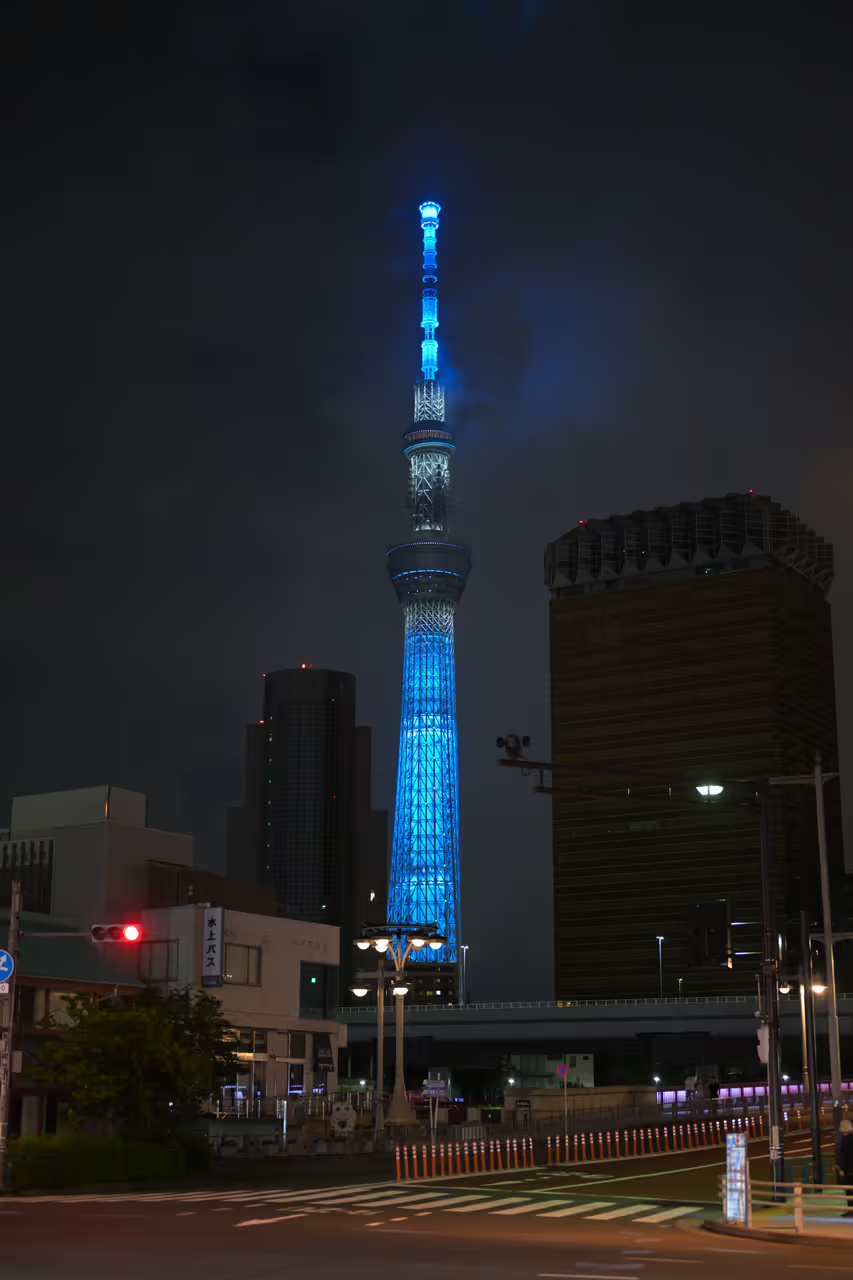
3 Days in Tokyo Itinerary
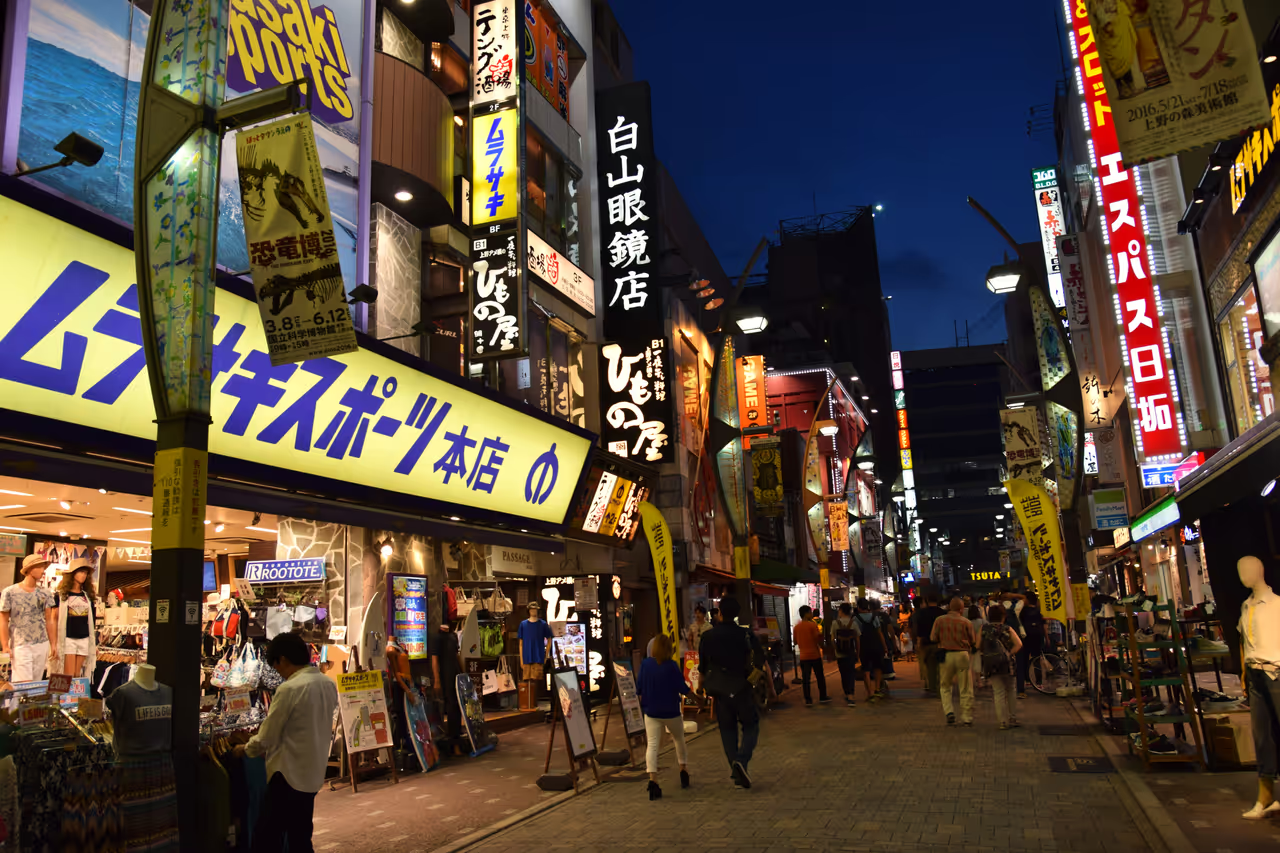
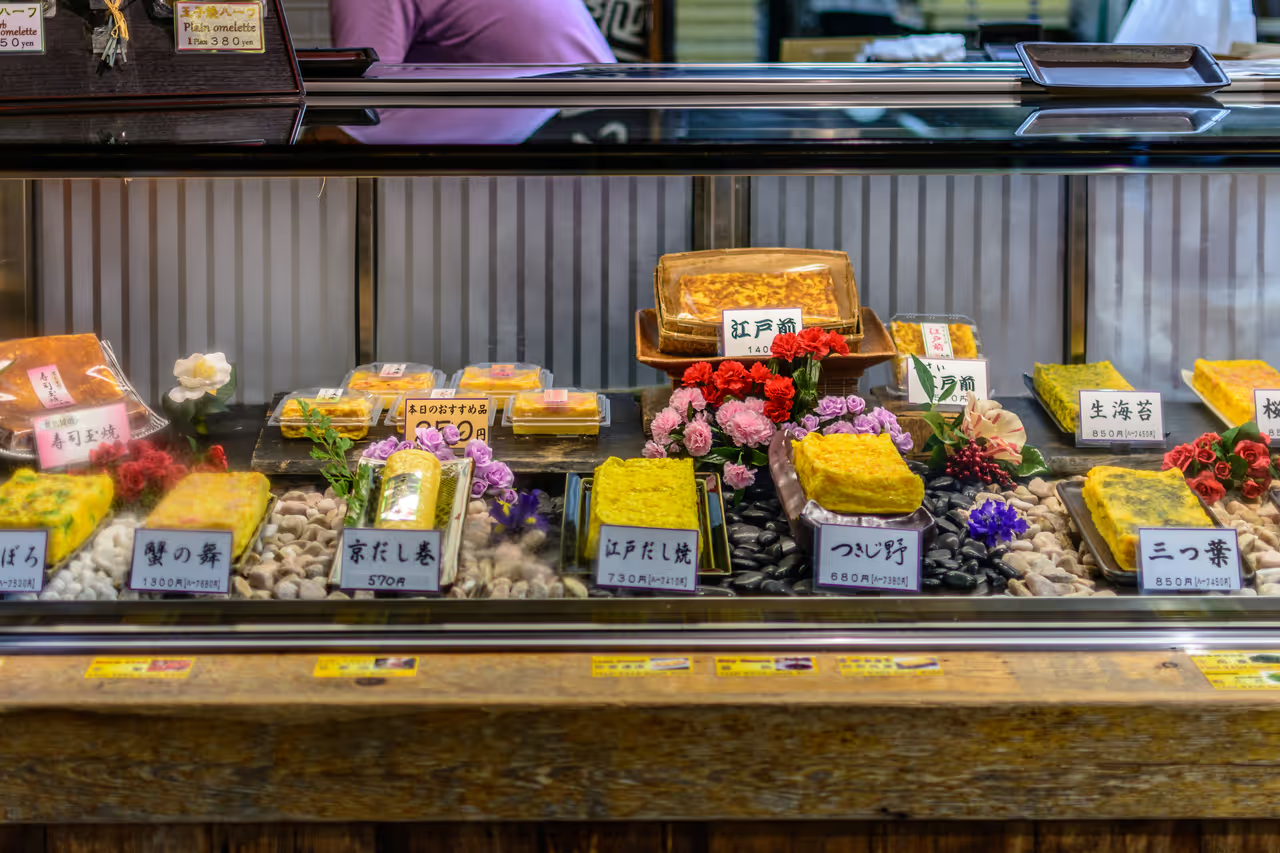
A well balanced exploration dedicating appropriate time to the diverse distinct neighbourhoods that compose the urban fabric. The journey systematically covers the eastern historical districts, the prestigious imperial centre, and the vibrant youth driven west. It allows for a more relaxed pace providing ample opportunities to enjoy extensive culinary breaks and local shopping. The progression naturally highlights the incredible evolution from Edo period traditions to modern pop culture. This is the optimal introductory experience for a standard city break.
view itinerary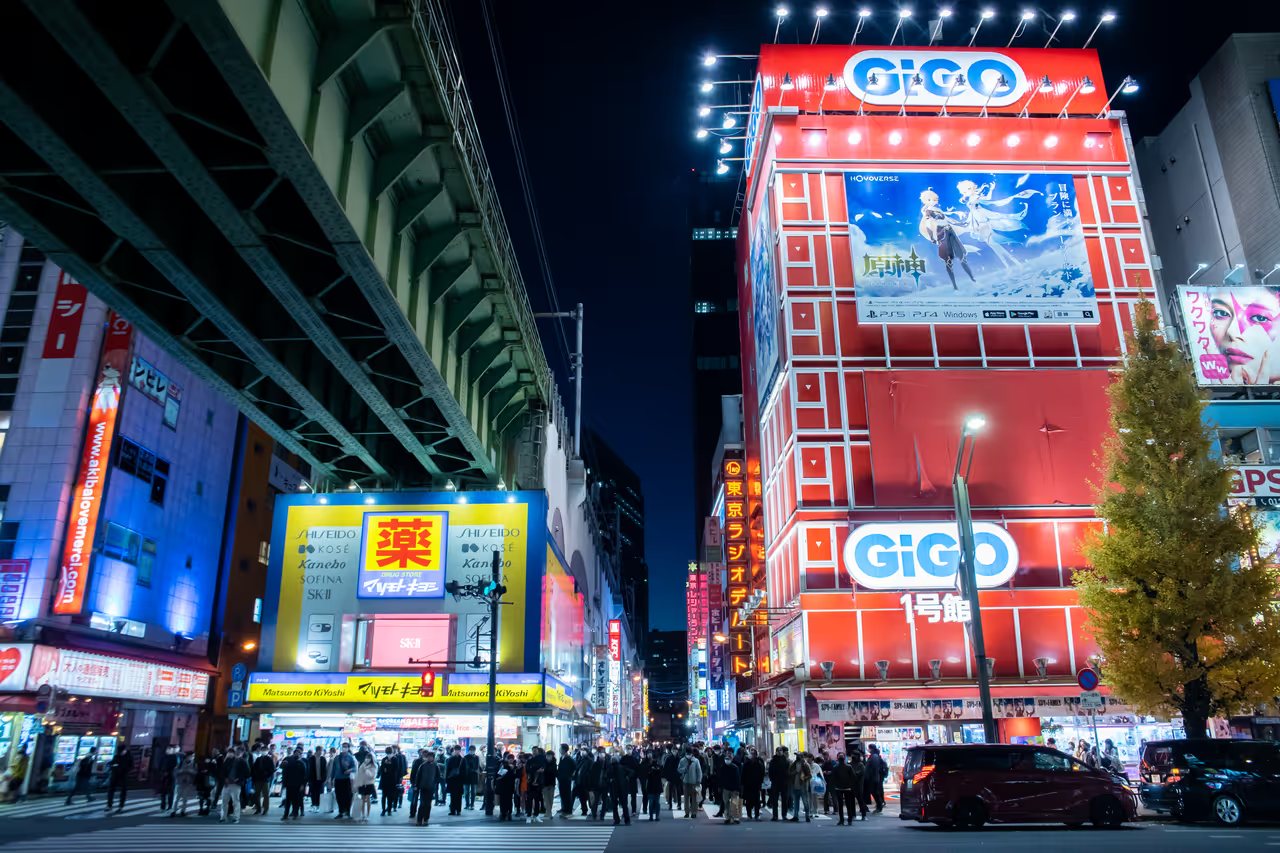
5 Days in Tokyo: Comprehensive Itinerary
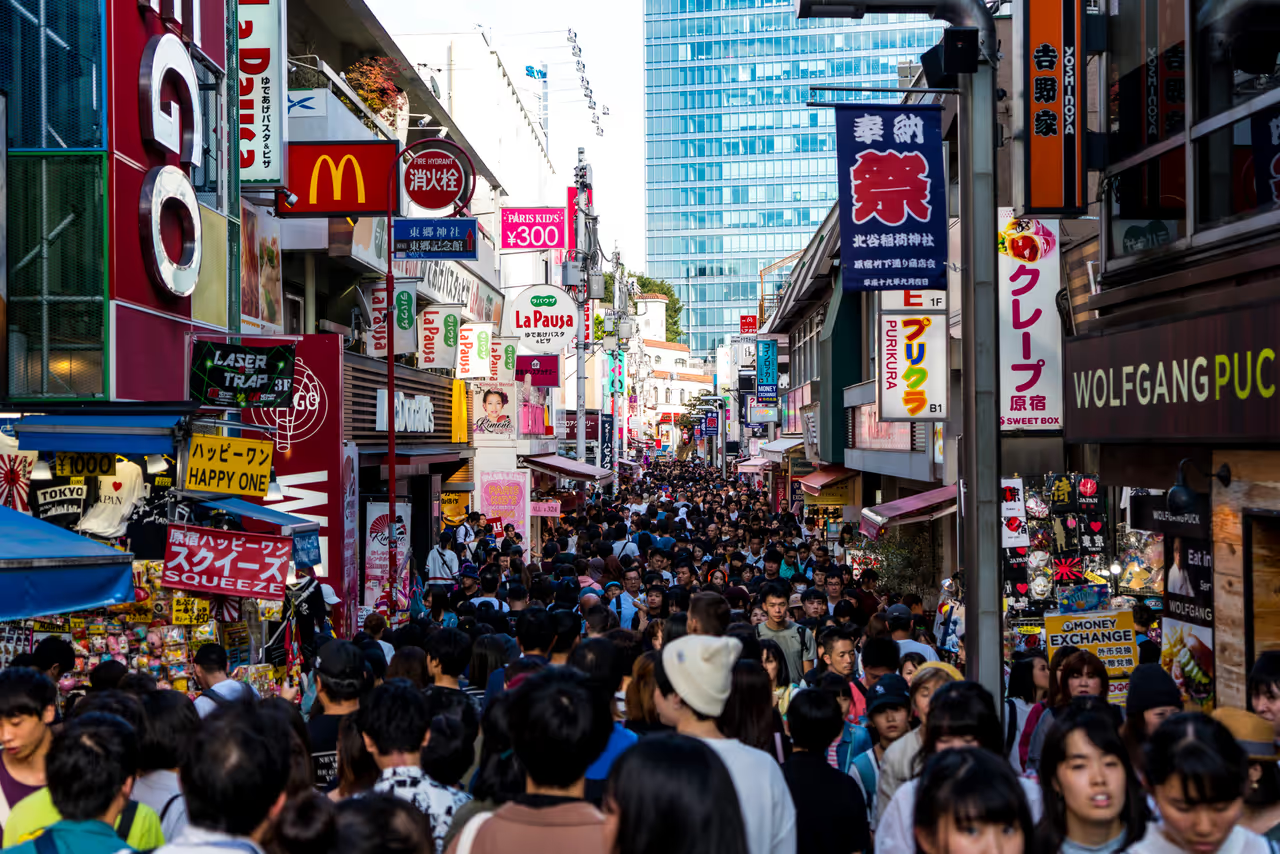
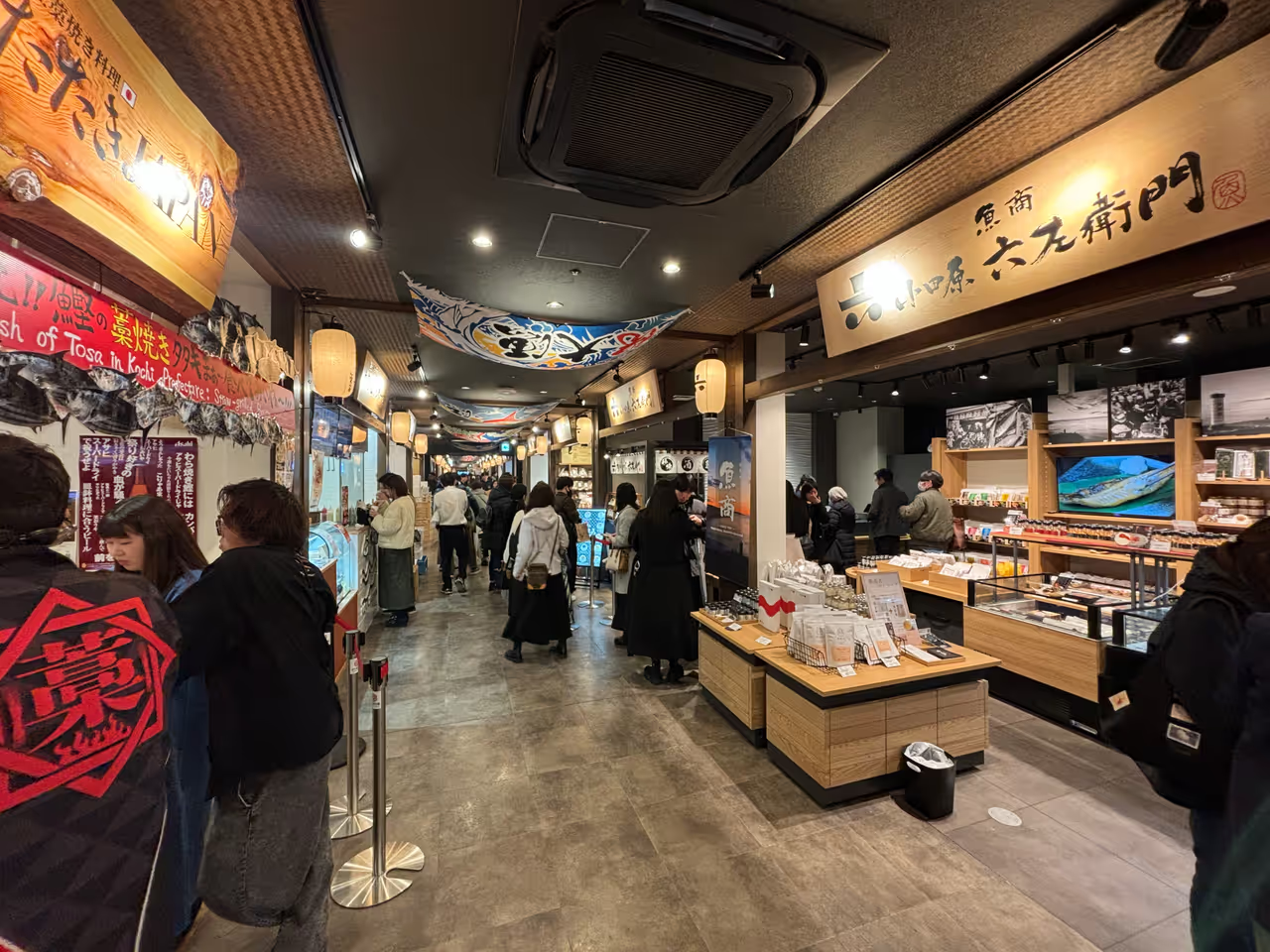
An extensive and highly immersive itinerary designed to uncover both the famous monumental sights and the hidden cultural gems. The expanded timeframe permits deep dives into digital art, upscale architecture, and intense nightlife districts. It removes the stress of rushing allowing travellers to truly absorb the nuanced vibe of areas like Harajuku and Roppongi. The route successfully navigates the complex culinary landscape offering everything from street food to refined dining. This provides a deeply satisfying and complete portrait of the capital.
view itinerary
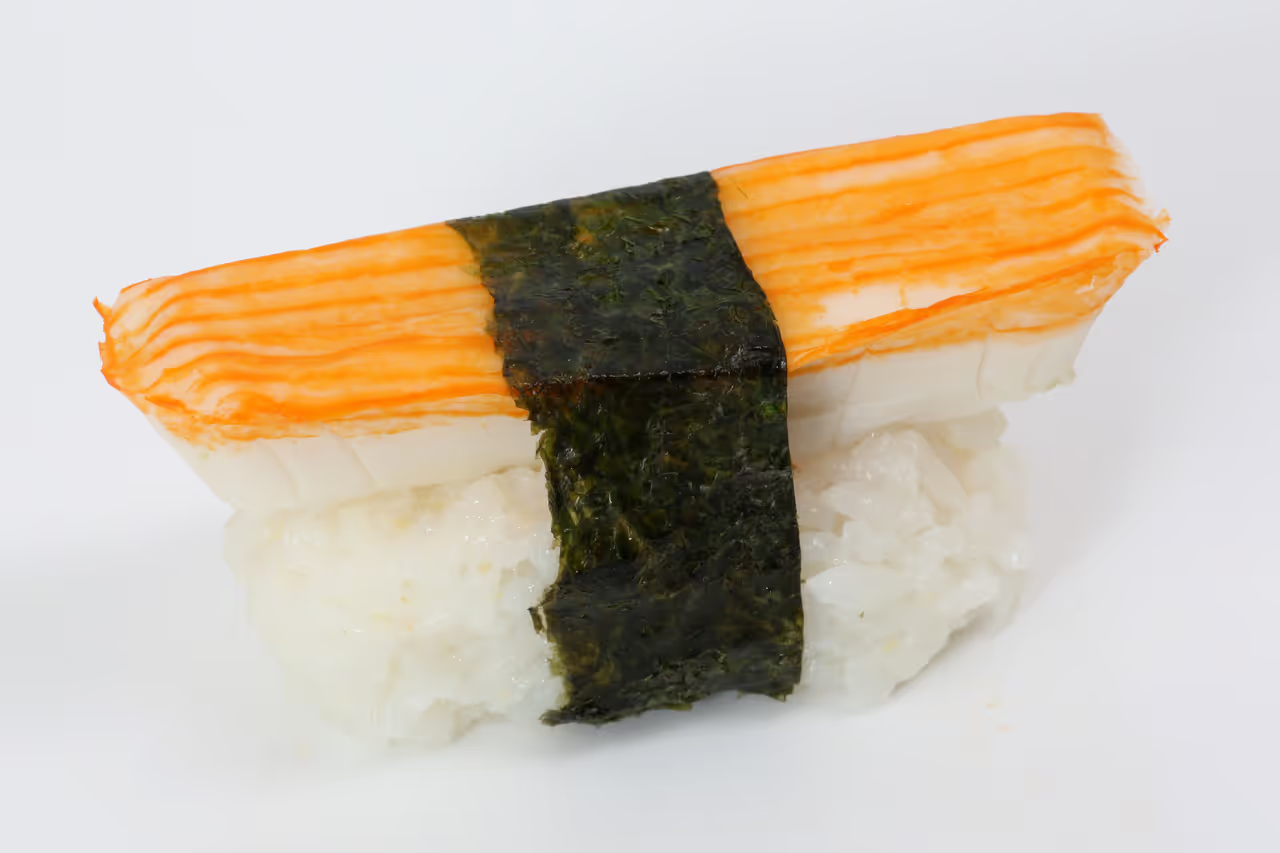
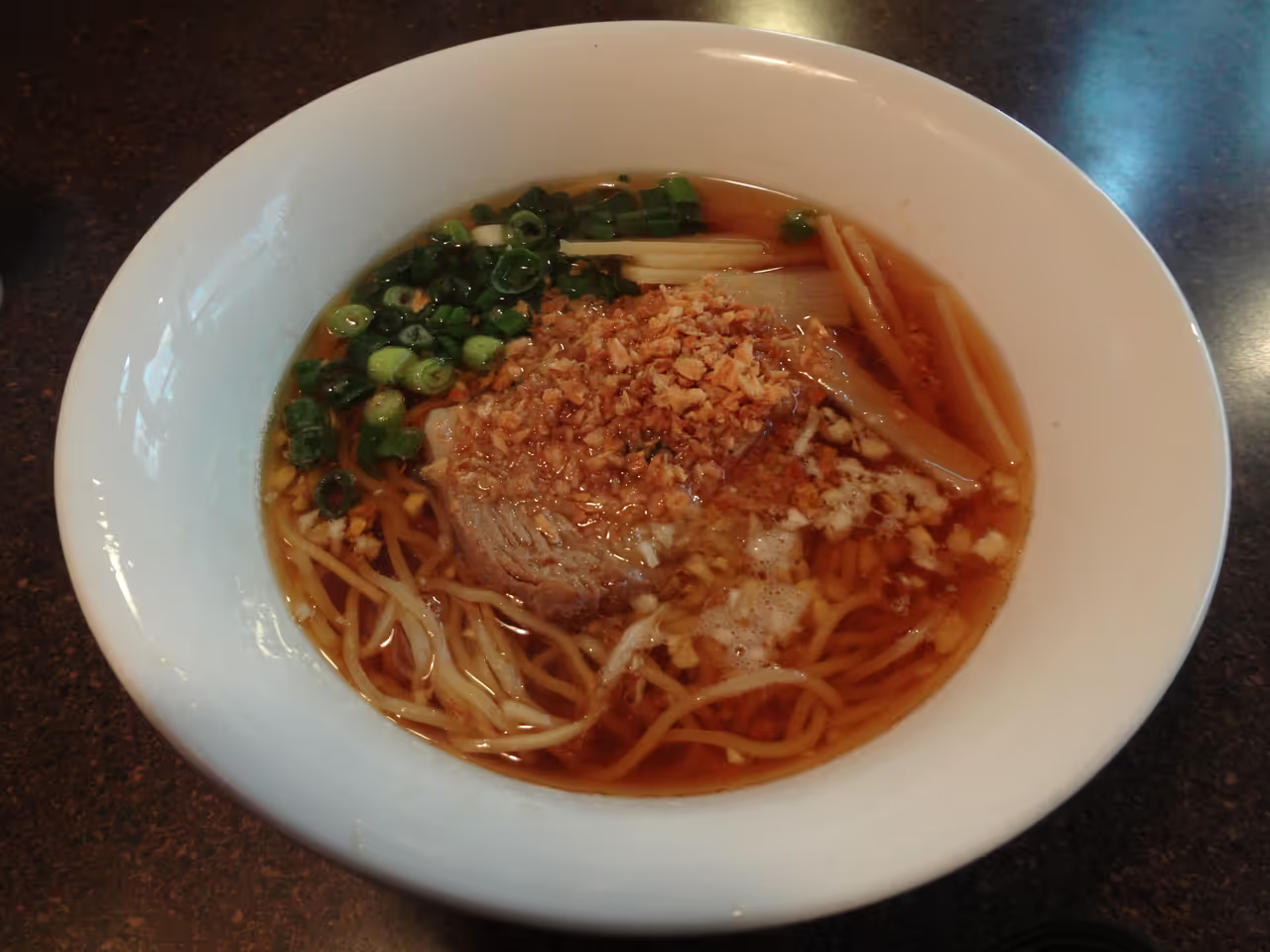
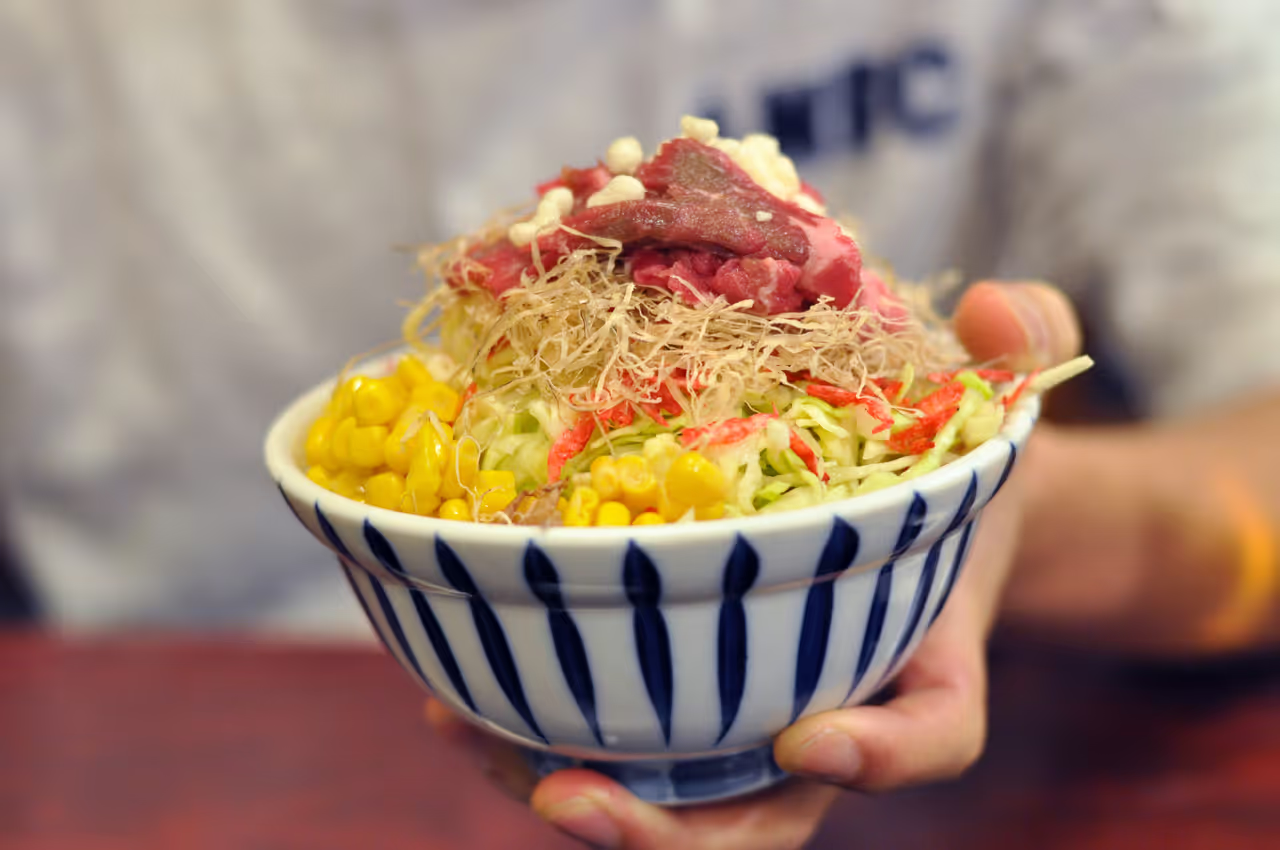
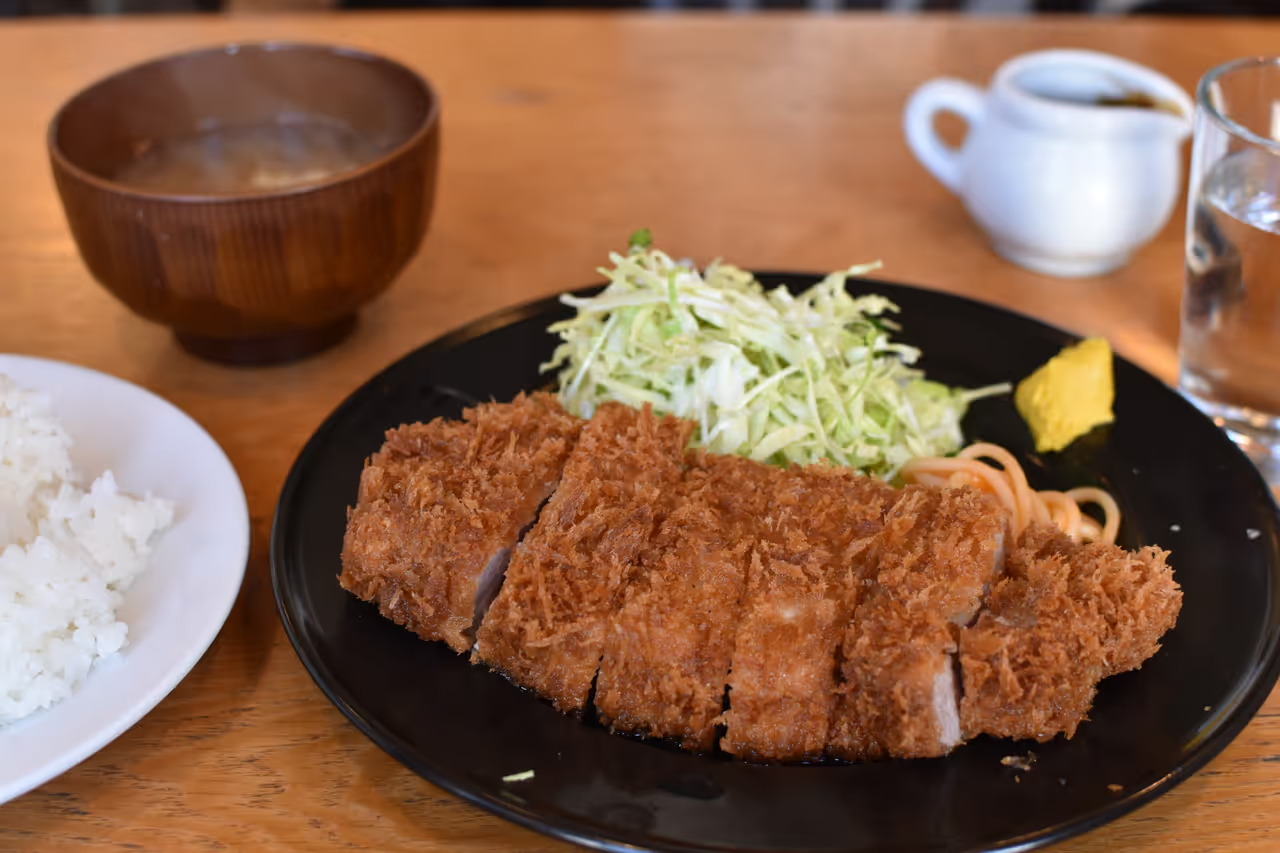
Food in Tokyo
UNESCO World Heritage Sites
Free Things to do in Tokyo
Parks & Nature
Koishikawa Korakuen
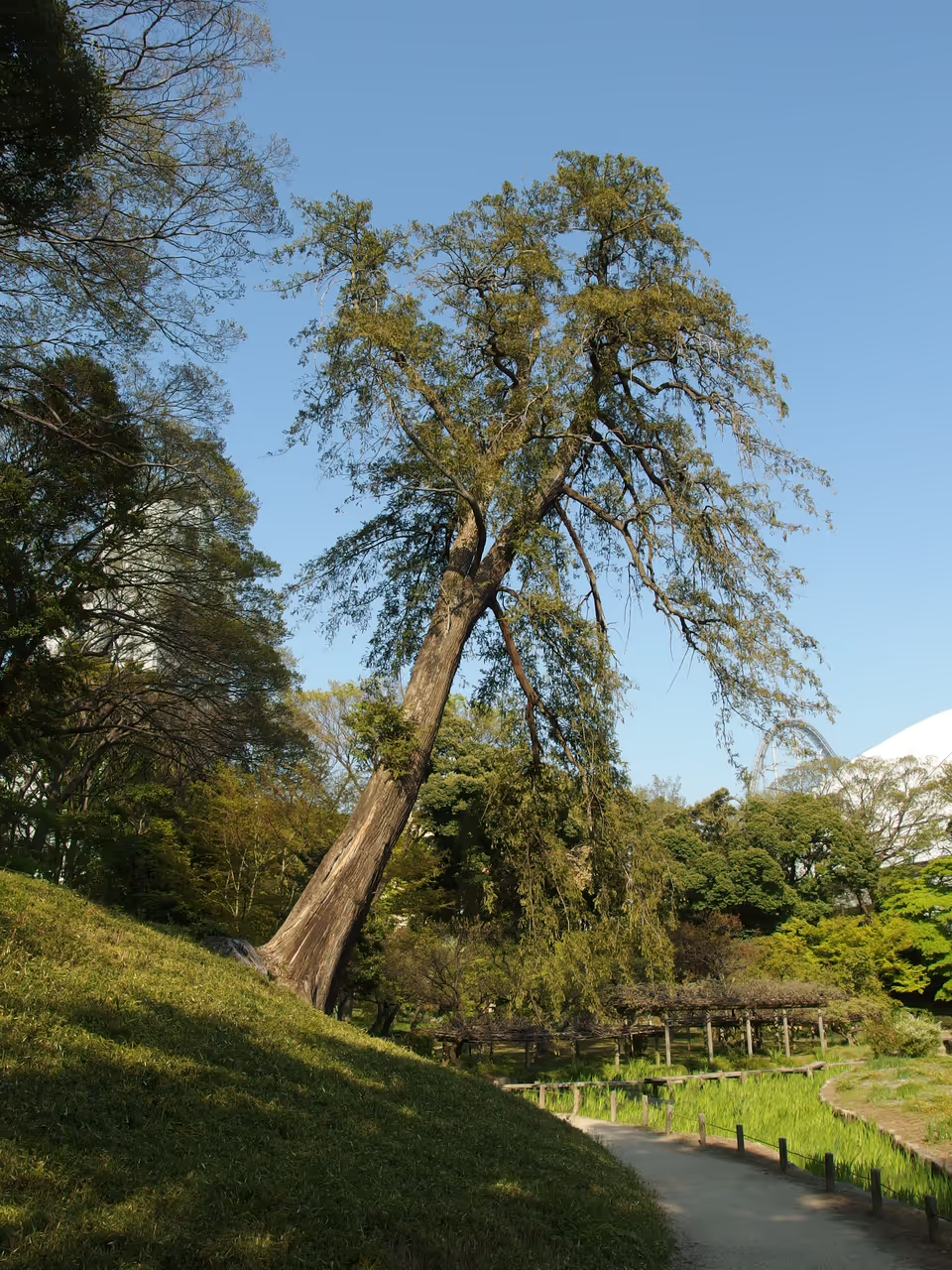
Stepping into Koishikawa Korakuen Gardens feels like discovering a secret portal to the Edo period right in the middle of Tokyo...
view
Rikugien Gardens
Step into a living piece of Edo poetry at Rikugien Gardens, a sublime masterpiece of Japanese landscape design. This stroll...
view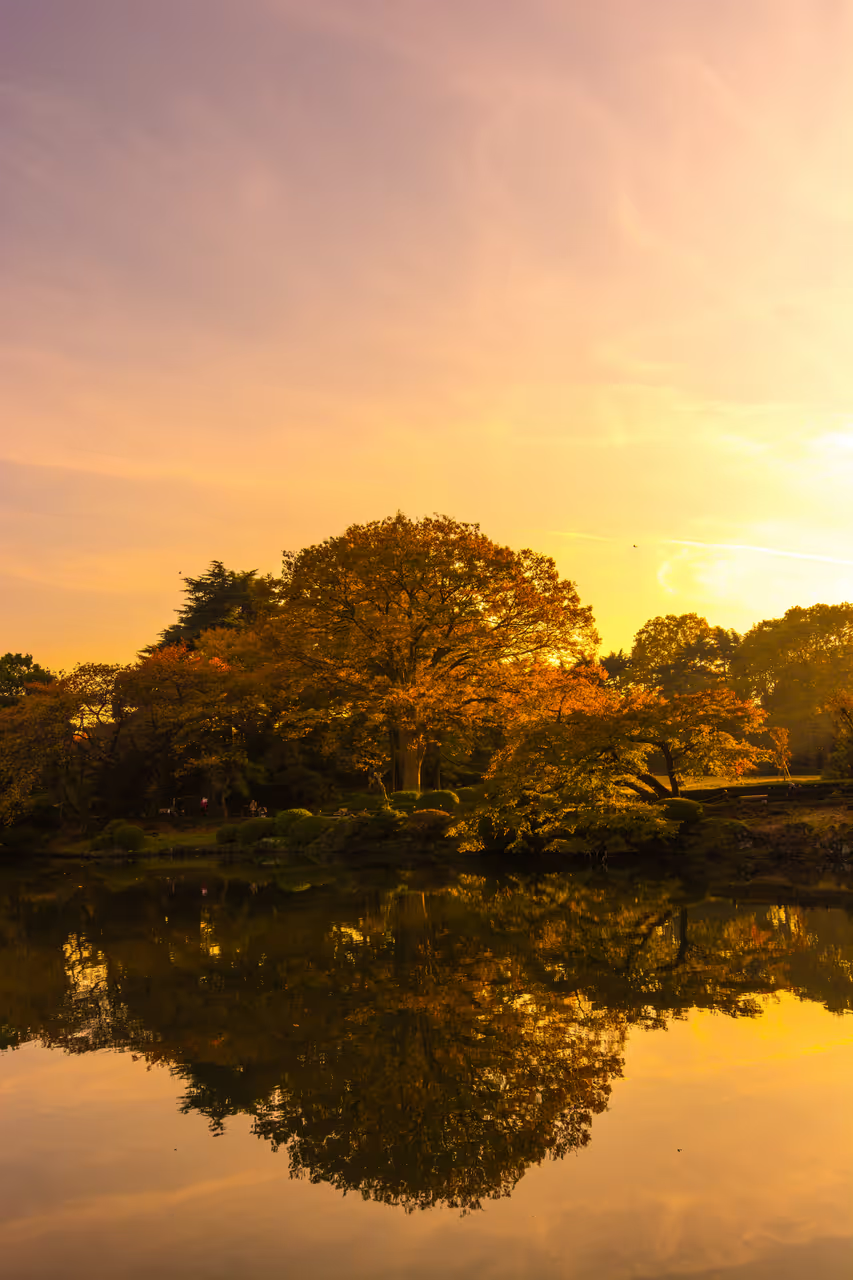
Shinjuku Gyoen National Garden
Shinjuku Gyoen National Garden serves as a magnificent sanctuary located right in the heart of Tokyo. This expansive estate...
viewUeno Park
Ueno Park is a sprawling green sanctuary that serves as Tokyo's premier cultural hub, blending majestic nature with world-class...
view
Highlights & Must-Sees
Akihabara Electric Town
The undisputed global capital of anime, manga, and electronic goods. Multistory complexes are packed tightly with the latest...
view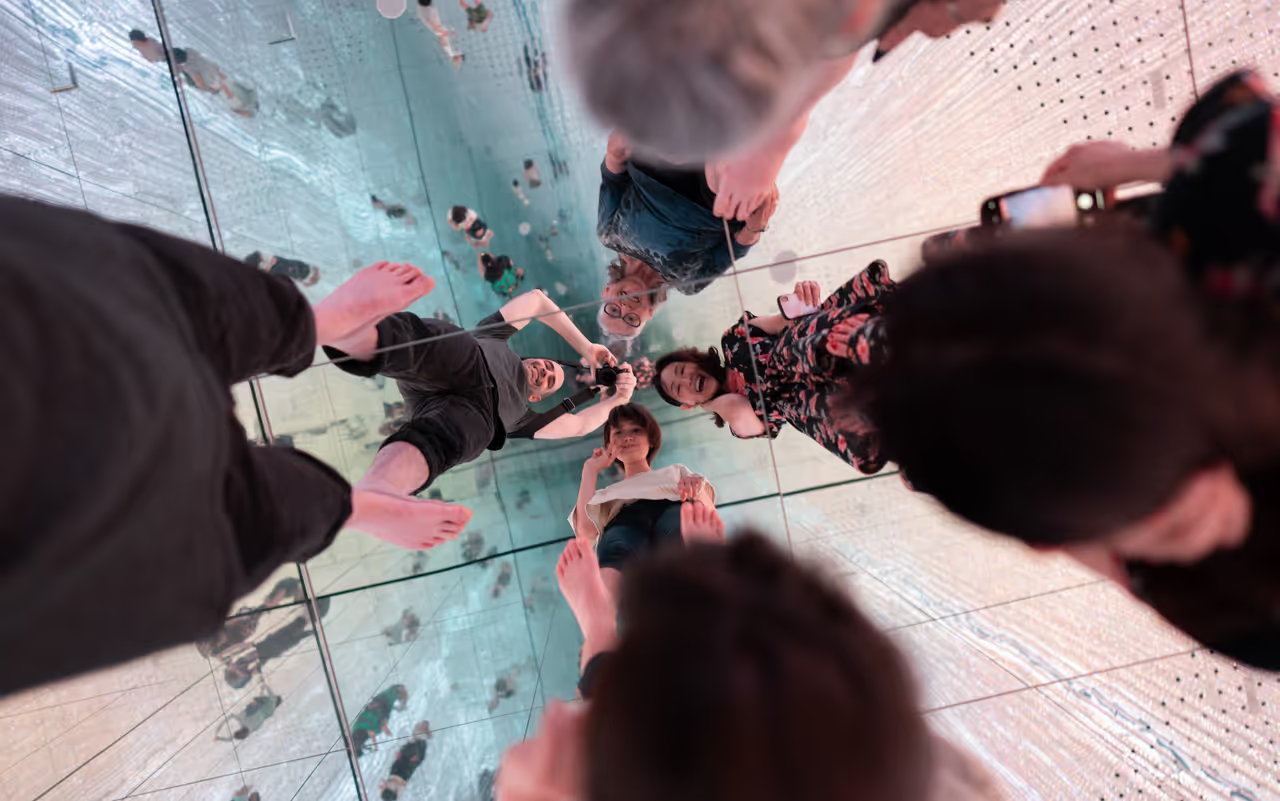
teamLab Planets
A completely immersive digital art facility that requires visitors to walk barefoot through mesmerizing light and water...
viewGinza Shopping District
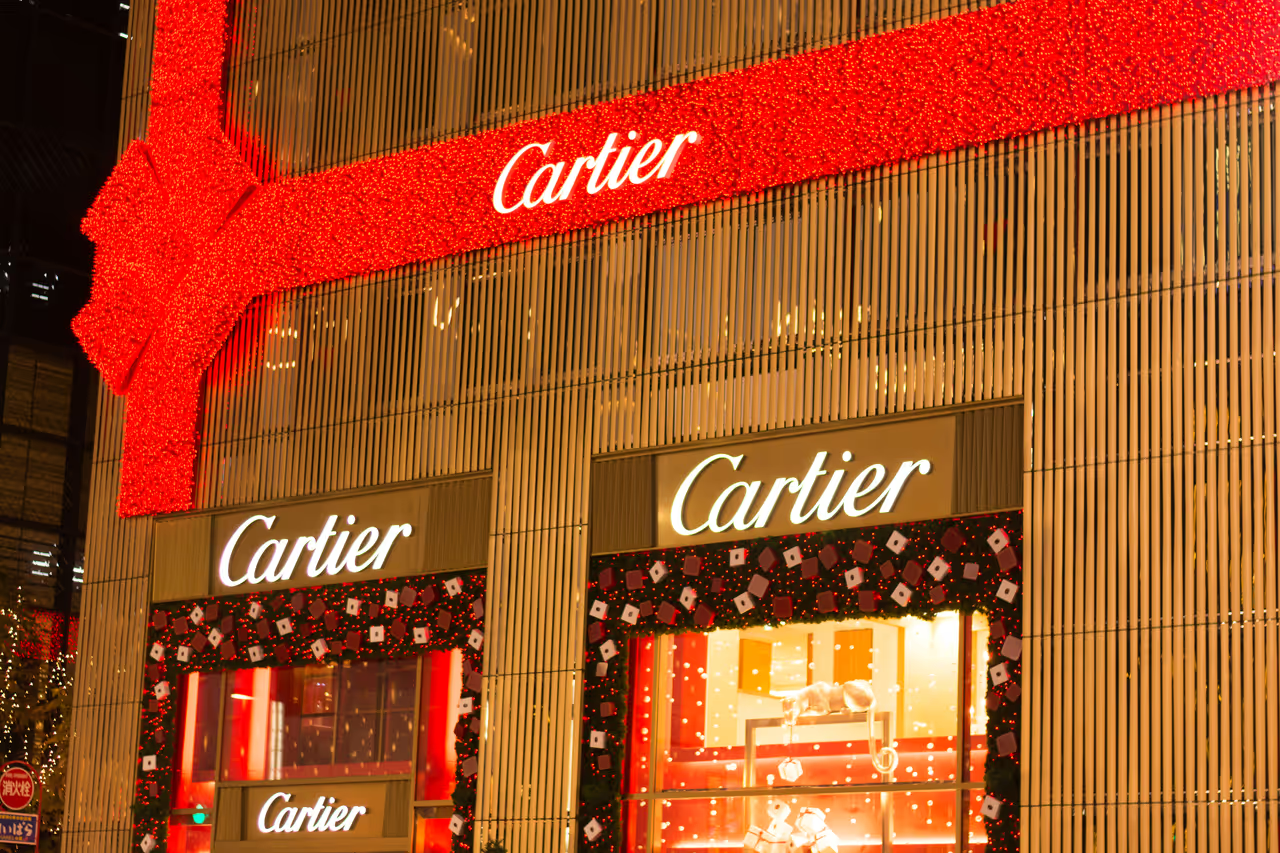
The premier luxury shopping destination featuring pristine wide boulevards and striking contemporary architecture. Massive...
view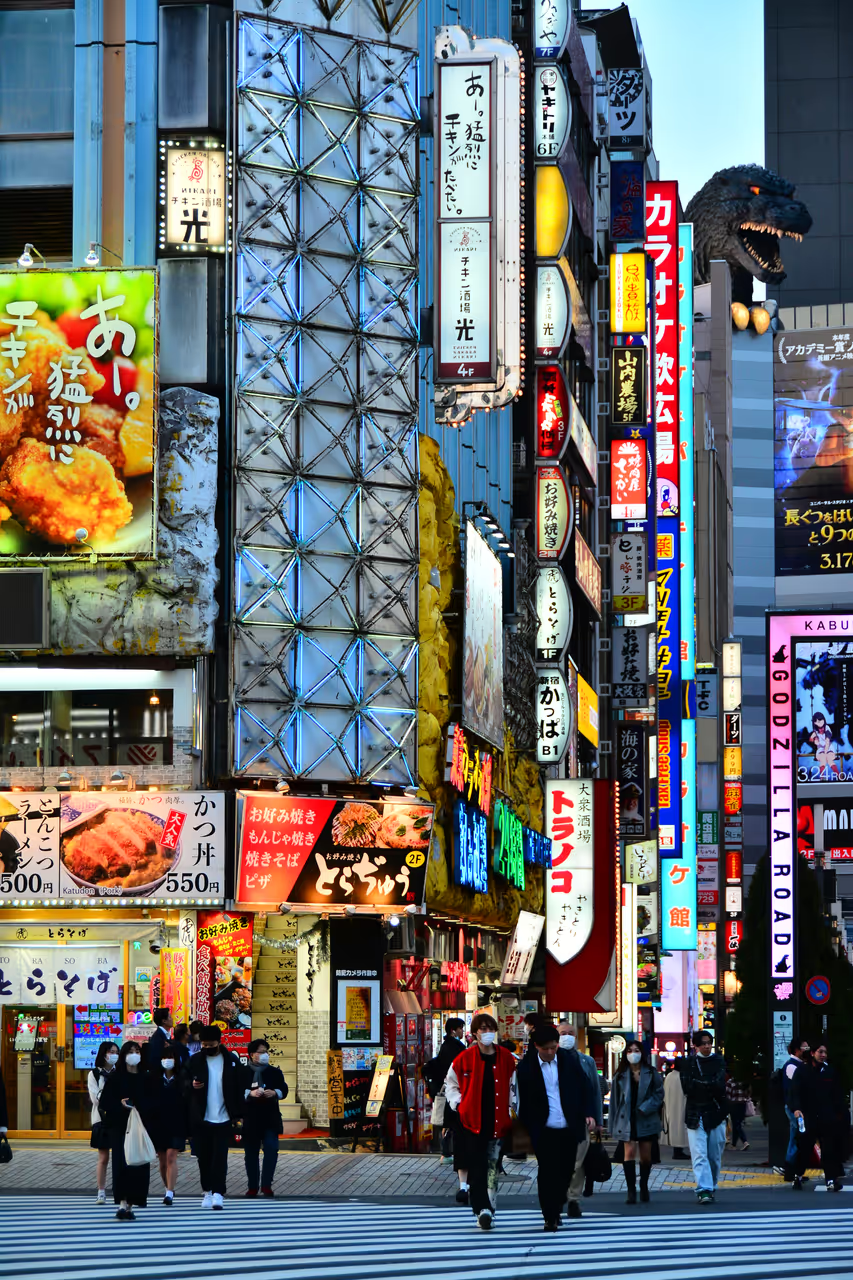
Kabukicho
An intensely illuminated entertainment district famous for its chaotic energy and massive Godzilla head peering over the...
view
Best Walks in Tokyo
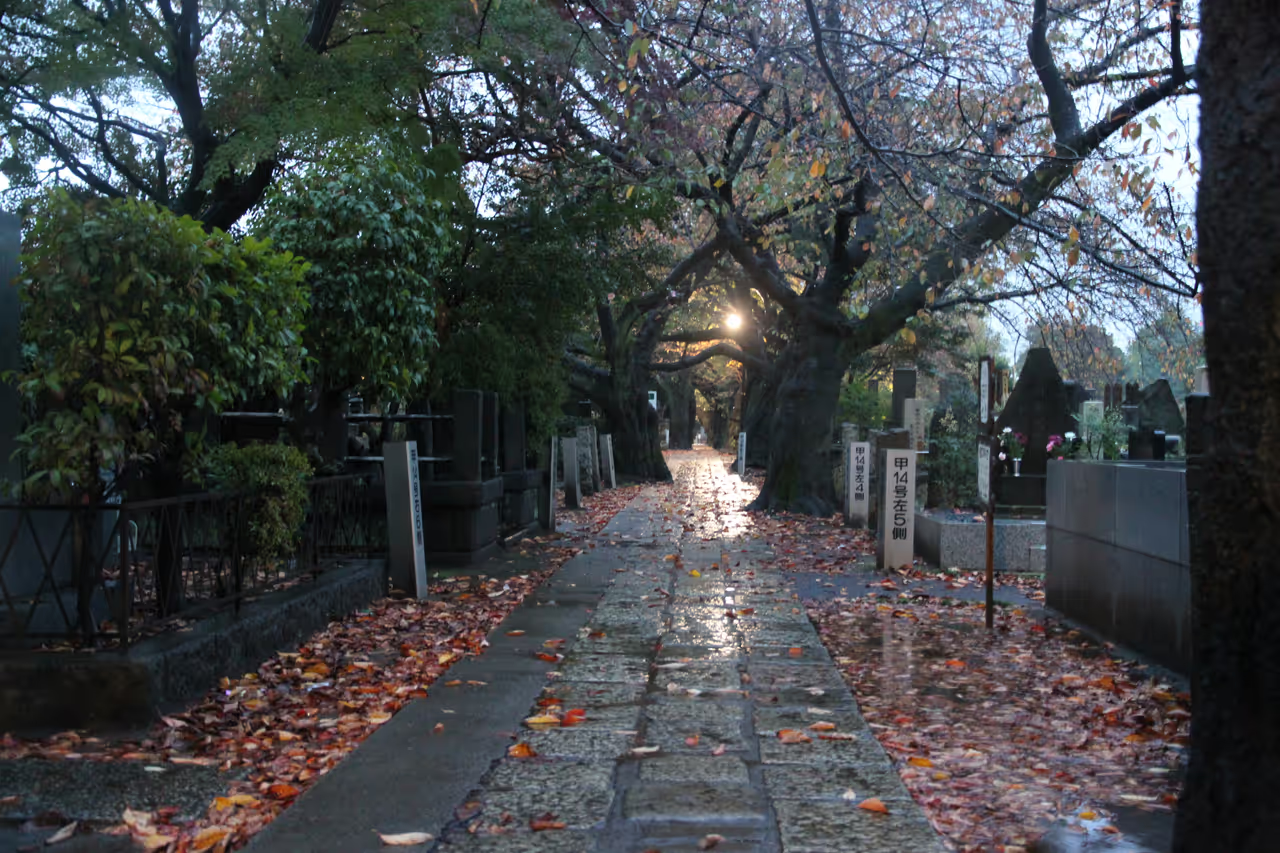
Meguro River Walk
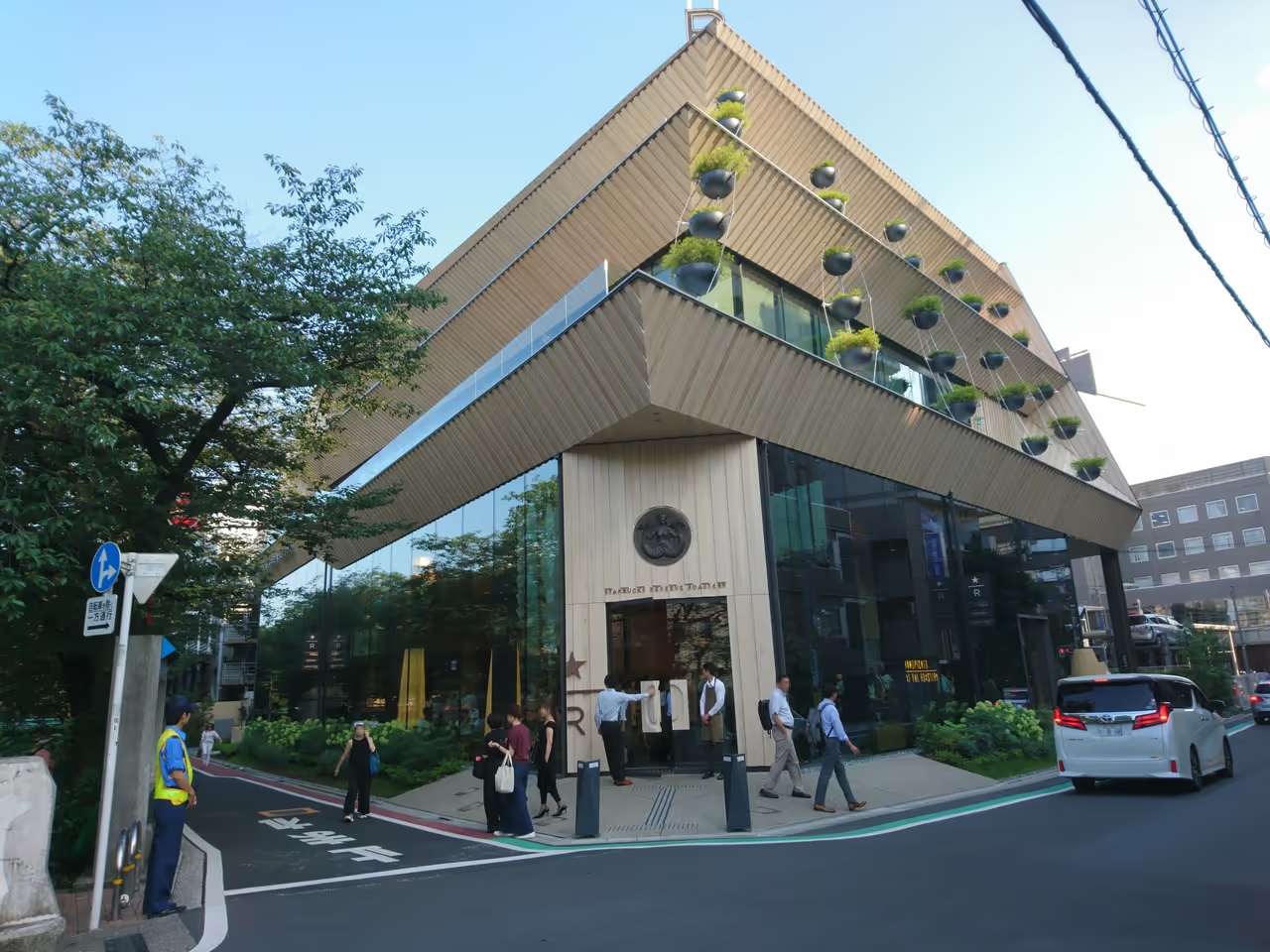
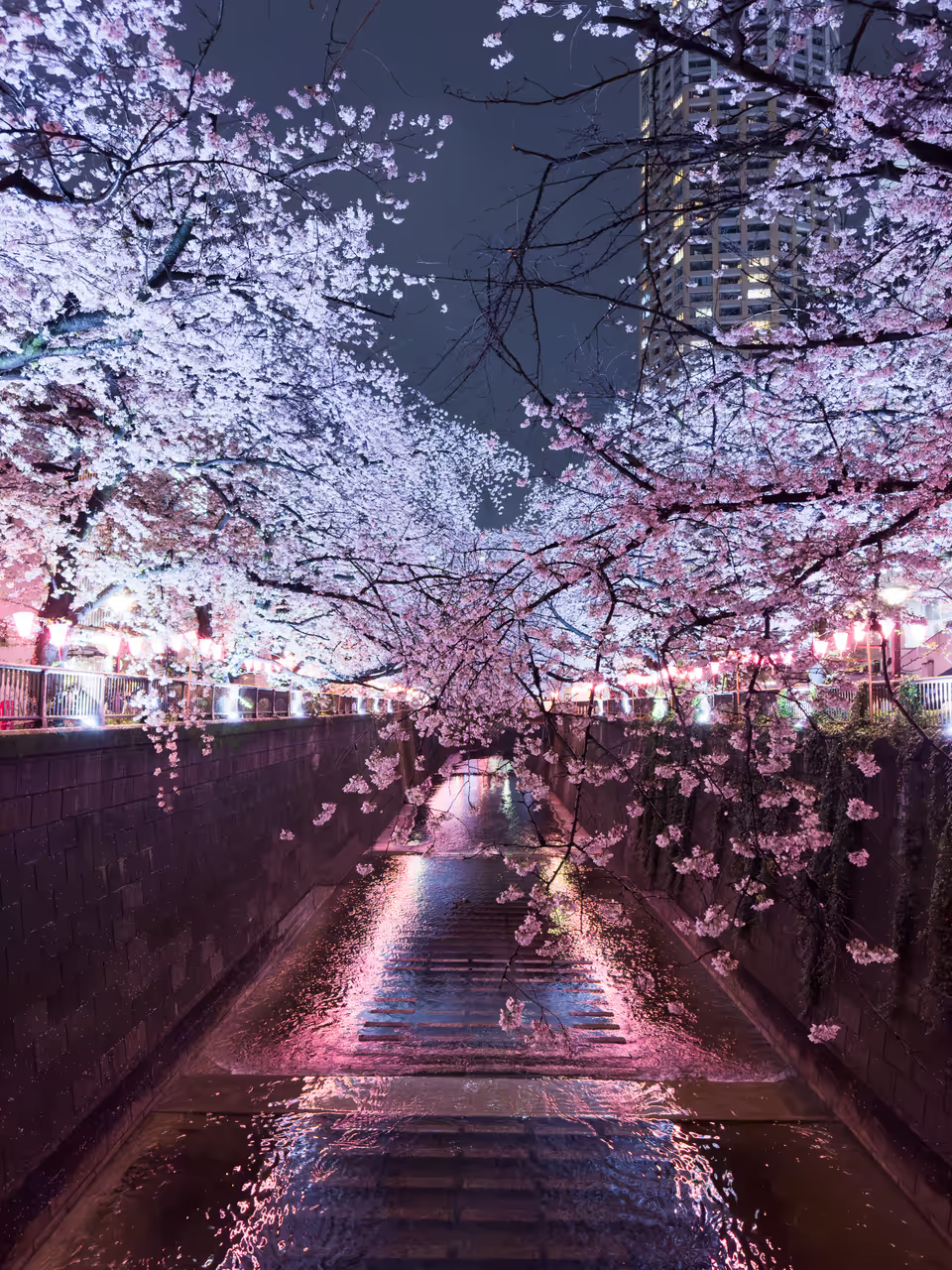
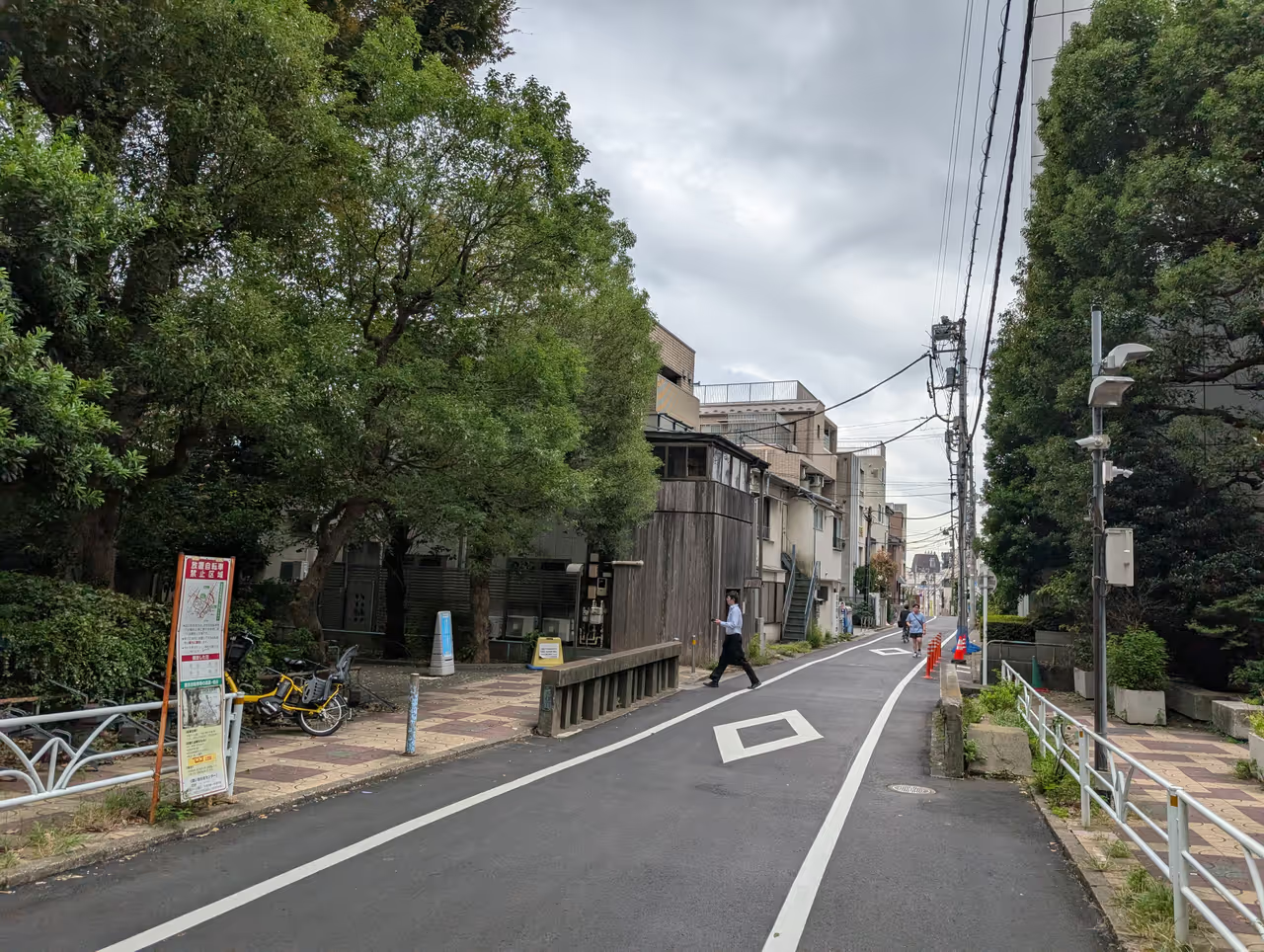
A highly picturesque stroll tracing the gentle curves of the concrete channeled river flanked by hundreds of trees. The path is narrow and intimate guiding walkers past a trendy assortment of boutique cafes, artisan bakeries, and stylish independent shops. During the spring the branches create a breathtaking tunnel of pink blossoms but the leafy canopy provides a lovely shaded environment year round. The atmosphere is upscale yet relaxed attracting a fashionable local crowd. The frequent small bridges crossing the water provide perfect vantage points to admire the scenery.
 HIGHLY RECOMMENDED
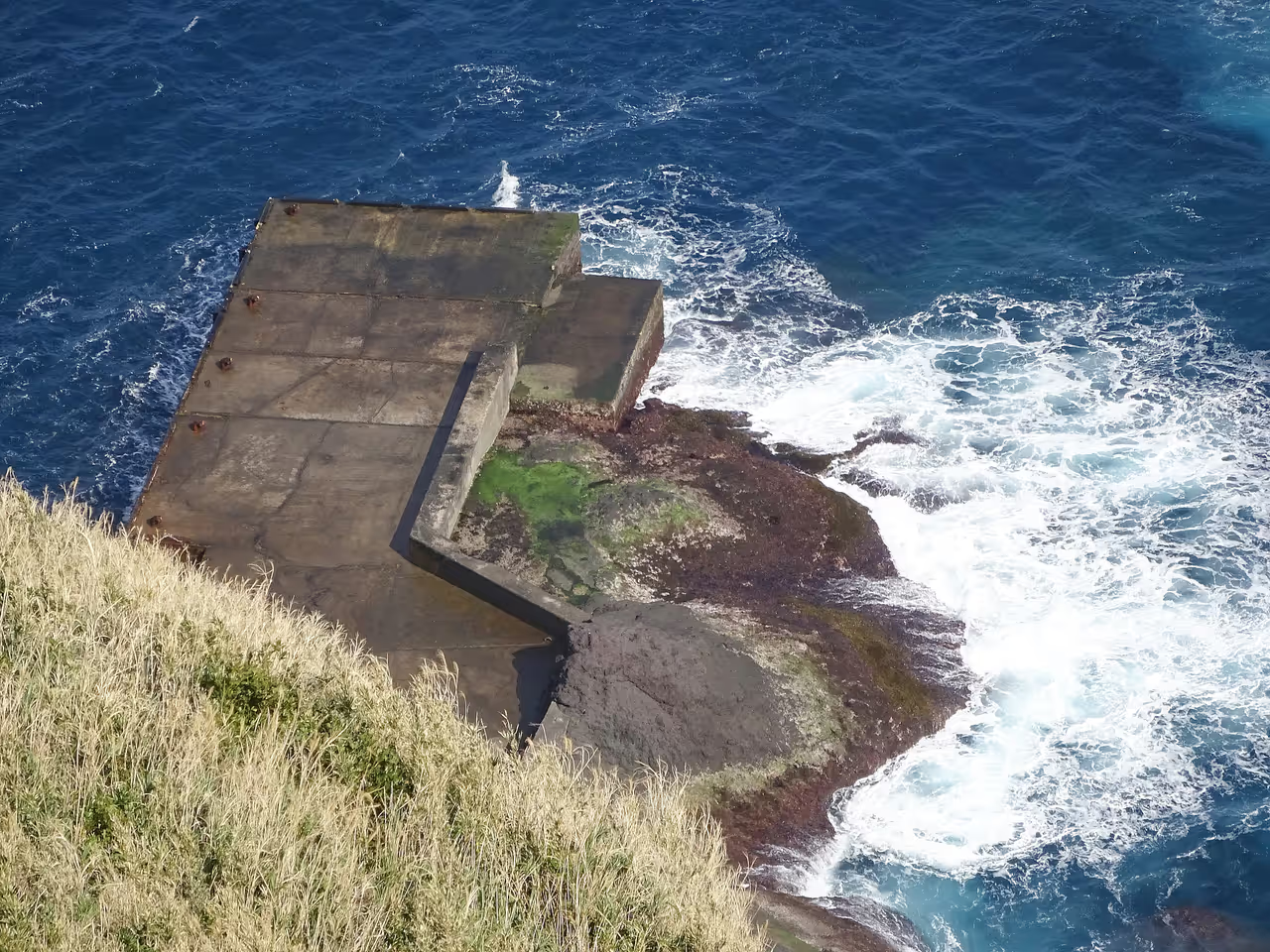
Yanaka Neighbourhood Stroll
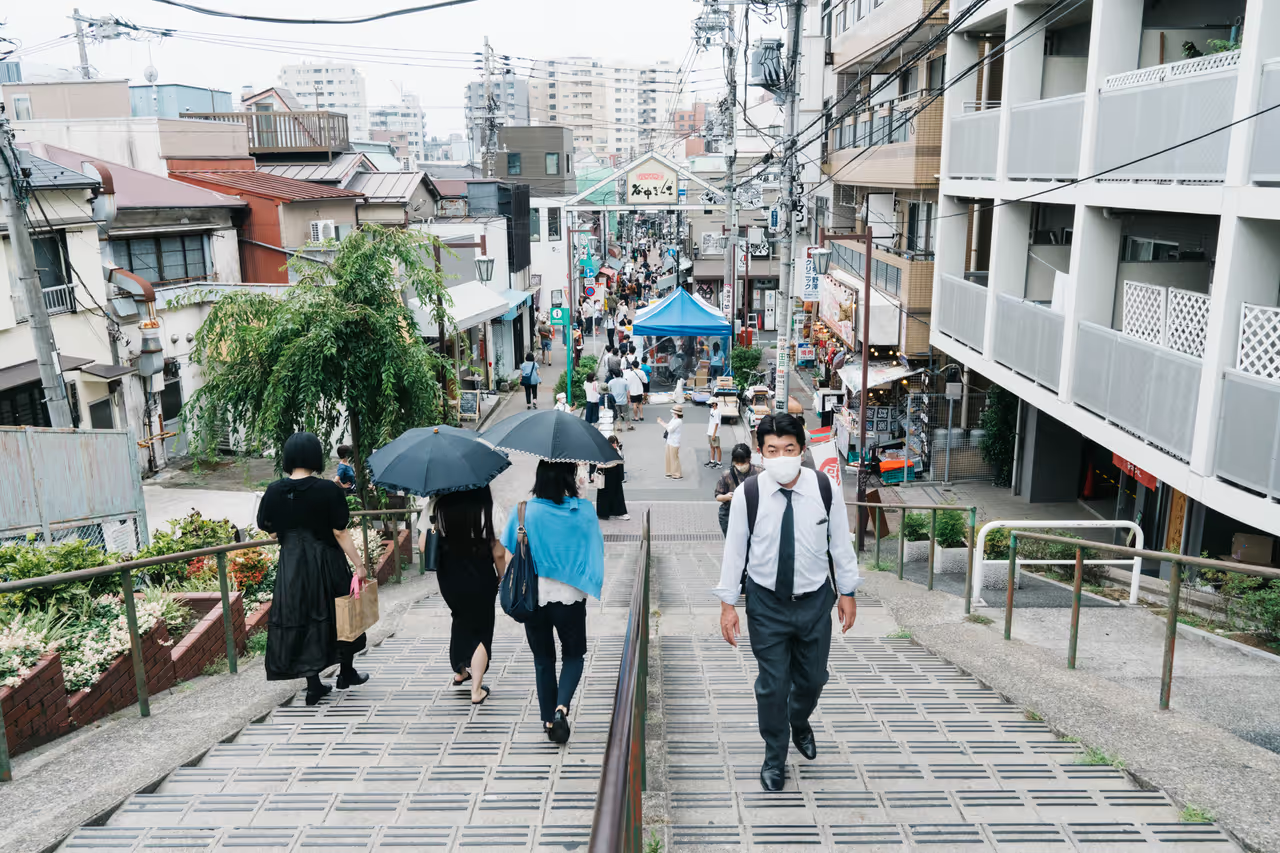
Wandering through this preserved historical district transports visitors to a slower more nostalgic era of the capital. The narrow winding alleys are lined with old wooden houses, countless small temples, and sleeping street cats. The journey lacks the aggressive neon and towering glass found elsewhere offering instead the warm scent of street food and incense. Artisans work openly in small studios producing traditional crafts while friendly vendors sell classic snacks. The gentle hills and mature trees complete the feeling of having stepped back into the mid twentieth century.
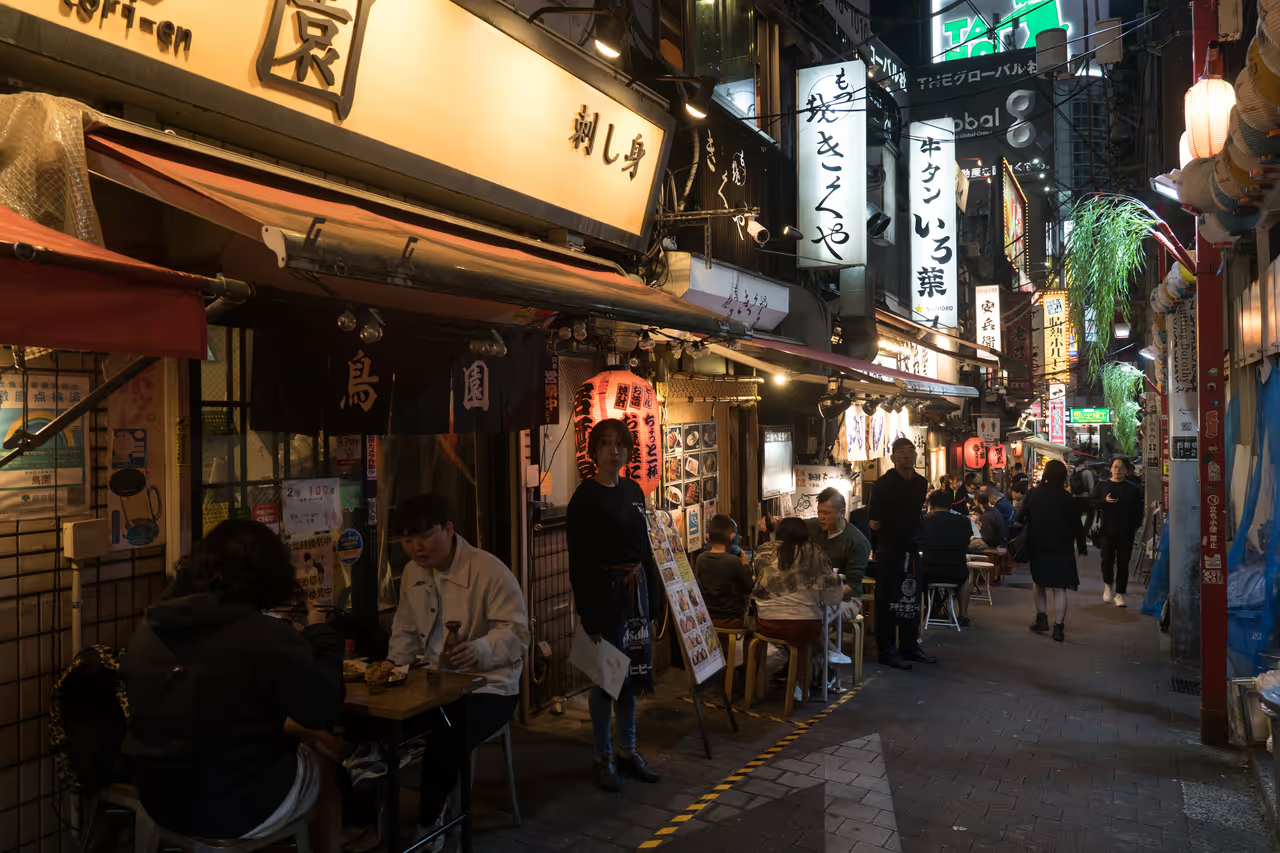
Hamarikyu to Hinode Pier
A majestic coastal walk bridging classical landscape design with the expansive industrial beauty of the bay. The stroll begins amid the meticulously pruned pine trees and tidal ponds of a historical shogun garden. Leaving the garden gates the path hugs the waterfront offering expansive views of passing ferries and the distant island architecture. The wide open sky and the smell of salt water provide a remarkably refreshing atmosphere. It is a quiet and highly scenic corridor connecting deep history with modern maritime operations.
Architecture & Landmarks
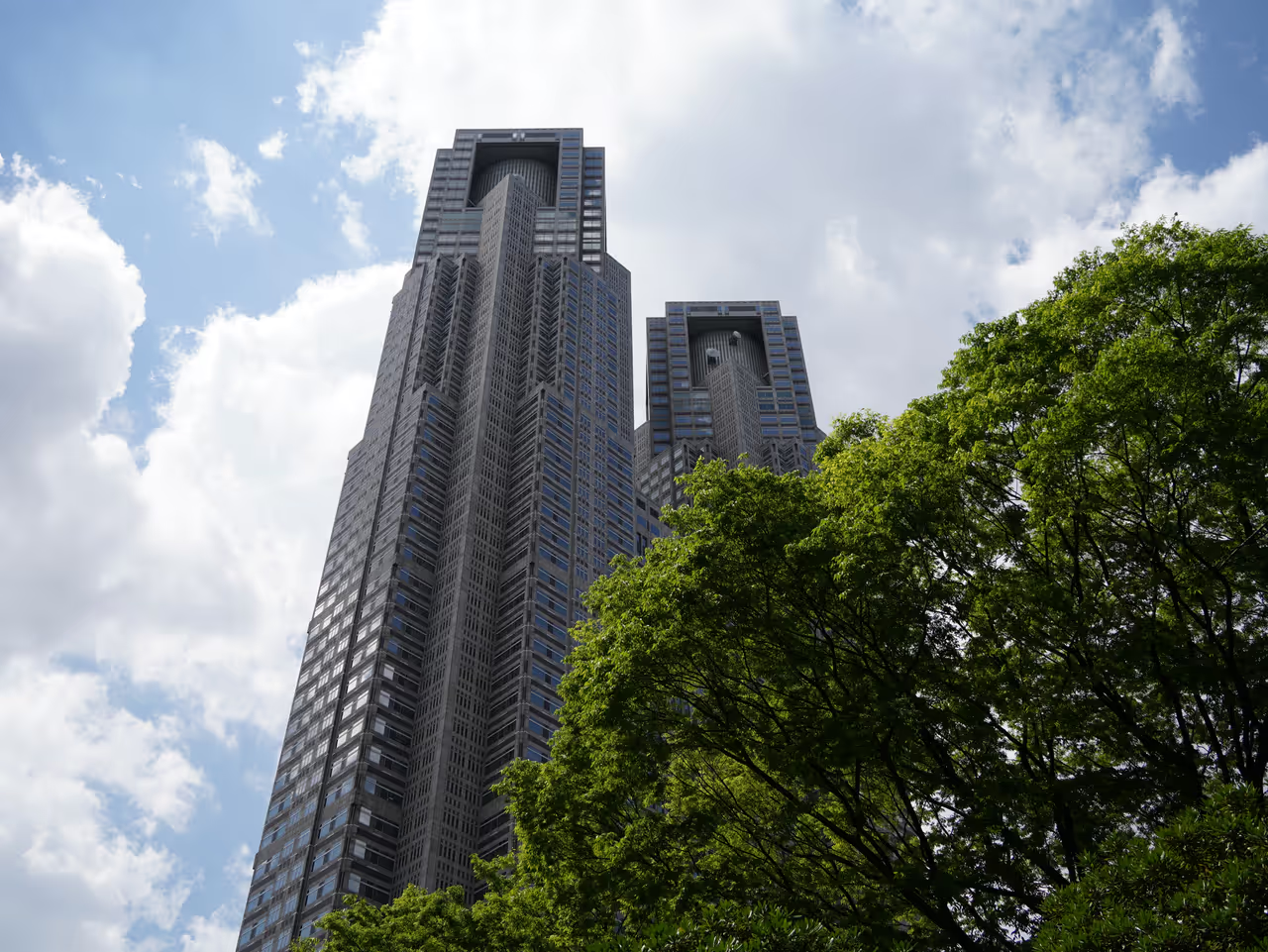
Tokyo Metropolitan Government Building
A monumental twin towered complex that dominates the western skyline standing as a striking symbol of civic authority. The...
view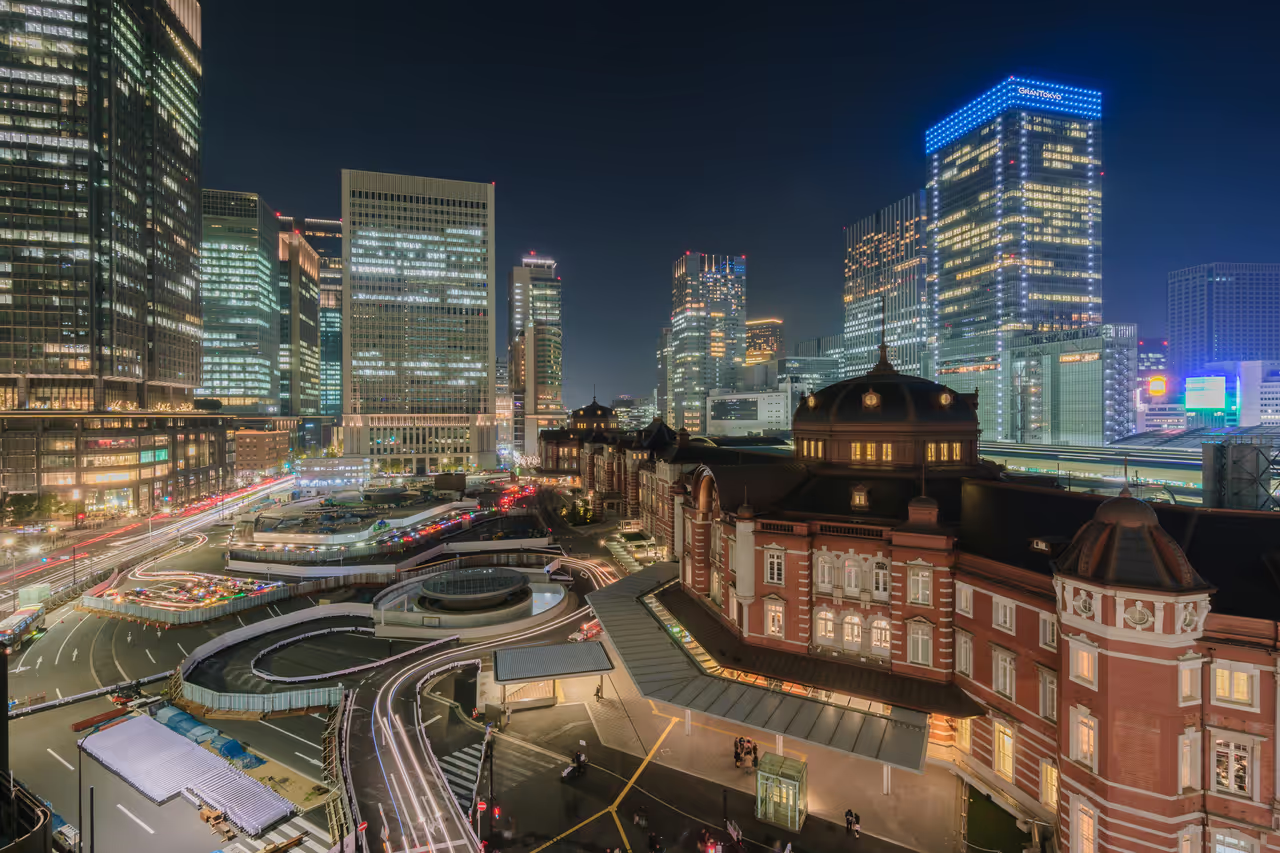
Tokyo Station
An elegant red brick railway hub that provides a stunning contrast to the surrounding sleek glass skyscrapers. Originally...
view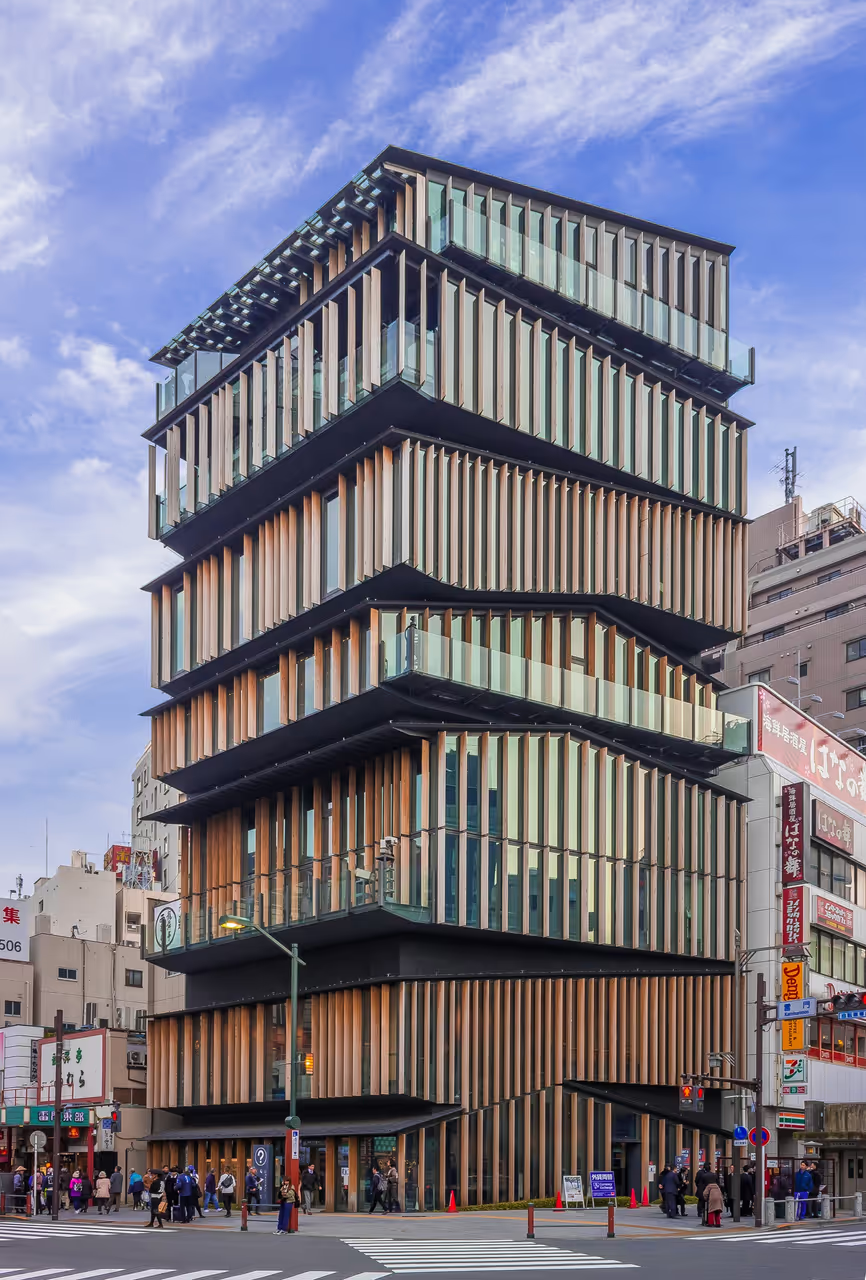
Asakusa Culture Tourist Information Center
A highly inventive contemporary building designed to look like several traditional wooden houses stacked haphazardly upon one...
view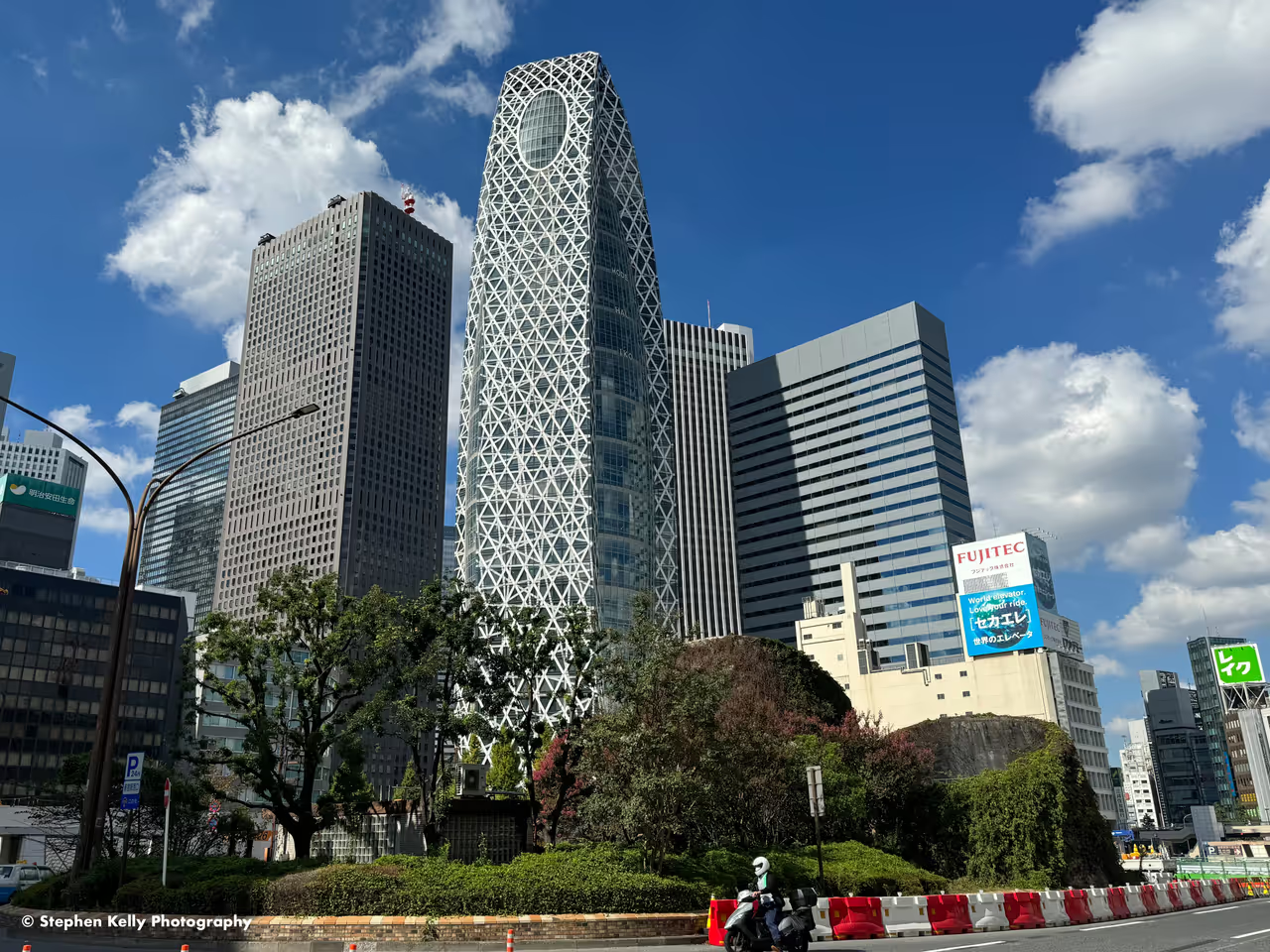
Mode Gakuen Cocoon Tower
A striking skyscraper possessing a completely unique elliptical shape wrapped in an intricate web of white aluminium lines. The...
view
Markets & Shopping
Tokyo Nightlife
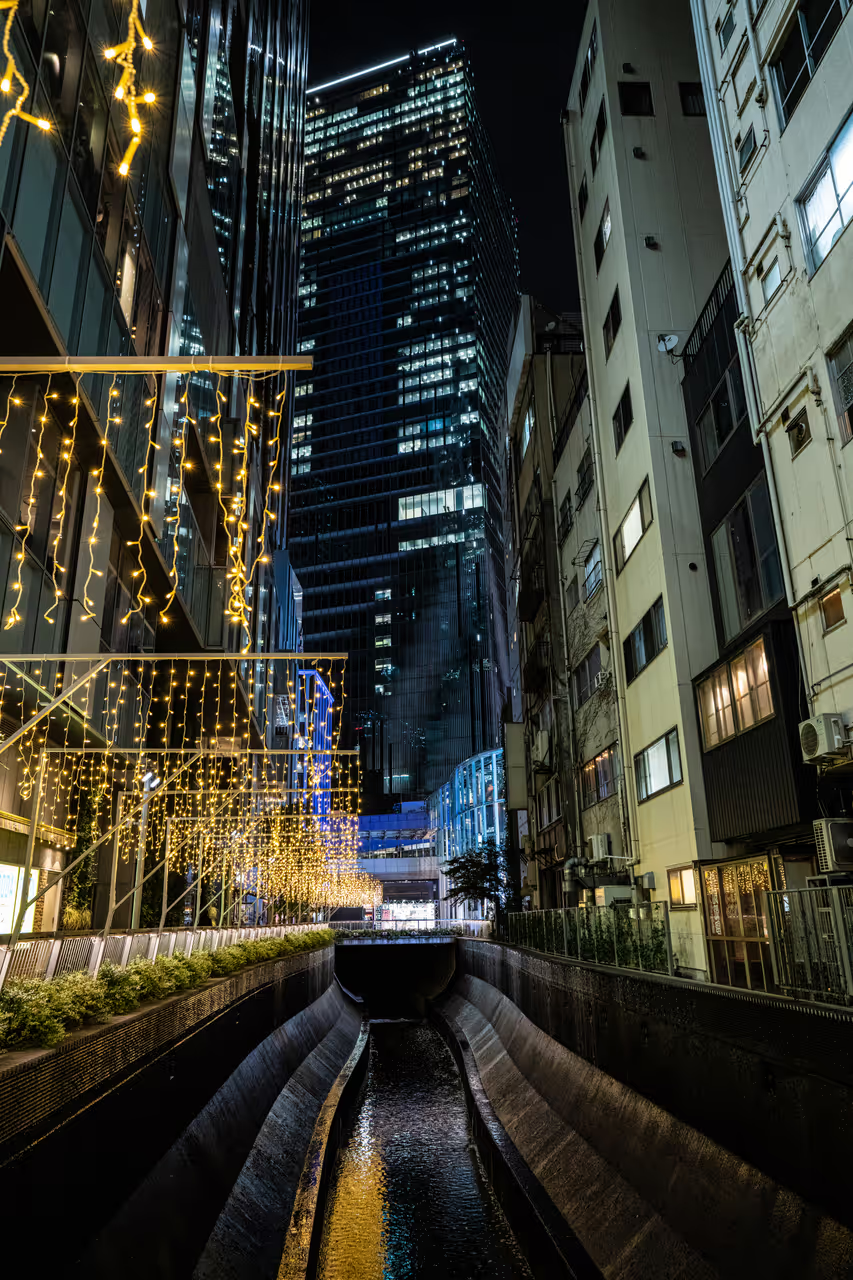
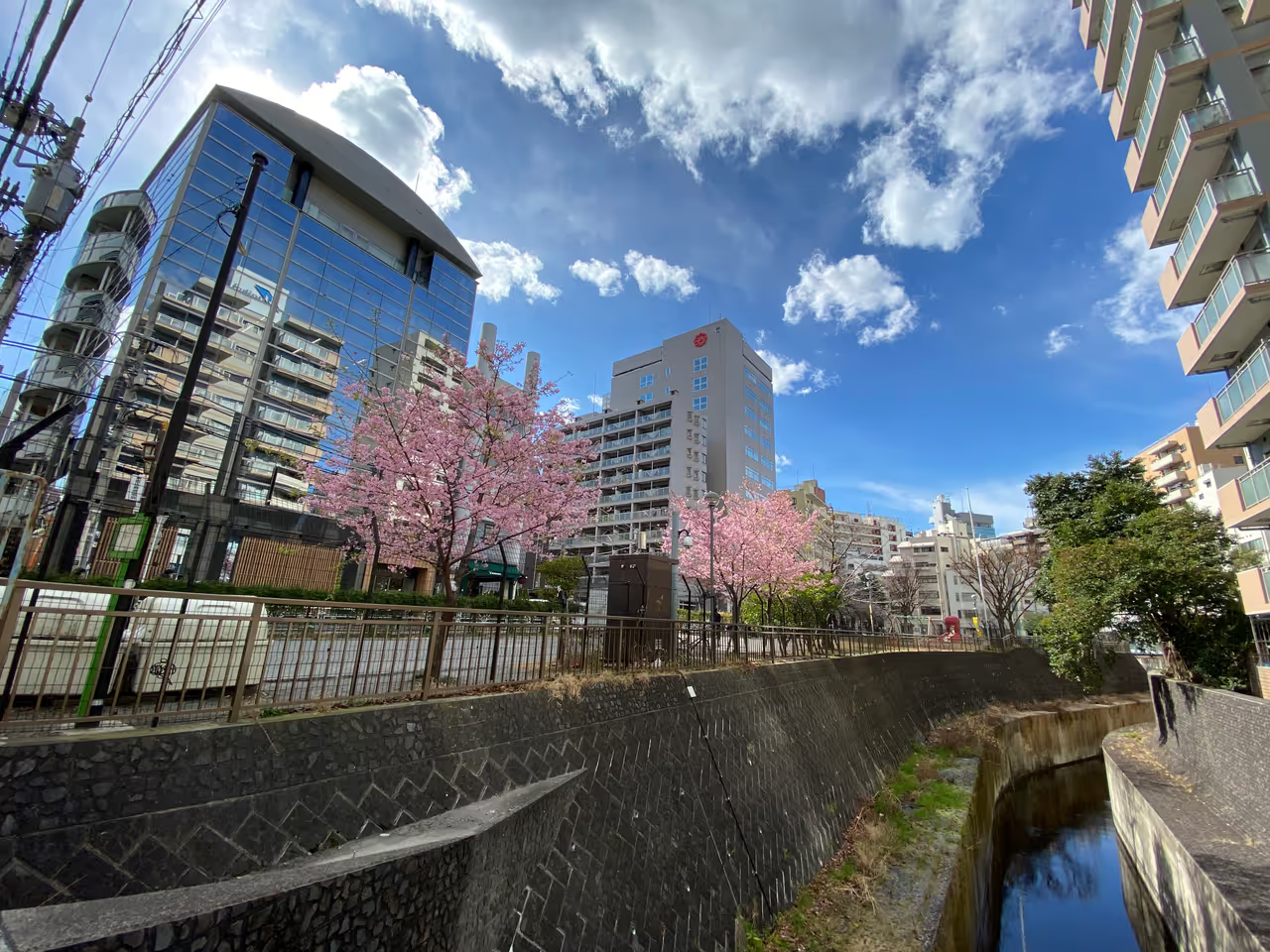
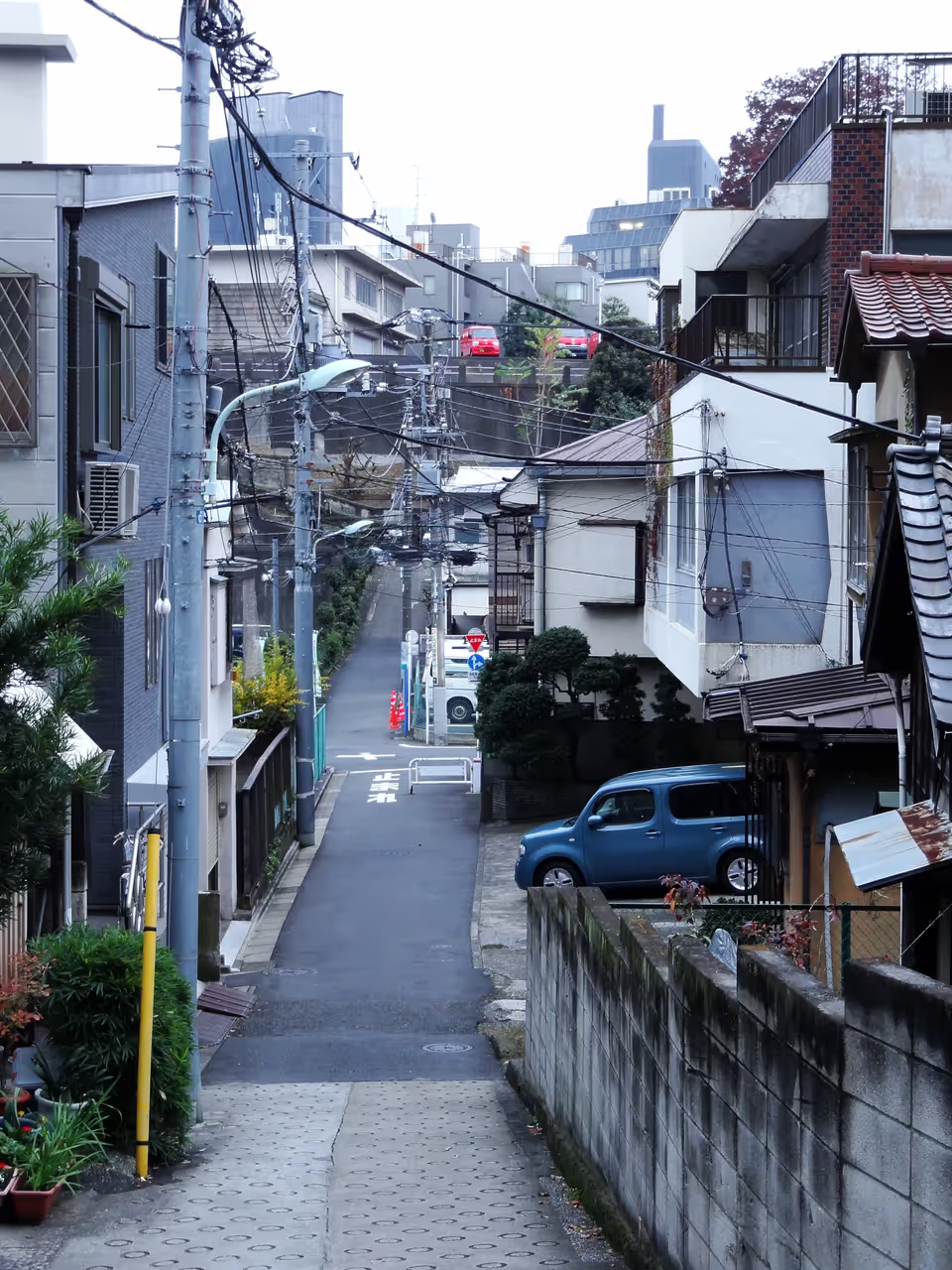
Photo Spots
Activities & Experiences
Cycling Routes
 HIGHLY RECOMMENDED
Imperial Palace Loop
A classic and highly popular route that circles the majestic grounds of the historical centre. The wide pathways offer excellent views of the surrounding moat, ancient stone walls, and elegant guardhouses. The location provides a magnificent perspective on the contrast between historical architecture and the modern skyscrapers of the financial district. On Sundays a large section of the road is closed to automotive traffic transforming it into a cyclist paradise. It presents a gentle and highly rewarding journey through the heart of the metropolis.
Arakawa River Cycling Road
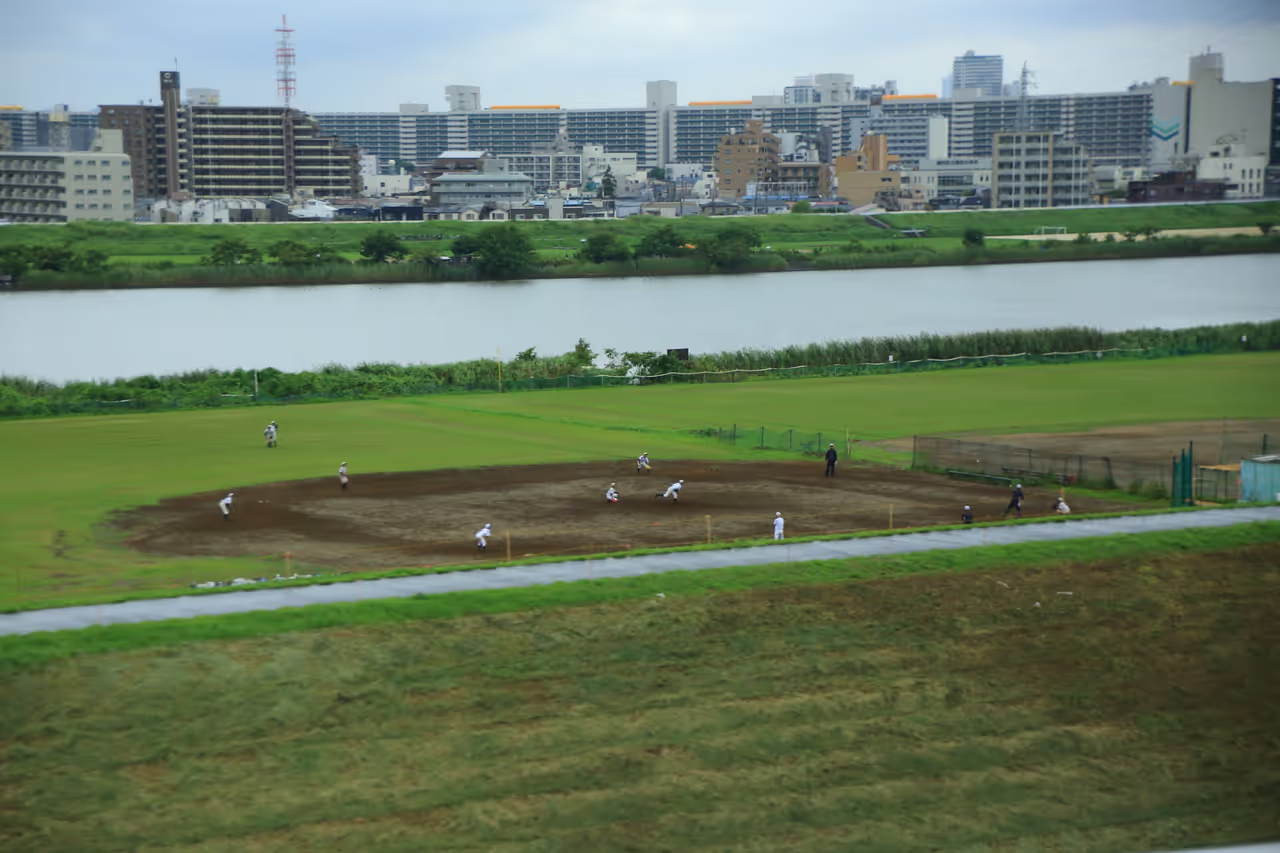
An expansive and dedicated paved route stretching for miles along the wide riverbanks offering an escape from city traffic. Cyclists can enjoy uninterrupted riding with expansive skies and distant views of the skyline. The path passes through numerous local parks, baseball fields, and quiet residential edges. The lack of road crossings or traffic lights allows for a continuous and deeply meditative riding experience. It is a favourite weekend retreat for local cycling enthusiasts seeking fresh air and open space.
Odaiba Waterfront Ride
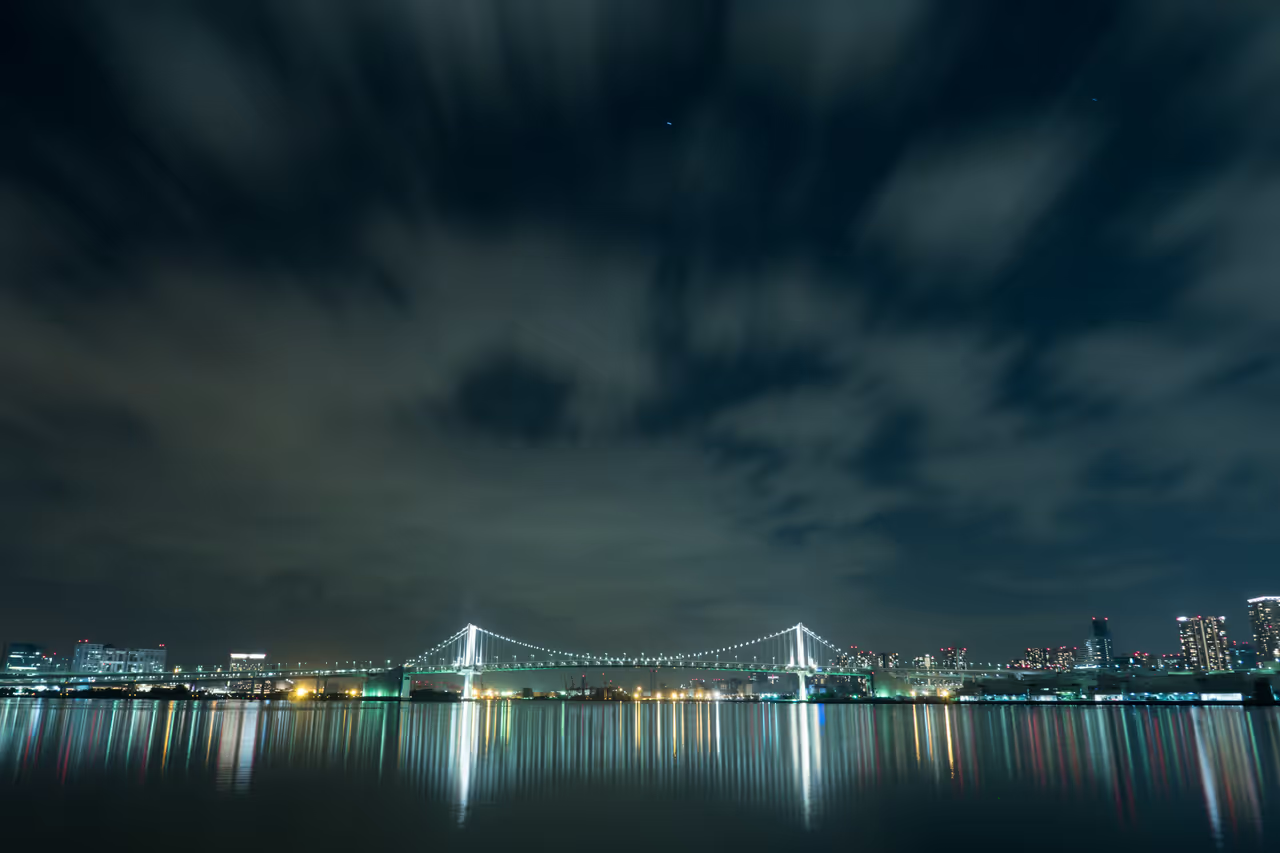
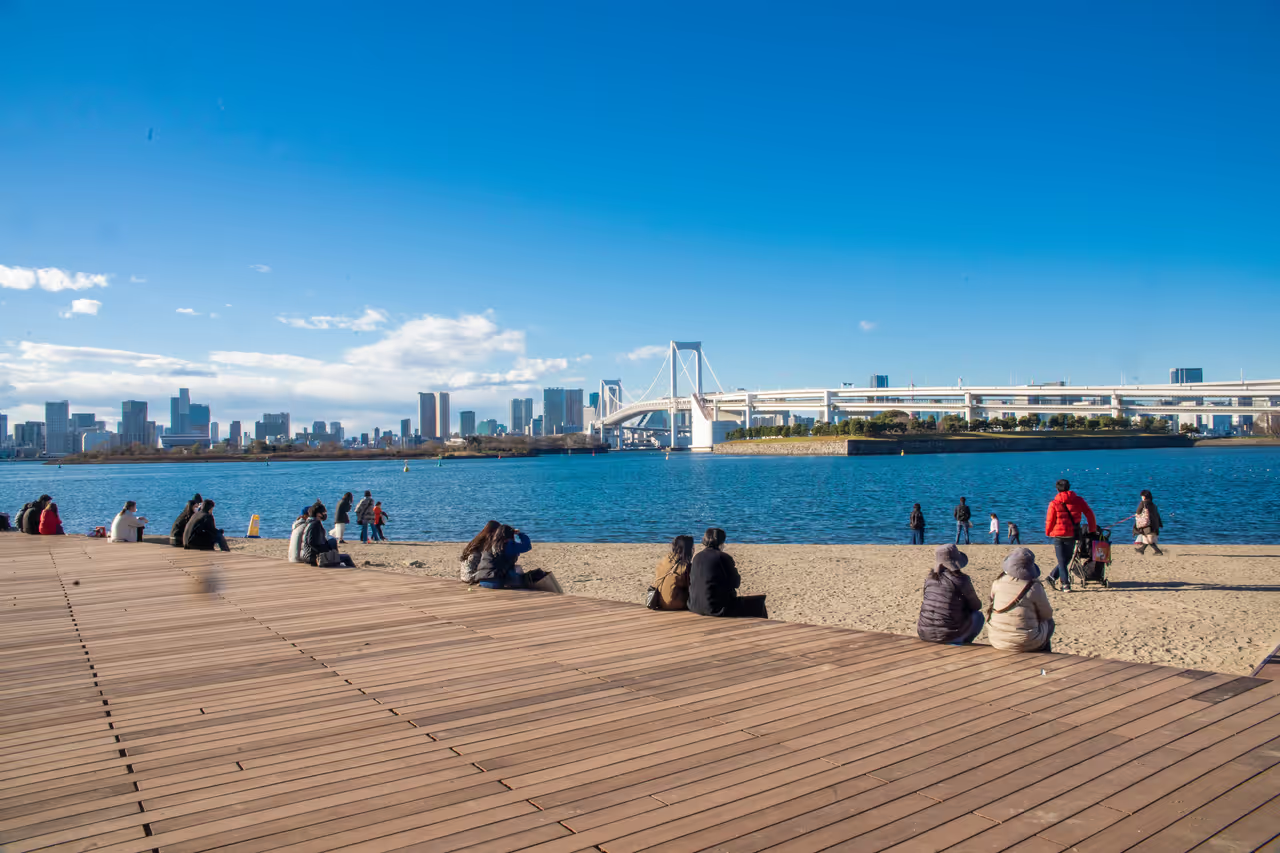
A vibrant coastal journey traversing the artificial islands of the bay area defined by wide pavements and ocean breezes. The route offers unobstructed views of passing ships, the monumental suspension bridge, and the dense urban skyline across the water. It connects various entertainment complexes, sandy beaches, and futuristic architectural installations. The terrain is perfectly flat making it an effortless ride suited for all skill levels. Evening rides here are exceptionally beautiful as the architectural lighting reflects across the dark waters.
Self-Guided Tours
 HIGHLY RECOMMENDED
Old Edo Heritage Tour
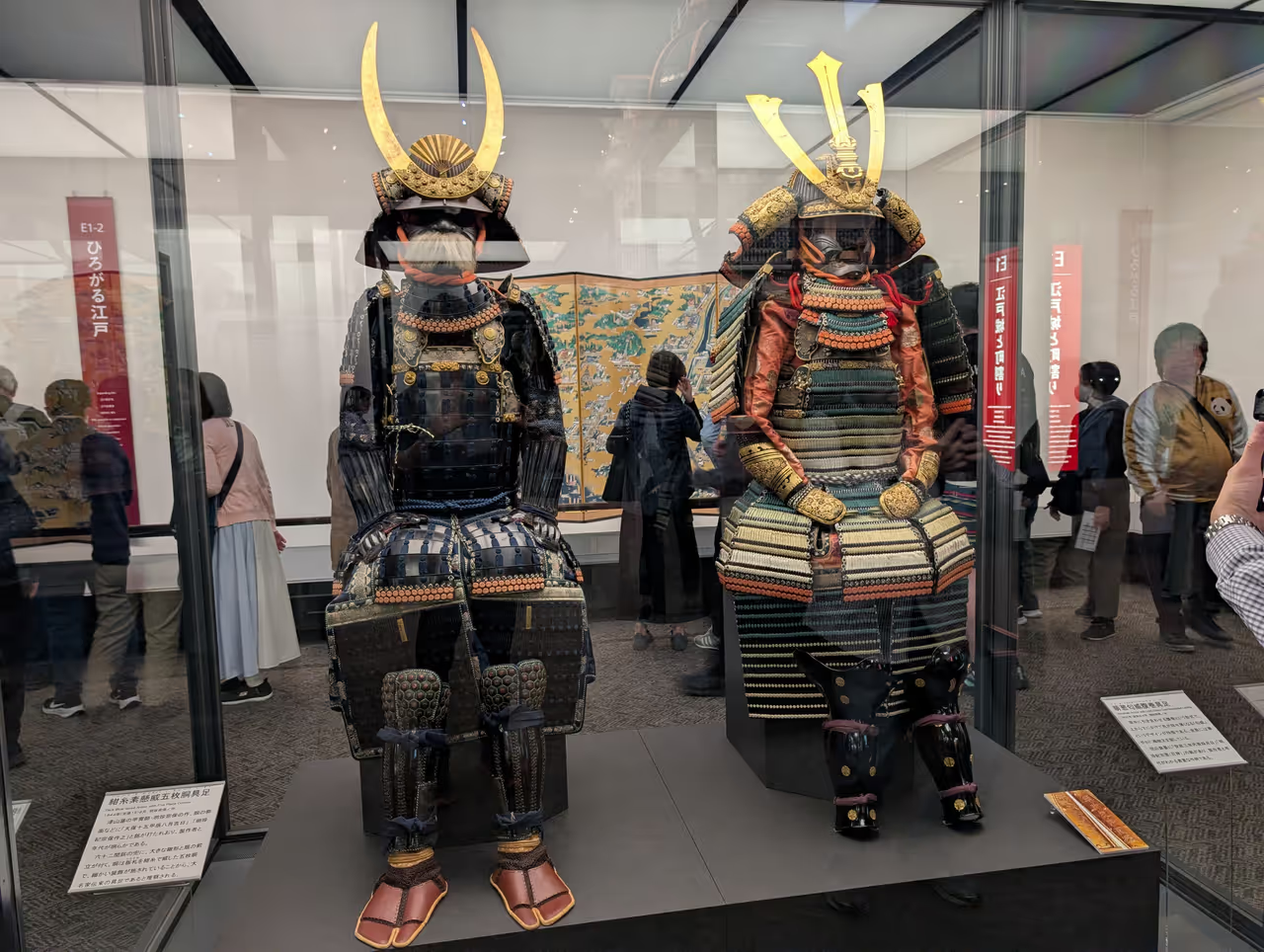
This immersive journey guides explorers through the spiritual and historical foundations of the downtown area. It traces a path through significant religious sites, expansive public parks, and crucial museums dedicated to preserving the past. Walkers engage directly with the architectural legacy of the city appreciating the towering temple gates and monumental statues. The route reveals how traditional practices have survived and adapted within a rapidly modernising society. It is an educational and visually spectacular deep dive into the cultural roots of the capital.
Modern Architecture Discovery
A visual exploration of the sleek, innovative, and highly engineered structures that define the contemporary skyline. The route highlights the dramatic transition from classical brick facades to cutting edge glass and steel masterpieces. Walkers encounter massive corporate headquarters, luxury flagship stores, and monumental transit hubs. The journey showcases the meticulous attention to detail and boundary pushing design inherent in local construction. It provides an excellent perspective on the economic power and artistic vision driving urban development.
- HIGHLY RECOMMENDED
Pop Culture and Tech Route
An electrifying deep dive into the neon soaked centres of anime, gaming, and cutting edge youth fashion. The path weaves through multistory electronic arcades, quirky themed cafes, and massive manga emporiums. It exposes the colourful subcultures that have heavily influenced global entertainment and digital arts. Walkers are immersed in a sensory overload of blazing digital billboards and constant electronic soundtracks. The tour captures the highly creative and obsessively passionate facets of modern local society.
Annual Festivals & Events
 HIGHLY RECOMMENDED
Sanja Matsuri
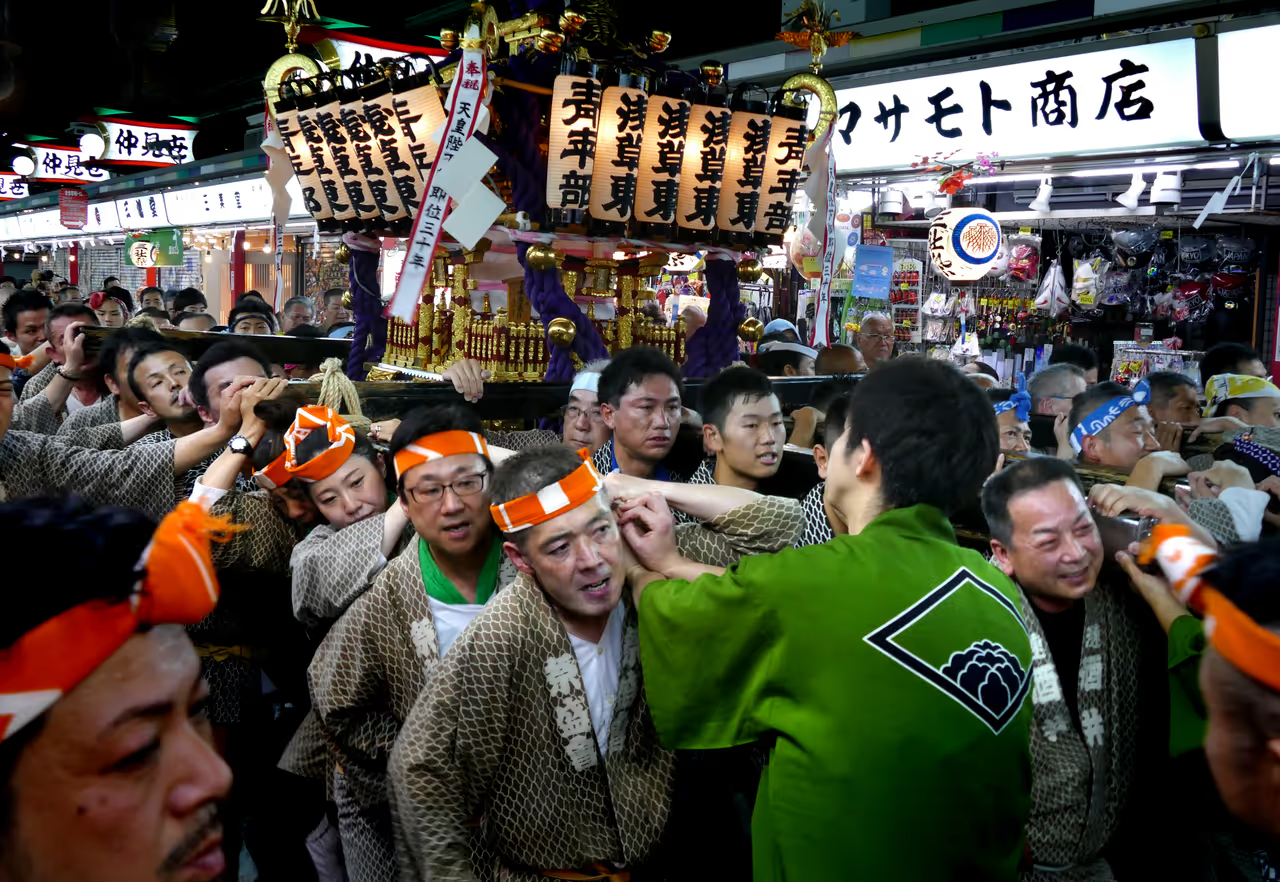
One of the most spectacular and energetic festivals in the capital celebrating the three founders of Senso-ji Temple. Over two million people gather in Asakusa to witness the vibrant parades featuring portable shrines carried by enthusiastic locals. The streets fill with traditional music, dancing, and elaborate floats creating an unforgettable atmosphere. It provides a rare opportunity to see authentic Edo period culture come alive in the modern day. Food stalls line the temple grounds offering delicious seasonal treats to the massive crowds.
 HIGHLY RECOMMENDED
Ueno Cherry Blossom Festival
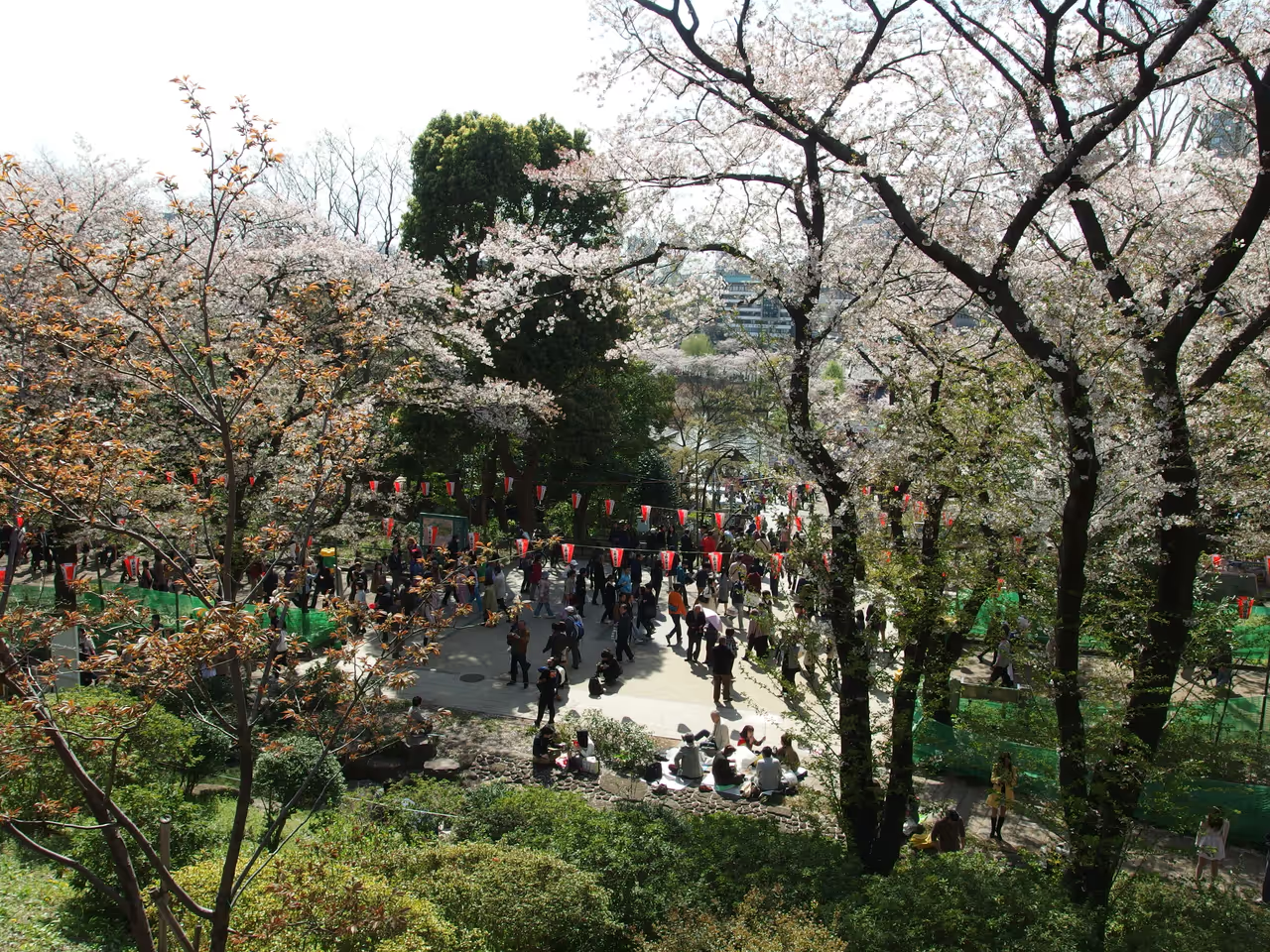
A phenomenal celebration of spring taking place in one of the most famous parks in the country. Thousands of cherry trees burst into pink blooms creating a magical canopy over the pathways. Locals and visitors gather for festive picnics under the trees enjoying food and drinks in a highly social setting. Paper lanterns are illuminated in the evening allowing the viewing parties to continue well into the night. It captures the essence of the Japanese appreciation for fleeting natural beauty.
Kanda Matsuri
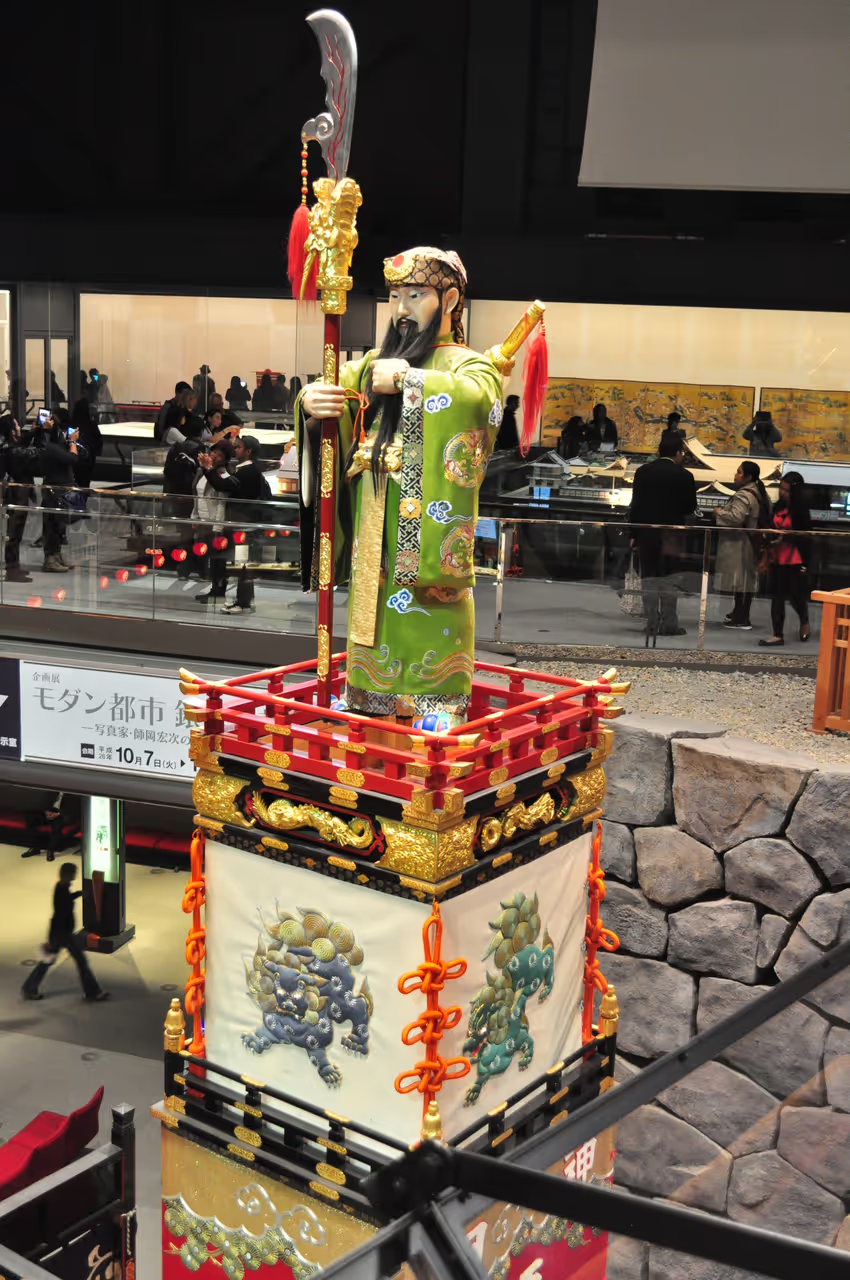
A massive celebration held every odd numbered year alternating with the Sanno Matsuri. The festival honours the deities of Kanda Shrine and features a grand procession of over two hundred portable shrines winding through central districts. Participants wear traditional Edo style clothing chanting and carrying the heavy shrines with remarkable coordination. The parade passes through major areas including Akihabara creating a striking contrast between ancient traditions and modern electronic culture. It serves as a powerful reminder of the enduring community spirit within the metropolis.
Insider Tips
Purchase a Suica or PASMO smart card immediately upon arrival to seamlessly tap through train gates and pay at convenience stores.
Avoid speaking on your mobile phone while riding trains or buses as it is considered highly impolite by local standards.
Stand on the left side of escalators to allow people in a hurry to pass on the right side.
Carry a small hand towel or handkerchief since many public washrooms do not provide paper towels or air dryers.
Be aware that many smaller restaurants and traditional shops still operate on a cash only basis so keep some yen handy.
Take advantage of the high quality and affordable meals available at local convenience stores which can even heat the food for you.
PERFECT FOR
Tokyo appeals heavily to curious explorers who thrive in energetic environments and crave cultural diversity. Food enthusiasts will find an endless array of culinary delights from humble noodle bars to elite dining rooms. Architecture lovers and tech enthusiasts will be equally captivated by the modern landscape and innovative spirit.
VIBE
Tokyo pulses with an electric energy that feels both overwhelming and perfectly orchestrated. Neon lights and towering skyscrapers dominate the skyline while serene gardens offer peaceful escapes just streets away. The city operates with a respectful efficiency making every chaotic intersection feel strangely harmonious.
Frequently Asked Questions about Tokyo
While we strive to keep this information accurate and up to date, we recommend verifying any details independently before making decisions based on them.
Similar Destination in Japan
Continue your journey. Explore this highly recommended city and uncover more of what Japan has to offer.