Koishikawa Korakuen
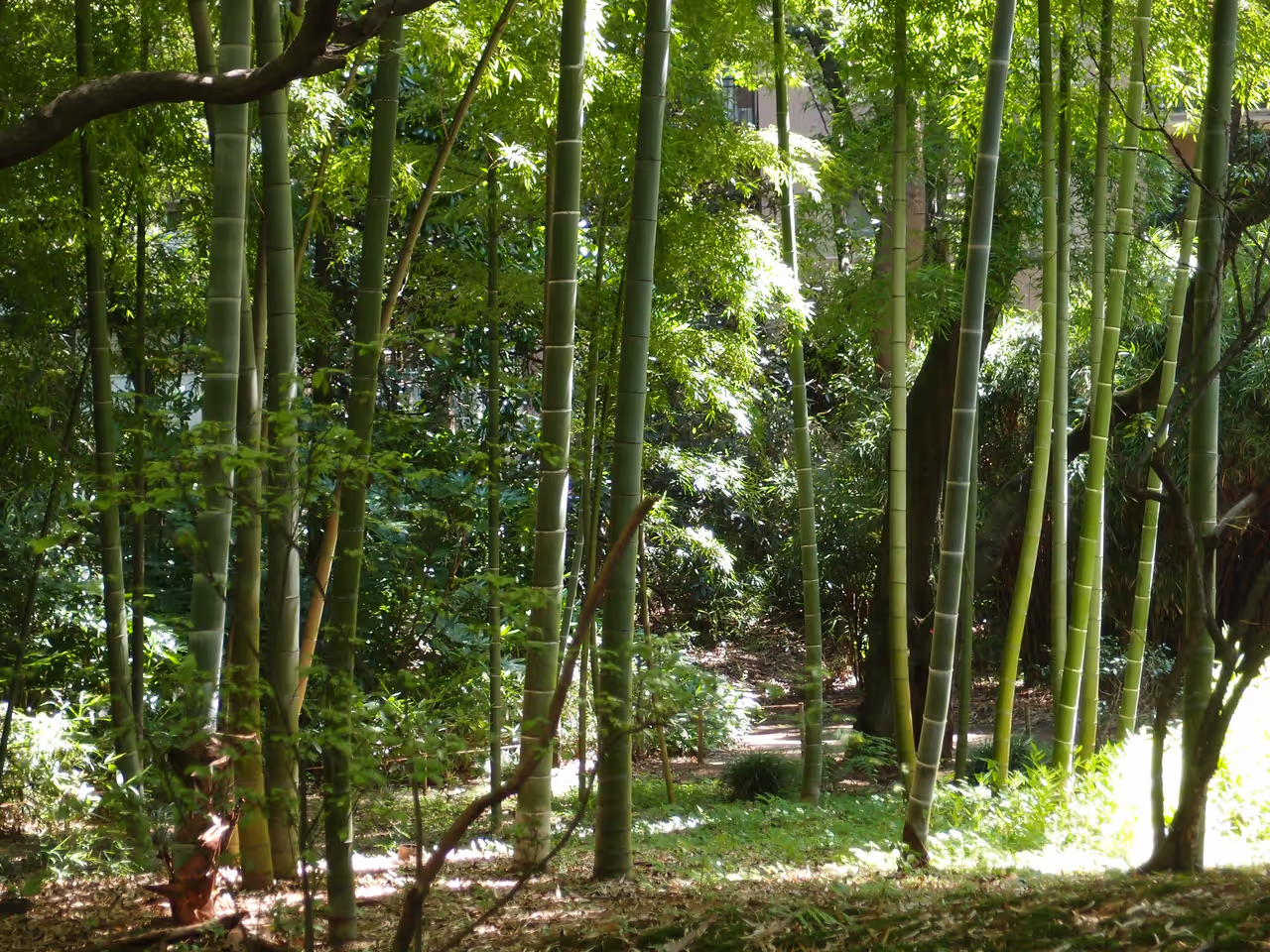
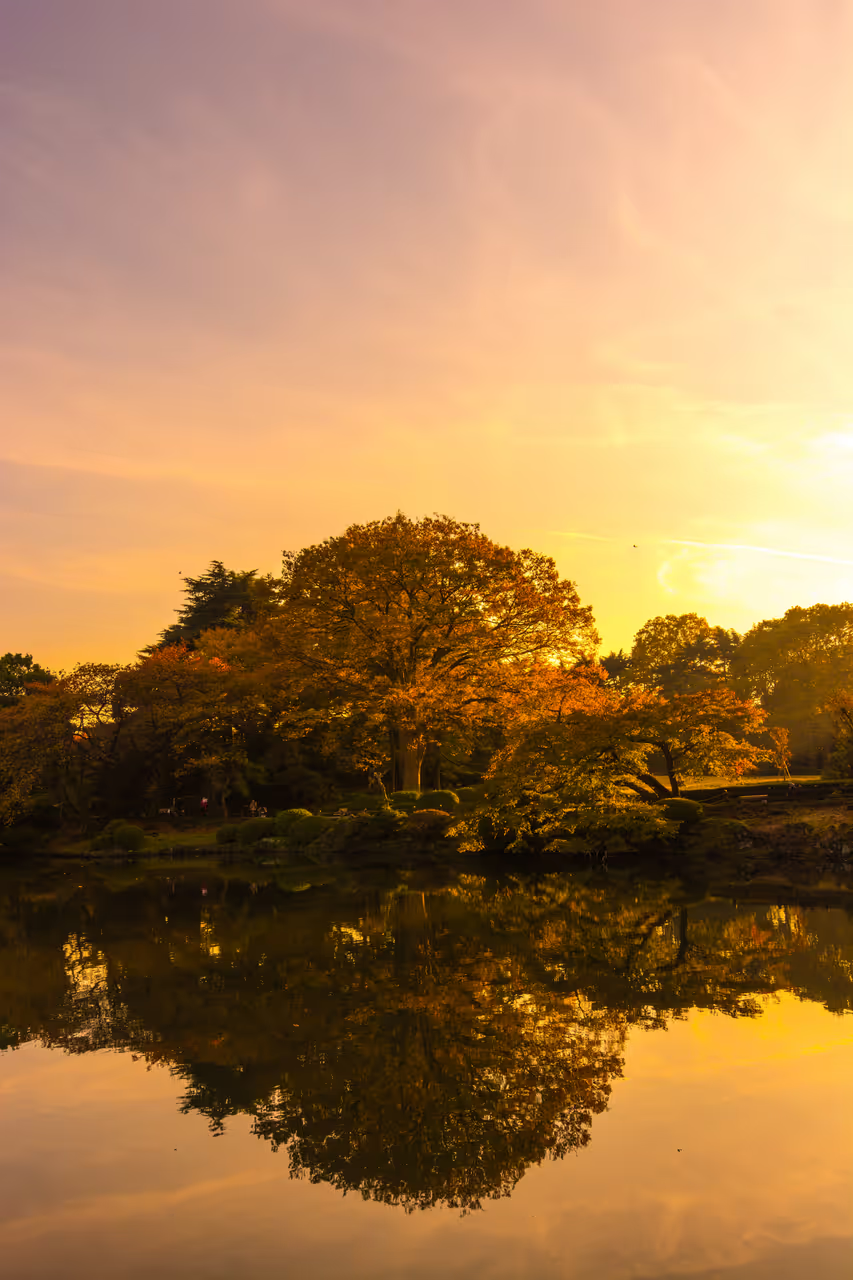
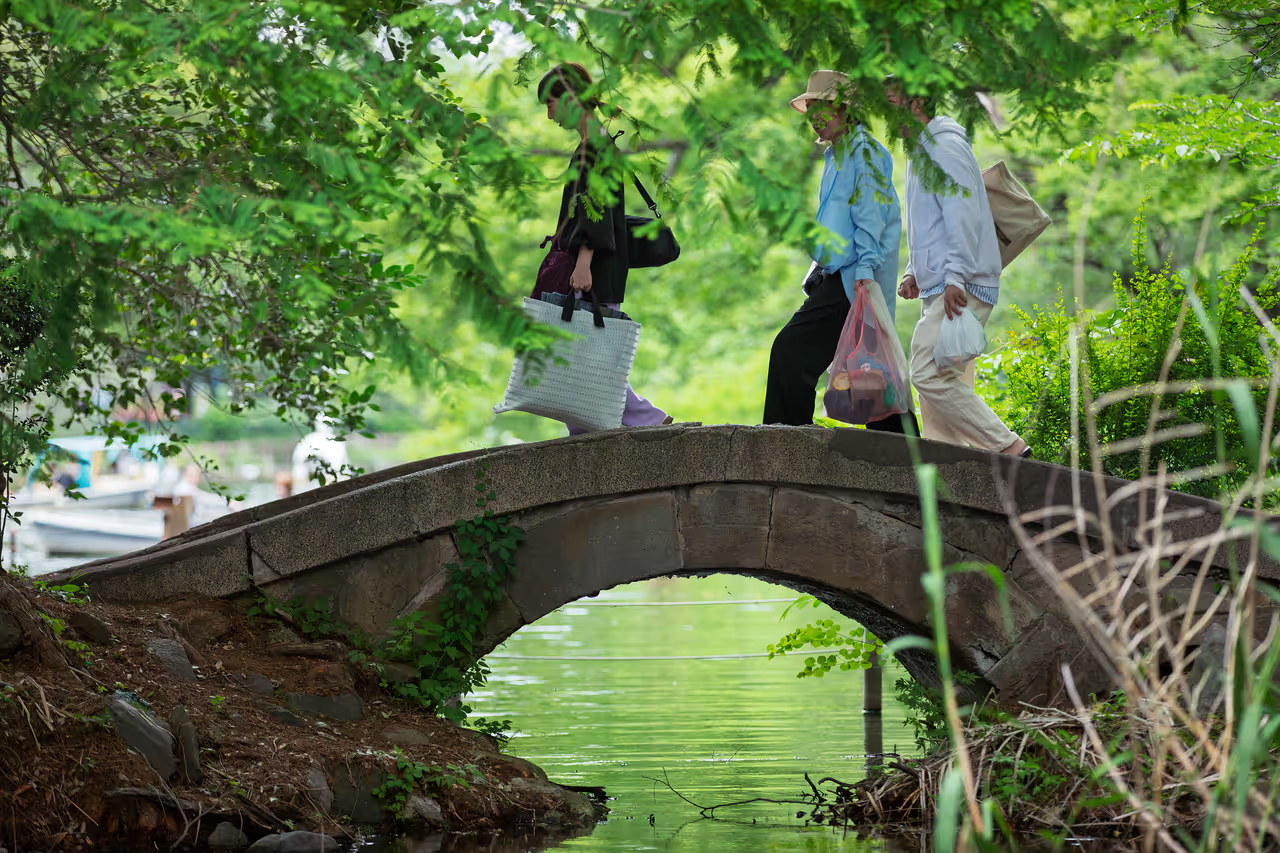
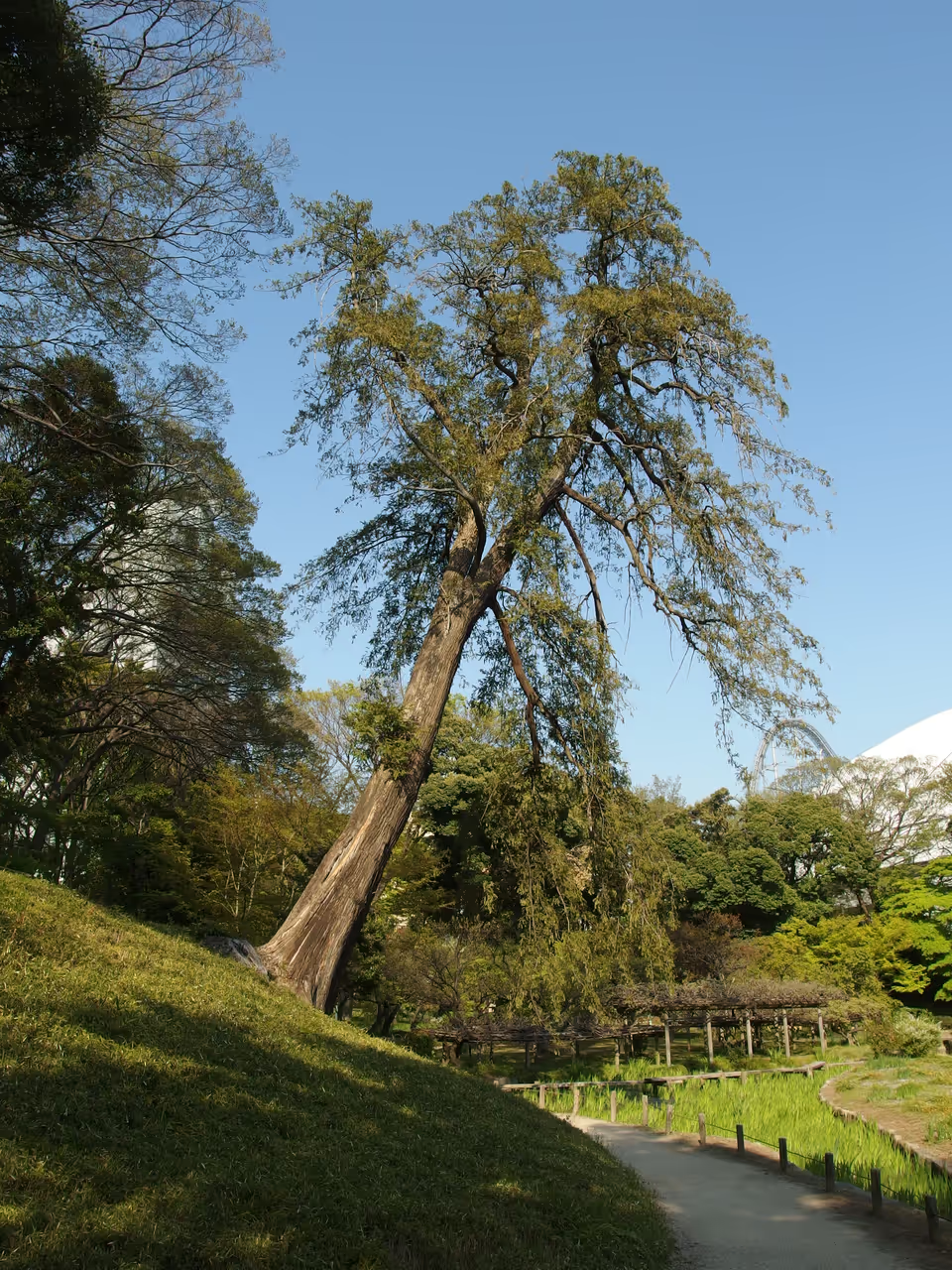
Stepping into Koishikawa Korakuen Gardens feels like discovering a secret portal to the Edo period right in the middle of Tokyo. This garden is a landscape masterpiece, blending traditional Japanese scenery with elegant Chinese influences that set it apart from other green spaces in the city. You will find yourself wandering around a massive central pond, crossing bridges that mimic famous landscapes from across Asia. Whether you are admiring the vibrant cherry blossoms in spring or the fiery maples in autumn, the atmosphere here is incredibly tranquil. It is a place where history feels alive, offering a rare double designation as both a special historic site and a place of scenic beauty. For anyone looking to escape the city noise, this garden provides a sophisticated and soul-soothing experience.
Videos
History of Koishikawa Korakuen
The story of Koishikawa Korakuen begins in 1629 when Tokugawa Yorifusa, the first Lord of the Mito branch, decided to create a retreat that reflected both his status and his taste for nature. He selected a site with natural hills and marshes, using the existing terrain to create a landscape that felt organic yet highly curated. However, the garden truly came into its own under his successor, the legendary Tokugawa Mitsukuni. Mitsukuni was a man of great intellect and a patron of Chinese culture, and his influence transformed the space into a unique fusion of Japanese and Chinese philosophies. Mitsukuni invited the Ming Dynasty scholar Zhu Shunshui to assist in the design, leading to the inclusion of iconic features like the West Lake Bank and the Full Moon Bridge. These elements were not merely decorative; they represented a bridge between two cultures and reflected the Confucian ideals that Mitsukuni held dear. The garden became a venue for poetry, academic discussion, and diplomatic hospitality. It survived the Great Fire of Meireki and the subsequent expansion of Edo, remaining a sanctuary for the Mito family for over two centuries as the city grew rapidly around its borders. Following the Meiji Restoration, the land transitioned through various military and government uses before being placed under the care of the city. Though it suffered damage during the Great Kanto Earthquake and the air raids of the Second World War, the garden has been meticulously restored. Today, it stands as a resilient symbol of Tokyo’s past. The recently rebuilt Karamon gate is a testament to this enduring spirit, showcasing traditional craftsmanship that brings the elegance of the 17th century into the modern era.
Events spanning 391 years
Fun Facts
- • A monument in the park commemorates Fujita Toko, a scholar who tragically died during the Ansei Edo earthquake while protecting his mother.
- • Lord Mitsukuni planted a small rice paddy in the garden to teach his heir and his wife about the hard work and hardships of farmers.
- • One of the largest rocks in the pond is named the Tokudaiji Stone, after the official who supervised the garden's initial construction.
- • The Full Moon Bridge, or Engetsu-kyo, is famous because its reflection in the water forms a perfect circle resembling a full moon.
- • The central pond, known as Daisensui, was designed to represent Lake Biwa, the largest freshwater lake in Japan.
- • The garden features a miniature replica of the West Lake in Hangzhou, China, complete with a distinctive stone causeway.
- • The gardens were once part of the Mito Tokugawa estate, which originally spanned over 76,000 tsubo, an area much larger than the current park.
- • The name Korakuen is derived from a Chinese text, meaning the garden of enjoying oneself later after first worrying about the world's troubles.
- • The restoration of the Karamon gate in 2020 involved expert woodcarvers from the Inami region, known for their centuries-old carving traditions.
- • This garden is one of the few in Japan to hold a double designation as both a Special Historic Site and a Special Place of Scenic Beauty.
RESOURCES
Official WebsiteKoishikawa Korakuen FAQ
While we strive to keep this information accurate and up to date, we recommend verifying any details independently before making decisions based on them.
Koishikawa Korakuen Map & Neighborhood Explorer
This interactive map is centered on Koishikawa Korakuen. Zoom in and move the map around to automatically discover Wikipedia photos and summaries of other nearby sights, monuments, and historical points of interest and stories in real-time!
Places near Koishikawa Korakuen
Make the most of your trip. Check out these top-rated spots located nearby.
 383m
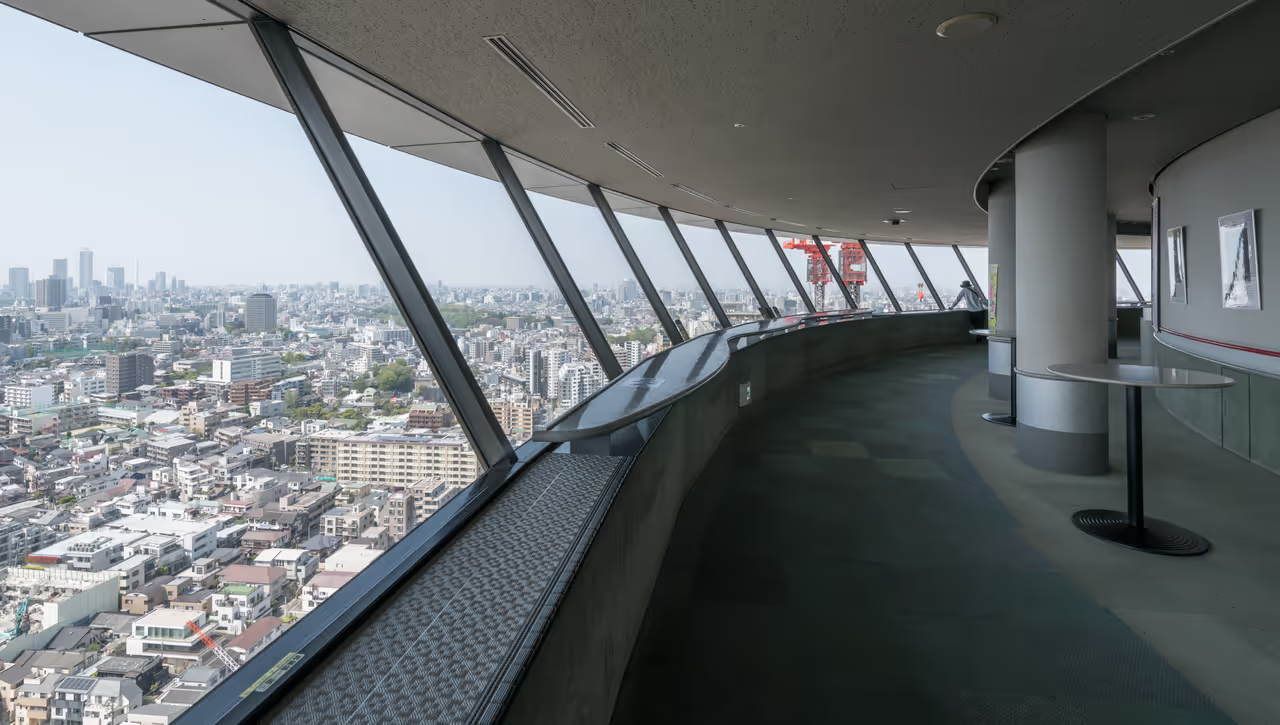
383mBunkyo Civic Center Observation Lounge
A highly distinctive architectural space featuring dramatically slanted windows designed to prevent interior reflections. This lesser known vantage point provides a uniquely iconic angle aligning the dense skyscrapers of Shinjuku directly in front of Mount Fuji. The view is incredibly popular with local photographers particularly during crisp winter sunsets. The quiet, relaxed atmosphere offers a pleasant alternative to the crowded tourist hubs. It is a fantastic hidden secret for capturing the ultimate skyline photograph.
viewpoint view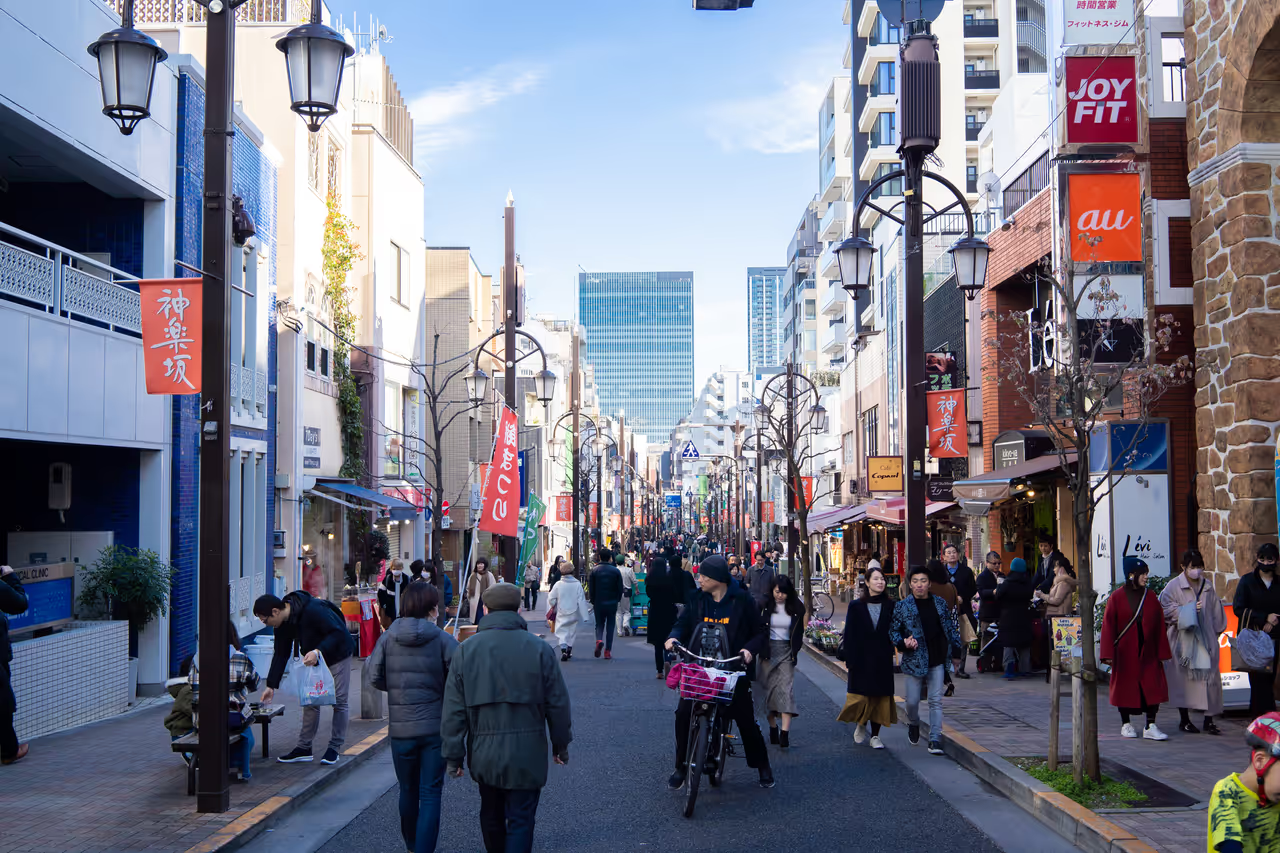 1015m
1015mKagurazaka
A highly elegant sloping street that beautifully merges classic Japanese geisha heritage with a distinct modern French influence. The main avenue features a lively mix of boutique bakeries and sophisticated restaurants playing soft European music. Venturing into the side alleys reveals pristine cobblestone paths lined with exclusive traditional dining establishments hidden behind sleek wooden facades. The area retains a quiet refined atmosphere heavily favoured by diplomats and discerning gourmands. It is an extraordinary neighbourhood to wander without a specific destination in mind.
hidden gem view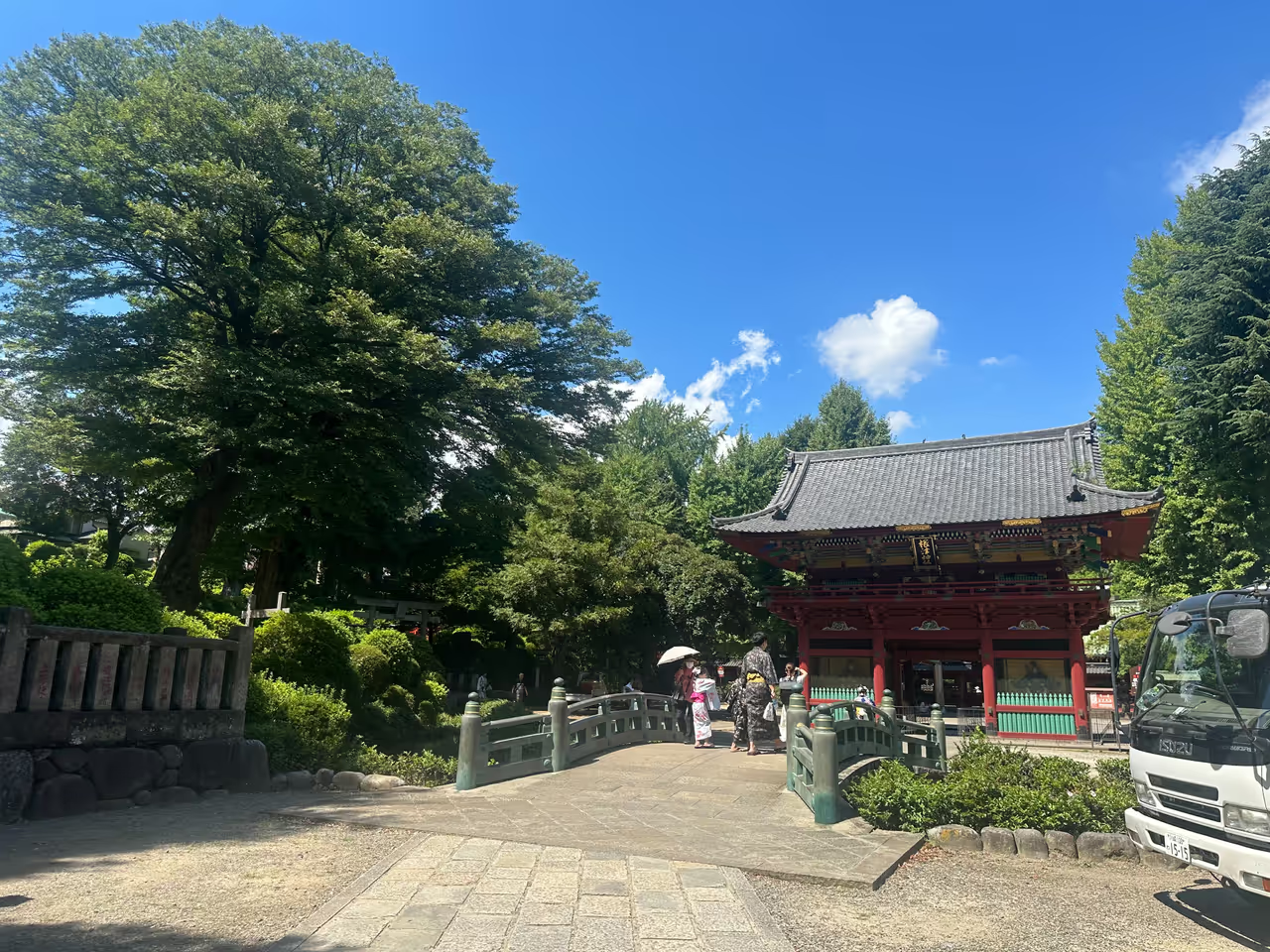 1920m
1920mNezu Shrine
One of the oldest and most beautifully preserved Shinto complexes in the city hiding quietly in a residential area. The stunning main structures feature elaborate colourful woodwork that managed to survive the extensive wartime bombings intact. A magnificent hillside path is lined with dozens of bright vermilion torii gates creating a visual effect similar to Kyoto's famous Fushimi Inari. During the spring the grounds erupt in vibrant colour as thousands of carefully sculpted azalea bushes burst into bloom. It provides a deeply peaceful and visually spectacular spiritual retreat.
hidden gem view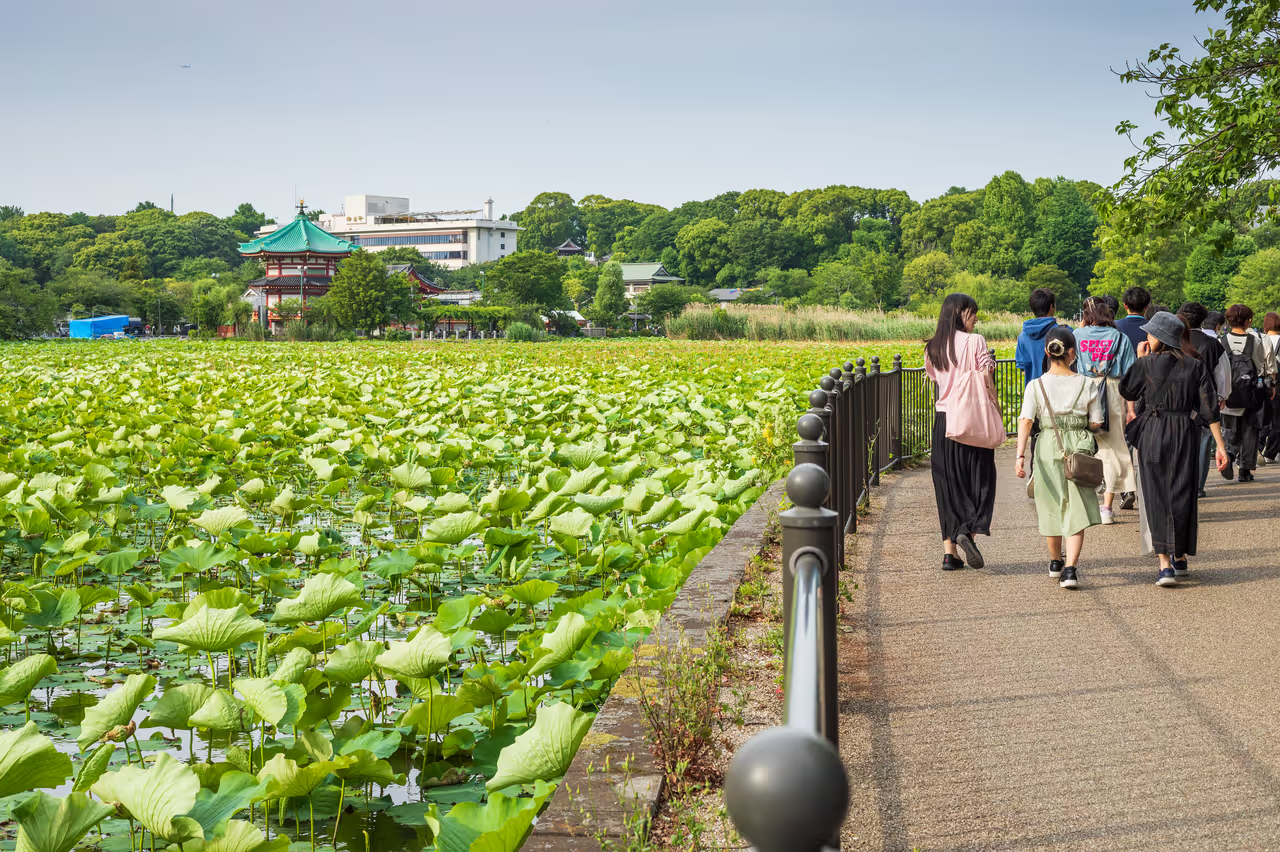 2077m
2077mUeno Park
Ueno Park is a sprawling green sanctuary that serves as Tokyo's premier cultural hub, blending majestic nature with world-class institutions. Known locally as the Hill of Ueno, this historic site offers an incredible variety of experiences from wandering through ancient temple grounds to visiting Japan's oldest zoo. You can spend an entire day exploring its many museums, admiring the lotus blossoms on Shinobazu Pond, or simply enjoying the relaxed atmosphere under the shade of thousands of trees. It is particularly famous for its spectacular cherry blossoms, which have drawn crowds for centuries and create a breathtaking canopy of pink every spring. Whether you are a history enthusiast, an art lover, or someone looking for a peaceful escape from the urban rush, the park provides a refreshing and enriching experience. Its unique character comes from the way it preserves Japan's feudal past while acting as a modern stage for the arts and sciences.
park & nature view
See all nature & parks in Tokyo
Rikugien Gardens, Shinjuku Gyoen National Garden, Ueno Park, Yoyogi Park, Hama-rikyu Gardens, Inokashira Park...