Ueno Park
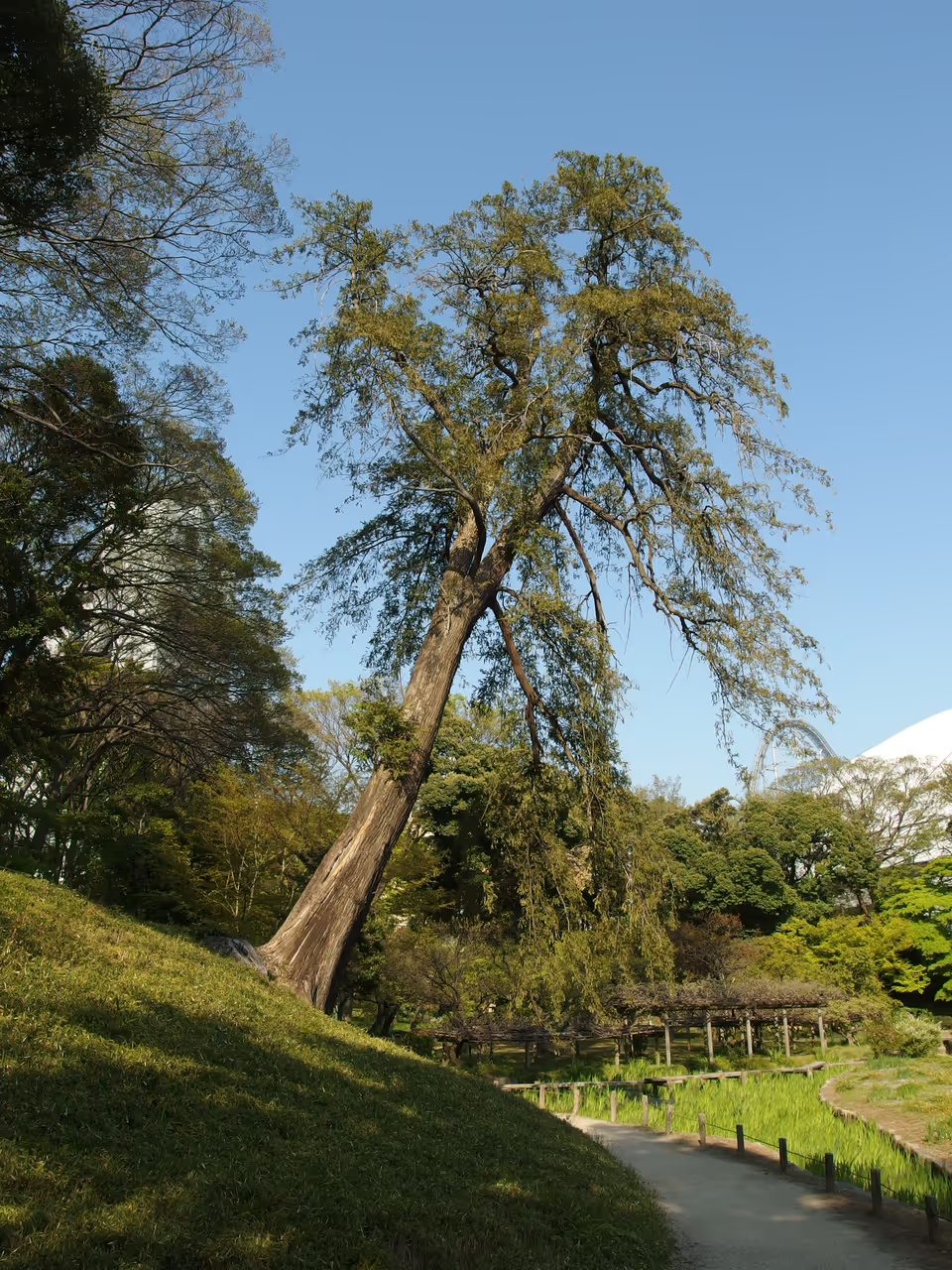
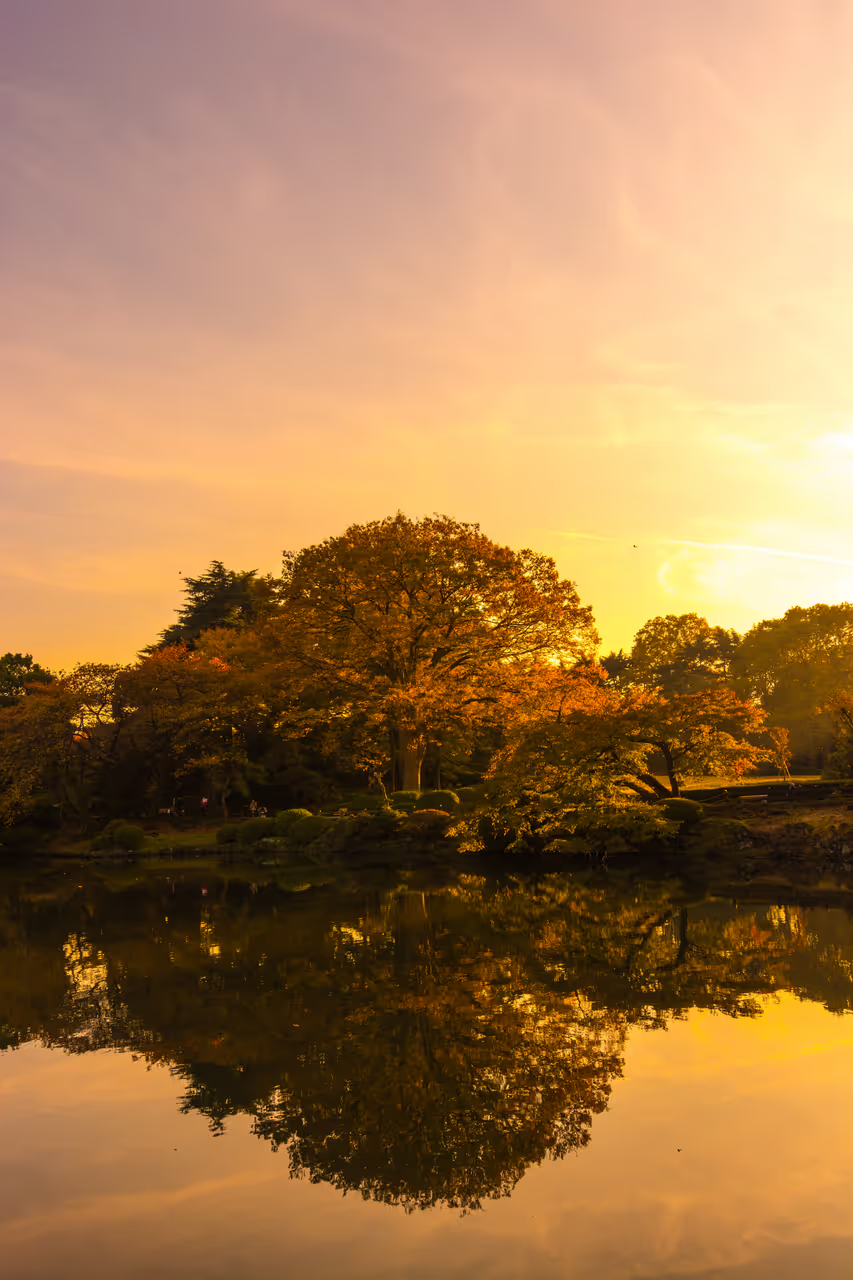
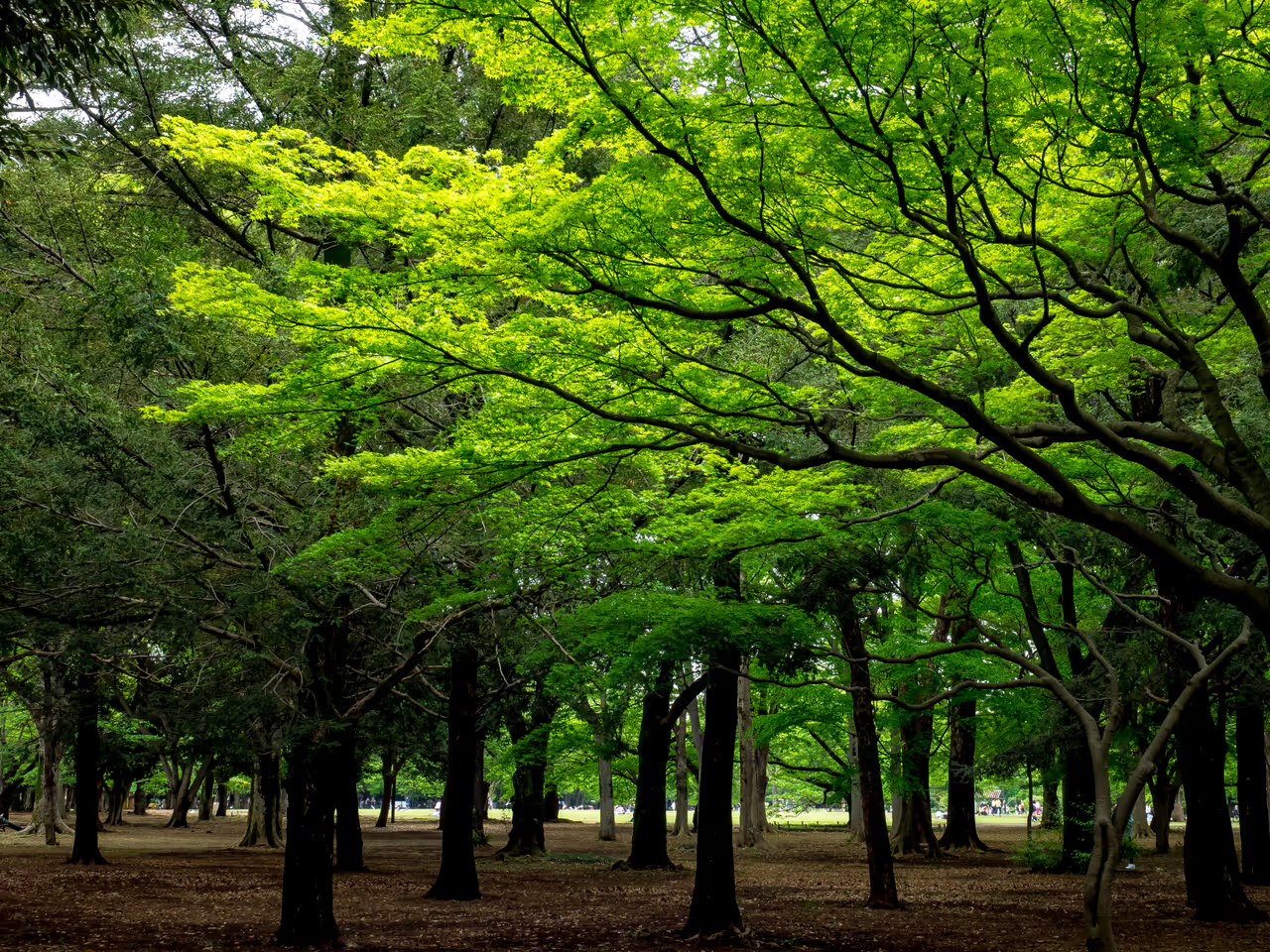
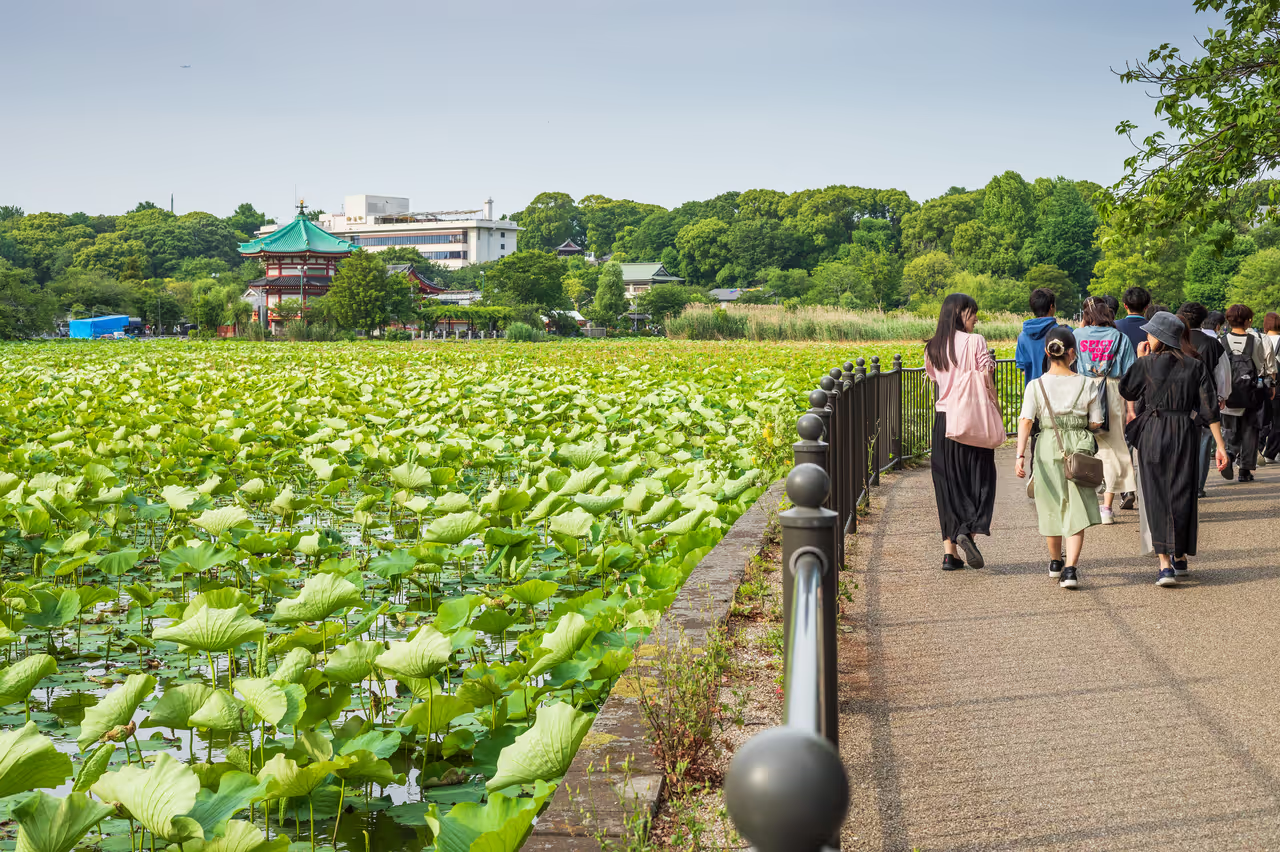
Ueno Park is a sprawling green sanctuary that serves as Tokyo's premier cultural hub, blending majestic nature with world-class institutions. Known locally as the Hill of Ueno, this historic site offers an incredible variety of experiences from wandering through ancient temple grounds to visiting Japan's oldest zoo. You can spend an entire day exploring its many museums, admiring the lotus blossoms on Shinobazu Pond, or simply enjoying the relaxed atmosphere under the shade of thousands of trees. It is particularly famous for its spectacular cherry blossoms, which have drawn crowds for centuries and create a breathtaking canopy of pink every spring. Whether you are a history enthusiast, an art lover, or someone looking for a peaceful escape from the urban rush, the park provides a refreshing and enriching experience. Its unique character comes from the way it preserves Japan's feudal past while acting as a modern stage for the arts and sciences.
Videos
History of Ueno Park
The story of Ueno Park begins not as a place of recreation, but as a site of spiritual protection. In the early 17th century, the Tokugawa Shogunate established the massive Kan'ei-ji Temple complex on this hill to guard the city of Edo against evil omens. For over two centuries, it was one of the most sacred and powerful religious sites in Japan, serving as the final resting place for many Shoguns. However, this era of peace ended violently in 1868 during the Battle of Ueno. The hills were transformed into a bloody conflict zone as supporters of the old Shogunate made their last stand against the modernising imperial army. The once magnificent temples were largely reduced to ash, leaving behind a scarred landscape that seemed destined for redevelopment as a military hospital. Transformation came from an unexpected source when a Dutch medical instructor named Anthonius Bauduin visited the ruins. Recognising the natural beauty and the need for public green space in a rapidly growing city, he urged the Japanese authorities to abandon their hospital plans and create a park instead. His vision prevailed, and in 1873, Ueno was officially designated as one of Japan's very first public parks. This marked a turning point in Tokyo's history, as a site formerly reserved for the elite and the clergy was opened to every citizen. Over the following decades, the park evolved into a centre for the arts and sciences, hosting national industrial exhibitions and seeing the construction of Japan's first national museum and zoo. Today, the park stands as a living museum of Tokyo's journey from a feudal capital to a global metropolis. The title Onshi was added in 1924 when Emperor Taisho officially gifted the land to the city, cementing its status as a place for the people. As you walk through the grounds, you can see the remnants of the old world in the surviving pagodas and the face of the Great Buddha, standing alongside the modernist masterpieces of the museum district. The park remains a vital part of local life, where the tradition of cherry blossom viewing continues to bring thousands together every spring, just as it has for centuries. It is a place where history is not just remembered but is actively experienced amidst the quiet beauty of the forest.
8 Events spanning 347 years
Fun Facts
- • A 17th-century bell known as the Time Bell still stands in the park and is famously mentioned in a haiku by the poet Matsuo Basho.
- • During the desperate years immediately following the Second World War, the dried-up Shinobazu Pond was used as a rice paddy to help feed the local population.
- • In 1914, Ueno Park hosted the Tokyo Taisho Exhibition which featured the very first escalator ever installed in Japan.
- • Shinobazu Pond is divided into three sections: one for lotus flowers, one for cormorants, and one for rental boats.
- • The National Museum of Western Art located within the park is the only building in Japan designed by the legendary architect Le Corbusier.
- • The Saigo Takamori statue depicts the famous samurai in casual clothes walking his dog, which was a controversial choice for such a high-ranking figure.
- • The Ueno Great Buddha was once a massive bronze statue, but after multiple earthquakes and fires, only its face remains as a lucky charm for students.
- • The park is home to an ancient burial mound called Suribachiyama Kofun, which dates back over 1,500 years and is still visible today.
- • The park was originally the grounds of Kan'ei-ji, a temple so powerful it was meant to rival the great temples of Kyoto.
- • The statue of Dr. Bauduin stood with the wrong face for thirty years because the sculptor accidentally used a photograph of his brother.
- • Ueno Park contains a Japanese baseball field named in honour of Masaoka Shiki, a famous poet who was also a passionate baseball pioneer.
RESOURCES
Official WebsiteUeno Park FAQ
While we strive to keep this information accurate and up to date, we recommend verifying any details independently before making decisions based on them.
Ueno Park Map & Neighborhood Explorer
This interactive map is centered on Ueno Park. Zoom in and move the map around to automatically discover Wikipedia photos and summaries of other nearby sights, monuments, and historical points of interest and stories in real-time!
Places near Ueno Park
Make the most of your trip. Check out these top-rated spots located nearby.
 356m
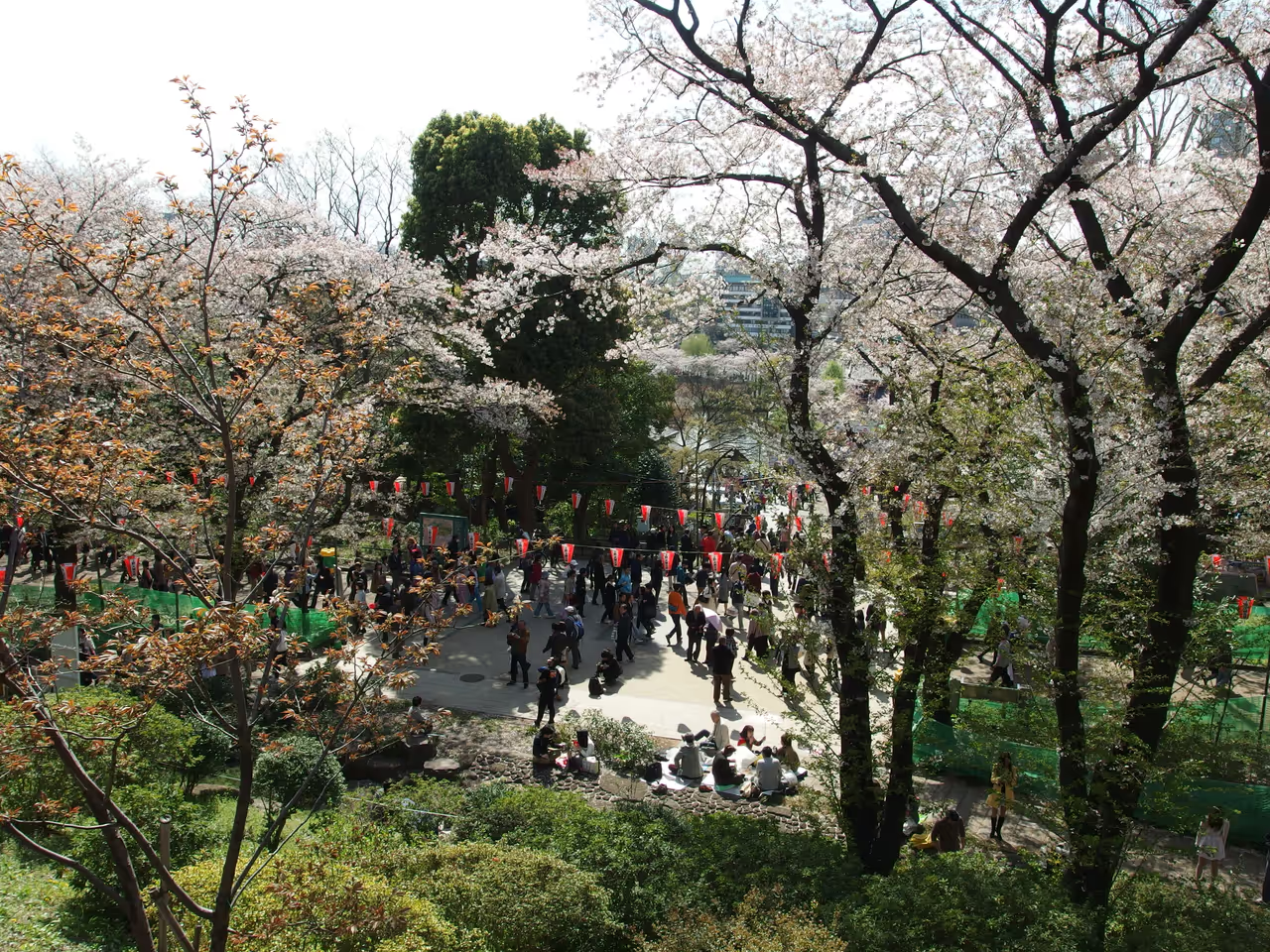
356mUeno Cherry Blossom Festival
A phenomenal celebration of spring taking place in one of the most famous parks in the country. Thousands of cherry trees burst into pink blooms creating a magical canopy over the pathways. Locals and visitors gather for festive picnics under the trees enjoying food and drinks in a highly social setting. Paper lanterns are illuminated in the evening allowing the viewing parties to continue well into the night. It captures the essence of the Japanese appreciation for fleeting natural beauty.
festival view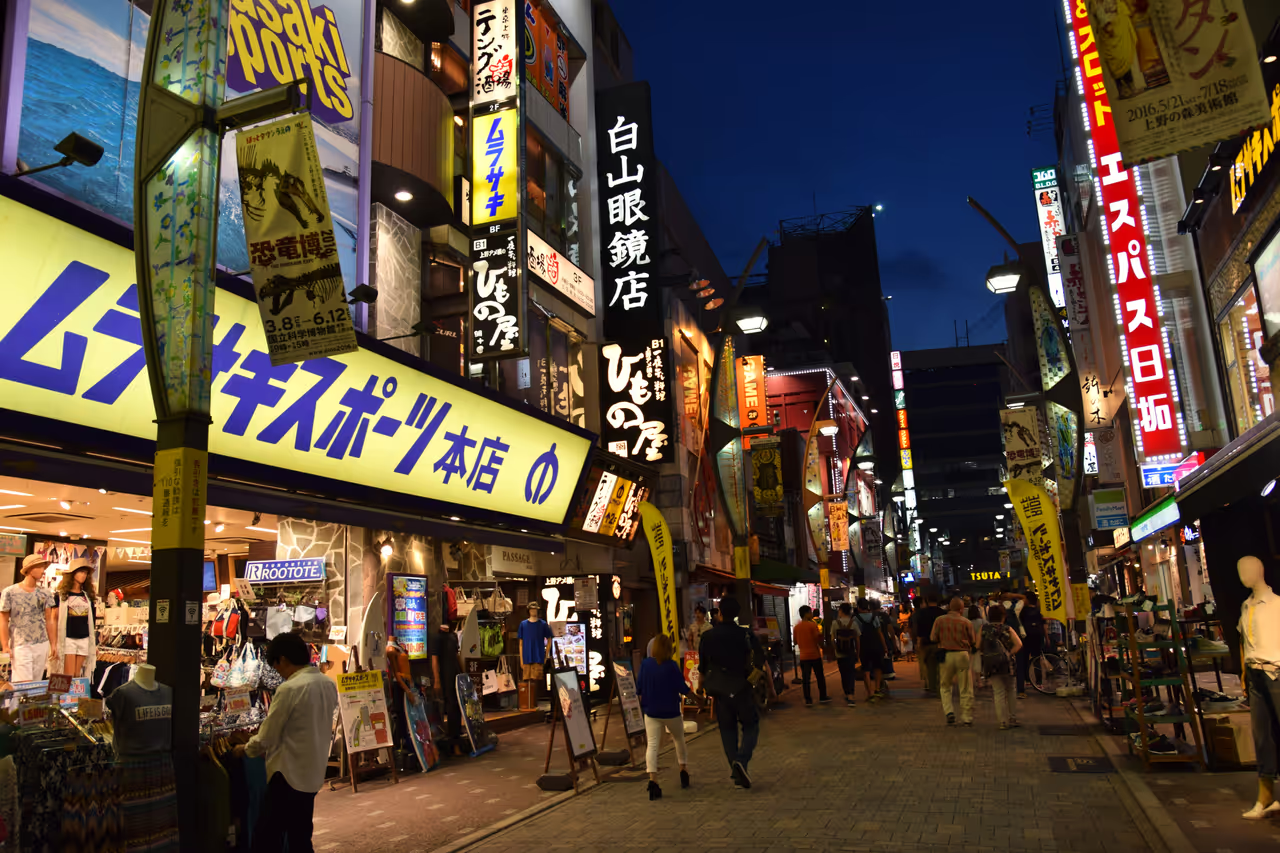 383m
383mAmeyoko Market
A lively open air bazaar situated beneath the railway tracks offering a sensory overload of sights and sounds. Originally a post war black market it has evolved into a bargain hunter paradise selling everything from fresh fish to vintage clothing. Vendors loudly negotiate prices creating a charismatic and slightly chaotic shopping environment rare in this orderly city. The narrow streets are filled with the aromas of international street food and roasting spices. It provides a fascinating glimpse into the working class commercial history of the area.
market view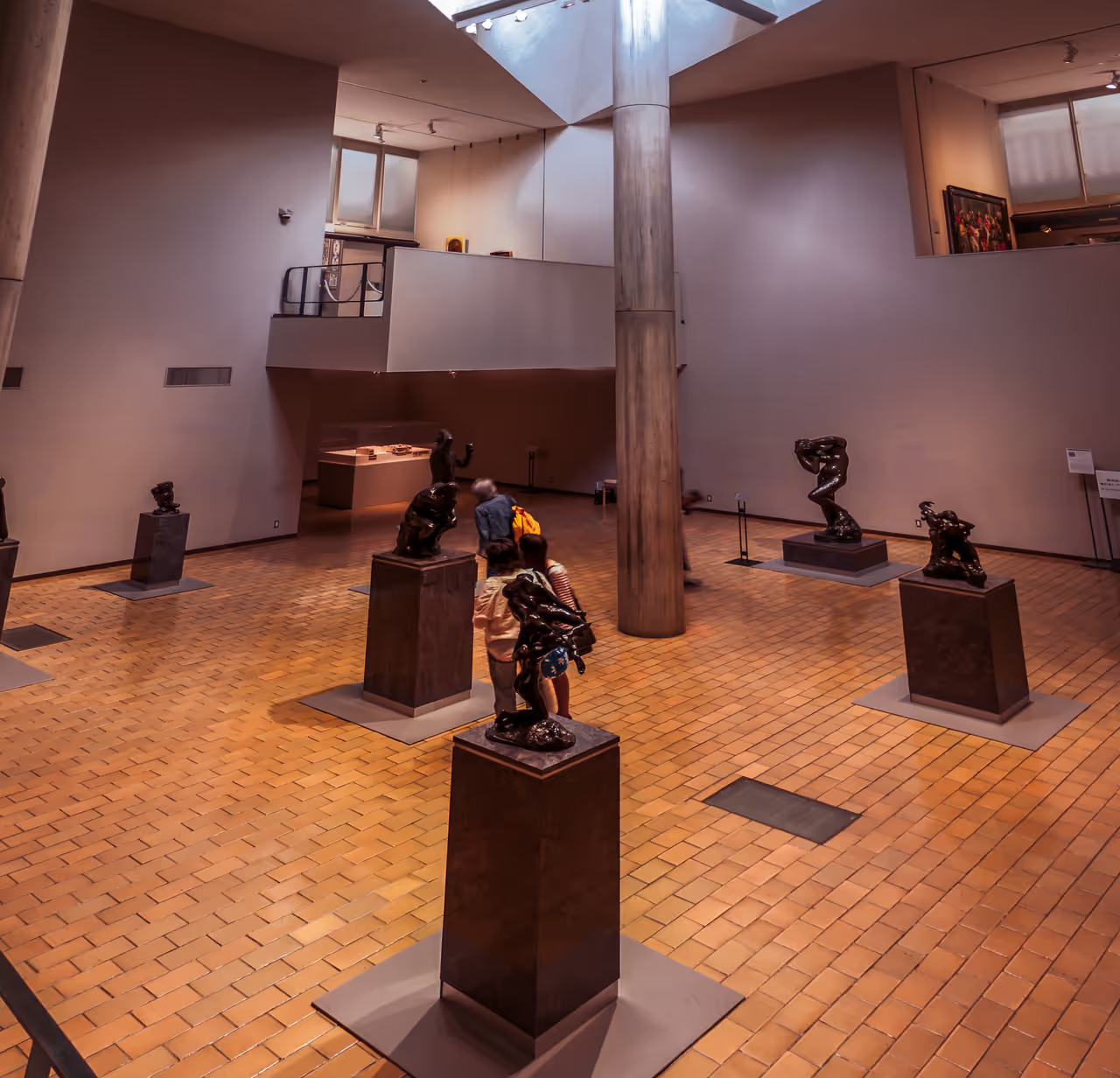 620m
620mNational Museum of Western Art
Step into a space where architectural brilliance meets timeless masterpieces right in the heart of Ueno Park. This sanctuary of art holds the incredible Matsukata Collection, a testament to one man's vision to share Western beauty with the Japanese public. The main building itself is a masterpiece, designed by the legendary architect Le Corbusier and recognised as a UNESCO World Heritage Site. Visitors can wander through galleries showcasing everything from Renaissance gems to Impressionist icons. It offers a calm, reflective escape where you can contemplate humanity's artistic achievements. Whether you are an architecture enthusiast or an art lover, this place promises an unforgettable journey through Western history and creativity.
unesco heritage site view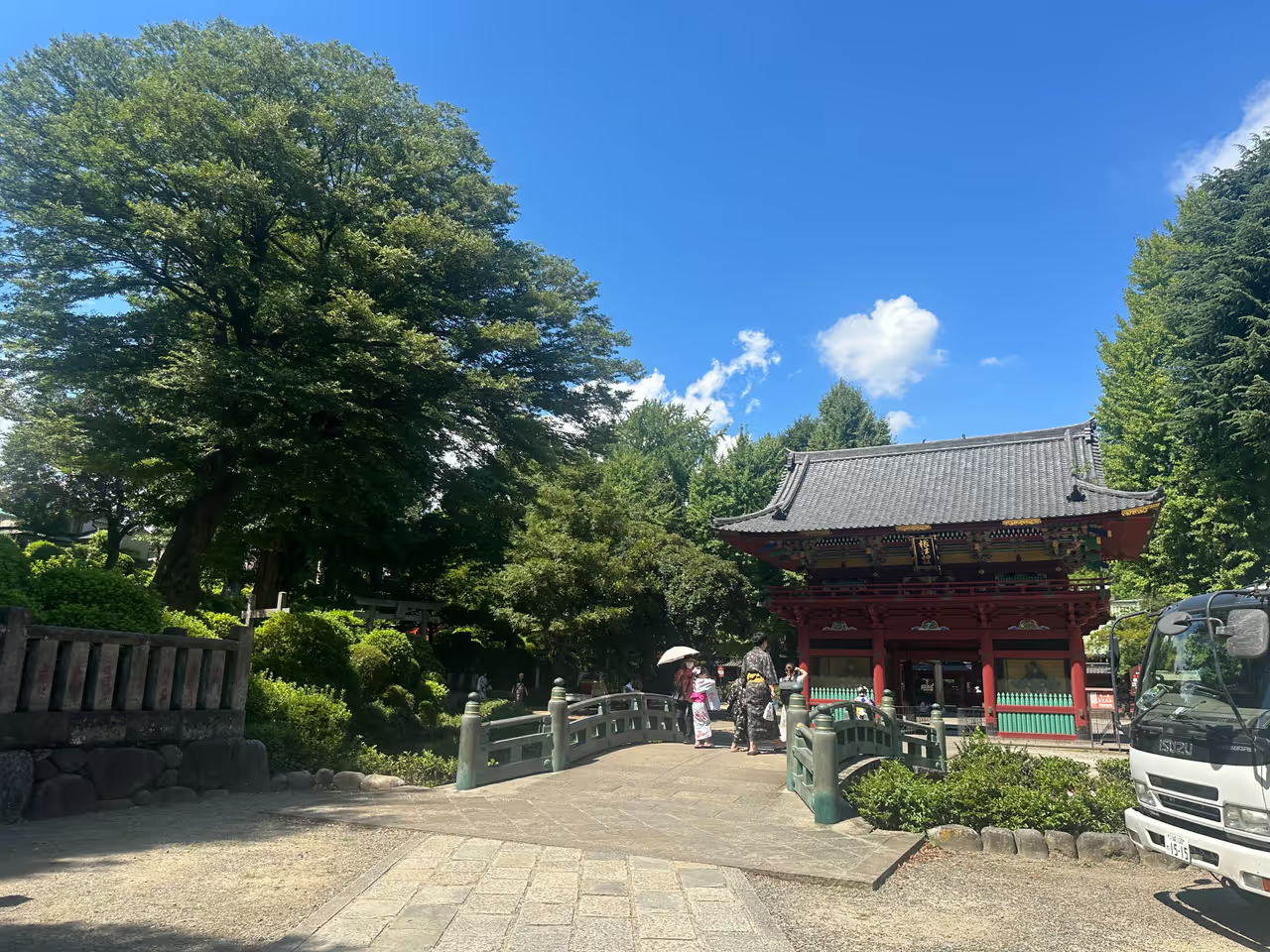 1310m
1310mNezu Shrine
One of the oldest and most beautifully preserved Shinto complexes in the city hiding quietly in a residential area. The stunning main structures feature elaborate colourful woodwork that managed to survive the extensive wartime bombings intact. A magnificent hillside path is lined with dozens of bright vermilion torii gates creating a visual effect similar to Kyoto's famous Fushimi Inari. During the spring the grounds erupt in vibrant colour as thousands of carefully sculpted azalea bushes burst into bloom. It provides a deeply peaceful and visually spectacular spiritual retreat.
hidden gem view
Featured on These Itineraries and Routes
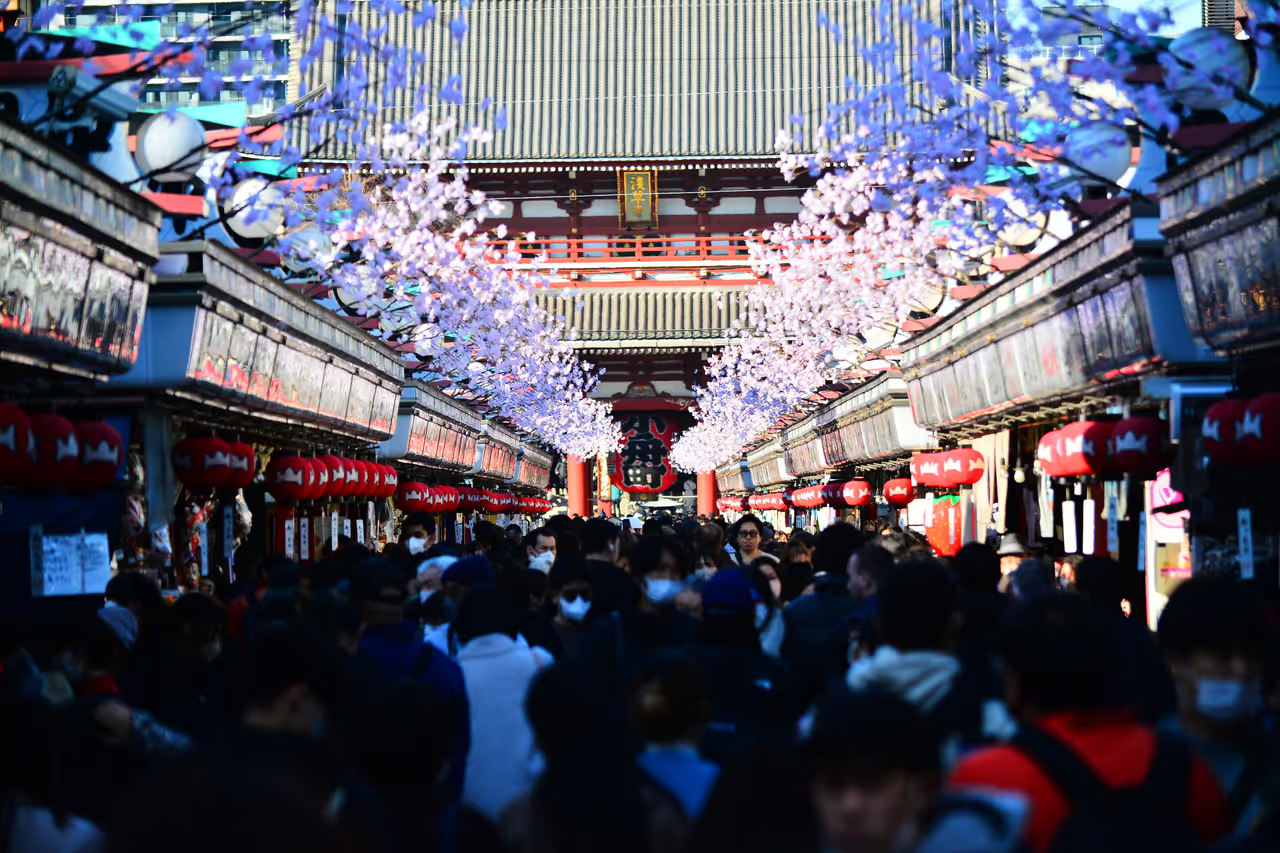
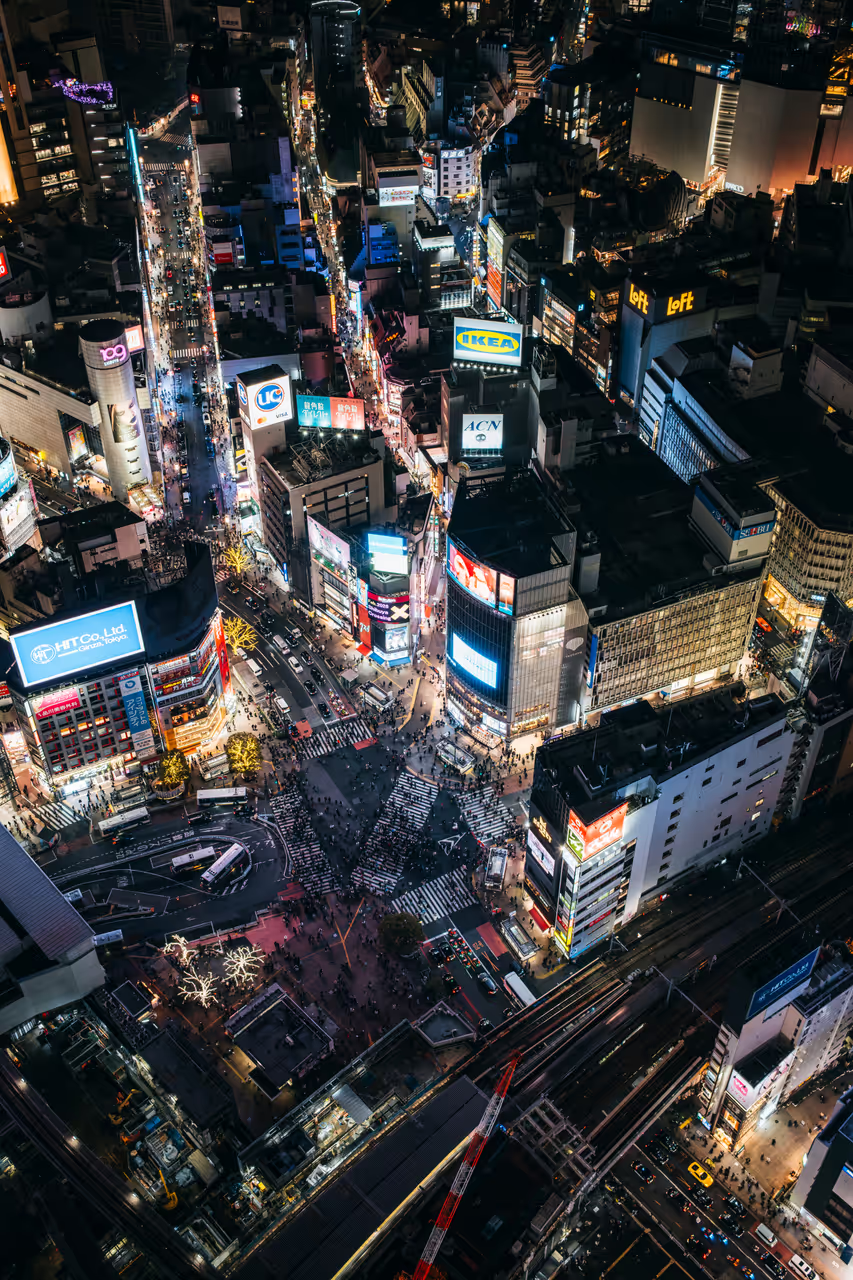
1 Day in Tokyo Itinerary
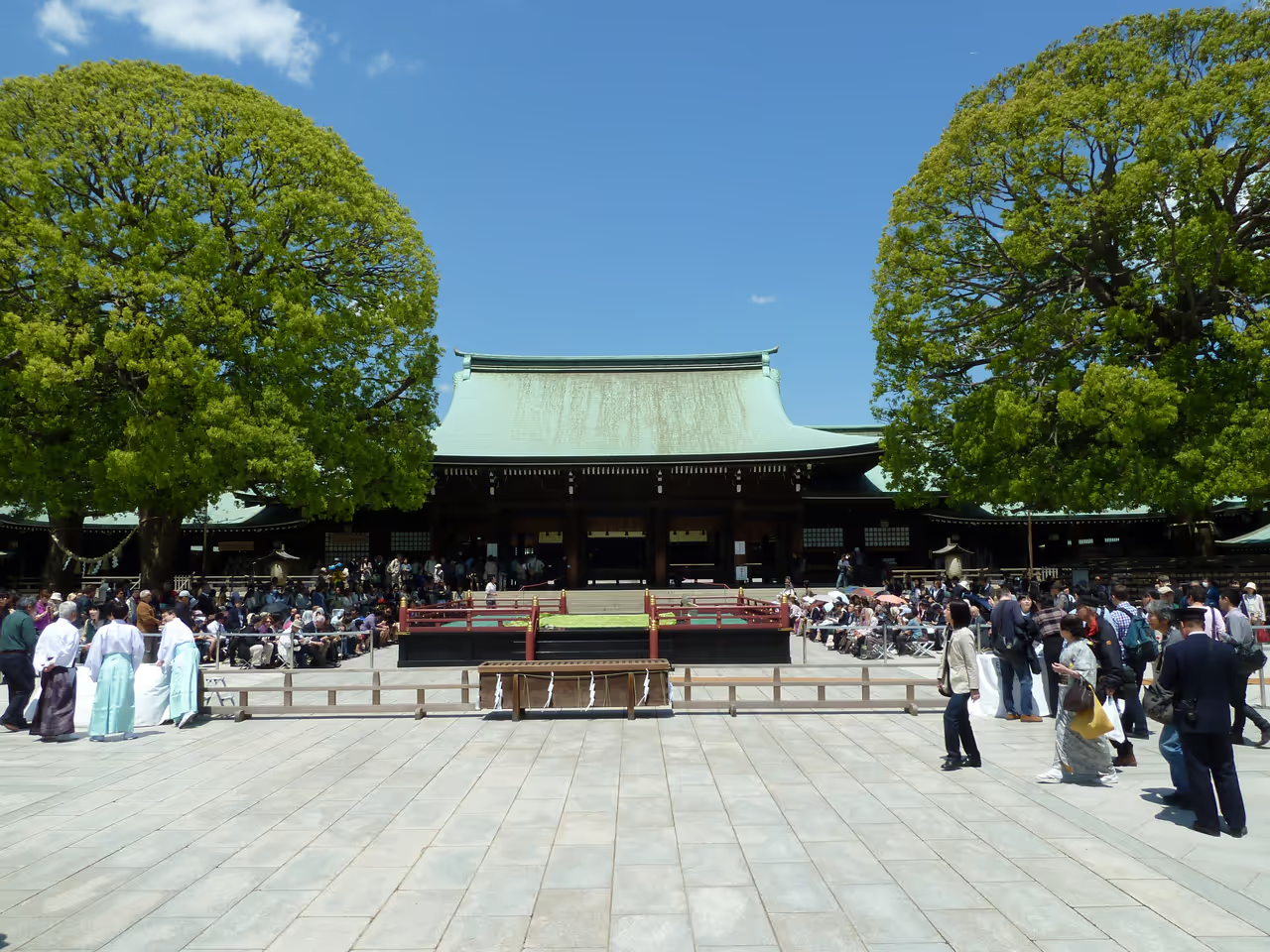
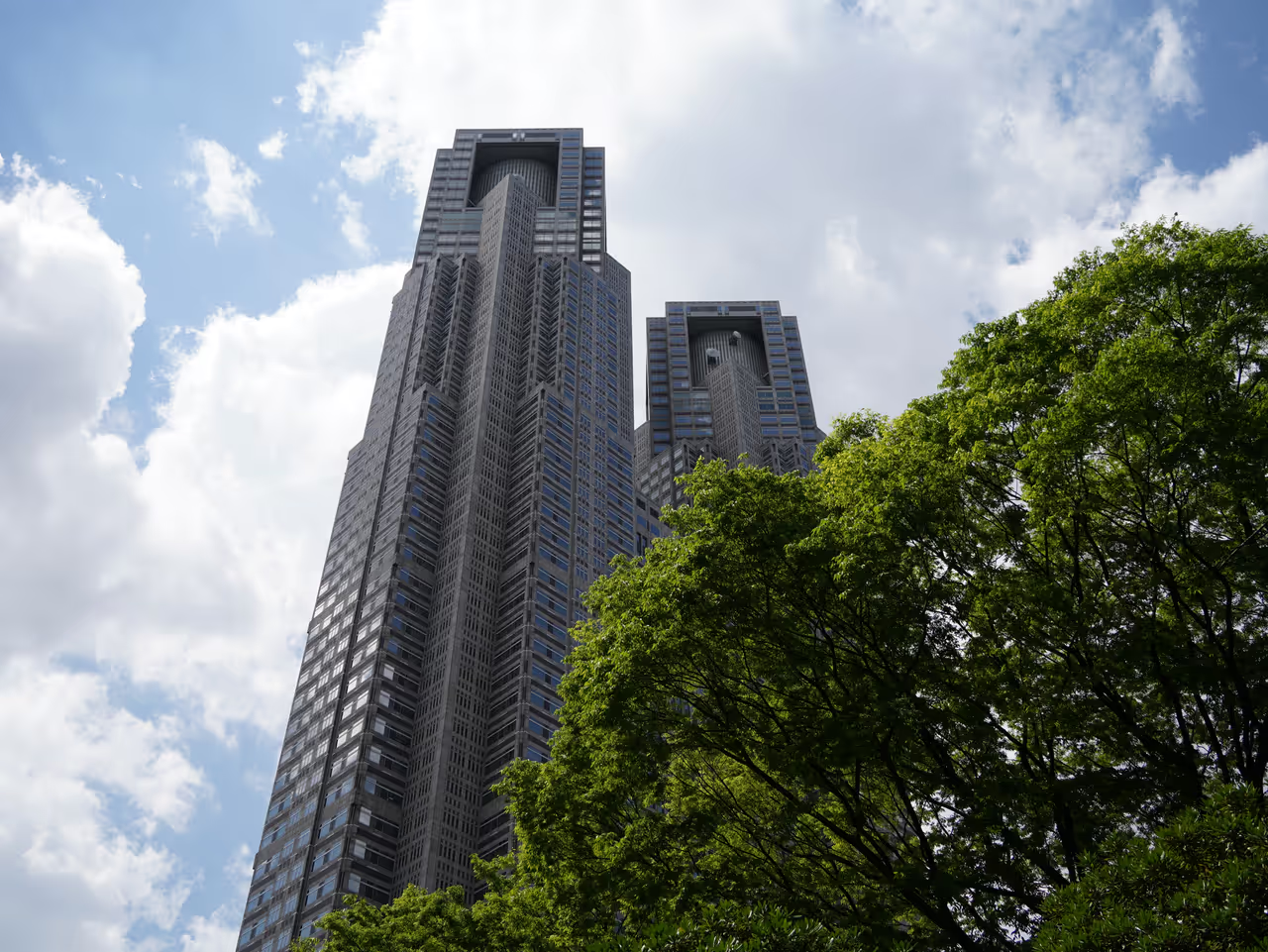
A highly efficient whirlwind tour capturing the absolute most iconic sights spanning both deep history and modern energy. This plan aggressively moves across the metropolis ensuring you witness the crucial landmarks that define the global image of the capital. The route relies heavily on the reliable transit system to cover significant distances rapidly. It provides a thrilling taste of the extreme contrasts that make the city so incredibly fascinating. Perfect for travellers on an extremely tight schedule wanting maximum visual impact.
view itinerary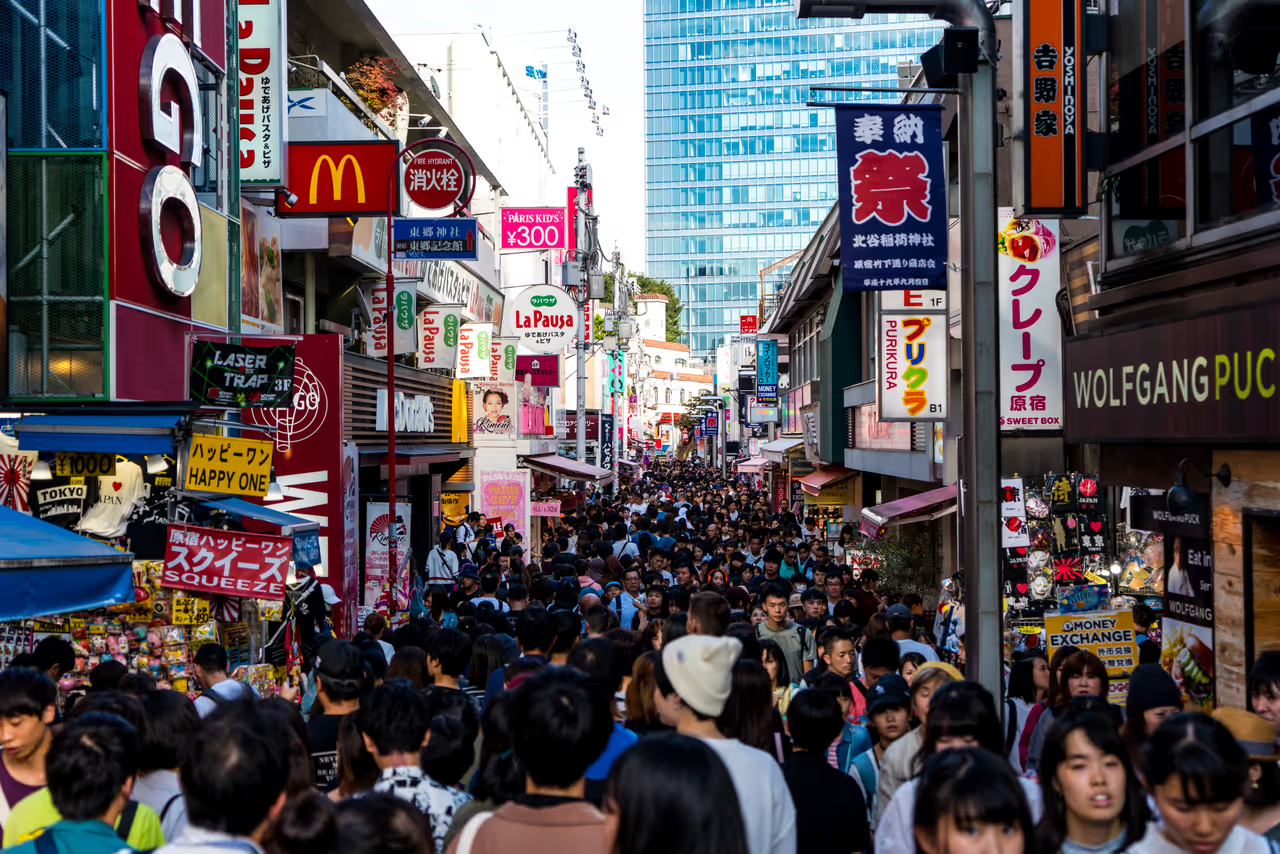
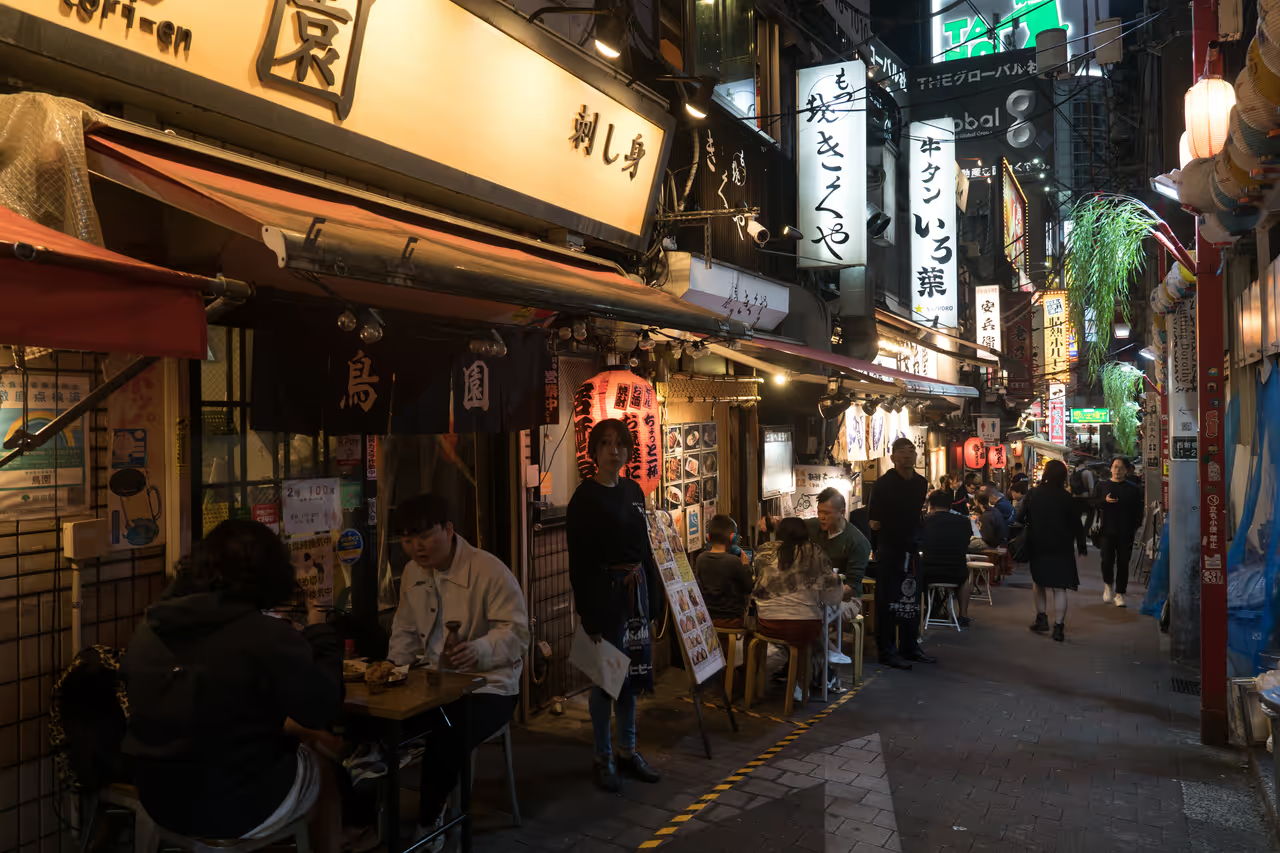
5 Days in Tokyo: Comprehensive Itinerary
An extensive and highly immersive itinerary designed to uncover both the famous monumental sights and the hidden cultural gems. The expanded timeframe permits deep dives into digital art, upscale architecture, and intense nightlife districts. It removes the stress of rushing allowing travellers to truly absorb the nuanced vibe of areas like Harajuku and Roppongi. The route successfully navigates the complex culinary landscape offering everything from street food to refined dining. This provides a deeply satisfying and complete portrait of the capital.
view itinerary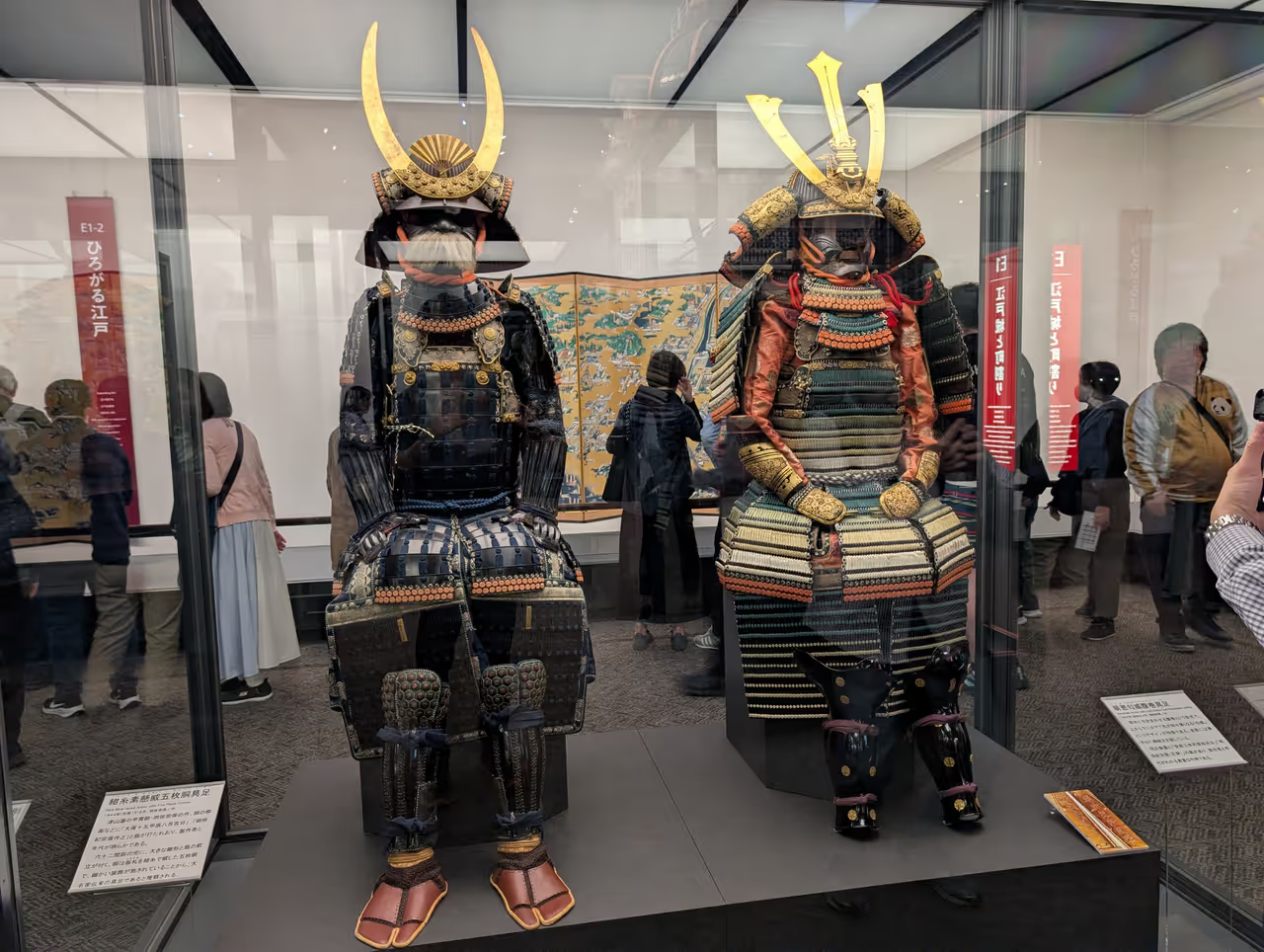
Old Edo Heritage Tour
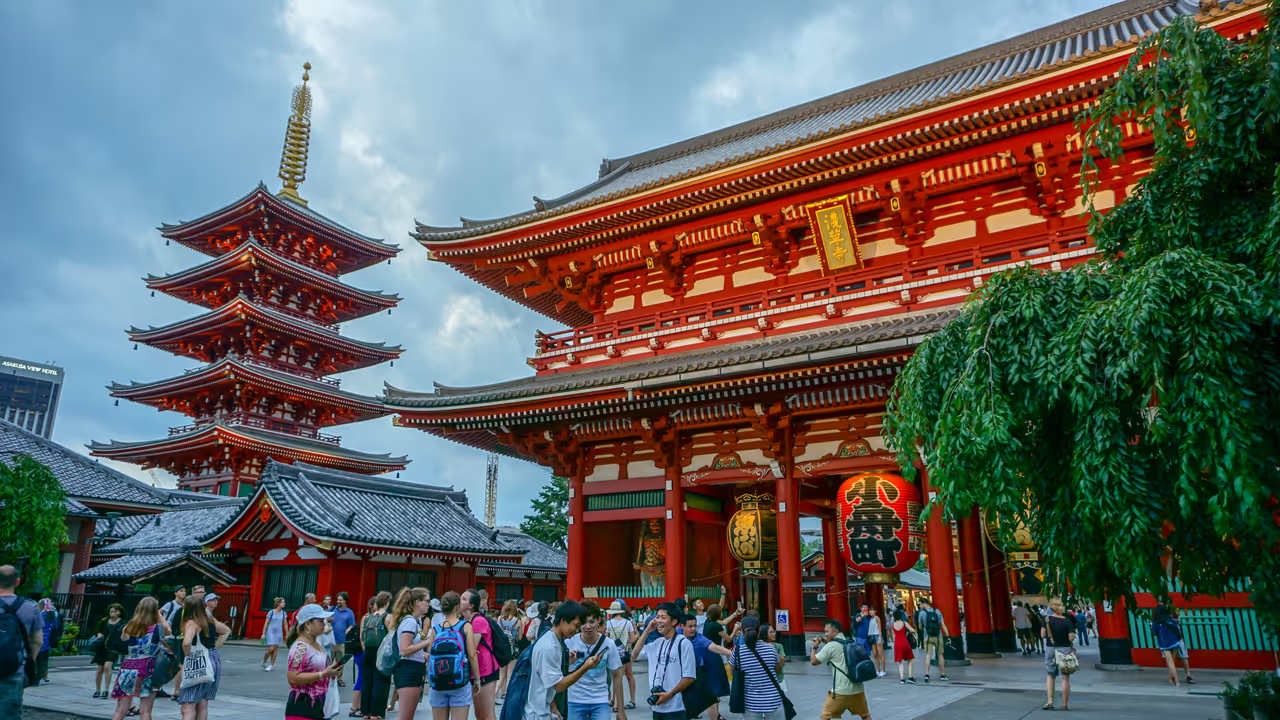
This immersive journey guides explorers through the spiritual and historical foundations of the downtown area. It traces a path through significant religious sites, expansive public parks, and crucial museums dedicated to preserving the past. Walkers engage directly with the architectural legacy of the city appreciating the towering temple gates and monumental statues. The route reveals how traditional practices have survived and adapted within a rapidly modernising society. It is an educational and visually spectacular deep dive into the cultural roots of the capital.
view self-guided tour
See all nature & parks in Tokyo
Koishikawa Korakuen, Rikugien Gardens, Shinjuku Gyoen National Garden, Yoyogi Park, Hama-rikyu Gardens, Inokashira Park...