National Museum of Western Art
Step into a space where architectural brilliance meets timeless masterpieces right in the heart of Ueno Park. This sanctuary of art holds the incredible Matsukata Collection, a testament to one man's vision to share Western beauty with the Japanese public. The main building itself is a masterpiece, designed by the legendary architect Le Corbusier and recognised as a UNESCO World Heritage Site. Visitors can wander through galleries showcasing everything from Renaissance gems to Impressionist icons. It offers a calm, reflective escape where you can contemplate humanity's artistic achievements. Whether you are an architecture enthusiast or an art lover, this place promises an unforgettable journey through Western history and creativity.
Videos
History of National Museum of Western Art
The story of the National Museum of Western Art is one of resilience and international cooperation. It all began with Matsukata Kojiro, a visionary Japanese businessman who spent years in Europe acquiring hundreds of paintings and sculptures. His dream was to bring Western art to his home country, creating a bridge between cultures. However, the path was never easy. Following the turmoil of the Second World War, his vast collection was seized by the French government. What could have been a tragic end for these treasures instead sparked a unique diplomatic effort to bring them home. After years of negotiation, a deal was struck where the works would be returned to Japan under specific conditions, including the requirement that they be housed in a purpose built facility. This led to the commissioning of Le Corbusier, the renowned Swiss and French architect, who created a design that stands as a singular testament to his genius in Japan. The resulting structure, with its unique exterior of green tiles and spiralling internal layout, was completed in 1959. It serves as an iconic symbol of modern architecture and a permanent home for the returned treasures. Today, the museum stands as much more than a repository for art. It is a UNESCO World Heritage site, recognised for its architectural significance. Through decades of careful preservation, including pioneering seismic retrofitting to ensure the safety of the collection, the museum continues to evolve. It invites visitors to explore centuries of European art, from Renaissance masterpieces to the modern strokes of Impressionism, all within a space that perfectly embodies the harmony between form and function.
Events spanning 106 years
Fun Facts
- • Famous artist Claude Monet's Water Lilies was part of the original collection returned to Japan and remains a centerpiece of the permanent display.
- • In 1964, the museum hosted a special exhibition of the Venus de Milo that drew such massive crowds that queues stretched across Ueno Park.
- • Le Corbusier visited Japan for only eight days in 1955, and this museum remains the only building he designed in the entire country.
- • Locals often refer to the museum by the affectionate nickname Seibi.
- • The building follows the concept of infinite growth, meaning the square structure was designed to potentially expand outwards in a spiral like a growing seashell.
- • The creation of the museum was a complex diplomatic effort requiring Japan to pay for the return of art that France had seized as enemy property after the Second World War.
- • The museum grounds include gardens and outdoor sculptures that are registered monuments, providing a tranquil transition from the urban park surroundings.
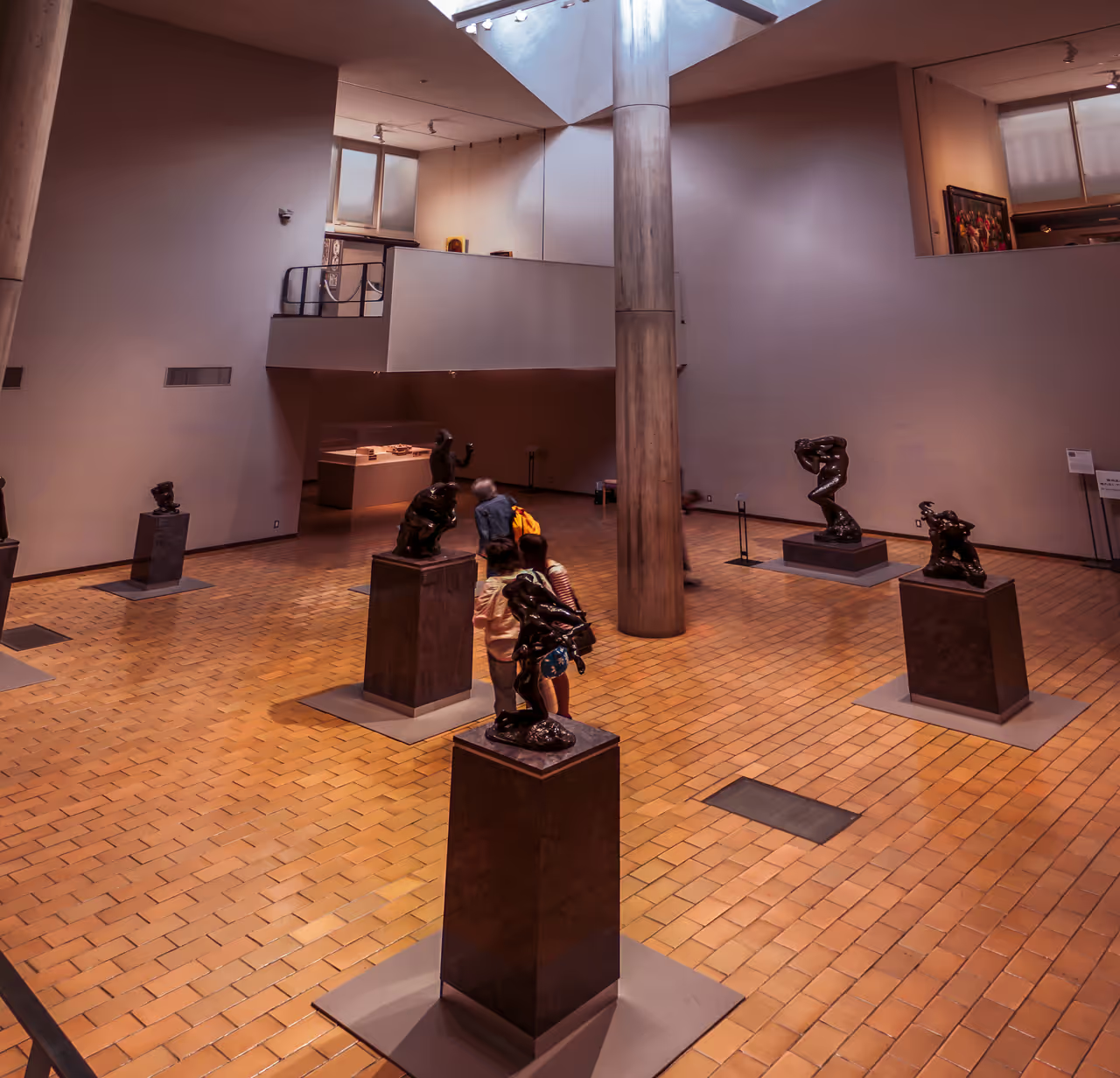
- • The museum houses an impressive selection of Rodin sculptures, including The Thinker and The Gates of Hell, which are displayed prominently in the central hall.
- • The museum was the first in Japan to utilize advanced seismic retrofitting, ensuring both the architecture and the priceless art remain safe during earthquakes.
National Museum of Western Art FAQ
While we strive to keep this information accurate and up to date, we recommend verifying any details independently before making decisions based on them.
National Museum of Western Art Map & Neighborhood Explorer
This interactive map is centered on National Museum of Western Art. Zoom in and move the map around to automatically discover Wikipedia photos and summaries of other nearby sights, monuments, and historical points of interest and stories in real-time!
Places near National Museum of Western Art
Make the most of your trip. Check out these top-rated spots located nearby.
 290m
290mUeno Cherry Blossom Festival
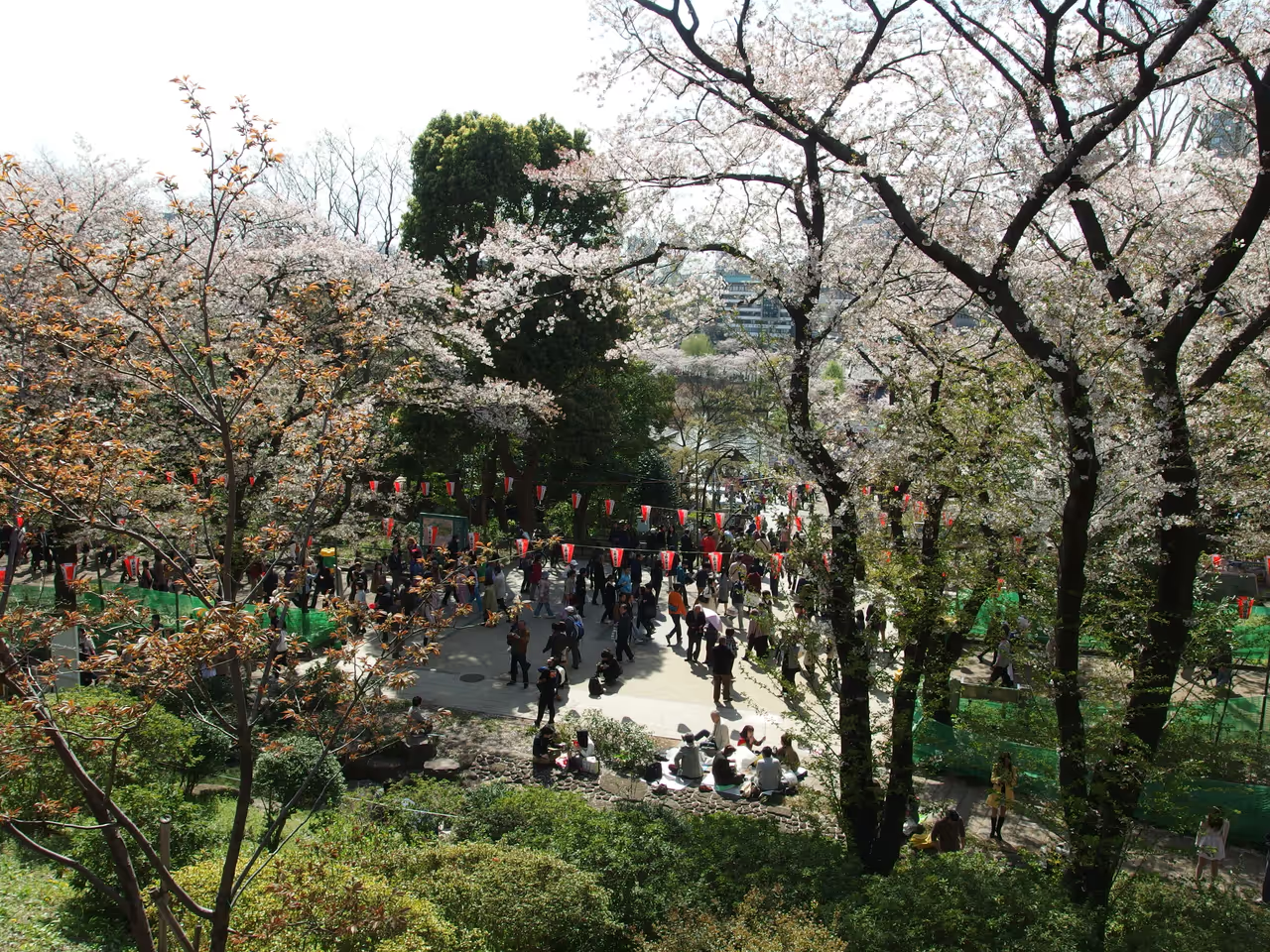
A phenomenal celebration of spring taking place in one of the most famous parks in the country. Thousands of cherry trees burst into pink blooms creating a magical canopy over the pathways. Locals and visitors gather for festive picnics under the trees enjoying food and drinks in a highly social setting. Paper lanterns are illuminated in the evening allowing the viewing parties to continue well into the night. It captures the essence of the Japanese appreciation for fleeting natural beauty.
festival view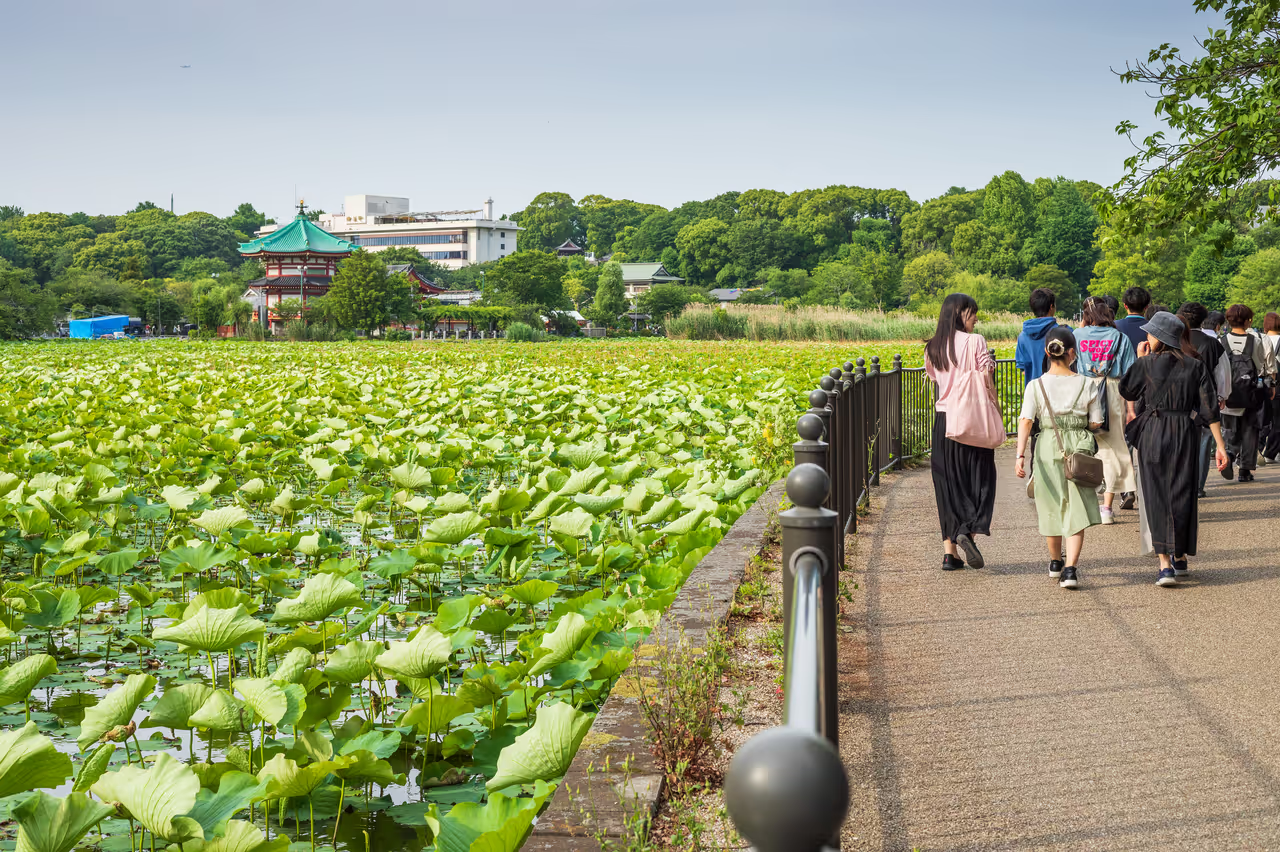 620m
620mUeno Park
Ueno Park is a sprawling green sanctuary that serves as Tokyo's premier cultural hub, blending majestic nature with world-class institutions. Known locally as the Hill of Ueno, this historic site offers an incredible variety of experiences from wandering through ancient temple grounds to visiting Japan's oldest zoo. You can spend an entire day exploring its many museums, admiring the lotus blossoms on Shinobazu Pond, or simply enjoying the relaxed atmosphere under the shade of thousands of trees. It is particularly famous for its spectacular cherry blossoms, which have drawn crowds for centuries and create a breathtaking canopy of pink every spring. Whether you are a history enthusiast, an art lover, or someone looking for a peaceful escape from the urban rush, the park provides a refreshing and enriching experience. Its unique character comes from the way it preserves Japan's feudal past while acting as a modern stage for the arts and sciences.
park & nature view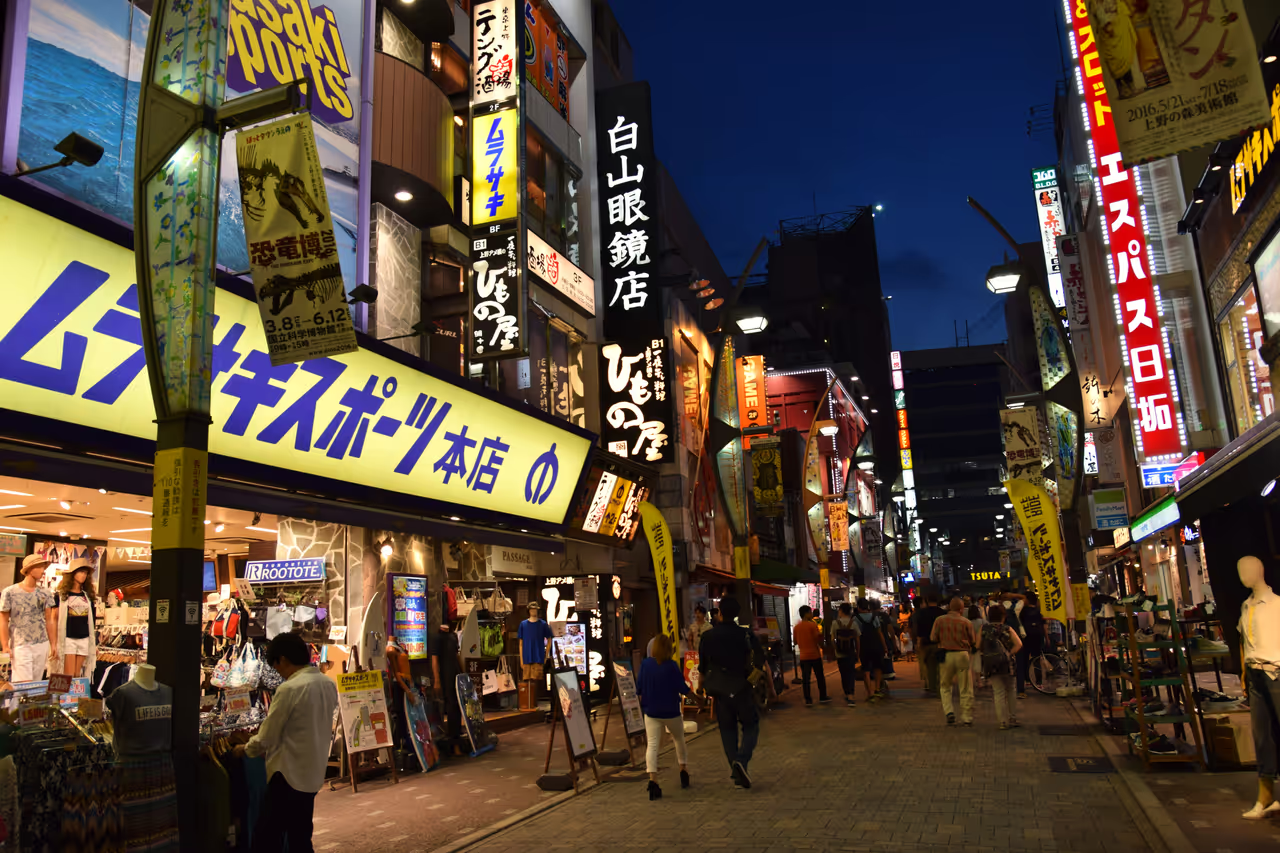 651m
651mAmeyoko Market
A lively open air bazaar situated beneath the railway tracks offering a sensory overload of sights and sounds. Originally a post war black market it has evolved into a bargain hunter paradise selling everything from fresh fish to vintage clothing. Vendors loudly negotiate prices creating a charismatic and slightly chaotic shopping environment rare in this orderly city. The narrow streets are filled with the aromas of international street food and roasting spices. It provides a fascinating glimpse into the working class commercial history of the area.
market view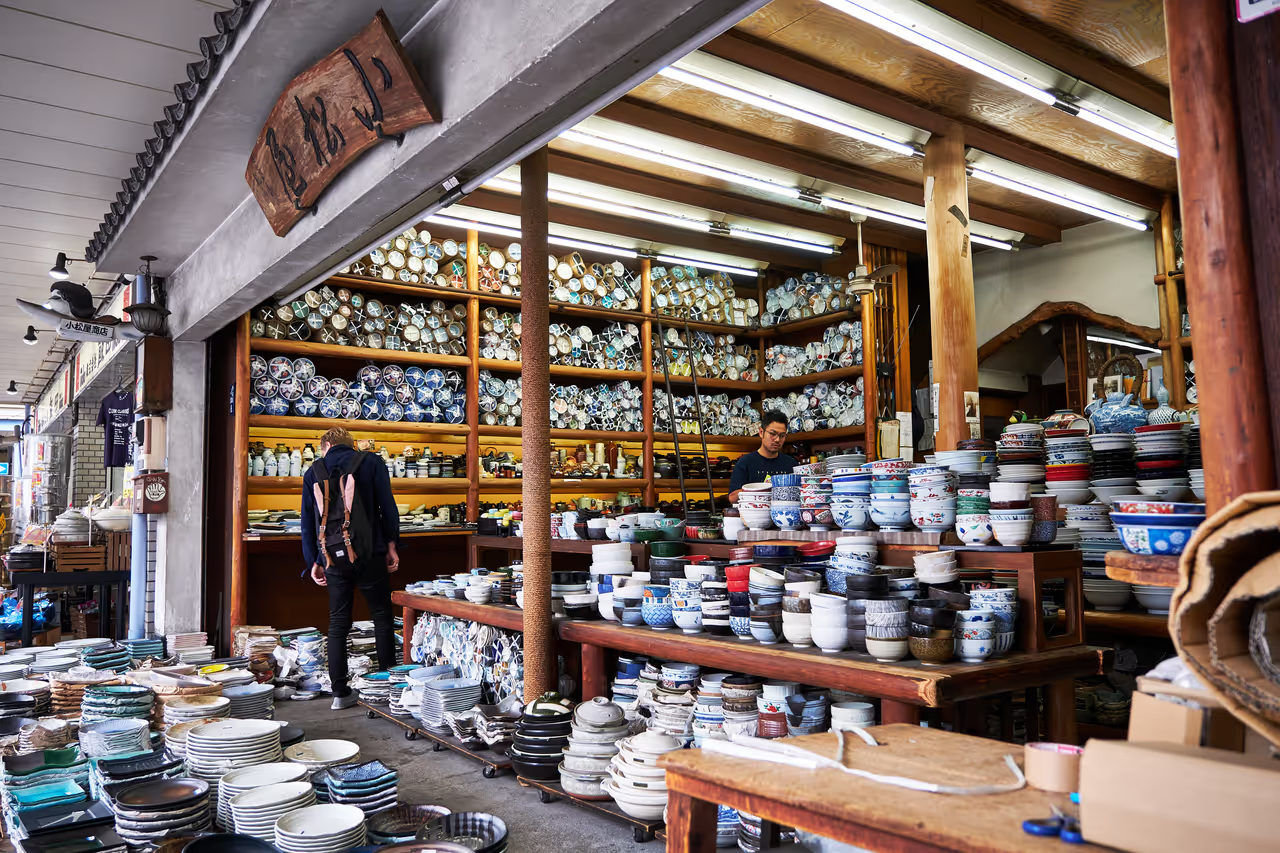 1173m
1173mKappabashi Street
A specialised commercial street completely dedicated to serving the expansive restaurant industry of the capital. Dozens of shops sell everything from exquisite handmade Japanese knives to the incredibly realistic plastic food models seen outside local eateries. It provides a fascinating behind the scenes look at the tools required to maintain the city's culinary excellence. Visitors can purchase high quality ceramics, lacquerware, and cooking implements at wholesale prices. The quirky giant chef head statue atop a building marks the entrance to this unique retail zone.
highlight view