Imperial Palace Loop
Cycling RouteA classic and highly popular route that circles the majestic grounds of the historical centre. The wide pathways offer excellent views of the surrounding moat, ancient stone walls, and elegant guardhouses. The location provides a magnificent perspective on the contrast between historical architecture and the modern skyscrapers of the financial district. On Sundays a large section of the road is closed to automotive traffic transforming it into a cyclist paradise. It presents a gentle and highly rewarding journey through the heart of the metropolis.
SURFACE BREAKDOWN
ELEVATION PROFILE
WHY WE LOVE THIS ROUTE
This route captures the defining contrast of the city by physically tracing the boundary between the ancient imperial sanctuary and the towering modern skyline. It is flat, highly accessible, and visually spectacular.
RIDER'S NOTEBOOK
- • Keep an eye out for runners as this loop is heavily shared with the local athletic community.
- • Utilise the free bicycle rental service available near the Palace on Sundays.
- 1WAYPOINT
Otemachi Financial District
大手町Riding past the towering glass facades highlights the incredible scale and modernity of the central business operations.
to next stop - 2WAYPOINT
Chidorigafuchi Moat
千鳥ヶ淵The tree lined waterside path is exceptionally beautiful offering a tranquil environment perfectly suited for leisurely pedaling.
FULL PLACE DETAILS
OVERVIEW & STATS
- Established
- In 1900, making it 126 years old
WEB & AMENITIES
to next stop - 3ATTRACTION
Imperial Palace Grounds
皇居The majestic stone walls and deep defensive moats provide a stunning visual reminder of the area's rich samurai heritage.
FULL PLACE DETAILS
OVERVIEW & STATS
- Established
- In 1868, making it 158 years old
WEB & AMENITIES
Other Cycling Routes
Check out other routes in Tokyo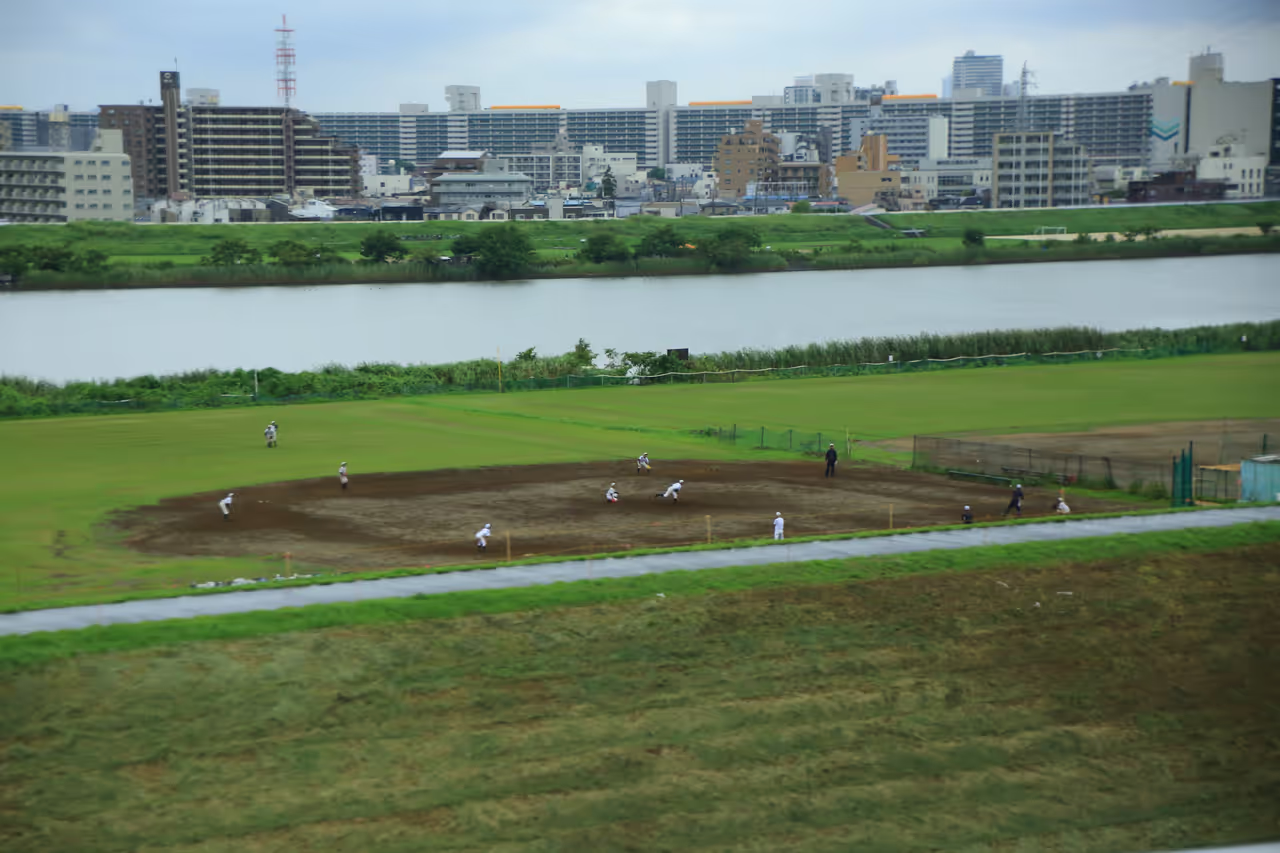
Arakawa River Cycling Road
An expansive and dedicated paved route stretching for miles along the wide riverbanks offering an escape from city traffic. Cyclists can enjoy uninterrupted riding with expansive skies and distant views of the skyline. The path passes through numerous local parks, baseball fields, and quiet residential edges. The lack of road crossings or traffic lights allows for a continuous and deeply meditative riding experience. It is a favourite weekend retreat for local cycling enthusiasts seeking fresh air and open space.
view route
Odaiba Waterfront Ride
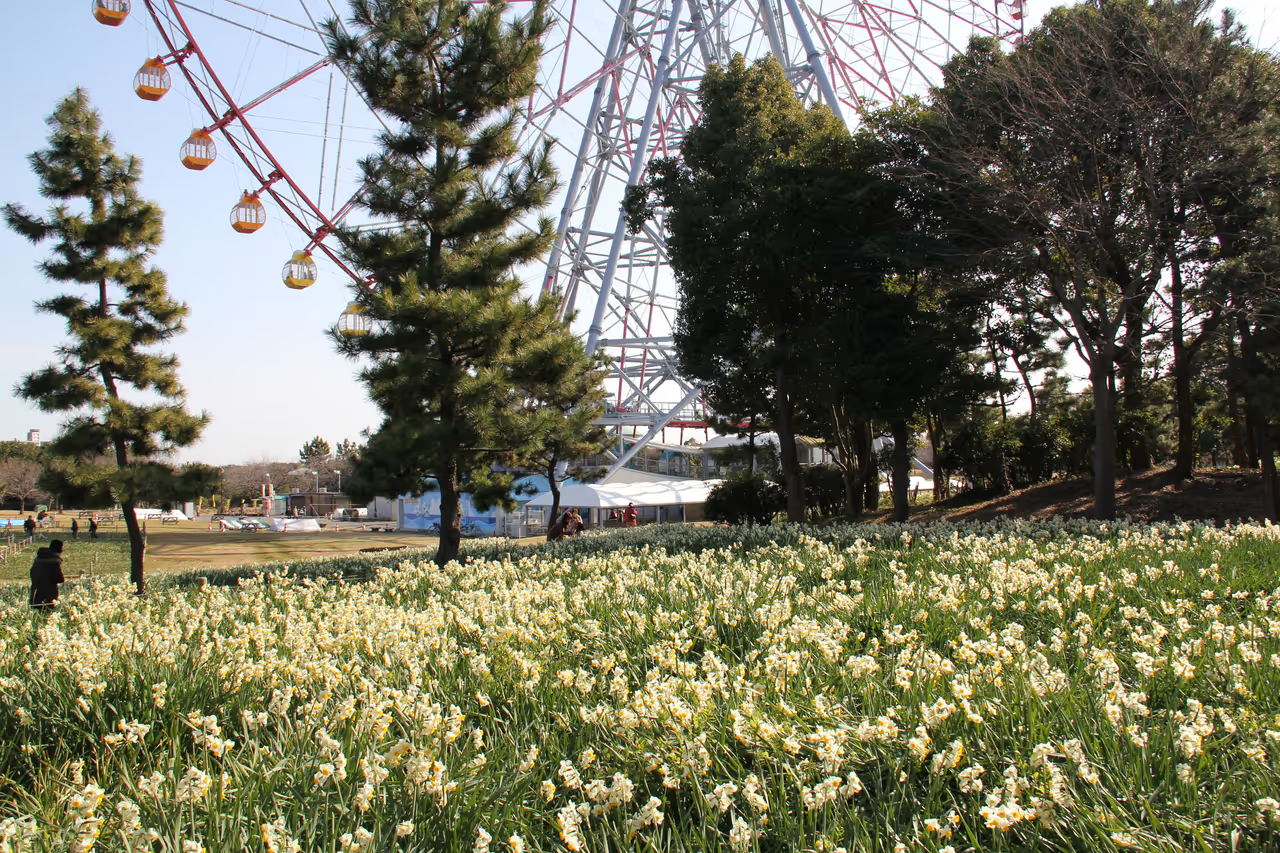
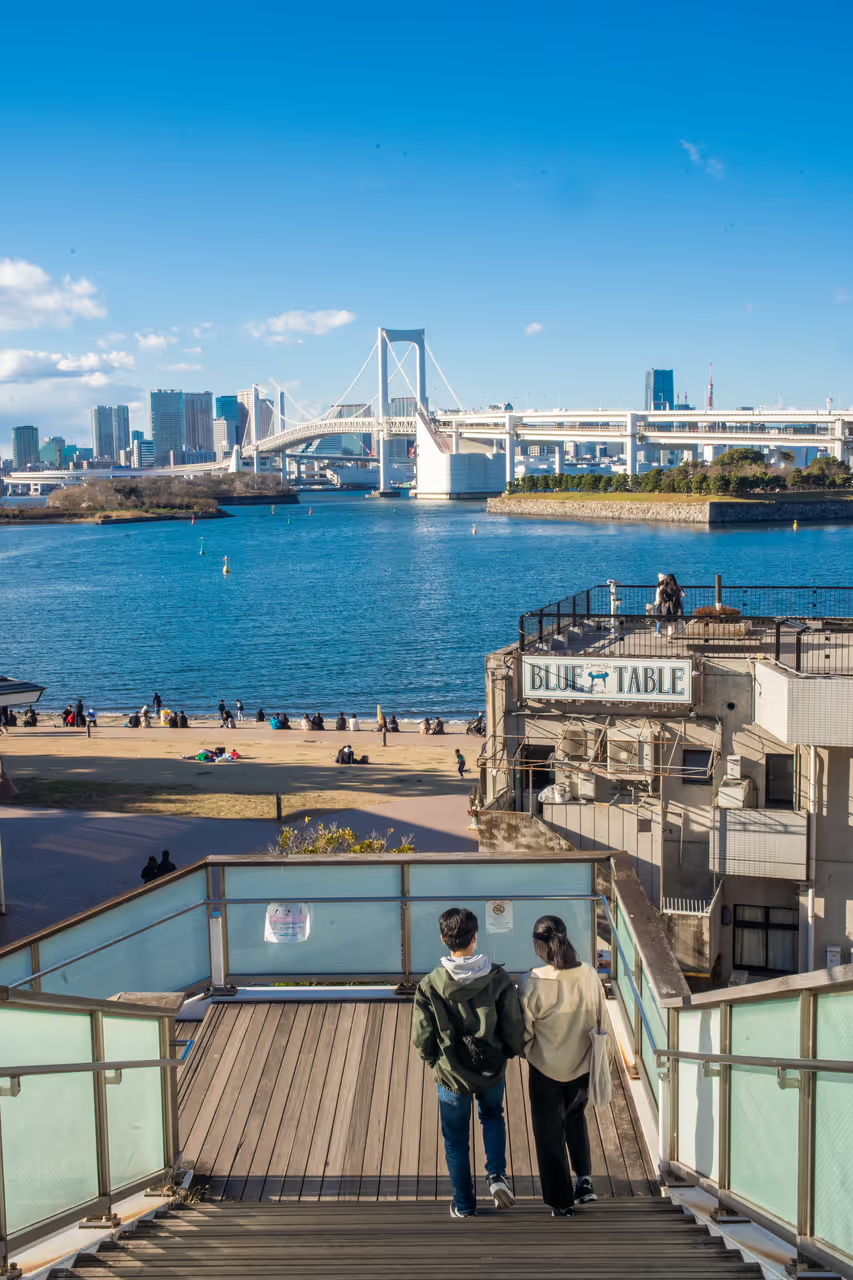
A vibrant coastal journey traversing the artificial islands of the bay area defined by wide pavements and ocean breezes. The route offers unobstructed views of passing ships, the monumental suspension bridge, and the dense urban skyline across the water. It connects various entertainment complexes, sandy beaches, and futuristic architectural installations. The terrain is perfectly flat making it an effortless ride suited for all skill levels. Evening rides here are exceptionally beautiful as the architectural lighting reflects across the dark waters.
view route
Alternative Ways to Tour the City
Switch your pace. Discover curated routes by bike, foot, or self-guided exploration.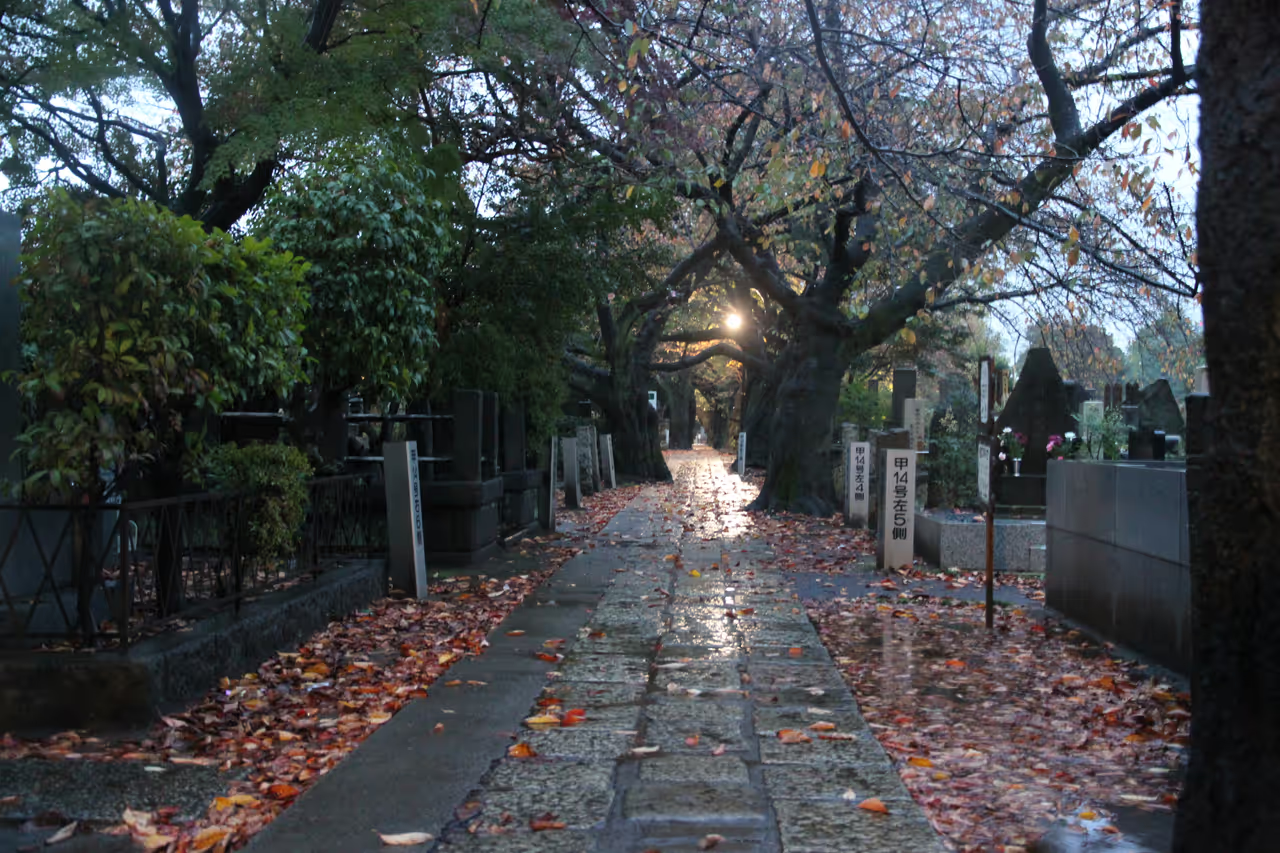
Yanaka Neighbourhood Stroll
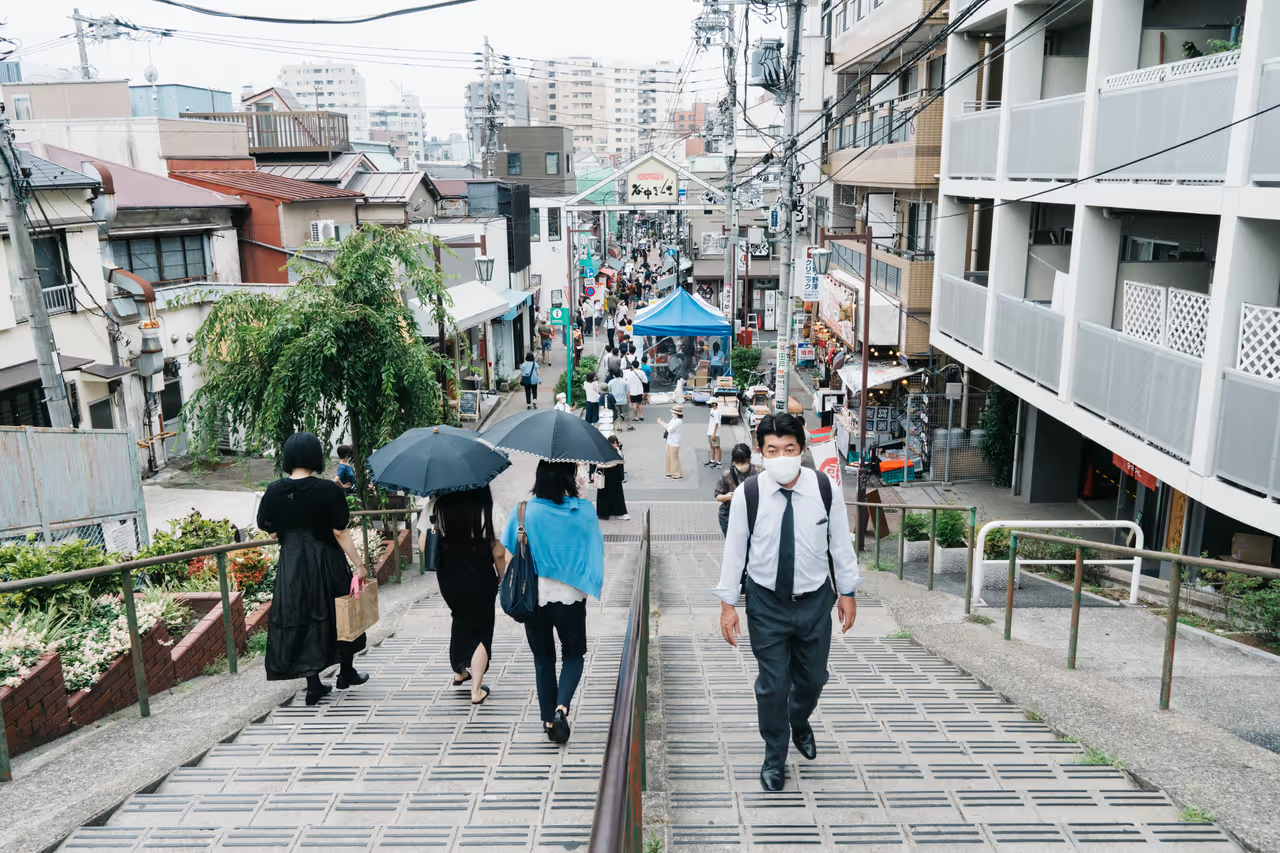
Wandering through this preserved historical district transports visitors to a slower more nostalgic era of the capital. The narrow winding alleys are lined with old wooden houses, countless small temples, and sleeping street cats. The journey lacks the aggressive neon and towering glass found elsewhere offering instead the warm scent of street food and incense. Artisans work openly in small studios producing traditional crafts while friendly vendors sell classic snacks. The gentle hills and mature trees complete the feeling of having stepped back into the mid twentieth century.
Old Edo Heritage Tour
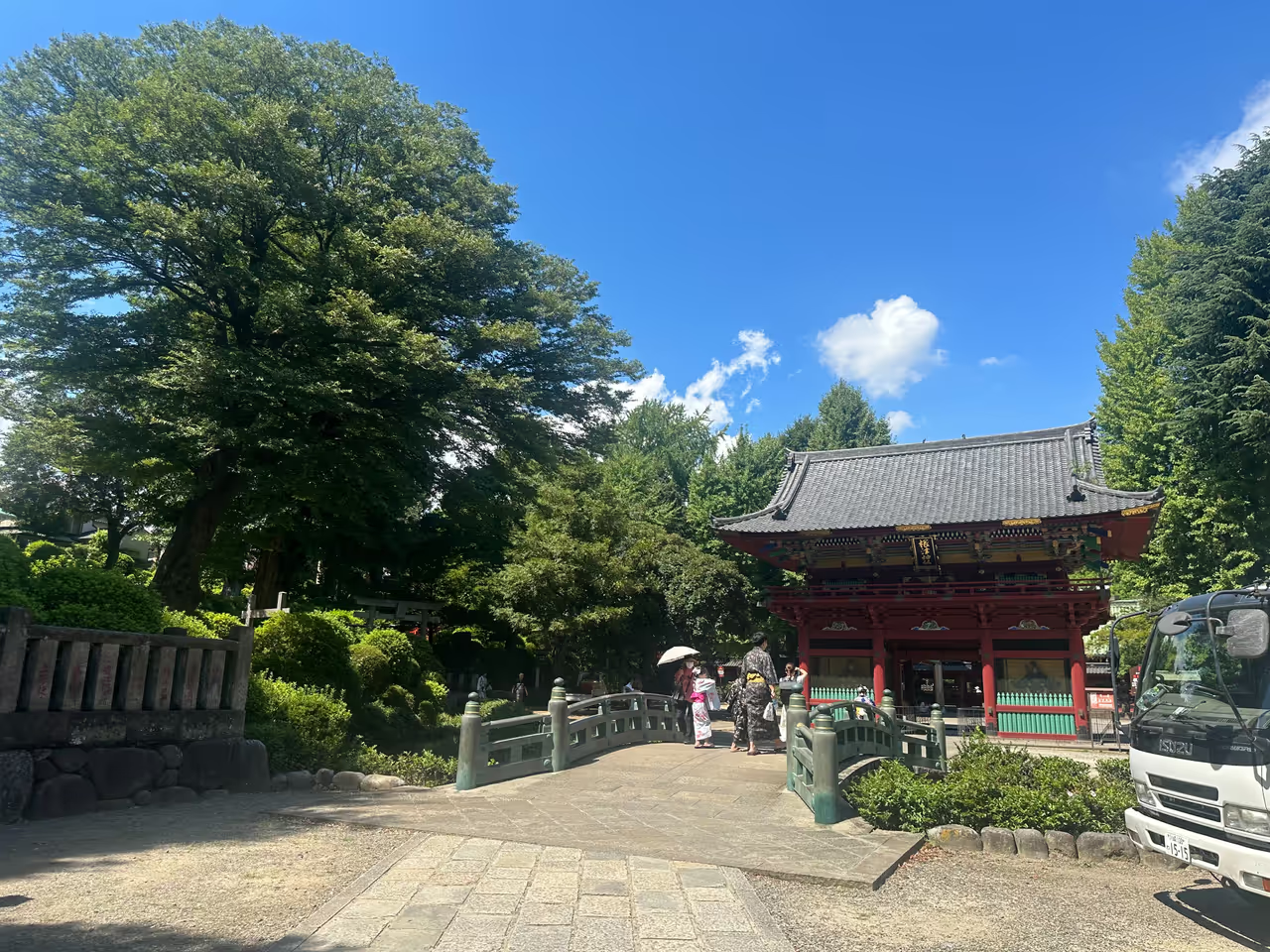
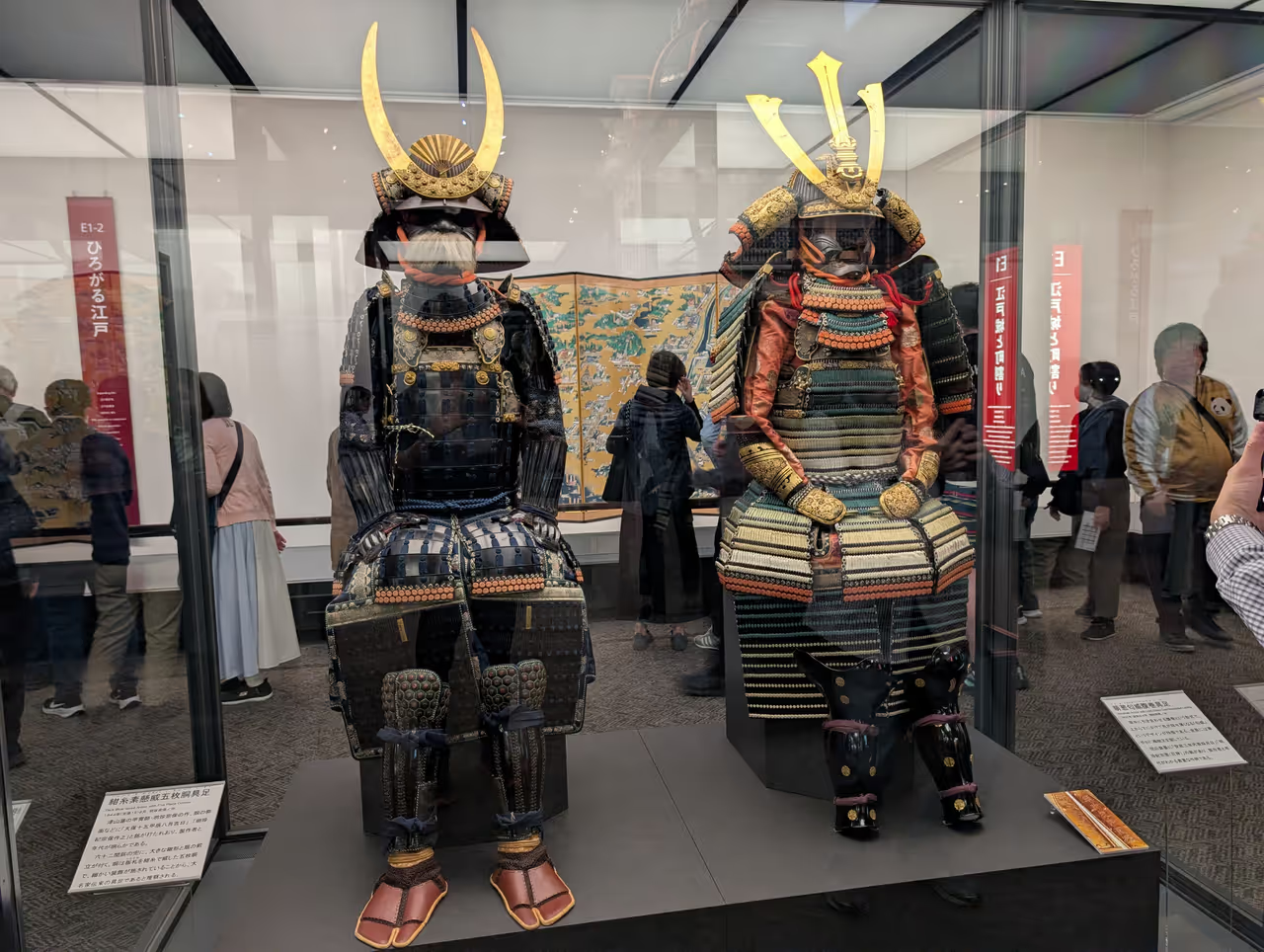
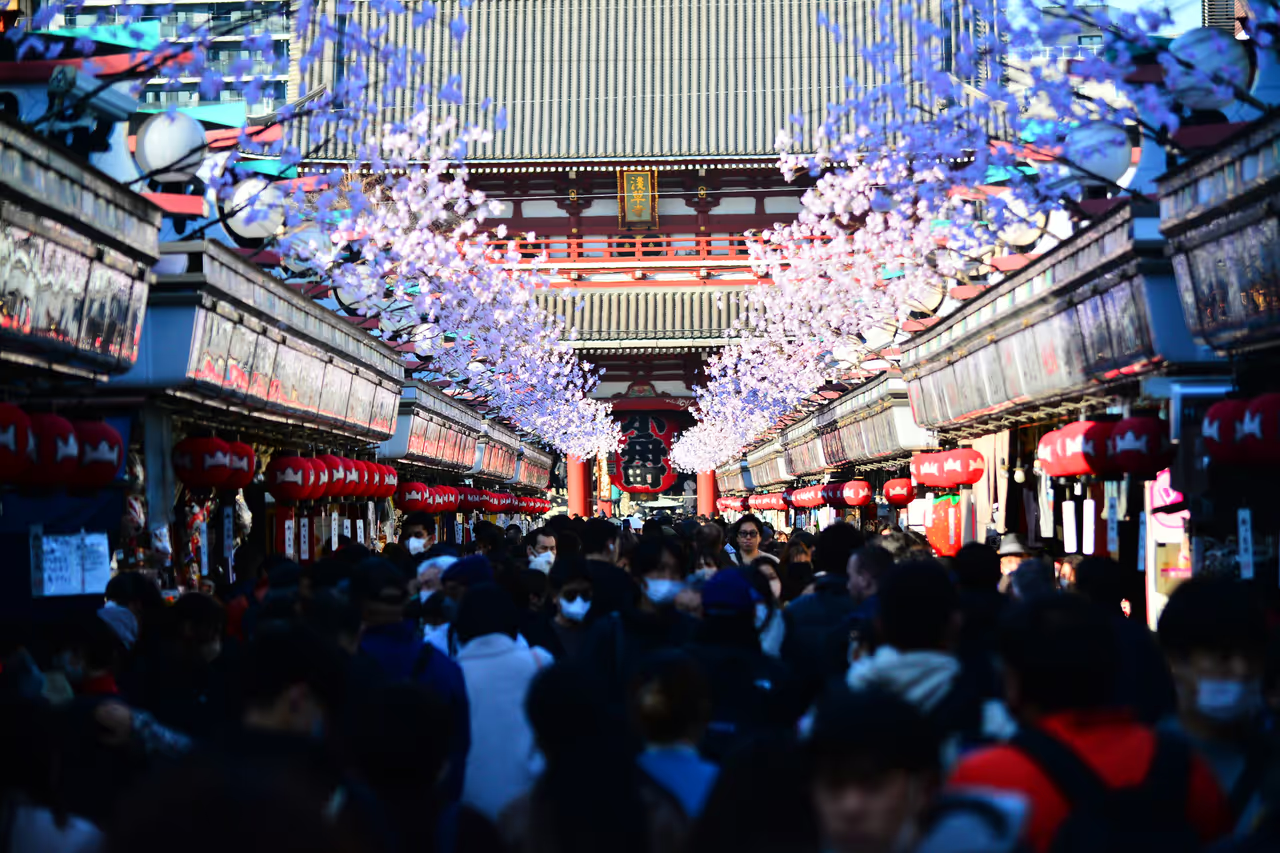
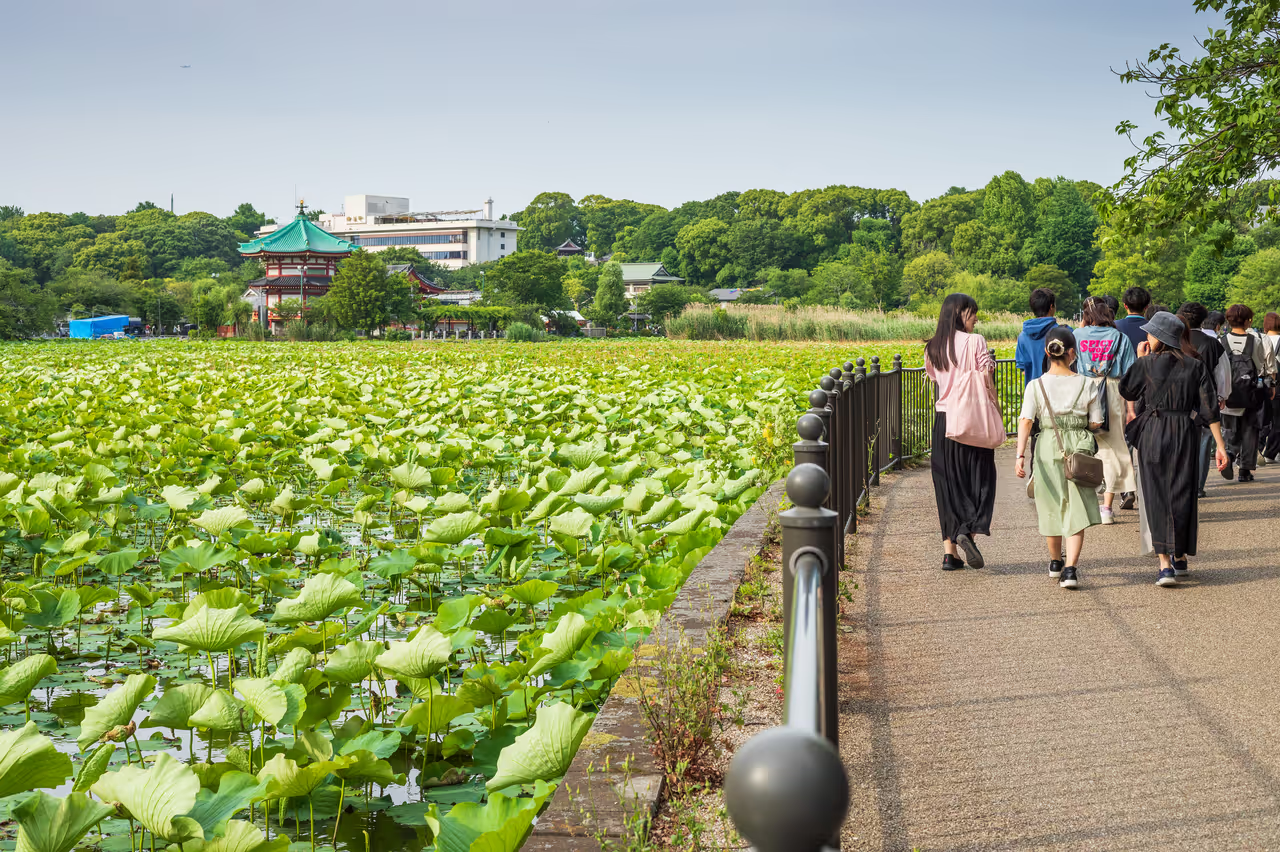
This immersive journey guides explorers through the spiritual and historical foundations of the downtown area. It traces a path through significant religious sites, expansive public parks, and crucial museums dedicated to preserving the past. Walkers engage directly with the architectural legacy of the city appreciating the towering temple gates and monumental statues. The route reveals how traditional practices have survived and adapted within a rapidly modernising society. It is an educational and visually spectacular deep dive into the cultural roots of the capital.