Imperial Palace
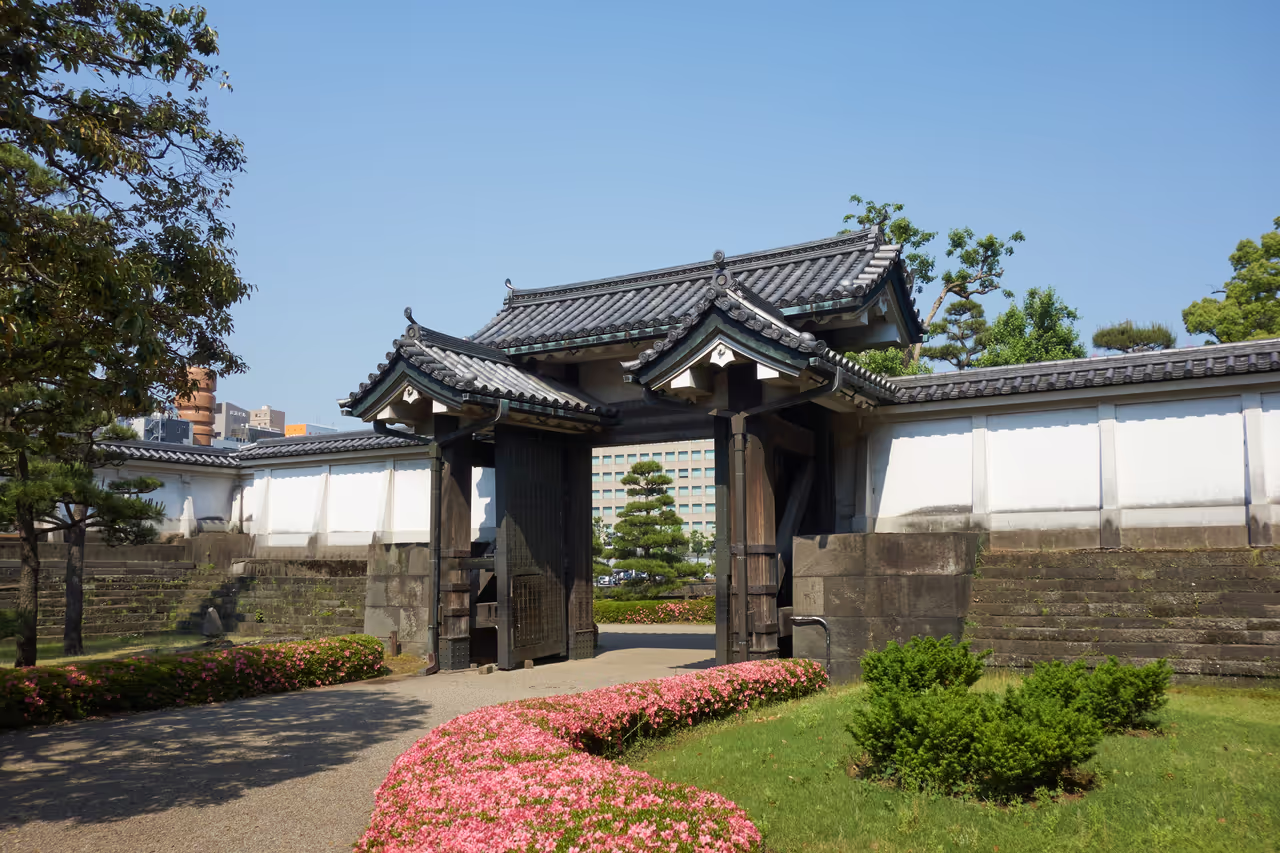
Sitting at the absolute heart of Tokyo, the Imperial Palace is a place of profound serenity, offering a rare glimpse into the history of the shoguns and the residence of the Imperial family. Visitors can explore the expansive East Garden, walk along the historic moats that once protected Edo Castle, and admire the striking contrast between the modern skyscrapers and the ancient stone walls. It serves as a living museum, where you can trace the evolution from the powerful Tokugawa era to the modern imperial institution. Whether you are photographing the iconic Nijubashi Bridge or admiring the carefully preserved woodland in the centre of the metropolis, the atmosphere here is unmatched. It is a mandatory stop for anyone wishing to understand the soul of this city.
Videos
History of Imperial Palace
The history of the Imperial Palace is effectively the history of Tokyo itself. It began as Edo Castle, the strategic fortress built by Tokugawa Ieyasu in the early seventeenth century. For over two hundred and fifty years, this site served as the military and political heart of Japan, surrounded by intricate defensive moats and formidable stone walls that protected the shoguns. It was a place of absolute authority, where decisions were made that shaped the fate of the nation for generations. Everything changed with the Meiji Restoration in 1868. As Japan opened its borders and modernised, the Emperor moved his residence from the ancient capital of Kyoto to Edo, which was subsequently renamed Tokyo. The castle was repurposed to become the new Imperial Palace, symbolising the shift from feudal shogunate rule to a modern imperial state. This period was not without its struggles, as the wooden structures of the old palace were vulnerable to fire and the passage of time, requiring constant care and eventual reconstruction to serve the needs of a changing nation. During the twentieth century, the palace faced its greatest challenge as the fires of war consumed much of the historic site. However, the subsequent decades saw a remarkable revival. The new palace, completed in 1968, was designed to blend the dignity of Japanese tradition with modern architectural integrity. Today, the palace stands as a peaceful sanctuary in the centre of a metropolis, bridging the gap between the days of samurai and the modern era. It continues to function as the residence of the Imperial family and a witness to the unfolding history of the city.
Events spanning 390 years
Fun Facts
- • Despite being in the middle of Tokyo, it remains a tranquil sanctuary where the city noise seems to fade away as you approach the moats.
- • It is the official residence of the Emperor and Empress of Japan, serving as a private home as well as a place for public duty.
- • The East Garden was opened to the public in 1968, allowing visitors to walk through what used to be the innermost circle of the old castle.
- • The area is registered as a special historical site, highlighting its importance to the cultural heritage of the nation.
- • The famous Nijubashi Bridge is the most iconic entrance to the palace, often serving as the backdrop for major state ceremonies.
- • The moats surrounding the palace are remnants of the sophisticated defensive water systems used in the Edo period.
- • The palace features a unique and protected ecosystem, hosting rare plants and animals that have thrived because the area has remained largely undisturbed.
- • The palace is built on the site of the former Edo Castle, the seat of the Tokugawa Shogunate which ruled Japan for over two hundred and fifty years.
- • The palace structures were designed to respect traditional Japanese architectural forms while using modern techniques to ensure durability.
- • The total grounds cover over two square kilometres, making it one of the largest green spaces in central Tokyo.
RESOURCES
Official WebsiteImperial Palace FAQ
While we strive to keep this information accurate and up to date, we recommend verifying any details independently before making decisions based on them.
Imperial Palace Map & Neighborhood Explorer
This interactive map is centered on Imperial Palace. Zoom in and move the map around to automatically discover Wikipedia photos and summaries of other nearby sights, monuments, and historical points of interest and stories in real-time!
Places near Imperial Palace
Make the most of your trip. Check out these top-rated spots located nearby.
 1345m
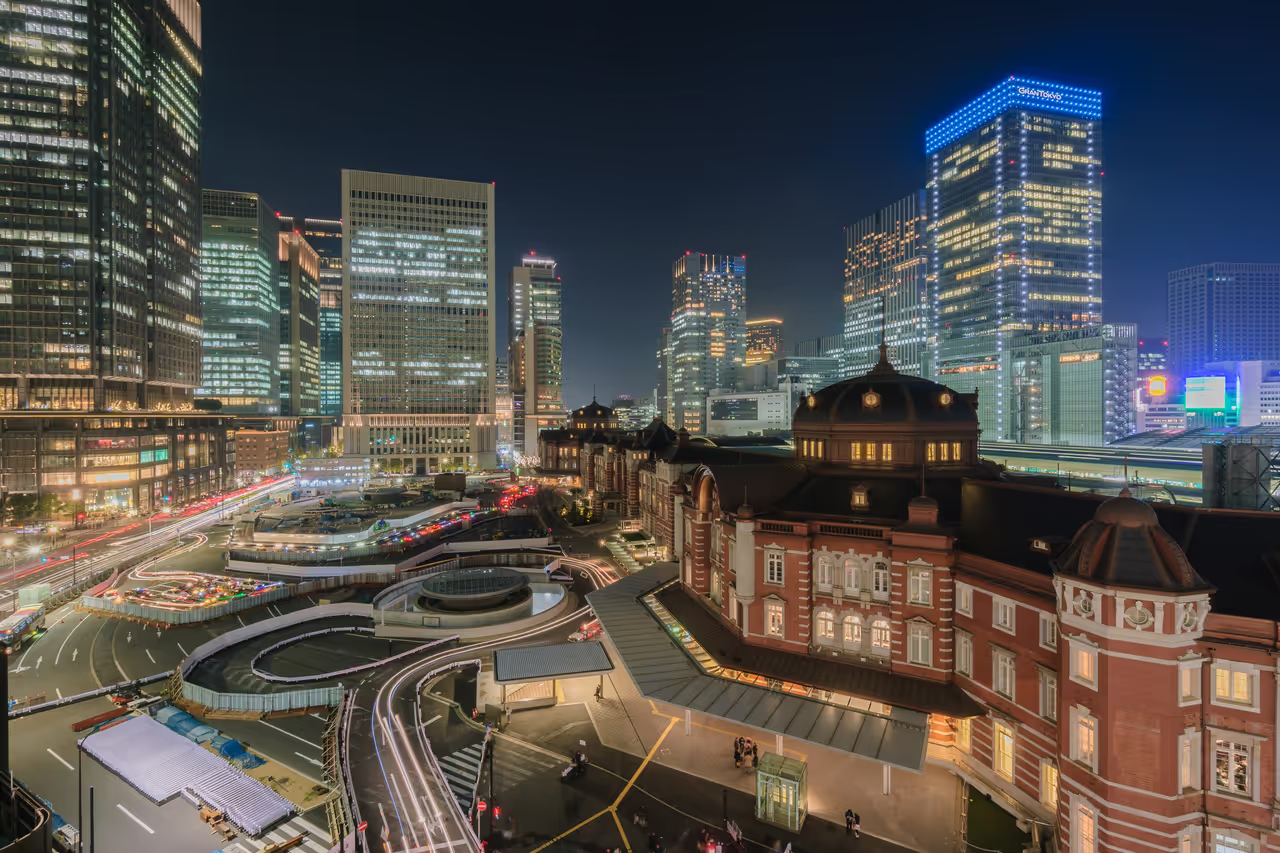
1345mTokyo Station
An elegant red brick railway hub that provides a stunning contrast to the surrounding sleek glass skyscrapers. Originally completed in the early twentieth century it has been meticulously restored to its pre war grandeur including its magnificent domed roofs. The sprawling complex operates as the central nervous system of the national rail network handling thousands of bullet trains. The interior domes feature beautifully ornate reliefs providing a touch of classic European elegance to the rapid transit environment. It stands as a proud monument to the rapid modernisation of the Meiji era.
architecture view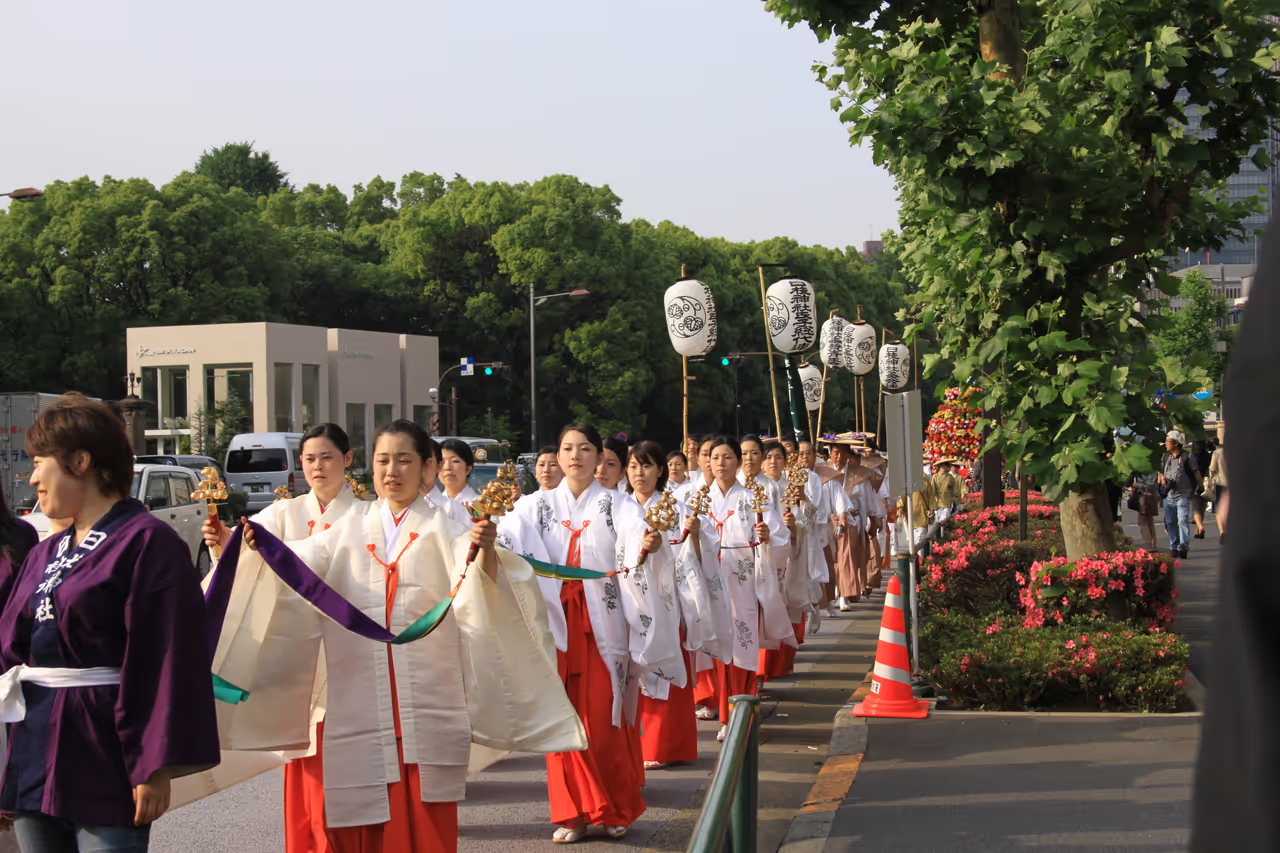 1397m
1397mSanno Matsuri
A prestigious historical festival held in even numbered years intimately connected to the Tokugawa Shogunate. The event centres around Hie Shrine and includes a deeply traditional parade featuring priests, musicians, and participants in historical costumes. The peaceful and highly orchestrated procession travels through the political and business centres of the city. It offers a quieter and more refined spectacle compared to the boisterous energy of other summer festivals. Visitors can admire the intricate craftsmanship of the floats and the beautiful period garments.
festival view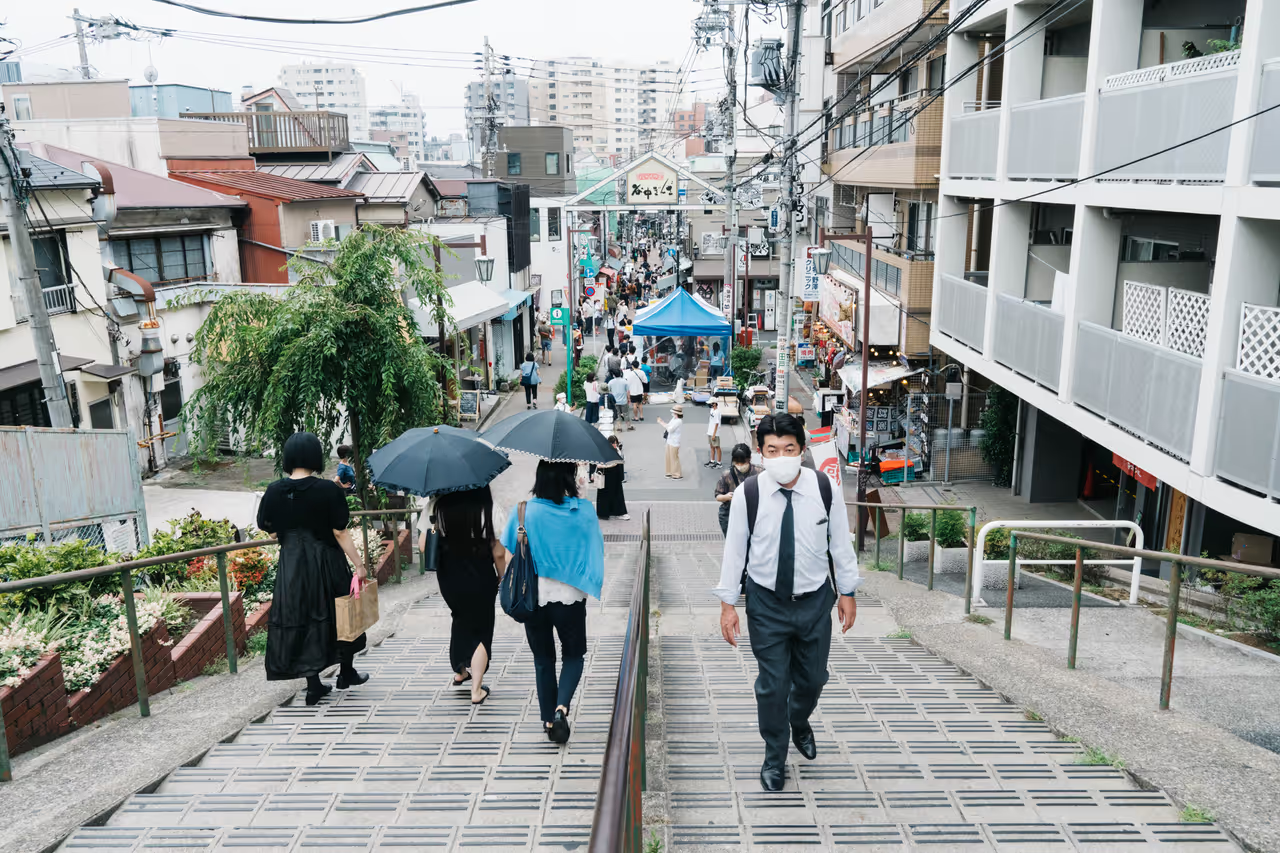 1442m
1442mYanaka Ginza
A wonderfully nostalgic market street that perfectly preserves the working class atmosphere of mid twentieth century Tokyo. The narrow pedestrian lane is bordered by independent butchers, traditional sweet shops, and tiny stores selling handmade crafts. The scent of frying croquettes and roasting tea leaves fills the air creating an incredibly welcoming environment. Feral cats are known to lounge on the awnings adding to the relaxed suburban charm. It provides a highly authentic escape from the intense commercialism of the central districts.
hidden gem view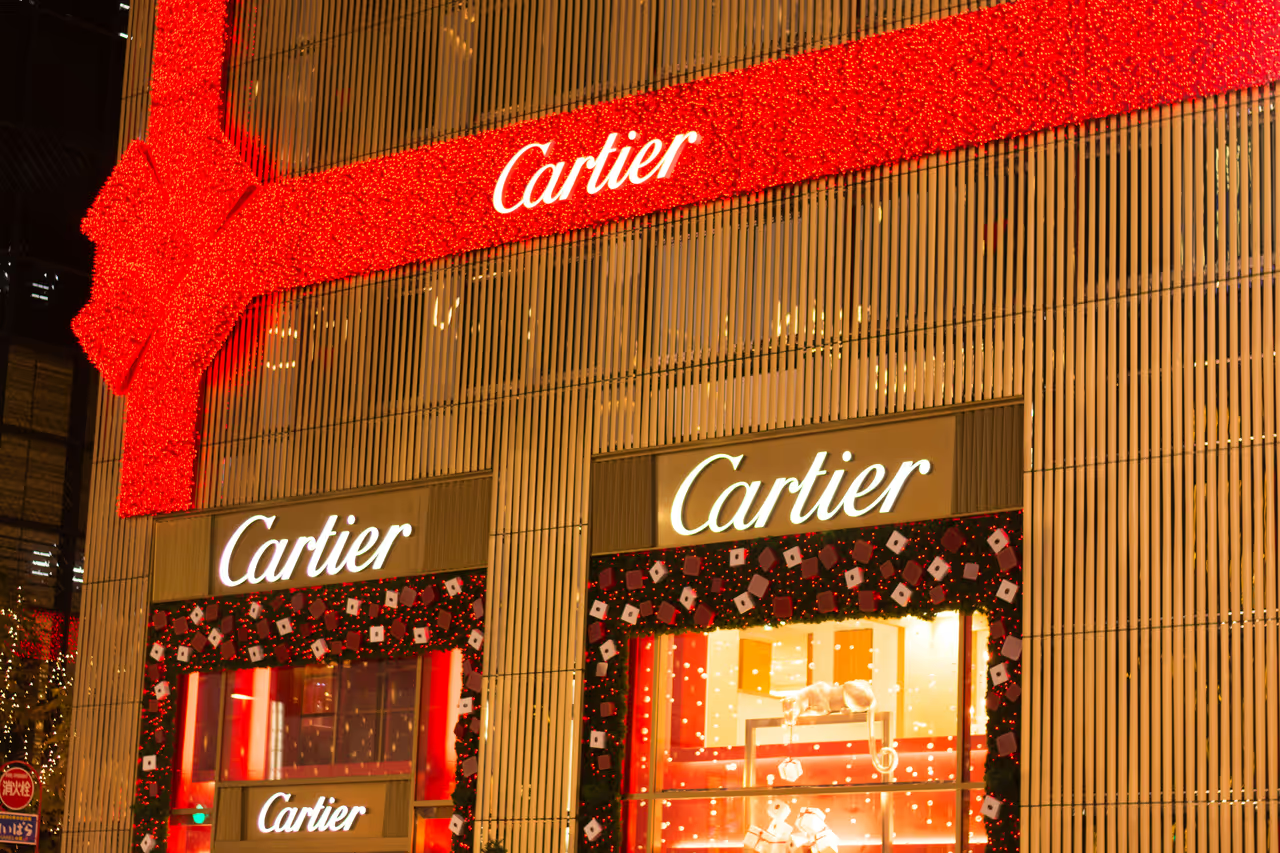 1722m
1722mGinza Shopping District
The premier luxury shopping destination featuring pristine wide boulevards and striking contemporary architecture. Massive department stores house elite fashion brands, high end cosmetics, and extraordinary basement food halls. On weekends the main thoroughfare is closed to vehicles transforming the area into an elegant pedestrian promenade. The district holds a rich history having been the site of the original silver coin mint during the Edo period. It is the perfect location for upscale dining and admiring sophisticated window displays.
highlight view
Explore Similar Places in This Collection
Featured on These Itineraries and Routes
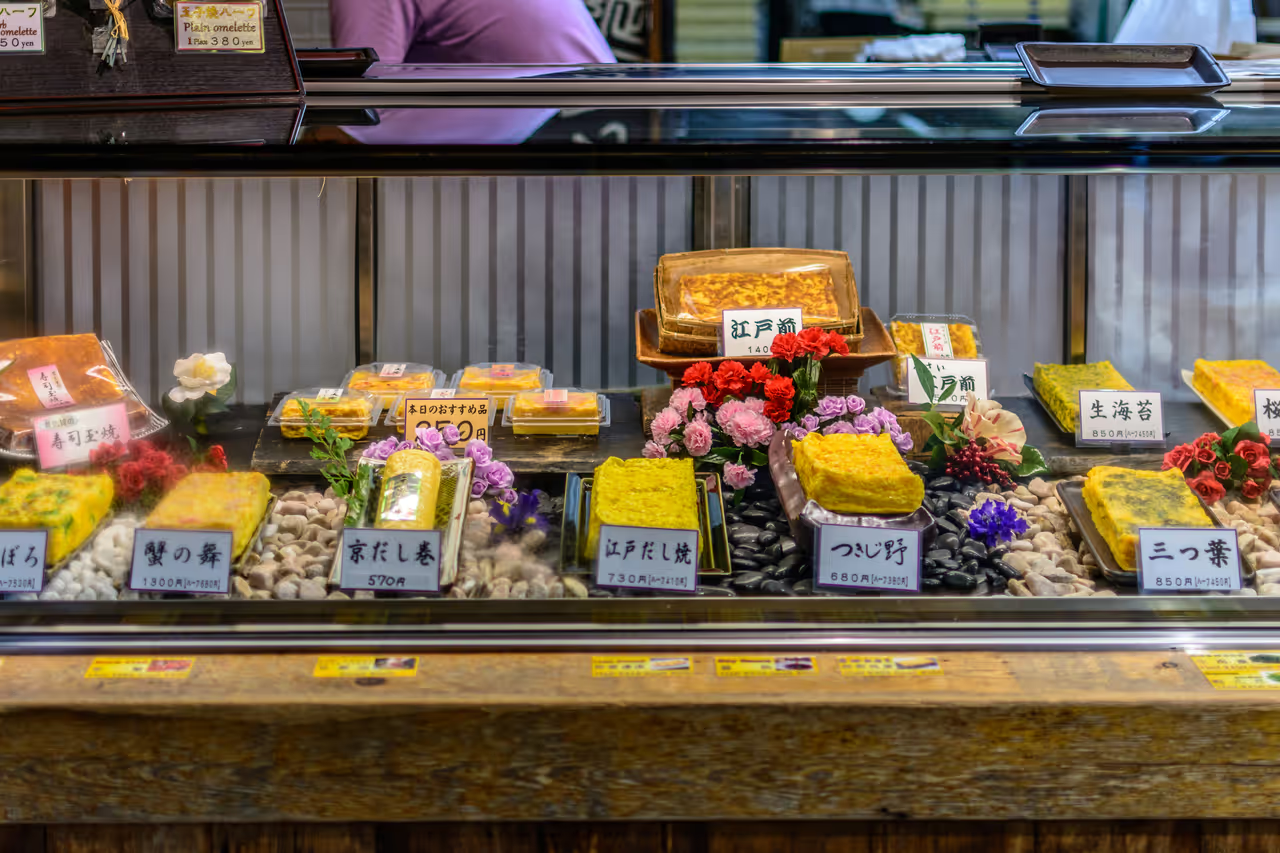
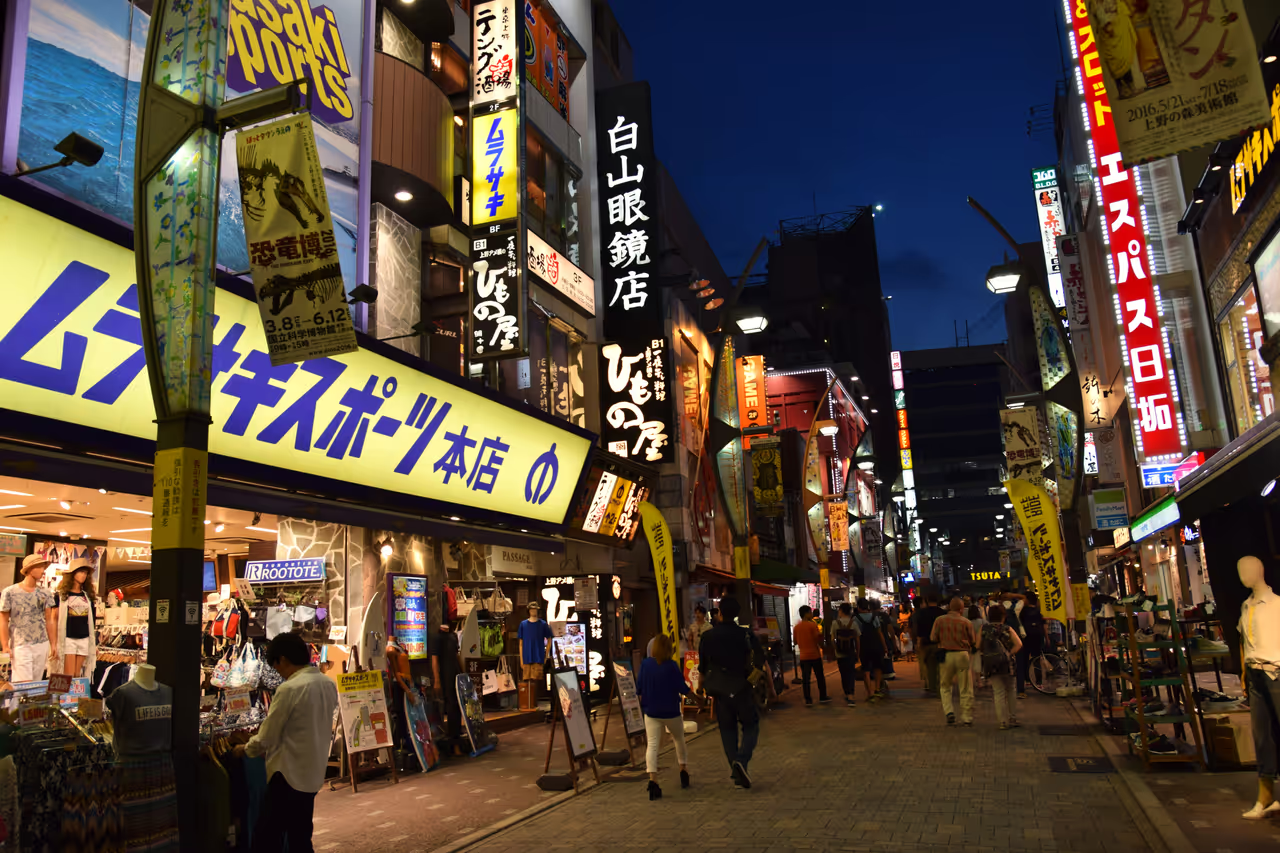
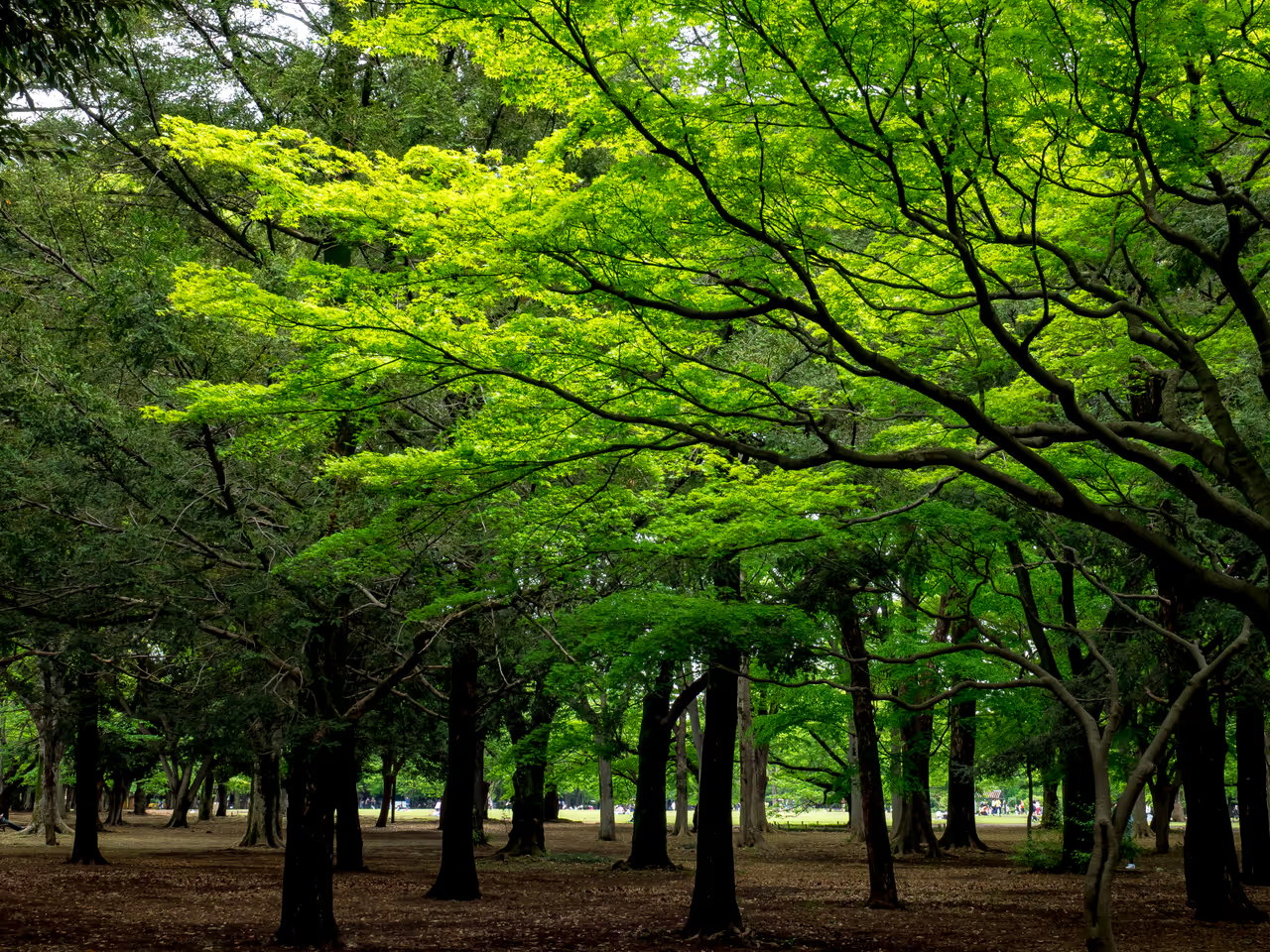
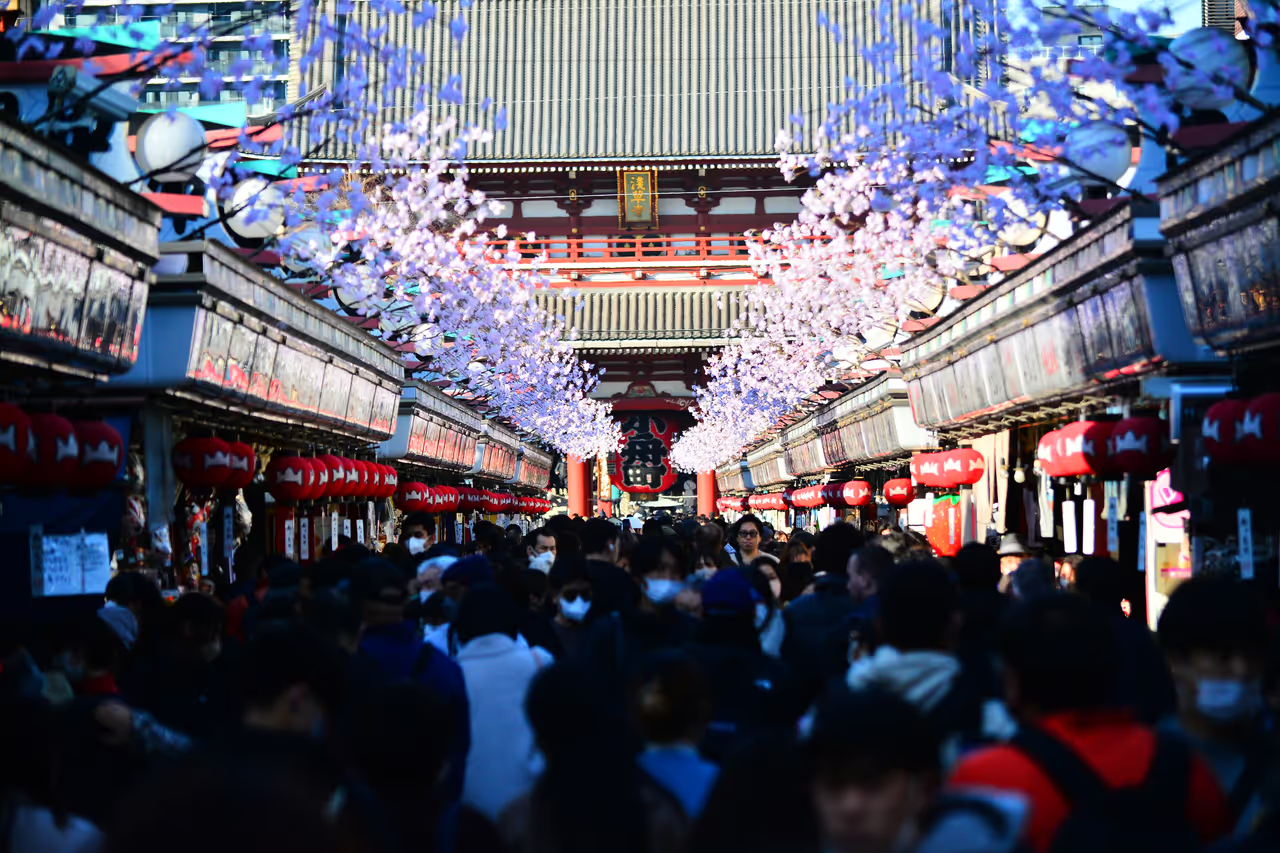
3 Days in Tokyo Itinerary
A well balanced exploration dedicating appropriate time to the diverse distinct neighbourhoods that compose the urban fabric. The journey systematically covers the eastern historical districts, the prestigious imperial centre, and the vibrant youth driven west. It allows for a more relaxed pace providing ample opportunities to enjoy extensive culinary breaks and local shopping. The progression naturally highlights the incredible evolution from Edo period traditions to modern pop culture. This is the optimal introductory experience for a standard city break.
view itinerary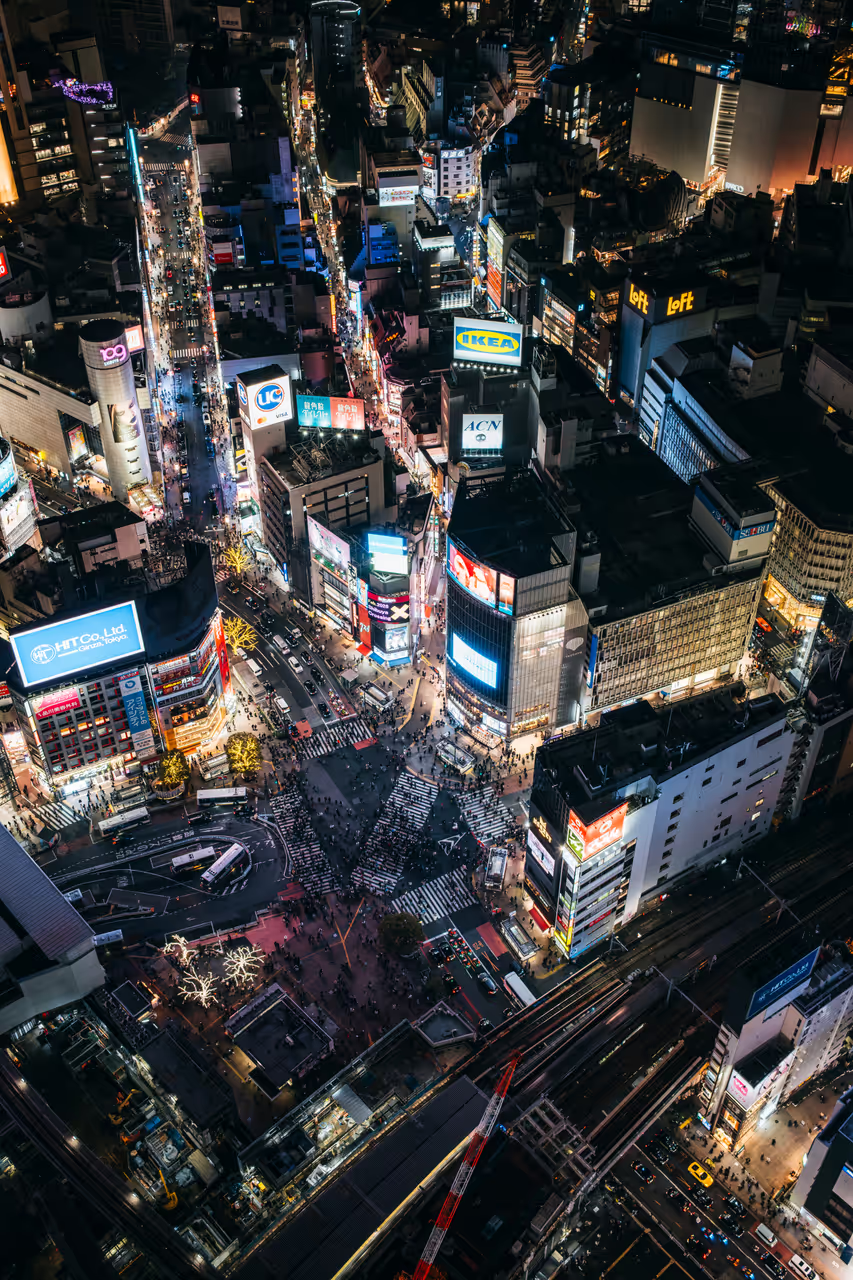
5 Days in Tokyo: Comprehensive Itinerary
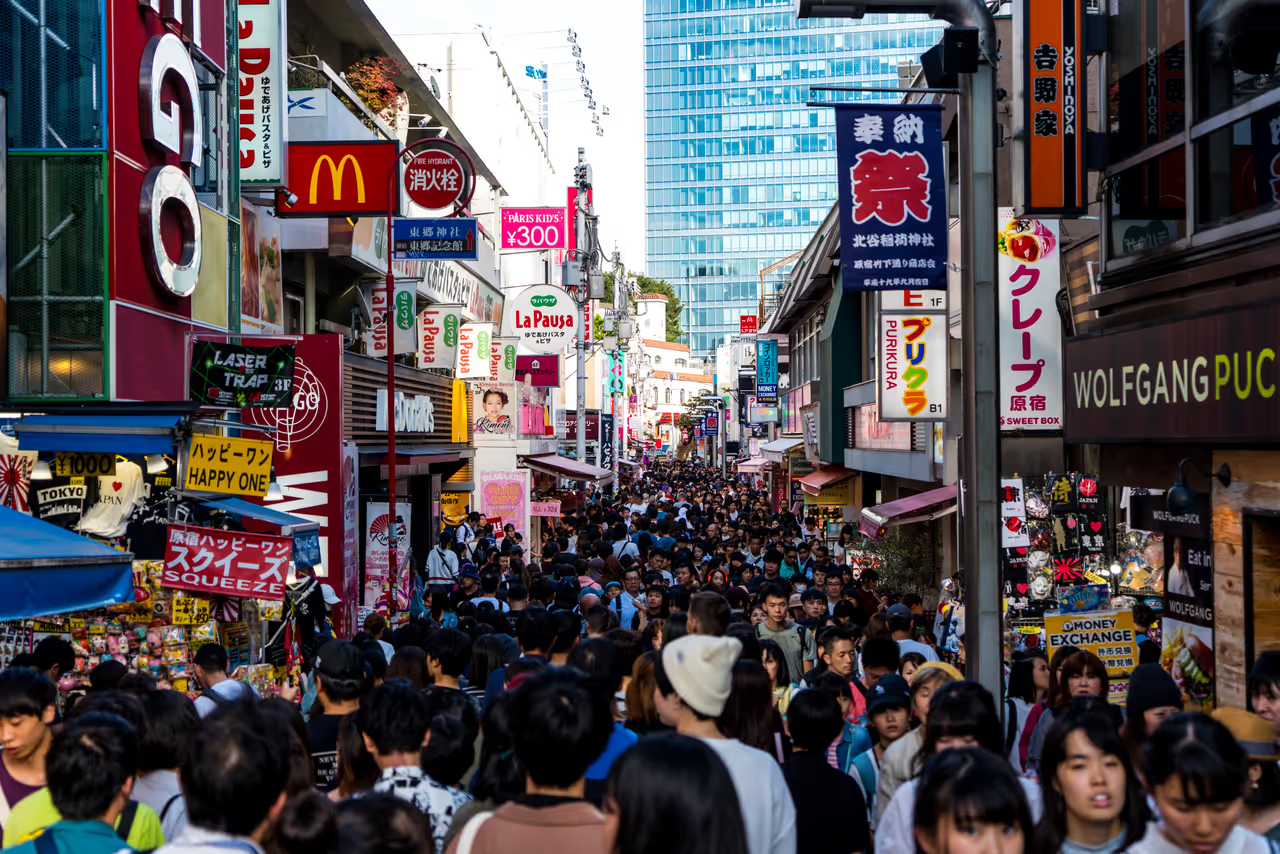
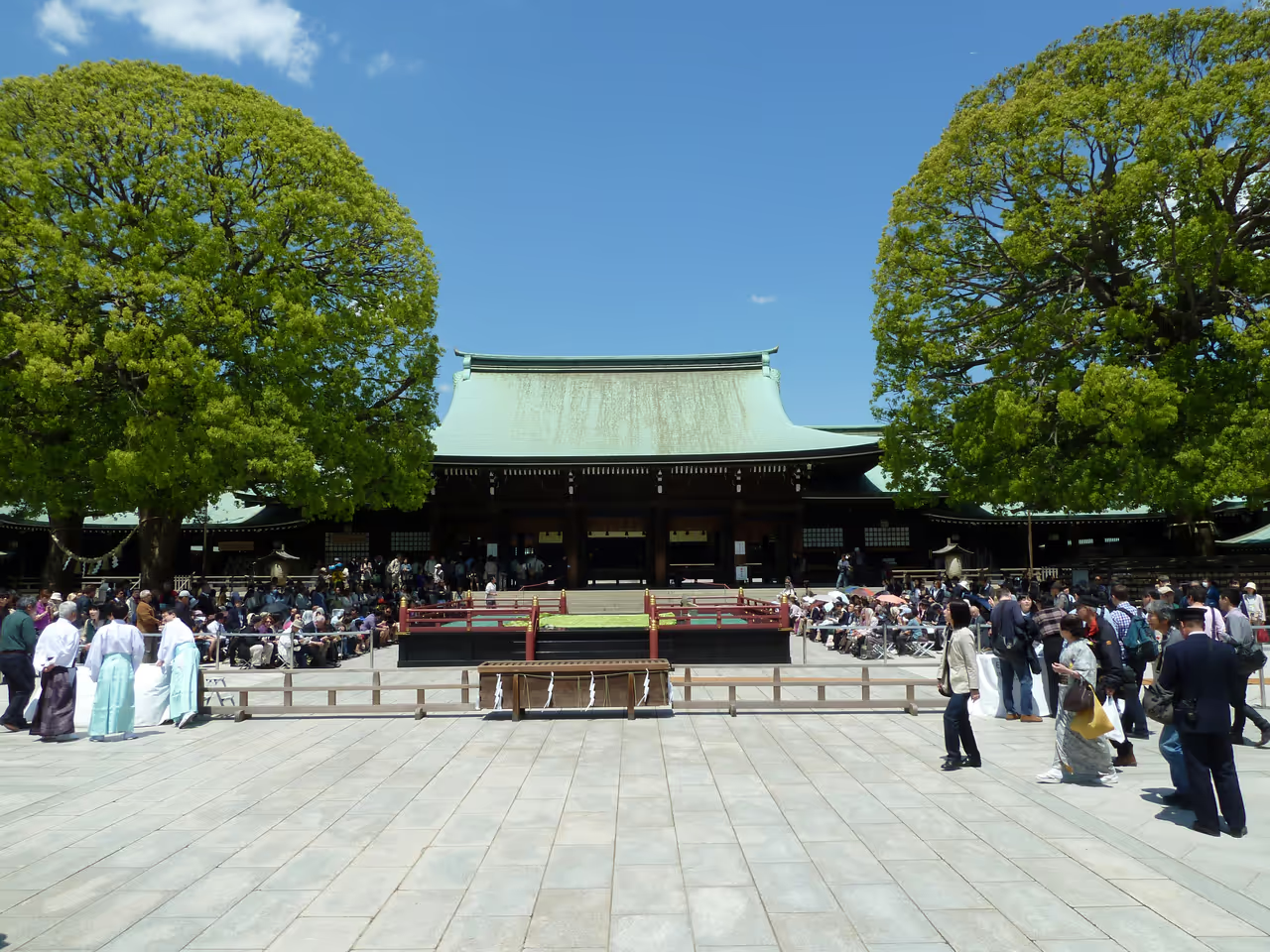
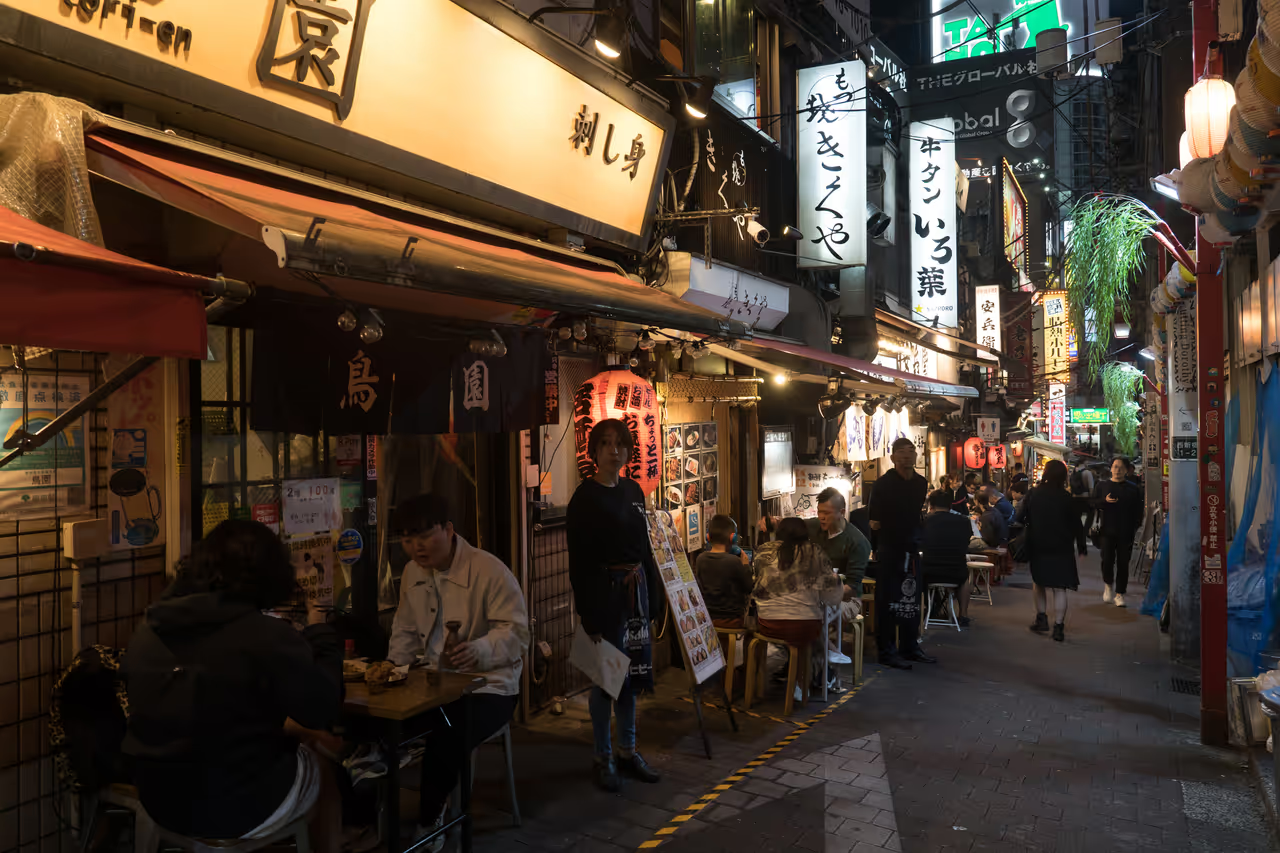
An extensive and highly immersive itinerary designed to uncover both the famous monumental sights and the hidden cultural gems. The expanded timeframe permits deep dives into digital art, upscale architecture, and intense nightlife districts. It removes the stress of rushing allowing travellers to truly absorb the nuanced vibe of areas like Harajuku and Roppongi. The route successfully navigates the complex culinary landscape offering everything from street food to refined dining. This provides a deeply satisfying and complete portrait of the capital.
view itinerary
Imperial Palace Loop
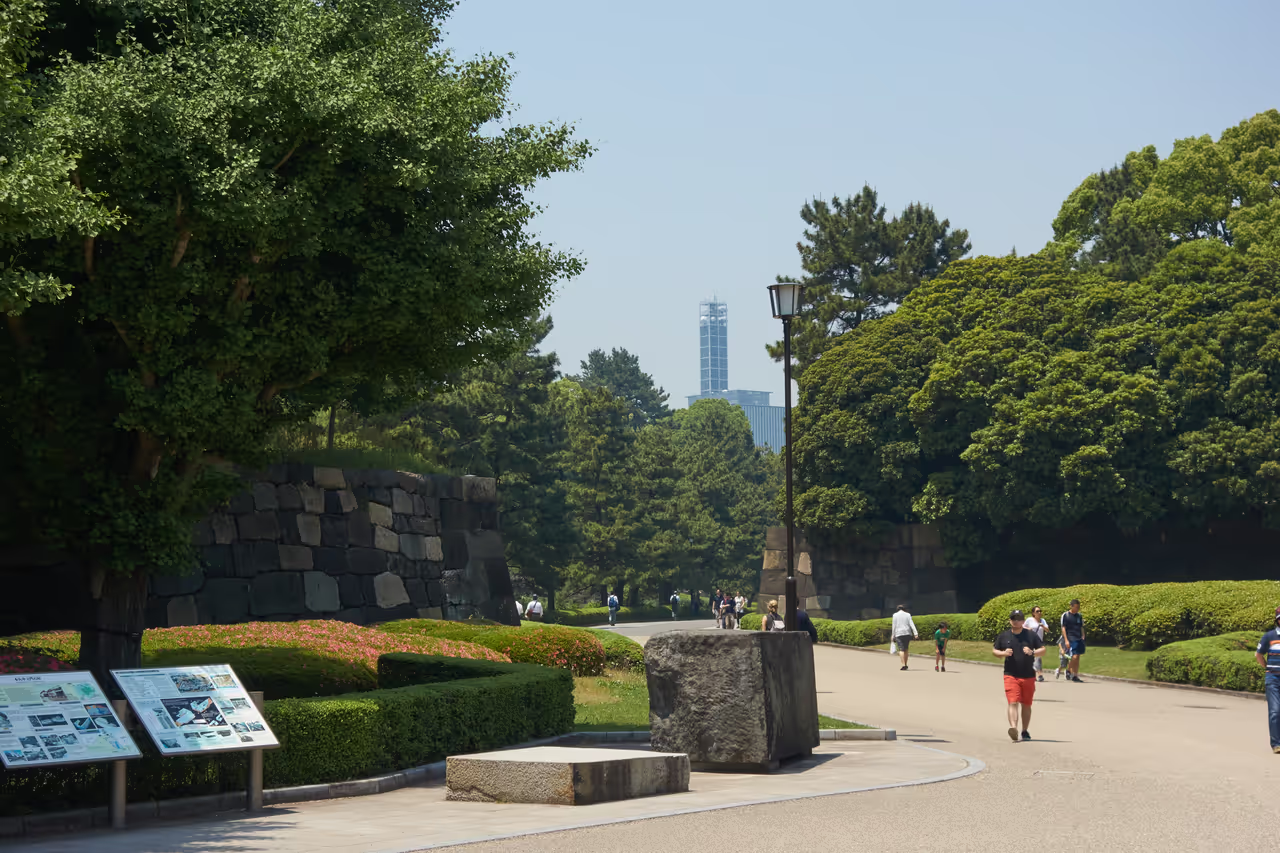
A classic and highly popular route that circles the majestic grounds of the historical centre. The wide pathways offer excellent views of the surrounding moat, ancient stone walls, and elegant guardhouses. The location provides a magnificent perspective on the contrast between historical architecture and the modern skyscrapers of the financial district. On Sundays a large section of the road is closed to automotive traffic transforming it into a cyclist paradise. It presents a gentle and highly rewarding journey through the heart of the metropolis.
view cycling route
See all attractions in Tokyo
Meiji Jingu, Senso-ji Temple, Shibuya Scramble Crossing, Tokyo Skytree, Tokyo Tower, Edo-Tokyo Museum...