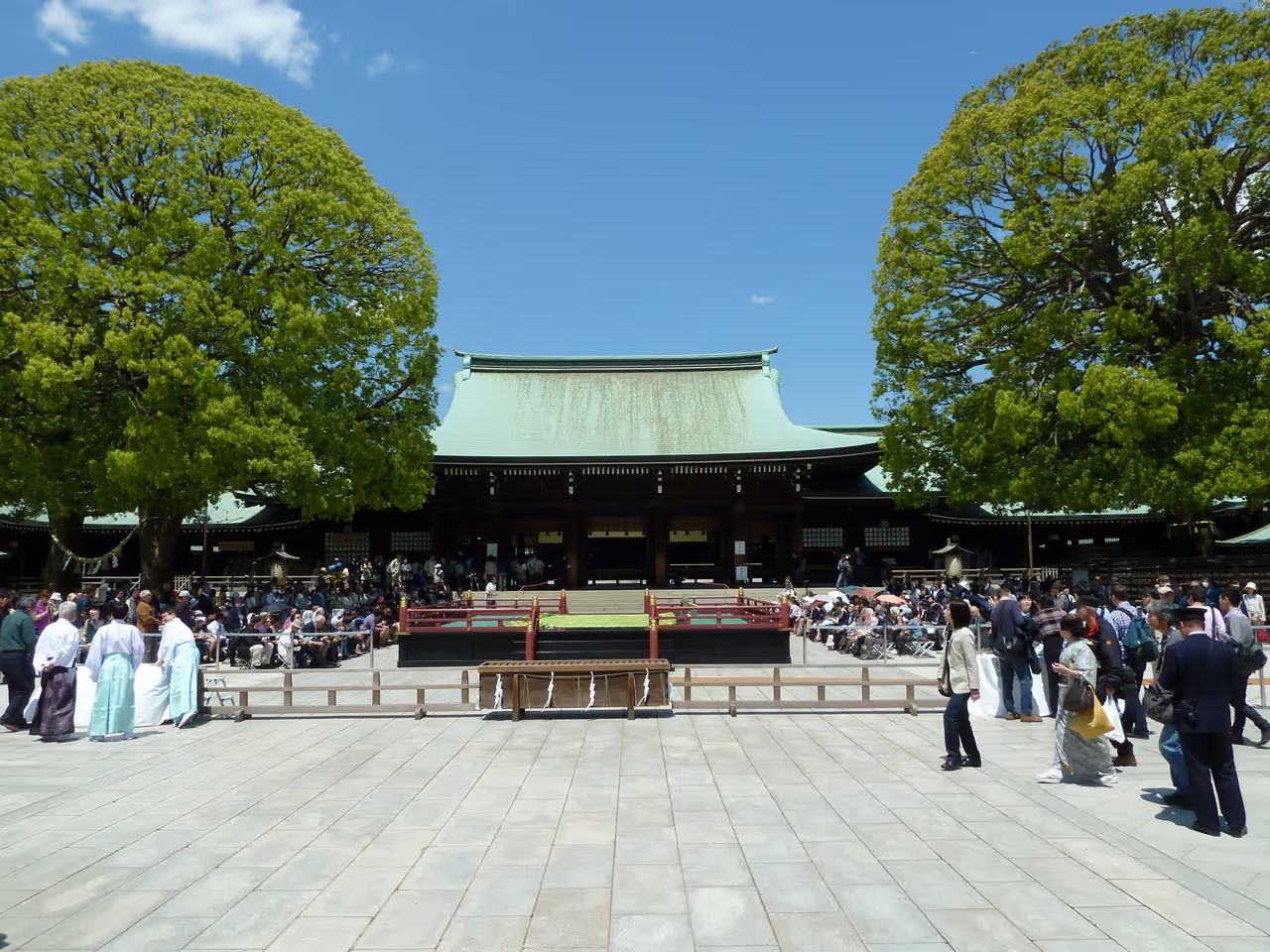
Meiji Jingu
Nestled within a vast, serene forest in the heart of Tokyo, Meiji Jingu offers a profound escape from the urban energy surrounding it. Dedicated to Emperor Meiji and Empress Shoken, this Shinto shrine stands as a testament to the nation's reverence for its historical figures. Visitors can stroll along wide, gravel paths shaded by over 100,000 trees donated by people from across Japan, creating a cathedral of nature that feels worlds away from the city. The architectural elegance of the wooden shrine buildings, combined with the tranquil atmosphere, invites moments of reflection and peace. Whether you are exploring the traditional architecture, enjoying the seasonal beauty of the Inner Garden, or witnessing a traditional wedding procession, a visit here leaves a lasting impression of Japan's spiritual heritage.
Videos
History of Meiji Jingu
The birth of Meiji Jingu was not merely a construction project, but a monumental collective expression of national mourning and devotion. When Emperor Meiji passed away in 1912, the nation sought a way to honour the leader who had overseen Japan's rapid modernisation. While other nations might have built statues or mausoleums, Japan chose to craft a sacred space. A vast, neglected plot of land in Yoyogi, once an imperial hunting ground, was selected. The project was unprecedented; over 100,000 trees were donated from every corner of the country, turning a barren field into a lush, evergreen forest that would become the spiritual lungs of Tokyo. It was a massive civic effort, with youth groups and volunteers contributing their labour to manifest this vision of a perpetual, self-sustaining woodland. The site’s resilience was tested in the most brutal fashion during the final months of the Second World War. In 1945, relentless air raids over Tokyo left the heart of the shrine in ashes. The wooden structures, which had stood as symbols of national identity for a quarter of a century, were consumed by fire. Yet, even in the immediate aftermath, there was a resolute determination to bring the shrine back. Before the smoke had even cleared, the spirit of the people remained unbroken. They did not just rebuild the structures; they sought to revive the hope and unity the site represented, launching a fundraising campaign that resonated with people across Japan and the world. The restored shrine, completed in 1958, emerged with a slight shift in its character, a move toward openness. Architects consciously redesigned the layout, removing the exclusionary middle gate to shorten the distance between the deity and the public, reflecting a post-war Japan that was becoming more egalitarian. Today, Meiji Jingu remains a living sanctuary. It is a place where history is not confined to the pages of books but is felt in the crunch of gravel underfoot and the towering shade of the ancient trees. It stands as a profound reminder of how a community can come together to transform a void into a place of lasting peace, creating a legacy that continues to inspire visitors decades later.
Events spanning 108 years
Fun Facts
- • A wall of sake barrels near the entrance represents the deep cultural connection between sake brewing and Shinto rituals across the country.
- • During the post-war reconstruction, the layout was adjusted to be more accessible, removing the inner gate to bring the shrine closer to the public.
- • It is the most popular location in Japan for hatsumode, the first shrine visit of the New Year, attracting millions of worshippers annually.
- • Kiyomasa's Well in the Inner Garden is a popular destination, which gained immense fame as a spiritual power spot after being featured on national television.
- • Landscape architects designed the forest to transition into a permanent, self-sustaining evergreen woodland, a pioneering feat of ecological engineering that continues to thrive.
- • The massive torii gates are crafted from 1,500-year-old cypress trees sourced from Taiwan, symbolising the scale and ambition of the shrine's original construction.
- • The shrine complex was completely destroyed by incendiary bombs in 1945 but was faithfully rebuilt in 1958 with widespread public support.
- • The shrine's architecture uses a specific style called Nagare-zukuri, carefully selected by scholars to be both traditional and representative of the Japanese spirit.
- • The title Jingu is reserved for the highest ranking Shinto shrines, specifically those with deep, formal ties to the Imperial family.
- • The vast forest surrounding the shrine was entirely man-made, created by planting 100,000 trees donated from all over Japan.
- • Unlike many other shrines, Meiji Jingu does not offer standard fortune slips; instead, visitors receive Omikuji in the form of O-mikokoro, which are poems written by the Emperor and Empress.
Meiji Jingu FAQ
While we strive to keep this information accurate and up to date, we recommend verifying any details independently before making decisions based on them.
Meiji Jingu Map & Neighborhood Explorer
This interactive map is centered on Meiji Jingu. Zoom in and move the map around to automatically discover Wikipedia photos and summaries of other nearby sights, monuments, and historical points of interest and stories in real-time!
Places near Meiji Jingu
Make the most of your trip. Check out these top-rated spots located nearby.
 505m
505mYoyogi Park
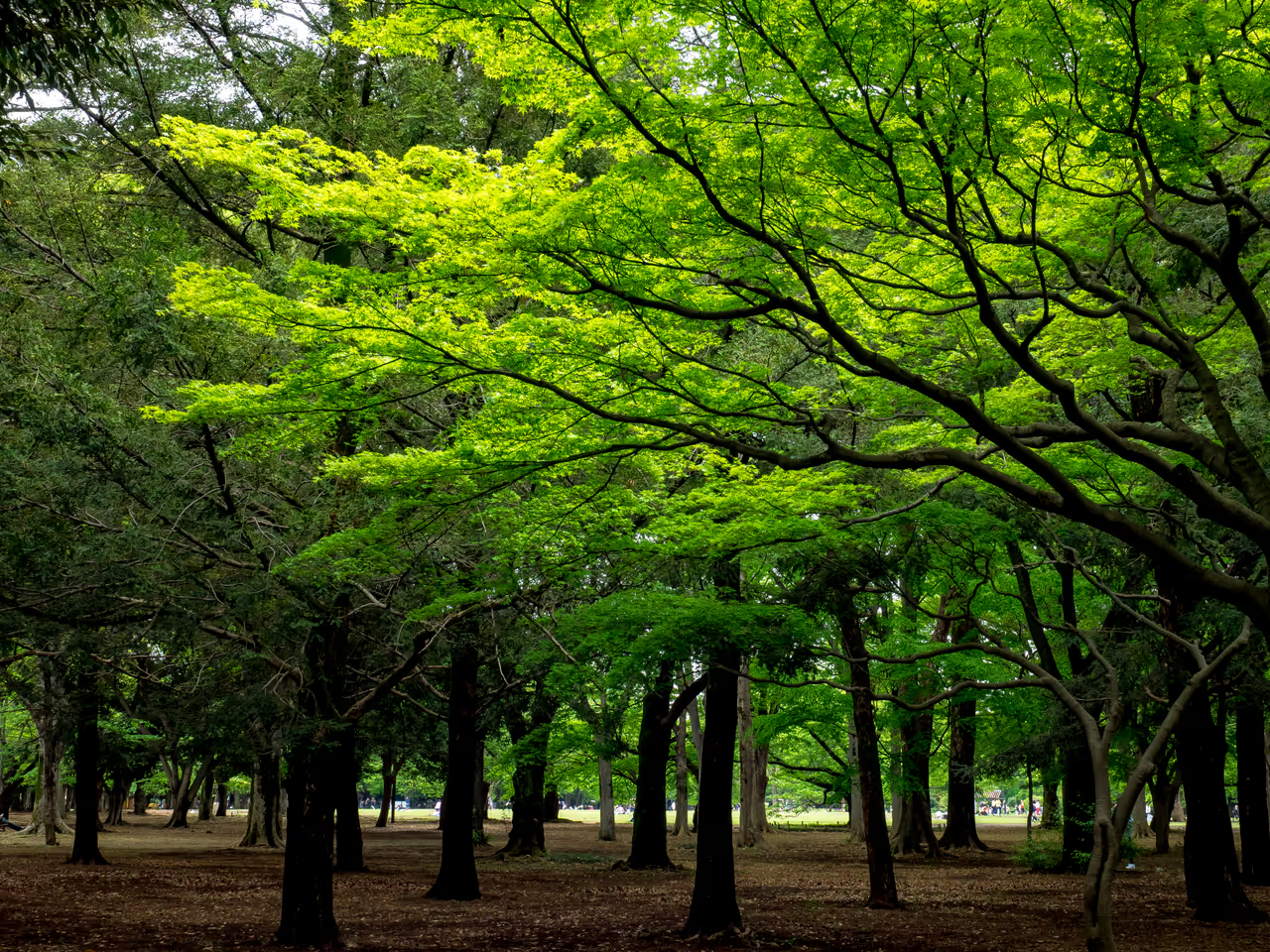
Stretching across a massive green expanse in the heart of Shibuya, Yoyogi Park is Tokyo’s favourite outdoor playground and a sanctuary of relaxation. It offers a refreshing contrast to the bright lights of Harajuku, providing wide lawns, forested paths, and a sparkling central pond. You can join the locals for a picnic, watch talented street performers, or simply wander through the bird sanctuary to hear the rustle of leaves. Its history is just as fascinating, having transformed from a military ground to an Olympic Village before becoming the public gem it is today. Whether you are seeking a peaceful morning jog or a vibrant weekend festival, the park’s welcoming energy is contagious. It is a place where Tokyo truly lets its hair down, making every visit a memorable slice of local life.
park & nature view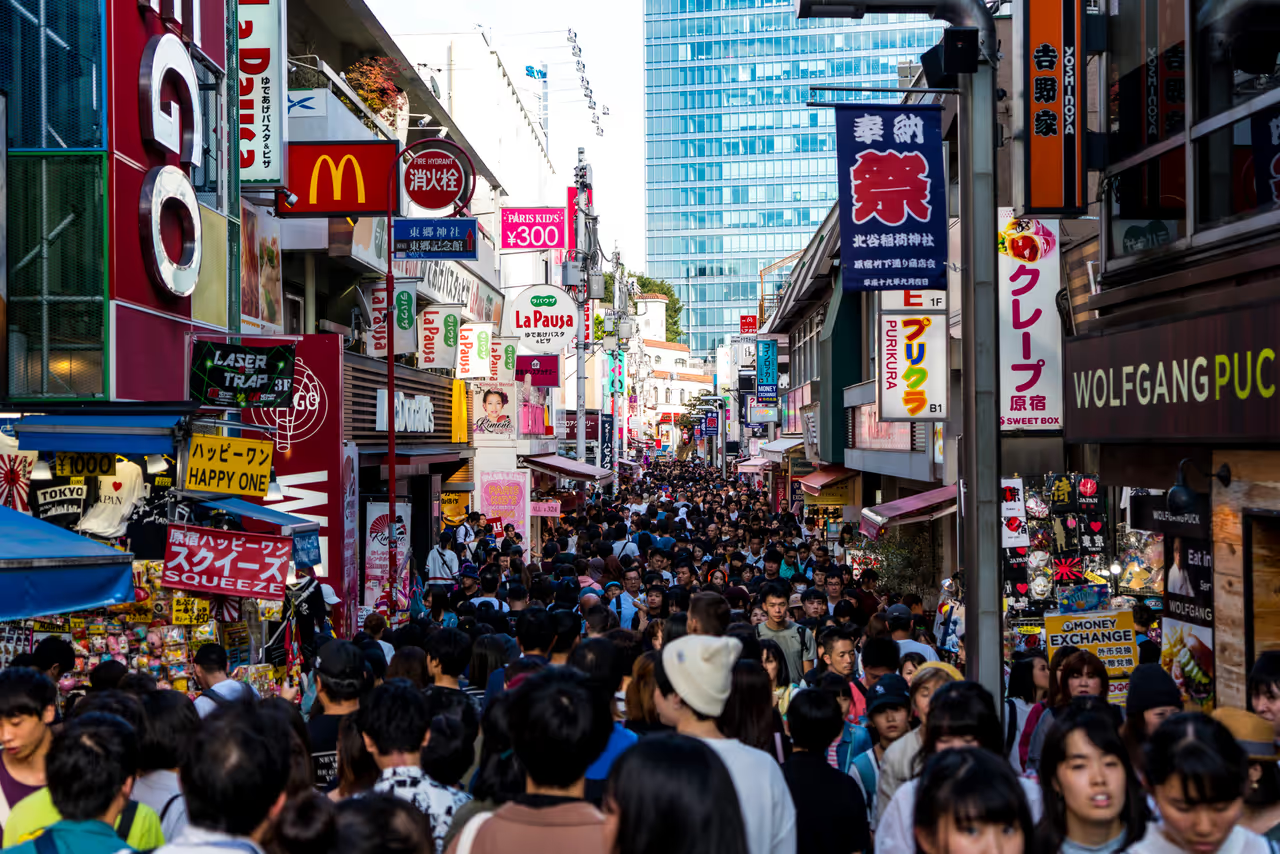 664m
664mTakeshita Street
A highly concentrated pedestrian street serving as the epicentre of eccentric youth fashion and sweet treats. The narrow pathway is typically packed shoulder to shoulder with teenagers hunting for the latest trends and quirky accessories. Colourful storefronts offer everything from elaborate cosplay outfits to massive rainbow coloured candy floss. The atmosphere is loud, bright, and incredibly cheerful capturing the extreme aesthetic of local pop culture. It is a fascinating sociological experience to observe the rapidly changing fashion statements.
highlight view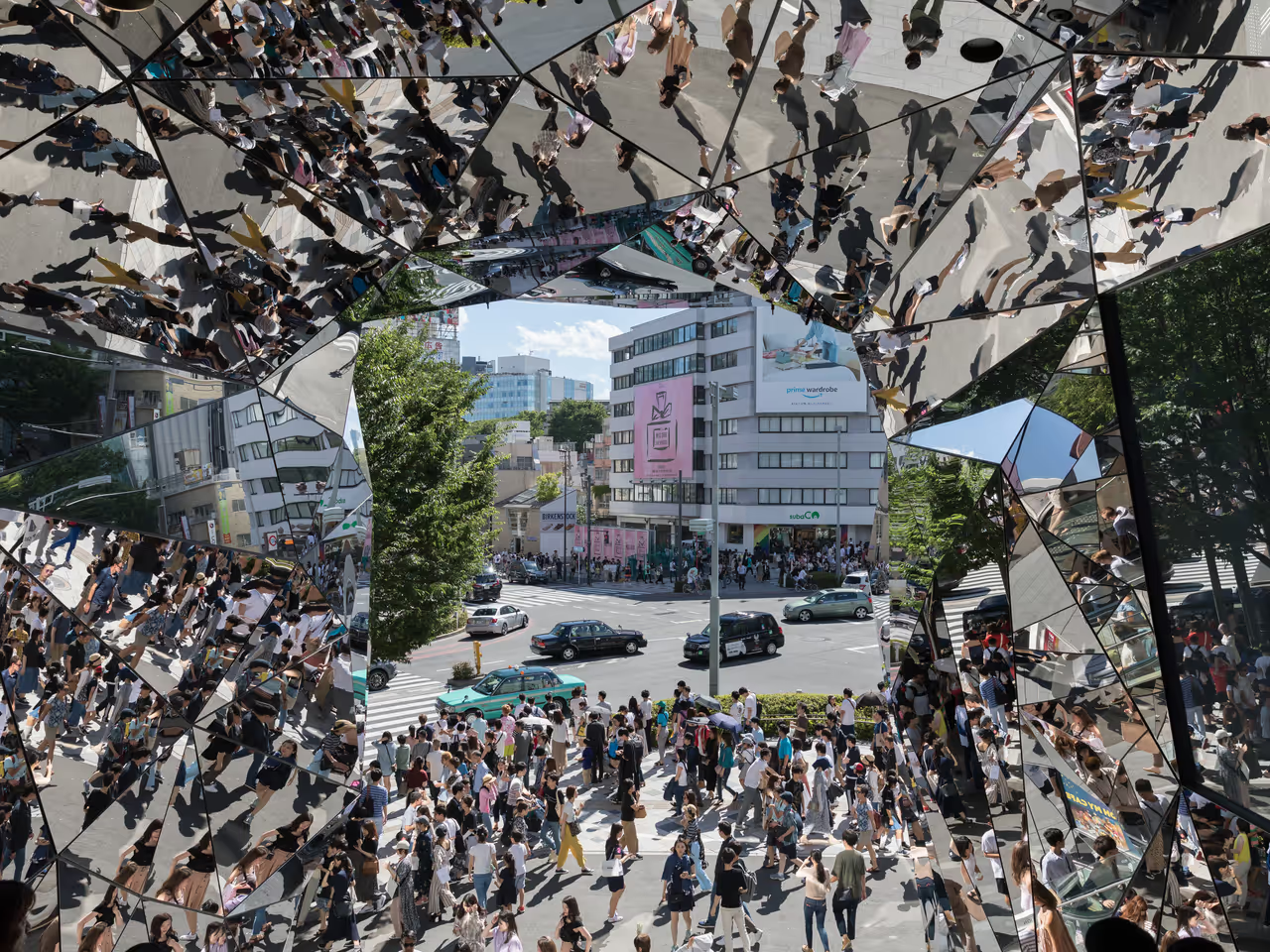 946m
946mTokyu Plaza Omotesando Harajuku Entrance
A brilliant architectural feature that has become highly viral for its unique optical properties. The entrance escalator is surrounded by a massive faceted mirror canopy creating a kaleidoscopic reflection of the busy crossing outside. Photographers angle their cameras upwards to capture the mesmerising fractured imagery of shoppers and street life. The fragmented glass distorts the colourful fashion of the neighbourhood into a striking avant garde mosaic. It is a fantastic celebration of modern structural design and urban fashion.
photo spot view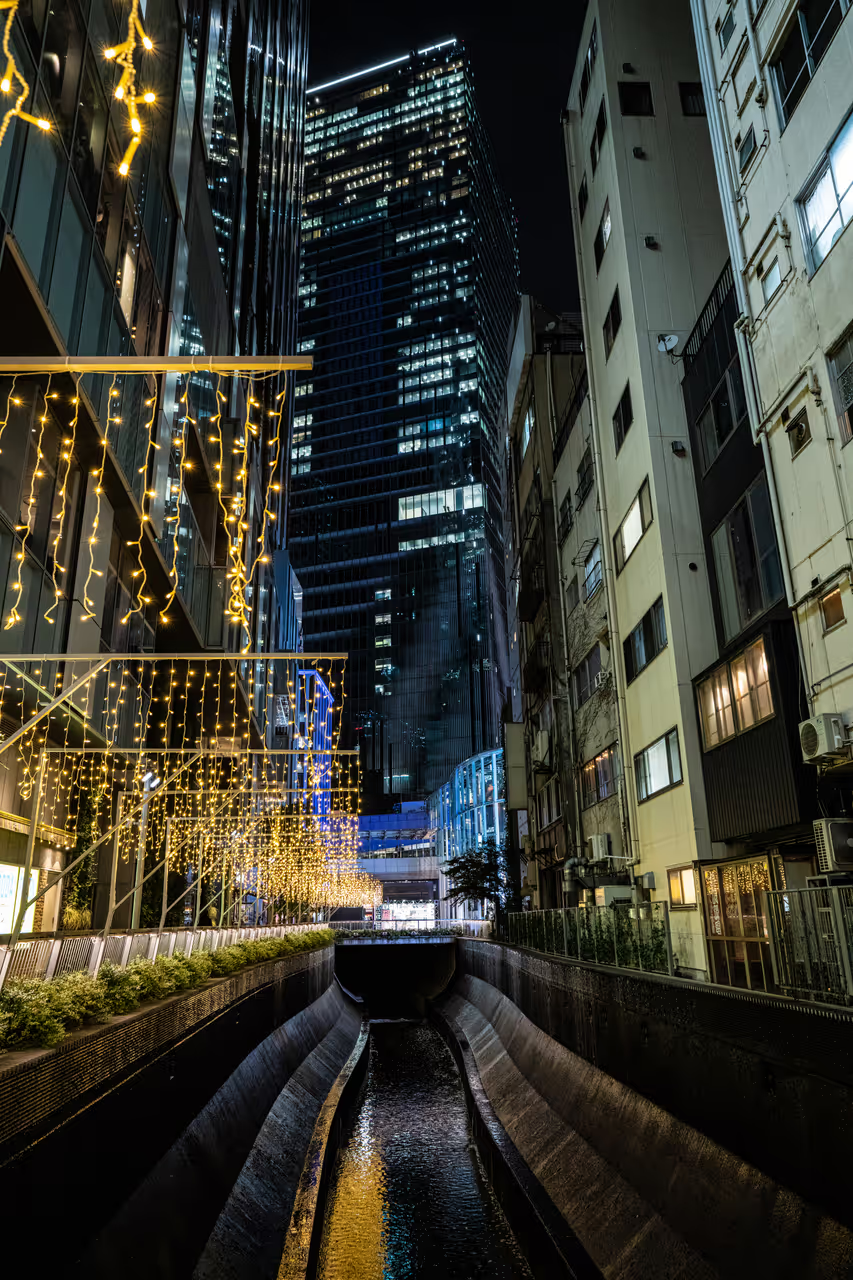 1324m
1324mShibuya Nightlife
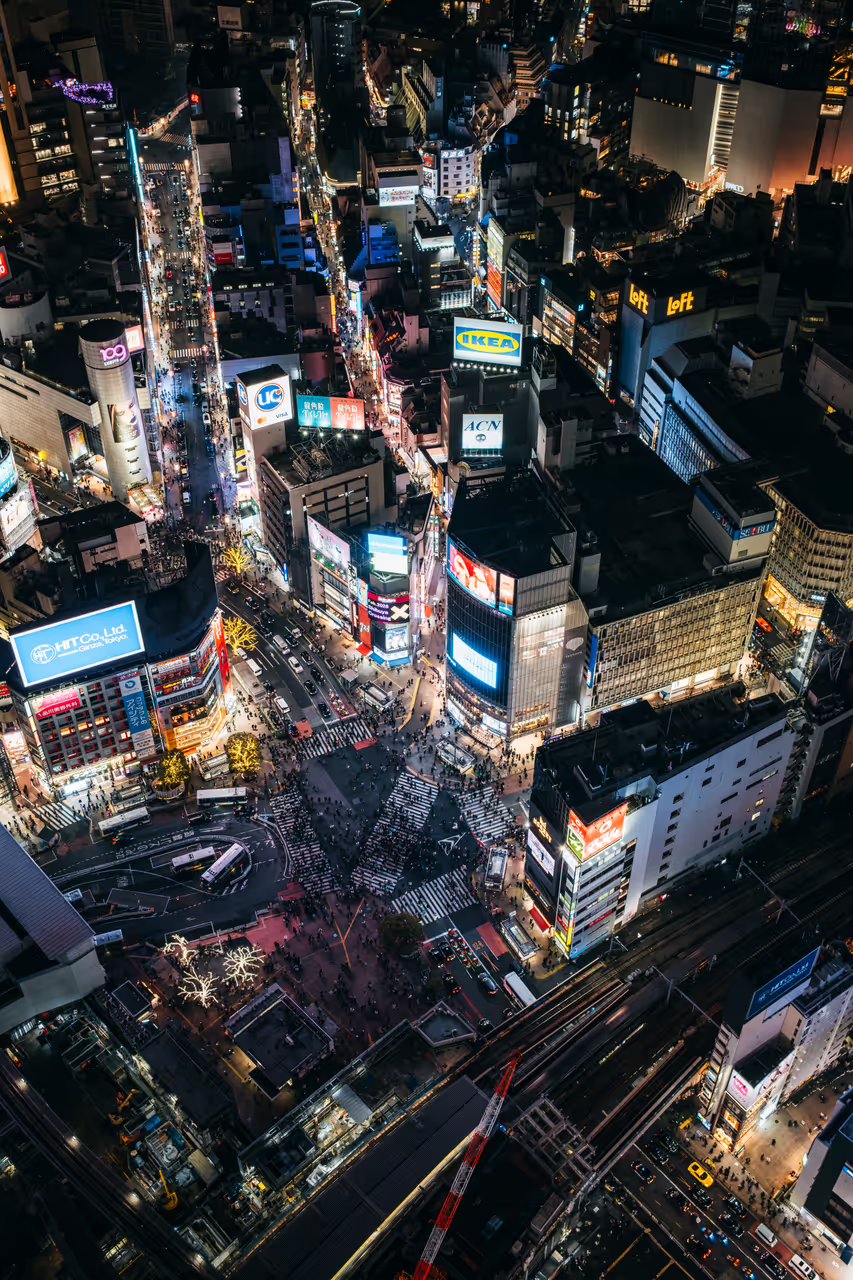
A magnet for youth culture and cutting edge trends that comes alive brilliantly at night. The iconic scramble crossing sets the stage for an evening of exploration through winding streets filled with izakayas and modern lounges. The area hosts some of the most prominent underground music venues and multi floor nightclubs in the country. It attracts a fashionable and energetic crowd ready to dance until the early morning hours. Casual drinking spots and late night shopping keep the district moving continuously.
nightlife view
Explore Similar Places in This Collection
Featured on These Itineraries
1 Day in Tokyo Itinerary
A highly efficient whirlwind tour capturing the absolute most iconic sights spanning both deep history and modern energy. This plan aggressively moves across the metropolis ensuring you witness the crucial landmarks that define the global image of the capital. The route relies heavily on the reliable transit system to cover significant distances rapidly. It provides a thrilling taste of the extreme contrasts that make the city so incredibly fascinating. Perfect for travellers on an extremely tight schedule wanting maximum visual impact.
view itinerary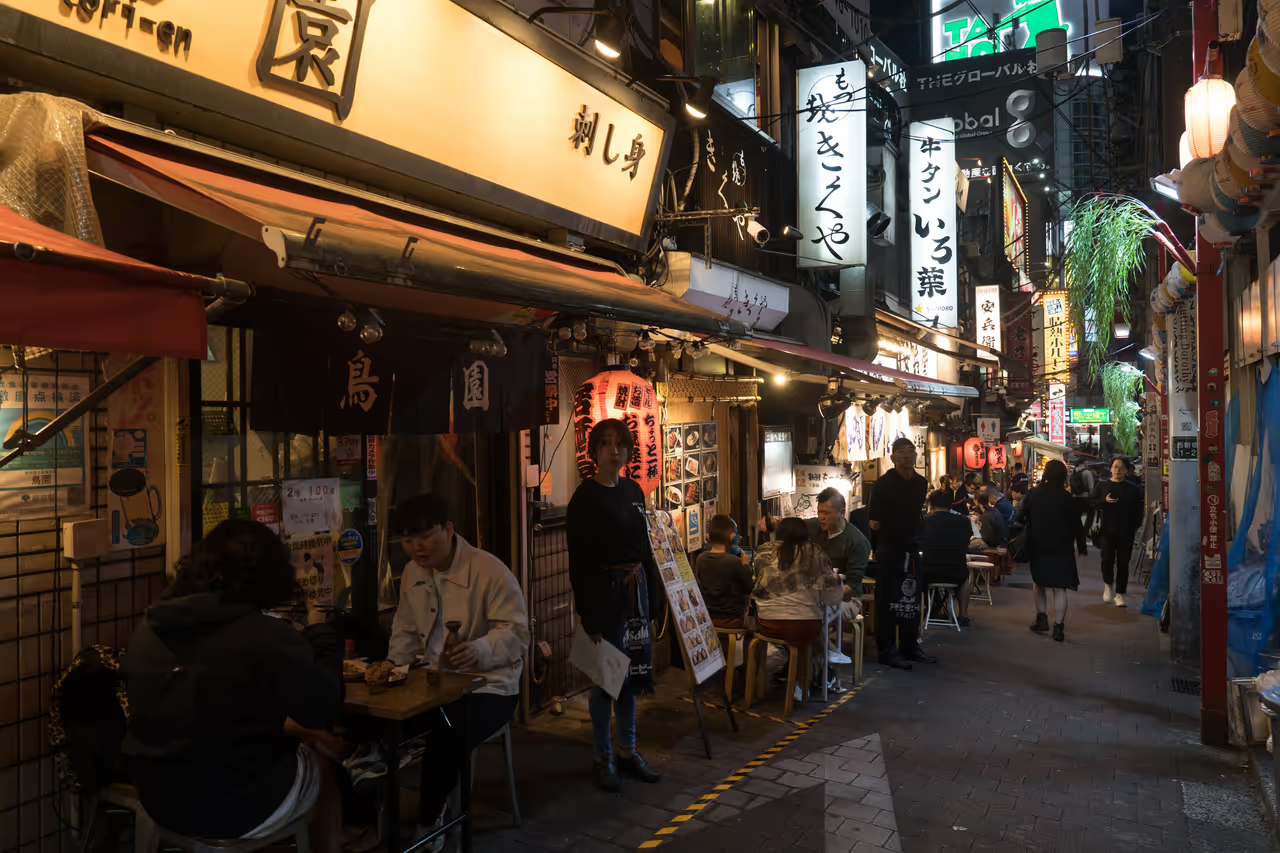
5 Days in Tokyo: Comprehensive Itinerary
An extensive and highly immersive itinerary designed to uncover both the famous monumental sights and the hidden cultural gems. The expanded timeframe permits deep dives into digital art, upscale architecture, and intense nightlife districts. It removes the stress of rushing allowing travellers to truly absorb the nuanced vibe of areas like Harajuku and Roppongi. The route successfully navigates the complex culinary landscape offering everything from street food to refined dining. This provides a deeply satisfying and complete portrait of the capital.
view itinerary
See all attractions in Tokyo
Imperial Palace, Senso-ji Temple, Shibuya Scramble Crossing, Tokyo Skytree, Tokyo Tower, Edo-Tokyo Museum...