Yoyogi Park
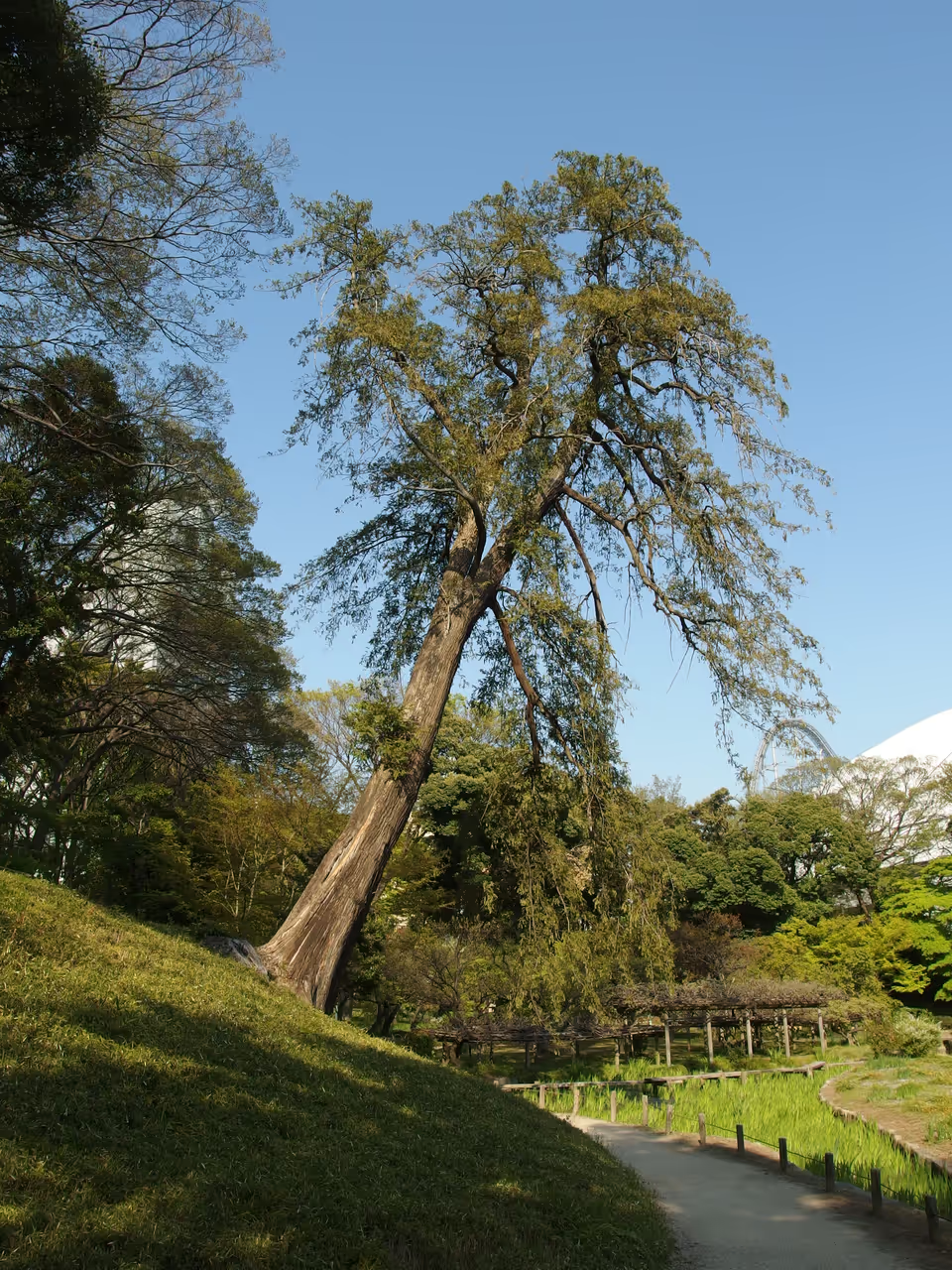
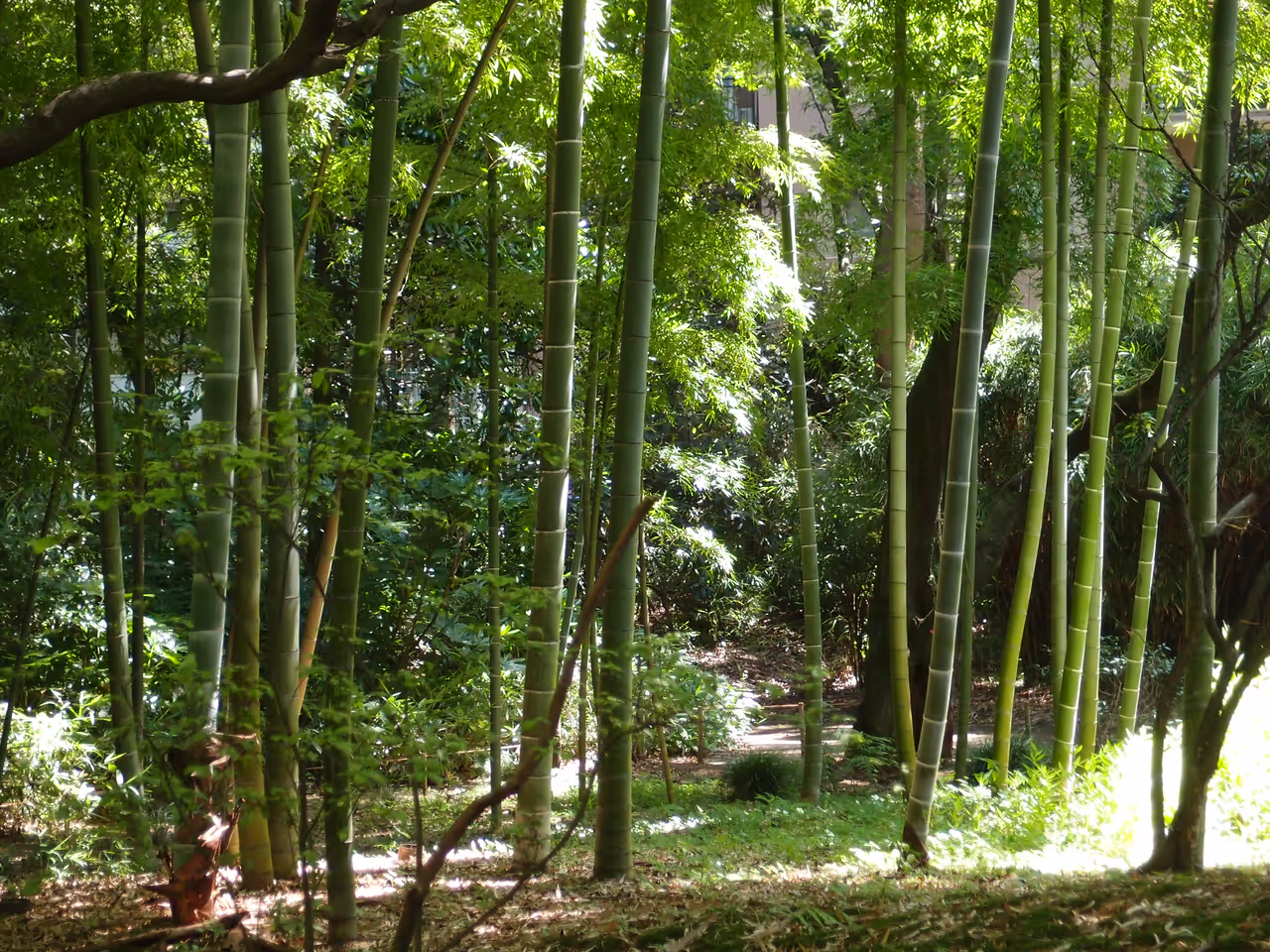
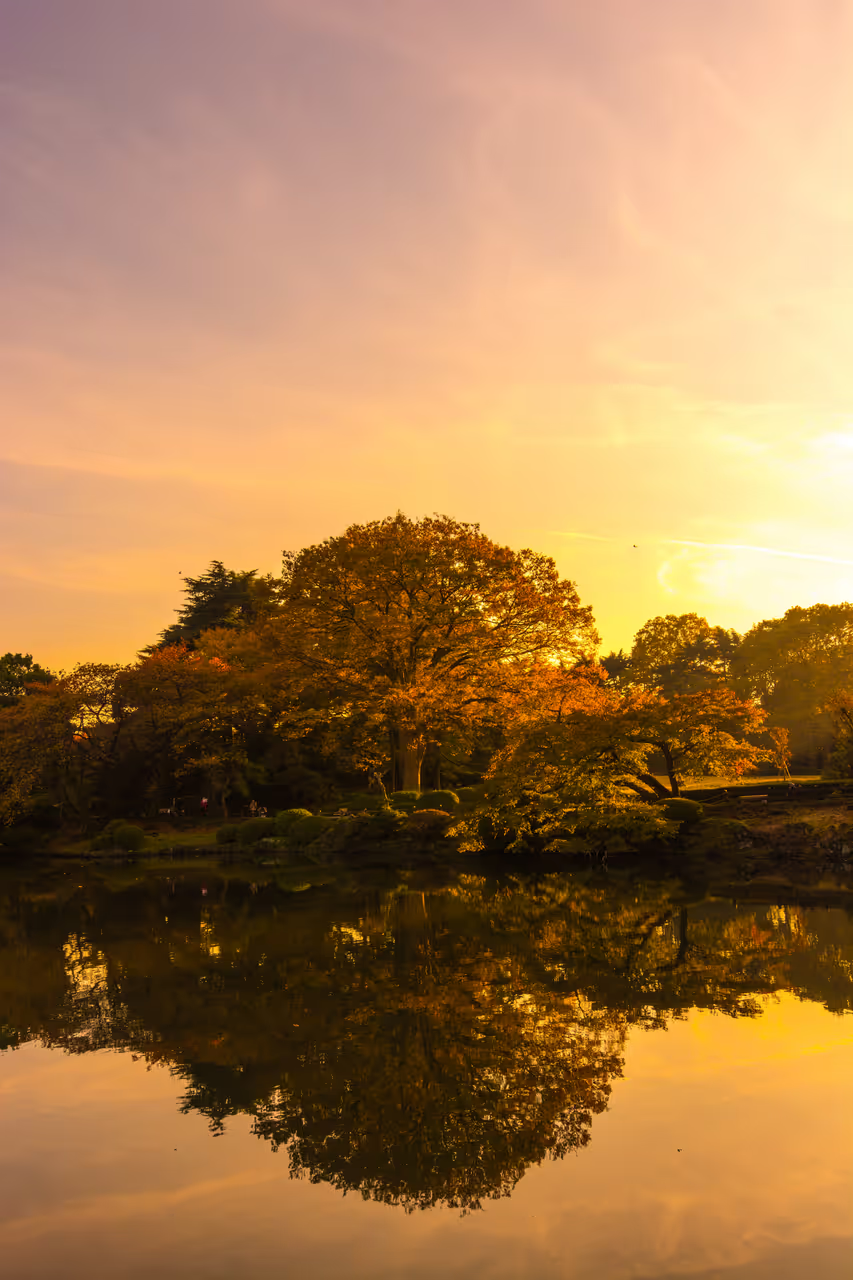
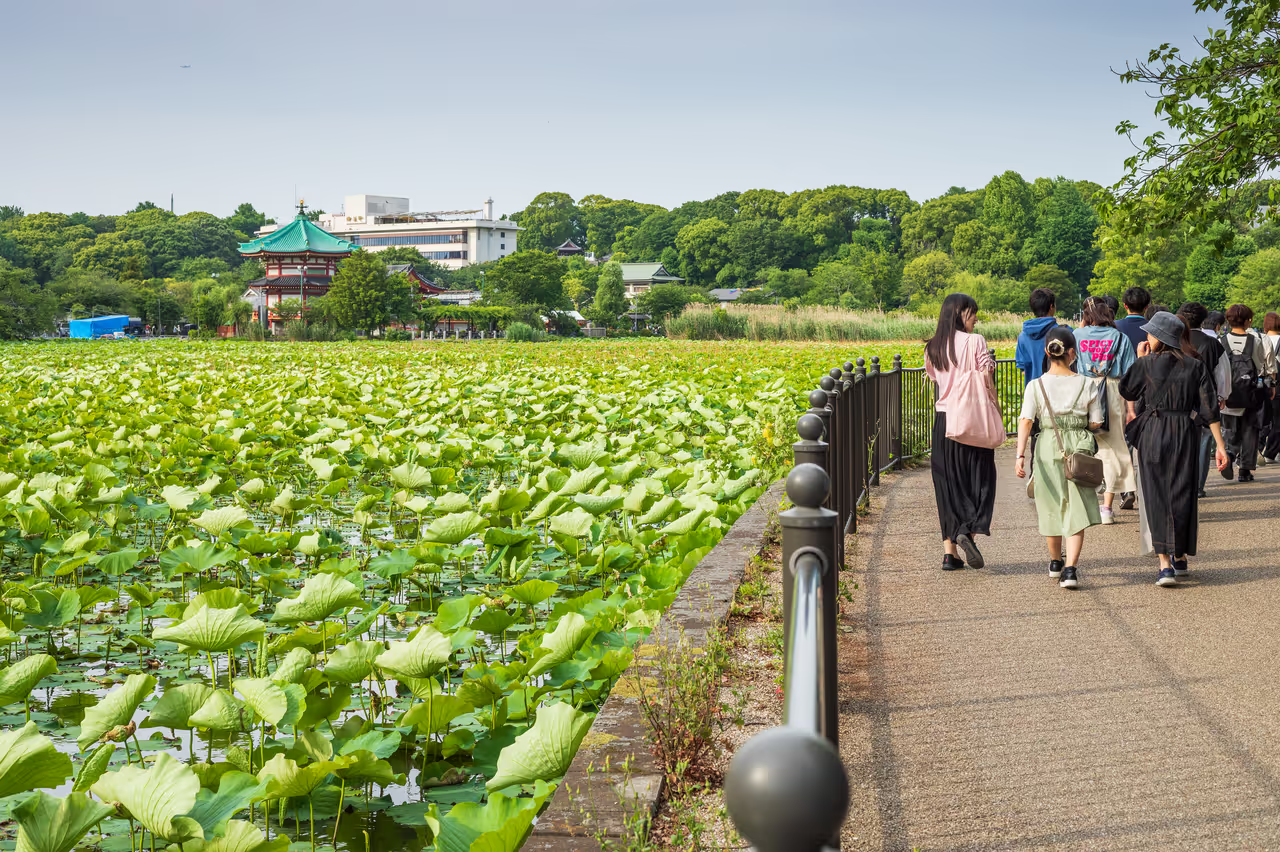
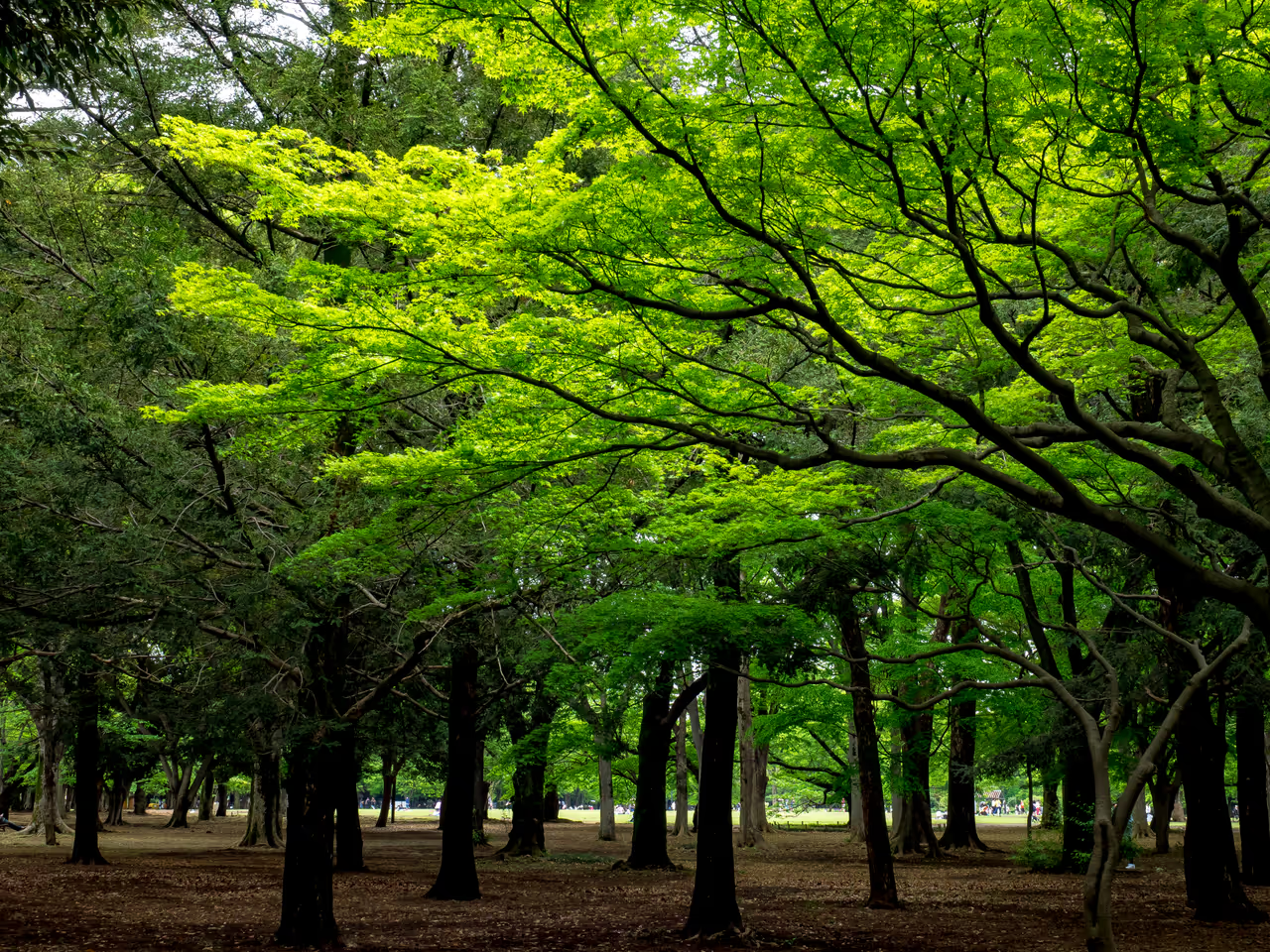
Stretching across a massive green expanse in the heart of Shibuya, Yoyogi Park is Tokyo’s favourite outdoor playground and a sanctuary of relaxation. It offers a refreshing contrast to the bright lights of Harajuku, providing wide lawns, forested paths, and a sparkling central pond. You can join the locals for a picnic, watch talented street performers, or simply wander through the bird sanctuary to hear the rustle of leaves. Its history is just as fascinating, having transformed from a military ground to an Olympic Village before becoming the public gem it is today. Whether you are seeking a peaceful morning jog or a vibrant weekend festival, the park’s welcoming energy is contagious. It is a place where Tokyo truly lets its hair down, making every visit a memorable slice of local life.
Videos
History of Yoyogi Park
The history of Yoyogi Park is a reflection of Japan's own journey through the twentieth century. Long before it was a place of leisure, it served as a stern military parade ground for the Imperial Japanese Army. It was on these very fields in 1910 that Japan witnessed its first successful powered flight, marking a pivotal moment in the nation's technological ambition. This connection to the sky and military power defined the area for decades until the landscape shifted dramatically following the end of the Second World War. After 1945, the grounds were requisitioned by US forces to create Washington Heights, a sprawling residential complex for military families. For nearly twenty years, this patch of Tokyo looked like a slice of American suburbia, complete with schools and barracks. The tide turned again in preparation for the 1964 Tokyo Olympics, when the land was returned to Japan to host the Olympic Village. Athletes from across the globe stayed here, and many participated in a symbolic gesture of peace by planting seeds from their homelands, which have since grown into the lush forest canopy that shades visitors today. Today, Yoyogi Park has shed its rigid military and restricted past to become a symbol of Tokyo's creative freedom and community spirit. It serves as a cultural crossroads where the subcultures of Harajuku meet the quiet residents of Shibuya. Whether it is the sound of drums from a weekend festival or the sight of hobbyists practising their craft on the grass, the park embodies a modern legacy of openness. It remains a vital sanctuary where the city comes together to breathe, play, and celebrate the enduring peace of the post war era.
Events spanning 104 years
Fun Facts
- • A sombre stone monument marks the spot where fourteen members of the Daitojyuku group committed ritual suicide at the end of World War II.
- • A striking statue of the feathered serpent god Quetzalcoatl stands in the park, gifted to Tokyo by the government of Mexico.
- • Below the serene lawns, the Tokyo Metro Chiyoda Line runs through a tunnel, and you can sometimes hear the rumble of trains from the surface.
- • Many of the towering trees in the park today grew from seeds brought by international athletes during the 1964 Olympic Games.
- • The Nike Basketball Courts were a direct gift from Nike and serve as a rare and popular spot for high level outdoor streetball in Tokyo.
- • The Oda Field athletics track is named in honour of Mikio Oda, who was the first Japanese athlete to win an Olympic gold medal.
- • The central pond features three massive fountains that can shoot water up to 30 metres into the air and are beautifully illuminated at night.
- • The park acts as a vital 'green lung' for Tokyo, covering 54 hectares which is roughly the size of eleven baseball stadiums.
- • The park contains a massive underground water tank that holds 1,500 cubic metres of fresh water for emergency use during disasters.
- • The park features a dedicated bird sanctuary, which was the first of its kind established in a Japanese city park to protect local avian species.
- • Unlike the adjacent Meiji Jingu Shrine, Yoyogi Park has no evening closing time and remains open to the public twenty four hours a day.
- • Yoyogi Park is famous for its Sunday rockabilly dancers who have been performing in their leather jackets and pompadours for decades.
RESOURCES
Official WebsiteYoyogi Park FAQ
While we strive to keep this information accurate and up to date, we recommend verifying any details independently before making decisions based on them.
Yoyogi Park Map & Neighborhood Explorer
This interactive map is centered on Yoyogi Park. Zoom in and move the map around to automatically discover Wikipedia photos and summaries of other nearby sights, monuments, and historical points of interest and stories in real-time!
Places near Yoyogi Park
Make the most of your trip. Check out these top-rated spots located nearby.
 505m
505mMeiji Jingu
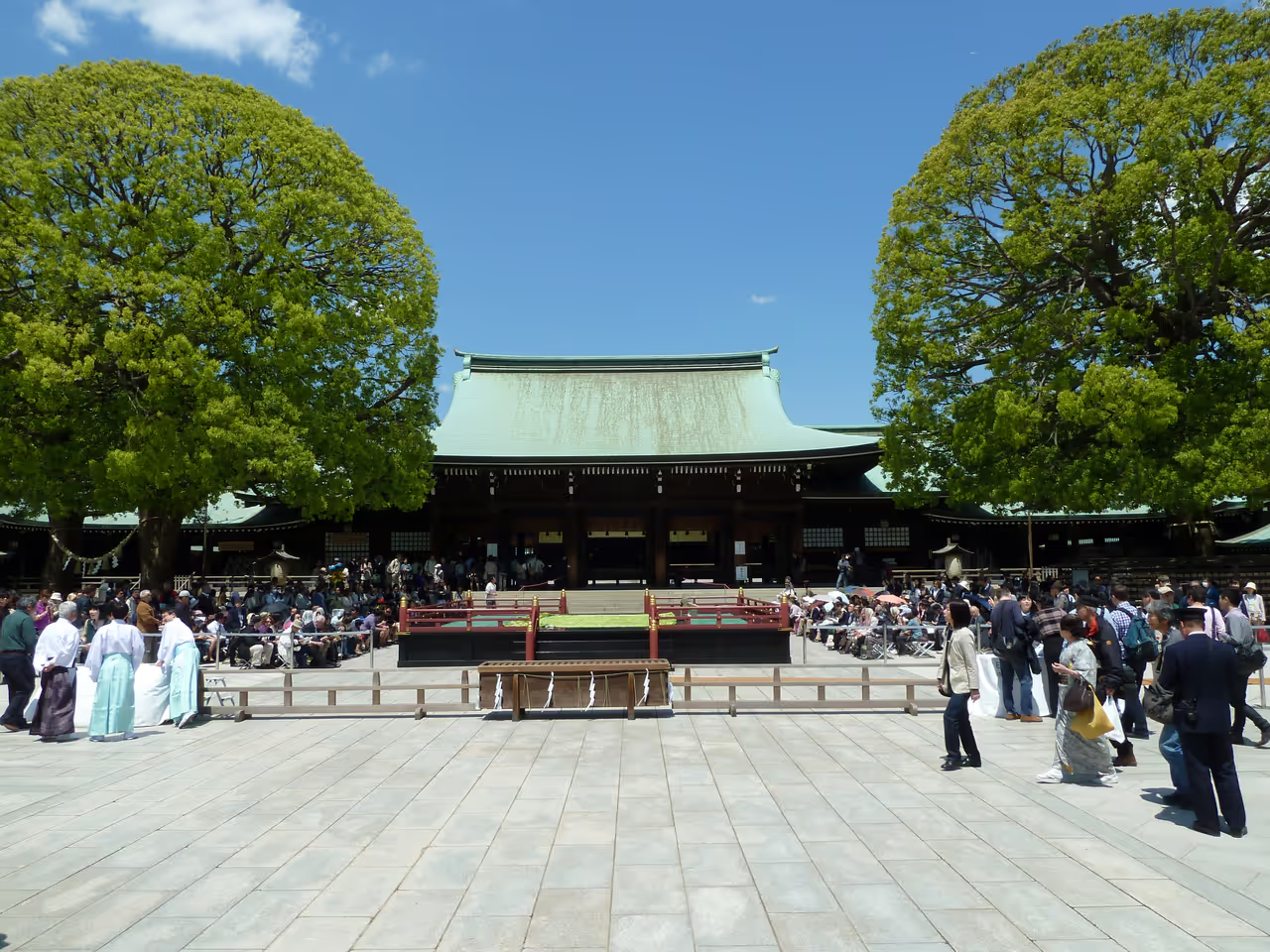
Nestled within a vast, serene forest in the heart of Tokyo, Meiji Jingu offers a profound escape from the urban energy surrounding it. Dedicated to Emperor Meiji and Empress Shoken, this Shinto shrine stands as a testament to the nation's reverence for its historical figures. Visitors can stroll along wide, gravel paths shaded by over 100,000 trees donated by people from across Japan, creating a cathedral of nature that feels worlds away from the city. The architectural elegance of the wooden shrine buildings, combined with the tranquil atmosphere, invites moments of reflection and peace. Whether you are exploring the traditional architecture, enjoying the seasonal beauty of the Inner Garden, or witnessing a traditional wedding procession, a visit here leaves a lasting impression of Japan's spiritual heritage.
attraction view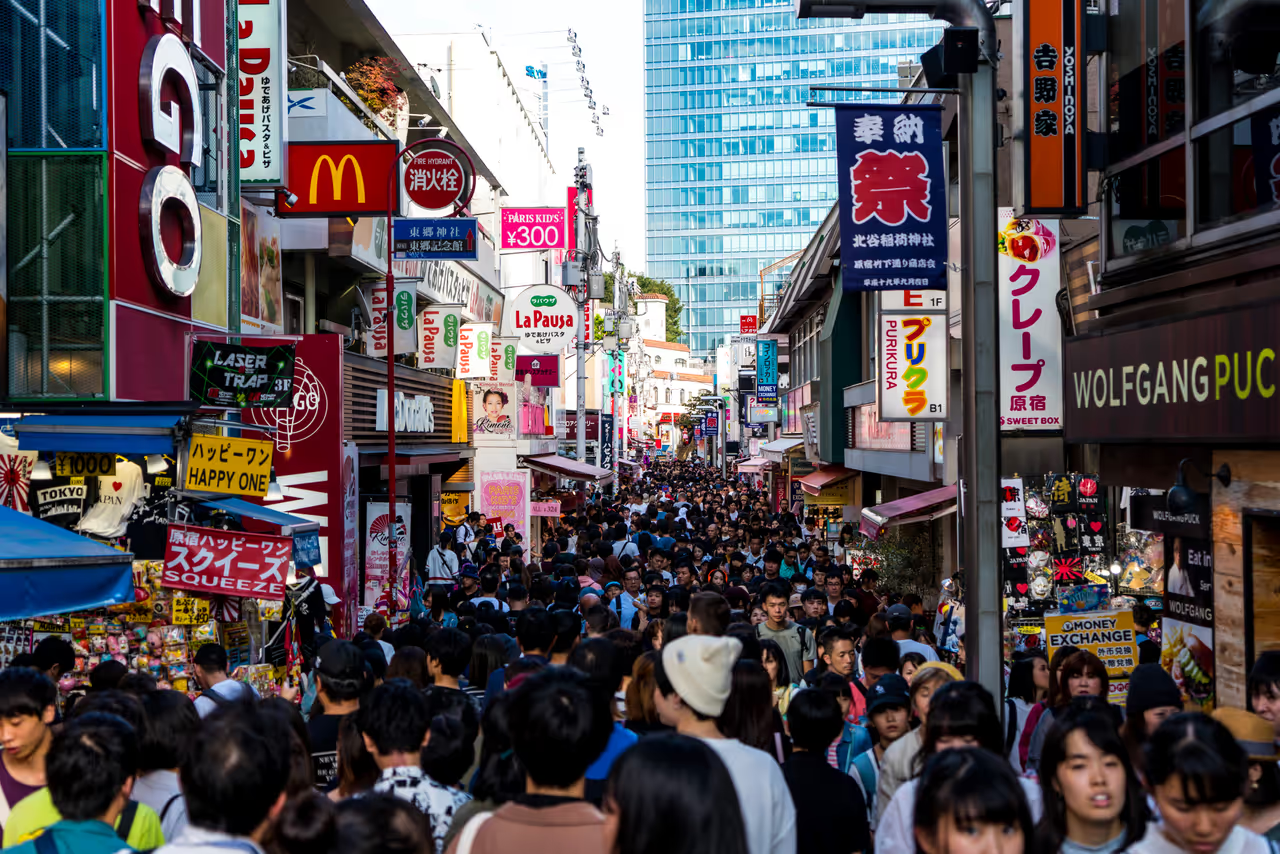 713m
713mTakeshita Street
A highly concentrated pedestrian street serving as the epicentre of eccentric youth fashion and sweet treats. The narrow pathway is typically packed shoulder to shoulder with teenagers hunting for the latest trends and quirky accessories. Colourful storefronts offer everything from elaborate cosplay outfits to massive rainbow coloured candy floss. The atmosphere is loud, bright, and incredibly cheerful capturing the extreme aesthetic of local pop culture. It is a fascinating sociological experience to observe the rapidly changing fashion statements.
highlight view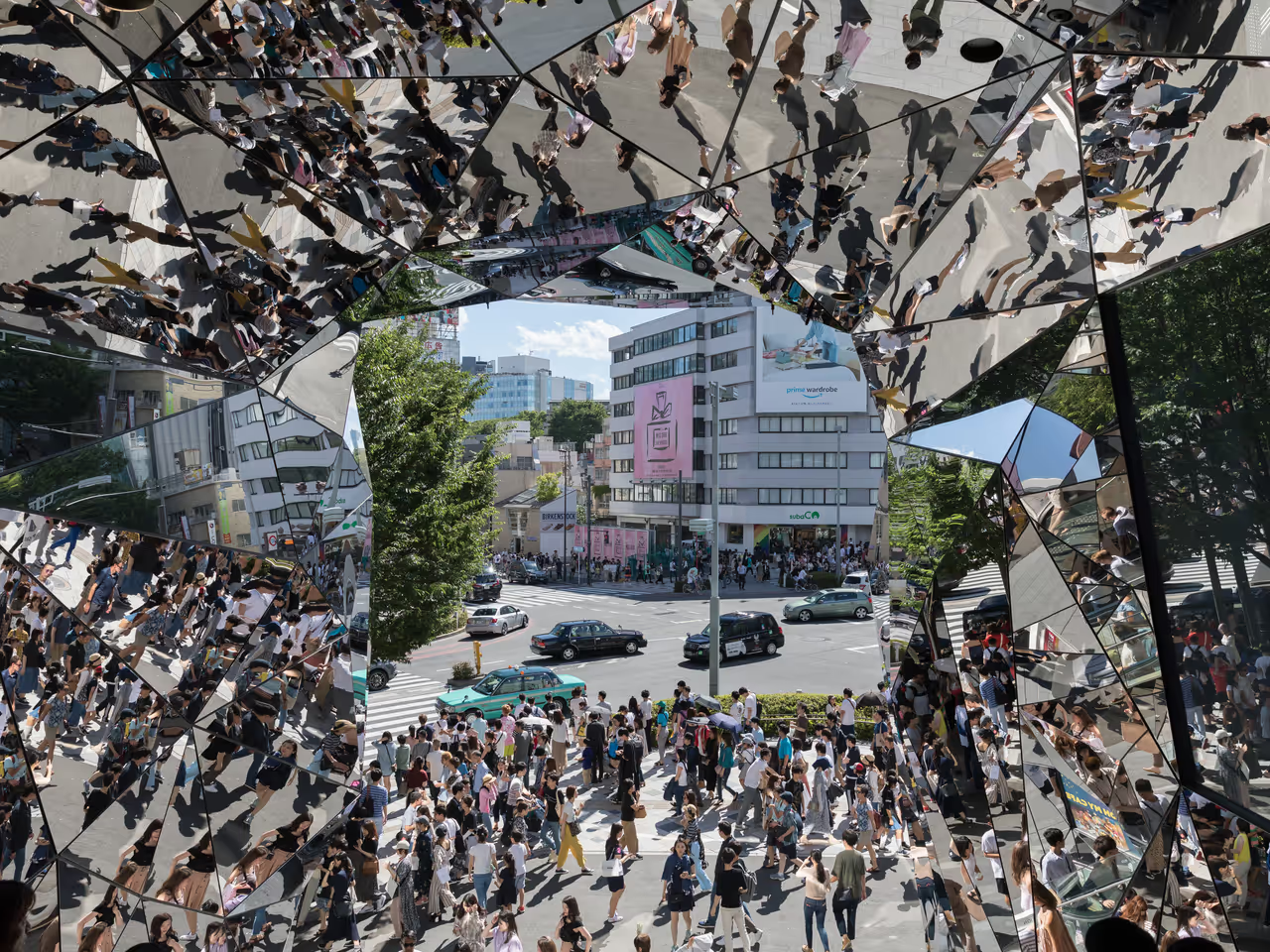 874m
874mTokyu Plaza Omotesando Harajuku Entrance
A brilliant architectural feature that has become highly viral for its unique optical properties. The entrance escalator is surrounded by a massive faceted mirror canopy creating a kaleidoscopic reflection of the busy crossing outside. Photographers angle their cameras upwards to capture the mesmerising fractured imagery of shoppers and street life. The fragmented glass distorts the colourful fashion of the neighbourhood into a striking avant garde mosaic. It is a fantastic celebration of modern structural design and urban fashion.
photo spot view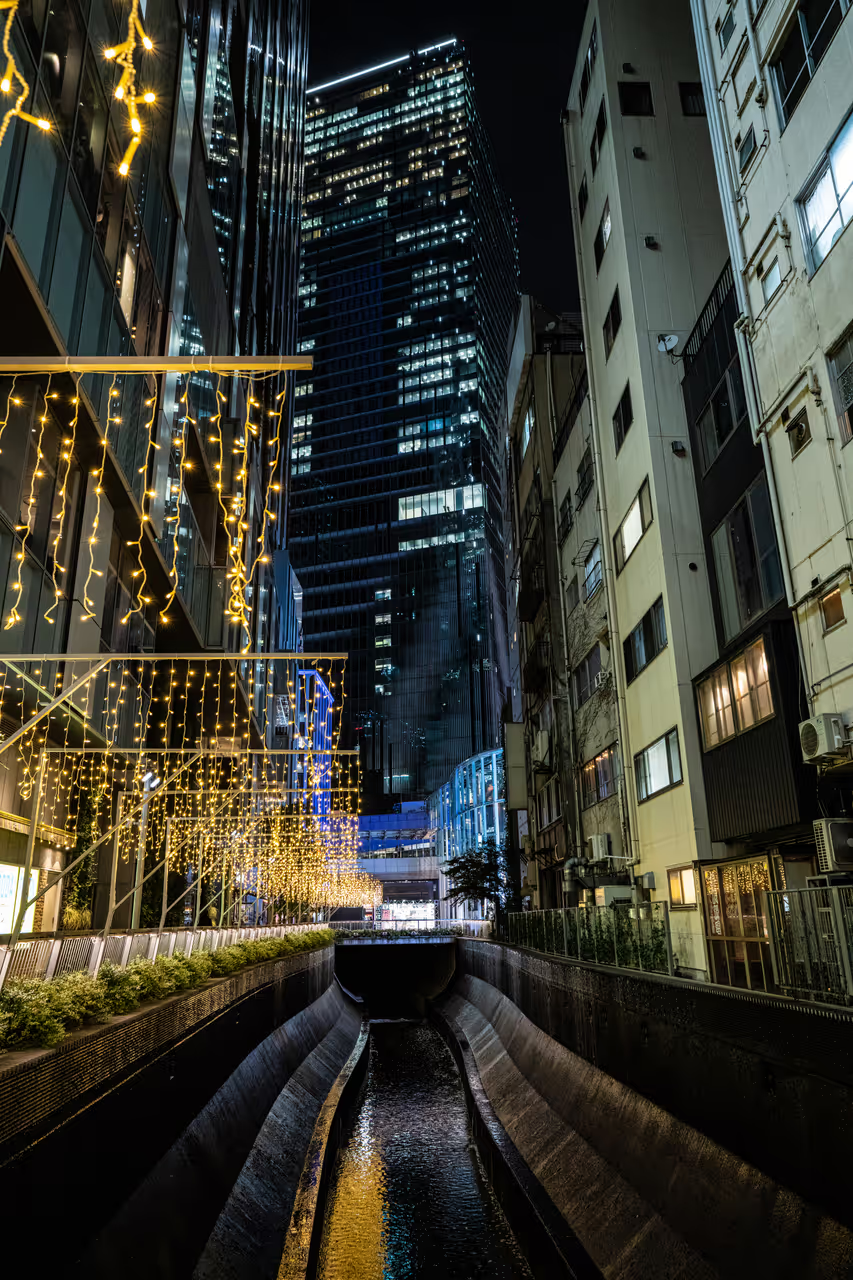 878m
878mShibuya Nightlife
A magnet for youth culture and cutting edge trends that comes alive brilliantly at night. The iconic scramble crossing sets the stage for an evening of exploration through winding streets filled with izakayas and modern lounges. The area hosts some of the most prominent underground music venues and multi floor nightclubs in the country. It attracts a fashionable and energetic crowd ready to dance until the early morning hours. Casual drinking spots and late night shopping keep the district moving continuously.
nightlife view
Featured on This Itinerary
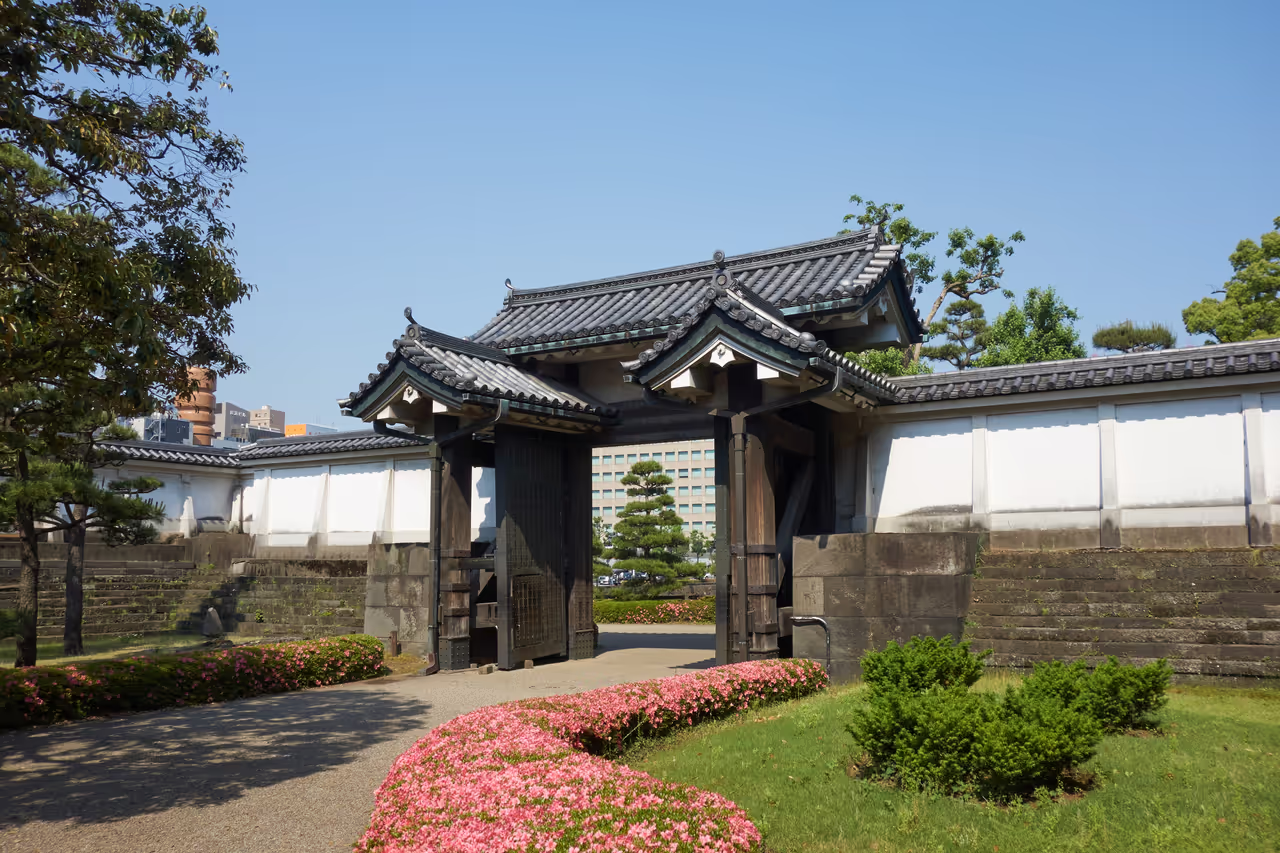
See all nature & parks in Tokyo
Koishikawa Korakuen, Rikugien Gardens, Shinjuku Gyoen National Garden, Ueno Park, Hama-rikyu Gardens, Inokashira Park...