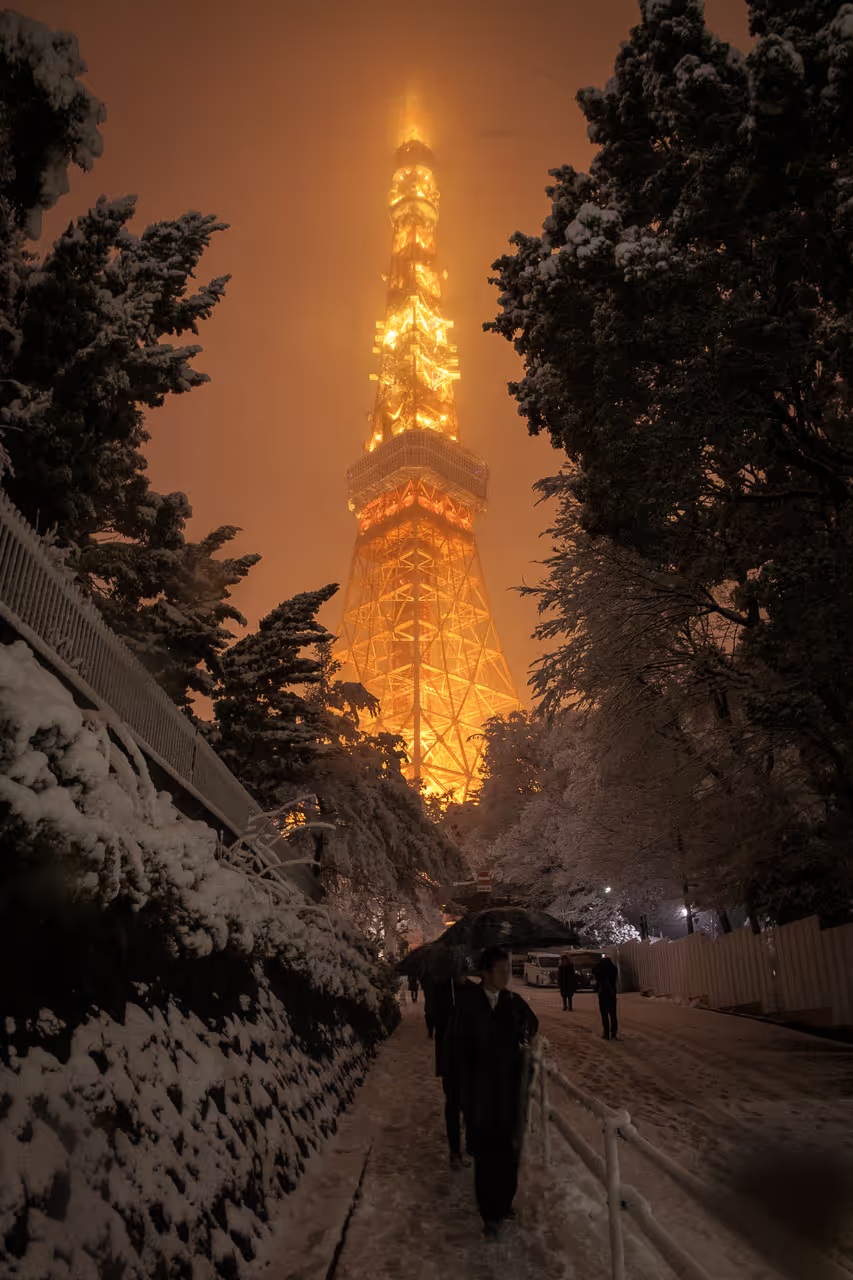
Senso-ji Temple
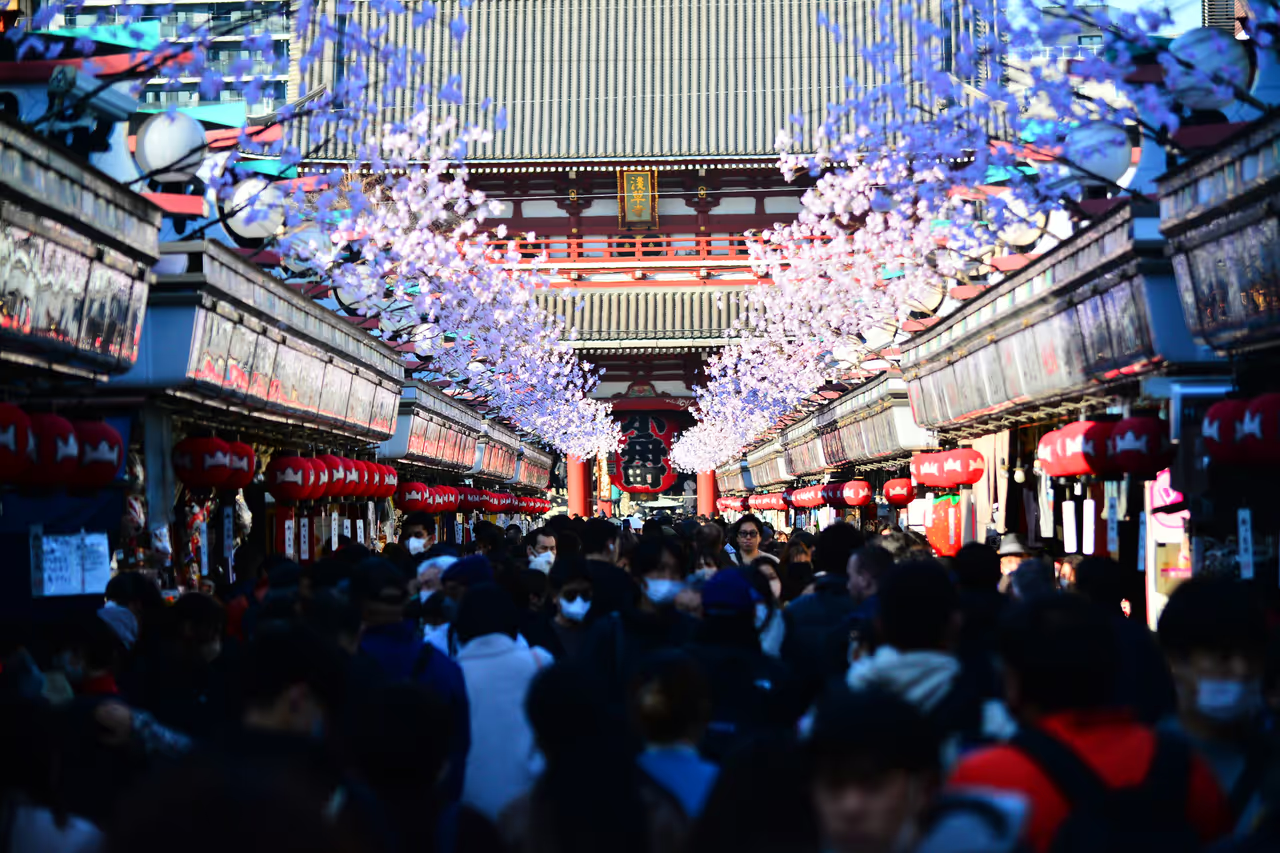
Step into the heart of Tokyo's history at Senso-ji, the city's oldest and most iconic Buddhist temple. As you pass through the colossal Kaminarimon gate, you are greeted by an atmosphere that feels both timeless and vibrantly alive. Wander down the historic Nakamise-dori street, which is overflowing with traditional crafts and mouth-watering local snacks, before reaching the towering main hall and pagodas that stand as resilient symbols of the capital's spirit. Whether you are seeking a moment of spiritual reflection, looking to test your luck with an omikuji fortune, or simply wanting to soak in the incredible energy, this place is an absolute must-visit. Its blend of ancient legend, enduring architecture, and local charm creates an unforgettable experience that defines the quintessential Tokyo adventure.
Videos
History of Senso-ji Temple
The story of Senso-ji begins in 628 AD, a moment shrouded in the mists of legend. It is said that two brothers, while fishing in the Sumida River, repeatedly cast their nets only to retrieve a small, golden statue of Kannon, the goddess of mercy. Recognising the divine nature of the find, a local leader converted his own home into a temple to enshrine the statue. This simple act of devotion planted a spiritual seed in a marshy, rural area that would eventually grow into the sprawling cultural heart of what would become Tokyo. As the centuries passed, the temple became a magnet for the city's aspirations. During the Edo period, under the protection of the shoguns, Senso-ji transformed from a quiet place of worship into a vibrant hub of commoner culture. It was here that theatre, commerce, and religion intertwined, creating an electric atmosphere where the wealthy elite and the working class stood side by side in prayer. The surrounding area of Asakusa flourished, with the temple serving as the anchor for the entertainment district, firmly cementing its place as the soul of the city. Yet, the true character of Senso-ji is defined by its resilience. Having survived fires, earthquakes, and the catastrophic air raids of 1945, the site has been rebuilt and restored repeatedly by the hands of the faithful. Each reconstruction has not been a mere duplication of the past, but an affirmation of the community's bond with their temple. Today, as you walk through the majestic gates, you are not just visiting a tourist attraction; you are walking through a living testament to the endurance of the human spirit, where ancient prayers still echo amidst the modern lights of Tokyo.
Events spanning 1375 years
Fun Facts
- • During the 1945 air raids, the local community managed to save many of the temple's secondary buildings by forming human chains to fight the approaching fires, a testament to their deep connection to the site.
- • Senso-ji is considered the birthplace of the 'Maneki-neko', or lucky cat, with records and art from the Edo period showing merchants selling these figures right on the temple grounds.
- • The Hozuki Market, held in July, is based on the belief that a single day of prayer on this date grants 46,000 days of merit, a concept that has drawn pilgrims for centuries.
- • The famous Kaminarimon gate, with its massive red lantern, was rebuilt in 1960 thanks to a donation from Konosuke Matsushita, the founder of Panasonic, as thanks for his recovery from a severe illness.
- • The main deity of the temple, a golden statue of Kannon, is an absolute secret. It has never been displayed in public, and even the head priests are rarely permitted to see it.
- • The temple complex includes a unique area known as the Dempo-in, which has a dedicated shrine for tanuki, or Japanese raccoon dogs, based on a local legend that they promised to protect the temple from fire.
- • The temple grounds are surprisingly rich in historical artifacts, including statues and monuments to famous kabuki actors and literary figures, highlighting its role as a cultural hub beyond just religious worship.
- • The temple is famous for its fortune-telling tradition, the omikuji. If you pull a bad fortune, it is customary to tie the paper to a nearby rack, effectively leaving the bad luck behind at the temple instead of taking it home.
- • The temple uses modern technology to protect its ancient appearance. The roofs of the main hall and pagoda are covered in titanium tiles, designed to mimic the appearance of traditional clay while being significantly more earthquake-resistant.
- • The vibrant shopping street leading to the temple, Nakamise-dori, originated during the Edo period when local residents were granted the right to open stalls in exchange for keeping the temple grounds clean.
RESOURCES
Official WebsiteSenso-ji Temple FAQ
While we strive to keep this information accurate and up to date, we recommend verifying any details independently before making decisions based on them.
Senso-ji Temple Map & Neighborhood Explorer
This interactive map is centered on Senso-ji Temple. Zoom in and move the map around to automatically discover Wikipedia photos and summaries of other nearby sights, monuments, and historical points of interest and stories in real-time!
Places near Senso-ji Temple
Make the most of your trip. Check out these top-rated spots located nearby.
 68m
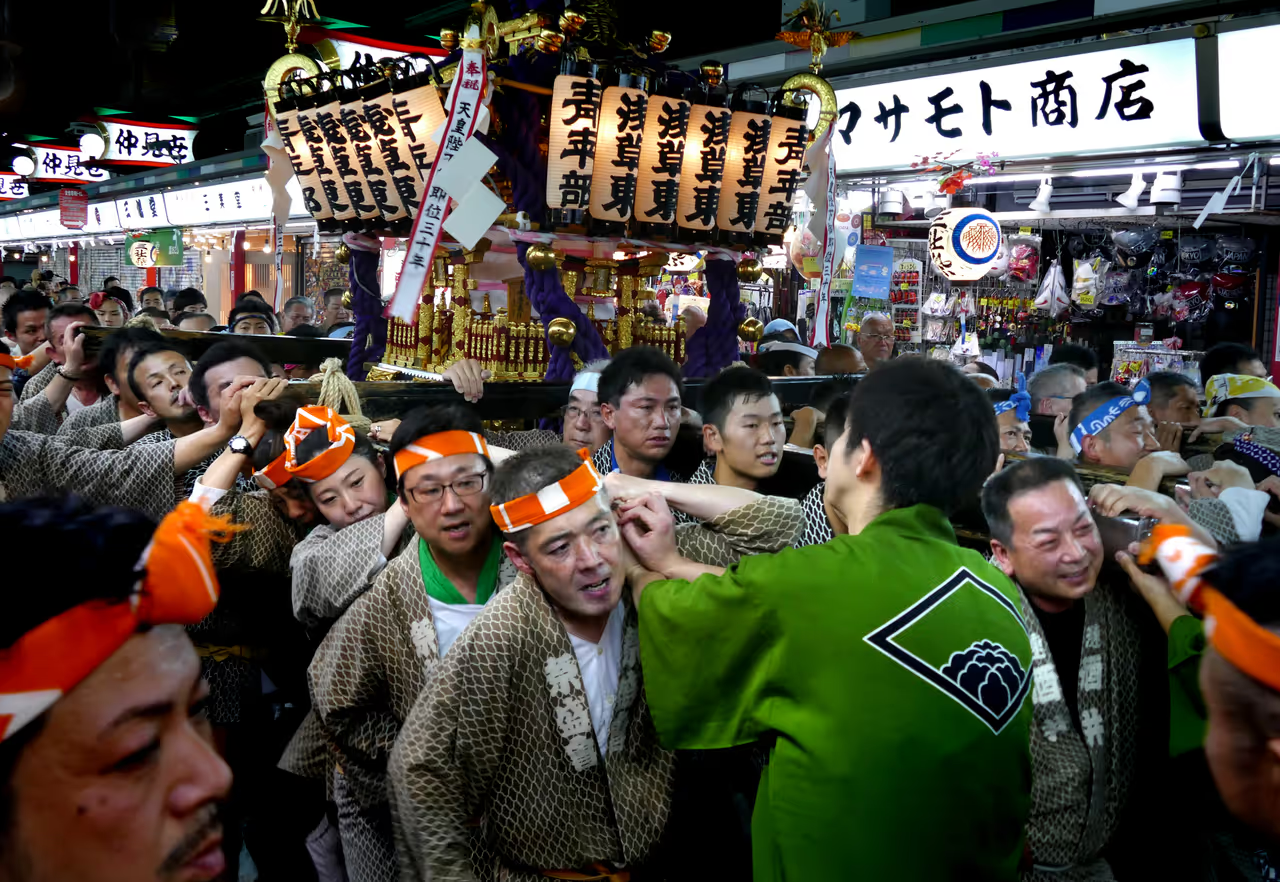
68mSanja Matsuri
One of the most spectacular and energetic festivals in the capital celebrating the three founders of Senso-ji Temple. Over two million people gather in Asakusa to witness the vibrant parades featuring portable shrines carried by enthusiastic locals. The streets fill with traditional music, dancing, and elaborate floats creating an unforgettable atmosphere. It provides a rare opportunity to see authentic Edo period culture come alive in the modern day. Food stalls line the temple grounds offering delicious seasonal treats to the massive crowds.
festival view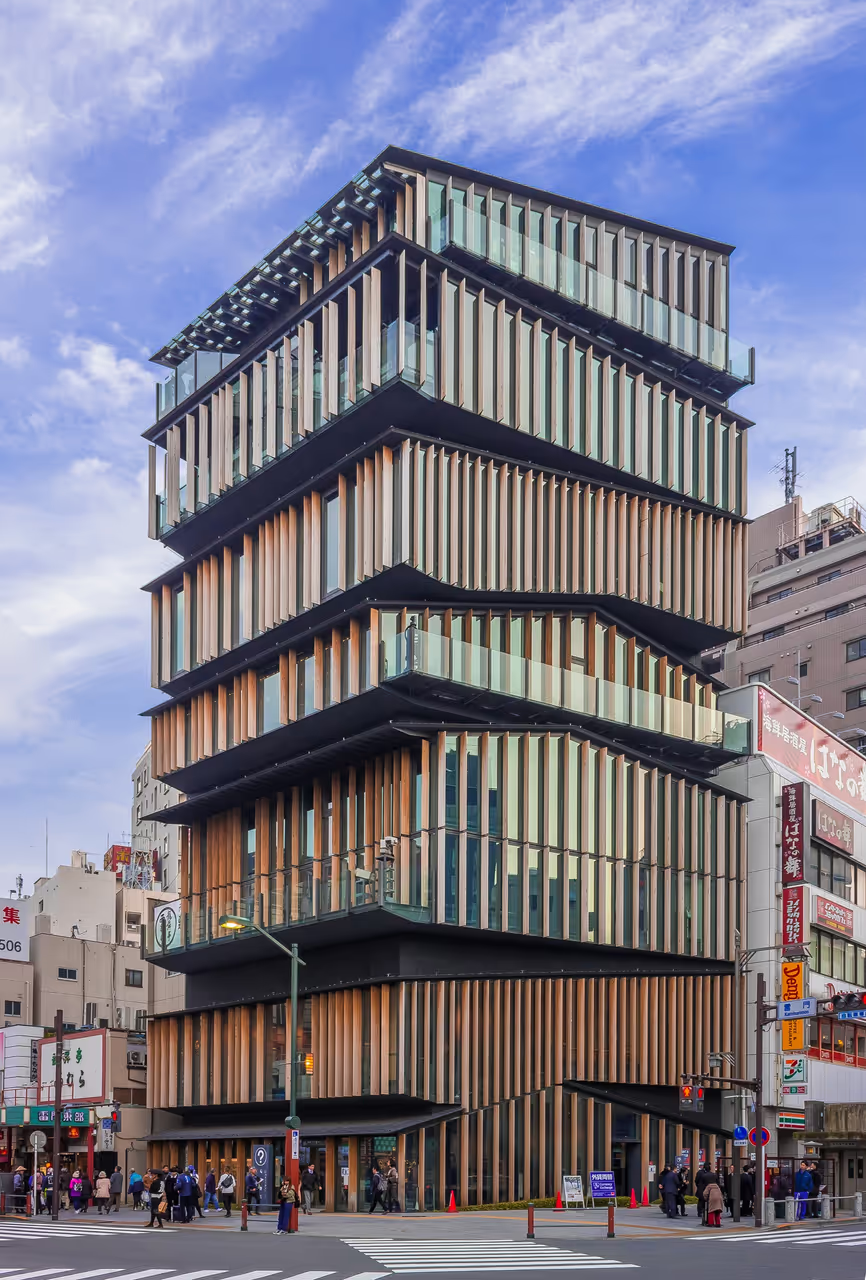 452m
452mAsakusa Culture Tourist Information Center
A highly inventive contemporary building designed to look like several traditional wooden houses stacked haphazardly upon one another. Architect Kengo Kuma utilised natural timber louvers to blend modern aesthetics with the historical context of the adjacent temple district. The unusual slanted roofs of the different levels break up the verticality creating a highly dynamic facade. The interior spaces are bright, welcoming, and serve as an excellent modern community hub. It is a brilliant example of contextual modern architecture respecting its deeply traditional surroundings.
architecture view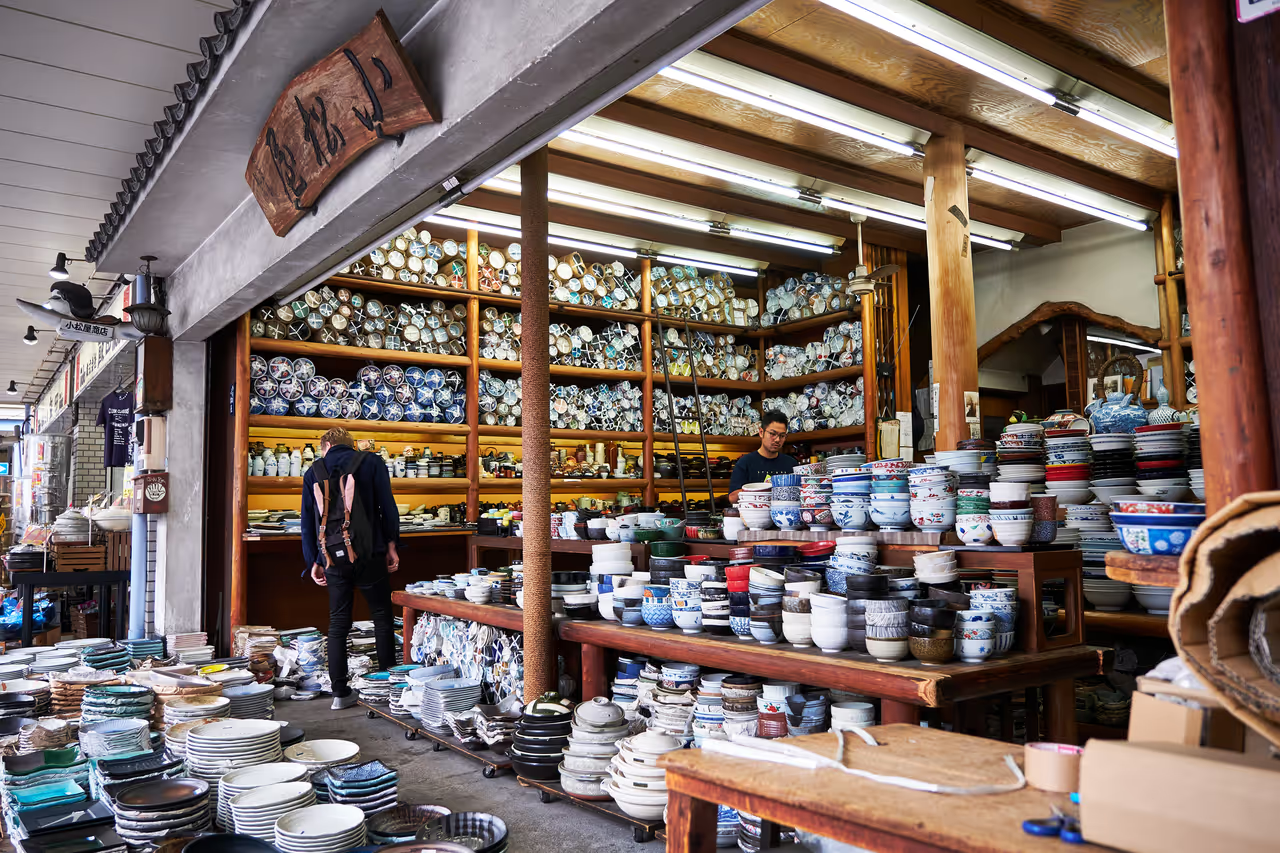 711m
711mKappabashi Street
A specialised commercial street completely dedicated to serving the expansive restaurant industry of the capital. Dozens of shops sell everything from exquisite handmade Japanese knives to the incredibly realistic plastic food models seen outside local eateries. It provides a fascinating behind the scenes look at the tools required to maintain the city's culinary excellence. Visitors can purchase high quality ceramics, lacquerware, and cooking implements at wholesale prices. The quirky giant chef head statue atop a building marks the entrance to this unique retail zone.
highlight view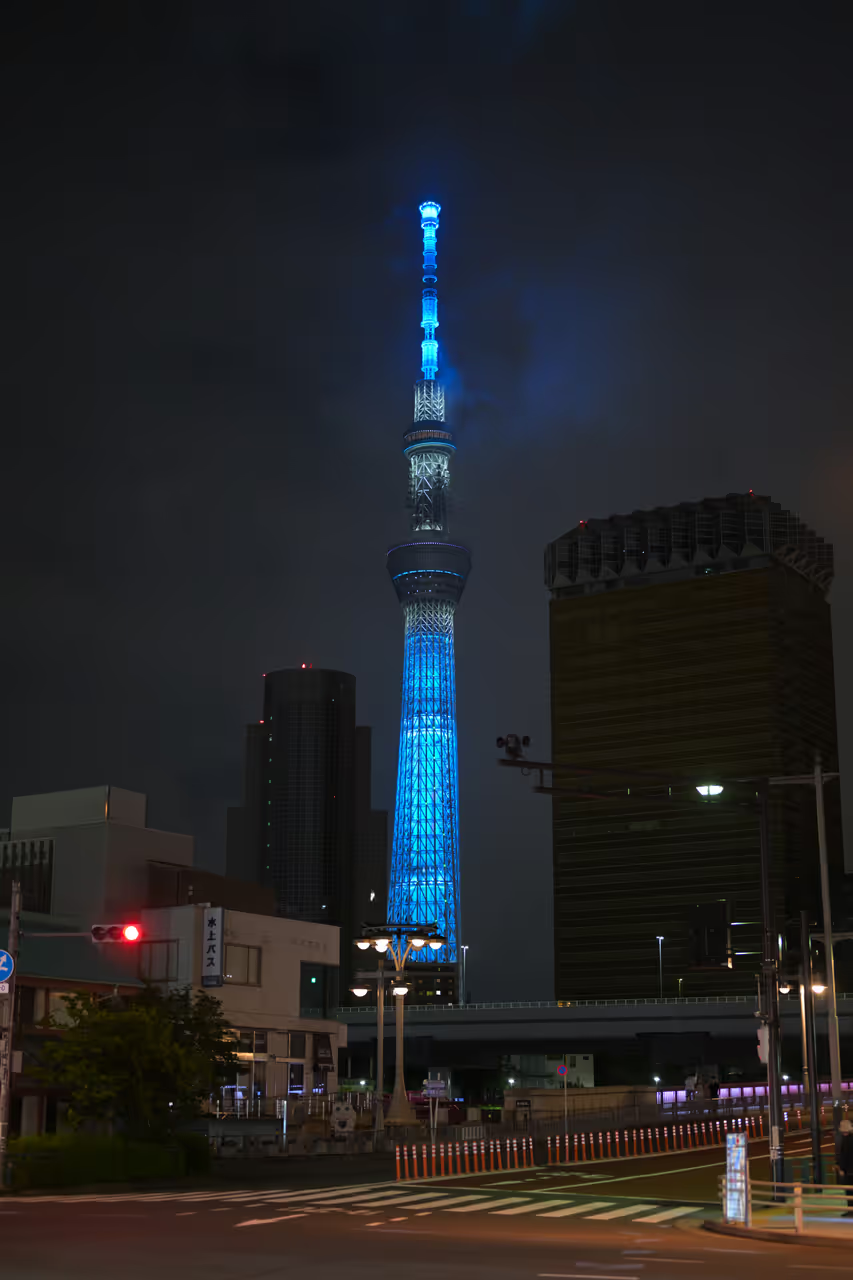 1383m
1383mTokyo Skytree
Tokyo Skytree stands as a modern marvel, soaring 634 metres into the clouds as the world's tallest freestanding tower. It offers a unique vantage point where you can see the vast urban sprawl of Tokyo stretch out like a map, even catching a glimpse of Mount Fuji on a clear day. The tower is more than just a viewpoint; it is a blend of futuristic technology and traditional Japanese aesthetics, featuring a design inspired by ancient pagodas and samurai swords. Visitors can wander through high altitude glass corridors or explore the extensive shopping and entertainment complex at its base. The atmosphere is electric, especially at night when the tower glows with elegant, themed LED illuminations. It is a symbol of Japan's resilience and engineering prowess, making it a must-visit for anyone looking to feel the heartbeat of the capital.
attraction view
Explore Similar Places in This Collection
Featured on These Itineraries and Routes
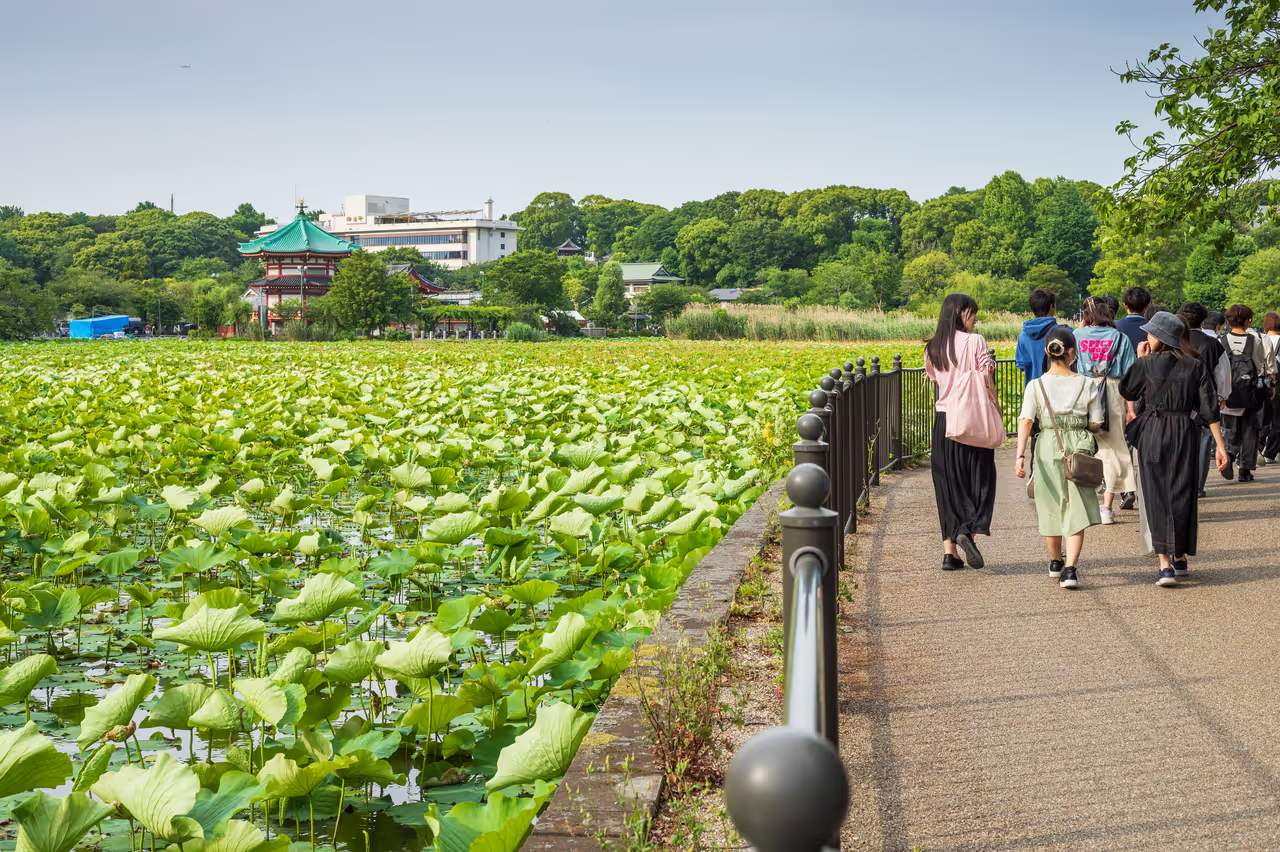
1 Day in Tokyo Itinerary
A highly efficient whirlwind tour capturing the absolute most iconic sights spanning both deep history and modern energy. This plan aggressively moves across the metropolis ensuring you witness the crucial landmarks that define the global image of the capital. The route relies heavily on the reliable transit system to cover significant distances rapidly. It provides a thrilling taste of the extreme contrasts that make the city so incredibly fascinating. Perfect for travellers on an extremely tight schedule wanting maximum visual impact.
view itinerary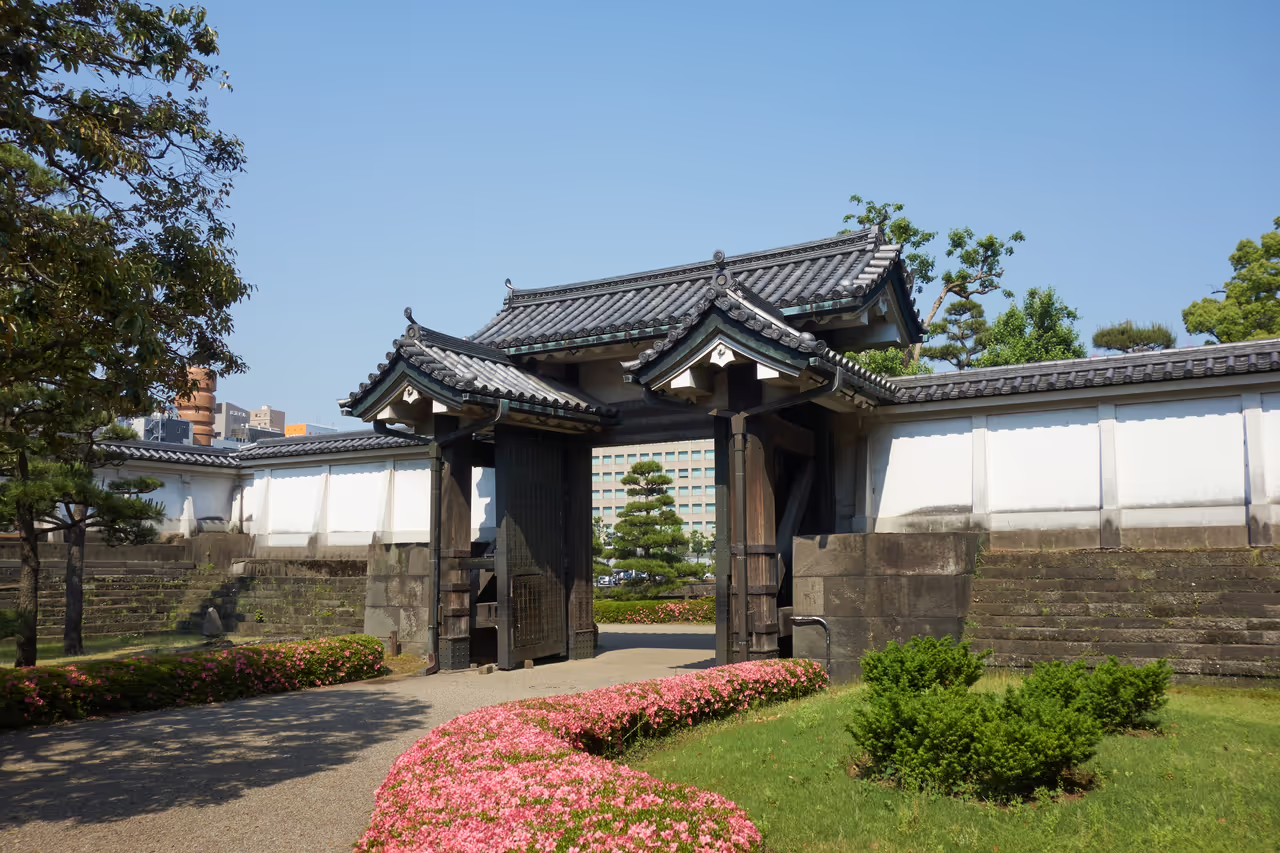
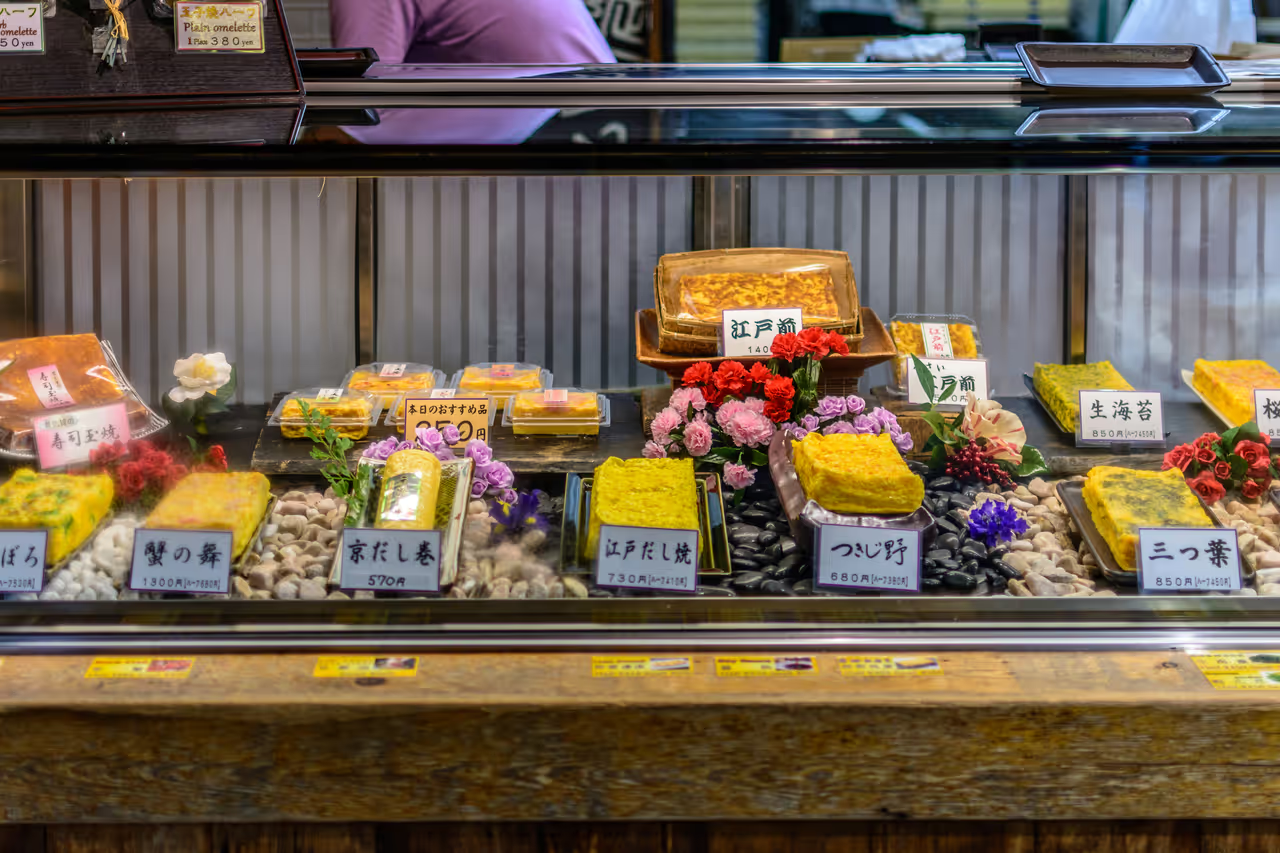
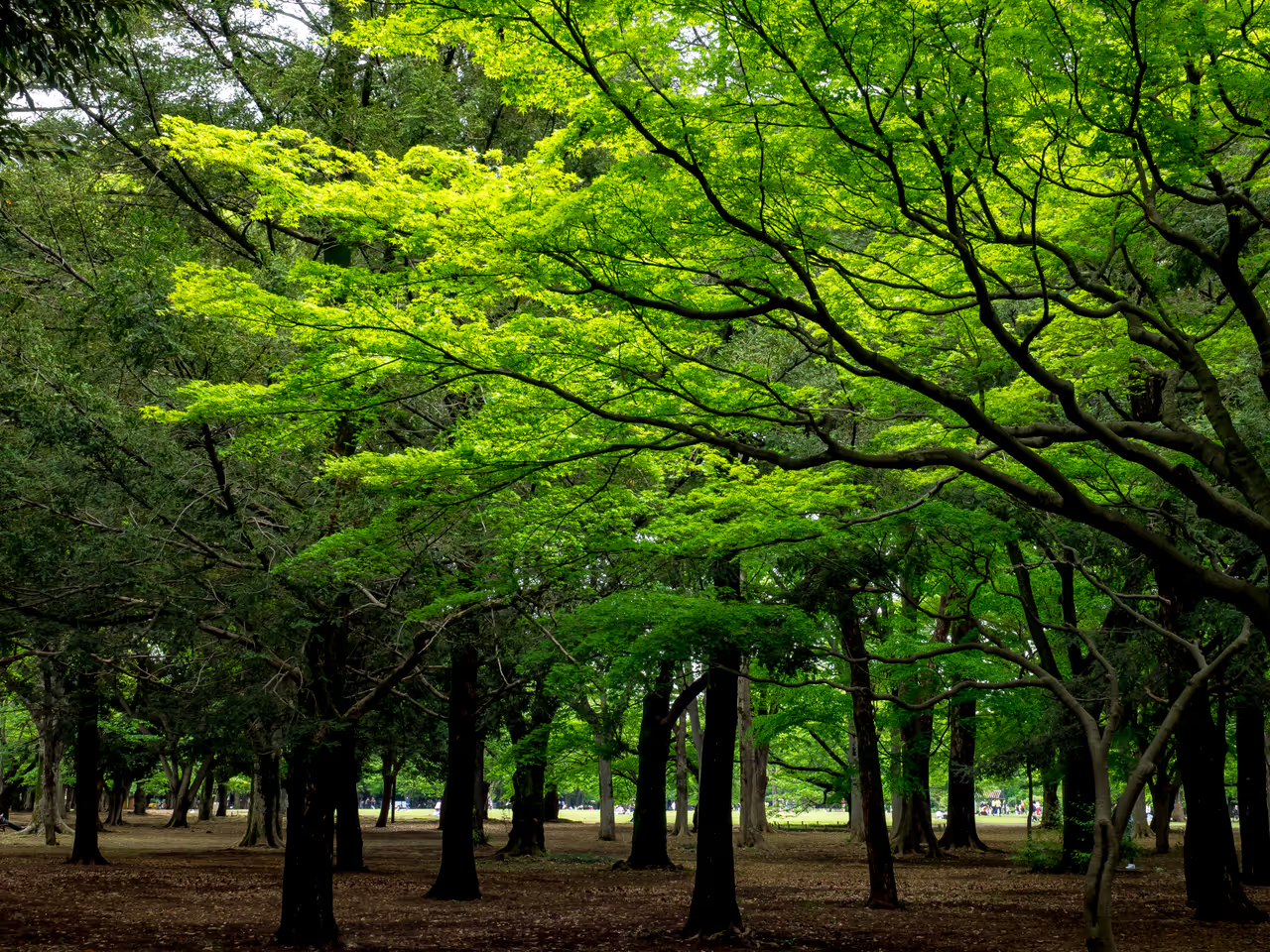
3 Days in Tokyo Itinerary
A well balanced exploration dedicating appropriate time to the diverse distinct neighbourhoods that compose the urban fabric. The journey systematically covers the eastern historical districts, the prestigious imperial centre, and the vibrant youth driven west. It allows for a more relaxed pace providing ample opportunities to enjoy extensive culinary breaks and local shopping. The progression naturally highlights the incredible evolution from Edo period traditions to modern pop culture. This is the optimal introductory experience for a standard city break.
view itinerary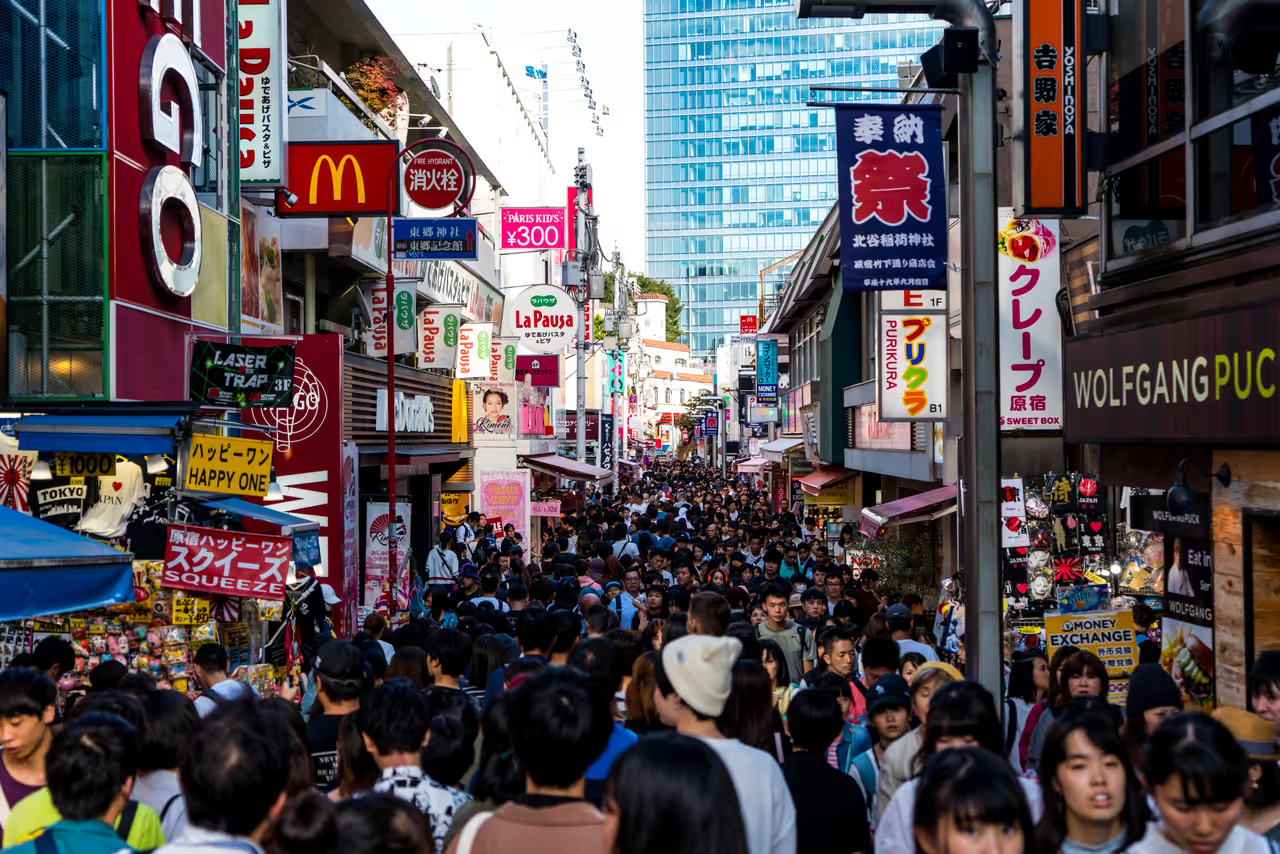
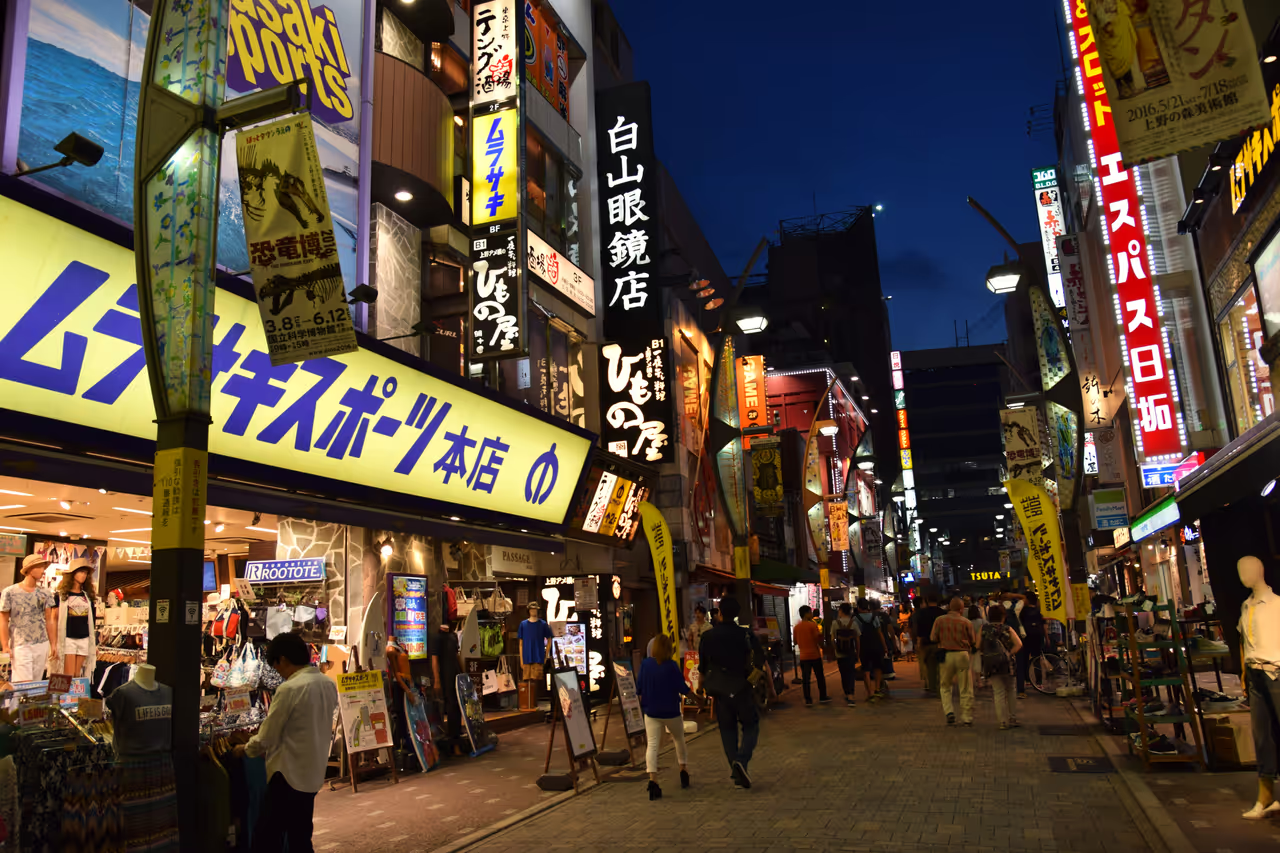
5 Days in Tokyo: Comprehensive Itinerary
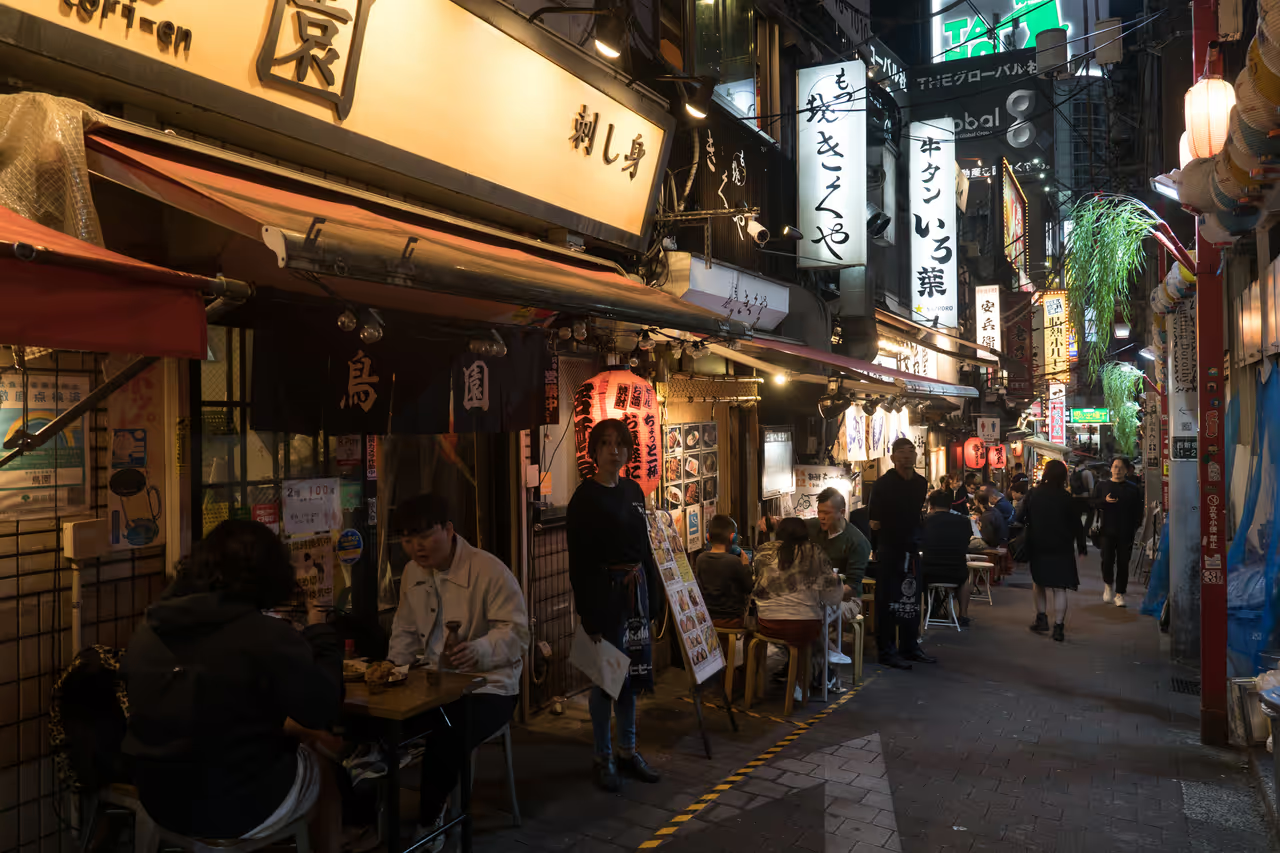
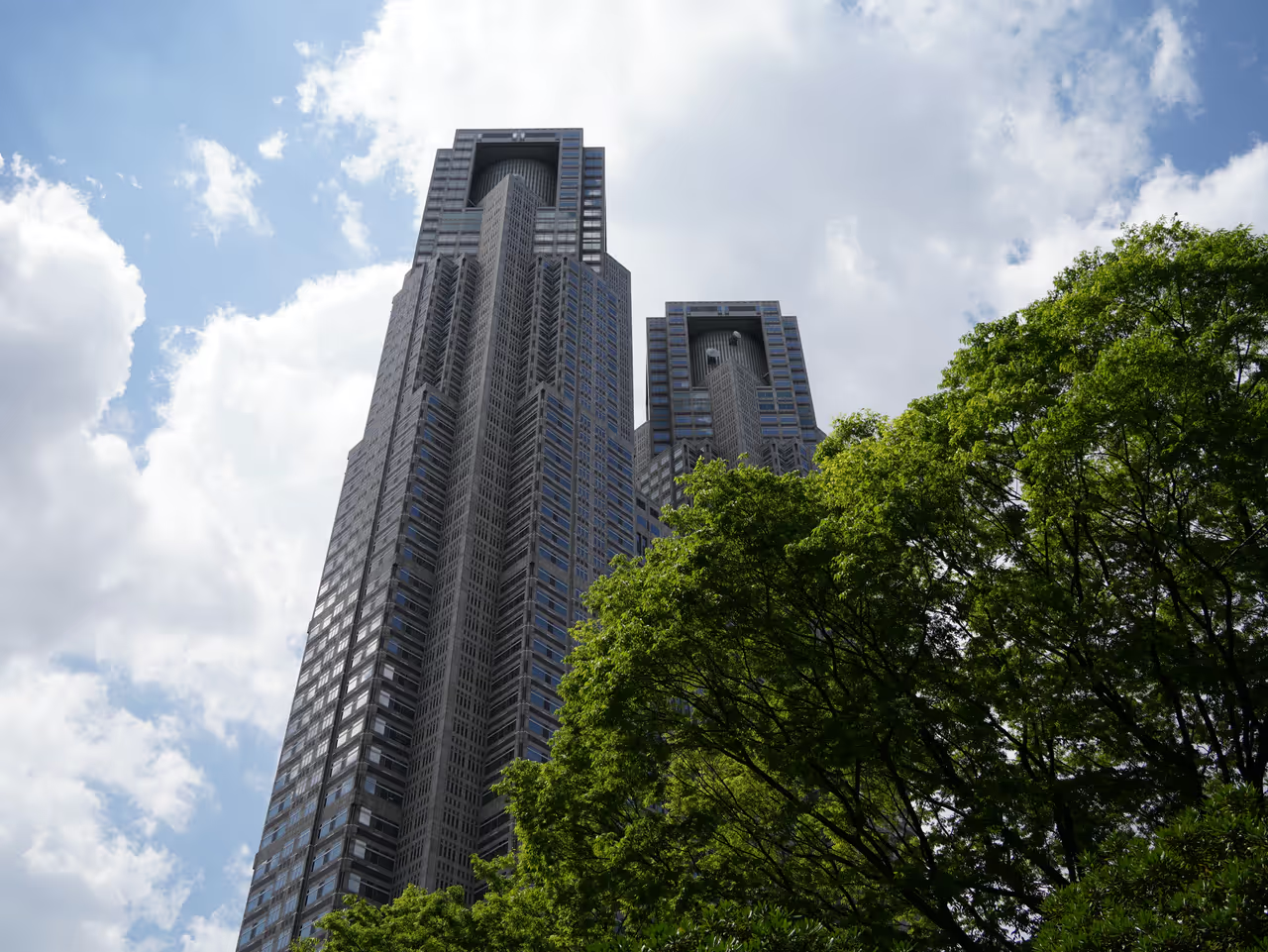
An extensive and highly immersive itinerary designed to uncover both the famous monumental sights and the hidden cultural gems. The expanded timeframe permits deep dives into digital art, upscale architecture, and intense nightlife districts. It removes the stress of rushing allowing travellers to truly absorb the nuanced vibe of areas like Harajuku and Roppongi. The route successfully navigates the complex culinary landscape offering everything from street food to refined dining. This provides a deeply satisfying and complete portrait of the capital.
view itinerary
Old Edo Heritage Tour
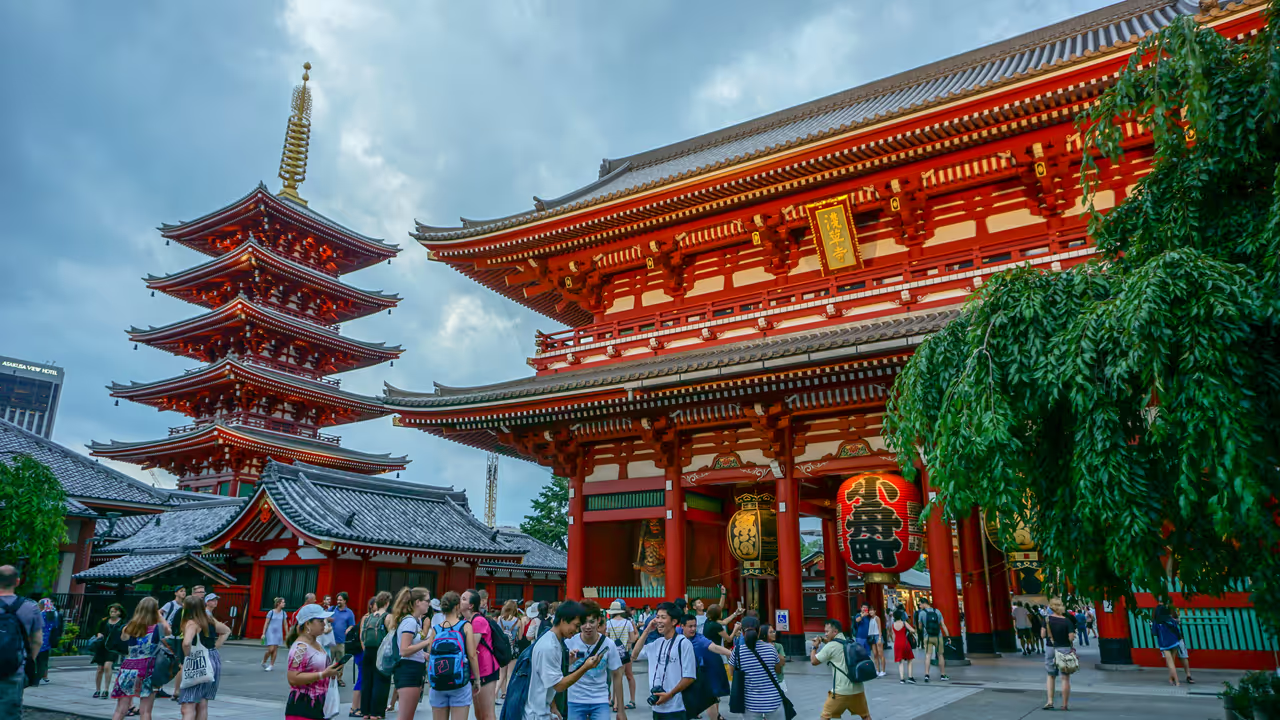
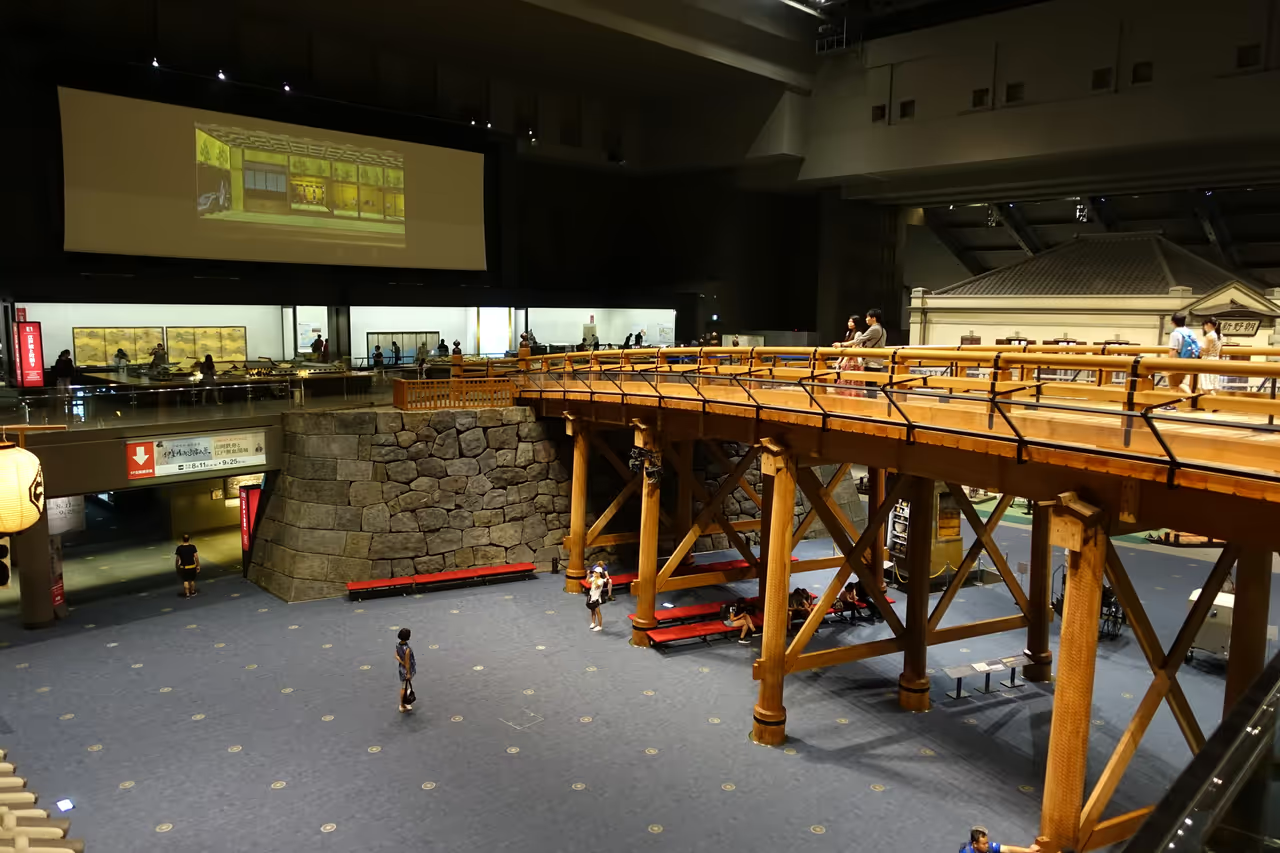
This immersive journey guides explorers through the spiritual and historical foundations of the downtown area. It traces a path through significant religious sites, expansive public parks, and crucial museums dedicated to preserving the past. Walkers engage directly with the architectural legacy of the city appreciating the towering temple gates and monumental statues. The route reveals how traditional practices have survived and adapted within a rapidly modernising society. It is an educational and visually spectacular deep dive into the cultural roots of the capital.
view self-guided tour
See all attractions in Tokyo
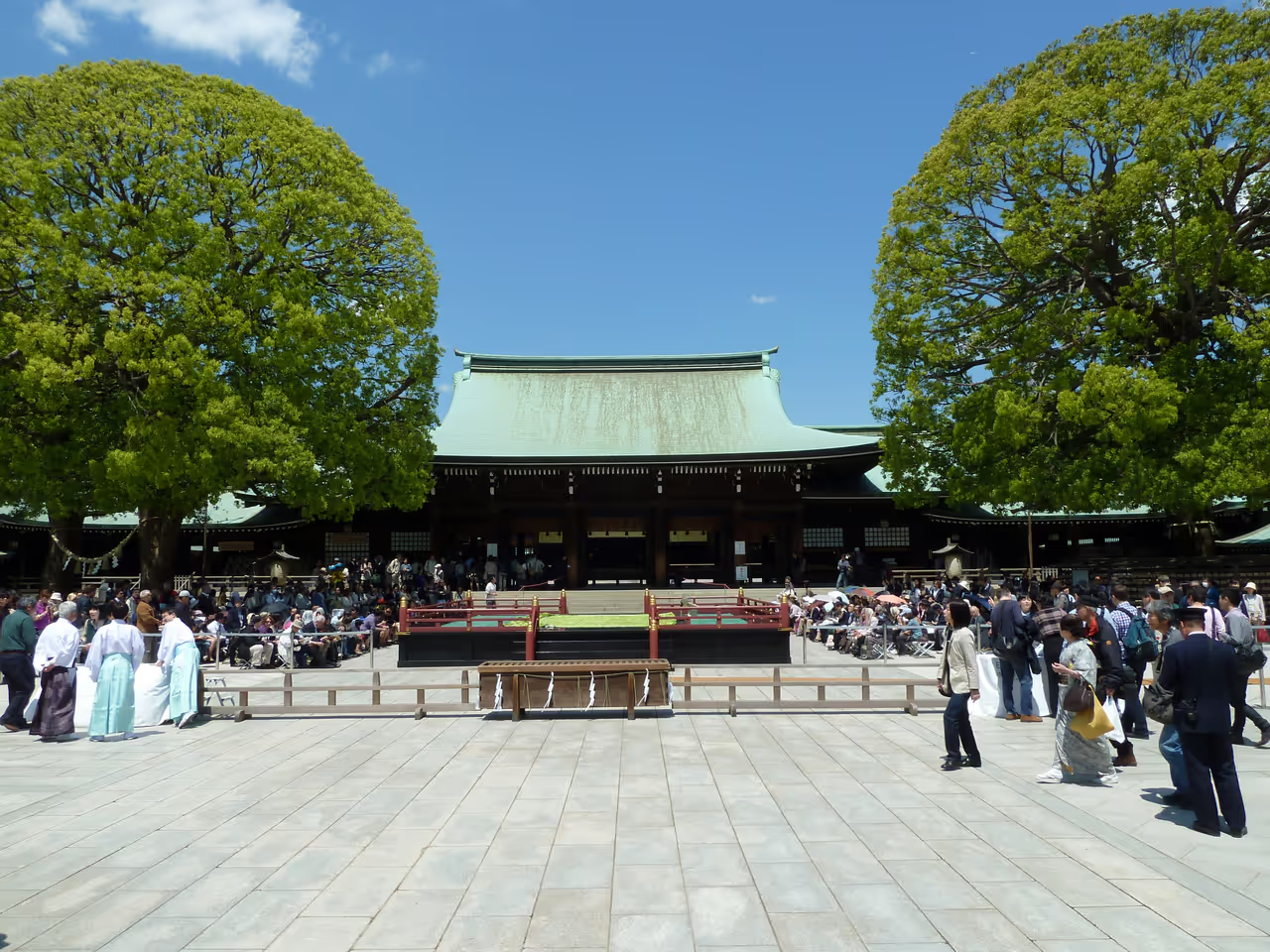
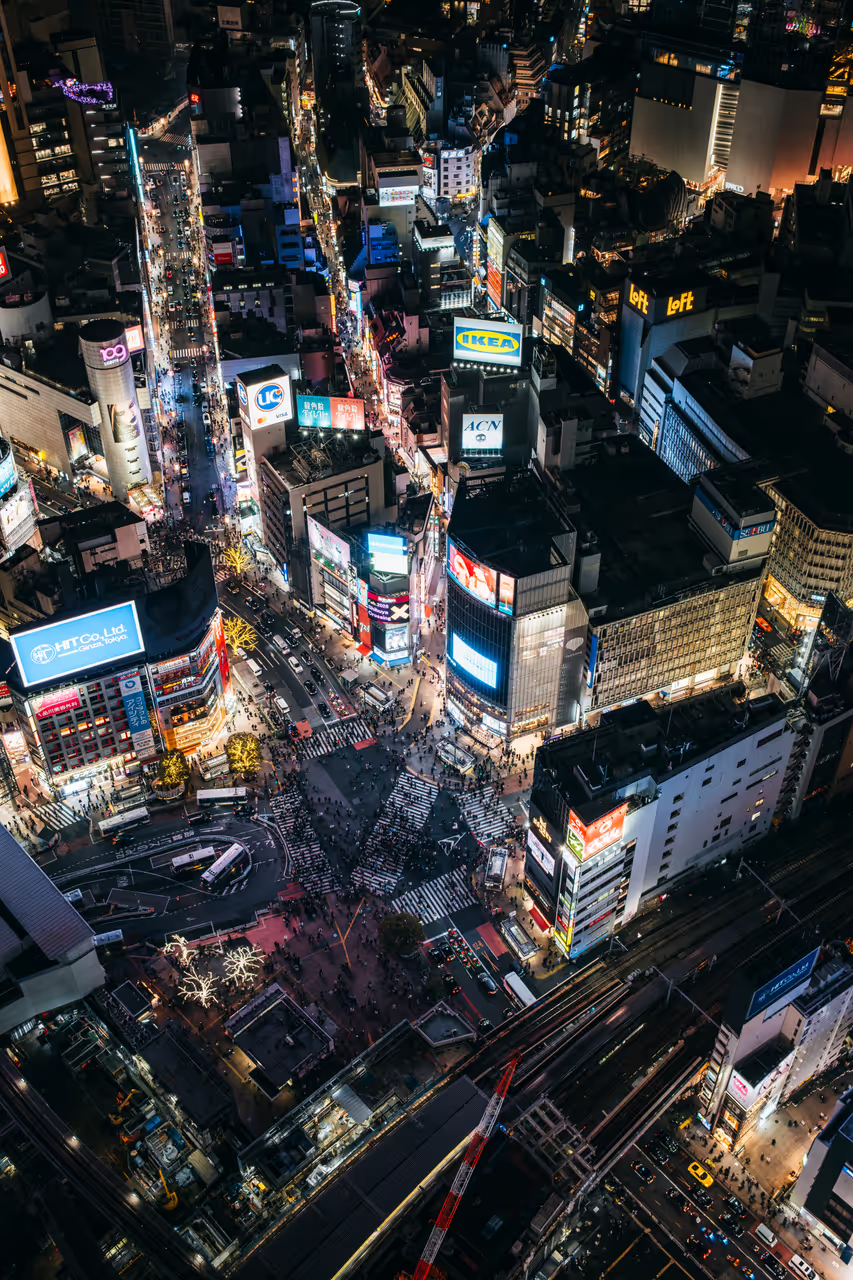
Imperial Palace, Meiji Jingu, Shibuya Scramble Crossing, Tokyo Skytree, Tokyo Tower, Edo-Tokyo Museum...