Tokyo Skytree
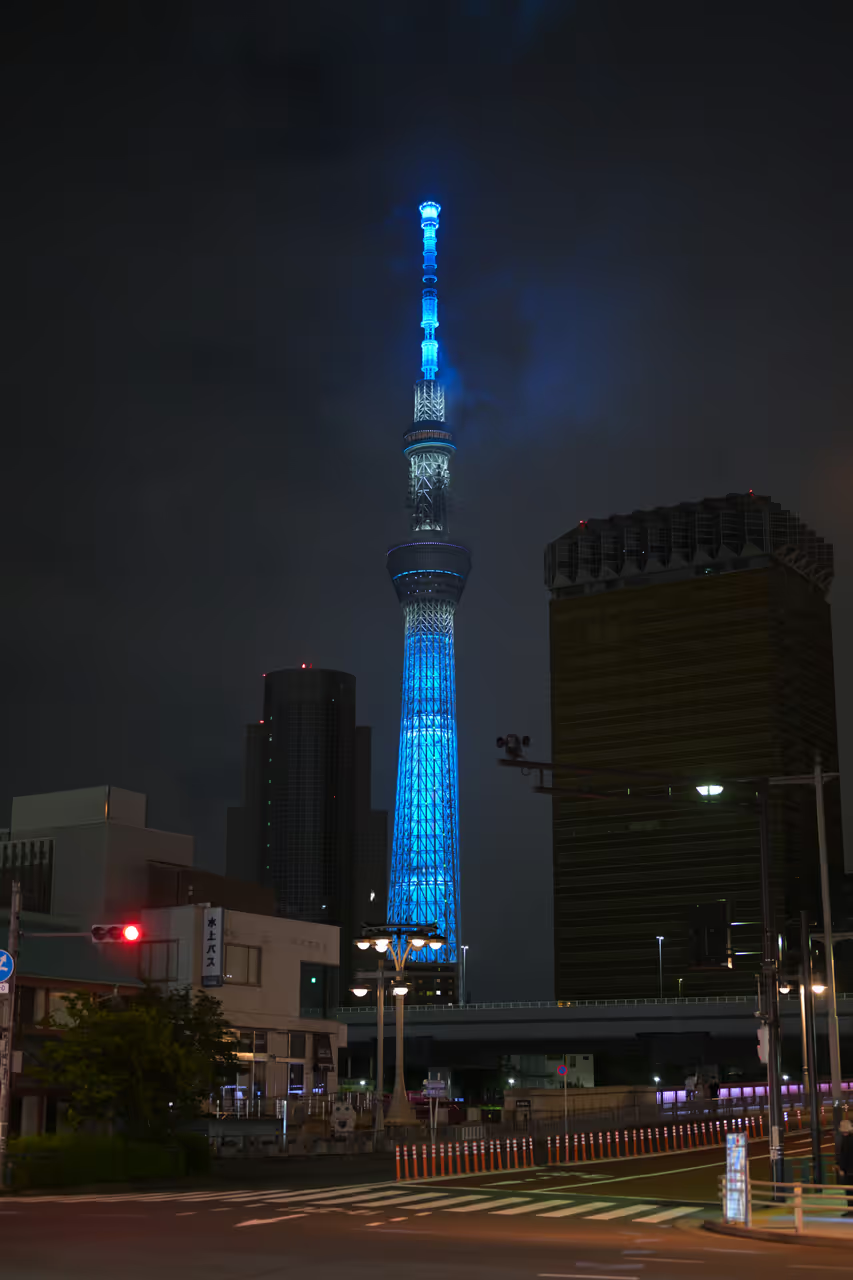
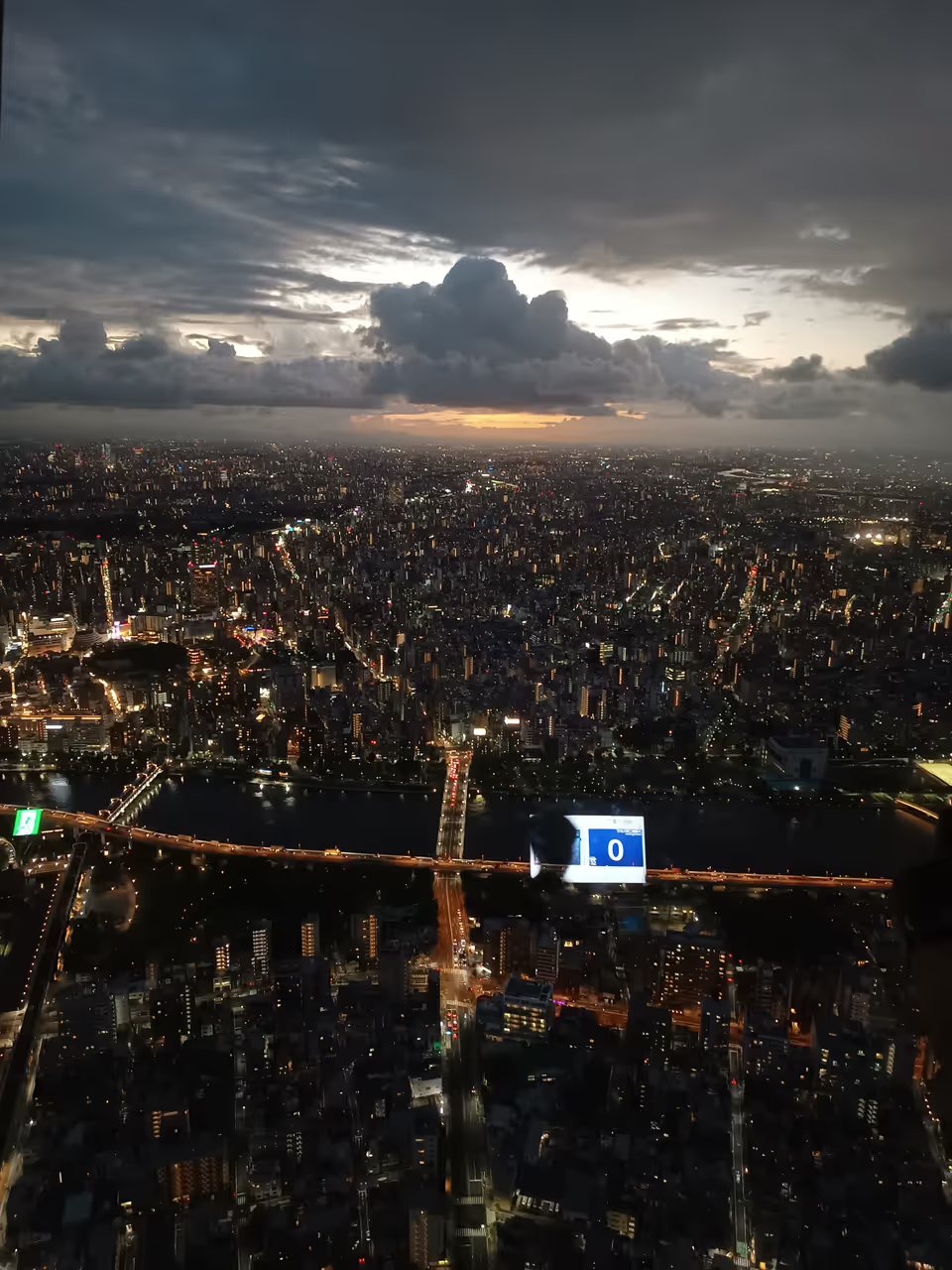
Tokyo Skytree stands as a modern marvel, soaring 634 metres into the clouds as the world's tallest freestanding tower. It offers a unique vantage point where you can see the vast urban sprawl of Tokyo stretch out like a map, even catching a glimpse of Mount Fuji on a clear day. The tower is more than just a viewpoint; it is a blend of futuristic technology and traditional Japanese aesthetics, featuring a design inspired by ancient pagodas and samurai swords. Visitors can wander through high altitude glass corridors or explore the extensive shopping and entertainment complex at its base. The atmosphere is electric, especially at night when the tower glows with elegant, themed LED illuminations. It is a symbol of Japan's resilience and engineering prowess, making it a must-visit for anyone looking to feel the heartbeat of the capital.
Videos
History of Tokyo Skytree
The story of Tokyo Skytree began with a practical need to overcome the shadows cast by Tokyo's rising forest of skyscrapers. By the early 2000s, the historic Tokyo Tower struggled to transmit digital signals clearly through the steel and glass jungle of the city centre. This led to a grand vision for a structure that would not only restore perfect signal clarity but also serve as a beacon of the new millennium. After a competitive selection process, the Sumida district was chosen for its rich history and connection to the Edo period, providing a bridge between the city's past and its future. Engineering this giant was a feat of unparalleled ambition. The design team fused ultra modern structural steel with the spirit of traditional Japanese architecture. They incorporated the subtle curves of a samurai blade and the vibration dampening technology found in ancient five story pagodas. This heart pillar system proved its worth before the tower was even finished; during the devastating earthquake of 2011, the half completed structure stood firm, proving that Japanese craftsmanship could withstand the most violent forces of nature. The height of 634 metres was chosen carefully, as the numbers can be read in Japanese as Musashi, the ancient name for the region where Tokyo sits. Since its grand opening in 2012, Tokyo Skytree has transformed from a functional broadcast mast into a global cultural icon. It represents the spirit of Tokyo, a city that respects its heritage while constantly reaching for the stars. Every evening, the tower is bathed in lights that reflect traditional concepts like Iki (chic) and Miyabi (elegance), illuminating the skyline for miles. It has become a place of pilgrimage for travellers and a source of deep pride for locals, standing as a silent, glowing guardian over the city's northern reaches.
Events spanning 9 years
Fun Facts
- • On a clear winter morning, visitors can see all the way to Mount Fuji, which stands approximately 100 kilometres away from the city.
- • Precision experiments at the tower have proven Einstein's theory of relativity by showing that time moves slightly faster at the top than at the ground level.
- • The Tembo Galleria features a transparent glass floor walkway at 450 metres, giving the sensation of floating high above the city streets.
- • The base of the tower is shaped like an equilateral triangle, but as it rises, the structure gradually morphs into a perfect circle near the top.
- • The elevator system is among the fastest in Japan, whisking guests up to the first observation deck at 350 metres in only 50 seconds.
- • The height of 634 metres is a clever play on words; the numbers can be read as Mu-sa-shi, the name of the ancient province that once covered the area.
- • The nightly lighting displays use over 2,000 LED units and alternate between themes like Iki (cool blue) and Miyabi (elegant purple).
- • The structure uses a heart pillar system similar to ancient wooden pagodas, which allows the central core to sway independently from the outer frame during earthquakes.
- • The tower is painted in an original colour called Skytree White, which has a subtle blue tint inspired by traditional Japanese indigo dyeing.
- • The tower serves as a high altitude laboratory for scientists studying lightning, as it is struck by lightning dozens of times every year.
Tokyo Skytree FAQ
While we strive to keep this information accurate and up to date, we recommend verifying any details independently before making decisions based on them.
Tokyo Skytree Map & Neighborhood Explorer
This interactive map is centered on Tokyo Skytree. Zoom in and move the map around to automatically discover Wikipedia photos and summaries of other nearby sights, monuments, and historical points of interest and stories in real-time!
Places near Tokyo Skytree
Make the most of your trip. Check out these top-rated spots located nearby.
 1308m
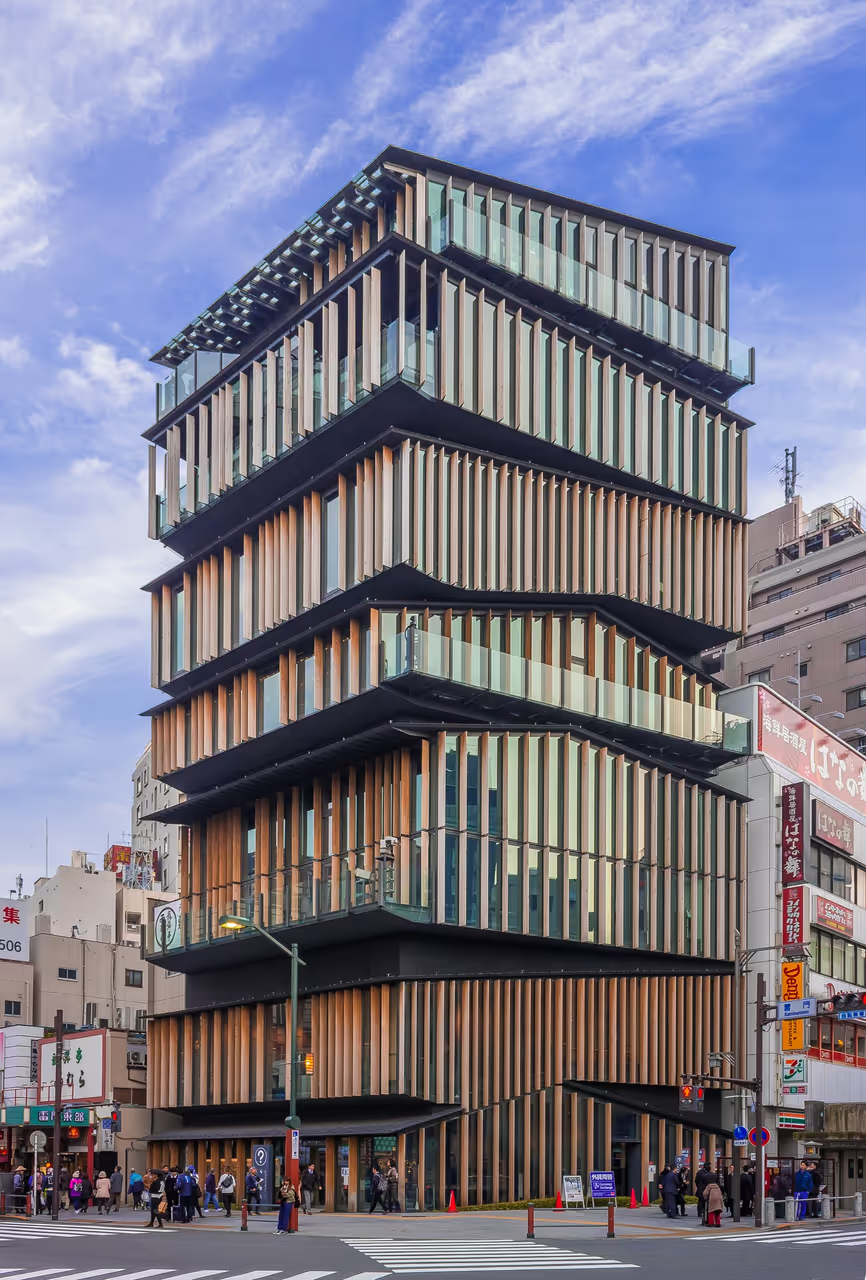
1308mAsakusa Culture Tourist Information Center
A highly inventive contemporary building designed to look like several traditional wooden houses stacked haphazardly upon one another. Architect Kengo Kuma utilised natural timber louvers to blend modern aesthetics with the historical context of the adjacent temple district. The unusual slanted roofs of the different levels break up the verticality creating a highly dynamic facade. The interior spaces are bright, welcoming, and serve as an excellent modern community hub. It is a brilliant example of contextual modern architecture respecting its deeply traditional surroundings.
architecture view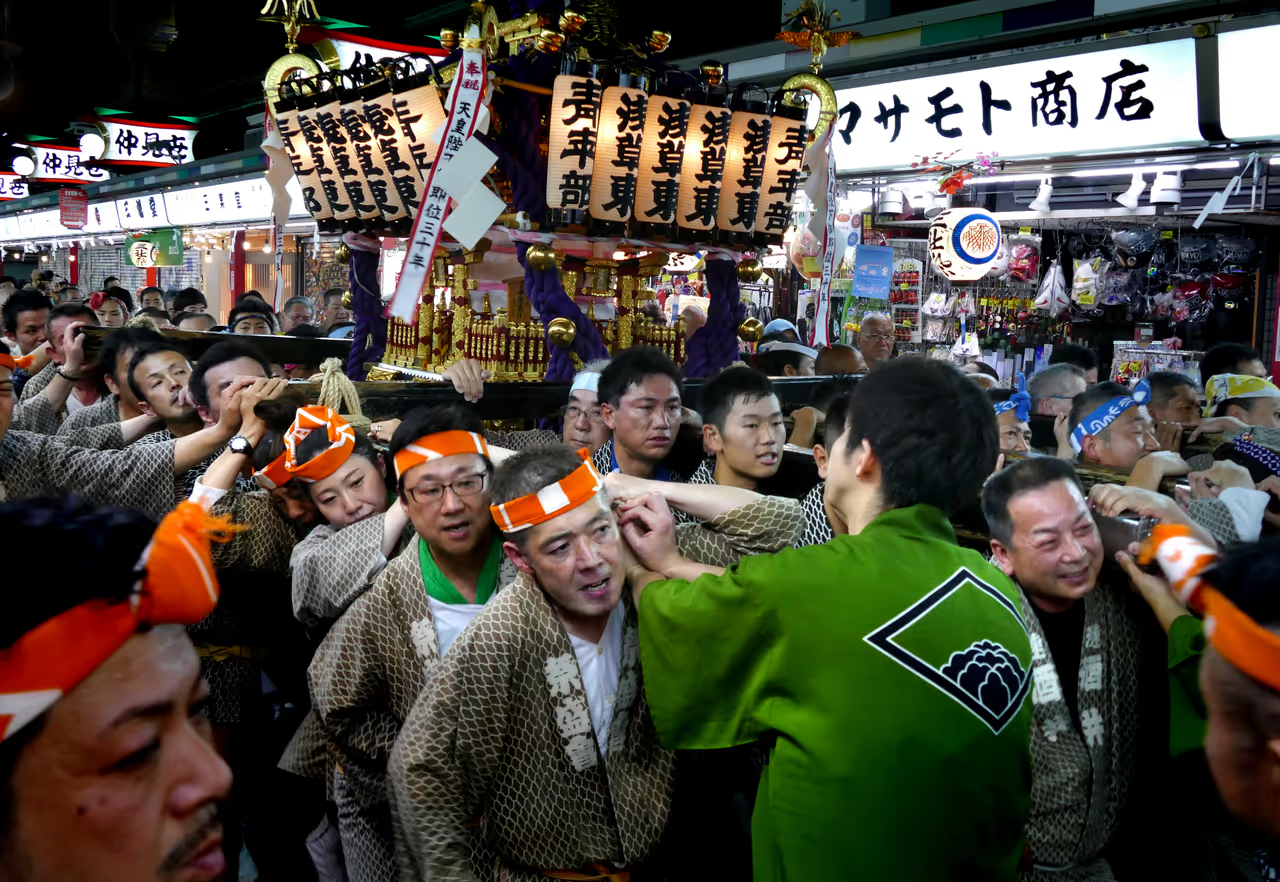 1325m
1325mSanja Matsuri
One of the most spectacular and energetic festivals in the capital celebrating the three founders of Senso-ji Temple. Over two million people gather in Asakusa to witness the vibrant parades featuring portable shrines carried by enthusiastic locals. The streets fill with traditional music, dancing, and elaborate floats creating an unforgettable atmosphere. It provides a rare opportunity to see authentic Edo period culture come alive in the modern day. Food stalls line the temple grounds offering delicious seasonal treats to the massive crowds.
festival view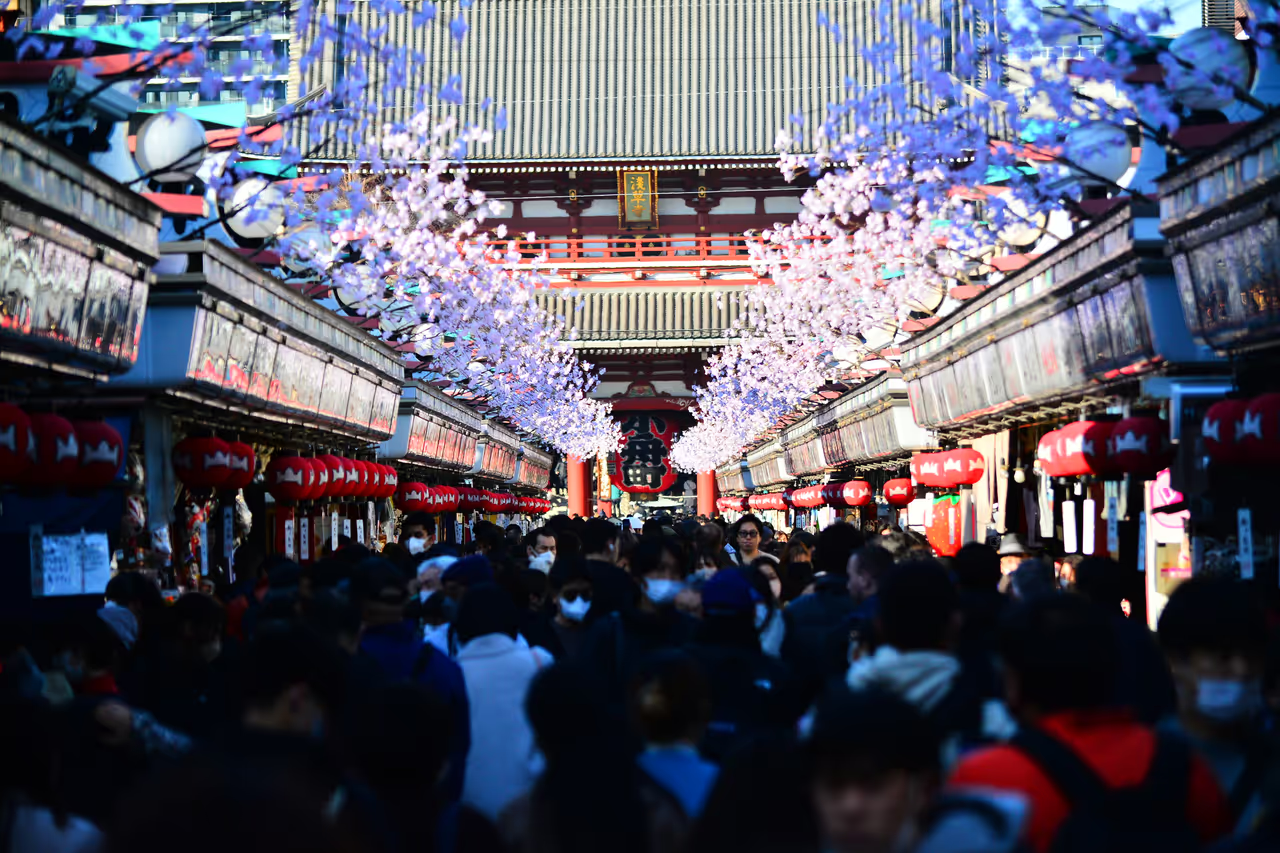 1383m
1383mSenso-ji Temple
Step into the heart of Tokyo's history at Senso-ji, the city's oldest and most iconic Buddhist temple. As you pass through the colossal Kaminarimon gate, you are greeted by an atmosphere that feels both timeless and vibrantly alive. Wander down the historic Nakamise-dori street, which is overflowing with traditional crafts and mouth-watering local snacks, before reaching the towering main hall and pagodas that stand as resilient symbols of the capital's spirit. Whether you are seeking a moment of spiritual reflection, looking to test your luck with an omikuji fortune, or simply wanting to soak in the incredible energy, this place is an absolute must-visit. Its blend of ancient legend, enduring architecture, and local charm creates an unforgettable experience that defines the quintessential Tokyo adventure.
attraction view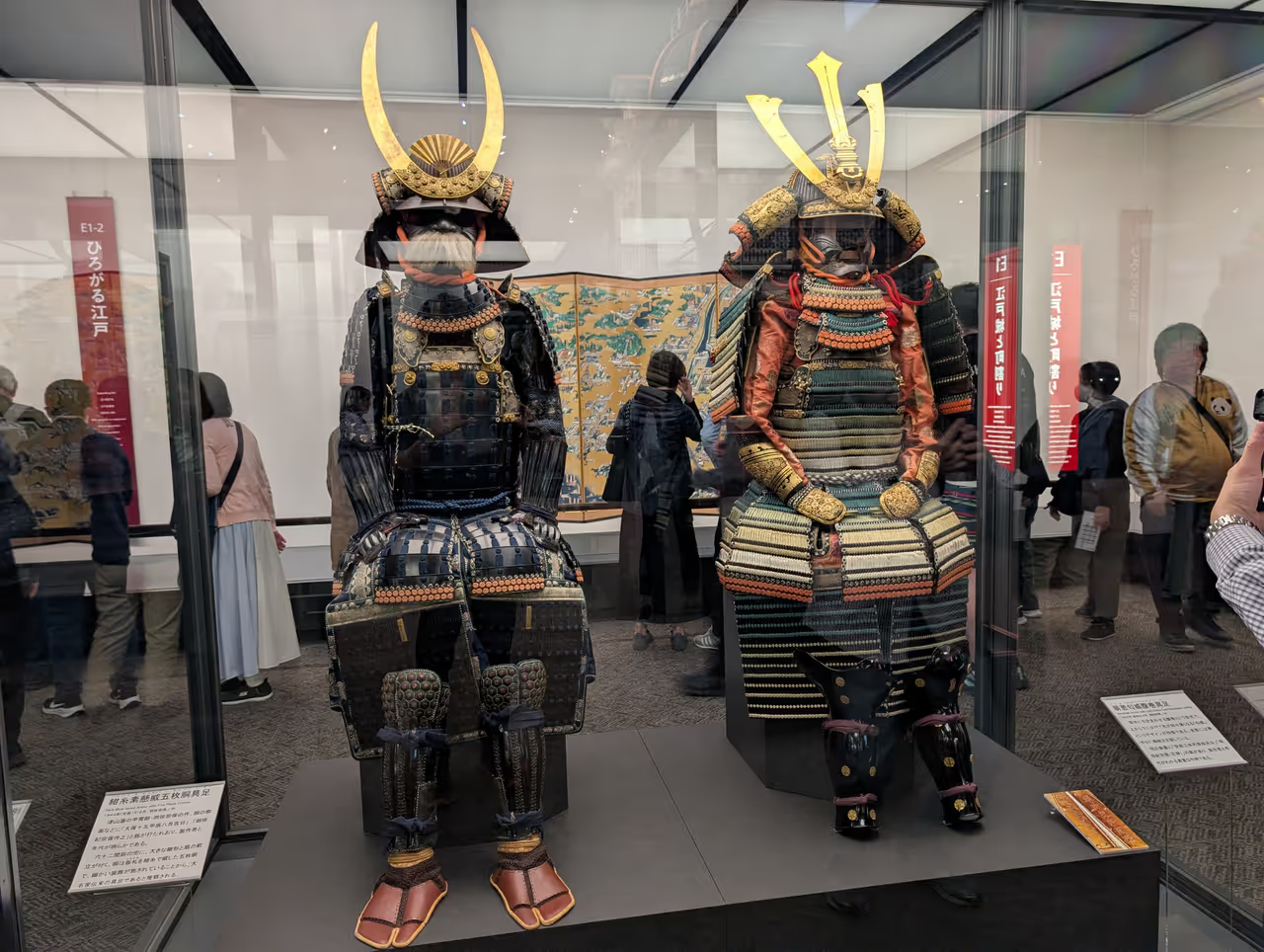 2032m
2032mEdo-Tokyo Museum
This immersive institution serves as a time machine, transporting visitors from the serene, wood-blocked streets of the Edo period directly into the rapid modernisation of Tokyo. Housed in a striking architectural marvel that mimics the silhouette of an ancient elevated storehouse, it offers a deep dive into the lives of ordinary citizens, samurai, and urban dwellers across centuries. You can wander across a full-scale reproduction of the Nihonbashi Bridge or explore meticulously crafted dioramas depicting the daily rhythms of old town life. Recent renovations have revitalised the space, introducing modern projection technology that beautifully illustrates the shifting seasons and skies over the city throughout history. It is a brilliant way to understand how the humble fishing village of Edo transformed into the sprawling, vibrant metropolis we see today.
attraction view
Explore Similar Places in This Collection
Featured on These Itineraries and Routes
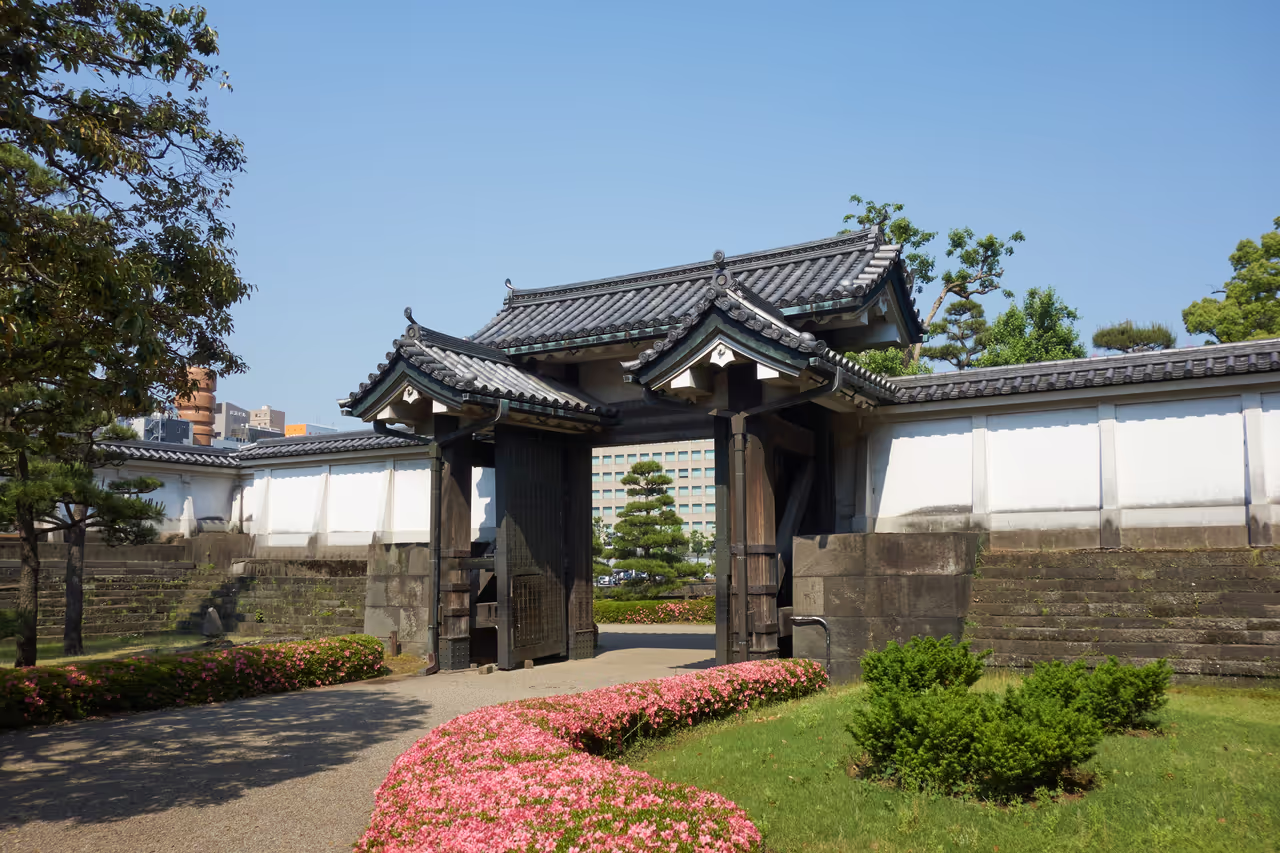
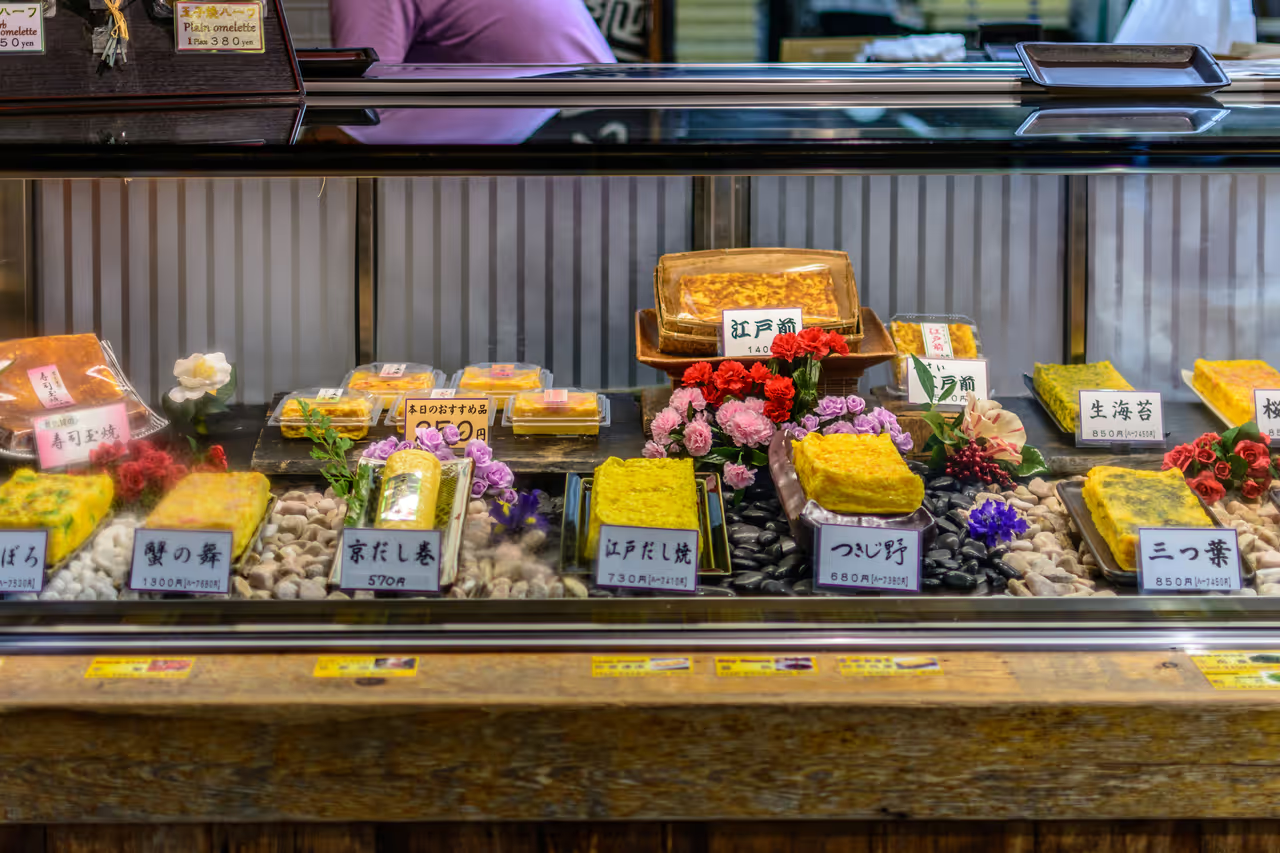
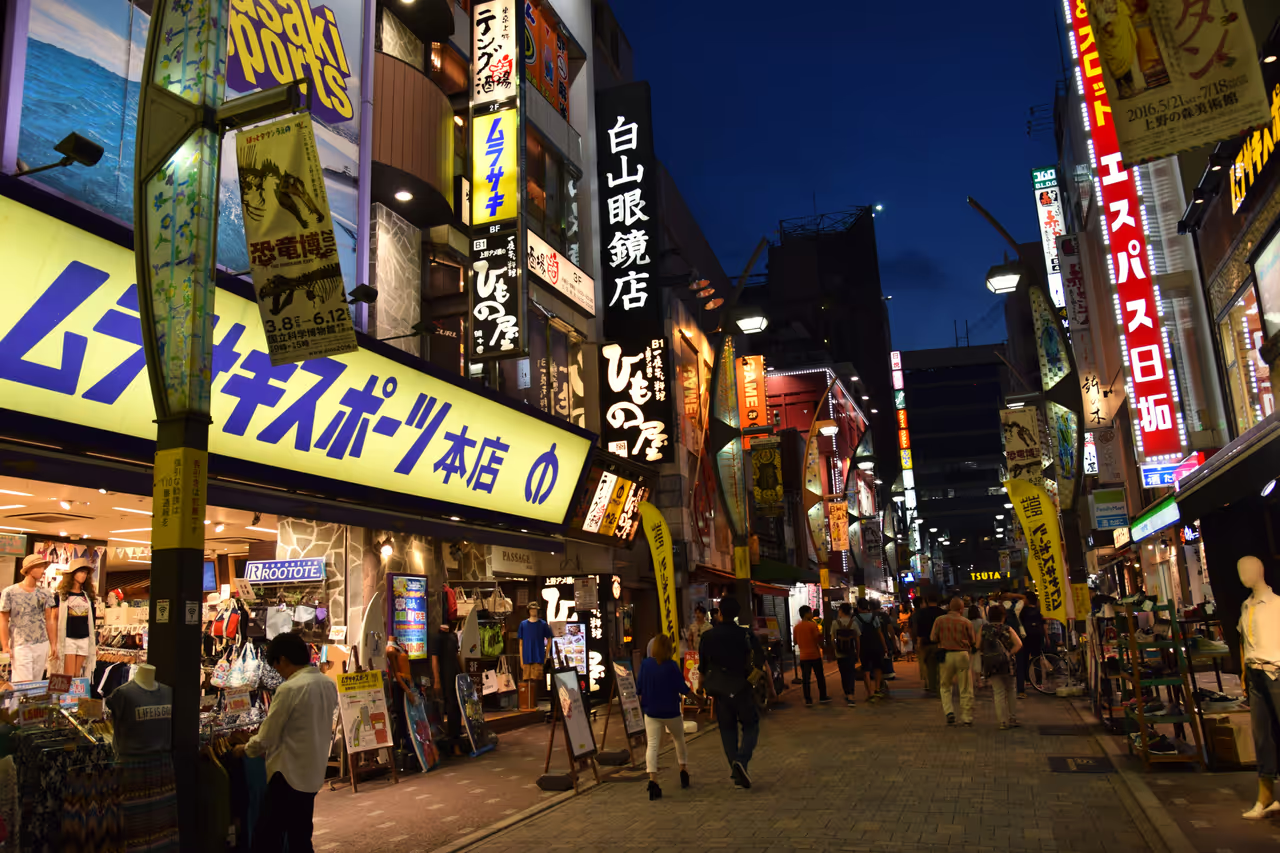
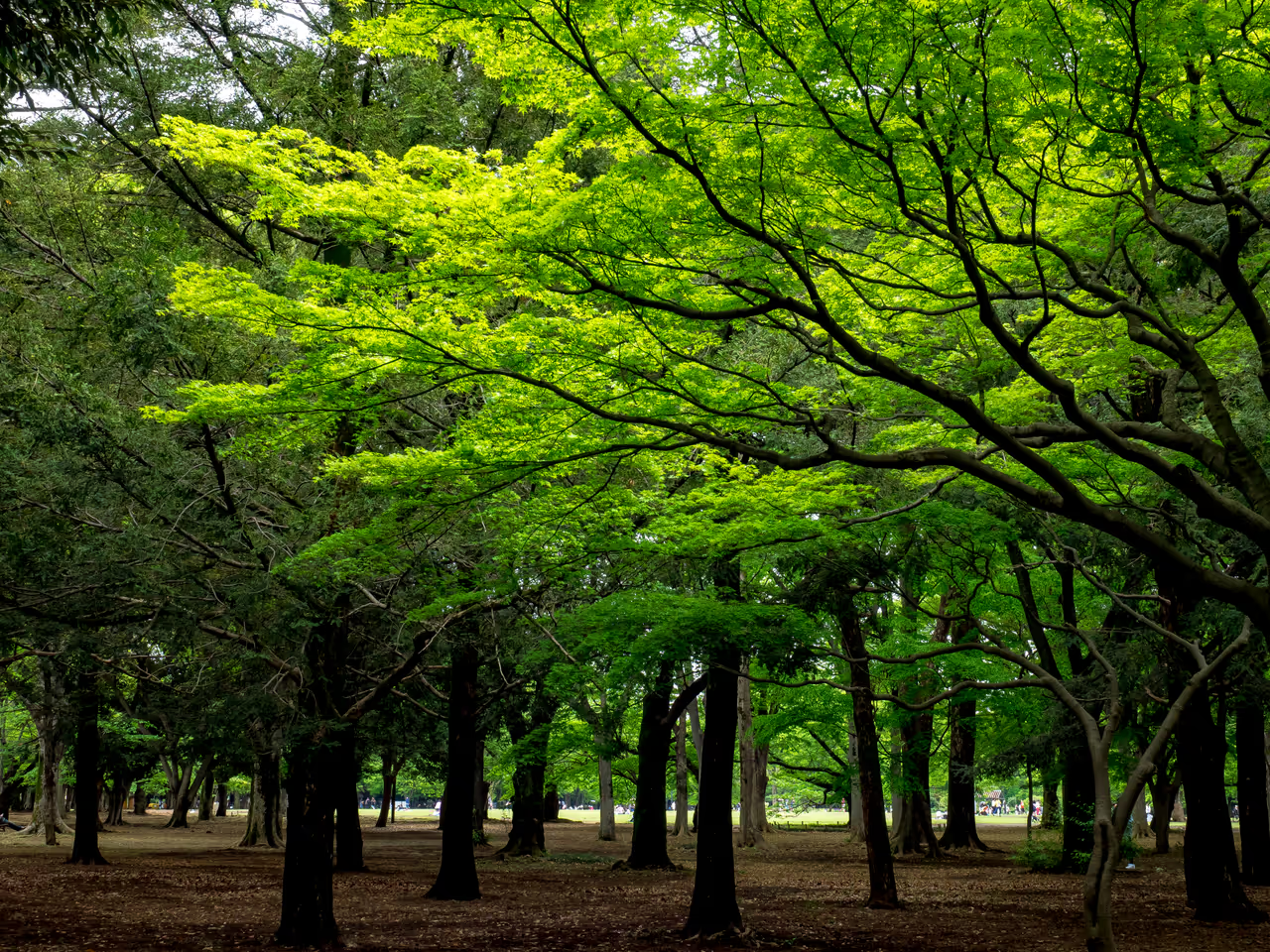
3 Days in Tokyo Itinerary
A well balanced exploration dedicating appropriate time to the diverse distinct neighbourhoods that compose the urban fabric. The journey systematically covers the eastern historical districts, the prestigious imperial centre, and the vibrant youth driven west. It allows for a more relaxed pace providing ample opportunities to enjoy extensive culinary breaks and local shopping. The progression naturally highlights the incredible evolution from Edo period traditions to modern pop culture. This is the optimal introductory experience for a standard city break.
view itinerary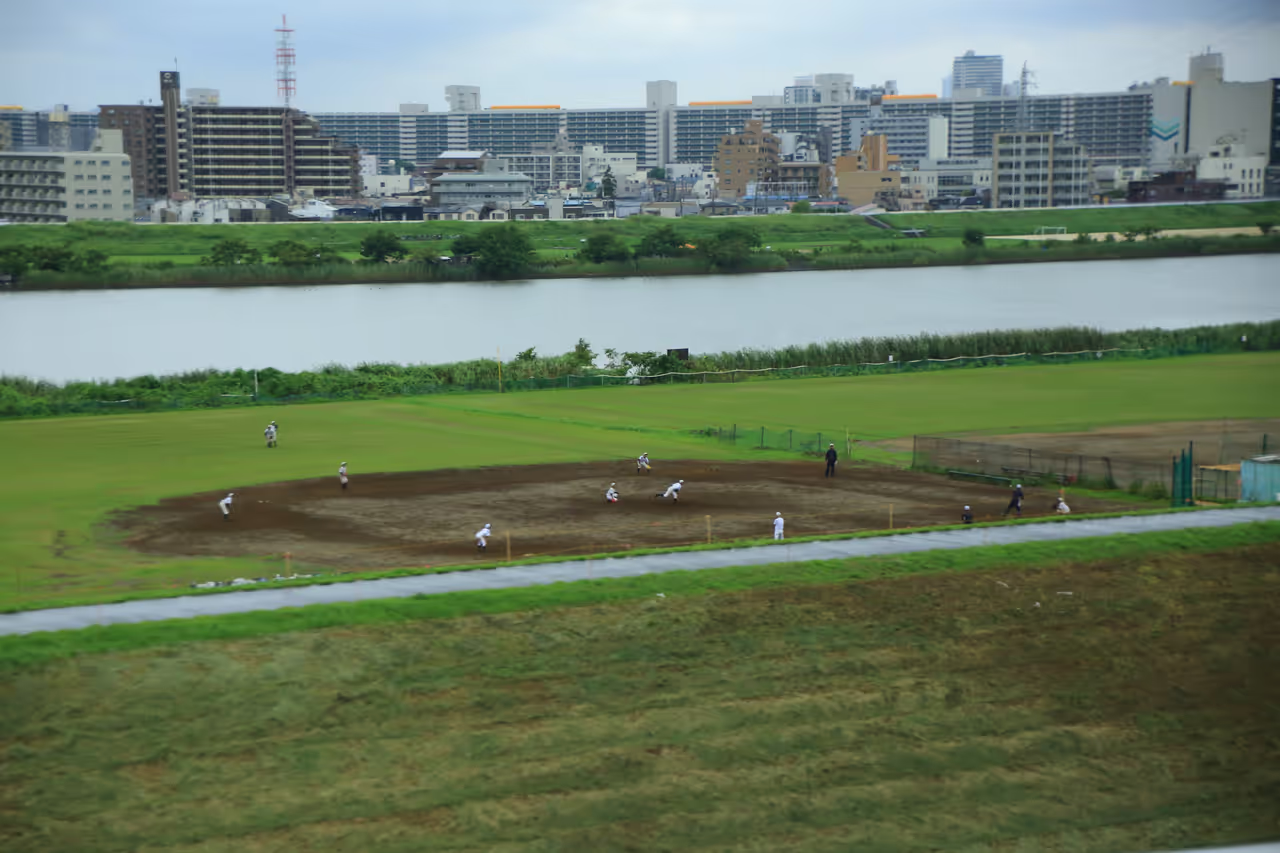
Arakawa River Cycling Road
An expansive and dedicated paved route stretching for miles along the wide riverbanks offering an escape from city traffic. Cyclists can enjoy uninterrupted riding with expansive skies and distant views of the skyline. The path passes through numerous local parks, baseball fields, and quiet residential edges. The lack of road crossings or traffic lights allows for a continuous and deeply meditative riding experience. It is a favourite weekend retreat for local cycling enthusiasts seeking fresh air and open space.
view cycling route
See all attractions in Tokyo
Imperial Palace, Meiji Jingu, Senso-ji Temple, Shibuya Scramble Crossing, Tokyo Tower, Edo-Tokyo Museum...