Edo-Tokyo Museum
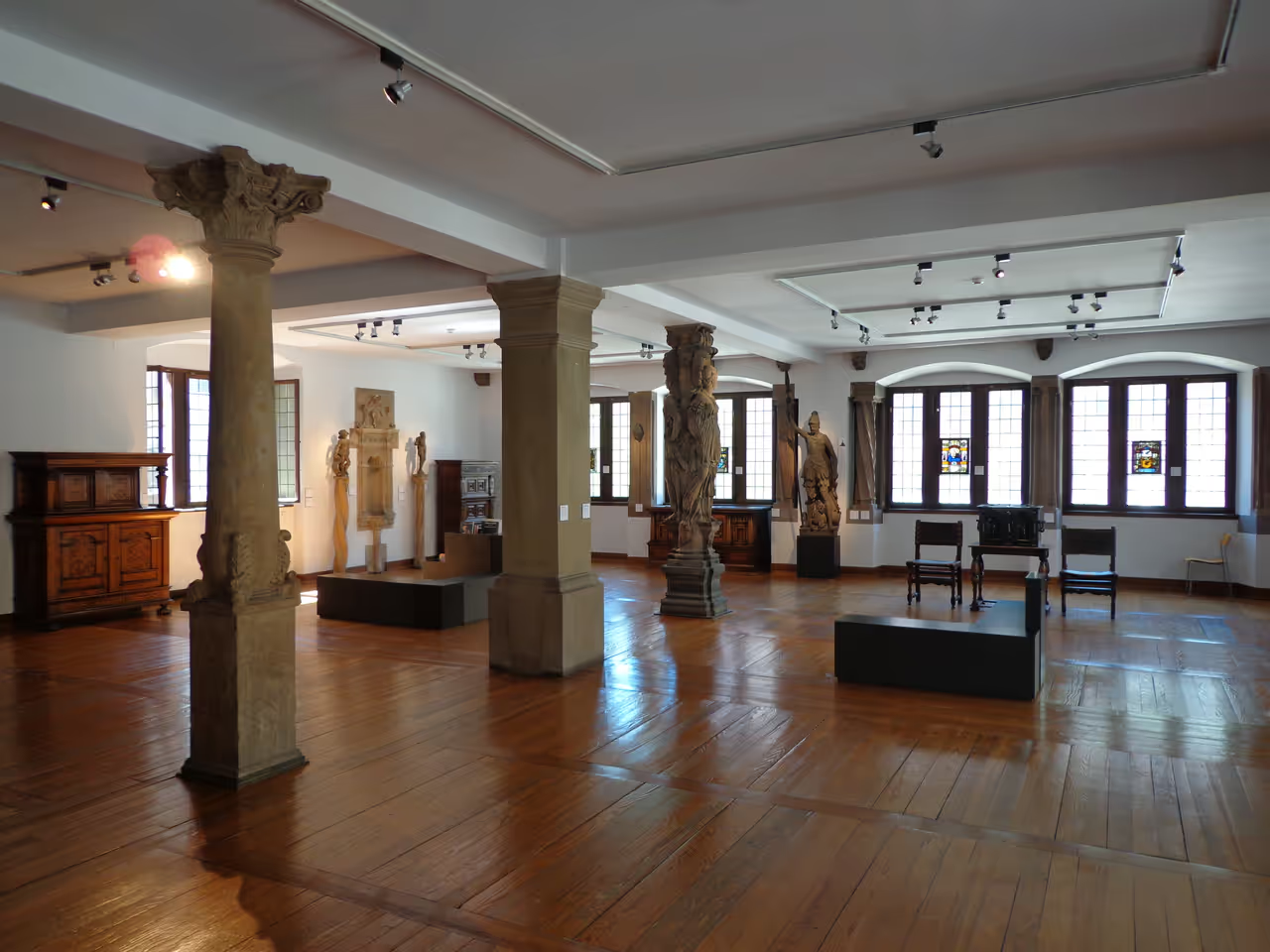
This immersive institution serves as a time machine, transporting visitors from the serene, wood-blocked streets of the Edo period directly into the rapid modernisation of Tokyo. Housed in a striking architectural marvel that mimics the silhouette of an ancient elevated storehouse, it offers a deep dive into the lives of ordinary citizens, samurai, and urban dwellers across centuries. You can wander across a full-scale reproduction of the Nihonbashi Bridge or explore meticulously crafted dioramas depicting the daily rhythms of old town life. Recent renovations have revitalised the space, introducing modern projection technology that beautifully illustrates the shifting seasons and skies over the city throughout history. It is a brilliant way to understand how the humble fishing village of Edo transformed into the sprawling, vibrant metropolis we see today.
Videos
History of Edo-Tokyo Museum
The Edo-Tokyo Museum emerged from a desire to preserve the vanishing soul of the city, specifically the transition from the feudal Edo era to the vibrant capital of modern Tokyo. Conceived as a grand project by the Tokyo Metropolitan Government, it was designed to bridge the gap between memory and reality. The architect, Kiyonori Kikutake, crafted a daring structure that looms over the Ryogoku district, its elevated, futuristic form intentionally contrasting with the traditional atmosphere of the area. Since opening its doors in 1993, the museum has stood as a monument to urban evolution, ensuring that the stories of merchants, artisans, and fire-fighters are not lost to the march of time. The museum's philosophy centres on the concept of the Edo-Tokyo identity, viewing the city as a living, breathing organism rather than a static historical entity. By recreating key landmarks at full scale, such as the iconic Nihonbashi Bridge and the Nakamura-za theatre, the institution invites visitors to step physically into the past. This approach transforms historical study into a sensory experience, where one can touch the textures of daily life, from the simple wooden tools of a craftsman to the intricate armour of a high-ranking samurai. It captures the resilience of a city that has faced fire, earthquake, and war, yet constantly reinvented itself. Following an extensive period of closure for major renovations, the museum unveiled a fresh, innovative identity in 2026. This transformation was more than just a repair job; it was a reimagining of how history is presented. With massive screens projecting the changing skies of the Edo period and immersive interactive displays, the visitor experience is now a seamless blend of traditional preservation and modern technology. It remains the definitive destination for anyone wanting to grasp the complex, layered character of Tokyo, reflecting a proud heritage while looking confidently toward the future.
Events spanning 33 years
Fun Facts
- • A full-scale reproduction of the Nihonbashi Bridge, the starting point of the five major roads leading out of Edo, serves as the main entrance to the permanent exhibition, acting as a portal between eras.
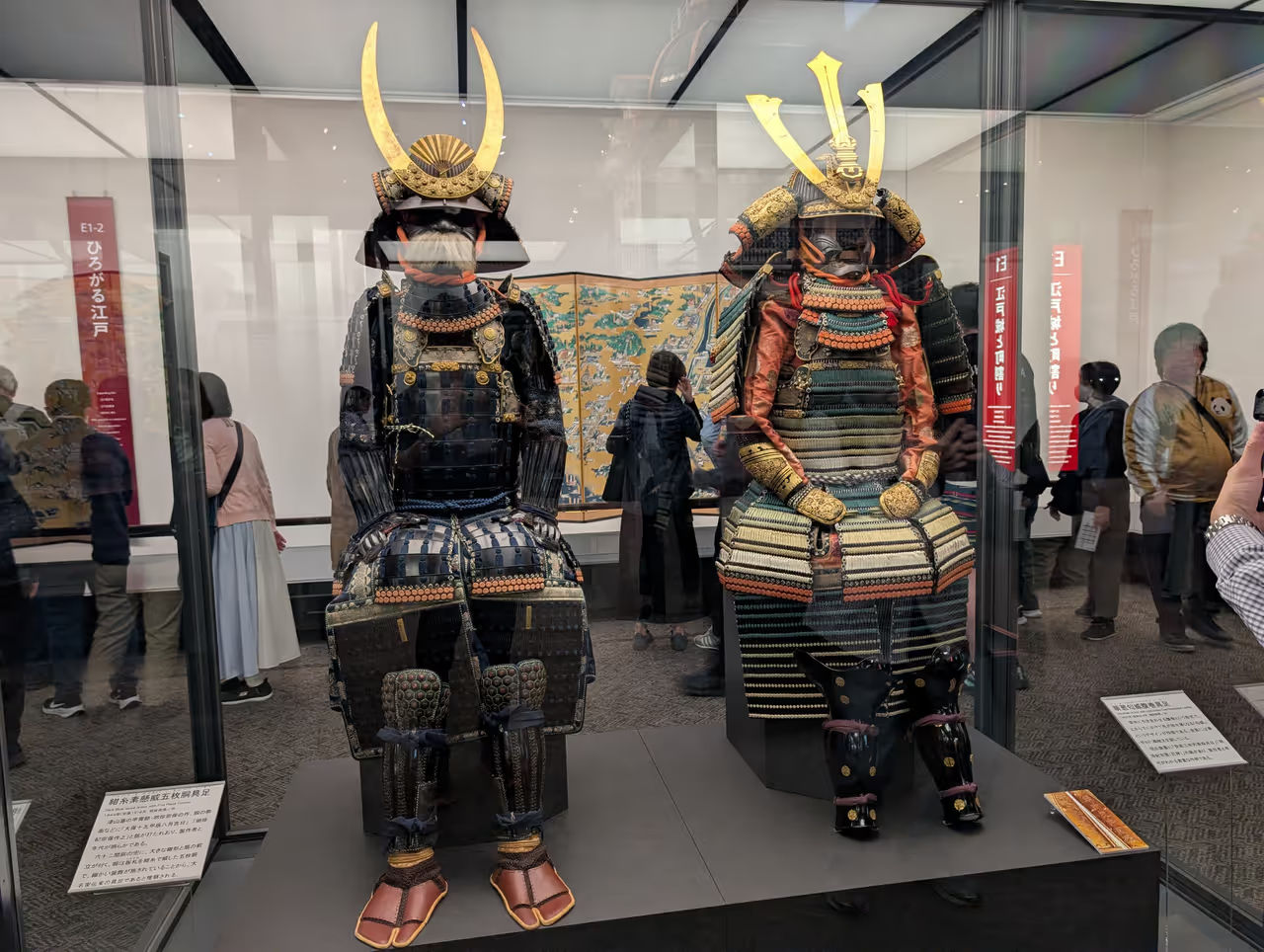
- • Among the notable artefacts are suits of armour with intricate lacing, demonstrating the aesthetic and technical mastery of Edo-period metalworkers and artisans.
- • During the Tokyo Zone exhibition, visitors encounter the stark reality of the city's twentieth-century challenges, including vivid portrayals of the aftermath of the Great Kanto Earthquake and the Tokyo Air Raids.
- • The institution maintains a dedicated research focus on Edo-ology, a cross-disciplinary field that studies the culture, environment, and sociology of the Edo period to better understand modern urban life.
- • The main exhibition hall stands at an impressive 62 metres, intentionally matching the historical height of the Edo Castle's main keep.
- • The museum creates a sensory atmosphere by using projection technology on high ceilings, simulating the passage of time and the changing light of the seasons as they would have been experienced in centuries past.
- • The museum houses a miniature reconstruction of the Nakamura-za theatre, which allows visitors to see how Kabuki performances were staged for the public during the seventeenth century.
- • The museum manages the Edo-Tokyo Open Air Architectural Museum in Koganei, where visitors can walk through restored buildings, including residences that inspired iconic scenes in Studio Ghibli films.
- • The museum's architecture was designed by Kiyonori Kikutake to resemble an elevated storehouse, a traditional architectural style used to protect valuable goods from moisture and vermin.
- • The museum's collection includes remarkably preserved glass plate negatives of the old Edo Castle, offering a hauntingly clear view of the shogunate's seat before it faded into history.
Edo-Tokyo Museum FAQ
While we strive to keep this information accurate and up to date, we recommend verifying any details independently before making decisions based on them.
Edo-Tokyo Museum Map & Neighborhood Explorer
This interactive map is centered on Edo-Tokyo Museum. Zoom in and move the map around to automatically discover Wikipedia photos and summaries of other nearby sights, monuments, and historical points of interest and stories in real-time!
Places near Edo-Tokyo Museum
Make the most of your trip. Check out these top-rated spots located nearby.
 1578m
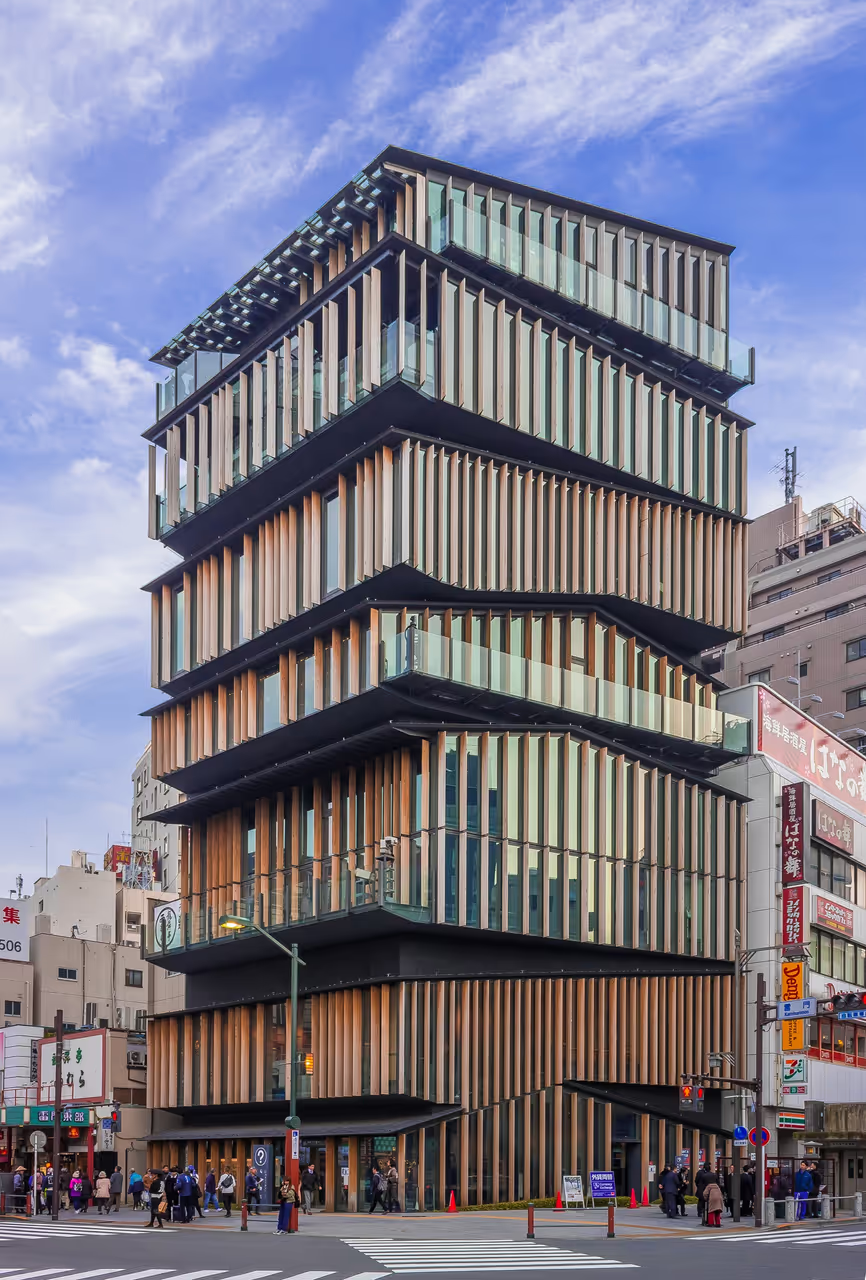
1578mAsakusa Culture Tourist Information Center
A highly inventive contemporary building designed to look like several traditional wooden houses stacked haphazardly upon one another. Architect Kengo Kuma utilised natural timber louvers to blend modern aesthetics with the historical context of the adjacent temple district. The unusual slanted roofs of the different levels break up the verticality creating a highly dynamic facade. The interior spaces are bright, welcoming, and serve as an excellent modern community hub. It is a brilliant example of contextual modern architecture respecting its deeply traditional surroundings.
architecture view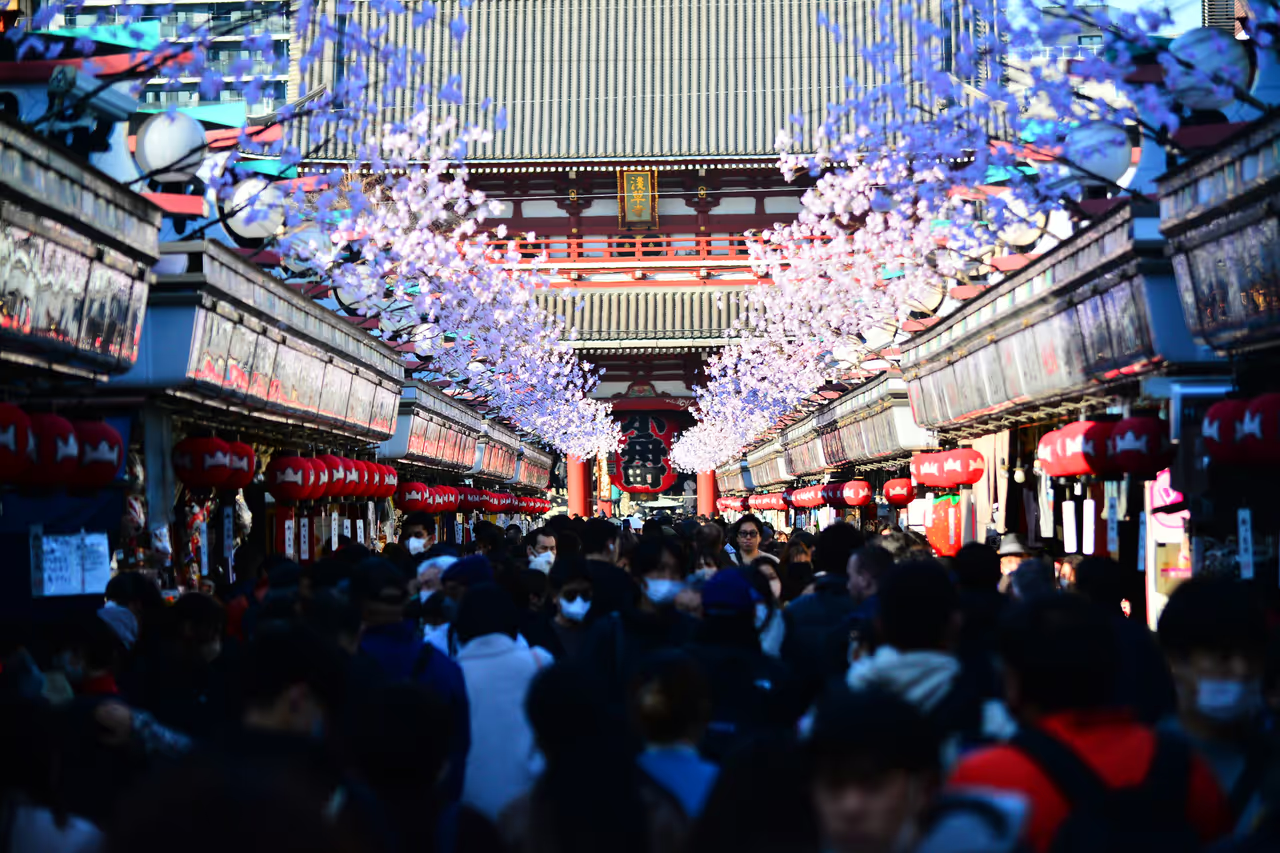 2031m
2031mSenso-ji Temple
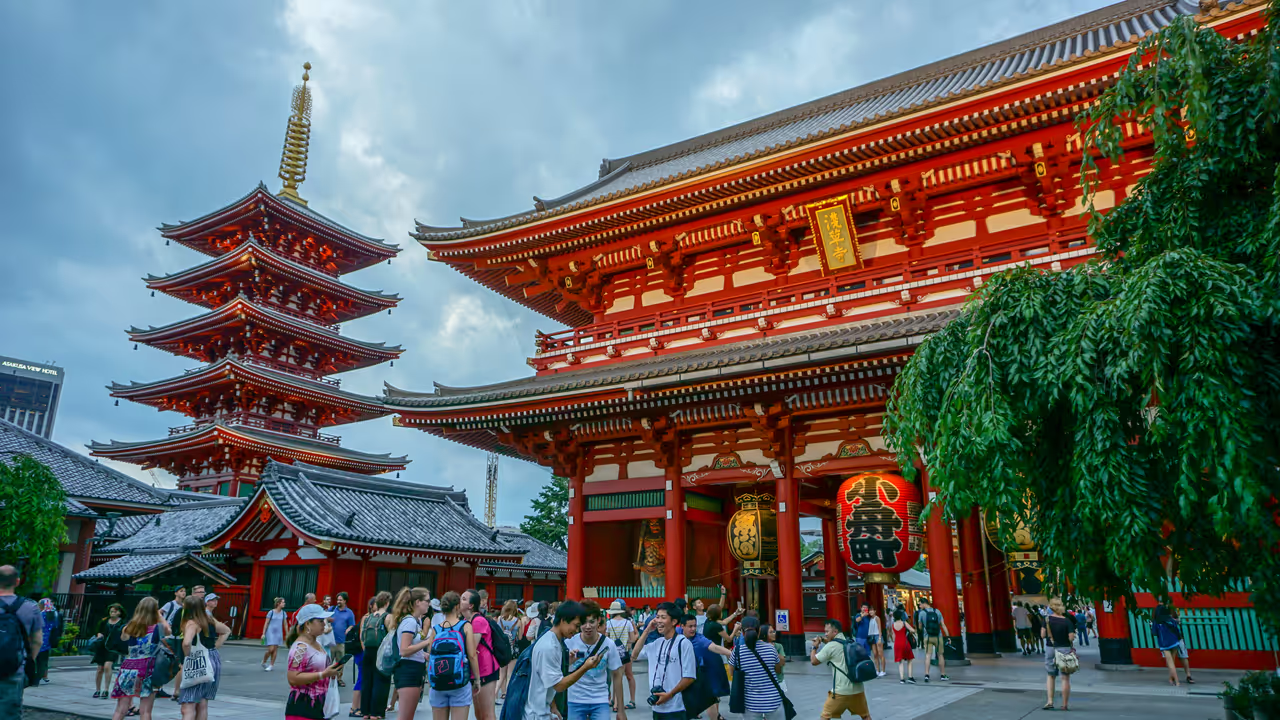
Step into the heart of Tokyo's history at Senso-ji, the city's oldest and most iconic Buddhist temple. As you pass through the colossal Kaminarimon gate, you are greeted by an atmosphere that feels both timeless and vibrantly alive. Wander down the historic Nakamise-dori street, which is overflowing with traditional crafts and mouth-watering local snacks, before reaching the towering main hall and pagodas that stand as resilient symbols of the capital's spirit. Whether you are seeking a moment of spiritual reflection, looking to test your luck with an omikuji fortune, or simply wanting to soak in the incredible energy, this place is an absolute must-visit. Its blend of ancient legend, enduring architecture, and local charm creates an unforgettable experience that defines the quintessential Tokyo adventure.
attraction view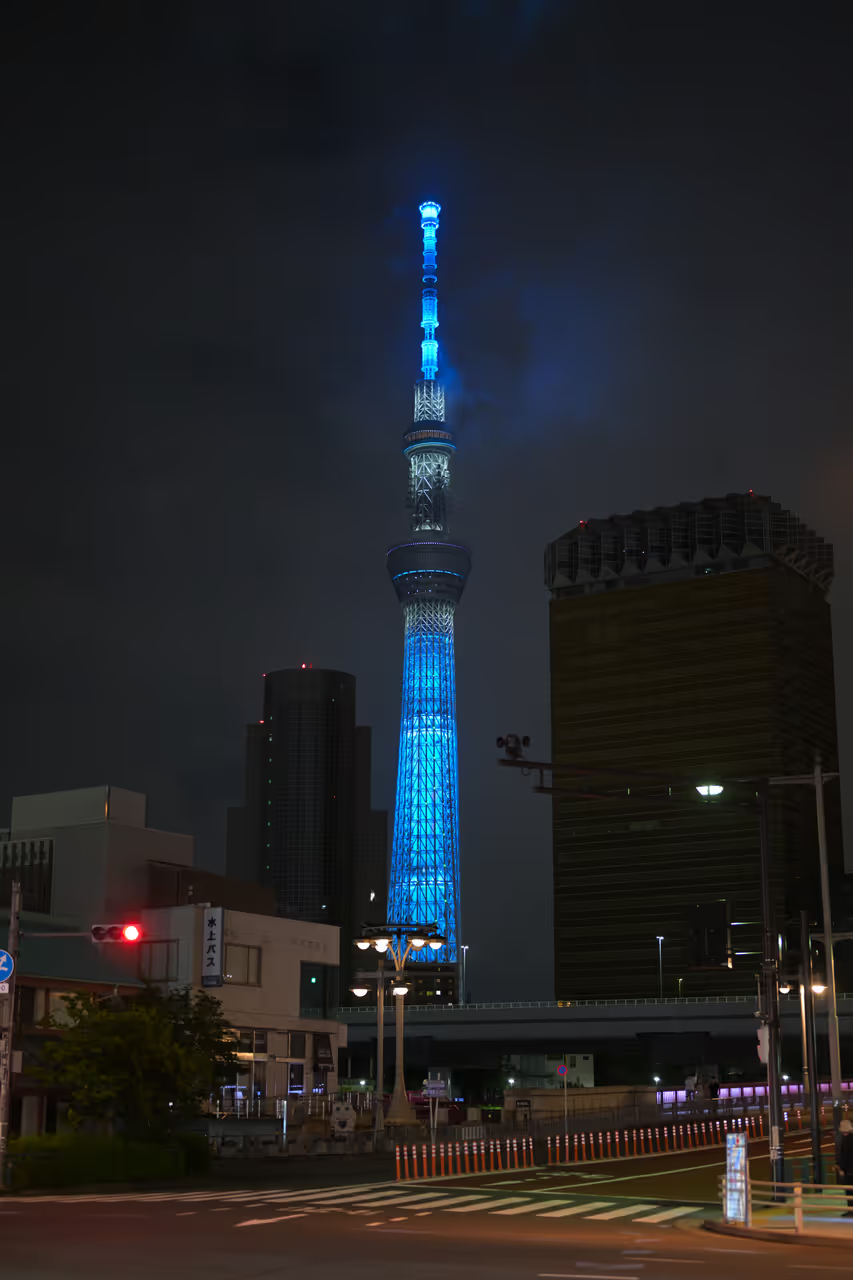 2032m
2032mTokyo Skytree
Tokyo Skytree stands as a modern marvel, soaring 634 metres into the clouds as the world's tallest freestanding tower. It offers a unique vantage point where you can see the vast urban sprawl of Tokyo stretch out like a map, even catching a glimpse of Mount Fuji on a clear day. The tower is more than just a viewpoint; it is a blend of futuristic technology and traditional Japanese aesthetics, featuring a design inspired by ancient pagodas and samurai swords. Visitors can wander through high altitude glass corridors or explore the extensive shopping and entertainment complex at its base. The atmosphere is electric, especially at night when the tower glows with elegant, themed LED illuminations. It is a symbol of Japan's resilience and engineering prowess, making it a must-visit for anyone looking to feel the heartbeat of the capital.
attraction view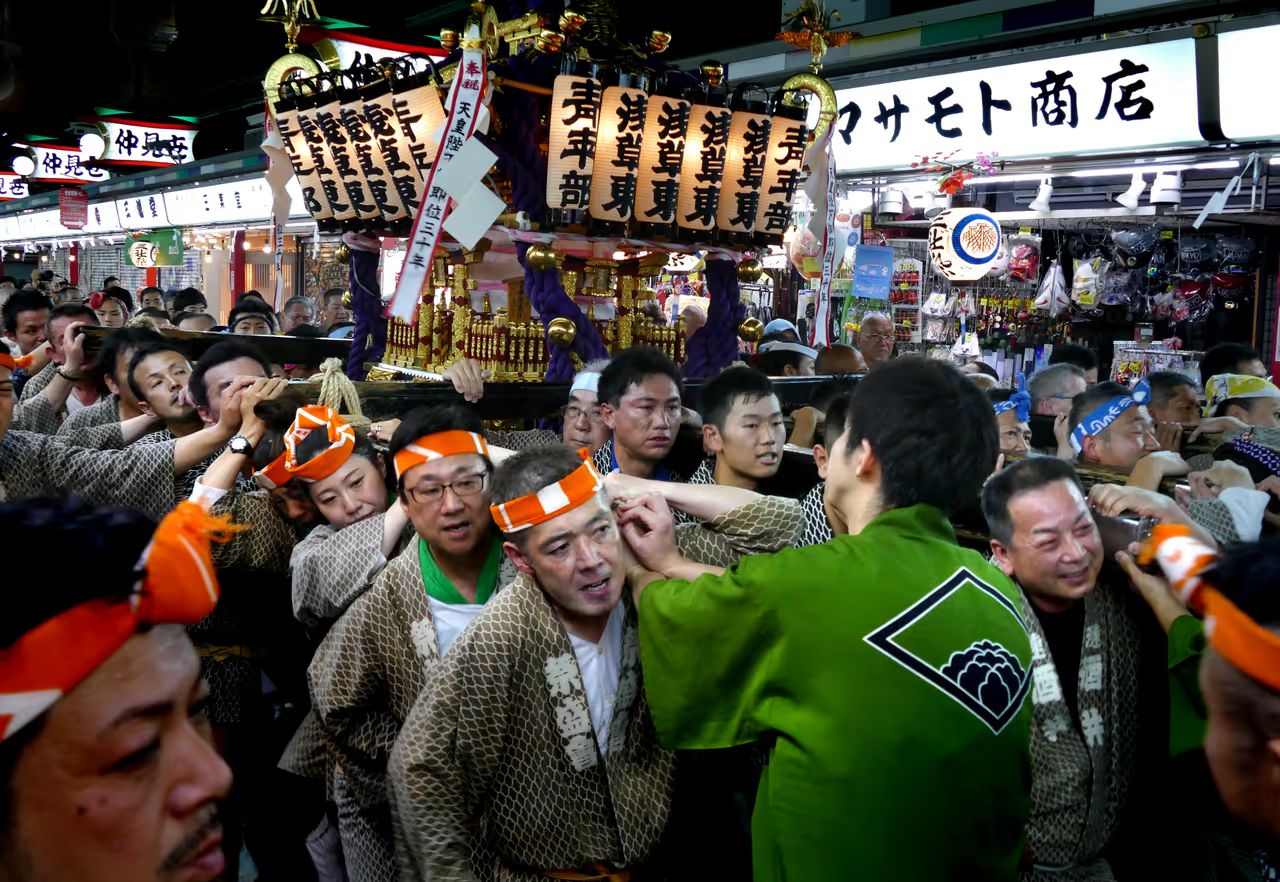 2045m
2045mSanja Matsuri
One of the most spectacular and energetic festivals in the capital celebrating the three founders of Senso-ji Temple. Over two million people gather in Asakusa to witness the vibrant parades featuring portable shrines carried by enthusiastic locals. The streets fill with traditional music, dancing, and elaborate floats creating an unforgettable atmosphere. It provides a rare opportunity to see authentic Edo period culture come alive in the modern day. Food stalls line the temple grounds offering delicious seasonal treats to the massive crowds.
festival view
Explore Similar Places in This Collection
Featured on This Route
See all attractions in Tokyo
Imperial Palace, Meiji Jingu, Senso-ji Temple, Shibuya Scramble Crossing, Tokyo Skytree, Tokyo Tower...