Shibuya Scramble Crossing
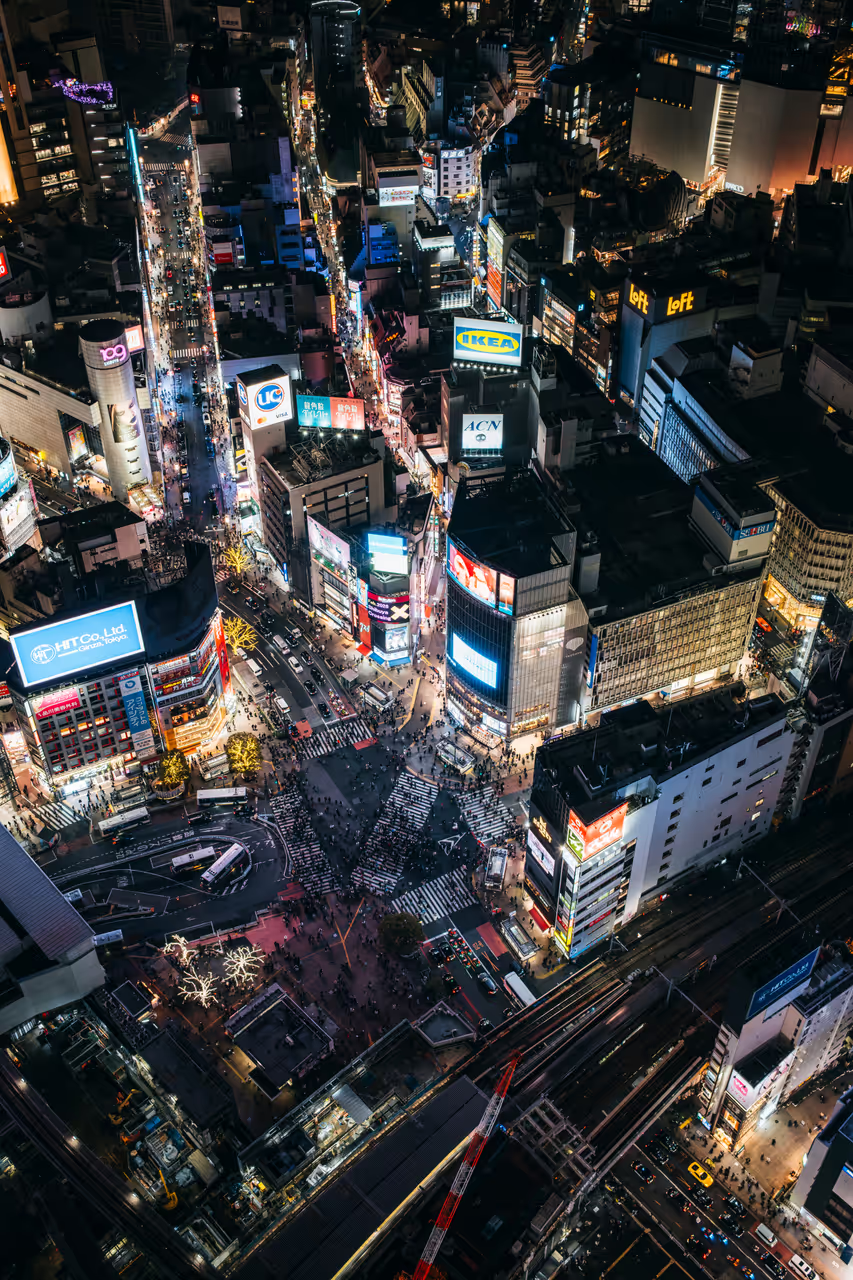
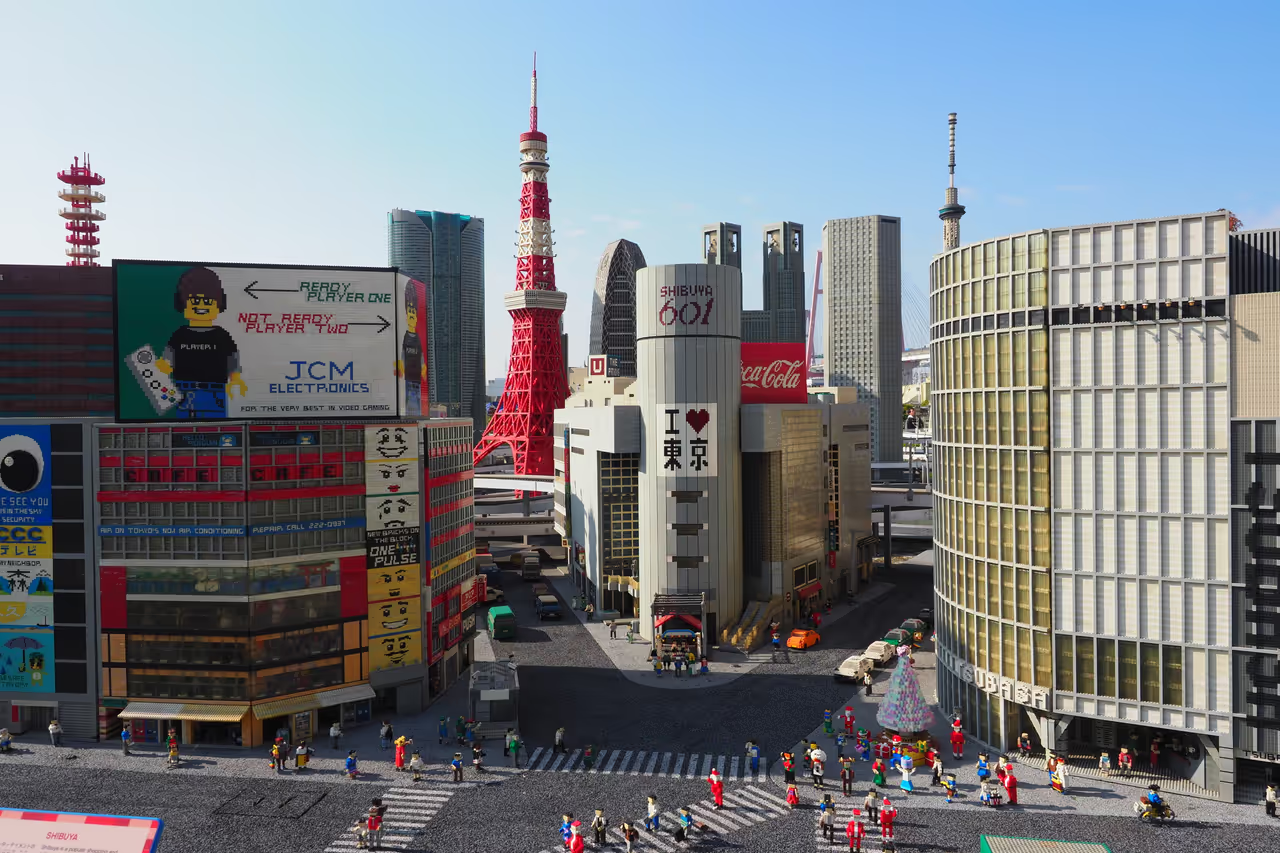
Step into the heart of Tokyo at the world famous Shibuya Scramble Crossing, a junction that has become the definitive symbol of the city's electric energy. Watch as hundreds, sometimes thousands, of pedestrians surge forward in a perfectly choreographed dance of urban movement the moment the lights turn green. This location is far more than a simple transit point; it serves as a stage where the vibrant culture of modern Japan meets the relentless pace of global innovation. Surrounded by towering skyscrapers adorned with massive, glowing digital screens, the atmosphere is electric and visually breathtaking, especially after sunset. Whether you are aiming to capture that perfect cinematic shot, people watch from a nearby cafe, or simply experience the rush of being part of the crowd, this intersection provides a quintessential Tokyo moment. It remains a powerful testament to order amidst chaos and stands as an essential destination for every traveller exploring the metropolis.
Videos
History of Shibuya Scramble Crossing
The history of this location mirrors the transformation of Tokyo itself. Long before the neon lights and digital screens defined the area, the crossing served as a critical junction on the old Ooyama Kaido, a road that connected the capital to the surrounding regions. During the Edo period, this was a functional thoroughfare, a bypass for merchants and travellers. When the railway arrived in the late 19th century, the area remained a quiet rural settlement, but the strategic relocation of the station in 1921 effectively pivoted the city toward this spot, creating a vital link between the urban rail networks and the expanding western suburbs. As the 20th century progressed, the area became a testing ground for urban planning. The post-war era brought black markets and rapid reconstruction, but it was the economic boom of the late 1960s and 1970s that truly forged the identity of the intersection. The introduction of the scramble signal system in 1973 was a masterstroke of civil engineering that unintentionally created a piece of performance art. By stopping all cars simultaneously, the city transformed the mundane act of crossing the street into a grand spectacle, allowing thousands of individuals to intermingle in a organised, pulsing wave. Today, the intersection has transcended its origins as a traffic solution to become a global cultural icon. It has become a recurring character in film and media, serving as the quintessential visual shorthand for Japan's modern, high-tech character. While it is a place of transit, it is also a stage for modern urban life, where residents and visitors converge to witness the scale of the city. The history of this place is one of constant adaptation, from a humble road for packhorses to a vibrant monument of 21st-century urbanism.
Events spanning 92 years
Fun Facts
- • At peak times, this intersection can see up to 3,000 pedestrians cross simultaneously during a single green light cycle.
- • Because the area attracts such a high volume of visitors, specific ordinances were introduced to curb disruptive behaviour, reflecting the balance between a public space and an international destination.
- • Below the surface, a complex network of tunnels and underground shopping arcades known as Shibuchika connects the various rail lines, serving as a massive pedestrian thoroughfare.
- • During events like Halloween or New Year's Eve, the crossing becomes a de facto outdoor festival, prompting the local government to implement specific regulations to manage the massive influx of people.
- • Large-scale digital billboards surrounding the crossing make it one of the most valuable advertising spots in Japan, with corporations paying premium fees for the high exposure.
- • The crossing is home to the famous Hachiko statue, a bronze monument dedicated to the loyal Akita dog who waited for his owner at the station daily, even after the owner had passed away.
- • The distinctive scramble design was originally intended to improve traffic efficiency, yet it paradoxically became a global tourist attraction in its own right.
- • The intersection has evolved from an Edo period thoroughfare into a modern cultural landmark, surviving the devastation of wartime air raids to become the heart of the city.
- • The intersection is famously compared to the neon-drenched aesthetic of the film Blade Runner by director Sofia Coppola.
- • To facilitate high-budget film and commercial productions that require the look of the crossing, an exact replica was constructed as an outdoor studio in Ashikaga City.
Shibuya Scramble Crossing FAQ
While we strive to keep this information accurate and up to date, we recommend verifying any details independently before making decisions based on them.
Shibuya Scramble Crossing Map & Neighborhood Explorer
This interactive map is centered on Shibuya Scramble Crossing. Zoom in and move the map around to automatically discover Wikipedia photos and summaries of other nearby sights, monuments, and historical points of interest and stories in real-time!
Places near Shibuya Scramble Crossing
Make the most of your trip. Check out these top-rated spots located nearby.
 132m
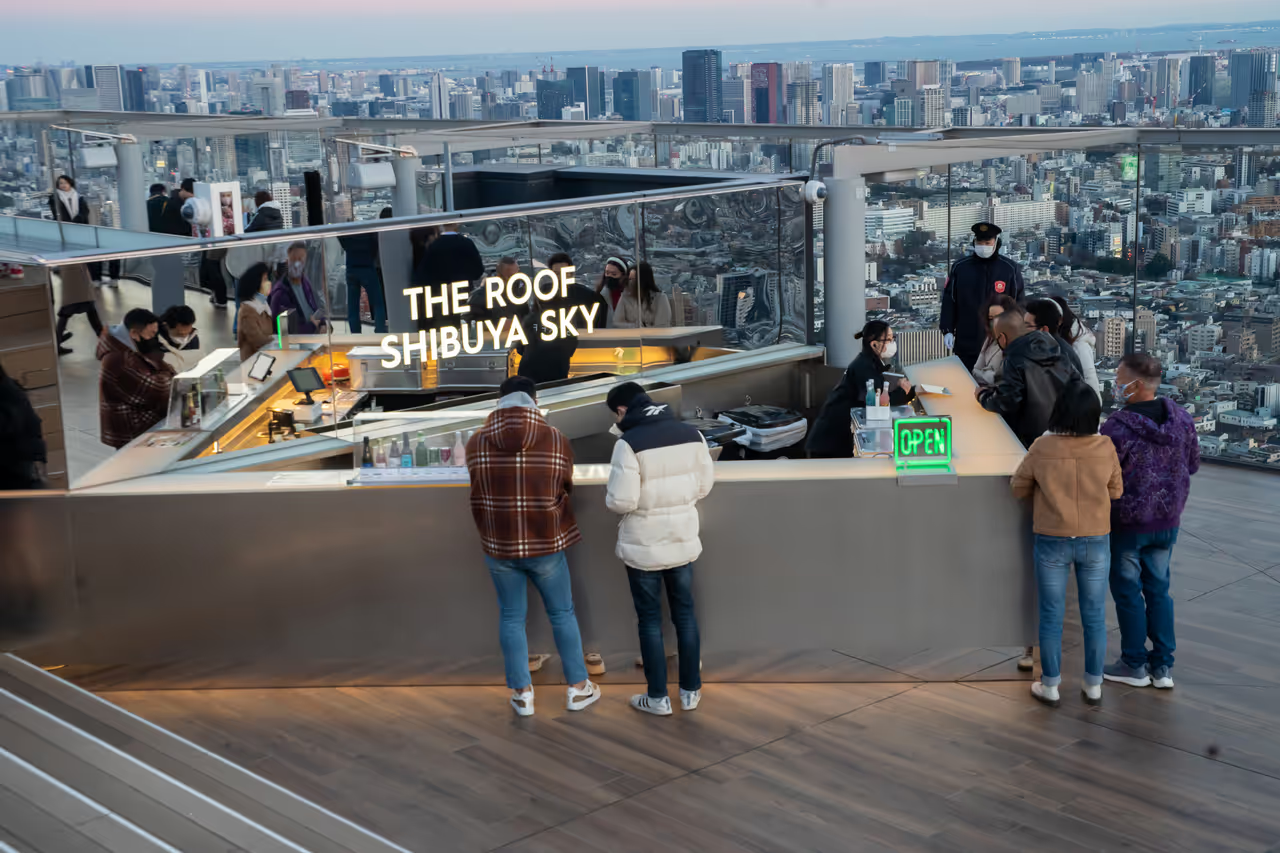
132mShibuya Sky
A sensational open air observation facility towering directly over the famous scramble crossing. The massive rooftop features sleek glass edges creating the illusion of floating above the chaotic energy of the youth district below. The layout includes comfortable lounging nets and an incredibly photogenic escalator ride offering cinematic perspectives. Looking down upon the synchronised movement of the crowds provides an unmatched sense of scale. It has quickly become the most fashionable and visually stunning high altitude destination in the city.
viewpoint view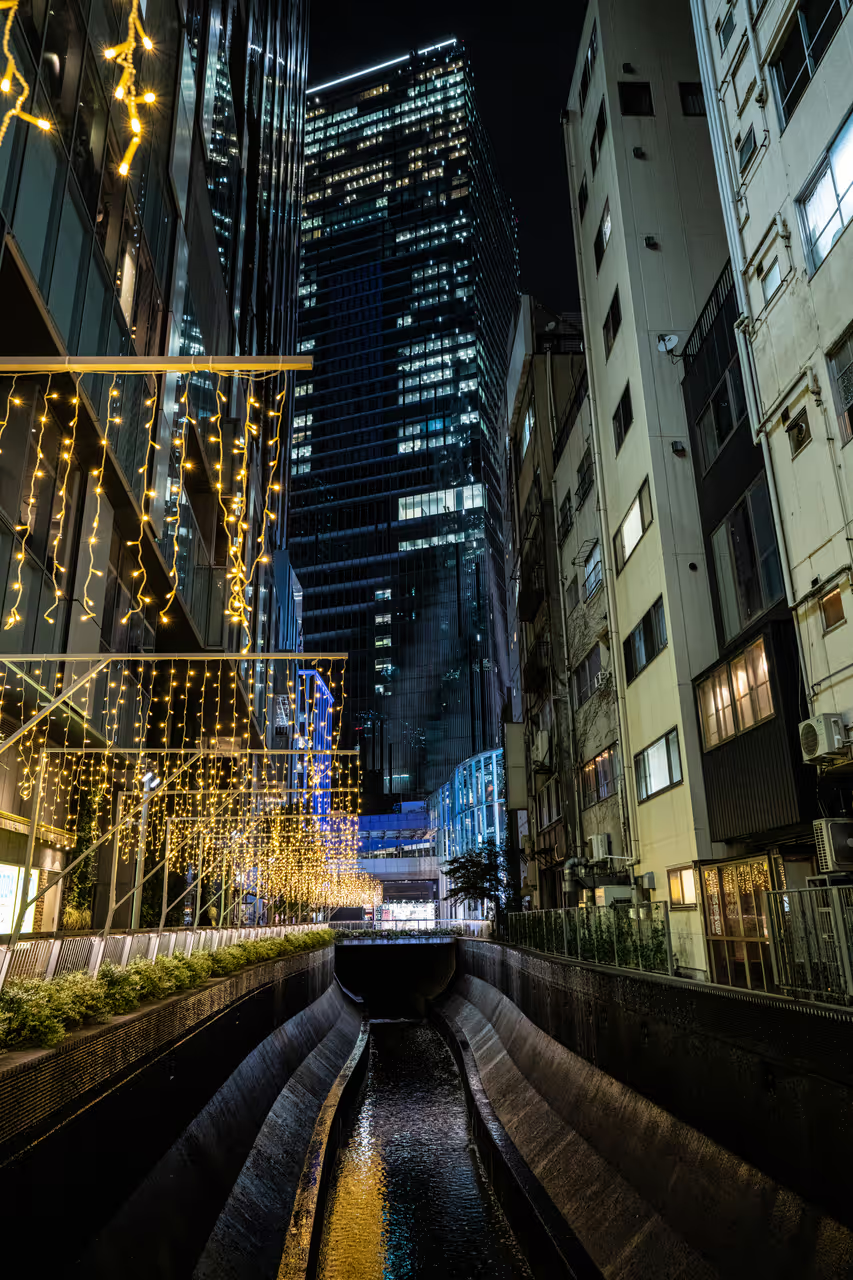 564m
564mShibuya Nightlife
A magnet for youth culture and cutting edge trends that comes alive brilliantly at night. The iconic scramble crossing sets the stage for an evening of exploration through winding streets filled with izakayas and modern lounges. The area hosts some of the most prominent underground music venues and multi floor nightclubs in the country. It attracts a fashionable and energetic crowd ready to dance until the early morning hours. Casual drinking spots and late night shopping keep the district moving continuously.
nightlife view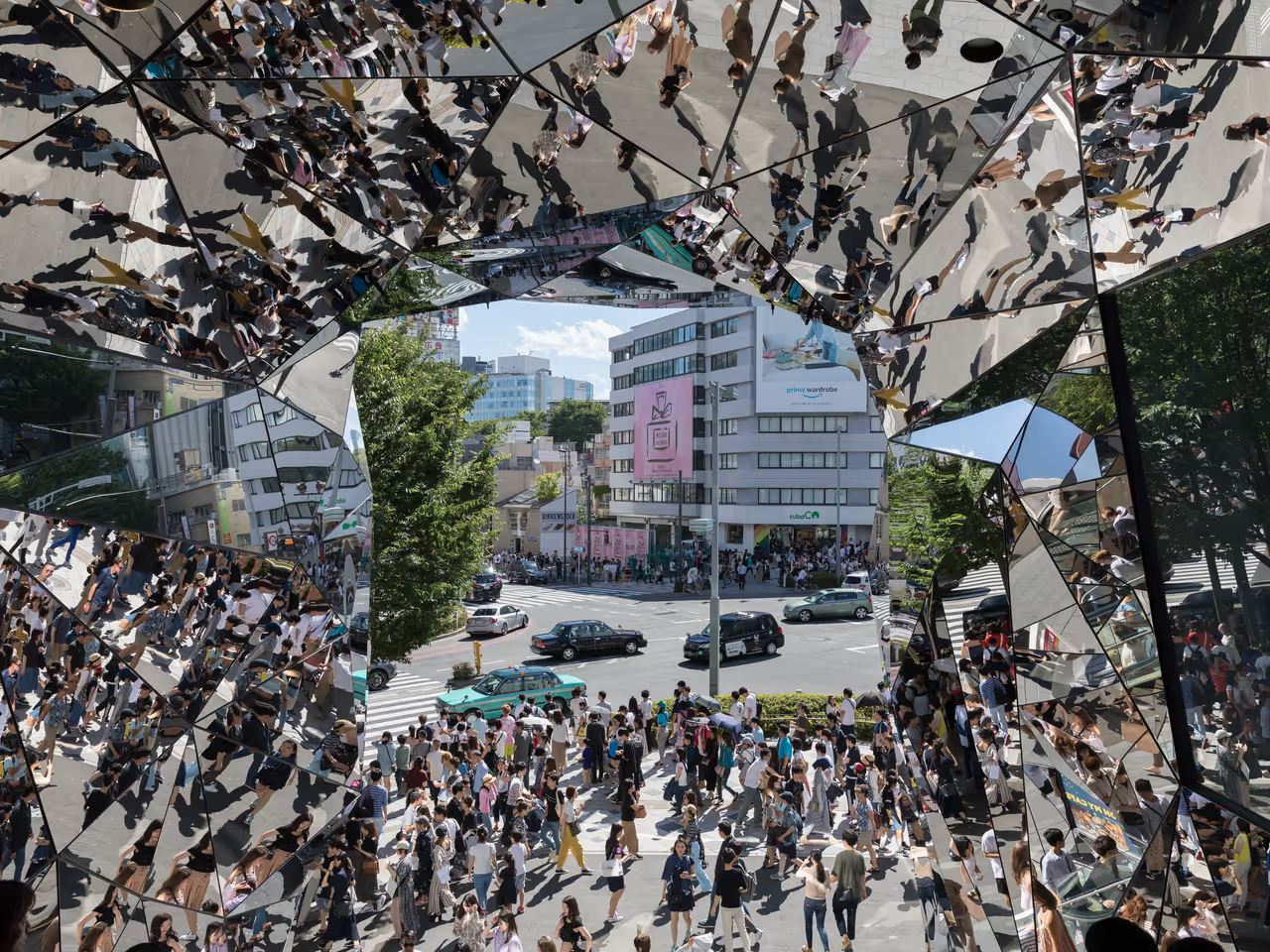 1157m
1157mTokyu Plaza Omotesando Harajuku Entrance
A brilliant architectural feature that has become highly viral for its unique optical properties. The entrance escalator is surrounded by a massive faceted mirror canopy creating a kaleidoscopic reflection of the busy crossing outside. Photographers angle their cameras upwards to capture the mesmerising fractured imagery of shoppers and street life. The fragmented glass distorts the colourful fashion of the neighbourhood into a striking avant garde mosaic. It is a fantastic celebration of modern structural design and urban fashion.
photo spot view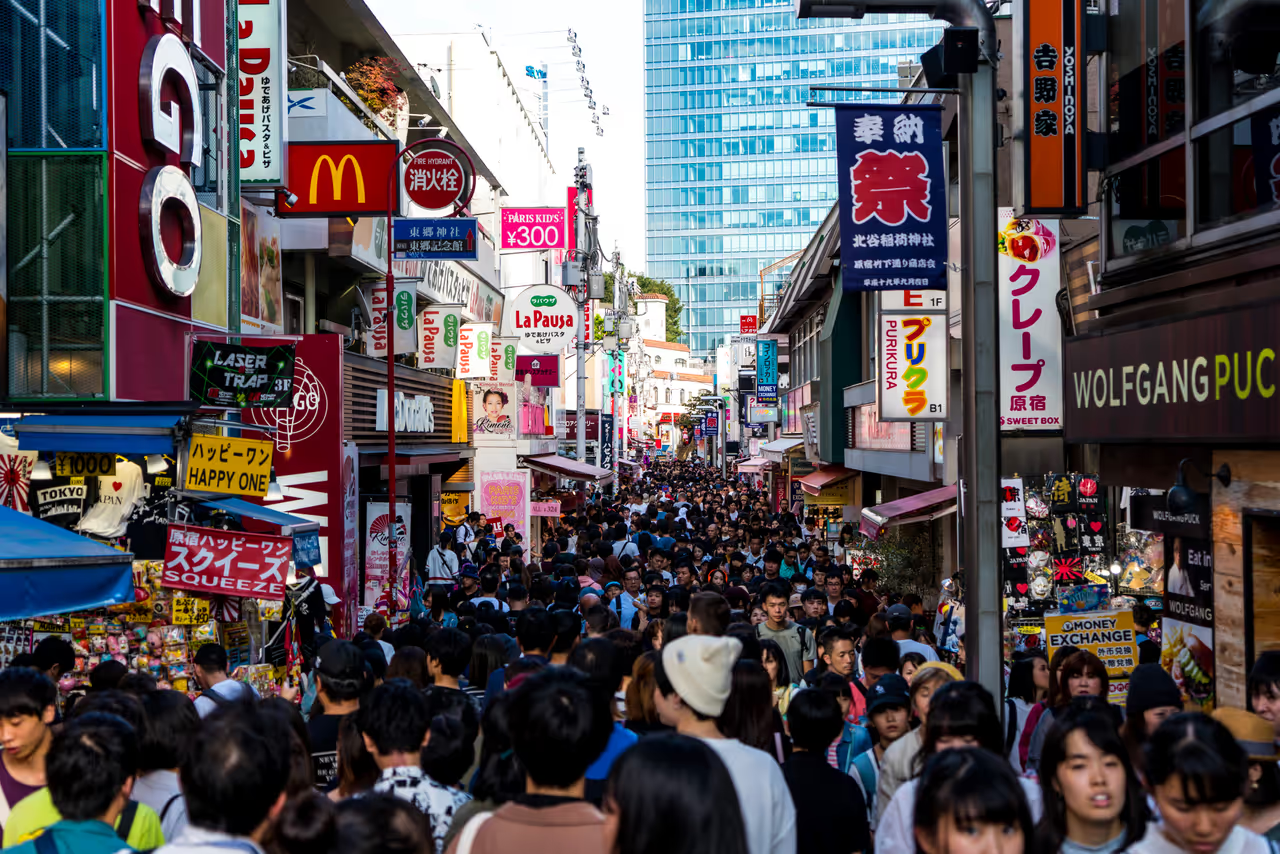 1390m
1390mTakeshita Street
A highly concentrated pedestrian street serving as the epicentre of eccentric youth fashion and sweet treats. The narrow pathway is typically packed shoulder to shoulder with teenagers hunting for the latest trends and quirky accessories. Colourful storefronts offer everything from elaborate cosplay outfits to massive rainbow coloured candy floss. The atmosphere is loud, bright, and incredibly cheerful capturing the extreme aesthetic of local pop culture. It is a fascinating sociological experience to observe the rapidly changing fashion statements.
highlight view
Featured on These Itineraries and Routes
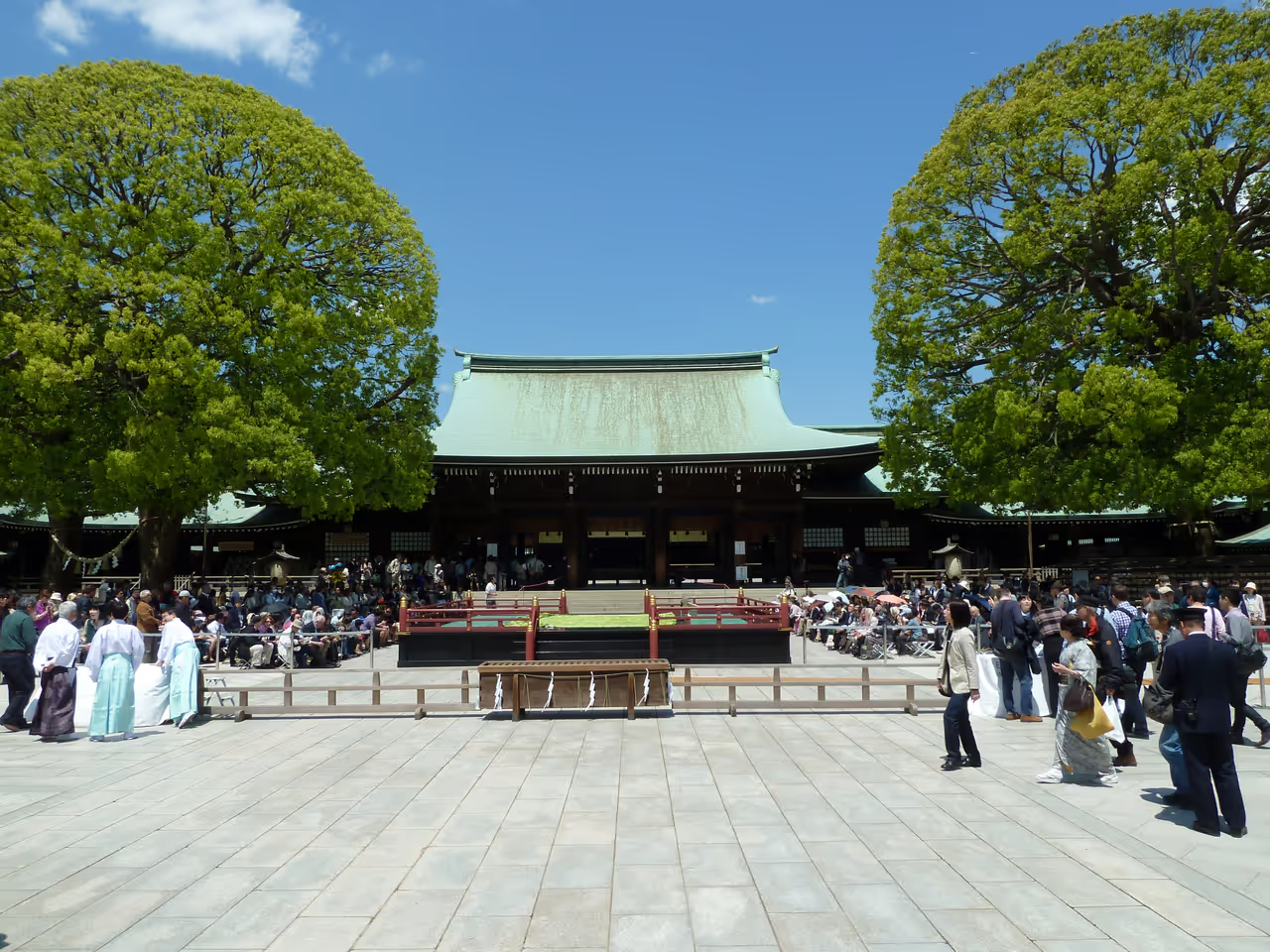
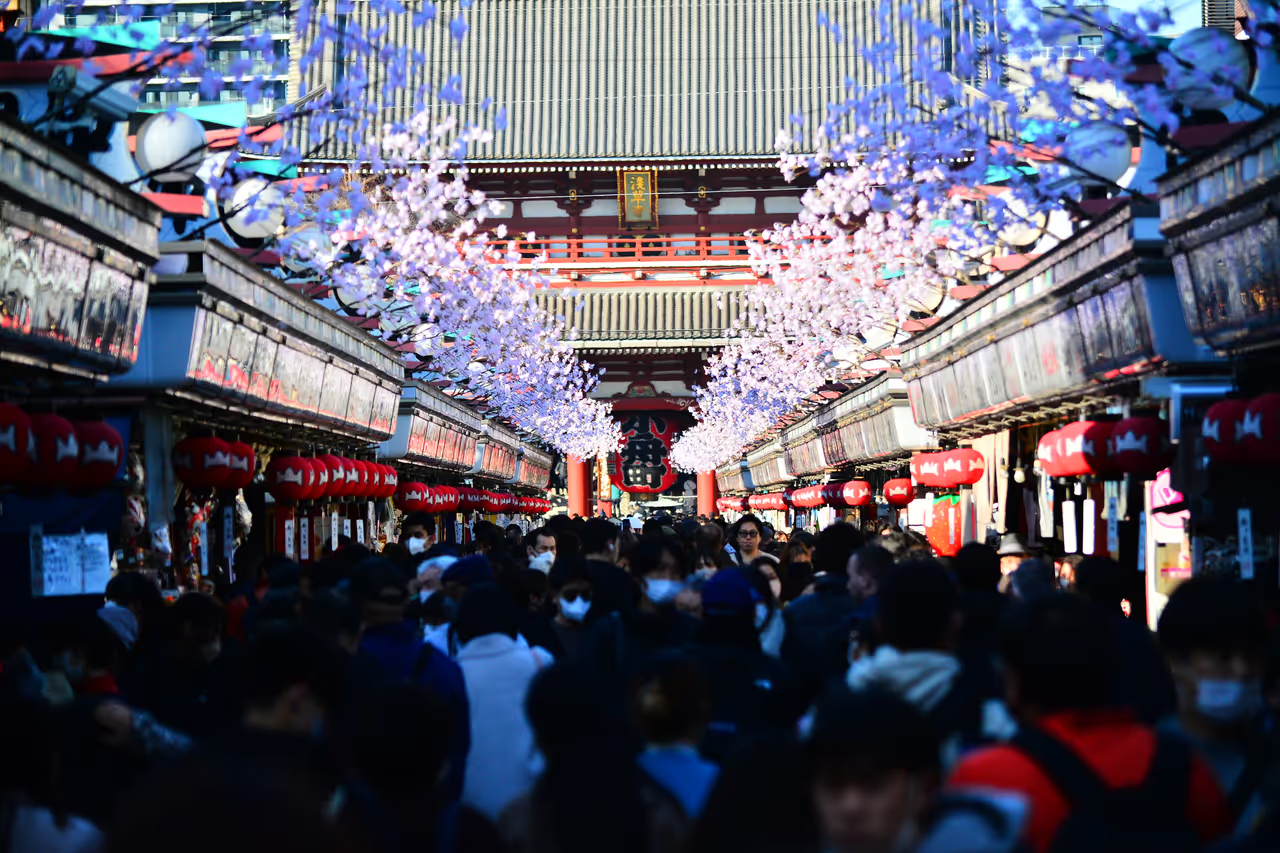
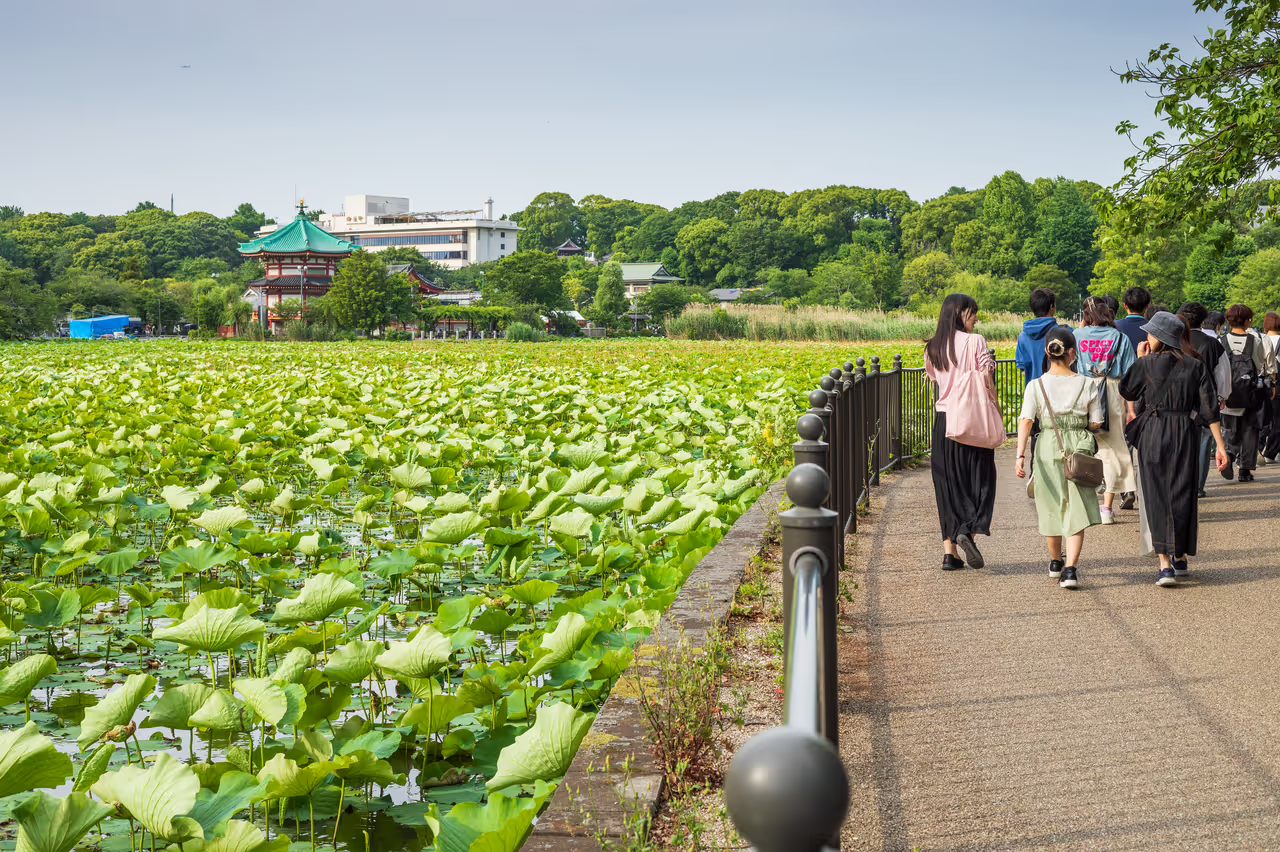
1 Day in Tokyo Itinerary
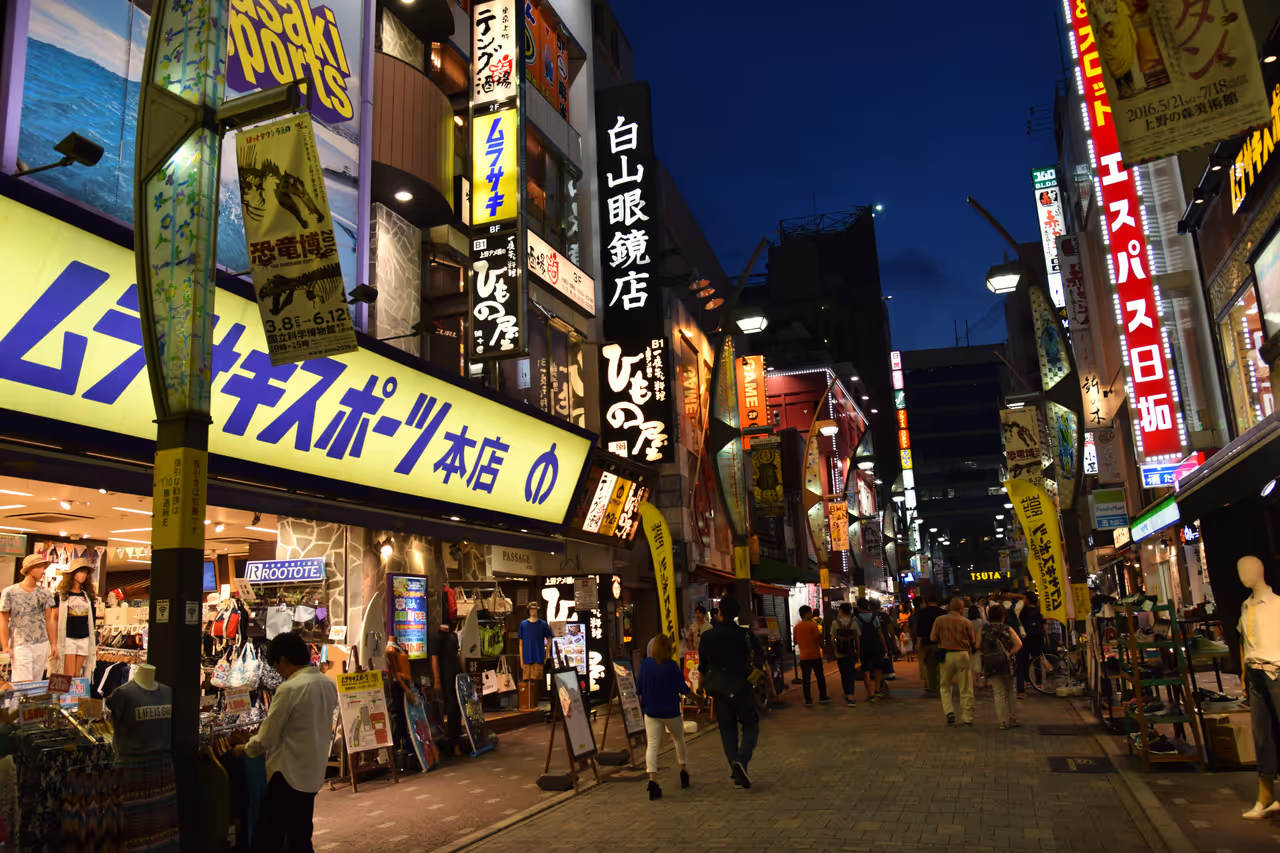
A highly efficient whirlwind tour capturing the absolute most iconic sights spanning both deep history and modern energy. This plan aggressively moves across the metropolis ensuring you witness the crucial landmarks that define the global image of the capital. The route relies heavily on the reliable transit system to cover significant distances rapidly. It provides a thrilling taste of the extreme contrasts that make the city so incredibly fascinating. Perfect for travellers on an extremely tight schedule wanting maximum visual impact.
view itinerary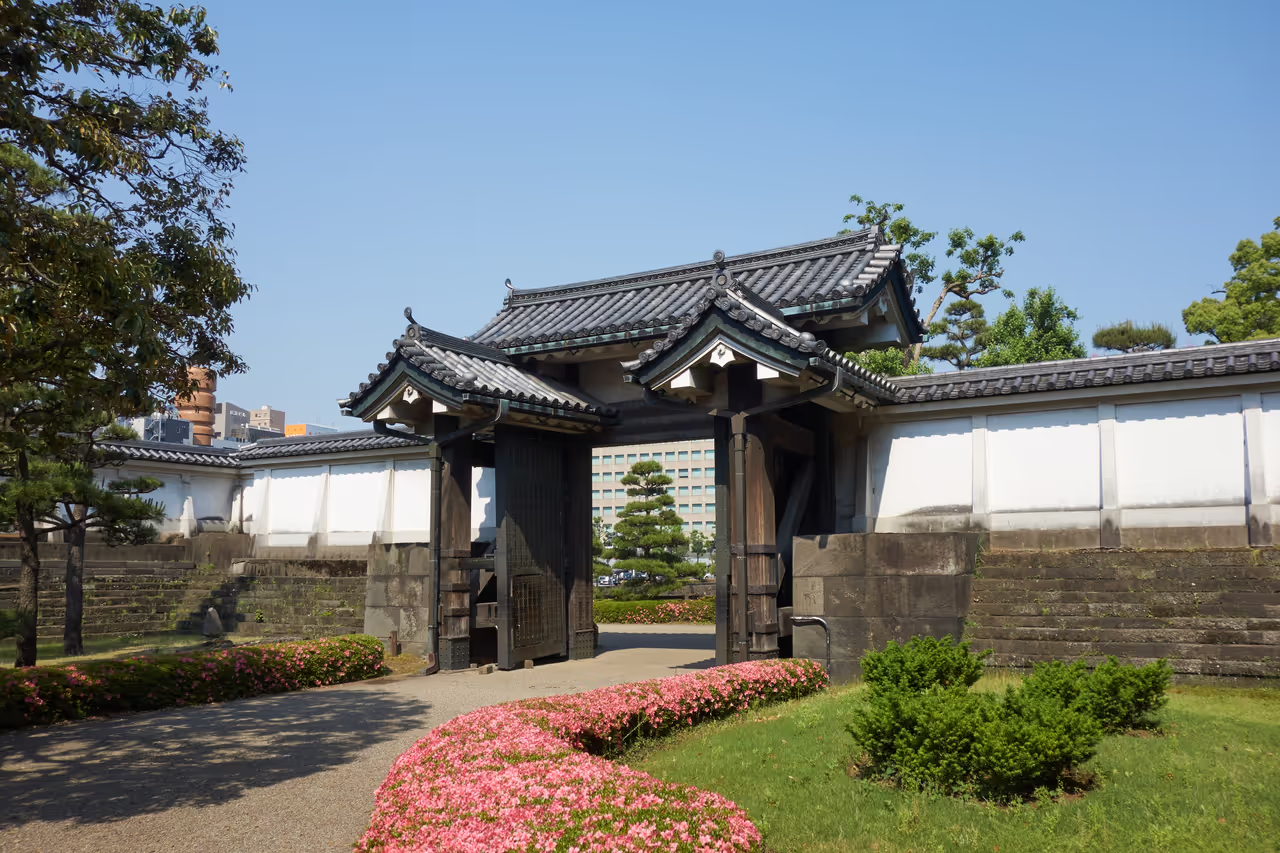
3 Days in Tokyo Itinerary
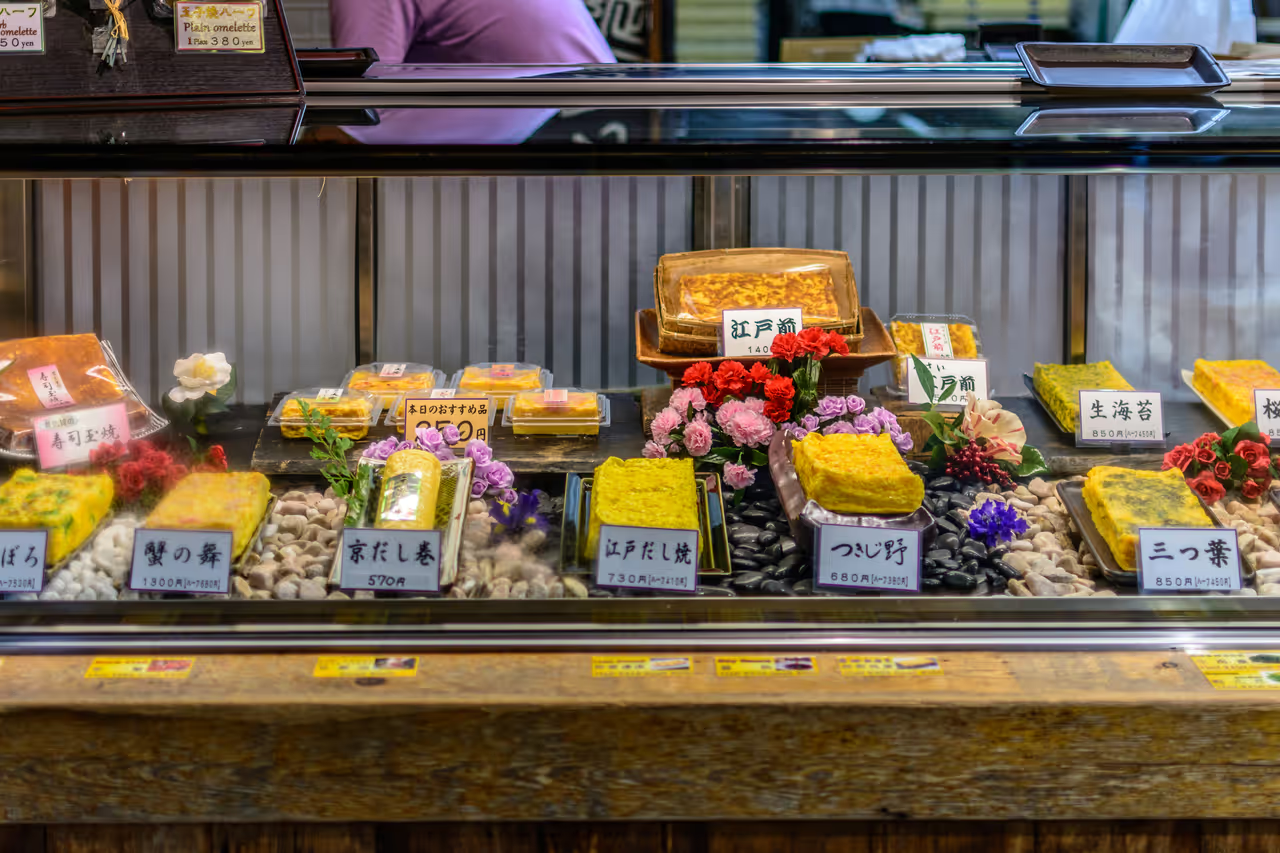
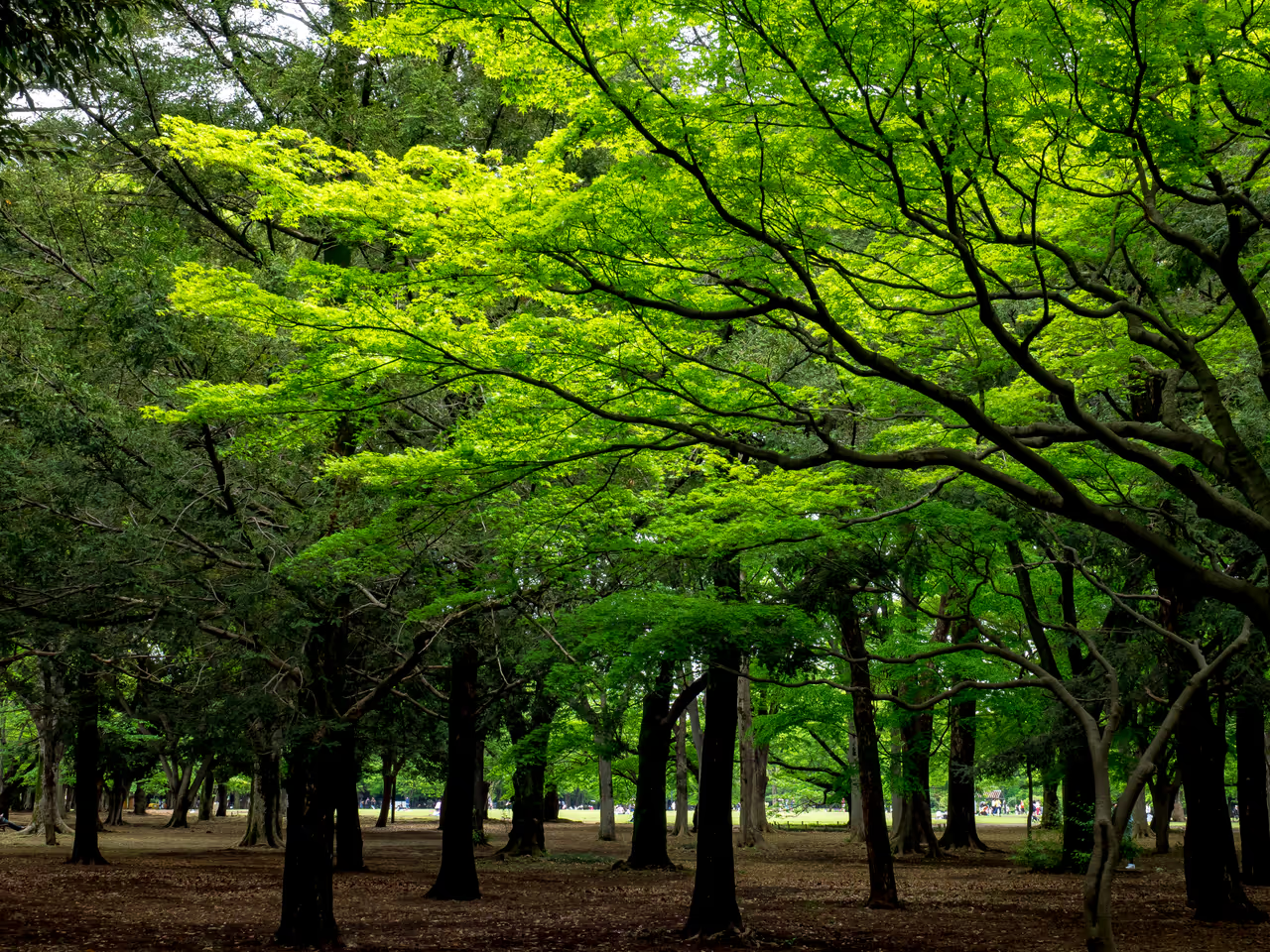
A well balanced exploration dedicating appropriate time to the diverse distinct neighbourhoods that compose the urban fabric. The journey systematically covers the eastern historical districts, the prestigious imperial centre, and the vibrant youth driven west. It allows for a more relaxed pace providing ample opportunities to enjoy extensive culinary breaks and local shopping. The progression naturally highlights the incredible evolution from Edo period traditions to modern pop culture. This is the optimal introductory experience for a standard city break.
view itinerary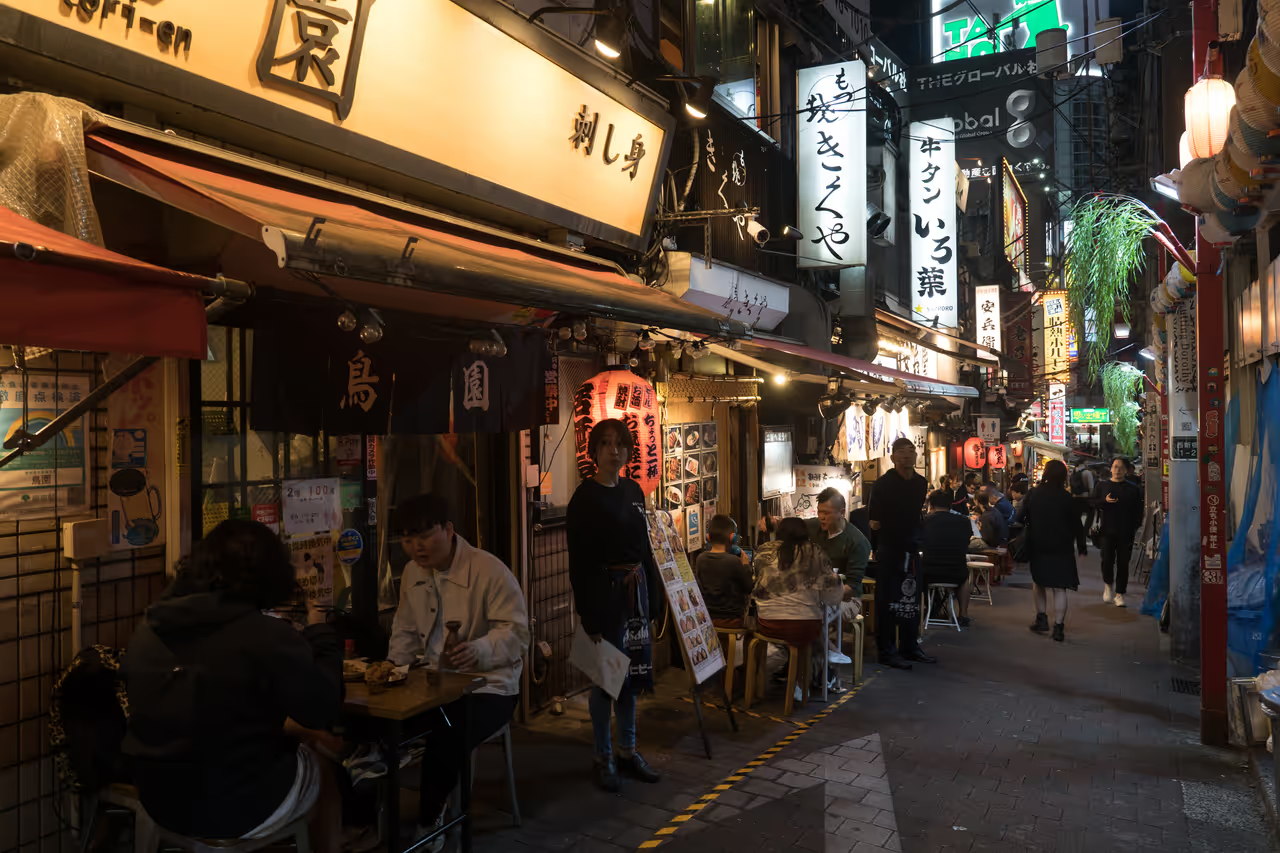
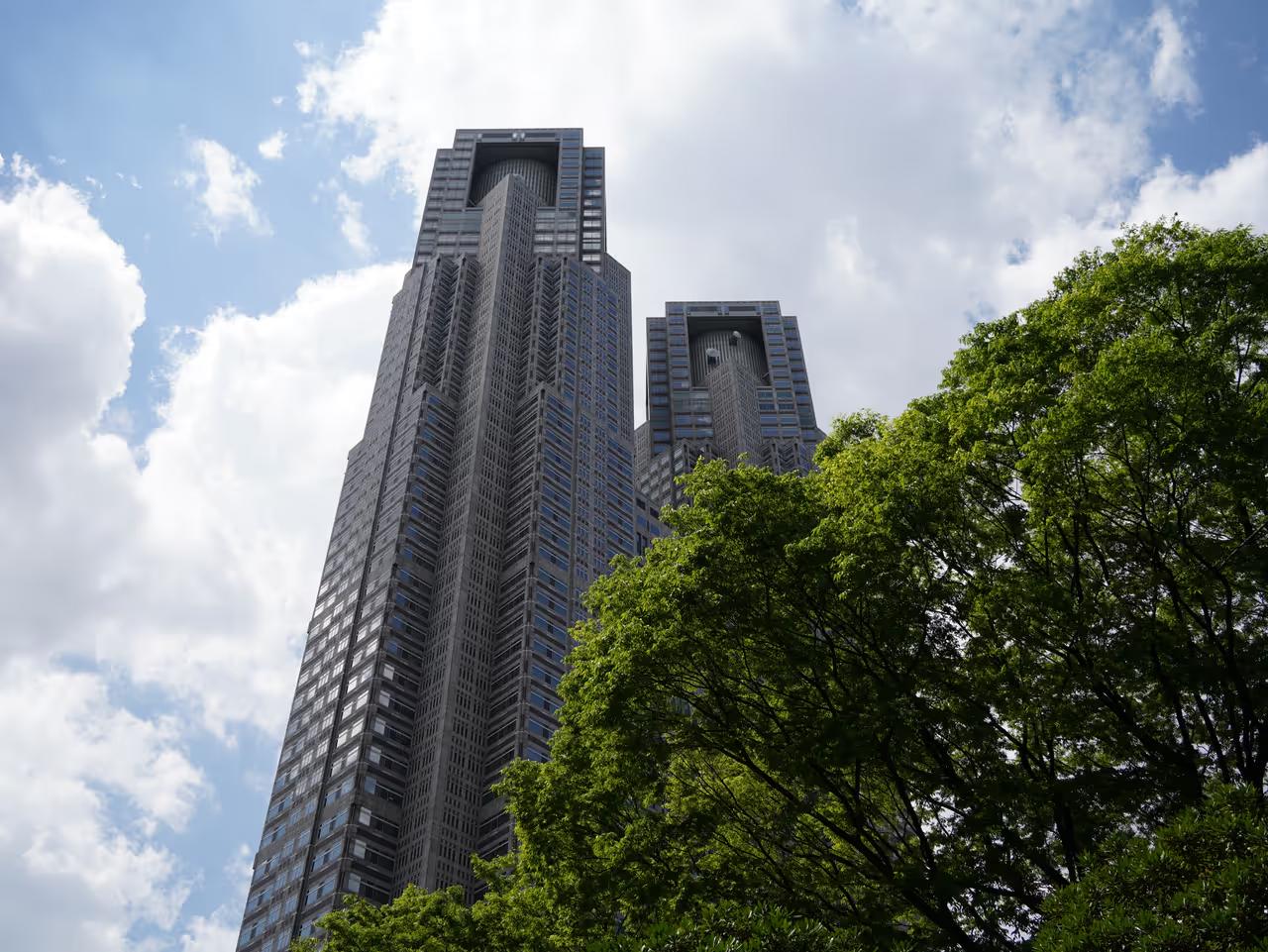
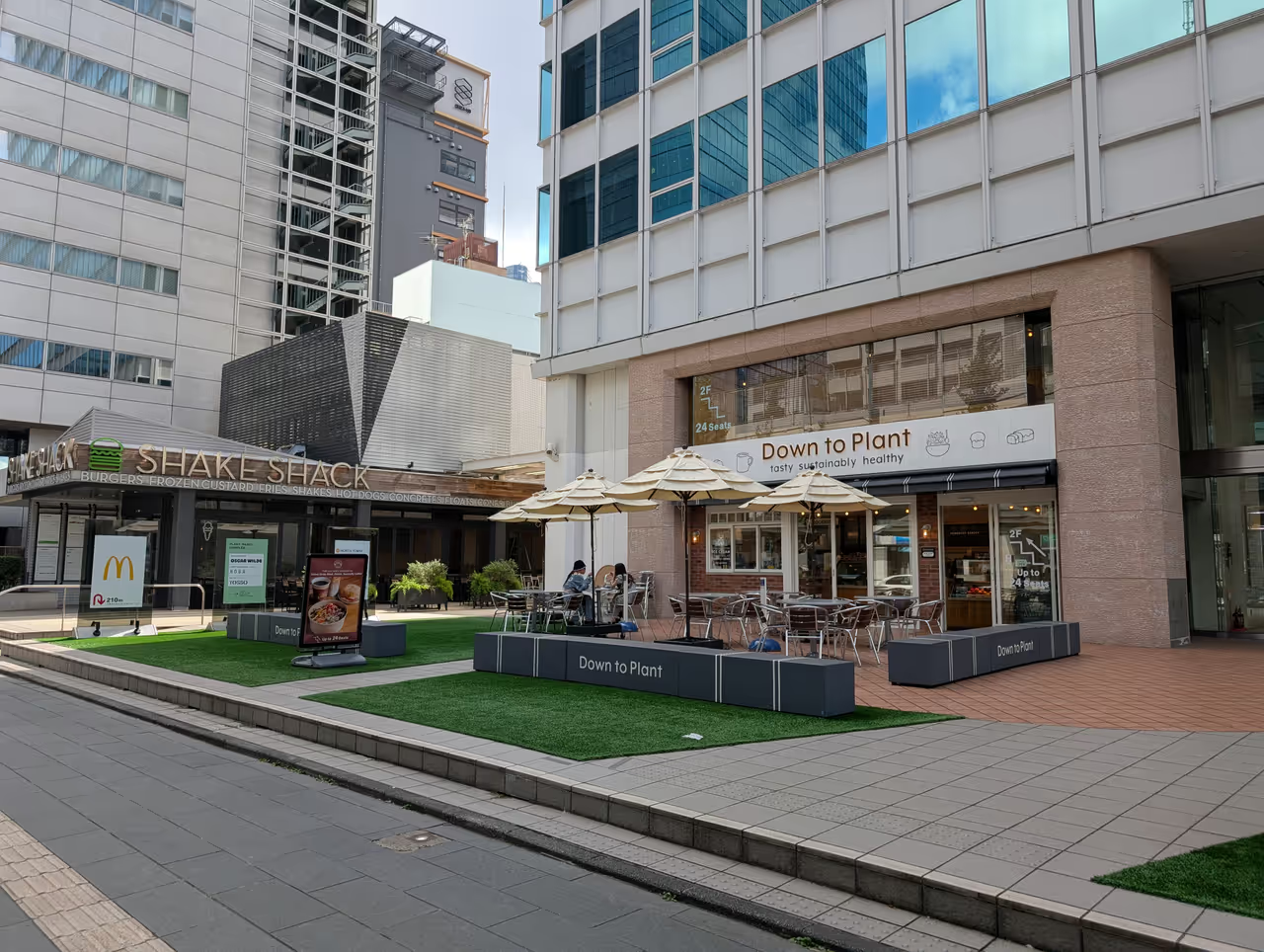
5 Days in Tokyo: Comprehensive Itinerary
An extensive and highly immersive itinerary designed to uncover both the famous monumental sights and the hidden cultural gems. The expanded timeframe permits deep dives into digital art, upscale architecture, and intense nightlife districts. It removes the stress of rushing allowing travellers to truly absorb the nuanced vibe of areas like Harajuku and Roppongi. The route successfully navigates the complex culinary landscape offering everything from street food to refined dining. This provides a deeply satisfying and complete portrait of the capital.
view itinerary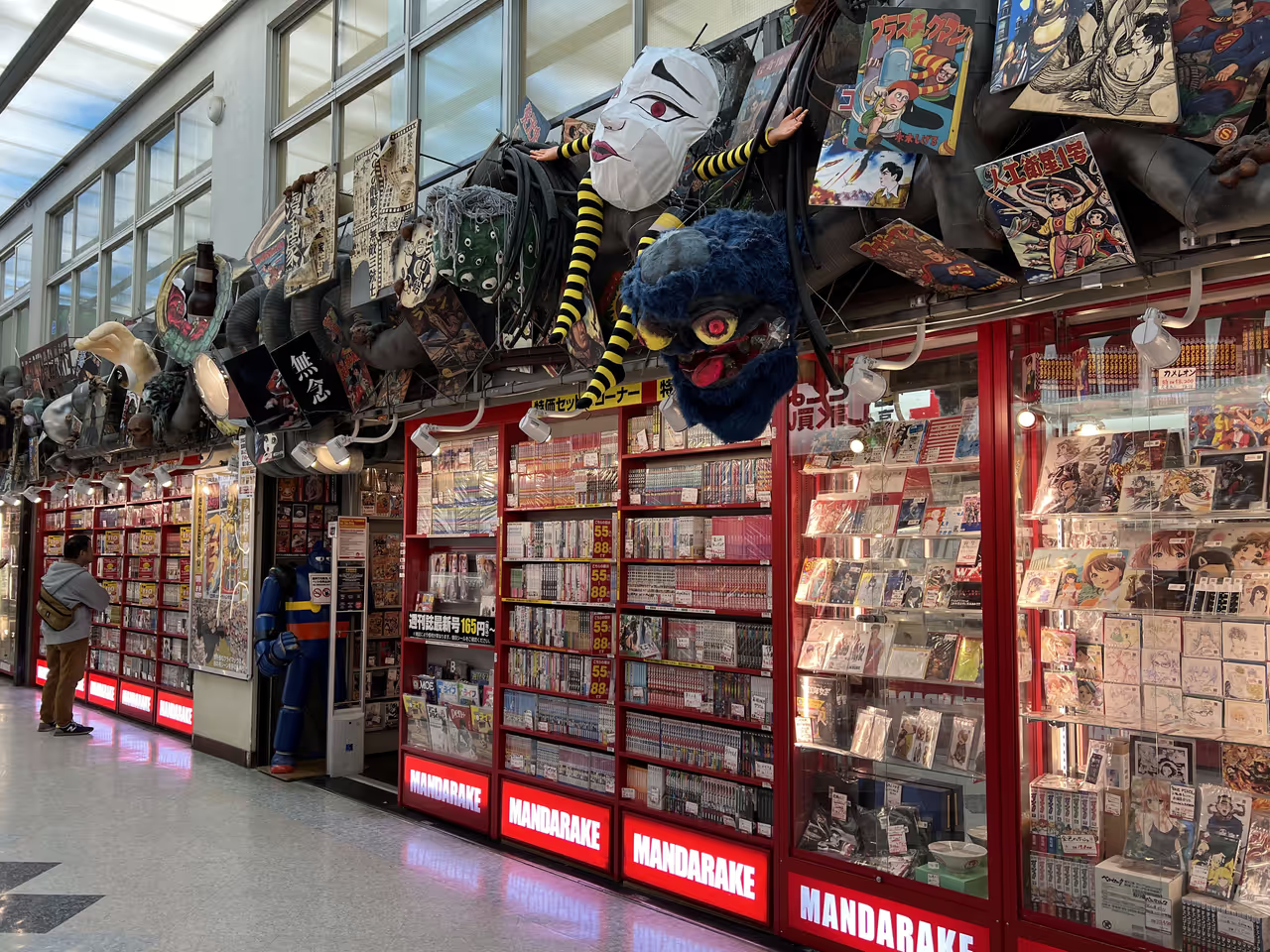
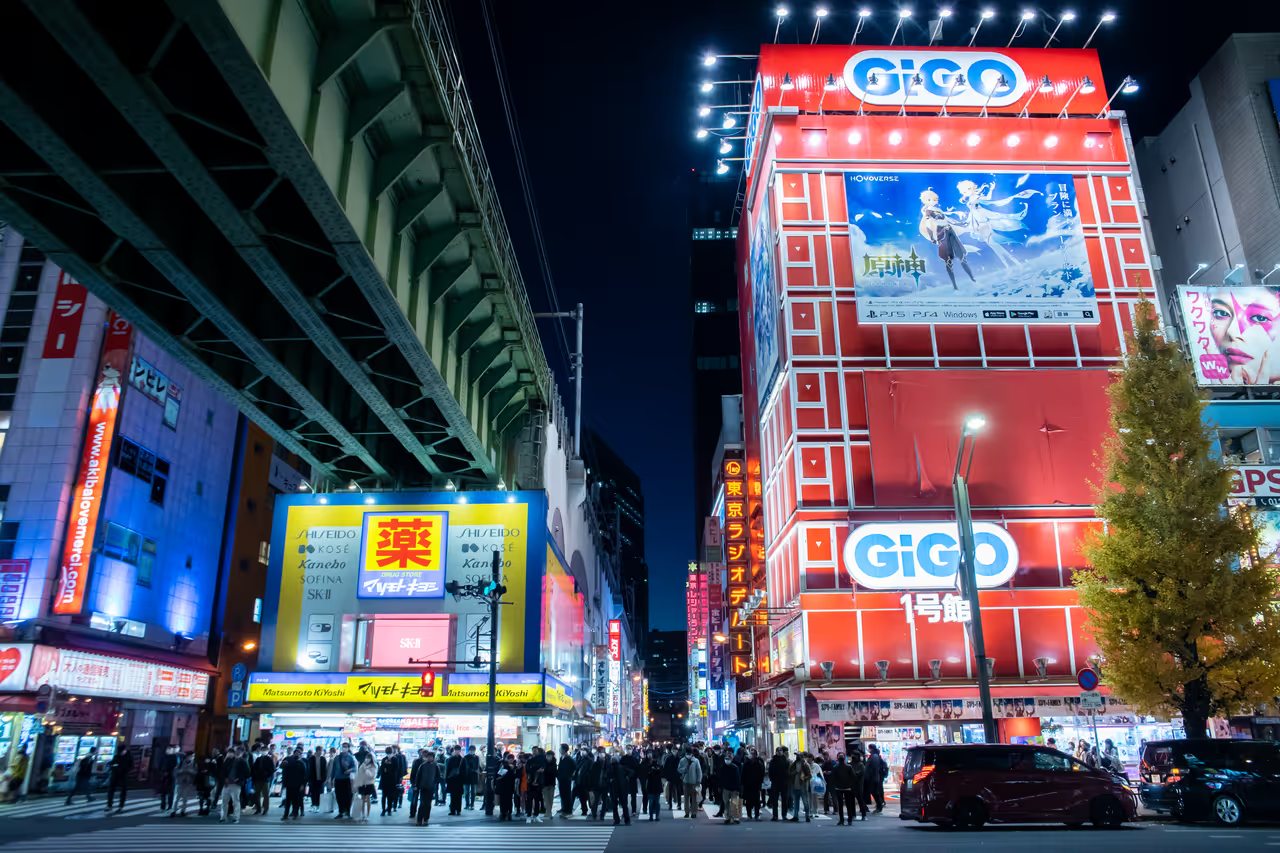
Pop Culture and Tech Route
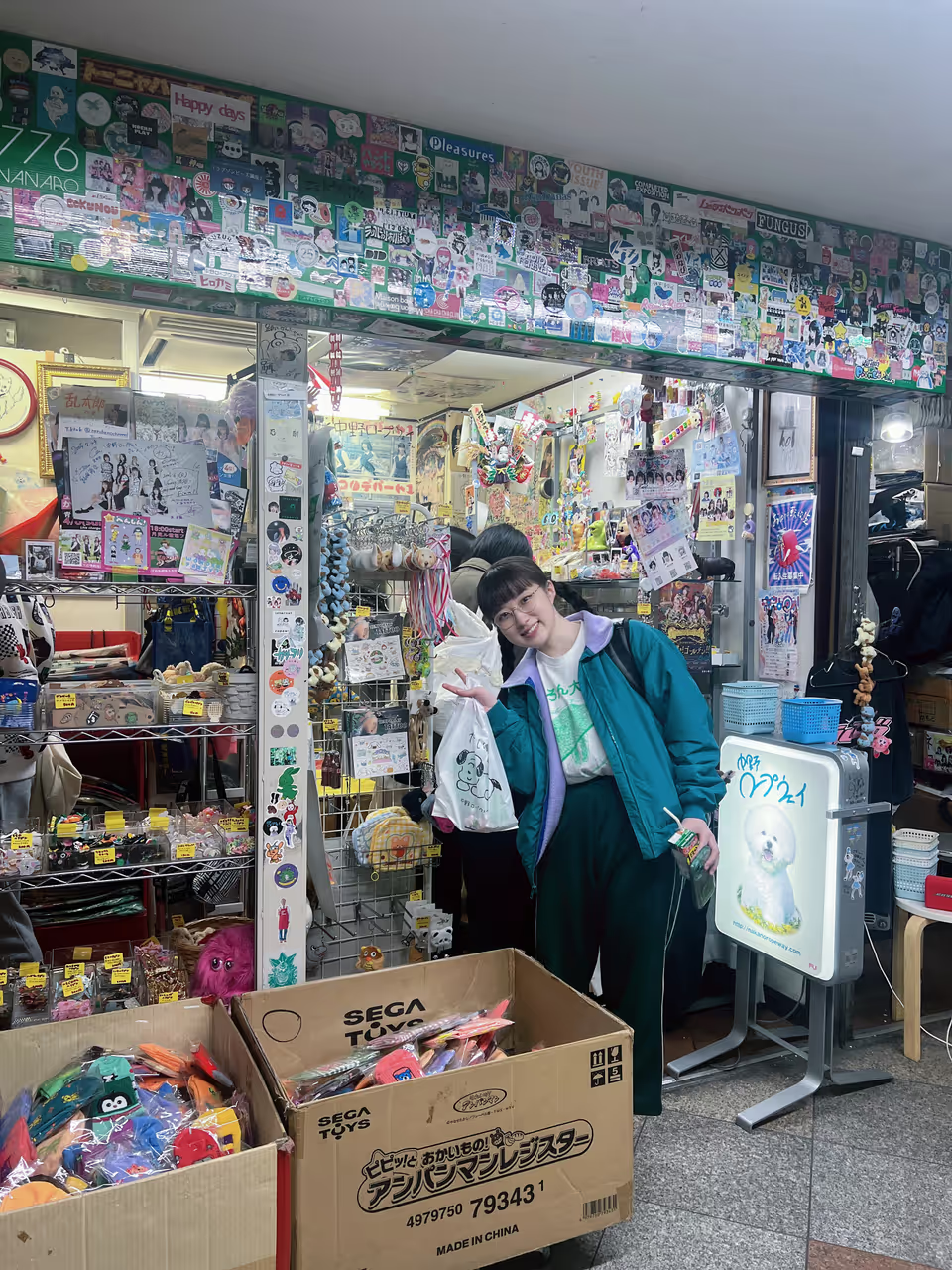
An electrifying deep dive into the neon soaked centres of anime, gaming, and cutting edge youth fashion. The path weaves through multistory electronic arcades, quirky themed cafes, and massive manga emporiums. It exposes the colourful subcultures that have heavily influenced global entertainment and digital arts. Walkers are immersed in a sensory overload of blazing digital billboards and constant electronic soundtracks. The tour captures the highly creative and obsessively passionate facets of modern local society.
view self-guided tour
See all attractions in Tokyo
Imperial Palace, Meiji Jingu, Senso-ji Temple, Tokyo Skytree, Tokyo Tower, Edo-Tokyo Museum...