Shinjuku Gyoen National Garden
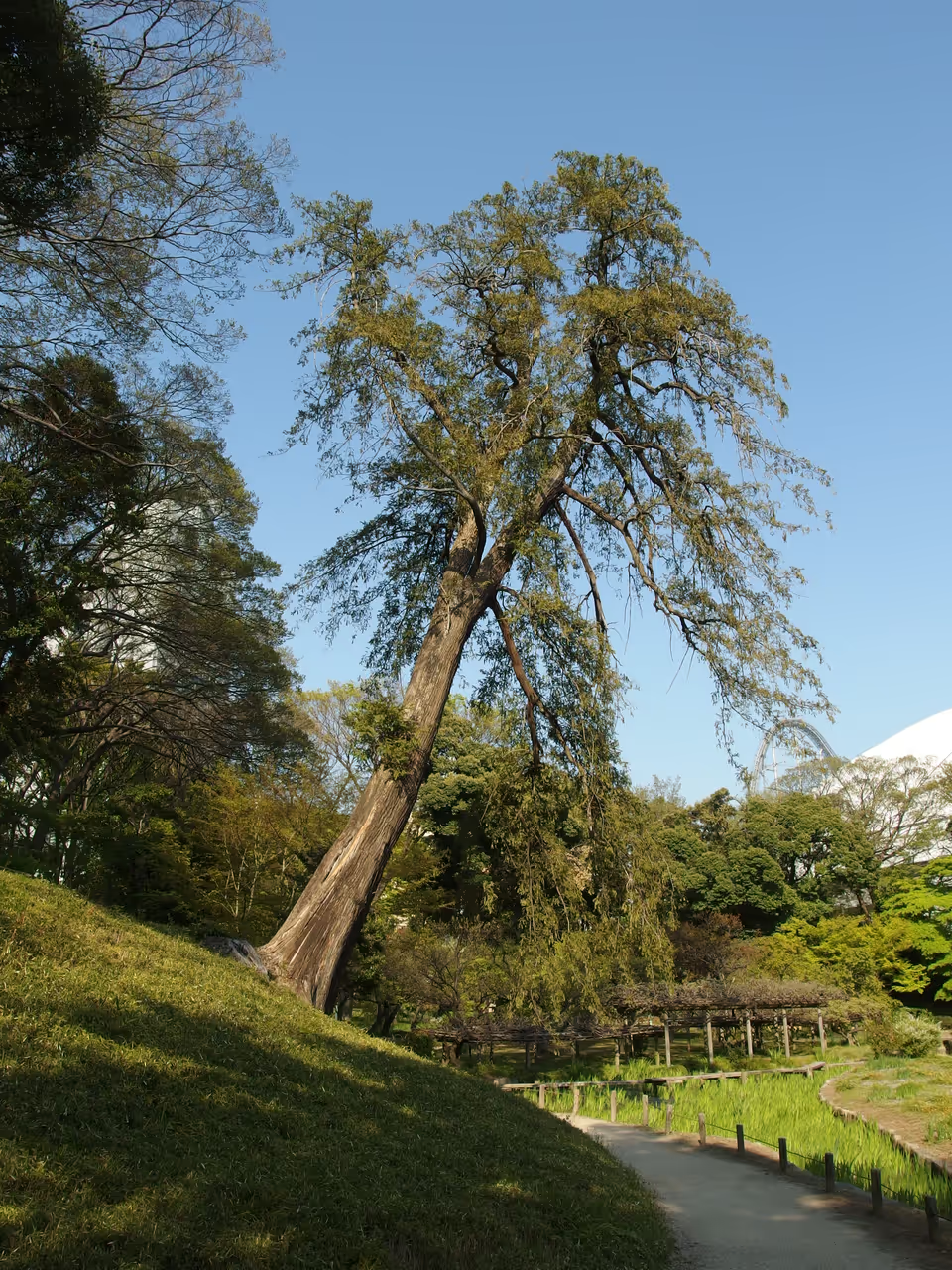
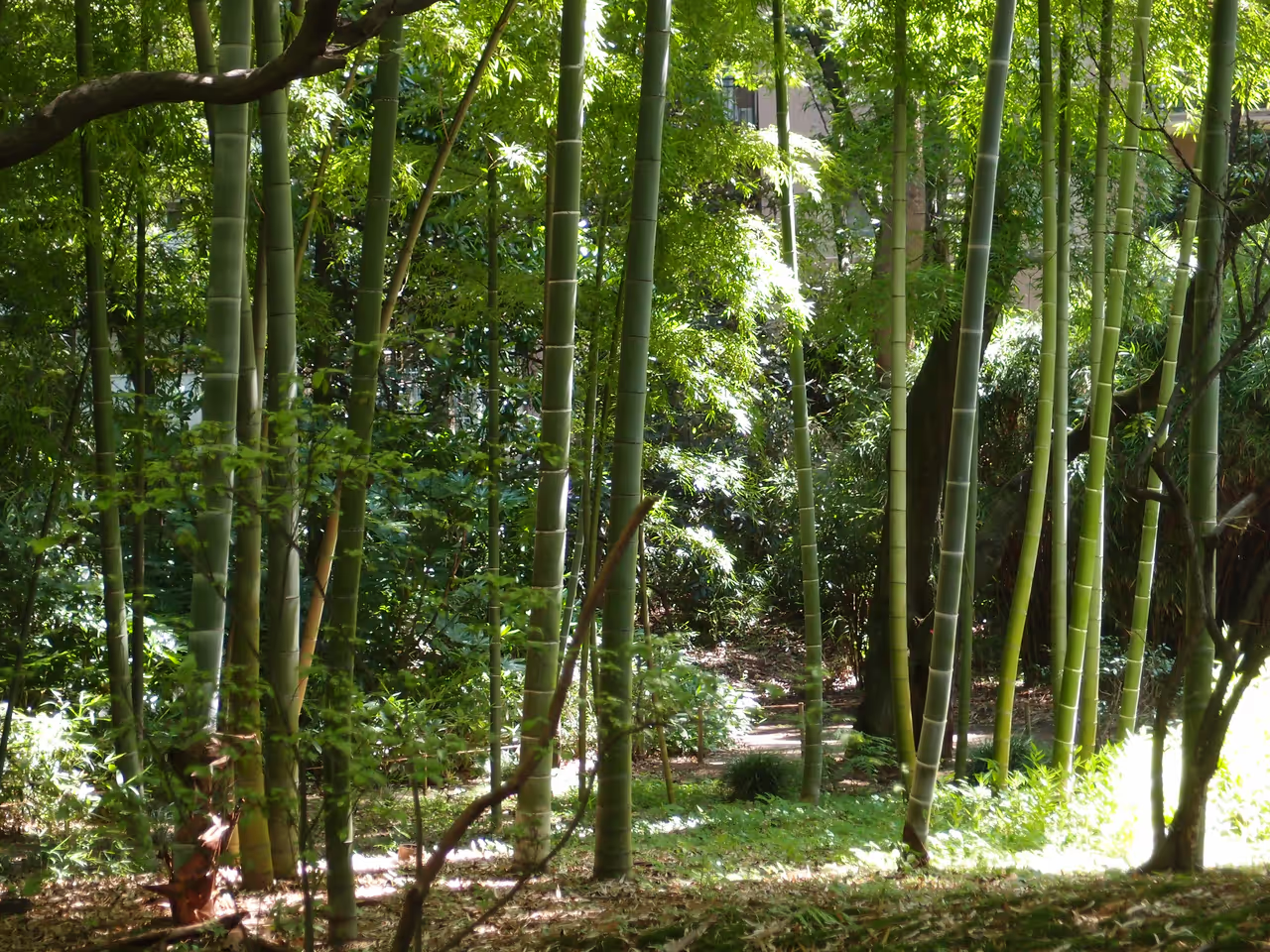
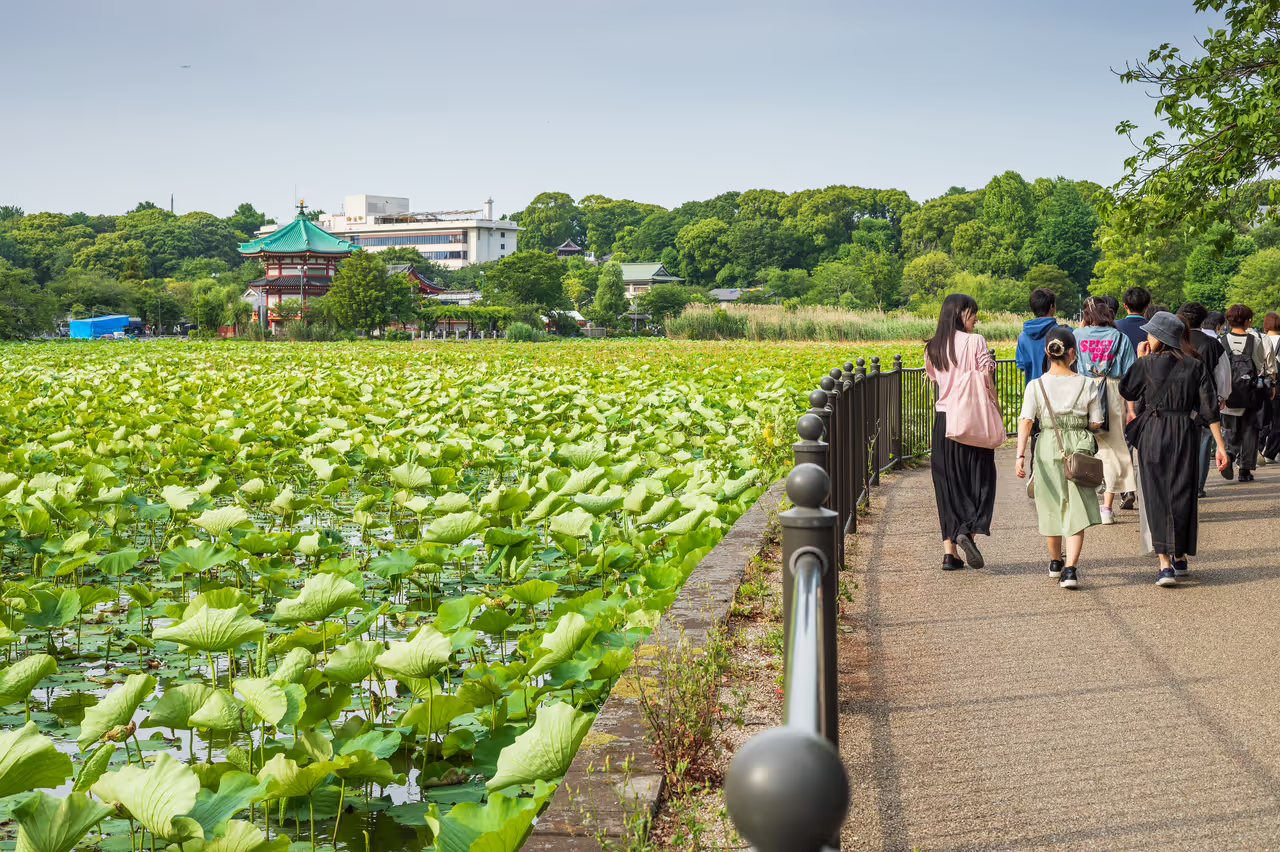
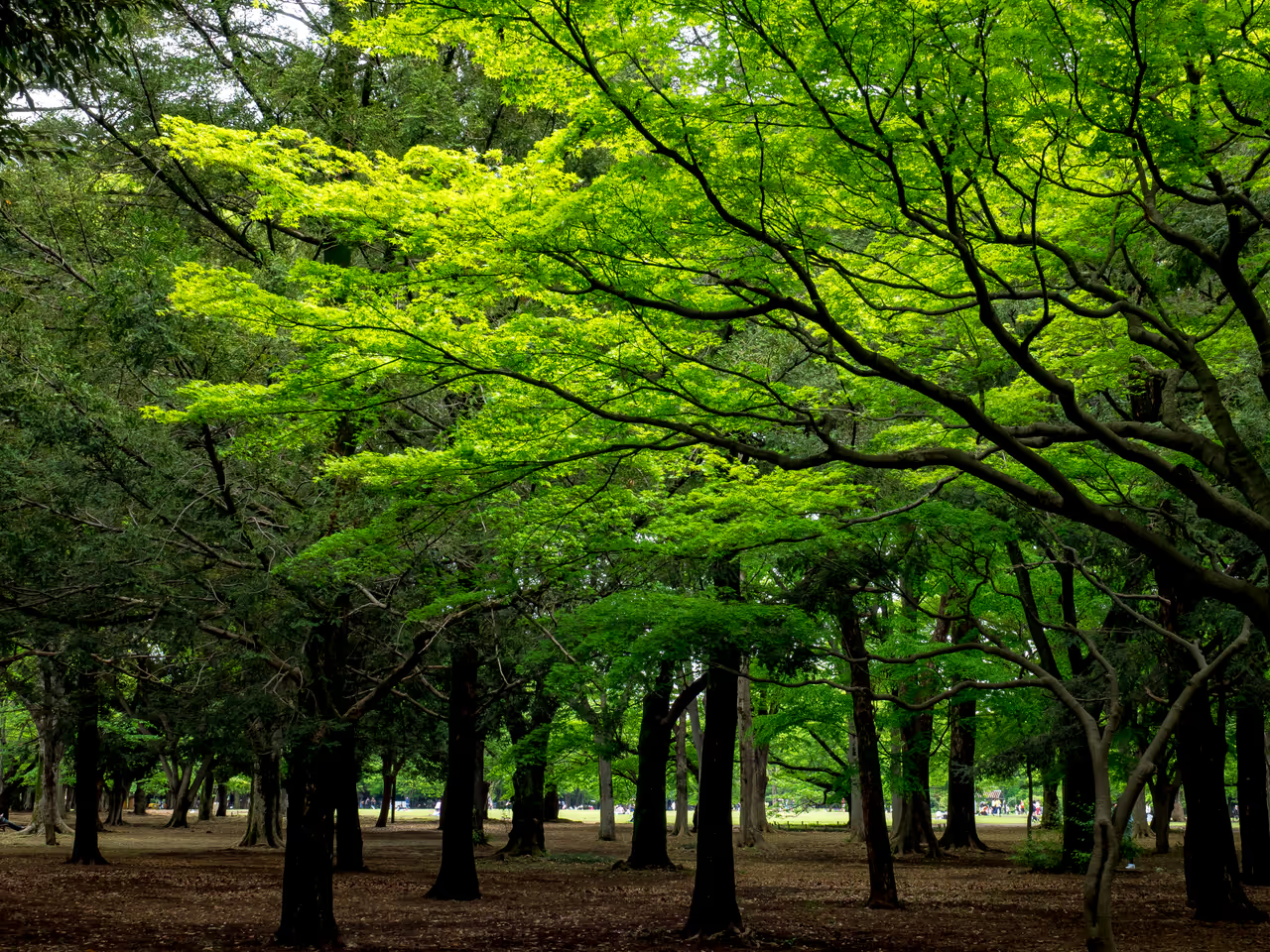
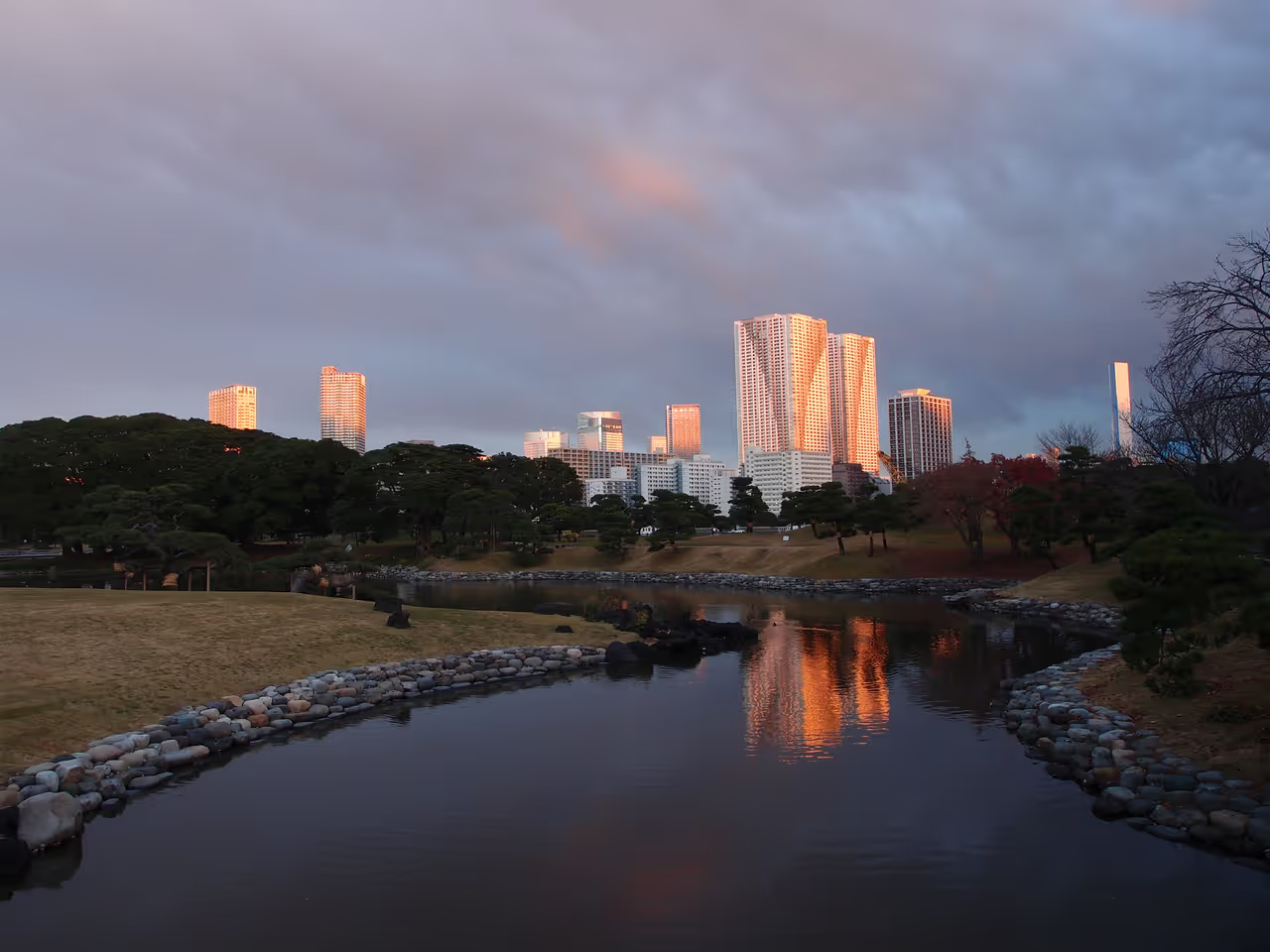
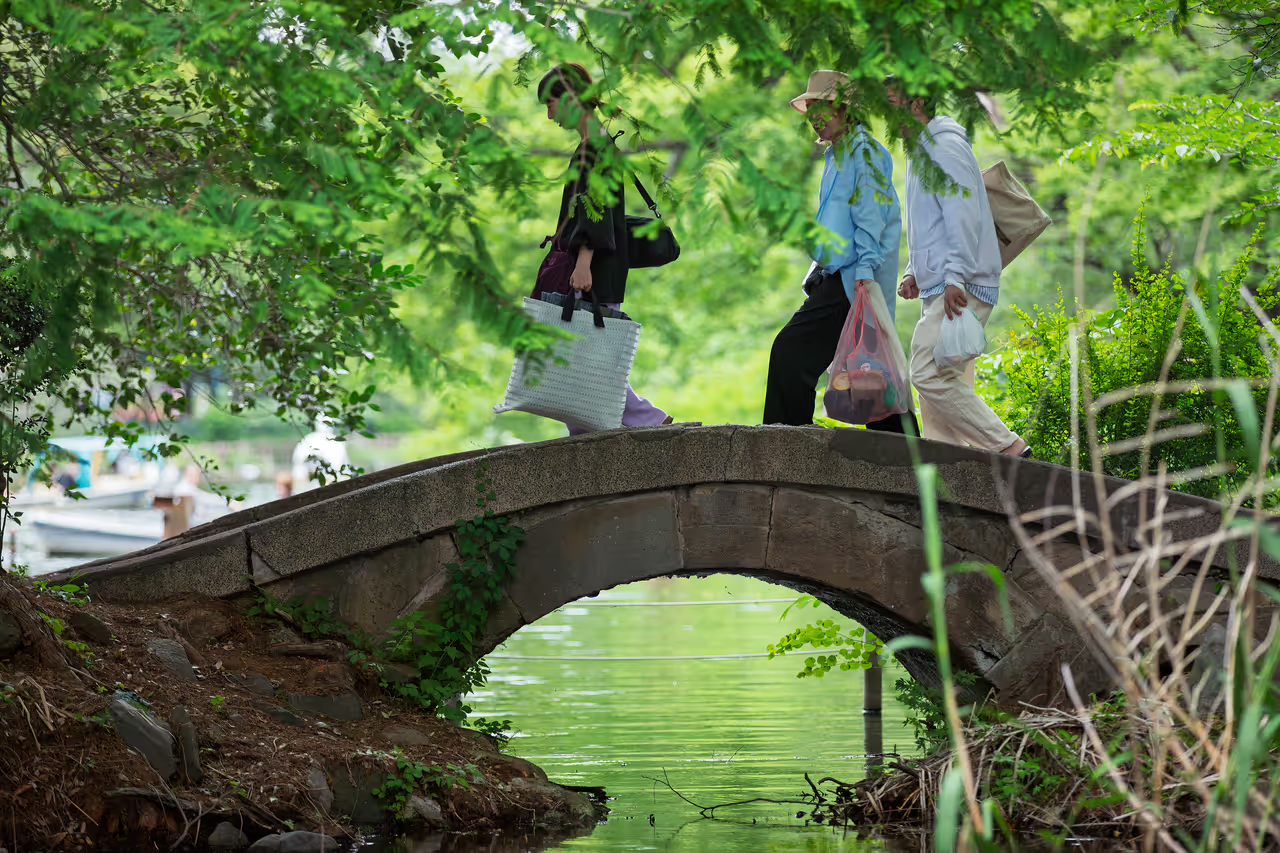
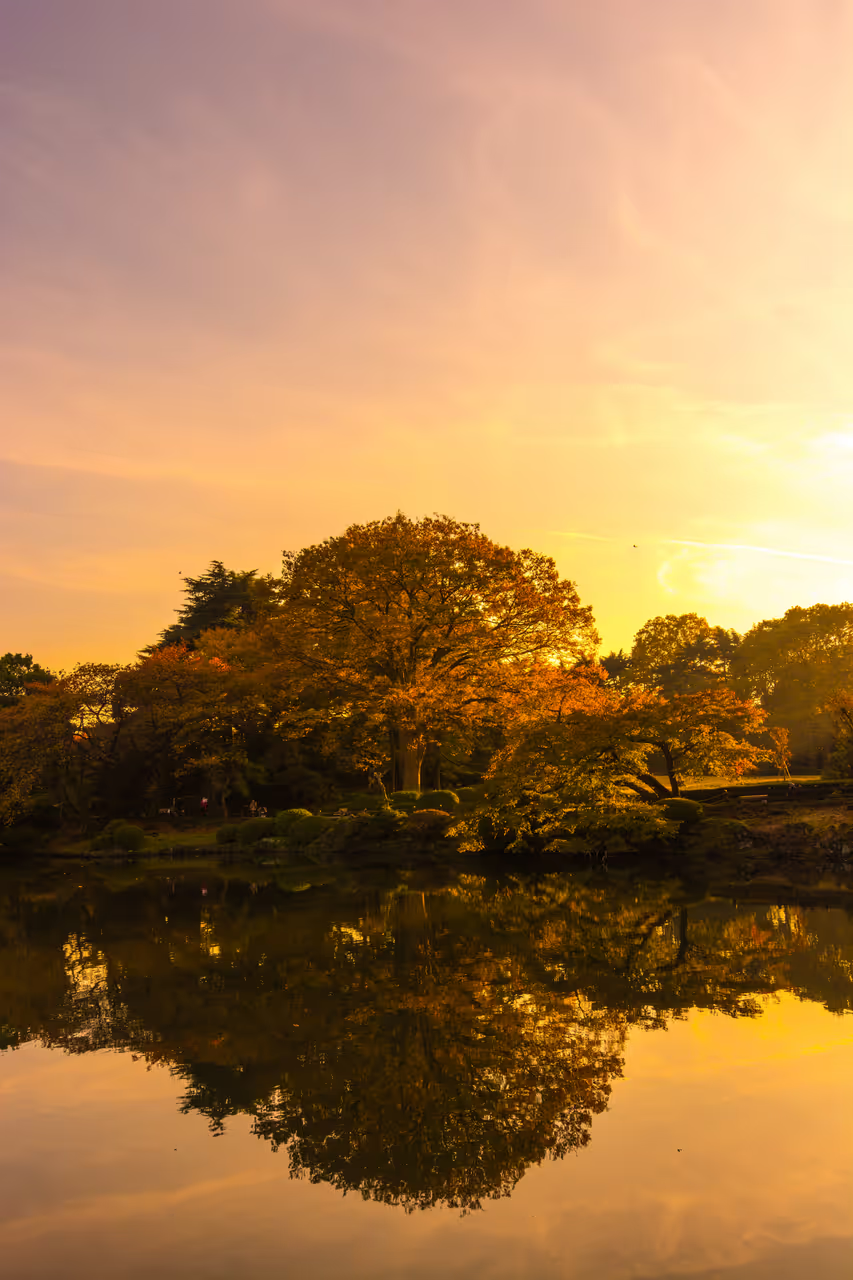
Shinjuku Gyoen National Garden serves as a magnificent sanctuary located right in the heart of Tokyo. This expansive estate invites you to leave behind the urban noise and immerse yourself in a landscape where nature meets exquisite design. You can wander through a traditional Japanese garden with quiet ponds, traverse the orderly paths of a French formal garden, and stroll under the canopy of an English landscape park. Every season brings a new perspective here, from the ethereal pinks of cherry blossom season to the deep oranges of autumn leaves. Beyond its beauty, the park preserves precious history, having served as a site for imperial events and imperial diplomacy for decades. Visiting this place is an essential experience for anyone wanting to see the harmonious balance of Tokyo.
Videos
History of Shinjuku Gyoen National Garden
The story of Shinjuku Gyoen begins long before it became a park. During the Edo period, this land was the site of the estate belonging to the Naito family, lords who served the Shogun. The area was a quiet retreat, far removed from the intensity of the castle town. Over time, the purpose of this land shifted, eventually evolving into an experimental agricultural site where the government introduced new crops and horticultural methods to modernise the nation during the Meiji era. This transition from private feudal land to a scientific testing ground laid the foundation for the diverse plant life seen today. In the early twentieth century, the site blossomed into an imperial garden, designed to host diplomatic gatherings and grand events for the royalty of the era. Architects and gardeners collaborated to create a unique landscape that combined Japanese tradition with the formal aesthetics of France and the relaxed beauty of an English park. This was a statement of openness, showing how different cultural influences could live in harmony. During this time, the garden hosted funeral rites for emperors and celebrations of cherry blossoms, becoming a central stage for national identity. Following the second world war, the gates of the imperial estate were opened to the public, transforming the grounds into a national park for everyone to enjoy. While the era of imperial exclusivity has ended, the legacy lives on in the meticulous maintenance of the lawns and the preservation of its historical buildings. Today, Shinjuku Gyoen serves as a vital green lung for the city, where the history of the Naito family, the ambition of the Meiji reformers, and the joy of modern Tokyo residents all merge into one tranquil space.
Events spanning 150 years
Fun Facts
- • During the second world war, the garden suffered severe damage from air raids, yet several original structures including the Old Western Style Imperial Rest House survived.
- • It remains a vital protected area for over two hundred endangered plant species, functioning as an important conservation centre.
- • The Old Western Style Imperial Rest House was built in the late nineteenth century and stands as a beautiful example of the Stick Style architecture popular in America at the time.
- • The Taiwan Pavilion, known as the Kyu Goryotei, was constructed using authentic Taiwanese cypress and other materials gifted to the imperial family.
- • The garden is home to over ten thousand trees, with thousands of cherry trees creating a breathtaking canopy during the blooming season.
- • The garden represents a rare blend of three distinct landscape designs: a traditional Japanese stroll garden, a formal French garden, and an English landscape park.
- • The garden was historically used for the Viewing of the Cherry Blossoms, an event that invited guests from various fields to celebrate the spring season.
- • The land was once the property of the Naito family, a prominent feudal clan during the Edo period who maintained an estate here.
- • The landscape layout preserves the original valley topography, with the various ponds serving as natural water collection points from the surrounding terrain.
- • The park once housed one of the largest glasshouses in the East, which served as a hub for scientific botanical study under imperial patronage.
- • To protect the natural environment and local wildlife, the park strictly prohibits the use of nets or cages for insects.
RESOURCES
Official WebsiteShinjuku Gyoen National Garden FAQ
While we strive to keep this information accurate and up to date, we recommend verifying any details independently before making decisions based on them.
Shinjuku Gyoen National Garden Map & Neighborhood Explorer
This interactive map is centered on Shinjuku Gyoen National Garden. Zoom in and move the map around to automatically discover Wikipedia photos and summaries of other nearby sights, monuments, and historical points of interest and stories in real-time!
Places near Shinjuku Gyoen National Garden
Make the most of your trip. Check out these top-rated spots located nearby.
 916m
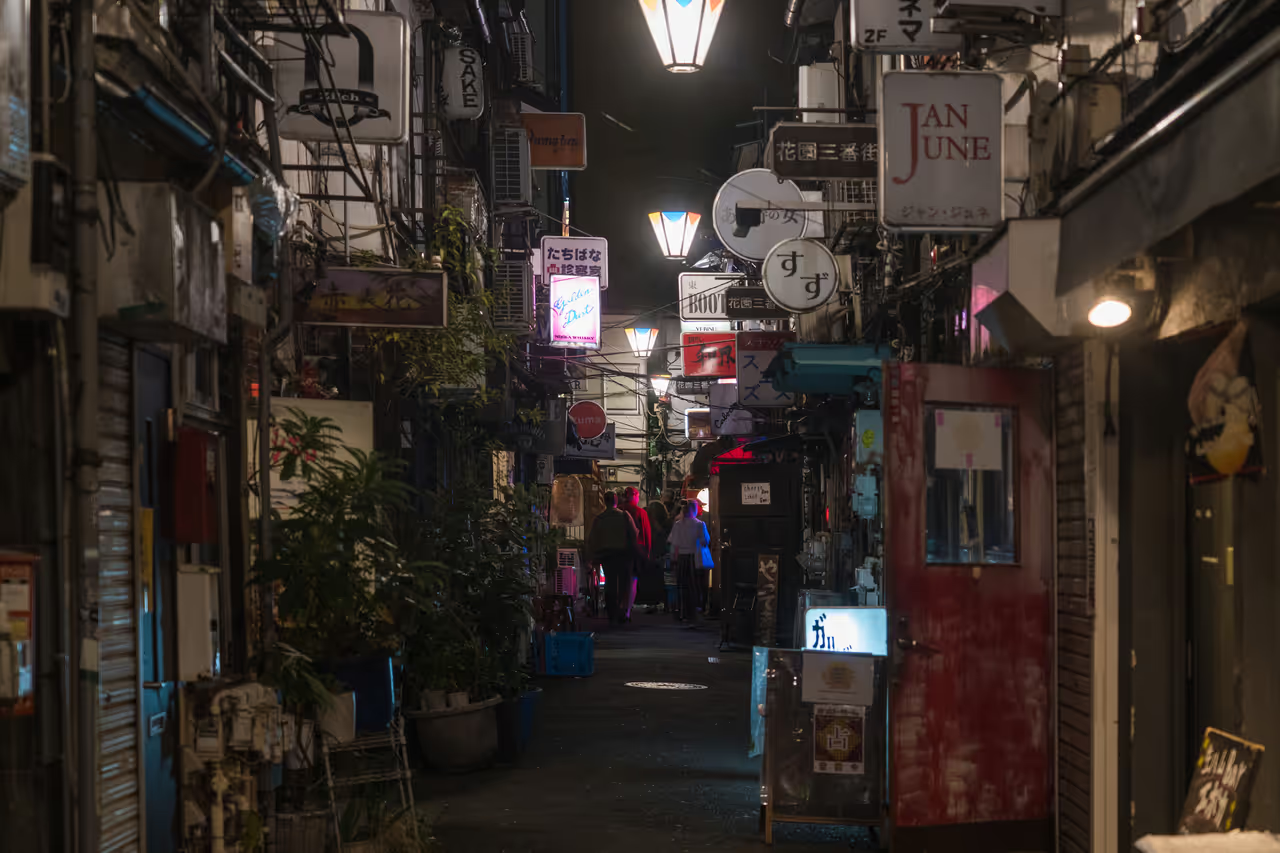
916mShinjuku Golden Gai Alleys
A tightly packed collection of ramshackle alleyways providing incredible opportunities for moody atmospheric photography. The incredibly narrow paths are lined with glowing neon signs and tangled overhead wiring reflecting the gritty post war aesthetic. Rain transforms the area into a cinematic cyberpunk setting with reflections bouncing off the slick pavement. Capturing the tiny doorways and warm light spilling onto the dark street creates a deeply nostalgic image. It presents the raw unpolished side of the city's nightlife.
photo spot view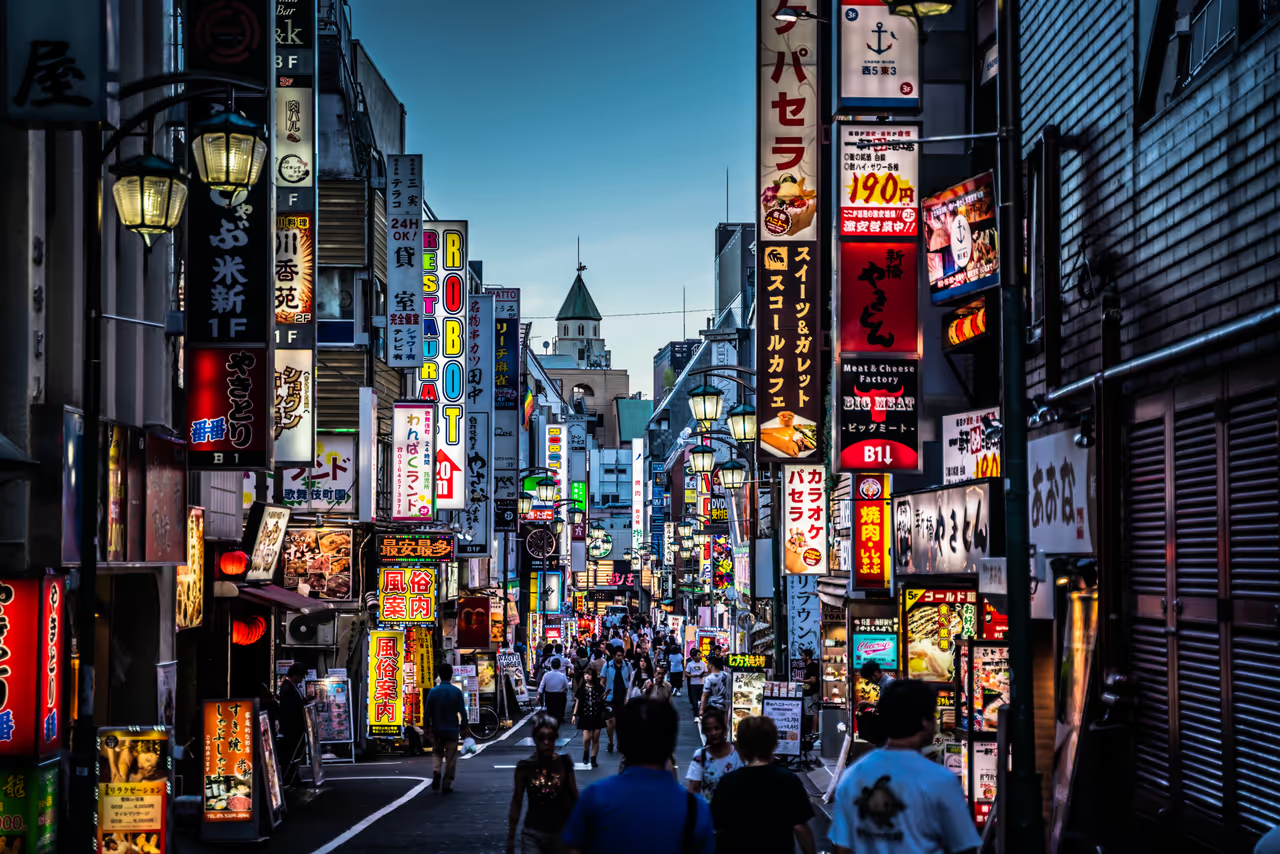 996m
996mShinjuku Nightlife
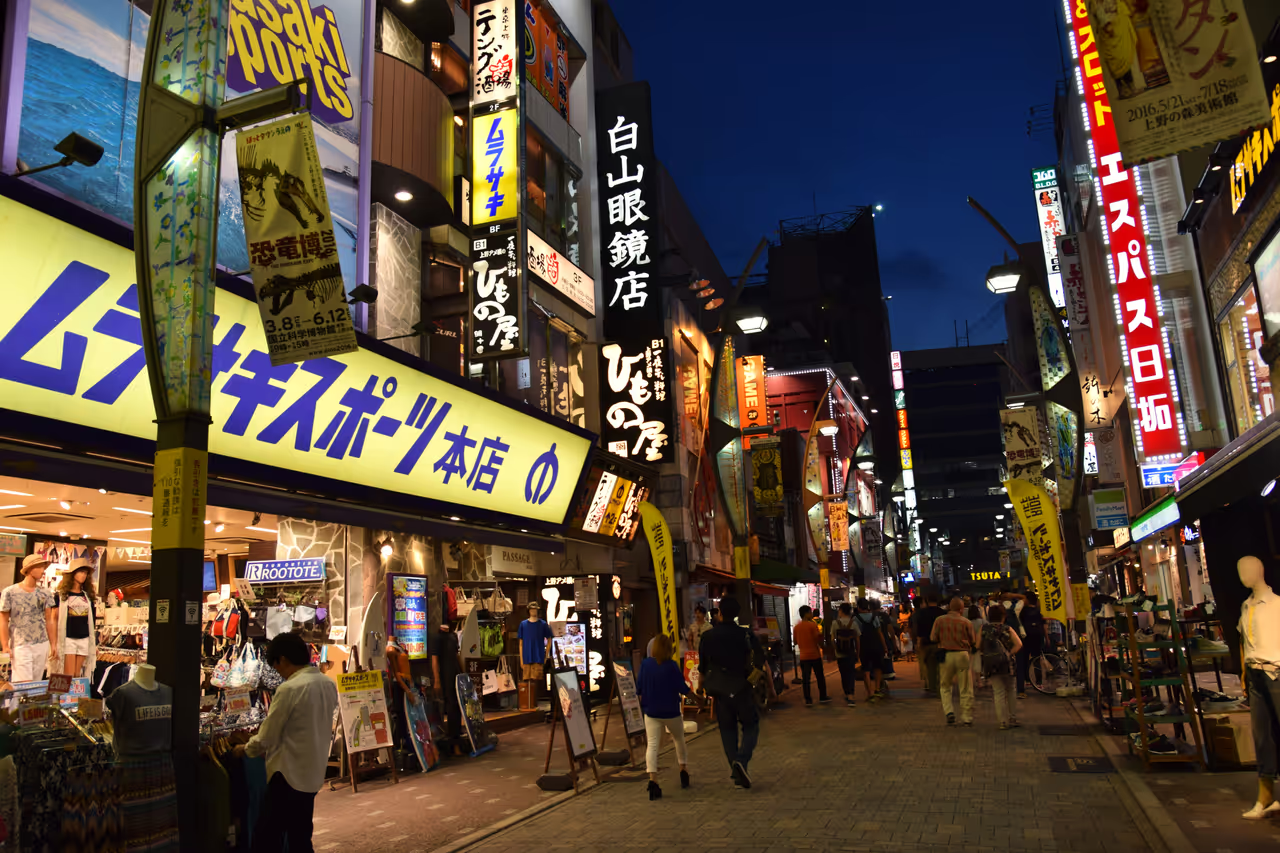
The undisputed epicentre of evening entertainment boasting an overwhelming concentration of bars, clubs, and restaurants. The neon drenched streets of Kabukicho offer countless amusement options ranging from high energy arcades to themed dining experiences. Hidden away in Golden Gai visitors find tiny atmospheric pubs packed into narrow nostalgic alleyways. It is a district that truly never sleeps catering to every conceivable taste and budget. The sheer scale of the illuminated skyline makes it a breathtaking environment to explore after dark.
nightlife view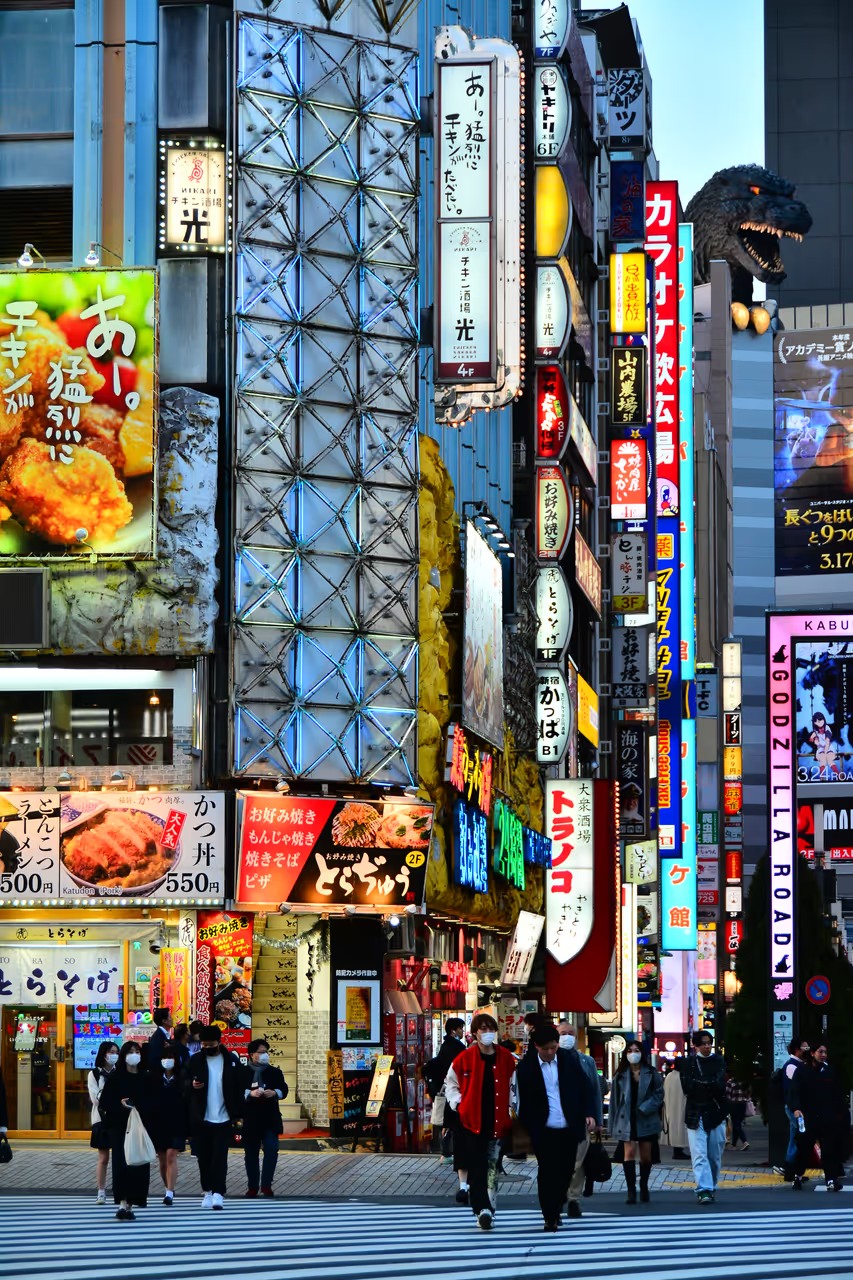 1163m
1163mKabukicho
An intensely illuminated entertainment district famous for its chaotic energy and massive Godzilla head peering over the buildings. The area is densely packed with arcade centres, narrow alleyway pubs, and heavily themed restaurants. It provides a raw and unfiltered look at the high octane nightlife scene of the metropolis. The visual density of the neon signage makes it an absolute paradise for night photography. Navigating the crowded streets is an essential urban adventure.
highlight view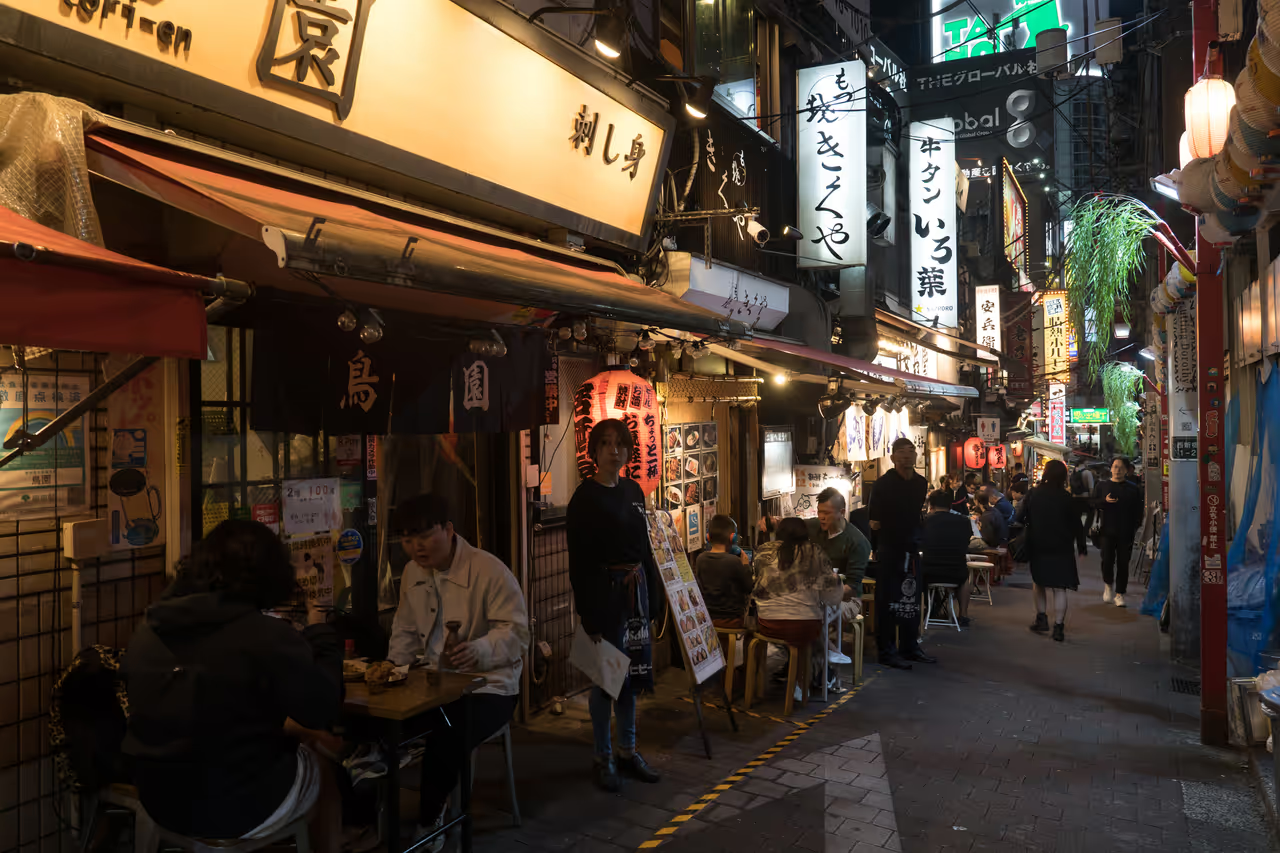 1204m
1204mOmoide Yokocho
A tightly packed network of incredibly narrow alleyways tucked right against the massive transit hub of Shinjuku. Affectionately known as Memory Lane the area consists of dozens of tiny dilapidated eateries often seating no more than six people at a time. The air is thick with the rich smoke of grilling yakitori and the lively chatter of local office workers unwinding. Navigating the crowded smoky path feels like stepping into a cinematic portrayal of post war urban life. It offers an incredibly intimate and visceral dining experience.
hidden gem view
Explore Similar Places in This Collection

Featured on This Itinerary
See all nature & parks in Tokyo
Koishikawa Korakuen, Rikugien Gardens, Ueno Park, Yoyogi Park, Hama-rikyu Gardens, Inokashira Park...