Rikugien Gardens
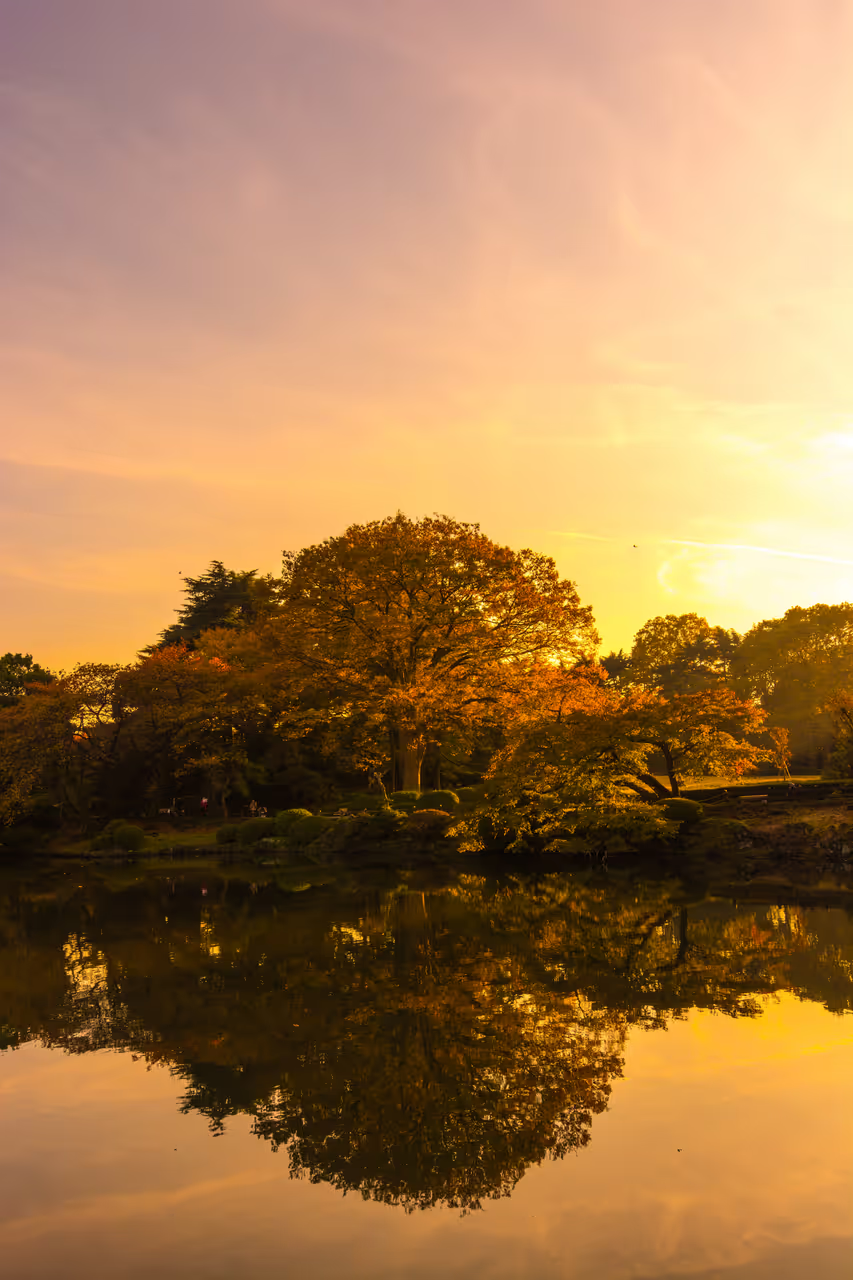
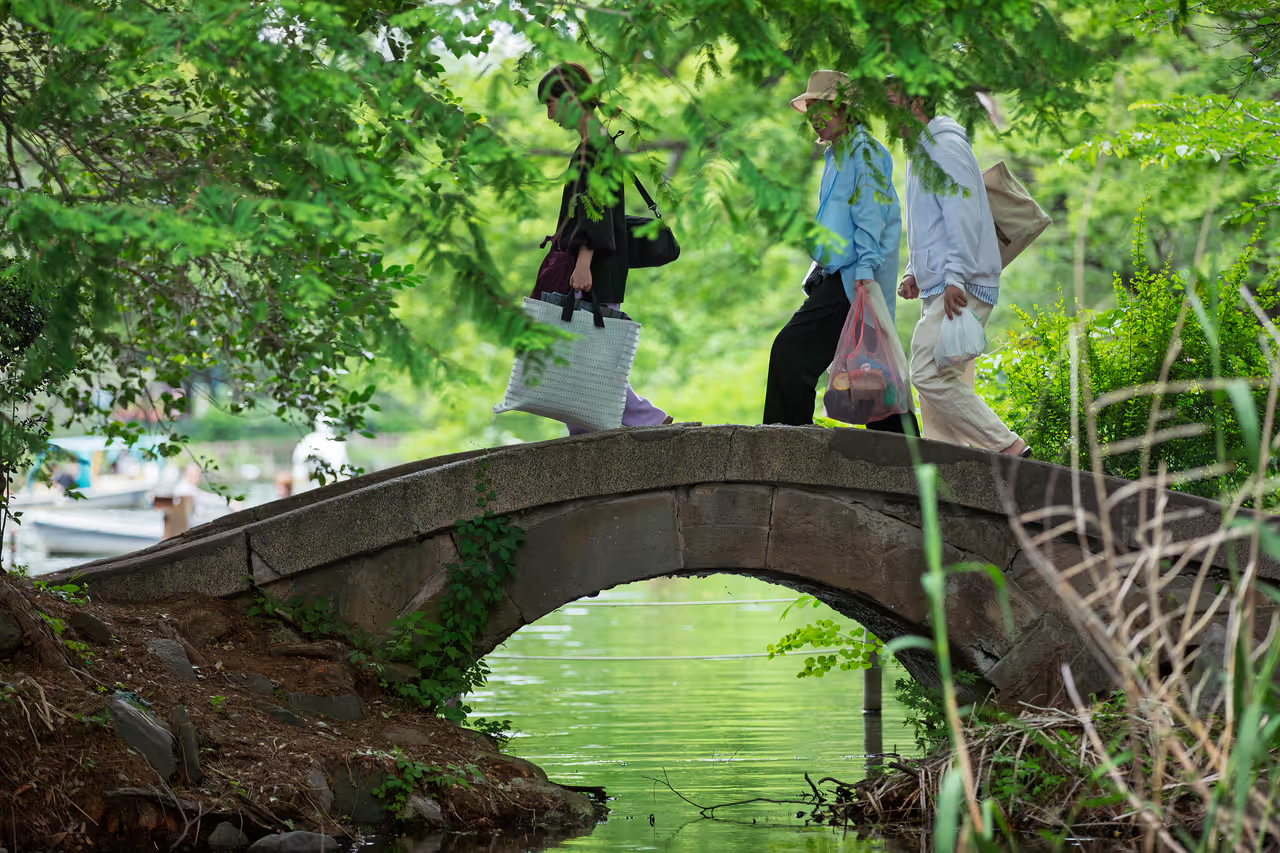
Step into a living piece of Edo poetry at Rikugien Gardens, a sublime masterpiece of Japanese landscape design. This stroll garden invites you to wander through a miniature version of famous literary scenes, meticulously crafted by the Fifth Shogun's confidant, Yanagisawa Yoshiyasu. Known as one of Tokyo’s most distinguished Special Places of Scenic Beauty, the garden captivates with its winding paths, massive central pond, and artfully constructed hills. Whether you are catching the ethereal glow of the iconic weeping cherry tree in spring or watching the maples ignite in fiery hues during autumn, the landscape feels like a painting brought to life. It remains a tranquil escape where history and nature harmonize to offer a perfect, peaceful retreat from the modern city rhythm.
Videos
History of Rikugien Gardens
The origins of Rikugien reach back to 1695, a time when the Fifth Shogun Tokugawa Tsunayoshi granted a sprawling parcel of land to his favored courtier, Yanagisawa Yoshiyasu. This area was originally a wild, rugged expanse once intended for the Shogun’s hawk hunting. Yoshiyasu, a man of refined tastes and a deep passion for classical poetry, envisioned something far more profound than a mere residence. He spent seven years transforming this raw landscape into a physical manifestation of his favorite waka poems. Every hill, rock, and bridge was placed with deliberate precision to recreate eighty eight famous scenes, turning the estate into a masterpiece of Edo design that invited quiet reflection and intellectual pursuit. Following the collapse of the shogunate and the eventual arrival of the Meiji era, the garden faced a period of uncertainty and decline. Its salvation came in 1878 in the form of Iwasaki Yataro, the legendary founder of the Mitsubishi enterprise. Yataro saw beyond the overgrown paths and purchased the estate, adopting it as a private retreat for his family. It was his brother, Iwasaki Yanosuke, who later directed an intensive restoration project, painstakingly reviving the original landscape and ensuring the garden remained a private sanctuary of immense beauty. For decades, the Iwasaki family carefully stewarded the land, hosting dignitaries and events, including a grand victory celebration for the navy in the early twentieth century. In 1938, the estate transitioned into the public domain when Iwasaki Hisaya donated the garden to Tokyo City. This act of generosity opened one of the city's most exclusive landscapes to all, ensuring its survival for future generations. Though the garden has witnessed the rise and fall of political powers and endured the scars of war, it has retained its poetic spirit. Today, it stands as a testament to the enduring appeal of Japanese garden artistry, offering a rare, tranquil bridge to the past within the heart of a modern metropolis. Walking its paths, visitors are not just looking at a garden, but stepping into a preserved historical narrative that continues to bloom with every changing season.
Events spanning 258 years
Fun Facts
- • During the Edo period, the estate functioned as a private salon for the Shogun and his inner circle to discuss politics, poetry, and philosophy away from the palace.
- • Many of the trees and stones were carefully transported from distant provinces, showcasing the immense wealth and logistical power of the Tokugawa era elite.
- • The Fujishiro Toge hill provides a high vantage point designed to mimic the mountain paths of the Kii Peninsula, allowing visitors to survey the entire estate.
- • The central pond, known as Oizumi sui, is so grand in scale that it was originally fed by the historic Senkawa Aqueduct to ensure consistent water levels.
- • The garden hosts evening illumination events, which use sophisticated lighting to transform the trees and pond into a surreal, glowing landscape after sunset.
- • The garden is a prime example of a stroll garden, where the scenery changes constantly as you move, ensuring that no single viewpoint dominates the experience.
- • The garden survived the intense air raids of the Second World War, preserving its ancient layout and many of its historic structures.
- • The garden was intentionally modeled after the scenery of Waka no ura in Wakayama, a coastal region that was profoundly significant to the founder.
- • The massive weeping cherry tree near the entrance is a local legend, often considered one of the most beautiful and photographed floral subjects in Tokyo each spring.
- • The name Rikugien literally refers to the six categories of traditional Chinese poetry, reflecting the founder's deep intellectual commitment to the arts.
- • The stone bridge named Togetsukyo is constructed from two massive stone slabs, deliberately chosen to evoke the imagery of a bridge over a moonlit river.
- • Though the garden contains fewer stone monuments than in the eighteenth century, the remaining markers serve as poetic guideposts for those walking the paths.
- • While the garden suffered during the chaotic transition of the Meiji Restoration, the Iwasaki family invested heavily to restore the grounds to their original Edo era glory.
- • Yanagisawa Yoshiyasu designed the landscape to mirror eighty eight famous scenes from classical waka poetry, creating a physical space where visitors could walk through literature.
RESOURCES
Official WebsiteRikugien Gardens FAQ
While we strive to keep this information accurate and up to date, we recommend verifying any details independently before making decisions based on them.
Rikugien Gardens Map & Neighborhood Explorer
This interactive map is centered on Rikugien Gardens. Zoom in and move the map around to automatically discover Wikipedia photos and summaries of other nearby sights, monuments, and historical points of interest and stories in real-time!
Places near Rikugien Gardens
Make the most of your trip. Check out these top-rated spots located nearby.
 1907m
1907mNezu Shrine
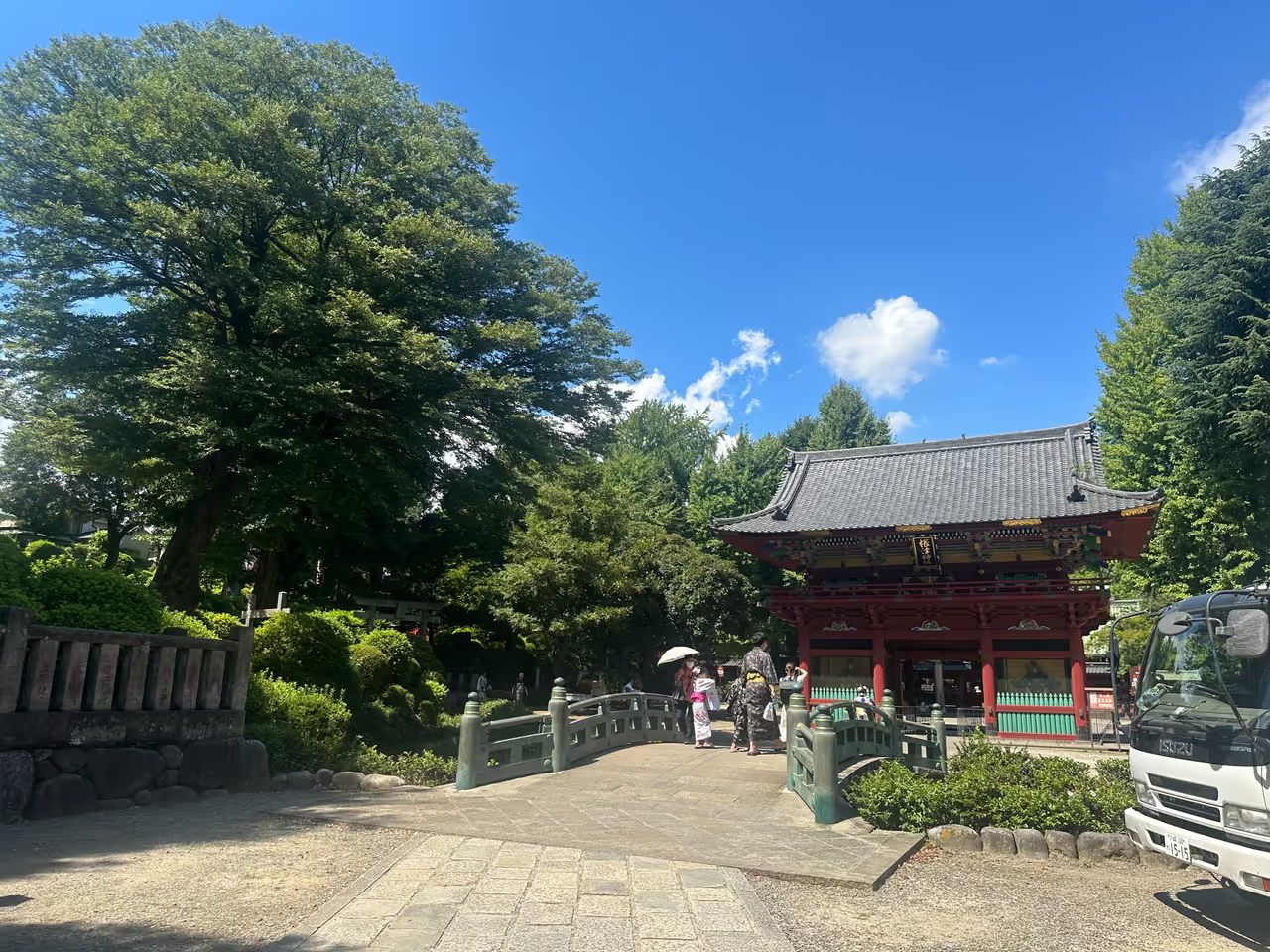
One of the oldest and most beautifully preserved Shinto complexes in the city hiding quietly in a residential area. The stunning main structures feature elaborate colourful woodwork that managed to survive the extensive wartime bombings intact. A magnificent hillside path is lined with dozens of bright vermilion torii gates creating a visual effect similar to Kyoto's famous Fushimi Inari. During the spring the grounds erupt in vibrant colour as thousands of carefully sculpted azalea bushes burst into bloom. It provides a deeply peaceful and visually spectacular spiritual retreat.
hidden gem view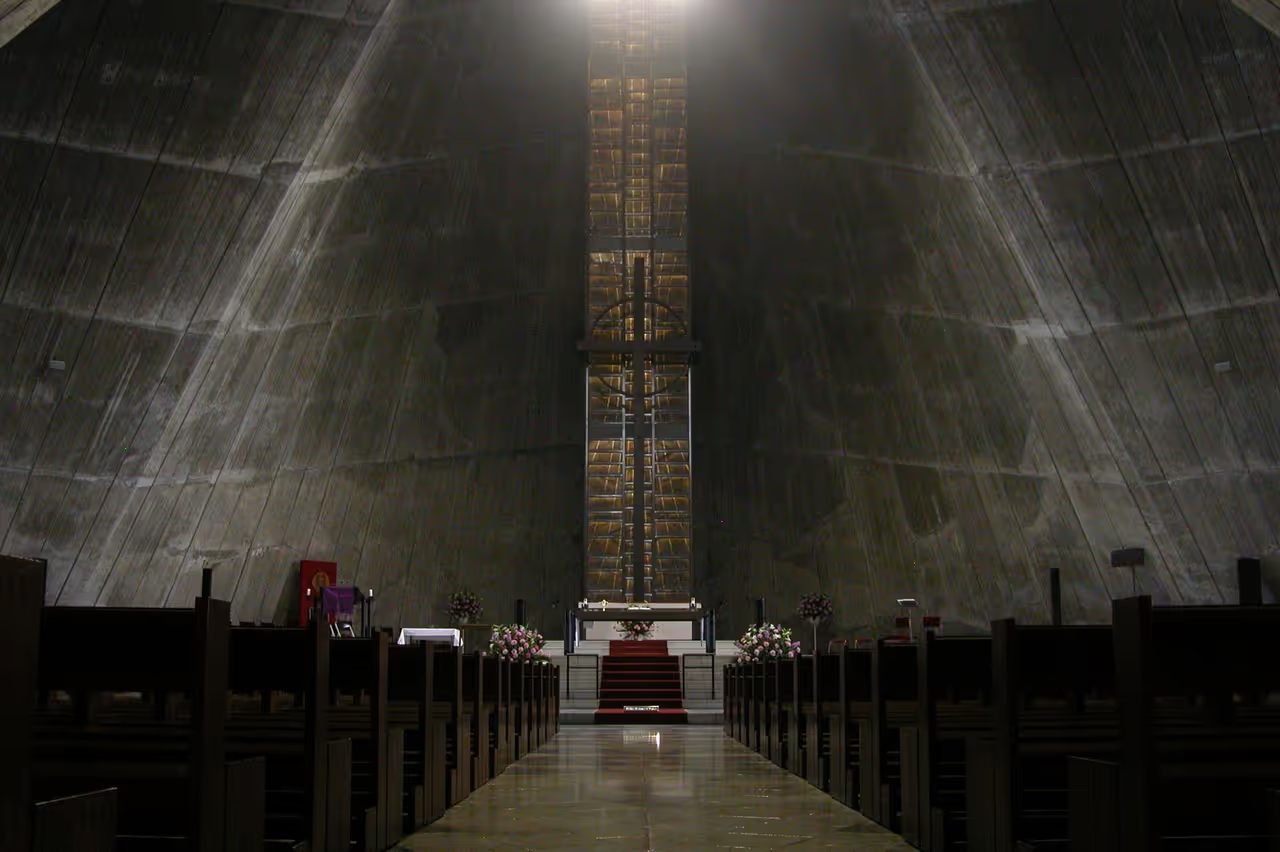 2773m
2773mSt. Mary's Cathedral
A phenomenal and highly dramatic concrete structure featuring sweeping hyperbolic paraboloid walls clad in gleaming stainless steel. Kenzo Tange designed this spiritual space to form the shape of a massive cross when viewed from above. The stark, soaring concrete interior creates an incredibly powerful and contemplative atmosphere quite unlike traditional western churches. The sheer brutalist walls direct natural light downwards creating intense shadows and spiritual drama. It is an absolute masterpiece of mid century modernism hiding quietly in a residential ward.
architecture view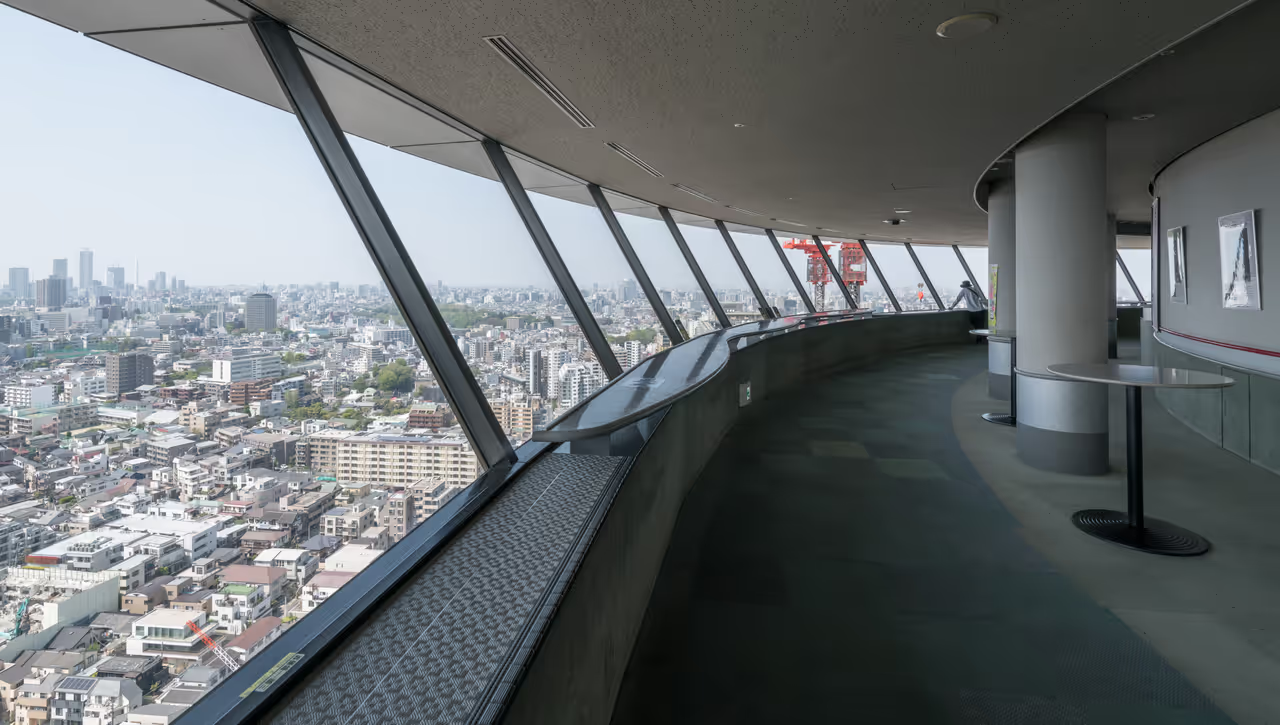 2856m
2856mBunkyo Civic Center Observation Lounge
A highly distinctive architectural space featuring dramatically slanted windows designed to prevent interior reflections. This lesser known vantage point provides a uniquely iconic angle aligning the dense skyscrapers of Shinjuku directly in front of Mount Fuji. The view is incredibly popular with local photographers particularly during crisp winter sunsets. The quiet, relaxed atmosphere offers a pleasant alternative to the crowded tourist hubs. It is a fantastic hidden secret for capturing the ultimate skyline photograph.
viewpoint view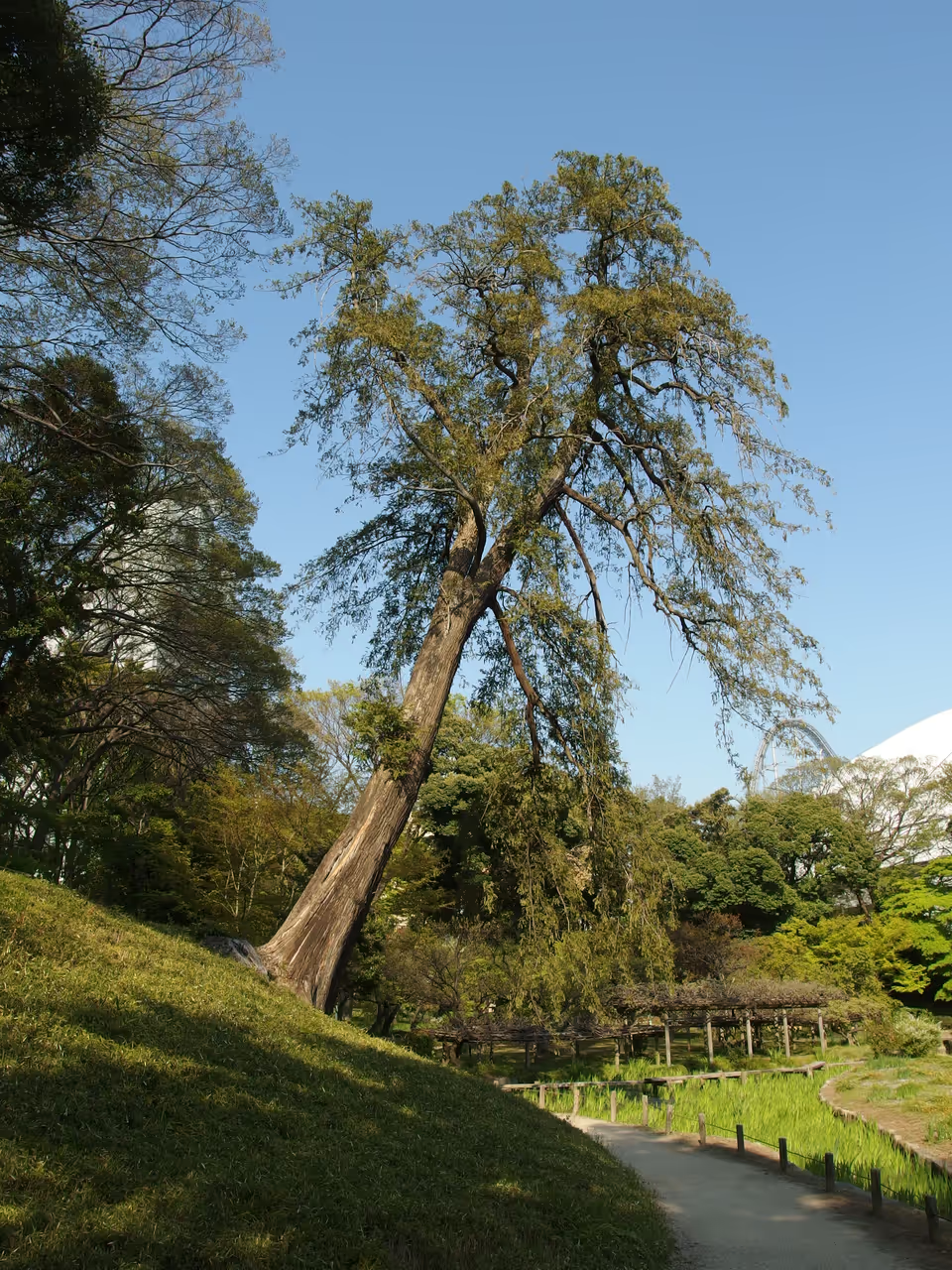 3061m
3061mKoishikawa Korakuen
Stepping into Koishikawa Korakuen Gardens feels like discovering a secret portal to the Edo period right in the middle of Tokyo. This garden is a landscape masterpiece, blending traditional Japanese scenery with elegant Chinese influences that set it apart from other green spaces in the city. You will find yourself wandering around a massive central pond, crossing bridges that mimic famous landscapes from across Asia. Whether you are admiring the vibrant cherry blossoms in spring or the fiery maples in autumn, the atmosphere here is incredibly tranquil. It is a place where history feels alive, offering a rare double designation as both a special historic site and a place of scenic beauty. For anyone looking to escape the city noise, this garden provides a sophisticated and soul-soothing experience.
park & nature view
See all nature & parks in Tokyo
Koishikawa Korakuen, Shinjuku Gyoen National Garden, Ueno Park, Yoyogi Park, Hama-rikyu Gardens, Inokashira Park...