Heian Shrine
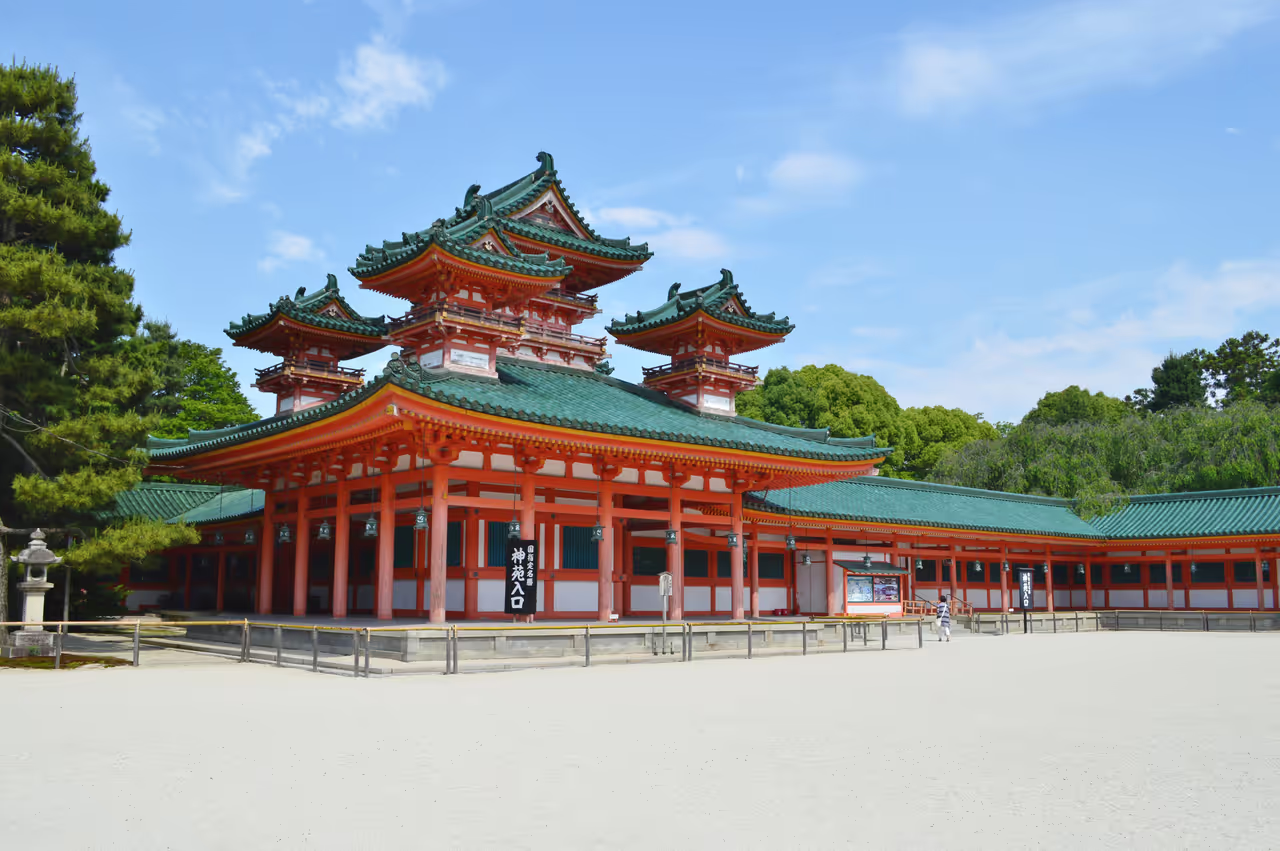
Heian Shrine stands as a vibrant testament to the imperial heritage of Kyoto, offering a colourful escape from the modern city. Its striking vermilion torii gate welcomes you into a serene complex that feels like a portal back to the ancient Heian period. You will wander through a meticulously crafted landscape, including a stunning garden that changes with the seasons, making it a peaceful haven for reflection and photography. The shrine is a cultural gem where history meets contemporary life, famously serving as a stage for traditional festivals and even modern musical performances. Visiting here feels like stepping into a living painting, preserving the spirit of emperors long past while remaining deeply woven into the local community.
Videos
History of Heian Shrine
In the late nineteenth century, Kyoto faced a period of uncertainty as the national capital had recently shifted to Tokyo. To reclaim its cultural significance and celebrate the 1100th anniversary of its founding, the city decided to honour its imperial past by recreating the grandeur of the original Heian Palace. This ambitious project resulted in the construction of Heian Shrine, a meticulous reproduction built at a slightly reduced scale that captures the architectural spirit of the eleventh century. It became a powerful symbol of local identity, ensuring that the legacy of Emperor Kanmu, who first established the city, would never be forgotten. The narrative of the shrine took a harrowing turn in the twentieth century when a devastating fire tore through the main sanctuary. For a city that prided itself on preserving its ancient heritage, the loss was profound and deeply felt. Yet, this tragedy sparked a remarkable show of community unity. Donations flooded in from citizens and supporters across the nation, allowing for a swift and faithful reconstruction. This revival demonstrated that the shrine was more than just a monument of wood and stone; it was a living, breathing part of the heart of the city. Today, the shrine continues to bridge the gap between the ancient and the modern. It remains a focal point for the calendar of Kyoto, hosting the spectacular Jidai Matsuri, where history comes alive through a massive procession. Beyond its religious and historical roles, the shrine has embraced contemporary culture, opening its gates to modern musical performances and international film crews. This blend of solemn history and modern vitality ensures that Heian Shrine remains a vibrant, essential destination for anyone looking to understand the soul of Kyoto.
Events spanning 84 years
Fun Facts
- • Despite its classical appearance, the shrine frequently hosts modern concerts, showcasing how Kyoto seamlessly blends its deep traditions with current artistic expressions.
- • Every October, the site hosts the Jidai Matsuri, also known as the Festival of the Ages, where participants wear historical costumes representing different eras of the history of Kyoto.
- • It is classified as a Beppyo shrine, which signifies its high status and importance within the Association of Shinto Shrines.
- • It was built as a five-eighths scale reproduction of the original Heian Palace to celebrate the city's 1100th anniversary.
- • Rare species like the striped bitterling and the Japanese pond turtle thrive in the garden's ponds, and visitors are often welcomed to feed them.
- • The expansive garden was designed by the legendary gardener Ogawa Jihei VII, who spent over two decades perfecting its layout and water features.
- • The massive torii gate guarding the entrance stands as one of the largest in the country and serves as a towering symbol of the shrine's presence.
- • The shrine gained international fame after appearing in the celebrated film Lost in Translation, which added a touch of Hollywood history to its grounds.
- • Water for the lush ponds is drawn from the Lake Biwa Canal, a feat of engineering that connects the shrine to one of the largest lakes in Japan.
Heian Shrine FAQ
While we strive to keep this information accurate and up to date, we recommend verifying any details independently before making decisions based on them.
Heian Shrine Map & Neighborhood Explorer
This interactive map is centered on Heian Shrine. Zoom in and move the map around to automatically discover Wikipedia photos and summaries of other nearby sights, monuments, and historical points of interest and stories in real-time!
Places near Heian Shrine
Make the most of your trip. Check out these top-rated spots located nearby.
 640m
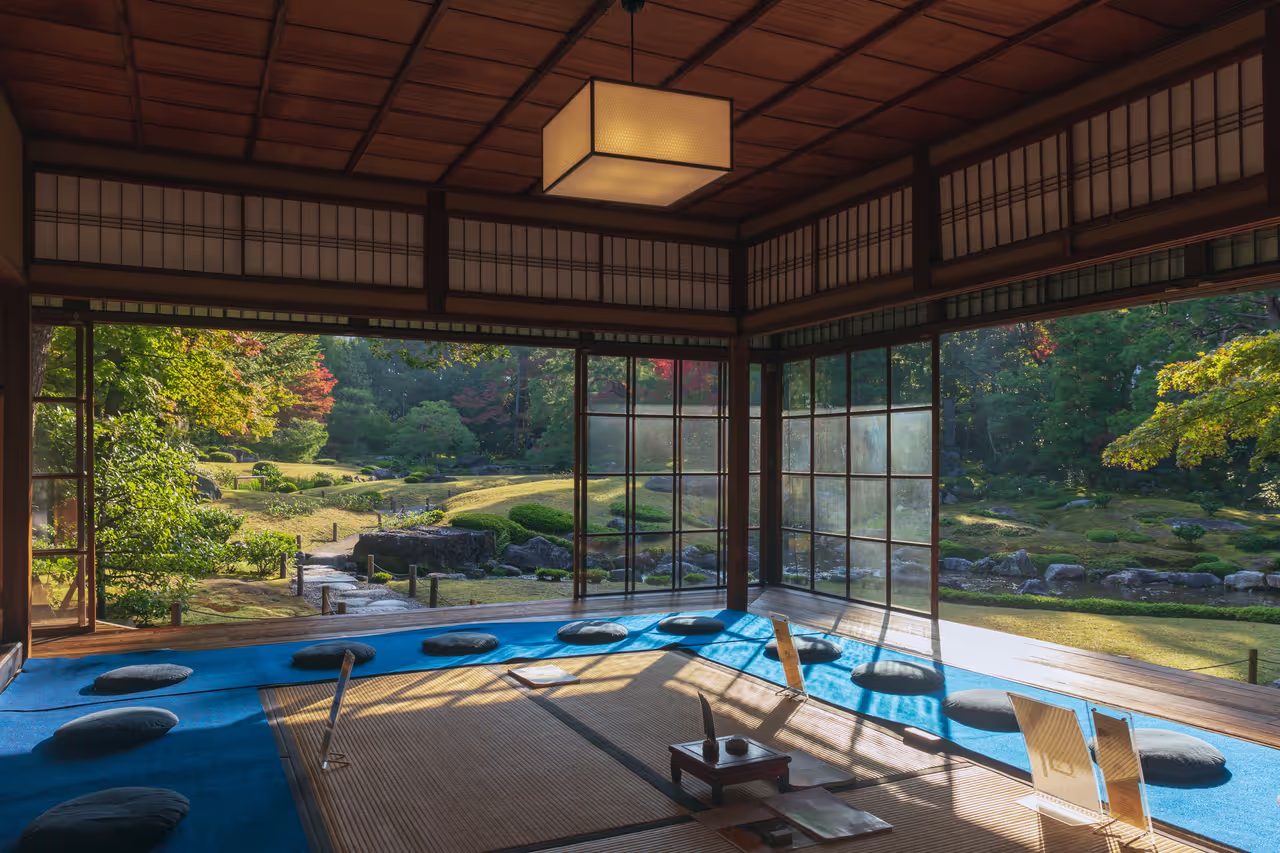
640mMurin-an Garden
Step into the serene embrace of Murin-an, a masterfully crafted garden that captures the elegance of the Meiji Period right in the heart of Kyoto. Created by the visionary garden designer Ogawa Jihei, this landscape showcases a stunning integration of water drawn from the Lake Biwa Canal, which feeds the lush, winding streams and waterfalls throughout the grounds. Unlike many traditional spaces, Murin-an offers a unique blend of cultures, featuring a classical Japanese promenade design alongside an unexpected Western-style lawn. It serves as a peaceful retreat where visitors can admire the borrowed scenery of the Higashiyama Hills, creating an atmosphere of quiet reflection and historical depth. Whether you are wandering along the mossy paths or sitting inside the historic main residence, the interplay of light, shadow, and nature provides a truly restorative experience. It is a must-visit for those seeking to understand the architectural and horticultural shifts of Japan during a period of rapid modernisation.
park & nature view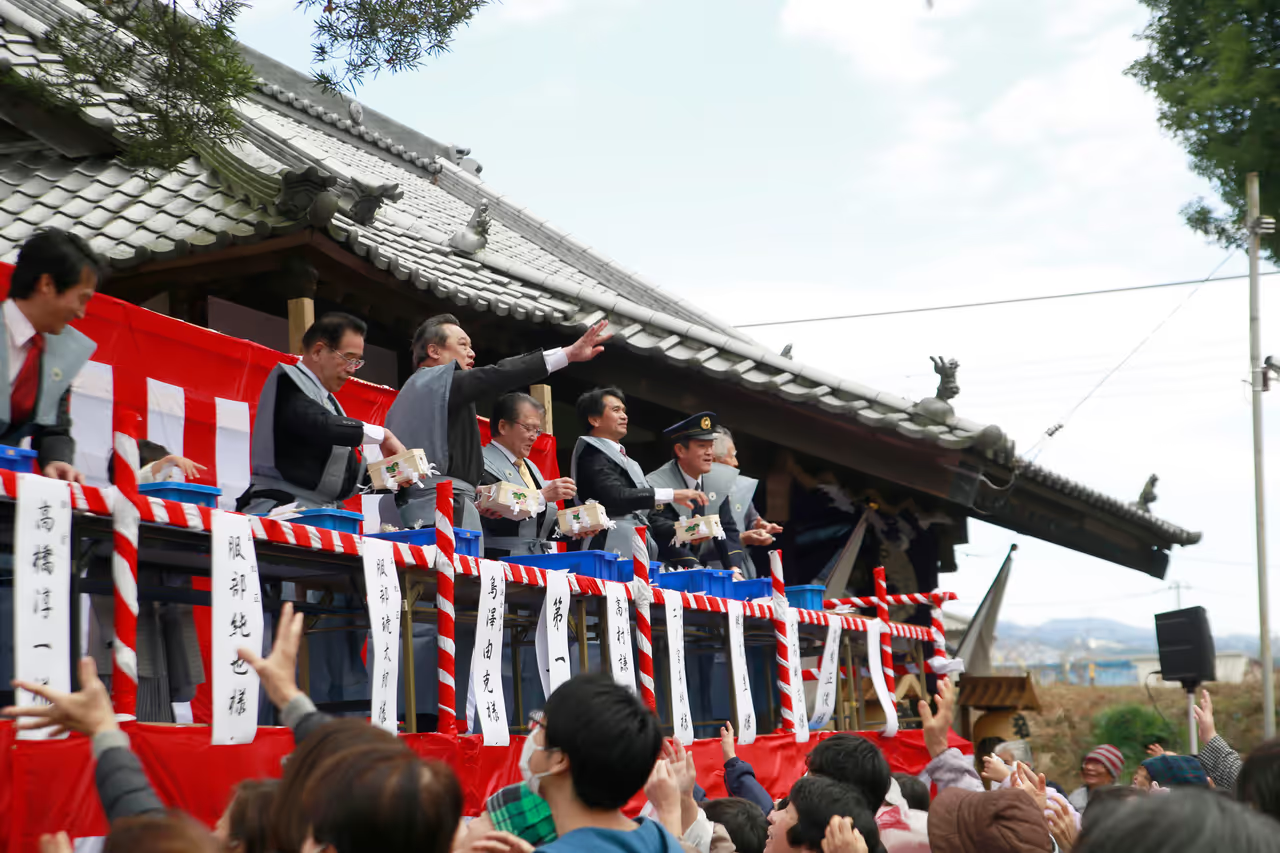 938m
938mSetsubun Bean-Throwing Festival
Held to mark the beginning of spring according to the lunar calendar, this lively festival focuses on driving away evil spirits and inviting good fortune. At Yoshida Shrine, the event features a massive bonfire and dramatic performances by dancers dressed as terrifying demons. Crowds participate by throwing roasted soybeans at the 'demons' while shouting traditional chants. It is a fantastic, highly energetic cultural experience that involves the whole community.
festival view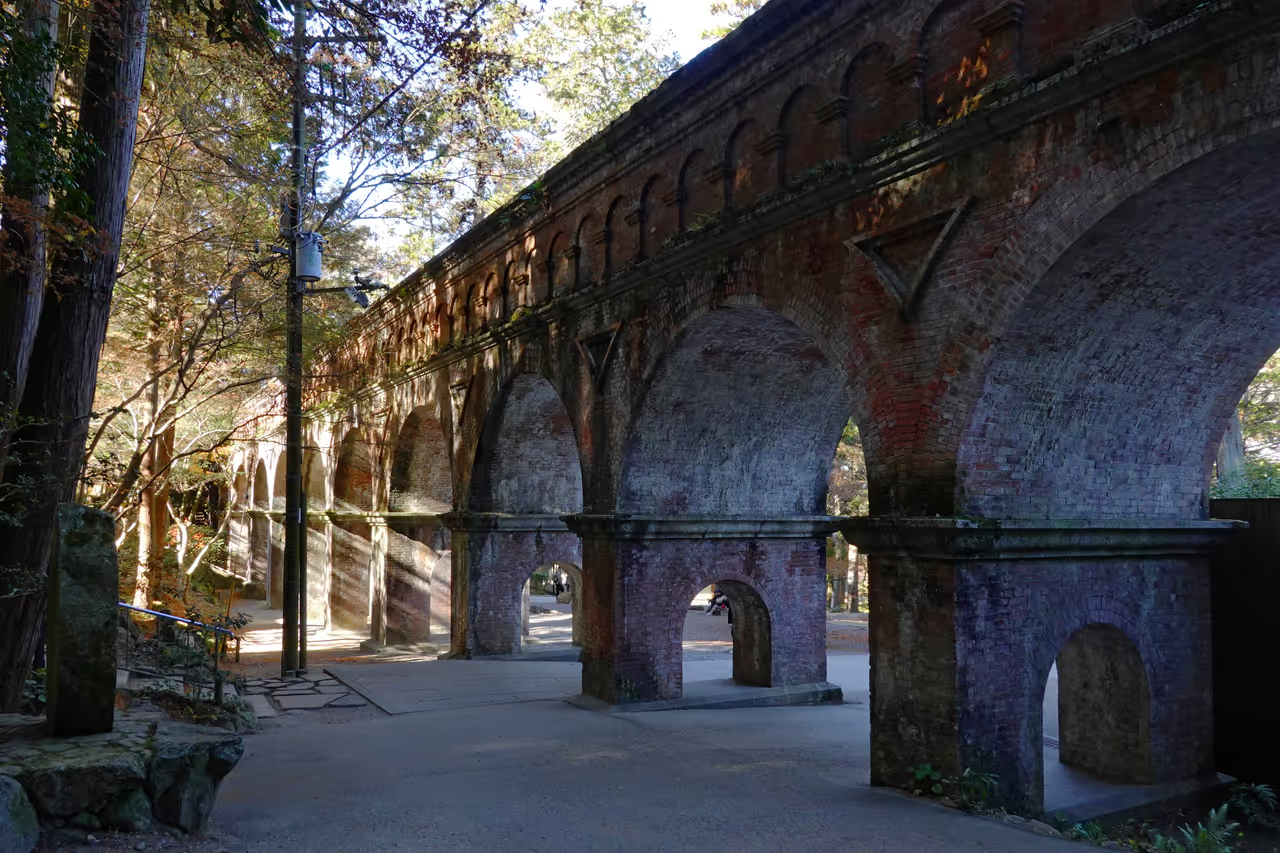 1027m
1027mNanzen-ji Suirokaku Aqueduct
Hidden within the grounds of a sprawling, ancient Zen temple, this red-brick aqueduct provides a completely unexpected, Western-style architectural twist. Constructed during the Meiji period in the 1890s, it forms part of the impressive canal system bringing water from Lake Biwa to the city. The structure's elegant, Roman-style arches heavily contrast with the surrounding traditional wooden temple buildings and the lush forest canopy. The weathering of the bricks has allowed it to blend beautifully into the landscape, creating a hauntingly picturesque, highly photographed architectural curiosity.
architecture view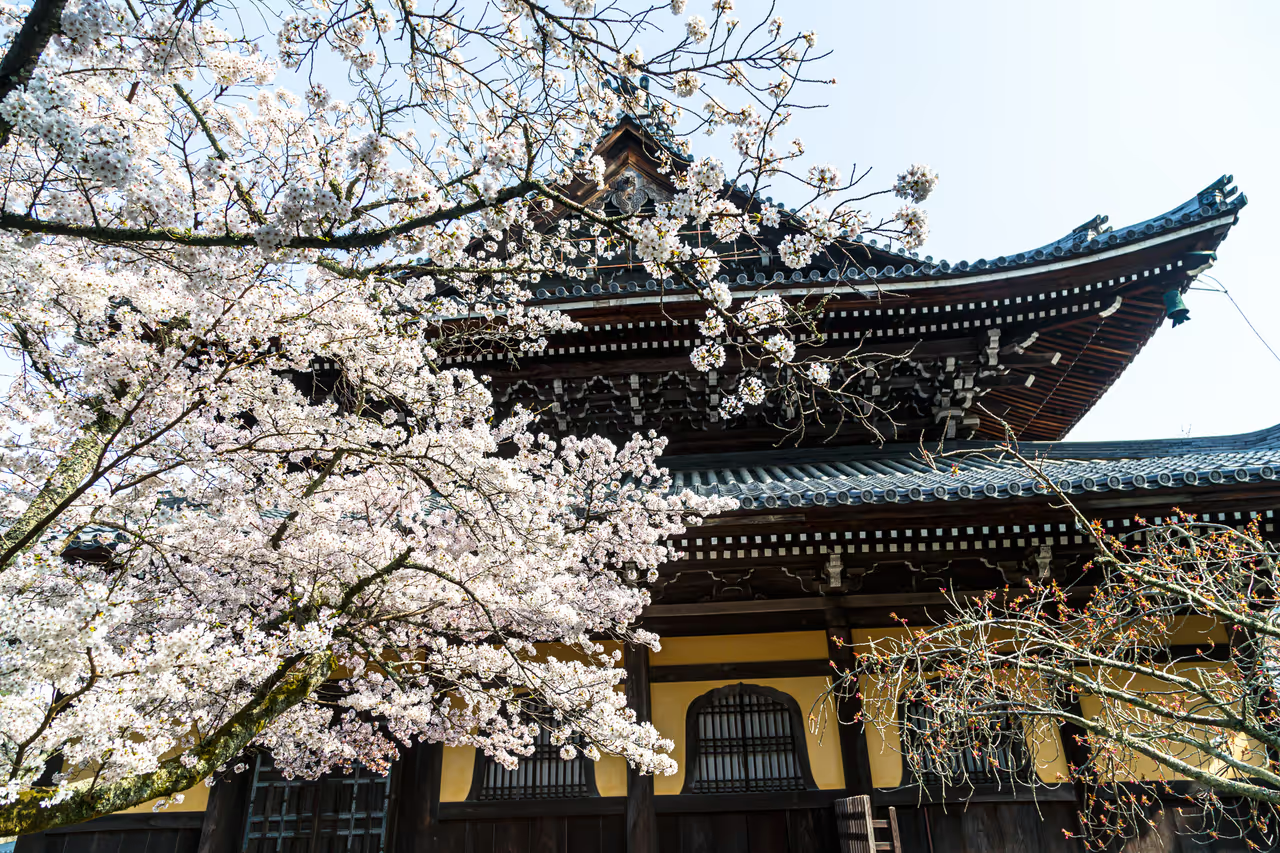 1167m
1167mNanzen-ji Temple
Step into a world where centuries of history blend seamlessly with the quietude of Zen tradition at Nanzen-ji. This sprawling temple complex, once a detached imperial palace, offers a unique opportunity to wander through expansive, moss-covered grounds that feel miles away from the city. You will be captivated by the massive Sanmon gate, which invites you to climb for a spectacular view, and the surprising red-brick aqueduct that adds an intriguing industrial twist to the traditional temple landscape. With its world-class rock gardens and intricate sliding screen paintings, this site captures the very essence of Kyoto's spiritual heritage. Whether you are seeking peaceful contemplation or simply a deeper understanding of Japanese culture, Nanzen-ji rewards visitors with its profound beauty and enduring legacy.
attraction view
Explore Similar Places in This Collection
See all attractions in Kyoto
Kyoto Railway Museum, Nanzen-ji Temple, Thousand Torii Gates at Fushimi Inari-taisha, Kyoto Tower...