Nanzen-ji Temple
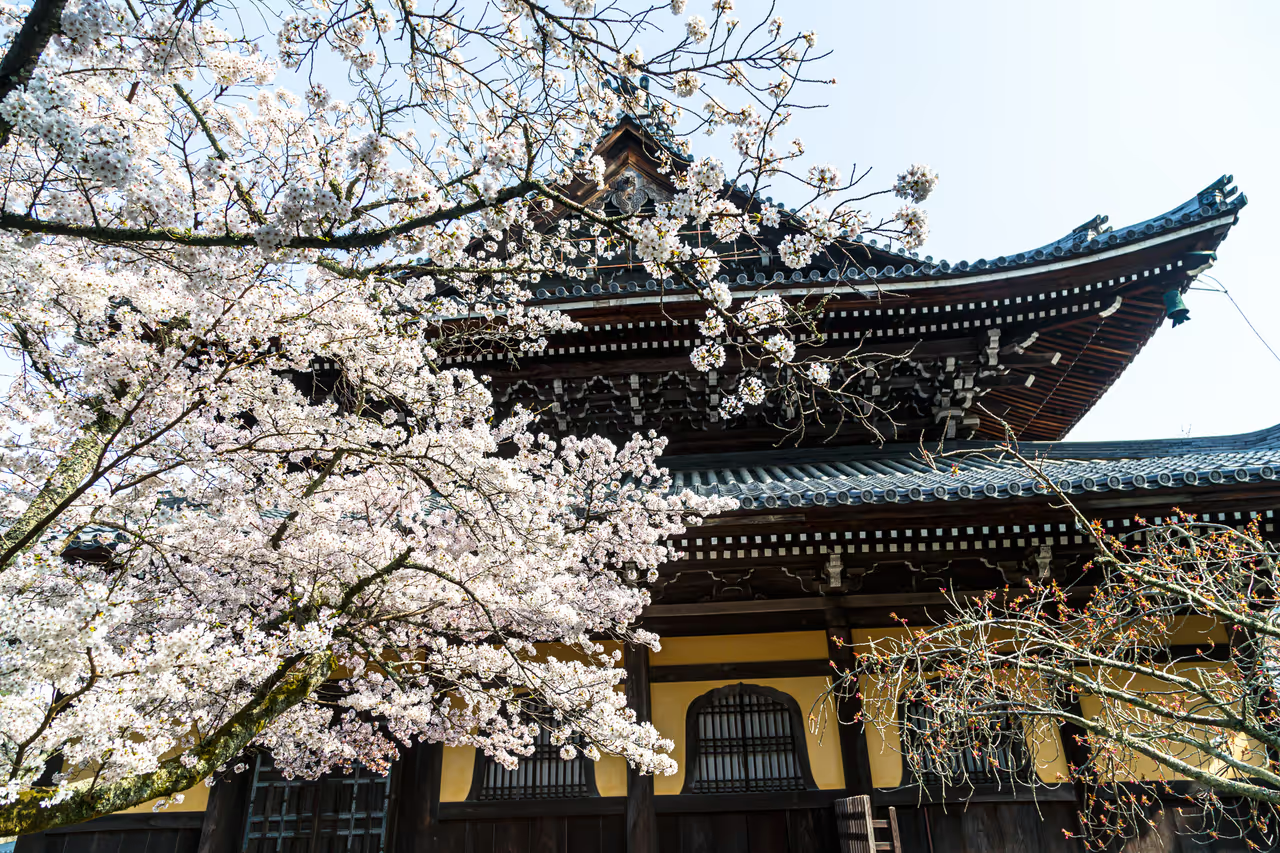
Step into a world where centuries of history blend seamlessly with the quietude of Zen tradition at Nanzen-ji. This sprawling temple complex, once a detached imperial palace, offers a unique opportunity to wander through expansive, moss-covered grounds that feel miles away from the city. You will be captivated by the massive Sanmon gate, which invites you to climb for a spectacular view, and the surprising red-brick aqueduct that adds an intriguing industrial twist to the traditional temple landscape. With its world-class rock gardens and intricate sliding screen paintings, this site captures the very essence of Kyoto's spiritual heritage. Whether you are seeking peaceful contemplation or simply a deeper understanding of Japanese culture, Nanzen-ji rewards visitors with its profound beauty and enduring legacy.
Videos
History of Nanzen-ji Temple
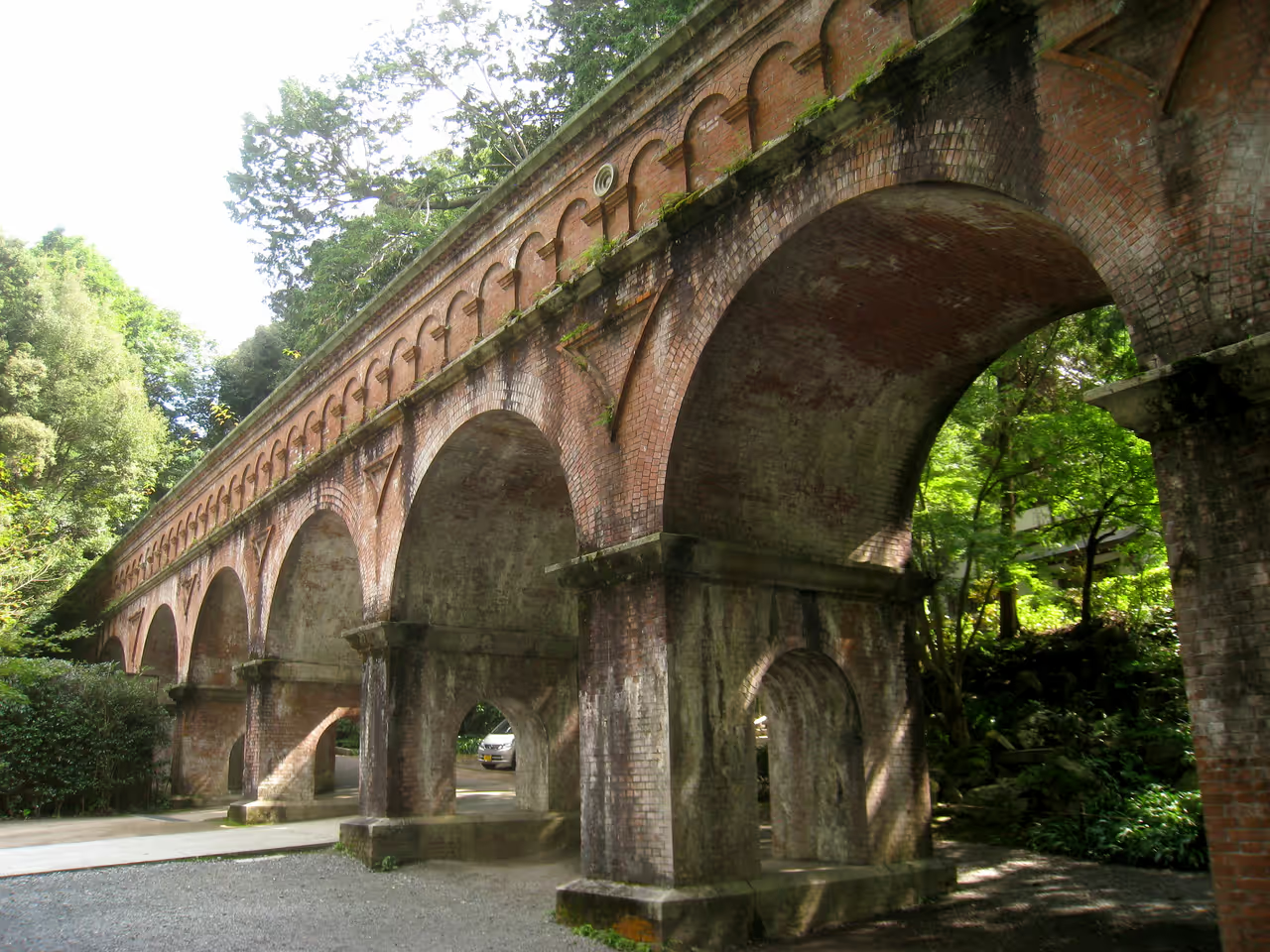
Nanzen-ji began in 1291 when Emperor Kameyama transformed his retired villa into a centre for Zen learning. This act marked a significant transition where the imperial family invested in the growing influence of the Rinzai school. By placing a member of the nobility at the head of a religious institution, the temple quickly became a bridge between political authority and spiritual practice. Its establishment on the site of a former palace meant that the grounds retained a grandeur that matched its lofty religious ambitions. Under the Gozan system, the temple eventually earned the title of First Temple of the Land. This designation placed it above other major Zen institutions in Kyoto and Kamakura, effectively making it the administrative and spiritual heart of the Rinzai sect. Monks gathered here to study, meditate, and contribute to the flourishing of Zen culture, which shaped the arts, tea ceremony, and literature of medieval Japan. The temple became a hub for the elite who sought enlightenment alongside scholarly pursuits. Throughout the centuries, the temple faced numerous challenges, including repeated destructions by fire. Each time it was razed, it was rebuilt with the support of ruling shoguns and emperors, demonstrating its vital importance to the fabric of Japanese history. During the Meiji period, the unique Suirokaku aqueduct was constructed to bring water from Lake Biwa to the city. This engineering feat, which cuts through the serene temple grounds, serves as a testament to how the site has adapted to the changing tides of modernity while preserving its ancient, meditative soul.
Events spanning 618 years
Fun Facts
- • Despite not being one of the original Five Mountains, Nanzen-ji held the prestigious title of First Temple of the Land in the medieval period.
- • It formerly served as the detached palace of Emperor Kameyama before he converted it into a Zen temple.
- • It houses one of Japan's most significant karesansui, or dry landscape gardens, crafted by the master Kobori Enshu.
- • Several scenes from the film Lost in Translation were filmed within the temple grounds, showcasing its tranquil atmosphere to a global audience.
- • The Hojo, or abbot's quarters, was gifted to the temple by Emperor Go-Yozei, further cementing the site's connection to imperial history.
- • The Suirokaku aqueduct, a red-brick structure built during the Meiji period, creates a striking contrast against the traditional wooden architecture.
- • The famous Sanmon gate is associated with the legendary outlaw Ishikawa Goemon, who, in a famous Kabuki play, famously praised the view from the top before his execution.
- • The temple complex acts as the head institution for the Nanzen-ji branch of Rinzai Zen Buddhism.
- • The temple houses exquisite screen paintings of tigers by the renowned artist Kano Tanyu, which are designated as National Treasures.
Nanzen-ji Temple FAQ
While we strive to keep this information accurate and up to date, we recommend verifying any details independently before making decisions based on them.
Nanzen-ji Temple Map & Neighborhood Explorer
This interactive map is centered on Nanzen-ji Temple. Zoom in and move the map around to automatically discover Wikipedia photos and summaries of other nearby sights, monuments, and historical points of interest and stories in real-time!
Places near Nanzen-ji Temple
Make the most of your trip. Check out these top-rated spots located nearby.
 143m
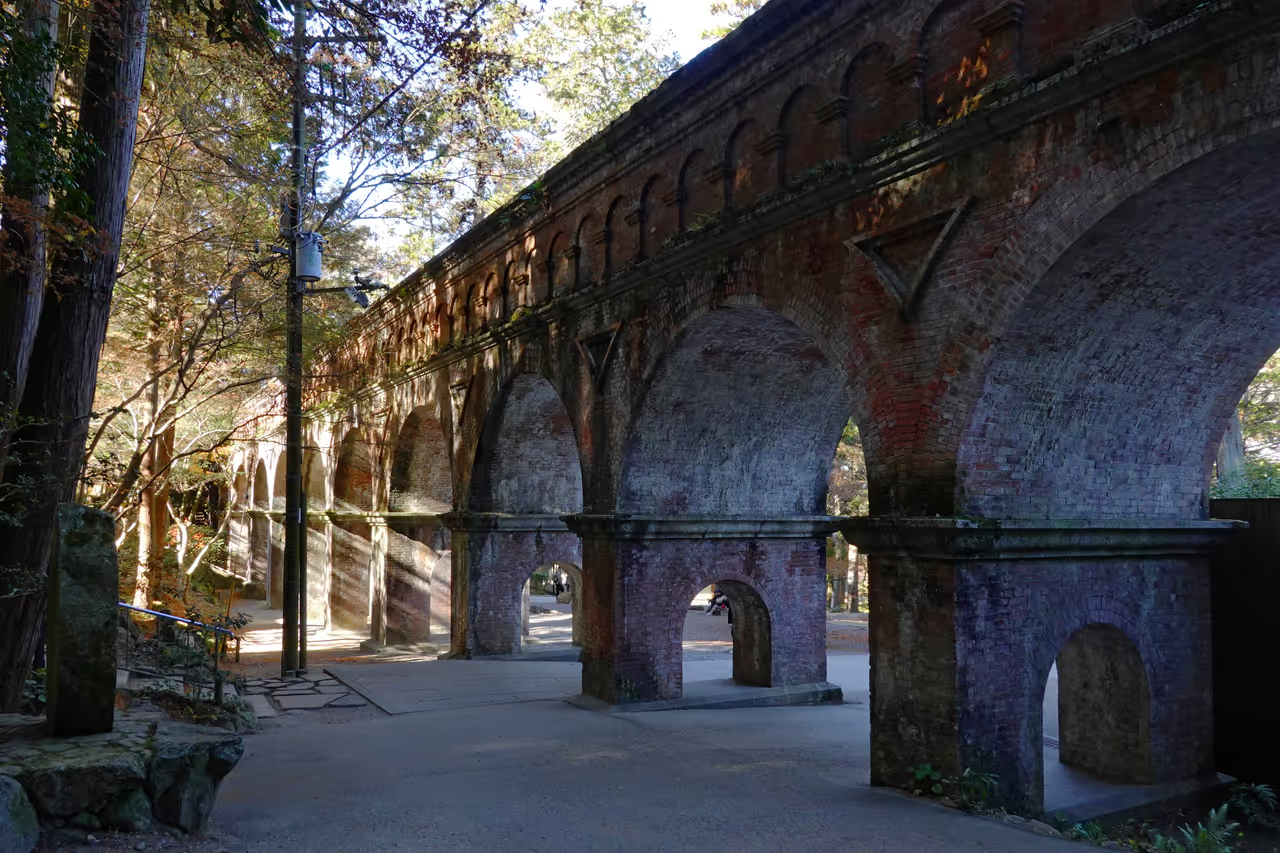
143mNanzen-ji Suirokaku Aqueduct
Hidden within the grounds of a sprawling, ancient Zen temple, this red-brick aqueduct provides a completely unexpected, Western-style architectural twist. Constructed during the Meiji period in the 1890s, it forms part of the impressive canal system bringing water from Lake Biwa to the city. The structure's elegant, Roman-style arches heavily contrast with the surrounding traditional wooden temple buildings and the lush forest canopy. The weathering of the bricks has allowed it to blend beautifully into the landscape, creating a hauntingly picturesque, highly photographed architectural curiosity.
architecture view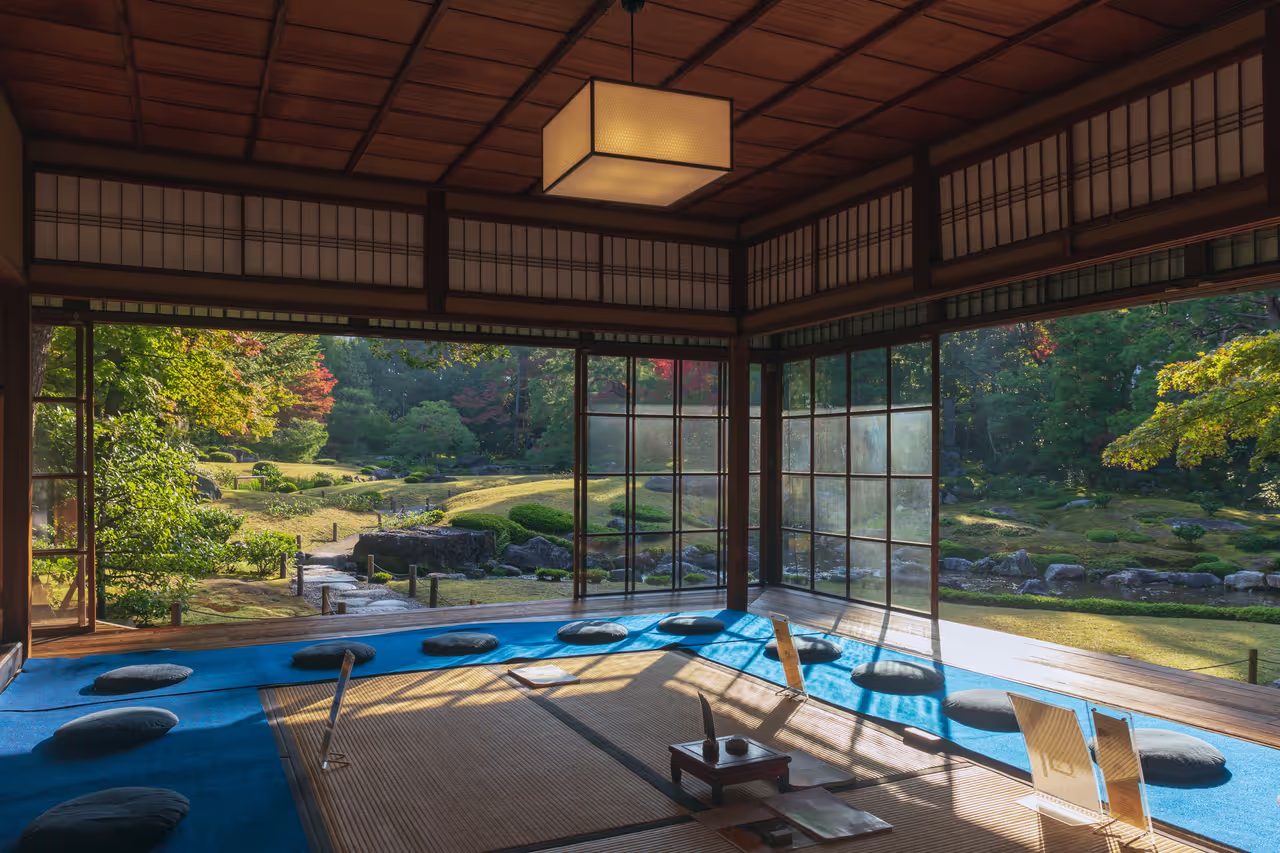 636m
636mMurin-an Garden
Step into the serene embrace of Murin-an, a masterfully crafted garden that captures the elegance of the Meiji Period right in the heart of Kyoto. Created by the visionary garden designer Ogawa Jihei, this landscape showcases a stunning integration of water drawn from the Lake Biwa Canal, which feeds the lush, winding streams and waterfalls throughout the grounds. Unlike many traditional spaces, Murin-an offers a unique blend of cultures, featuring a classical Japanese promenade design alongside an unexpected Western-style lawn. It serves as a peaceful retreat where visitors can admire the borrowed scenery of the Higashiyama Hills, creating an atmosphere of quiet reflection and historical depth. Whether you are wandering along the mossy paths or sitting inside the historic main residence, the interplay of light, shadow, and nature provides a truly restorative experience. It is a must-visit for those seeking to understand the architectural and horticultural shifts of Japan during a period of rapid modernisation.
park & nature view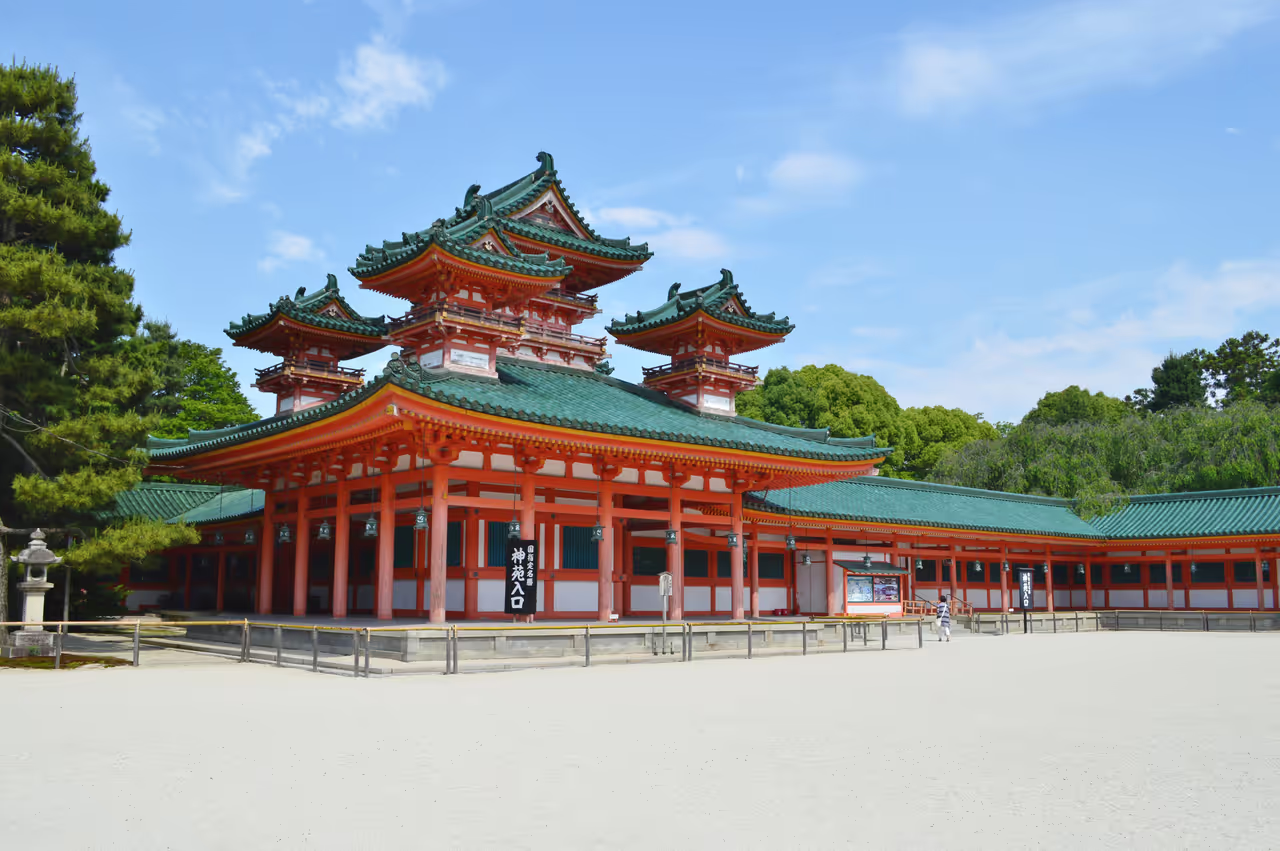 1167m
1167mHeian Shrine
Heian Shrine stands as a vibrant testament to the imperial heritage of Kyoto, offering a colourful escape from the modern city. Its striking vermilion torii gate welcomes you into a serene complex that feels like a portal back to the ancient Heian period. You will wander through a meticulously crafted landscape, including a stunning garden that changes with the seasons, making it a peaceful haven for reflection and photography. The shrine is a cultural gem where history meets contemporary life, famously serving as a stage for traditional festivals and even modern musical performances. Visiting here feels like stepping into a living painting, preserving the spirit of emperors long past while remaining deeply woven into the local community.
attraction view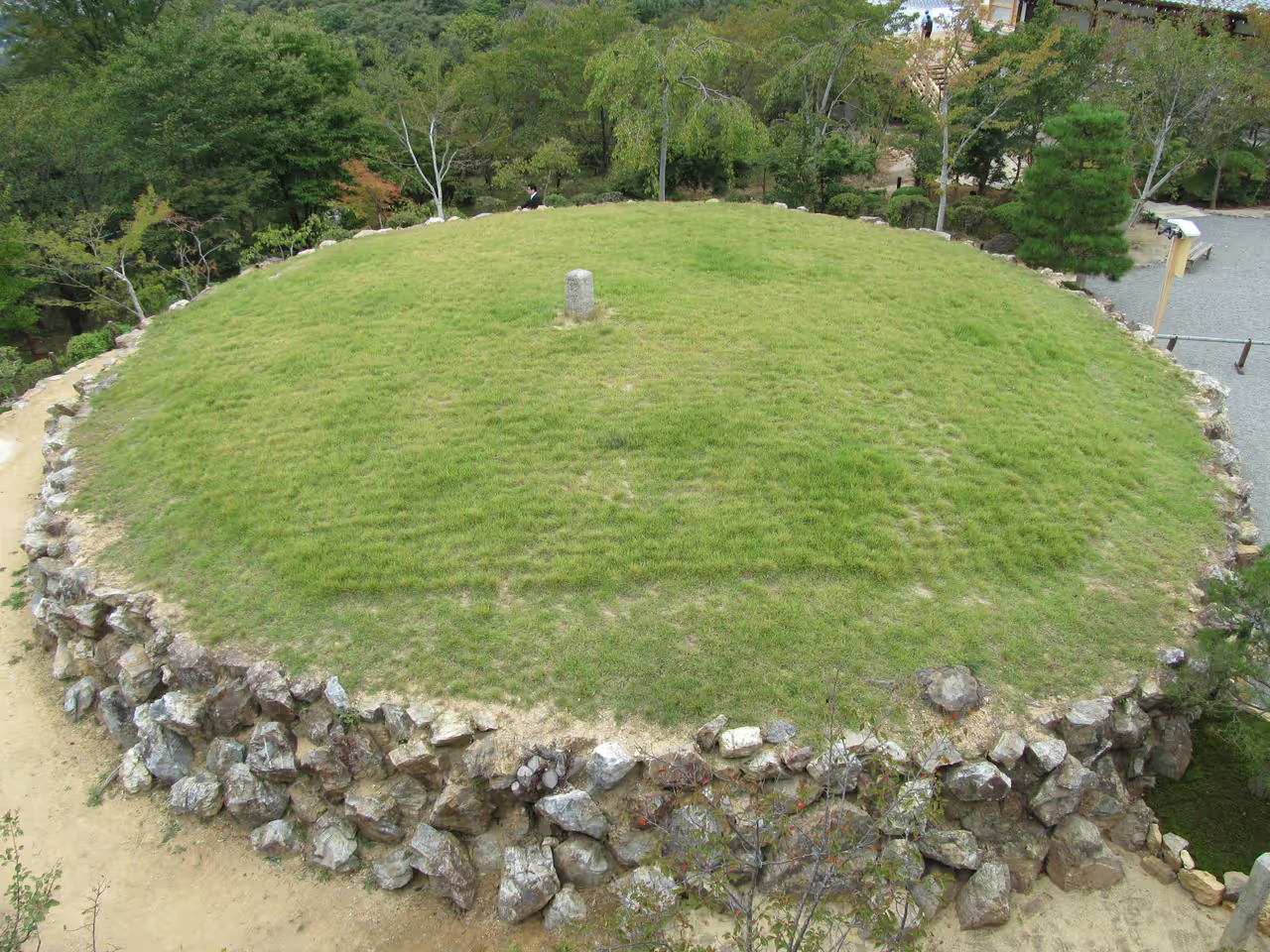 1207m
1207mShogunzuka Mound
Located high up in the eastern Higashiyama mountains, this historically significant site features a massive, wooden observation deck built alongside the Seiryu-den temple hall. The platform extends over the steep hillside, providing breathtaking, unobstructed views of the city laid out below. This is supposedly the exact spot where Emperor Kanmu stood in the 8th century to survey the basin before deciding to build his new capital here. The deck is considerably larger and far less crowded than the famous stage at Kiyomizu-dera, making it an excellent, serene spot for photography.
viewpoint view
Explore Similar Places in This Collection
Featured on These Itineraries and Routes
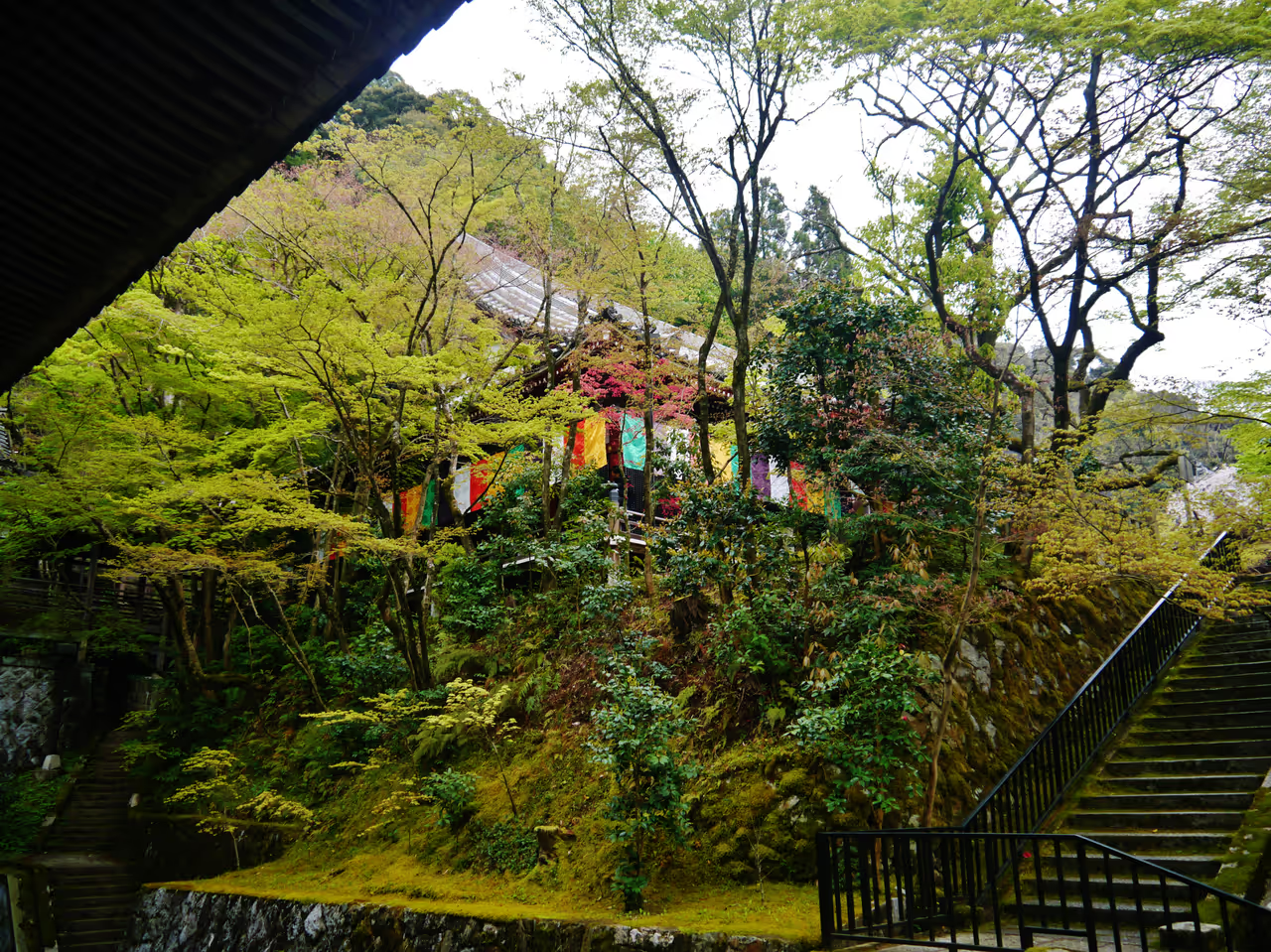
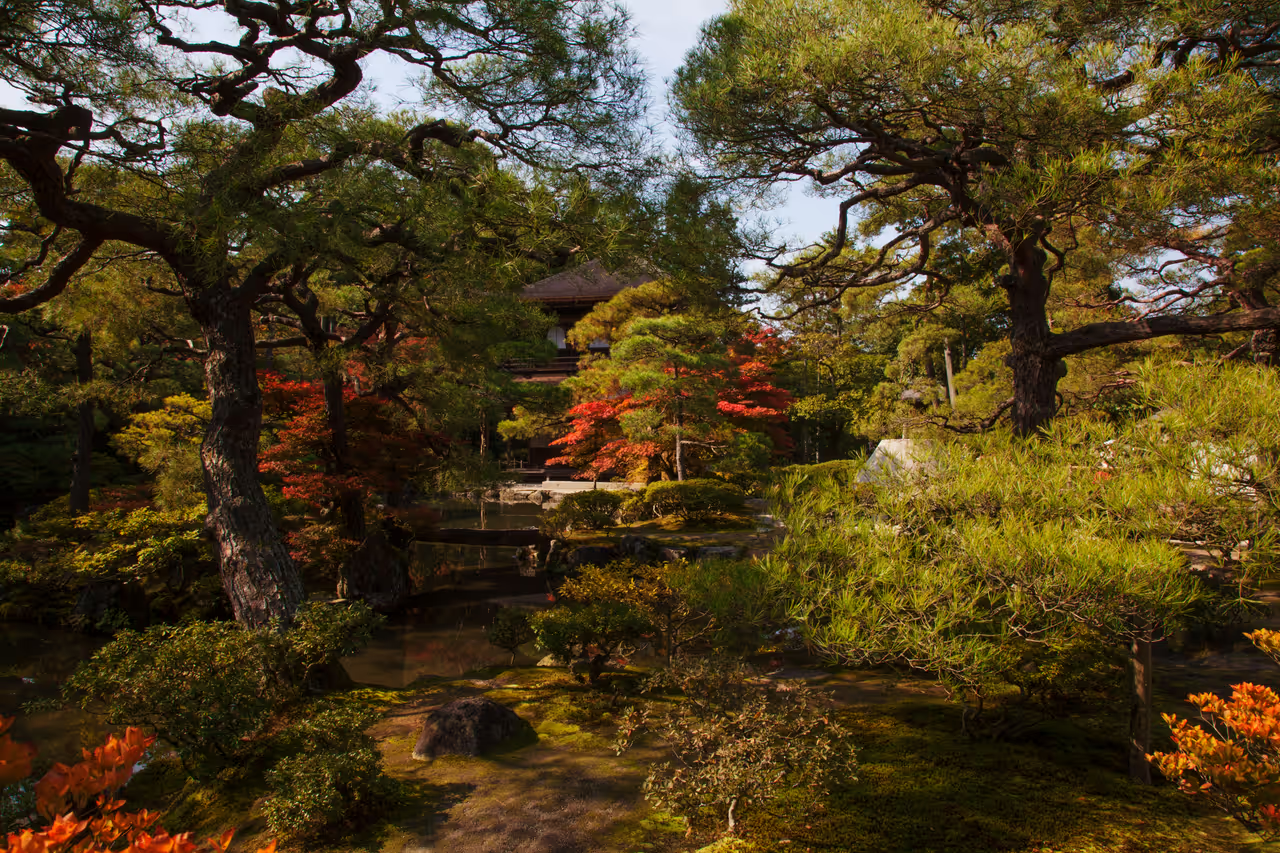
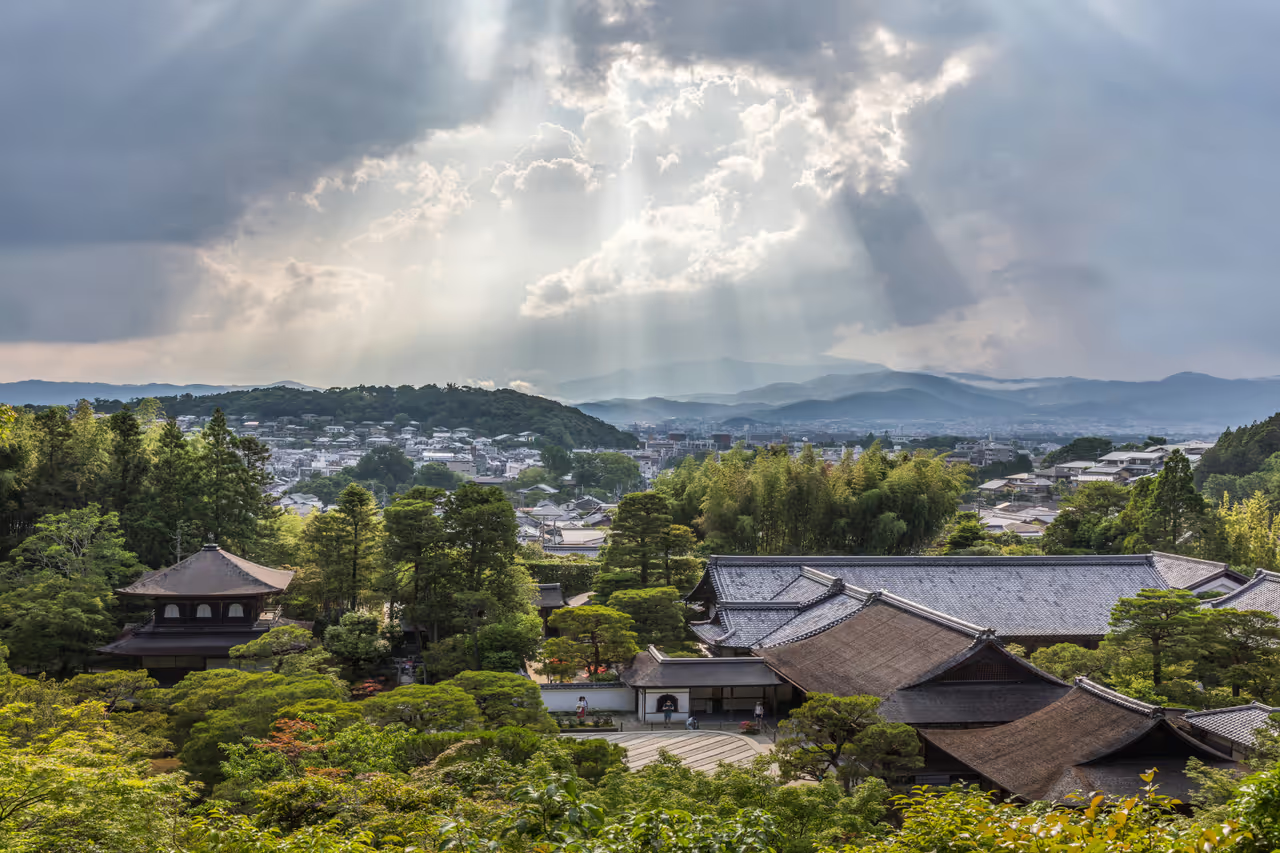
Eastern Canal Trail
This gentle ride traces the base of the eastern mountains, following the path of a historic, cherry tree-lined canal. The route links several magnificent temple complexes and meanders through quiet, highly traditional residential neighbourhoods filled with artisanal cafes and craft shops. It provides an excellent, elevated vantage point over the city basin while keeping you deeply immersed in nature. The cycling here is unhurried and incredibly picturesque, capturing the quintessential elegance of the ancient capital.
view cycling route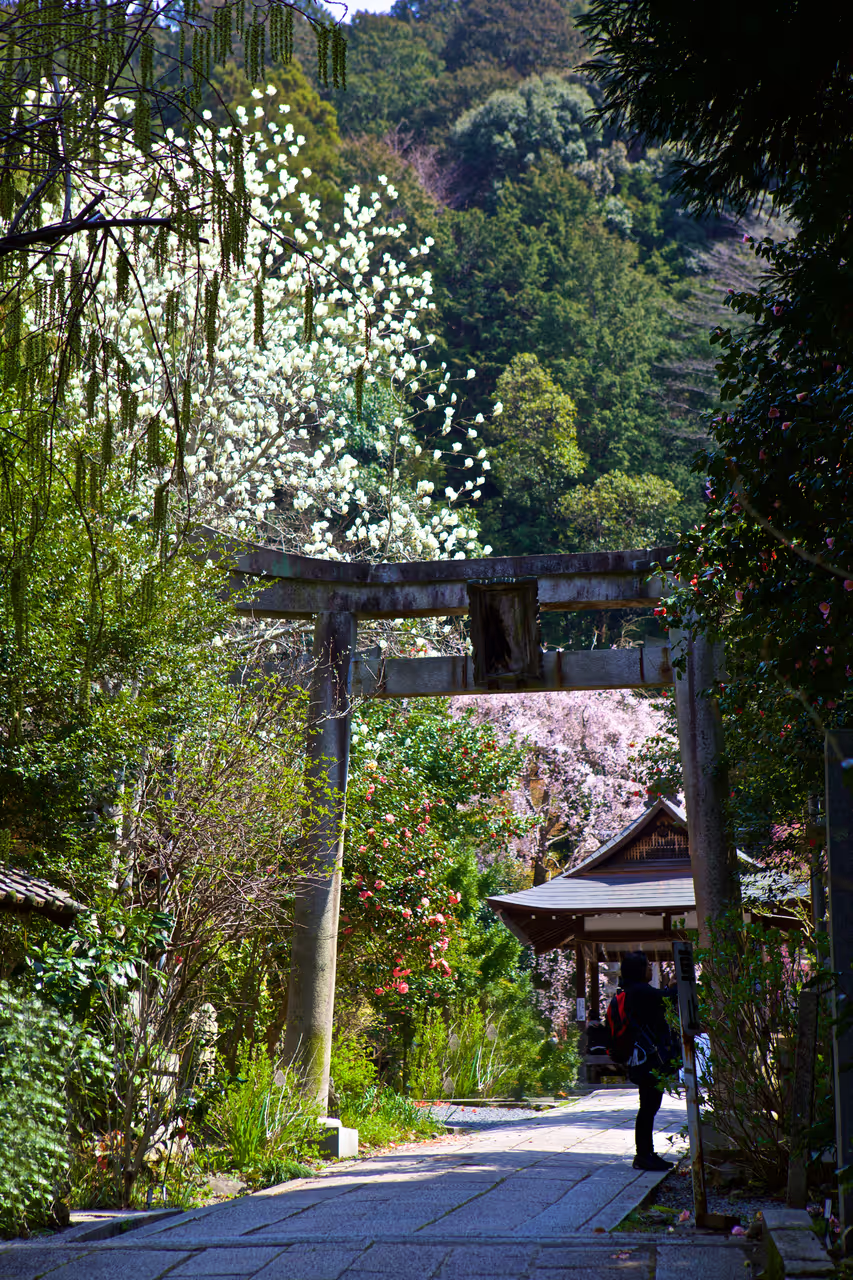
Philosopher's Path
Named after an influential 20th-century philosopher who walked this route daily in meditation, this picturesque stone path runs alongside a shallow canal at the base of the mountains. It is flanked by hundreds of cherry trees, creating a spectacular floral tunnel in spring and a lush, green canopy in summer. The route is highly peaceful, completely avoiding major roadways and connecting an array of intimate temples, quaint cafes, and artisan boutiques. It invites a slow, contemplative pace that perfectly matches the spiritual nature of the surrounding area.
view walking route
See all attractions in Kyoto
Heian Shrine, Kyoto Railway Museum, Thousand Torii Gates at Fushimi Inari-taisha, Kyoto Tower...