Philosopher's Path
Walking RouteNamed after an influential 20th-century philosopher who walked this route daily in meditation, this picturesque stone path runs alongside a shallow canal at the base of the mountains. It is flanked by hundreds of cherry trees, creating a spectacular floral tunnel in spring and a lush, green canopy in summer. The route is highly peaceful, completely avoiding major roadways and connecting an array of intimate temples, quaint cafes, and artisan boutiques. It invites a slow, contemplative pace that perfectly matches the spiritual nature of the surrounding area.
SURFACE BREAKDOWN
ELEVATION PROFILE
WHY WE LOVE THIS ROUTE
This stroll offers the perfect blend of natural beauty, historic architecture, and quiet reflection, making it the ideal route for those seeking the city's gentle, meditative side.
WALKER'S FIELD NOTES
- • Be aware that many of the smaller temples along this route close by 4:30 PM.
- • Take your time to explore the small, intersecting alleyways along the canal; they often hide excellent local craft shops and tea rooms.
- 1WAYPOINT
Otoyo Shrine
大豊神社A charming and highly unique local shrine famously guarded by stone statues of mice, monkeys, and hawks rather than the traditional guardian dogs.
FULL PLACE DETAILS
OVERVIEW & STATS
- Established
- In 887, making it 1139 years old
to next stop - 2ATTRACTION
Nanzen-ji Temple
南禅寺A grand temple complex boasting immense wooden gates and a striking, Roman-style brick aqueduct that carries water from Lake Biwa.
FULL PLACE DETAILS
OVERVIEW & STATS
- Established
- In 1291, making it 735 years old
ARCHITECTURE & HERITAGE
- Heritage Status
- Historic Site Of JapanNational Treasure Of Japan
- Founders
- Emperor KameyamaKian SoenMukan Fumon
WEB & AMENITIES
Other Walking Routes
Check out other routes in Kyoto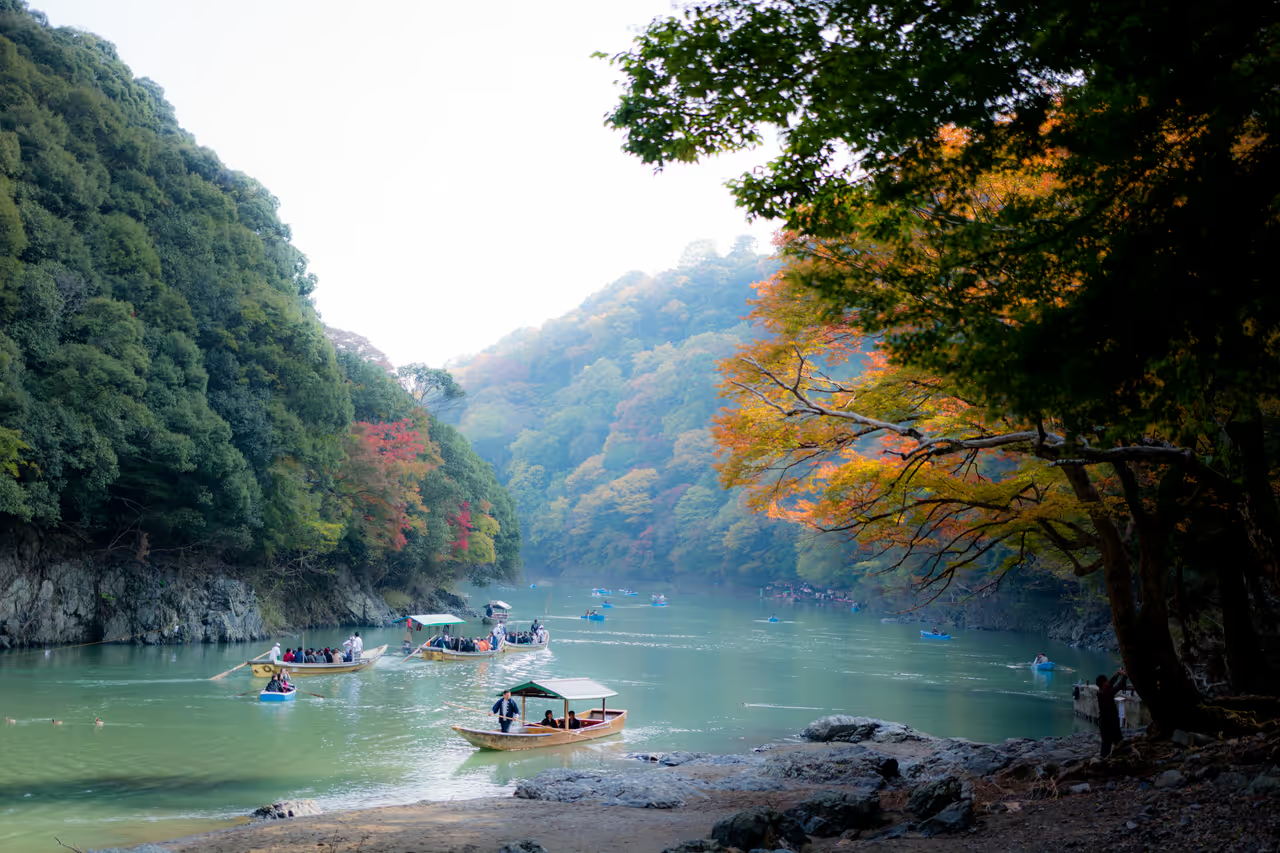
Arashiyama Bamboo Serenity
This legendary walking path cuts directly through a dense, otherworldly forest of towering green bamboo stalks that sway gently in the wind. The sheer height of the bamboo creates an immersive, tunnel-like effect, filtering the sunlight into a soft, ethereal green glow. The rustling sound of the stalks knocking against one another has been officially recognised as one of the definitive soundscapes of Japan. It is a brief but profoundly atmospheric walk that feels entirely detached from the modern world.
view route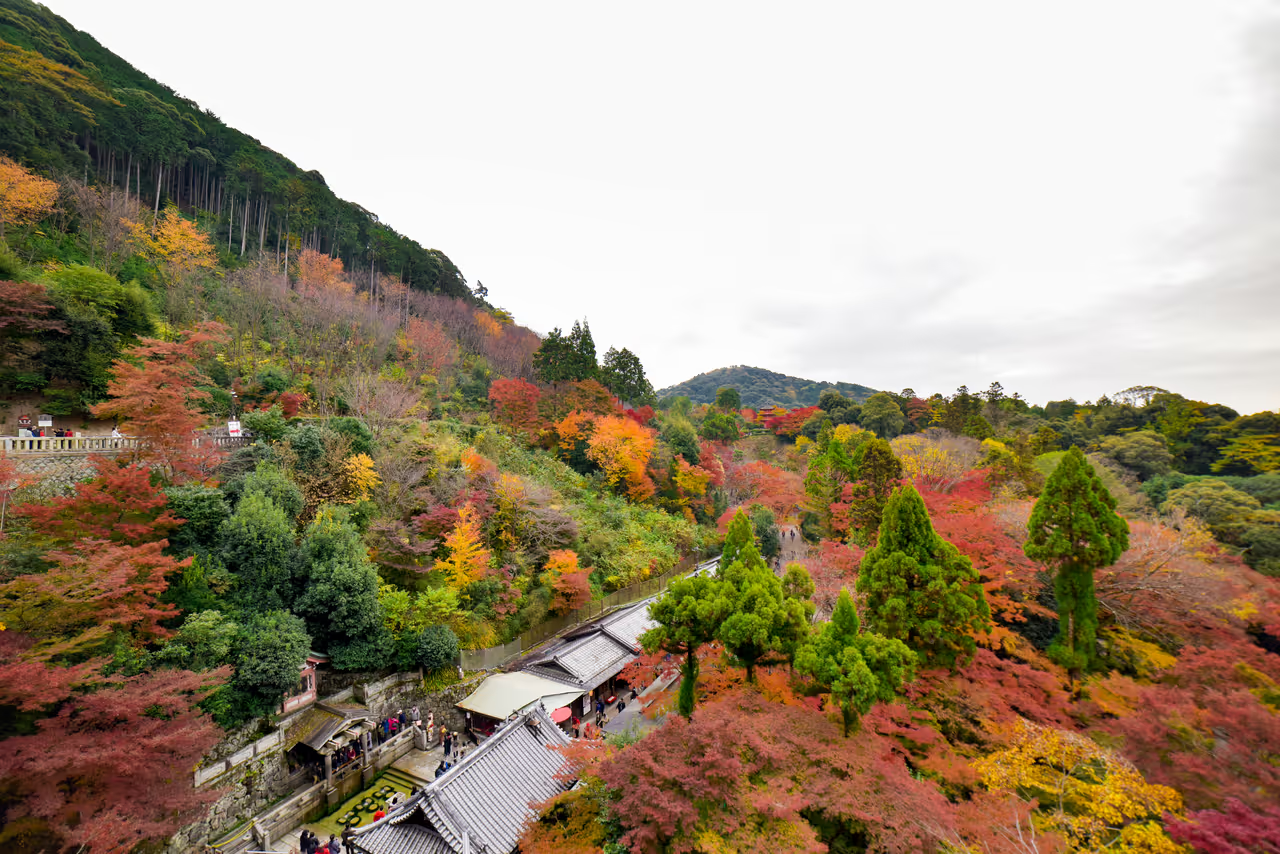
Historic Higashiyama Wander
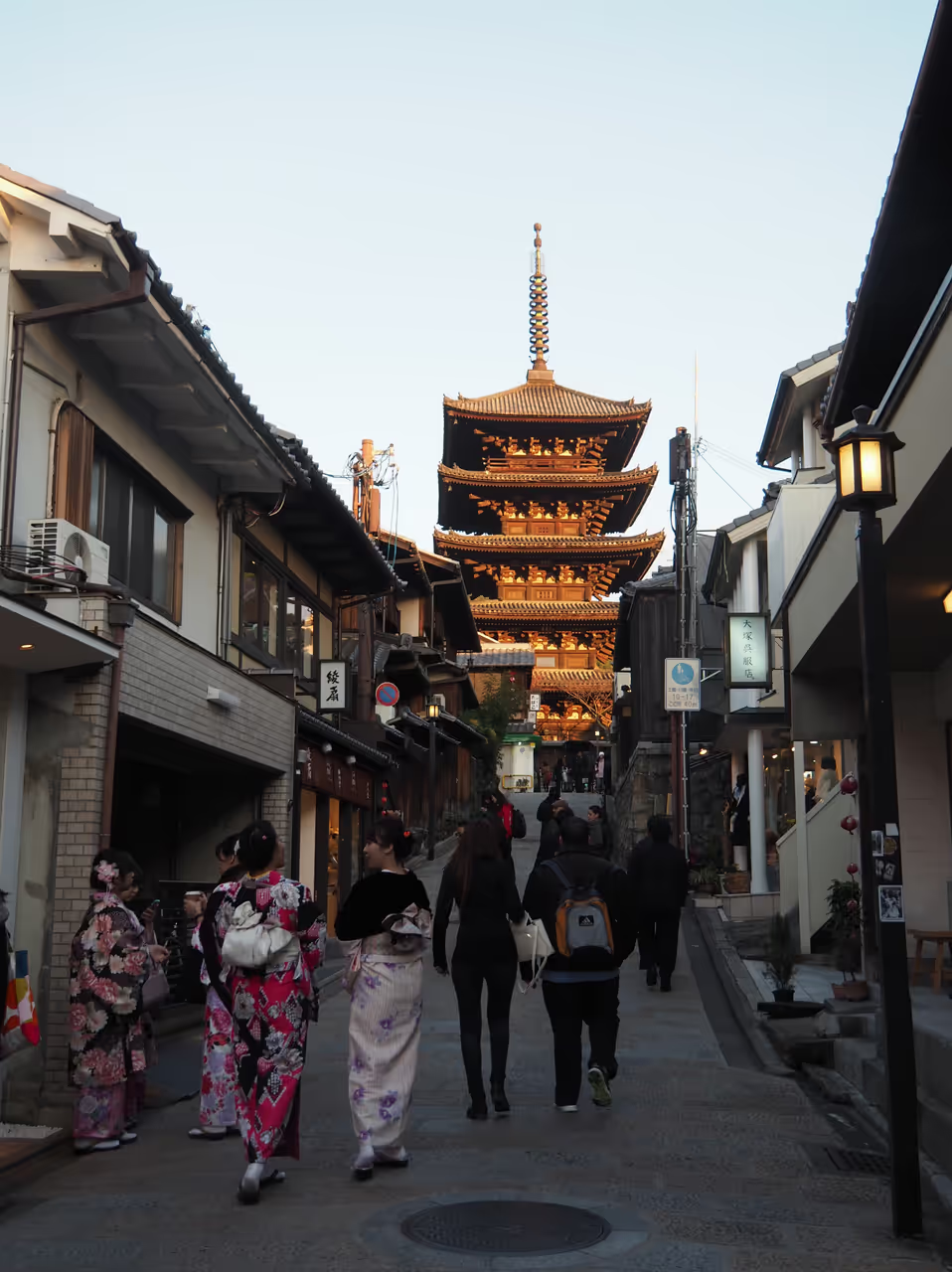
Wandering through the preserved historic district on the eastern hills is like stepping straight into a woodblock print of old Japan. The narrow, sloping streets are lined with traditional wooden storefronts, teahouses, and artisanal pottery shops that have stood for generations. Without the intrusion of overhead power lines or modern signage, the atmosphere is intoxicatingly authentic and beautifully maintained. The walk offers sudden, sweeping views over the city rooftops and leads to some of the most iconic religious sites in the country.
view route
Alternative Ways to Tour the City
Switch your pace. Discover curated routes by bike, foot, or self-guided exploration.
Kamo River Glide
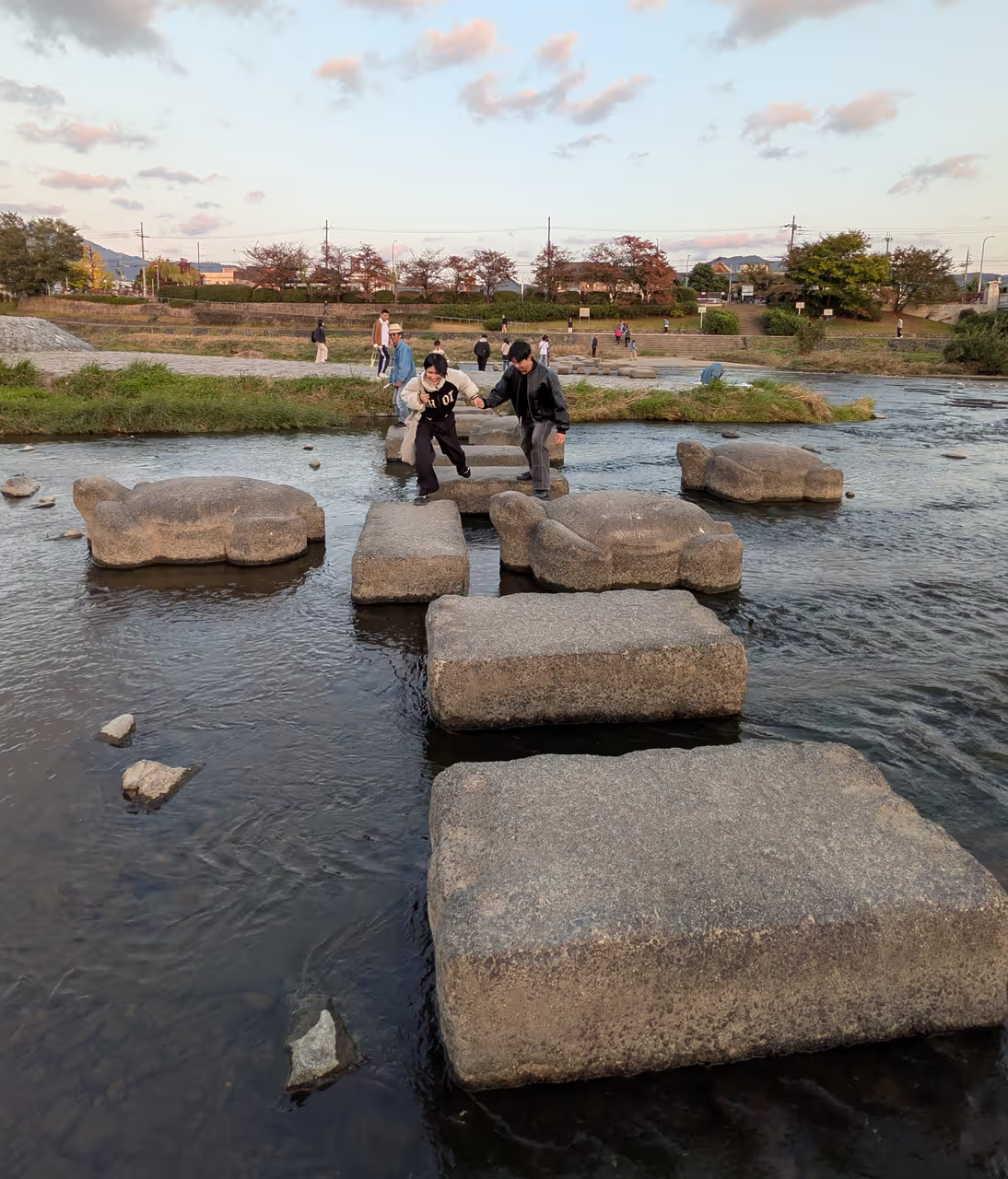
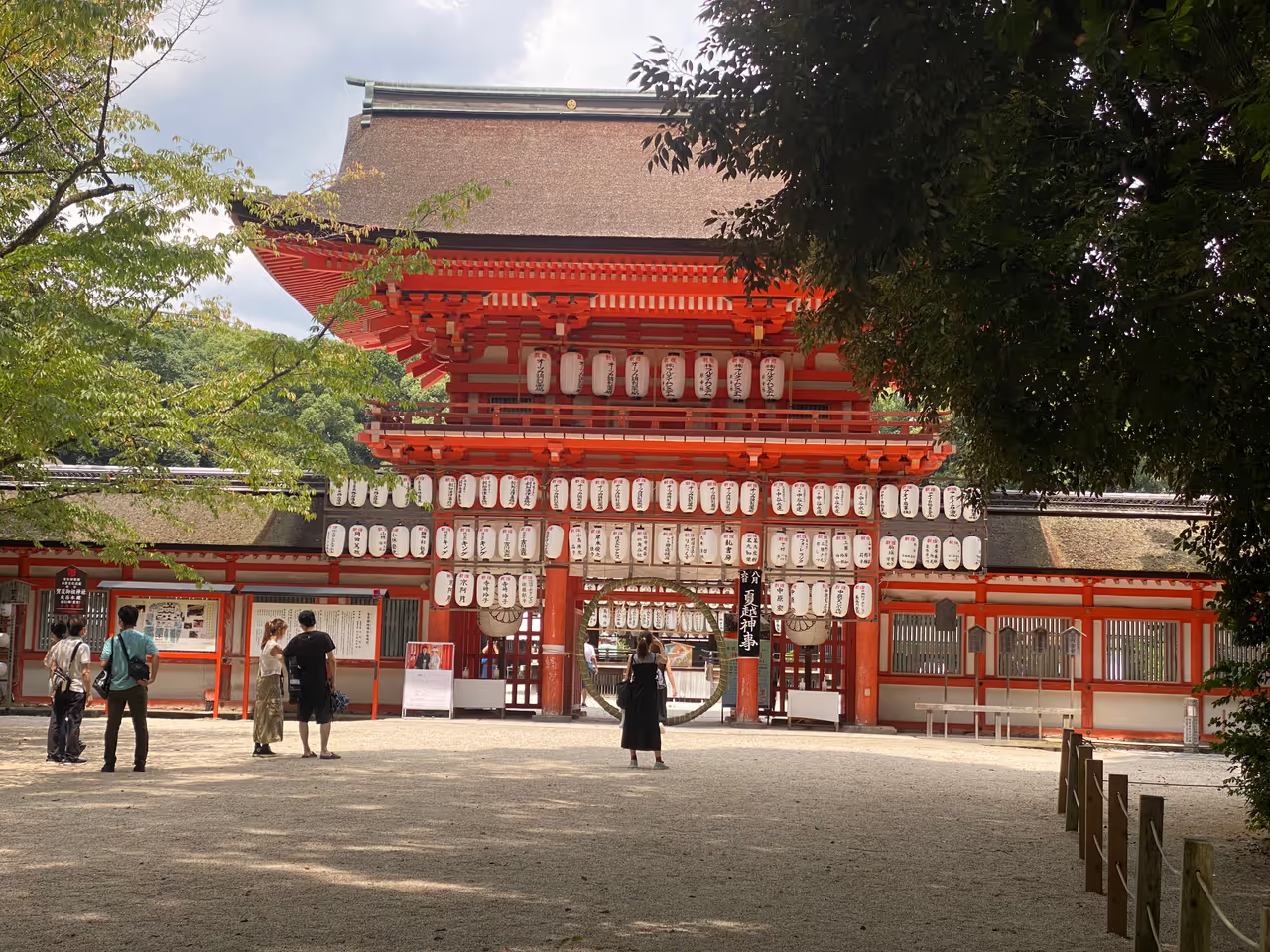
This magnificent route follows the wide, paved paths alongside the city's main waterway, offering a stress-free and visually stunning journey. Without the worry of car traffic, you can effortlessly pedal past locals picnicking on the grassy banks, elegant herons hunting in the shallows, and historic dining terraces hanging over the water. The path stretches for miles, providing dynamic views of the surrounding mountains and connecting seamlessly to several major cultural sites. It is an incredibly peaceful way to experience the city's natural artery.
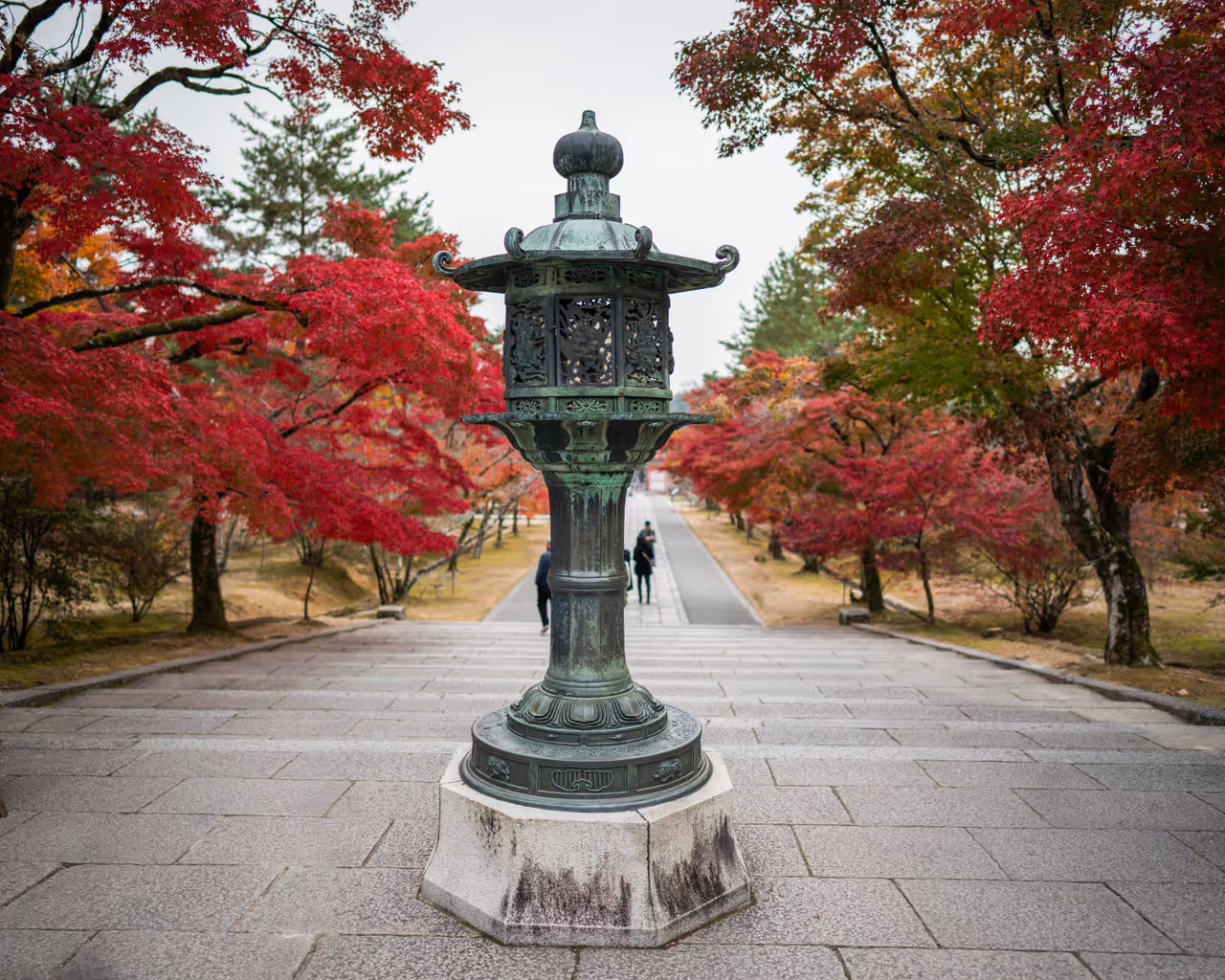
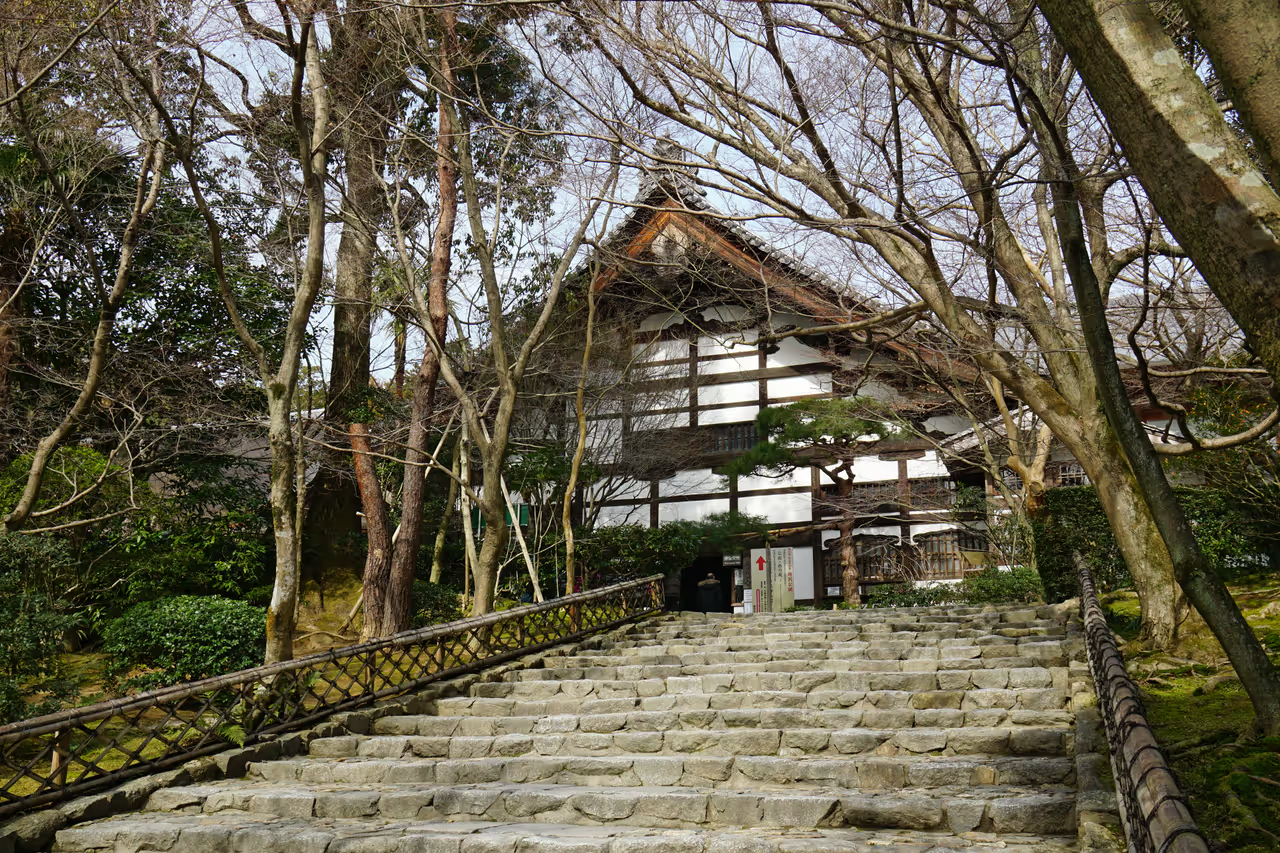
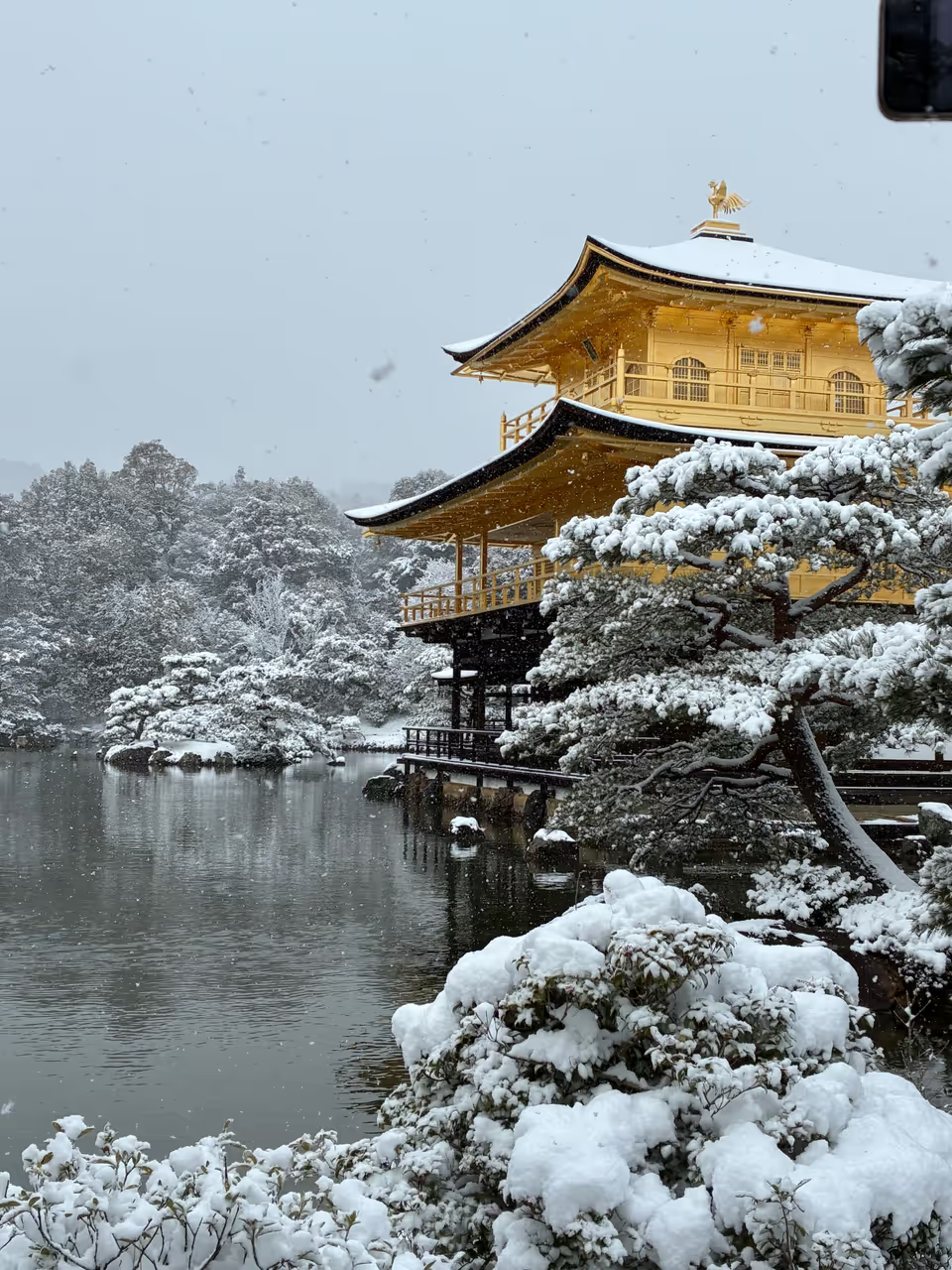
Zen Garden Discovery
Embark on a profound spiritual and visual journey exploring the city's most renowned karesansui, or dry landscape gardens. This tour delves into the austere beauty of Zen Buddhism, where carefully placed rocks and raked gravel represent expansive oceans, islands, and cosmic concepts. You will discover how these minimalist spaces were designed to aid monks in deep meditation and understand the profound symbolism behind their deliberate emptiness. It is an exploration of the unique Japanese aesthetic of wabi-sabi, finding beauty in imperfection and impermanence. The experience requires a slow pace and a quiet mind, offering a deep, restorative calm.