Maruyama Park
Maruyama Park serves as the beating heart of outdoor life in Kyoto, especially during the ephemeral splendour of spring. As the city's oldest public space, it offers a serene retreat that transitions effortlessly from tranquil daytime strolls to vibrant, illuminated evenings beneath the iconic weeping cherry tree. Visitors find themselves surrounded by a unique blend of nature and spiritual history, as the grounds are seamlessly integrated with the neighbouring Yasaka Shrine and the impressive Chion-in Temple. This designated Place of Scenic Beauty invites you to experience the authentic tradition of hanami, where locals and travellers alike gather on picnic mats to celebrate the blooming season. Whether you are seeking a moment of quiet reflection or the joyous energy of festival season, the park remains a quintessentially Kyoto experience. It stands as a testament to the enduring cultural connection between the city and its natural landscape.
Videos
History of Maruyama Park
The creation of Maruyama Park represents a pivotal moment in the modernisation of Kyoto. Before its establishment in 1886, the land was a fragmented collection of sub-temples belonging to the sprawling Chion-in complex. As the city transitioned into the Meiji era, city planners envisioned a new type of public space that would mirror international standards while preserving the spiritual character of the region. This led to the transformation of these temple grounds into the first public park in the city, effectively bridging the gap between the private, sacred world of the temples and the public, social life of the city residents. Over the decades, the park evolved into the spiritual and social anchor of the Gion district. Its identity became inextricably linked to the annual hanami tradition, centred around the legendary weeping cherry tree. This tree became more than just flora; it transformed into a cultural icon that signifies the fleeting beauty of life. The connection to the surrounding temples remains profound, as the park functions as a transition zone for pilgrims visiting Yasaka Shrine. This integration allows visitors to shift from the reverent silence of prayer to the lively spirit of communal celebration within a single stroll. Today, the park stands as a testament to Kyoto's ability to balance rapid development with heritage. While the city around it has seen constant change, the park remains a constant, offering a sanctuary that honours the past. The legacy of the Meiji planners is visible in the way the park accommodates thousands of visitors during festive seasons without losing its serene, historical charm. It serves as a reminder that even in a city of stone and wood, the most enduring structures are often the ones designed for people to gather and appreciate the rhythm of the seasons.
Events spanning 64 years
Fun Facts
- • During the hanami season, the grounds transform into a giant open-air celebration where friends, families, and office workers share food and sake under the dense canopy of cherry blossoms.
- • Established in 1886, Maruyama Park holds the title of the oldest public park in Kyoto, having repurposed grounds that once belonged to various sub-temples of the massive Chion-in Temple complex.
- • It is part of a larger complex of sacred sites, with Yasaka Shrine to the south and the massive Sanmon Gate of Chion-in looming to the north, blurring the lines between public leisure space and religious grounds.
- • Local lore suggests the park grounds were once a labyrinth of smaller, private temple gardens, which accounts for the slightly winding, organic feeling you experience when straying off the main thoroughfares.
- • The current iconic weeping cherry tree is actually the second generation of its kind, as the original tree, which was over two hundred years old, was lost to age and environmental stressors in the late 1940s.
- • The design of the park perfectly captures the Meiji-era desire to integrate Western concepts of public recreation with traditional Japanese garden aesthetics, creating a unique hybrid landscape that remains beloved today.
- • The park acts as a vital gateway to the Eastern Mountains, or Higashiyama, providing a crucial natural buffer between the urban density of central Kyoto and the sacred temple district.
- • The park is famous for its Gion Shidarezakura, a massive weeping cherry tree that acts as the visual centrepiece of the park, particularly when local artisans light it up after sunset during the spring festival.
- • The site serves as a vital community space for the Joya-no-Kane bell ringing ceremony on New Year's Eve, drawing thousands of visitors as they make their way toward Yasaka Shrine to pray for good fortune.
- • Unlike many Western-style parks designed for sport or rigid aesthetics, Maruyama Park is a classic stroll garden, specifically created to reveal different vistas as you wander along its meandering paths.
Maruyama Park FAQ
While we strive to keep this information accurate and up to date, we recommend verifying any details independently before making decisions based on them.
Maruyama Park Map & Neighborhood Explorer
This interactive map is centered on Maruyama Park. Zoom in and move the map around to automatically discover Wikipedia photos and summaries of other nearby sights, monuments, and historical points of interest and stories in real-time!
Places near Maruyama Park
Make the most of your trip. Check out these top-rated spots located nearby.
 311m
311mGion Festival
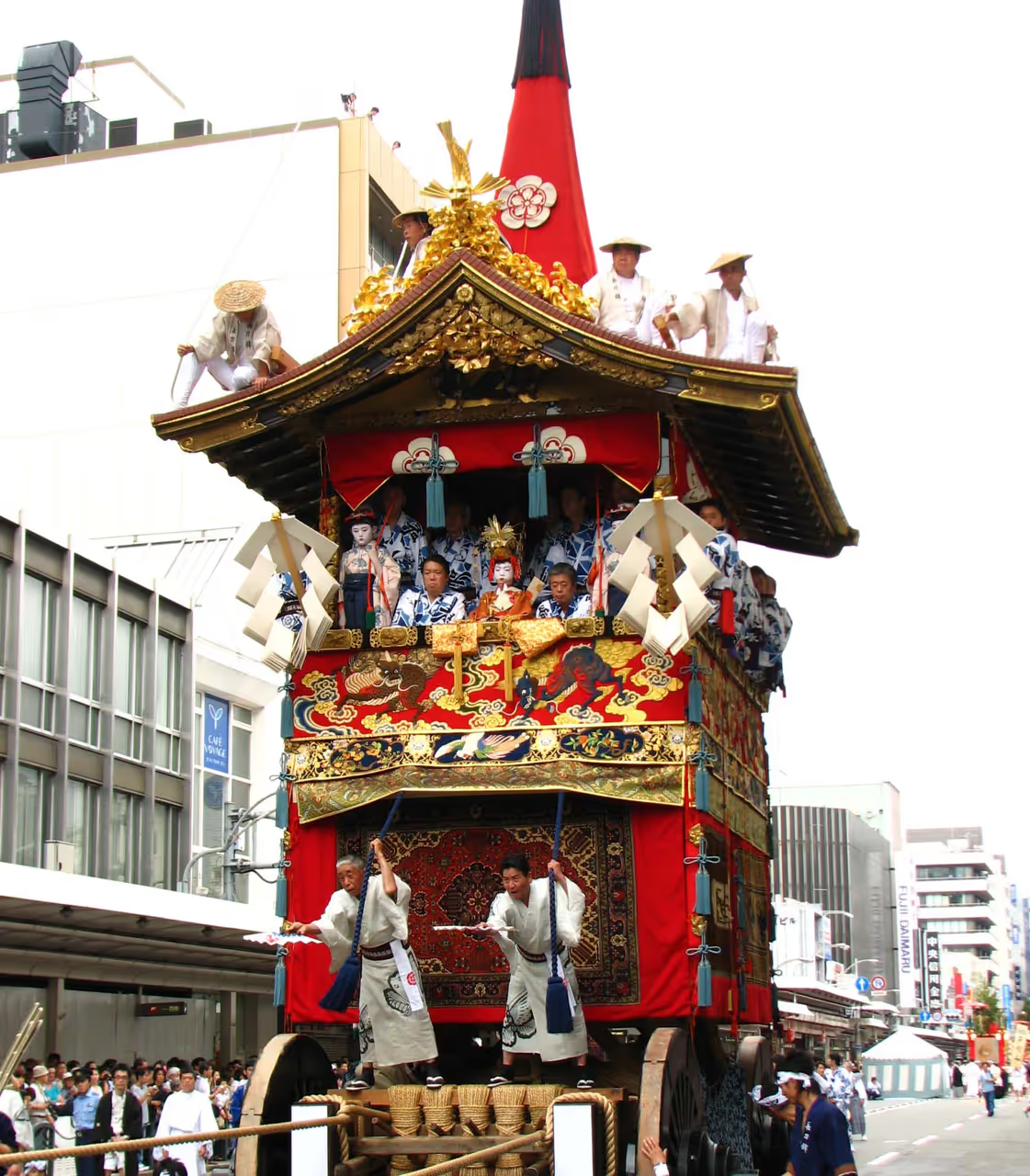
Recognised as one of Japan's top three festivals, this spectacular month-long event completely transforms the city centre. The highlight is the grand procession of massive, elaborately decorated floats called Yamaboko, which are pulled through the streets by teams of men in traditional garb. The evenings leading up to the parade feature vibrant street parties with countless food stalls and locals dressed in colourful yukata robes. It is a breathtaking display of community spirit and living history.
festival view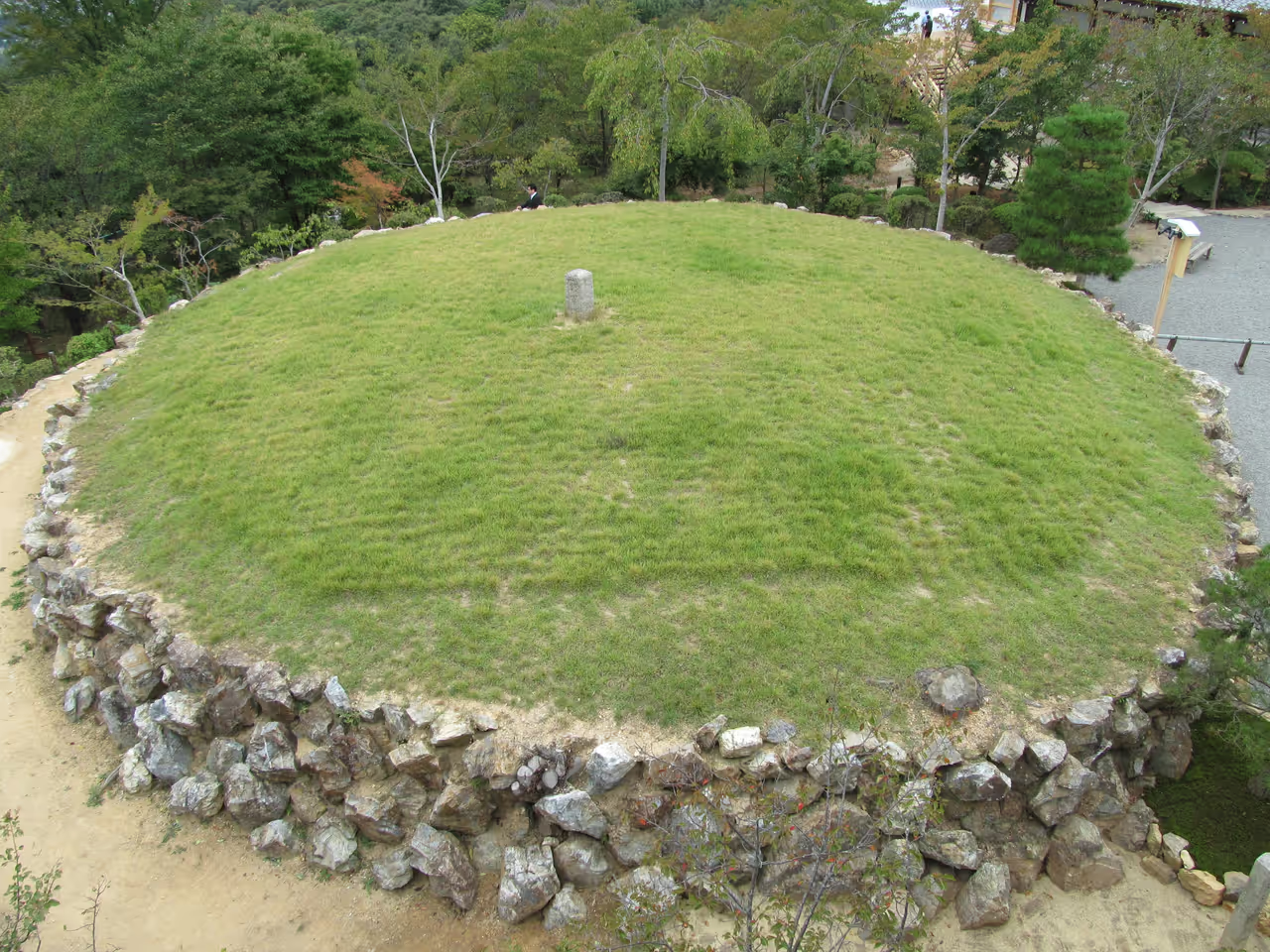 499m
499mShogunzuka Mound
Located high up in the eastern Higashiyama mountains, this historically significant site features a massive, wooden observation deck built alongside the Seiryu-den temple hall. The platform extends over the steep hillside, providing breathtaking, unobstructed views of the city laid out below. This is supposedly the exact spot where Emperor Kanmu stood in the 8th century to survey the basin before deciding to build his new capital here. The deck is considerably larger and far less crowded than the famous stage at Kiyomizu-dera, making it an excellent, serene spot for photography.
viewpoint view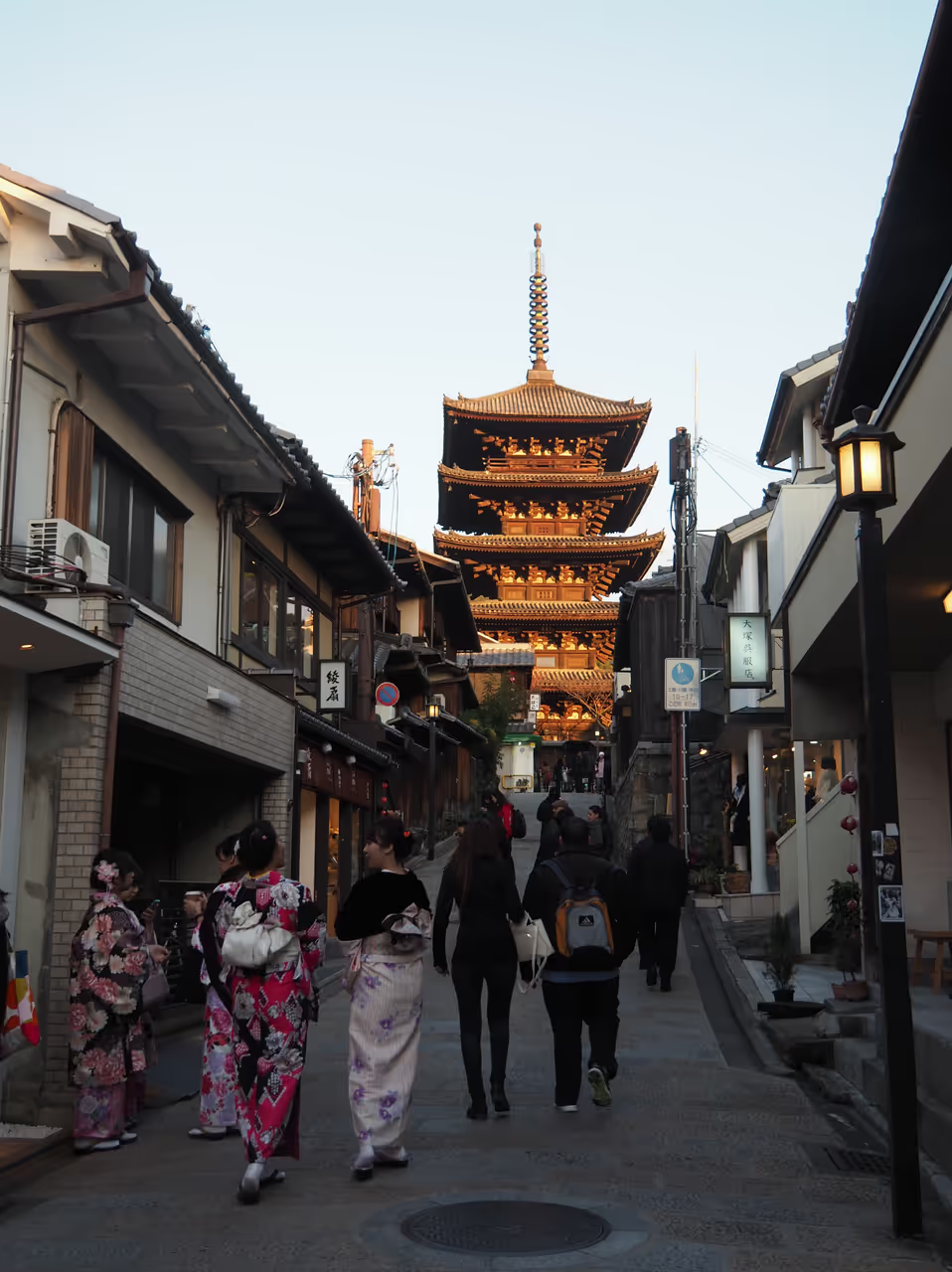 553m
553mYasaka Pagoda from Sannen-zaka
Standing on the sloping, stone-paved street of Sannen-zaka and looking down towards the towering, five-story Yasaka Pagoda offers the definitive image of traditional Kyoto. The narrow street is perfectly framed by dark wooden machiya townhouses, drawing the eye directly towards the ancient, imposing pagoda rising dramatically into the sky. It is an incredibly evocative scene that feels entirely plucked from a bygone era. Capturing this scene at dusk, when the soft golden glow of the street lanterns flickers on, results in a magical, deeply atmospheric photograph.
photo spot view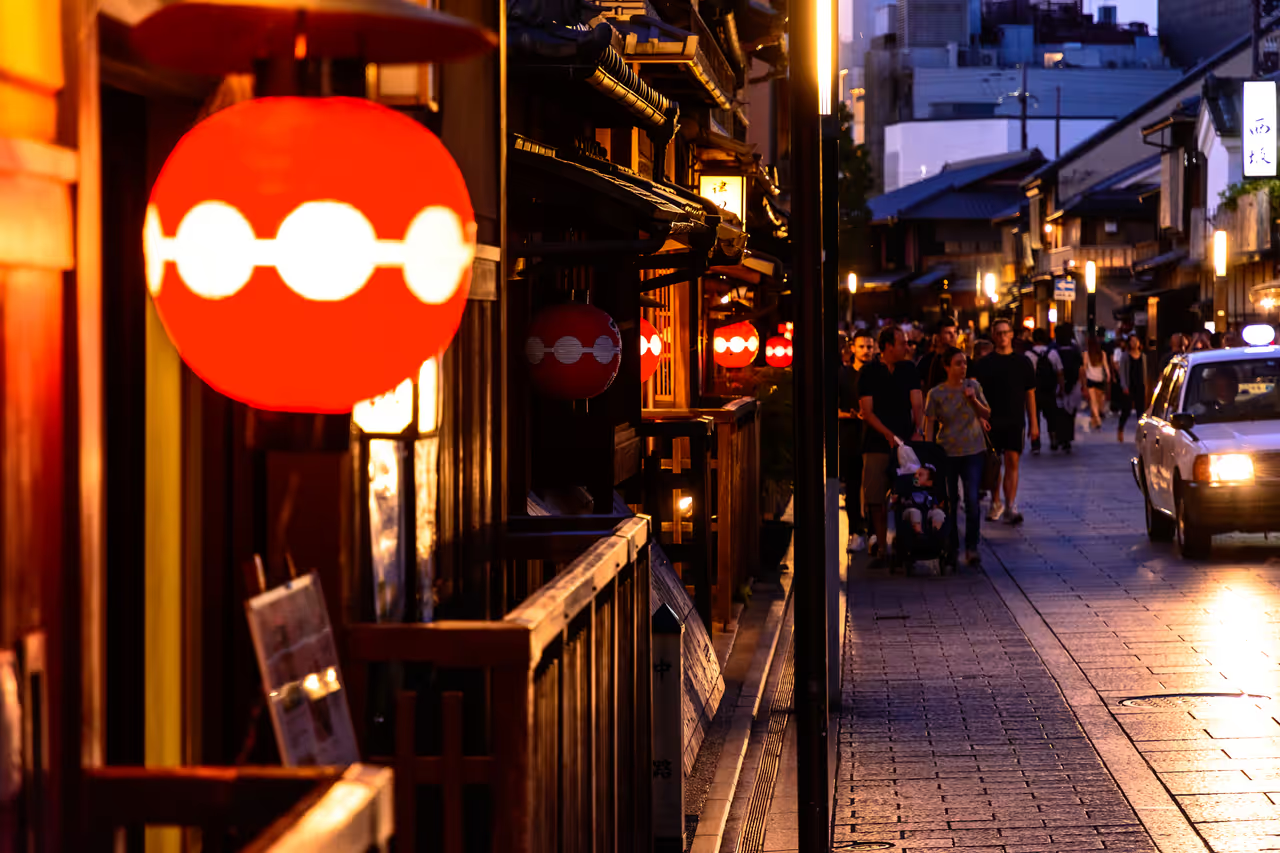 586m
586mGion Geisha District
Gion is the city's most famous entertainment district and the epicentre of traditional geiko and maiko culture. Walking through its meticulously preserved streets, lined with historic wooden machiya houses, feels like navigating a living museum of old Japan. Behind the discreet sliding doors lie highly exclusive ochaya (teahouses), where patrons are entertained with classical music, dance, and refined conversation. While gaining entry to these teahouses requires a personal introduction, the atmosphere of the district itself is intoxicating. Early evening brings the best chance of spotting an elegantly dressed apprentice hurrying to her appointment.
highlight view
See all nature & parks in Kyoto
Arashiyama, Kyoto Gyoen National Garden, Kyoto Botanical Gardens, Murin-an Garden, Ōkōchi Sansō Villa, Shoseien Garden...