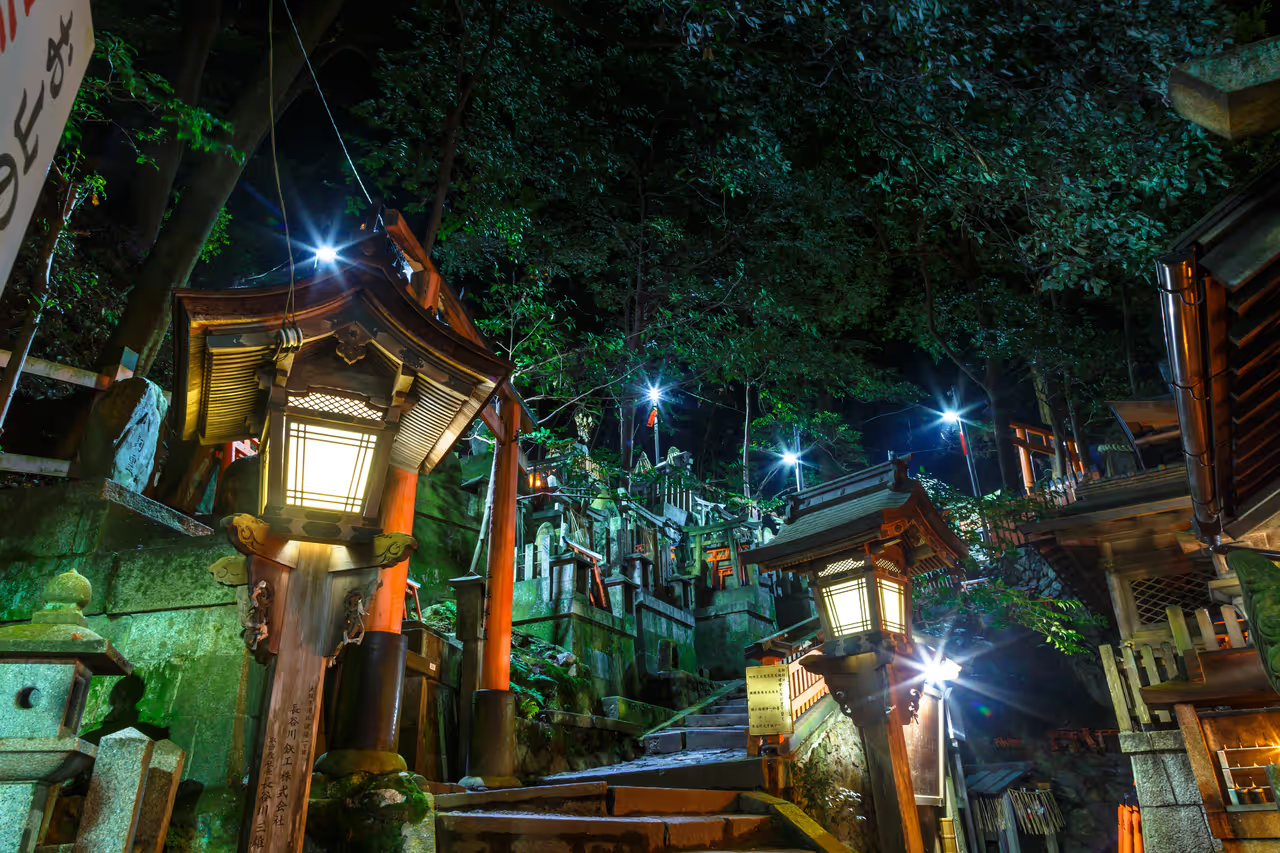
Thousand Torii Gates at Fushimi Inari-taisha
Fushimi Inari-taisha offers a breathtaking experience where thousands of vermilion torii gates create a tunnel of colour up the sacred Mount Inari. This head shrine of Inari, the deity of rice and commerce, holds a profound spiritual energy that draws millions annually. Beyond the iconic gates, the mountain trails lead to hidden stone altars and tranquil woodland shrines that feel worlds away from the city below. The atmosphere shifts beautifully from the lively main entrance to the quiet, mystical upper reaches of the mountain. It serves as an essential destination for anyone seeking to connect with the deep traditions and natural beauty of Kyoto.
Videos
History of Thousand Torii Gates at Fushimi Inari-taisha
The origins of Fushimi Inari-taisha are inextricably linked to the Hata clan, a powerful group of immigrants from the Korean Peninsula who settled in the region during the Kofun period. Bringing with them advanced agricultural techniques like irrigation and sericulture, the Hata clan elevated the status of the local deity, Inari, from a private family tutelary to a protector of harvests. This foundation laid the groundwork for the site to become a pivotal location for the spiritual and economic life of the Yamashiro Province. Over the centuries, the shrine secured its place within the national consciousness through imperial favour. During the Heian period, the practice of sending imperial messengers to the shrine to report on state affairs solidified its reputation as a guardian of the nation. The relocation of the shrine to Mount Inari in the 9th century and the subsequent reconstruction of its main structures in the late 15th century allowed the site to flourish as both an architectural masterpiece and a centre of religious pilgrimage. Today, the legacy of this site endures through the thousands of vermilion torii gates that wind their way up the mountainside. These gates represent a long-standing custom of donations from individuals and businesses, each acting as a physical manifestation of gratitude or a request for future success. This combination of ancient spiritual traditions and ongoing human participation ensures that the mountain remains a living, evolving landmark that continues to captivate visitors from across the globe.
Events spanning 1160 years
Fun Facts
- • During the Japanese New Year, the grounds become a focal point for millions of pilgrims, making it one of the most significant sites for public worship in Western Japan.
- • Foxes, or kitsune, act as the divine messengers of the deity Inari and are depicted throughout the grounds, often holding items like keys or jewels in their mouths to represent their roles in guarding rice granaries.
- • Shigeru Miyamoto, the famed Nintendo game designer, drew inspiration from the shrines and winding mountain paths here when creating the classic series Star Fox.
- • The iconic fortune cookies found in the United States likely trace their origins back to the tsujiura senbei crackers sold by vendors along the shrine's approach since the 19th century.
- • The shrine complex maintains an open-door policy, remaining accessible to visitors throughout the night, which allows for a serene experience away from the daylight crowds.
- • The shrine was established in 711 by the Hata clan, an influential immigrant group who brought advanced irrigation and agricultural technologies to the region.
- • The thousands of torii gates lining the paths were donated by various Japanese businesses seeking prosperity, with each gate inscribed with the name of the donor.
- • Unlike many other major Shinto sites, Fushimi Inari-taisha provides an open view of the main object of worship, which is a mirror housed within the shrine.
RESOURCES
Official WebsiteThousand Torii Gates at Fushimi Inari-taisha FAQ
While we strive to keep this information accurate and up to date, we recommend verifying any details independently before making decisions based on them.
Thousand Torii Gates at Fushimi Inari-taisha Map & Neighborhood Explorer
This interactive map is centered on Thousand Torii Gates at Fushimi Inari-taisha. Zoom in and move the map around to automatically discover Wikipedia photos and summaries of other nearby sights, monuments, and historical points of interest and stories in real-time!
Places near Thousand Torii Gates at Fushimi Inari-taisha
Make the most of your trip. Check out these top-rated spots located nearby.
 743m
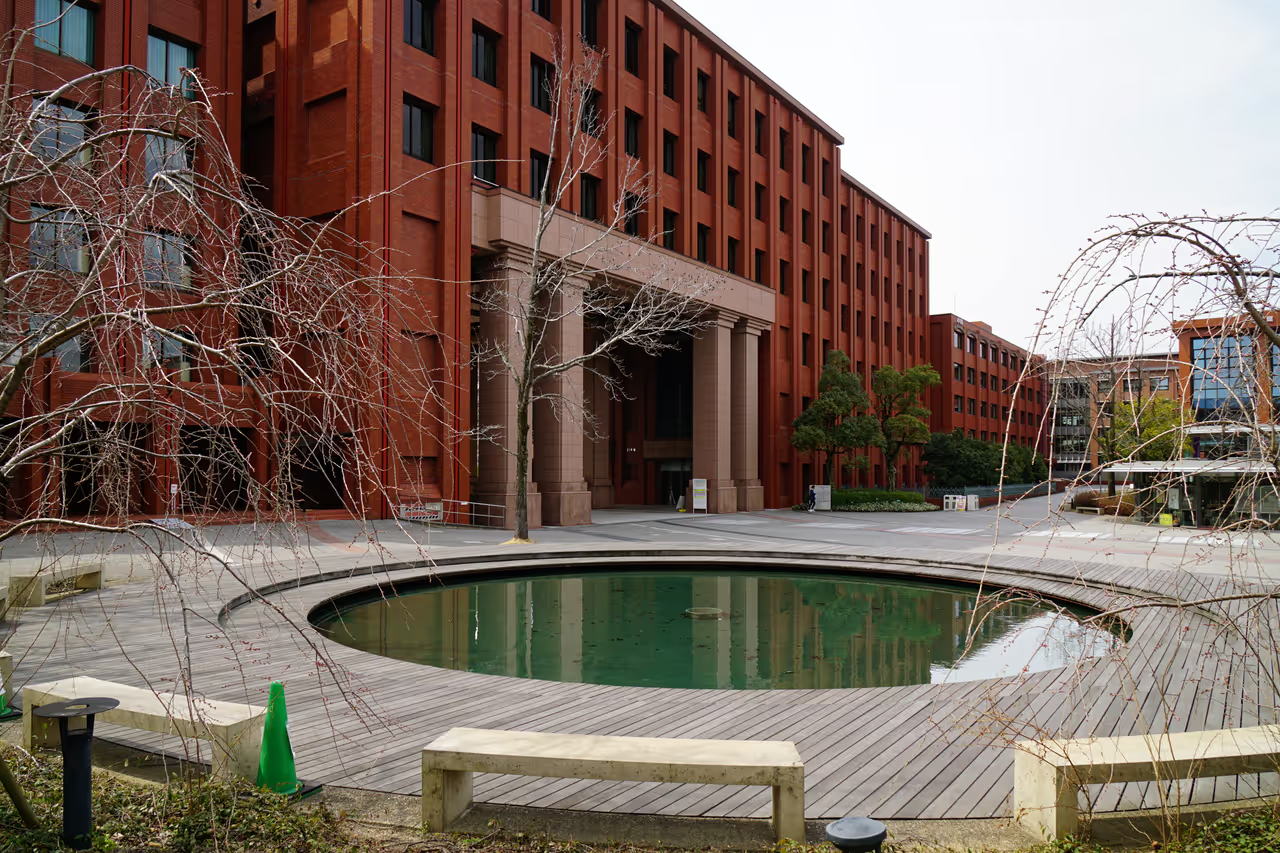
743mRyukoku University Main Hall
Completed in 1879, this significant structure serves as a prime surviving example of the city's rapid Westernisation during the early Meiji period. The building heavily features European design elements, heavily influenced by British collegiate architecture, utilising red brick, arched windows, and a prominent central clock tower. It stands as a stark architectural contrast to the city's deeply traditional image, showcasing a pivotal era when the city actively sought out foreign knowledge to reinvent itself. It remains an active and cherished part of the university campus today.
architecture view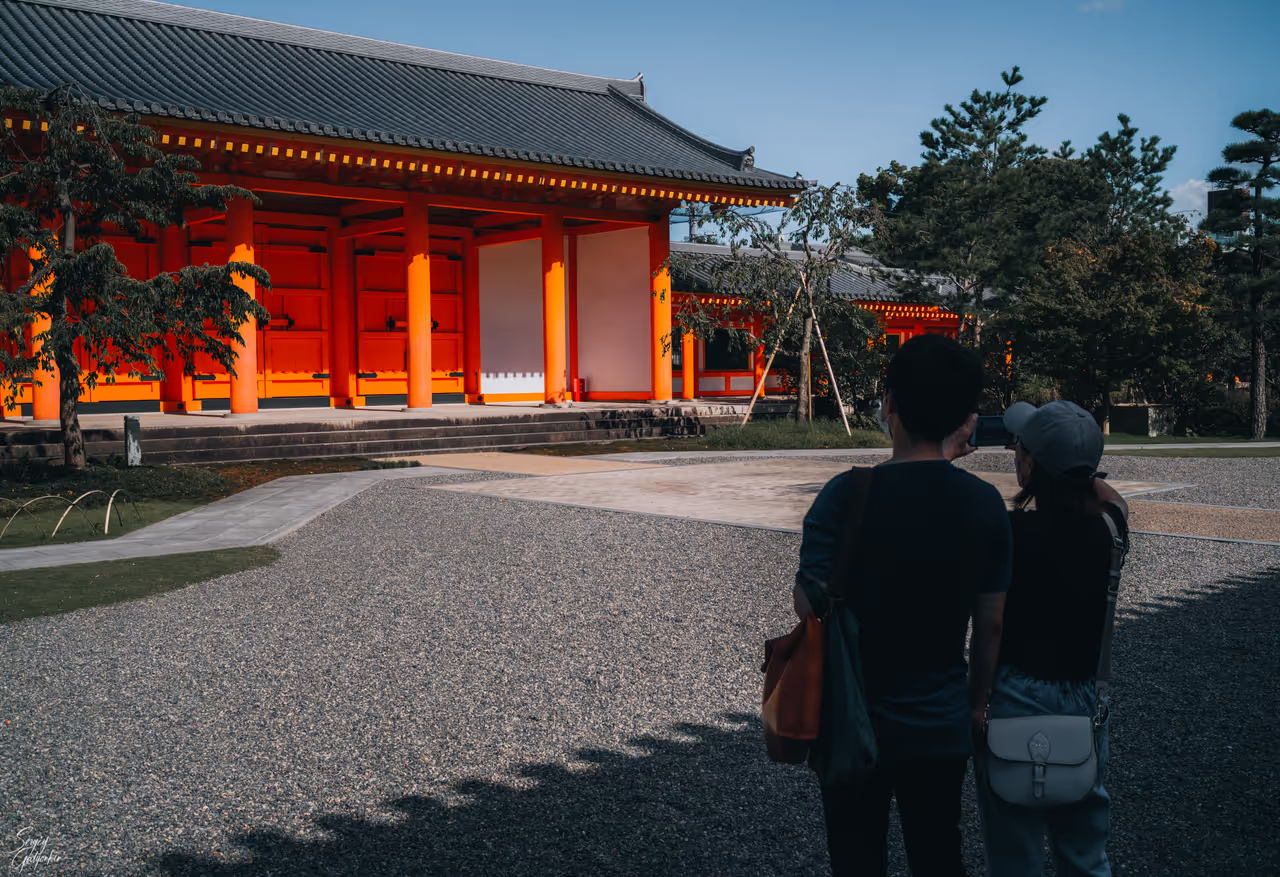 2338m
2338mSanjusangen-do Hall
This awe-inspiring Buddhist temple is renowned for its incredibly long main hall, measuring an astonishing 120 metres in length. The structure's name translates to 'thirty-three spaces', referencing the spaces between the supporting pillars, a significant number in Buddhist tradition. Inside, the massive, dimly lit wooden hall protects an overwhelming sight: 1,001 life-sized, golden statues of Kannon, the goddess of mercy, standing row upon row in silent ranks. The sheer scale and repetitive visual power of the architecture and statuary make it one of the most uniquely imposing buildings in the country.
architecture view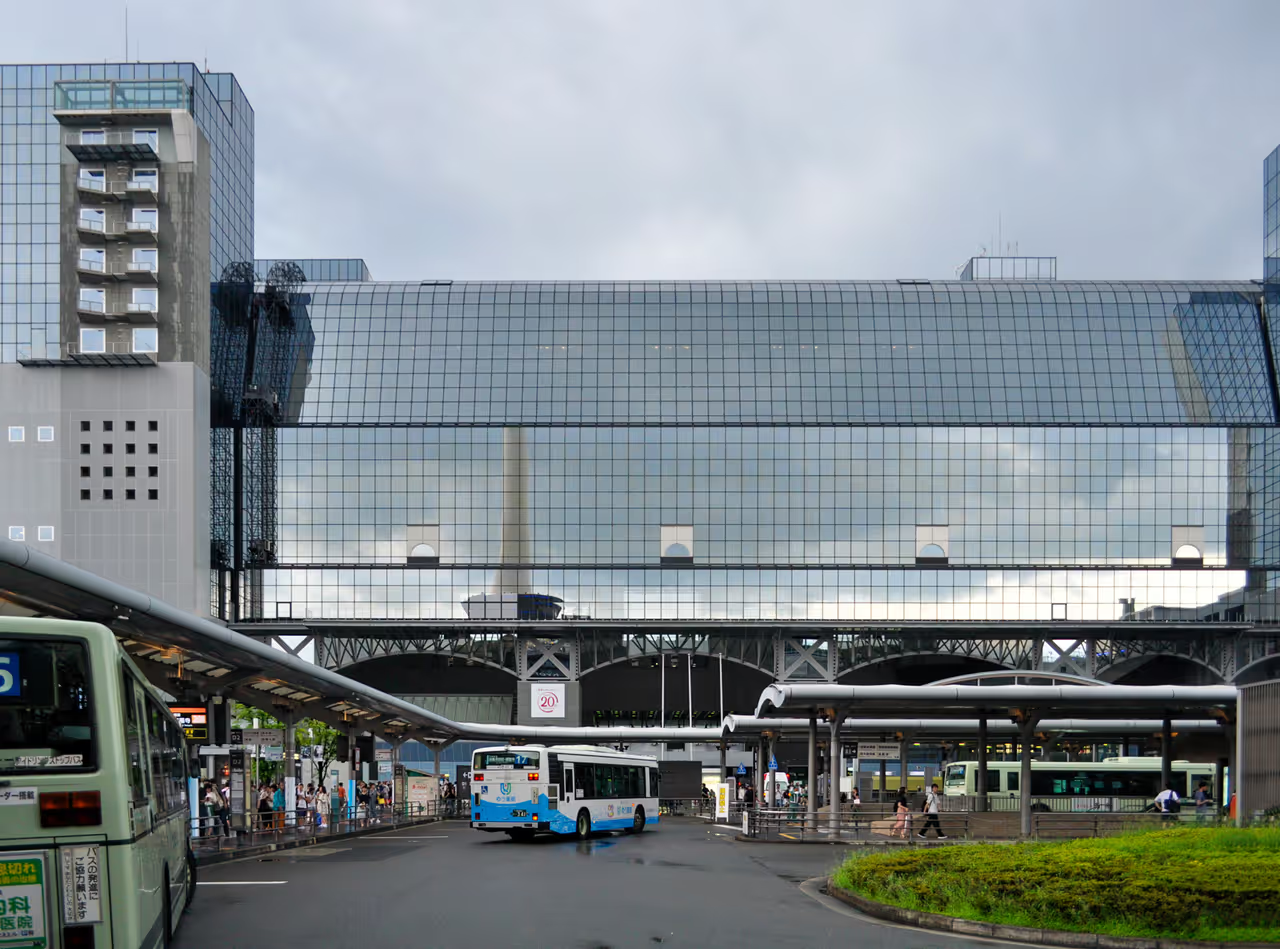 2398m
2398mKyoto Station Building
Opened in 1997, this massive, futuristic transport hub stands in dramatic contrast to the city's ancient image. Designed by Hiroshi Hara, the striking glass and steel structure features an exposed, cavernous central concourse with a soaring, matrix-like roof. The building was highly controversial upon its construction due to its stark modernism, but it has since become a beloved landmark. It features an enormous grand staircase, elevated aerial walkways, and sweeping views of the city from its open-air rooftop. It serves as a bold, architectural statement that the city is looking forward as much as it looks back.
architecture view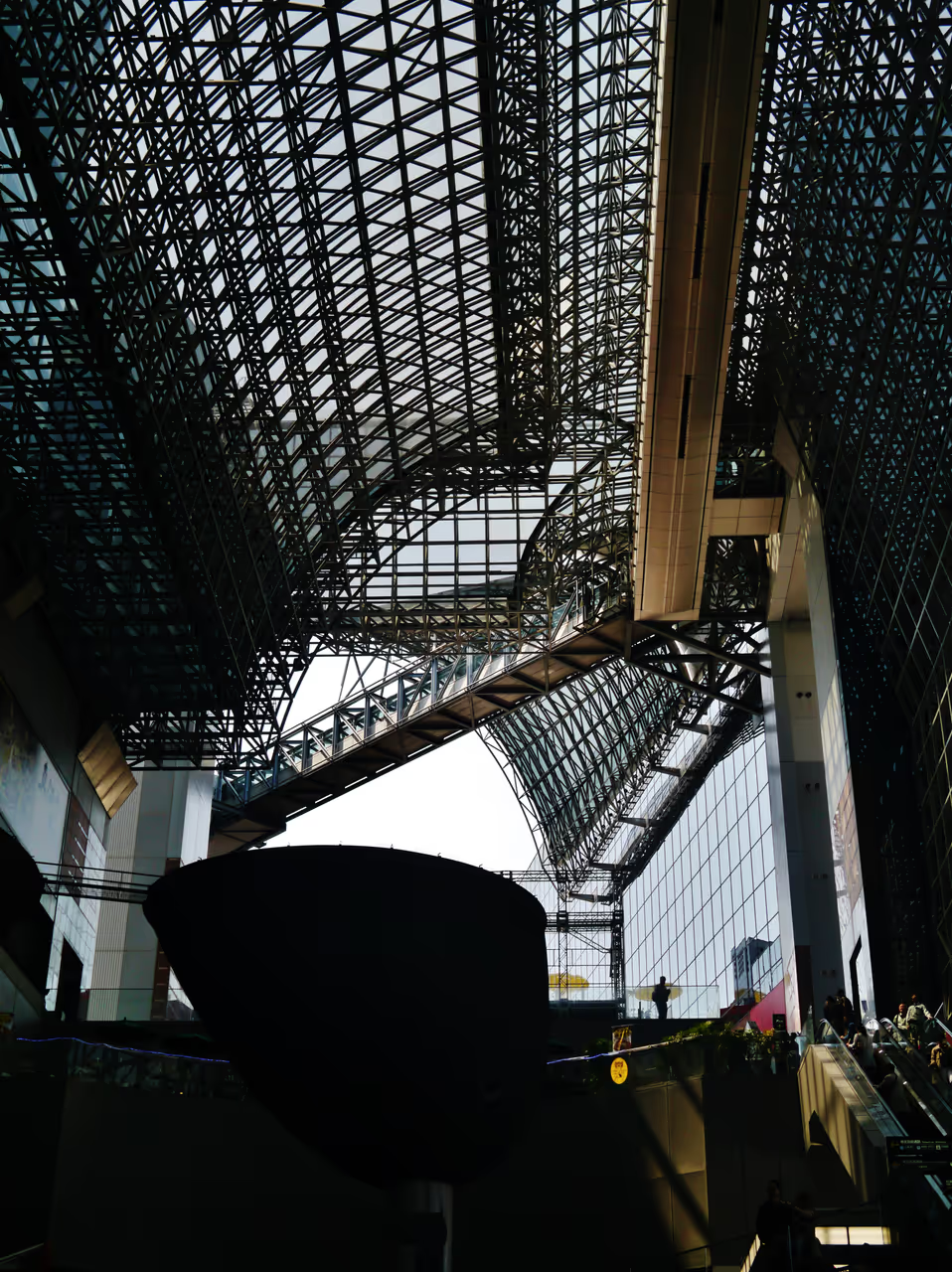 2516m
2516mKyoto Station Skyway
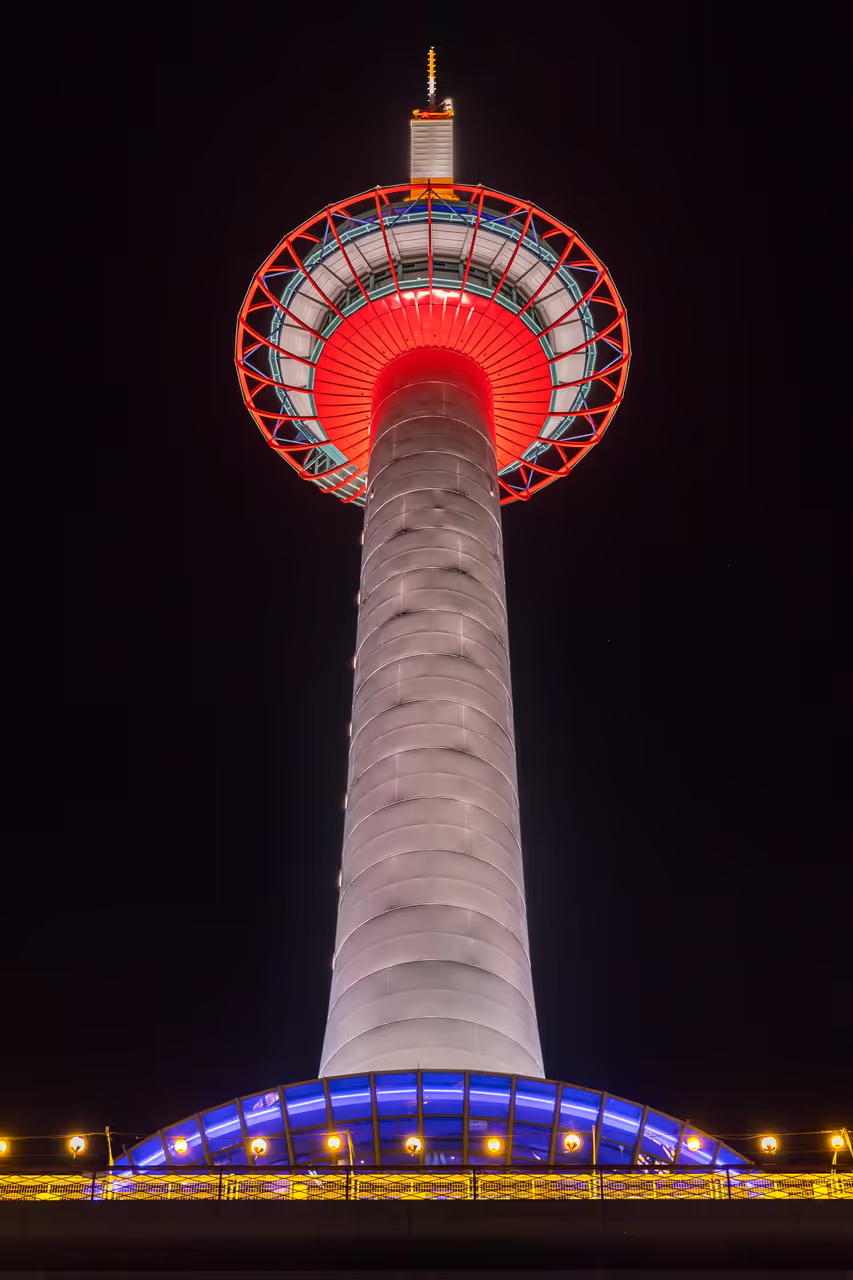
Suspended high beneath the soaring glass roof of the colossal train station, this completely free pedestrian walkway offers a brilliant urban viewpoint. The glass-enclosed tunnel provides fascinating perspectives looking directly down into the cavernous, futuristic station concourse. More importantly, it offers numerous viewing windows looking outwards across the city streets, with the Kyoto Tower looming directly ahead. It is an incredibly convenient, easily accessible spot to capture the impressive scale of the city's modern heart, particularly striking as the sunset glints off the glass architecture.
viewpoint view
Explore Similar Places in This Collection
Featured on These Itineraries
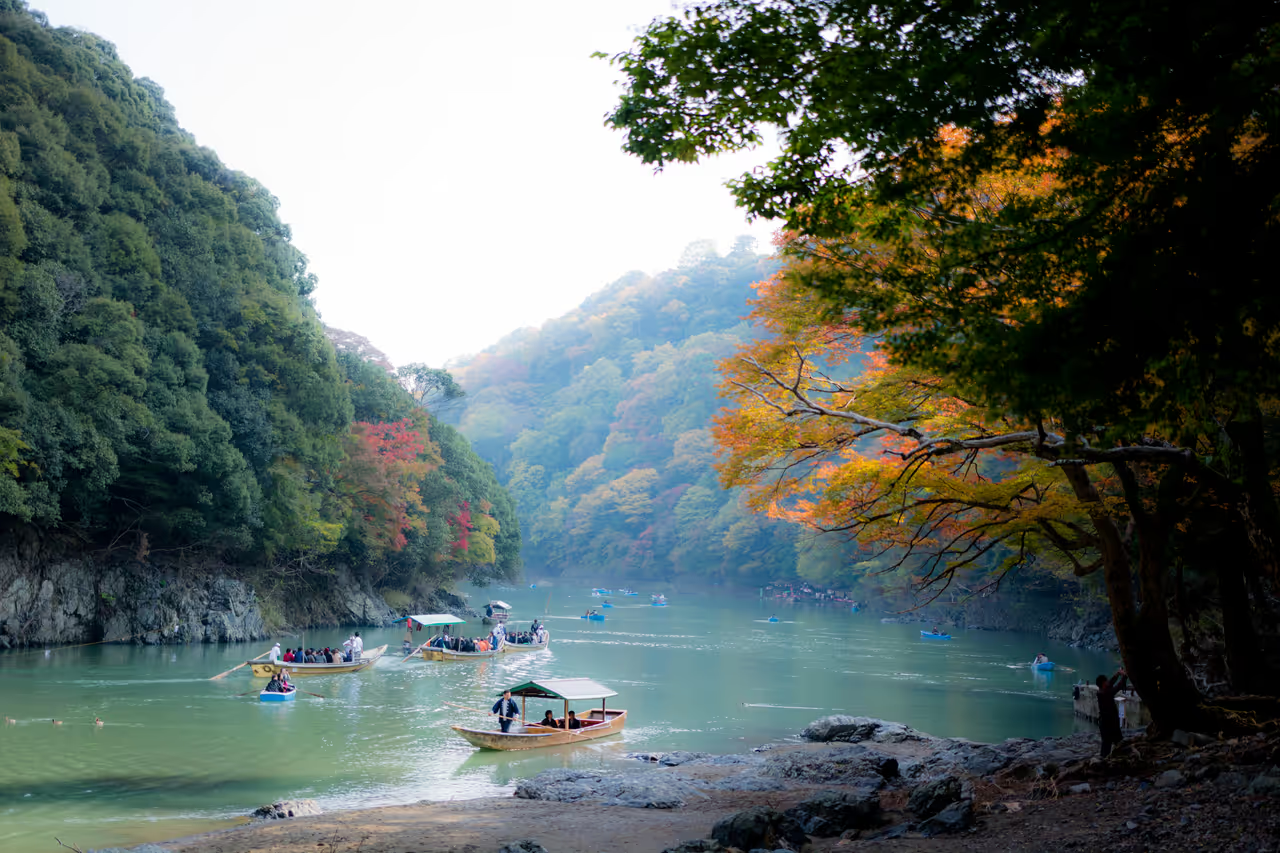
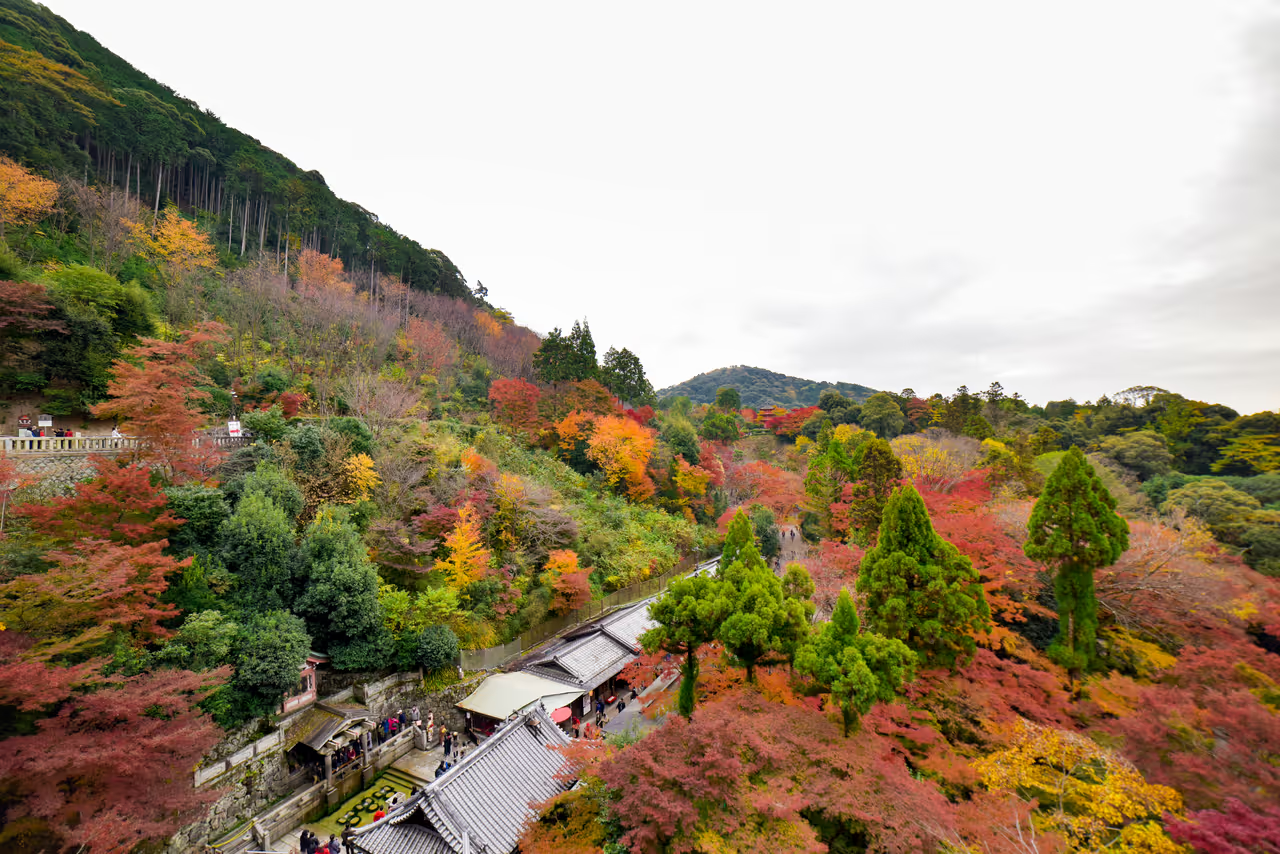
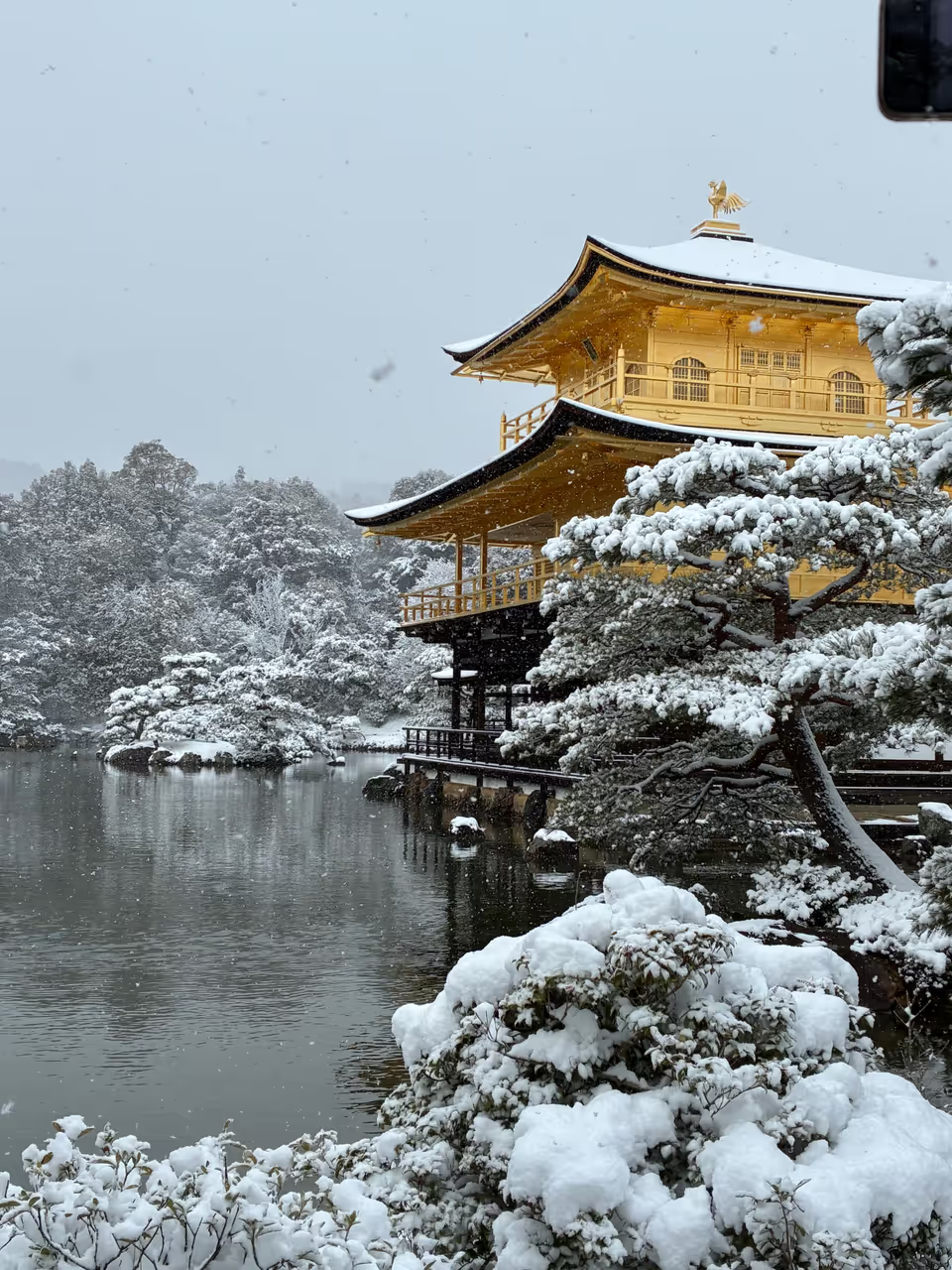
3 Days in Kyoto: Culture and Nature Itinerary
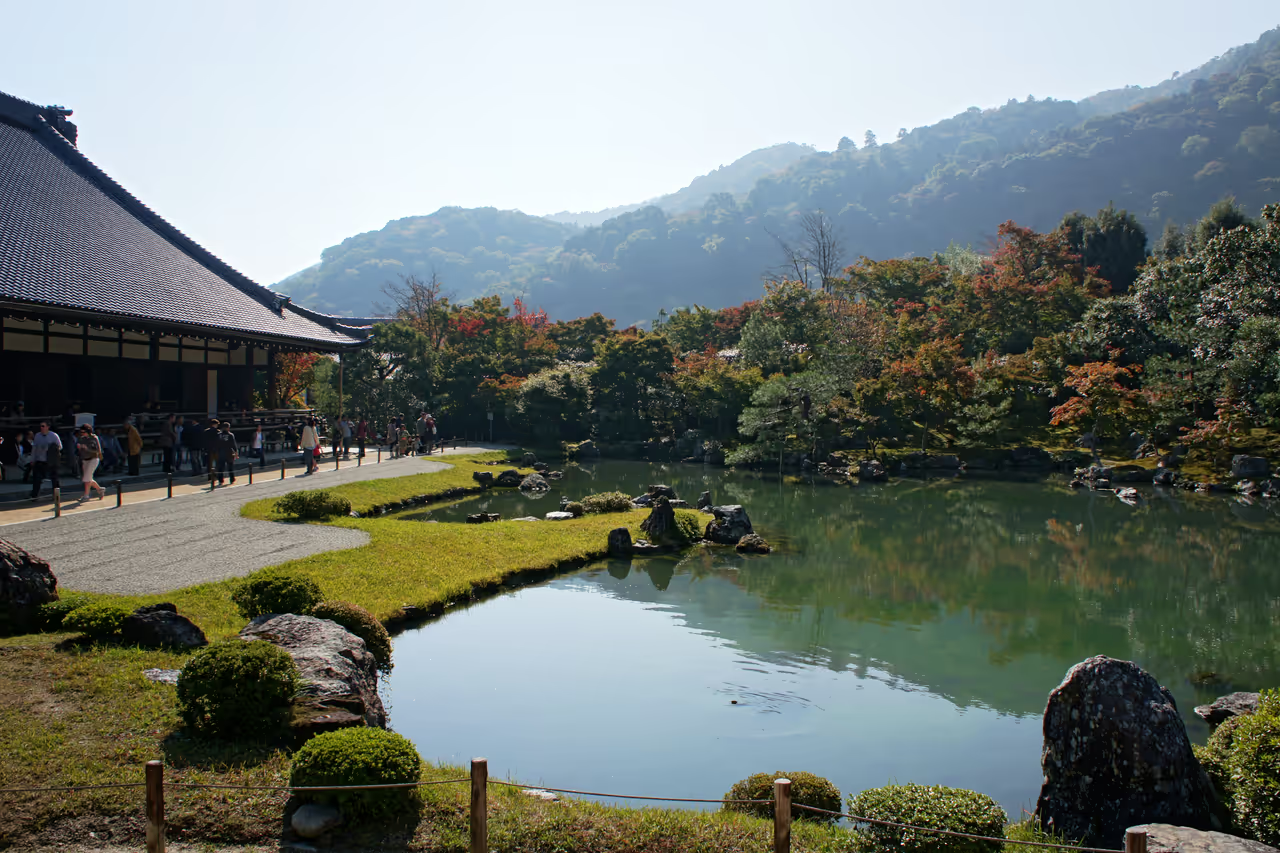
Three days allows you to significantly expand your exploration beyond the immediate city centre, dedicating specific days to distinct geographical and cultural zones. You will uncover the majestic bamboo forests in the west, hike the infinite red gates in the south, and still have time to dive deep into the central culinary markets. This pacing provides enough time to enjoy lengthy, scenic walks and sit for proper, traditional meals without feeling constantly rushed. It strikes the perfect balance between hitting the major sights and absorbing the local atmosphere.
view itinerary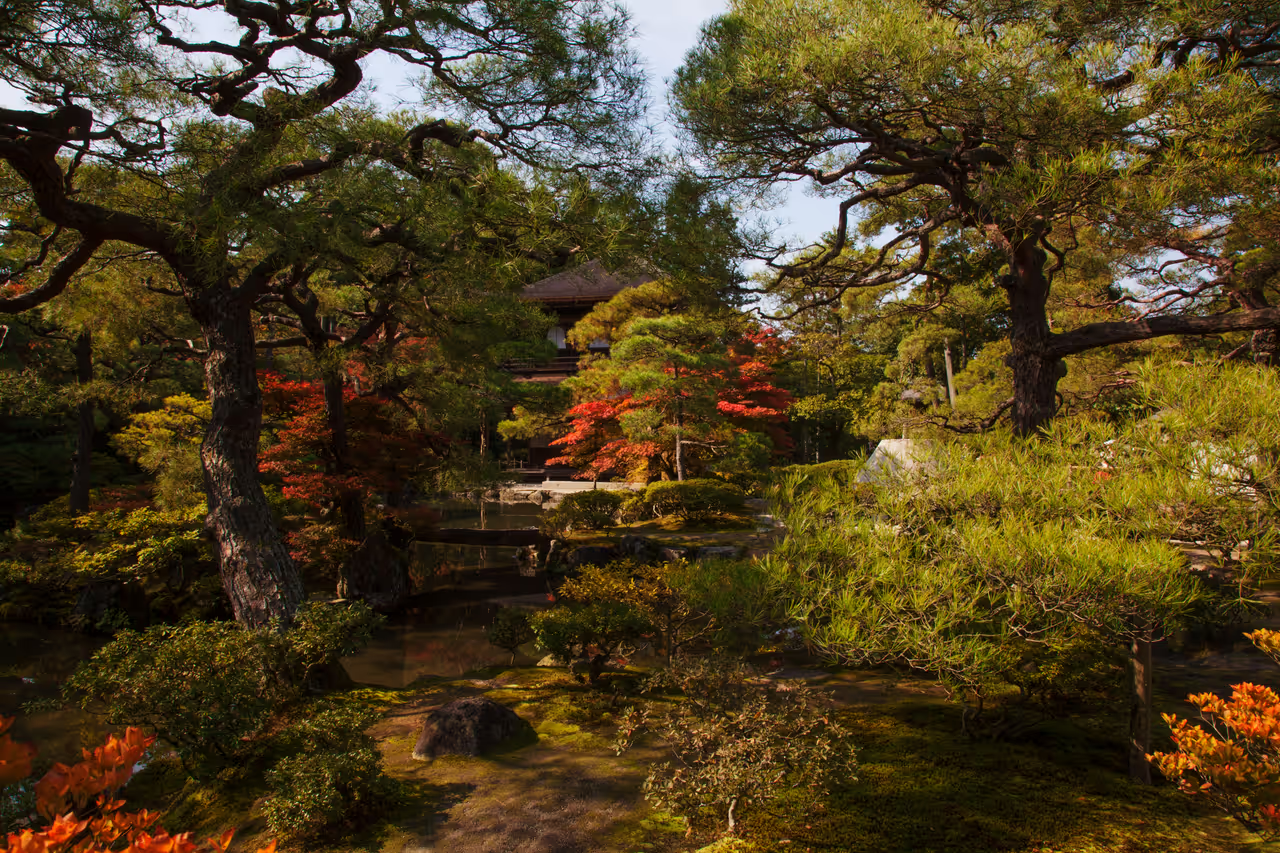
5 Days in Kyoto: The Deep Immersion Itinerary
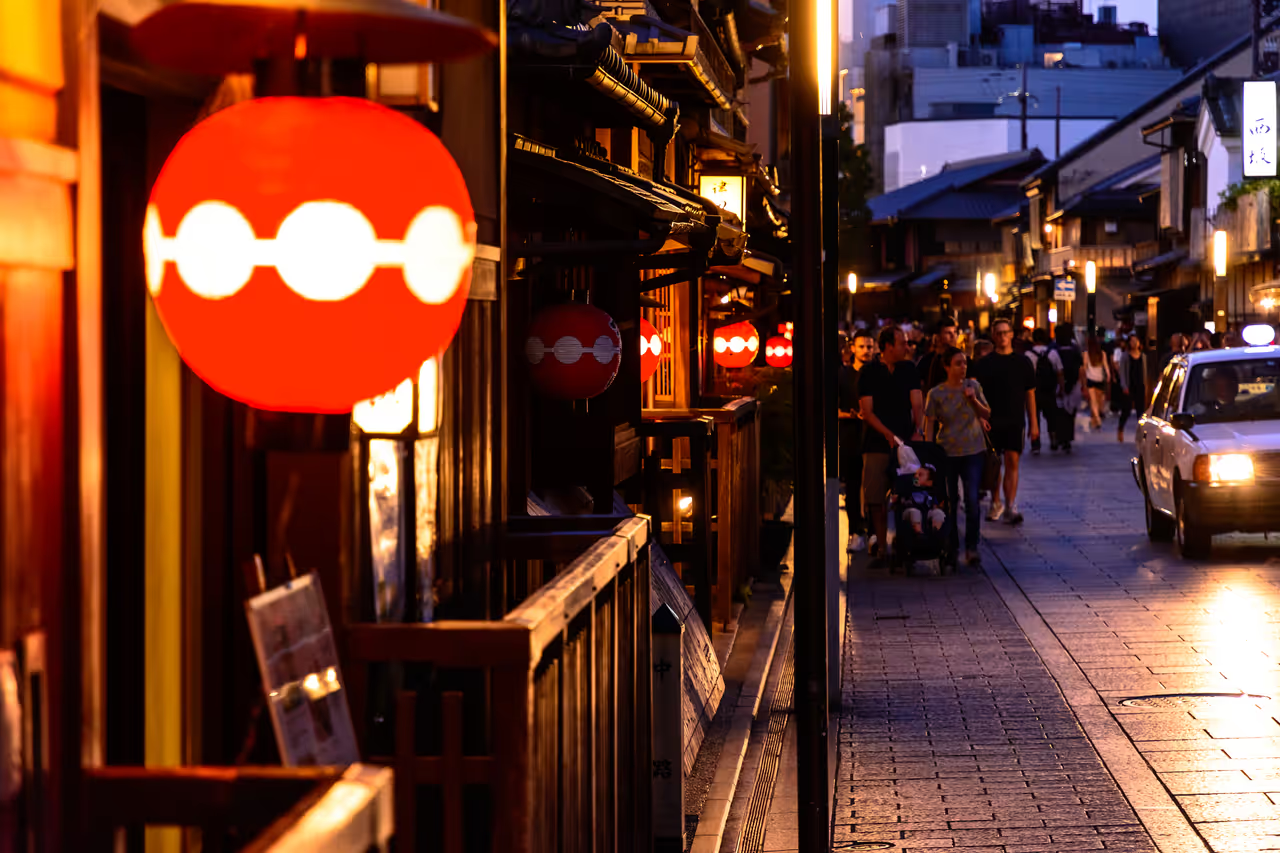
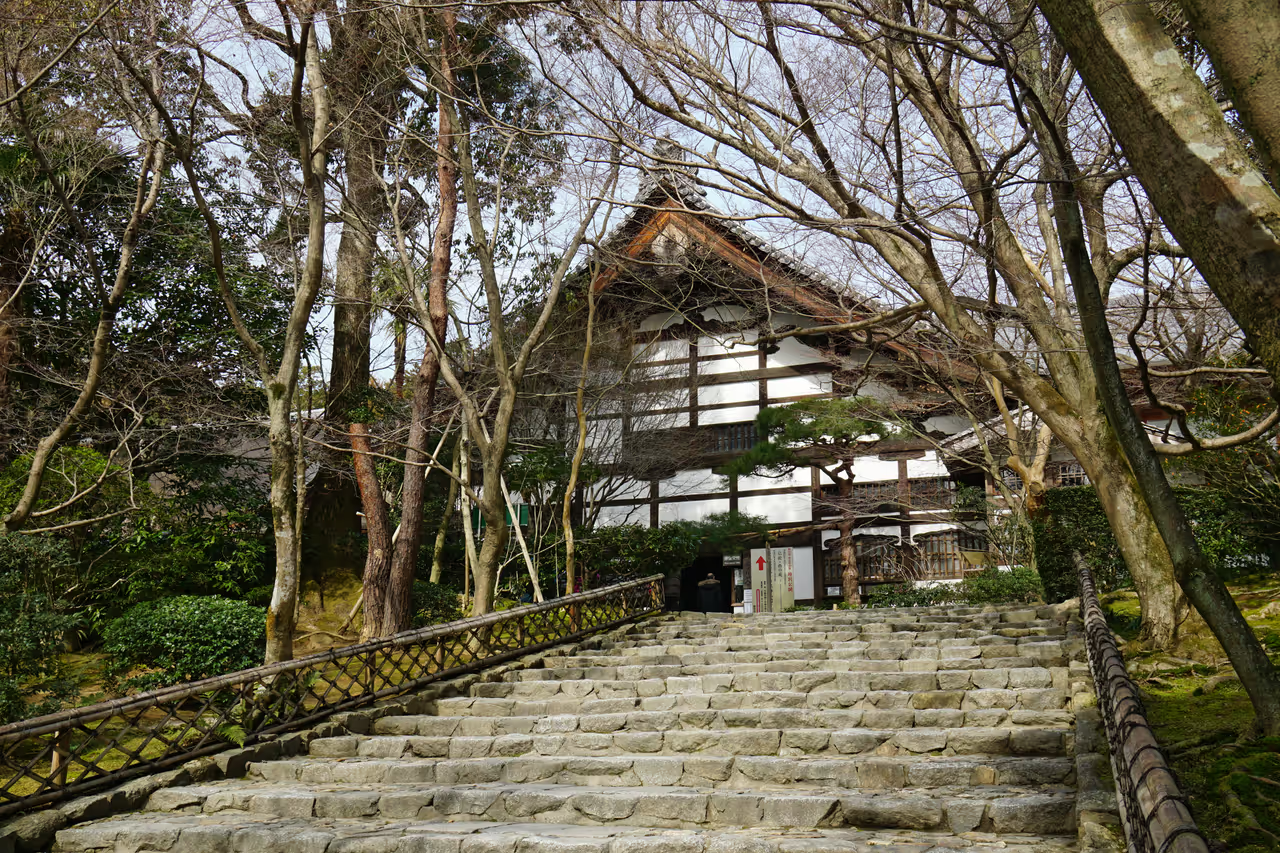
A generous five-day stay grants you the absolute luxury of slowing down and exploring the quiet, hidden corners that most travellers never see. Beyond the iconic temples, you will have time to discover secluded mountain shrines, delve into the imperial history of the grand palaces, and enjoy restorative public bathing. This extended itinerary allows you to dedicate entire afternoons to aimless, scenic strolls and highly authentic culinary experiences. It is the ultimate way to truly connect with the profound spiritual and historical rhythm of the ancient capital.
view itinerary
See all attractions in Kyoto
Heian Shrine, Kyoto Railway Museum, Nanzen-ji Temple, Kyoto Tower...