Arashiyama
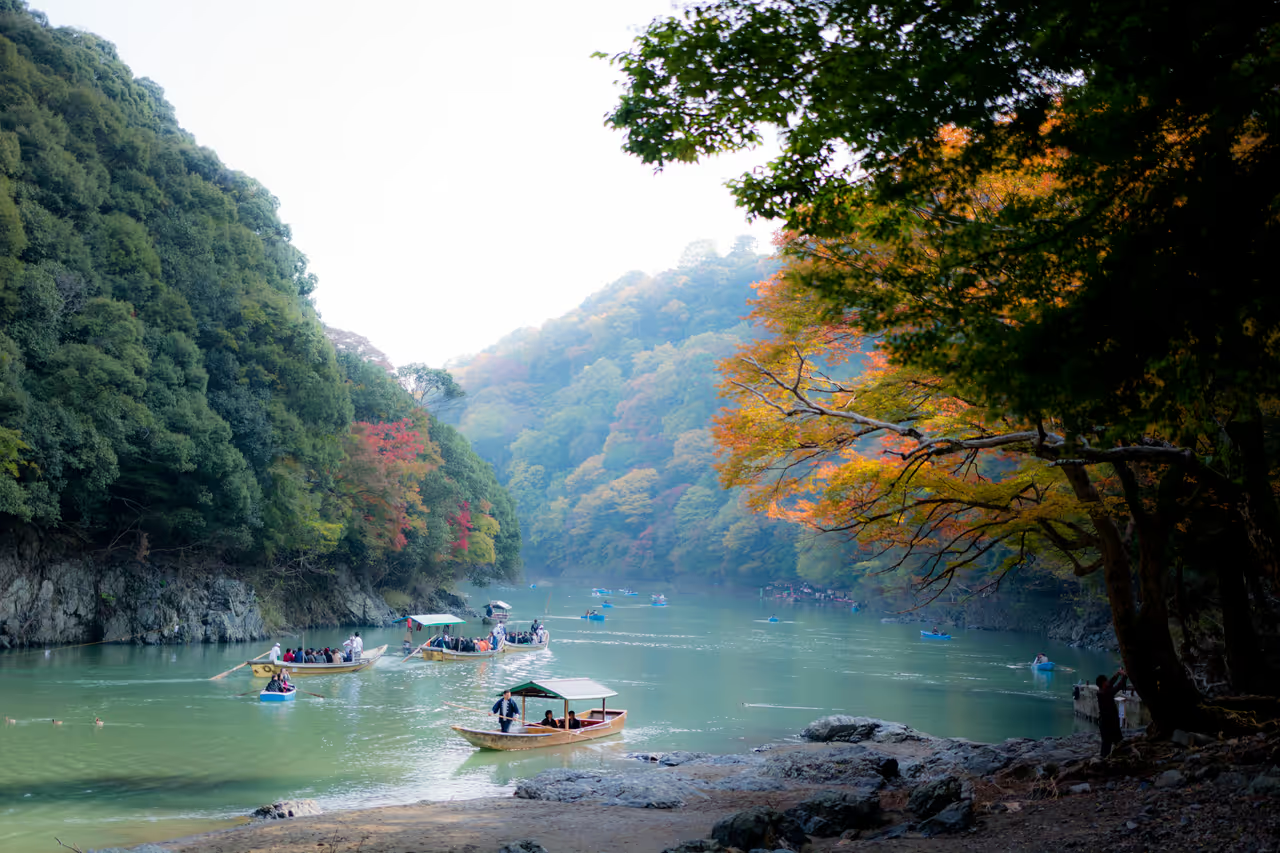
Nestled on the western outskirts of Kyoto, Arashiyama feels like stepping into a traditional Japanese painting, complete with forested mountains and tranquil rivers. Famous for its iconic towering bamboo grove, this district offers a serene escape where you can wander through nature trails or catch a glimpse of wild monkeys at the local hillside park. Whether you are strolling across the historic Moon Crossing Bridge or visiting ancient Zen temples, the area charms visitors throughout the seasons with breathtaking cherry blossoms in spring and fiery red maples in autumn. It serves as a beautiful reminder of Japan's enduring love for harmony between humanity and the landscape. This historic district invites you to slow down, breathe in the fresh air, and experience the timeless allure of Kyoto's countryside.
Videos
History of Arashiyama
Long before it became a magnet for travellers, Arashiyama served as a private sanctuary for the Heian nobility. During the eighth and ninth centuries, aristocrats fled the rigid conventions of the imperial court in central Kyoto to find solace in these wooded foothills. They built lavish villas and temple retreats, enchanted by the way the seasons painted the slopes in soft pinks and deep crimsons. This era established the district as a symbol of refined leisure and a deep appreciation for the natural world, setting the tone for the aesthetic values that still define the area today. As the centuries progressed, the district transformed into a significant spiritual centre, anchored by the establishment of powerful temples like Tenryū-ji. These sacred spaces integrated Zen philosophy with meticulously curated garden designs, which were intended to mirror the landscape of the mountains beyond the temple walls. This harmonious blend of religious architecture and the wild environment created a unique spiritual atmosphere, drawing pilgrims and scholars alike to walk the quiet paths beneath the bamboo and pine trees. The local shrines, particularly Matsunoo Taisha, became essential to the economic life of the region, blessing the waters that fuelled the local brewing industry. In the modern era, Arashiyama has balanced its profound historical legacy with its role as one of Japan's most beloved destinations. The transition from the wooden bridge of the eighth century to the contemporary structure of today reflects a broader evolution where tradition and innovation exist side by side. Even figures like the actor Denjirō Ōkōchi contributed to this legacy, pouring his life into creating a garden estate that remains a testament to the timeless appeal of the Japanese landscape. Today, the district remains a place where the echoes of ancient poetry and the serene rustle of bamboo offer a quiet refuge for all who visit.
Events spanning 1234 years
Fun Facts
- • Film actor Denjirō Ōkōchi built the exquisite Ōkōchi Sansō villa here, spending thirty years refining the garden, which is now open to the public.
- • Kogo of Sagano, a famous courtesan from the Heike clan, has her tombstone located in the area, marking a somber yet historic point of interest.
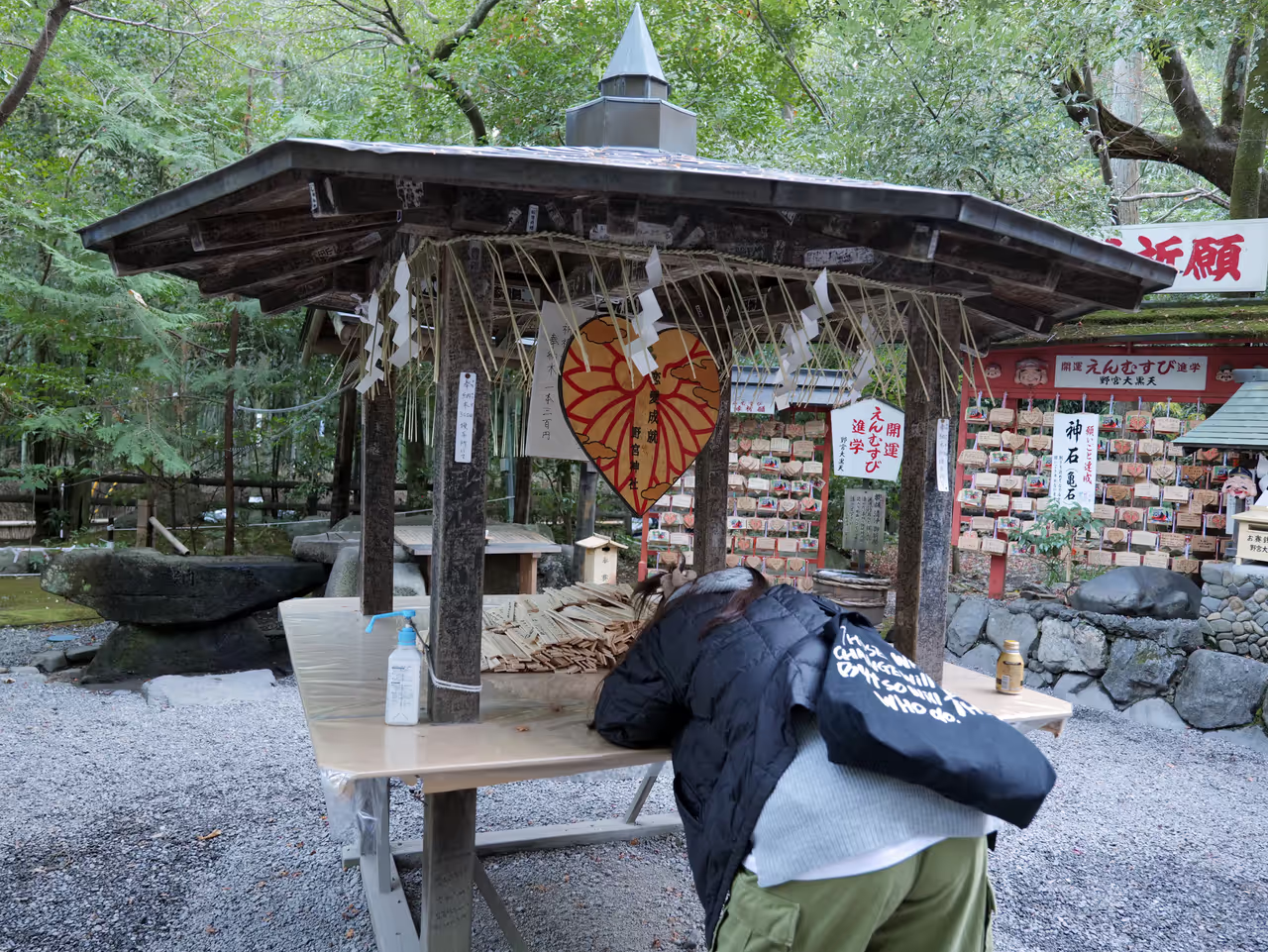
- • Matsunoo Taisha remains a spiritual hub for brewers, as its legendary spring water is believed to impart special qualities to the local sake and miso.
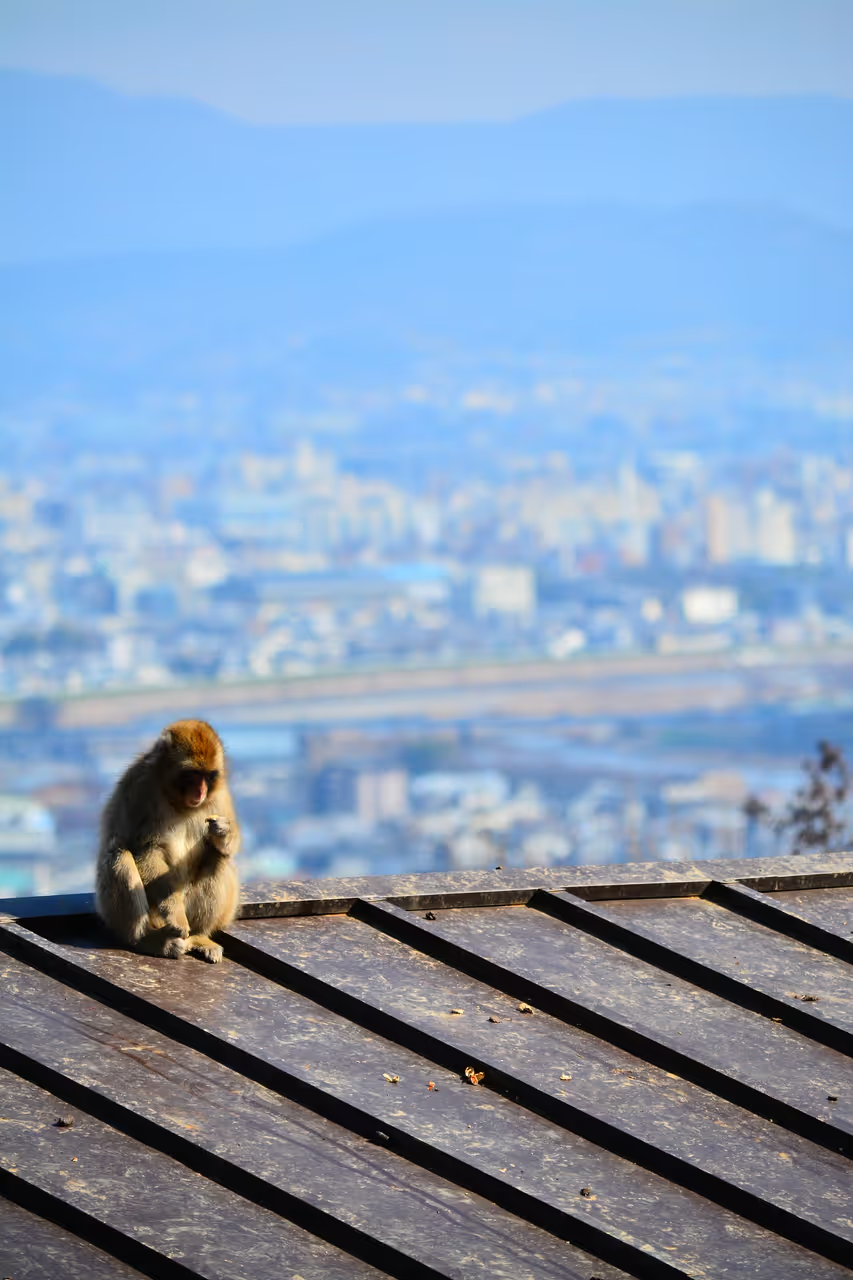
- • Over 170 wild Japanese macaques inhabit the Iwatayama Monkey Park, offering a rare opportunity to observe these curious creatures in their natural habitat.
- • Tenryū-ji Temple serves as one of the most significant Zen temples in Japan and is a designated UNESCO World Heritage site, showcasing a stunning garden that has survived for centuries.
- • The Arashiyama Bamboo Grove is so iconic that it has been designated as a place of scenic beauty, capturing the imagination of photographers and nature lovers worldwide.
- • The district acted as a secluded retreat for Heian period nobles who travelled from the capital to admire the seasonal changes of the hills.
- • The famous Togetsukyō Bridge earned its poetic name, which translates to Moon Crossing Bridge, from Emperor Kameyama, who felt the bridge looked as if the moon was crossing over it.
- • The name Arashiyama translates to Storm Mountain, a moniker that belies the peaceful atmosphere found in the district today.
- • The river flowing through Arashiyama is a master of disguise, known as the Ōi River in its upper reaches, the Hozu River in the middle, and the Katsura River as it flows through the lower valley.
Arashiyama FAQ
While we strive to keep this information accurate and up to date, we recommend verifying any details independently before making decisions based on them.
Arashiyama Map & Neighborhood Explorer
This interactive map is centered on Arashiyama. Zoom in and move the map around to automatically discover Wikipedia photos and summaries of other nearby sights, monuments, and historical points of interest and stories in real-time!
Places near Arashiyama
Make the most of your trip. Check out these top-rated spots located nearby.
 734m
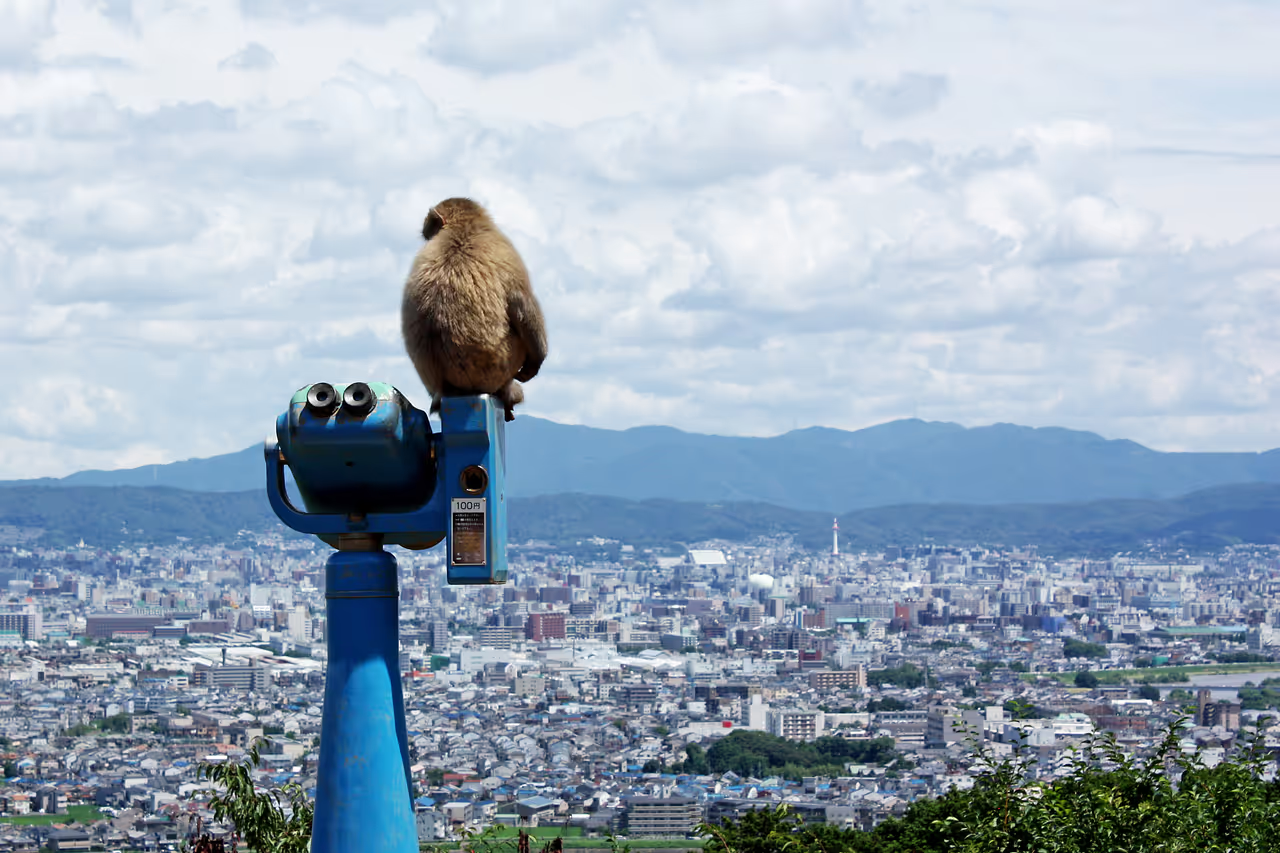
734mIwatayama Monkey Park
Located across the river in the scenic Arashiyama district, reaching this viewpoint requires a vigorous 20-minute hike up a forested trail. Upon reaching the summit, you are rewarded not only with a fantastic, elevated view over the winding Katsura River and the city beyond, but also the company of hundreds of free-roaming Japanese macaques. The monkeys are wild but accustomed to humans, offering a wildly entertaining element to the panoramic scenery. It is a fantastic, slightly unconventional vantage point that brilliantly combines nature, wildlife, and sweeping vistas.
viewpoint view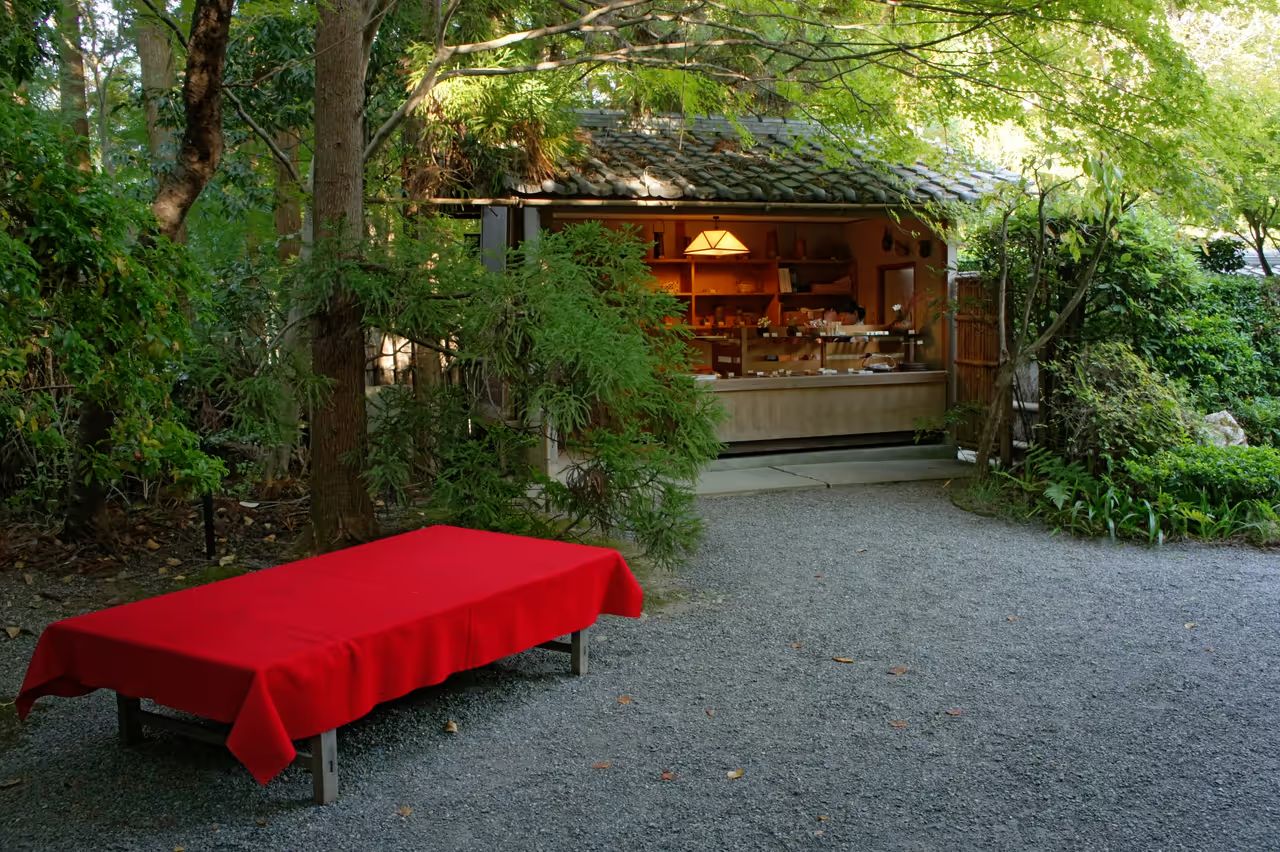 943m
943mŌkōchi Sansō Villa
Perched on the slopes of Mt. Ogura, the Ōkōchi Sansō Villa serves as a serene sanctuary overlooking the busy heart of Arashiyama. Once the private estate of the celebrated period film actor Denjirō Ōkōchi, this lush garden retreat rewards those who wander past the famous bamboo grove with some of the most breathtaking panoramic views in Kyoto. Every path is thoughtfully landscaped to highlight the unique beauty of all four seasons, transforming the estate into a living masterpiece that shifts in colour and mood throughout the year. Visitors can explore a collection of historic buildings, including exquisite tea houses and a Buddhist shrine, all of which stand as enduring monuments to traditional Japanese craftsmanship. A visit here offers an opportunity to sip matcha while gazing out over the Hozu River gorge and the distant city skyline. It is a place where nature, history, and architectural elegance harmonise, providing a sense of peace that is difficult to find elsewhere.
park & nature view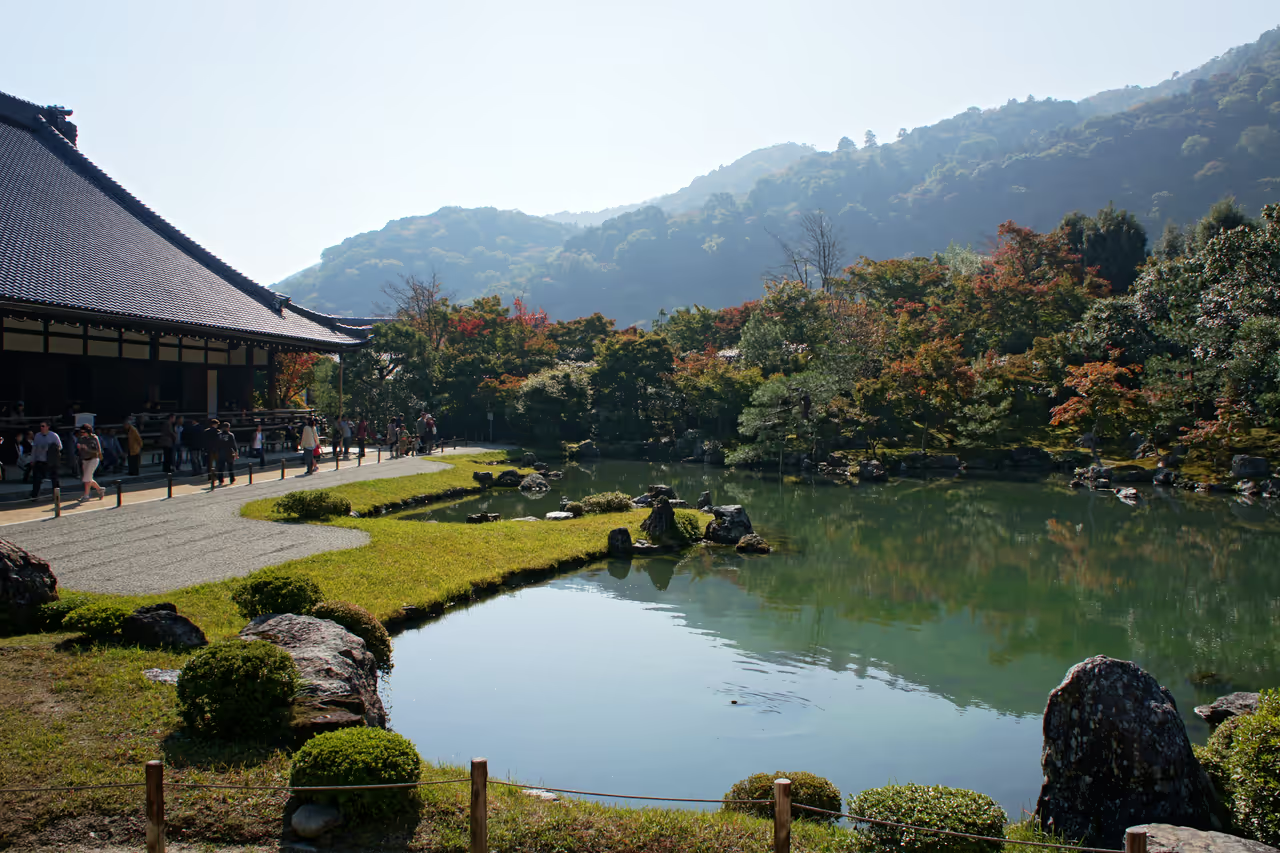 959m
959mTenryū-ji Temple
Tenryū-ji stands as a crown jewel among Kyoto's spiritual sites, offering a breathtaking glimpse into the refined aesthetics of the Muromachi period. As you wander through its historic grounds, the Sōgenchi Garden captivates with a design that has survived centuries of turbulence, serving as a tranquil masterpiece of borrowed scenery. This UNESCO World Heritage site is a profound journey into Zen philosophy and imperial history. The atmosphere here changes with the seasons, from vibrant cherry blossoms in spring to fiery autumn leaves that reflect beautifully in the pond. Whether you are an architecture enthusiast or seeking a moment of quiet reflection, the blend of nature and spiritual legacy makes a visit here an essential part of any Kyoto itinerary.
unesco heritage site view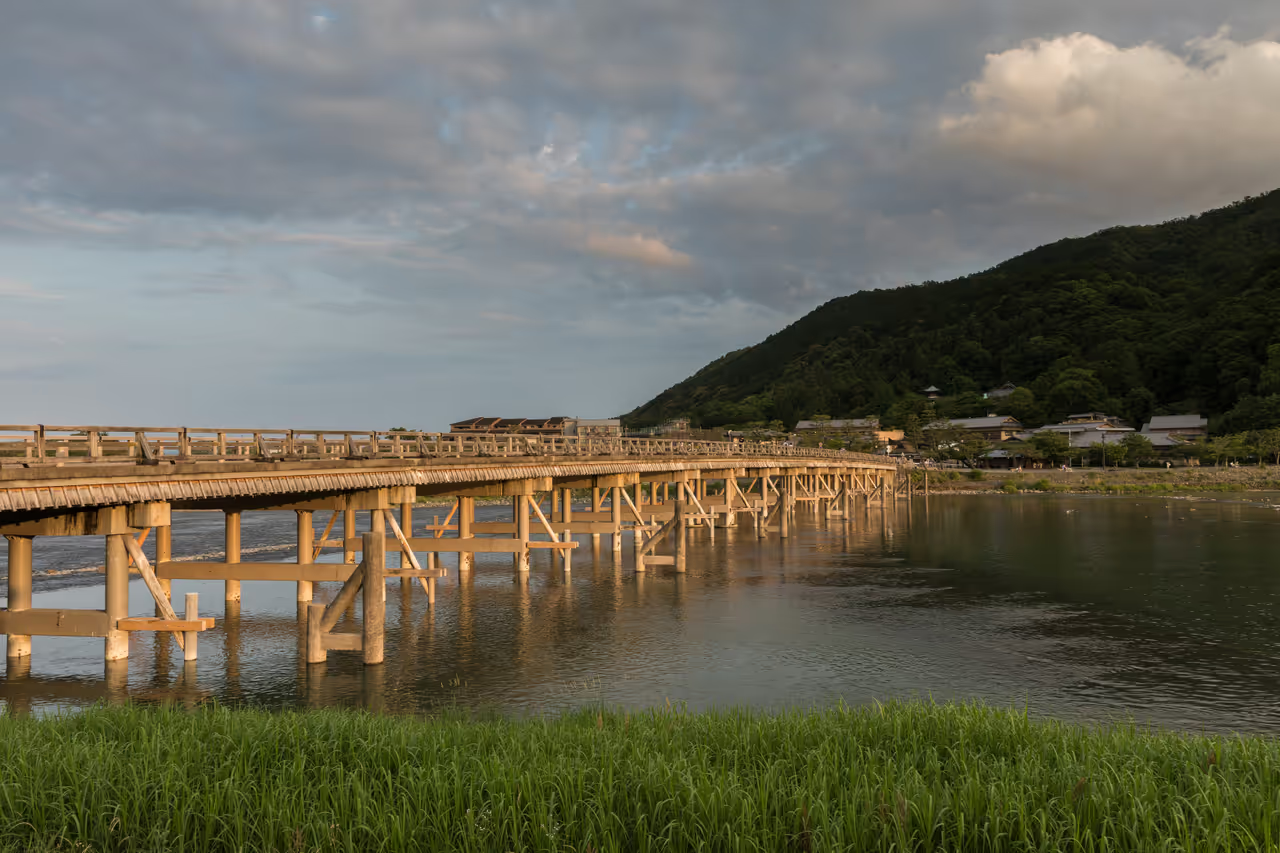 1073m
1073mTogetsukyo Bridge
Translating poetically to the 'Moon Crossing Bridge', this expansive, traditional-style wooden bridge spans the wide, shallow river in the western Arashiyama district. The bridge itself is beautiful, but the true photographic magic comes from its sweeping backdrop of heavily forested, rolling mountains. The landscape transforms dramatically with the seasons, offering explosive cherry blossoms in spring and a fiery tapestry of red and gold leaves in the autumn. Photographing the bridge from the riverbank with the mountains looming behind creates a magnificent, wide-angle landscape shot.
photo spot view
Explore Similar Places in This Collection
Featured on These Itineraries and Routes
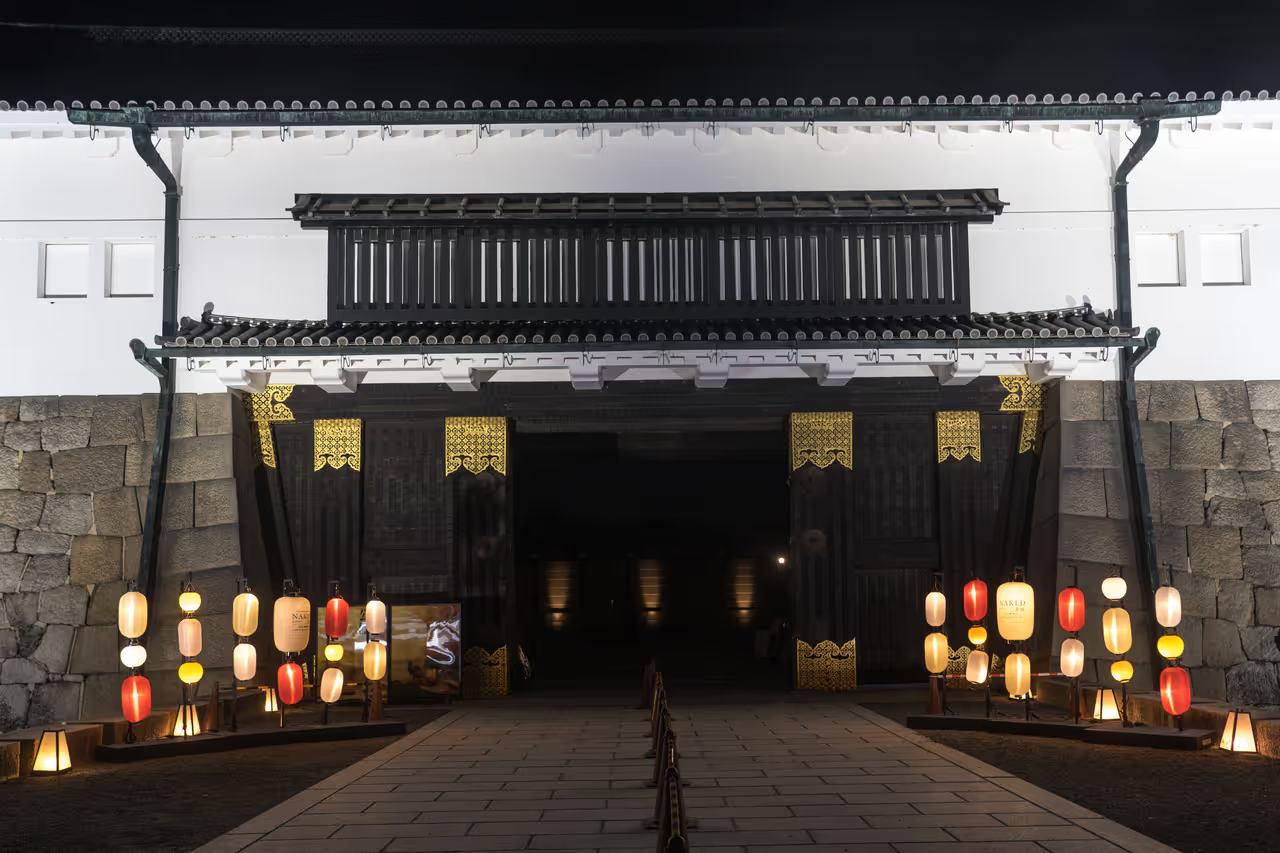
3 Days in Kyoto: Culture and Nature Itinerary
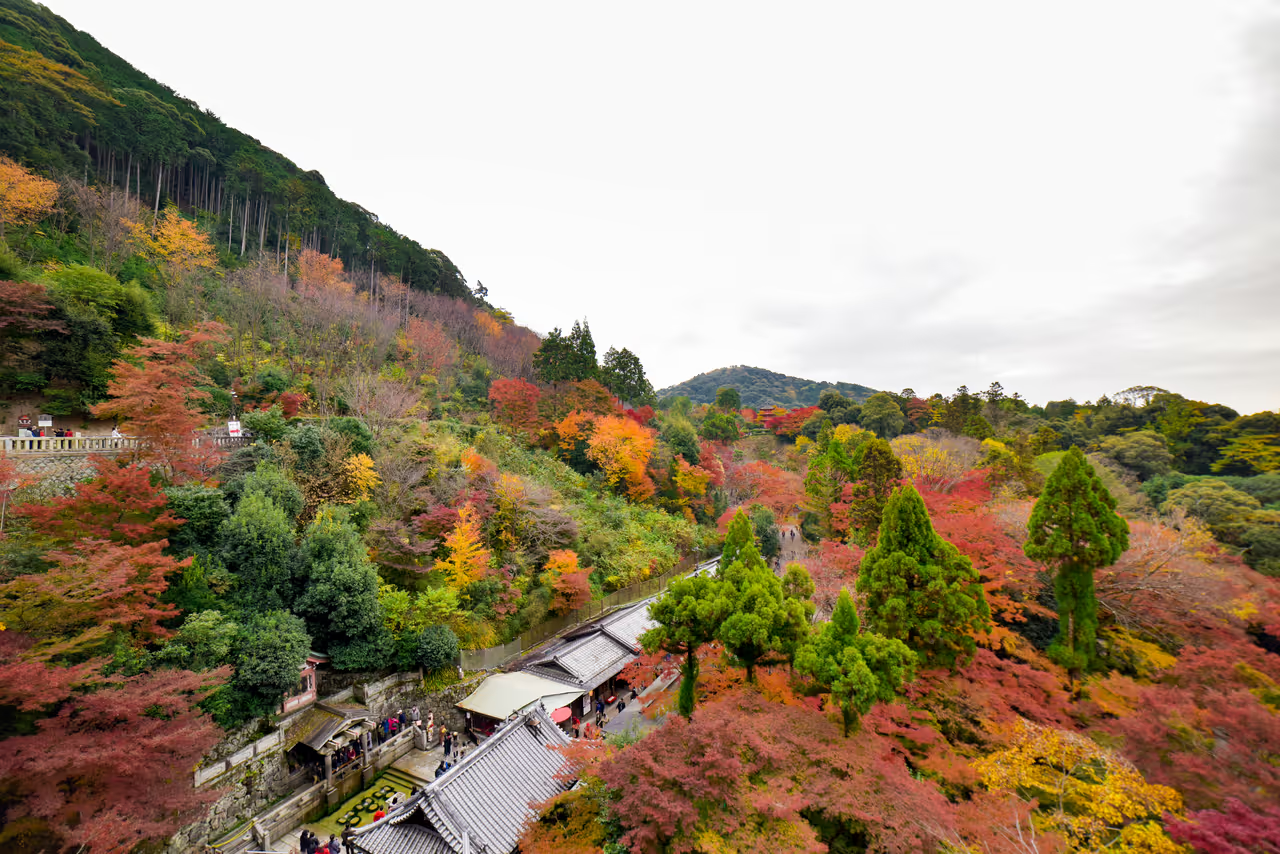
Three days allows you to significantly expand your exploration beyond the immediate city centre, dedicating specific days to distinct geographical and cultural zones. You will uncover the majestic bamboo forests in the west, hike the infinite red gates in the south, and still have time to dive deep into the central culinary markets. This pacing provides enough time to enjoy lengthy, scenic walks and sit for proper, traditional meals without feeling constantly rushed. It strikes the perfect balance between hitting the major sights and absorbing the local atmosphere.
view itinerary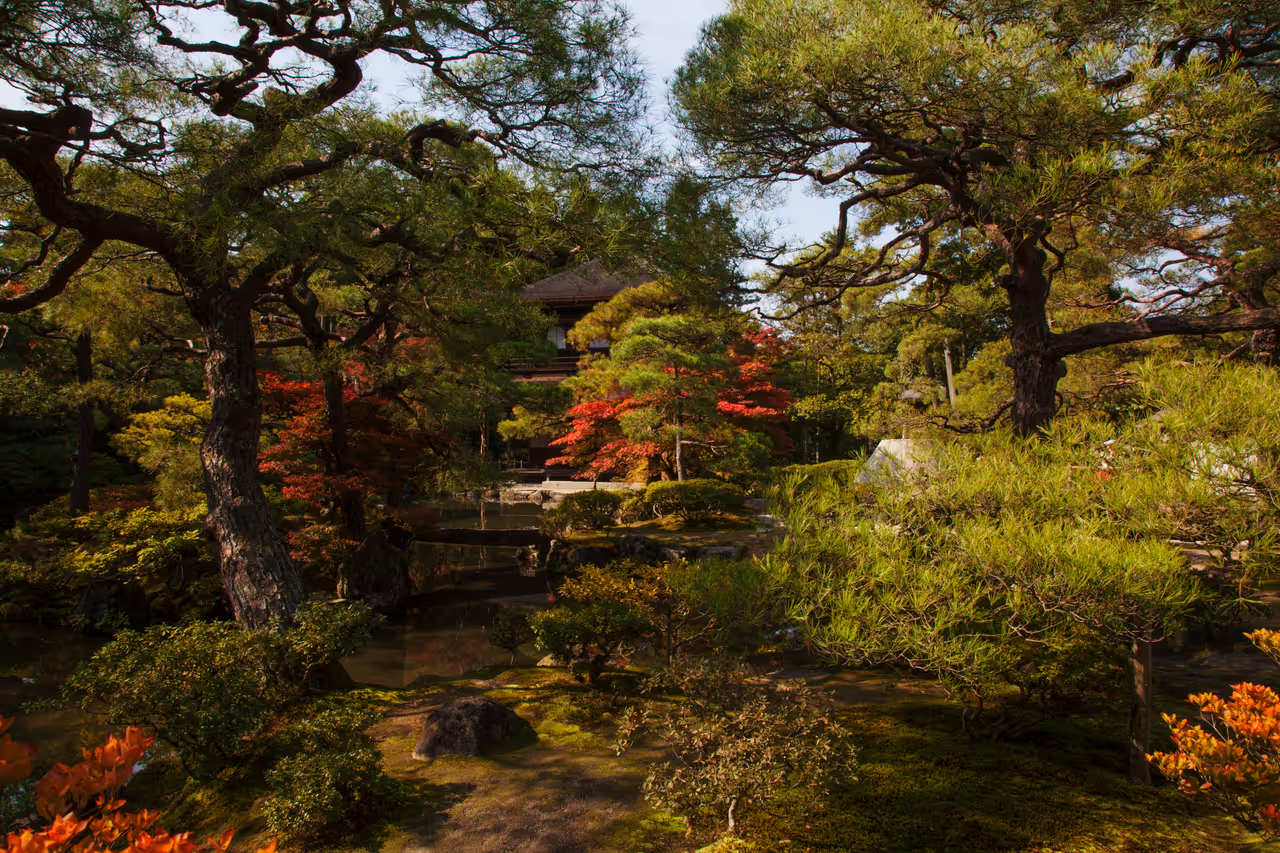
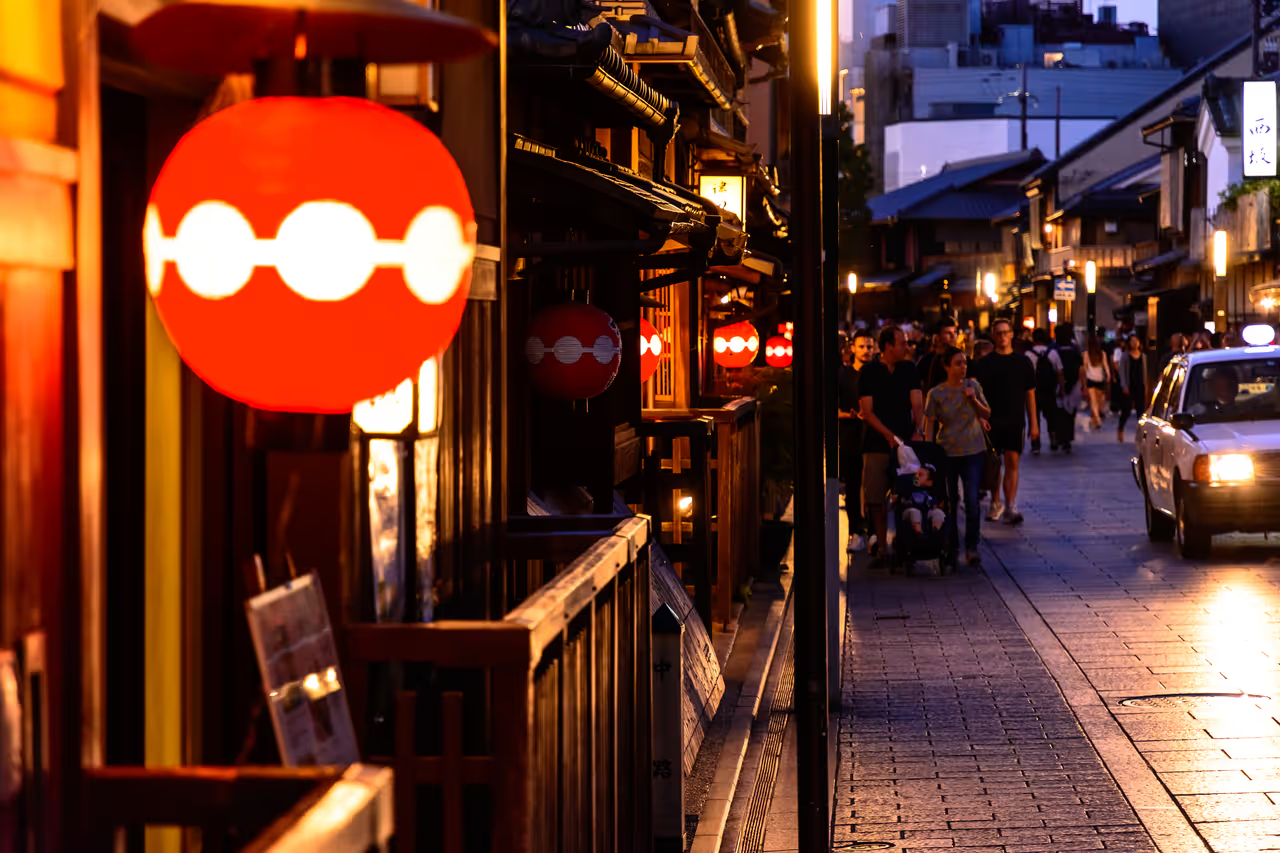
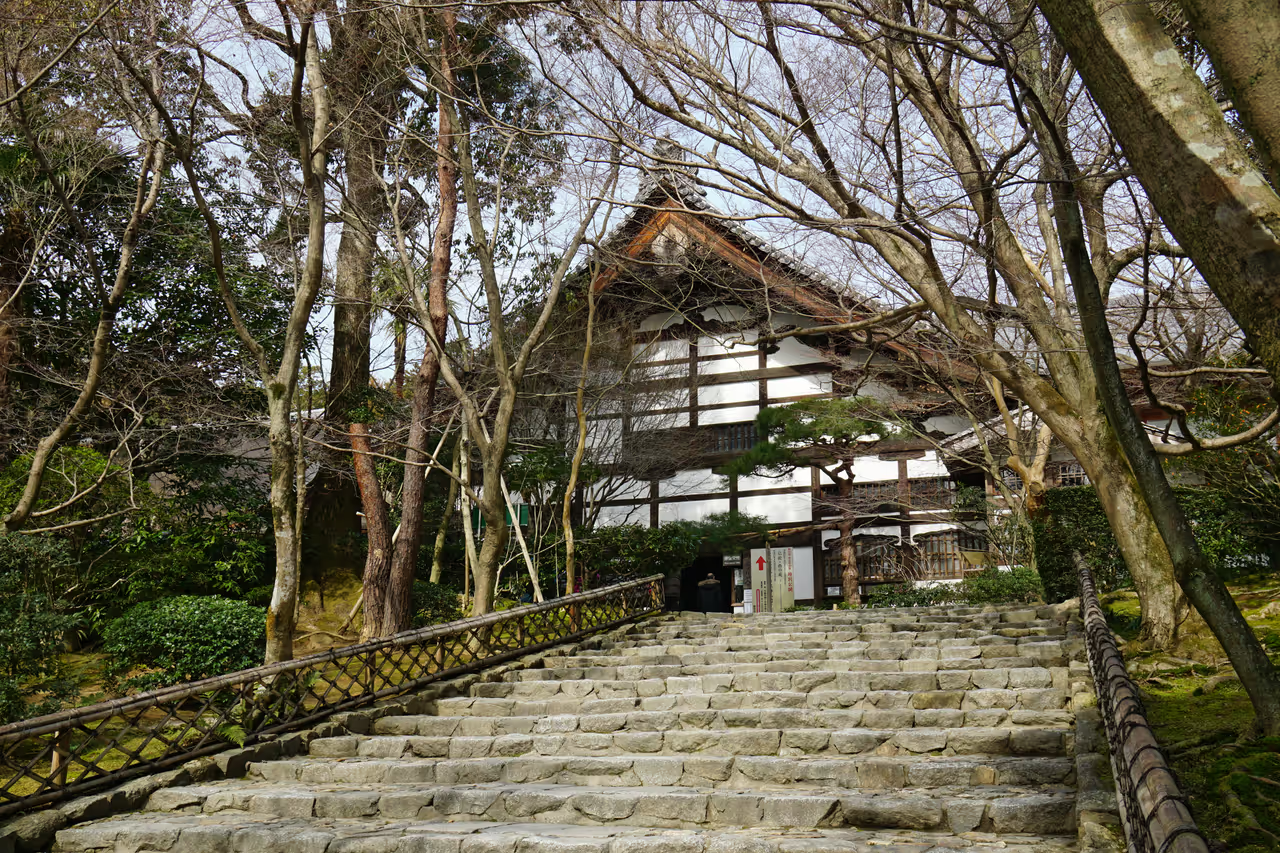
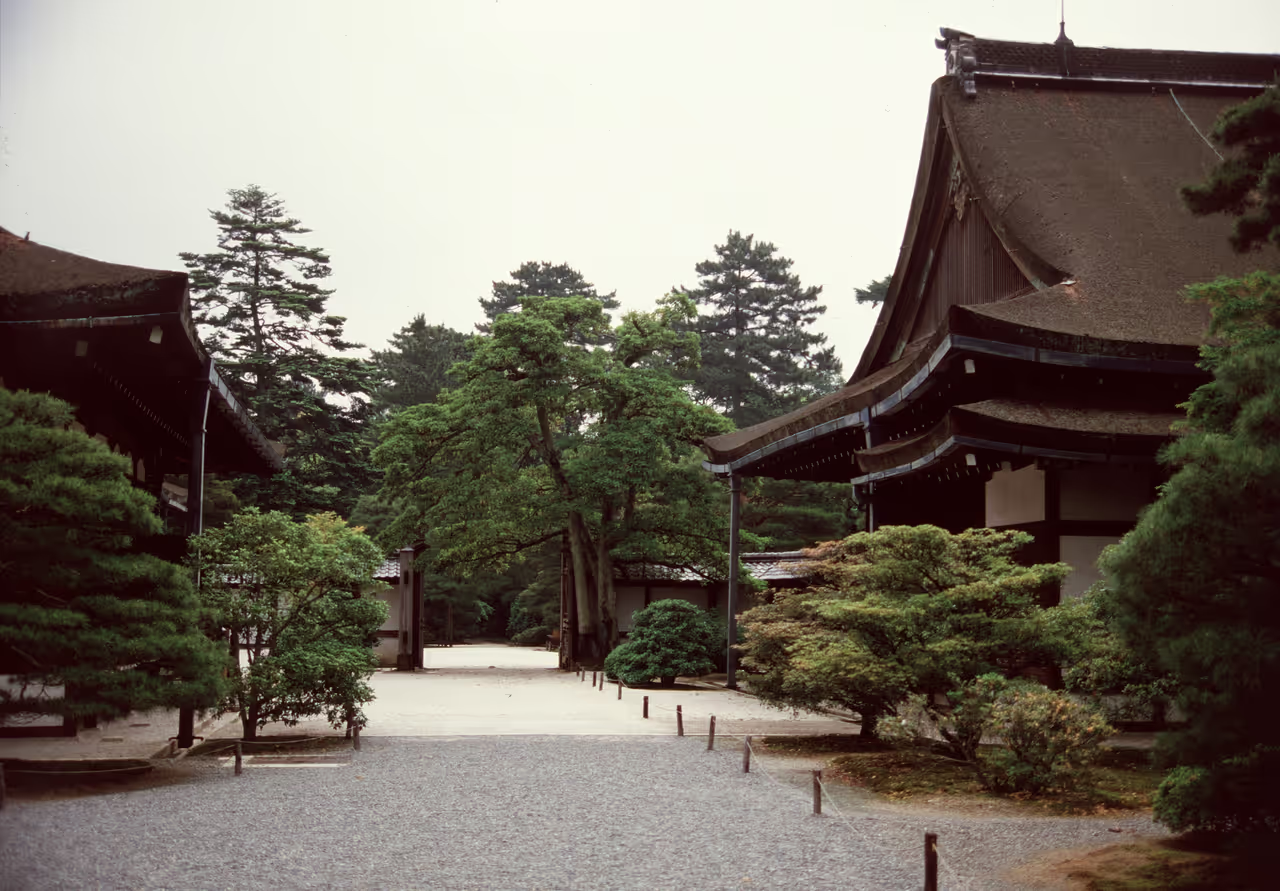
5 Days in Kyoto: The Deep Immersion Itinerary
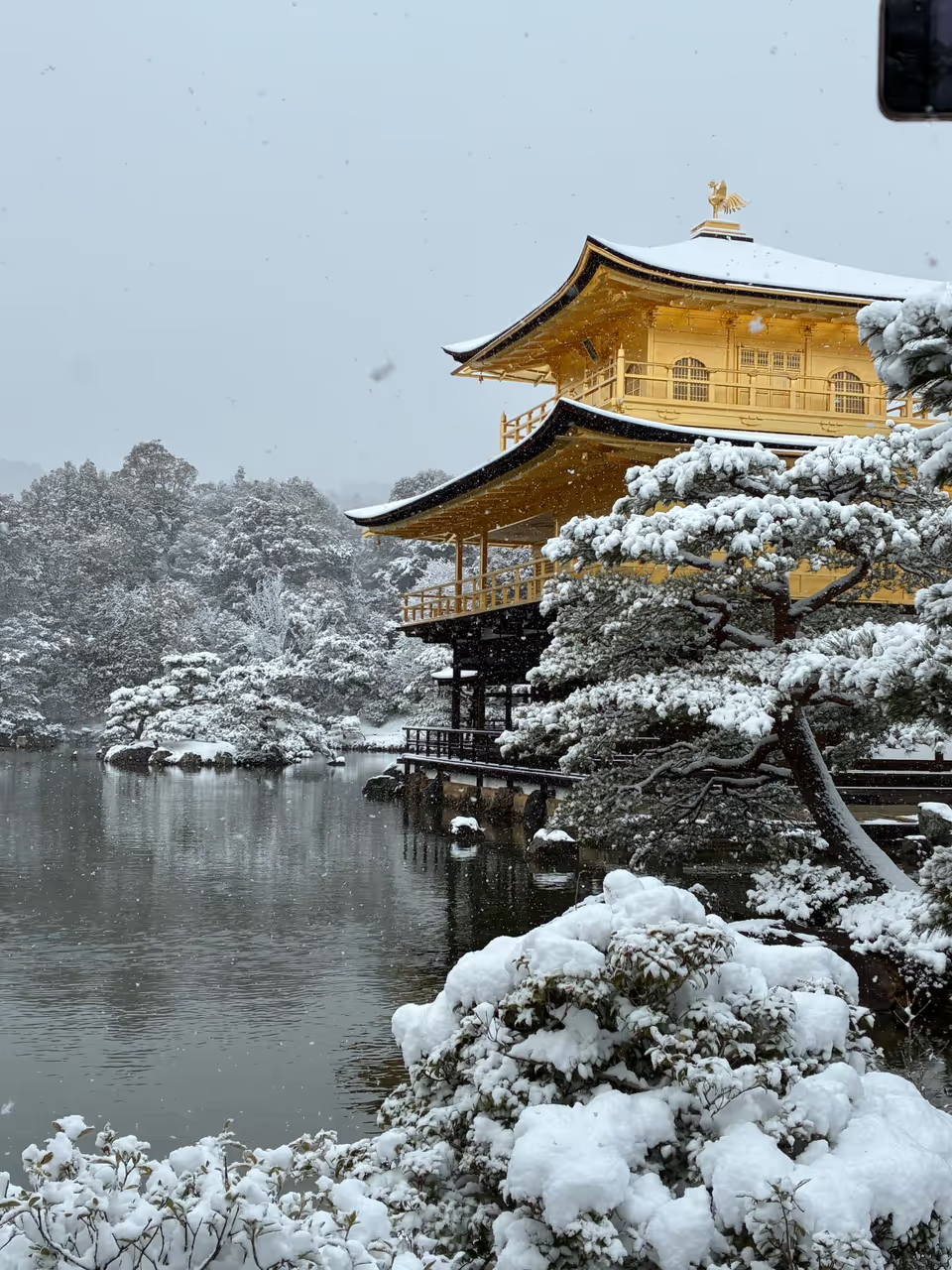
A generous five-day stay grants you the absolute luxury of slowing down and exploring the quiet, hidden corners that most travellers never see. Beyond the iconic temples, you will have time to discover secluded mountain shrines, delve into the imperial history of the grand palaces, and enjoy restorative public bathing. This extended itinerary allows you to dedicate entire afternoons to aimless, scenic strolls and highly authentic culinary experiences. It is the ultimate way to truly connect with the profound spiritual and historical rhythm of the ancient capital.
view itinerary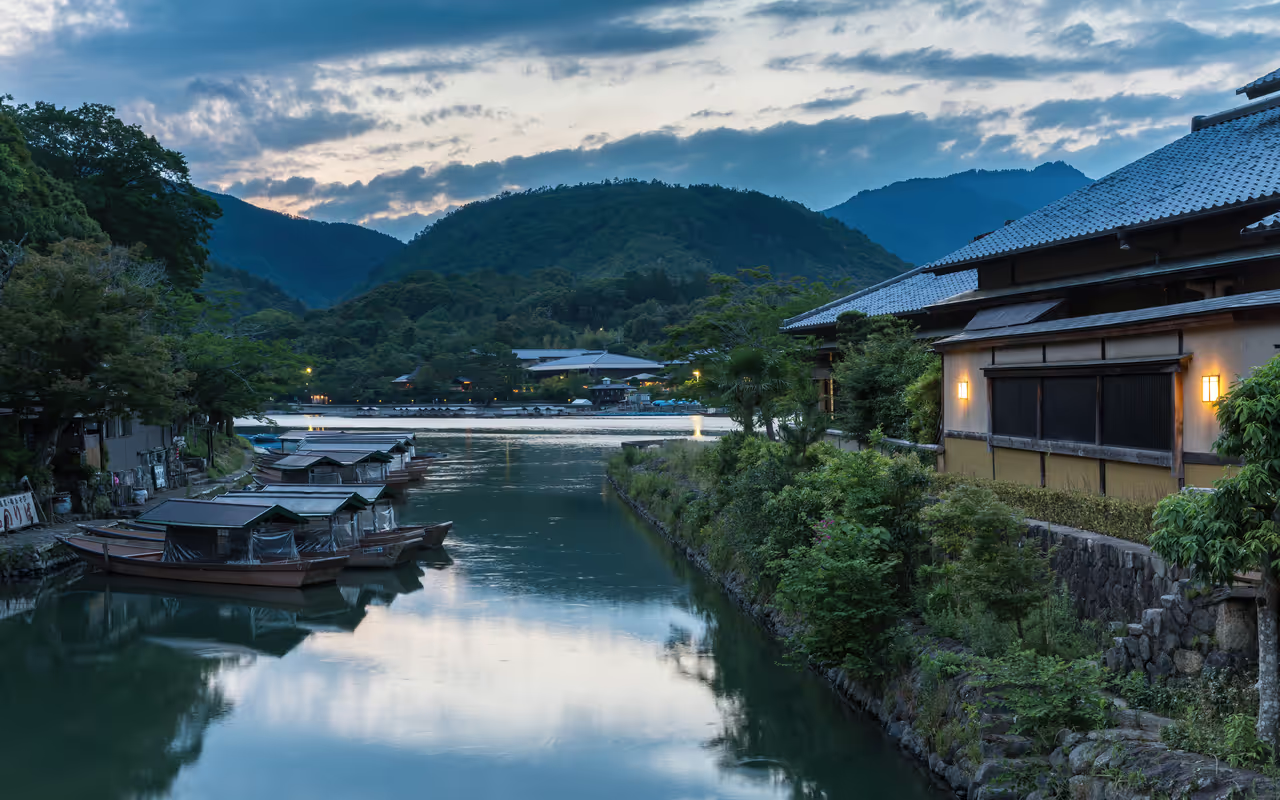
Arashiyama Bamboo Serenity
This legendary walking path cuts directly through a dense, otherworldly forest of towering green bamboo stalks that sway gently in the wind. The sheer height of the bamboo creates an immersive, tunnel-like effect, filtering the sunlight into a soft, ethereal green glow. The rustling sound of the stalks knocking against one another has been officially recognised as one of the definitive soundscapes of Japan. It is a brief but profoundly atmospheric walk that feels entirely detached from the modern world.
view walking route
See all nature & parks in Kyoto
Kyoto Gyoen National Garden, Maruyama Park, Kyoto Botanical Gardens, Murin-an Garden, Ōkōchi Sansō Villa, Shoseien Garden...