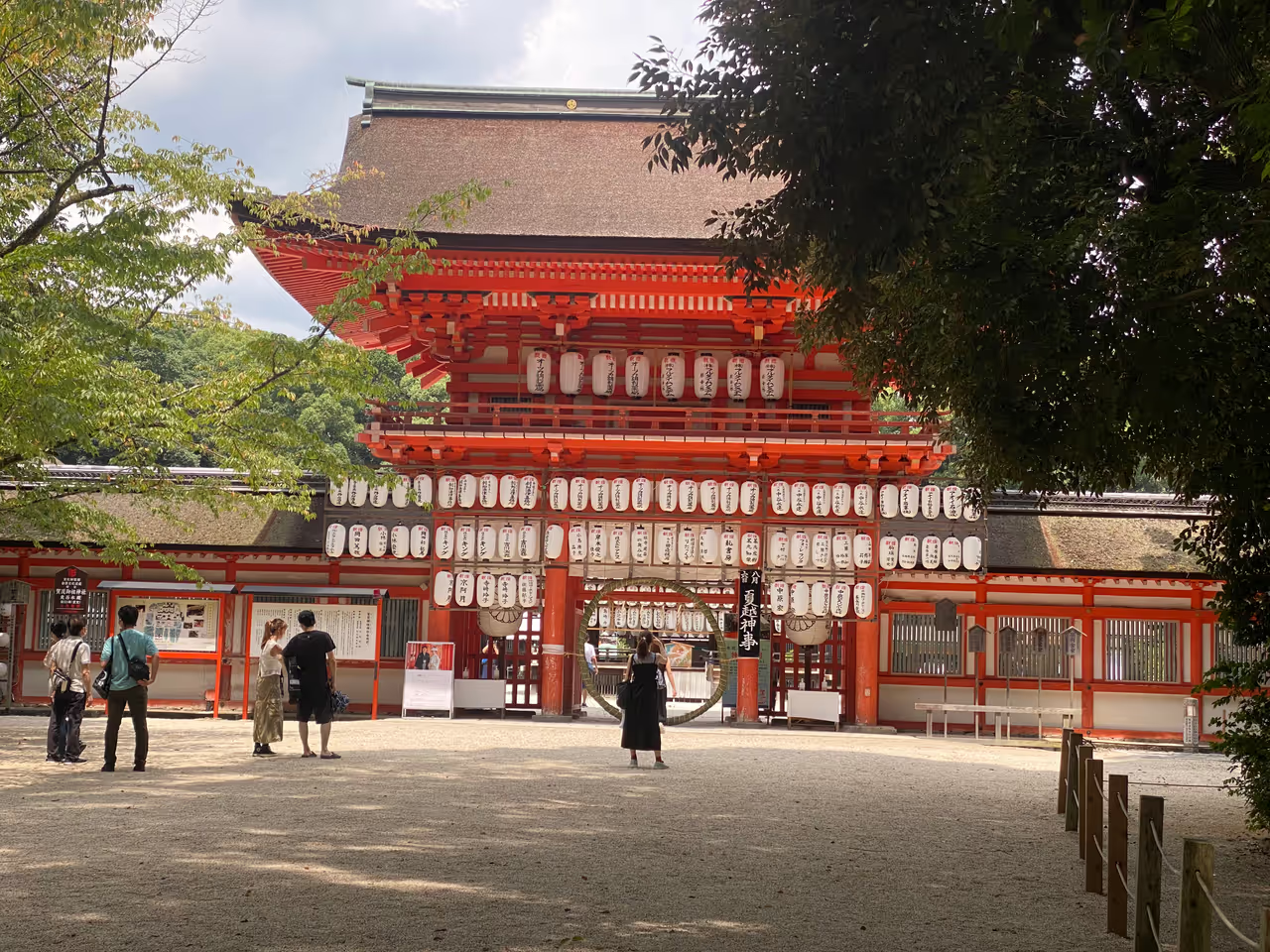
Tenryū-ji Temple
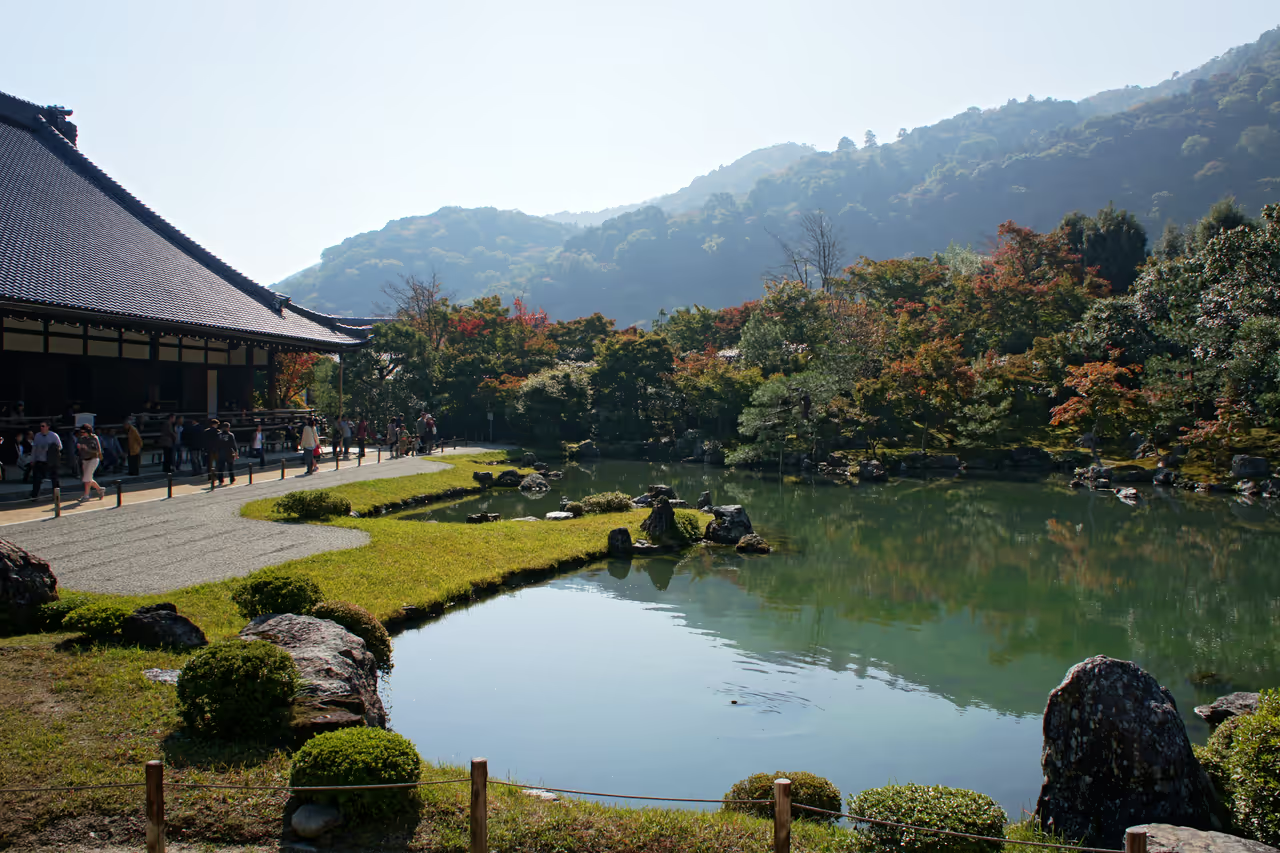
Tenryū-ji stands as a crown jewel among Kyoto's spiritual sites, offering a breathtaking glimpse into the refined aesthetics of the Muromachi period. As you wander through its historic grounds, the Sōgenchi Garden captivates with a design that has survived centuries of turbulence, serving as a tranquil masterpiece of borrowed scenery. This UNESCO World Heritage site is a profound journey into Zen philosophy and imperial history. The atmosphere here changes with the seasons, from vibrant cherry blossoms in spring to fiery autumn leaves that reflect beautifully in the pond. Whether you are an architecture enthusiast or seeking a moment of quiet reflection, the blend of nature and spiritual legacy makes a visit here an essential part of any Kyoto itinerary.
Videos
History of Tenryū-ji Temple
The origins of Tenryū-ji are steeped in political intrigue and a touch of mysticism. Founded in the mid fourteenth century by the powerful Ashikaga Takauji, the temple was born from a mix of grief and calculated penance. Takauji, the first shogun of the Muromachi period, commissioned the site to honour the spirit of his former rival and late Emperor Go Daigo. It was a religious gesture and a strategic move to quell the restless spirits of those who opposed his rise to power, and he enlisted the famous Zen master Musō Soseki to bring this vision to life. Legend suggests the name itself came from a divine omen. Takauji's brother supposedly dreamt of a golden dragon swirling above the local river, leading to the name Tenryū, meaning dragon of the sky. To fund the massive construction, the temple engaged in trade, eventually securing a monopoly that linked Japan with Ming dynasty China. This economic influence cemented Tenryū-ji's status as the leader of the Five Mountain system of Rinzai Zen temples, elevating it to an unprecedented level of prestige in Kyoto. The temple has endured a tumultuous existence, defined by its resilience in the face of repeated devastation. Over the centuries, fire claimed its structures time and again, forcing constant rebuilding and adaptation. Despite the loss of original buildings, the heart of the temple remains its celebrated garden. Created by Musō Soseki, this landscape design has defied the ravages of time, offering visitors today the same view that monks and emperors admired hundreds of years ago. It stands as a testament to the enduring power of Zen, where nature and human spirit intertwine to create a lasting sanctuary in a changing world.
Events spanning 655 years
Fun Facts
- • It was originally built on the site of the Kameyama Detached Palace, a former imperial villa used by emperors.
- • Musō Soseki, the first head priest, was a religious leader and a legendary garden designer whose work at Tenryū-ji set the standard for Japanese landscape architecture.
- • Sōgenchi Garden is one of the oldest original landscape gardens in Japan, surviving the fires that destroyed the actual temple buildings multiple times.
- • The ceiling of the main hall features a famous Cloud Dragon painting, a powerful artistic representation of the temple's namesake.
- • The grounds formerly stretched over a massive area containing around 150 sub temples, a far cry from the size seen today.
- • The temple grounds contain the graves of two emperors, Go Saga and Kameyama, linking the site intimately to the Japanese imperial lineage.
- • The temple is ranked number one among the Five Mountains, the most prestigious group of Rinzai Zen temples in Kyoto.
- • The temple once held exclusive rights to manage trade with Ming dynasty China, granting the Zen sect massive political and economic power.
- • The temple's name, Tenryū, translates to dragon of the sky, inspired by a dream of a golden dragon seen by the shōgun's brother.
Tenryū-ji Temple FAQ
While we strive to keep this information accurate and up to date, we recommend verifying any details independently before making decisions based on them.
Tenryū-ji Temple Map & Neighborhood Explorer
This interactive map is centered on Tenryū-ji Temple. Zoom in and move the map around to automatically discover Wikipedia photos and summaries of other nearby sights, monuments, and historical points of interest and stories in real-time!
Places near Tenryū-ji Temple
Make the most of your trip. Check out these top-rated spots located nearby.
 401m
401mŌkōchi Sansō Villa
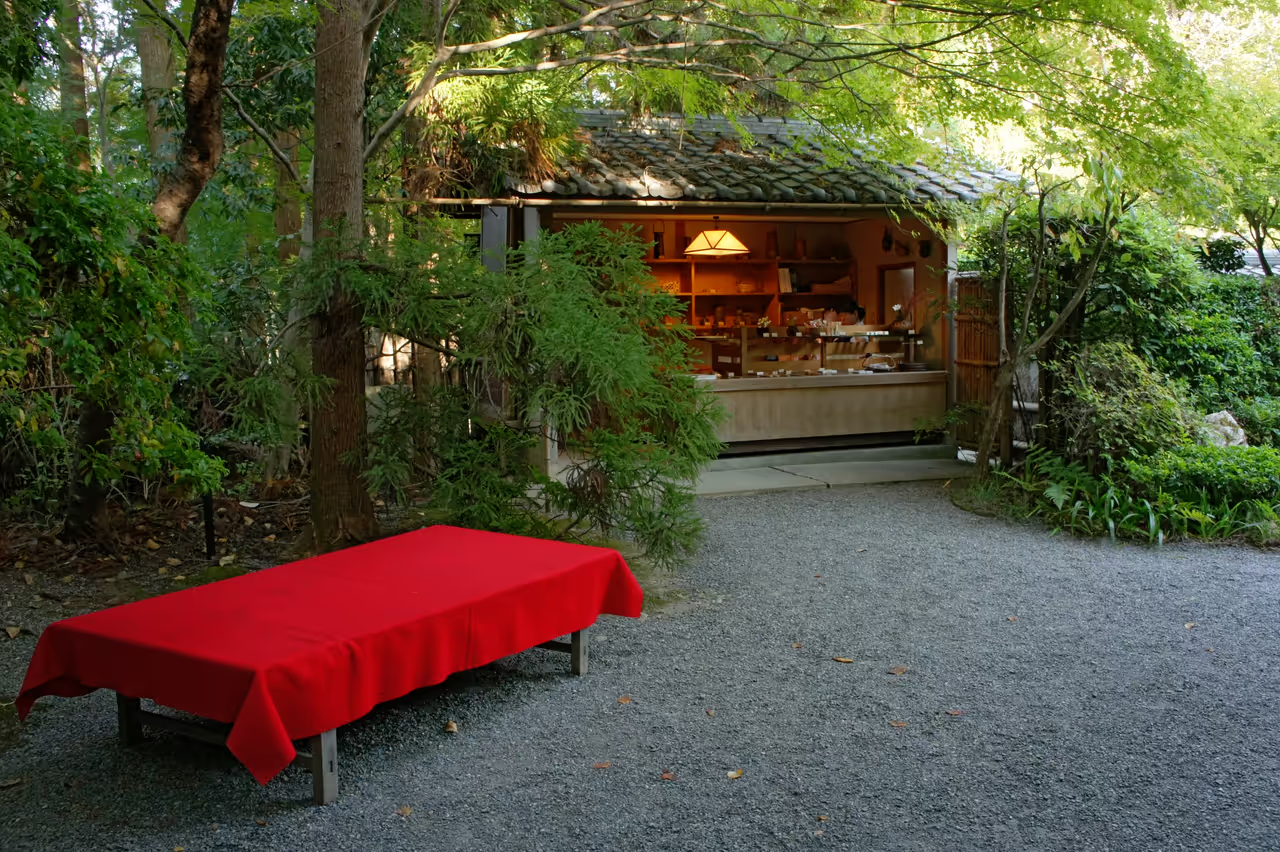
Perched on the slopes of Mt. Ogura, the Ōkōchi Sansō Villa serves as a serene sanctuary overlooking the busy heart of Arashiyama. Once the private estate of the celebrated period film actor Denjirō Ōkōchi, this lush garden retreat rewards those who wander past the famous bamboo grove with some of the most breathtaking panoramic views in Kyoto. Every path is thoughtfully landscaped to highlight the unique beauty of all four seasons, transforming the estate into a living masterpiece that shifts in colour and mood throughout the year. Visitors can explore a collection of historic buildings, including exquisite tea houses and a Buddhist shrine, all of which stand as enduring monuments to traditional Japanese craftsmanship. A visit here offers an opportunity to sip matcha while gazing out over the Hozu River gorge and the distant city skyline. It is a place where nature, history, and architectural elegance harmonise, providing a sense of peace that is difficult to find elsewhere.
park & nature view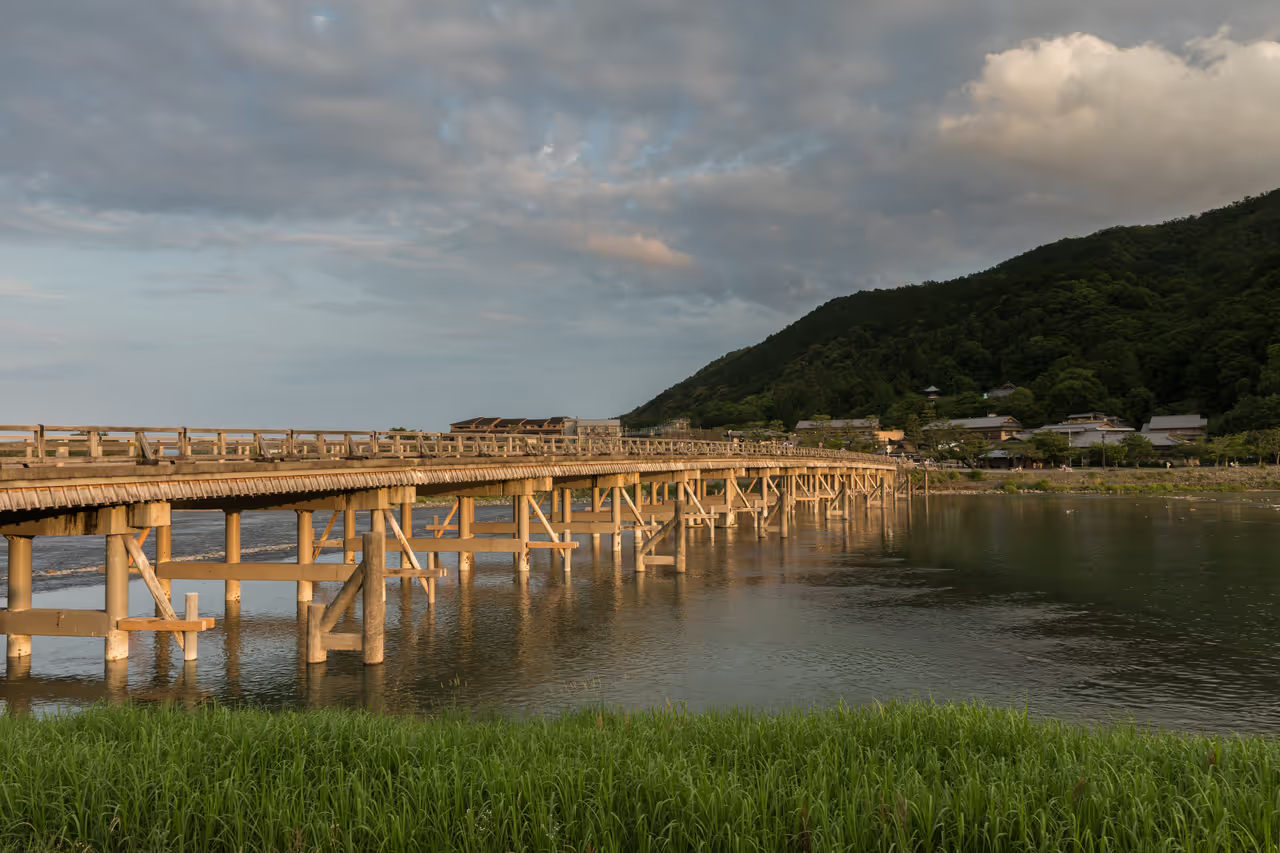 500m
500mTogetsukyo Bridge
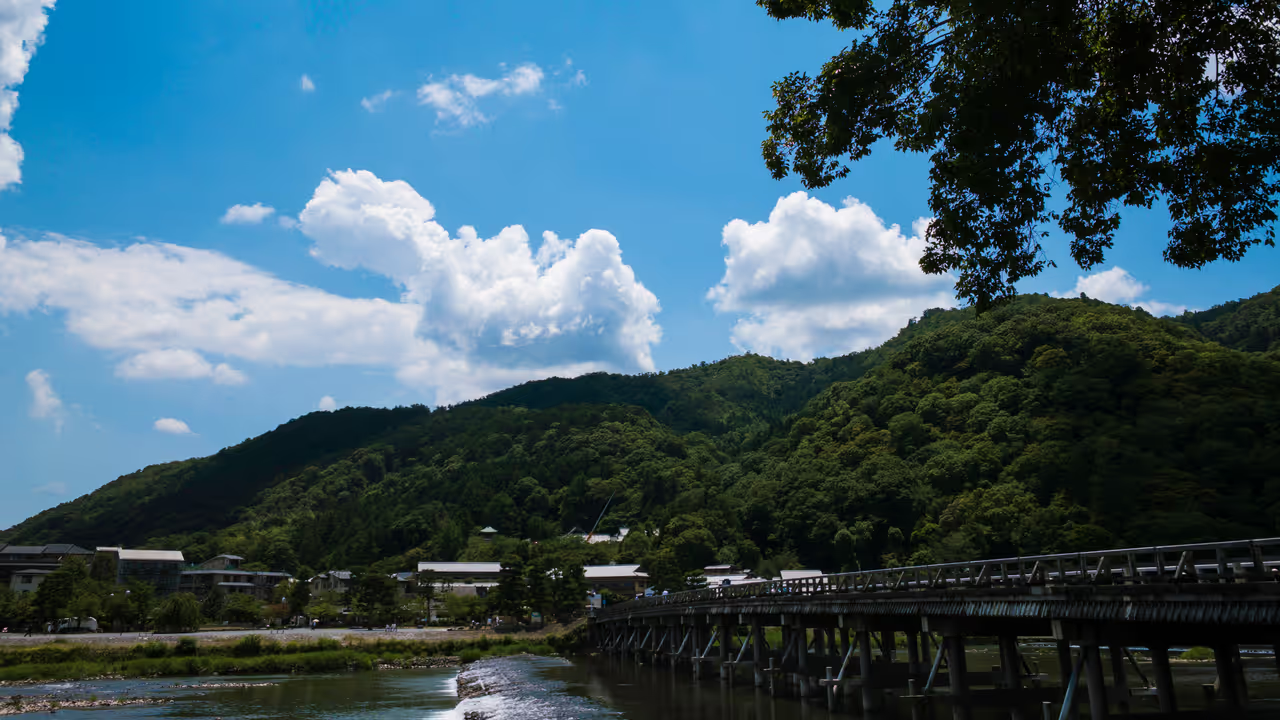
Translating poetically to the 'Moon Crossing Bridge', this expansive, traditional-style wooden bridge spans the wide, shallow river in the western Arashiyama district. The bridge itself is beautiful, but the true photographic magic comes from its sweeping backdrop of heavily forested, rolling mountains. The landscape transforms dramatically with the seasons, offering explosive cherry blossoms in spring and a fiery tapestry of red and gold leaves in the autumn. Photographing the bridge from the riverbank with the mountains looming behind creates a magnificent, wide-angle landscape shot.
photo spot view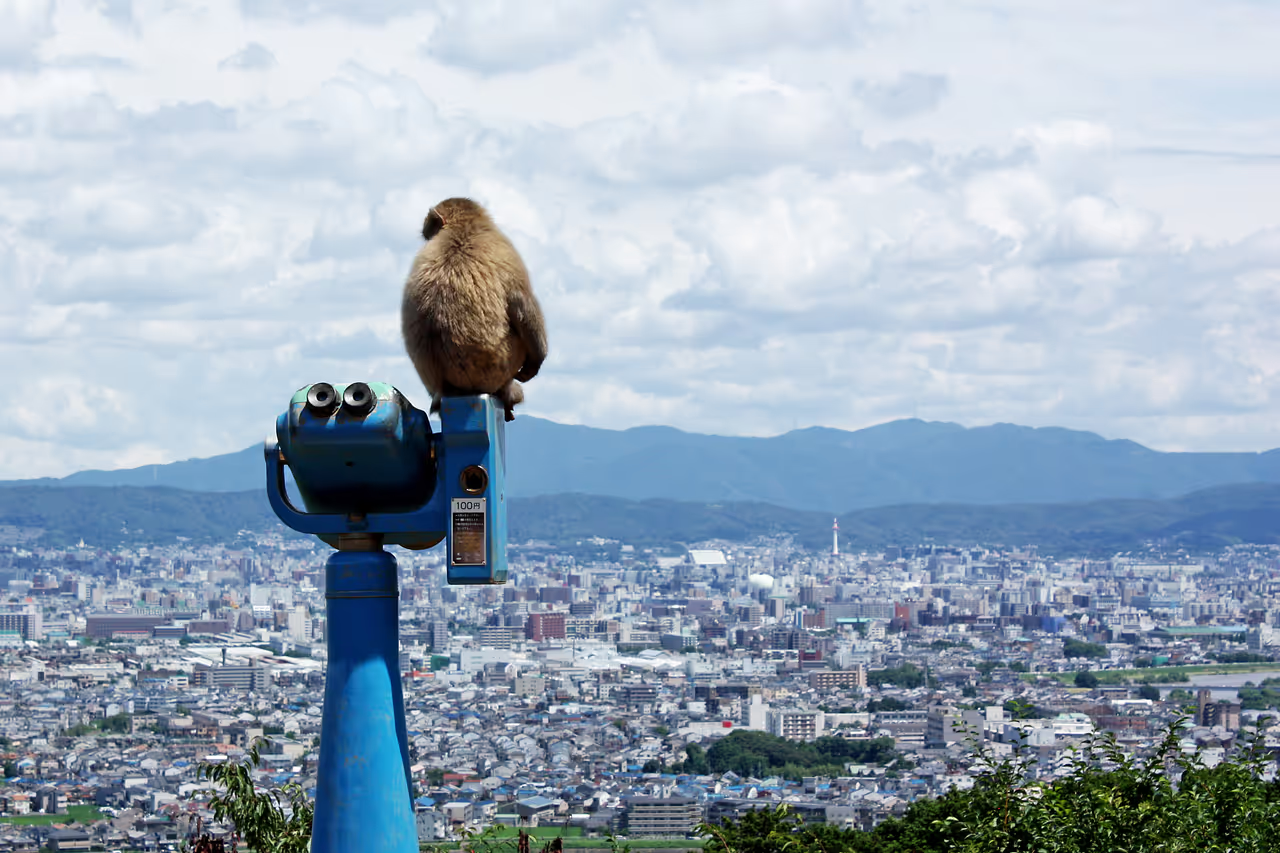 787m
787mIwatayama Monkey Park
Located across the river in the scenic Arashiyama district, reaching this viewpoint requires a vigorous 20-minute hike up a forested trail. Upon reaching the summit, you are rewarded not only with a fantastic, elevated view over the winding Katsura River and the city beyond, but also the company of hundreds of free-roaming Japanese macaques. The monkeys are wild but accustomed to humans, offering a wildly entertaining element to the panoramic scenery. It is a fantastic, slightly unconventional vantage point that brilliantly combines nature, wildlife, and sweeping vistas.
viewpoint view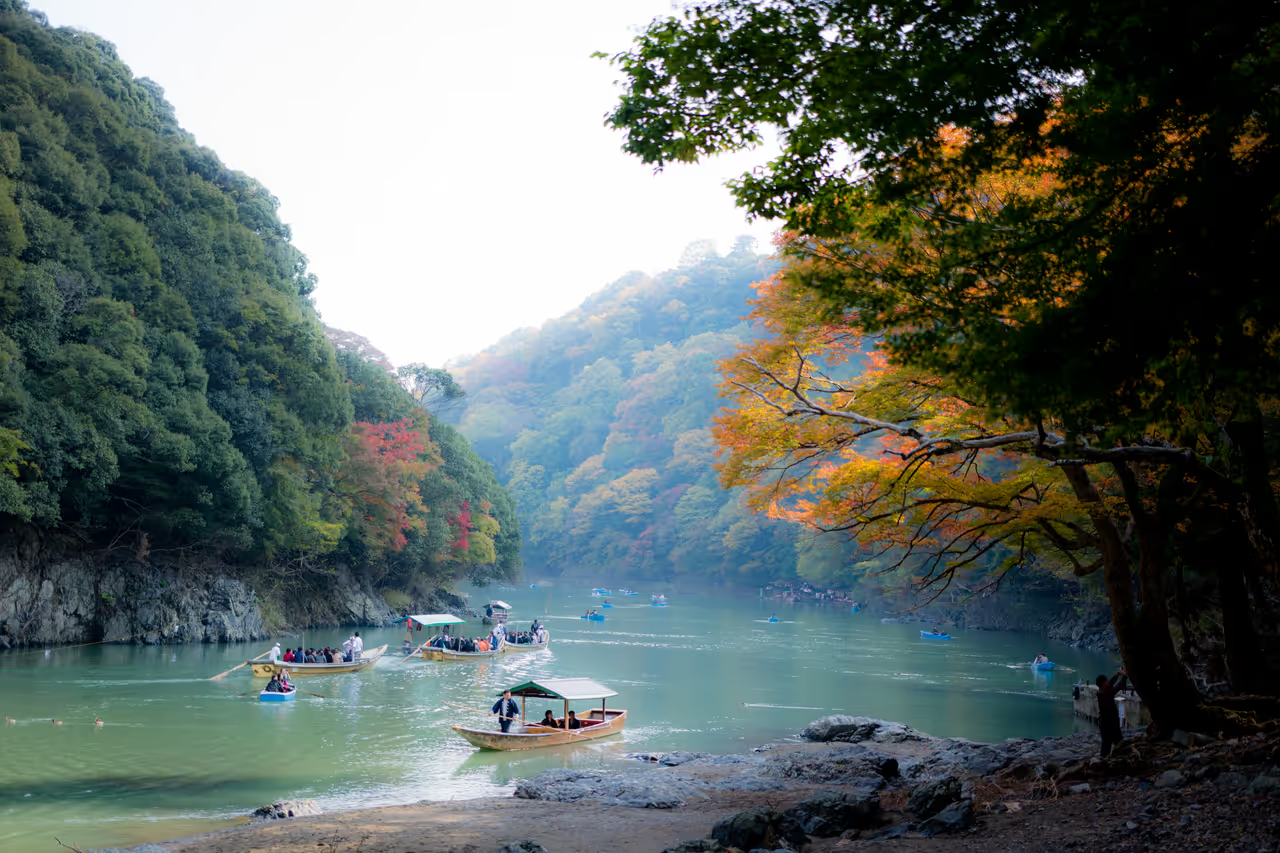 959m
959mArashiyama
Nestled on the western outskirts of Kyoto, Arashiyama feels like stepping into a traditional Japanese painting, complete with forested mountains and tranquil rivers. Famous for its iconic towering bamboo grove, this district offers a serene escape where you can wander through nature trails or catch a glimpse of wild monkeys at the local hillside park. Whether you are strolling across the historic Moon Crossing Bridge or visiting ancient Zen temples, the area charms visitors throughout the seasons with breathtaking cherry blossoms in spring and fiery red maples in autumn. It serves as a beautiful reminder of Japan's enduring love for harmony between humanity and the landscape. This historic district invites you to slow down, breathe in the fresh air, and experience the timeless allure of Kyoto's countryside.
park & nature view
Explore Similar Places in This Collection
Featured on These Itineraries and Routes
3 Days in Kyoto: Culture and Nature Itinerary
Three days allows you to significantly expand your exploration beyond the immediate city centre, dedicating specific days to distinct geographical and cultural zones. You will uncover the majestic bamboo forests in the west, hike the infinite red gates in the south, and still have time to dive deep into the central culinary markets. This pacing provides enough time to enjoy lengthy, scenic walks and sit for proper, traditional meals without feeling constantly rushed. It strikes the perfect balance between hitting the major sights and absorbing the local atmosphere.
view itinerary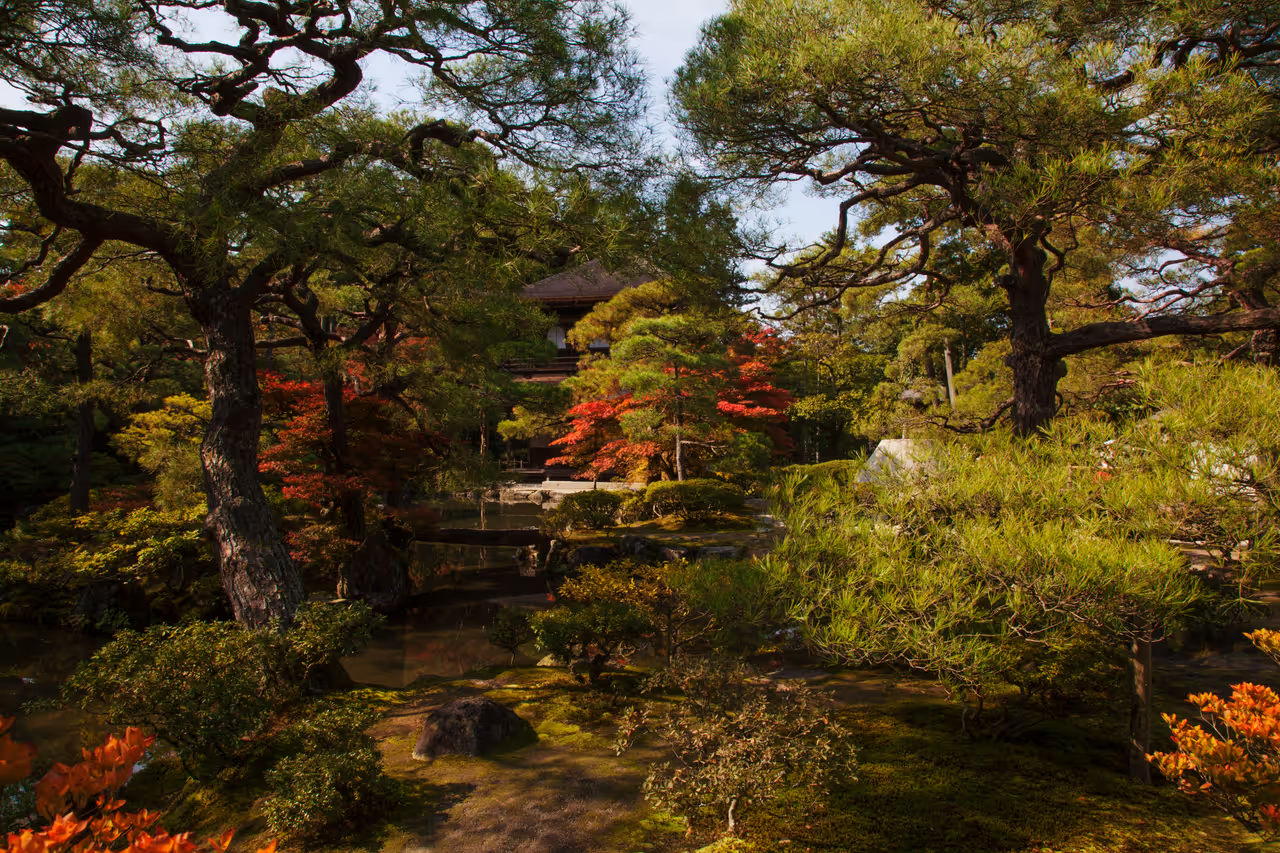
5 Days in Kyoto: The Deep Immersion Itinerary
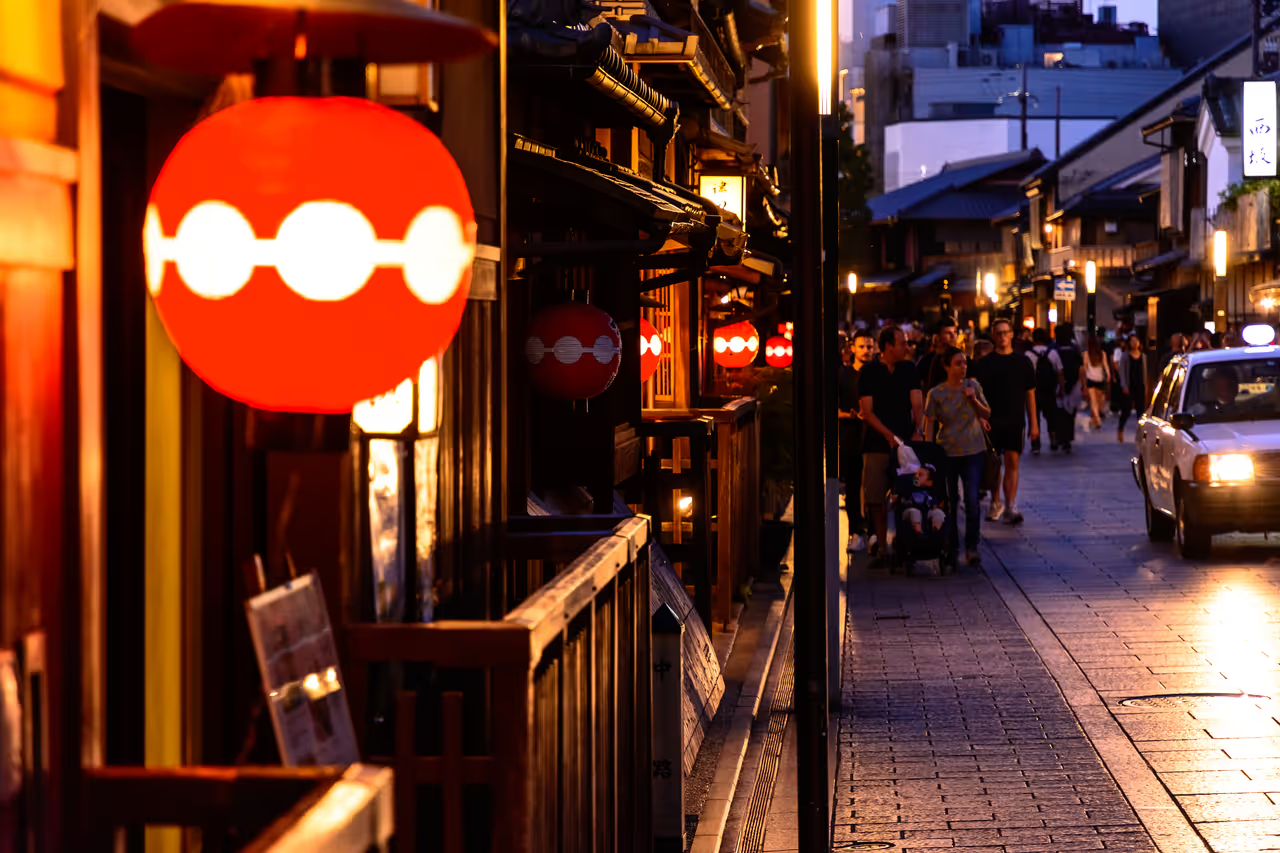
A generous five-day stay grants you the absolute luxury of slowing down and exploring the quiet, hidden corners that most travellers never see. Beyond the iconic temples, you will have time to discover secluded mountain shrines, delve into the imperial history of the grand palaces, and enjoy restorative public bathing. This extended itinerary allows you to dedicate entire afternoons to aimless, scenic strolls and highly authentic culinary experiences. It is the ultimate way to truly connect with the profound spiritual and historical rhythm of the ancient capital.
view itinerary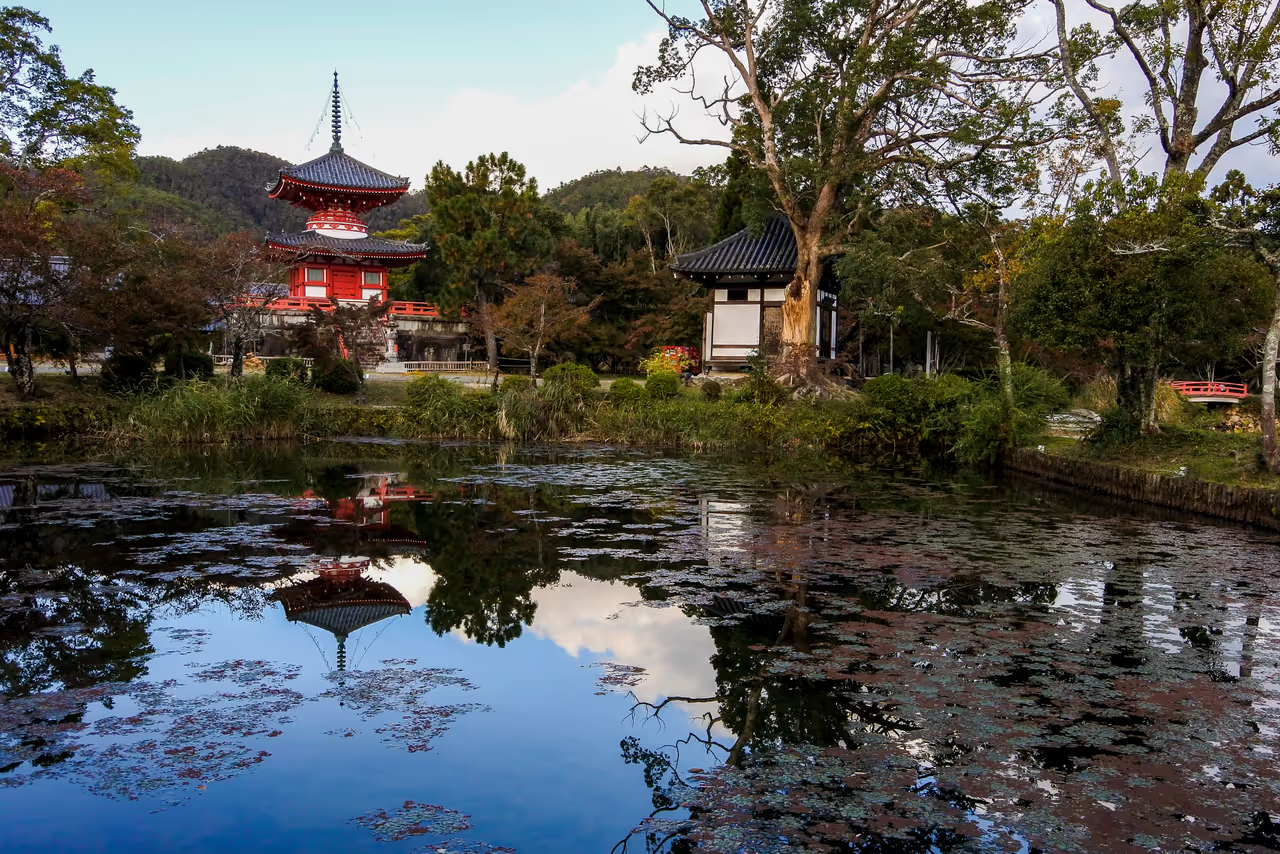
Arashiyama Heritage Route
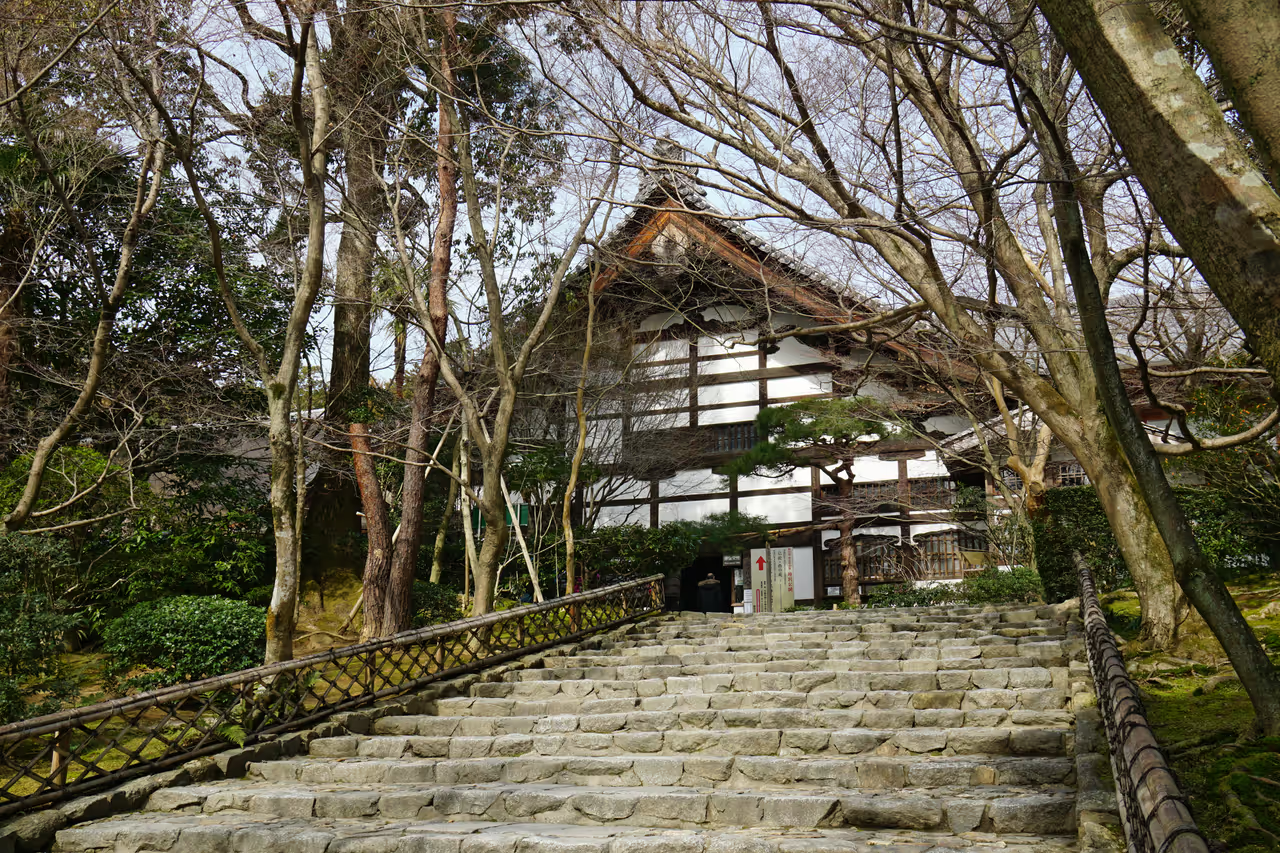
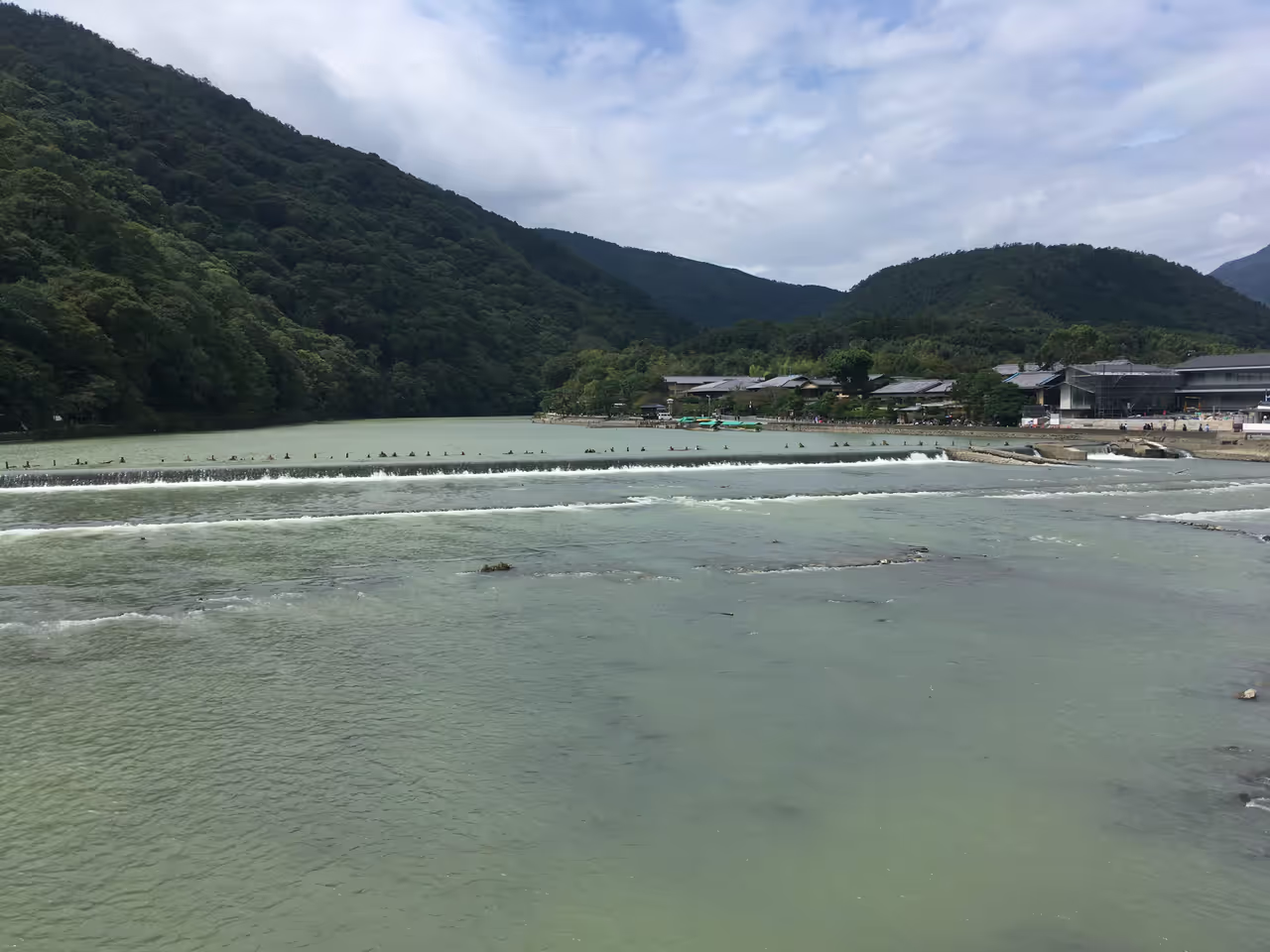
Exploring the western outskirts on a bicycle allows you to cover significant ground across a landscape celebrated by ancient nobles for its profound beauty. The route weaves alongside a wide, picturesque river, skirts the edges of forested mountains, and traverses quiet agricultural fields leading to majestic temple grounds. It offers a glorious escape from the dense city grid, trading urban sprawl for dramatic seasonal colours and expansive skies. The freedom of a bike means you can easily bypass the heavily congested pedestrian areas to find secluded scenic spots.
view cycling route
See all unesco sites in Kyoto
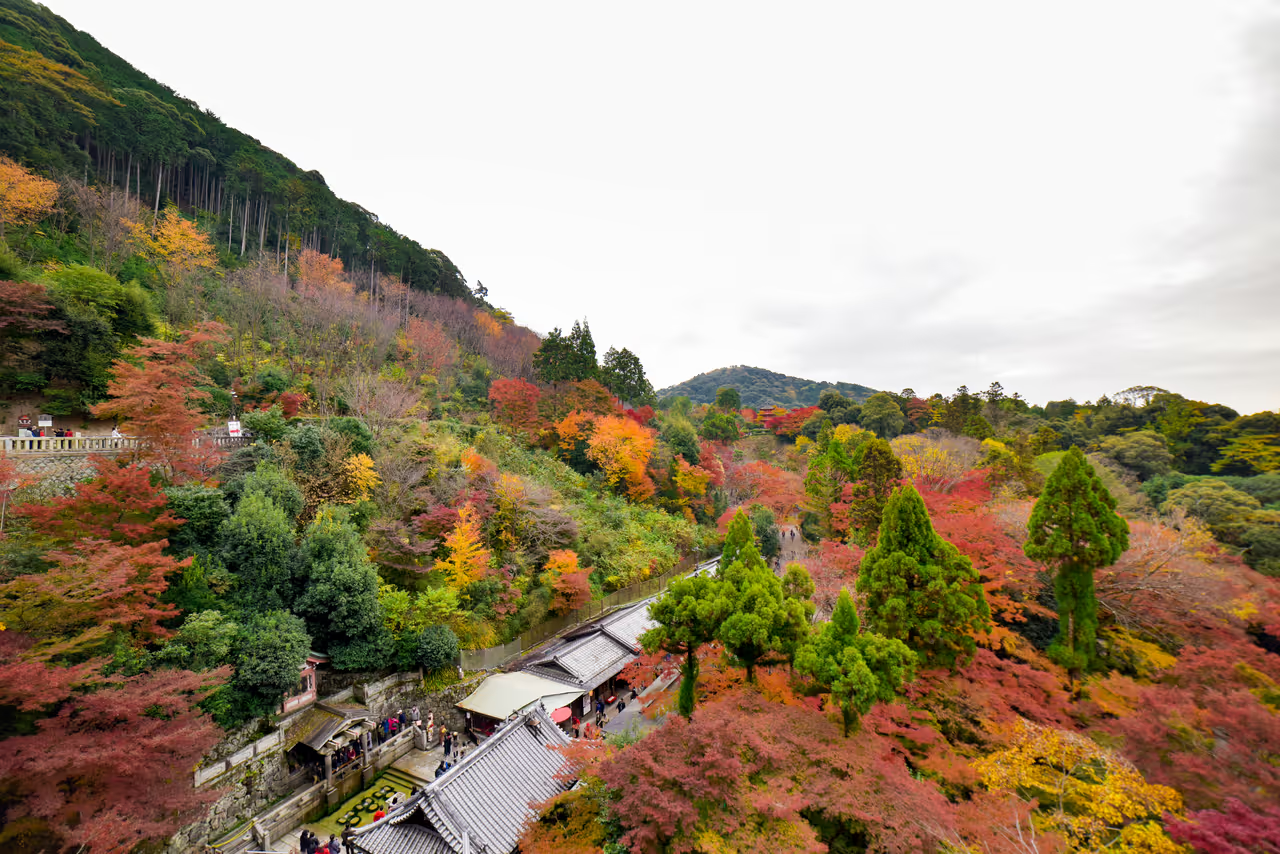
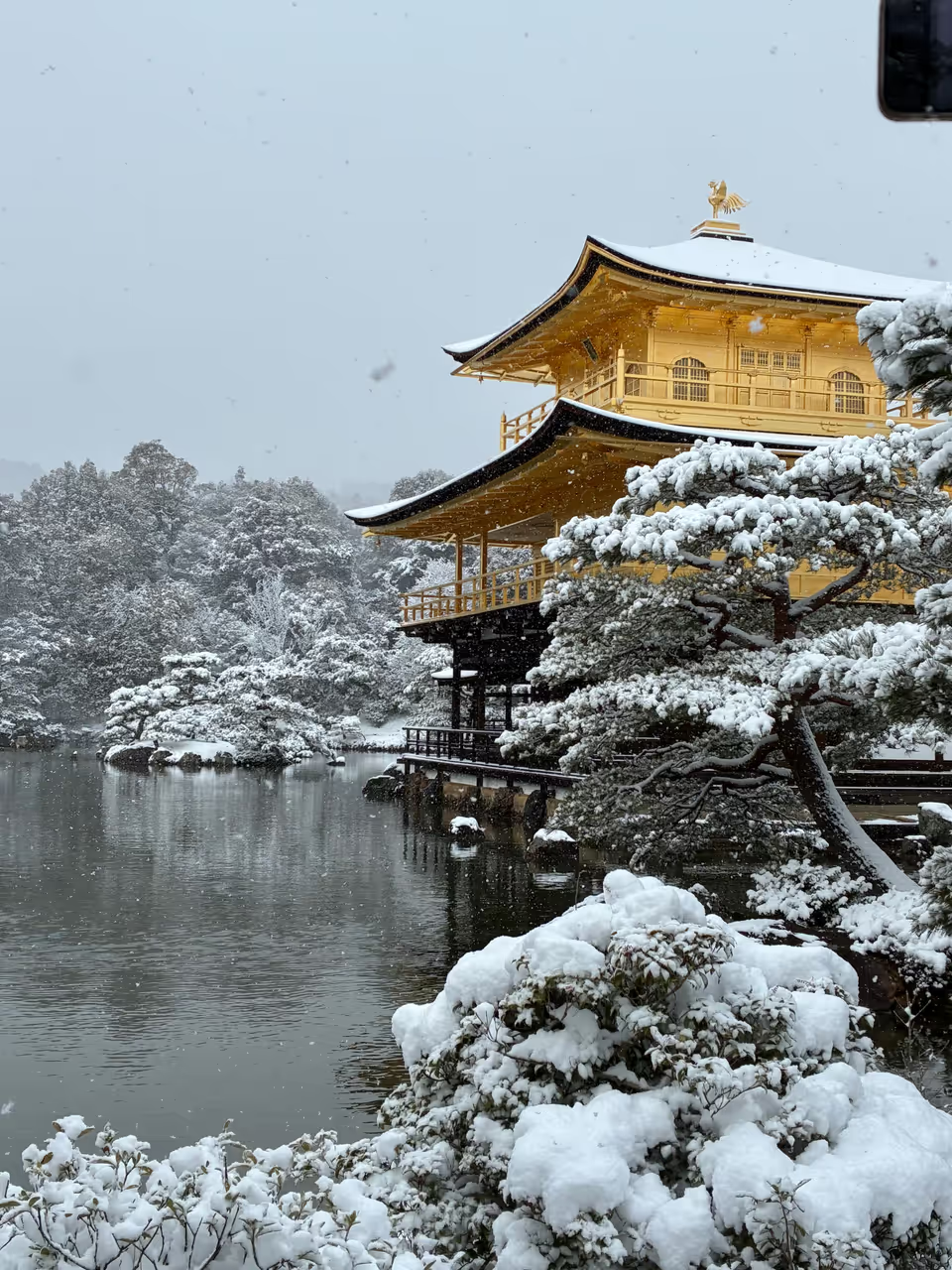
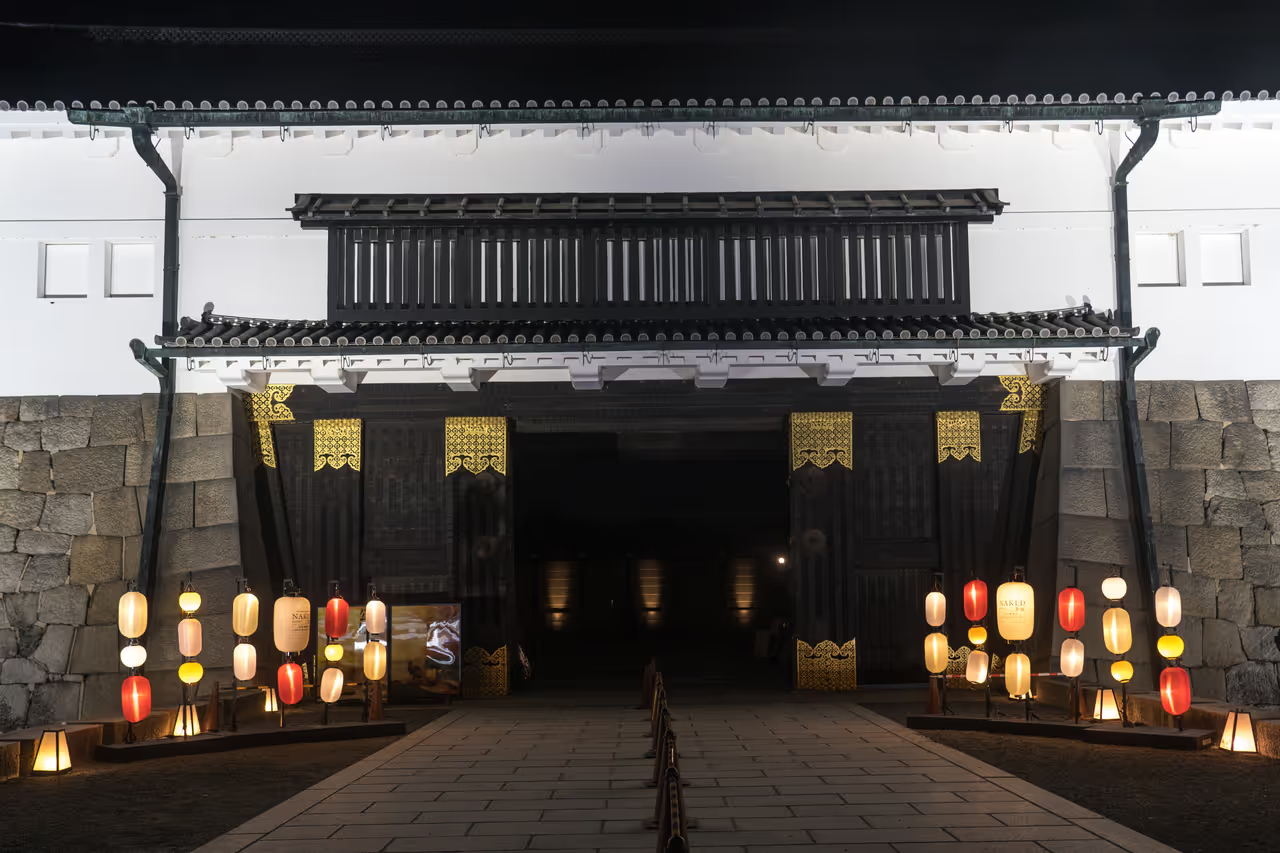
Kinkaku ji (The Golden Pavilion), Kiyomizu-dera, Nijō Castle, Ryōanji Temple, Shimogamo Shrine, Ginkaku-ji...