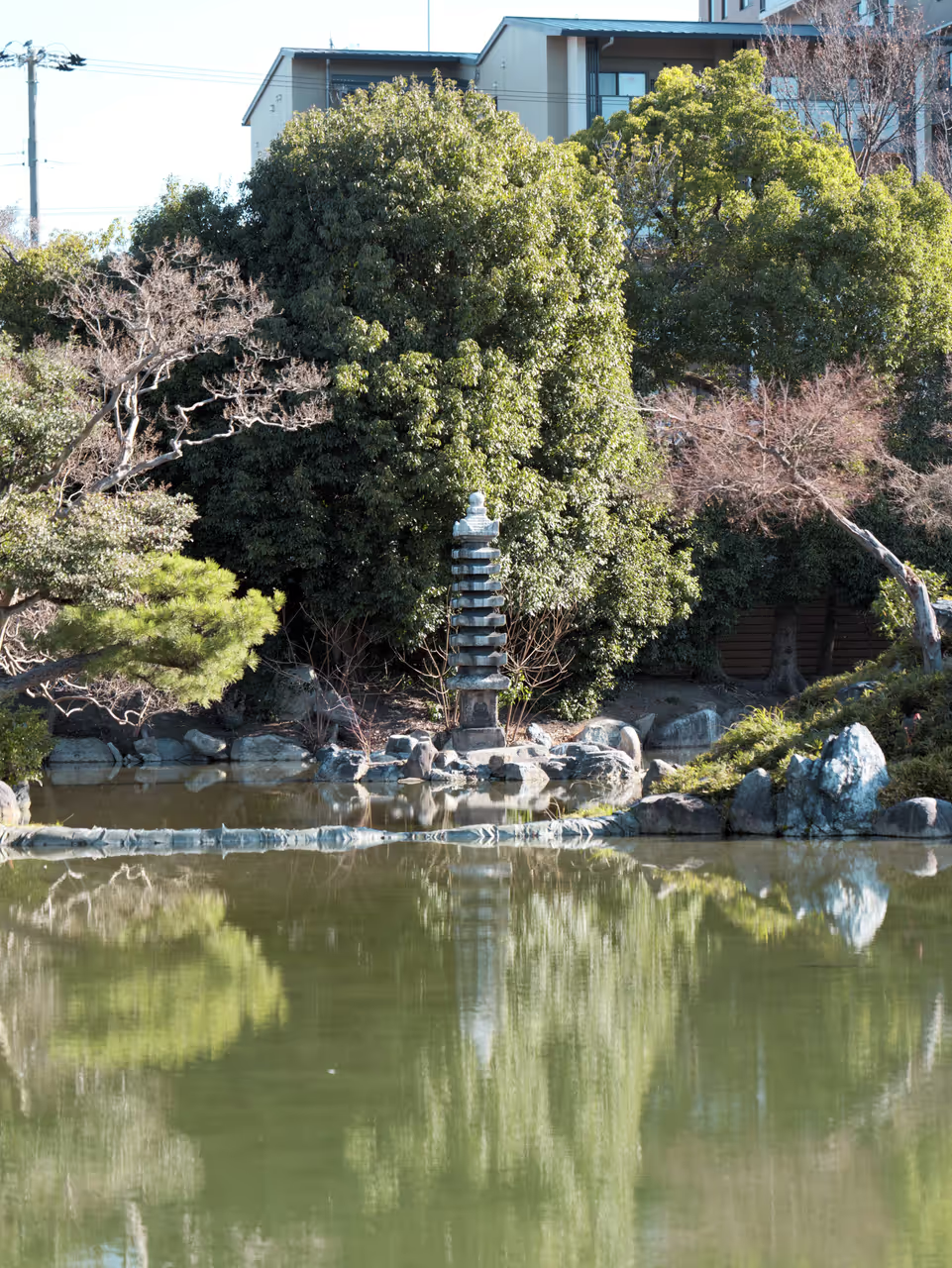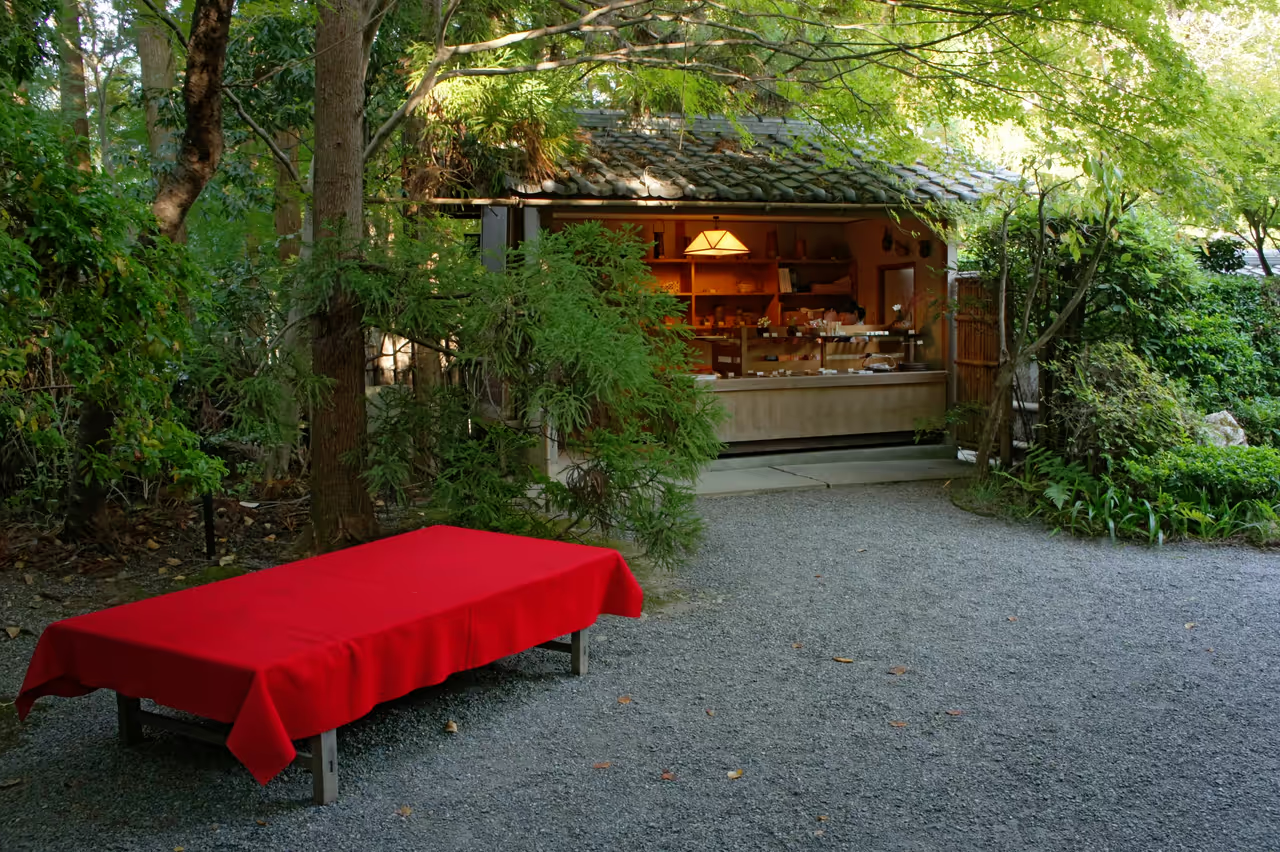
Ōkōchi Sansō Villa
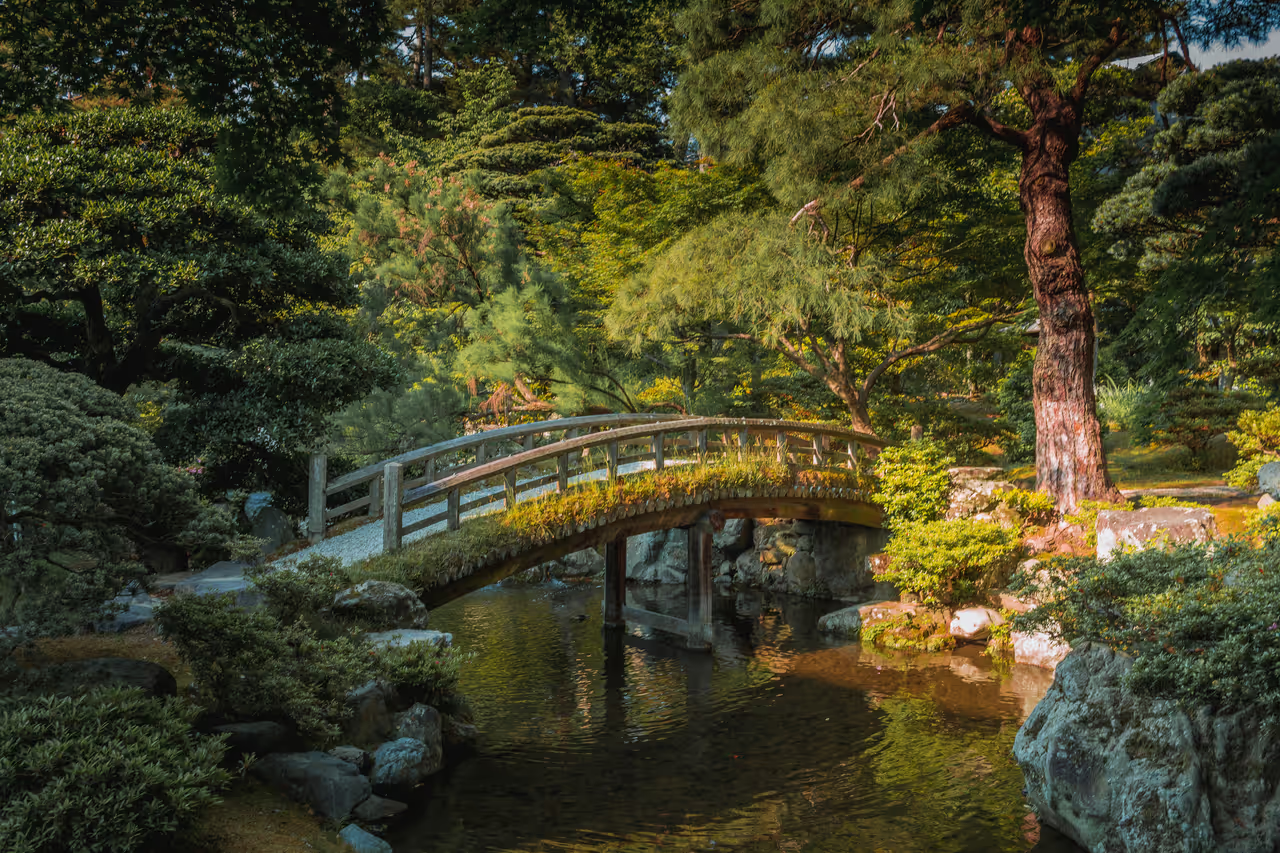
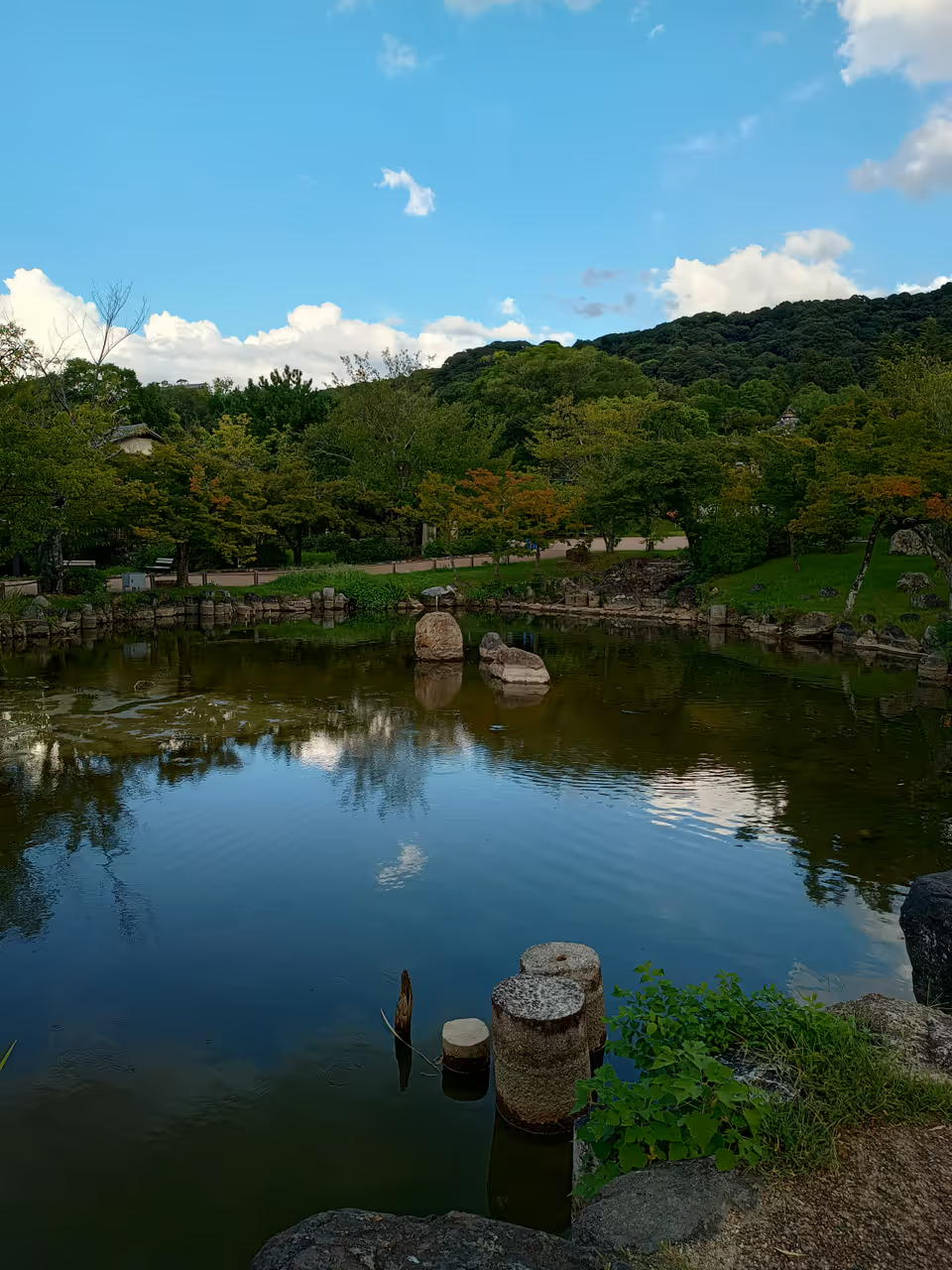
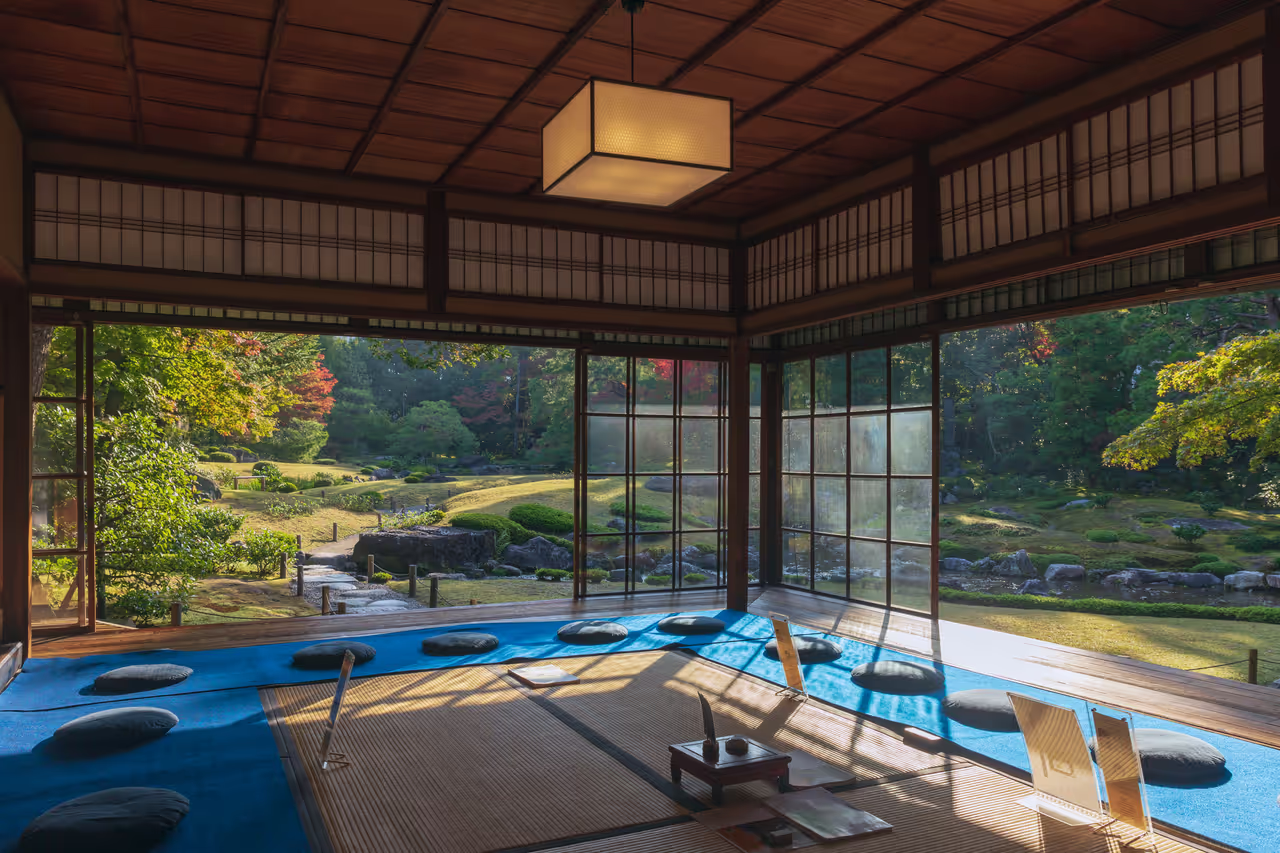
Perched on the slopes of Mt. Ogura, the Ōkōchi Sansō Villa serves as a serene sanctuary overlooking the busy heart of Arashiyama. Once the private estate of the celebrated period film actor Denjirō Ōkōchi, this lush garden retreat rewards those who wander past the famous bamboo grove with some of the most breathtaking panoramic views in Kyoto. Every path is thoughtfully landscaped to highlight the unique beauty of all four seasons, transforming the estate into a living masterpiece that shifts in colour and mood throughout the year. Visitors can explore a collection of historic buildings, including exquisite tea houses and a Buddhist shrine, all of which stand as enduring monuments to traditional Japanese craftsmanship. A visit here offers an opportunity to sip matcha while gazing out over the Hozu River gorge and the distant city skyline. It is a place where nature, history, and architectural elegance harmonise, providing a sense of peace that is difficult to find elsewhere.
Videos
History of Ōkōchi Sansō Villa
Denjirō Ōkōchi was a titan of Japanese period cinema, famous for the samurai roles that defined the genre during the 1920s and 1930s. However, his most enduring performance was not on the silver screen, but in the meticulous shaping of this hillside retreat. For three decades, he poured his wealth and creative energy into these grounds, transforming a rugged mountainside into a verdant paradise that reflected his profound appreciation for traditional Japanese aesthetics. He personally oversaw the placement of every rock and tree, ensuring that the gardens served as a tranquil counterpoint to the intensity of his acting career. The villa serves as a tangible connection to the golden age of Japanese film, capturing the spirit of a man who sought refuge in nature. By integrating structures like the Meiji Era Jibutsudō, Ōkōchi created a dialogue between different historical periods, blending his modern lifestyle with the legacy of the past. The estate was never intended to be a mere showpiece. It was a sanctuary where he could contemplate life between takes and after the cameras stopped rolling. Since his passing in 1962, the villa has remained open to the public, preserving his artistic vision for future generations. Walking through the gates feels like stepping into a private world where the air is fresher and the silence deeper. It stands as a testament to his dedication, proving that true artistry is not limited to performance but can also be found in the enduring beauty of a garden that changes with the seasons.
Events spanning 72 years
Fun Facts
- • Denjirō Ōkōchi chose this specific hillside location because of the unique breeze and the natural vantage point it provided over the surrounding landscape.
- • Four specific structures on the property, including the main Daijōkaku house, are officially designated as important tangible cultural properties of Japan.
- • The Jibutsudō, a serene Buddhist shrine on the grounds, dates back to the Meiji Era and was carefully relocated to its current hillside location.
- • The architecture incorporates a sophisticated blend of shoin-zukuri and sukiya-zukuri styles, representing the peak of 20th-century residential refinement.
- • The garden design follows a seasonal philosophy, ensuring that there is always something spectacular to observe whether it is the cherry blossom season or the fiery red leaves of autumn.
- • The gardens were meticulously curated over thirty years by Denjirō Ōkōchi himself, reflecting his intense dedication to landscape design.
- • The middle gate, known as the Chūmon, serves as a masterclass in traditional timber construction and welcomes guests into the private world of the estate.
- • The villa offers some of the most exclusive views in Arashiyama, overlooking the Hozu River gorge, Mt. Hiei, and the city of Kyoto.
- • Unlike many public attractions, this villa retains an intimate and personal atmosphere because it was originally constructed as a private home rather than a public park.
- • Visitors can enjoy matcha tea at the teahouse, allowing them to experience a traditional Japanese custom while soaking in the serenity of the surroundings.
Ōkōchi Sansō Villa FAQ
While we strive to keep this information accurate and up to date, we recommend verifying any details independently before making decisions based on them.
Ōkōchi Sansō Villa Map & Neighborhood Explorer
This interactive map is centered on Ōkōchi Sansō Villa. Zoom in and move the map around to automatically discover Wikipedia photos and summaries of other nearby sights, monuments, and historical points of interest and stories in real-time!
Places near Ōkōchi Sansō Villa
Make the most of your trip. Check out these top-rated spots located nearby.
 401m
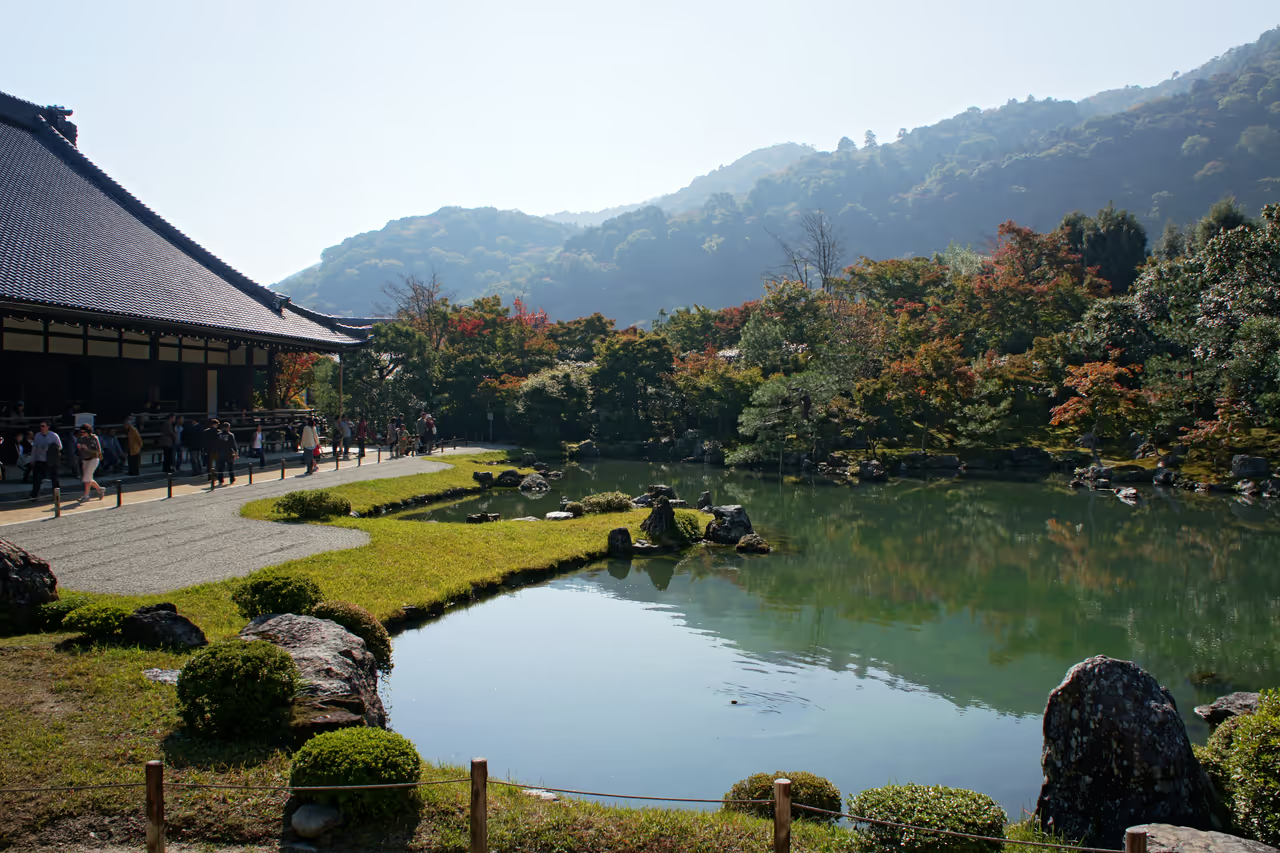
401mTenryū-ji Temple
Tenryū-ji stands as a crown jewel among Kyoto's spiritual sites, offering a breathtaking glimpse into the refined aesthetics of the Muromachi period. As you wander through its historic grounds, the Sōgenchi Garden captivates with a design that has survived centuries of turbulence, serving as a tranquil masterpiece of borrowed scenery. This UNESCO World Heritage site is a profound journey into Zen philosophy and imperial history. The atmosphere here changes with the seasons, from vibrant cherry blossoms in spring to fiery autumn leaves that reflect beautifully in the pond. Whether you are an architecture enthusiast or seeking a moment of quiet reflection, the blend of nature and spiritual legacy makes a visit here an essential part of any Kyoto itinerary.
unesco heritage site view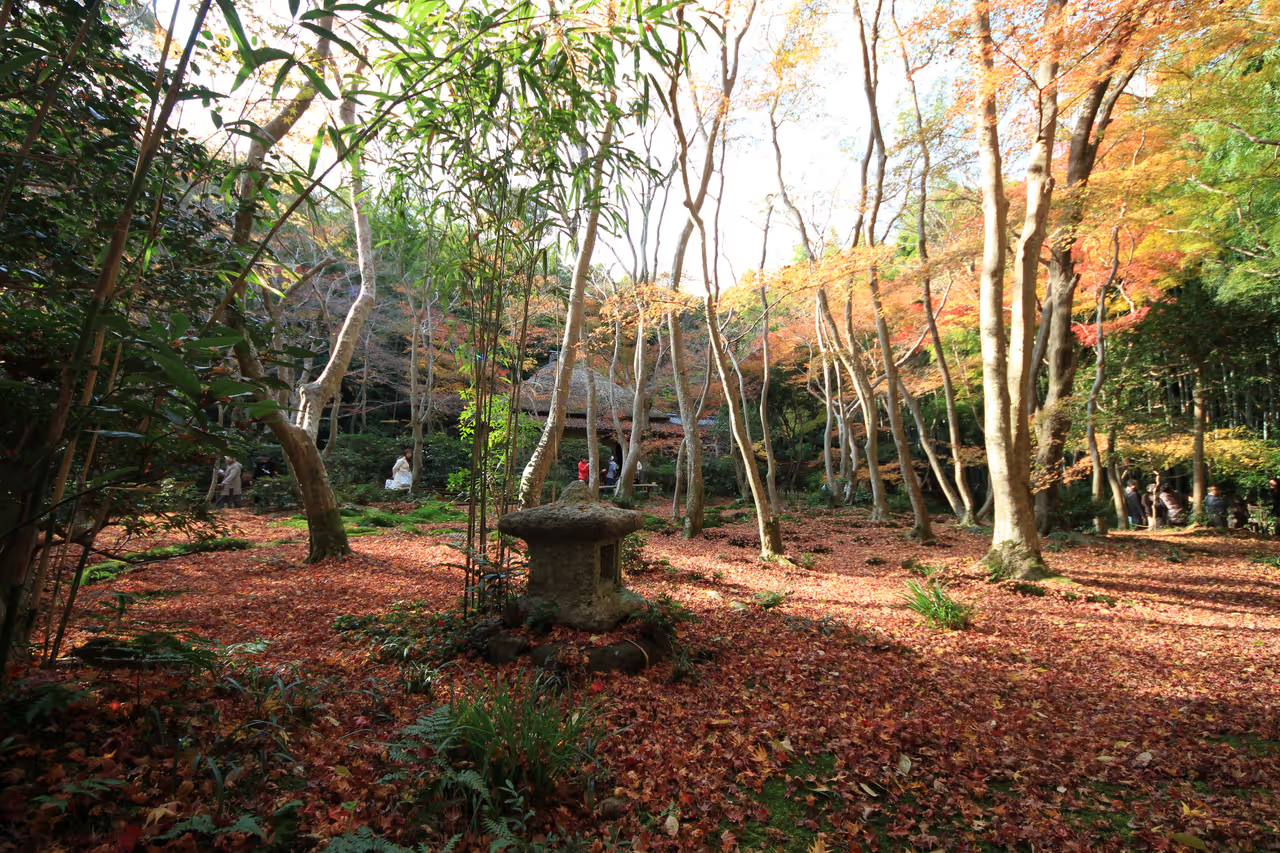 708m
708mGio-ji Temple
Located deeply within the Arashiyama district, this tiny, deeply melancholic temple consists of a single thatched-roof hut completely surrounded by a towering maple forest. The temple grounds are entirely covered in a thick, vibrant carpet of lush green moss, creating a magical, fairytale-like atmosphere. It is historically known as a nunnery where a heartbroken dancer retired after falling out of favour with a powerful warlord, giving the site a poignant, romantic narrative. Standing alone in the dappled sunlight of the moss garden feels incredibly intimate and deeply moving. It is a striking contrast to the massive, imposing temple complexes in the city centre.
hidden gem view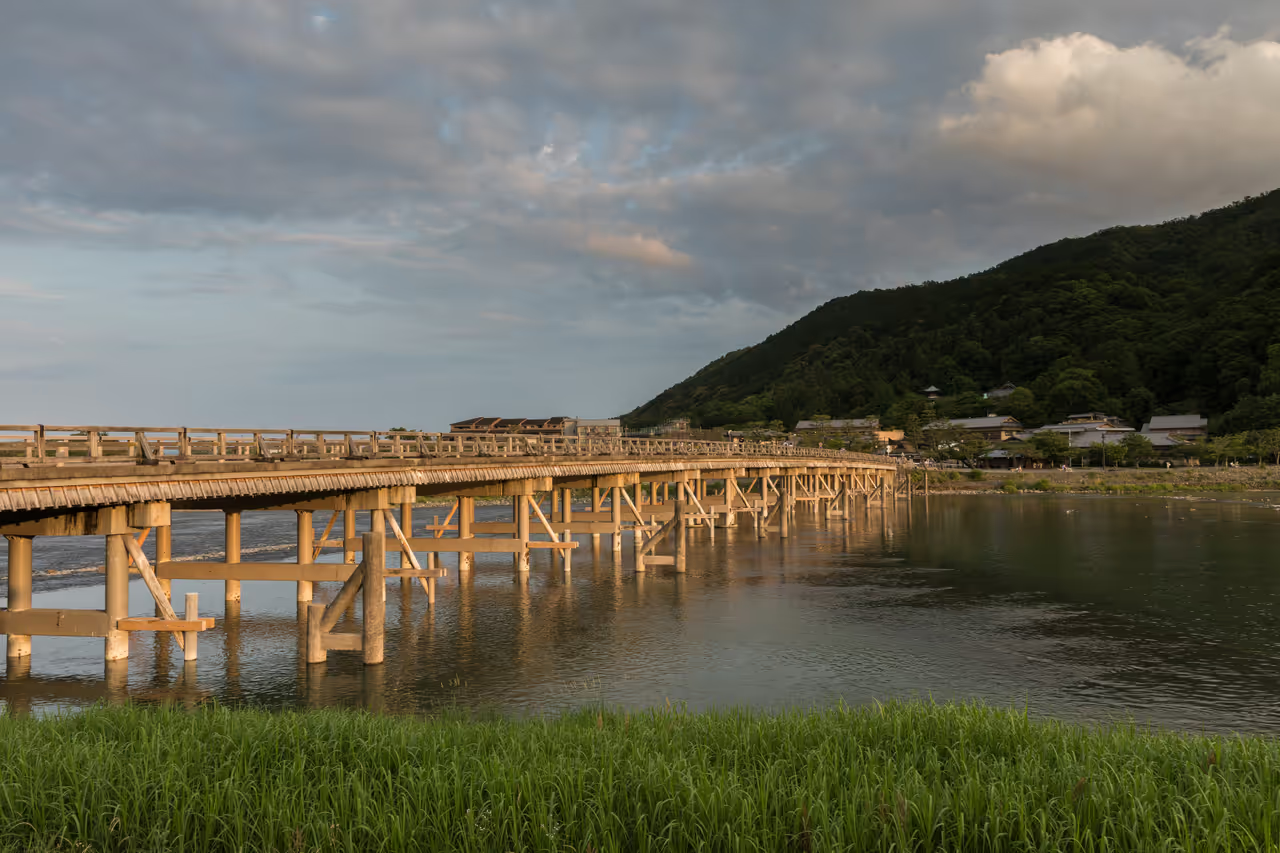 893m
893mTogetsukyo Bridge
Translating poetically to the 'Moon Crossing Bridge', this expansive, traditional-style wooden bridge spans the wide, shallow river in the western Arashiyama district. The bridge itself is beautiful, but the true photographic magic comes from its sweeping backdrop of heavily forested, rolling mountains. The landscape transforms dramatically with the seasons, offering explosive cherry blossoms in spring and a fiery tapestry of red and gold leaves in the autumn. Photographing the bridge from the riverbank with the mountains looming behind creates a magnificent, wide-angle landscape shot.
photo spot view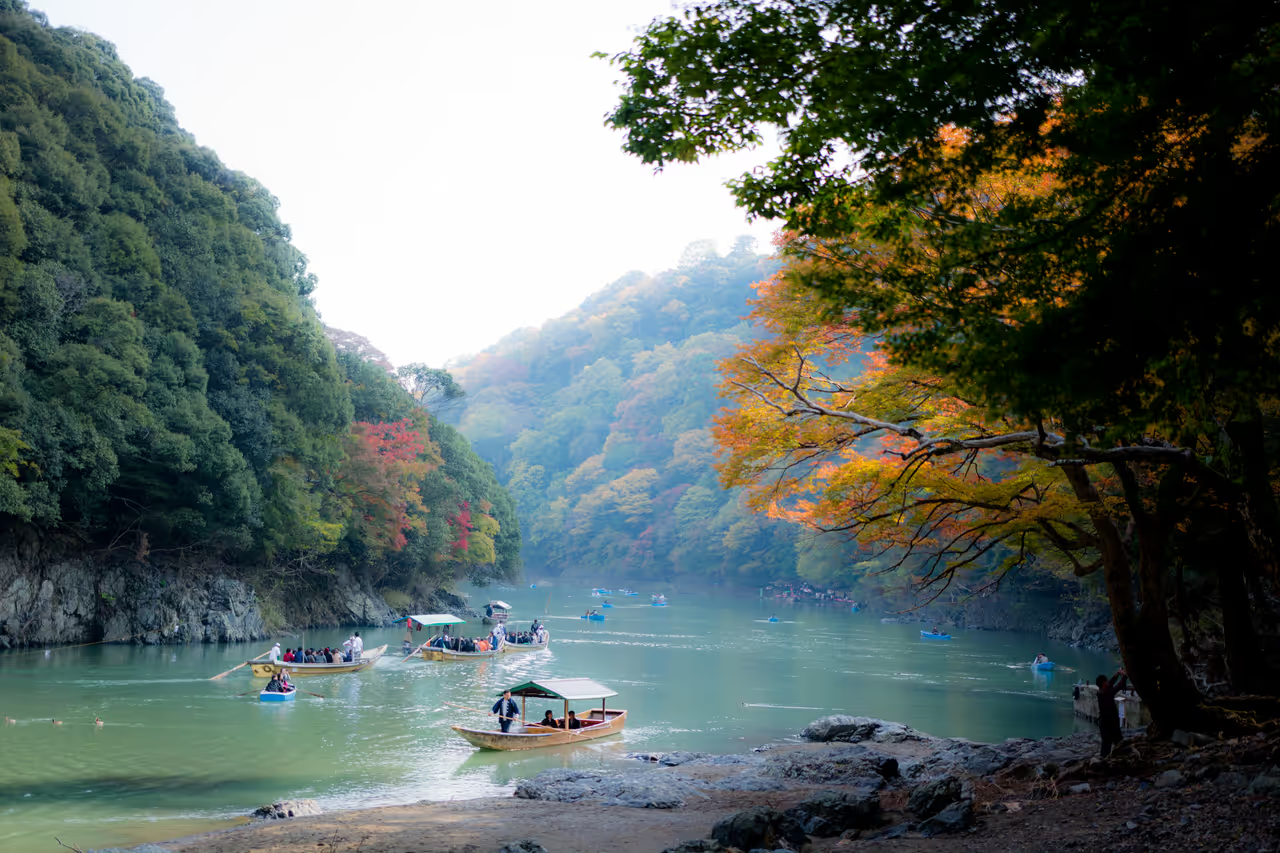 943m
943mArashiyama
Nestled on the western outskirts of Kyoto, Arashiyama feels like stepping into a traditional Japanese painting, complete with forested mountains and tranquil rivers. Famous for its iconic towering bamboo grove, this district offers a serene escape where you can wander through nature trails or catch a glimpse of wild monkeys at the local hillside park. Whether you are strolling across the historic Moon Crossing Bridge or visiting ancient Zen temples, the area charms visitors throughout the seasons with breathtaking cherry blossoms in spring and fiery red maples in autumn. It serves as a beautiful reminder of Japan's enduring love for harmony between humanity and the landscape. This historic district invites you to slow down, breathe in the fresh air, and experience the timeless allure of Kyoto's countryside.
park & nature view
See all nature & parks in Kyoto
Arashiyama, Kyoto Gyoen National Garden, Maruyama Park, Kyoto Botanical Gardens, Murin-an Garden, Shoseien Garden...