Kyoto Railway Museum
Step into a world where steel and steam defined the modern era at one of Japan's most impressive transport collections. The museum offers an immersive experience, allowing guests to explore everything from majestic steam locomotives to the sleek, lightning-fast Shinkansen. Housed partially in a magnificent 1914 roundhouse, the site blends architectural beauty with engineering marvels. It serves as a sensory journey where visitors can hear the whistle of a steam engine and admire the intricate craftsmanship behind the trains that connected the nation. Whether you are a rail enthusiast or a casual traveller, the sheer scale of the exhibits creates an unforgettable atmosphere of wonder and discovery. It is a fantastic destination that captures the spirit of Japanese industrial progress.
Videos
History of Kyoto Railway Museum
The history of the Kyoto Railway Museum is deeply intertwined with the industrial rise of Japan. It began at the Umekoji depot, a site that was never intended to be a mere warehouse. Instead, it was a vital hub where the iron horses of a developing nation were serviced, maintained, and admired. The heart of the site is the 1914 roundhouse, a structure that defied the rapid modernisation occurring around it. While other buildings were torn down to make way for steel skyscrapers, this reinforced-concrete shell remained a stalwart guardian of railway history, preserving the era of coal and steam that first linked the country's prefectures. By the time the centenary of Japan's railways arrived in 1972, there was a clear desire to create a permanent home for these locomotives. The Umekoji Steam Locomotive Museum was born from this sentiment. It was an ambitious project to keep the engines alive rather than letting them rust into obscurity. The museum staff worked tirelessly to ensure these machines could still run, allowing visitors to smell the smoke and hear the rhythmic chugging that defined an entire century of travel. It was this dedication to functional preservation that set the site apart from standard galleries. The 2016 expansion marked a new chapter, transforming the local attraction into a premier national institution. By incorporating the collection from the beloved Modern Transportation Museum in Osaka, the facility became a comprehensive timeline of travel. Today, it stands as a testament to the engineers and dreamers who viewed the railway as the lifeblood of the nation. From the heavy freight haulers of the early 20th century to the streamlined bullet trains that redefined speed, the museum showcases a legacy of relentless innovation. It remains a place where the past is not just remembered, but actively maintained for future generations to experience.
Events spanning 102 years
Fun Facts
- • During the 1972 opening ceremony, the president of Japanese National Railways planted a commemorative black pine tree that still stands at the site.
- • Many exhibits were transferred from the Modern Transportation Museum in Osaka, which closed its doors in 2014 after over half a century of operation.
- • The 1914 roundhouse is the oldest reinforced-concrete car shed still standing in Japan and is designated as an Important Cultural Property.
- • The exhibition layout allows visitors to walk underneath certain Shinkansen models, providing a unique vantage point of the complex undercarriage engineering.
- • The former Nijo Station building was carefully dismantled and reconstructed on the site to serve as the main entrance and museum shop.
- • The museum features a specific zone dedicated to the Twilight Express, one of Japan's most famous and luxurious sleeper trains.
- • The museum holds an 1880 H.K. Porter steam locomotive, which was imported from the United States, highlighting early international collaboration in Japanese rail history.
- • The museum houses over 50 individual pieces of rolling stock, ranging from vintage steam engines to futuristic high-speed trains.
- • The site operates as a living museum, meaning active maintenance and restoration work is often visible to the public.
- • Visitors can enjoy the rare opportunity to ride on an operational steam locomotive during their visit.
Kyoto Railway Museum FAQ
While we strive to keep this information accurate and up to date, we recommend verifying any details independently before making decisions based on them.
Kyoto Railway Museum Map & Neighborhood Explorer
This interactive map is centered on Kyoto Railway Museum. Zoom in and move the map around to automatically discover Wikipedia photos and summaries of other nearby sights, monuments, and historical points of interest and stories in real-time!
Places near Kyoto Railway Museum
Make the most of your trip. Check out these top-rated spots located nearby.
 796m
796mTo-ji Temple Flea Market
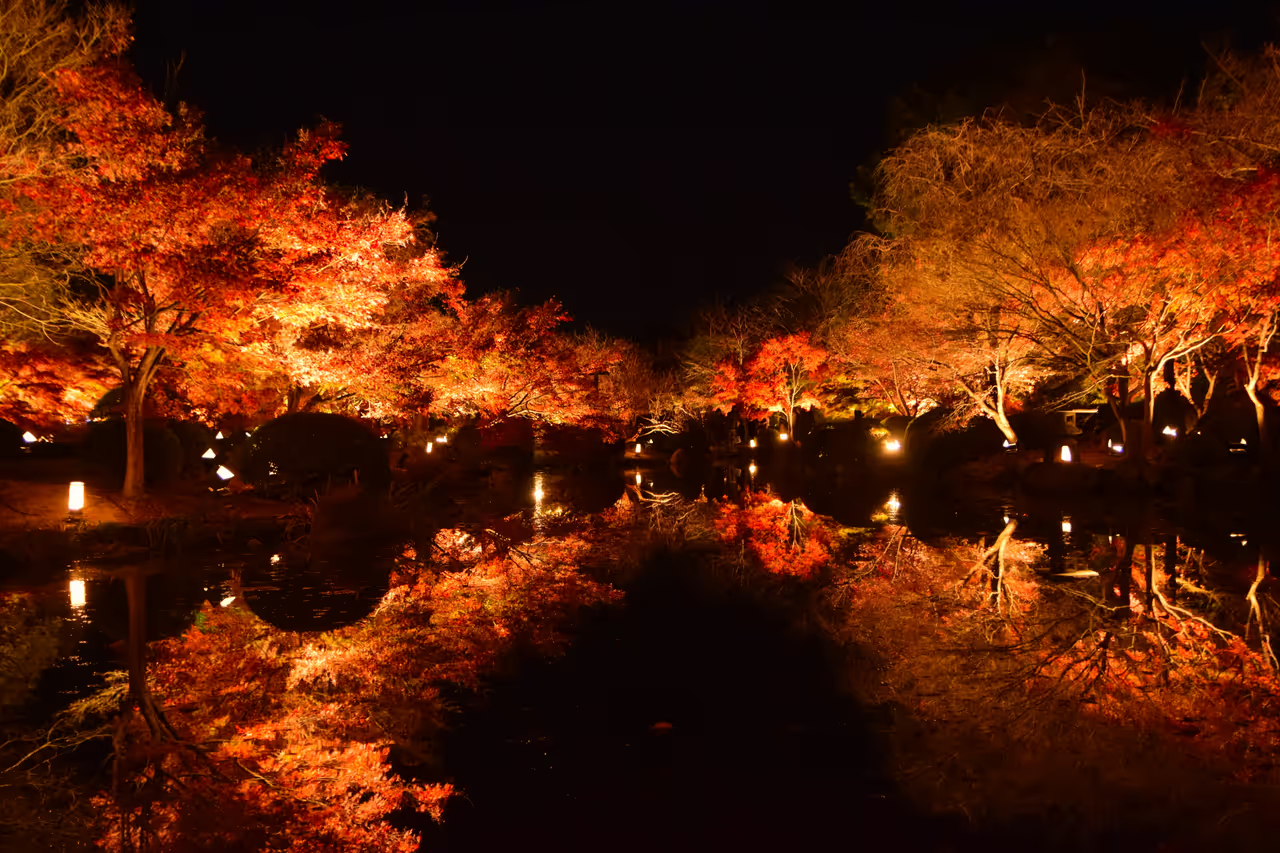
Held on the 21st of every month in the sprawling grounds of a UNESCO World Heritage temple, this vibrant flea market honours the Buddhist monk Kobo Daishi. Hundreds of vendors set up beneath the shadow of Japan's tallest wooden pagoda, creating an energetic and colourful bazaar. You can hunt through mountains of second-hand kimono, antique ceramics, vintage tools, and an array of bizarre curiosities. The air is thick with the scent of street food stalls selling hot snacks like takoyaki and yakisoba. It is an authentic local gathering that offers a treasure hunt for unique souvenirs.
market view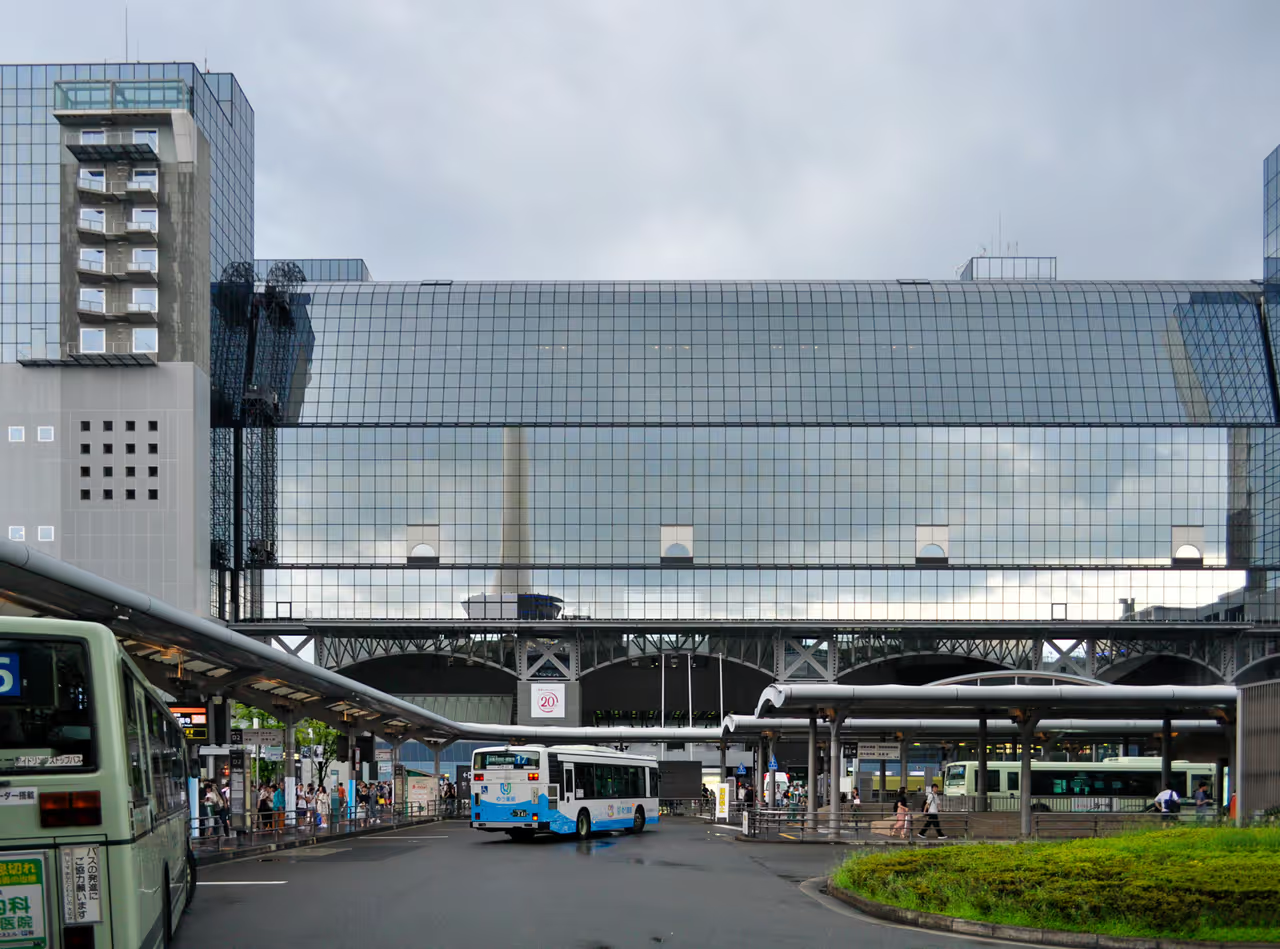 1408m
1408mKyoto Station Building
Opened in 1997, this massive, futuristic transport hub stands in dramatic contrast to the city's ancient image. Designed by Hiroshi Hara, the striking glass and steel structure features an exposed, cavernous central concourse with a soaring, matrix-like roof. The building was highly controversial upon its construction due to its stark modernism, but it has since become a beloved landmark. It features an enormous grand staircase, elevated aerial walkways, and sweeping views of the city from its open-air rooftop. It serves as a bold, architectural statement that the city is looking forward as much as it looks back.
architecture view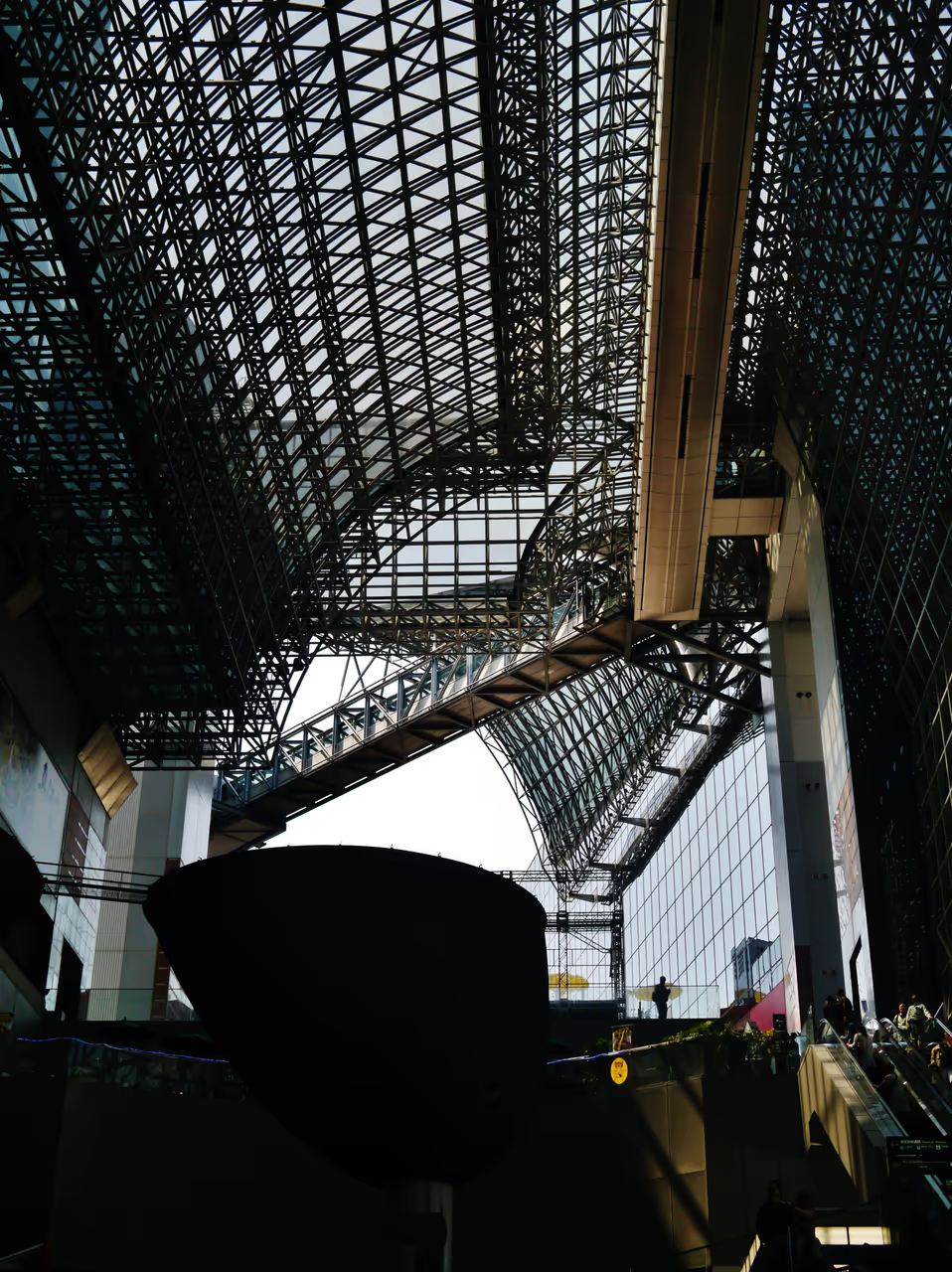 1499m
1499mKyoto Station Skyway
Suspended high beneath the soaring glass roof of the colossal train station, this completely free pedestrian walkway offers a brilliant urban viewpoint. The glass-enclosed tunnel provides fascinating perspectives looking directly down into the cavernous, futuristic station concourse. More importantly, it offers numerous viewing windows looking outwards across the city streets, with the Kyoto Tower looming directly ahead. It is an incredibly convenient, easily accessible spot to capture the impressive scale of the city's modern heart, particularly striking as the sunset glints off the glass architecture.
viewpoint view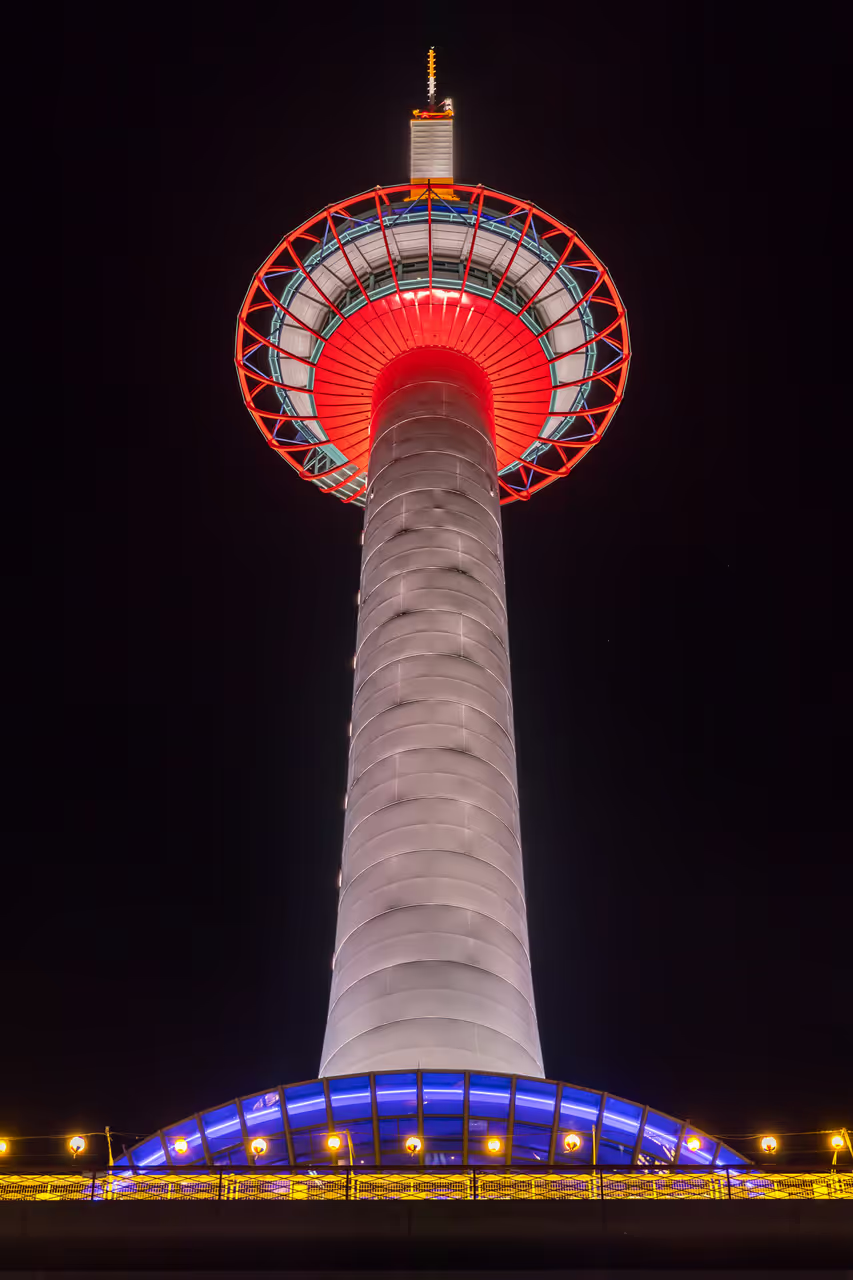 1500m
1500mKyoto Tower
Rising gracefully above the traditional low rise architecture of Japan's ancient capital, Kyoto Tower stands as a striking symbol of modern progress. Some find its stark design a departure from the city's historic charm, yet it offers an unparalleled panoramic perspective that remains unmatched in the region. Visitors enjoy a serene ascent to the observation deck, where the sprawling cityscape reveals mountains framing the horizon on every side. It is the perfect spot for those seeking to contrast the city's revered temples with a glimpse of contemporary life. Whether you visit by day to spot landmarks or at night to see the city lights, the experience provides a fresh context for understanding the evolution of Kyoto.
attraction view
Explore Similar Places in This Collection

See all attractions in Kyoto
Heian Shrine, Nanzen-ji Temple, Thousand Torii Gates at Fushimi Inari-taisha, Kyoto Tower...