Nijō Castle
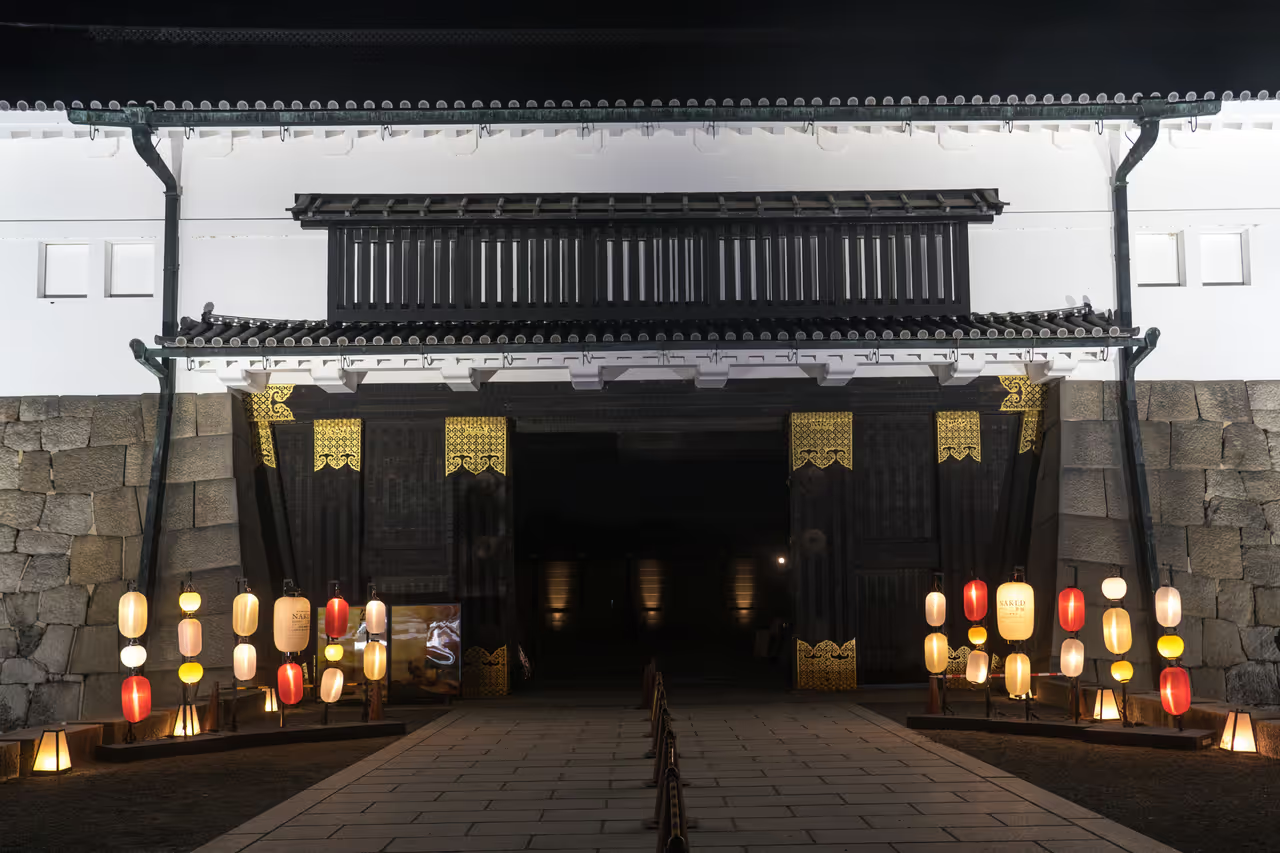
Standing as a stunning testament to the power of the Tokugawa shogunate, Nijō Castle offers a glimpse into a time when samurai held the fate of Japan in their hands. As you walk through its ornate gates, you are transported back to the Edo period, surrounded by lavish gold-leaf interiors and the iconic chirping nightingale floors designed to announce visitors. This UNESCO World Heritage site is not merely a collection of buildings but a profound historical stage where the last shōgun surrendered his power to the Emperor. Wander through the meticulously manicured gardens, where seasonal blossoms and ancient pine trees create a serene contrast to the imposing fortifications. Exploring this castle feels like stepping directly into the pages of Japanese history, making it an essential stop for anyone wishing to understand the soul of Kyoto.
Videos
History of Nijō Castle
Nijō Castle was born from the calculated ambition of Tokugawa Ieyasu in 1601. Designed to assert his authority in Kyoto, the seat of the Imperial Court, the castle served as a tangible warning to any who dared question his shogunate. It was an architectural statement of dominance, where feudal lords were forced to contribute to its construction as a public display of loyalty. The resulting structure was a marvel of the Momoyama style, filled with gold leaf and elaborate wood carvings intended to overawe any visitor fortunate enough to cross its threshold. By 1867, the walls of the Ninomaru Palace witnessed the end of an era. It was here that Tokugawa Yoshinobu declared the return of political authority to the Emperor, a pivotal moment that effectively dissolved the shogunate and paved the way for the Meiji Restoration. This transition was so absolute that the very symbols of the Tokugawa clan, the hollyhock crests, were meticulously replaced by the imperial chrysanthemum. The site shifted from a formidable seat of military power to an Imperial villa, preserving a complex history of political maneuvering within its delicate wooden walls. Today, the castle stands as a resilient survivor, having endured fires, the loss of its central keep, and the passage of time. Its survival offers modern visitors an unbroken connection to the Edo period. Through the careful stewardship of Kyoto, the castle grounds, including its tranquil gardens and the meticulously preserved palace buildings, function as a bridge between the feudal past and the present. It remains a place where the echo of samurai footsteps can almost be heard, reminding us that even the most powerful regimes eventually yield to the currents of change.
Events spanning 338 years
Fun Facts
- • After the fall of the shogunate, the Tokugawa hollyhock crests were systematically removed from the buildings and replaced with the imperial chrysanthemum to signify the change in power.
- • During the enthronement banquet of Emperor Hirohito in 1928, parts of the site served as a backdrop for one of the most significant modern imperial events.
- • Many of the exquisite wall paintings inside were created by the famous Kanō school, who were the preeminent artists of the Momoyama period.
- • The Karamon gate, a stunning masterpiece of wood carving, was relocated to the castle from the ruins of other grand estates, adding a layer of architectural mystery to the entrance.
- • The Ninomaru Palace is almost entirely constructed from high-quality Hinoki cypress, showcasing the immense wealth of the Tokugawa clan during the Edo period.
- • The Seiryū-en garden, the site's most recent addition, was built in 1965 to entertain official guests, successfully merging historical grandeur with post-war diplomacy.
- • The castle grounds absorbed part of the ancient Shinsenen Garden, inheriting its legendary ponds and water sources that had served the Imperial Court for centuries.
- • The famous nightingale floors were not built as a burglar alarm; their chirping sound is simply a mechanical quirk caused by metal clamps rubbing against nails in the wooden beams.
- • The layout of the palace was specifically designed as political theatre, intended to intimidate lower-ranking visitors while impressing them with opulent gold-leaf decorations.
- • The shogun's private quarters, the Shiroshoin, were designed with such strict security that only female attendants were allowed to enter.
- • Tokugawa Ieyasu ordered all feudal lords in western Japan to contribute to the construction, turning the project into a public display of his absolute authority.
Nijō Castle FAQ
While we strive to keep this information accurate and up to date, we recommend verifying any details independently before making decisions based on them.
Nijō Castle Map & Neighborhood Explorer
This interactive map is centered on Nijō Castle. Zoom in and move the map around to automatically discover Wikipedia photos and summaries of other nearby sights, monuments, and historical points of interest and stories in real-time!
Places near Nijō Castle
Make the most of your trip. Check out these top-rated spots located nearby.
 1088m
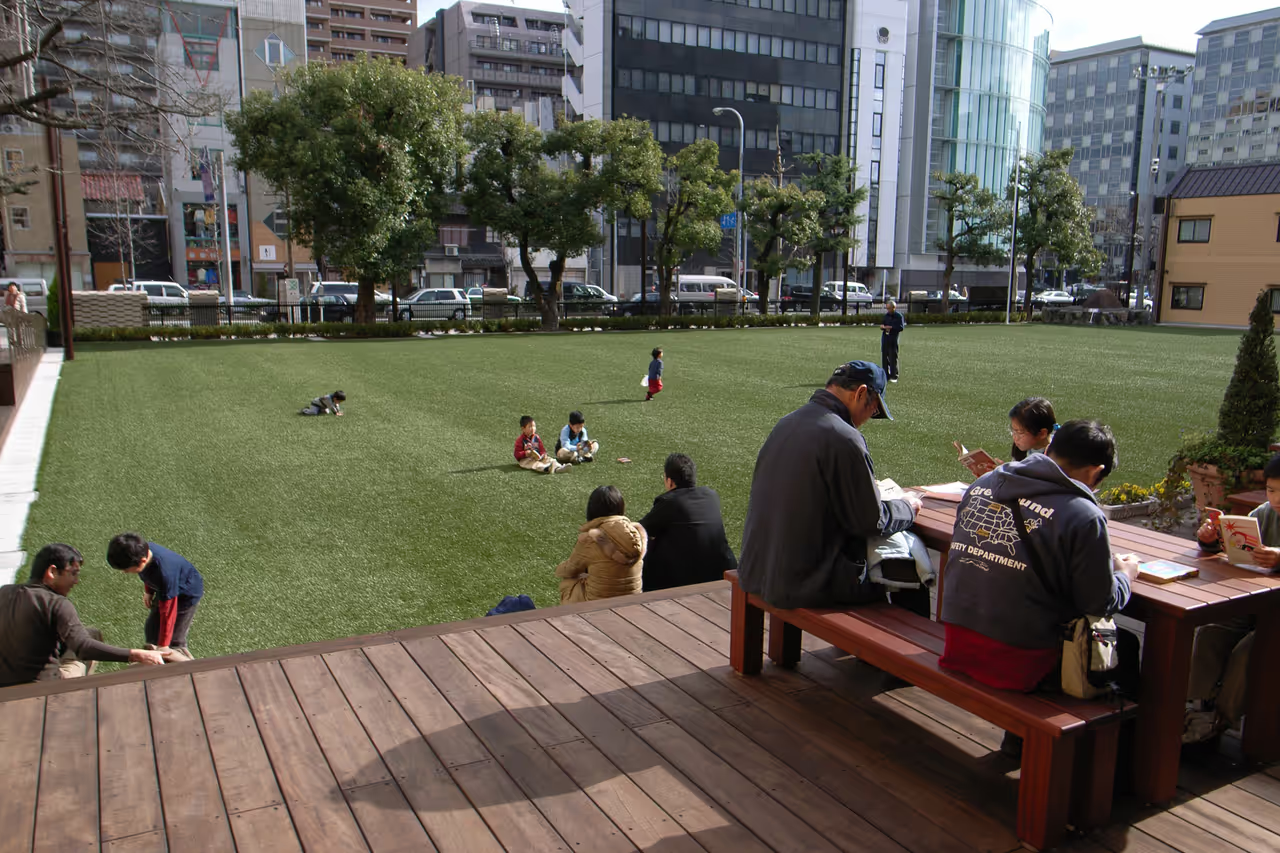
1088mKyoto International Manga Museum
Housed in a repurposed, historic primary school building, this vast museum is dedicated entirely to the art, history, and culture of Japanese comics. The walls are lined with a staggering collection of over 300,000 manga volumes, ranging from rare historical artifacts to contemporary masterpieces. Visitors are actively encouraged to pull books off the 'Wall of Manga' and read them on the sunny outdoor lawn or in the wooden corridors. The museum frequently hosts workshops, live drawing sessions, and exhibitions exploring manga's global impact. It is an absolute paradise for pop culture enthusiasts.
highlight view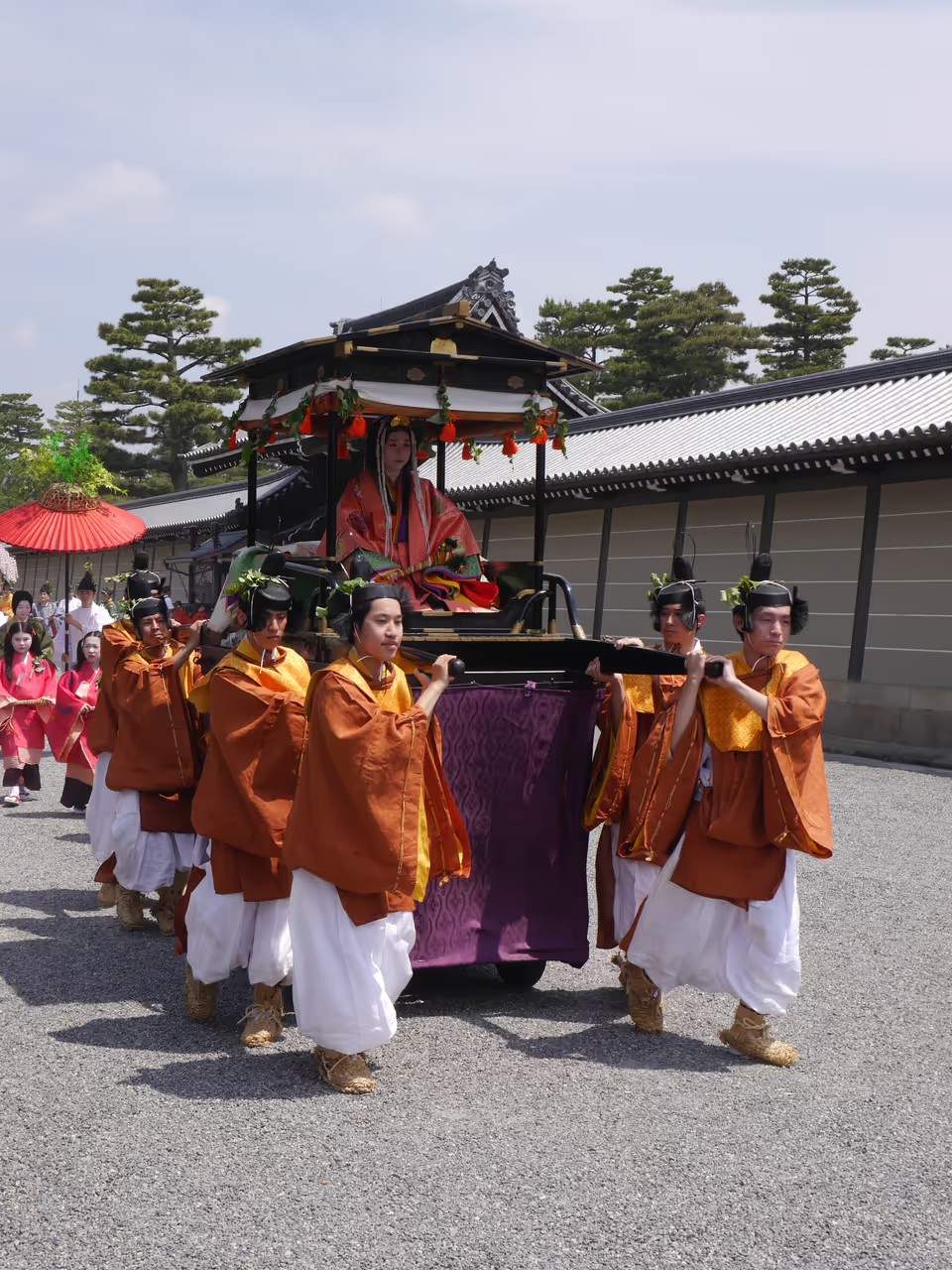 1828m
1828mHollyhock Festival
This elegant and solemn procession traces its origins back to the 6th century, making it one of the oldest continuous festivals in the world. Hundreds of participants dress in authentic, aristocratic Heian-period costumes, parading gracefully from the Imperial Palace to the Kamo Shrines. The festival takes its name from the hollyhock leaves that decorate the participants, carts, and animals. It offers a mesmerising glimpse into the refined court culture of ancient Japan.
festival view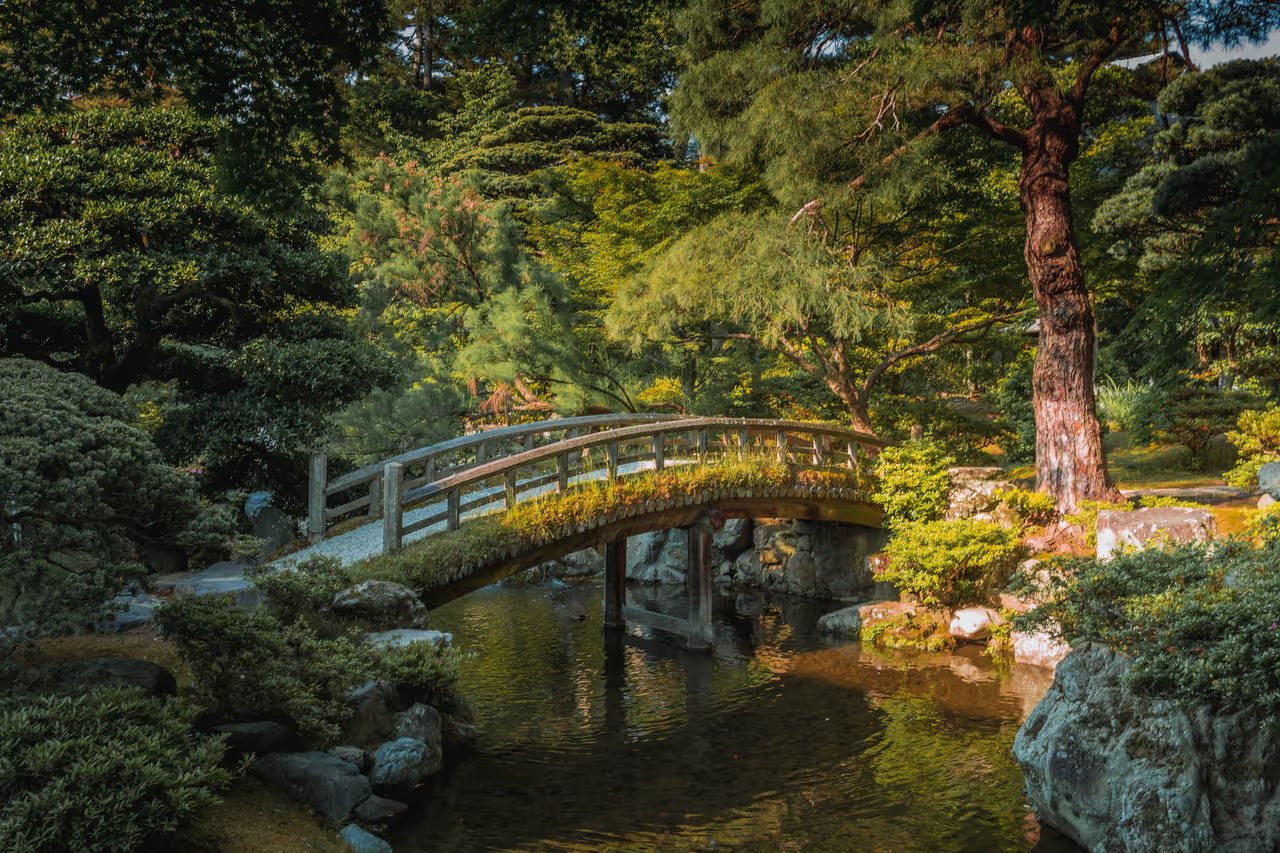 1828m
1828mKyoto Gyoen National Garden
Kyoto Gyoen National Garden serves as the magnificent green heart of Kyoto, offering a sprawling urban oasis that seamlessly blends imperial history with serene natural beauty. Once a densely packed district filled with the residences of high ranking nobles, this vast park now provides a tranquil escape where visitors can wander beneath towering trees and along iconic gravel paths. It is a rare space where the grandeur of the Imperial Palace grounds meets the everyday rhythm of local life, making it an ideal destination for morning strolls, birdwatching, and quiet contemplation. Throughout the seasons, the landscape transforms with vibrant blossoms and changing foliage, ensuring a unique experience no matter when you arrive. Visiting here allows you to step back in time while enjoying one of the most significant and well preserved cultural sites in Japan.
park & nature view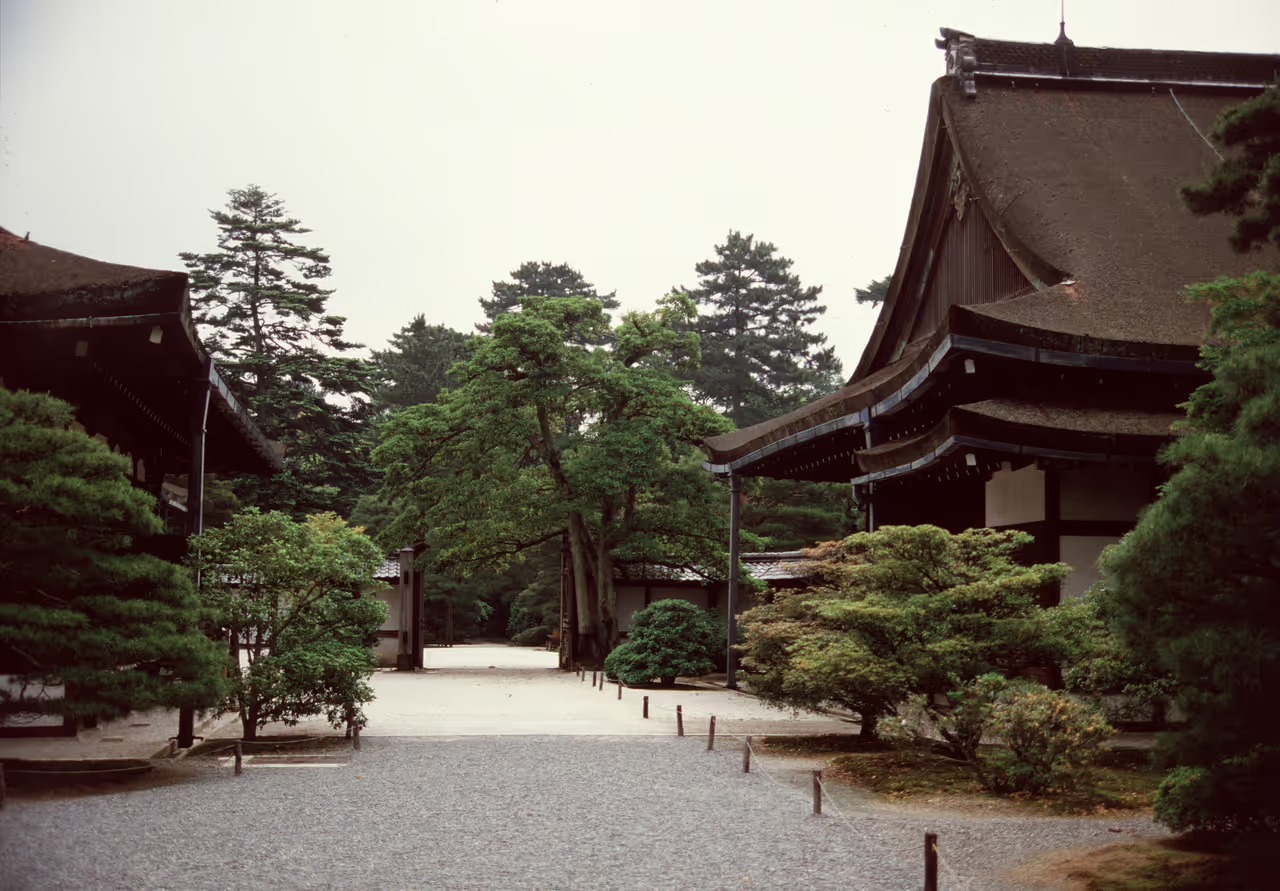 1828m
1828mKyoto Imperial Palace
Serving as the residence of the Imperial Family until the capital was moved to Tokyo in 1868, this grand complex showcases the pinnacle of classical Japanese architecture. The palace features beautifully austere, unpainted wooden structures, expansive gravel courtyards, and highly symbolic ceremonial halls. Visitors can wander through the grounds to admire the intricate gates and the elegant simplicity of the imperial aesthetic. It sits within a massive public park that provides a sprawling, green oasis in the centre of the city. The sheer scale of the grounds highlights the historical reverence commanded by the Emperor.
highlight view
Explore Similar Places in This Collection
Featured on These Itineraries and Routes
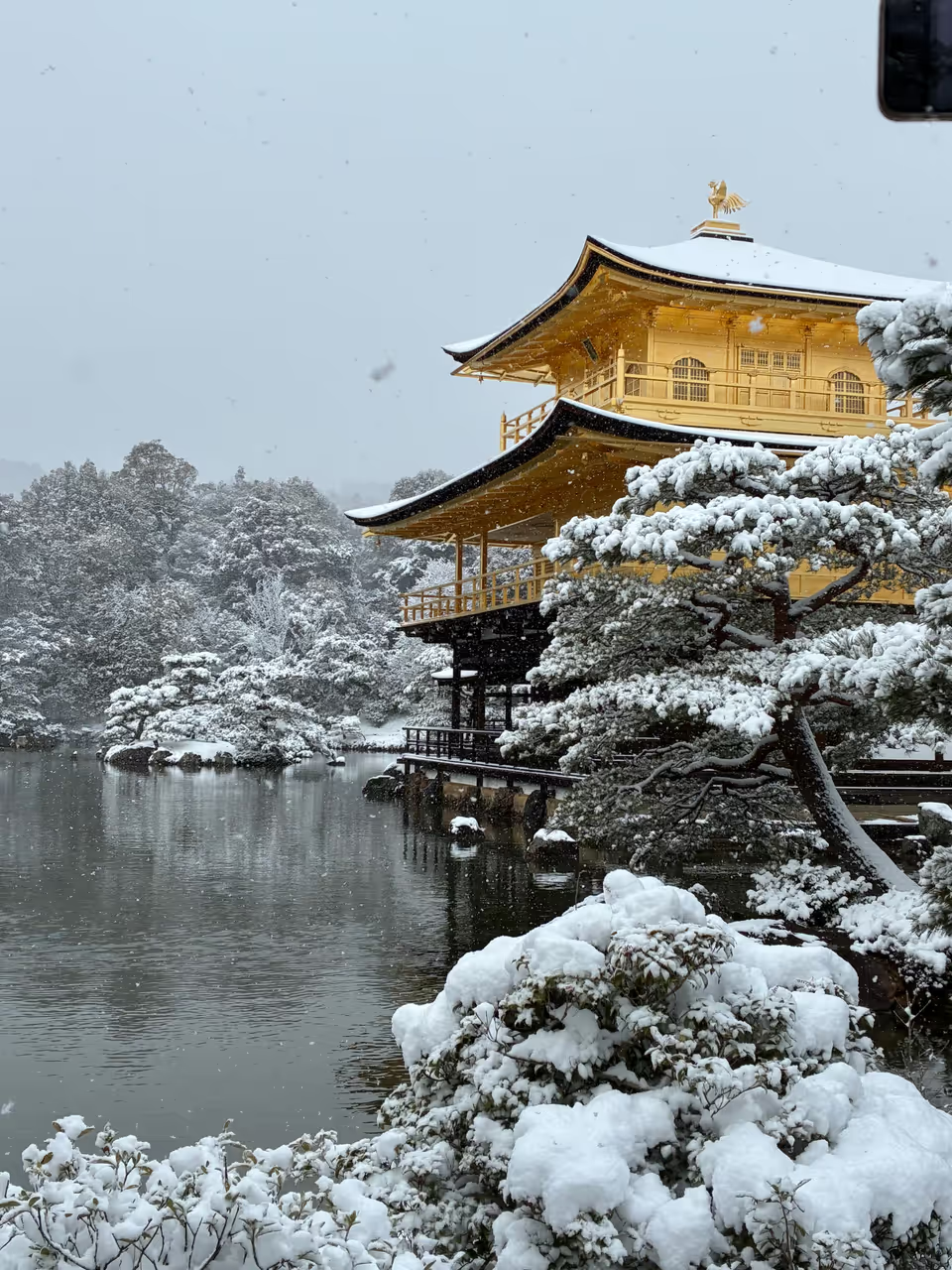
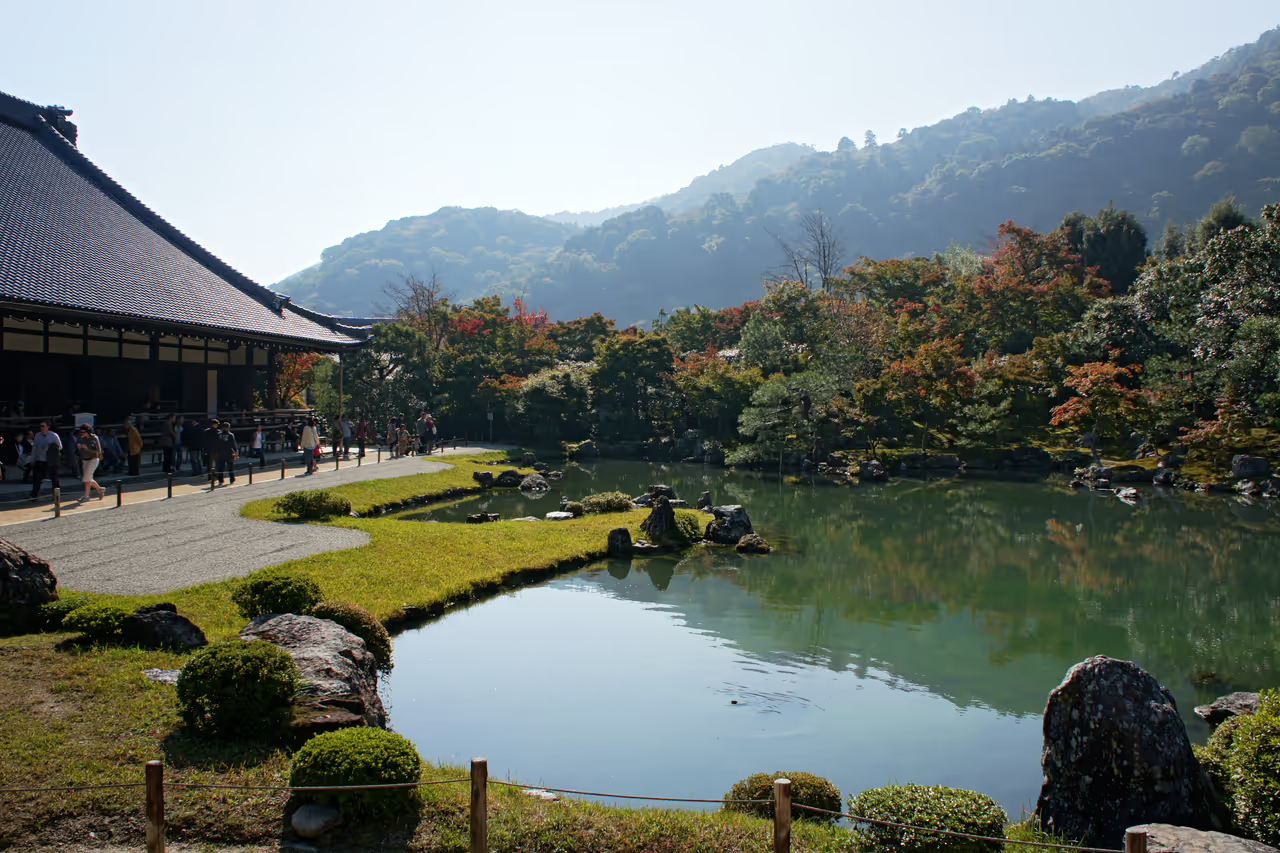
3 Days in Kyoto: Culture and Nature Itinerary
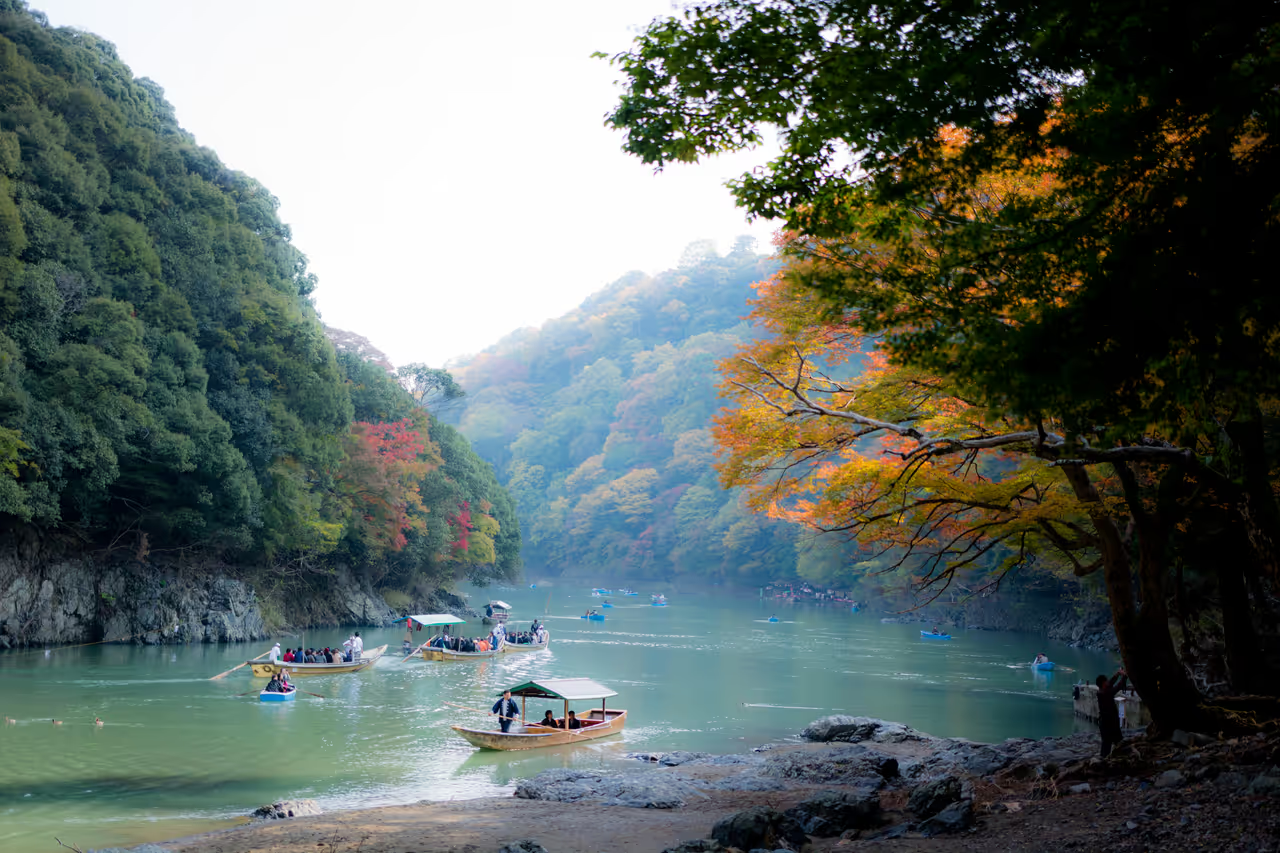
Three days allows you to significantly expand your exploration beyond the immediate city centre, dedicating specific days to distinct geographical and cultural zones. You will uncover the majestic bamboo forests in the west, hike the infinite red gates in the south, and still have time to dive deep into the central culinary markets. This pacing provides enough time to enjoy lengthy, scenic walks and sit for proper, traditional meals without feeling constantly rushed. It strikes the perfect balance between hitting the major sights and absorbing the local atmosphere.
view itinerary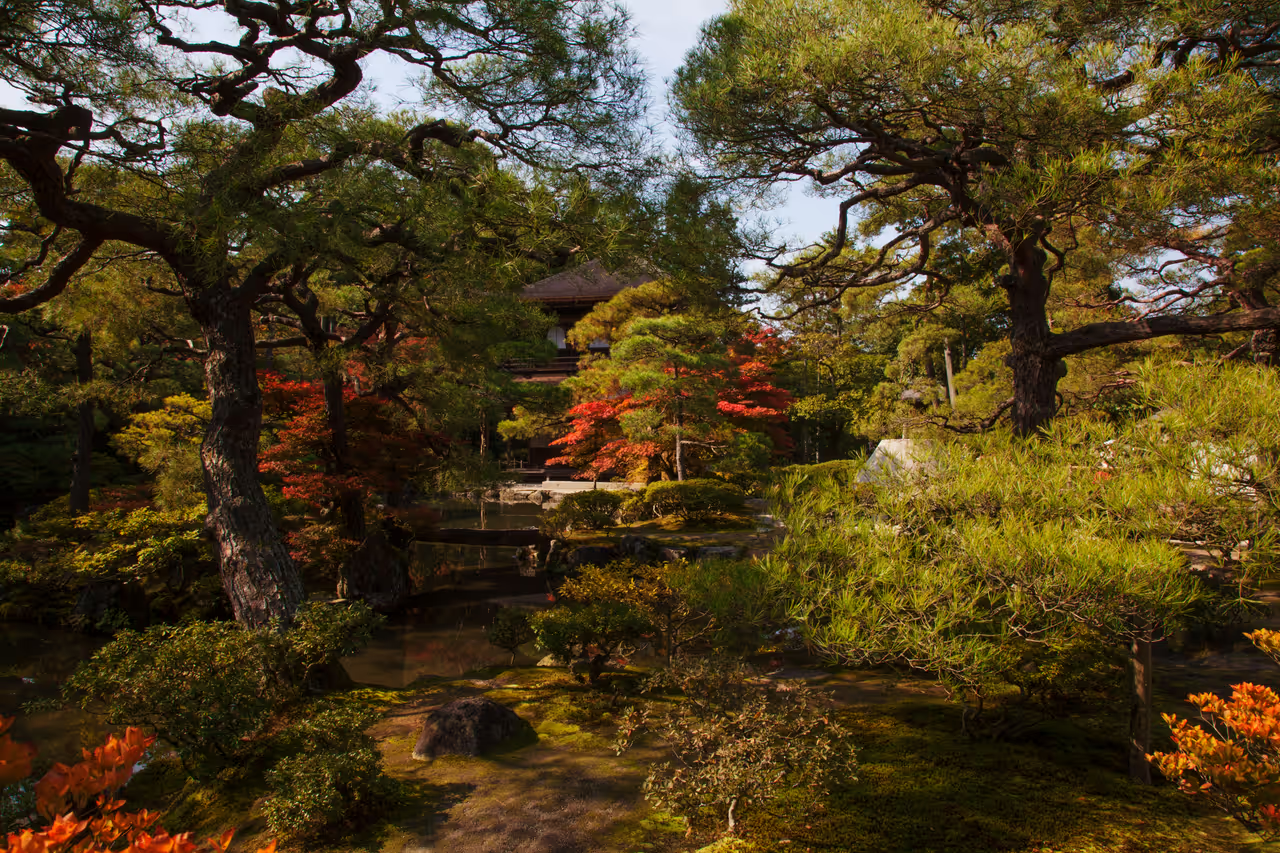
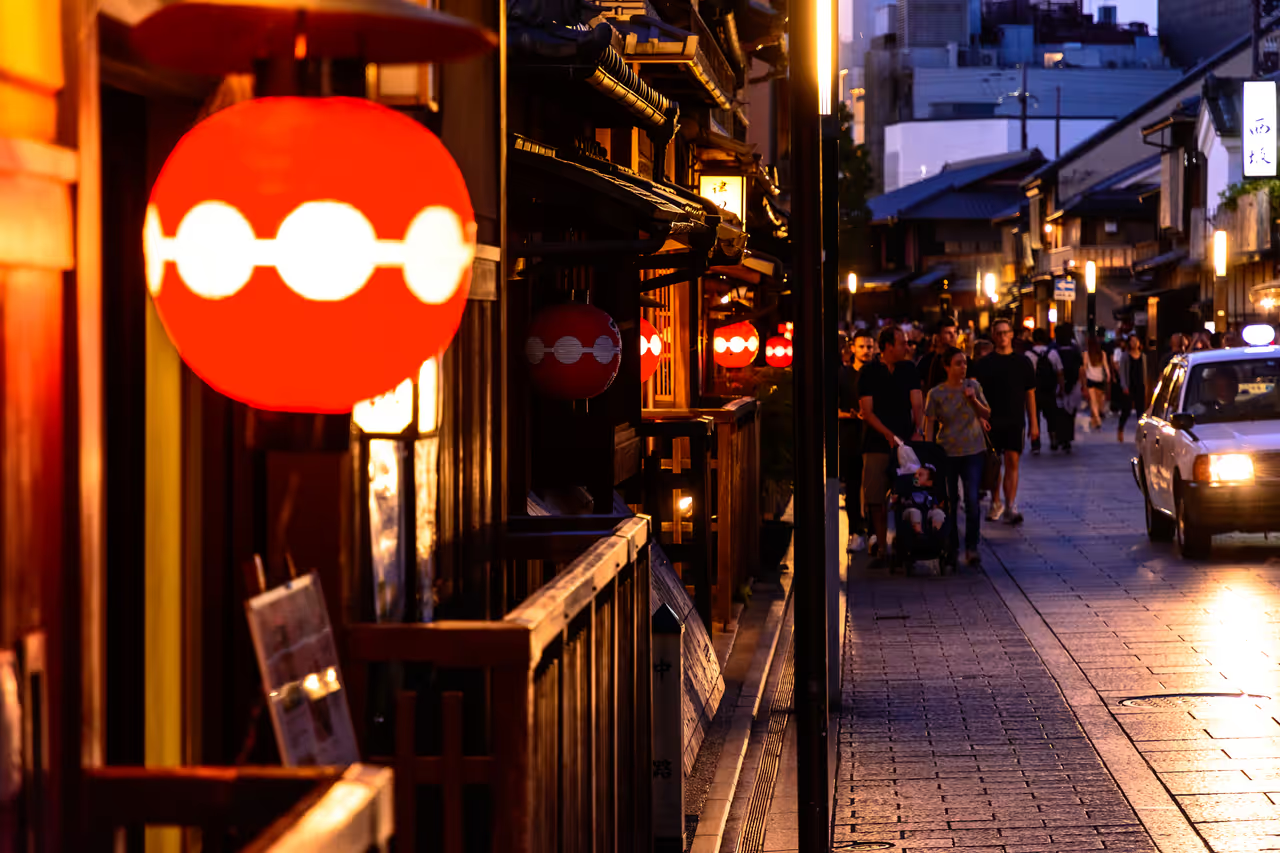
5 Days in Kyoto: The Deep Immersion Itinerary
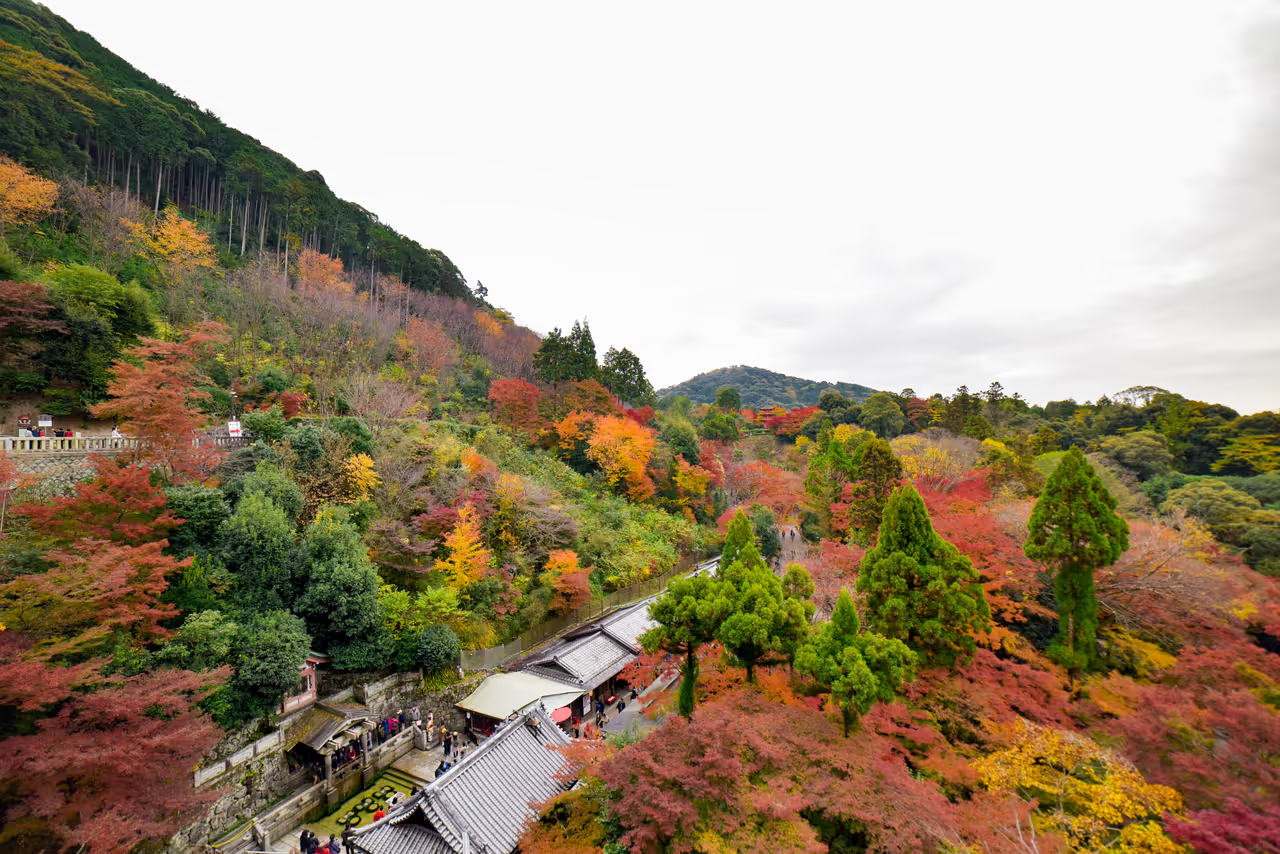
A generous five-day stay grants you the absolute luxury of slowing down and exploring the quiet, hidden corners that most travellers never see. Beyond the iconic temples, you will have time to discover secluded mountain shrines, delve into the imperial history of the grand palaces, and enjoy restorative public bathing. This extended itinerary allows you to dedicate entire afternoons to aimless, scenic strolls and highly authentic culinary experiences. It is the ultimate way to truly connect with the profound spiritual and historical rhythm of the ancient capital.
view itinerary
Footsteps of the Emperors
Trace the lineage of absolute power and exquisite architectural refinement by exploring the grand residences of the imperial court and the military shoguns. This tour highlights the dramatic tension between the symbolic authority of the Emperor and the real political might of the samurai warlords. You will walk through expansive palace grounds designed for aristocratic leisure and heavily fortified castles built to project dominance. It offers a fascinating dive into the intricate politics, betrayals, and artistic flourishing that defined the city's role as the nation's capital. The sheer scale and opulence of these properties provide a sharp contrast to the city's humble merchant districts.
view self-guided tour
See all unesco sites in Kyoto
Kinkaku ji (The Golden Pavilion), Kiyomizu-dera, Ryōanji Temple, Shimogamo Shrine, Ginkaku-ji, Tenryū-ji Temple...