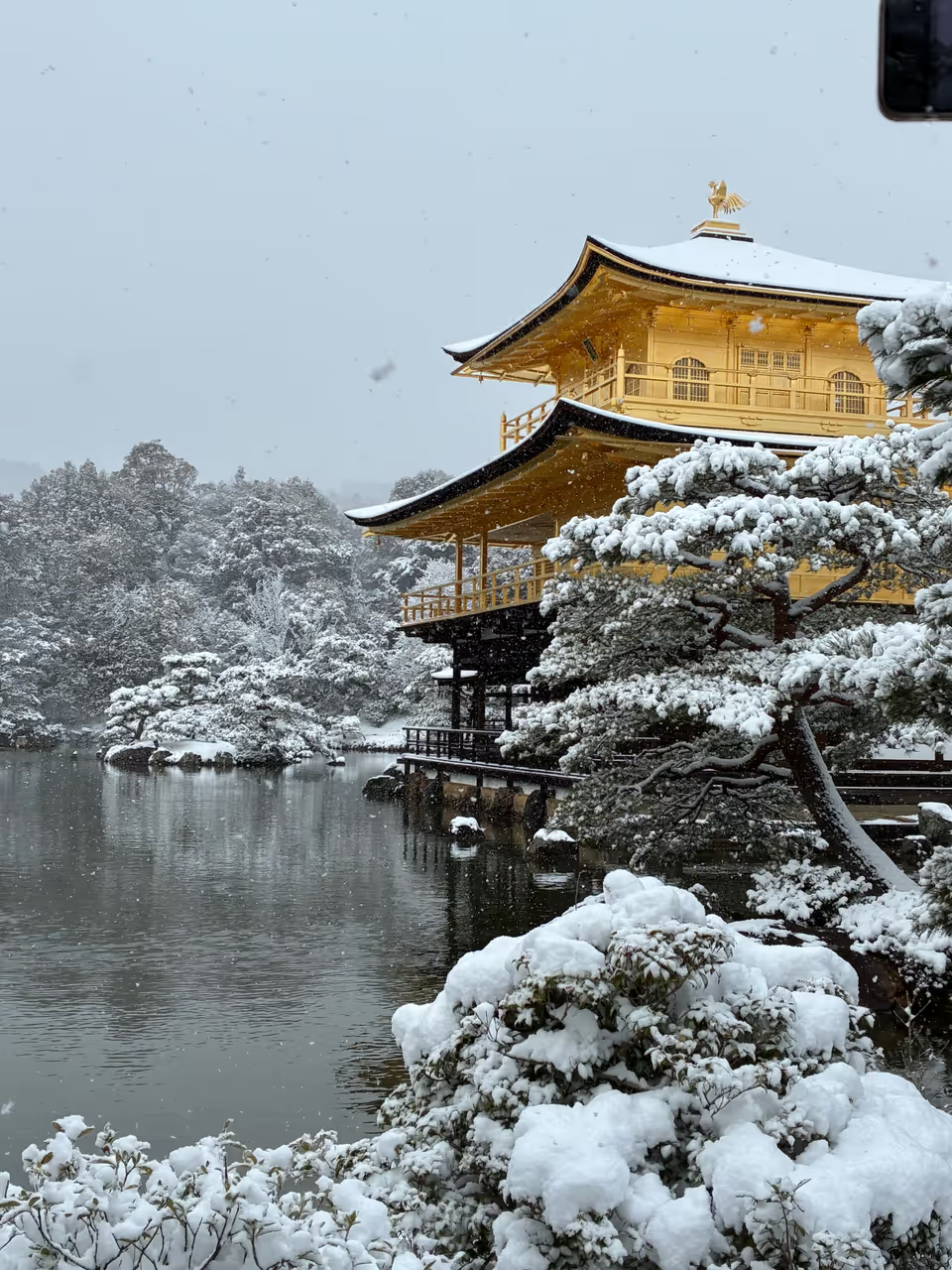
Kinkaku ji (The Golden Pavilion)
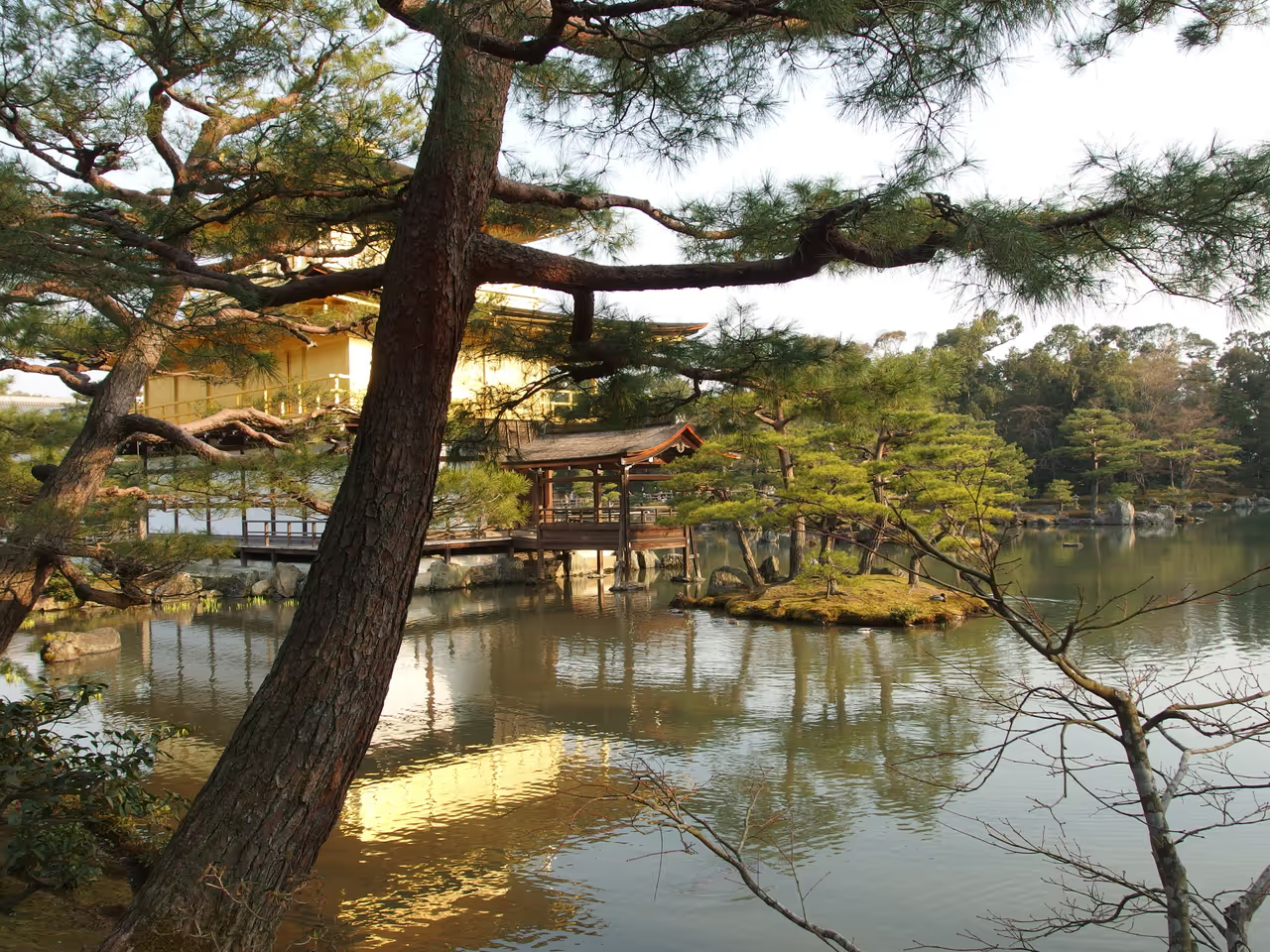
The sight of Kinkaku ji shimmering across the surface of the Mirror Pond is one of the most iconic images of Japan for a reason. This Zen Buddhist temple is a masterpiece of Muromachi period design with its top two floors completely covered in gold leaf. Walking through the surrounding stroll garden offers a profound sense of peace and a chance to witness how nature and architecture can exist in perfect harmony. It serves as a beautiful reminder of the transient nature of beauty and the deep history of Kyoto. Every visitor to this city should take the time to stand before this golden vision and soak in the atmosphere. The golden exterior changes its character throughout the seasons from the vibrant greens of summer to the soft white of winter snow.
Videos
History of Kinkaku ji (The Golden Pavilion)
Originally built as a luxurious villa for Shogun Ashikaga Yoshimitsu in the late 14th century the site was never intended to be a simple temple. Yoshimitsu desired a retirement home that reflected his immense power and the refined tastes of the Muromachi period. Upon his passing the villa was transformed into a Zen Buddhist temple fulfilling his final wishes to create a space of spiritual retreat. The structure became a symbol of the Pure Land of Buddha designed to bridge the gap between the mundane world and the divine. The temple endured centuries of upheaval yet its most dramatic moment occurred in 1950. A young monk set fire to the pavilion reducing the historic structure to ashes. This tragic event shocked the nation and inspired the acclaimed novel The Temple of the Golden Pavilion by Yukio Mishima which explored the obsession and complex human emotions surrounding the beauty of the structure. The loss felt like a blow to the heart of Kyoto capturing the attention of the world. Rising from the ashes the current pavilion was meticulously reconstructed in 1955. It stands today as an exact replica though the gold leaf applied during a later restoration is even more brilliant than the original. It remains a testament to resilience illustrating how even something destroyed can be reborn with honour. Visitors today walk the same paths as the shoguns and monks of the past connecting with a history that has seen both great excess and profound loss.
Events spanning 590 years
Fun Facts
- • Each of the three floors features a distinct architectural style including the imperial Shinden style on the first level and the samurai style on the second.
- • Several small islands within the Mirror Pond are meant to represent the islands of Japan and add depth to the landscape design.
- • The 1950 arson attack was so culturally significant that it became the subject of a famous novel by the author Yukio Mishima.
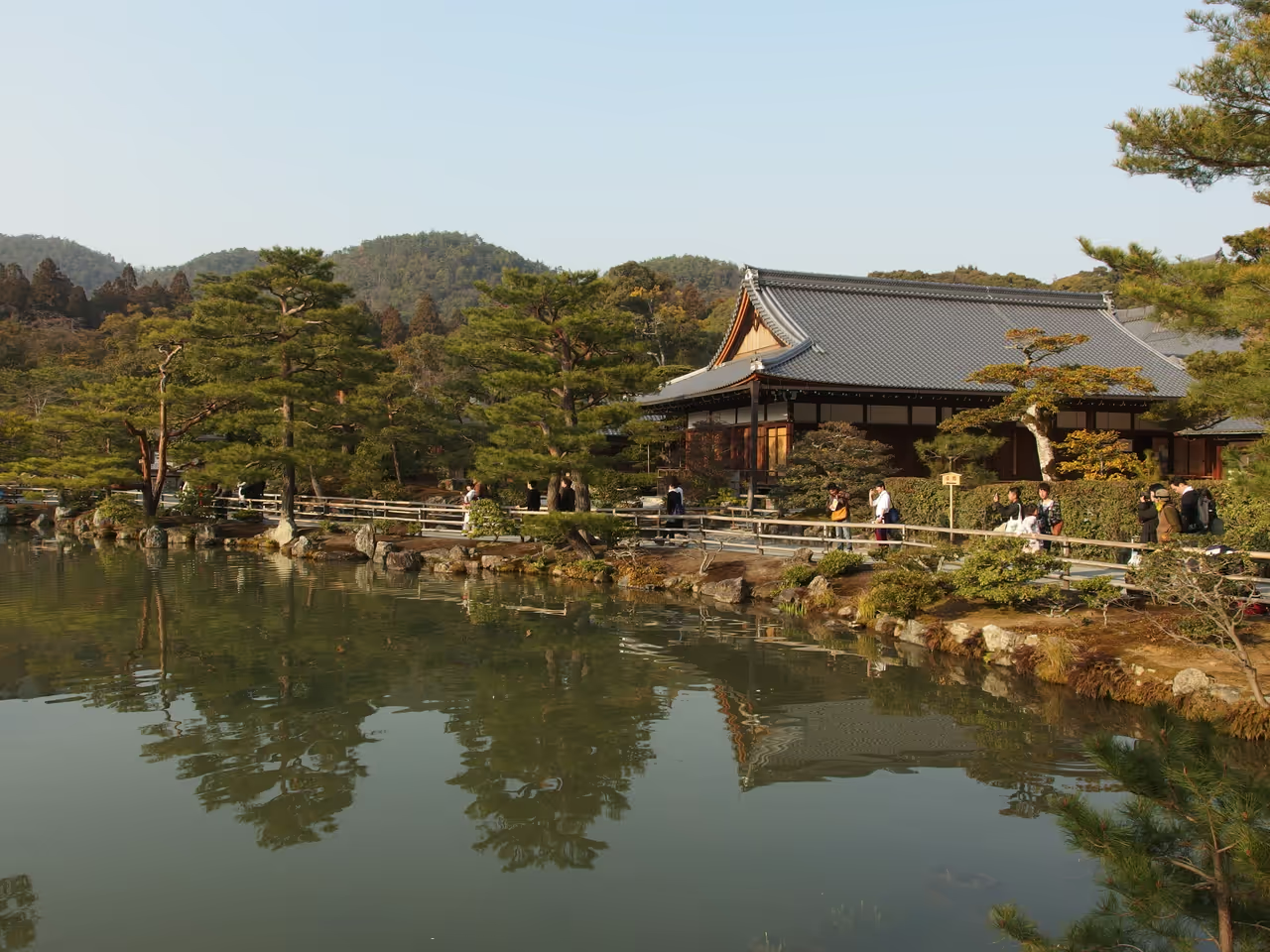
- • The garden layout is a classic example of the strolling style which encourages visitors to walk a specific path to view the temple from various angles.
- • The pavilion is coated in 0.5 micrometre thick gold leaf which is significantly thicker than standard gold leaf to ensure it withstands the elements.
- • The phoenix ornament perched atop the roof is made of bronze and serves as a symbolic guardian of the temple.
- • The pond surrounding the temple is called the Mirror Pond because it was designed to capture the reflection of the golden structure perfectly in its surface.
- • The site was originally a country villa for a statesman named Saionji Kintsune before it became the residence of the shogun Ashikaga Yoshimitsu.
- • Visitors cannot enter the pavilion itself because the interior is meant to house sacred relics rather than accommodate crowds.
Kinkaku ji (The Golden Pavilion) FAQ
While we strive to keep this information accurate and up to date, we recommend verifying any details independently before making decisions based on them.
Kinkaku ji (The Golden Pavilion) Map & Neighborhood Explorer
This interactive map is centered on Kinkaku ji (The Golden Pavilion). Zoom in and move the map around to automatically discover Wikipedia photos and summaries of other nearby sights, monuments, and historical points of interest and stories in real-time!
Places near Kinkaku ji (The Golden Pavilion)
Make the most of your trip. Check out these top-rated spots located nearby.
 1087m
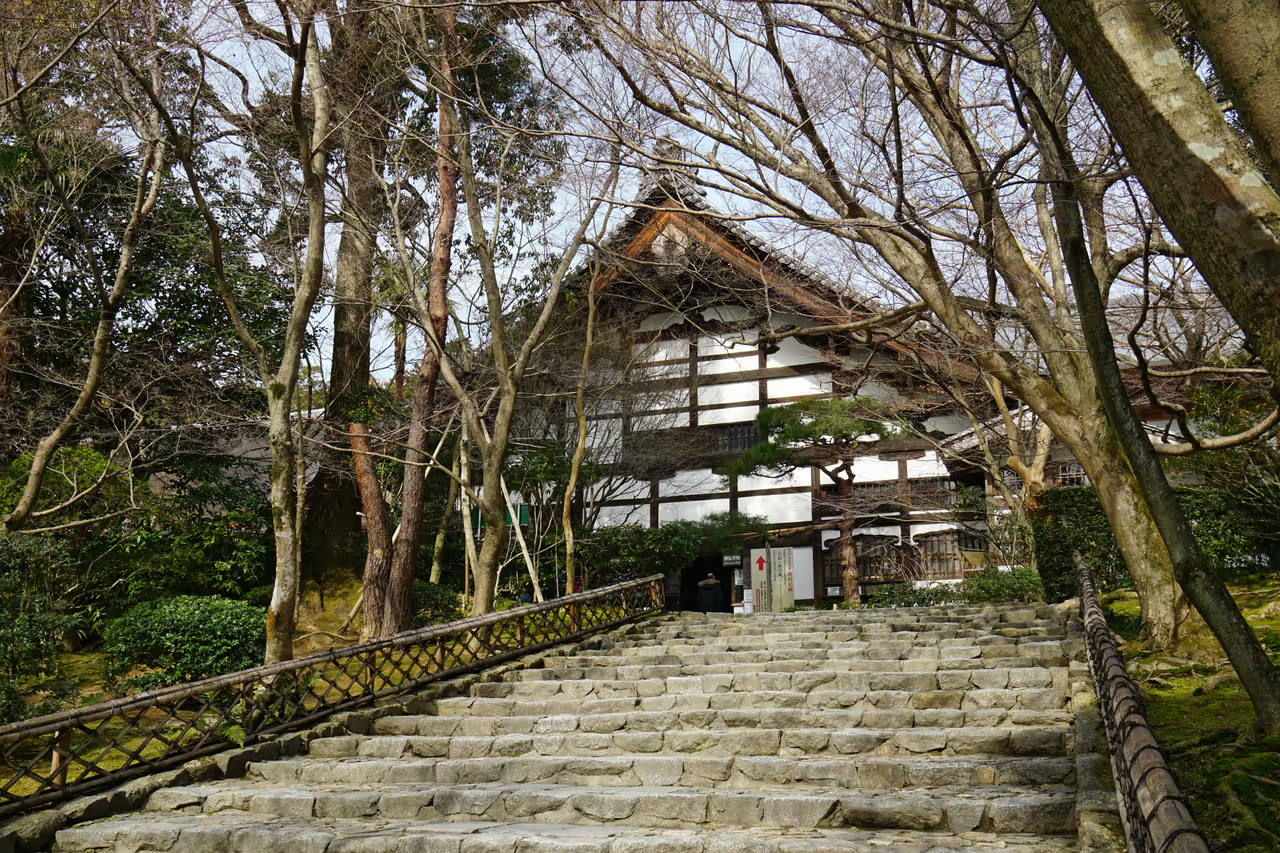
1087mRyōanji Temple
Step into a world of profound stillness at Ryōanji, home to Japan's most celebrated dry landscape garden. This UNESCO World Heritage Site invites you to pause, breathe, and contemplate the mysterious arrangement of fifteen rocks set amidst carefully raked white gravel. While the origins and exact designer of the garden remain a subject of scholarly debate, its ability to induce a sense of peace is undeniable. Wander the historic grounds that once served as a Fujiwara clan estate and discover the wabi sabi philosophy reflected in the temple's weathered clay walls. It is a place where ancient Zen traditions meet artistic perfection, creating an experience that lingers long after you leave.
unesco heritage site view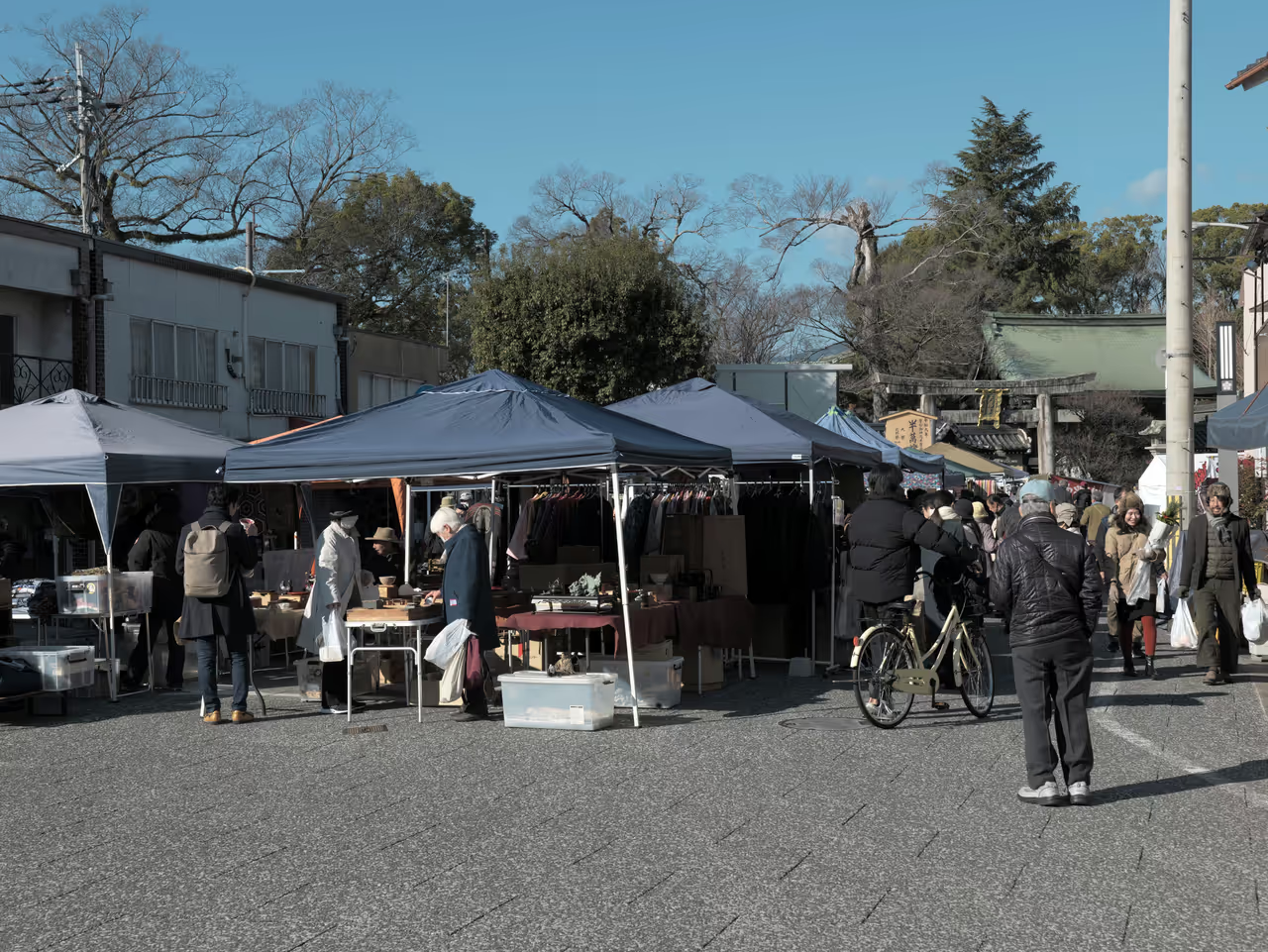 1278m
1278mKitano Tenmangu Flea Market
Taking place on the 25th of each month, this massive market takes over the grounds of a shrine dedicated to the deity of education. It draws a large crowd of both locals and visitors seeking out incredible bargains on antique textiles, traditional crafts, and retro homeware. The atmosphere is festive and slightly chaotic, with passionate vendors eager to haggle over their eclectic wares. It is especially beautiful during the plum blossom season when the surrounding trees explode with colour and fragrance. Combining a shopping adventure with a shrine visit makes for a perfect morning.
market view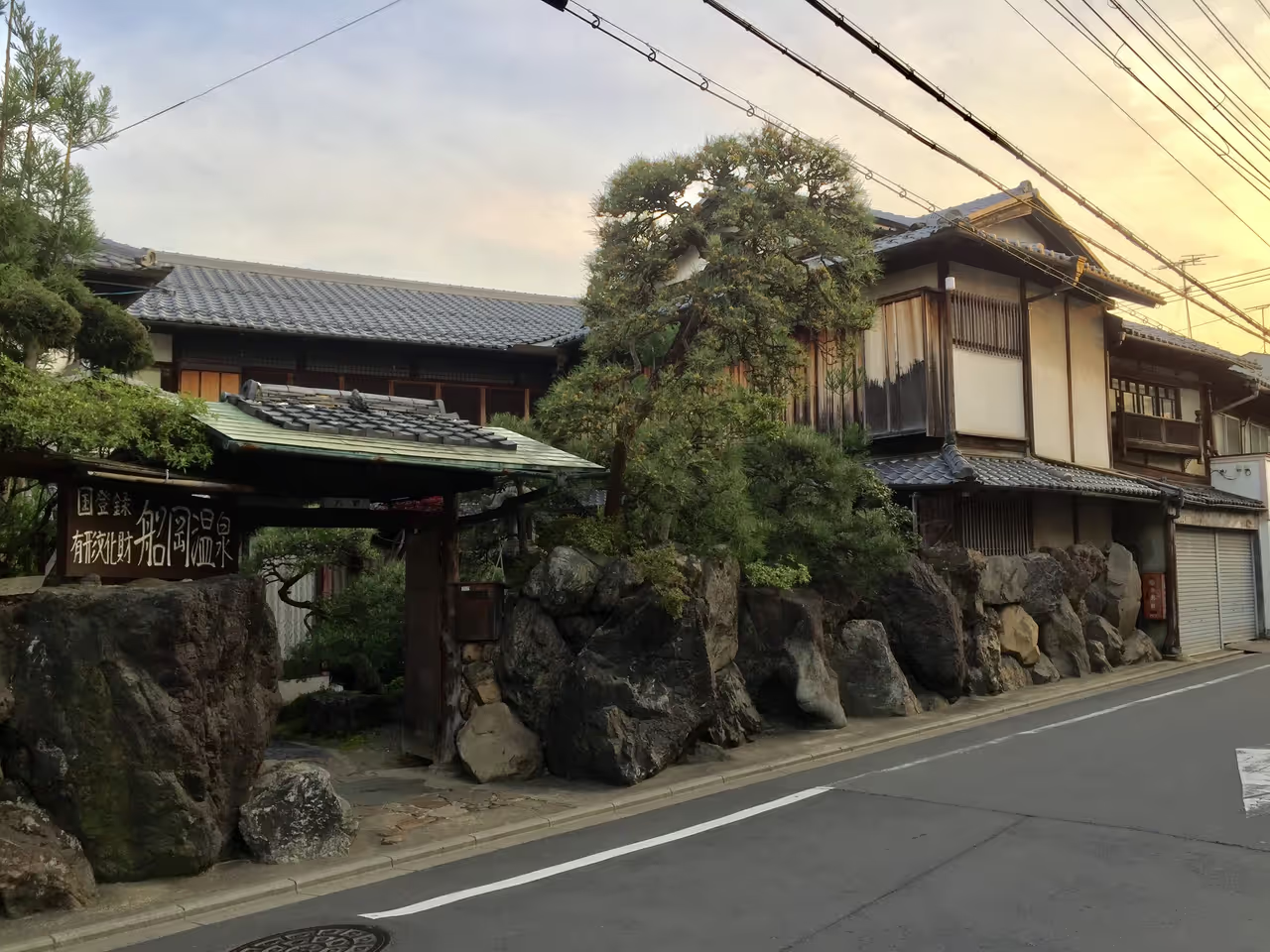 1481m
1481mFunaoka Onsen
Despite its name, this is actually a historic public bathhouse (sento) rather than a natural hot spring, and it stands as the undisputed 'king of sento' in the city. Operating since the 1920s, the facility is a masterpiece of retro architecture, featuring incredibly intricate wood carvings, colourful majolica tiles, and a classic wooden changing room. Locals flock here to soak in a variety of therapeutic tubs, including herbal baths, an electric bath, and a surprisingly elegant outdoor rock bath. Stripping down and bathing alongside the community offers an exceptionally authentic, unpretentious local experience. It is a fantastic, deeply relaxing dive into early 20th-century culture.
hidden gem view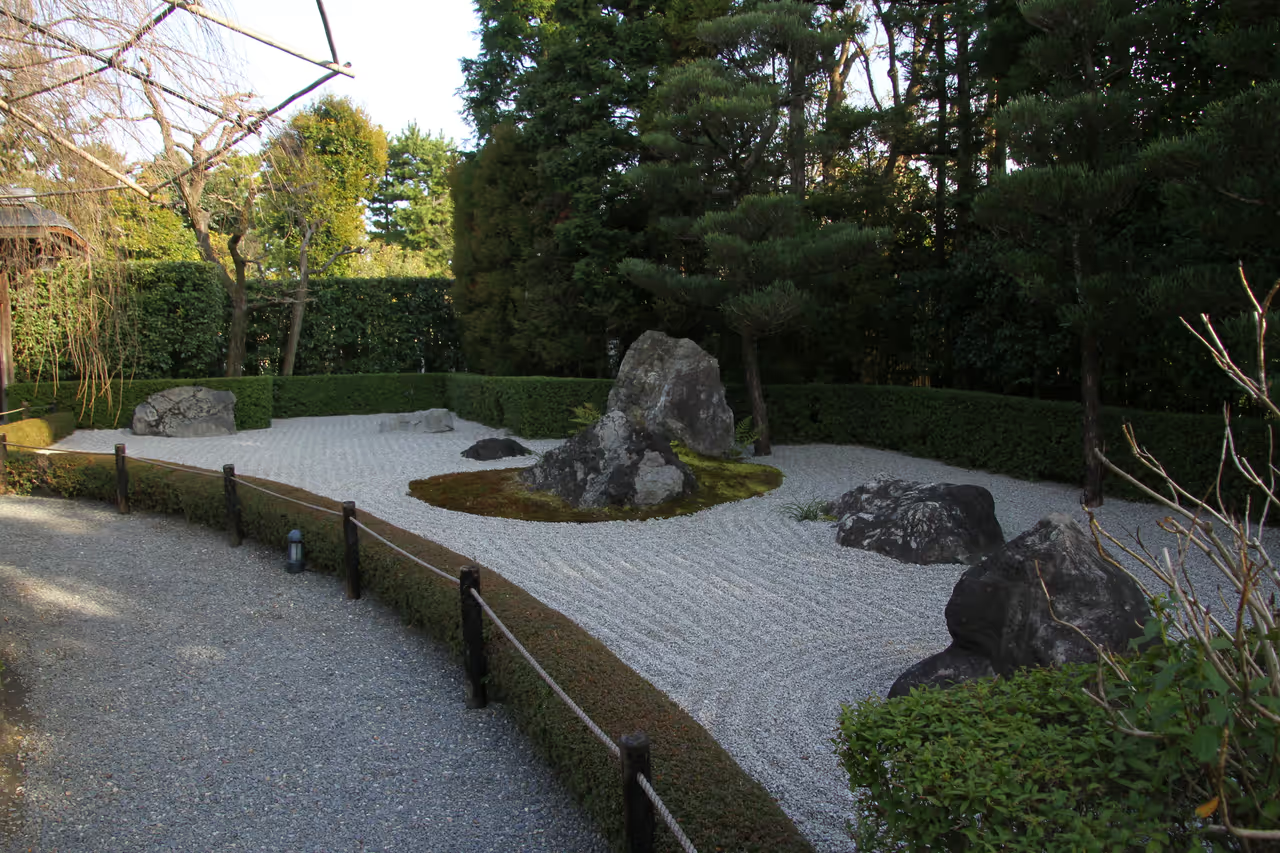 2095m
2095mTaizo-in Temple
Hidden within the massive Myoshin-ji temple complex, this incredibly serene sub-temple is often entirely bypassed by the major tourist crowds. It features an absolutely stunning, multi-tiered strolling garden boasting vibrant weeping cherry trees, tranquil ponds, and a subtle, echoing water harp (suikinkutsu). The temple is famous for holding an authentic, interactive Zen meditation session where English-speaking monks guide visitors through the principles of mindfulness. Viewing the 'Catching a Catfish with a Gourd' painting, a famous 15th-century Zen riddle, provides a fascinating artistic puzzle. It delivers the profound spiritual atmosphere of the more famous temples without the chaotic queues.
hidden gem view
Explore Similar Places in This Collection
Featured on These Itineraries and Routes
1 Day in Kyoto: The Essentials Itinerary
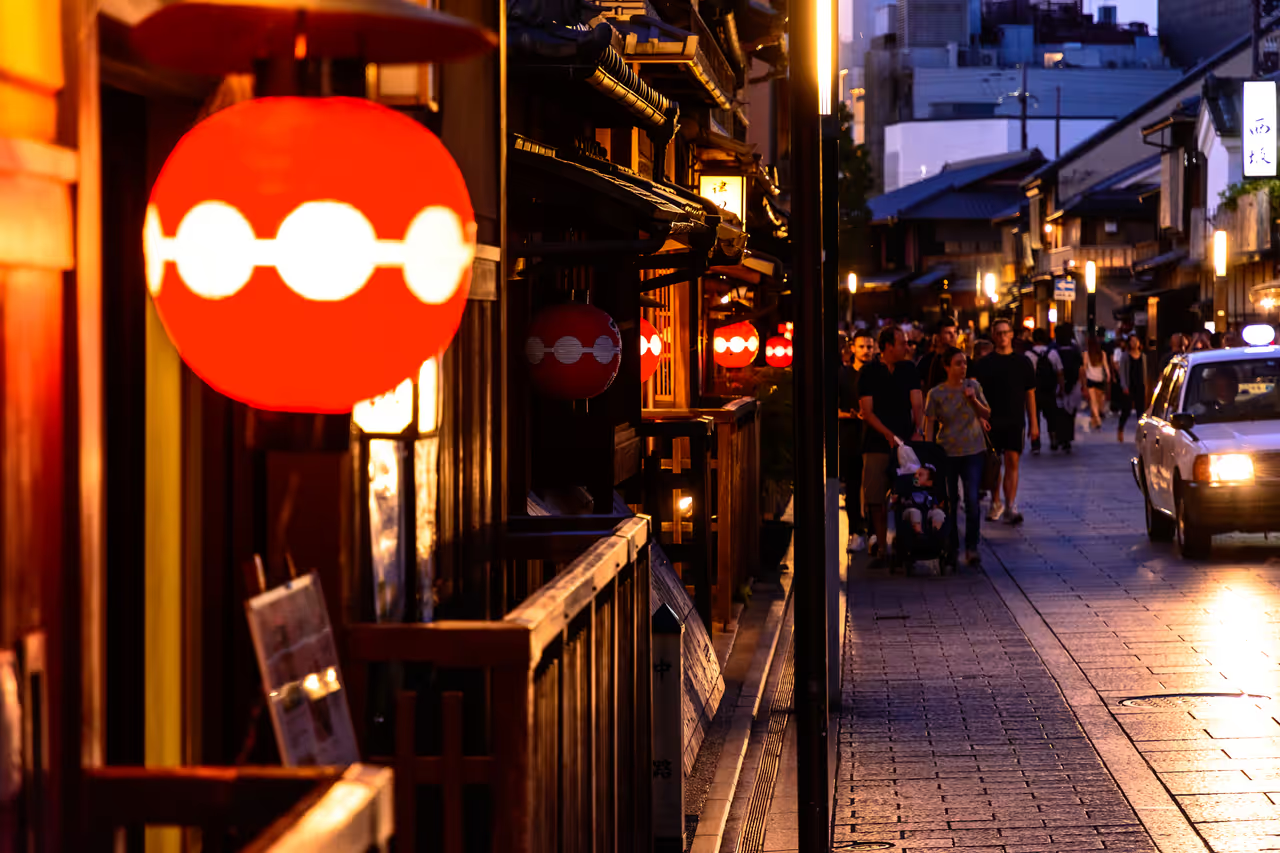
If you only have a single day, this highly efficient route ensures you experience the absolute defining landmarks that have made the city globally famous. You will traverse from the glowing golden pavilion in the north to the sprawling wooden stage overlooking the eastern hills, finishing amidst the traditional geisha districts. This is an incredibly fast-paced, high-impact itinerary designed to maximise your visual and cultural intake. Be prepared for substantial walking and utilise taxis or rapid trains between the major geographical jumps to save precious time.
view itinerary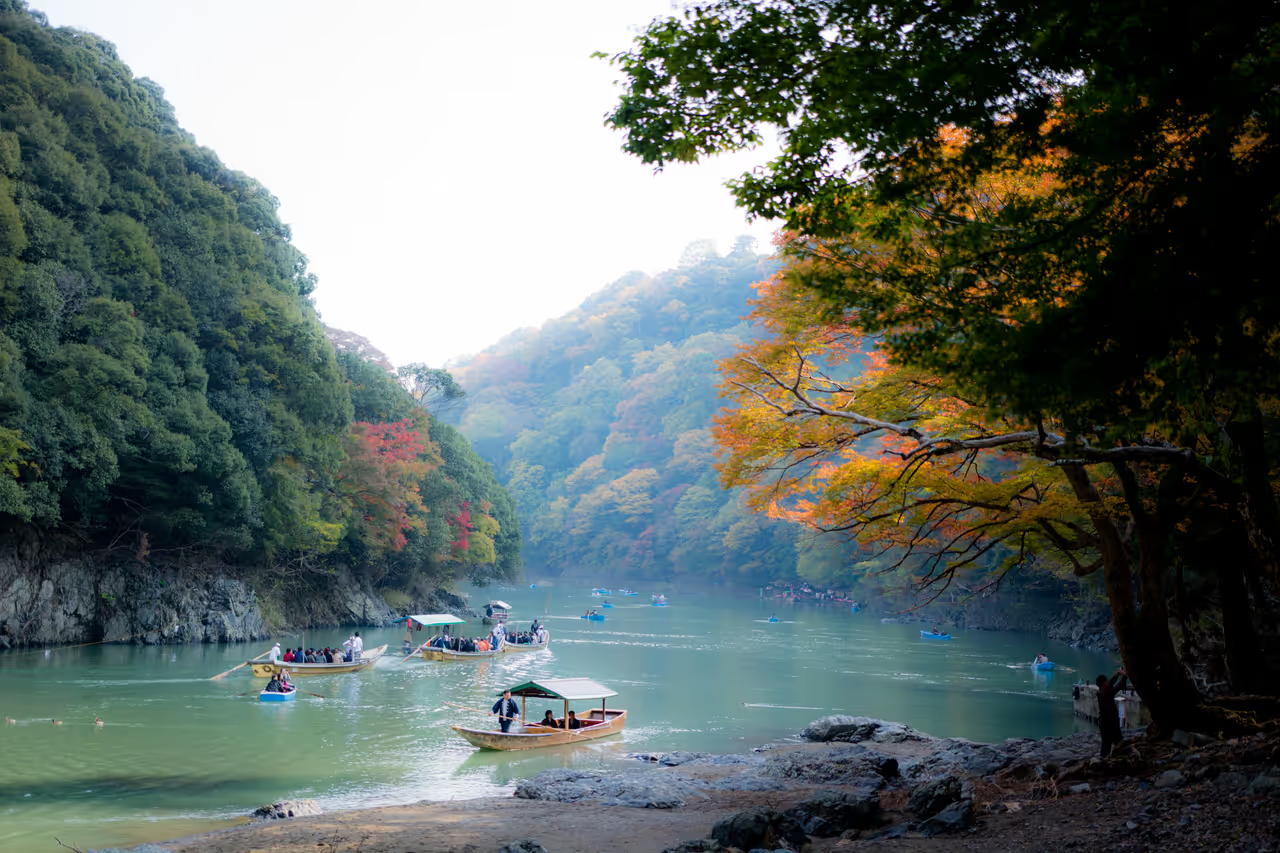
3 Days in Kyoto: Culture and Nature Itinerary
Three days allows you to significantly expand your exploration beyond the immediate city centre, dedicating specific days to distinct geographical and cultural zones. You will uncover the majestic bamboo forests in the west, hike the infinite red gates in the south, and still have time to dive deep into the central culinary markets. This pacing provides enough time to enjoy lengthy, scenic walks and sit for proper, traditional meals without feeling constantly rushed. It strikes the perfect balance between hitting the major sights and absorbing the local atmosphere.
view itinerary
5 Days in Kyoto: The Deep Immersion Itinerary
A generous five-day stay grants you the absolute luxury of slowing down and exploring the quiet, hidden corners that most travellers never see. Beyond the iconic temples, you will have time to discover secluded mountain shrines, delve into the imperial history of the grand palaces, and enjoy restorative public bathing. This extended itinerary allows you to dedicate entire afternoons to aimless, scenic strolls and highly authentic culinary experiences. It is the ultimate way to truly connect with the profound spiritual and historical rhythm of the ancient capital.
view itinerary
Zen Garden Discovery
Embark on a profound spiritual and visual journey exploring the city's most renowned karesansui, or dry landscape gardens. This tour delves into the austere beauty of Zen Buddhism, where carefully placed rocks and raked gravel represent expansive oceans, islands, and cosmic concepts. You will discover how these minimalist spaces were designed to aid monks in deep meditation and understand the profound symbolism behind their deliberate emptiness. It is an exploration of the unique Japanese aesthetic of wabi-sabi, finding beauty in imperfection and impermanence. The experience requires a slow pace and a quiet mind, offering a deep, restorative calm.
view self-guided tour
See all unesco sites in Kyoto
Kiyomizu-dera, Nijō Castle, Ryōanji Temple, Shimogamo Shrine, Ginkaku-ji, Tenryū-ji Temple...