Kiyomizu-dera
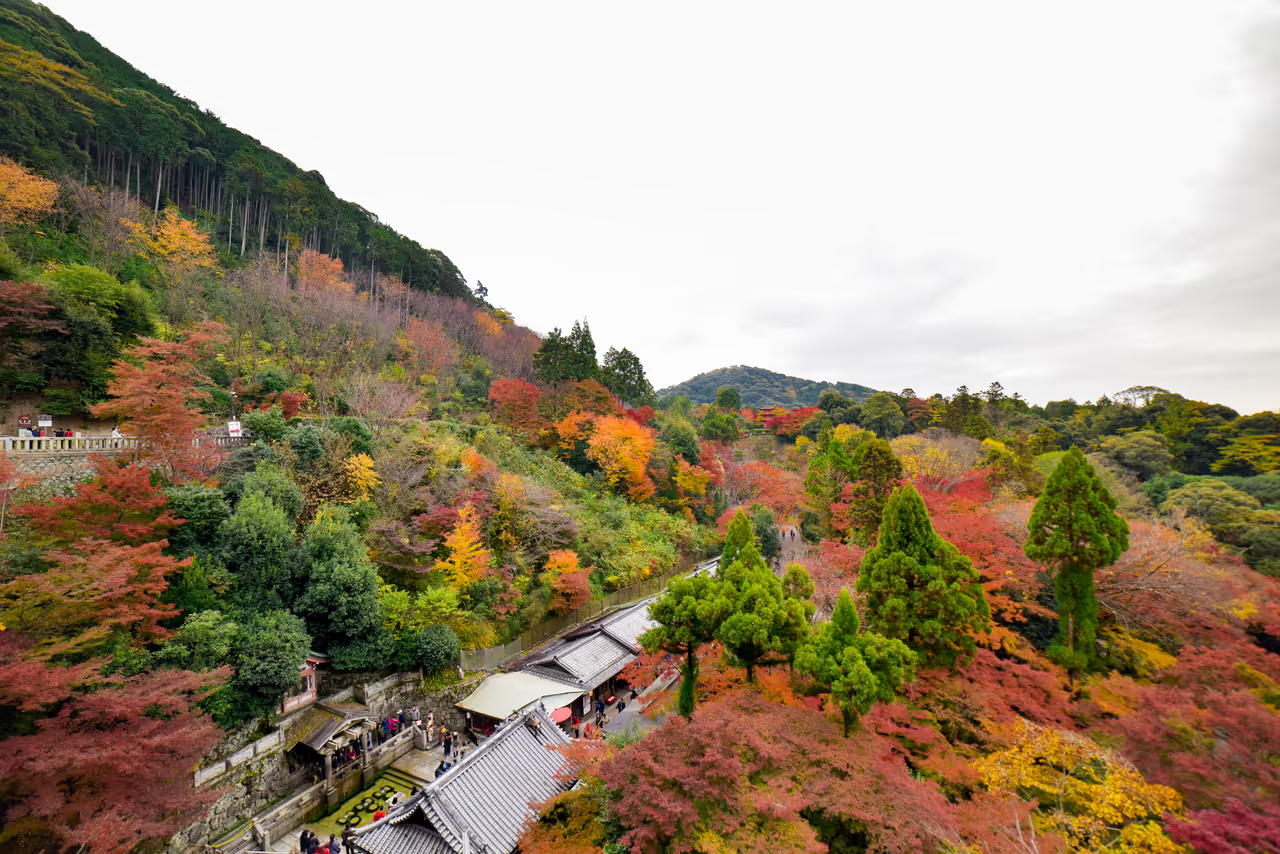
Kiyomizu-dera is one of Kyoto's most celebrated temples, perched on the slopes of Mount Otowa with a massive wooden veranda that seems to float over the cherry and maple trees. Its name means "Pure Water Temple," referring to the crystal-clear waterfall flowing within its grounds which visitors still drink from today for good fortune. The main hall is an engineering marvel, constructed entirely without nails and offering a panoramic view that captures the essence of Japan's ancient capital. Visiting is a spiritual journey through historic gates, vibrant pagodas, and hidden shrines dedicated to love and longevity. Whether you are there for the spectacular autumn illuminations or the quiet of a misty morning, the atmosphere is profoundly moving and timeless. It stands as a testament to Japanese resilience and craftsmanship, having been rebuilt many times to maintain its majestic presence.
Videos
History of Kiyomizu-dera
The legend of Kiyomizu-dera began in 778 when a monk named Enchin dreamt of a golden stream and followed it to the slopes of Mount Otowa. There he encountered an ancient ascetic who had been praying to the goddess of mercy, Kannon, for two hundred years. After the old man departed, Enchin carved a statue from a sacred piece of wood to honour the site. A few years later, the great general Sakanoue no Tamuramaro encountered Enchin while hunting for deer blood to cure his wife. Moved by the monk's teachings on the sanctity of life, the general donated his own home to be transformed into the temple's main hall. Despite its sacred status, Kiyomizu-dera faced centuries of turmoil and was reduced to ashes by fire at least nine times. It often became a flashpoint for rivalries between different Buddhist sects, leading to raids by warrior monks who saw the temple as a strategic prize. The current grand structures we see today are largely thanks to the third Tokugawa Shogun, Iemitsu, who ordered a massive reconstruction in 1633. His patronage ensured that the temple’s unique architectural design, featuring massive pillars built into the steep hillside, would endure as a symbol of the city’s spiritual strength. Today, the temple remains a living part of Kyoto's identity, hosting the annual Kanji of the Year ceremony where a high priest writes a character reflecting the nation's mood. It is a place where history feels tactile, from the smooth wood of the ancient veranda to the cool splash of the Otowa Waterfall. Visitors still walk between the love stones of Jishu Shrine with their eyes closed, hoping for a romantic blessing just as people did centuries ago. This enduring blend of folk belief, high architecture, and natural beauty makes it an essential bridge between Japan’s past and its vibrant present.
Events spanning 1216 years
Fun Facts
- • At the Jishu Shrine on the temple grounds, visitors test their fate with two "love stones" placed ten metres apart, hoping to find their soulmate.
- • Beneath the temple lies the Tainai Meguri, a pitch-black tunnel representing the womb of a bodhisattva where visitors walk in total darkness to seek spiritual rebirth.
- • During the Edo period, 234 people actually leaped from the 13-metre-high stage; historical records show a surprising survival rate of over 85 per cent.
- • Every December, the head priest reveals the "Kanji of the Year" on the temple veranda, a character chosen by the public to sum up the national mood.
- • The Otowa Waterfall features three distinct streams of water, and visitors use long-handled cups to drink for health, longevity, or success in their studies.
- • The massive veranda of the main hall is supported by 139 giant pillars and was built using traditional joinery without a single metal nail.
- • The phrase "to jump off the stage at Kiyomizu" is a common Japanese idiom equivalent to the English expression "to take the plunge."
- • The temple houses a rare "secret" statue of the eleven-headed Kannon that is considered so sacred it is only revealed to the public once every 33 years.
Kiyomizu-dera FAQ
While we strive to keep this information accurate and up to date, we recommend verifying any details independently before making decisions based on them.
Kiyomizu-dera Map & Neighborhood Explorer
This interactive map is centered on Kiyomizu-dera. Zoom in and move the map around to automatically discover Wikipedia photos and summaries of other nearby sights, monuments, and historical points of interest and stories in real-time!
Places near Kiyomizu-dera
Make the most of your trip. Check out these top-rated spots located nearby.
 668m
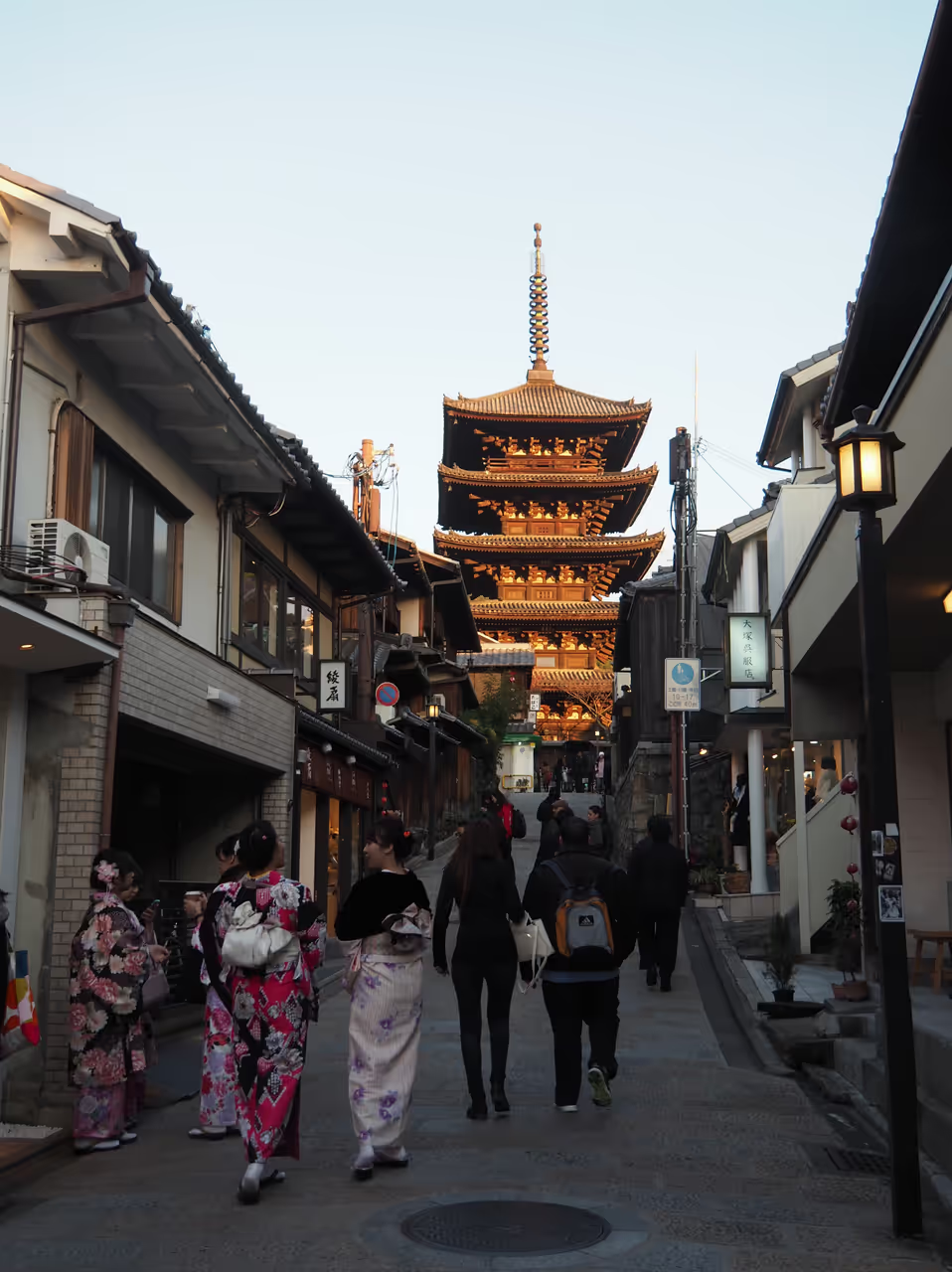
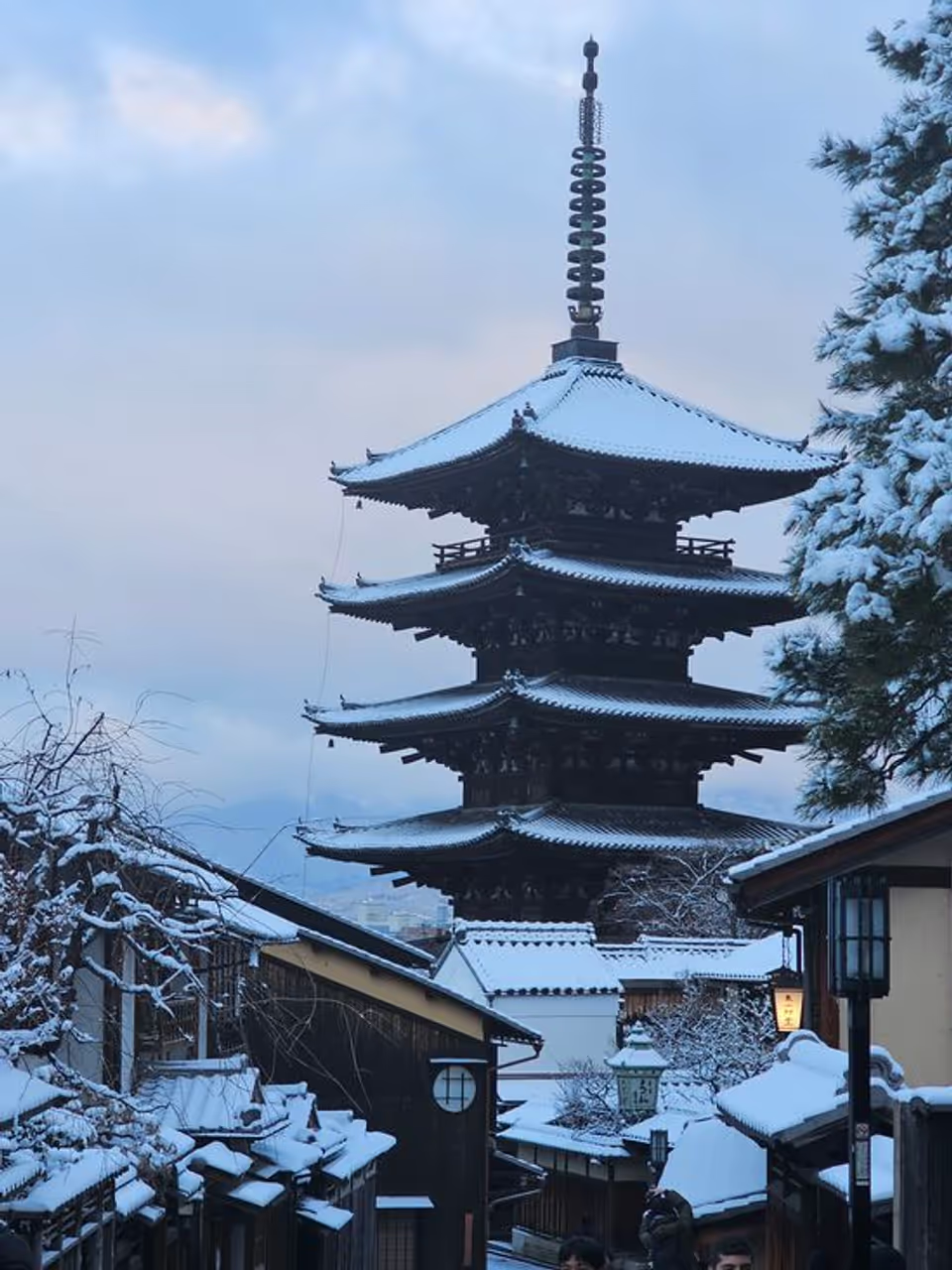
668mYasaka Pagoda from Sannen-zaka
Standing on the sloping, stone-paved street of Sannen-zaka and looking down towards the towering, five-story Yasaka Pagoda offers the definitive image of traditional Kyoto. The narrow street is perfectly framed by dark wooden machiya townhouses, drawing the eye directly towards the ancient, imposing pagoda rising dramatically into the sky. It is an incredibly evocative scene that feels entirely plucked from a bygone era. Capturing this scene at dusk, when the soft golden glow of the street lanterns flickers on, results in a magical, deeply atmospheric photograph.
photo spot view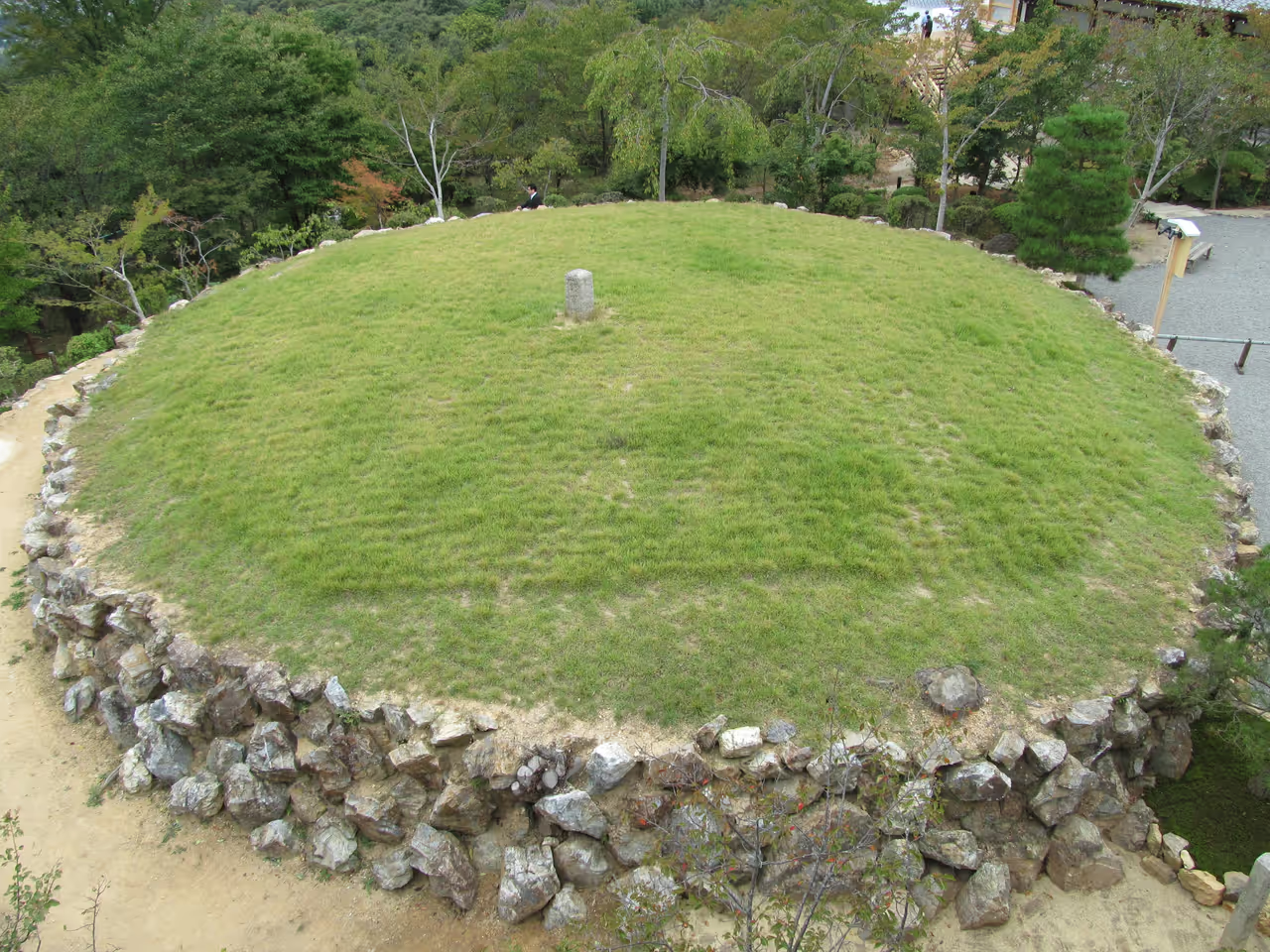 895m
895mShogunzuka Mound
Located high up in the eastern Higashiyama mountains, this historically significant site features a massive, wooden observation deck built alongside the Seiryu-den temple hall. The platform extends over the steep hillside, providing breathtaking, unobstructed views of the city laid out below. This is supposedly the exact spot where Emperor Kanmu stood in the 8th century to survey the basin before deciding to build his new capital here. The deck is considerably larger and far less crowded than the famous stage at Kiyomizu-dera, making it an excellent, serene spot for photography.
viewpoint view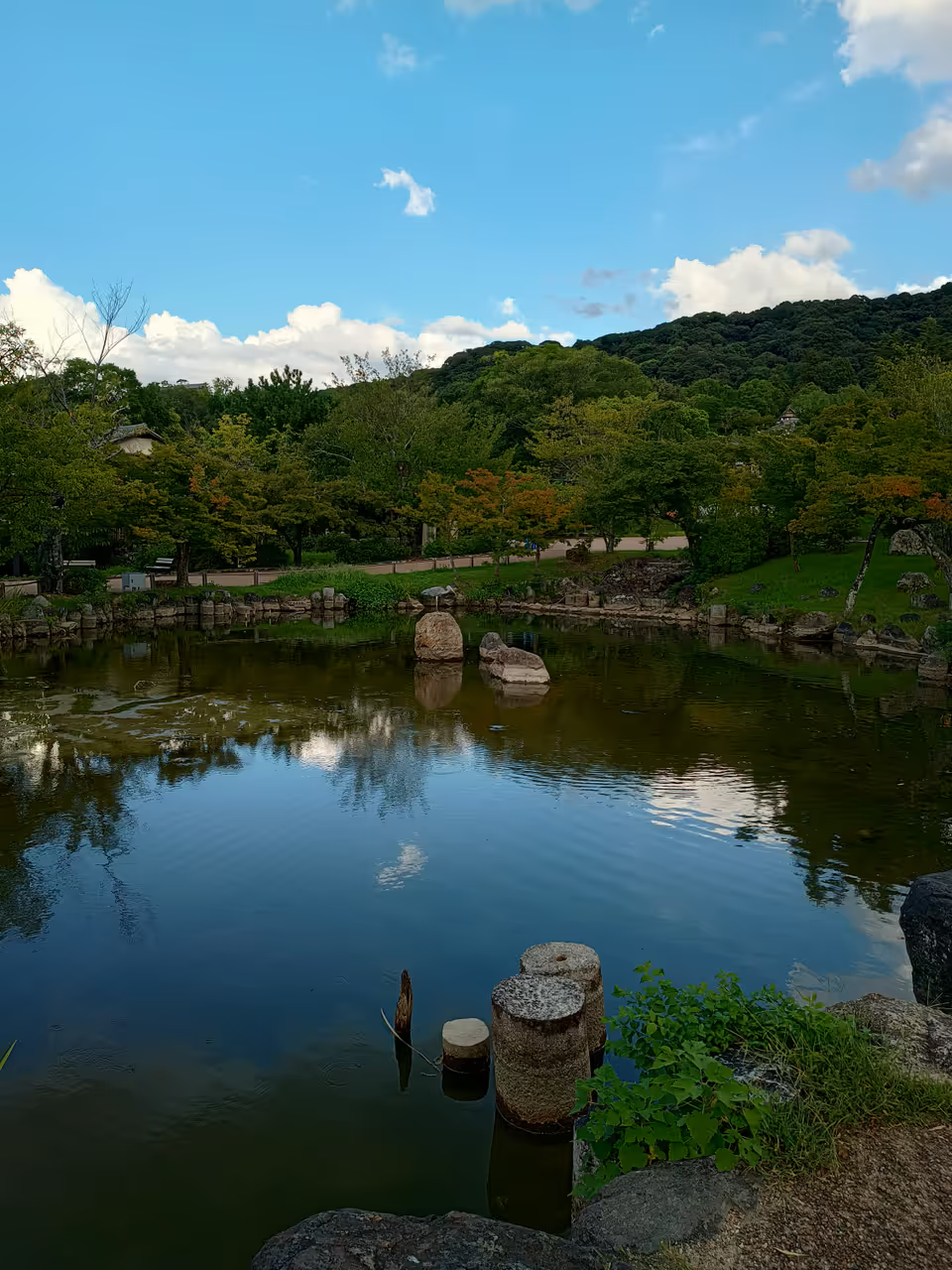 1014m
1014mMaruyama Park
Maruyama Park serves as the beating heart of outdoor life in Kyoto, especially during the ephemeral splendour of spring. As the city's oldest public space, it offers a serene retreat that transitions effortlessly from tranquil daytime strolls to vibrant, illuminated evenings beneath the iconic weeping cherry tree. Visitors find themselves surrounded by a unique blend of nature and spiritual history, as the grounds are seamlessly integrated with the neighbouring Yasaka Shrine and the impressive Chion-in Temple. This designated Place of Scenic Beauty invites you to experience the authentic tradition of hanami, where locals and travellers alike gather on picnic mats to celebrate the blooming season. Whether you are seeking a moment of quiet reflection or the joyous energy of festival season, the park remains a quintessentially Kyoto experience. It stands as a testament to the enduring cultural connection between the city and its natural landscape.
park & nature view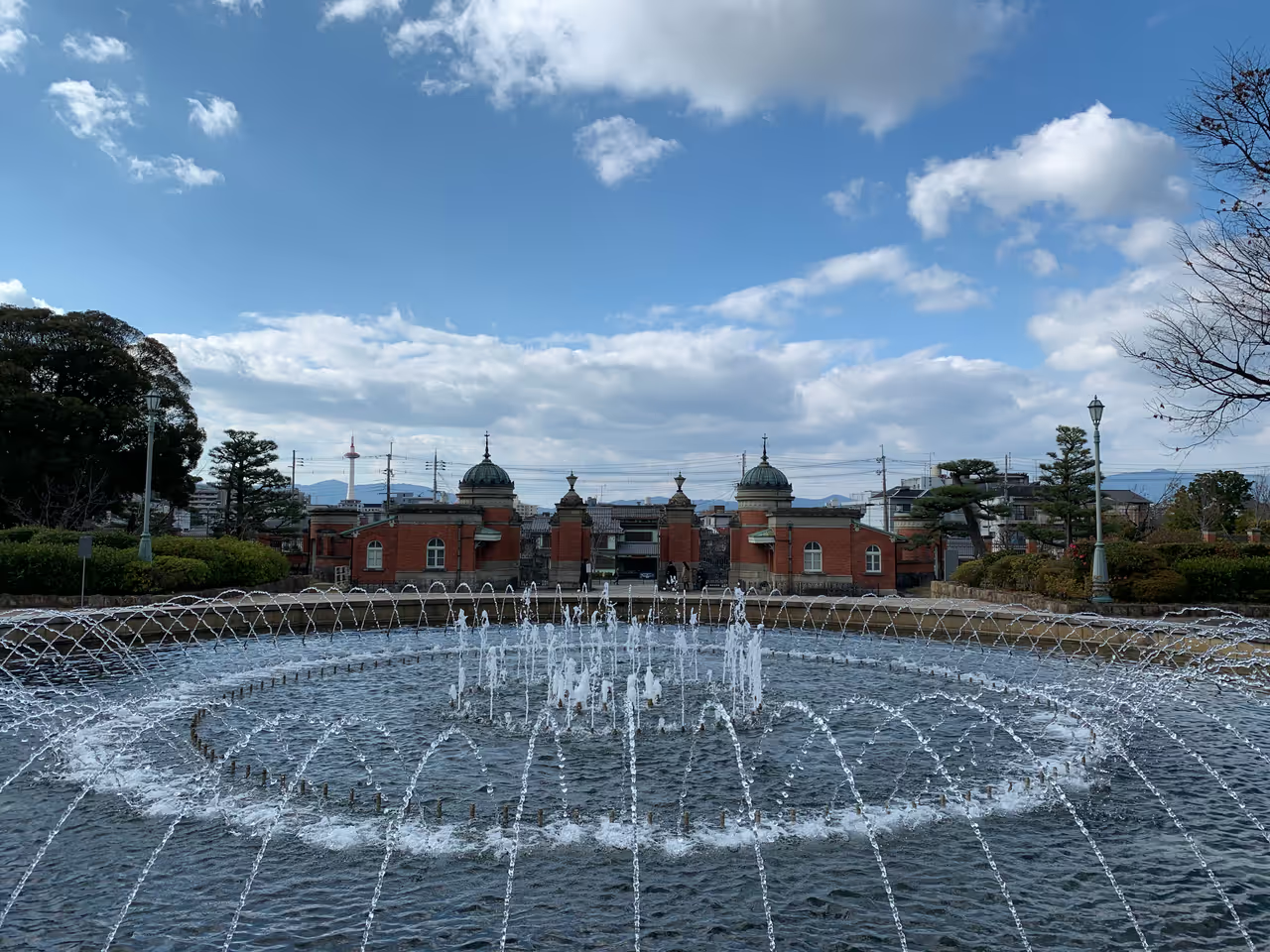 1163m
1163mKyoto National Museum
Established in 1897, this is one of the most distinguished art museums in Japan, safeguarding a staggering collection of pre-modern Japanese and Asian art. The museum complex beautifully bridges eras, featuring a striking French Renaissance-style original building and the ultra-modern Heisei Chishinkan wing designed by Yoshio Taniguchi. Inside, visitors can marvel at priceless national treasures, including exquisite calligraphy, ancient Buddhist sculptures, fine ceramics, and delicate textiles. It provides essential historical and artistic context that greatly enriches the experience of exploring the city's ancient temples.
highlight view
Explore Similar Places in This Collection
Featured on These Itineraries and Routes
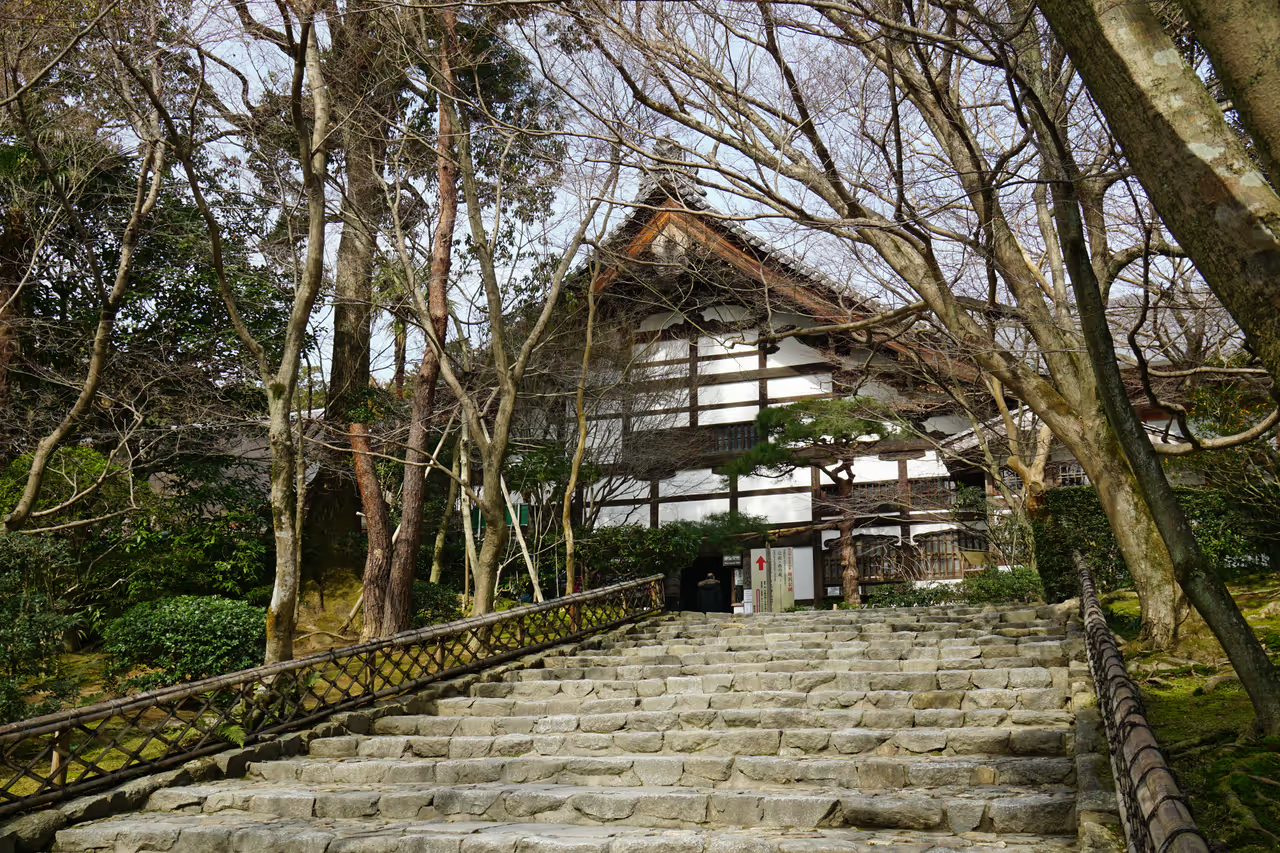
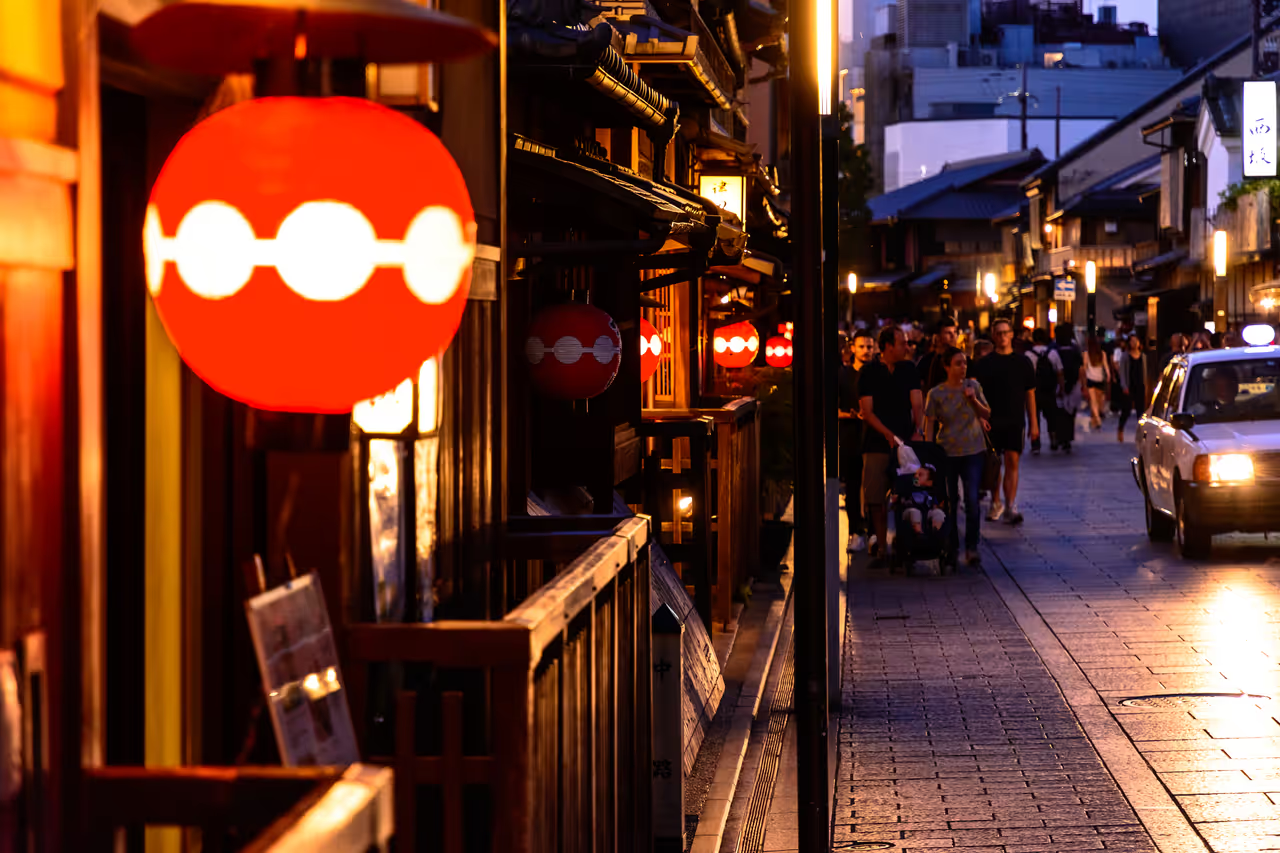
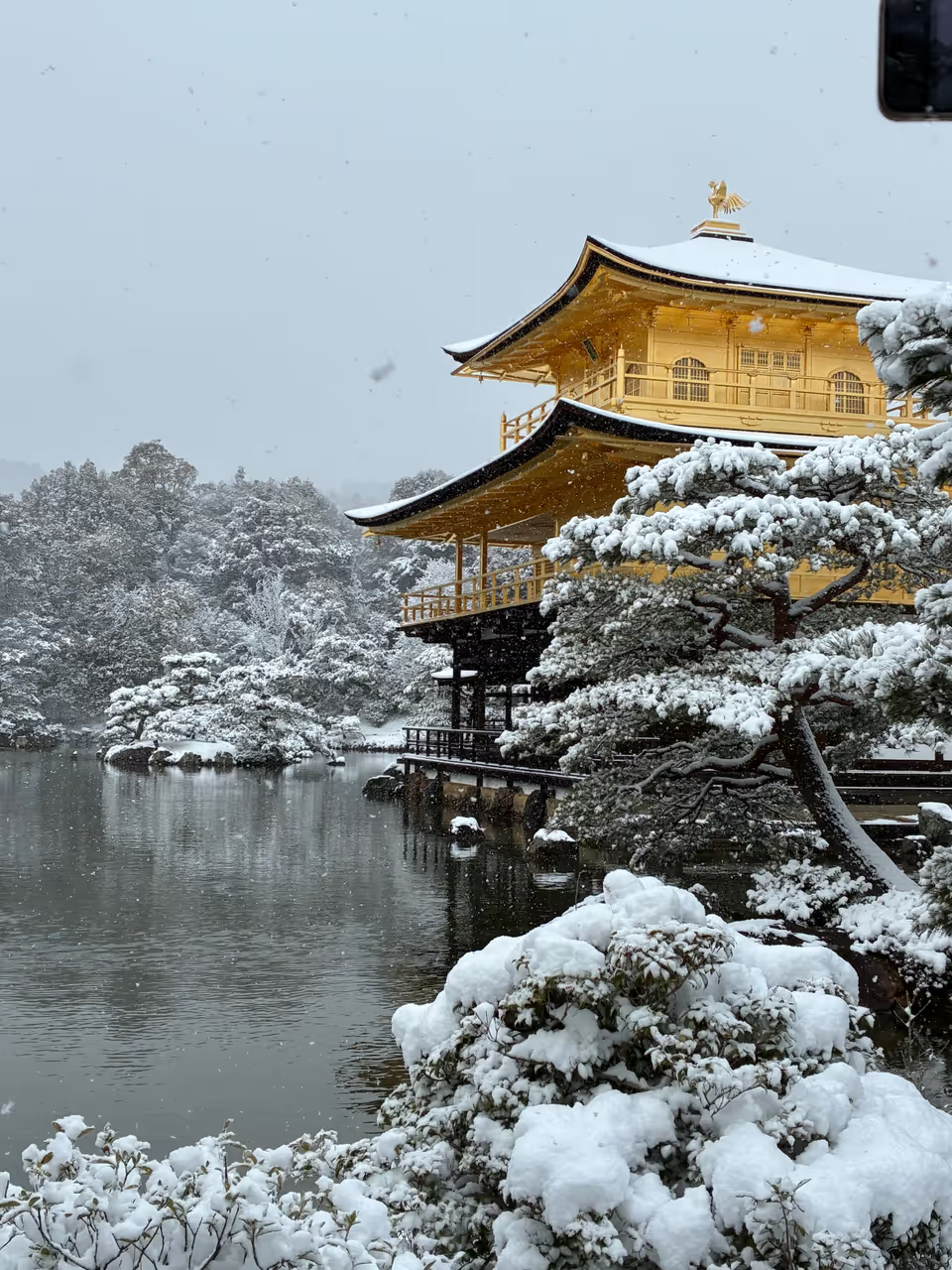
1 Day in Kyoto: The Essentials Itinerary
If you only have a single day, this highly efficient route ensures you experience the absolute defining landmarks that have made the city globally famous. You will traverse from the glowing golden pavilion in the north to the sprawling wooden stage overlooking the eastern hills, finishing amidst the traditional geisha districts. This is an incredibly fast-paced, high-impact itinerary designed to maximise your visual and cultural intake. Be prepared for substantial walking and utilise taxis or rapid trains between the major geographical jumps to save precious time.
view itinerary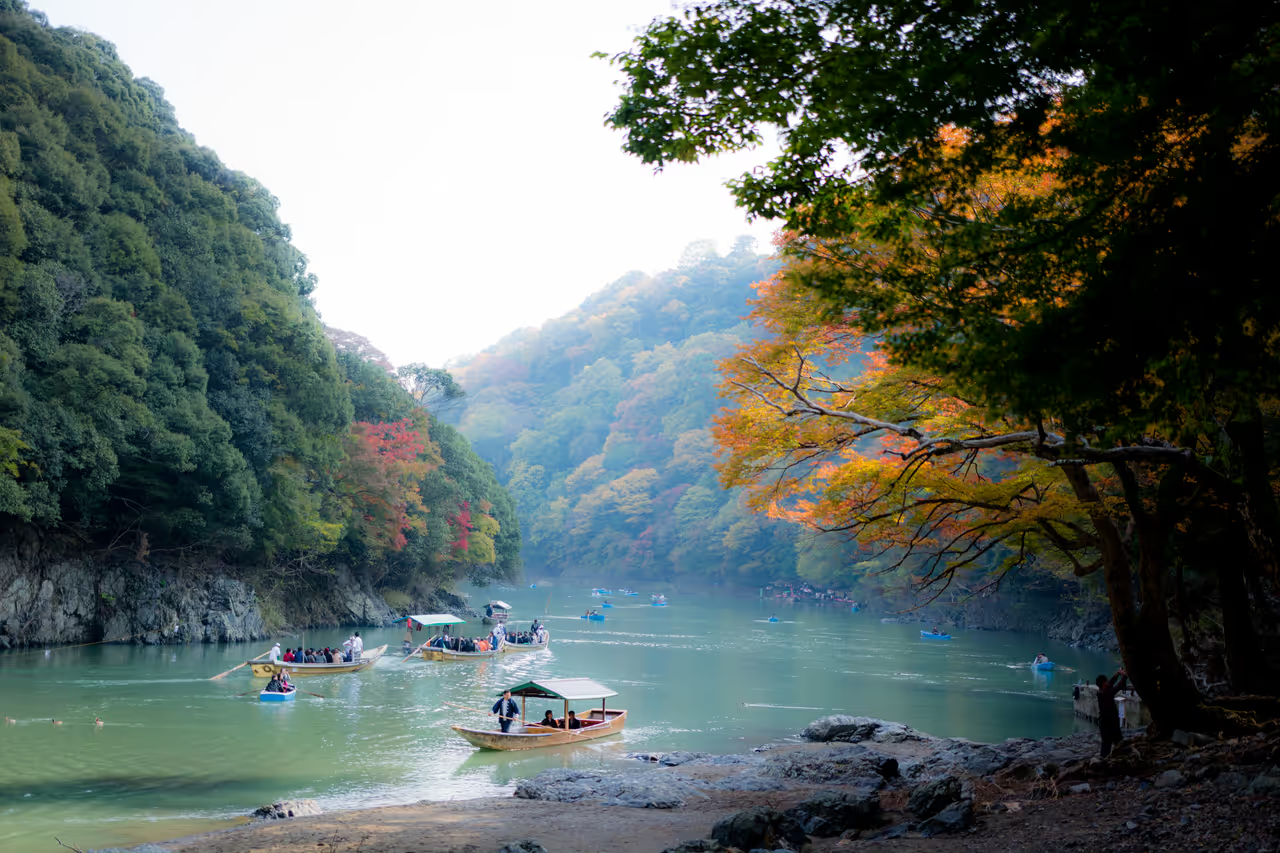
3 Days in Kyoto: Culture and Nature Itinerary
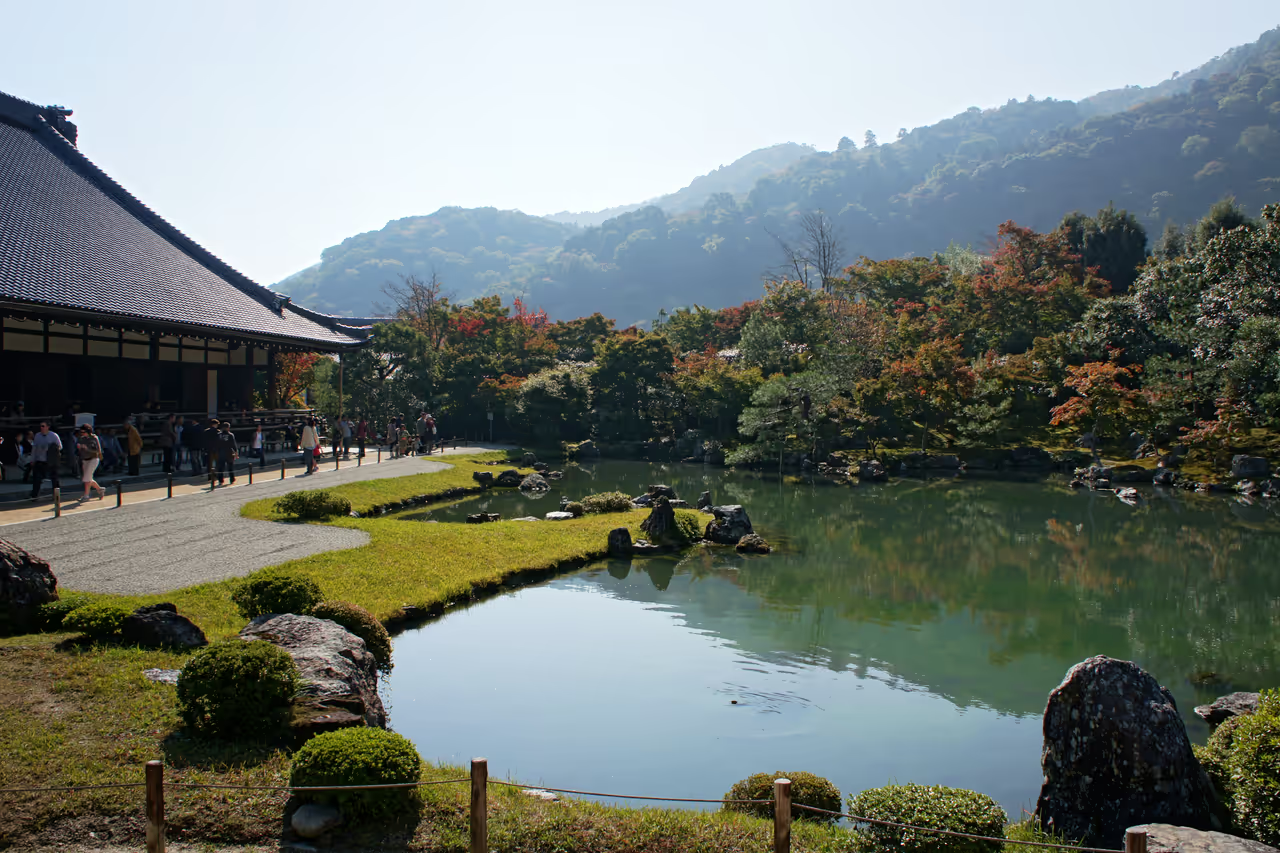
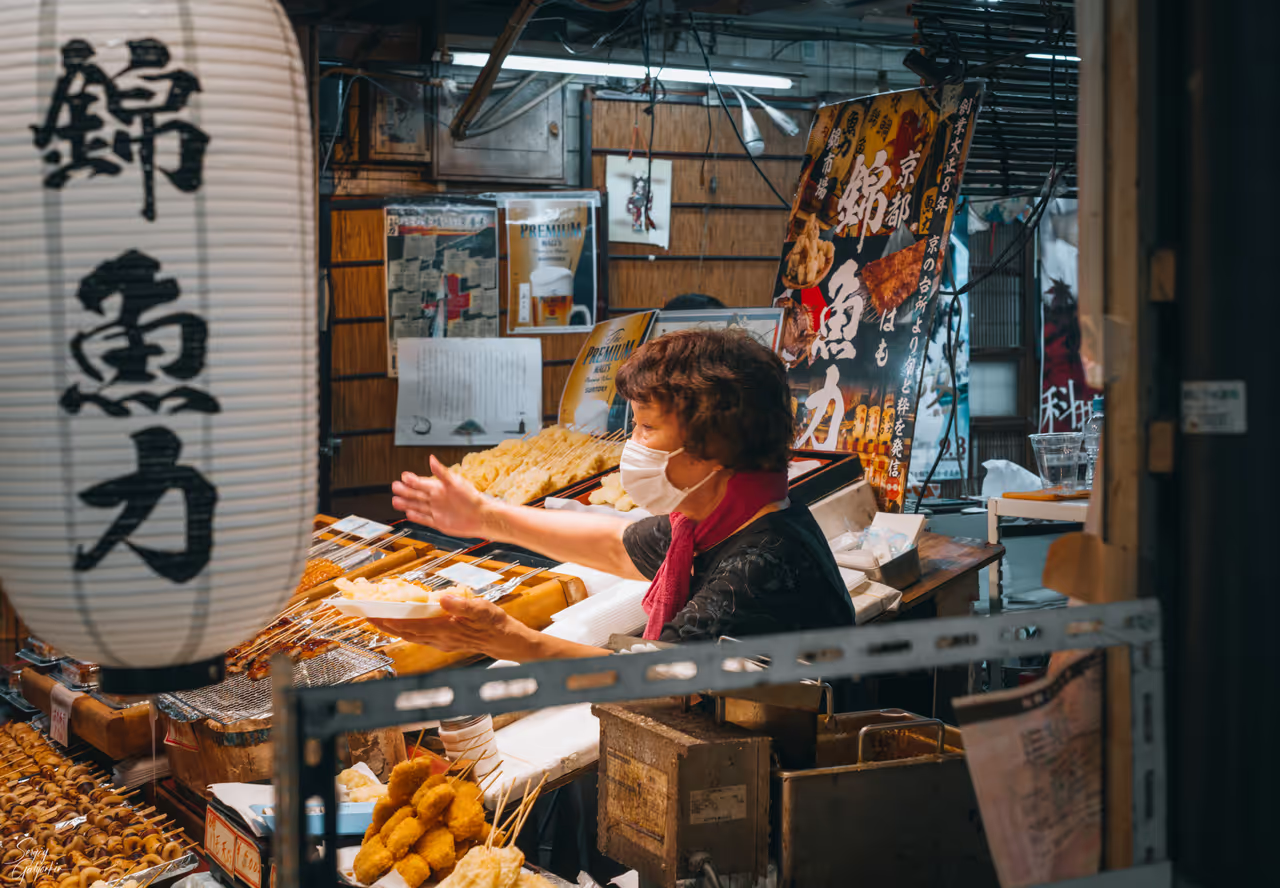
Three days allows you to significantly expand your exploration beyond the immediate city centre, dedicating specific days to distinct geographical and cultural zones. You will uncover the majestic bamboo forests in the west, hike the infinite red gates in the south, and still have time to dive deep into the central culinary markets. This pacing provides enough time to enjoy lengthy, scenic walks and sit for proper, traditional meals without feeling constantly rushed. It strikes the perfect balance between hitting the major sights and absorbing the local atmosphere.
view itinerary
5 Days in Kyoto: The Deep Immersion Itinerary
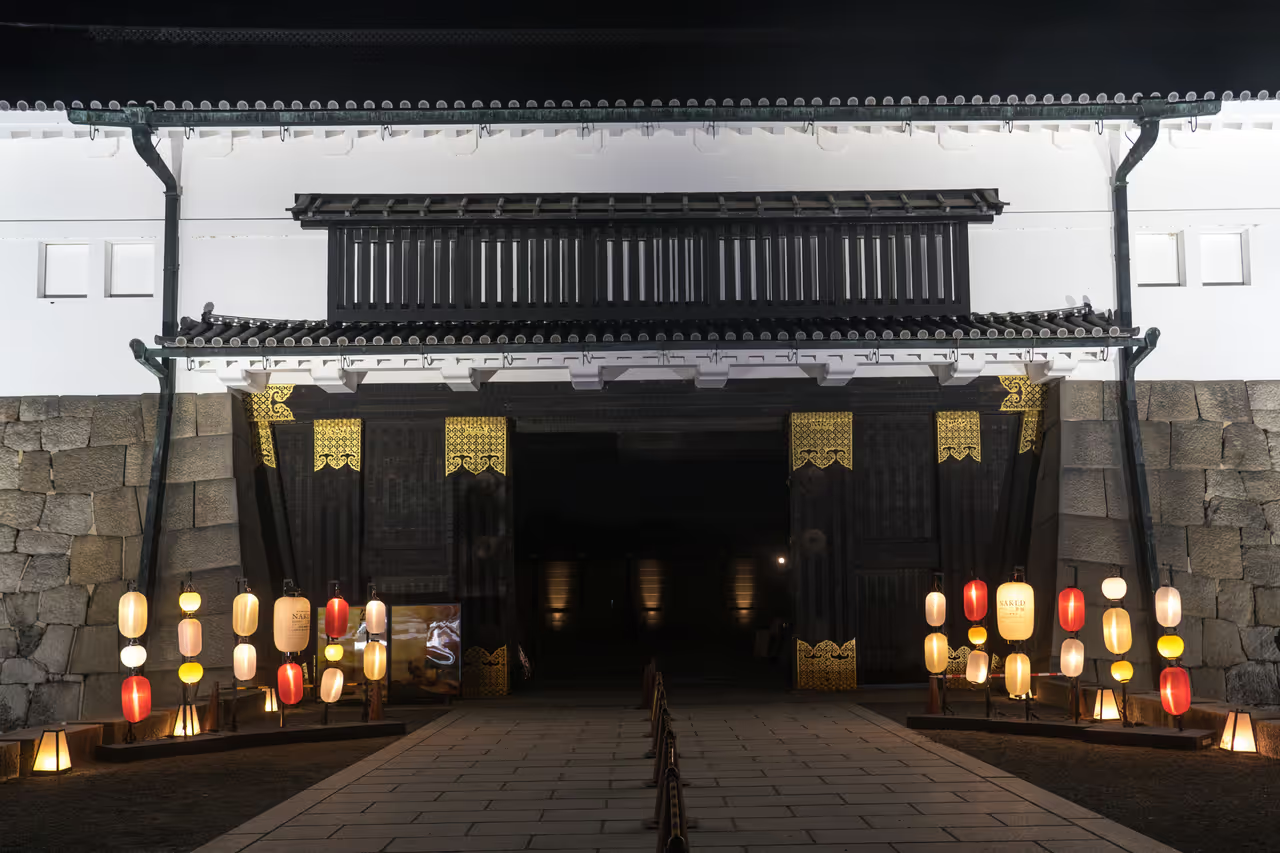
A generous five-day stay grants you the absolute luxury of slowing down and exploring the quiet, hidden corners that most travellers never see. Beyond the iconic temples, you will have time to discover secluded mountain shrines, delve into the imperial history of the grand palaces, and enjoy restorative public bathing. This extended itinerary allows you to dedicate entire afternoons to aimless, scenic strolls and highly authentic culinary experiences. It is the ultimate way to truly connect with the profound spiritual and historical rhythm of the ancient capital.
view itinerary
Historic Higashiyama Wander
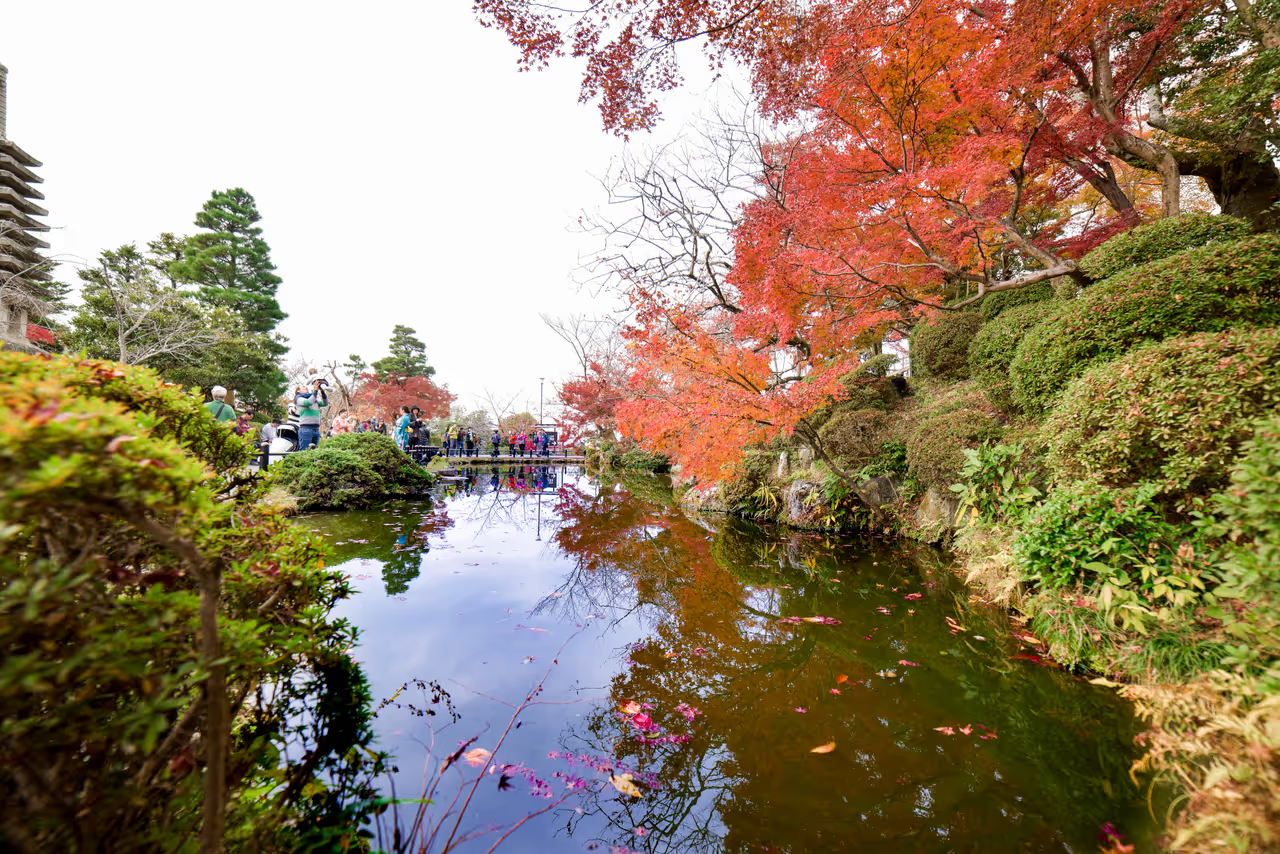
Wandering through the preserved historic district on the eastern hills is like stepping straight into a woodblock print of old Japan. The narrow, sloping streets are lined with traditional wooden storefronts, teahouses, and artisanal pottery shops that have stood for generations. Without the intrusion of overhead power lines or modern signage, the atmosphere is intoxicatingly authentic and beautifully maintained. The walk offers sudden, sweeping views over the city rooftops and leads to some of the most iconic religious sites in the country.
view walking route
See all unesco sites in Kyoto
Kinkaku ji (The Golden Pavilion), Nijō Castle, Ryōanji Temple, Shimogamo Shrine, Ginkaku-ji, Tenryū-ji Temple...