Augsburg
Full City Guide, Map & 130 Things To Do
301,786 people live here.
That's 0.36% of the entire population of Germany.
Roman legions laid the foundation stones for this Bavarian powerhouse more than two millennia ago. Water rushes constantly through a complex network of mediaeval canals that power historic turbines and shape the urban layout. Immense wealth flowed through these streets during the Renaissance, bankrolled by legendary merchant families who left behind ornate palaces and the world's oldest social housing complex. Heavy wooden doors of historic guild houses stand opposite sleek tram lines and contemporary art spaces today. Students crowd into courtyard cafes while the bells of dual Catholic and Protestant churches ring across the copper rooftops. It is a place where heavy industrial heritage seamlessly merges with deep alpine foothills and dense urban forests.
Augsburg DNA
History of Augsburg
Roman legions under Emperor Augustus hammered the first stakes into the confluence of the Lech and Wertach rivers in 15 BC. Augusta Vindelicorum rapidly expanded into a vital military camp and eventually became the capital of the Roman province of Raetia. Trading routes converged on this exact spot, pulling vast quantities of goods and gold across the treacherous Alps. The Huns sacked the settlement in the fifth century, but the location proved far too strategic for subsequent rulers to abandon completely. Centuries later, Augsburg secured the highly coveted status of a Free Imperial City in 1276. This political independence allowed local merchants to accumulate immense wealth without answering to demanding local lords. By the 16th century, the city effectively functioned as the engine room of early European capitalism. The Fugger and Welser families dominated continental banking, running aggressive monopolies on copper and silver while casually bankrolling the Holy Roman Emperor Charles V. Jakob Fugger, arguably the wealthiest man in modern history, funneled a fraction of this capital into the Fuggerei, a social housing complex that continues to operate today. Religious upheaval fractured this golden economic era. The 1530 Diet of Augsburg saw Protestant leaders present the Augsburg Confession, laying the theological groundwork for the global Lutheran church. The subsequent Peace of Augsburg in 1555 attempted to ease violent tensions by allowing local rulers to choose their territory's religion, resulting in a fragile mixed Catholic and Protestant city council. This careful parity shattered during the Thirty Years' War when a brutal siege by Catholic troops starved thousands and slashed the local population by more than three-quarters. Industrialisation breathed fierce new life into the cobblestones during the 19th century. Huge textile mills and heavy machinery factories sprouted along the ancient waterways, utilising the fast-flowing rivers for power. Rudolf Diesel worked out the complex mechanics of his revolutionary compression-ignition engine in a local laboratory in the 1890s. The MAN factory, a massive producer of U-boat engines, drew heavy Allied bombing during the Second World War, levelling large swathes of the historic centre. The post-war decades brought American military bases and a frantic, determined reconstruction effort. City planners chose to meticulously restore architectural triumphs like the Renaissance Rathaus rather than bulldoze the ruins for concrete blocks. Today, the intricate water management system that powered mediaeval silver smiths and early hydroelectric plants holds a World Heritage title, keeping the continuous hum of the rivers central to daily life.
16 events spanning 2034 years
Map of Augsburg
Interactive Destination & Itinerary Map
This map blends our curated city guides—featuring best photo spots, scenic walks, viewpoints, hidden gems and much more—with a live Wikipedia explorer. Click on our numbered pins to plan your routes, or zoom in on the surrounding neighborhoods to discover verified local landmarks, museums, and stories with dynamic Wikipedia summaries and photos!
Fun Facts
9- 01
High-ranking Nazi official Rudolf Hess stole a Messerschmitt aircraft from a local airfield in 1941 to fly secretly to Scotland.
- 02
Rent inside the world's oldest social housing complex costs exactly 88 cents a year, plus a mandatory daily promise to pray for the founding family.
- 03
Leopold Mozart, the father and relentless manager of Wolfgang Amadeus, learned his musical trade in these alleys before moving to Salzburg.
- 04
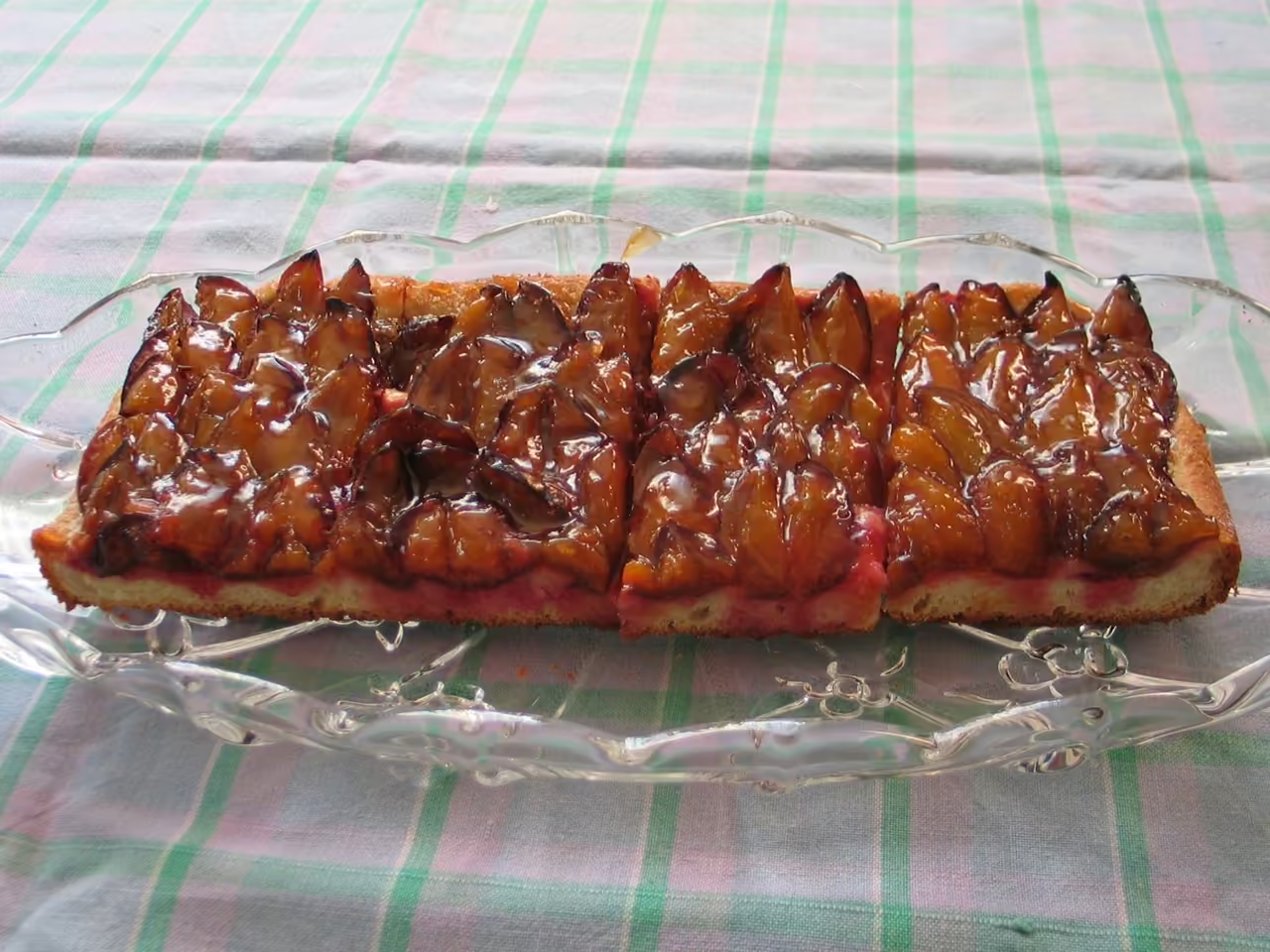
The fierce local passion for a specific type of flat plum cake earned residents the nickname 'Datschiburgers' among neighbouring Swabians.
- 05
A 17th-century butcher's hall still stands completely intact because the city cleverly separated its drinking water from industrial runoff hundreds of years before the rest of Europe.
- 06
Wolfgang Amadeus Mozart wrote a series of incredibly crude, aggressively scatological letters to his cousin Maria Anna while she lived in Augsburg. These notoriously bizarre documents completely shatter the polished, elegant image of the classical composer.
- 07
A strange stone statue of a one armed baker rests near the eastern city walls, completely missing its nose. Local legend insists this baker single handedly saved the city during a brutal medieval siege by baking a fake loaf of bread out of sawdust and throwing it at the enemy to convince them the city had endless food supplies.
- 08
Because of the heavily engineered, centuries old canal network diverting the local rivers, the city quietly possesses over five hundred individual bridges. This massive number physically beats out Venice, though locals rarely bother to brag about it.
- 09
To aggressively flex his incomprehensible wealth, banker Jakob Fugger allegedly burned a massive debt certificate owed to him by the Holy Roman Emperor Charles V. He reportedly threw the paper into a fire made entirely of highly expensive imported cinnamon wood right in front of the emperor's face.
Did You Know?
11- 01
The Peace of Augsburg in 1555 legally established the principle that a region's ruler could dictate its religion, temporarily pausing massive continental warfare.
- 02
The Kaiserliche Reichspost, effectively the world's first modern postal service, heavily relied on the city's infrastructure and financial backing in the early 16th century.
- 03
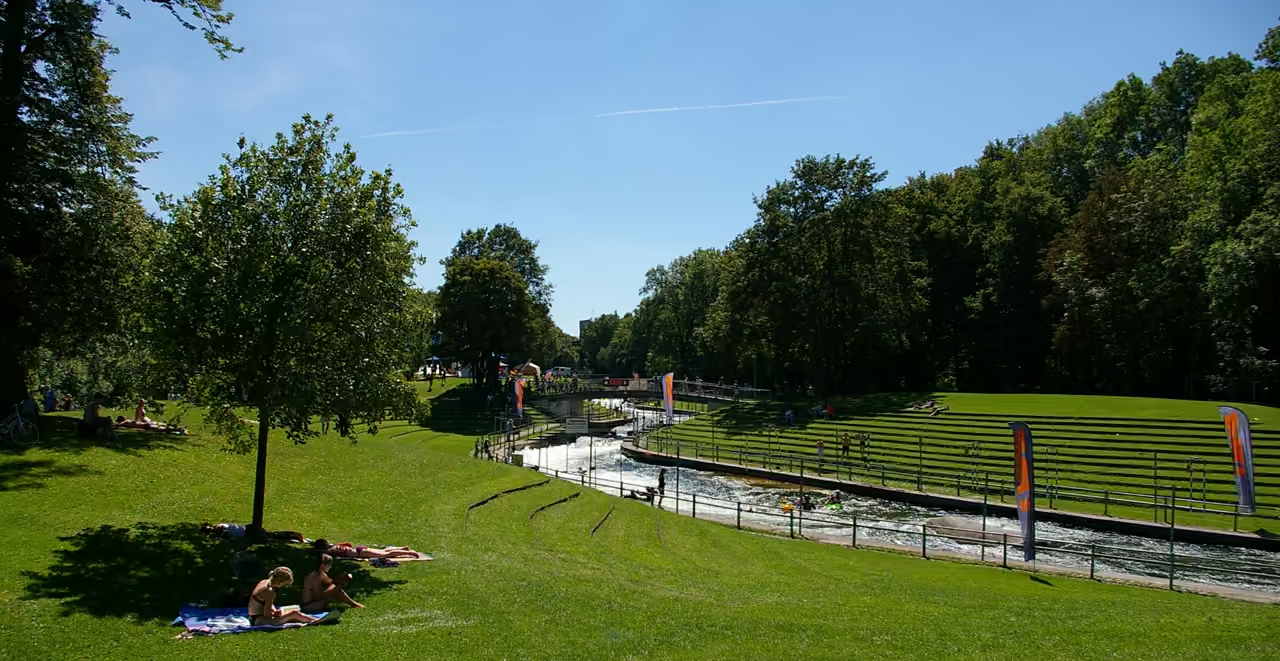
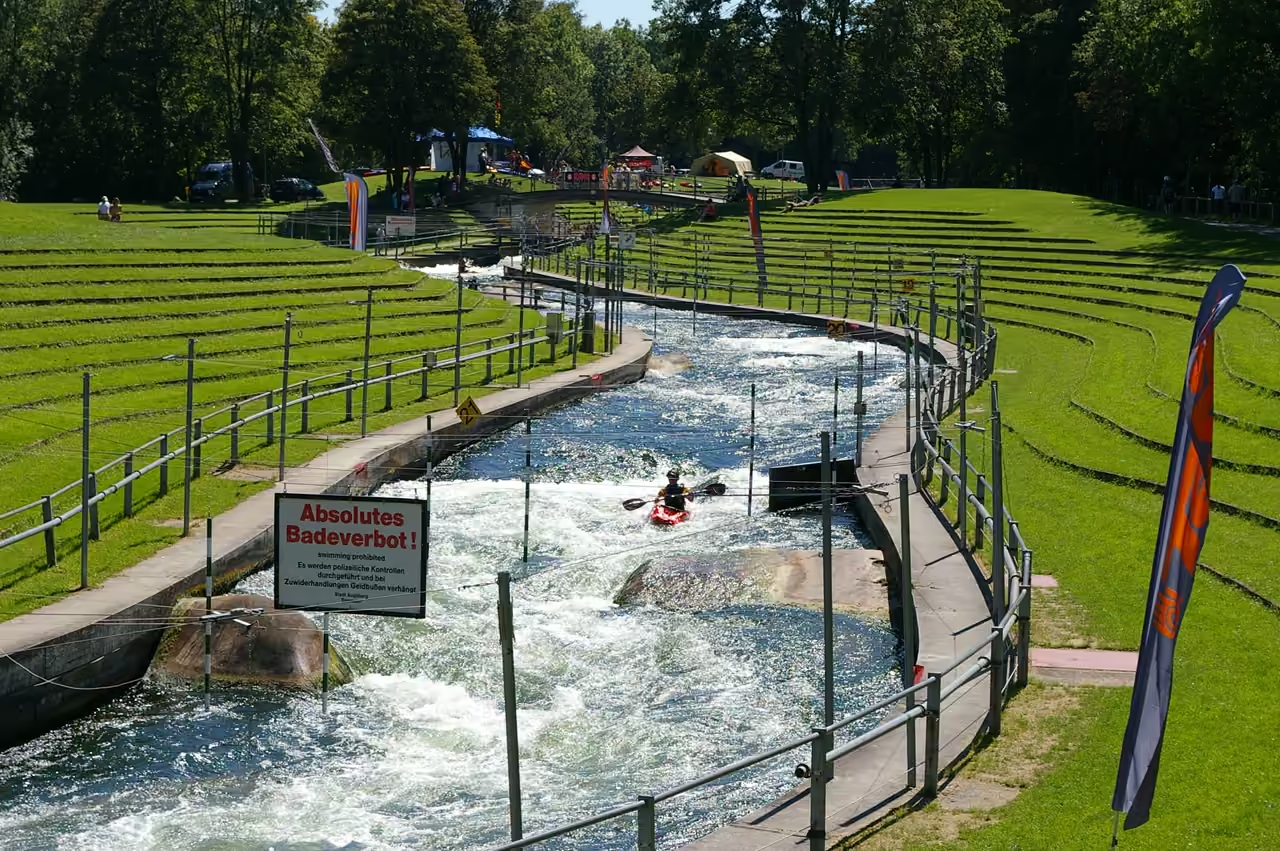
Engineers constructed the Eiskanal for the 1972 Munich Olympics, creating the first highly controlled artificial whitewater slalom course on the planet.
- 04
Hydroelectric power stations built here in the late 19th century were among the absolute earliest global attempts to generate electricity from running water.
- 05
At its economic peak in the 1500s, local banking families controlled a near-total monopoly on European copper and silver markets, dictating prices to kings and emperors.
- 06
Augsburg lay exactly at the end of the Via Claudia Augusta, the massive Roman road that linked the Po valley with the Danube, cementing its early dominance in global trade.
- 07
Augsburg is the only city in Germany to legally possess its own exclusive public holiday—the Hohes Friedensfest on August 8th—celebrating religious peace since 1650.
- 08
During the Renaissance, the city functioned as Europe's absolute premier hub for highly complex scientific instruments and automata. Local goldsmiths and engineers produced intricate mechanical clocks that were heavily sought after by royal courts from London to Vienna.
- 09
Following the invention of the printing press, local publishers aggressively transformed the city into the largest producer of German language books in the entire Holy Roman Empire. Master printer Erhard Ratdolt produced the world's absolute first known printer's type specimen book here in 1486.
- 10
To supply the ornate Renaissance fountains on the main boulevard, local sixteenth century engineers constructed massive water towers equipped with highly advanced piston pumps. These massive wooden machines pushed running water up into elevated tanks, demonstrating a grasp of hydrodynamics that completely outpaced the rest of Europe.
- 11
Following the 1555 Peace of Augsburg, the city enacted a highly fragile, legally mandated system of absolute religious parity. Catholics and Protestants were forced to share exact equal numbers in all government positions, creating a fiercely negotiated dual administration that survived for centuries.
Videos of Augsburg
Seasons
Spring
The brutal winter cold finally breaks, and the dense urban forests explode into a massive, aggressive shade of green. Locals...
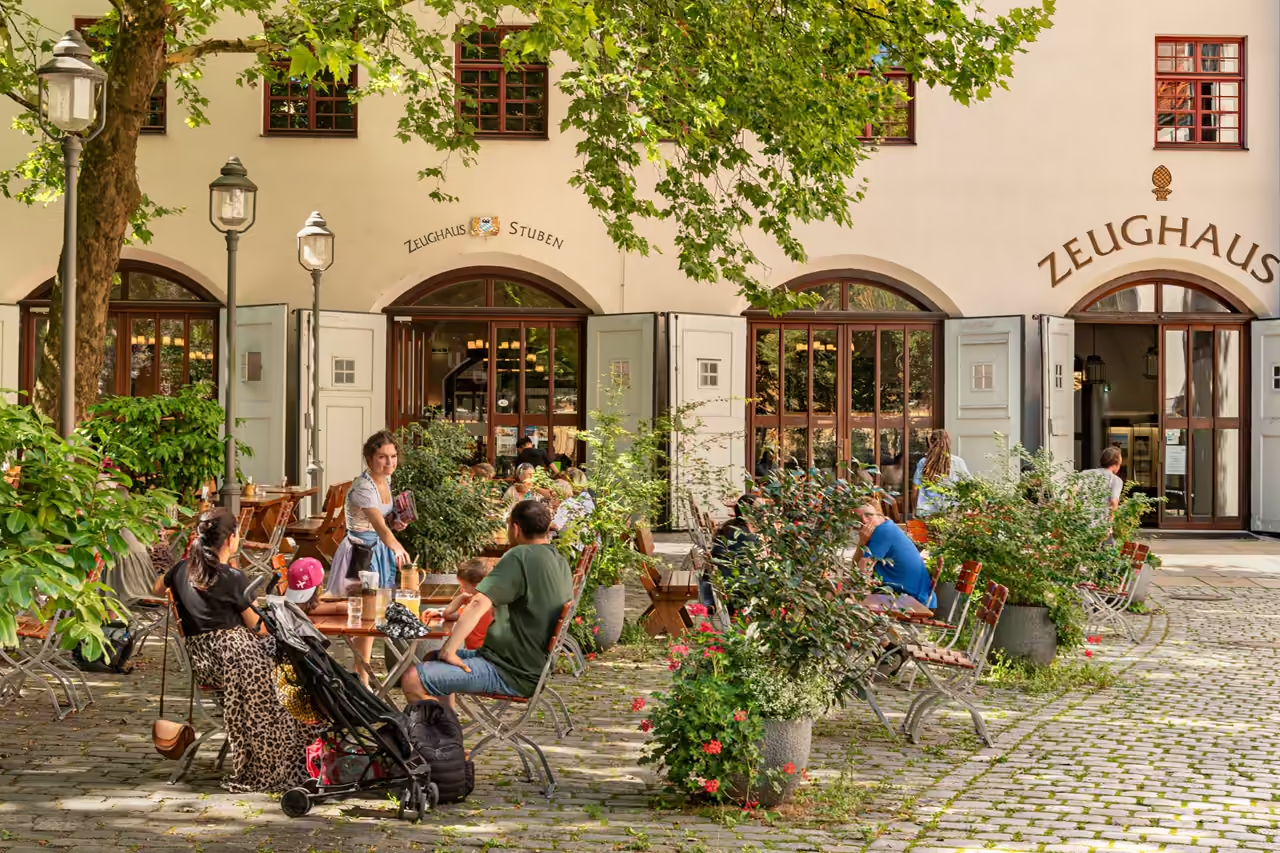
Summer
Heat aggressively bakes the cobblestones, forcing everyone into the deep shade of the massive beer gardens or the cool canopy of...
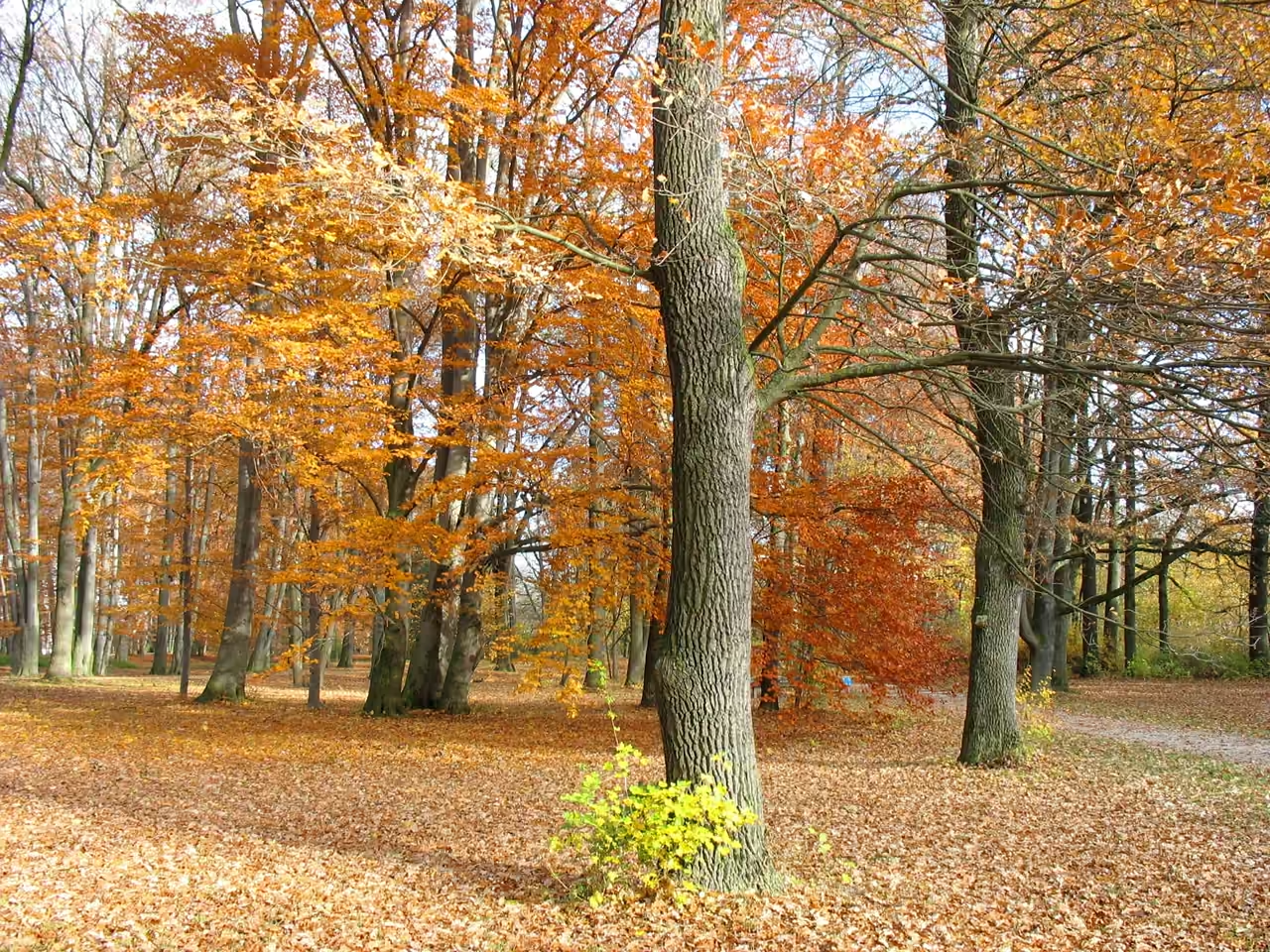
Autumn
A sharp, biting chill returns to the air, and the vast urban forests turn a deeply bruised shade of orange and brown. This is...
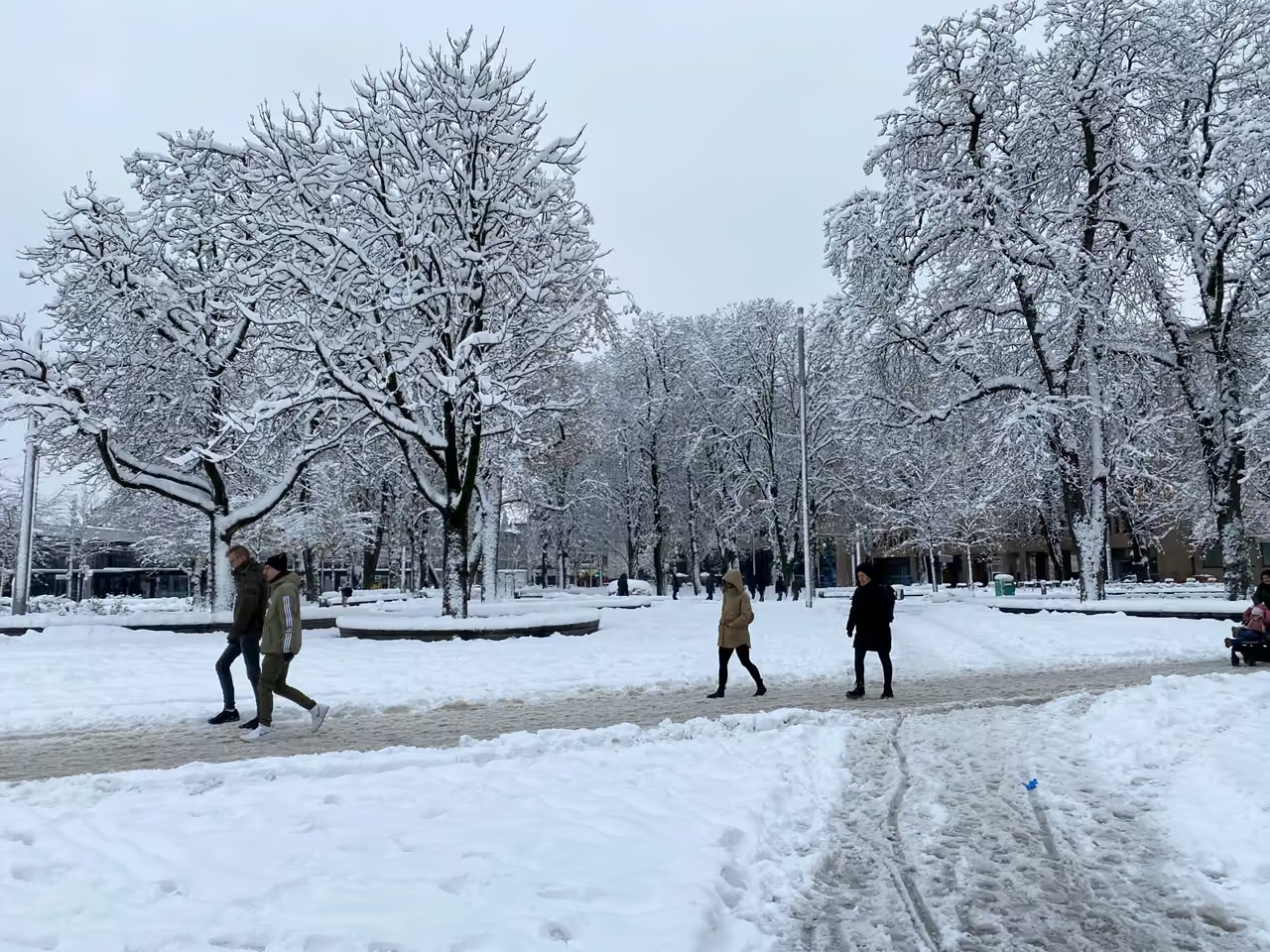
Winter
Freezing alpine winds whip fiercely down the wide boulevards, occasionally dropping heavy layers of snow on the copper rooftops...
Top Attractions in Augsburg
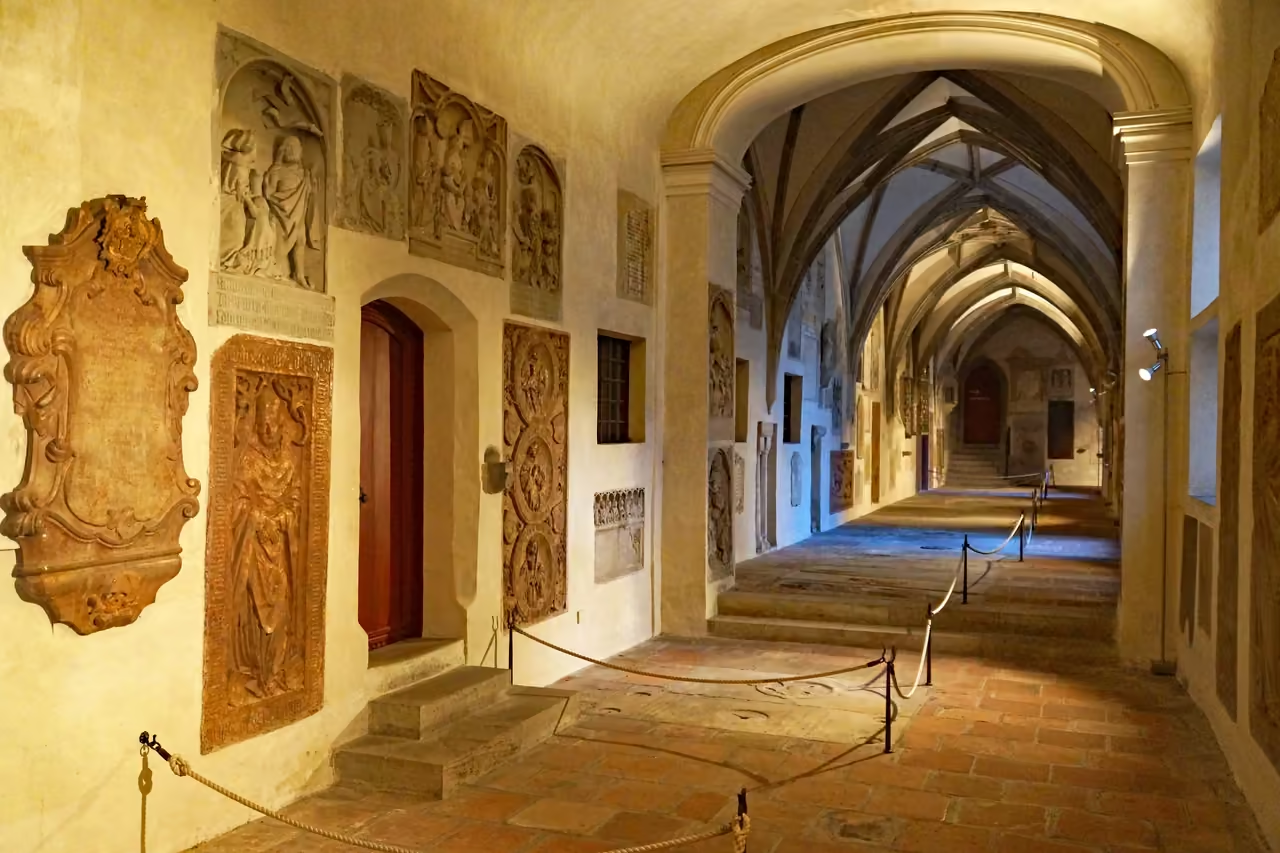
Augsburg Cathedral
Look up into the southern clerestory to spot five figures glaring down from the glass. These are the Augsburg Prophets, crafted...
view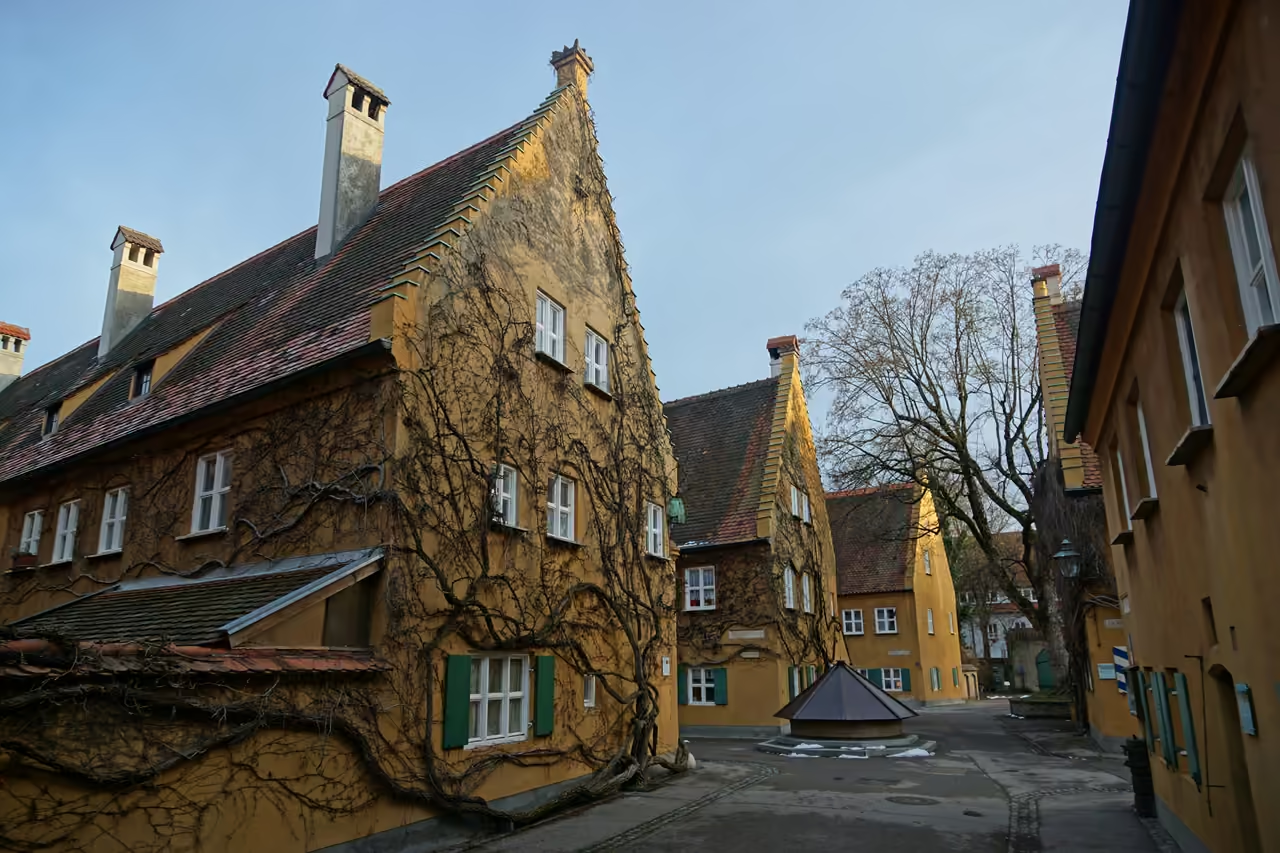
Fuggerei
88 cents a year: that is the rent for a flat behind the gates of the Fuggerei, the oldest social housing settlement in the world...
view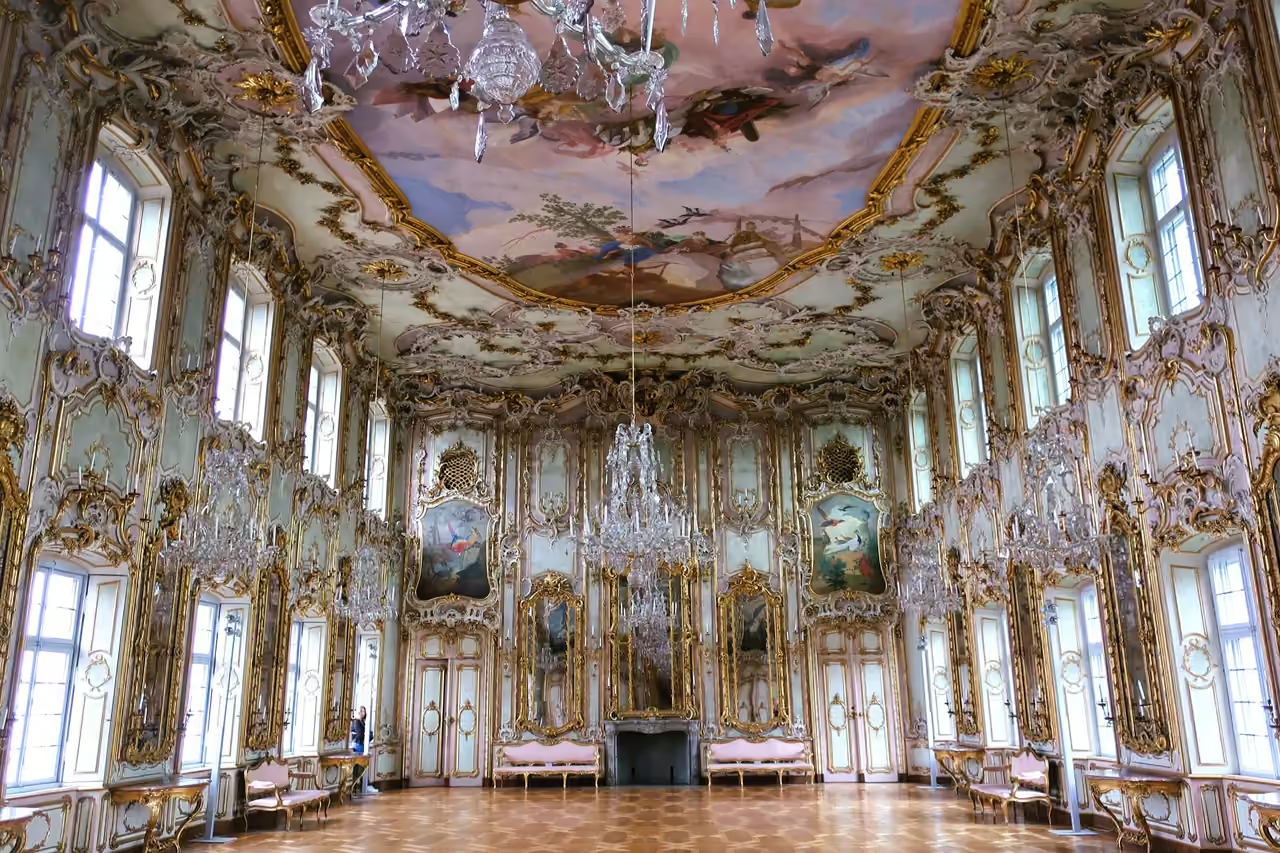
Schaezlerpalais
Step into Augsburg's Schaezlerpalais and feel the opulent grandeur of a bygone era, where every hall whispers tales of...
view
Augsburg Puppet Theatre
Approaching the historic Heilig-Geist-Spital in the old town, you immediately know you are in puppet territory when the...
view
Best Views
Augsburg Itineraries
TRIP PLANNER
3 Days Recommended
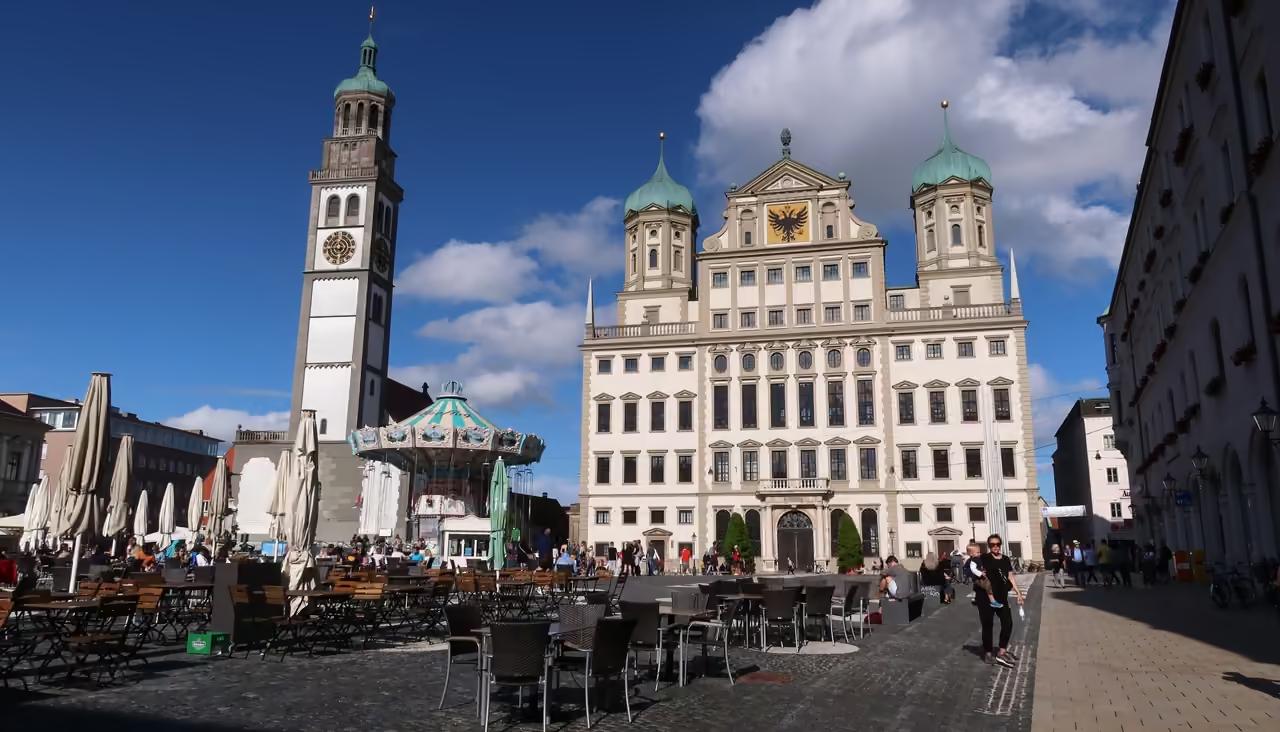
Three full days provide enough time to absorb the heavy concentration of Renaissance architecture in the centre without rushing. It allows for a dedicated day to explore the extensive water management system and massive industrial museums. The final day can easily accommodate a slow walk through the vast urban forests or a trip to the Olympic whitewater course.
1 Day in Augsburg
A highly compressed, fiercely efficient route tackling the absolute core of the city's Renaissance wealth and history. You will stand in the massive ceremonial halls of bankers and walk the quiet streets of the world's oldest social housing. It completely skips the outskirts, forcing you to engage heavily with the central mediaeval grid.
view itinerary
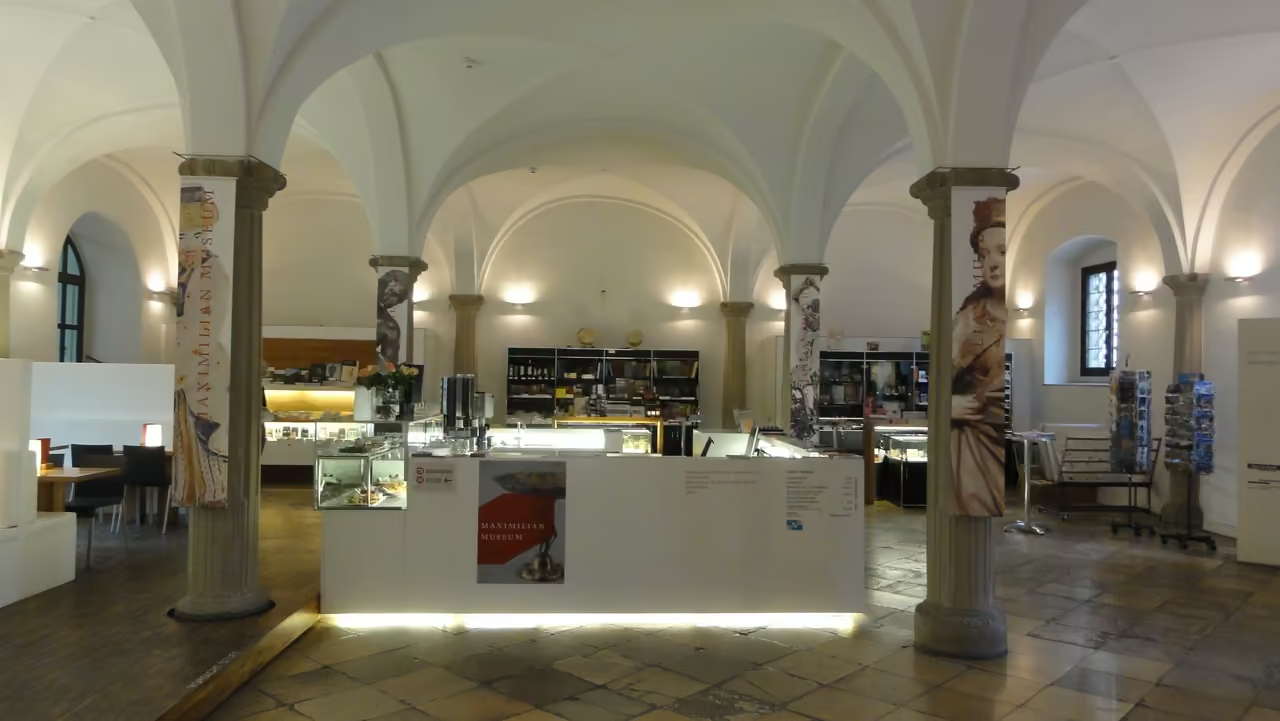
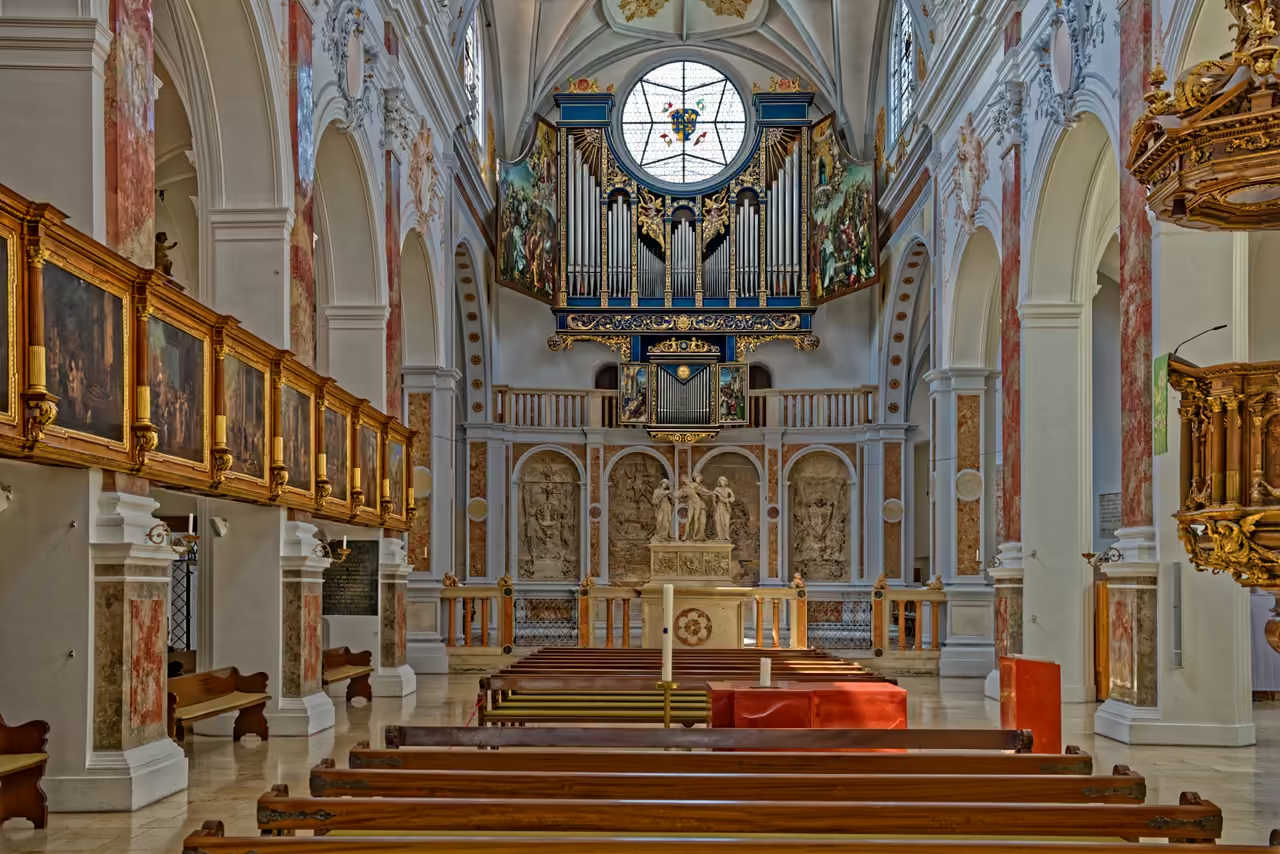
3 Days in Augsburg
A well-paced exploration that successfully balances the aggressive architectural grandeur of the centre with the deep natural elements surrounding it. You will dedicate time to highly ornate art collections before retreating into the heavy shade of the urban forests. It allows you to actually understand the historical water systems rather than just glancing at a canal.
view itinerary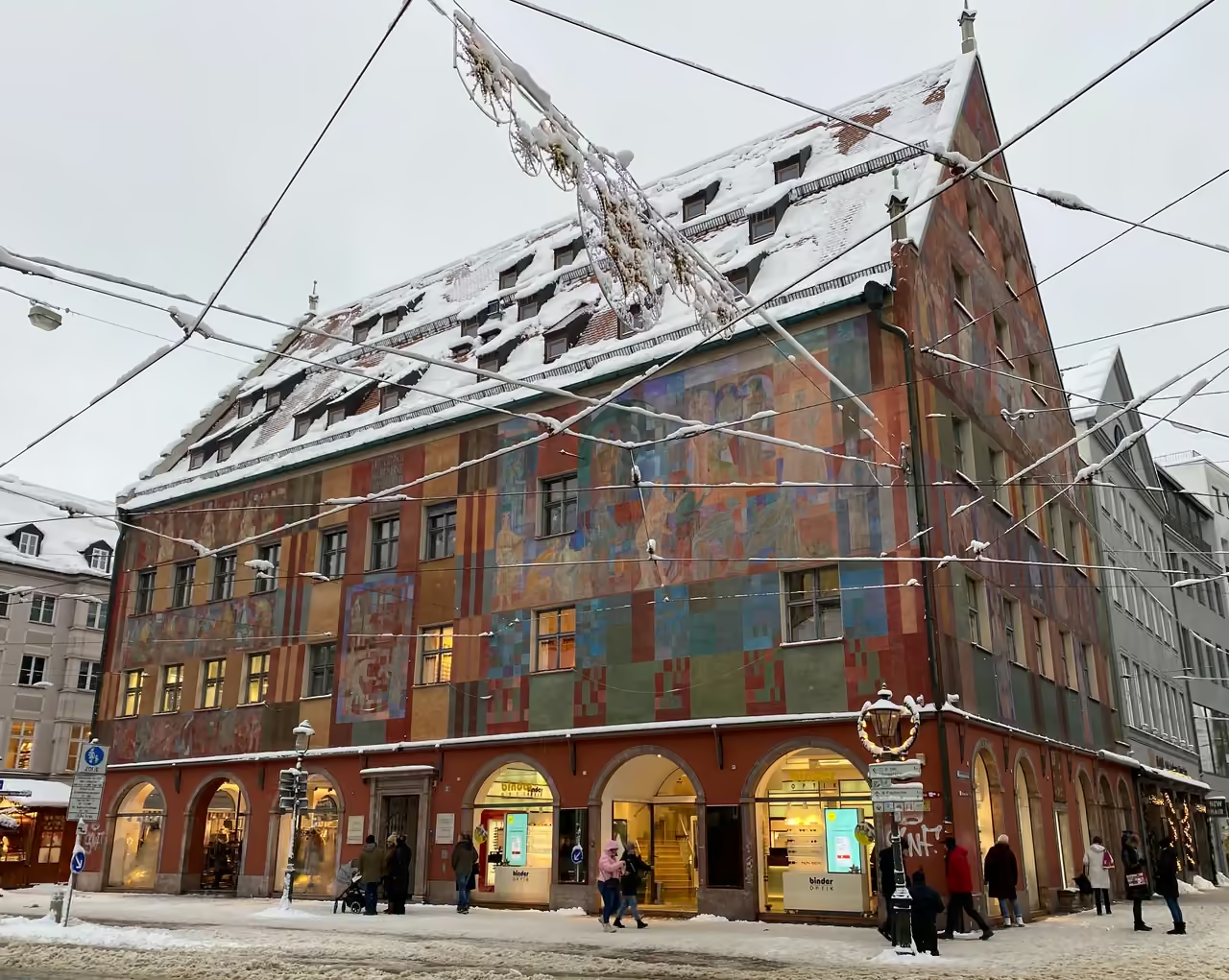
5 Days in Augsburg
A deeply comprehensive, highly exhaustive deep dive into every facet of the city's complex identity. You will transition from Roman foundations to massive industrial machinery, tracking the complete evolution of a major European powerhouse. It prevents museum fatigue by heavily incorporating long stretches of nature and unscripted time in eccentric local pubs.
view itinerary
Food in Augsburg

UNESCO World Heritage Sites
Free Things to do in Augsburg
Parks & Nature
Augsburg Botanical Garden
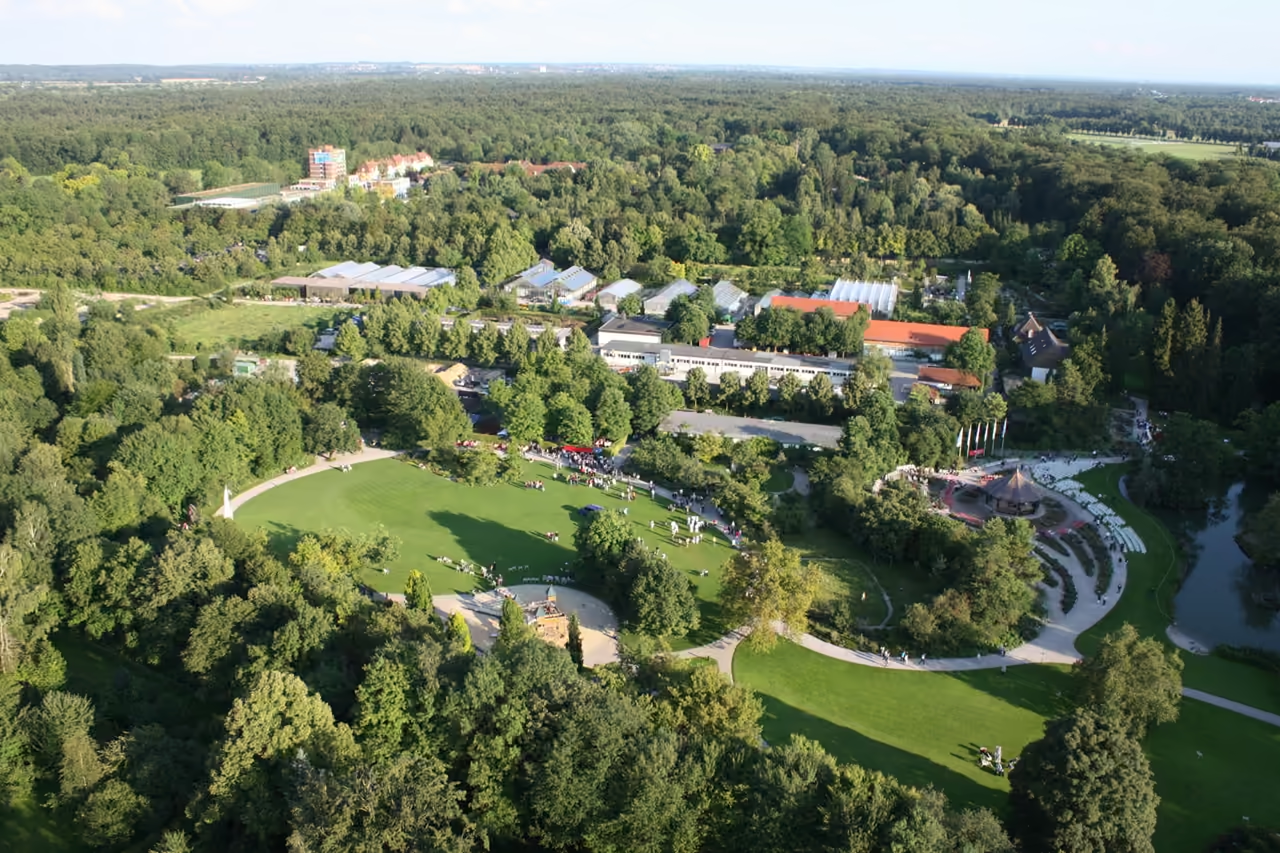
More than a million bulbs push up through the beds here each spring, and the tulips are only the opening act. Across about ten...
view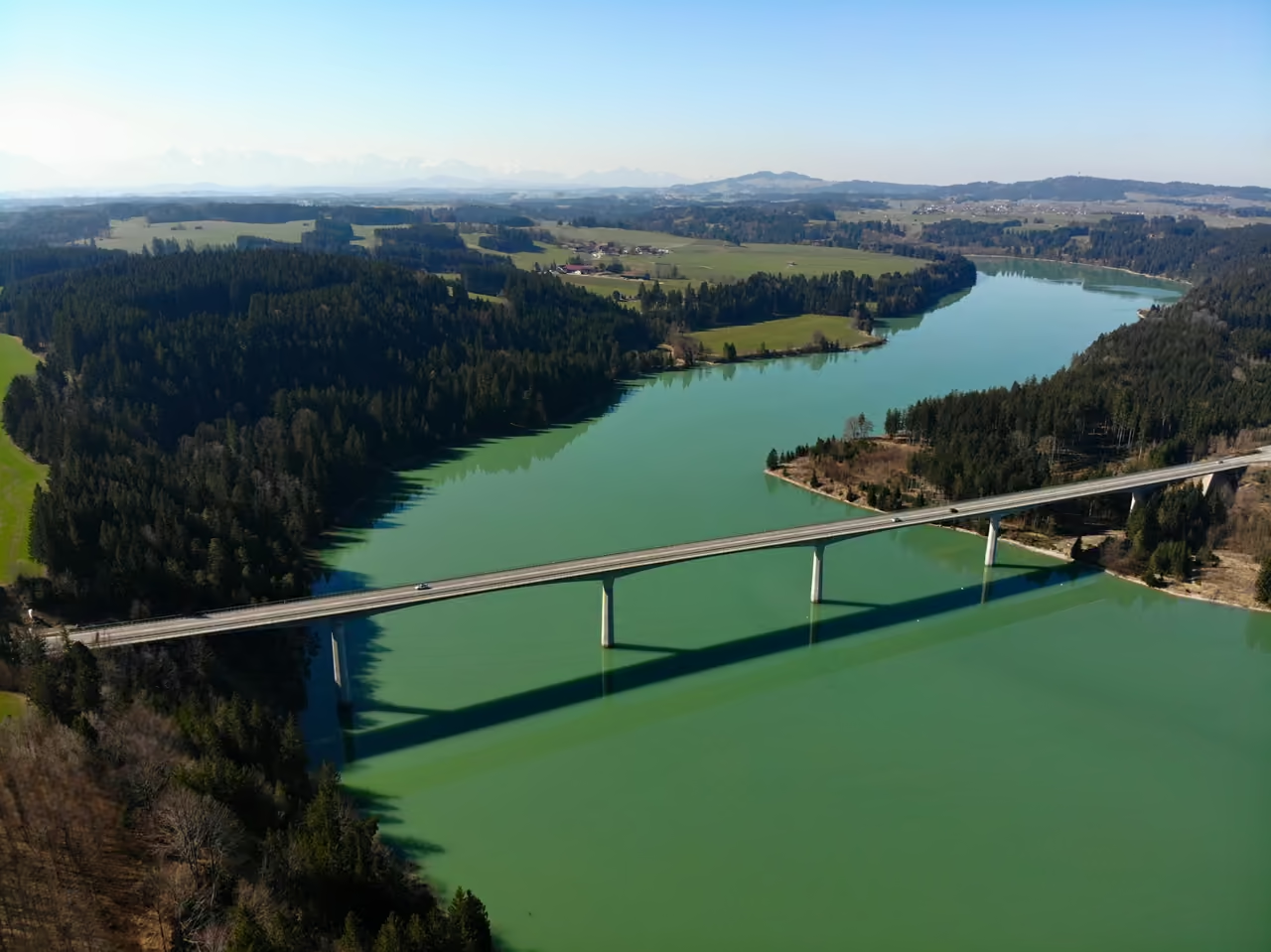
River Lech
The Lech starts as snowmelt near the Formarinsee in Vorarlberg and covers 256 kilometres before it joins the Danube at Marxheim...
view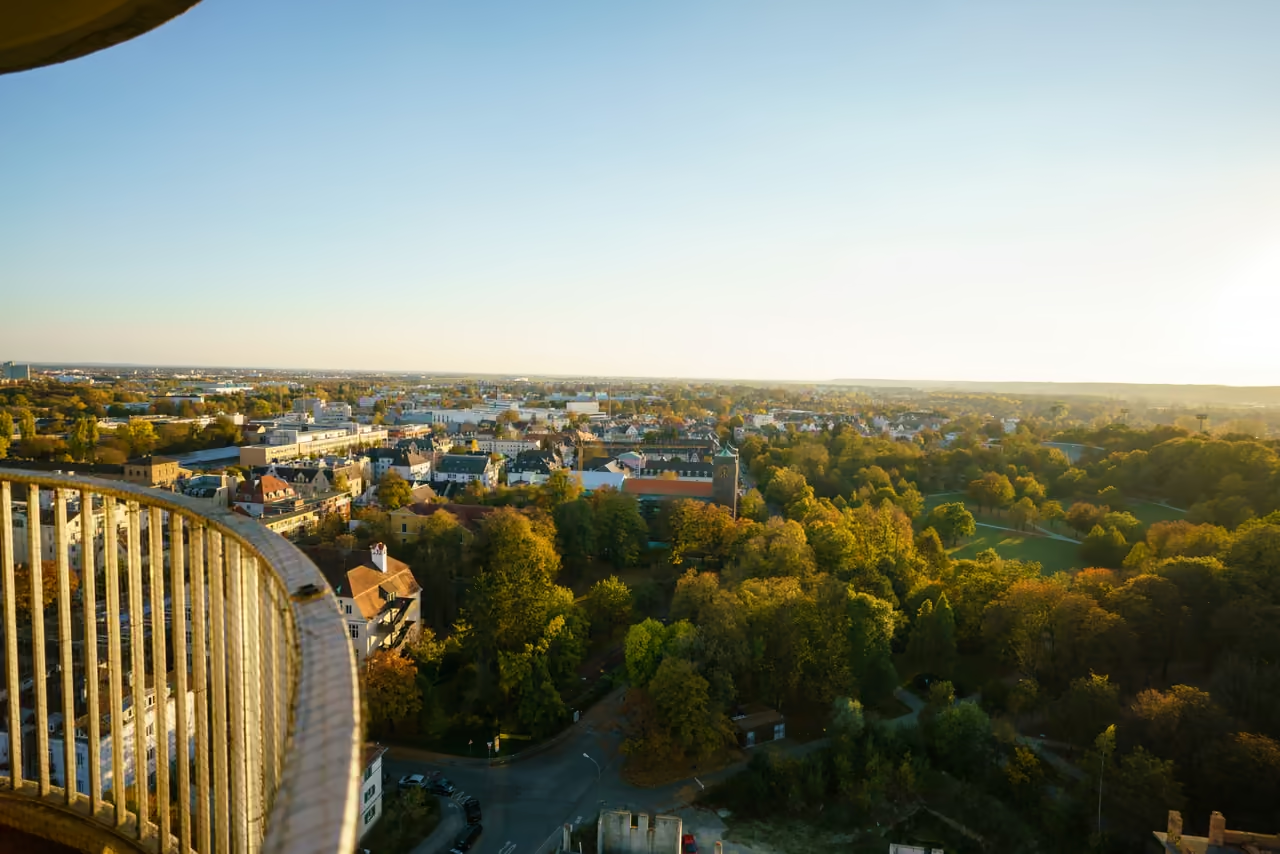
Wittelsbacher Park
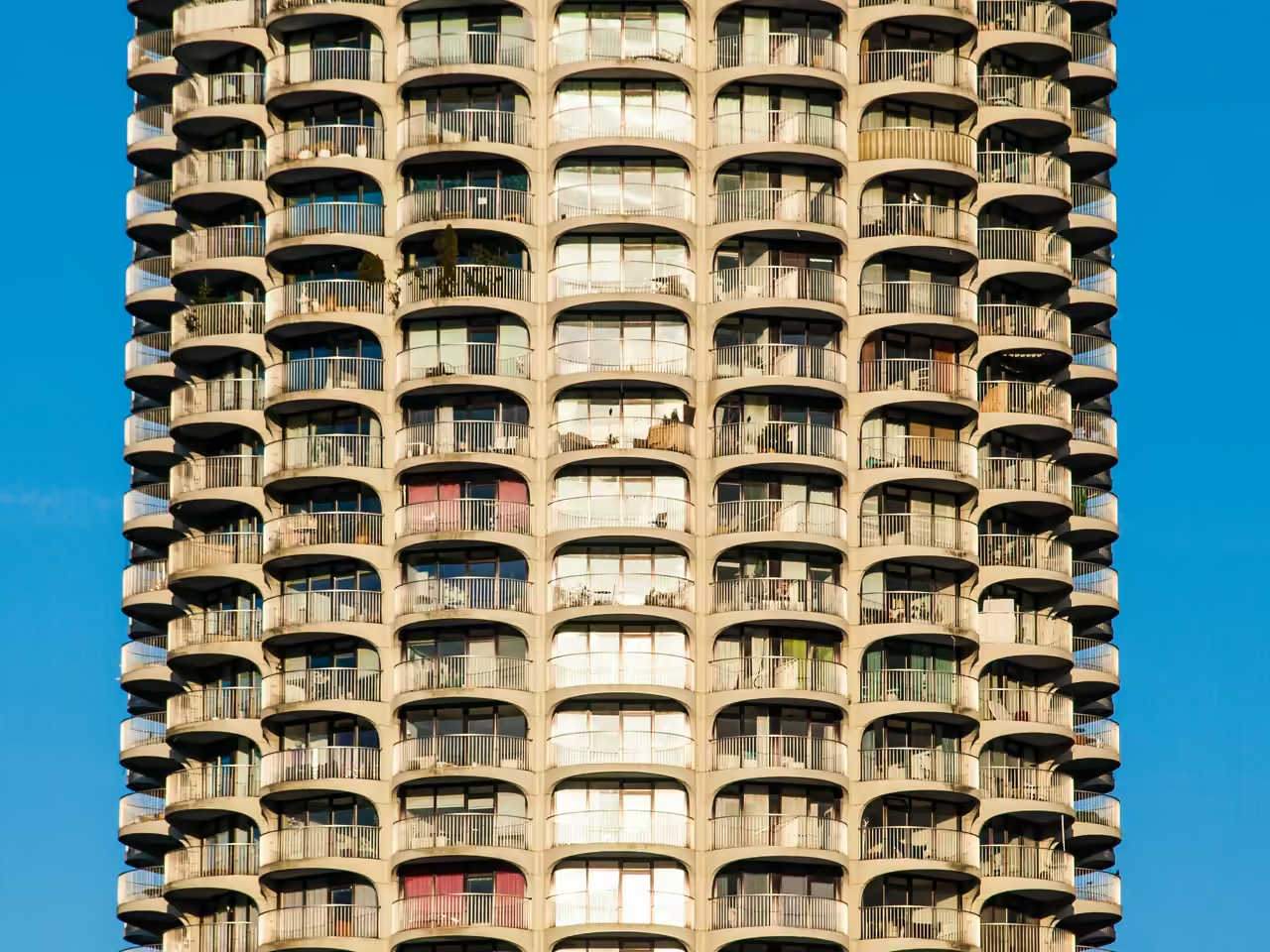
Bordering the stark concrete angles of the Kongress am Park, this 18 hectare expanse serves as Augsburg’s most layered natural...
view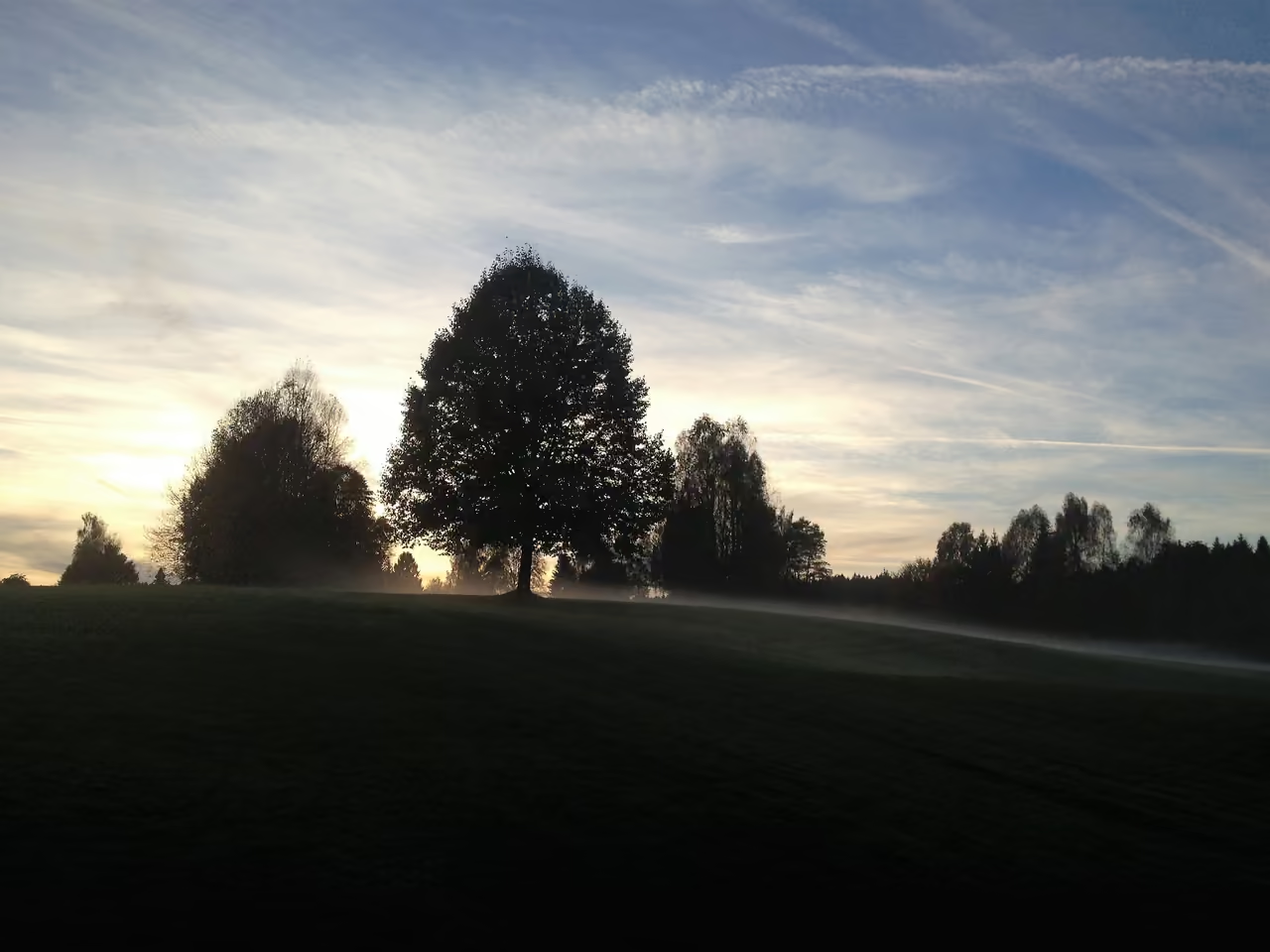
Augsburg Western Woods Nature Park
Central Swabia holds a vast green lung where deep ridges and north flowing river valleys carve up the landscape. Walkers here...
view
Highlights & Must-Sees
Textile and Industry Museum
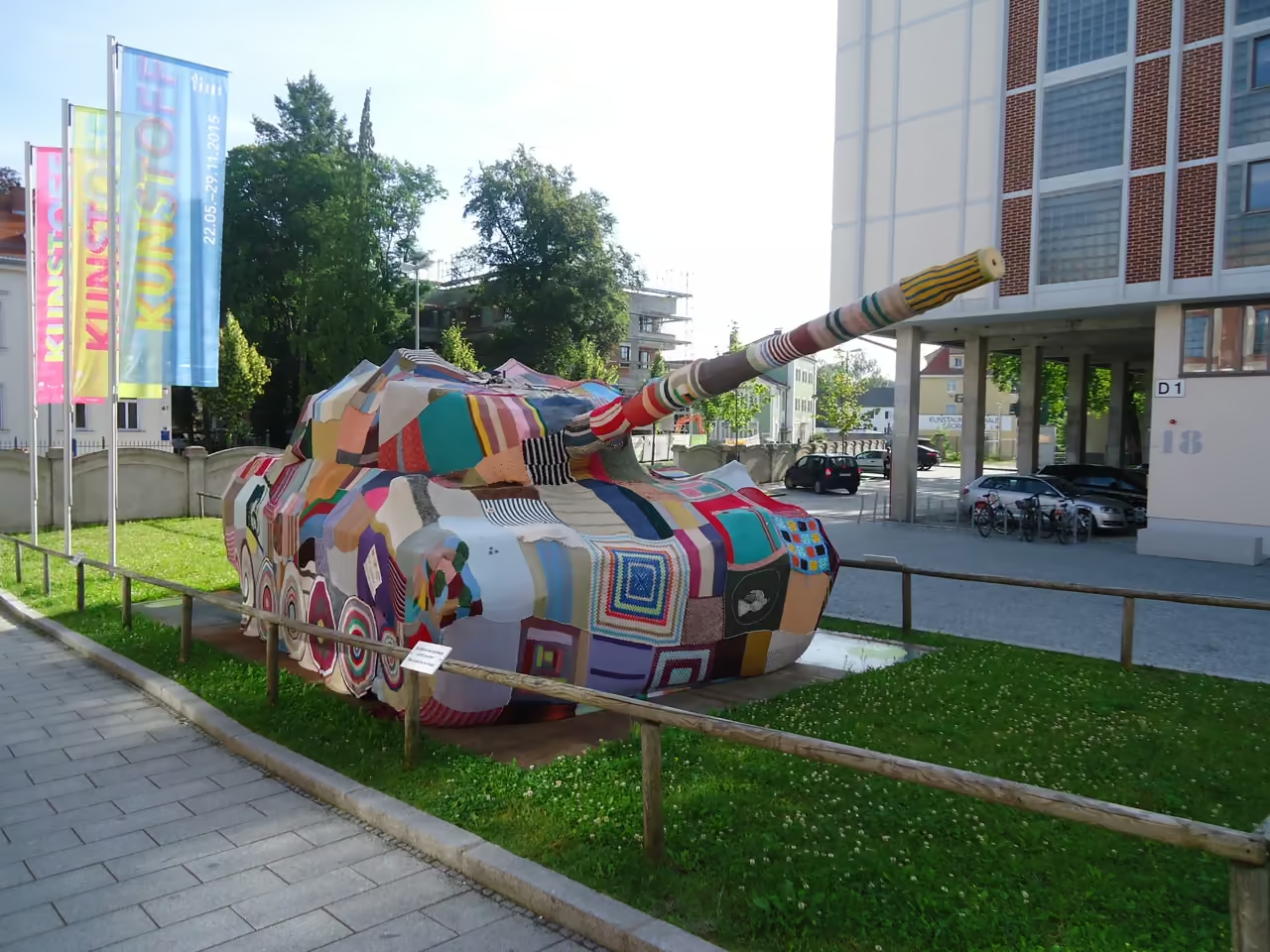
A massive, deafeningly loud museum located entirely within a former worsted spinning mill. It traces the city's aggressive...
view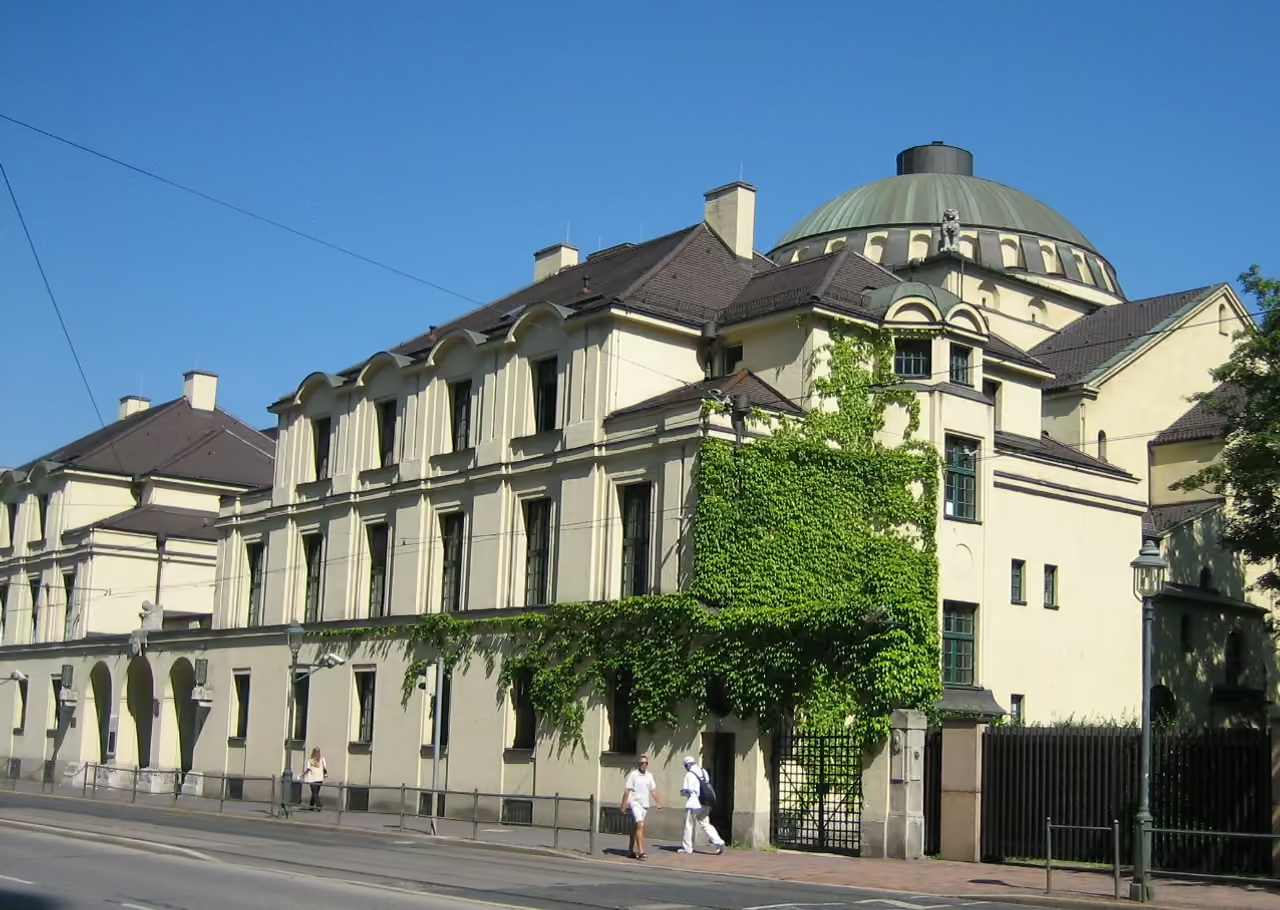
Augsburg Synagogue
A strikingly beautiful, highly ornate Jewish place of worship featuring massive Art Nouveau and subtle Oriental architectural...
viewBertolt Brecht House
The deeply unassuming childhood home of the fiercely radical playwright who fundamentally changed modern theatre. Small, quiet...
viewLeopold Mozart House
The birthplace of the fiercely ambitious man who trained and managed Wolfgang Amadeus Mozart. The heavily restored house...
view
Best Walks in Augsburg
 HIGHLY RECOMMENDED
UNESCO Water Canals Walk
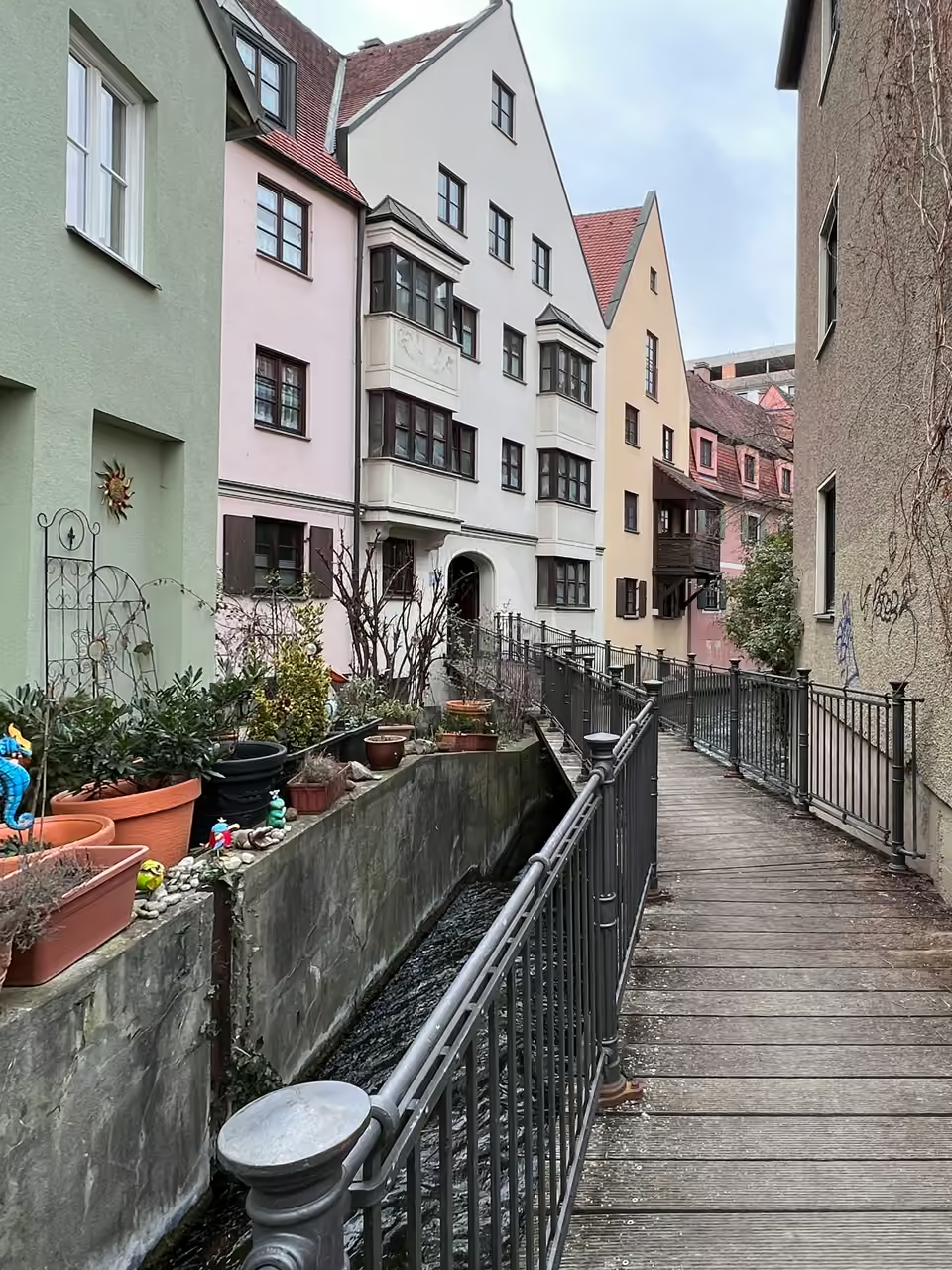
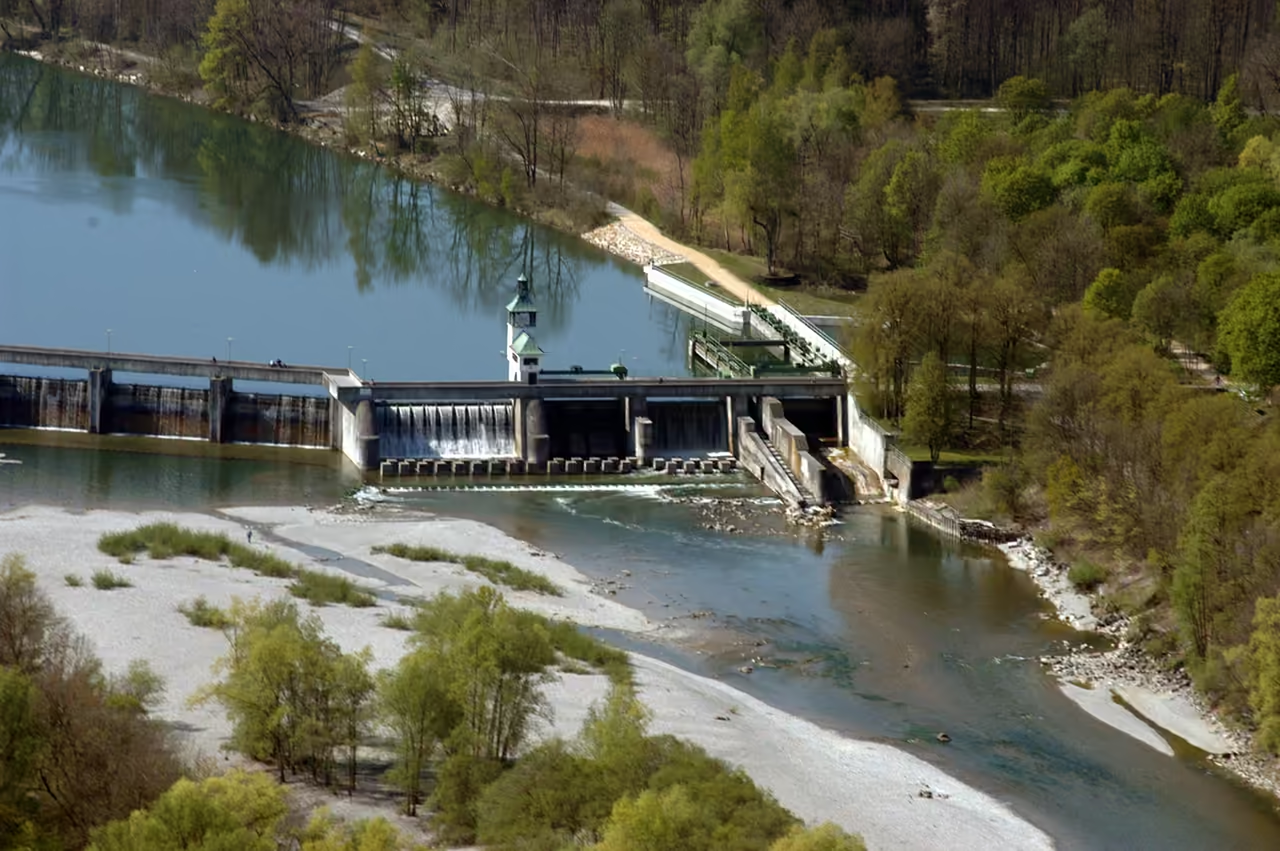
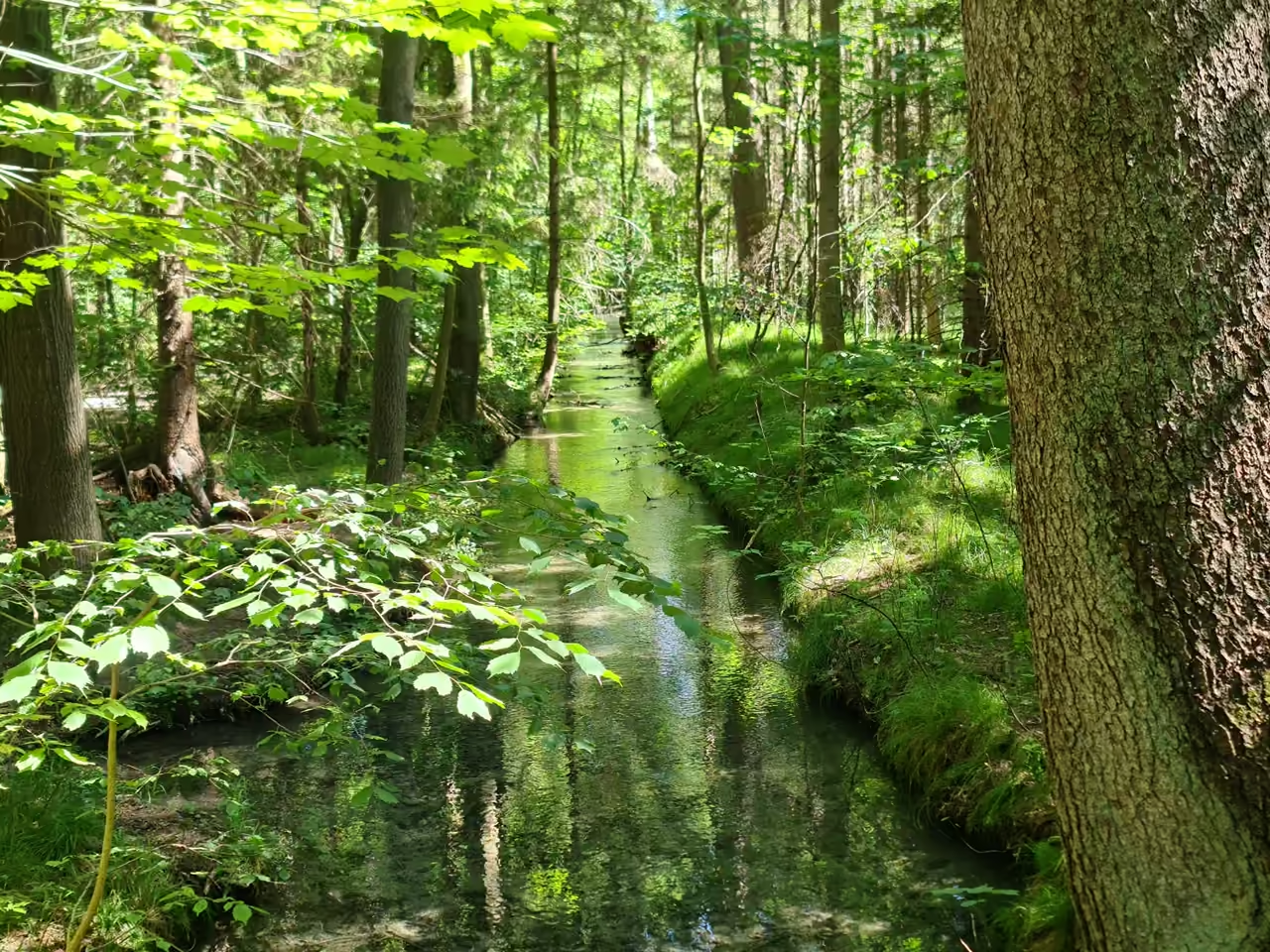
A slow, highly atmospheric wander that traces the intricate network of mediaeval canals slicing through the lower old town. You cross dozens of tiny, low bridges and pass heavy waterwheels still churning in the current. The sound of rushing water completely drowns out the noise of nearby cars. It feels remarkably secretive, as the paths often narrow to just a few feet wide between tall, leaning houses.
- HIGHLY RECOMMENDED
Old Town Alleys
A chaotic, highly enjoyable navigation of the steep, crooked streets dropping down from the main pedestrian zone. You will pass tiny artisan workshops, heavy wooden pub doors, and facades painted in faded pastel colours. The ground is heavily cobbled, requiring solid footwear. The sheer density of historical buildings creates a deeply immersive, almost cinematic atmosphere.
Olympic Whitewater Banks
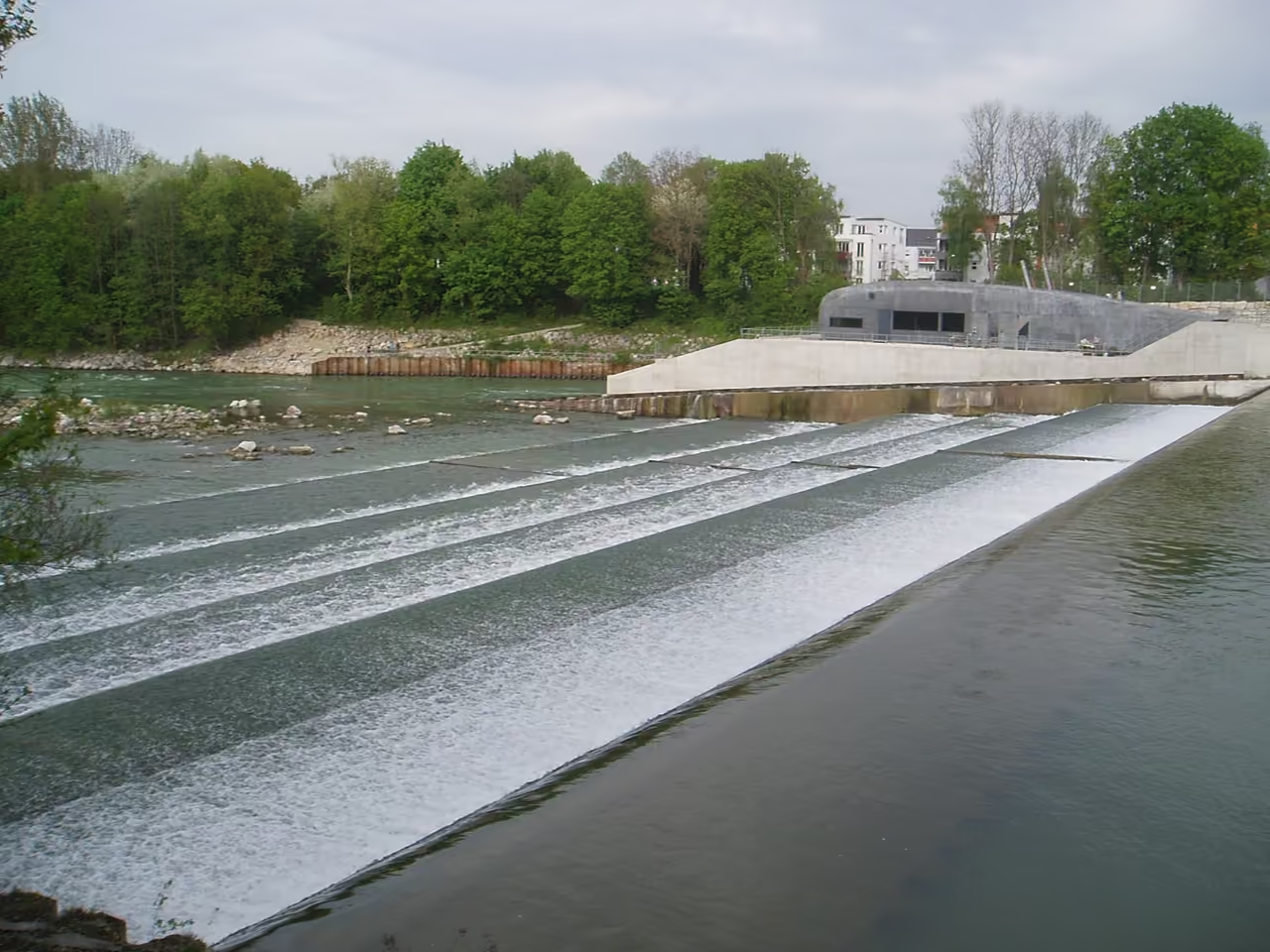
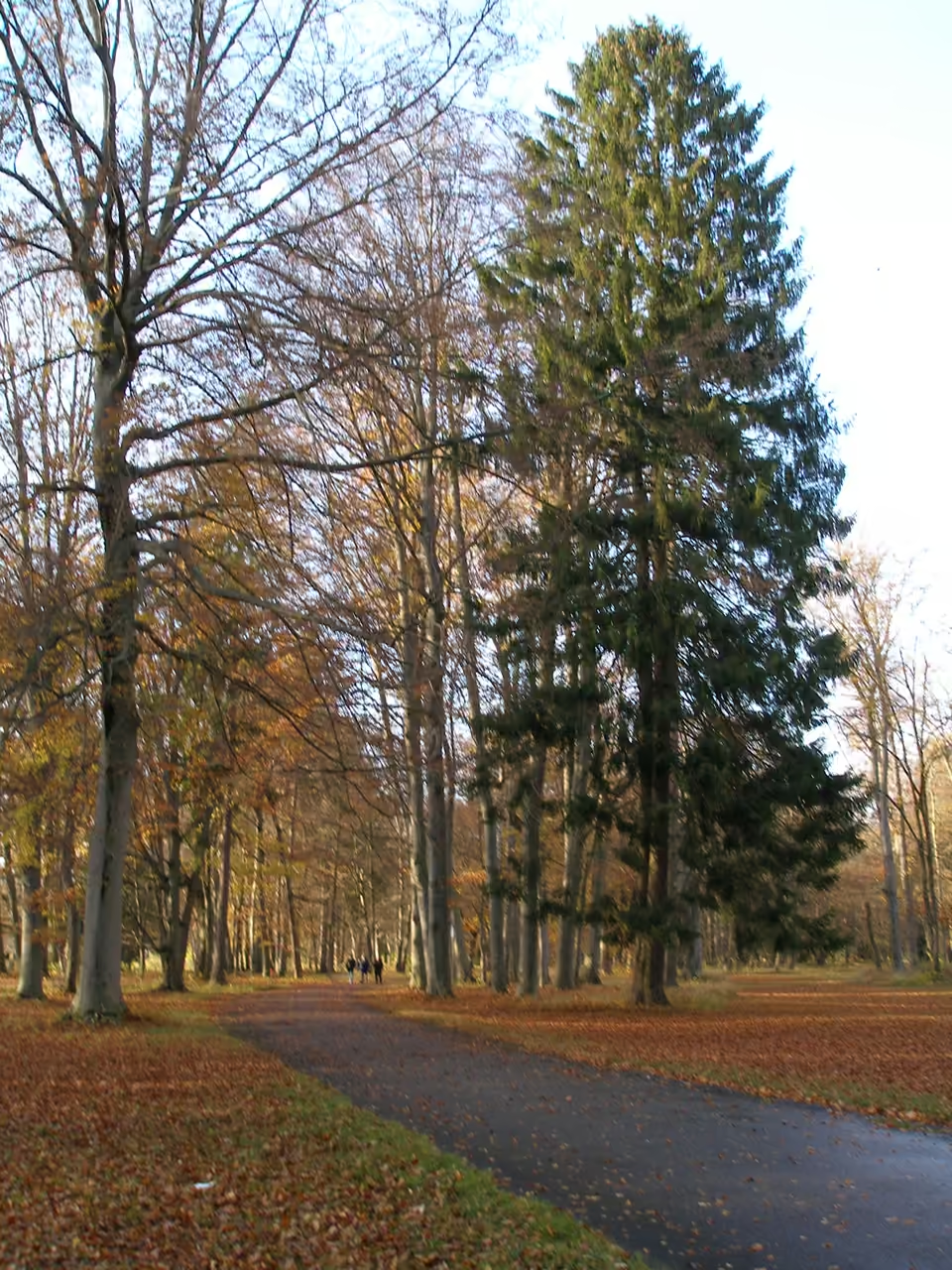
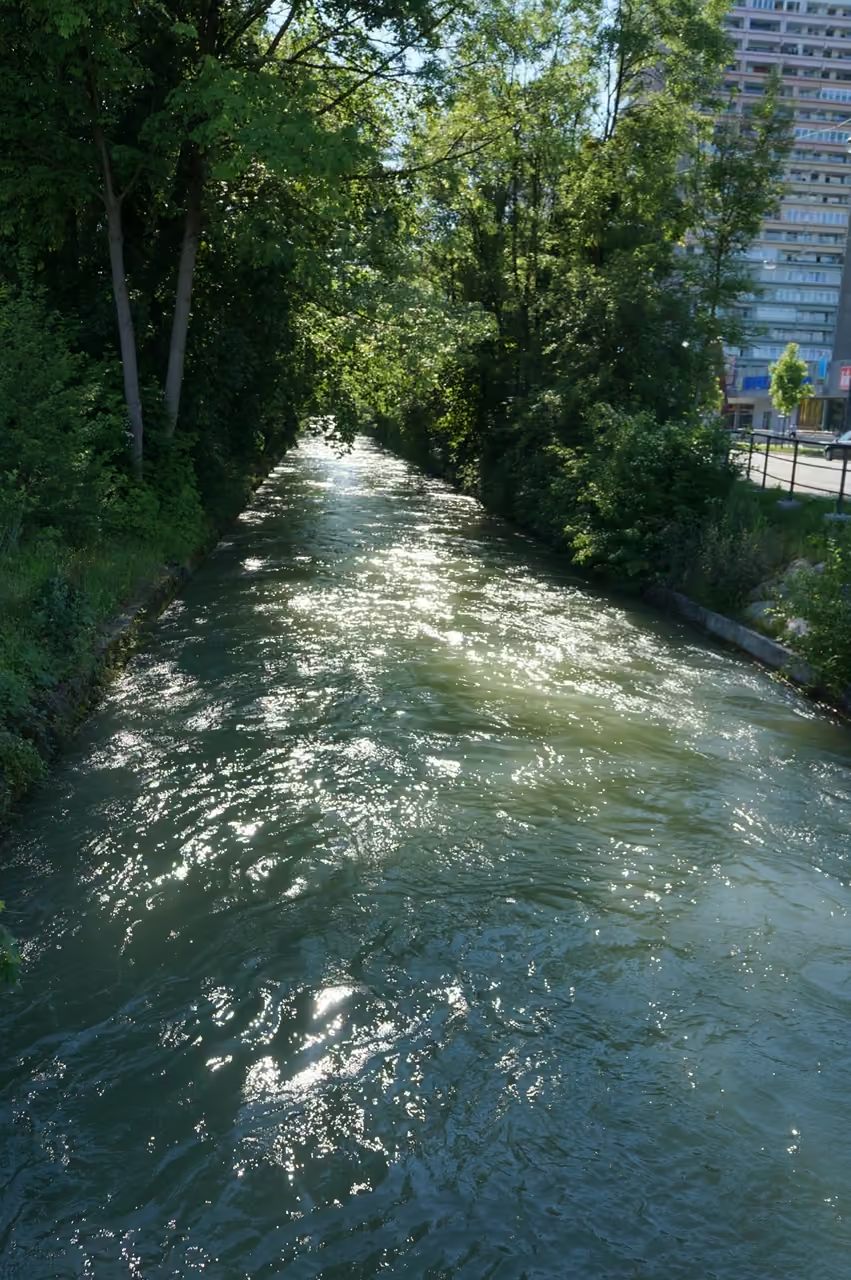
A focused, linear stroll entirely dictated by the aggressive flow of an artificial river. You walk directly alongside churning, turquoise water designed to test the world's best kayakers. The path is flat and heavily shaded by tall trees lining the concrete channel. It provides a constant, loud soundtrack of crashing water.
Architecture & Landmarks
St Anne's Church
A complex, highly layered religious structure that started as a heavy mediaeval Carmelite monastery before becoming a central...
viewWeavers' House
A highly conspicuous, aggressive burst of colour in the centre of the old town. This guild house features massive, deeply...
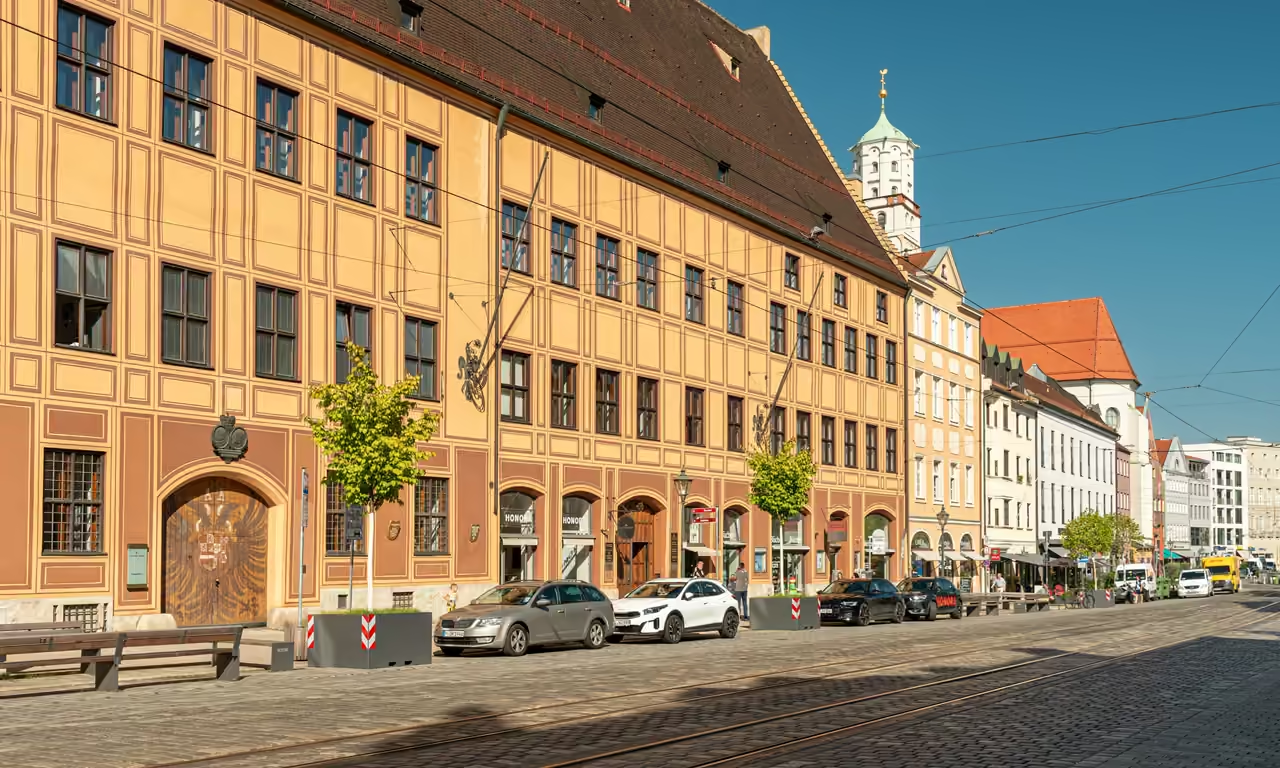
viewFugger City Palace
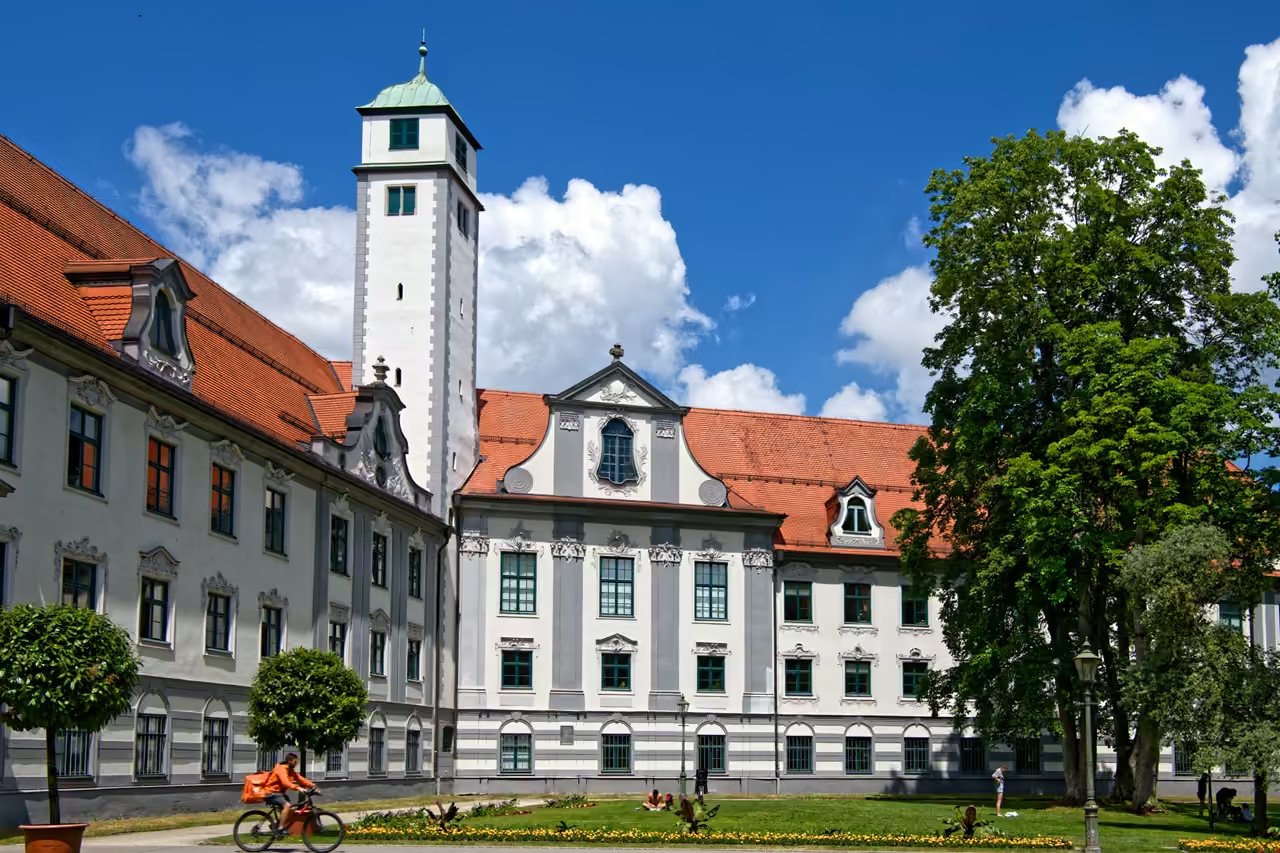
A sprawling, heavy Renaissance complex spanning a massive stretch of the city's main boulevard. This served as the primary...
view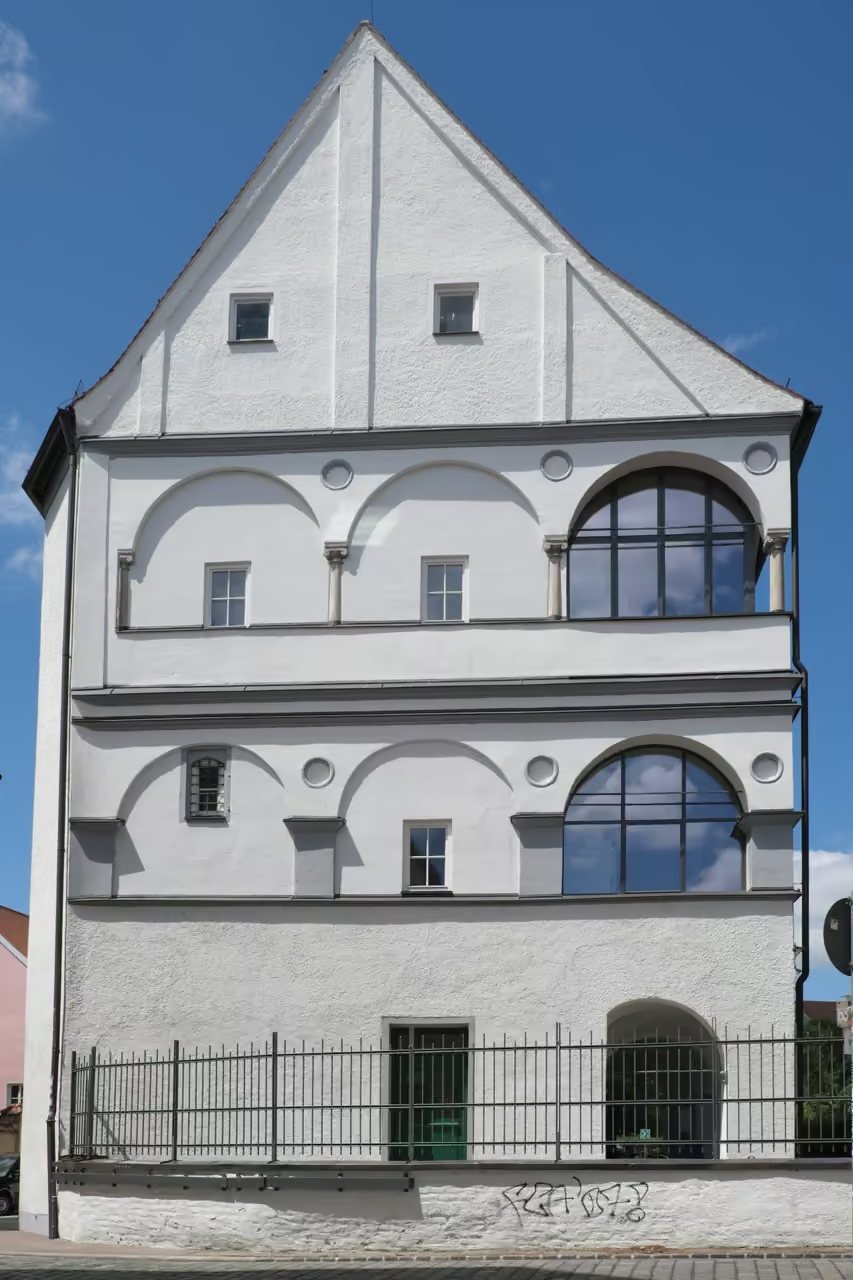
Wieselhaus
A highly distinct 16th-century building tucked into a quiet alley, featuring exceptionally complex terraced arcades that look...
view
Markets & Shopping
Augsburg Nightlife
Photo Spots
Activities & Experiences
Cycling Routes
- HIGHLY RECOMMENDED
Lech River Cycle Path
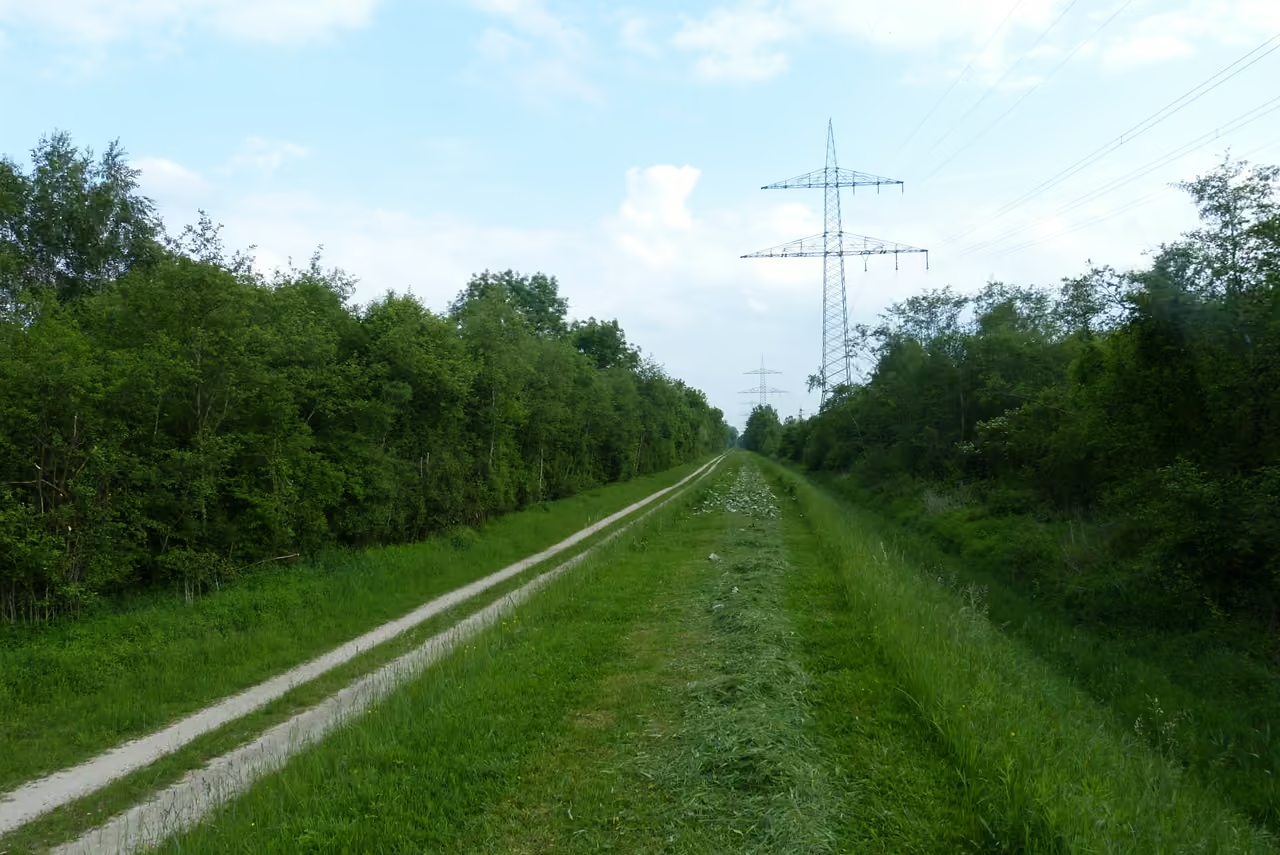
A flat, remarkably fast gravel path that follows the violent, milky-green flow of the Lech river. You can ride for miles with the heavy rush of the water constantly in your ears. The route passes massive concrete dams and dense patches of protected heathland. It requires almost zero navigation skills, as you simply keep the water on one side.
Lake Mandicho Excursion
A longer, highly rewarding push out of the city limits towards a massive artificial reservoir on the Lech river. The ride combines open agricultural fields with heavy riverside vegetation. The destination provides a massive expanse of open water where locals sail and windsurf. It feels like a proper, exhausting expedition that ends with a well-deserved swim.
Industrial Heritage Trail
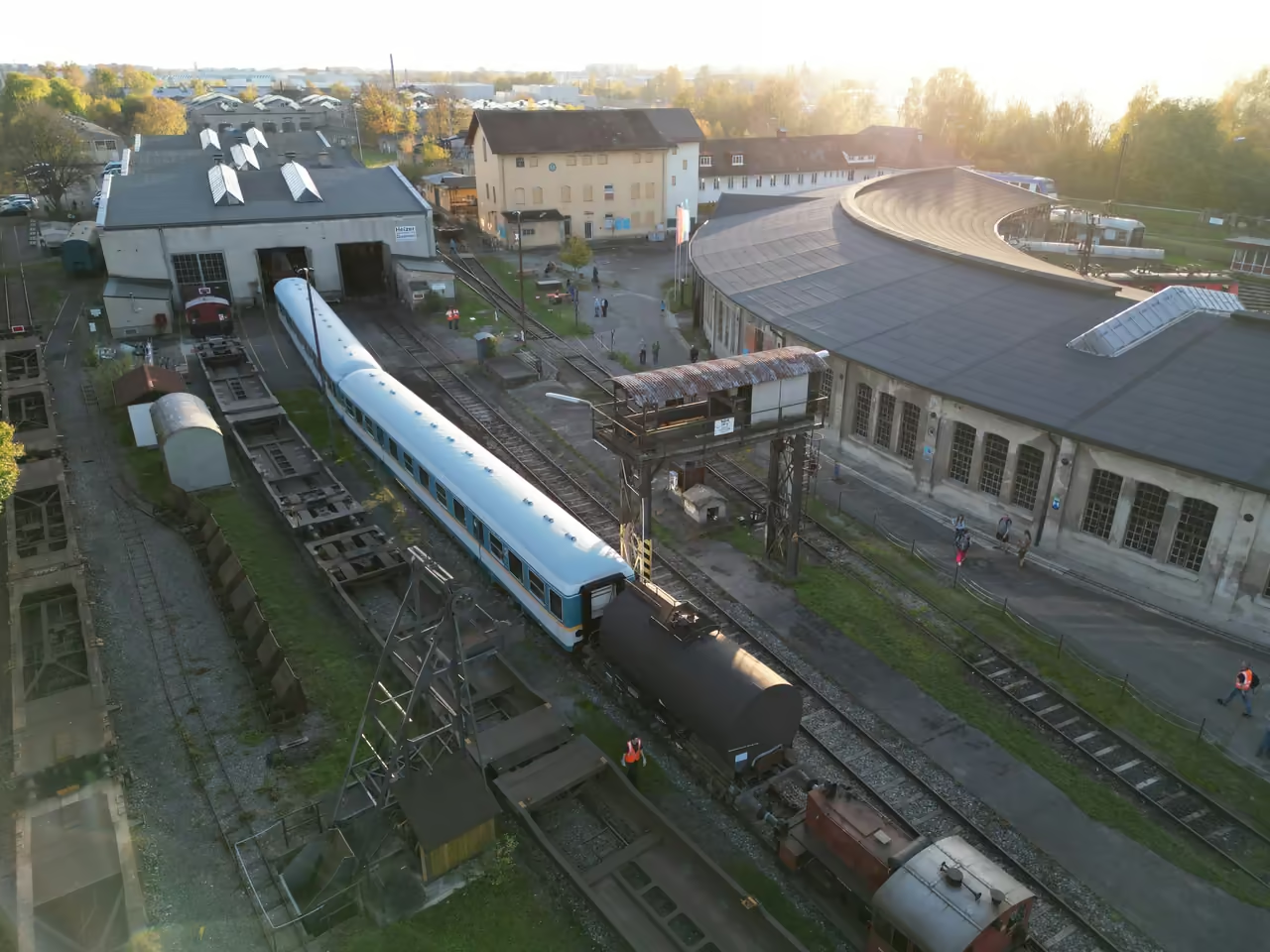
A fascinating, gritty route that tracks the city's historical obsession with water power and heavy manufacturing. You ride past brutal brick factories, complex weir systems, and massive, silent smokestacks. It requires navigating some light urban traffic, but heavily rewards you with a deep understanding of the city's economic engine. The canals dictate the exact shape of the route.
Self-Guided Tours
- HIGHLY RECOMMENDED
Fugger Merchant Empire Tour
A deep dive into the staggering, incomprehensible wealth accumulated by a single banking family during the Renaissance. You will trace their influence from their private palaces to the massive social housing complex they funded. The route visually explains how early capitalism physically shaped the city's most prominent buildings. Expect heavy doses of gold leaf and intricate stonework.
Roman Antiquity Trail
A challenging exercise in imagination, as almost all of the original Roman city lies buried deep beneath the cobblestones. You will visit museums housing massive stone monuments and peer into small archaeological windows revealing ancient foundations. It tracks the transformation from a rough military camp to a highly sophisticated provincial capital. The artifacts offer glimpses of heavy bronze armour and delicate glasswork.
- HIGHLY RECOMMENDED
Renaissance Architecture Walk
A highly visual route focusing heavily on the architectural legacy of Elias Holl, the city's most famous master builder. You will confront massive, symmetrical facades and aggressive civic buildings that project absolute confidence. The tour highlights the sharp transition from dark, heavy mediaeval structures to light, rational Renaissance design. Prepare to spend a lot of time looking straight up.
Annual Festivals & Events
 HIGHLY RECOMMENDED
Augsburg Christmas Market
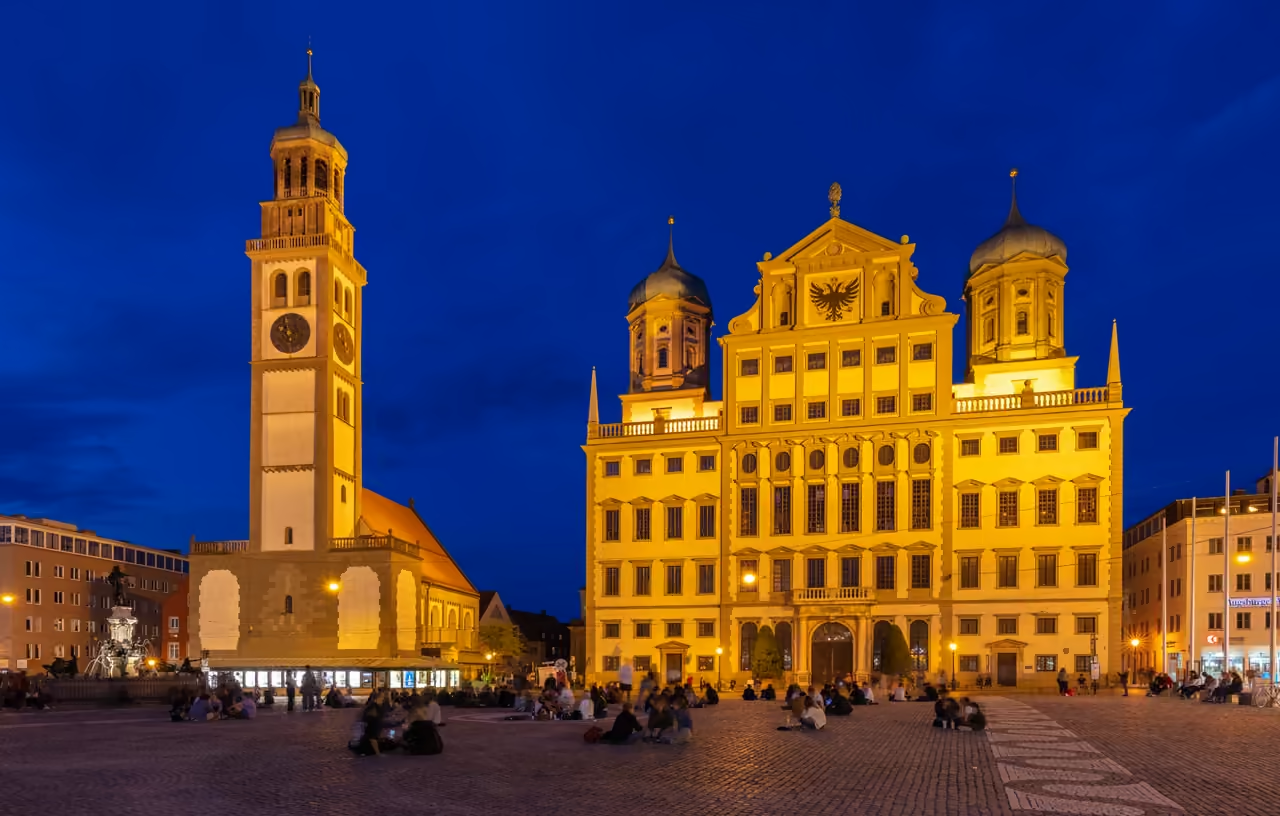
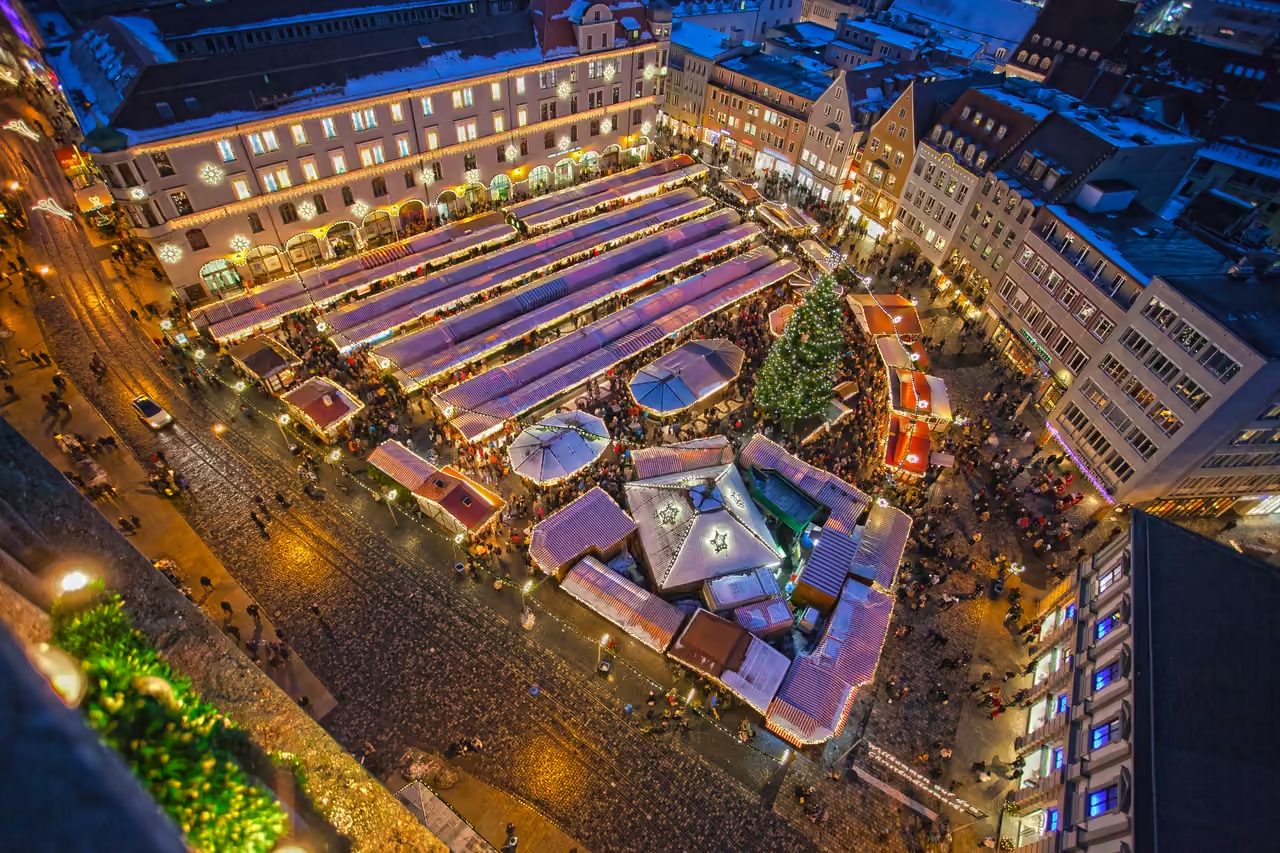
Wooden stalls draped in heavy pine branches fill the massive square beneath the Renaissance town hall. Vendors serve steaming mugs of spiced Glühwein alongside massive grilled Bratwurst and sweet Schupfnudeln. The undisputed highlight is the Engelesspiel, where two dozen performers dressed as angels appear on the facade of the town hall to play music. It frequently ranks as one of the oldest and most visually appealing festive markets in the country. The smell of cinnamon and roasting meat completely dominates the freezing winter air.
 HIGHLY RECOMMENDED
Augsburger Plärrer
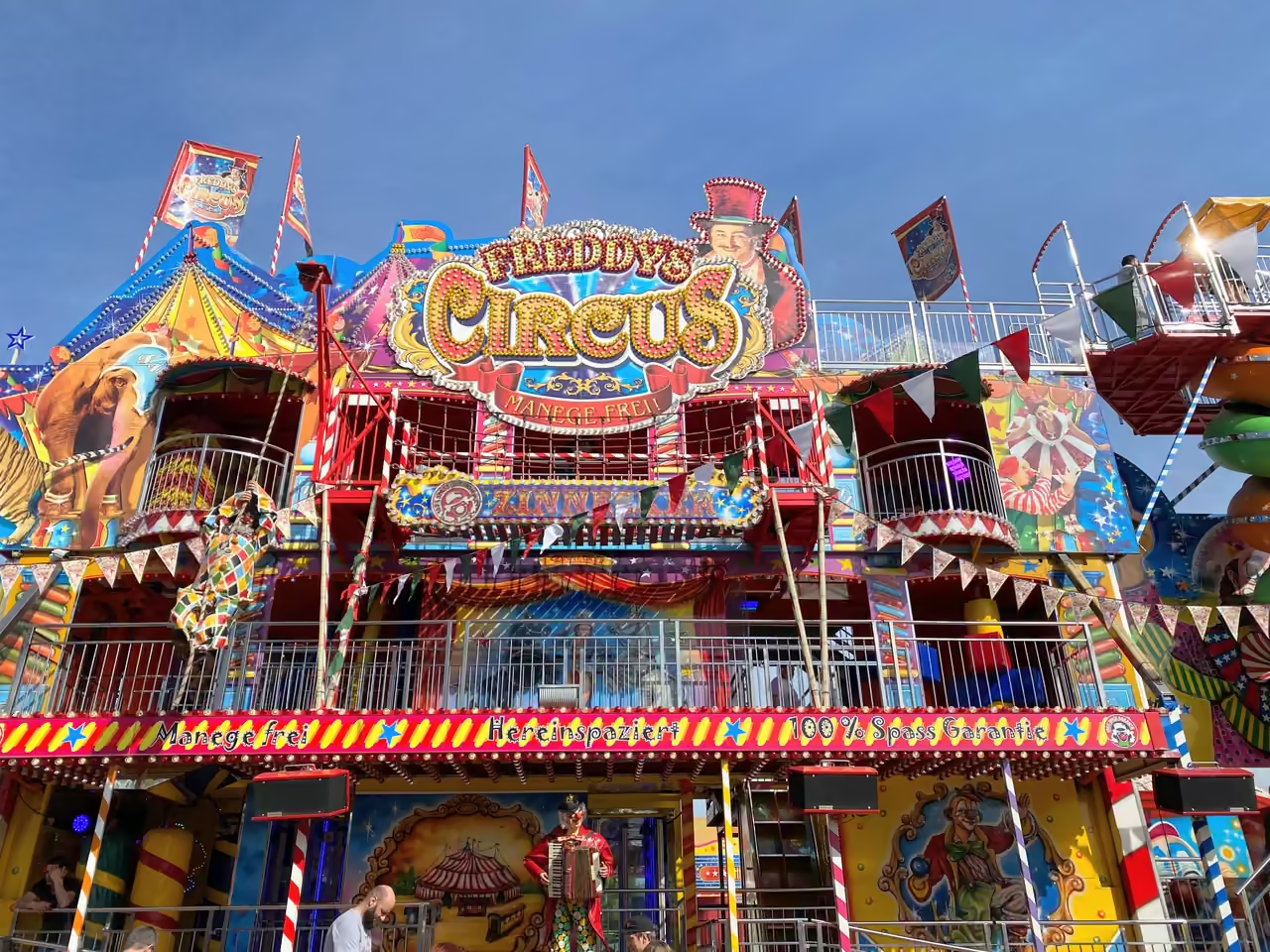
Massive beer tents, thrilling high-speed rides, and the smell of roasted almonds take over the fairgrounds twice a year. This historic event holds the title of the largest folk festival in the Swabian region, drawing well over a million visitors annually. Locals dress heavily in traditional Lederhosen and Dirndls to drink oversized beers and eat hearty Bavarian food. Traditional parades showcase local clubs and heavy horse-drawn brewery wagons winding through the streets. The atmosphere is loud, extremely cheerful, and heavily reliant on brass band music.
Angel Play
A highly specific local tradition where twenty-four performers dressed in golden angel wings step out onto the balconies of the Renaissance town hall. They play delicate instruments in perfect synchronisation, turning the massive facade into a living Advent calendar. The performance happens at exactly 6:00 PM on specific evenings during the Christmas market. Thousands of people stand shoulder-to-shoulder in the freezing cold, staring up at the glowing building. It creates an exceptionally still, quiet moment amid the chaotic noise of the market below.
Insider Tips
Purchase a Bayern-Ticket if you plan to take regional trains from Munich; it fully covers your local tram and bus rides here, saving you from buying separate transit passes.
If you buy a paper public transport ticket from a machine, you must physically stamp it inside the tram or bus immediately, otherwise inspectors will issue a harsh 60-euro fine.
The heavy wooden gates of the Fuggerei close at night, and residents returning late traditionally give the night guard a small coin tip to be let back inside.
Skip the generic bakeries and hunt down a fresh Zwetschgendatschi (plum cake) during late summer; locals fiercely debate which cafe bakes the absolute best version.
When exploring the narrow, poorly lit alleys of the Altstadt after dark, do not worry; the city has extremely low crime rates and these quiet streets are perfectly safe for an evening walk.
Head down the steep Judenberg street to find small, independent boutiques and craft shops that offer far more character than the generic chain stores in the upper pedestrian zones.
Locals greet each other with a cheerful 'Grüß Gott' or 'Servus', rather than a standard 'Guten Tag'. Using these Swabian/Bavarian greetings will instantly warm up shopkeepers and restaurant staff.
On 8 August, Augsburg celebrates the High Peace Festival, a public holiday exclusive to this city. Expect shops to be completely closed, so buy supplies in advance and enjoy the unique local street festivals.
Tram lines 8 and 9 only run on specific event days, such as FC Augsburg football matches or major trade fairs. Do not rely on them for daily sightseeing transit.
PERFECT FOR
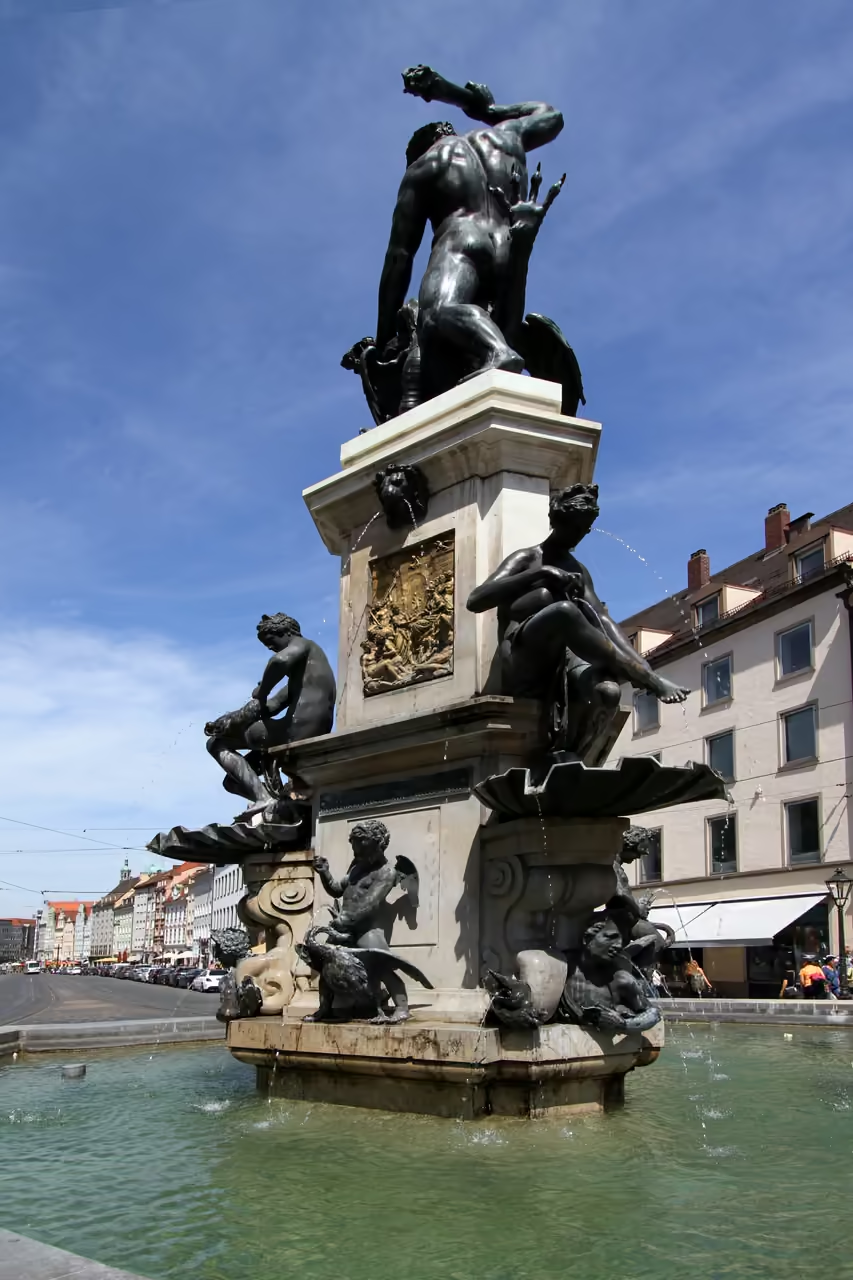
Architecture enthusiasts will find themselves constantly looking up at ornate facades and massive Renaissance fountains. History scholars can trace the literal footsteps of Roman soldiers, pioneering bankers, and Reformation theologians across the cobblestones. Cyclists and nature lovers will highly appreciate the vast forested parks and riverside trails cutting directly into the urban grid.
VIBE
The constant rush of water flowing through centuries-old canals underscores a deeply historical atmosphere where Renaissance wealth meets modern university life. Heavy wooden doors of mediaeval guild houses stand opposite sleek tram lines and contemporary art spaces. Students crowd into courtyard cafes while the bells of dual Catholic and Protestant churches ring across the copper rooftops.
Frequently Asked Questions about Augsburg
Yes, you can walk through the walled Fuggerei complex and visit the museum spaces during the day. Residents still live in the ivy-covered houses, paying an annual rent of just 88 cents, so visitors are asked to respect their privacy while exploring the pathways.
You can purchase tickets via the AVV mobile app, which is the easiest method as they are instantly valid. If you buy a paper ticket from a machine at a stop, you must physically stamp it inside the tram or bus to avoid a heavy fine.
While the original Roman street level is buried deep underground, you can view extensive local artefacts at the Roman Museum's temporary exhibition in the Zeughaus, and occasional excavations are displayed in specific archaeological windows around the old town.
The Eiskanal itself is a highly controlled, dangerous artificial whitewater course designed for Olympic athletes and kayaks, so swimming is strictly prohibited. However, locals frequently swim in the calmer stretches of the nearby Lech river and the Mandichosee lake.
The Hohes Friedensfest is celebrated on 8 August and is a legally recognized public holiday exclusive to Augsburg. It commemorates the end of brutal religious conflict following the Thirty Years' War. Expect shops to be completely closed while the city hosts massive interfaith events, communal outdoor meals, and concerts.
Absolutely. The Augsburger Puppenkiste offers world-famous marionette shows that captivate kids even if they don't speak German. Additionally, the zoo and botanical gardens are located side-by-side in the city's green belt, and the massive Plärrer folk festival provides thrilling carnival rides twice a year.
We recommend spending about 3 days in Augsburg. Three full days provide enough time to absorb the heavy concentration of Renaissance architecture in the centre without rushing. It allows for a dedicated day to explore the extensive water management system and massive industrial museums. The final day can easily accommodate a slow walk through the vast urban forests or a trip to the Olympic whitewater course.
Augsburg has an average temperature of 8.8°C in spring, 17.6°C in summer, 8.7°C in autumn, and 0.5°C in winter. Choose the season that best matches your weather preference.
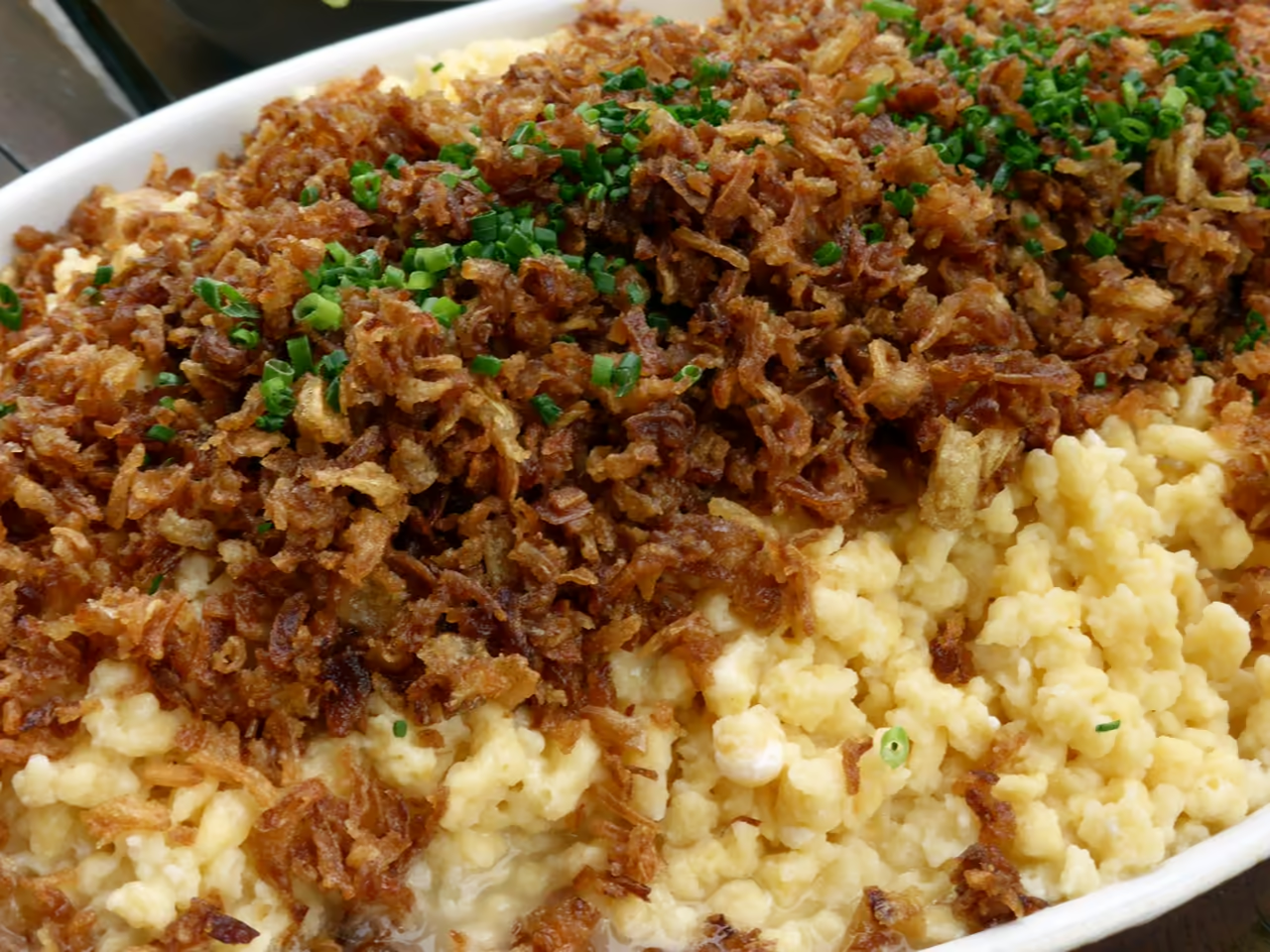
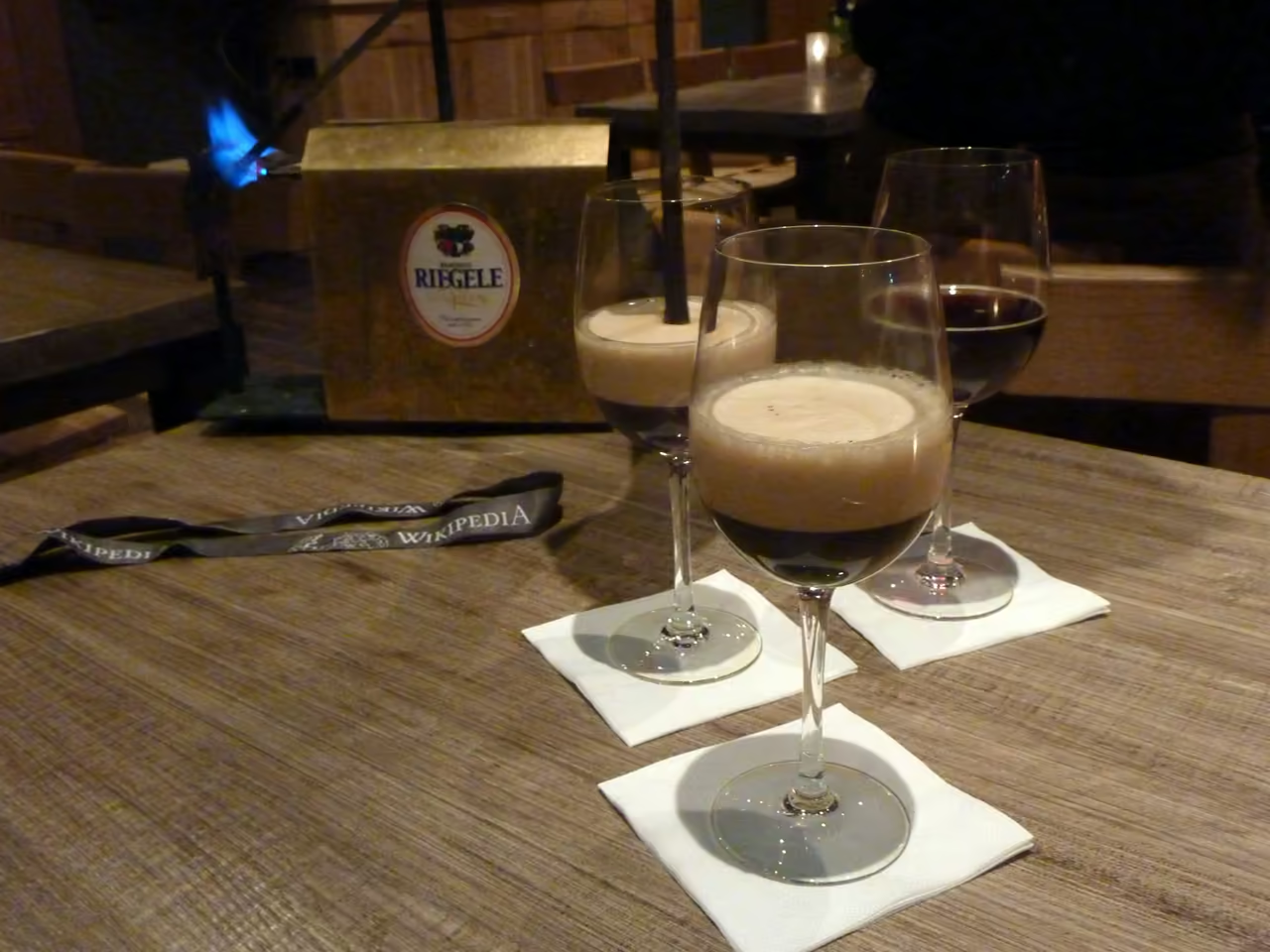
Some popular local food choices in Augsburg include Cheese Spaetzle, Riegele Beer, Zwetschgendatschi, Bosna Sausage, Chabeso Lemonade and Schupfnudeln.
Yes, Augsburg is home to a UNESCO World Heritage Site: Water Management System of Augsburg.
It has a population of 301,786 people.
It was founded in -15, making it 2041 years old.
While we strive to keep this information accurate and up to date, we recommend verifying any details independently before making decisions based on them.
Similar Destinations in Germany
Continue your journey. Explore these highly recommended cities and uncover more of what Germany has to offer.