Augsburg Botanical Garden
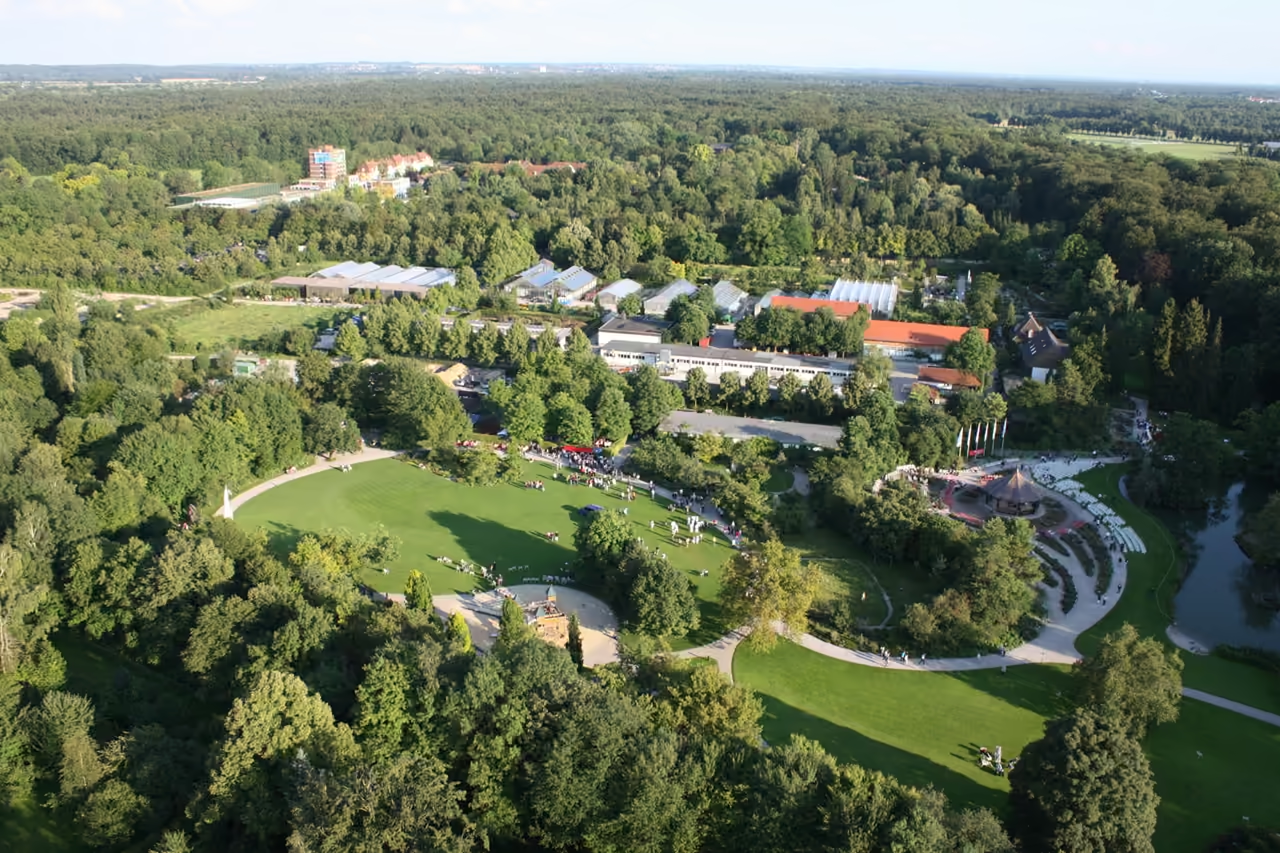
More than a million bulbs push up through the beds here each spring, and the tulips are only the opening act. Across about ten hectares beside the Siebentischwald, a Kyoto inspired pond garden sits on 400 tonnes of Fichtelgebirge granite, while the glasshouse grows cocoa, vanilla and cinnamon in tropical humidity. Roses fill the beds around a small music pavilion, and a tiny apothecary garden labels what each herb has traditionally been used for. Between late February and early April tropical butterflies flutter loose in the old Victoria regia house, and in the weeks before Christmas an oriental landscape nativity takes over its lily pool. Only the Dr. Ziegenspeck path separates the garden from Augsburg Zoo next door.
Videos
History of Augsburg Botanical Garden
The garden's ancestor was a working nursery rather than an ornamental showpiece. In 1878 the city of Augsburg bought the Thenn'sche Gartengut, a plot of about six hectares between Gögginger Straße and Rosenaustraße, and set up a municipal plant nursery to supply the town's planting. The growing grounds stayed closed to the public until 1886, when the Swabian regional exhibition came to Augsburg. The council had park paths laid out for the occasion and opened the estate to visitors, and once the exhibition packed up, the site was reshaped into the Stadtgarten. The nursery clung on in one corner and later crept south as far as Imhofstraße. In 1935 the city council decided to give up the old nursery on Gögginger Straße and start afresh beside the Siebentischpark, this time with a teaching and school garden that the public could visit. The first spade went into the ground on 19 November 1935, and by September 1936 the new garden had opened on 1.7 hectares. Crowds came for the exotics, above all the palm house and the Victoria regia house, where giant tropical water lilies were the draw. The Second World War did not leave the garden untouched. Augsburg was a centre of armaments production and suffered heavy air raids, and the garden shared in the damage. Hardship carried on into the postwar years, and the ornamental beds and glasshouses were given over to growing vegetables, just as they had been during the war. Only at the end of the 1940s was the teaching garden restored, and it reopened to the public on 8 July 1950. From there the grounds grew step by step and were drawn into leisure and education programmes. The real leap came when Augsburg won the Bavarian state garden show of 1985, held to mark the city's 2000th anniversary. The Free State of Bavaria wanted to leave something lasting behind, so the garden, already grown to five hectares, was doubled by absorbing neighbouring land. A Japanese garden of 4,200 square metres was laid out, helped along by the partner cities of Amagasaki and Nagahama, whose gift marked 25 years of friendship, and paid for with support from the Stadtsparkasse Augsburg. Inverness, another partner city, contributed a small patch of Scottish Highland heath. Eight themed gardens appeared near the entrance under the show's motto, Grün im Lebensraum Stadt, which roughly translates as greenery in the urban habitat. Tight city finances did not stop the garden from getting steady if limited funding afterwards, and part of that money built a new show greenhouse, opened in November 2003. The same year brought a lesson in humility on the Lechheide. When the Lech barrage 22 was built, 2,000 square metres of turf from the Lech heathland were rescued and moved to the garden, but some of the plants could not cope with life away from the river. The plot was renaturalised in 2003 and has been watched closely since. The garden also gathers rescued pieces of Augsburg's past. A cast iron fountain from 1900 was brought over from the Plärrer fairground in 1983, and a garden pavilion from 1869 followed in 2005 and 2006 from Provinostraße 47. Both are protected monuments, and both now stand among the beds, alongside the Victoria regia house that once drew the first visitors in 1936.
12 events spanning 127 years
Fun Facts
14- 01
A geological trail in the rock garden displays rock types found in Bavaria, including sandstone, limestone, dolomite and granite, plus large boulders deposited by glaciers.
- 02
About 400 tonnes of granite from the Fichtelgebirge were used in the Japanese garden, where the stones are arranged in a way that tends to strike European visitors as unfamiliar.
- 03
Around the garden's small music pavilion are more than 2,000 polyantha and floribunda roses, and the garden as a whole grows 280 rose species and varieties.
- 04
Every 8 August the garden and the neighbouring zoo host the Kinderfriedensfest, a children's festival that belongs to Augsburg's Hohes Friedensfest.
- 05
From late February to early April the former Victoria regia house, now the Pavilion of the Butterflies, is filled with free flying tropical butterflies.
- 06
From the weeks before Christmas until mid January, one of the largest oriental landscape nativity scenes in southern Germany is set up in the lily pond of the same pavilion.
- 07
Near the entrance, a farmhouse style garden with box edged beds is planted with species the Romans knew or spread, a nod to Augsburg's Roman past.
- 08
One corner of the nature garden is planted with dye plants, showing what colours for textiles and cosmetics were once made from.
- 09
The 250 square metre apothecary garden was created together with Augsburg pharmacists and the Bavarian chamber of pharmacists, and labels each plant with its healing use, such as mugwort and dandelion for digestion.
- 10
The Japanese garden was designed by the architect Yoshikuni Araki, who took Kyoto's gardens as his model. He chose a pond garden because Augsburg already had a Japanese rock garden in the Rudolf Diesel memorial grove in the Wittelsbacher Park.
- 11
The Senkgarten's stone slabs work as a storage heater: they absorb the sun's warmth through the day and release it into the garden in the evening.
- 12
The garden holds more than 3,100 plant species and varieties, including a collection of about 1,200 perennials, wild herbs, grasses and ferns and around 450 woody plants.
- 13
The small heath garden from Augsburg's partner city Inverness was a gift for the 1985 garden show and recreates the plants of the Scottish Highlands.
- 14
The tropical house contains banana plants, coffee bushes, cocoa trees, cardamom, vanilla and Ceylon cinnamon trees, with an aquarium of African fish and a case of carnivorous plants for variety.
FULL PLACE DETAILS
ARCHITECTURE & HERITAGE
- Heritage Status
- Architectural Heritage Monument In Bavaria
WEB & AMENITIES
Augsburg Botanical Garden Map & Neighborhood Explorer
This interactive map is centered on Augsburg Botanical Garden. Zoom in and move the map around to automatically discover Wikipedia photos and summaries of other nearby sights, monuments, and historical points of interest and stories in real-time!
Augsburg Botanical Garden FAQ
The garden lies east of the Siebentischpark, at the edge of the Augsburg city forest, right next to Augsburg Zoo. It can be reached by bus line 32 of the Augsburger Verkehrsgesellschaft, and there is parking for visitors. Check the AVG's current timetable before you set off.
Yes, the garden is open all year, so each season brings something different, from spring bulbs to winter glasshouse displays. Opening hours and admission arrangements can change, so check the City of Augsburg's website before visiting.
Spring is the headline season, when more than a million bulbs, tulips among them, flower in the beds. Between late February and early April tropical butterflies fly in the Pavilion of the Butterflies. In the run up to Christmas and until mid January the lily pond there hosts a large oriental landscape nativity scene. Roses and dahlias come later in the year.
It is a pond garden on 4,200 square metres, designed by Yoshikuni Araki with Kyoto's gardens as his model. Stone lanterns, a stream and carefully arranged granite from the Fichtelgebirge set the scene. It was created for the 1985 Bavarian state garden show with support from Augsburg's partner cities Amagasaki and Nagahama.
The Pflanzenschauhaus holds more than 1,200 species and varieties. The entrance is dedicated to savannah plants such as cacti and succulents, while the tropical core grows banana plants, coffee, cocoa, vanilla, cardamom and cinnamon alongside orchids and bromeliads. A case of carnivorous plants and an aquarium with African fish are also on show.
Yes, they are neighbours, separated only by the Dr. Ziegenspeck path, and both can be reached by bus line 32. Each has its own entrance and admission, so check current details for both before planning a combined visit.
Guided tours of the apothecary garden and its medicinal plants are held regularly. The garden also hosts concerts, jazz and serenades, and its Gärtnerhalle stages art and photography exhibitions. Every 8 August the garden and the zoo host the children's Kinderfriedensfest.
Yes. A cast iron fountain from 1900 that originally stood on the Plärrer fairground and a garden pavilion from 1869 relocated from Provinostraße 47 are both protected monuments within the grounds. Near the entrance, plants that the Romans knew or spread nod to Augsburg's ancient past.
The closest place to visit near Augsburg Botanical Garden is Augsburg Zoo, around 280 m away. Other things to do near Augsburg Botanical Garden include Red Gate Park Viewpoint (1.3 km), Augsburg Railway Park (1.4 km) and Augsburg Puppet Theatre (1.4 km). All of these are within roughly 1.4 km of Augsburg Botanical Garden.
Augsburg Botanical Garden holds the following heritage designation: Architectural Heritage Monument In Bavaria.
While we strive to keep this information accurate and up to date, we recommend verifying any details independently before making decisions based on them.
Places near Augsburg Botanical Garden
Make the most of your trip. Check out these top-rated spots located nearby.
 280m
Augsburg Zoo
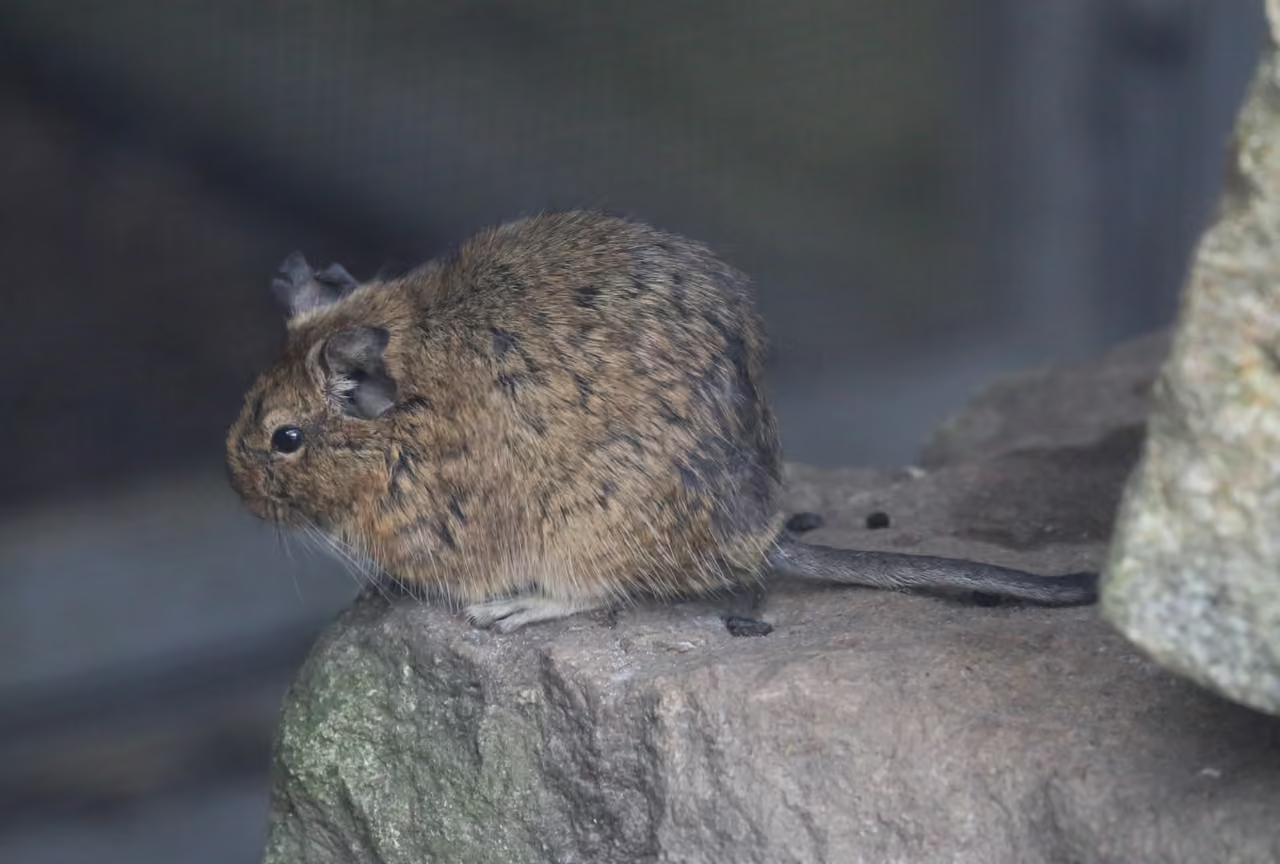
Step into the wild heart of Augsburg at its fantastic zoo, a sprawling 22-hectare green oasis nestled alongside the Siebentischwald. It's not just a collection of animals; it's a vibrant hub for global conservation, actively nurturing endangered species through European breeding programmes. Wander through diverse habitats, from the sprawling Africa Panorama where giraffes and rhinos roam, to the immersive Lechhaus showcasing local aquatic life like beavers and otters. This zoo beautifully balances entertainment with education, offering engaging encounters and insights into the animal kingdom, making it a compelling visit for animal lovers of all ages looking for adventure. You'll find a delightful blend of playful moments, such as the captivating seal feedings, and profound connections with wildlife, all set within a beautifully maintained, family-friendly environment.
park & nature view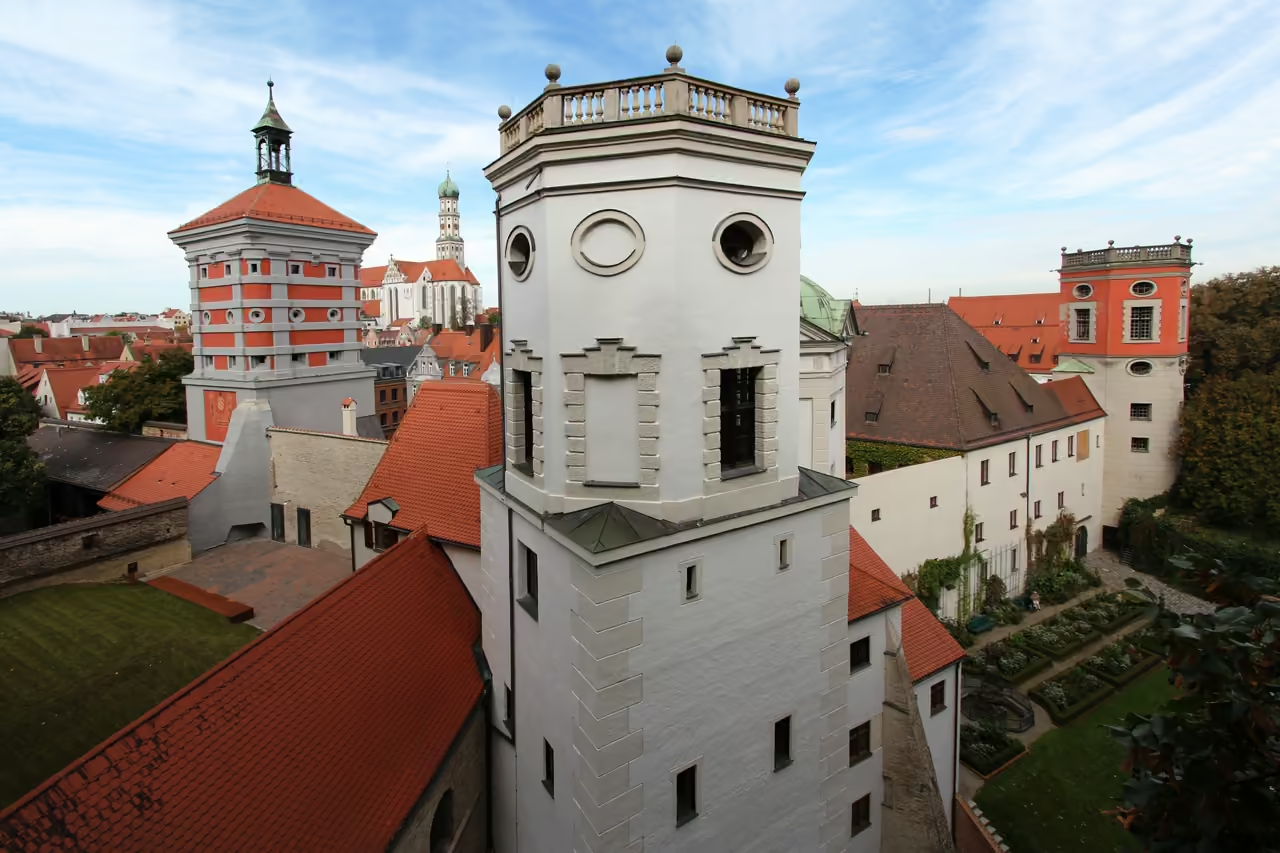 1310m
Red Gate Park Viewpoint
Standing on the heavy stone bridge over the former moat, you get a highly compressed, deeply historical view of ancient engineering. The massive Red Gate defensive tower looms directly ahead, flanked by three exceptionally old brick water towers. The steep, grassy banks of the moat drop away violently below you, creating a deep sense of scale. It feels entirely disconnected from the modern traffic rushing just a few streets away.
viewpoint view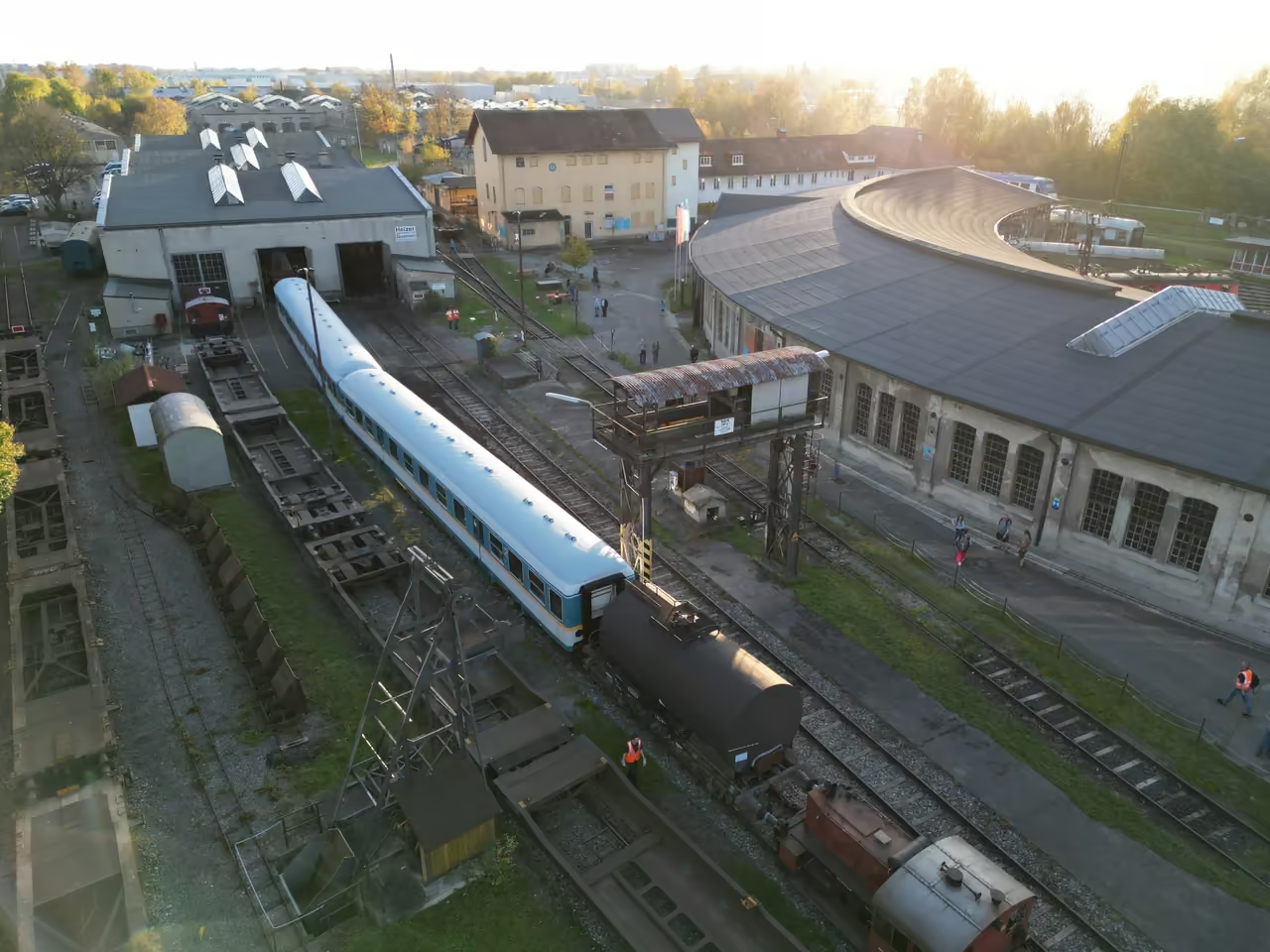 1355m
Augsburg Railway Park
A massive, grease-stained locomotive depot saved from demolition and slowly transformed into a raw, heavily industrial museum. Dozens of massive historic trains, including sleek Trans Europ Express carriages and brutal steam engines, sit silently in the roundhouse. It smells intensely of old oil, cold steel, and damp brickwork. Enthusiasts fiercely maintain the operational engines in the active blacksmith workshops. It lacks the polish of a state-funded museum, making the heavy machinery feel highly real and dangerous.
hidden gem view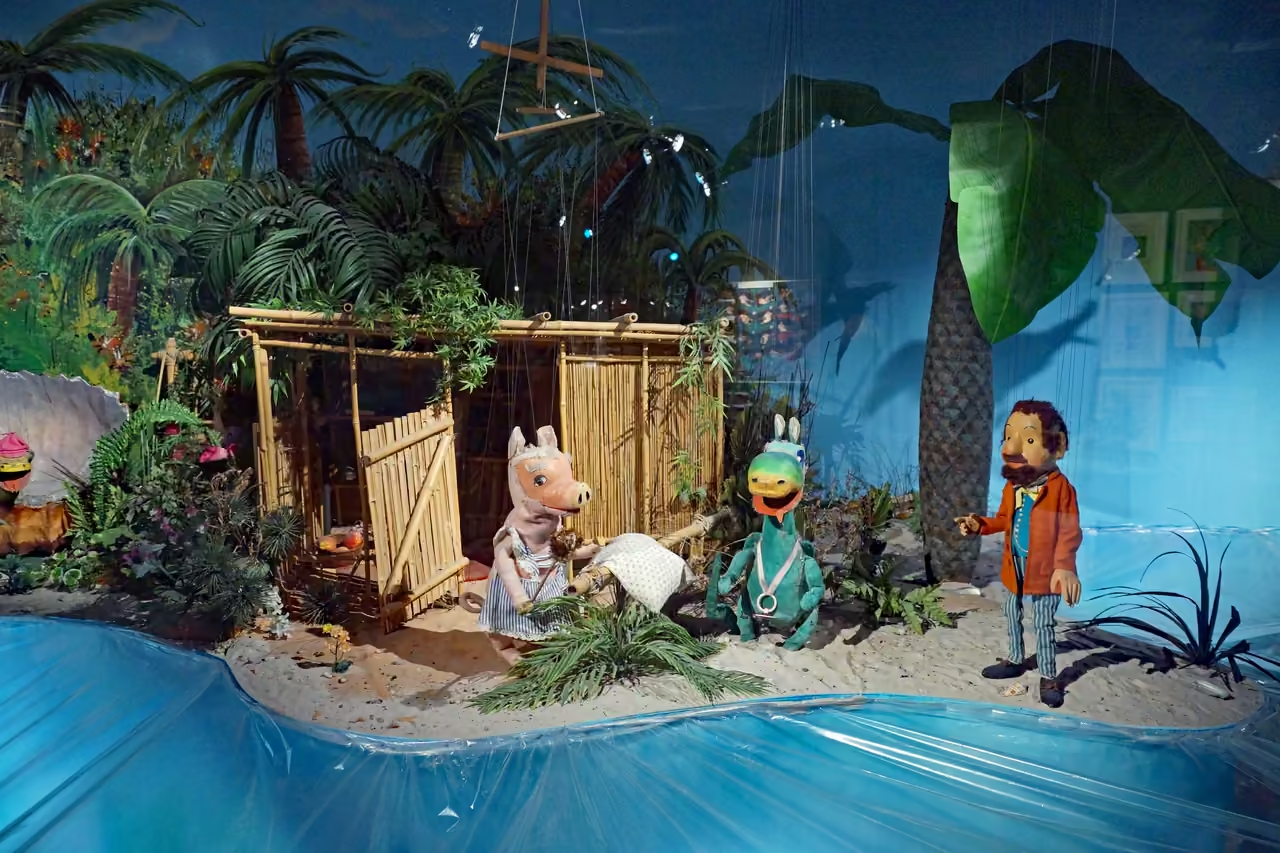 1438m
Augsburg Puppet Theatre
Approaching the historic Heilig-Geist-Spital in the old town, you immediately know you are in puppet territory when the pedestrian traffic light near the Rotes Tor flashes a green wooden Kasperle figure to let you cross. Inside this sixteenth-century former hospital complex, large timber lids hinge open to reveal a compact stage where generations of marionettes have danced, argued, and sung since the 1940s. The wooden seating can feel rather unforgiving on adult knees after an hour, but the sheer craft of the intricately carved faces entirely distracts from the mild ache. Watching a performance of Puss in Boots or a miniature Mozart opera here feels like stepping directly into a mid-twentieth-century German childhood. The strings pull and lift with a hypnotic precision that modern animation struggles to replicate. Leaving the auditorium, the smell of aged timber and theatrical dust lingers, cementing the feeling of having witnessed a deeply tactile form of storytelling.
attraction view
Featured on These Itineraries
3 Days in Augsburg
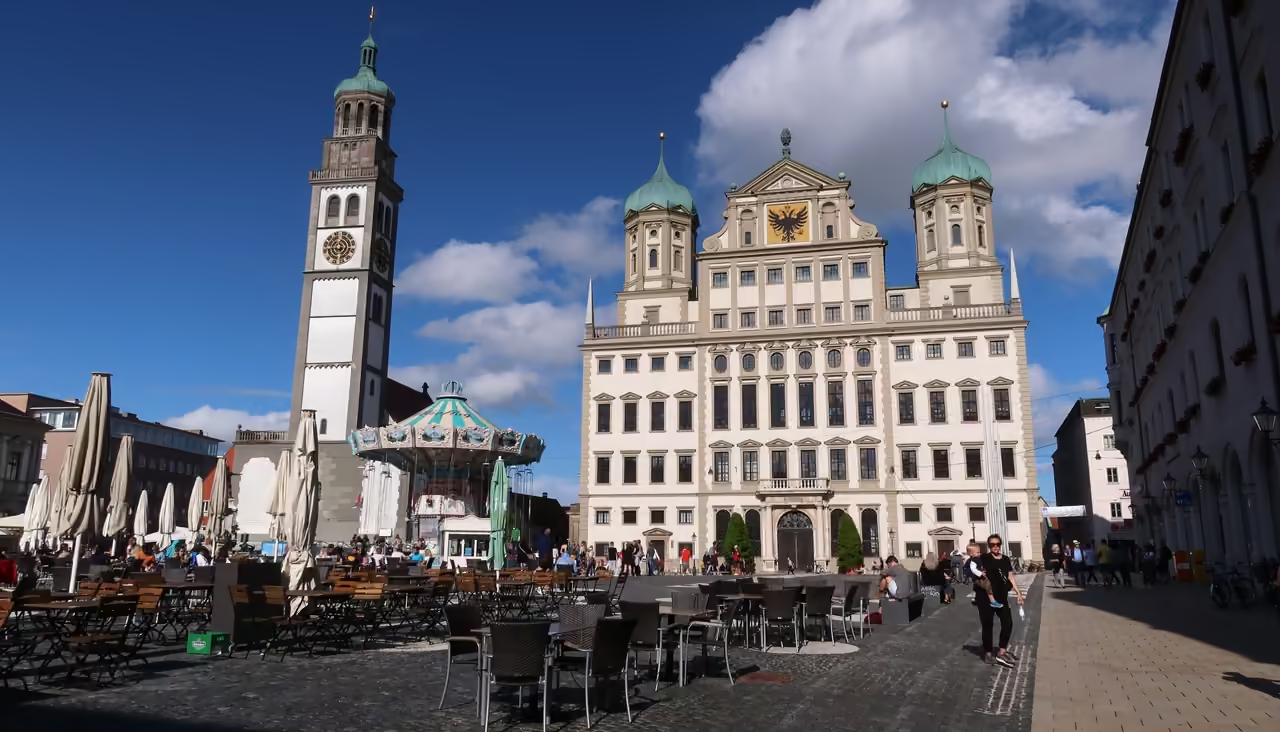
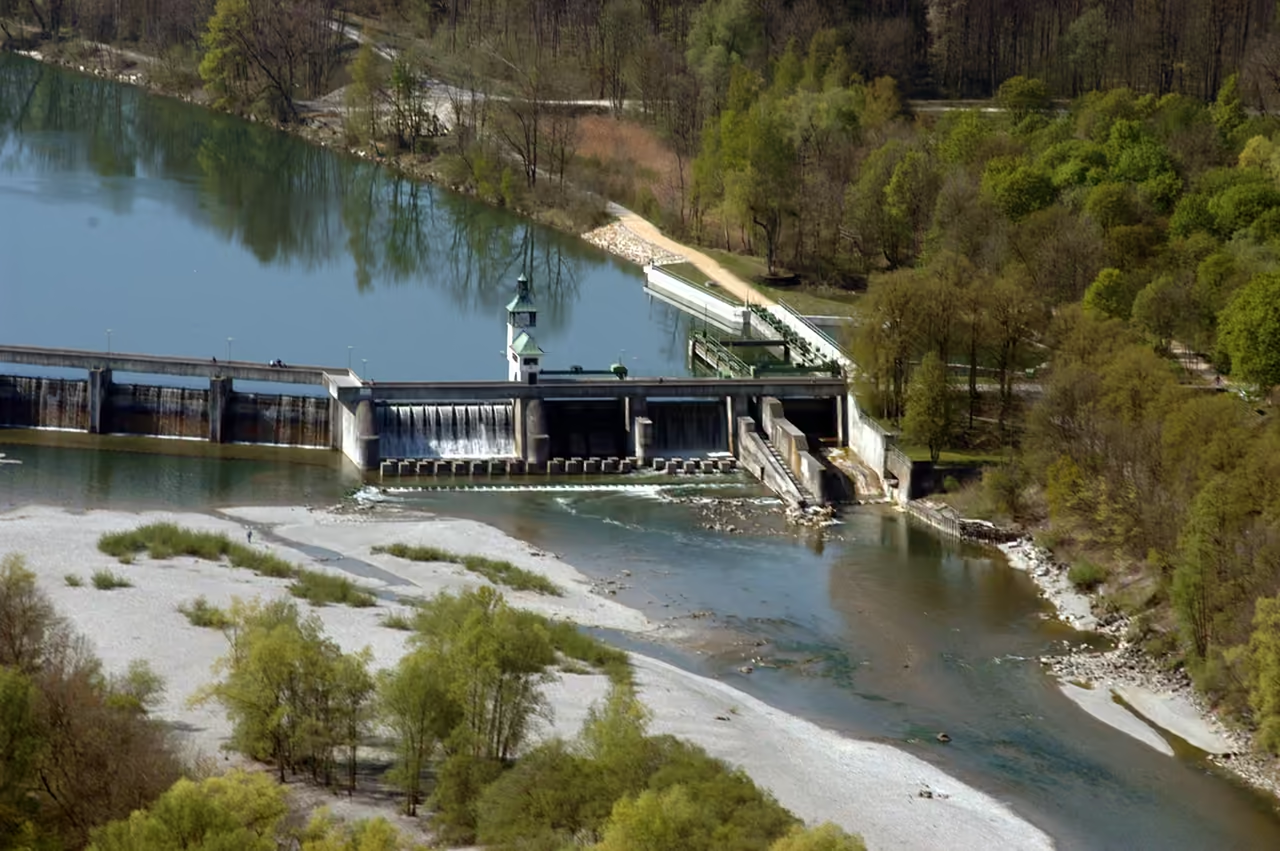
A well-paced exploration that successfully balances the aggressive architectural grandeur of the centre with the deep natural elements surrounding it. You will dedicate time to highly ornate art collections before retreating into the heavy shade of the urban forests. It allows you to actually understand the historical water systems rather than just glancing at a canal.
view itinerary
5 Days in Augsburg
A deeply comprehensive, highly exhaustive deep dive into every facet of the city's complex identity. You will transition from Roman foundations to massive industrial machinery, tracking the complete evolution of a major European powerhouse. It prevents museum fatigue by heavily incorporating long stretches of nature and unscripted time in eccentric local pubs.
view itinerary
See all nature & parks in Augsburg
Including River Lech, Wittelsbacher Park, Augsburg Western Woods Nature Park, and more