Augsburg Western Woods Nature Park
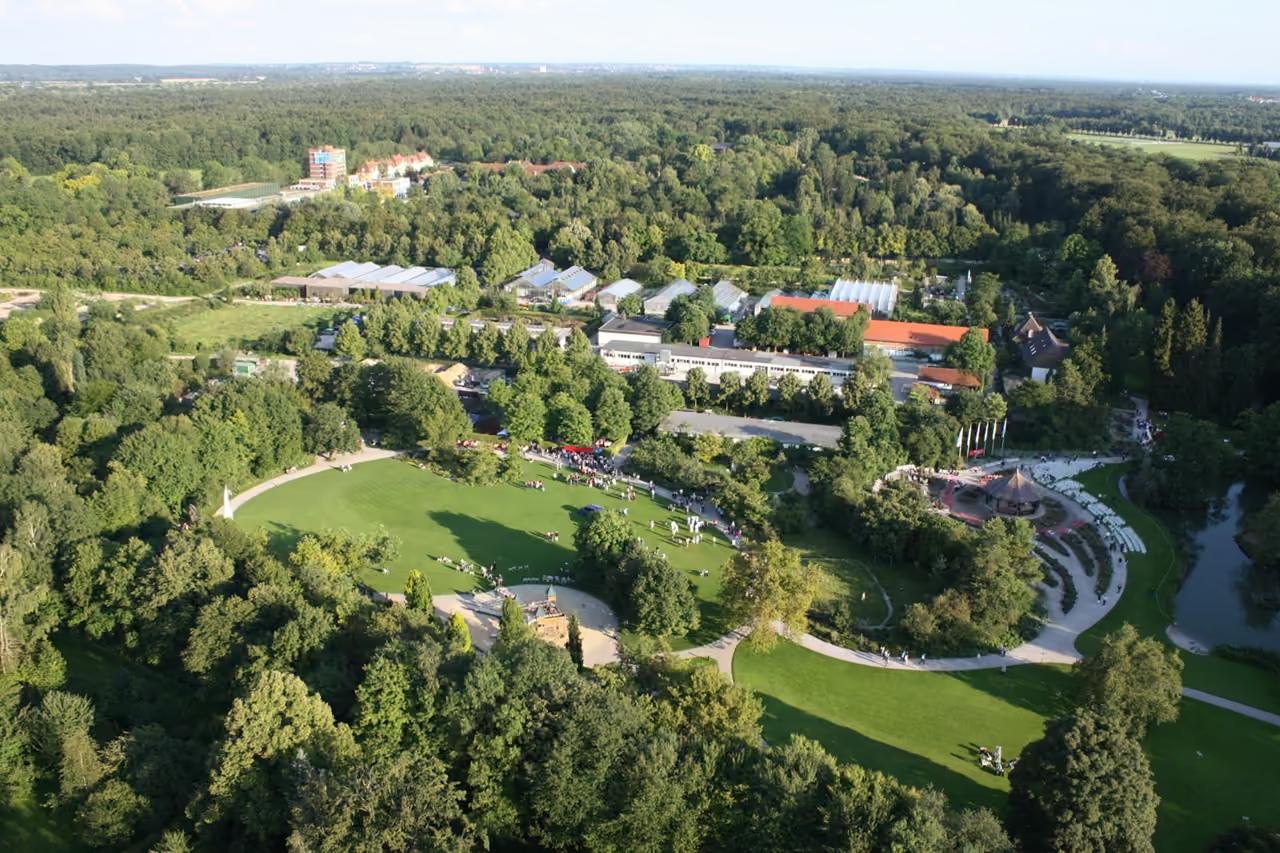
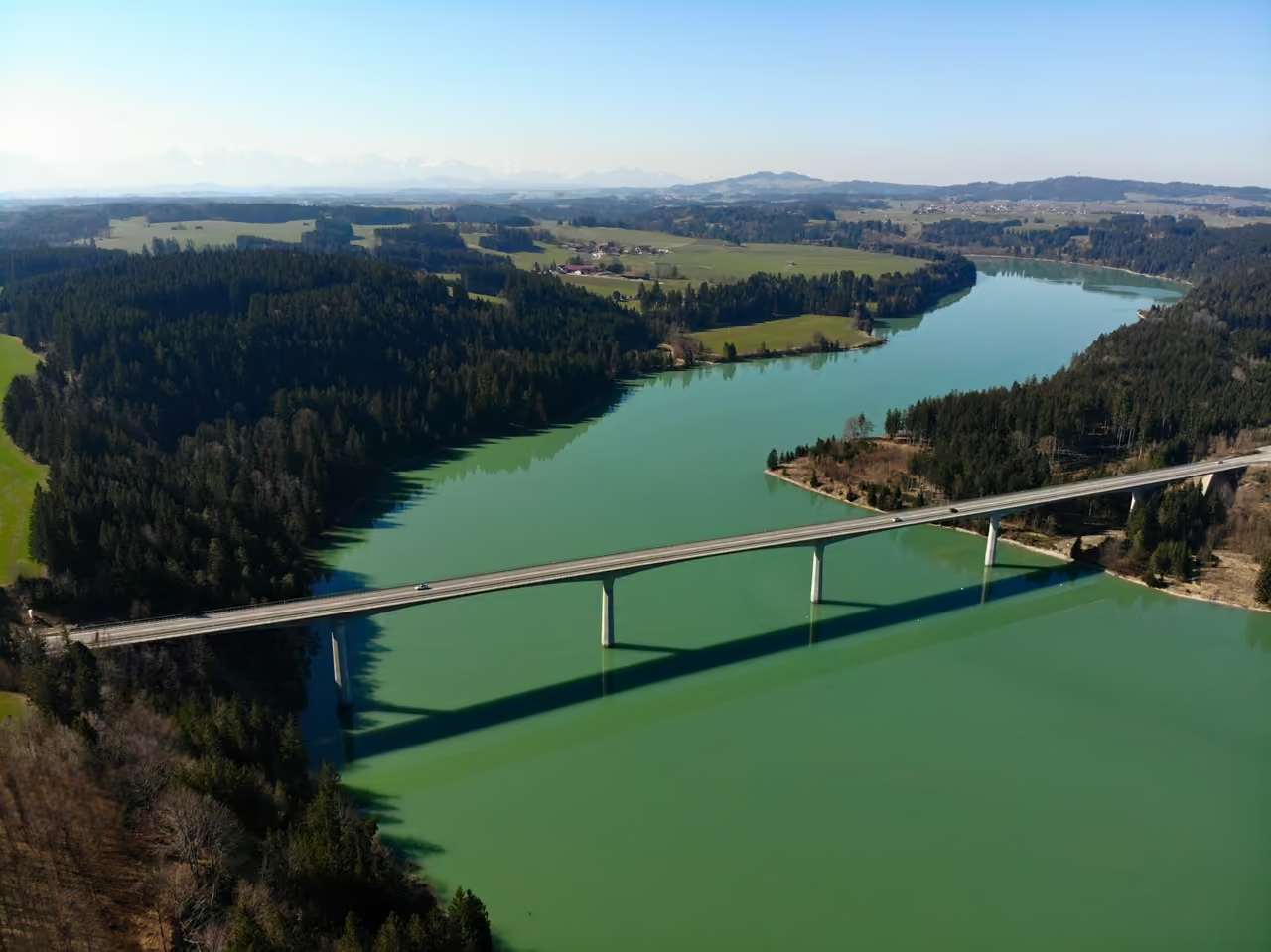
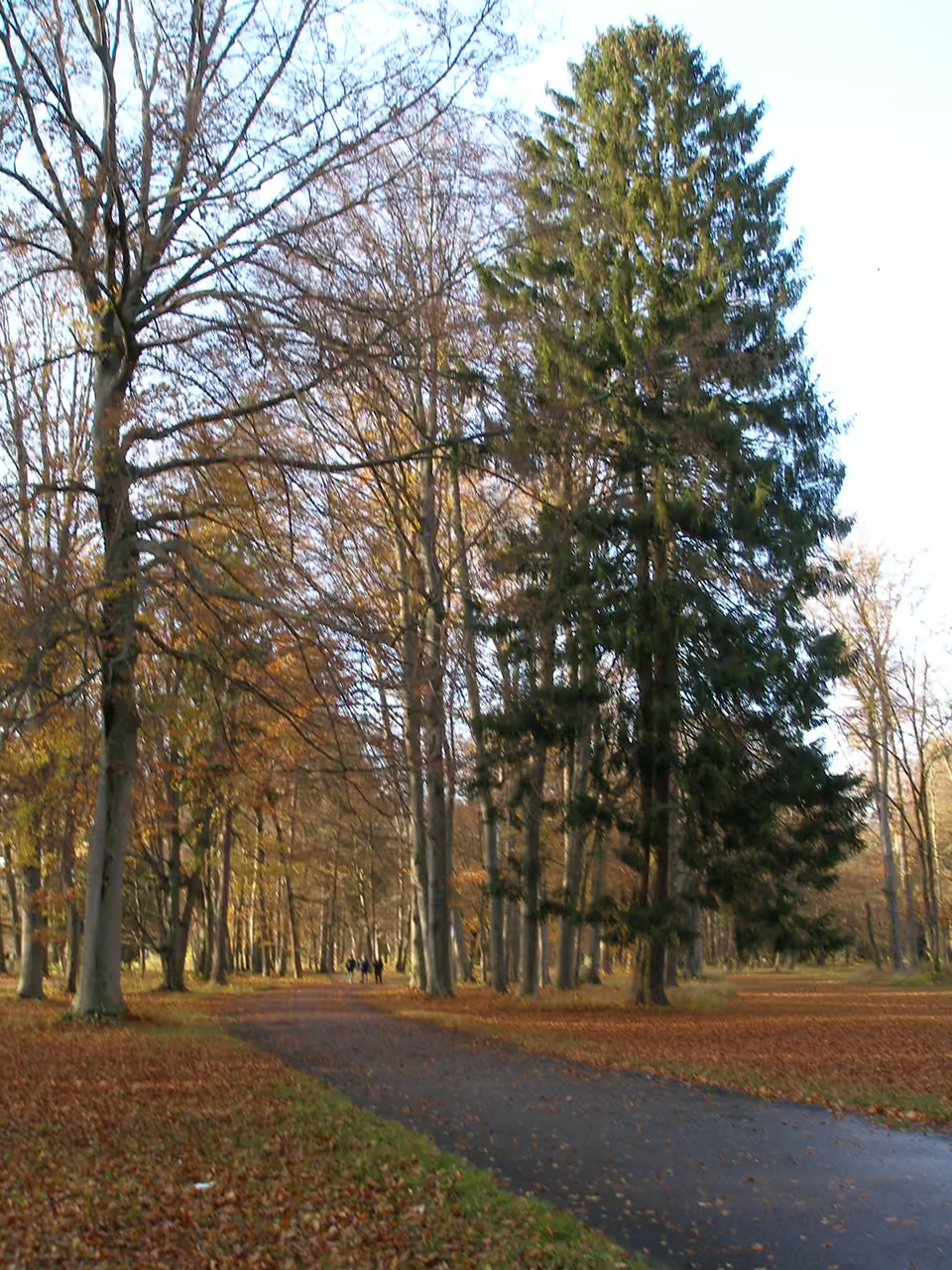
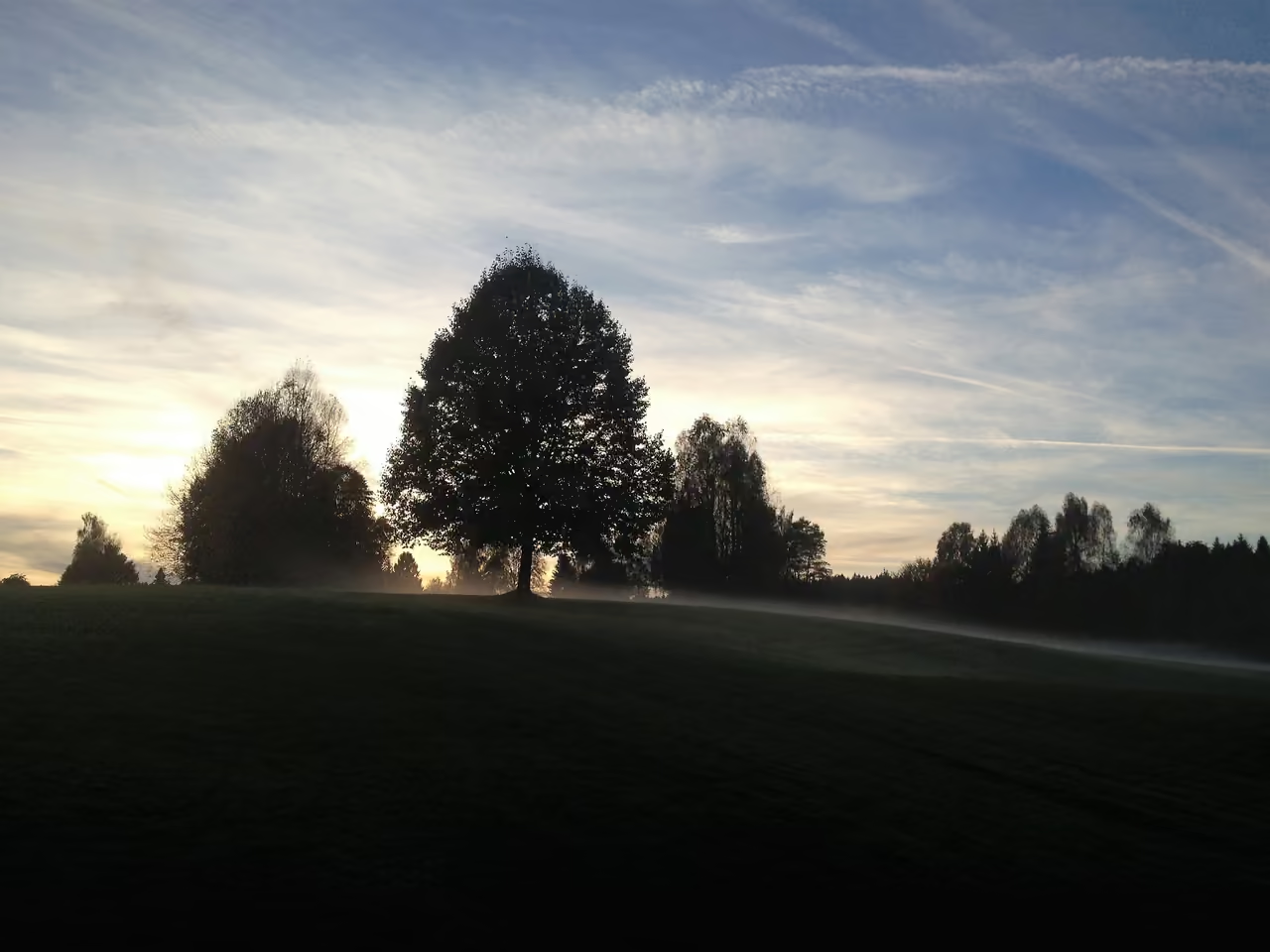
Central Swabia holds a vast green lung where deep ridges and north flowing river valleys carve up the landscape. Walkers here often find themselves sharing the quiet dirt tracks with nothing but the local wildlife, occasionally pausing to navigate a slightly muddy patch on the Pfarrer Kneipp Weg after a morning shower. Over a thousand kilometres of trails weave through areas like the forested Holzwinkel and the rolling Stauden hills in the south. The scent of pine and damp earth hangs heavy near the Zusam river, especially early in the day. Cyclists push along the Via Julia, tracing ancient Roman routes right through the trees. It is a massive, breathing expanse of Bavarian wilderness that completely swallows the noise of nearby city life.
Videos
History of Augsburg Western Woods Nature Park
Long before environmental protection became a political talking point, the thick woodlands west of Augsburg served as a patchwork of aristocratic hunting grounds, quiet monastic retreats, and Celtic strongholds. Iron Age communities originally dug the massive Haldenburg earthworks near Schwabegg, relying on the dense tree cover to mask their fortifications from passing tribes. Centuries later, immensely wealthy merchant families like the Fuggers purchased large tracts of these hills. They channelled their fortunes into grand estates, most notably importing thousands of pieces of rare Lebanese timber in the sixteenth century to construct the elaborate Cedar Hall inside Kirchheim Castle. For generations, ordinary Swabian farmers scraped a living in the southern Stauden region, building distinctive thatched cottages known as Staudenhauser. Industrialisation and modern farming almost wiped these modest rural homes from the map. In a frantic rescue effort during the 1970s, conservationists dismantled the last surviving thatched smallholder house in Dopshofen piece by piece. They carefully transported the timbers and straw to the grounds of Oberschonenfeld Abbey, rebuilding it entirely to preserve a tangible piece of Swabian agricultural history. This grassroots desire to protect local heritage sparked a wider movement to safeguard the entire landscape. A dedicated society formed in 1974 to lobby for formal recognition of the river valleys and timbered ridges. Their efforts culminated in 1988 when the Bavarian government officially threw a protective ring around the territory, establishing the nature park. Today, the Cistercian nuns at Oberschonenfeld still bake their traditional bread on the grounds, while visitors crawl through the interactive wildlife dioramas in the park headquarters, keeping the connection between the region's human history and its wild ecology firmly intact.
events spanning 2507 years
Fun Facts
8- 01
A life sized diorama sits inside the Nature Park House at Oberschönenfeld, designed with a hidden crawling tube so curious adults and children can pop their heads directly into the centre of a reconstructed forest floor.
- 02
A massive, ancient lime tree known as the Linde am Schlossgut Gailenbach stands as a protected natural monument, having survived centuries of weather and land changes on the old estate grounds.
- 03
Deep in the woods near Schwabegg lie the overgrown ruins of the Haldenburg, an ancient Celtic square enclosure that later served as a refuge during early medieval conflicts.
- 04
Pilgrims have walked the Bavarian Swabian Camino de Santiago through these woods for centuries, carving a spiritual route from Augsburg all the way down to Lake Constance.
- 05
Stargazers frequently gather at the Violau Observatory, an astronomical centre built unusually close to an eighteenth century Catholic pilgrimage church.
- 06
The Staudenhaus sitting near Oberschönenfeld Abbey is the very last surviving thatched roof smallholder cottage from the Augsburg region, saved from demolition and painstakingly relocated over six years.
- 07
The famous Cedar Hall at Kirchheim Castle features a spectacularly intricate ceiling crafted from fourteen different native woods alongside imported Lebanon cedar, completely retaining their natural, unpainted colours.
- 08
The park contains a designated water adventure trail in Münsterhausen where walkers can wade through a natural Kneipp barefoot facility, a hydrotherapy practice popularised by a nineteenth century Bavarian priest.
FULL PLACE DETAILS
OVERVIEW & STATS
- Established
- In 1988, making it 38 years old
WEB & AMENITIES
Augsburg Western Woods Nature Park Map & Neighborhood Explorer
This interactive map is centered on Augsburg Western Woods Nature Park. Zoom in and move the map around to automatically discover Wikipedia photos and summaries of other nearby sights, monuments, and historical points of interest and stories in real-time!
Augsburg Western Woods Nature Park FAQ
Cycling and hiking are the most popular methods. The park features over a thousand kilometres of marked trails, including the Zusam cycle path and the long-distance Swabian-Allgäu hiking route.
The Nature Park House at Oberschönenfeld Abbey makes an excellent starting point. It houses educational exhibitions, a Swabian folk museum, and the historic thatched Staudenhaus.
Yes, the region is known as the Swabian Pfaffenwinkel due to its numerous ornate Baroque churches. You can also visit Fuggerschloss Kirchheim to see its famous Renaissance Cedar Hall.
Absolutely. Aside from the accessible walking paths, kids particularly enjoy the interactive diorama tunnel at the Nature Park House and the water adventure playground in Münsterhausen.
The closest place to visit near Augsburg Western Woods Nature Park is Canteen, around 14.5 km away. Other things to do near Augsburg Western Woods Nature Park include Summer in the Neighbourhood (14.8 km), Wertach River (15.2 km) and Augsburger Plärrer (15.4 km). All of these are within roughly 15.4 km of Augsburg Western Woods Nature Park.
It dates back to 1988, making it 38 years old.
While we strive to keep this information accurate and up to date, we recommend verifying any details independently before making decisions based on them.
Places near Augsburg Western Woods Nature Park
Make the most of your trip. Check out these top-rated spots located nearby.
- 14451m
Canteen
A highly respected live music venue that caters primarily to fans of rock, punk, and heavy alternative genres. It completely avoids the polished pop aesthetic, favouring sticky floors and cheap, potent drinks. Touring bands play on a low stage, allowing the crowd to get uncomfortably close to the performers. The sound system is loud and unapologetically brutal. It is a crucial survival space for the city's subcultures.
nightlife view - 14839m
Summer in the Neighbourhood
An alternative, highly energetic music festival that transforms an industrial space into a massive outdoor concert venue. Heavy rock, punk, and indie bands dominate the lineup, drawing a younger, heavily tattooed crowd. The festival stretches over several weeks during the hottest part of the year, bringing a raw, gritty edge to the normally polished historic city. Local breweries set up heavy wooden bars, pouring cold craft beer into the late hours of the night. It provides a sharp, welcome contrast to the classical music events normally held here.
festival view 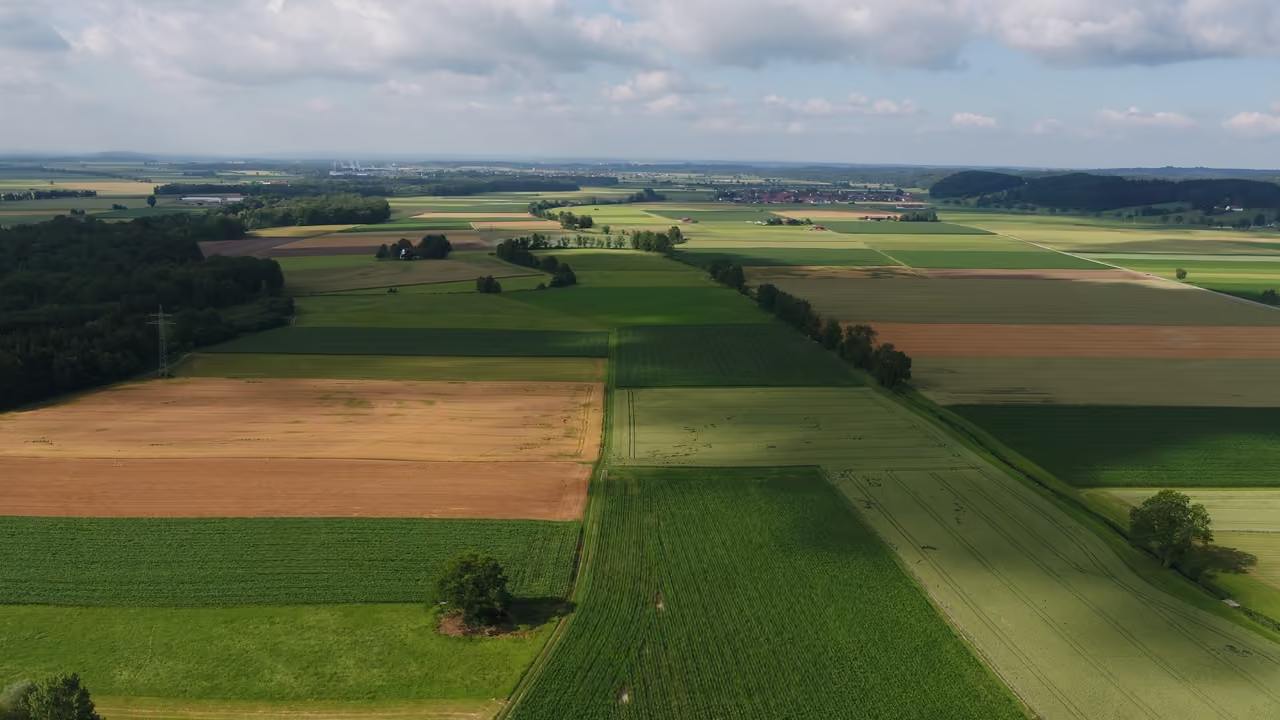 15218m
Wertach River
The Wertach River slices through Augsburg's western edge, carrying cold Alpine meltwater directly from the Allgäu mountains into the city limits. For decades, this fierce waterway was forced into a tight, straight concrete channel to protect neighbourhoods like Pfersee from its notorious floods. Following a massive restoration project, the riverbanks have been broken open again, creating wide gravel beaches where locals now walk dogs and skip stones across the rushing current. You might spot a heron hunting in the shallows near the Göggingen bridge, completely ignoring the joggers passing on the elevated dirt paths above. The water remains bracingly cold even in July, providing a sharp natural air conditioning effect if you sit close to the rocky shoreline. Thick clusters of newly planted willow trees trail their branches in the moving water, hiding the industrial history that once dominated these exact banks.
park & nature view 15437m
Augsburger Plärrer
Massive beer tents, thrilling high-speed rides, and the smell of roasted almonds take over the fairgrounds twice a year. This historic event holds the title of the largest folk festival in the Swabian region, drawing well over a million visitors annually. Locals dress heavily in traditional Lederhosen and Dirndls to drink oversized beers and eat hearty Bavarian food. Traditional parades showcase local clubs and heavy horse-drawn brewery wagons winding through the streets. The atmosphere is loud, extremely cheerful, and heavily reliant on brass band music.
festival view
See all nature & parks in Augsburg
Including Augsburg Botanical Garden, River Lech, Wittelsbacher Park, and more