Wittelsbacher Park
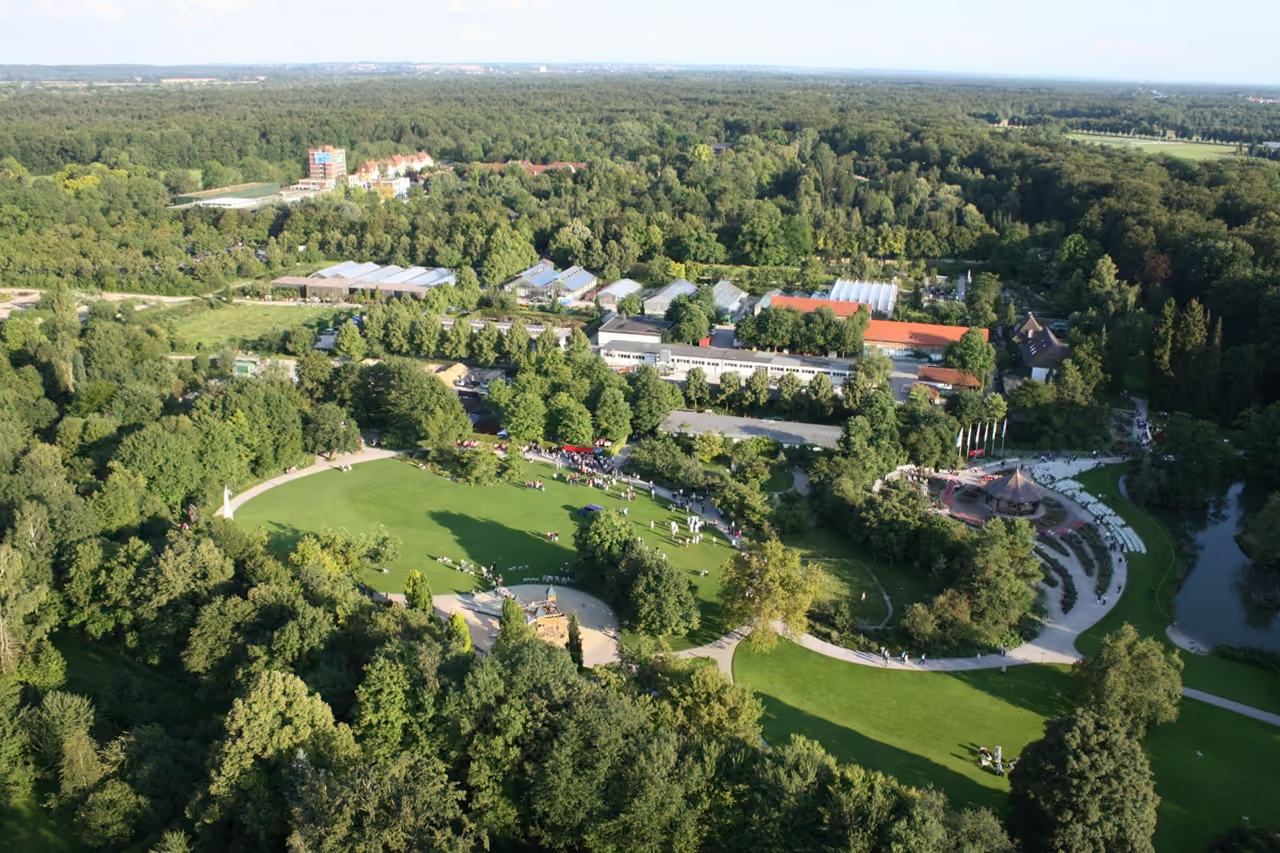
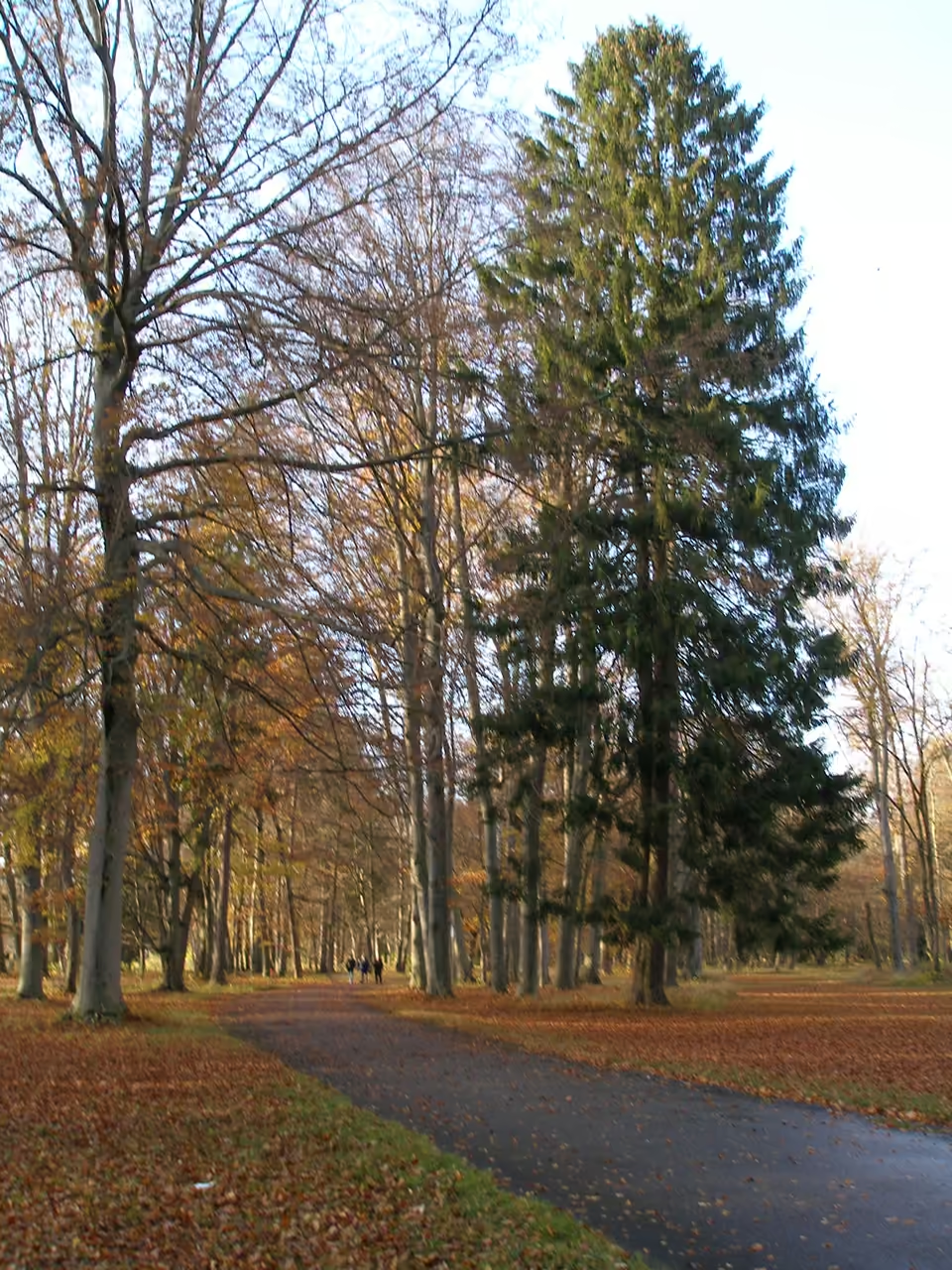
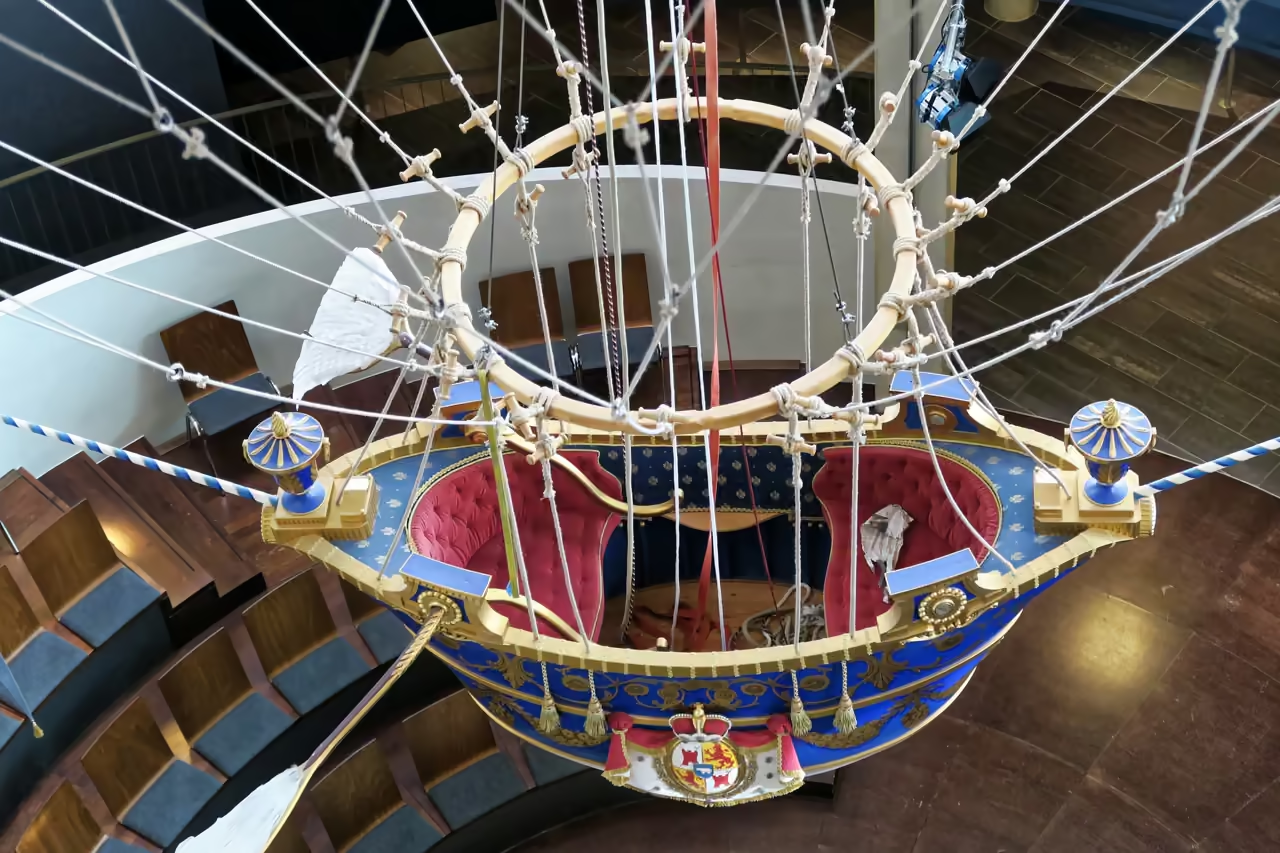
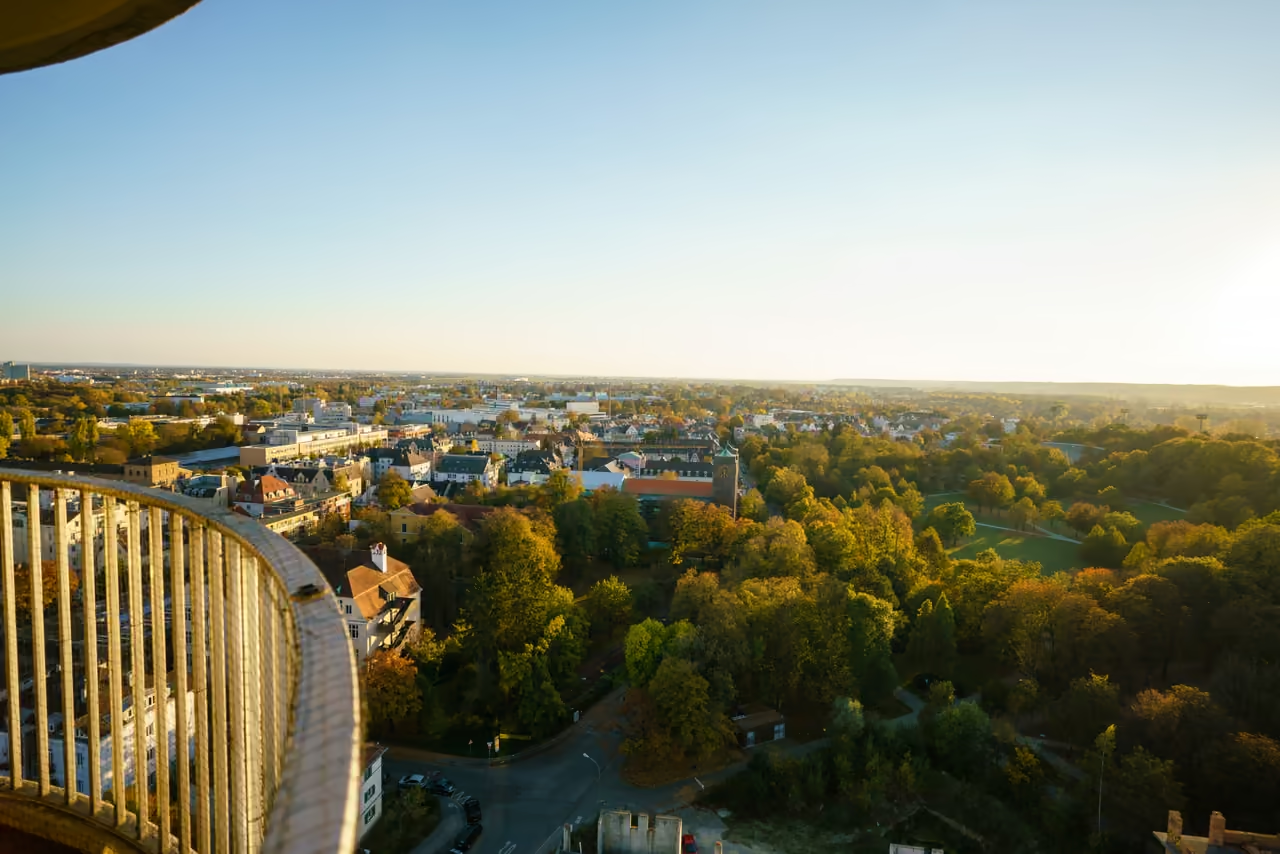
Bordering the stark concrete angles of the Kongress am Park, this 18 hectare expanse serves as Augsburg’s most layered natural retreat. The urban noise fades quickly beneath the canopy of the protected ravine forest sloping down toward the Wertach river. At the northern edge, a tiny 1886 iron pavilion forged by a local locksmith sits quietly in an artificial pond, sprouting a tall water fountain through the summer months. Neighbourhood families drag sledges up a 15 metre hill in the southwest corner as soon as the first snow falls. Just a short walk away rests a Japanese rock garden, constructed using massive boulders shipped directly from the Inagawa river in 1957 to honour the inventor of the diesel engine. The sharp contrast between these quiet memorial stones and the occasional roar from the adjacent Rosenaustadion gives the lawns a wonderfully unpredictable rhythm.
Videos
History of Wittelsbacher Park
The grounds first belonged to a private estate before the city transformed the land into a municipal nursery. In 1886, Augsburg selected this specific patch of grass for a massive regional industry and art exhibition. Workers quickly erected enormous wooden halls, a cafe, and a music pavilion to entertain crowds flocking to see Swabian innovations. Once the event wrapped up, a dedicated citizens group took charge, determined to turn the leftover infrastructure into a permanent pleasure garden for the public. They added a sprawling concert hall capable of holding thousands, cementing the grounds as the social anchor of Augsburg. Tragedy and fire repeatedly rewrote the landscape over the following decades. The original concert hall went up in flames in 1910, only to be replaced by the grand Ludwigsbau a few years later. A separate wooden singers hall, built to hold a choir of over 6,000 people, succumbed to a devastating arson attack on May Day in 1934. The park took its current name, honouring the Bavarian royal dynasty, right around the time these grand wooden structures were dominating the lawns. The darkest chapter of the park unfolded quietly beneath the soil. Following heavy aerial bombardments in early 1944, workers hurriedly excavated a massive subterranean bunker system deep beneath the grass. The damp, cramped tunnels were only 1.4 metres high in some places, forcing terrified locals to sit in near darkness with only portable carbide lamps for comfort. Decades later, as the wooden support beams rotted away, the earth above began to sag. A city mower even fell through the ground at one point, prompting authorities in 2001 to pump thousands of cubic metres of liquid stone dust into the tunnels to seal the forgotten underworld forever. Today, only two small steel doors remain locked near Schießstättenstraße.
events spanning 115 years
Fun Facts
8- 01
A colonial linden tree was planted near the playground in 1924 by a local society. The bizarre botanical gesture was intended to mark the 40th anniversary of acquiring territory in German South West Africa, complete with speeches urging citizens to reclaim lost overseas colonies.
- 02
An underground labyrinth once stretched from Schießstättenstraße right up to the modern hotel tower. Some of the damp tunnels built during the war were so small that the largest subterranean room could only hold fifteen people standing shoulder to shoulder.
- 03
Environmental concerns dictated how the collapsing wartime bunkers were finally filled. Officials initially considered packing the tunnels with cheap slag from the local waste incinerator, but ultimately opted for a massive slurry of clean rock flour and water to protect the soil.
- 04
Only a tiny wrought iron pavilion designed by master locksmith Göbel remains of the grand 1886 exhibition. Restored in the 1970s, it sits quietly in an artificial pond where a ten metre water fountain shoots into the air during the summer months.
- 05
The Japanese rock garden exists purely due to Magokichi Yamaoka's lifelong obsession with the diesel engine. The Japanese industrialist not only gifted the heavy Inagawa river stones but also helped forge the very first German and Japanese sister city partnerships between Augsburg and two Japanese manufacturing hubs.
- 06
The Reichenberg Fountain standing near the congress hall was donated by Sudeten Germans displaced after the Second World War. Its intricate stone carvings depict scenes from their former homeland in present day Czechia, serving as a permanent memorial of their integration into Augsburg.
- 07
The park hosted the noncommercial Modular Festival from 2012 to 2018, transforming the quiet southern meadows into the largest youth pop culture event in the entire region before the festival outgrew the space.
- 08
The park shrank significantly in 1972 due to the construction of a stark concrete congress hall and a massive hotel tower. A local citizens group formed to stop the project, but their campaign ultimately failed to block the high rise development on the eastern edge.
Wittelsbacher Park Map & Neighborhood Explorer
This interactive map is centered on Wittelsbacher Park. Zoom in and move the map around to automatically discover Wikipedia photos and summaries of other nearby sights, monuments, and historical points of interest and stories in real-time!
Wittelsbacher Park FAQ
The tower is a hotel and residential building constructed alongside the adjacent Kongress am Park in 1972. The project was highly controversial at the time and permanently reduced the total footprint of the eastern lawns.
The vast majority of the subterranean World War Two tunnels were filled with liquid stone dust in 2001 to prevent the ground from collapsing. Only two small tunnels near Schießstättenstraße survived, which are generally locked but occasionally open for specific historical tours.
A small beer garden operates on a terrace next to the artificial lake by the northern entrance at the Gögginger Bridge. It provides an excellent view of the 1886 iron pavilion and the summer water fountain.
The garden is the Rudolf-Diesel-Gedächtnishain, created in 1957 to honour the inventor of the diesel engine, who lived in Augsburg. The massive stones were shipped from Japan by the head of a diesel manufacturing company to celebrate the groundbreaking invention.
The closest place to visit near Wittelsbacher Park is Dorint Hotel Tower, around 279 m away. Other things to do near Wittelsbacher Park include Augsburg Synagogue (1.1 km), Wertach River (1.3 km) and Lettl Museum of Surreal Art (1.3 km). All of these are within roughly 1.3 km of Wittelsbacher Park.
While we strive to keep this information accurate and up to date, we recommend verifying any details independently before making decisions based on them.
Places near Wittelsbacher Park
Make the most of your trip. Check out these top-rated spots located nearby.
 279m
Dorint Hotel Tower
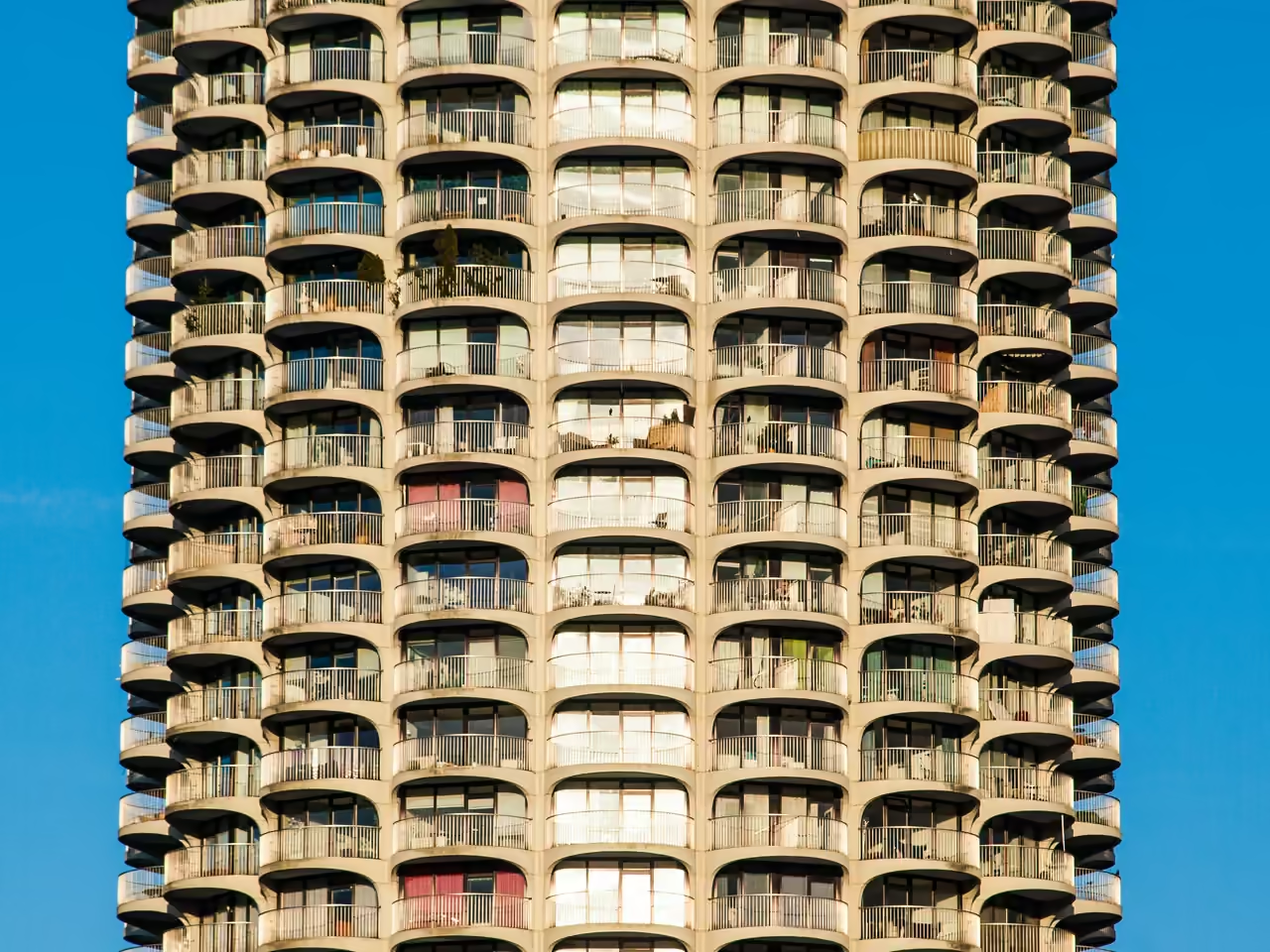
A massive, aggressive spike of concrete and glass that completely dominates the city's otherwise low-slung historic skyline. Constructed in time for the 1972 Olympics, its highly distinct, ribbed cylindrical shape earned it the local nickname 'Maiskolben' (corn on the cob). It stands as a stark, unapologetic piece of 1970s brutalist-adjacent architecture completely ignoring the surrounding Renaissance aesthetics. At over 100 metres tall, it acts as a highly effective navigation beacon from almost anywhere in the city.
architecture view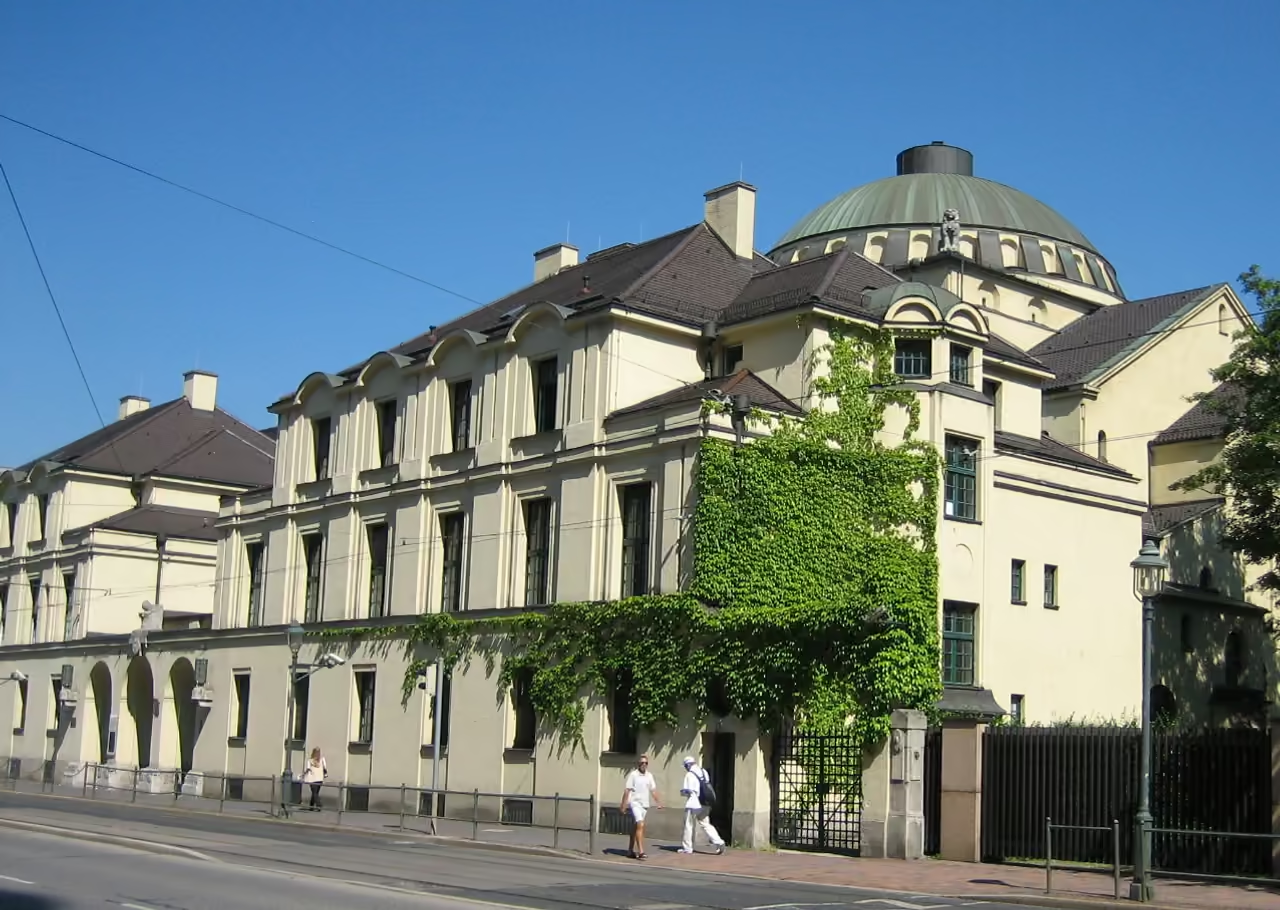 1061m
Augsburg Synagogue
A strikingly beautiful, highly ornate Jewish place of worship featuring massive Art Nouveau and subtle Oriental architectural elements. Miraculously, the heavy stone building survived the extreme violence of the Nazi regime mostly intact, a rarity for large urban synagogues in Germany. Today, it serves an active congregation while also housing a deeply moving museum documenting the local Jewish community's history. The towering central dome and intricate interior details are visually overwhelming. Security requires visitors to ring a bell and undergo a quick check before entering.
highlight view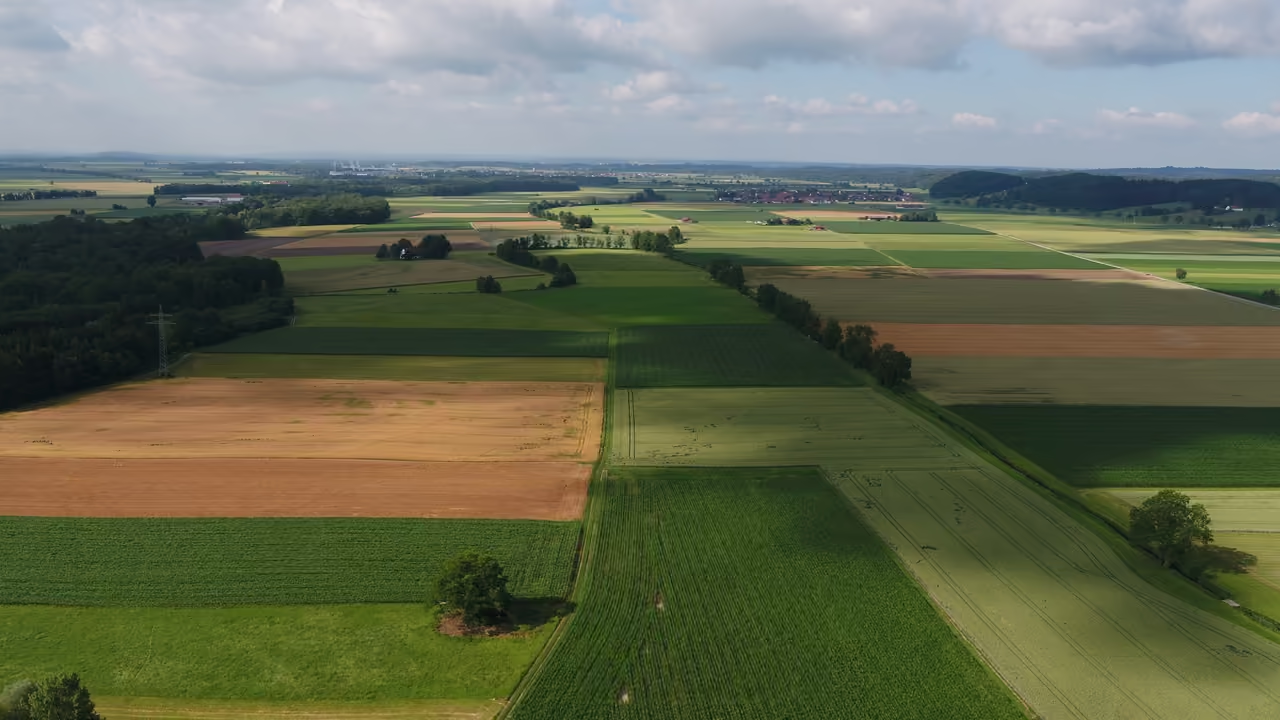 1280m
Wertach River
The Wertach River slices through Augsburg's western edge, carrying cold Alpine meltwater directly from the Allgäu mountains into the city limits. For decades, this fierce waterway was forced into a tight, straight concrete channel to protect neighbourhoods like Pfersee from its notorious floods. Following a massive restoration project, the riverbanks have been broken open again, creating wide gravel beaches where locals now walk dogs and skip stones across the rushing current. You might spot a heron hunting in the shallows near the Göggingen bridge, completely ignoring the joggers passing on the elevated dirt paths above. The water remains bracingly cold even in July, providing a sharp natural air conditioning effect if you sit close to the rocky shoreline. Thick clusters of newly planted willow trees trail their branches in the moving water, hiding the industrial history that once dominated these exact banks.
park & nature view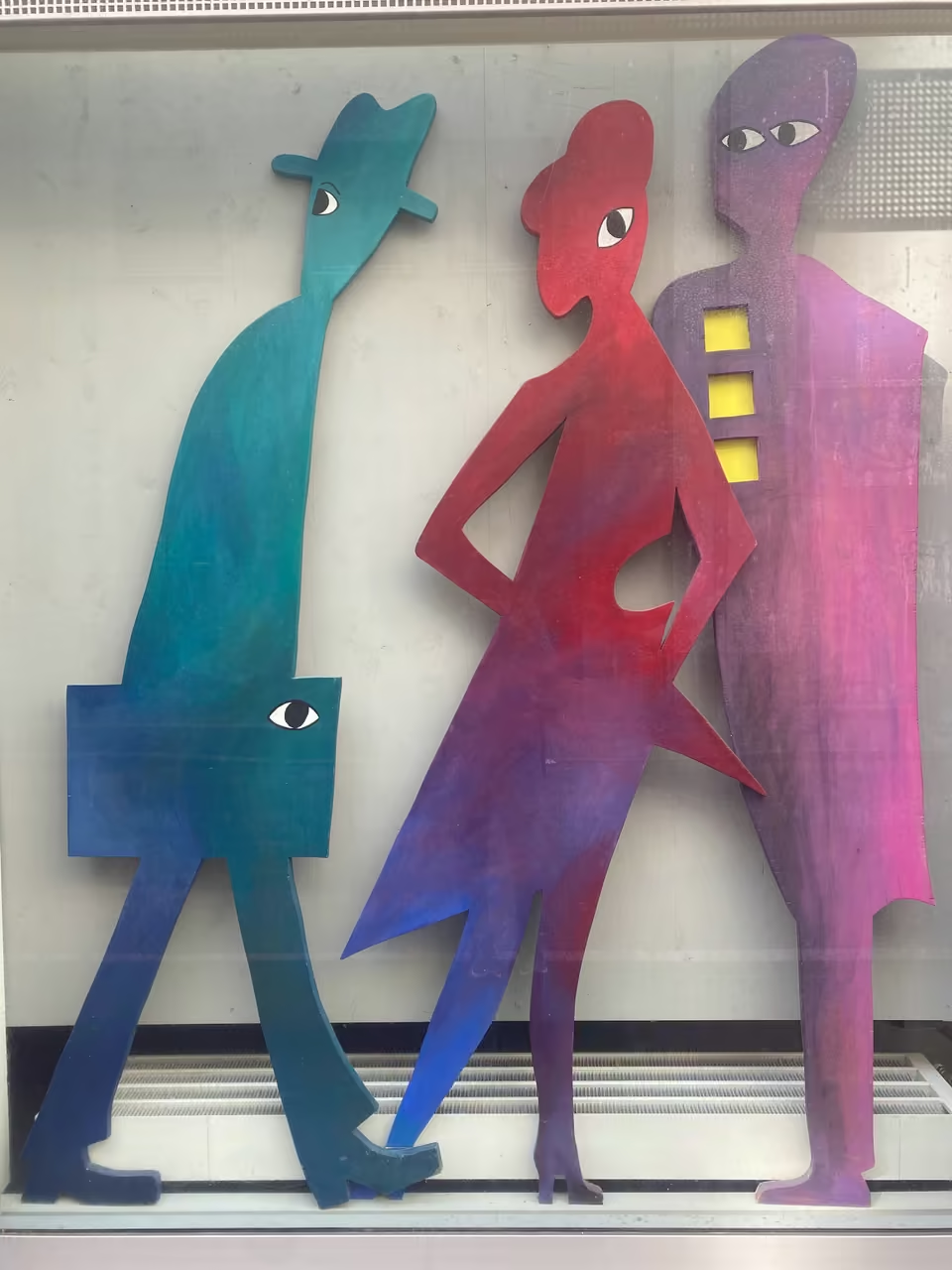 1307m
Lettl Museum of Surreal Art
A highly bizarre, completely unexpected art gallery dedicated entirely to the deeply strange paintings of local surrealist Wolfgang Lettl. You step off a normal shopping street and into rooms filled with massive canvases depicting heavy architectural structures floating over barren landscapes. The artwork is highly technical but fiercely rejects any logical sense. The quiet, modern exhibition space forces you to confront the unsettling imagery without distraction. It provides a sharp, aggressive shock to the system after hours of traditional Renaissance history.
hidden gem view
See all nature & parks in Augsburg
Including Augsburg Botanical Garden, River Lech, Augsburg Western Woods Nature Park, and more