Industrial Heritage Trail
Cycling RouteA fascinating, gritty route that tracks the city's historical obsession with water power and heavy manufacturing. You ride past brutal brick factories, complex weir systems, and massive, silent smokestacks. It requires navigating some light urban traffic, but heavily rewards you with a deep understanding of the city's economic engine. The canals dictate the exact shape of the route.
SURFACE BREAKDOWN
ELEVATION PROFILE
WHY WE LOVE THIS ROUTE
It forces you to look past the pretty Renaissance facades and engage directly with the heavy machinery that actually built the city's wealth. The constant presence of rushing water links everything together.
RIDER'S NOTEBOOK
- • Many of the old factory grounds have small, excellent cafes hidden in their courtyards; do not hesitate to explore past the main gates.
- 1HIDDEN GEM
Augsburg Railway Park
BAHNPARK AUGSBURGA massive, grease-stained locomotive depot saved from demolition and slowly transformed into a raw, heavily industrial museum. Dozens of massive historic trains, including brutal steam engines, sit silently in the roundhouse.
FULL PLACE DETAILS
OVERVIEW & STATS
- Established
- In 2005, making it 21 years old
WEB & AMENITIES
to next stop - 2UNESCO HERITAGE SITE
Water Management System
AUGSBURGER WASSERMANAGEMENT-SYSTEMA massive, highly complex network of ancient canals, water towers, and pumping stations. It visually explains exactly how the city generated its wealth through advanced hydraulic engineering.
FULL PLACE DETAILS
ARCHITECTURE & HERITAGE
- Heritage Status
- World Heritage Site
WEB & AMENITIES
to next stop - 3HIDDEN GEM
MAN Museum
A deeply technical, highly specific exhibition tracking the aggressive history of heavy engineering and diesel technology inside the massive MAN factory complex. You can inspect the actual, highly complex original prototypes of Rudolf Diesel's revolutionary internal combustion engine.
FULL PLACE DETAILS
OVERVIEW & STATS
- Established
- In 1953, making it 73 years old
to next stop - 4HIGHLIGHT
Textile and Industry Museum
STAATLICHES TEXTIL- UND INDUSTRIEMUSEUM (TIM)Massive, deafeningly loud looms operate inside a repurposed factory hall, demonstrating exactly how raw thread becomes complex fabric. It focuses heavily on the grueling reality of historical factory work.
FULL PLACE DETAILS
OVERVIEW & STATS
- Possible Cost
- €5
- Established
- In 2010, making it 16 years old
ARCHITECTURE & HERITAGE
- Architects
- Klaus Kada
WEB & AMENITIES
Other Cycling Routes
Check out other routes in Augsburg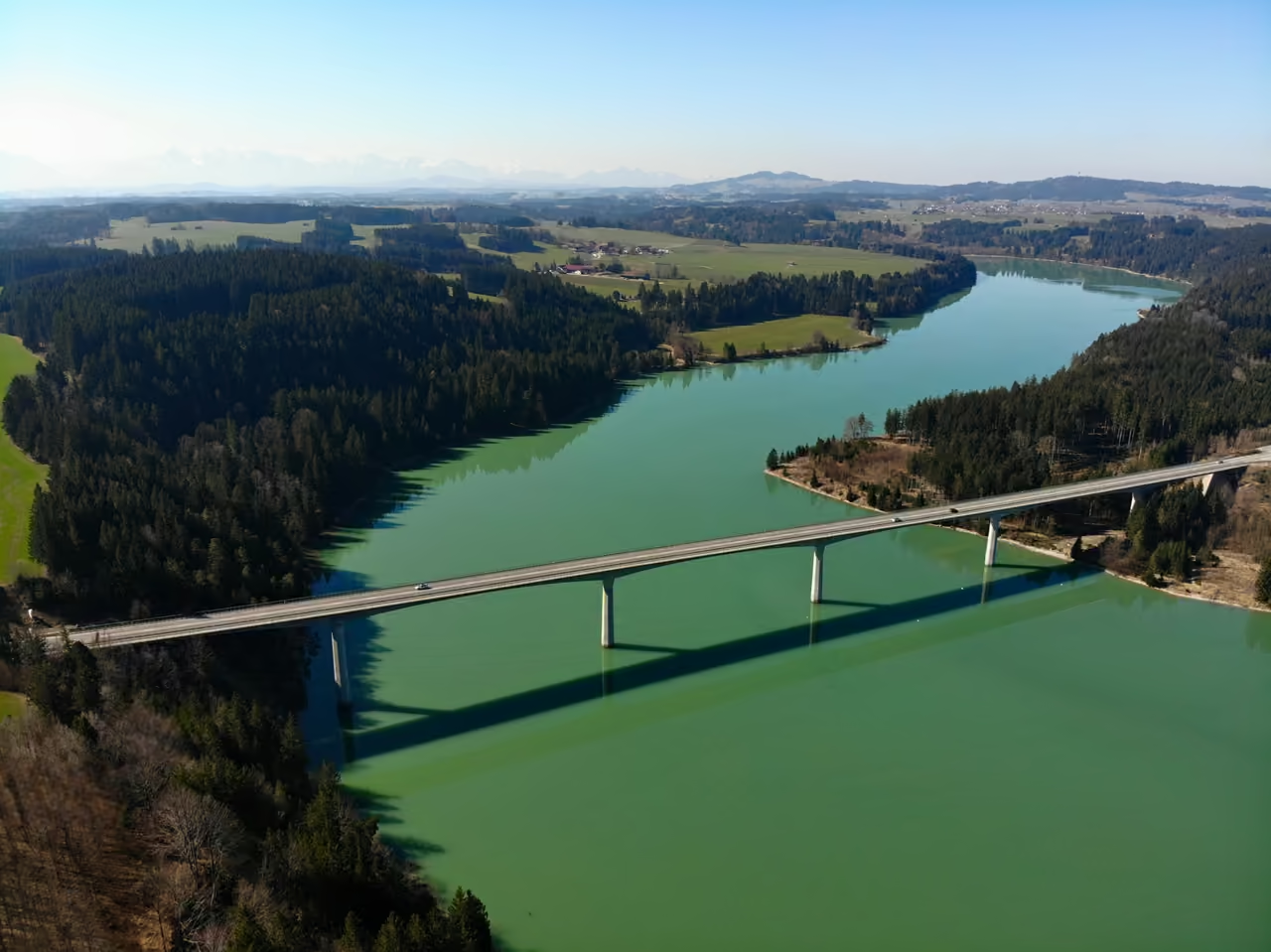
Lech River Cycle Path
A flat, remarkably fast gravel path that follows the violent, milky-green flow of the Lech river. You can ride for miles with the heavy rush of the water constantly in your ears. The route passes massive concrete dams and dense patches of protected heathland. It requires almost zero navigation skills, as you simply keep the water on one side.
view route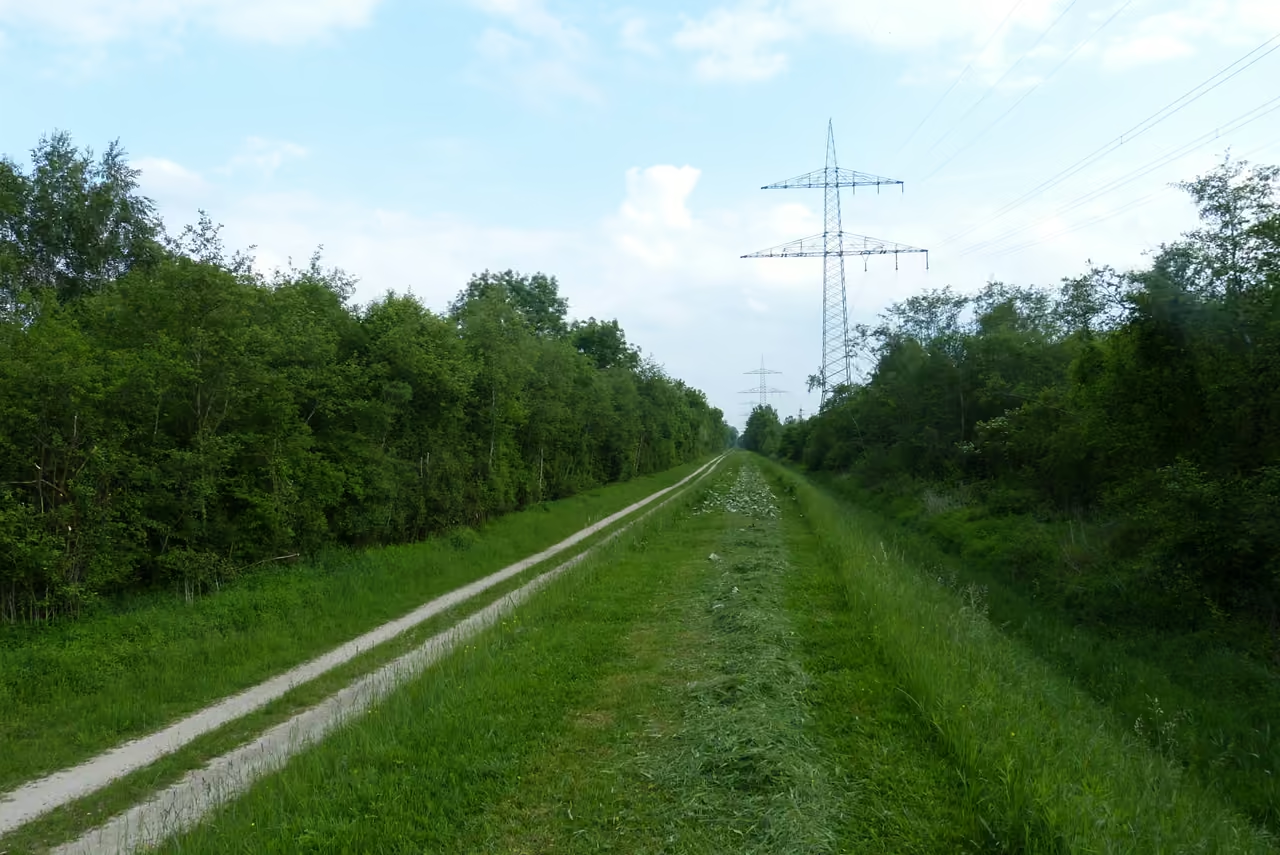
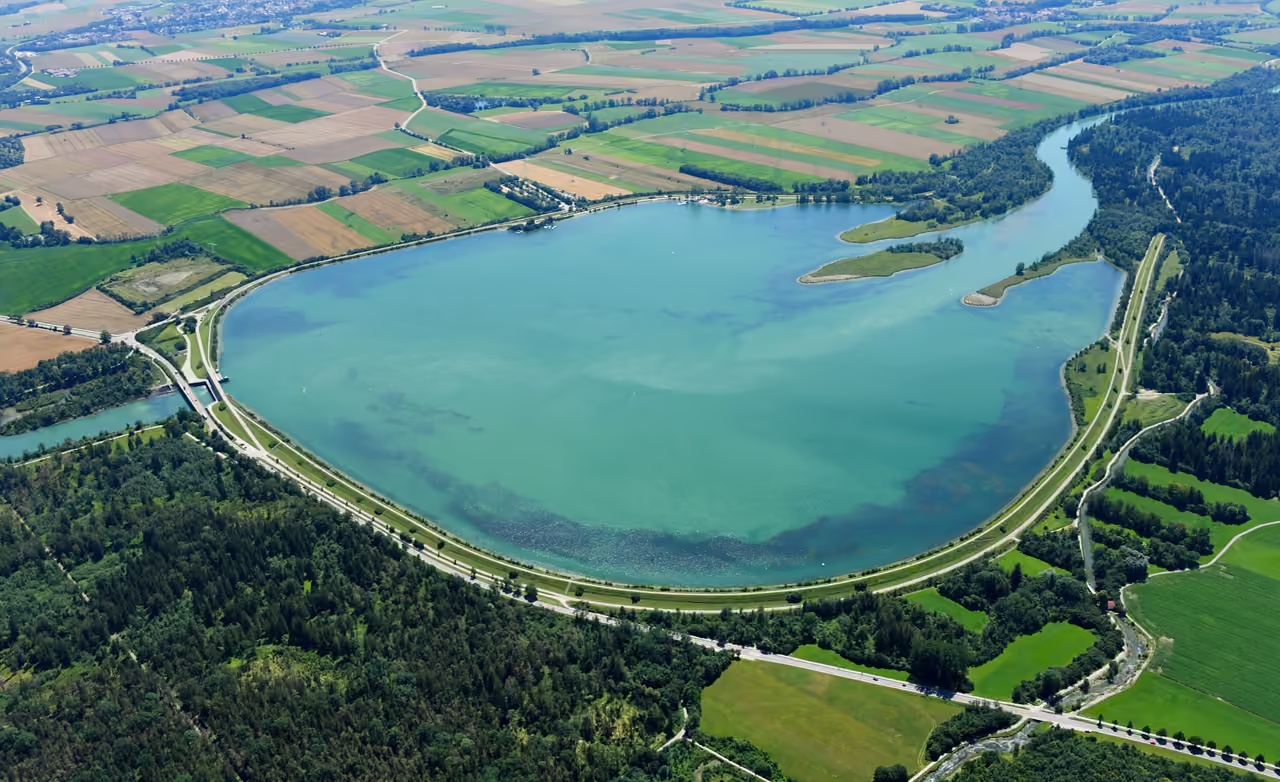
Lake Mandicho Excursion
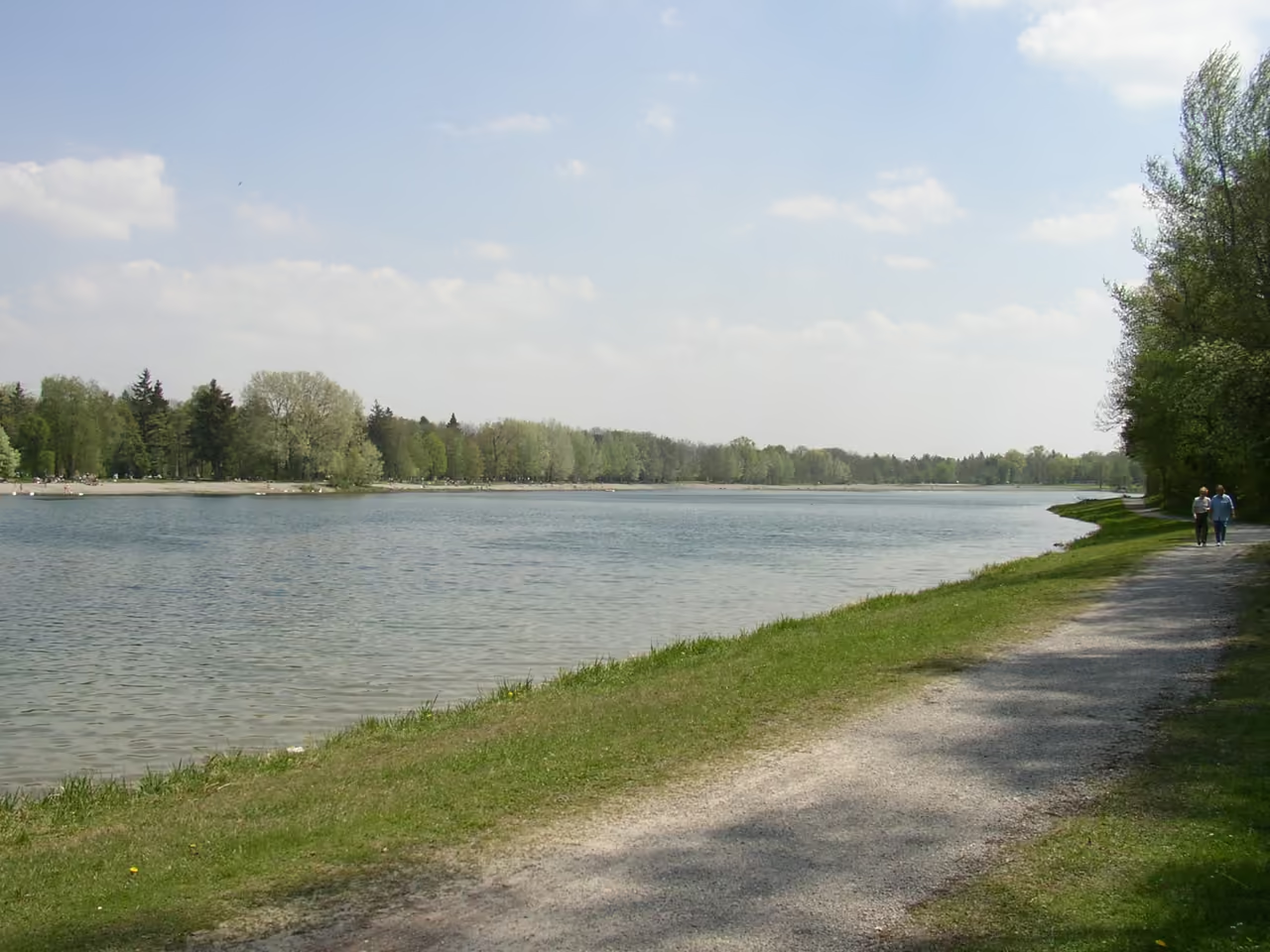
A longer, highly rewarding push out of the city limits towards a massive artificial reservoir on the Lech river. The ride combines open agricultural fields with heavy riverside vegetation. The destination provides a massive expanse of open water where locals sail and windsurf. It feels like a proper, exhausting expedition that ends with a well-deserved swim.
view route
Alternative Ways to Tour the City
Switch your pace. Discover curated routes by bike, foot, or self-guided exploration.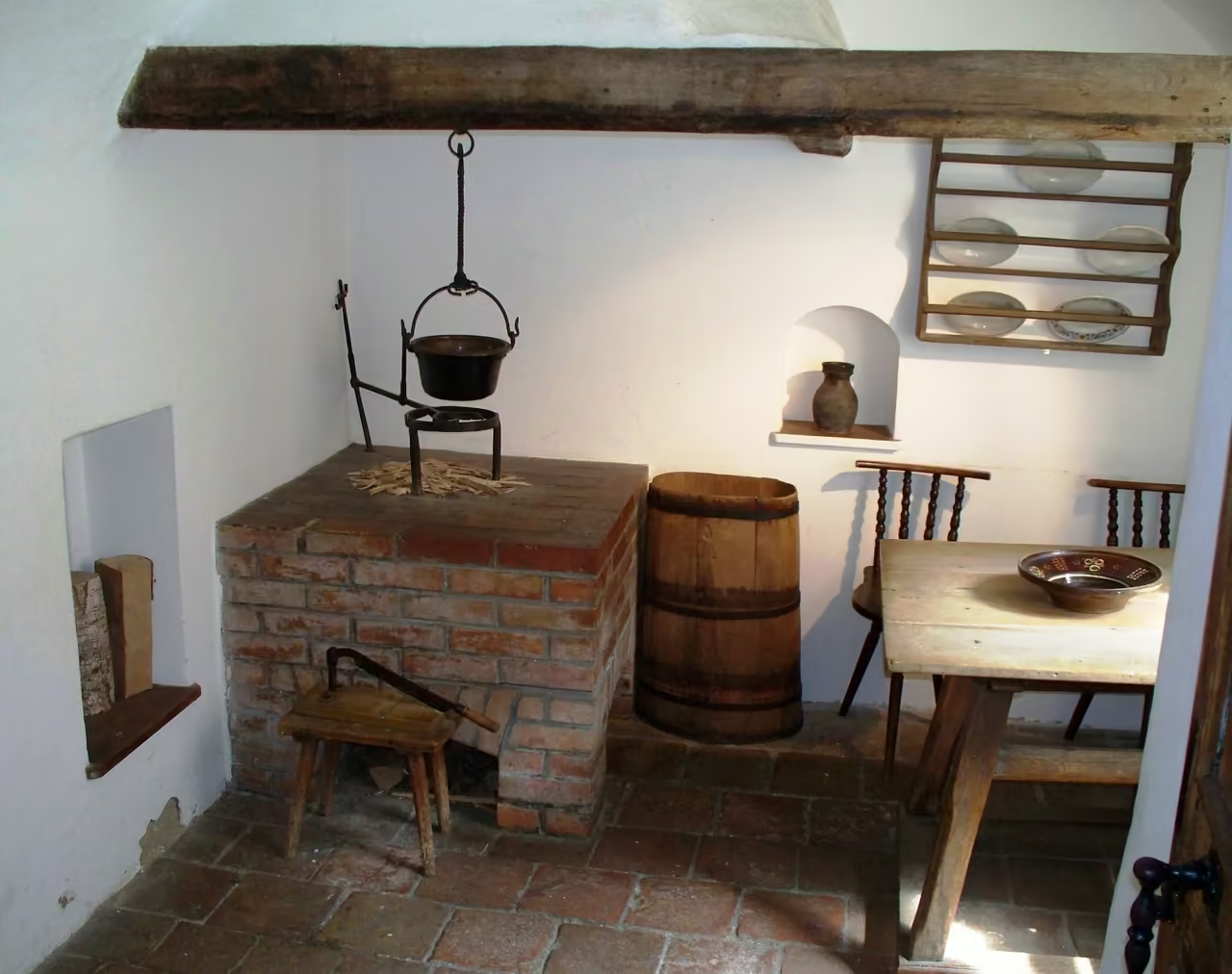
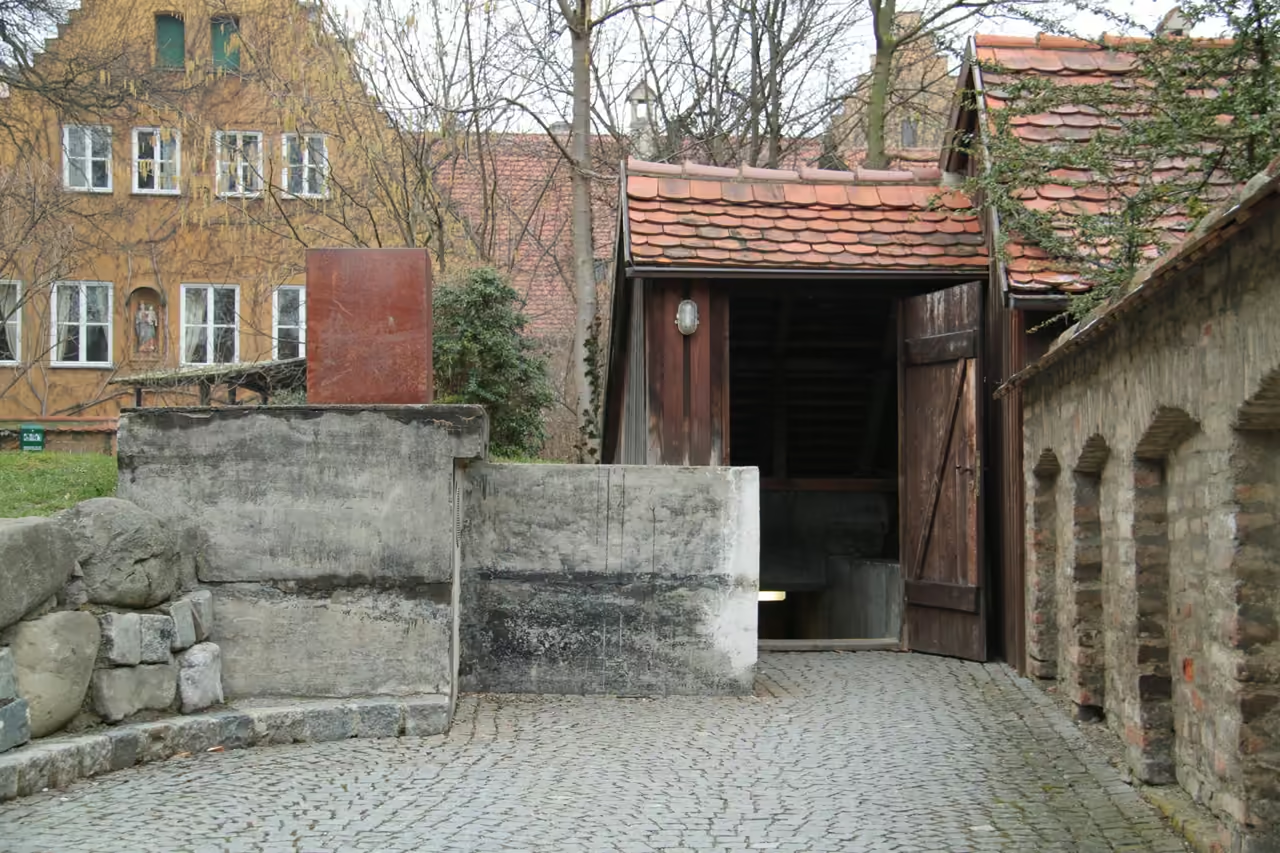
Fuggerei Grounds Stroll
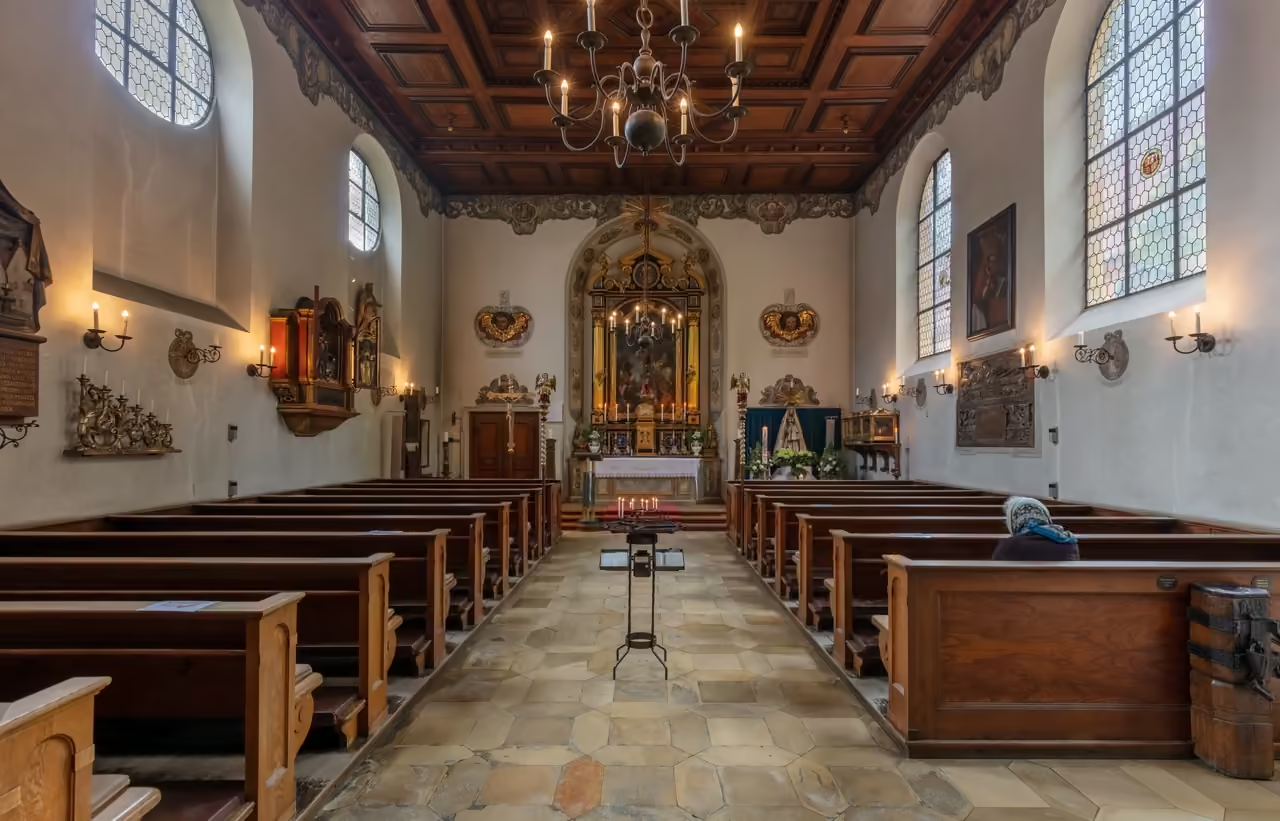
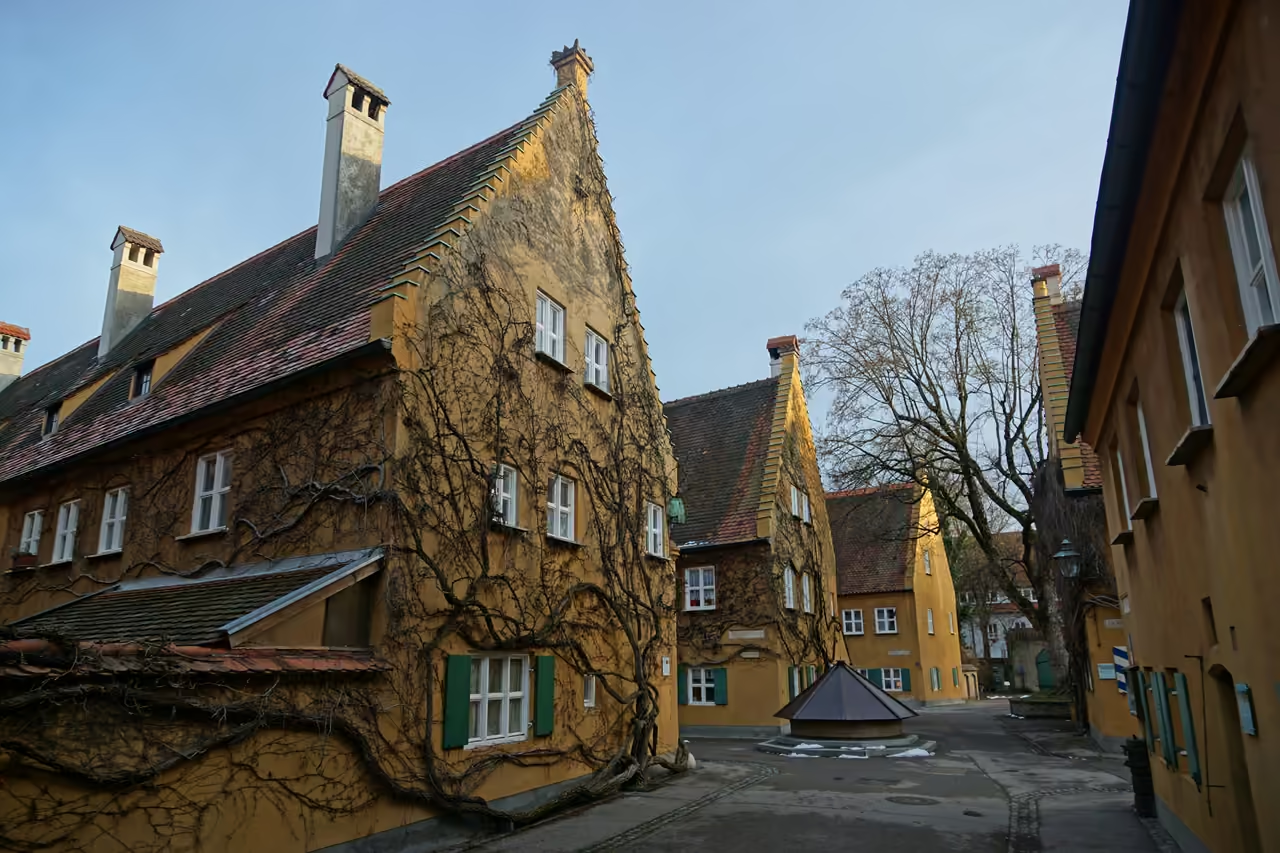
A highly controlled, exceptionally peaceful walk inside a walled, city-within-a-city. You navigate straight, orderly streets lined entirely with matching ivy-covered yellow houses. The atmosphere is deliberately quiet, respecting the residents who still live here. Tiny gardens and a dedicated church complete the self-contained environment.
Fugger Merchant Empire Tour
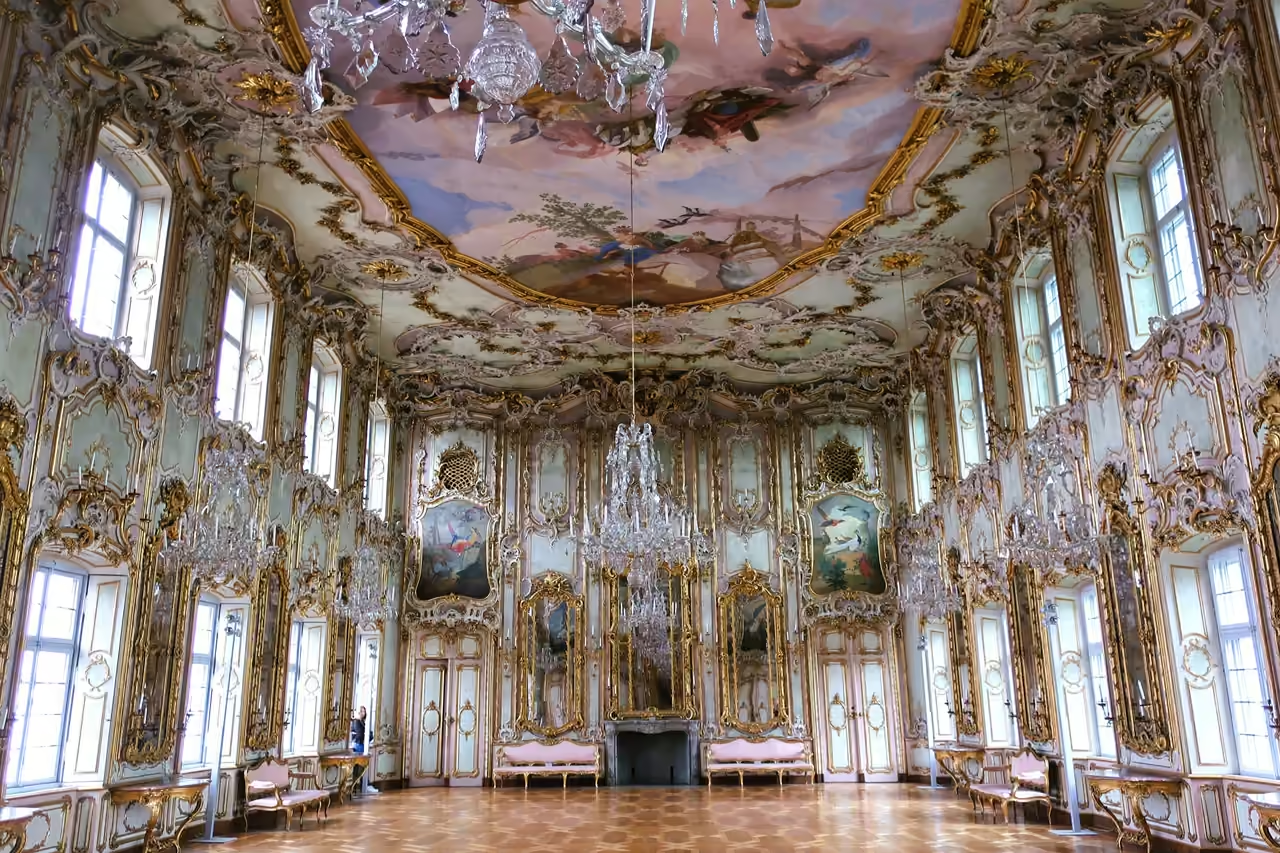
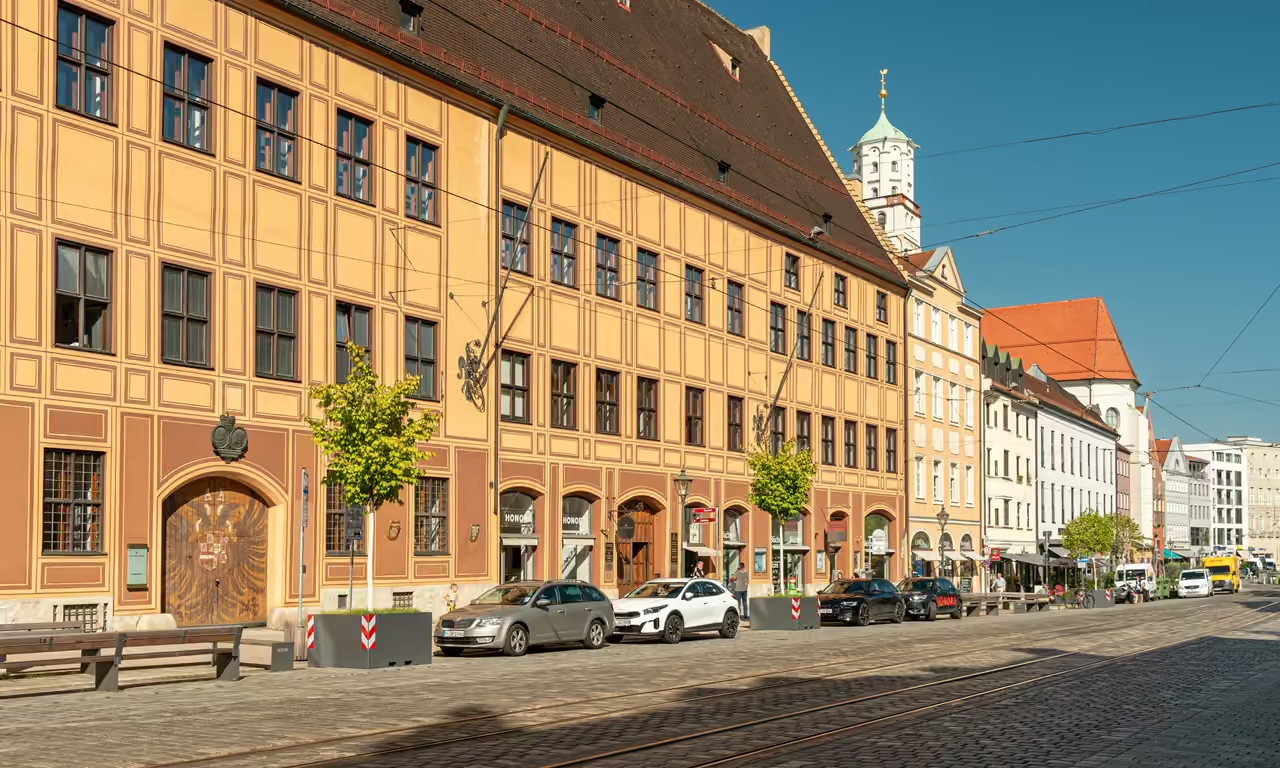
A deep dive into the staggering, incomprehensible wealth accumulated by a single banking family during the Renaissance. You will trace their influence from their private palaces to the massive social housing complex they funded. The route visually explains how early capitalism physically shaped the city's most prominent buildings. Expect heavy doses of gold leaf and intricate stonework.