Fuggerei Grounds Stroll
Walking RouteA highly controlled, exceptionally peaceful walk inside a walled, city-within-a-city. You navigate straight, orderly streets lined entirely with matching ivy-covered yellow houses. The atmosphere is deliberately quiet, respecting the residents who still live here. Tiny gardens and a dedicated church complete the self-contained environment.
SURFACE BREAKDOWN
ELEVATION PROFILE
WHY WE LOVE THIS ROUTE
It completely removes you from the noise of the modern city and drops you into an impeccably preserved 16th-century utopian experiment. The extreme uniformity of the architecture is visually hypnotic.
WALKER'S FIELD NOTES
- • Pay close attention to the wrought-iron bell pulls next to the doors; they are all shaped differently so residents could identify their home in the dark.
- 1WAYPOINT
Fuggerei Museum Apartment
FUGGEREI-MUSEUMA perfectly preserved, highly immersive apartment showcasing exactly how impoverished residents lived centuries ago. The heavy wooden furniture and tiny, claustrophobic rooms illustrate the stark reality of early social welfare.
FULL PLACE DETAILS
OVERVIEW & STATS
- Established
- In 1957, making it 69 years old
to next stop - 2WAYPOINT
World War II Bunker
FUGGEREI WELTKRIEGSBUNKERA thick, heavily reinforced concrete shelter built deep beneath the housing complex to protect residents during brutal Allied bombing raids. The harsh, damp space now houses a deeply sobering exhibition on the physical destruction of the city.
to next stop - 3WAYPOINT
St Markus Church
ST. MARKUSA small, heavily traditional Catholic church serving the walled community exclusively. Residents gather here to fulfill their daily requirement of praying for the souls of the wealthy Fugger family founders.
FULL PLACE DETAILS
ARCHITECTURE & HERITAGE
- Architects
- Hans Holl
to next stop - 4ATTRACTION
Fuggerei Social Housing
FUGGEREIA walled, completely self-contained community of identical yellow houses draped in thick green ivy. It holds the title of the absolute oldest continuously operating social housing complex in the world.
FULL PLACE DETAILS
OVERVIEW & STATS
- Established
- In 1521, making it 505 years old
ARCHITECTURE & HERITAGE
- Heritage Status
- Architectural Heritage Monument In Bavaria
Other Walking Routes
Check out other routes in Augsburg
Old Town Alleys
A chaotic, highly enjoyable navigation of the steep, crooked streets dropping down from the main pedestrian zone. You will pass tiny artisan workshops, heavy wooden pub doors, and facades painted in faded pastel colours. The ground is heavily cobbled, requiring solid footwear. The sheer density of historical buildings creates a deeply immersive, almost cinematic atmosphere.
view route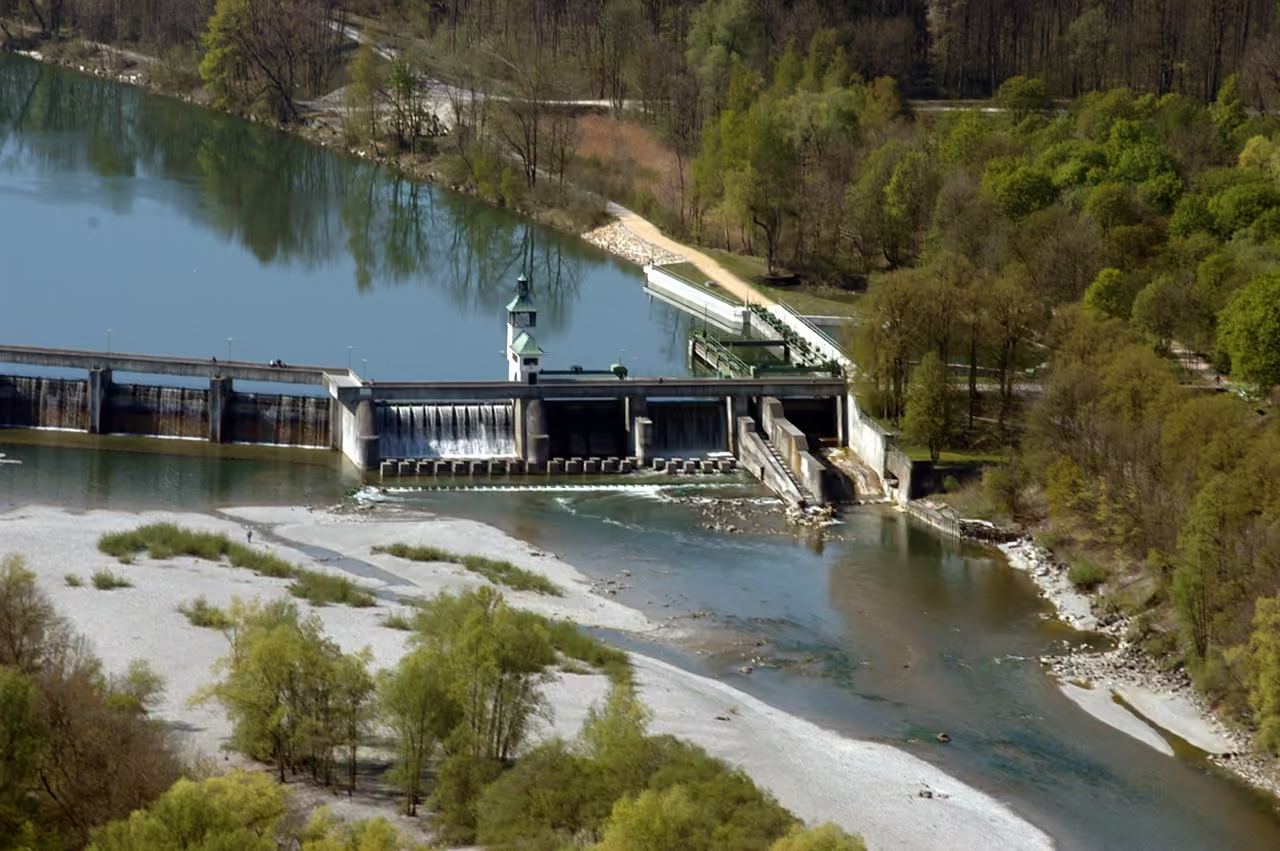
UNESCO Water Canals Walk
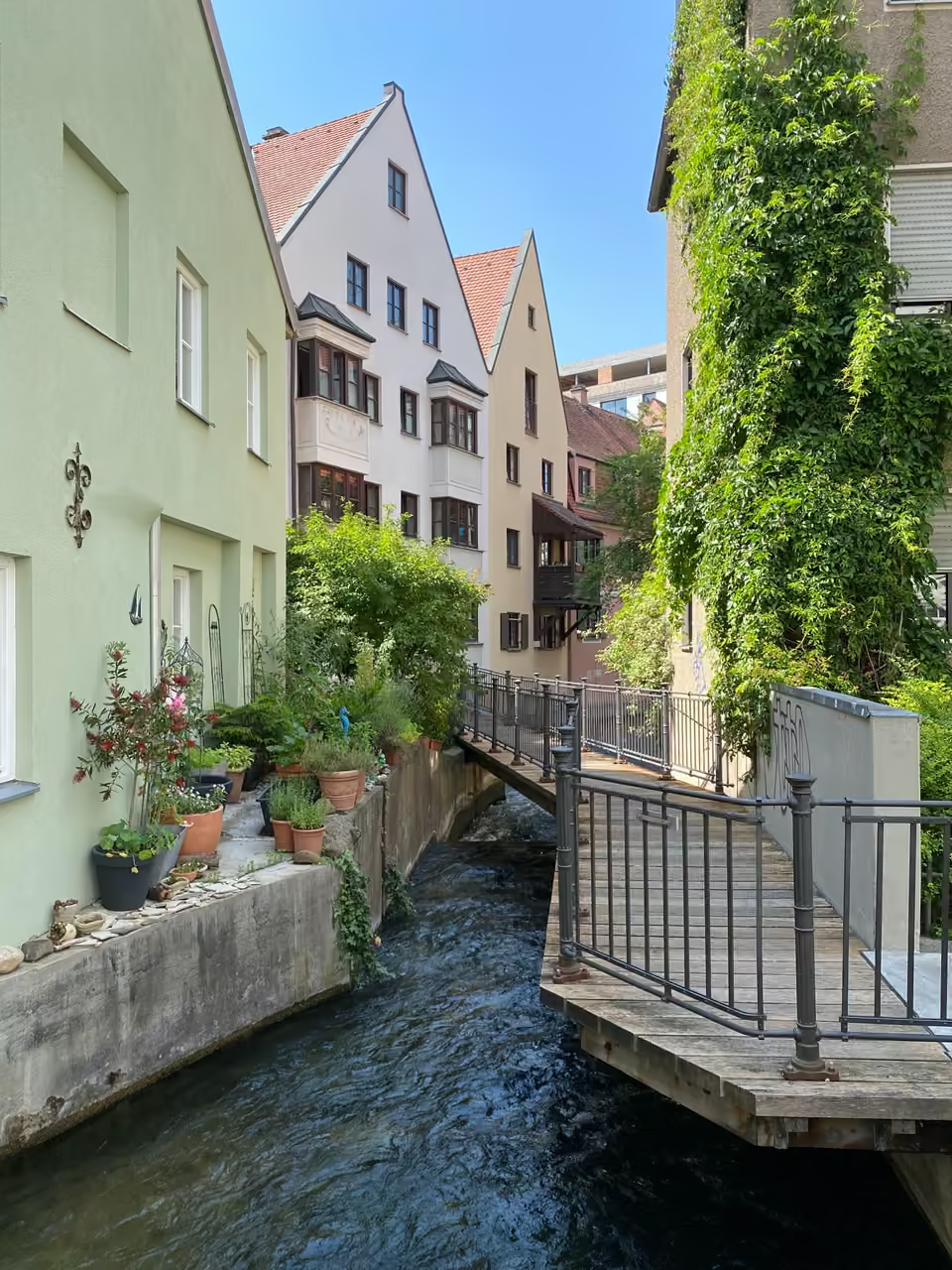
A slow, highly atmospheric wander that traces the intricate network of mediaeval canals slicing through the lower old town. You cross dozens of tiny, low bridges and pass heavy waterwheels still churning in the current. The sound of rushing water completely drowns out the noise of nearby cars. It feels remarkably secretive, as the paths often narrow to just a few feet wide between tall, leaning houses.
view route
Olympic Whitewater Banks
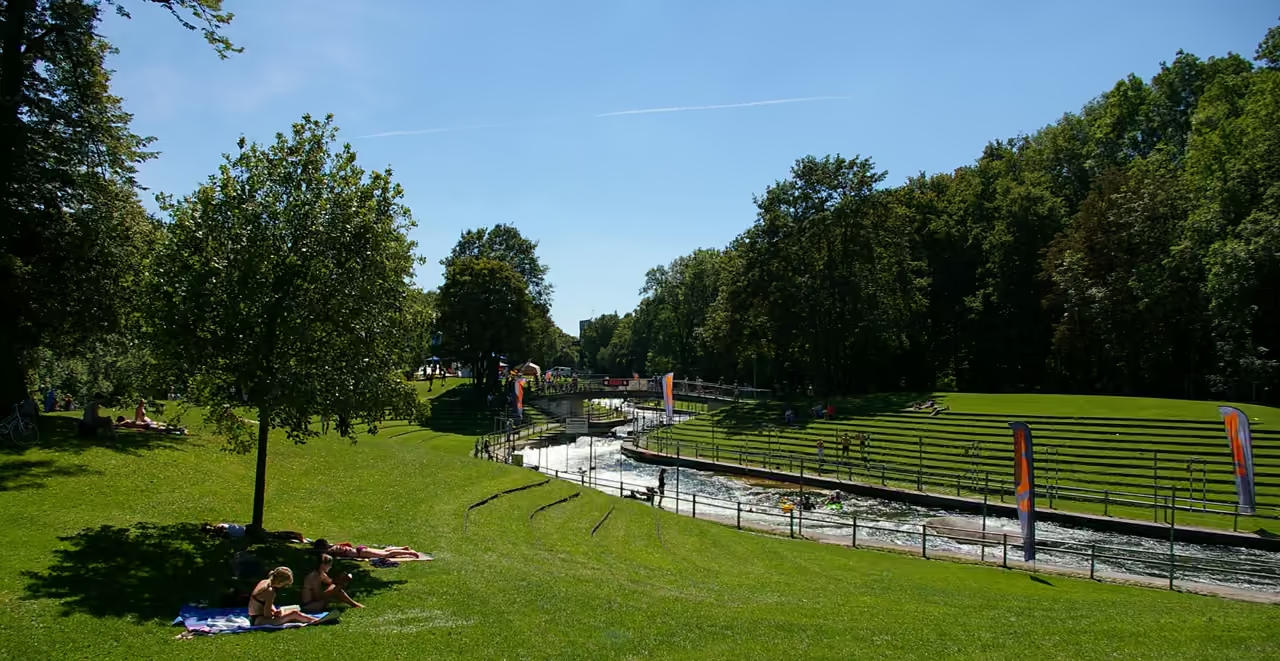
A focused, linear stroll entirely dictated by the aggressive flow of an artificial river. You walk directly alongside churning, turquoise water designed to test the world's best kayakers. The path is flat and heavily shaded by tall trees lining the concrete channel. It provides a constant, loud soundtrack of crashing water.
view route
Alternative Ways to Tour the City
Switch your pace. Discover curated routes by bike, foot, or self-guided exploration.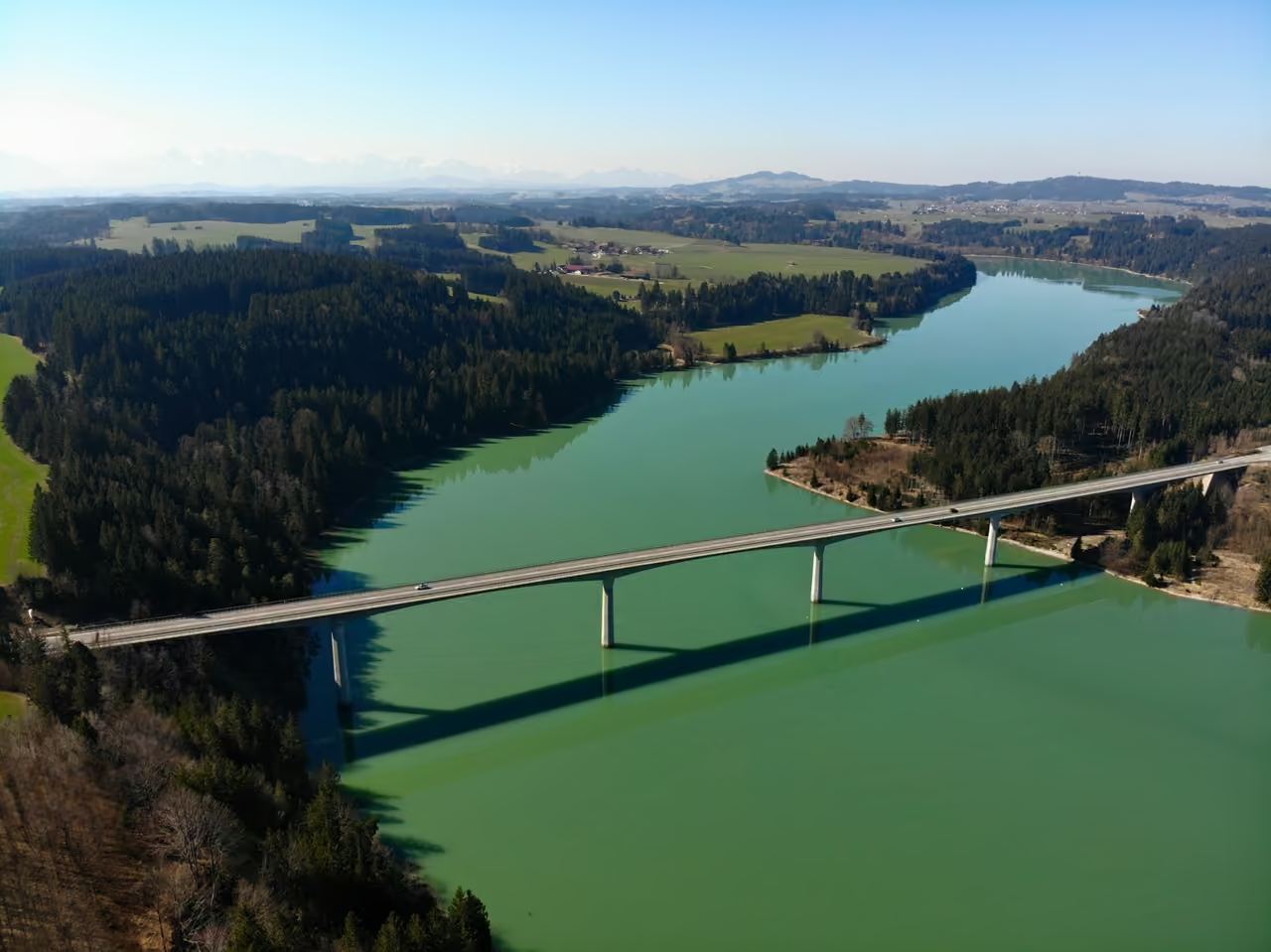
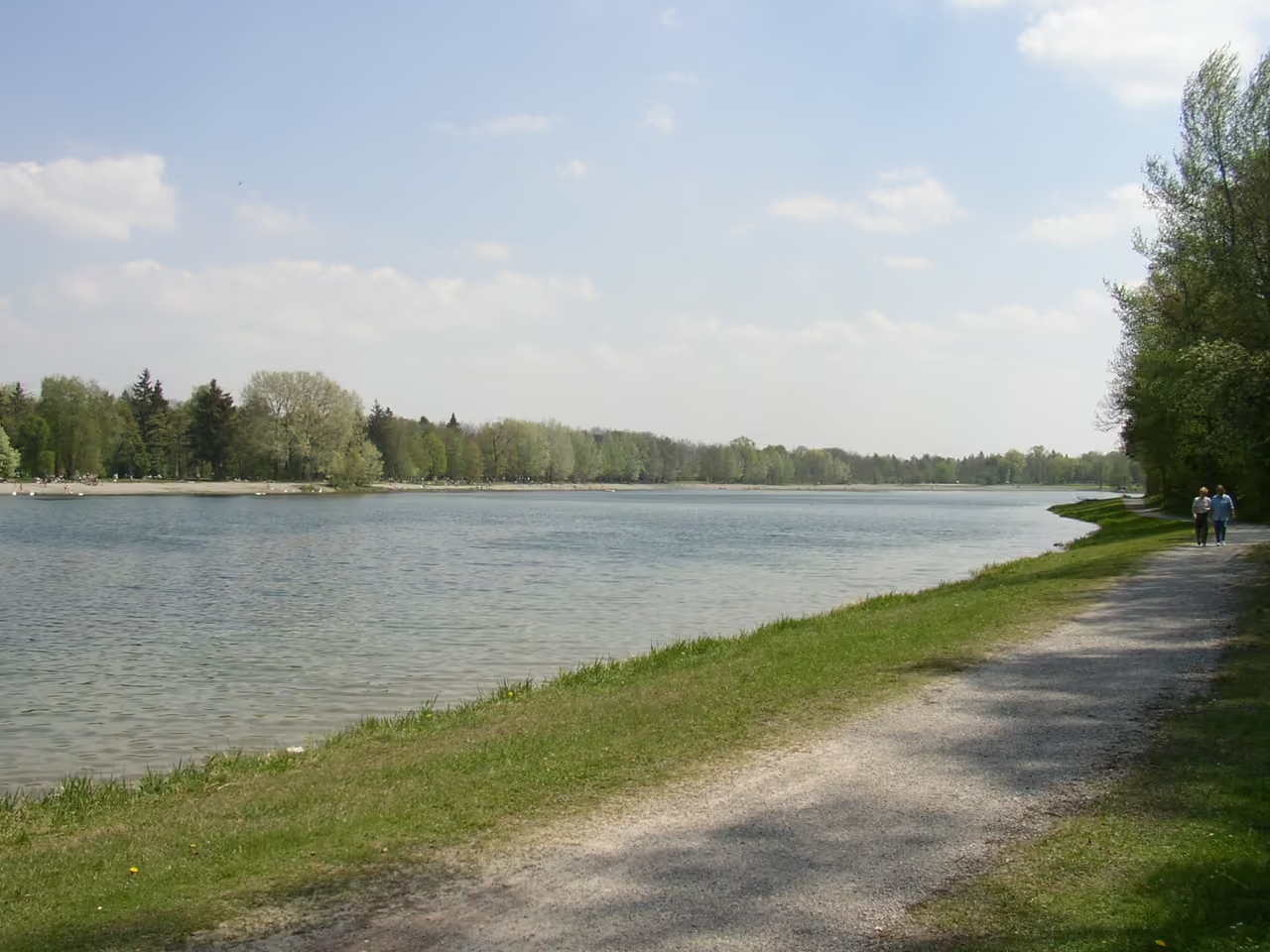
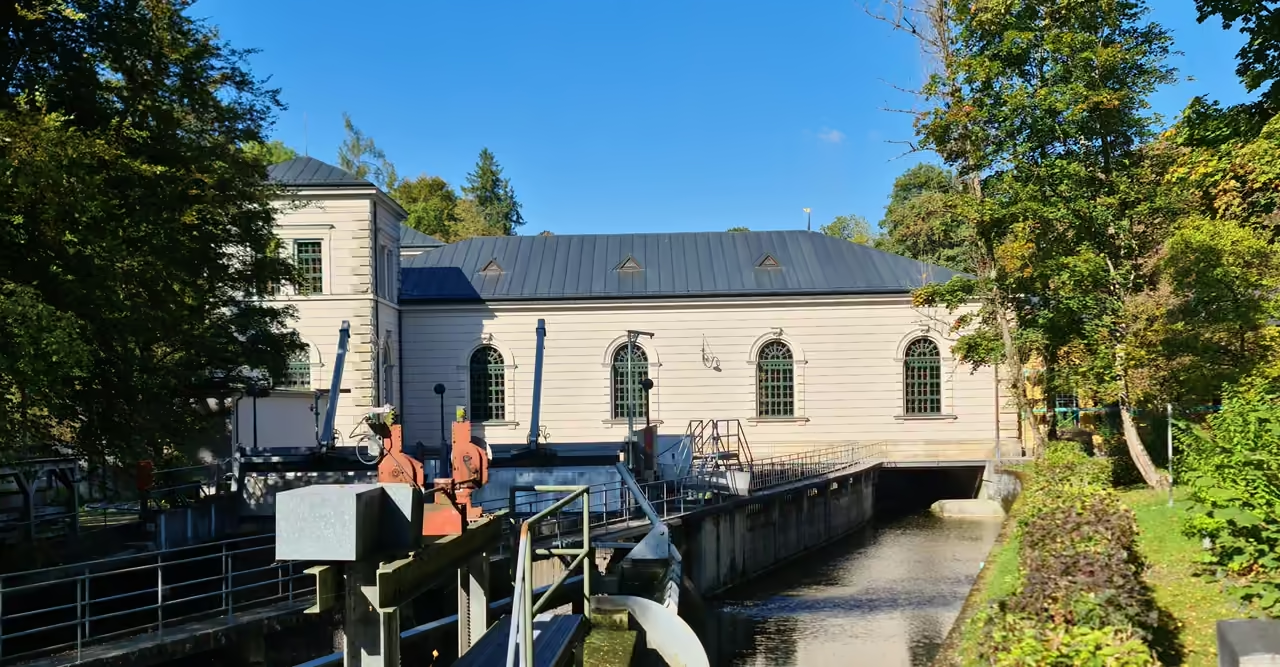
Lech River Cycle Path
A flat, remarkably fast gravel path that follows the violent, milky-green flow of the Lech river. You can ride for miles with the heavy rush of the water constantly in your ears. The route passes massive concrete dams and dense patches of protected heathland. It requires almost zero navigation skills, as you simply keep the water on one side.
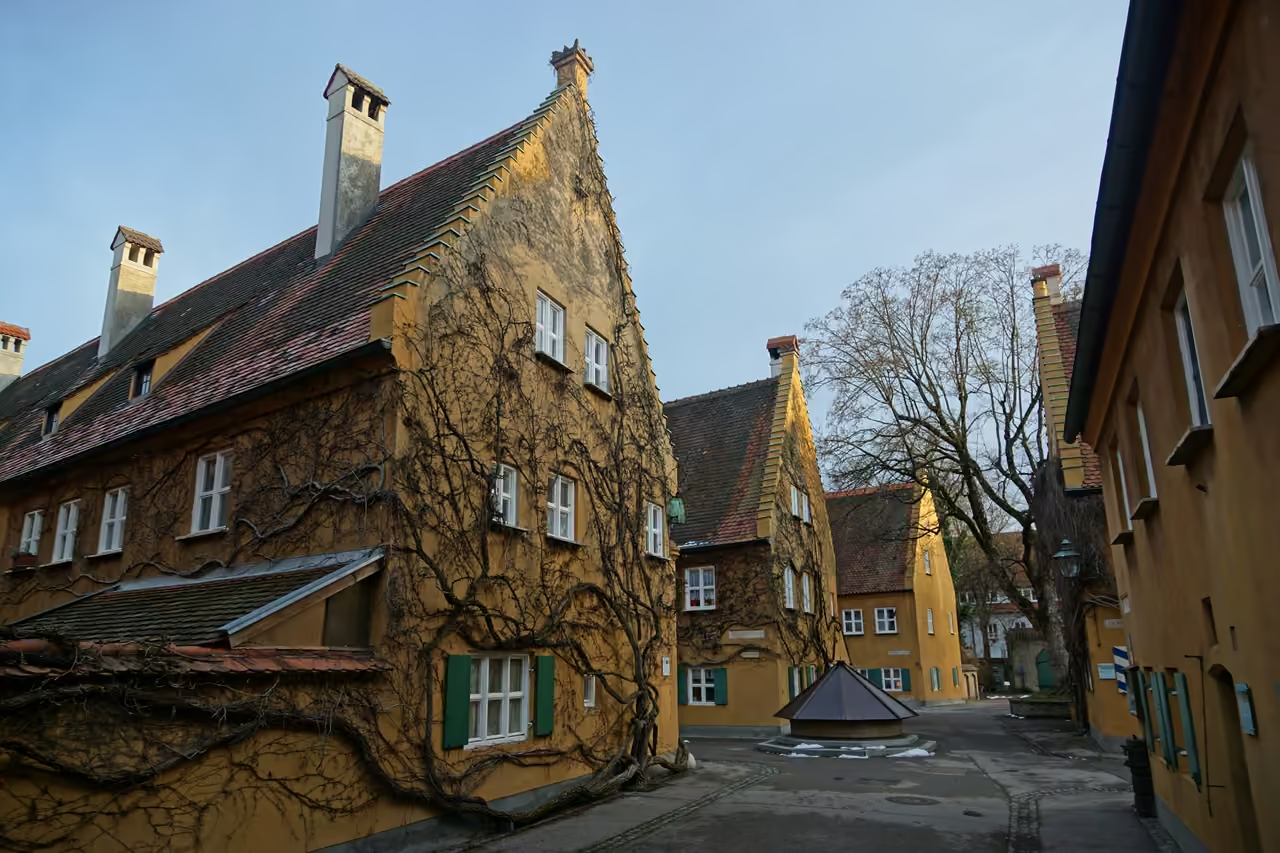
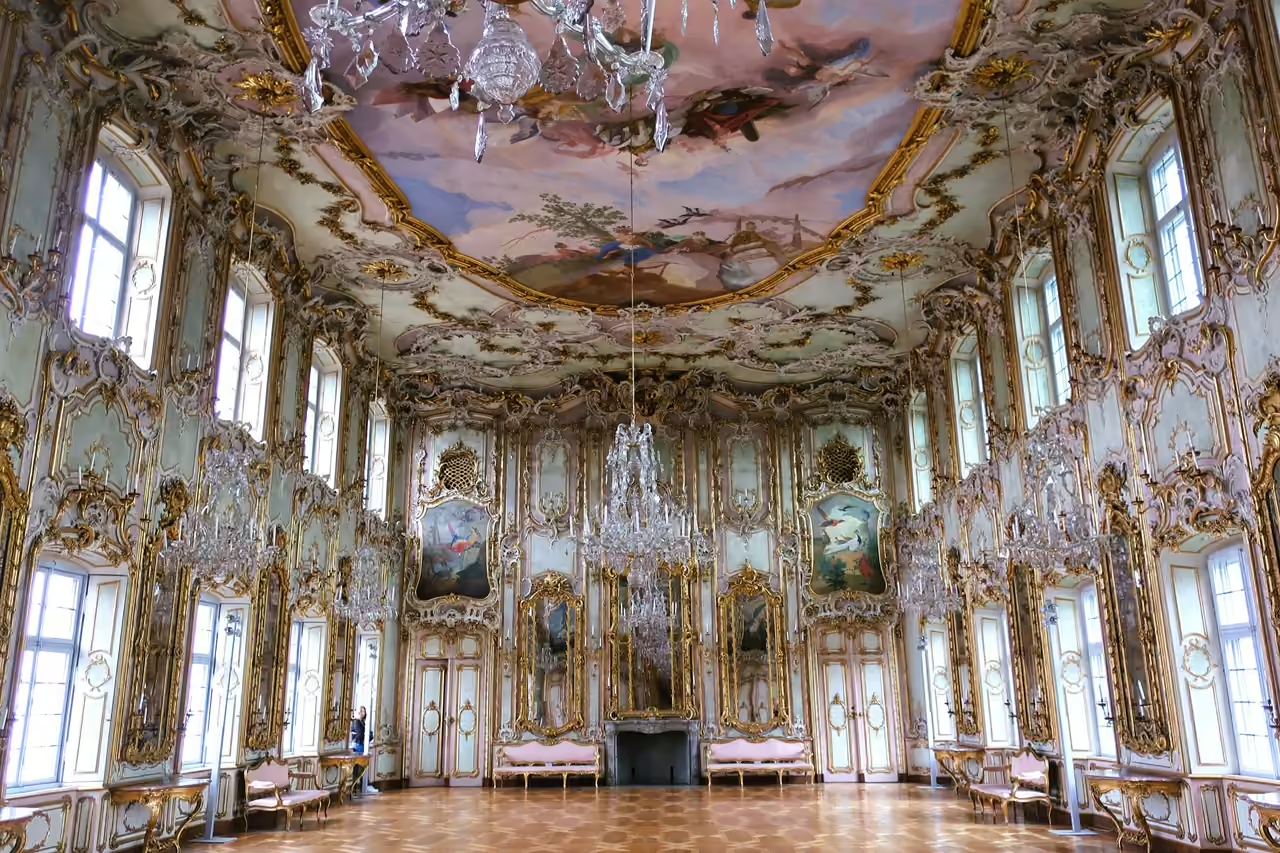
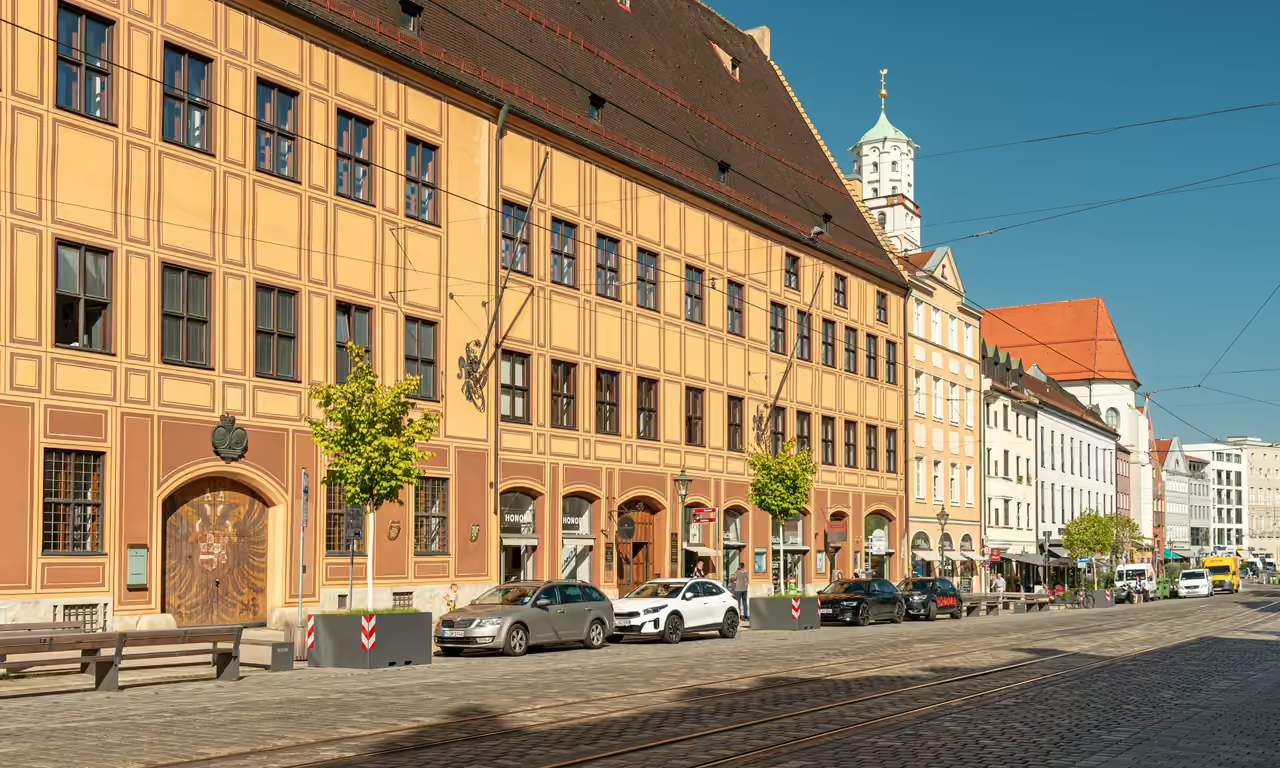
Fugger Merchant Empire Tour
A deep dive into the staggering, incomprehensible wealth accumulated by a single banking family during the Renaissance. You will trace their influence from their private palaces to the massive social housing complex they funded. The route visually explains how early capitalism physically shaped the city's most prominent buildings. Expect heavy doses of gold leaf and intricate stonework.