Fuggerei
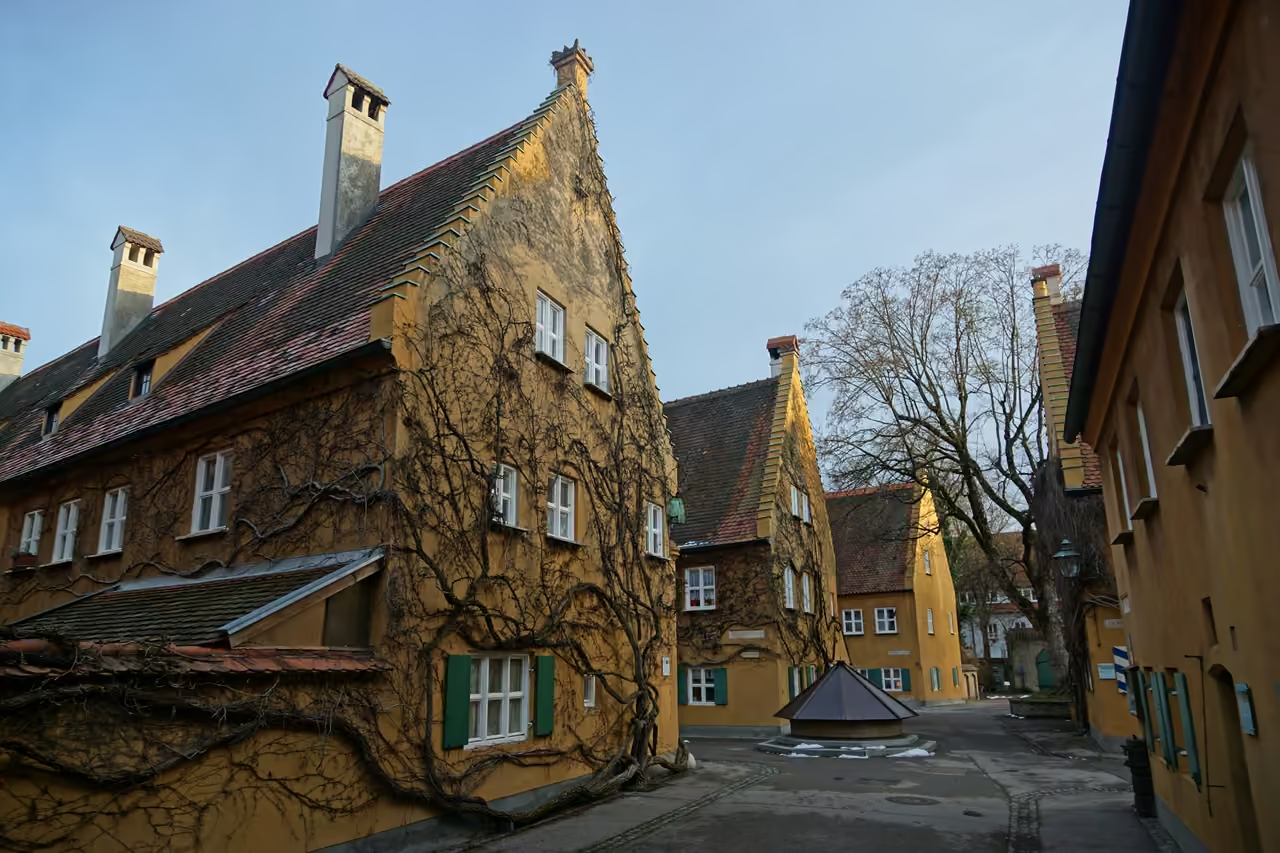
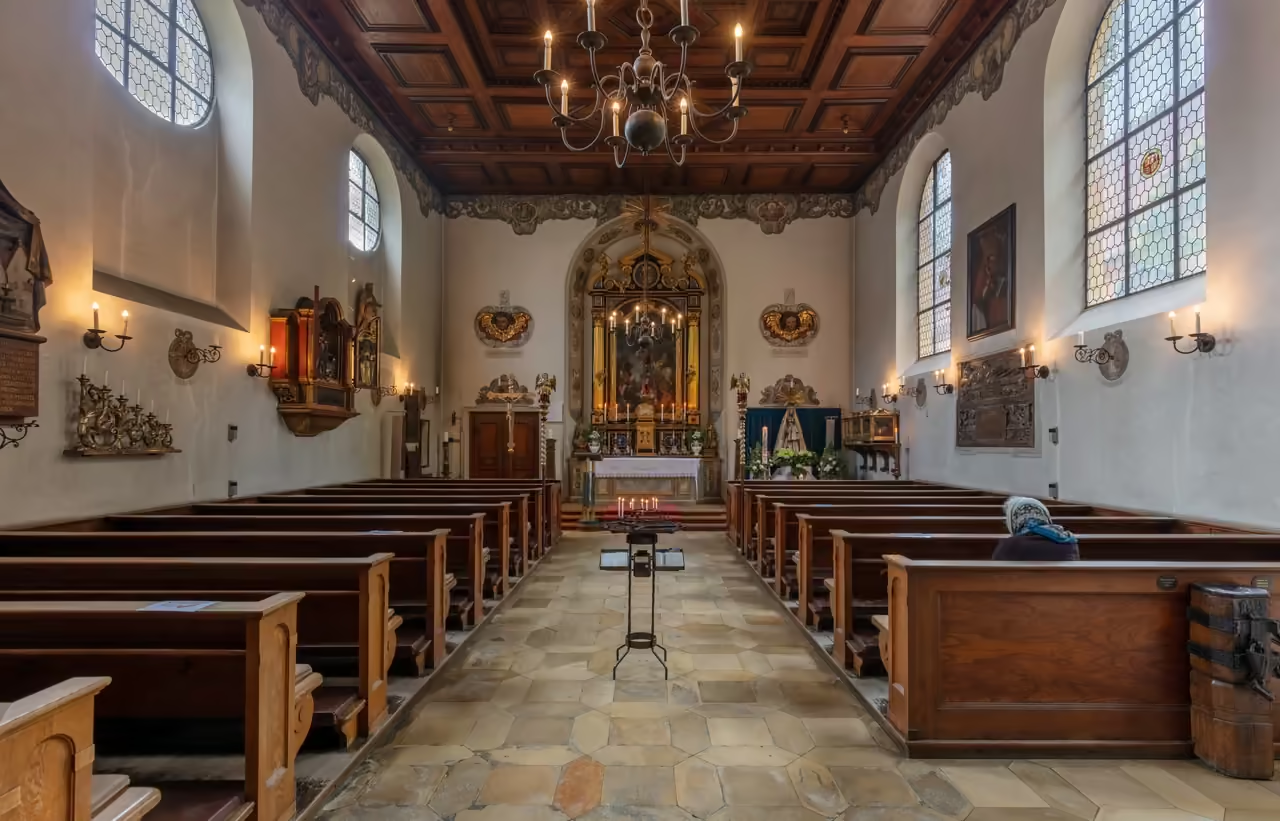
88 cents a year: that is the rent for a flat behind the gates of the Fuggerei, the oldest social housing settlement in the world still doing its job. Inside, eight lanes of two storey houses run past small front gardens, a church with a sundial on its wall and an iron fountain at the crossing of Herrengasse and Ochsengasse. About 150 people really do live here, so the mood is closer to a quiet village than an open air museum, and the pull cord door bells have never been swapped for buzzers. Three small museums fill in the picture: a flat kept in its original eighteenth century state, a modern show flat on Ochsengasse that shows how residents live today, and a wartime air raid shelter with its own exhibition. Allow a couple of hours, and finish at the sundial on the wall of St Markus church.
Videos
History of Fuggerei
Jakob Fugger had more money than almost anyone in Europe, and he knew what it could buy. His family's trading and banking house in Augsburg had lent huge sums to the Habsburgs, including the cash that helped Charles V win the imperial crown in 1519. Two years later, on 23 August 1521, he signed a deed for something far humbler than a palace: a walled cluster of small houses on the edge of the Jakobervorstadt, to be rented to the town's poor for the price of a single Rhenish guilder a year. The scheme was more thoughtful than a handout. Between 1516 and 1523 the master builder Thomas Krebs put up 52 houses along six lanes, each divided into two flats, with one house kept back for administration, which left 102 homes. The deed pointed them at hard working Augsburgers, mostly craftsmen and day labourers, who had slipped into trouble through illness or bad luck. They were expected to keep earning a living inside or outside the gates and to move on once they were back on their feet. Every household had its own front door, a rare comfort for the sixteenth century. Beggars were turned away, since the founder wanted the people his age called the worthy poor. There was a spiritual side as well: residents prayed daily for the Fugger family, a bargain with the afterlife struck just as the first arguments of the Reformation were beginning to question that kind of exchange. The little town within the town proved less durable than its founder's fortune. A church, St Markus, went up in 1581 and 1582, paid for by two members of the family. Then came the Thirty Years War, and by 1642 Swedish forces had left much of the settlement in ruins. It was rebuilt, and later enlarged in 1880 and again in 1938, and for centuries it carried on filling with families, often with several children each. The heaviest blow fell in the air raids of the night of 25 to 26 February 1944, which destroyed roughly two thirds of the settlement. The family council did not hesitate. On 1 March 1944, with the rubble still smoking, it put in writing a decision to rebuild and to keep the historic look, allowing only discreet upgrades to plumbing and heating. From 1945 the architect Raimund von Doblhoff drew up plans that followed the original layout closely, and on 4 September 1947 the first three reconstructed houses on Herrengasse took in residents. By 1973 the foundation had bought neighbouring bomb sites, and the Fuggerei had grown by about a third to 67 houses with 140 flats. The money has never come from the state. Forests and property left by the founder still pay for the upkeep, topped up since 2006 by the tickets of visiting guests. The entry rules barely changed in five centuries: applicants must be from Augsburg, Catholic and of good standing. On Herrengasse, beside the church of St Markus, one of the old iron handled pumps still stands where residents once drew their water.
18 events spanning 505 years
Fun Facts
12- 01
Franz Mozart, the great grandfather of Wolfgang Amadeus Mozart, lived in the Fuggerei from 1681 until his death in 1694, and his flat is marked with a plaque by the entrance.
- 02
In 2004 Maria Elisabeth Gräfin Thun-Fugger became the first woman to chair the Fugger family council, the body that oversees the Fuggerei and its sister foundations.
- 03
Jakob Fugger the Rich bankrolled the 1519 election of Charles V as Holy Roman Emperor, then spent part of the same fortune on a settlement for the poor in his home town just two years later.
- 04
Most flats measure about 60 square metres with their own entrance, and the ground floor ones have gardens while those upstairs have attic space. They are connected to Augsburg's district heating network.
- 05
Residents still say three prayers every day for the founder and his family: an Our Father, a Creed and a Hail Mary. It is the other half of the bargain that the symbolic rent seals.
- 06
The Fuggerei is one of nine Fugger foundations, all run by the same family administration.
- 07
The Fuggerei was not the first idea of its kind. Earlier models include the beguinages of Belgium, the soul houses of Nördlingen and Augsburg's own St Anthony endowment, but it is the oldest such settlement still functioning.
- 08
The Soviet leader Mikhail Gorbachev visited in 2005, and the photograph of him with Maria Elisabeth Gräfin Thun-Fugger remains one of the best known pictures taken in the lanes.
- 09
The door bells are mechanical pull cords, and the handles on each one reportedly differ so that residents could tell their own door apart in lanes that had no street lighting.
- 10
The fountain at the crossing of Herrengasse and Ochsengasse is the third on the spot: a wooden one from 1599, a stone one by the master mason Sebastian Ingerl in 1744, and the cast iron basin brought in from Königsplatz in 1846.
- 11
The magician Erhard Smutny, who performs as Hardy, moved into the Fuggerei in 2017.
- 12
Visitors enter through a single gate, and at 10 each night the night watchman locks it until 5 in the morning. Residents who come home through the Ochsentor by midnight give him 50 cents, and after that a euro.
FULL PLACE DETAILS
OVERVIEW & STATS
- Established
- In 1521, making it 505 years old
ARCHITECTURE & HERITAGE
- Heritage Status
- Architectural Heritage Monument In Bavaria
Fuggerei Map & Neighborhood Explorer
This interactive map is centered on Fuggerei. Zoom in and move the map around to automatically discover Wikipedia photos and summaries of other nearby sights, monuments, and historical points of interest and stories in real-time!
Fuggerei FAQ
Visitors are welcome, but it is also a real residential neighbourhood. Entry is by ticket through the one gate open to guests, and the money goes towards the upkeep of the settlement. The gate is closed overnight from 10 in the evening until 5 in the morning, so check the official Fuggerei website for current opening times before travelling.
Yes. The annual cold rent is the nominal value of one Rhenish guilder, converted to 0.88 euro, and it has never been adjusted for inflation. Residents also pay their running costs, and in return they say three prayers every day for the founding family.
The conditions are the same as in 1521: applicants must be Augsburg citizens, Catholic and of good reputation, and they must be in need. About 150 people live in the 140 flats.
The Fuggerei Museum includes the last flat preserved in its original state, furnished in the style of the eighteenth century. A show flat on Ochsengasse shows how residents live today, and a museum in the 1943 air raid shelter tells the story of the bombing and rebuilding. Also worth finding are the church of St Markus, the fountain at the main crossing, the old pump on Herrengasse and the plaque at Franz Mozart's former home. Information signs are in German, Italian and English.
Yes. Air raids on the night of 25 to 26 February 1944 destroyed roughly two thirds of the settlement. The family council decided on 1 March 1944 to rebuild, and from 1947 the houses were reconstructed to the original design, with a few modern upgrades hidden inside.
Franz Mozart, a master builder and great grandfather of Wolfgang Amadeus Mozart, lived in the Fuggerei from 1681 until his death in 1694. His former home is marked with a plaque, and his son, also named Franz, grew up in the settlement.
Treat it as a place where people live. Keep your voice low, do not look into windows or enter gardens, and respect the privacy of residents. Photographs of the lanes and buildings are part of the visit, but be considerate around front doors.
It sits in the Jakobervorstadt district, just south of the historic centre, roughly a quarter of an hour on foot from the Rathaus. It combines easily with a day exploring the old town.
A typical visit takes about 2 hours. We recommend planning your schedule accordingly to make the most of your time there.
The closest place to visit near Fuggerei is Bertolt Brecht House, around 276 m away. Other things to do near Fuggerei include Augsburg Town Hall (401 m), Brecht Festival (410 m) and Perlach Tower Observation Deck (410 m). All of these are within roughly 410 m of Fuggerei, close enough to walk.
Fuggerei holds the following heritage designation: Architectural Heritage Monument In Bavaria.
It dates back to 1521, making it 505 years old.
While we strive to keep this information accurate and up to date, we recommend verifying any details independently before making decisions based on them.
Places near Fuggerei
Make the most of your trip. Check out these top-rated spots located nearby.
 276m
Bertolt Brecht House
The deeply unassuming childhood home of the fiercely radical playwright who fundamentally changed modern theatre. Small, quiet rooms display first editions of his aggressive poetry, original stage designs, and his stark death mask. The exhibition explores his complex relationship with his hometown, which he frequently criticised but could never entirely escape. It heavily avoids glorification, focusing instead on his gritty, uncompromising artistic vision. The audio guide incorporates clips of his actual voice reciting work.
highlight view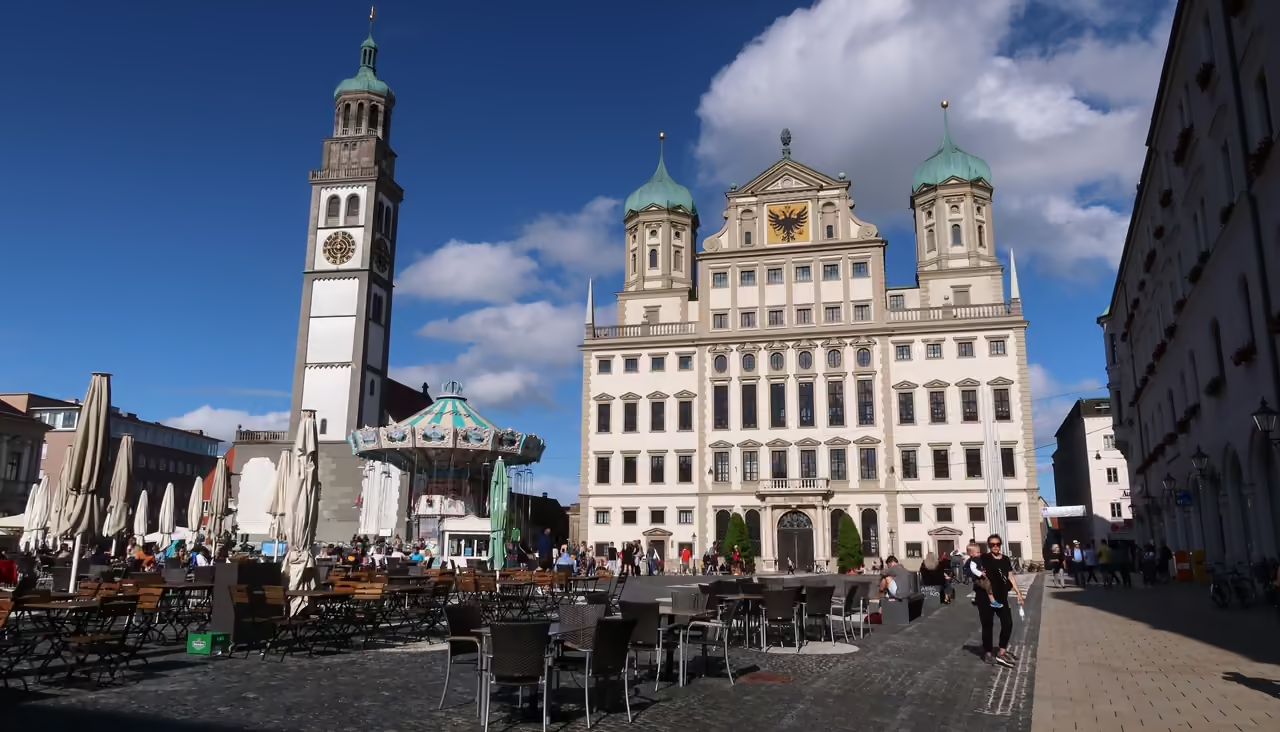 401m
Augsburg Town Hall
Stepping onto Rathausplatz, your eyes are immediately pulled upward to the twin onion domes and the enormous copper pine cone crowning the Augsburg Town Hall. Elias Holl’s 17th-century masterpiece stands as an unapologetic declaration of civic pride from a time when this free imperial city commanded serious wealth. It broke architectural boundaries upon its completion in 1624, reaching a height of 57 metres to become the world's first building to exceed six storeys. You might have to wait a moment at the rather unspectacular side entrance while a school group shuffles through the heavy ground-floor doors, but the brief delay is easily forgotten once inside. The sheer scale of Holl's ambition reveals itself fully in the Goldener Saal, where 14-metre-high walls gleam beneath a heavily gilded coffered ceiling. Back outside on the cobblestones, the distinct scent of roasted pork knuckle frequently drifts up from the vaulted cellars of the Ratskeller directly below.
attraction view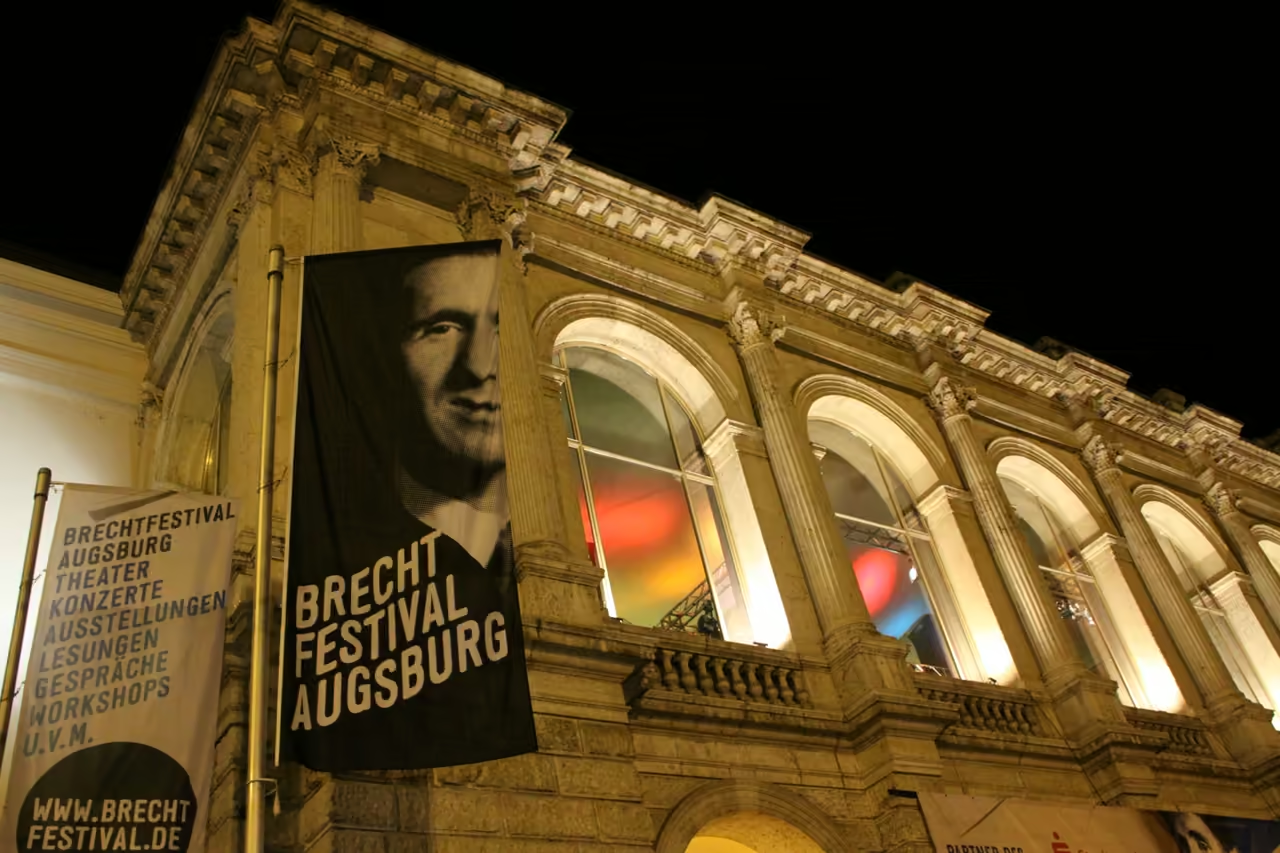 410m
Brecht Festival
The city fiercely honours its most famous and controversial playwright, Bertolt Brecht, with a massive festival of contemporary theatre, aggressive poetry readings, and live music. Performances completely take over established theatres and gritty, unconventional industrial spaces across the city. The programming pairs Brecht's original socialist plays with modern artists actively arguing with his legacy. It injects a highly intellectual, slightly chaotic artistic energy into the freezing winter months.
festival view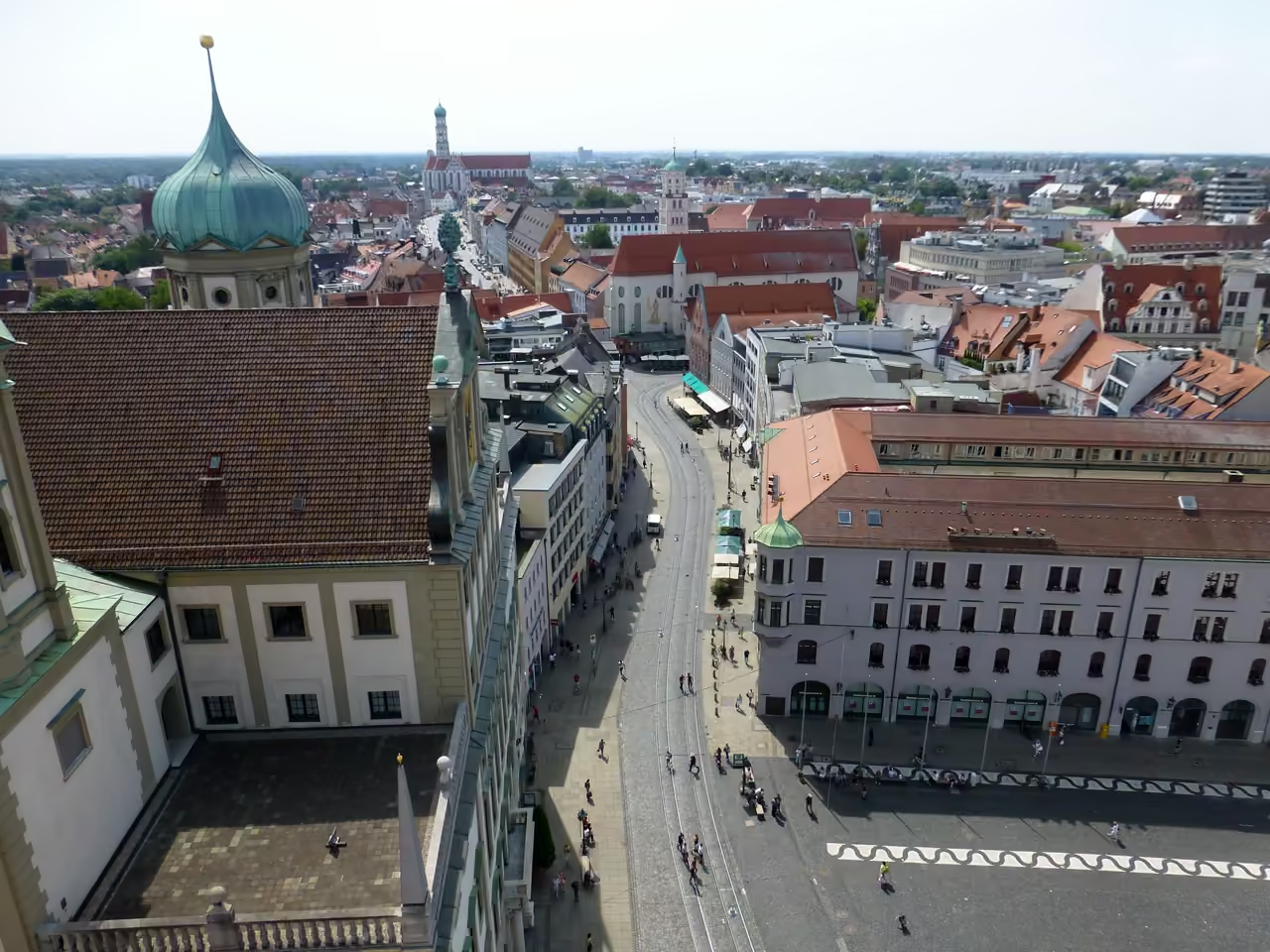 410m
Perlach Tower Observation Deck
A grueling climb up exactly 258 steep, highly uneven stairs puts you directly at the top of this 70-metre medieval watchtower. You look straight down onto the copper roof of the adjacent Renaissance town hall and the chaotic pedestrian square below. On a sharply clear day, the heavy grey line of the Alps is distinctly visible on the southern horizon. The bells hang directly above the viewing platform and are deafeningly loud if you time your visit poorly.
viewpoint view
Featured on These Itineraries and Routes
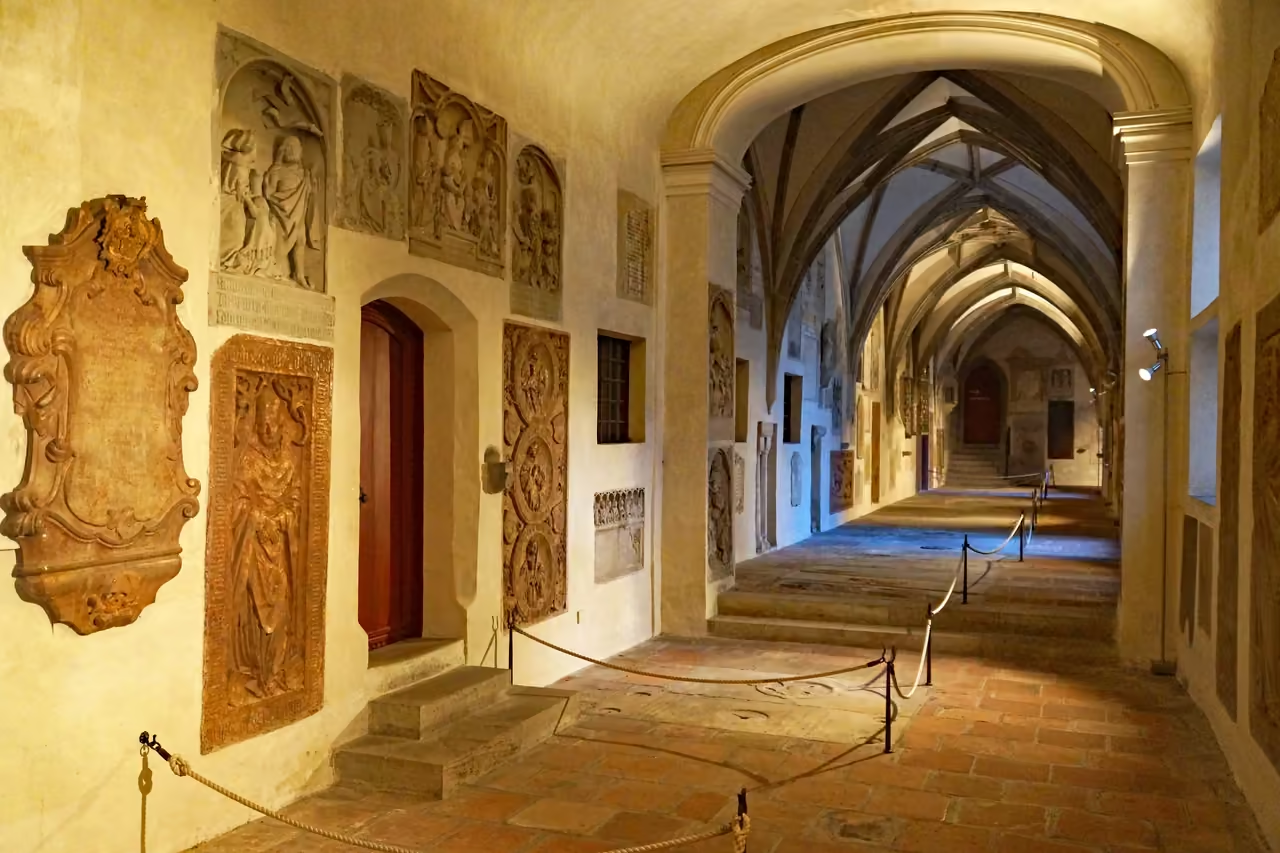
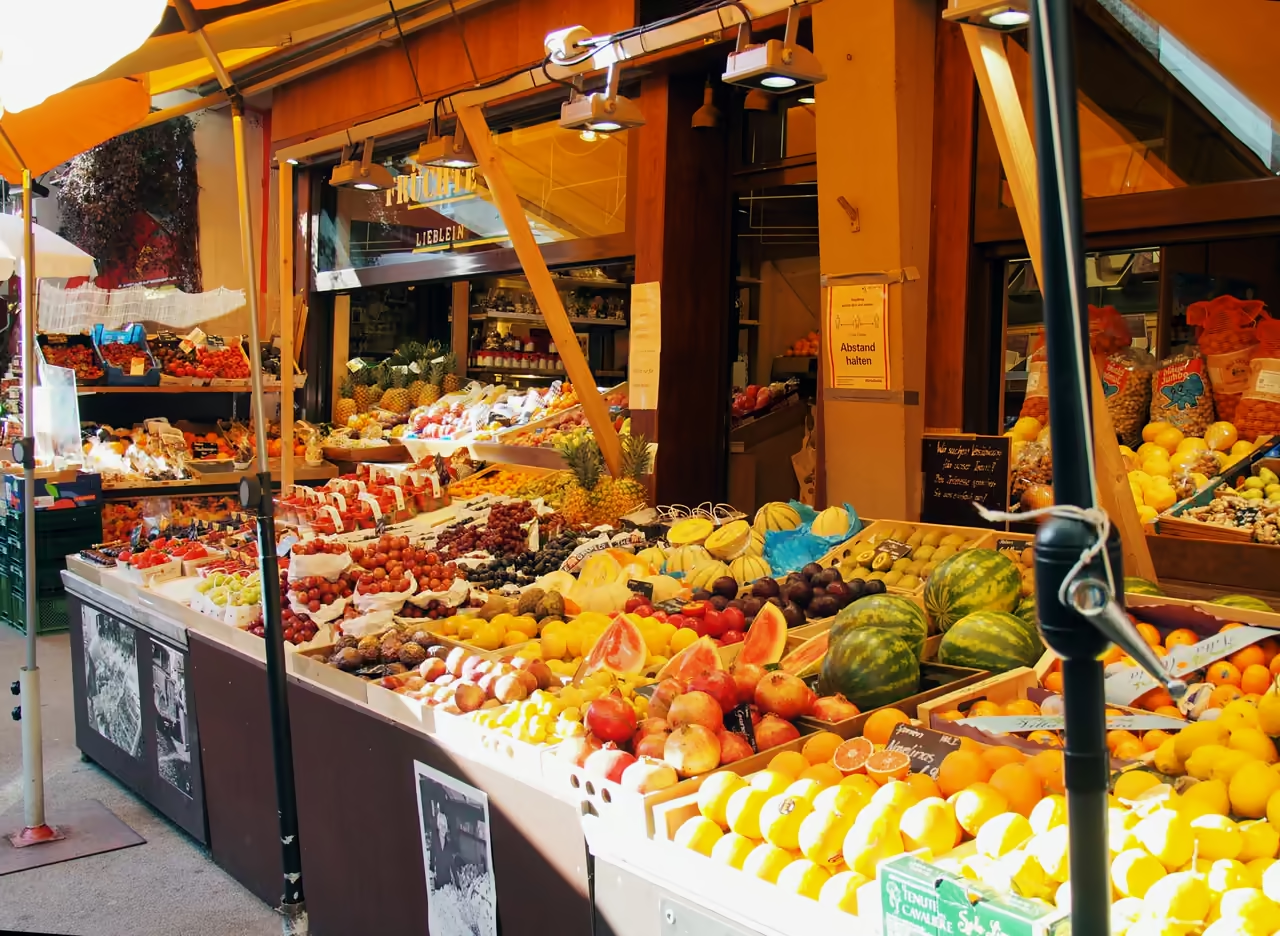
1 Day in Augsburg
A highly compressed, fiercely efficient route tackling the absolute core of the city's Renaissance wealth and history. You will stand in the massive ceremonial halls of bankers and walk the quiet streets of the world's oldest social housing. It completely skips the outskirts, forcing you to engage heavily with the central mediaeval grid.
view itinerary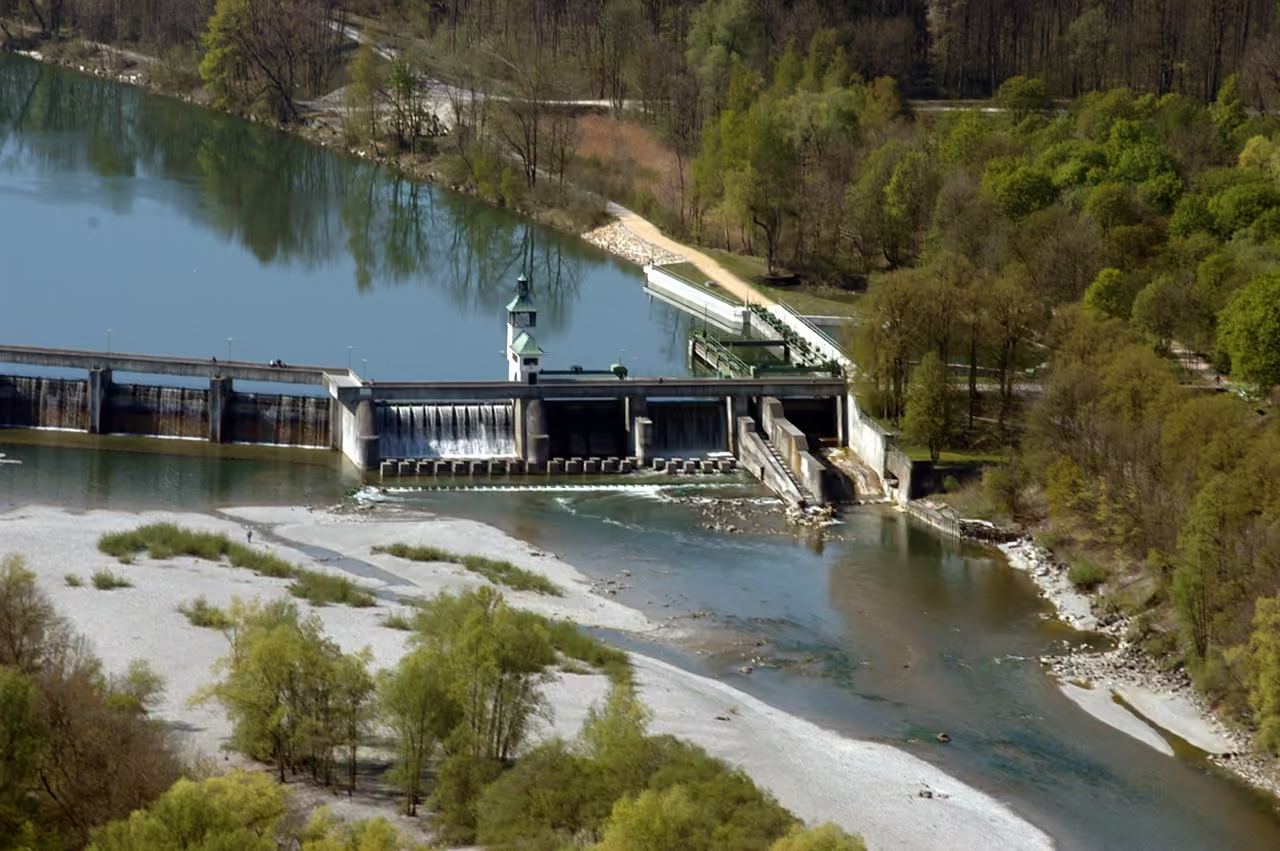
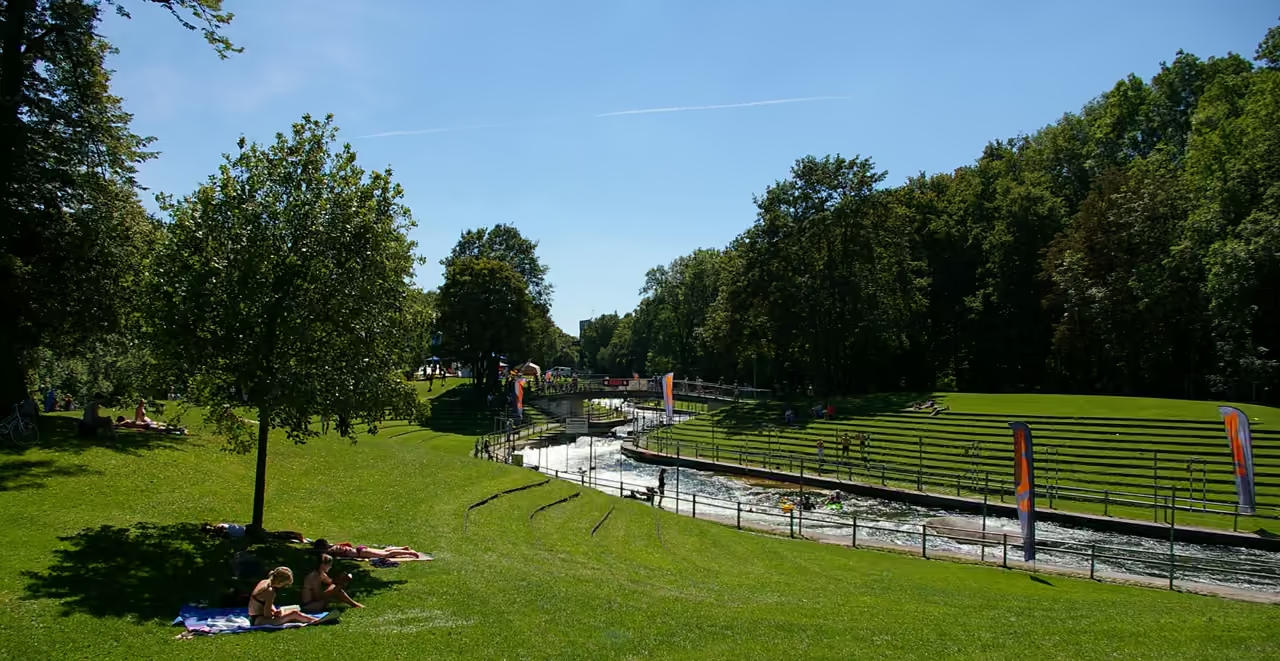
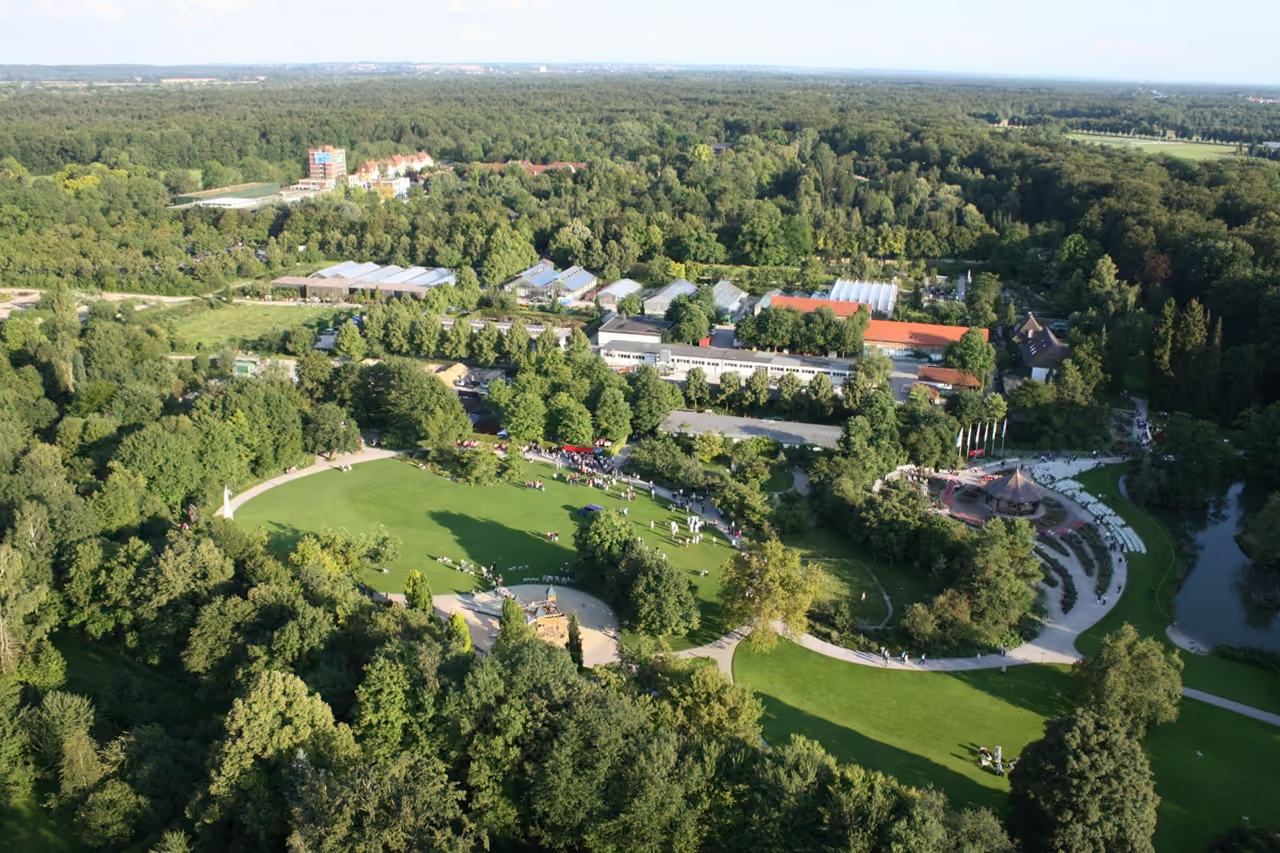
3 Days in Augsburg
A well-paced exploration that successfully balances the aggressive architectural grandeur of the centre with the deep natural elements surrounding it. You will dedicate time to highly ornate art collections before retreating into the heavy shade of the urban forests. It allows you to actually understand the historical water systems rather than just glancing at a canal.
view itinerary
5 Days in Augsburg
A deeply comprehensive, highly exhaustive deep dive into every facet of the city's complex identity. You will transition from Roman foundations to massive industrial machinery, tracking the complete evolution of a major European powerhouse. It prevents museum fatigue by heavily incorporating long stretches of nature and unscripted time in eccentric local pubs.
view itinerary
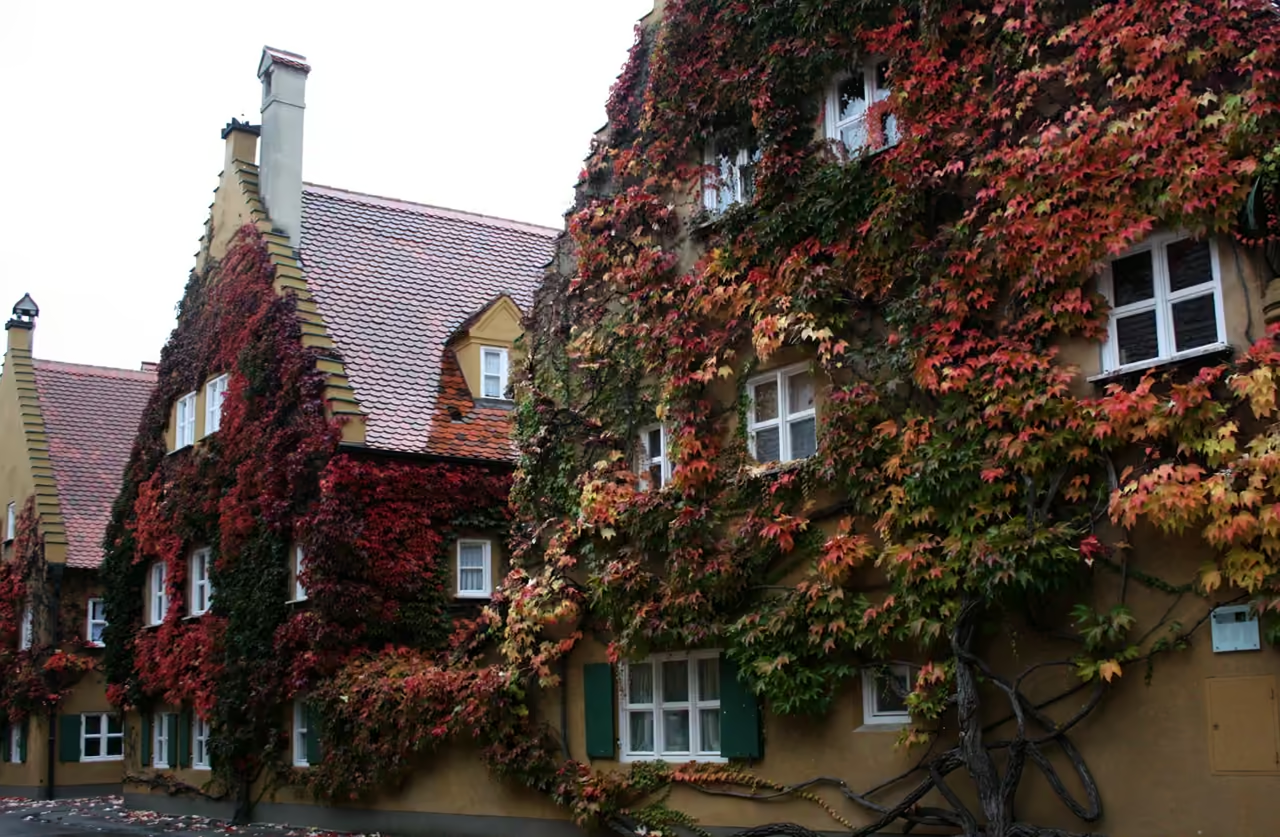
Fuggerei Grounds Stroll
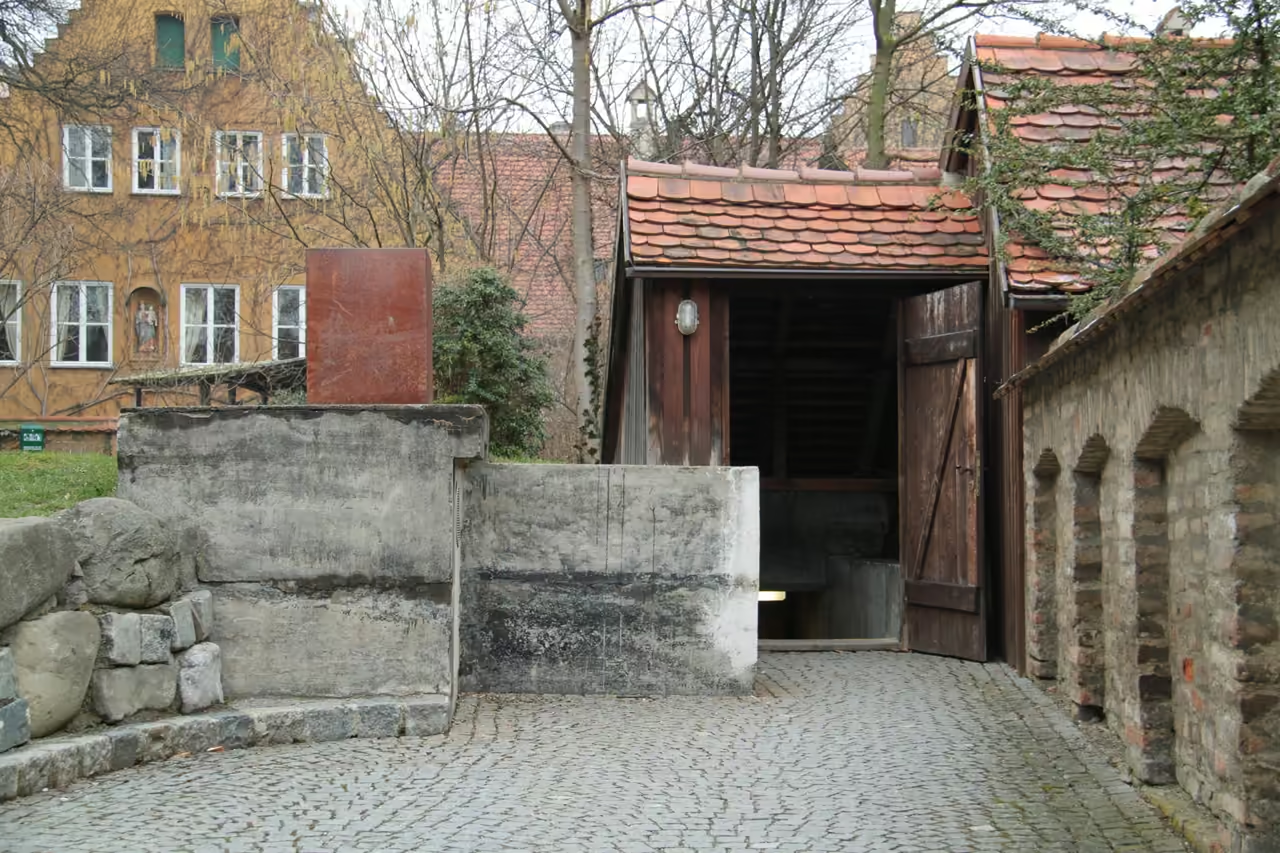
A highly controlled, exceptionally peaceful walk inside a walled, city-within-a-city. You navigate straight, orderly streets lined entirely with matching ivy-covered yellow houses. The atmosphere is deliberately quiet, respecting the residents who still live here. Tiny gardens and a dedicated church complete the self-contained environment.
view walking route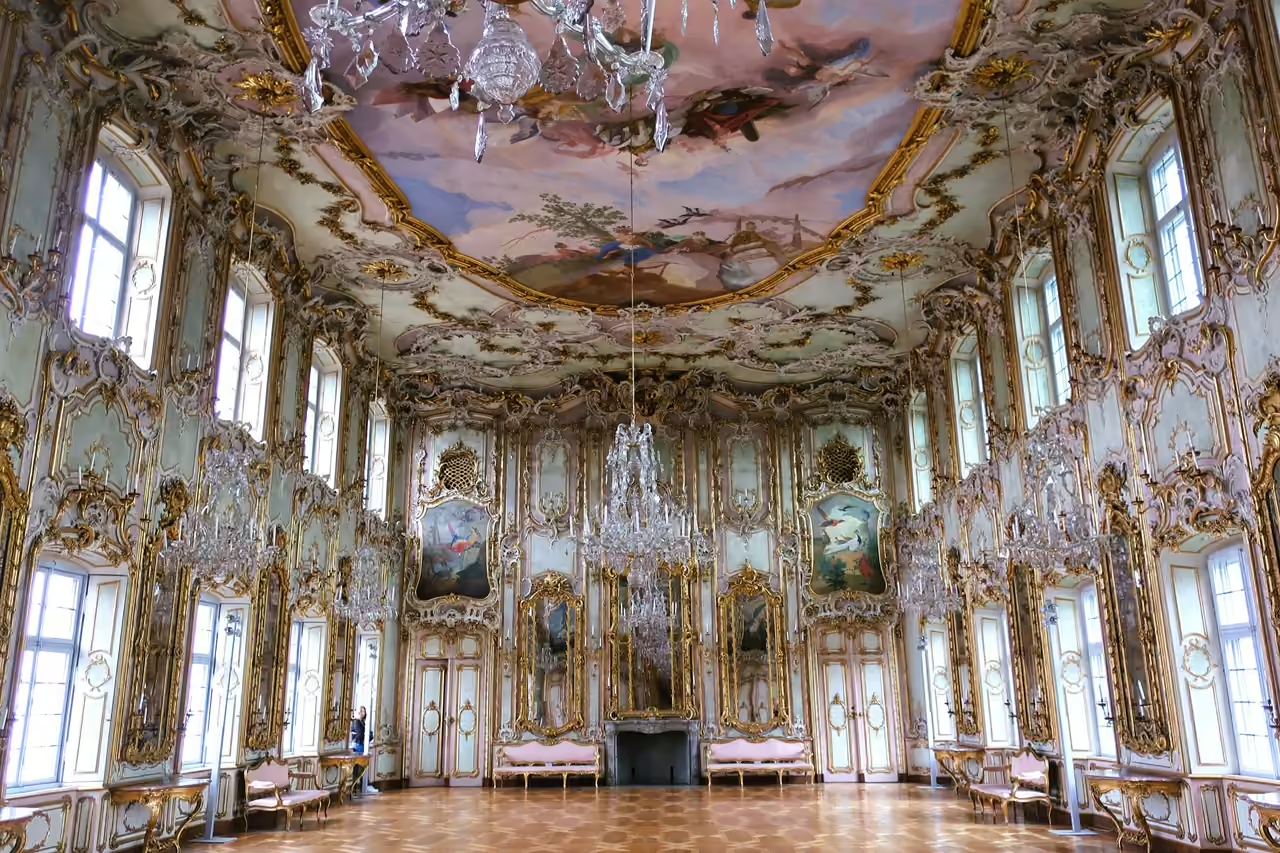
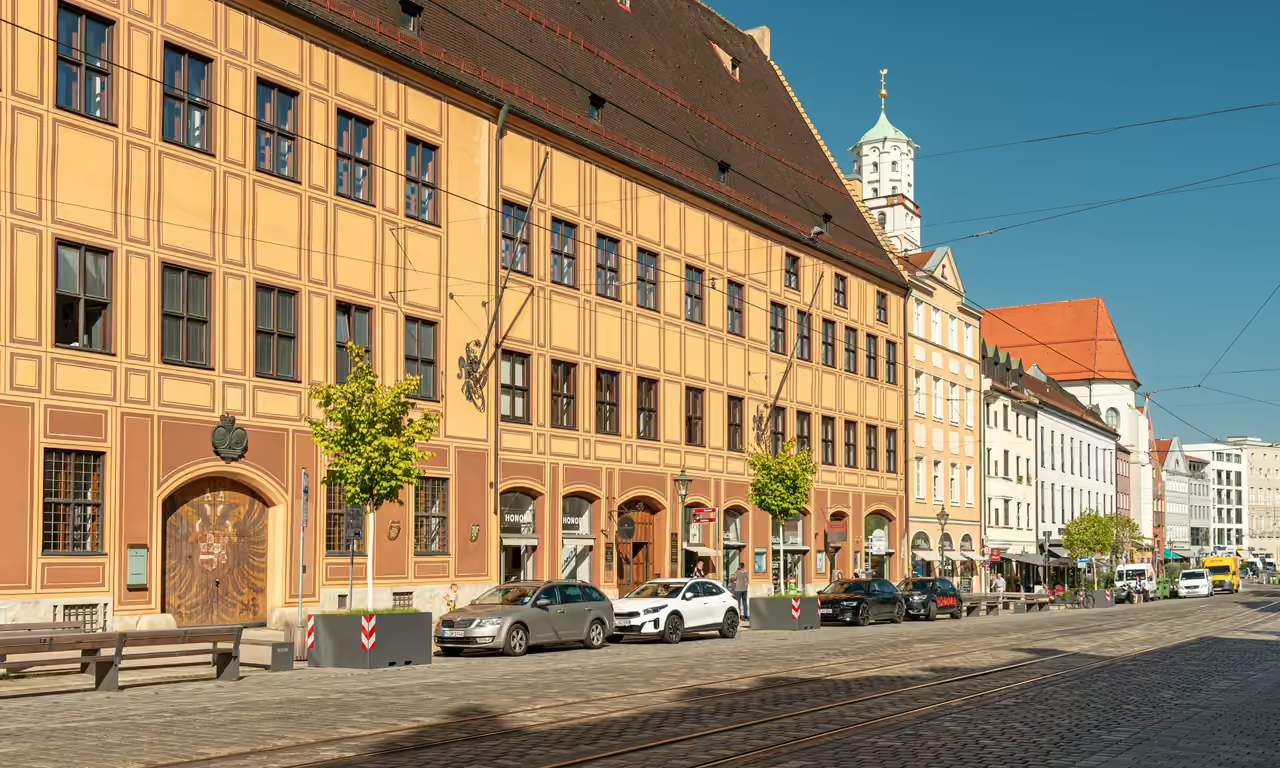
Fugger Merchant Empire Tour
A deep dive into the staggering, incomprehensible wealth accumulated by a single banking family during the Renaissance. You will trace their influence from their private palaces to the massive social housing complex they funded. The route visually explains how early capitalism physically shaped the city's most prominent buildings. Expect heavy doses of gold leaf and intricate stonework.
view self-guided tour
See all attractions in Augsburg
Including Augsburg Cathedral, Schaezlerpalais, Augsburg Puppet Theatre, and more