Augsburg Town Hall
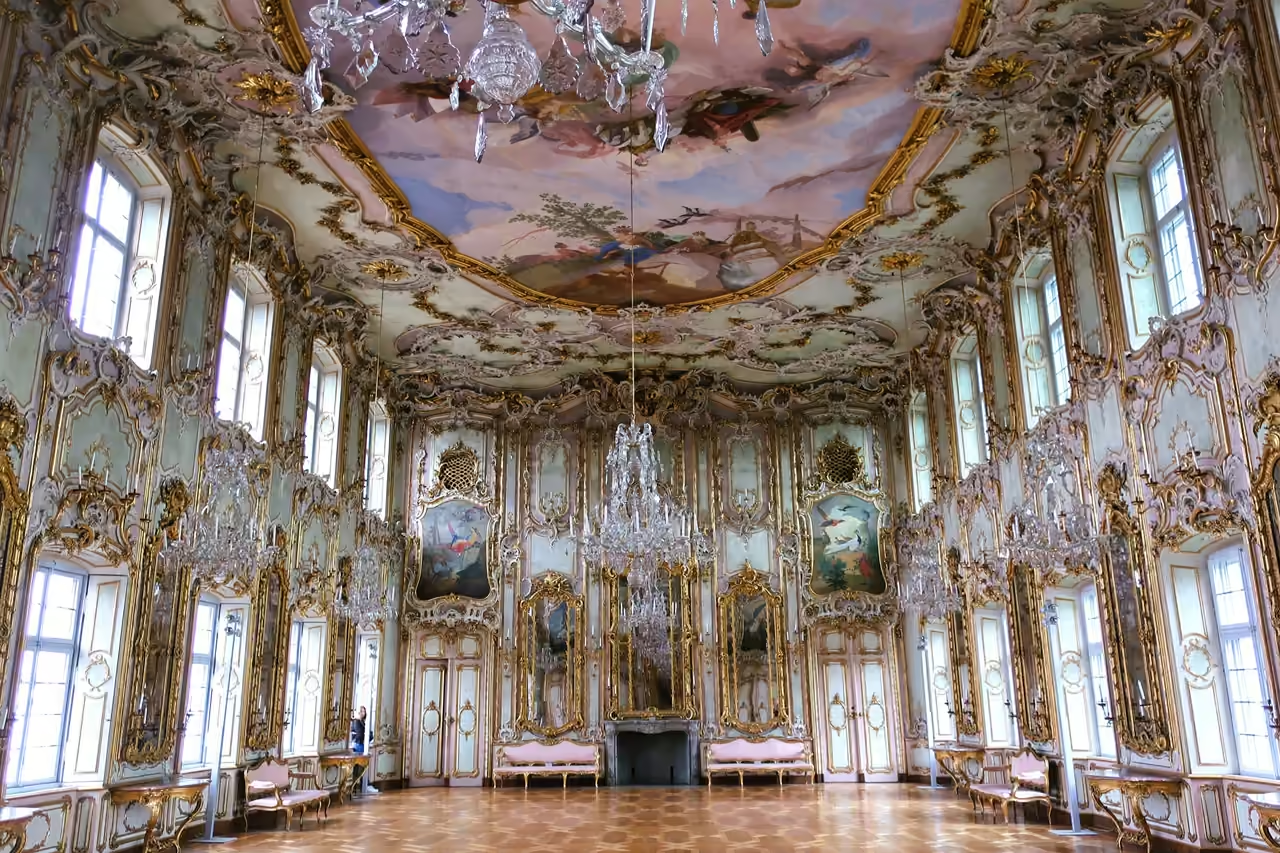
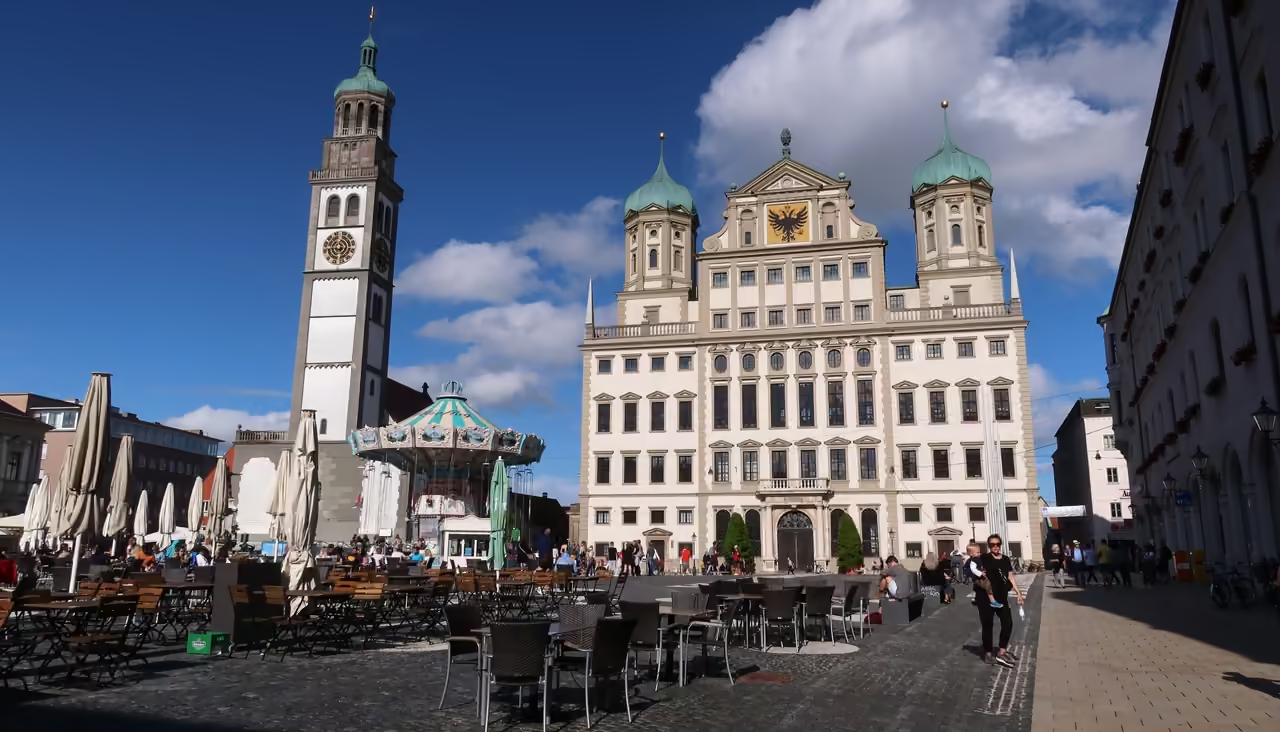
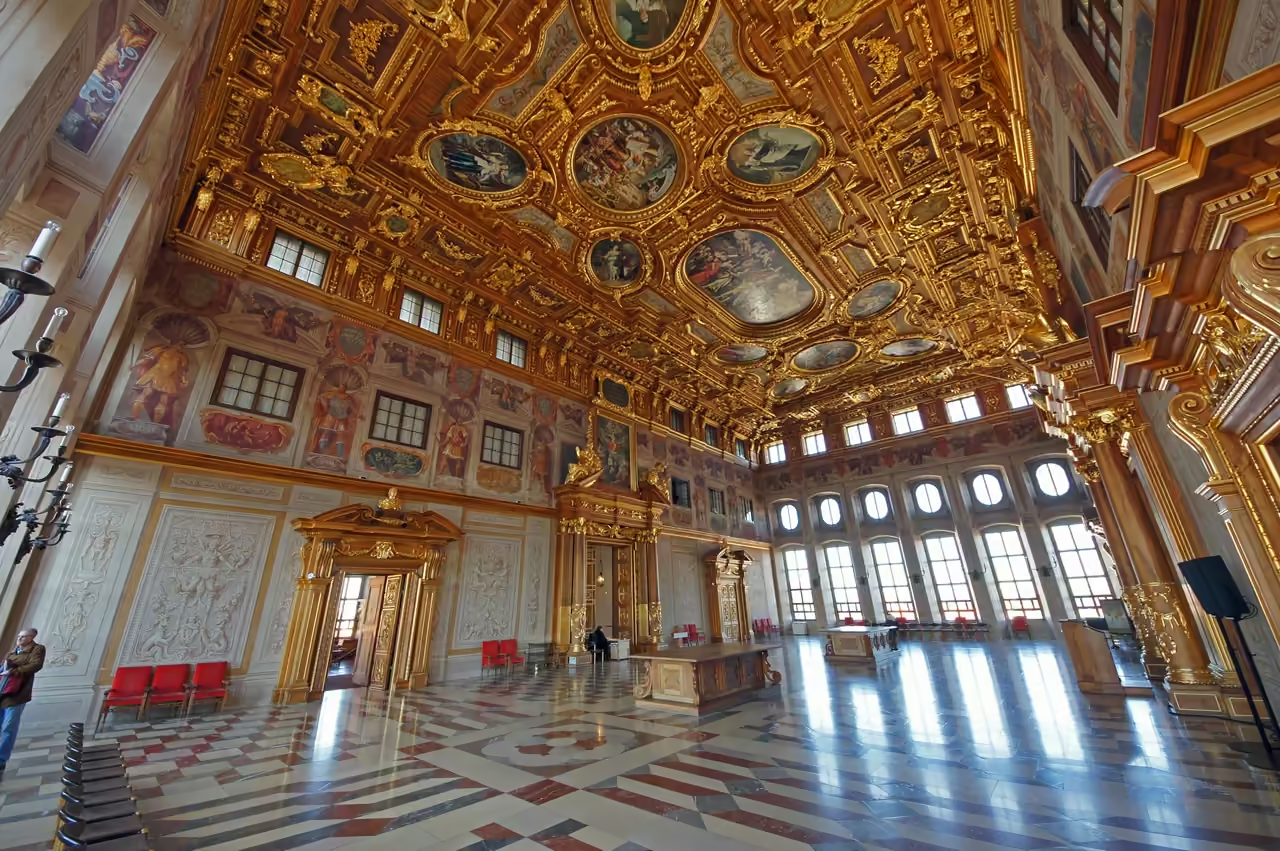
Stepping onto Rathausplatz, your eyes are immediately pulled upward to the twin onion domes and the enormous copper pine cone crowning the Augsburg Town Hall. Elias Holl’s 17th-century masterpiece stands as an unapologetic declaration of civic pride from a time when this free imperial city commanded serious wealth. It broke architectural boundaries upon its completion in 1624, reaching a height of 57 metres to become the world's first building to exceed six storeys. You might have to wait a moment at the rather unspectacular side entrance while a school group shuffles through the heavy ground-floor doors, but the brief delay is easily forgotten once inside. The sheer scale of Holl's ambition reveals itself fully in the Goldener Saal, where 14-metre-high walls gleam beneath a heavily gilded coffered ceiling. Back outside on the cobblestones, the distinct scent of roasted pork knuckle frequently drifts up from the vaulted cellars of the Ratskeller directly below.
Videos
History of Augsburg Town Hall
Elias Holl spent six miserable years trying to fix a problem he knew was unsolvable. In 1609, the Augsburg city council tasked their chief architect with remodelling a cramped, multi-gabled Gothic town hall to accommodate the highly prestigious Imperial Diets. He drafted plan after plan, only to have the stubborn councillors reject every single one. Finally, in a rare moment of bureaucratic clarity, the council admitted defeat, ordered the medieval structure demolished, and gave Holl a blank slate to build something entirely new. He responded with an absolute monolith. When the heavy masonry work was finished, the structure towered over the city at 57 metres. Holl fought an exhausting battle with the city fathers to top his creation with the distinctive onion domes that still flank the main gable today, winning approval only long after construction had started. To make sure the Holy Roman Empire understood exactly who financed this stone giant, the city commissioned Johann Matthias Kager to decorate the cavernous Goldener Saal with a sprawling, gilded wooden ceiling that radiated pure financial power. The celebratory mood evaporated quickly with the outbreak of the Thirty Years' War, which decimated Augsburg's population and stripped the city of its economic dominance. The grand halls intended for imperial parliaments sat mostly quiet, save for a fleeting moment in 1690 when Joseph I hosted an extravagant banquet here to celebrate his coronation as King of the Romans. The building’s darkest night came on 25 February 1944. A massive British bombing raid struck the city centre, and the Town Hall caught fire, burning relentlessly until only its blackened outer walls remained standing. The glorious Goldener Saal turned to ash. Yet the citizens of Augsburg refused to let their architectural anchor disappear, spending the next four decades meticulously recreating Holl's masterpiece from historical blueprints. Today, visitors step across the heavy wooden floorboards of the recreated Golden Hall, staring up at a golden ceiling that looks exactly as it did the day Elias Holl first opened the doors.
events spanning 370 years
Fun Facts
7- 01
During the massive reconstruction of the Goldener Saal in the 1980s, craftsmen had to relearn almost-forgotten Renaissance woodworking and gilding techniques to recreate the 552-square-metre coffered ceiling without modern shortcuts.
- 02
Elias Holl had to fight his own employers for years just to get the iconic onion domes approved, finally forcing the design through in 1618 when the main building was already well under construction.
- 03
Following the devastating 1944 fire that gutted the interior, it took until 1980 just to begin restoring the exterior facade to its original 17th-century colour scheme, relying heavily on centuries-old blueprints to match the pigments.
- 04
Only one single stone remains from the original medieval town hall that stood on this spot: a carved coat of arms that construction workers quietly mortared into the rear wall of the new building during the 1620s.
- 05
The ground floor guardroom next to the main entrance on Maximilianstraße functioned as an active police station until 2003, having originally been set up by the Bavarian Kingdom in the early 19th century to keep a military eye on the locals.
- 06
The massive copper pine cone perched at the very top of the front gable is not a decorative afterthought, but a deliberate nod to the city's ancient Roman founders, who used the symbol on the standards of their military legions.
- 07
When Elias Holl finished the structure in 1624, it held the peculiar title of being the only existing building in the world with more than six storeys, a colossal engineering flex for a German city.
FULL PLACE DETAILS
OVERVIEW & STATS
- Established
- In 1624, making it 402 years old
ARCHITECTURE & HERITAGE
- Heritage Status
- Architectural Heritage Monument In Bavaria
- Architectural Styles
- German RenaissanceRenaissance
- Architects
- Elias Holl
Augsburg Town Hall Map & Neighborhood Explorer
This interactive map is centered on Augsburg Town Hall. Zoom in and move the map around to automatically discover Wikipedia photos and summaries of other nearby sights, monuments, and historical points of interest and stories in real-time!
Augsburg Town Hall FAQ
Yes, the Golden Hall is open to the public daily for a small admission fee, provided there are no private civic receptions or concerts taking place that day.
The copper pine cone, known as the Zirbelnuss, represents Augsburg's foundation by the Romans. It serves as the city's ancient symbol and a reminder of its origins as a Roman military camp.
Bavarian troops removed the original bronze Imperial Eagles in 1806 to assert their dominance over the newly annexed city. The eagles visible today were painted directly onto the facade in 1985 to match the historic look.
The historic vaulted cellars beneath the building house the Ratskeller, a traditional tavern serving hearty Bavarian dishes and local beer.
The upper floors, specifically the area known as the Oberer Fletz, still serve as the active meeting halls and parliamentary offices for the Augsburg city council today.
A typical visit takes about 2 hours. We recommend planning your schedule accordingly to make the most of your time there.
The closest place to visit near Augsburg Town Hall is Augsburg Christmas Market, around 12 m away. Other things to do near Augsburg Town Hall include Perlach Tower Observation Deck (55 m), Angel Play (67 m) and High Peace Festival (67 m). All of these are within roughly 67 m of Augsburg Town Hall, close enough to walk.
Augsburg Town Hall holds the following heritage designation: Architectural Heritage Monument In Bavaria.
It dates back to 1624, making it 402 years old.
Augsburg Town Hall was designed by Elias Holl in the German Renaissance style.
While we strive to keep this information accurate and up to date, we recommend verifying any details independently before making decisions based on them.
Places near Augsburg Town Hall
Make the most of your trip. Check out these top-rated spots located nearby.
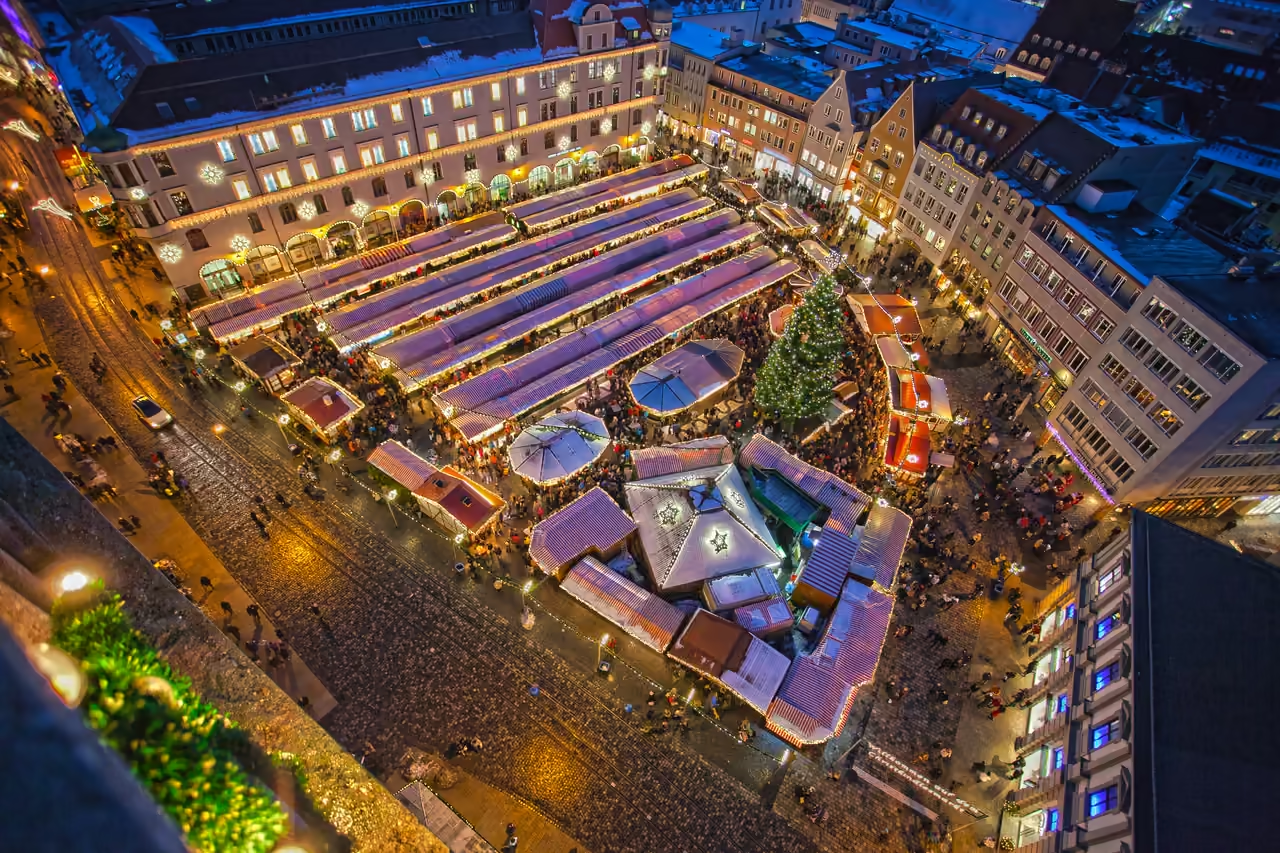 12m
Augsburg Christmas Market
Wooden stalls draped in heavy pine branches fill the massive square beneath the Renaissance town hall. Vendors serve steaming mugs of spiced Glühwein alongside massive grilled Bratwurst and sweet Schupfnudeln. The undisputed highlight is the Engelesspiel, where two dozen performers dressed as angels appear on the facade of the town hall to play music. It frequently ranks as one of the oldest and most visually appealing festive markets in the country. The smell of cinnamon and roasting meat completely dominates the freezing winter air.
festival view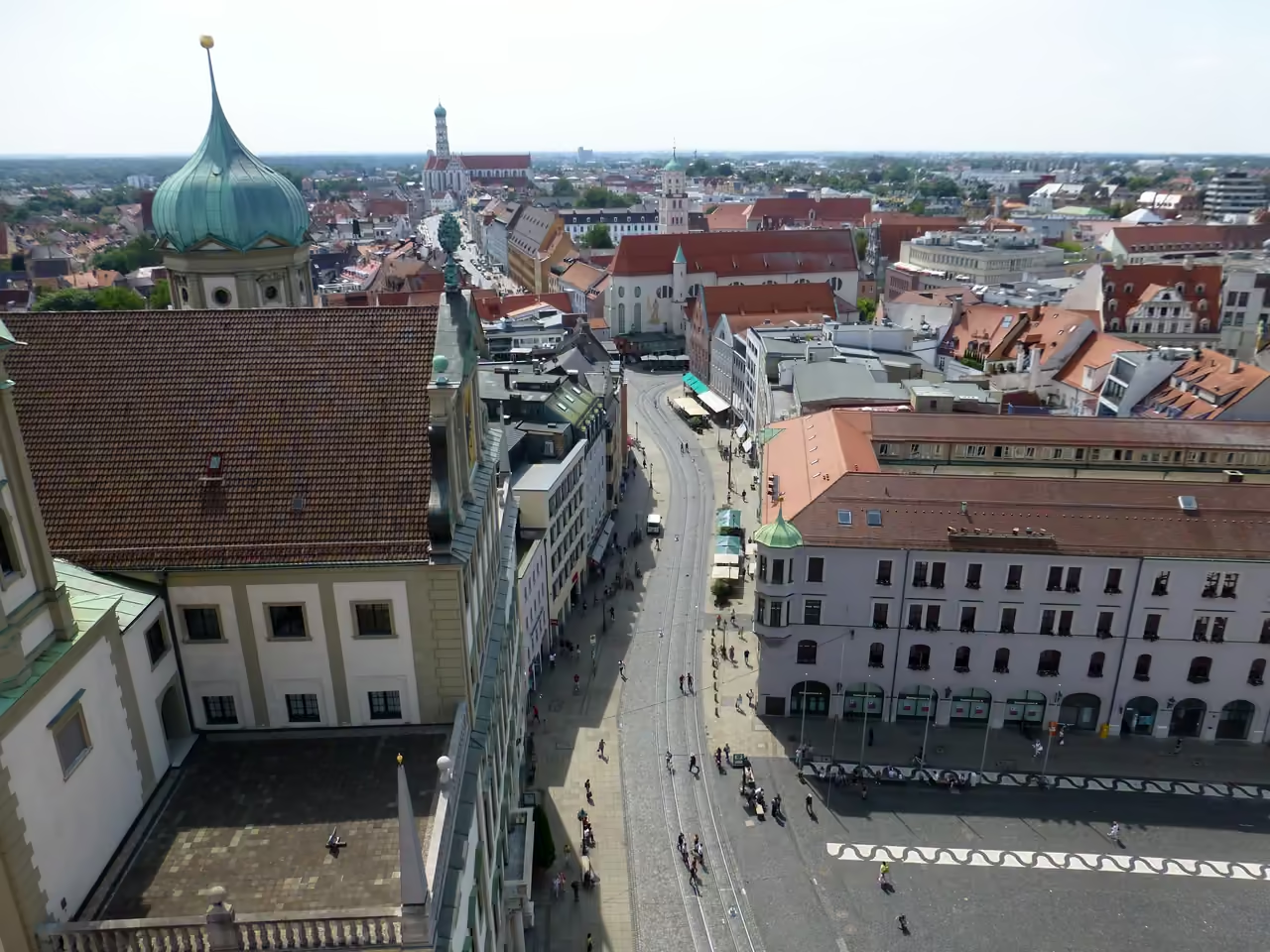 55m
Perlach Tower Observation Deck
A grueling climb up exactly 258 steep, highly uneven stairs puts you directly at the top of this 70-metre medieval watchtower. You look straight down onto the copper roof of the adjacent Renaissance town hall and the chaotic pedestrian square below. On a sharply clear day, the heavy grey line of the Alps is distinctly visible on the southern horizon. The bells hang directly above the viewing platform and are deafeningly loud if you time your visit poorly.
viewpoint view- 67m
Angel Play
A highly specific local tradition where twenty-four performers dressed in golden angel wings step out onto the balconies of the Renaissance town hall. They play delicate instruments in perfect synchronisation, turning the massive facade into a living Advent calendar. The performance happens at exactly 6:00 PM on specific evenings during the Christmas market. Thousands of people stand shoulder-to-shoulder in the freezing cold, staring up at the glowing building. It creates an exceptionally still, quiet moment amid the chaotic noise of the market below.
festival view 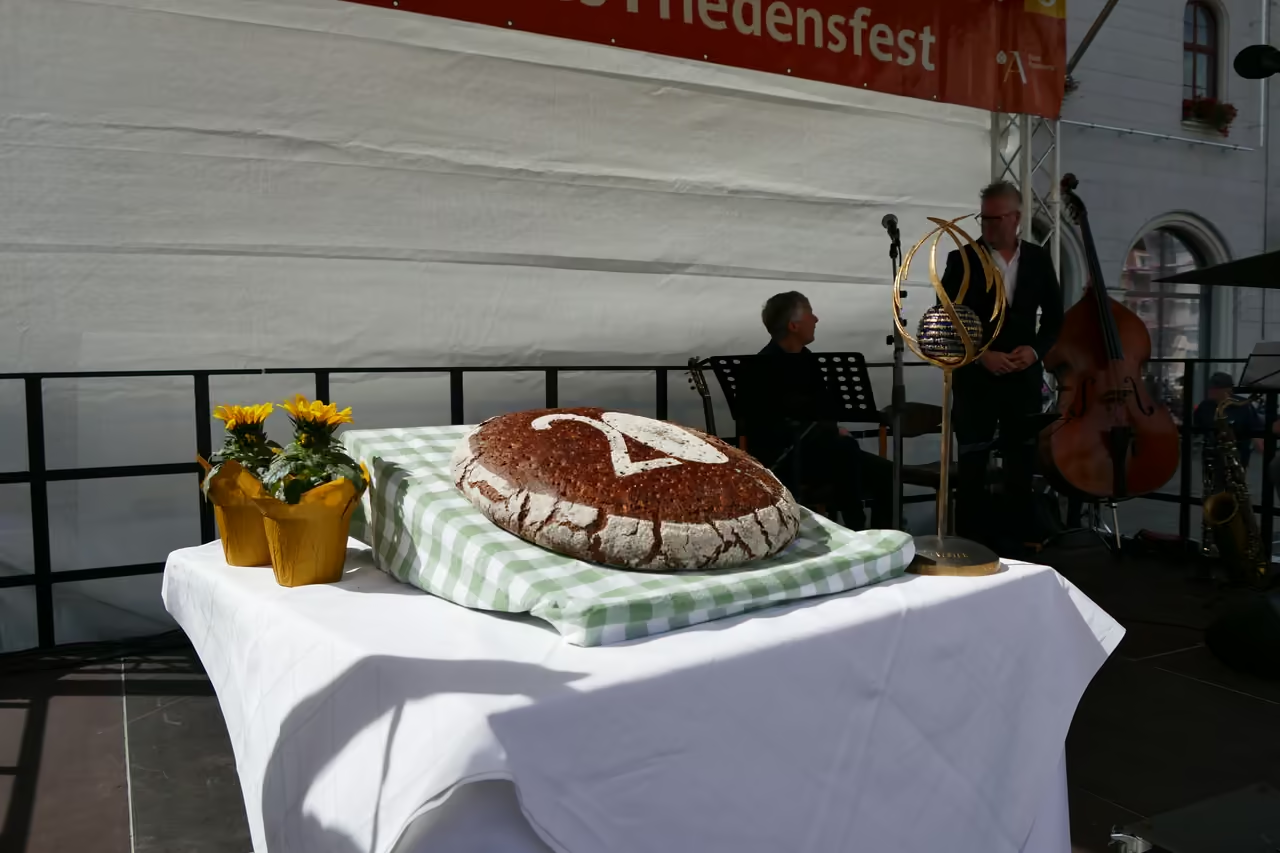 67m
High Peace Festival
The city shuts down entirely to celebrate a holiday that exists literally nowhere else in the country. This unique public holiday commemorates the end of religious oppression following the extreme violence of the Thirty Years' War. Citizens gather in public squares to share large, communal meals and discuss social harmony. Churches host special, collaborative services that heavily emphasise tolerance and unity. It officially grants the city more public holidays than any other municipality in Germany.
festival view
Featured on These Itineraries and Routes
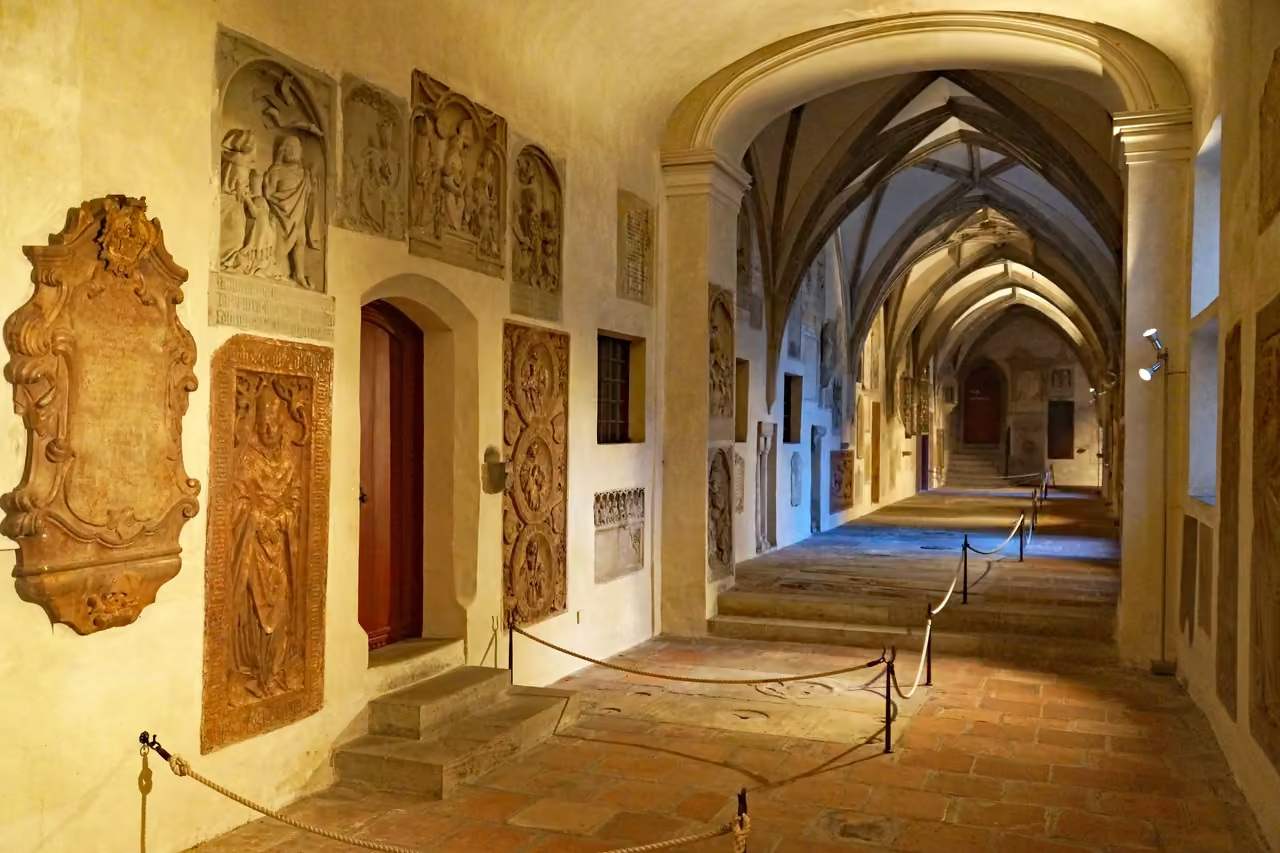
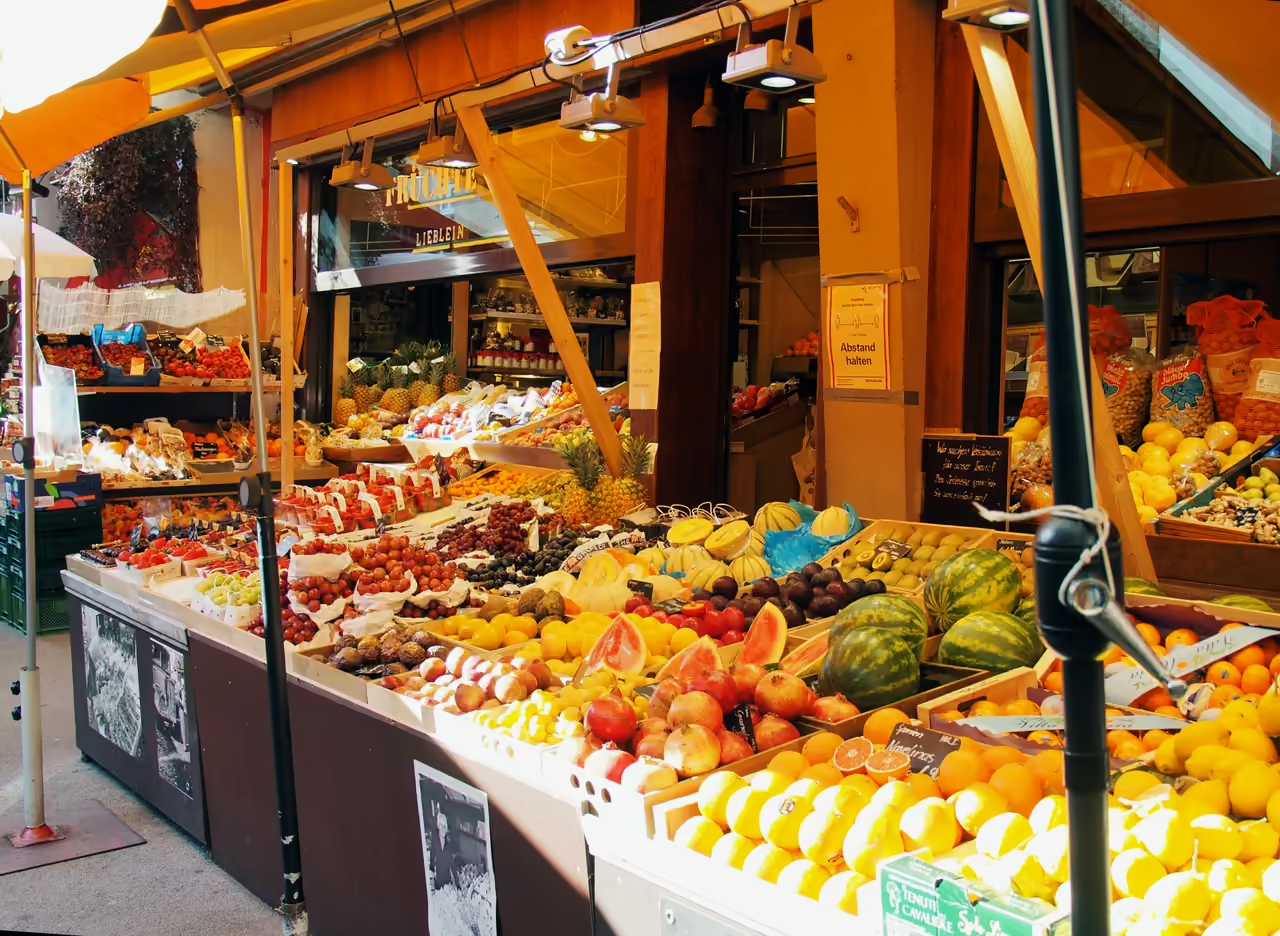
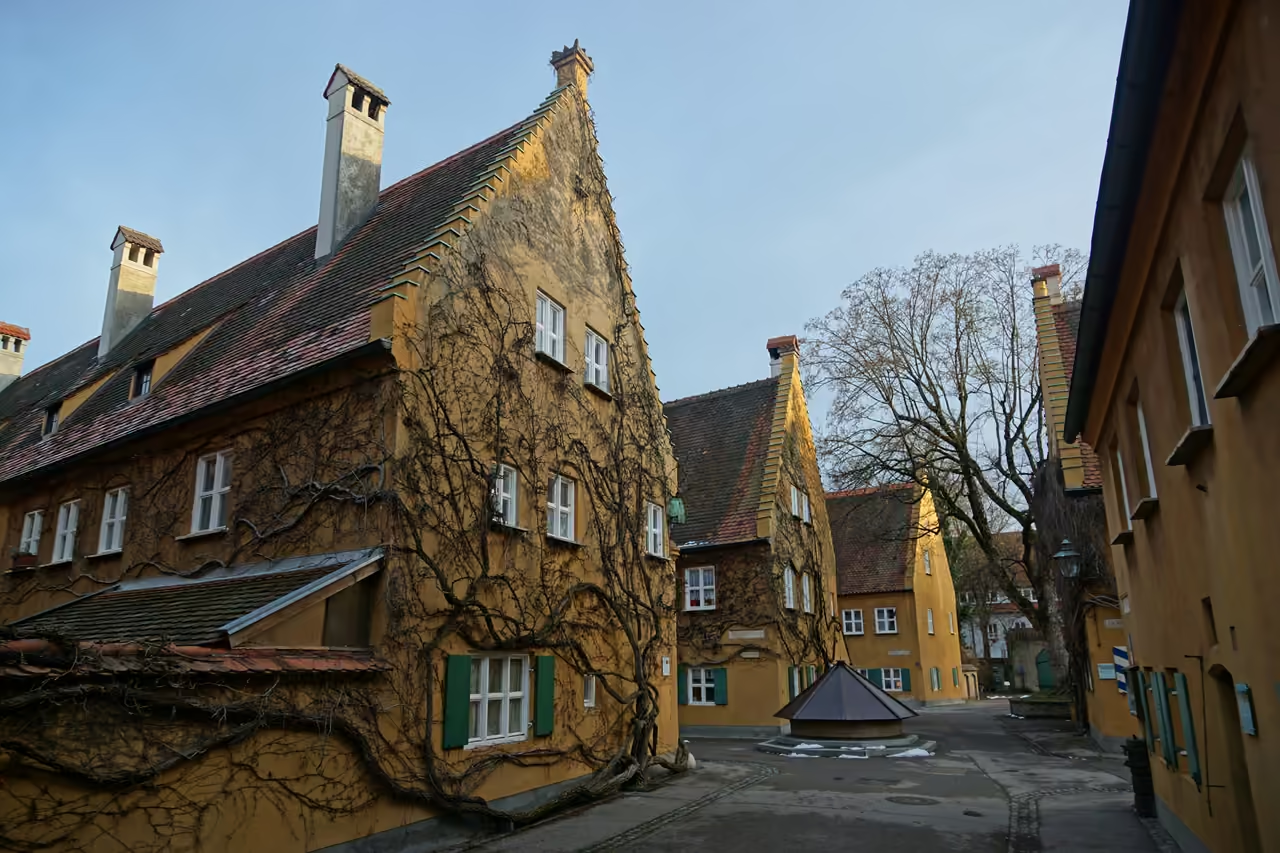
1 Day in Augsburg
A highly compressed, fiercely efficient route tackling the absolute core of the city's Renaissance wealth and history. You will stand in the massive ceremonial halls of bankers and walk the quiet streets of the world's oldest social housing. It completely skips the outskirts, forcing you to engage heavily with the central mediaeval grid.
view itinerary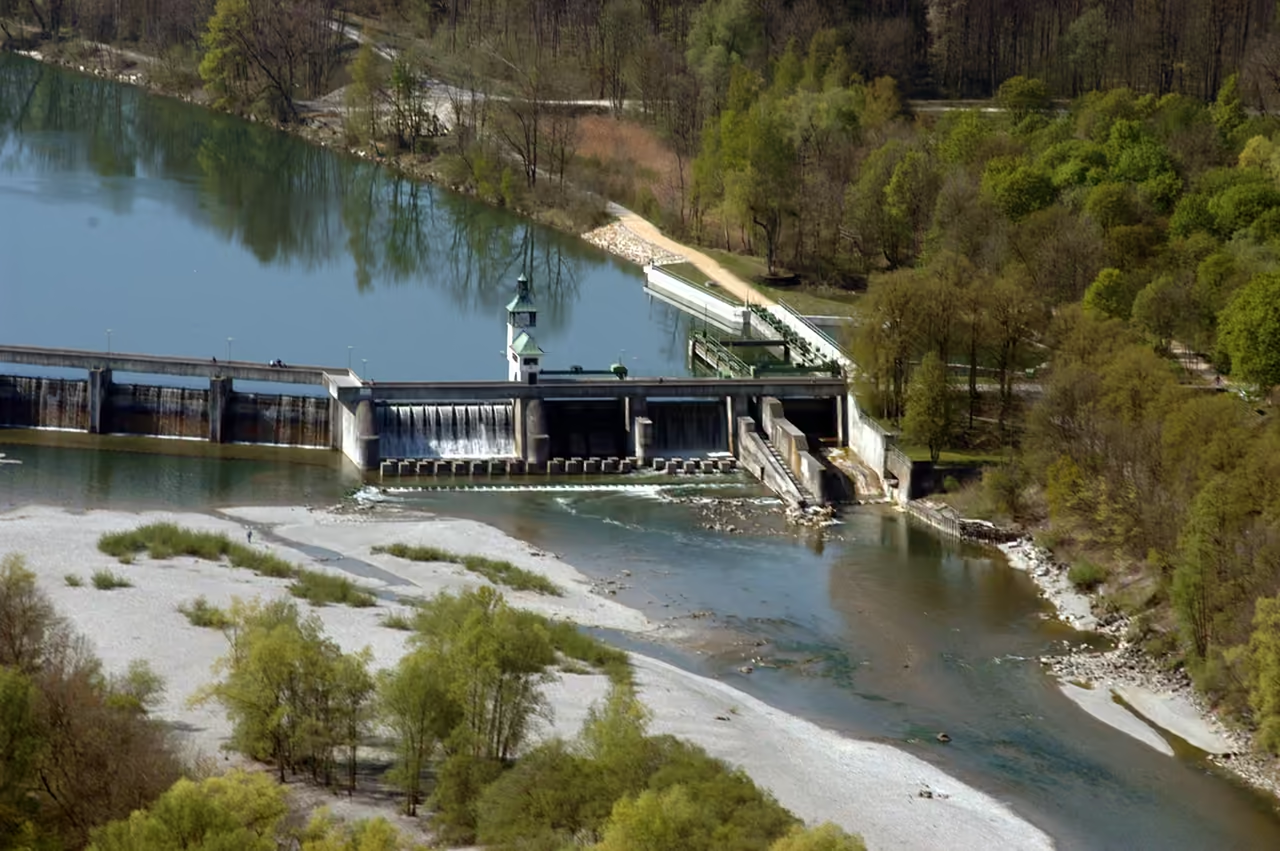
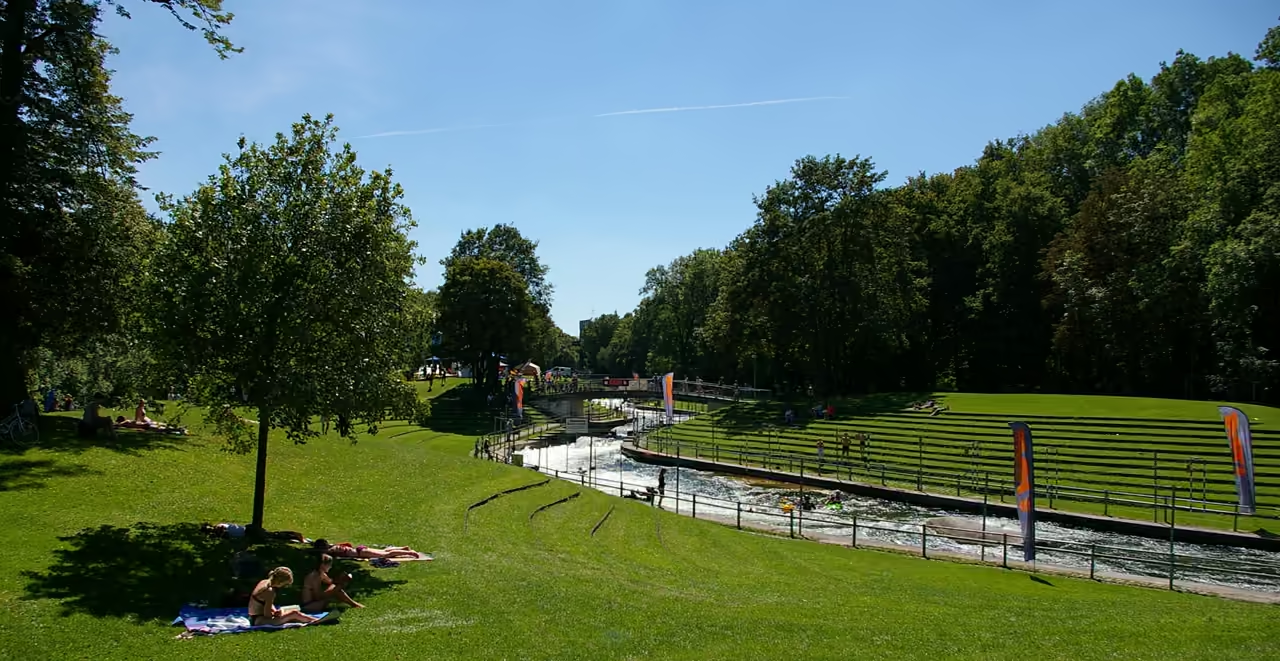
3 Days in Augsburg
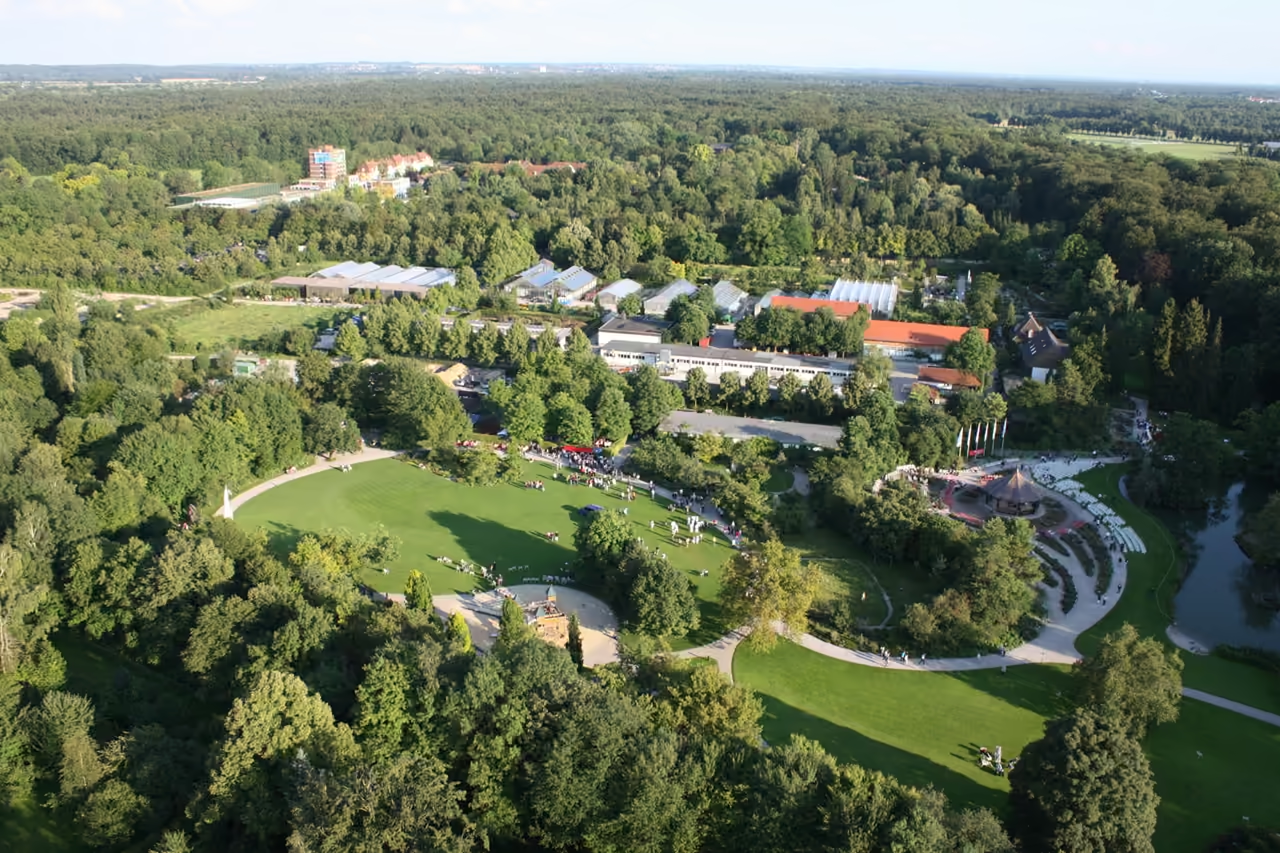
A well-paced exploration that successfully balances the aggressive architectural grandeur of the centre with the deep natural elements surrounding it. You will dedicate time to highly ornate art collections before retreating into the heavy shade of the urban forests. It allows you to actually understand the historical water systems rather than just glancing at a canal.
view itinerary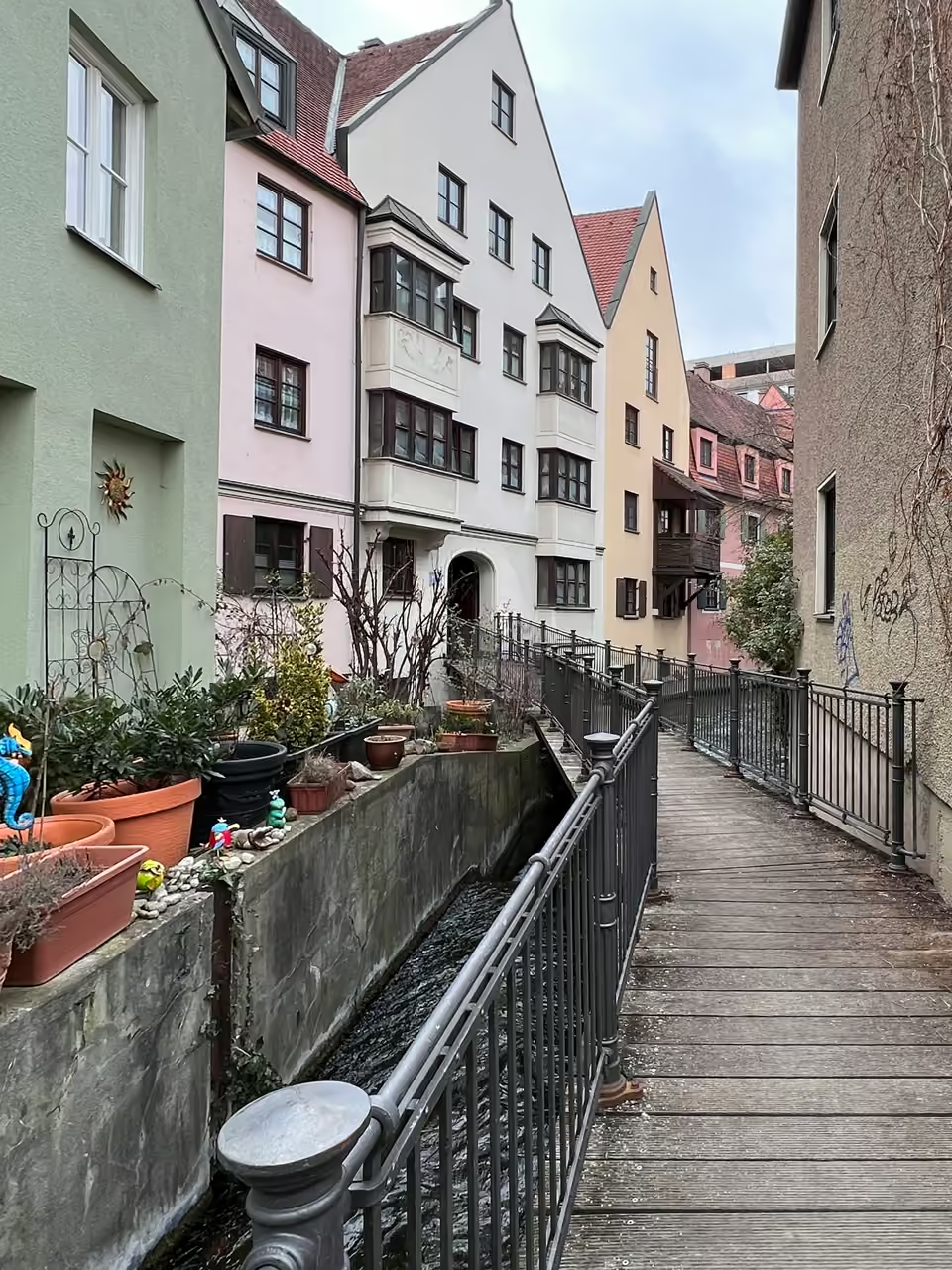

5 Days in Augsburg
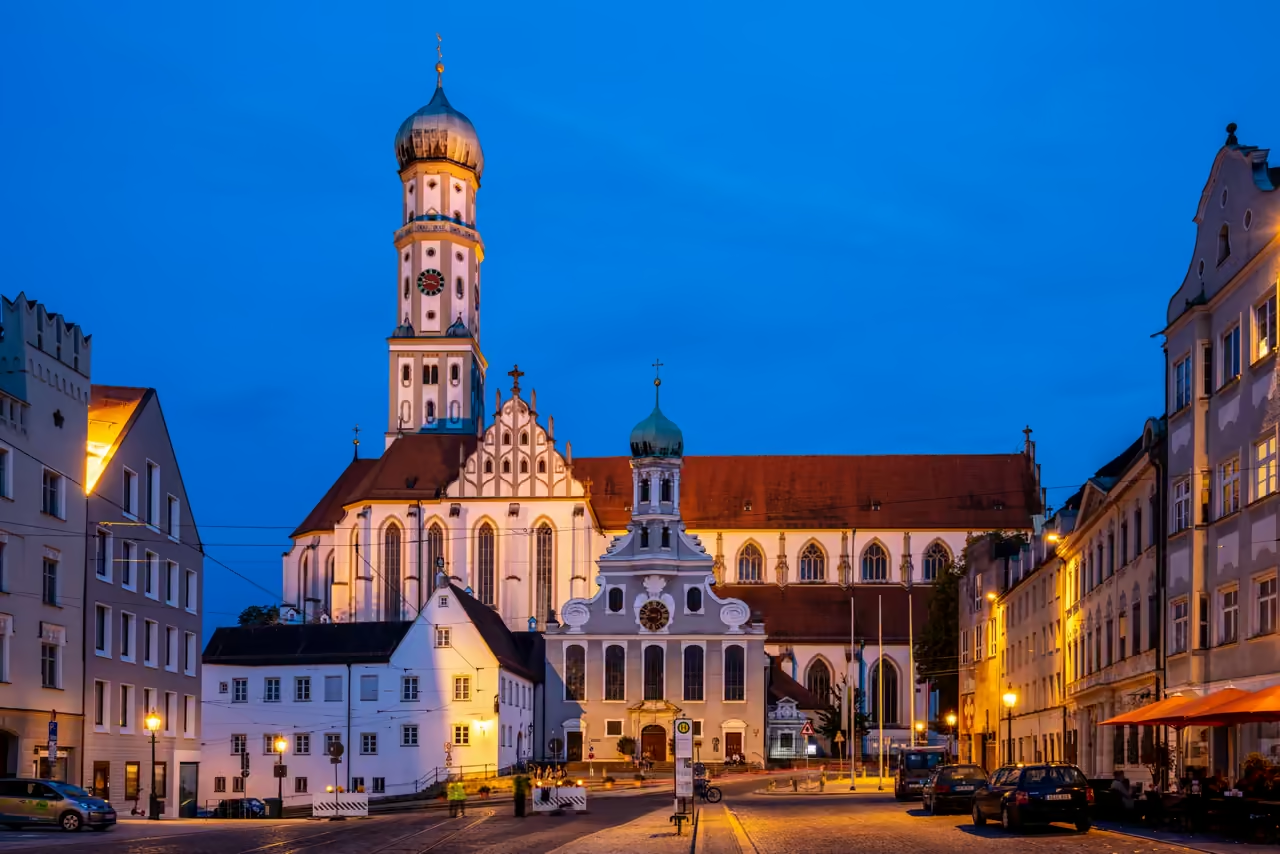
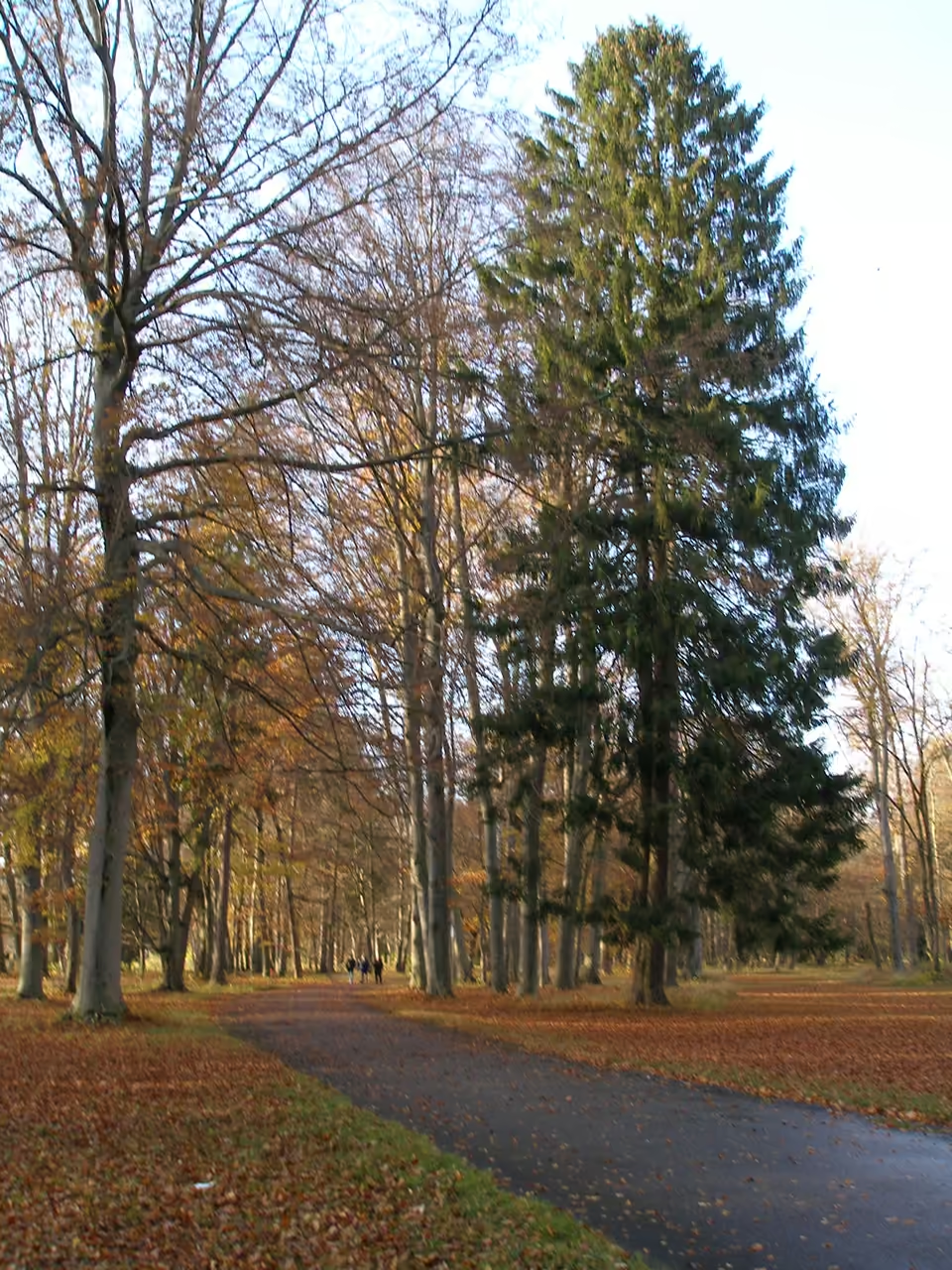
A deeply comprehensive, highly exhaustive deep dive into every facet of the city's complex identity. You will transition from Roman foundations to massive industrial machinery, tracking the complete evolution of a major European powerhouse. It prevents museum fatigue by heavily incorporating long stretches of nature and unscripted time in eccentric local pubs.
view itinerary
Renaissance Architecture Walk
A highly visual route focusing heavily on the architectural legacy of Elias Holl, the city's most famous master builder. You will confront massive, symmetrical facades and aggressive civic buildings that project absolute confidence. The tour highlights the sharp transition from dark, heavy mediaeval structures to light, rational Renaissance design. Prepare to spend a lot of time looking straight up.
view self-guided tour
See all attractions in Augsburg
Including Augsburg Cathedral, Fuggerei, Schaezlerpalais, and more