Würzburg
Full City Guide, Map & 120 Things To Do
132,215 people live here.
That's 0.16% of the entire population of Germany.
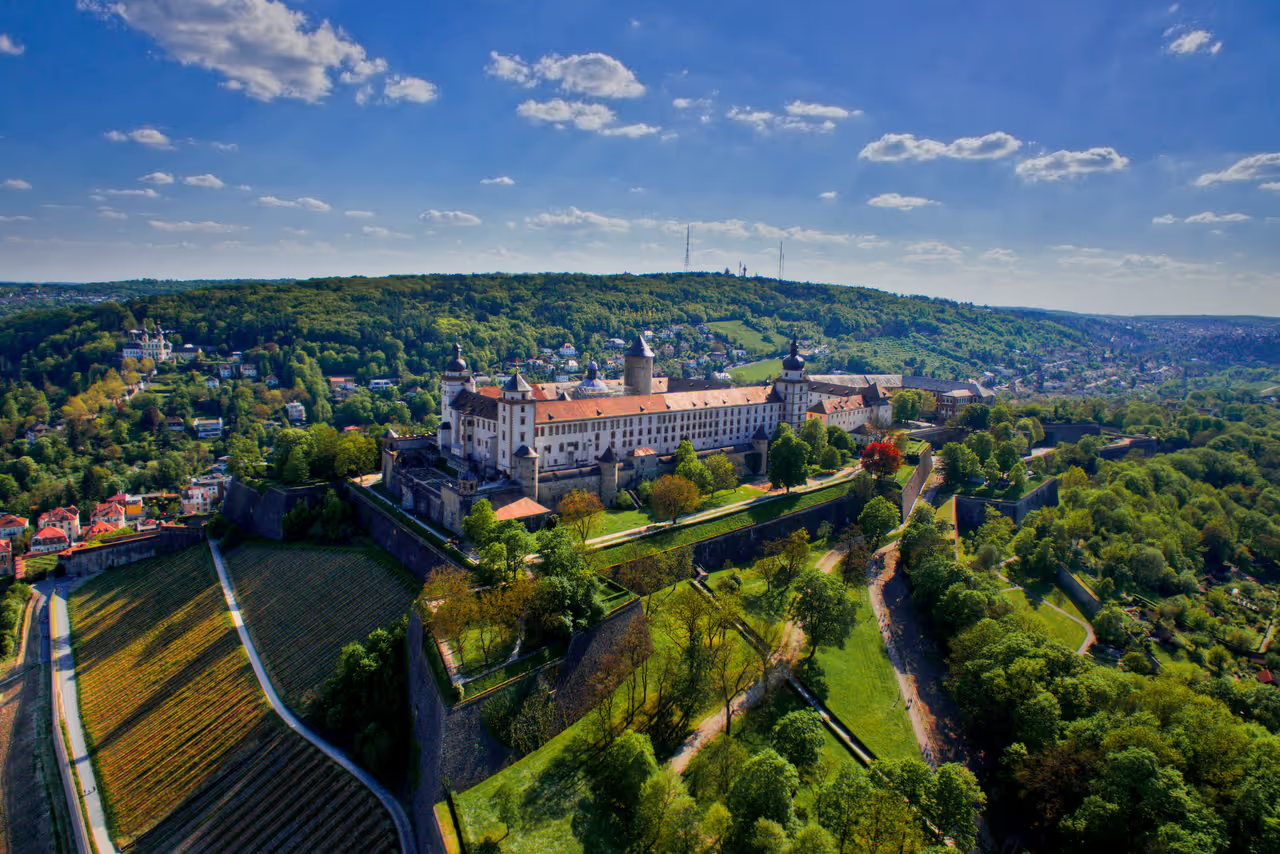
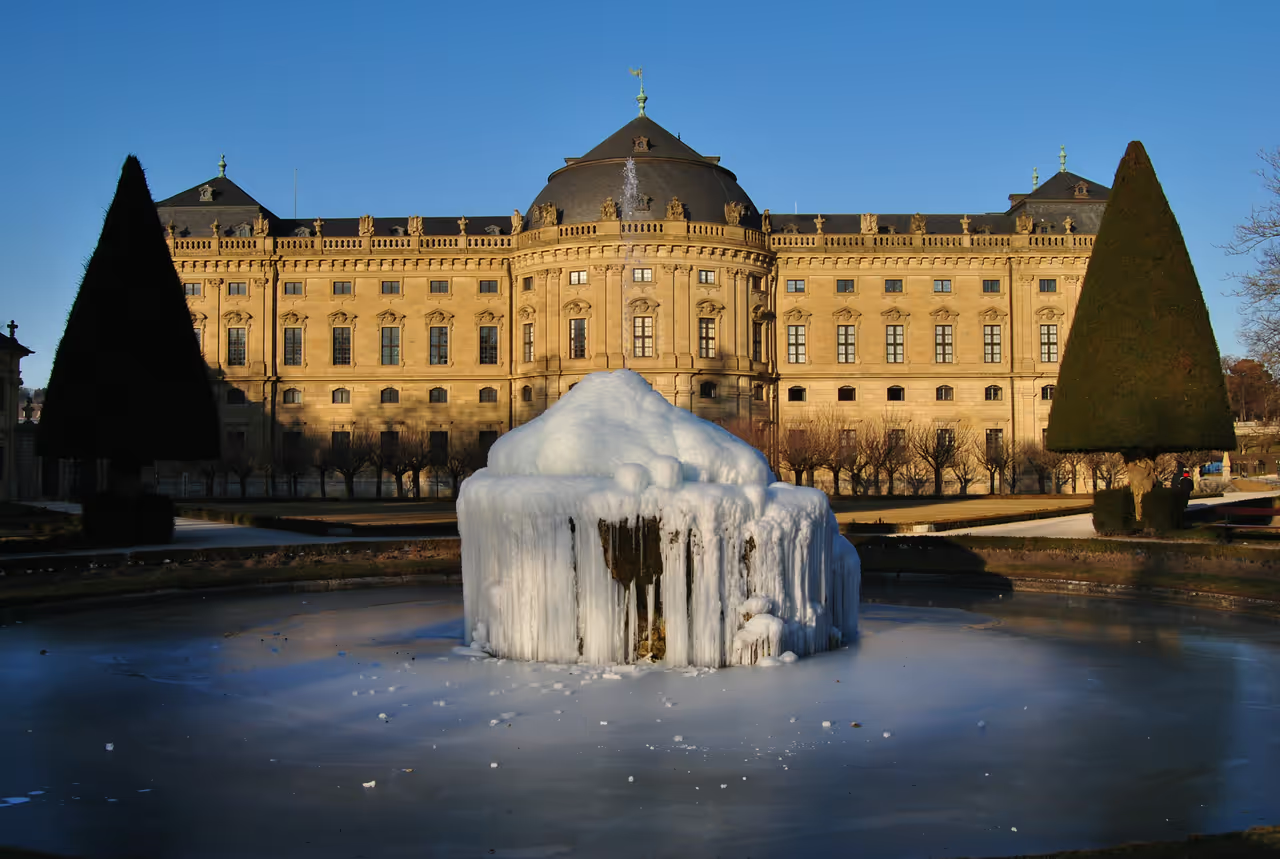
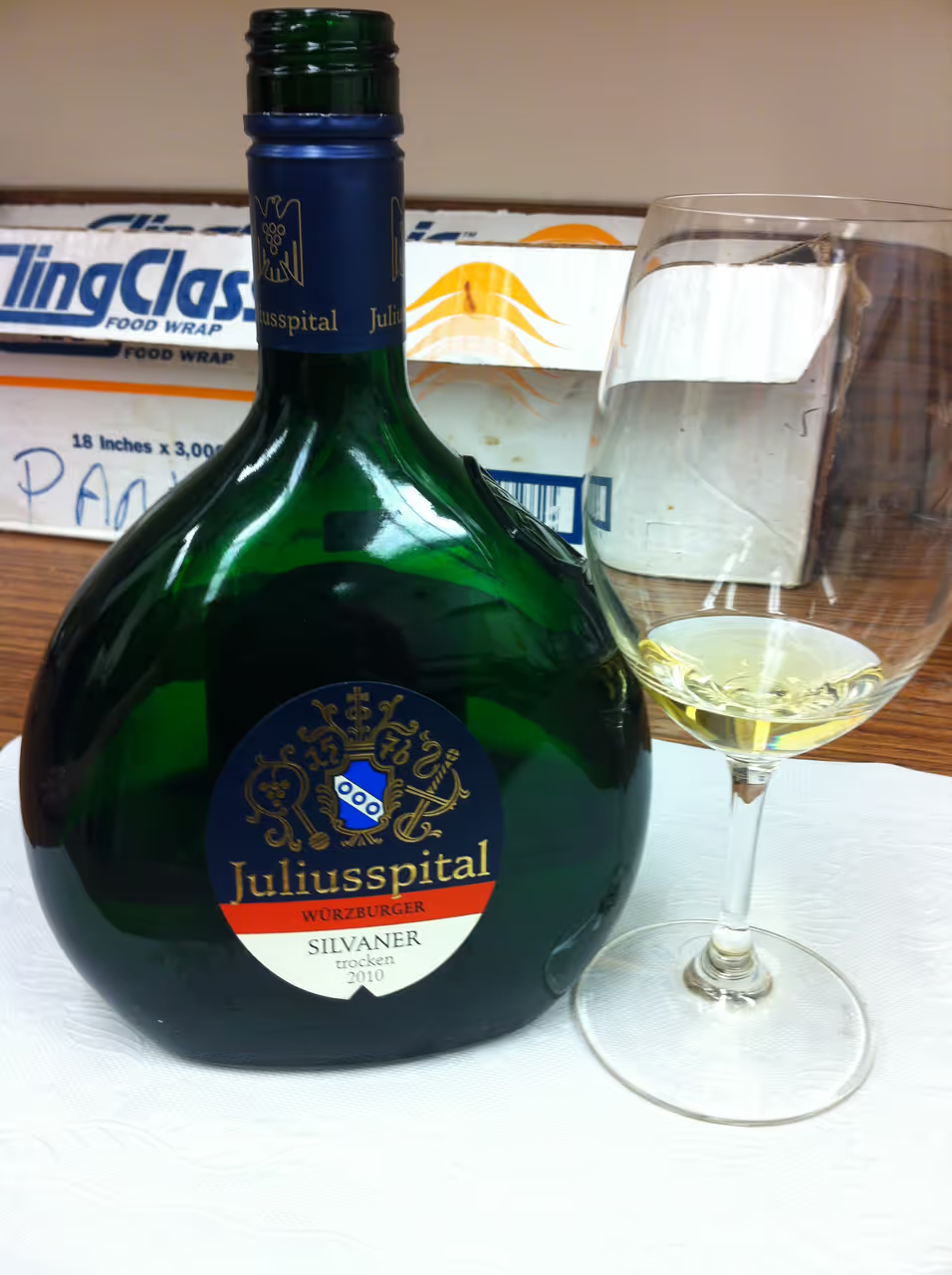
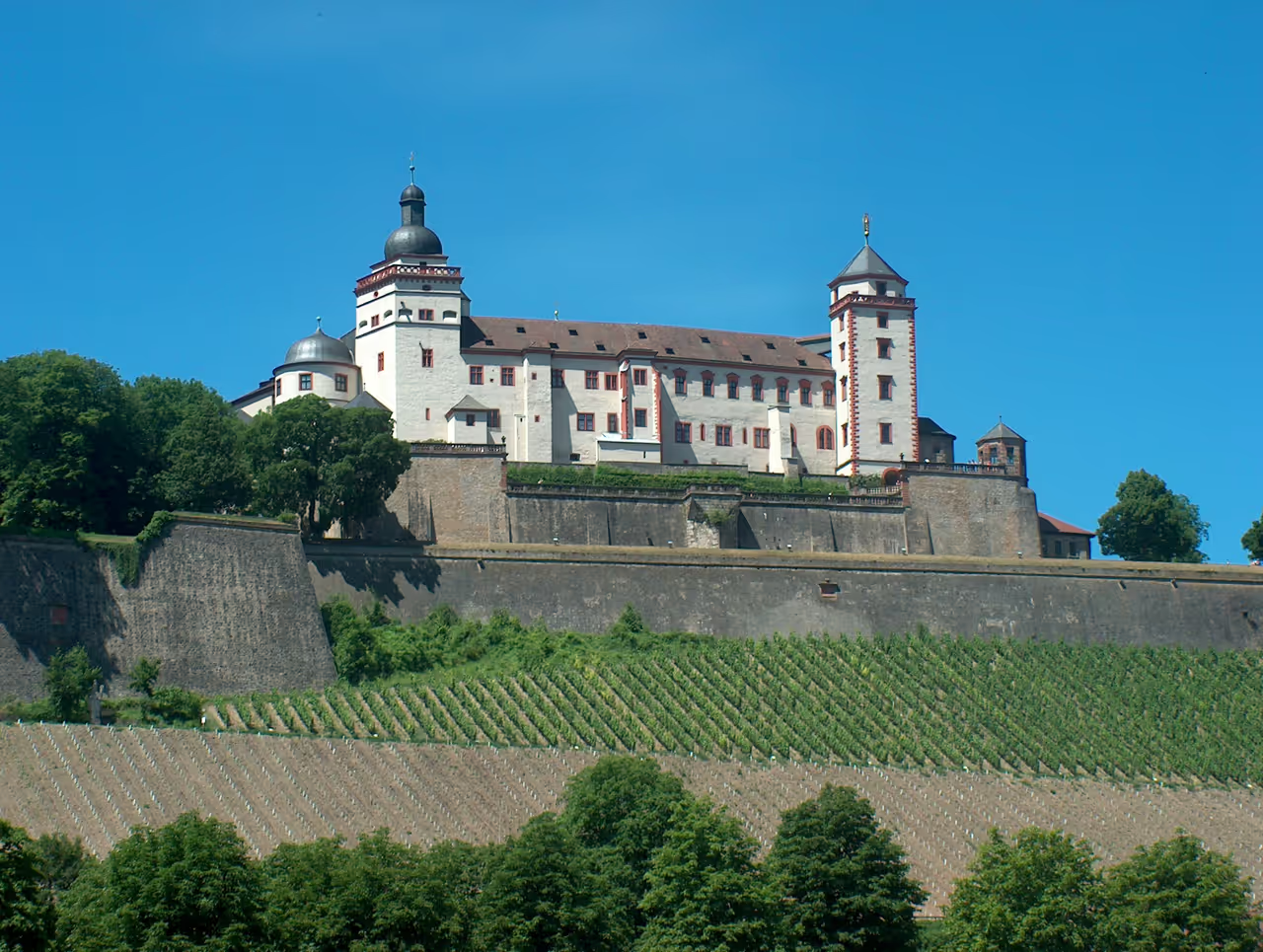
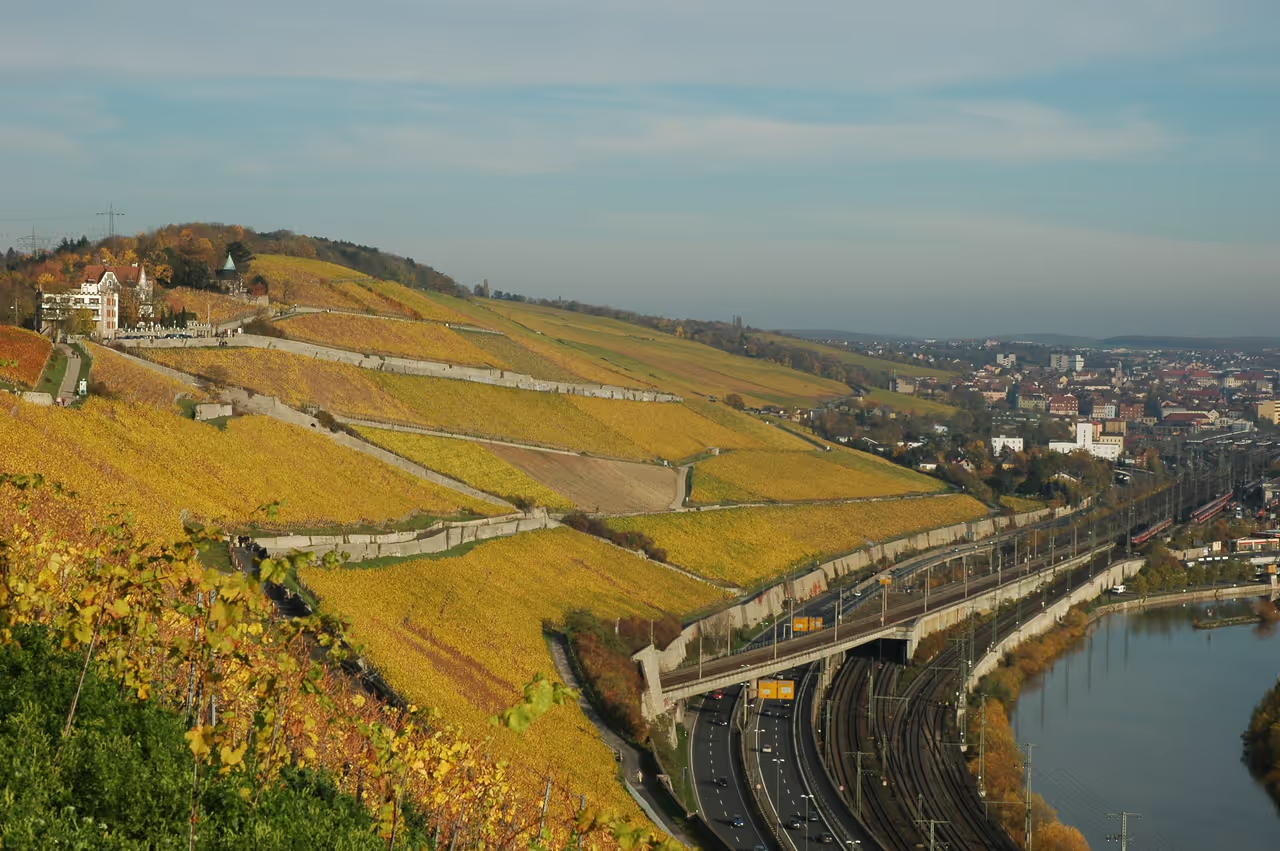
Würzburg sits where the Main river bends sharply, and the town has organised itself around that bend for a thousand years. Marienberg Fortress climbs the hill on one bank, a fortified bishop's residence with walls thick enough to withstand centuries of sieges, while across the water the Würzburg Residence houses a single fresco by Giovanni Battista Tiepolo, painted over the grand staircase and still the largest ceiling fresco in the world. The Alte Mainbrücke connects the two, lined with stone saints, and on warm evenings locals and students gather along its length holding cups of Franconian Silvaner from the wine stalls that set up at the foot of the bridge, a habit that predates any tourist itinerary. Vineyards climb the slopes right into the Stein district, one of Germany's largest contiguous single vineyards, and the wine here is sold in the squat, rounded Bocksbeutel bottle found almost nowhere else. Much of what looks medieval was in fact rebuilt after the night of 16 March 1945, when Allied bombing destroyed roughly ninety per cent of the old town in under twenty minutes, and walking the reconstructed centre today, past student cafés filling seats once occupied by ruins, is a reminder of how deliberately this city chose to put itself back together stone by stone.
Würzburg DNA
History of Würzburg
Long before the grand palaces took shape, early settlers recognised the strategic value of the steep Marienberg hill above the River Main. Three Irish missionaries named Kilian, Kolonat, and Totnan arrived in the late seventh century to spread Christianity. Their subsequent murder transformed the settlement into a major pilgrimage destination and secured its status as a bishopric by 742. Power and wealth flowed into the ecclesiastical centre. Bishops minted their own silver coins, which travelled as far as the Faroe Islands, and hosted the first recorded knightly tournament on German soil in 1127. Nature occasionally interrupted this prosperous ascent. In July 1342, the heavens opened for consecutive days, triggering the catastrophic St. Mary Magdalene's flood. The ruling Prince-Bishop Otto von Wolfskeel interpreted the rising waters as divine punishment for illicit gambling and immediately banned all games played for money. High water marks from that medieval disaster remain visible carved into the stone entrance of the Grafeneckart town hall. The early seventeenth century brought dark times to the Franconian basin. Witch trials gripped the region, leading to hundreds of executions before Swedish troops occupied the city during the Thirty Years War. Yet the following century ushered in an era of unprecedented artistic ambition under the Schönborn and Greiffenclau prince-bishops. They commissioned architect Balthasar Neumann to build a colossal new residence. He engineered a massive, unsupported vault over the main staircase, which Venetian master Giovanni Battista Tiepolo covered in the largest fresco in the world. Scientific progress defined the late nineteenth century. Wilhelm Conrad Röntgen discovered X-rays in his physics laboratory at the university in 1895, fundamentally altering modern medicine. Complete devastation arrived on the evening of March 16, 1945. Allied bombers unleashed a firestorm that reduced the dense, timber-framed medieval centre to ashes in a matter of minutes. Post-war planners faced a blank slate. They chose a pragmatic path for the residential areas while meticulously reconstructing the monumental churches, the fortress, and the baroque palaces. Today, the rebuilt silhouette of domes and spires masks the modern functionalism of the streets below.
15 Events spanning 1302 years
Map of Würzburg
Interactive Destination & Itinerary Map
This map blends our curated city guides—featuring best photo spots, scenic walks, viewpoints, hidden gems and much more—with a live Wikipedia explorer. Click on our numbered pins to plan your routes, or zoom in on the surrounding neighborhoods to discover verified local landmarks, museums, and stories with dynamic Wikipedia summaries and photos!
Fun Facts
- • The iconic local wine bottle is called a Bocksbeutel, a flattened ellipsoid shape that is strictly protected by European Union law to only contain specific regional wines.
- • The city boasts the oldest pizzeria in Germany, known as Capri, which was opened in 1952 by an Italian immigrant originally catering to homesick American soldiers.
- • During a visit in 1779, Wolfgang Amadeus Mozart was so charmed by the local coffee that he wrote a letter praising how it strengthened his stomach in this magnificent town.
- • The local university has been associated with fourteen Nobel Prize winners throughout its long and prestigious academic history.
- • Demographic studies suggest this specific area is home to the highest concentration of centenarians in all of Germany.
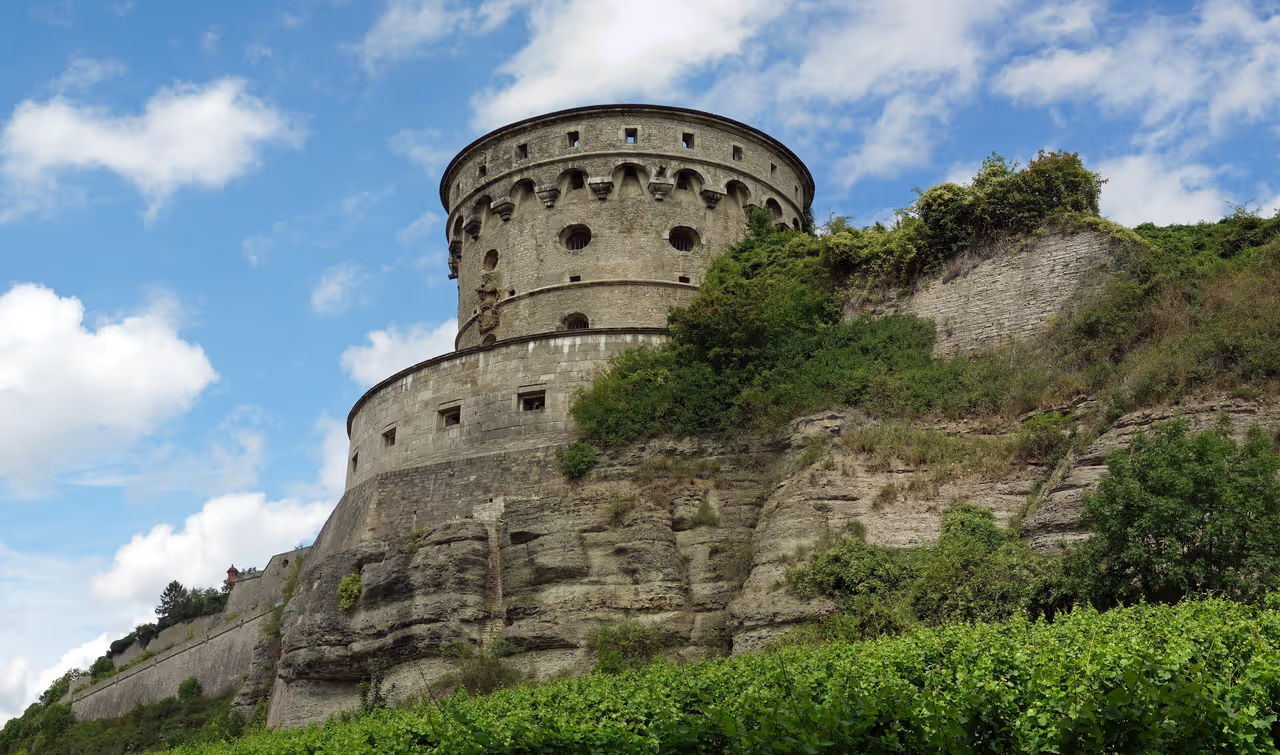
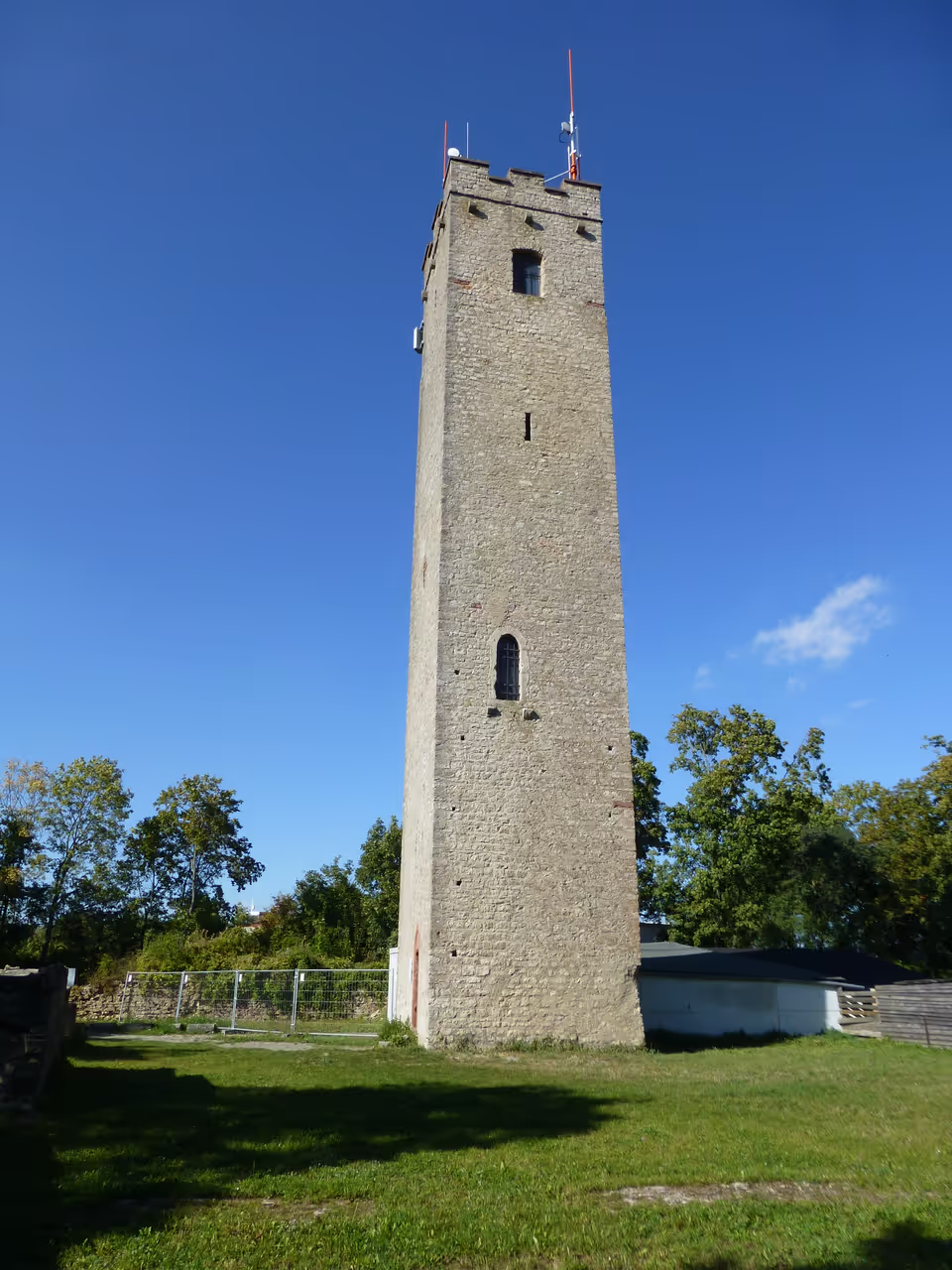
- • According to folklore, the massive Maschikuliturm tower was built by Balthasar Neumann simply to prove wrong the critics who claimed he only knew how to design delicate palaces.
Did You Know?
- • The grand staircase of the Würzburg Residence features the largest continuous ceiling fresco in the world, painted by Venetian master Giovanni Battista Tiepolo and spanning an incredible six hundred square metres.
- • The Julius Maximilians University is the oldest institution of higher learning in Bavaria, carrying a legacy of pioneering research that spans over six centuries.
- • Wilhelm Conrad Röntgen discovered electromagnetic radiation, known today as X rays, in his local physics laboratory in 1895, earning him the very first Nobel Prize in Physics.
- • Following the catastrophic bombing in 1945, the city underwent one of the most accurate and painstaking urban reconstructions in European history to restore its medieval and Baroque skyline.
- • Unlike the beer dominated culture of southern Bavaria, this region has cultivated grapevines since the Roman era, maintaining vineyards that stretch directly into the modern city limits.
Videos of Würzburg
Seasons
Spring
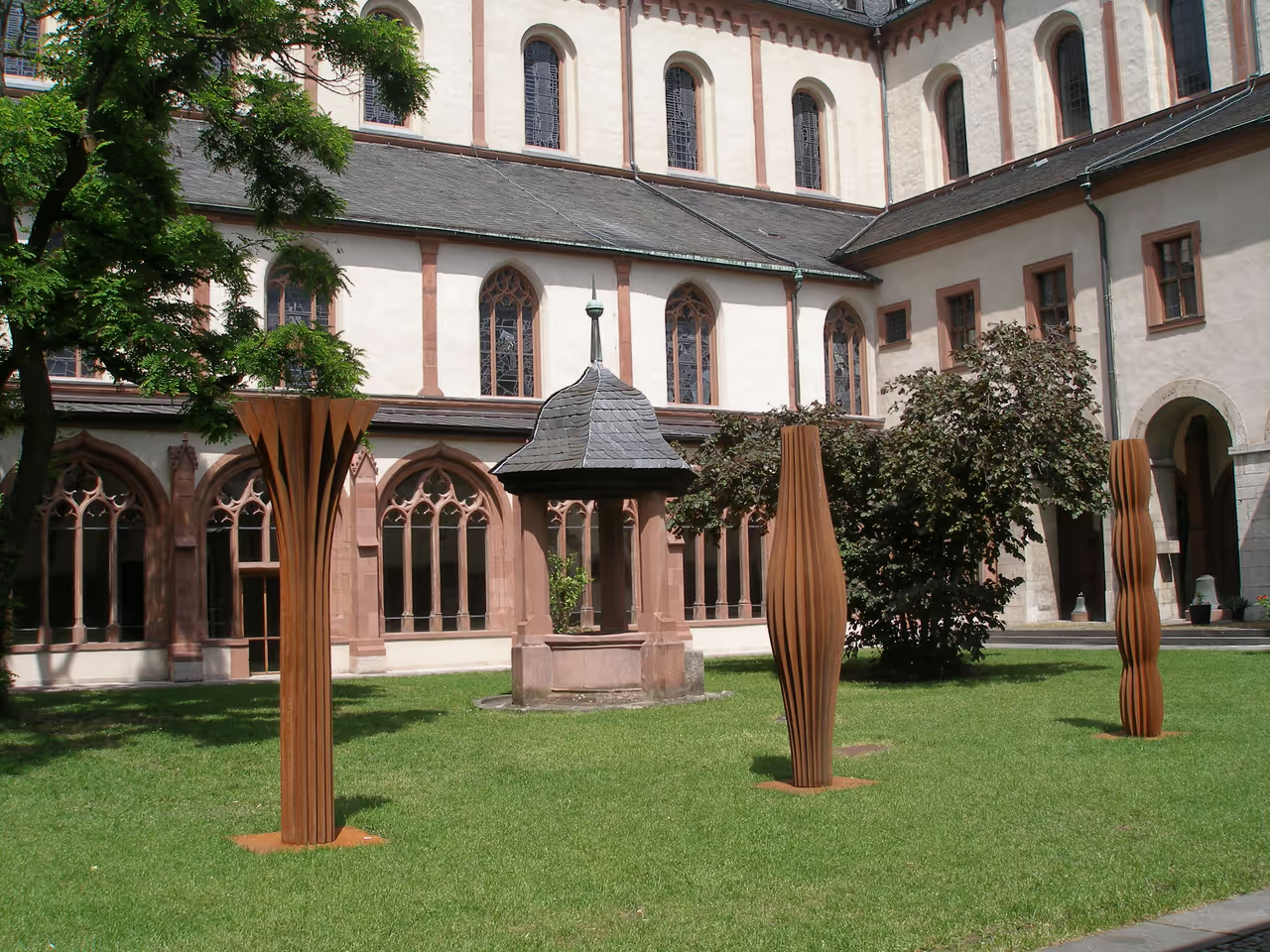
As the harsh winter chill finally dissipates, the entire city bursts into a vibrant display of brilliant floral colour. The...
Summer
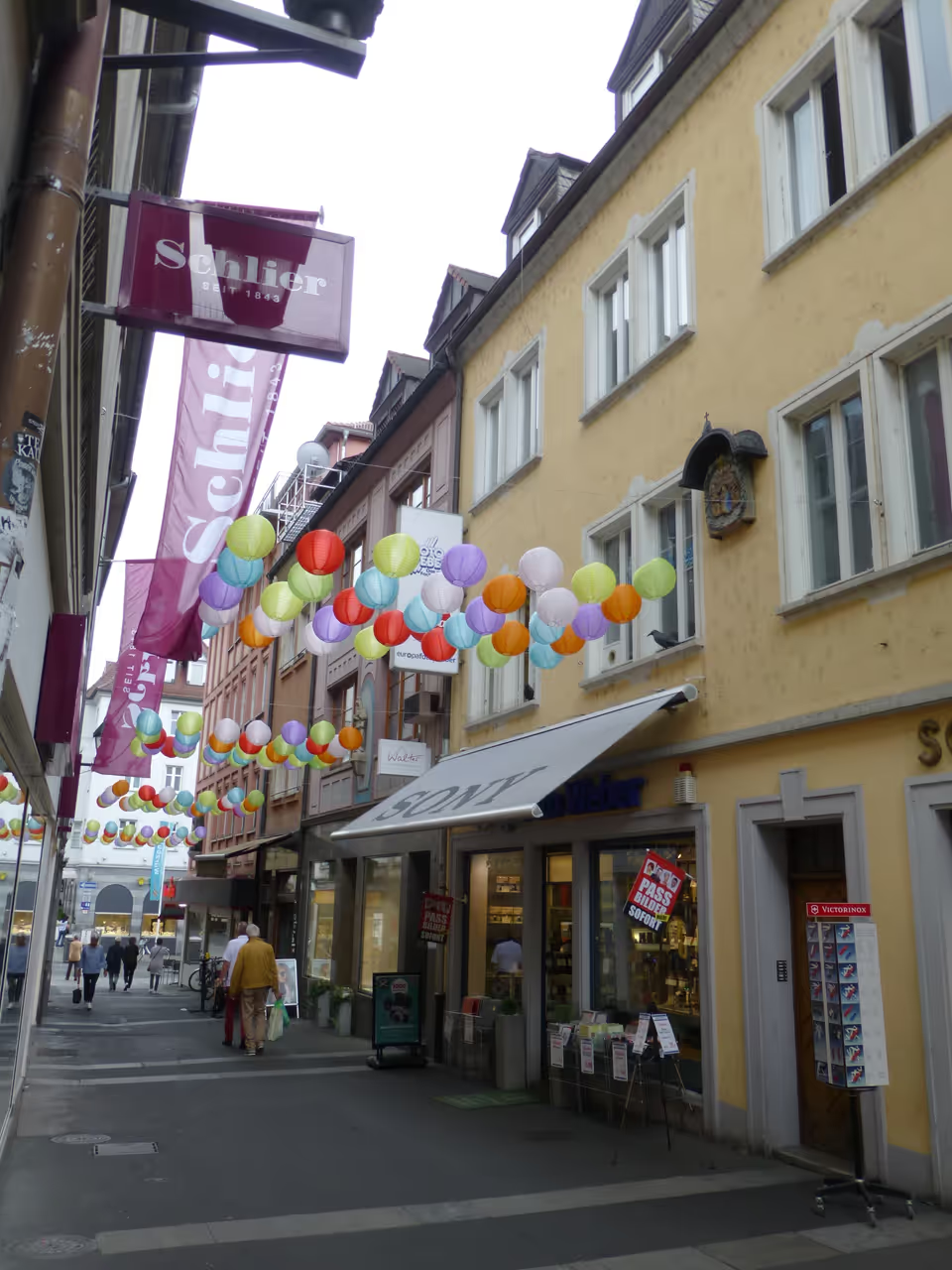
The city fully embraces the long, sun drenched days, transforming into a bustling hub of outdoor cultural activity. The...
Autumn
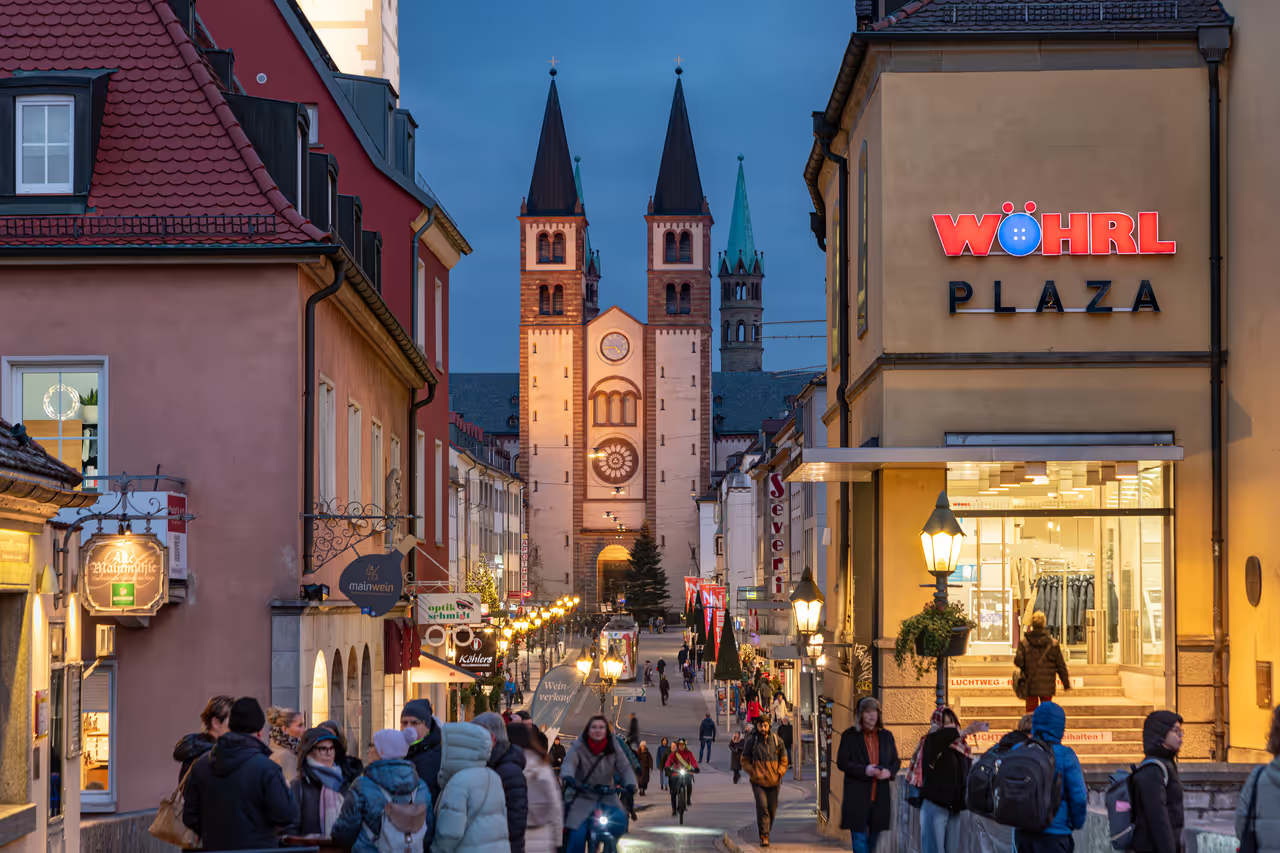
The intense heat of summer gently gives way to crisp, incredibly refreshing air, making it the absolute peak season for regional...
Winter
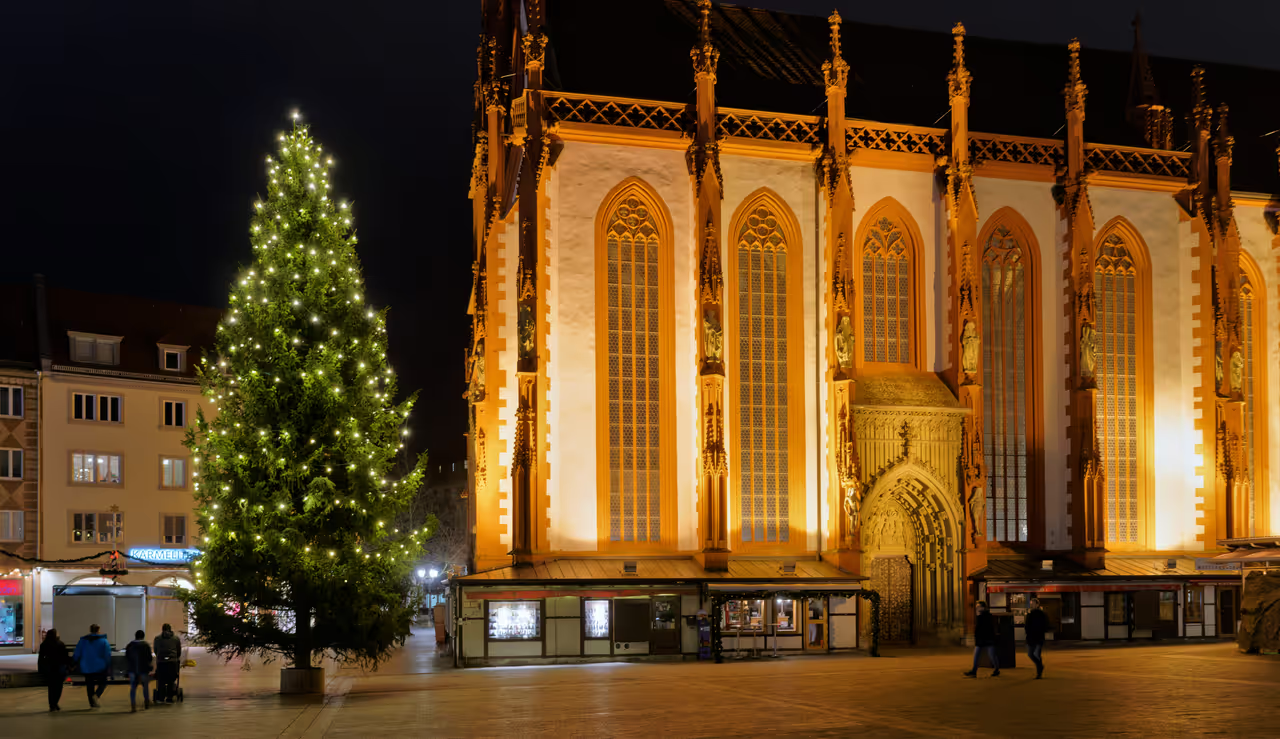
The city adopts a wonderfully quiet, highly nostalgic, and deeply traditional festive atmosphere as the temperatures drop. The...
Top Attractions in Würzburg
Falkenhaus
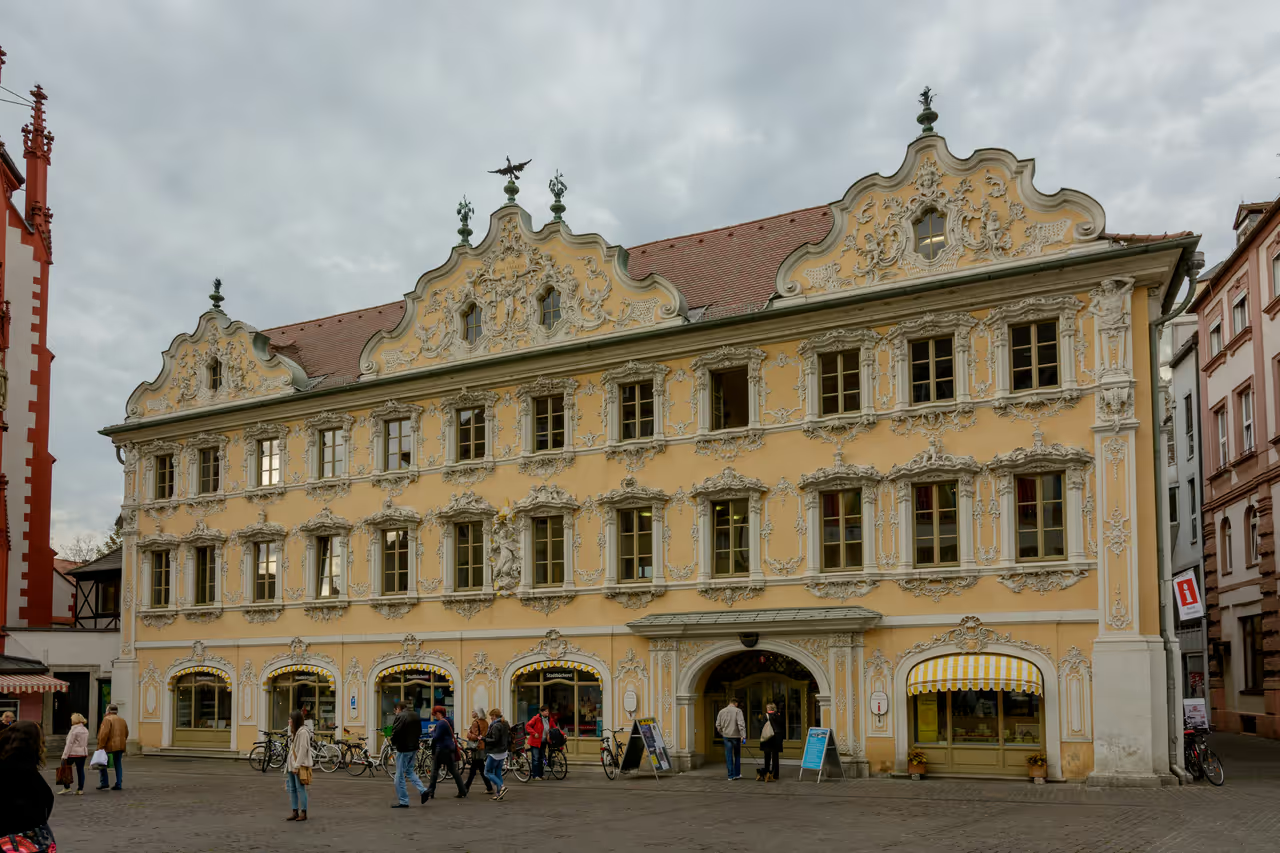
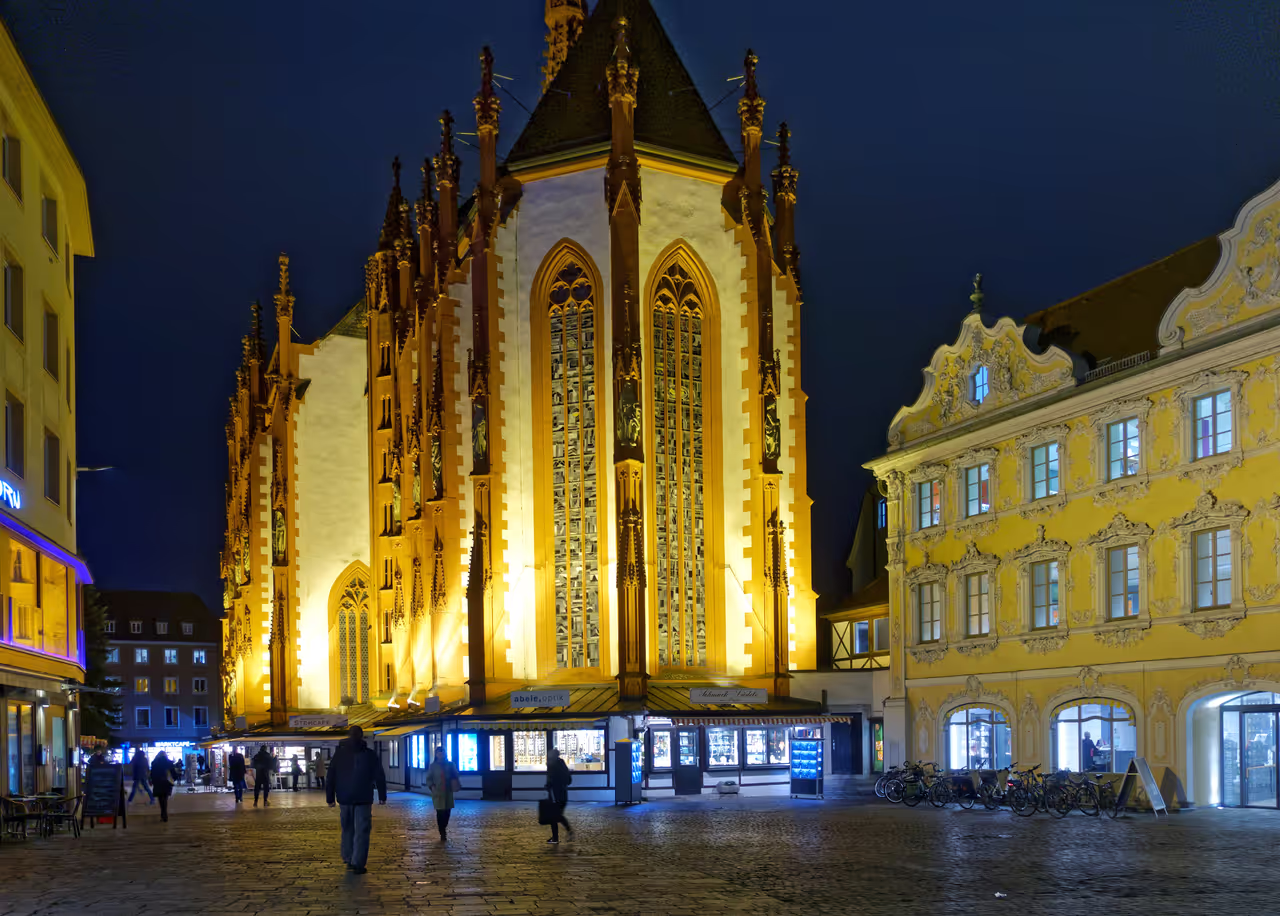
Standing proud on the edge of Würzburg's lively market square, the Falkenhaus is an architectural masterpiece that captures the...
view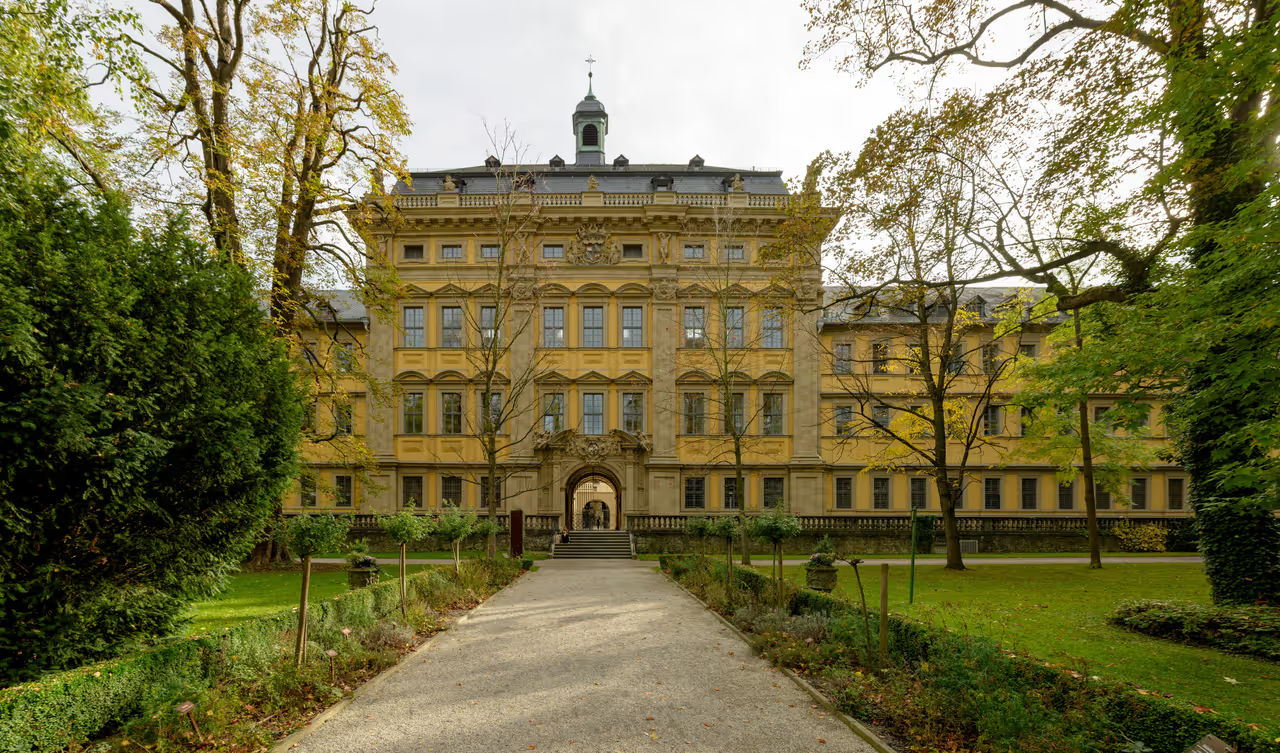
Juliusspital Foundation
Juliusspital is much more than a historical landmark; it is a living foundation that has cared for the people of Würzburg for...
view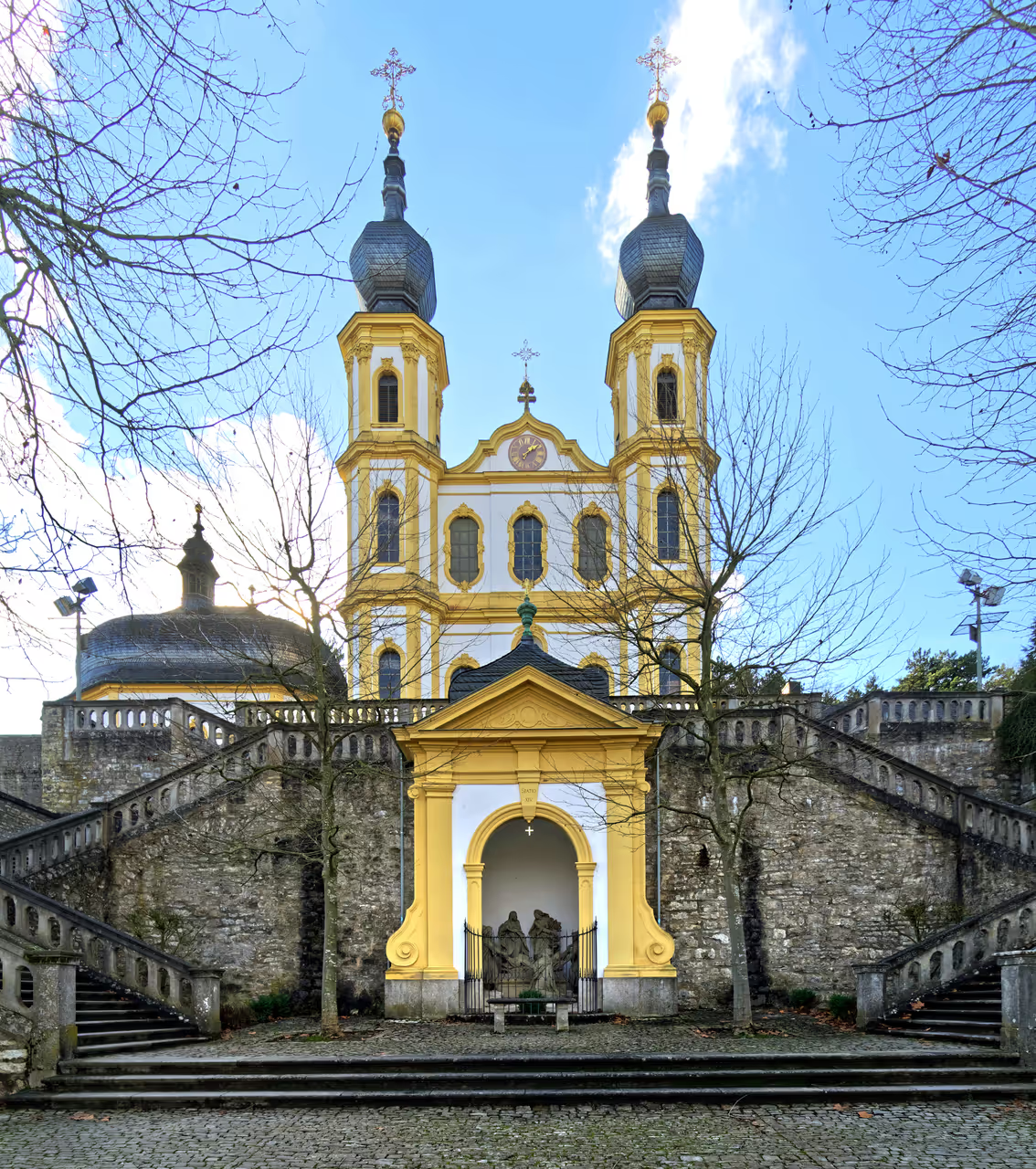
Little Chapel
Perched high on the Nikolausberg, the Käppele is a scenic vantage point and a masterpiece of Rococo architecture. Designed by...
view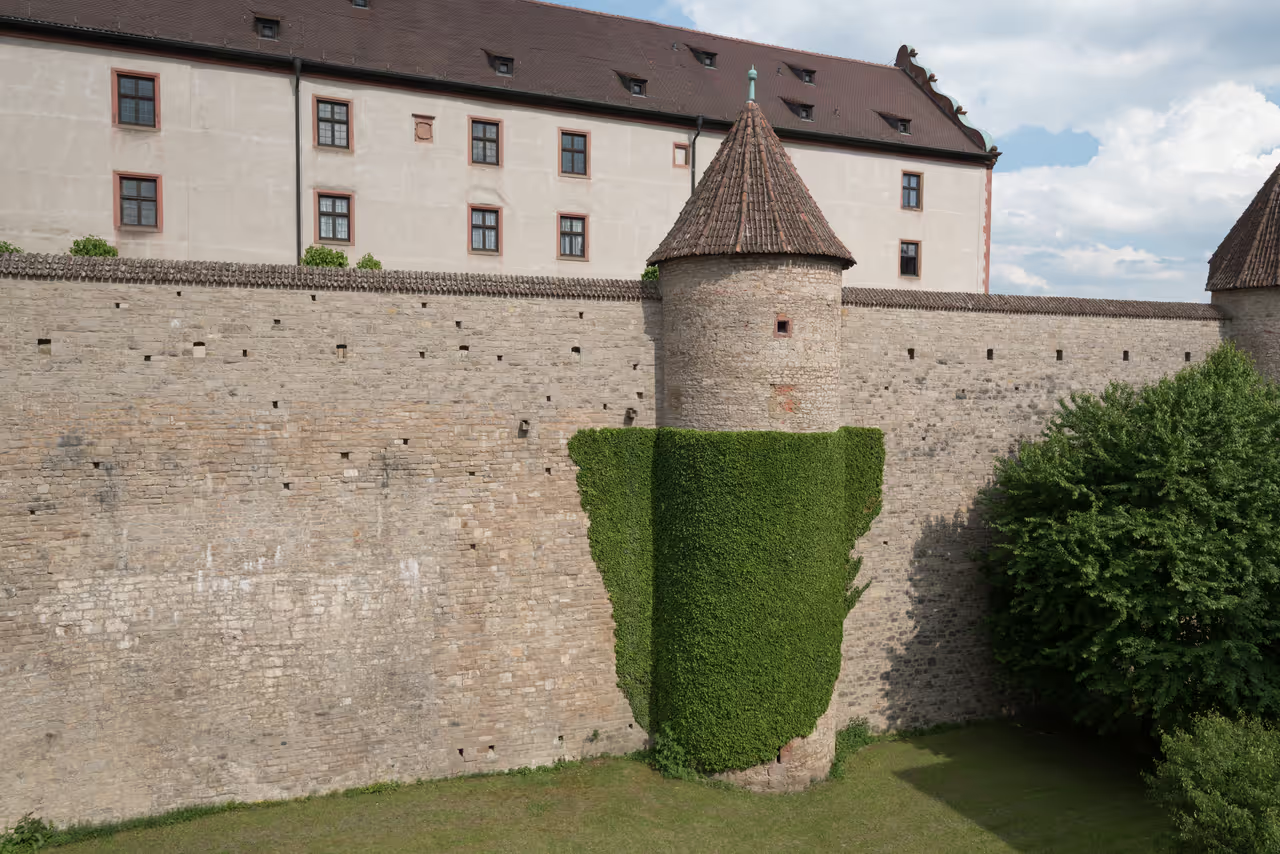
Marienberg Fortress
Perched high above the Main River, Marienberg Fortress is the defining landmark of the Würzburg skyline. This massive complex...
view
Best Views
Würzburg Itineraries
TRIP PLANNER
3 Days Recommended
Three days allow for a relaxed exploration of the grand palaces and towering fortresses without feeling rushed. Visitors can dedicate ample time to wine tastings and museum visits while still enjoying leisurely walks along the riverfront. This pace ensures an immersive experience into the local Franconian culture.
1 Day in Würzburg Itinerary
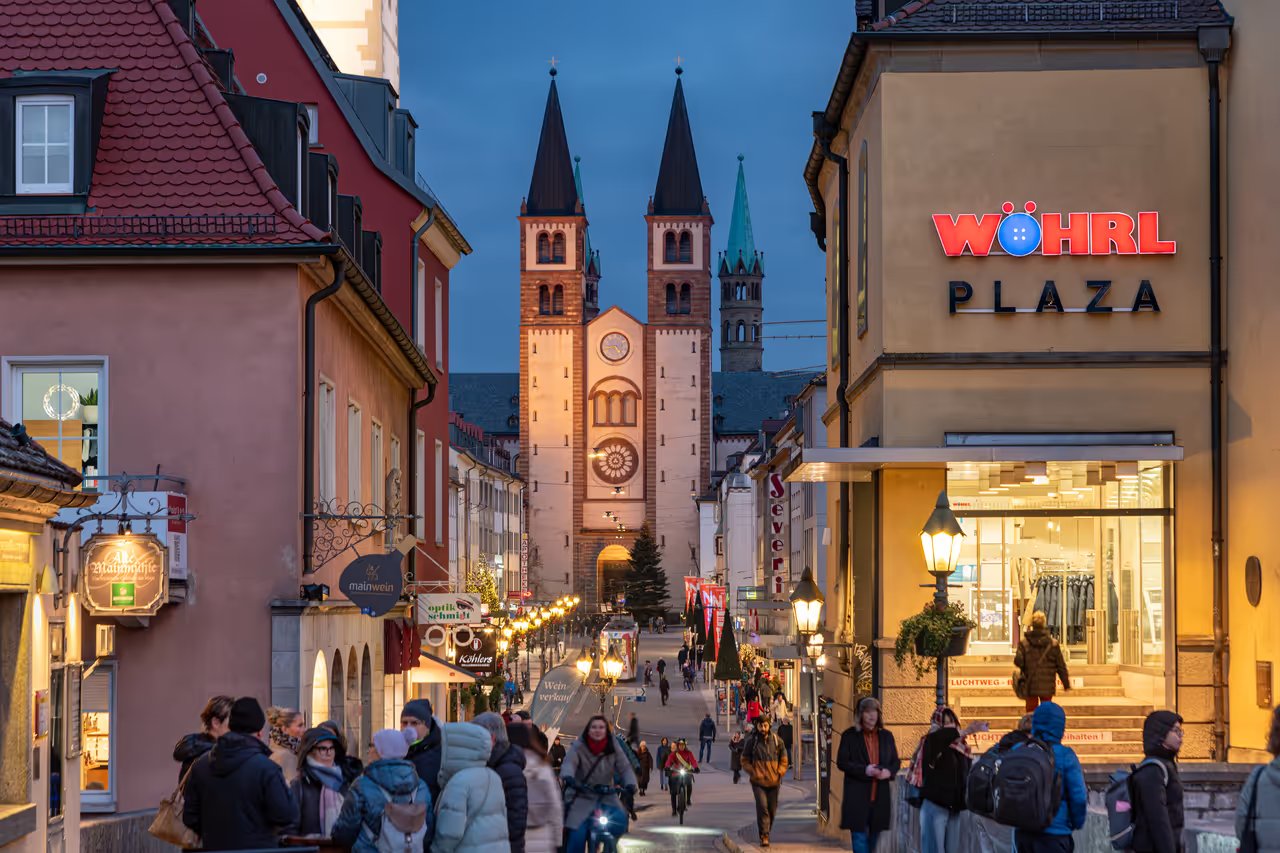
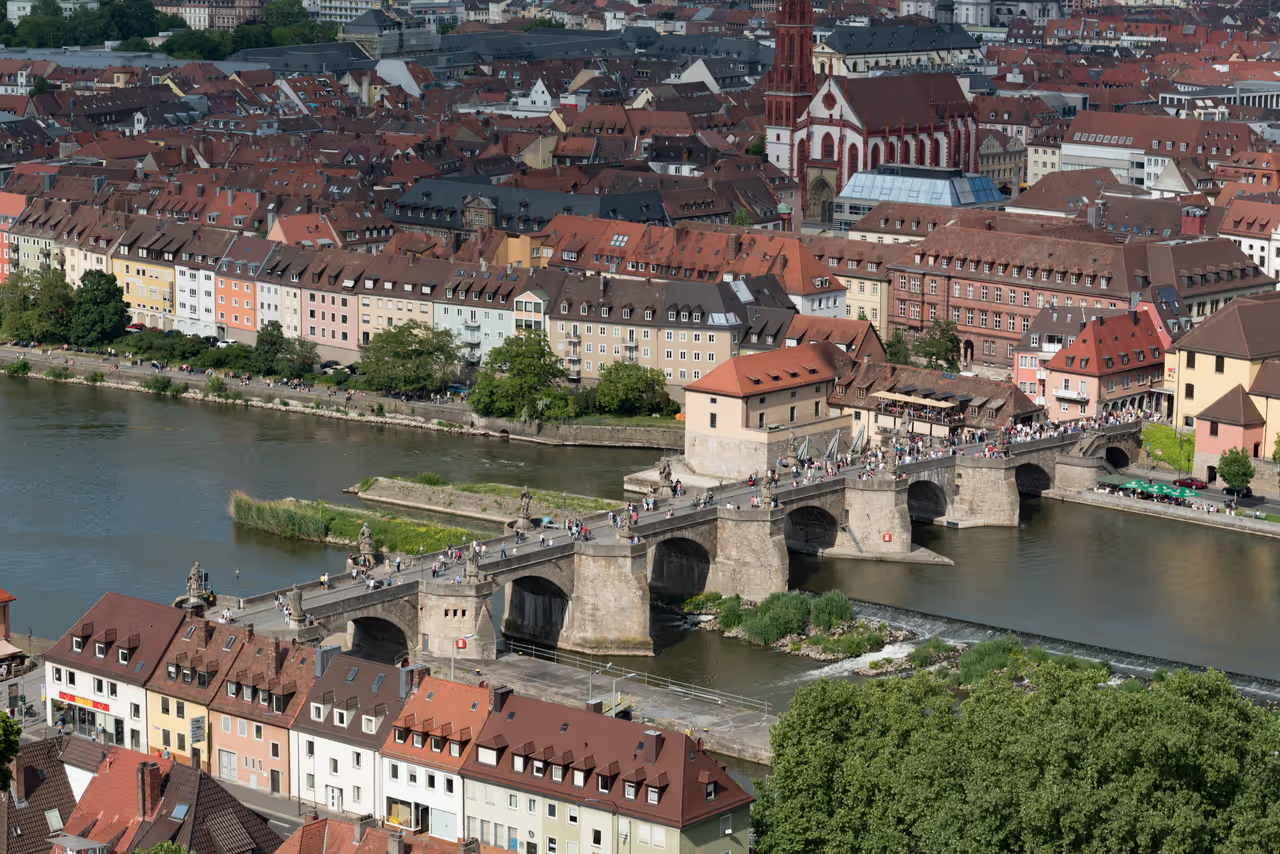
This highly focused, fast paced itinerary is designed specifically for travellers with very limited time who wish to experience the absolute pinnacle highlights of the city. It connects the most monumental, globally recognised landmarks to provide a deep understanding of the region's immense historical and architectural significance. The journey covers the breathtaking heights of Baroque palace design before transitioning to the robust, unyielding military might of the medieval era. It includes the essential, iconic visual panoramas that define the city on every postcard. By following this route, visitors will efficiently absorb the dual legacy of aristocratic wealth and defensive authority. It promises an incredibly dense, unforgettable day of grand sightseeing.
view itinerary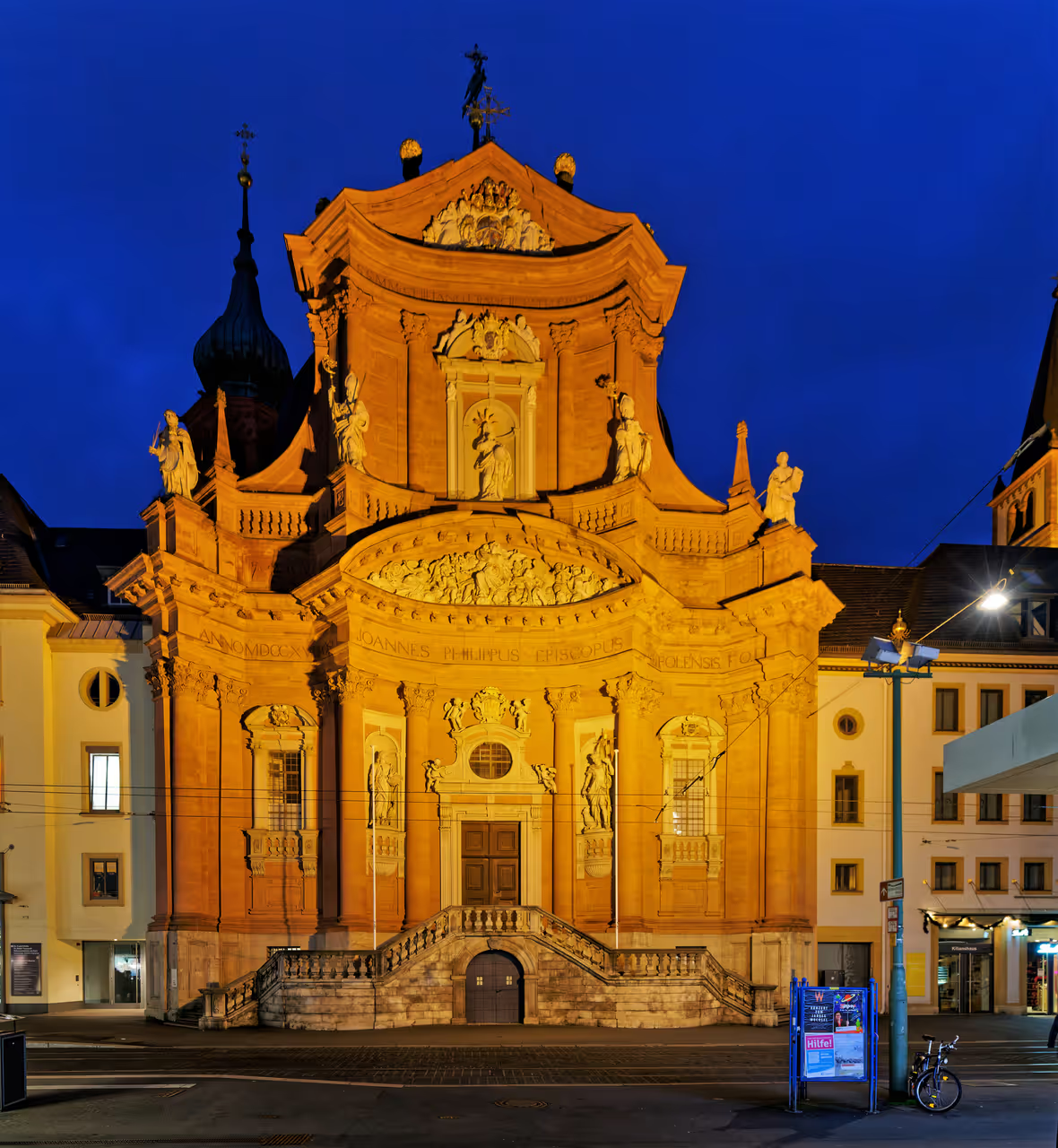
3 Days in Würzburg Itinerary
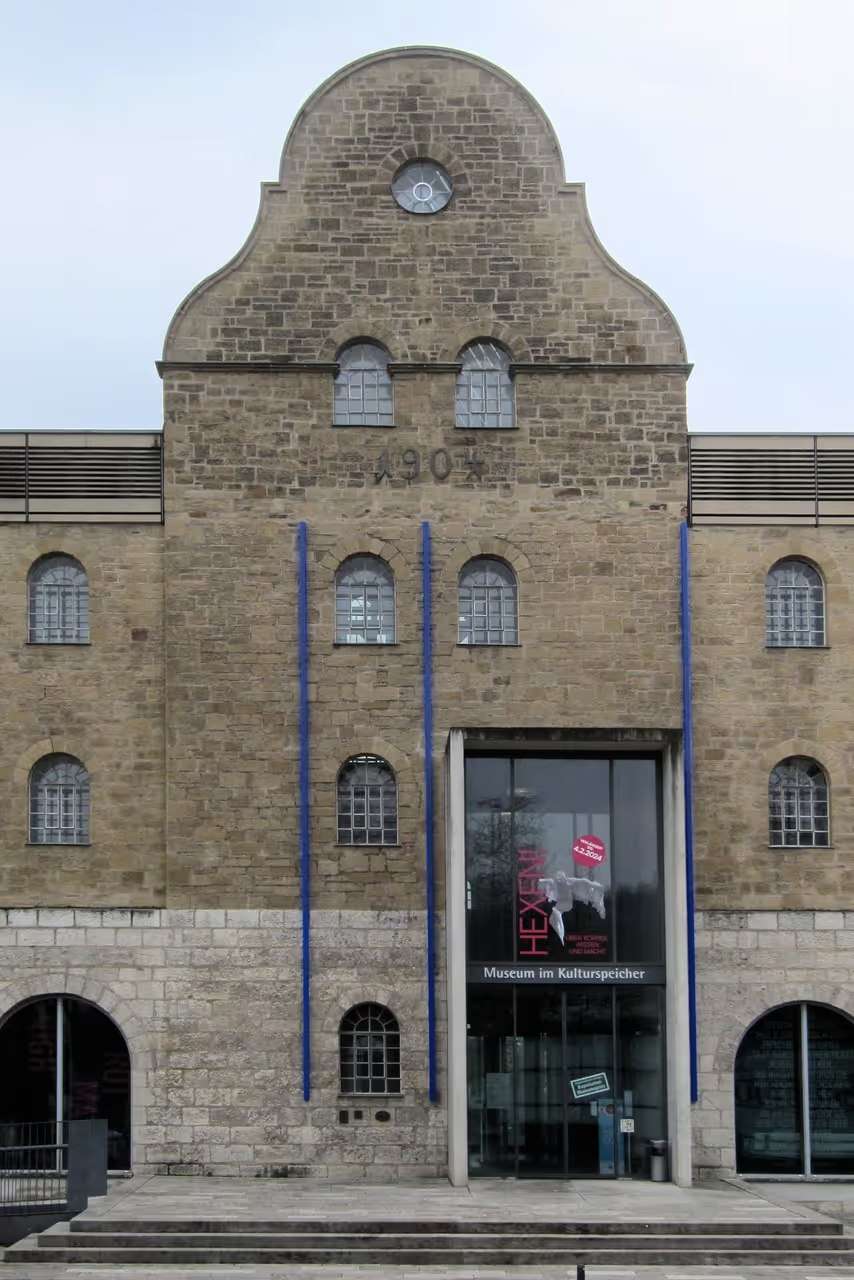
This balanced, comprehensive itinerary allows visitors to fully digest the rich history, stunning architecture, and vibrant wine culture of the region at a very comfortable pace. Over three days, the journey expands beyond the primary monuments to include elegant gardens, important museums, and deeply authentic local culinary institutions. It provides ample time to genuinely appreciate the incredibly intricate details of the Baroque masterpieces without suffering from museum fatigue. The plan thoughtfully mixes rigorous historical exploration with highly relaxing, sensory experiences like exploring ancient, cavernous wine cellars. It is the absolute ideal duration to capture the true, relaxed essence of Franconian life. Visitors will leave with a profound, well rounded appreciation of the city.
view itinerary
5 Days in Würzburg: Deep Dive Itinerary
This extensive, unhurried itinerary is crafted for the deeply curious traveller who wants to uncover every layer of history, art, and nature the municipality has to offer. With five full days, the journey reaches far beyond the central squares, exploring massive hillside pilgrimage churches, quiet botanical parks, and highly specialised museums. It affords the incredible luxury of experiencing the renowned wine culture through multiple, distinct historical cellars without ever rushing the tastings. The generous timeframe allows for deeply immersive, peaceful strolls through the surrounding landscapes and ancient fortifications. It is the ultimate, definitive way to experience the city like a knowledgeable, highly cultured local. The pace ensures complete relaxation alongside profound historical education.
view itinerary
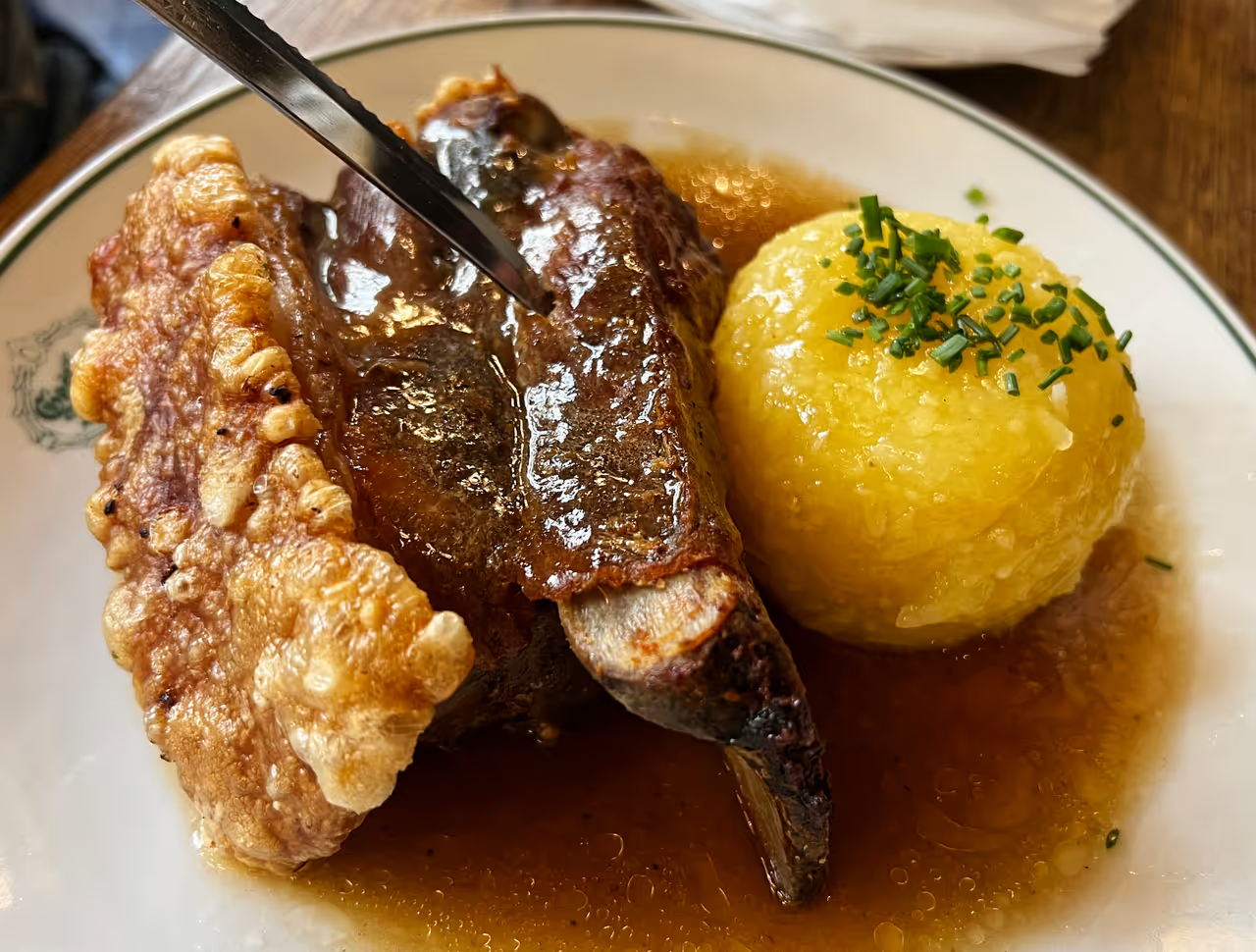
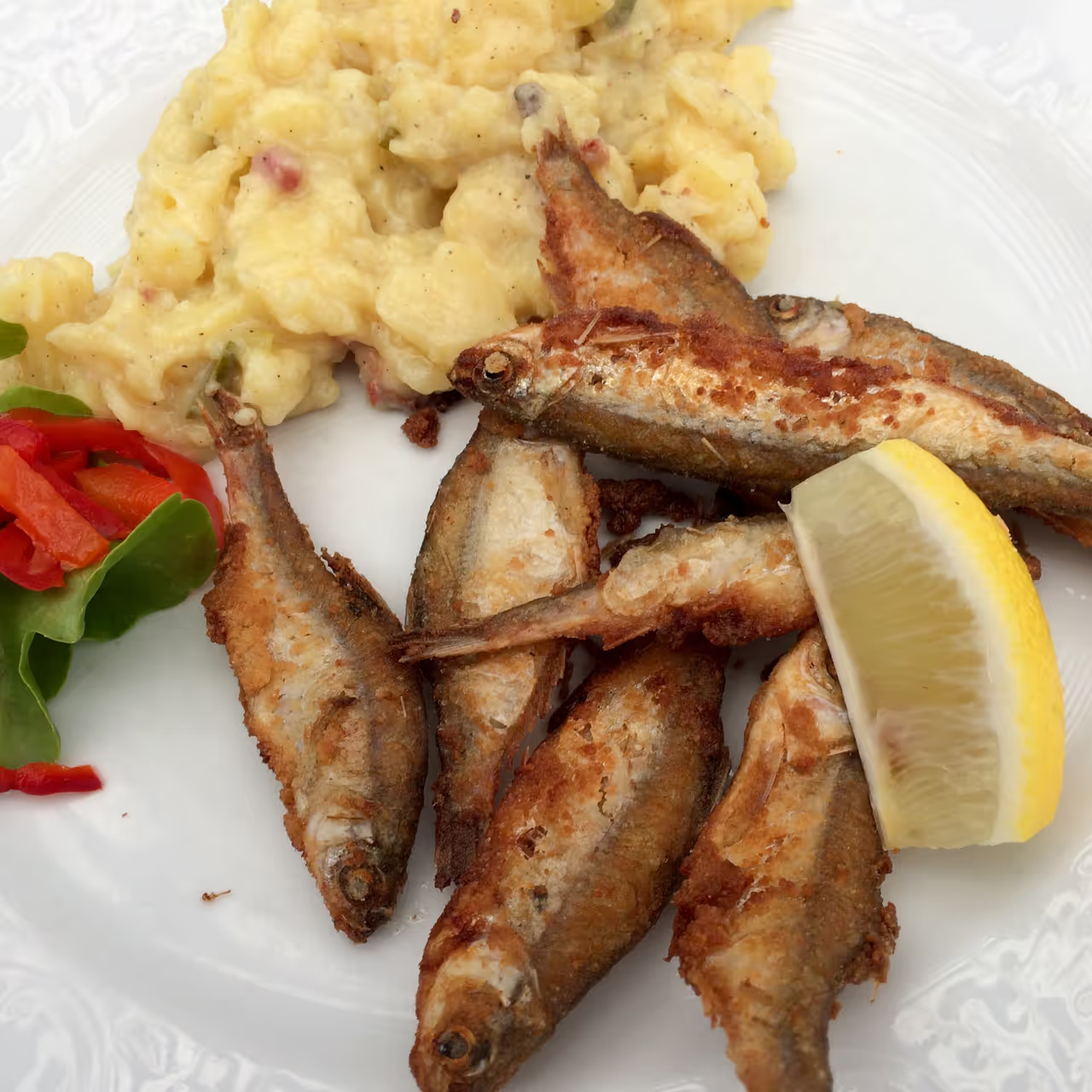
Food in Würzburg

UNESCO World Heritage Sites
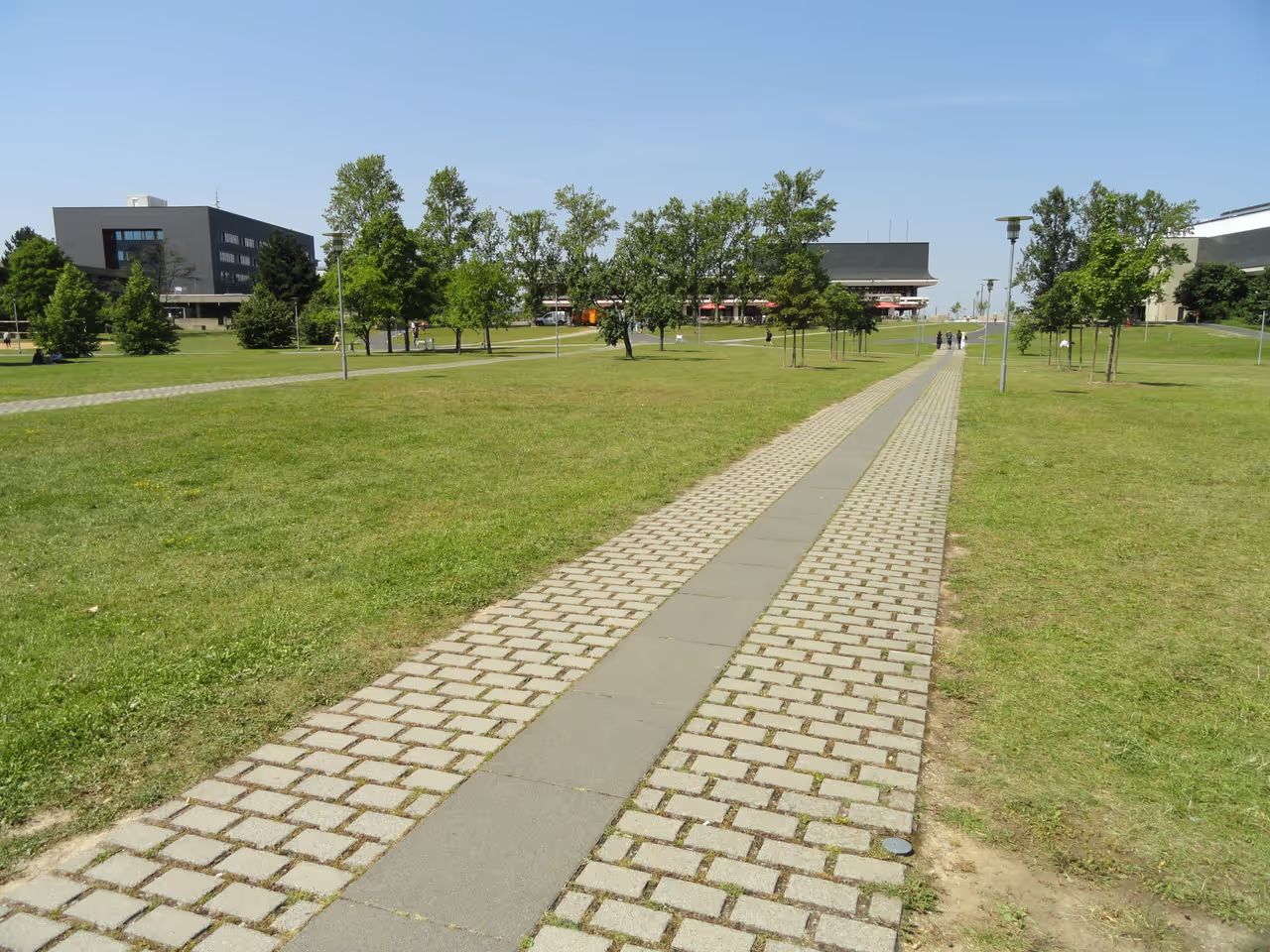
Free Things to do in Würzburg
Parks & Nature
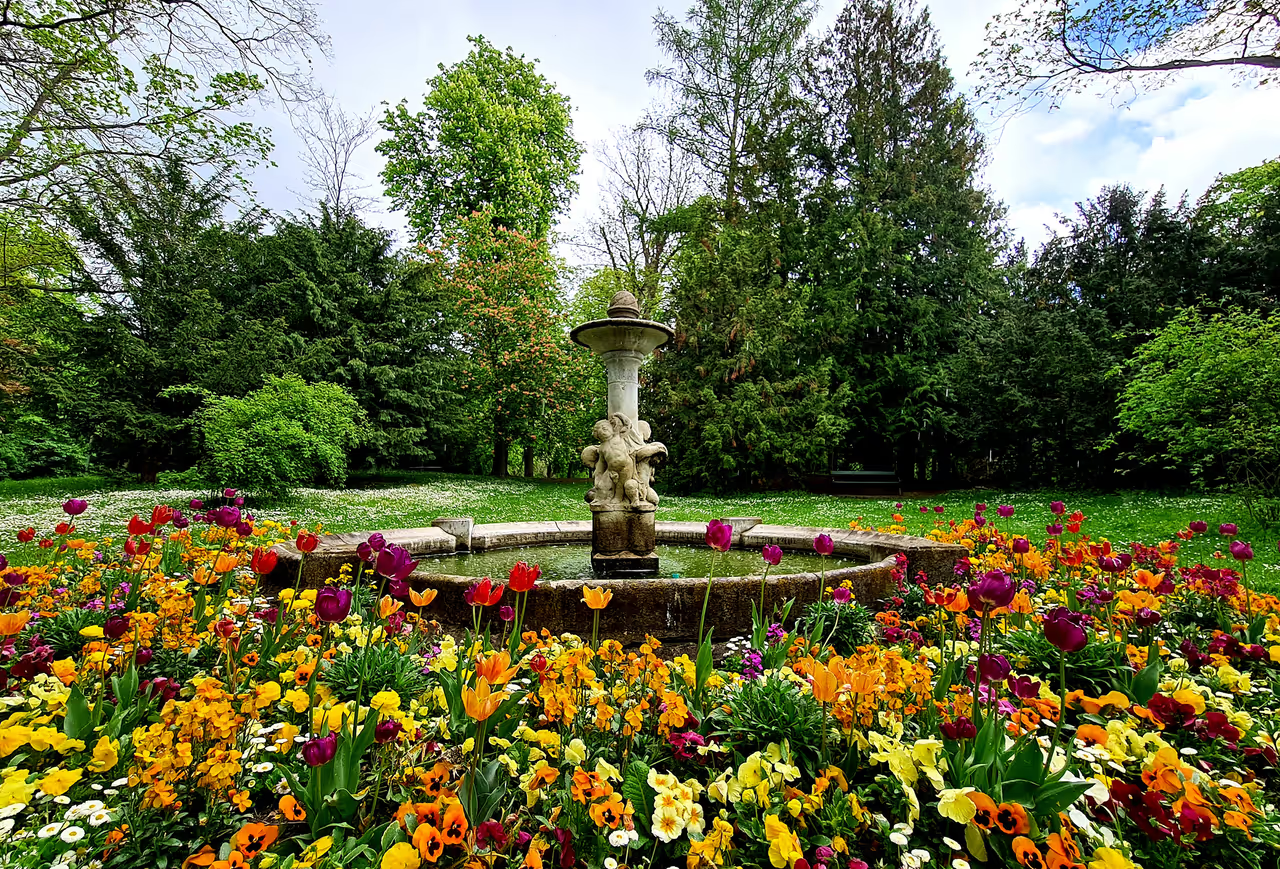
Ringpark
Wrapped like a lush green necklace around the historical old town, the Ringpark is the leafy soul of Würzburg. This semi...
view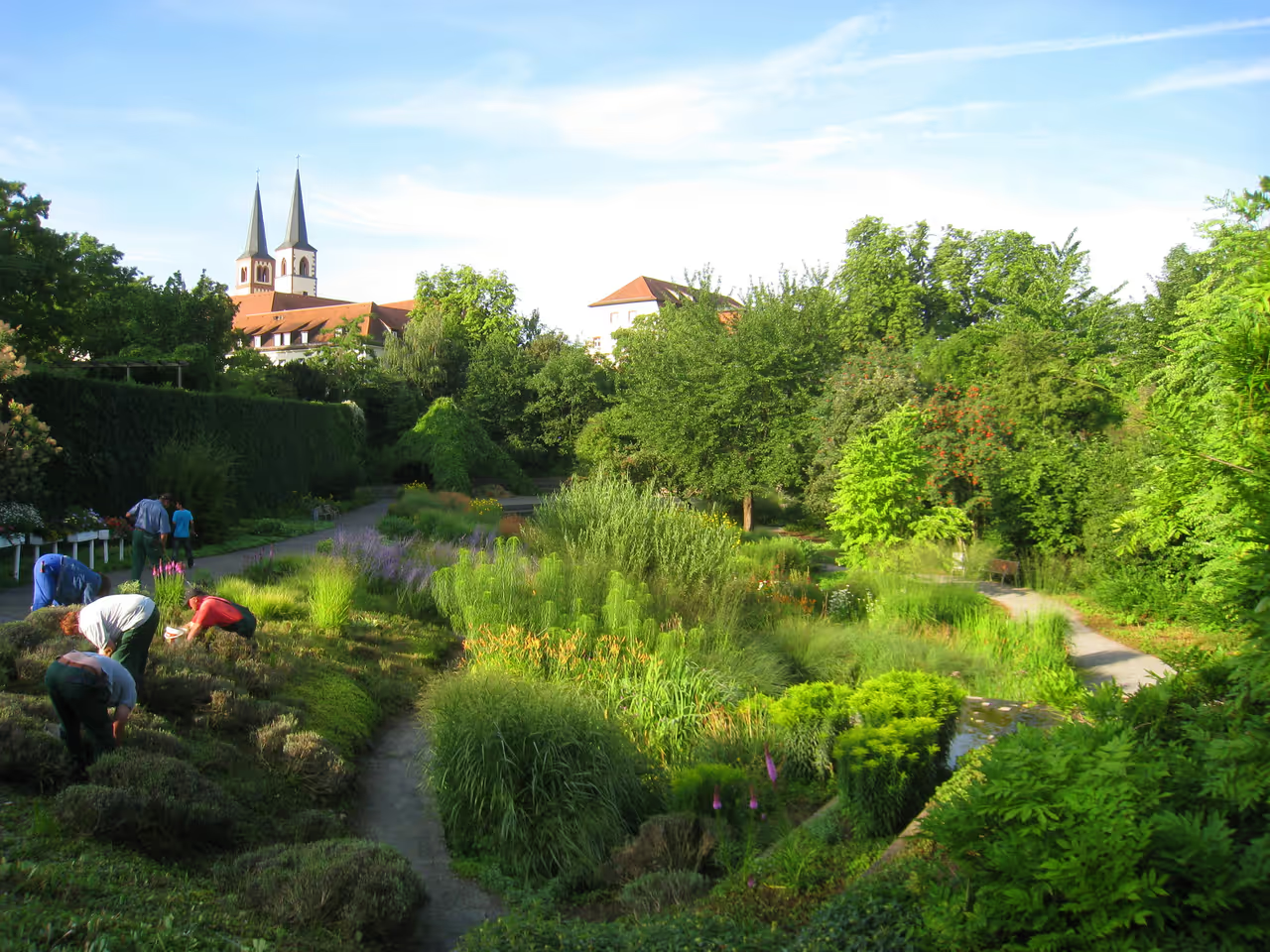
1990 State Garden Show Park
Nestled right beneath the imposing Marienberg Fortress, this park is a lush green link between the river Main and the historic...
view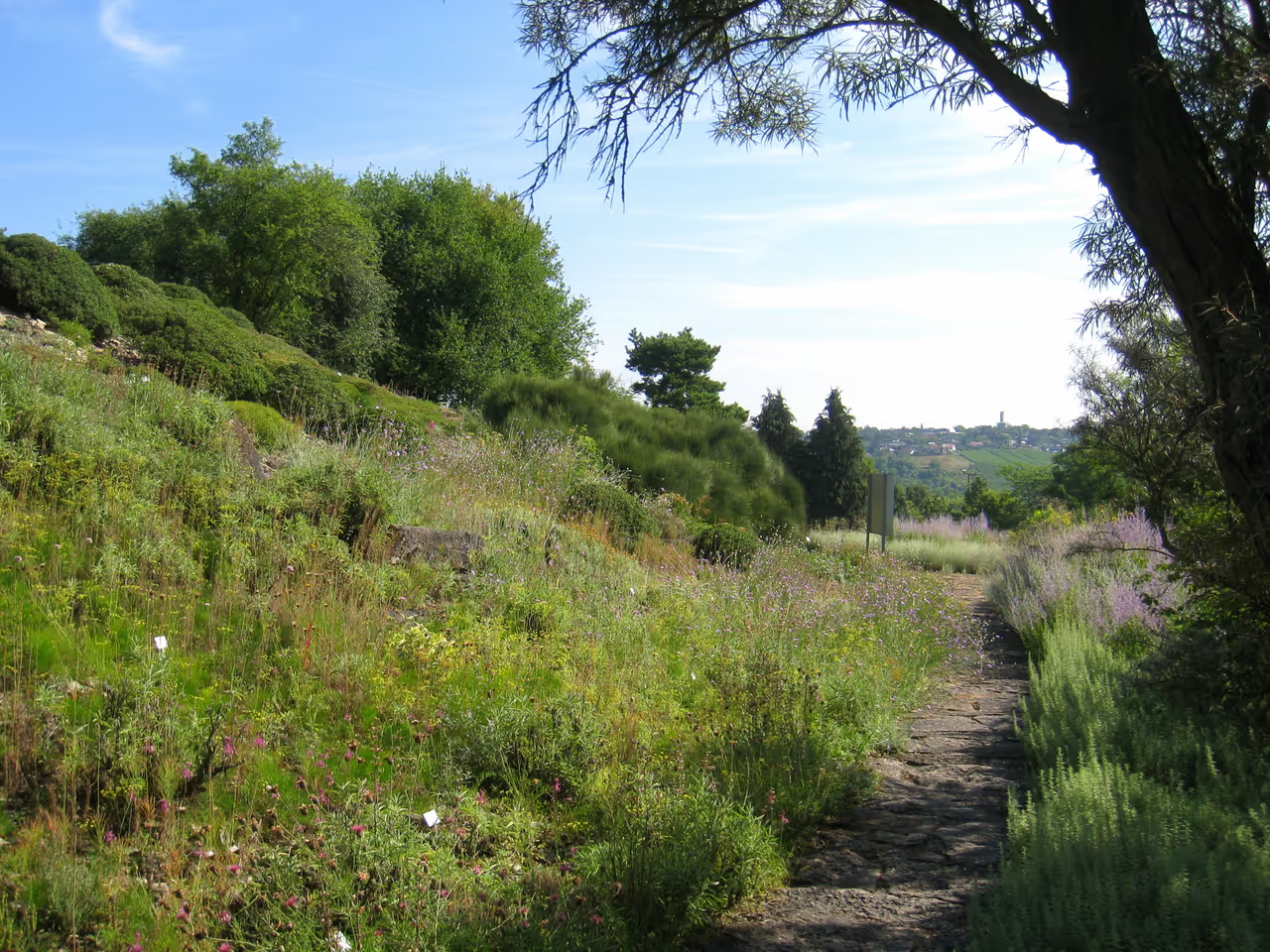
Würzburg University Botanical Garden
Stepping into the Würzburg University Botanical Garden is like embarking on a botanical world tour across nine hectares of...
view
Highlights & Must-Sees
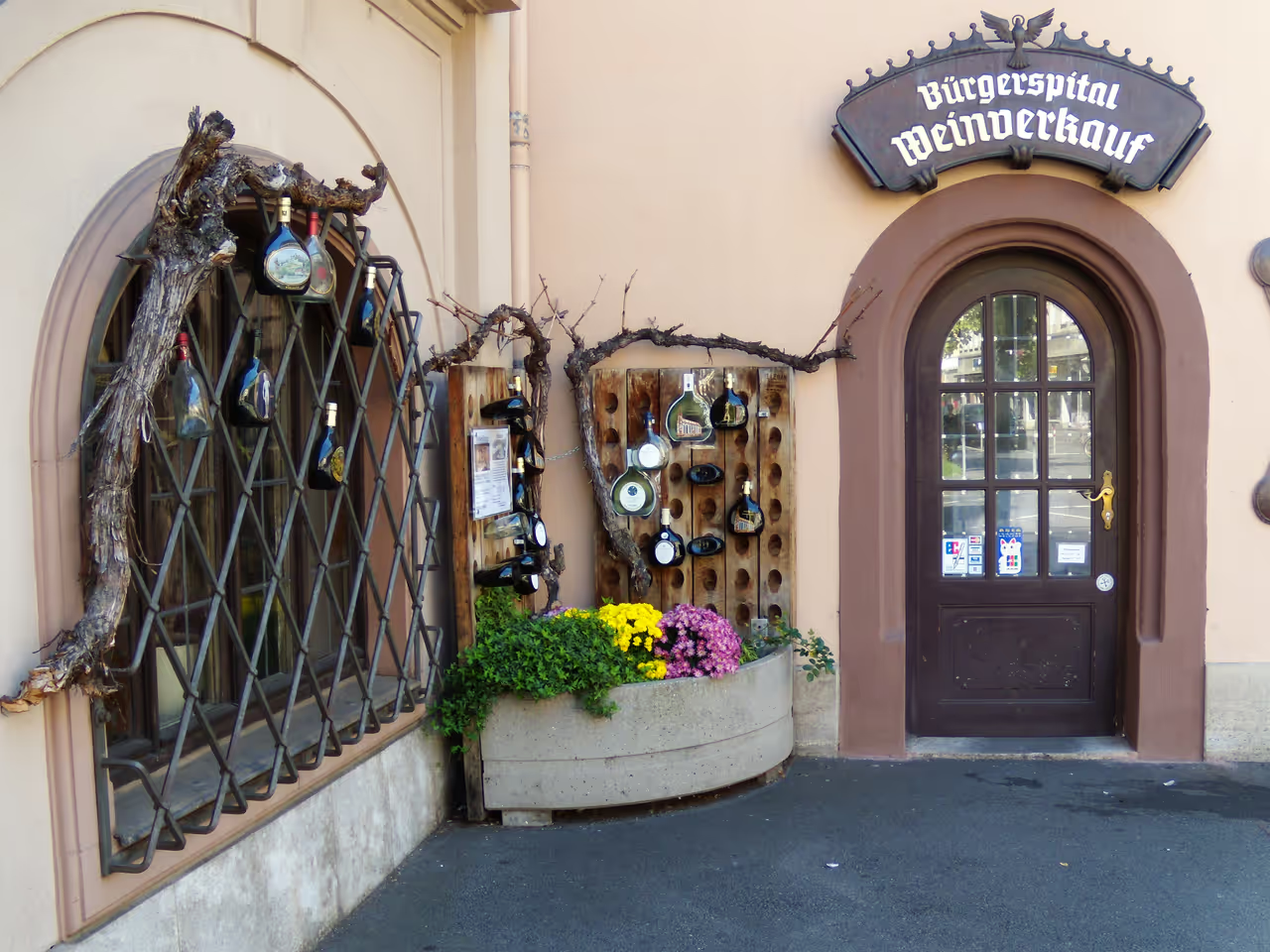
Bürgerspital Wine Estate
Founded in the fourteenth century as a charitable home for those in need, this massive estate remains one of the premier wine...
viewMuseum for Franconia
Housed within the formidable walls of the Marienberg Fortress, this expansive museum safeguards the artistic and cultural...
viewState Court Cellar
Buried deep beneath the resplendent Würzburg Residence lies one of the most breathtaking and historic wine cellars in the world...
view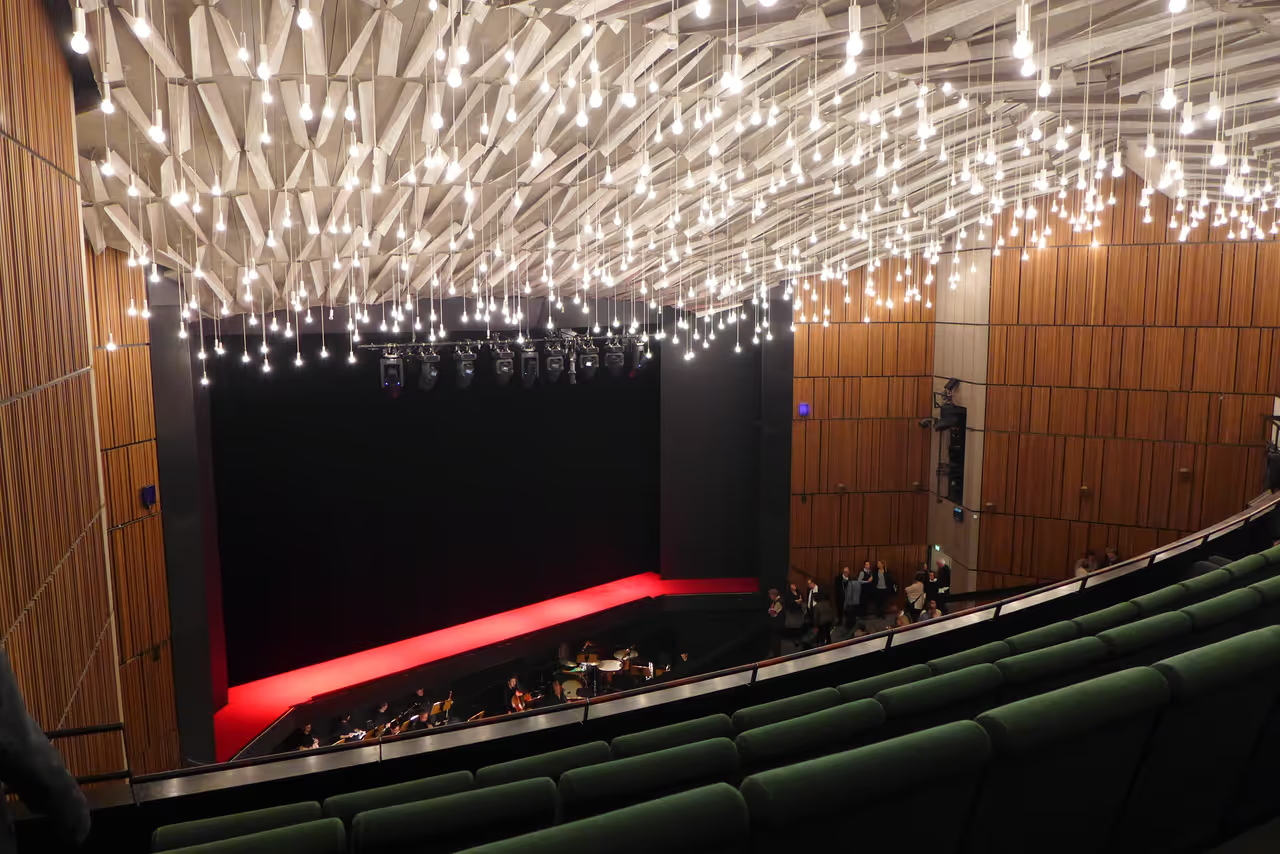
Mainfranken Theater
This cultural institution is the artistic heartbeat of the city, offering a rich and diverse programme of performing arts. The...
view
Best Walks in Würzburg
 HIGHLY RECOMMENDED
Ringpark Nature Walk
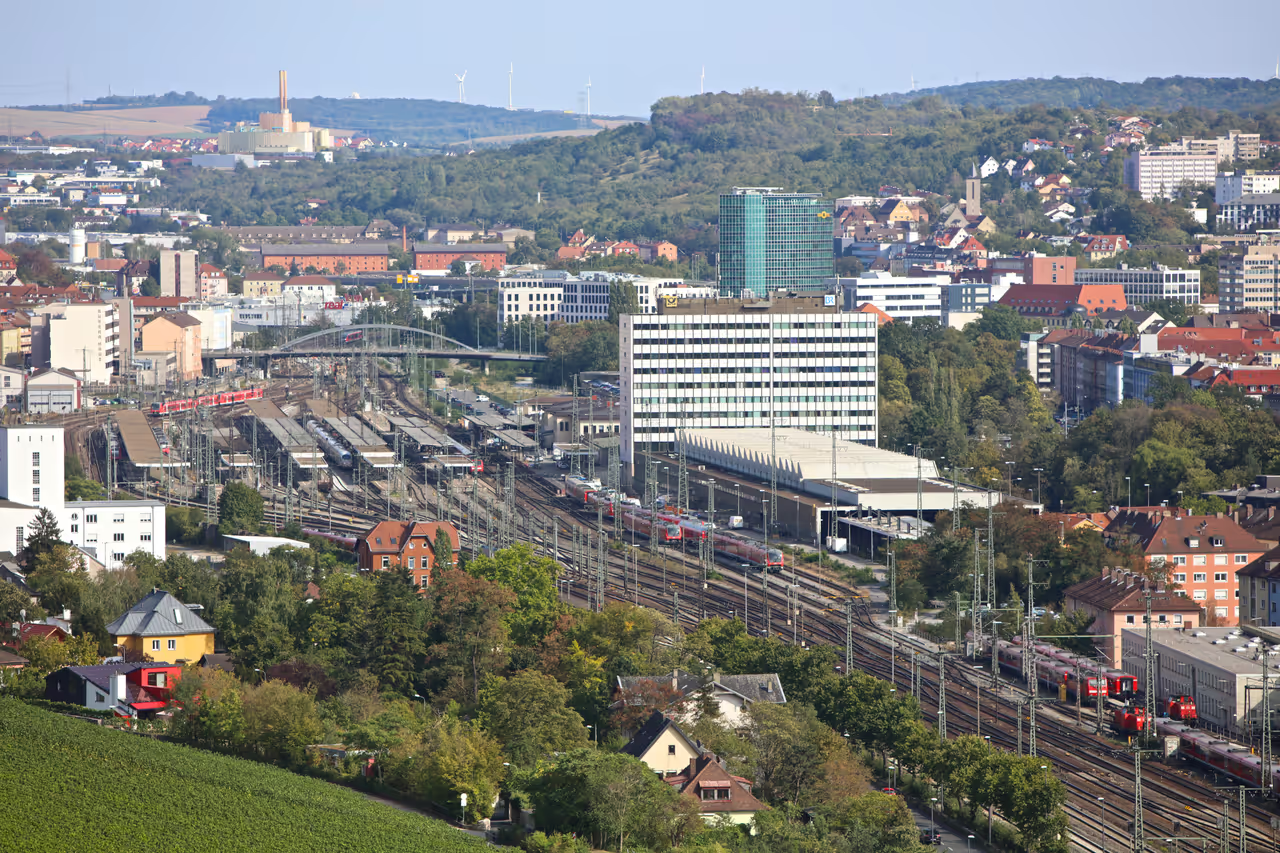
This magnificent green belt wraps around the historic old town like a lush, protective embrace. Created on the site of former defensive fortifications, the park now offers miles of winding, shaded pathways. It features a spectacular array of exotic and native trees, each carefully labelled for curious botanists. The gentle curves of the path reveal hidden monuments, classical fountains, and quiet reading nooks. It provides an essential, incredibly peaceful escape for both weary tourists and studying locals.
 HIGHLY RECOMMENDED
Old Town River Promenade
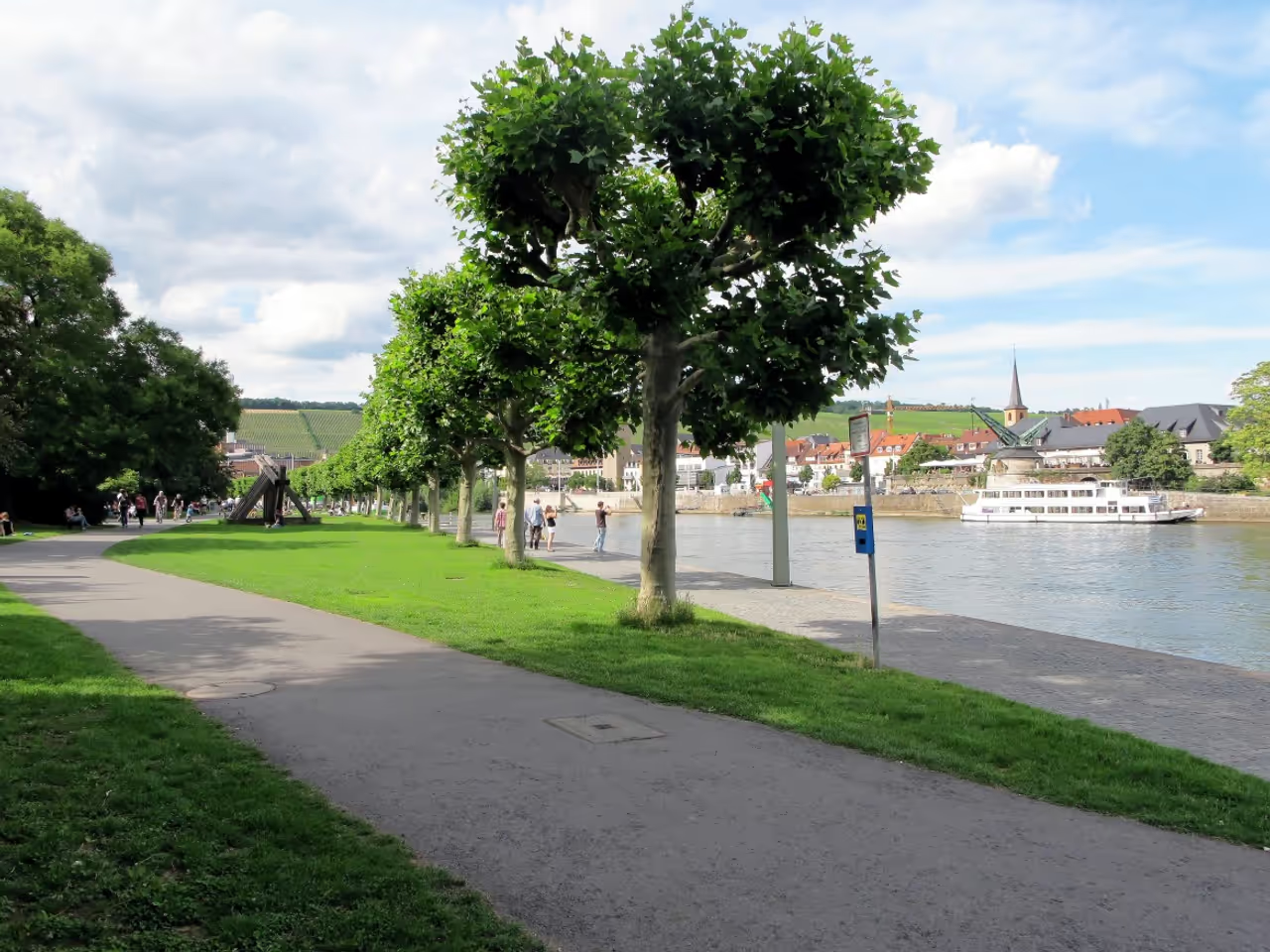
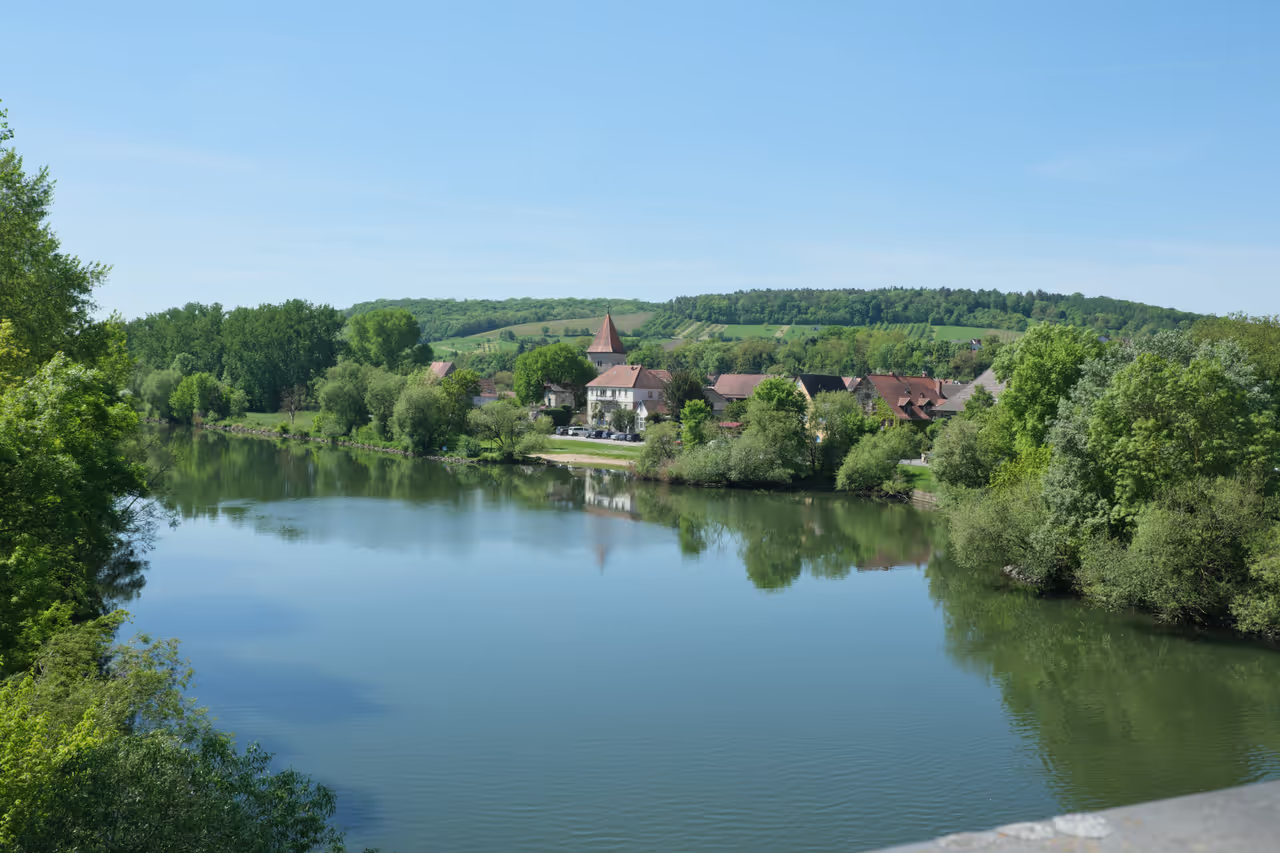
Following the gentle curve of the river, this flat and exceptionally well paved walkway is the main artery of local leisure. It offers magnificent, unobstructed views of the fortress towering on the opposite bank while keeping you close to the historic city centre. The promenade is flanked by mature trees and features numerous inviting benches perfect for people watching. Swans and small boats glide peacefully over the water, creating a highly dynamic yet relaxing visual scene. It is the perfect place to feel the true, unhurried pulse of the city.
Stein Wine Path Stroll
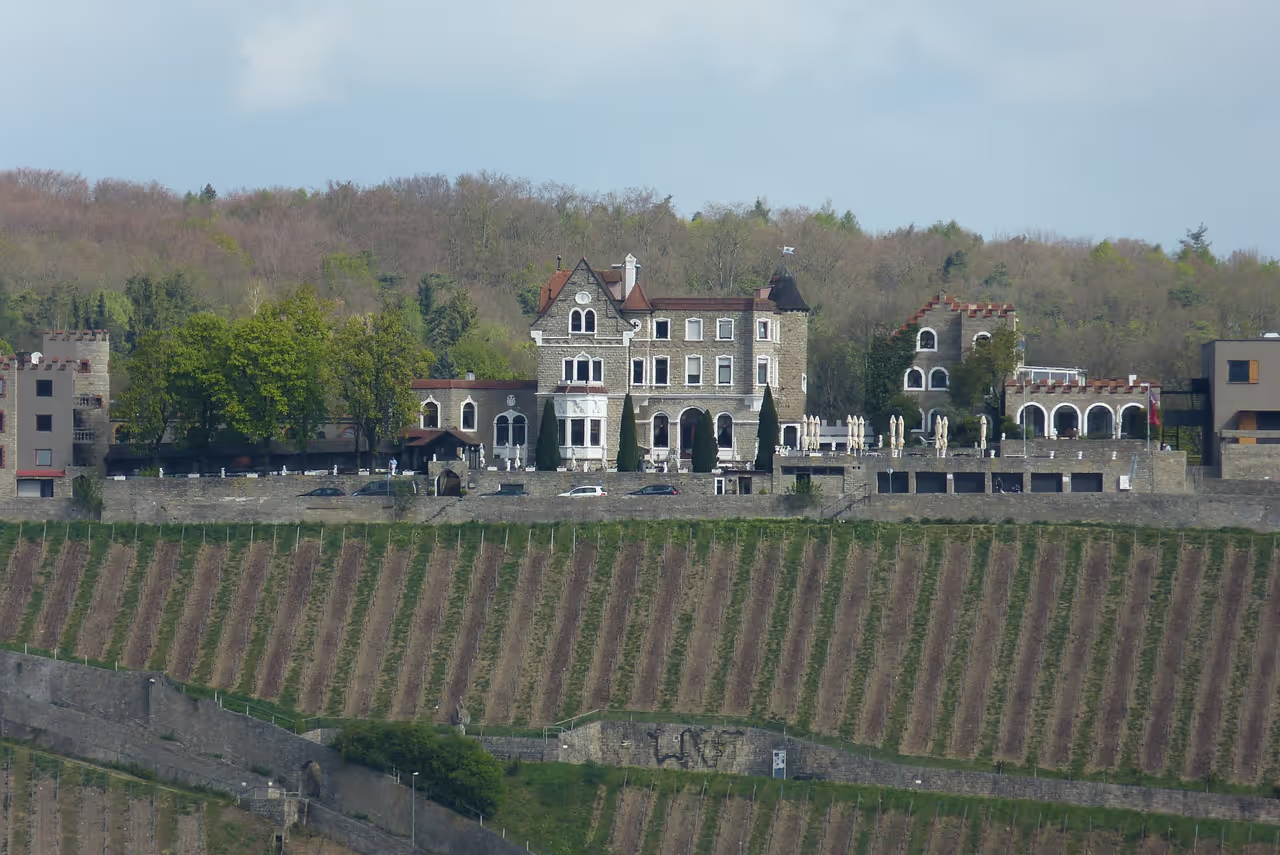
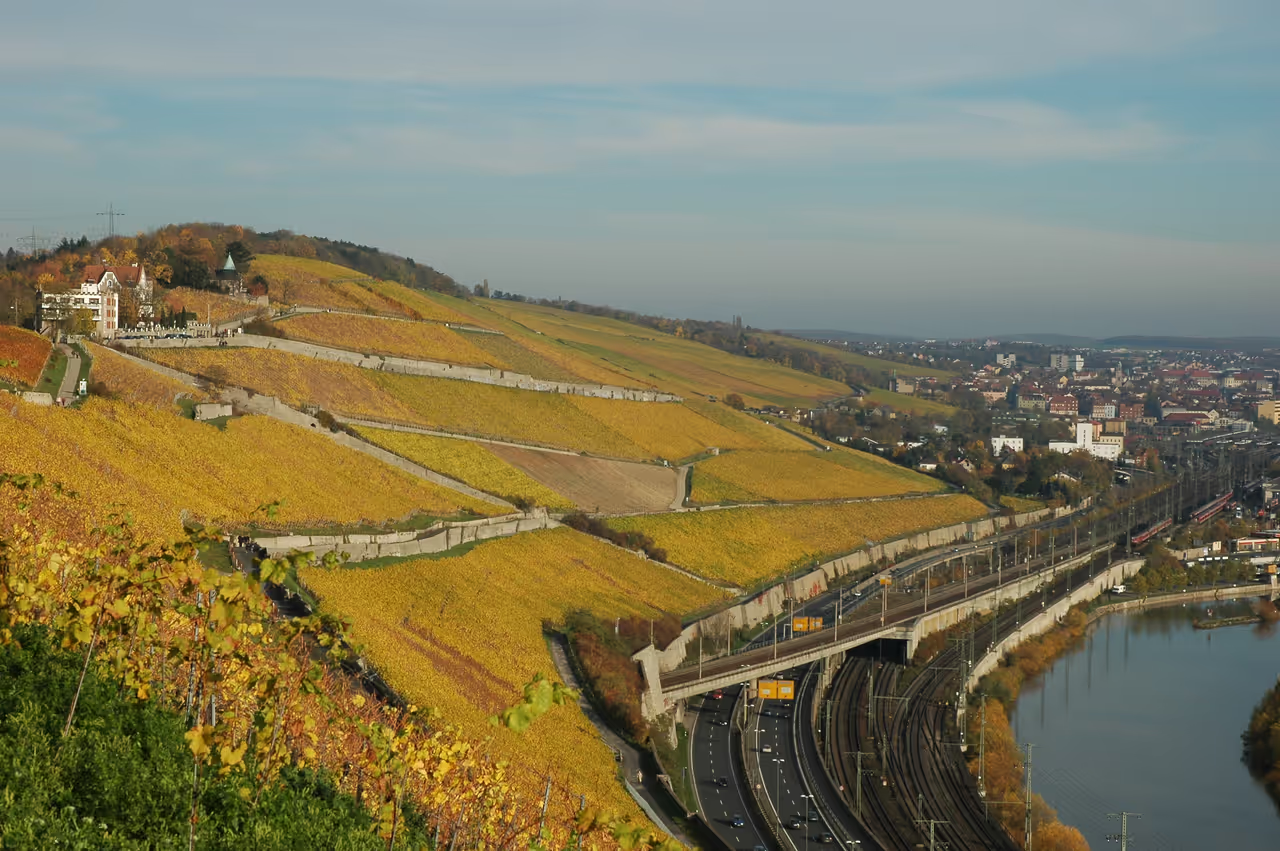
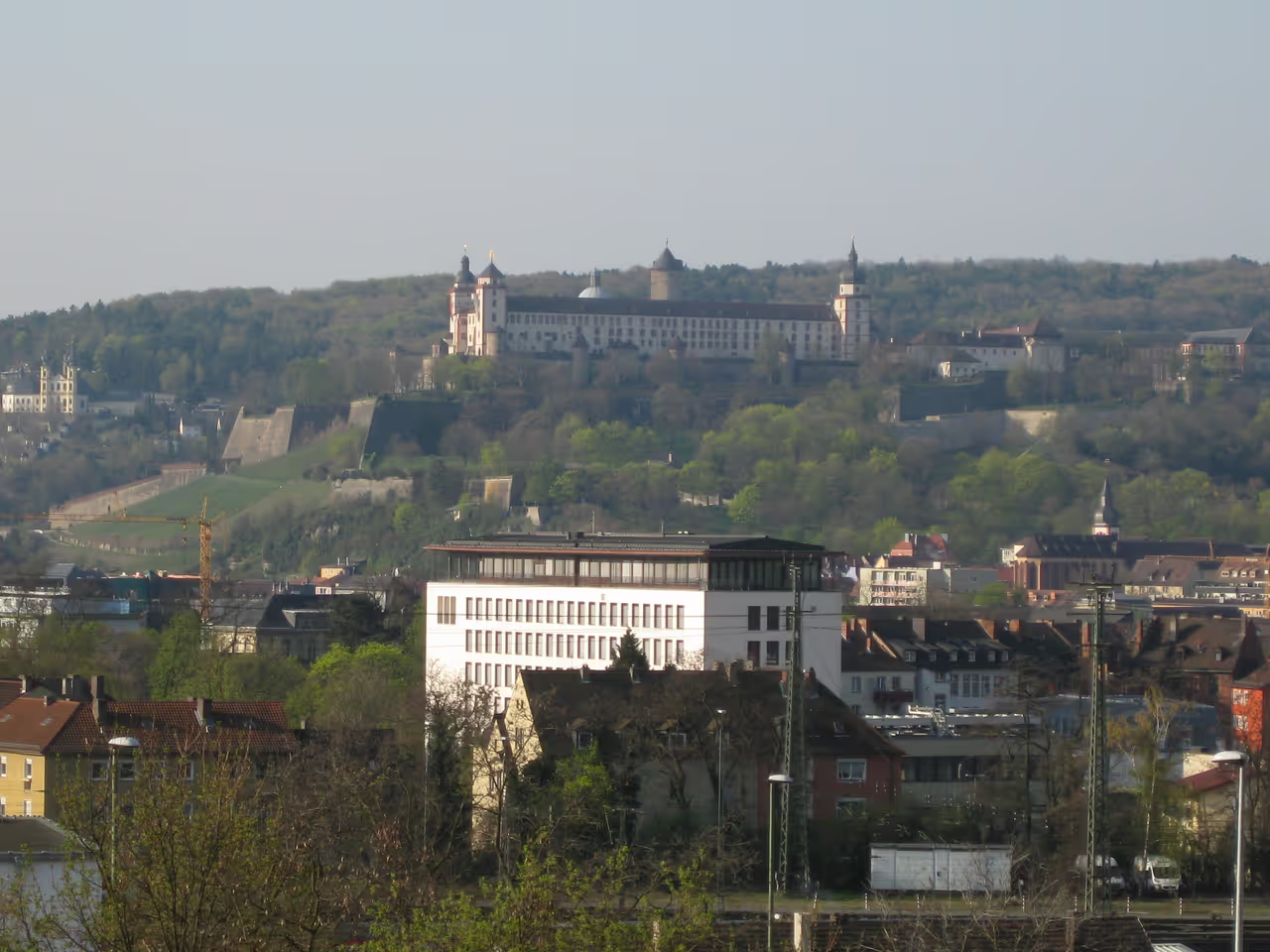
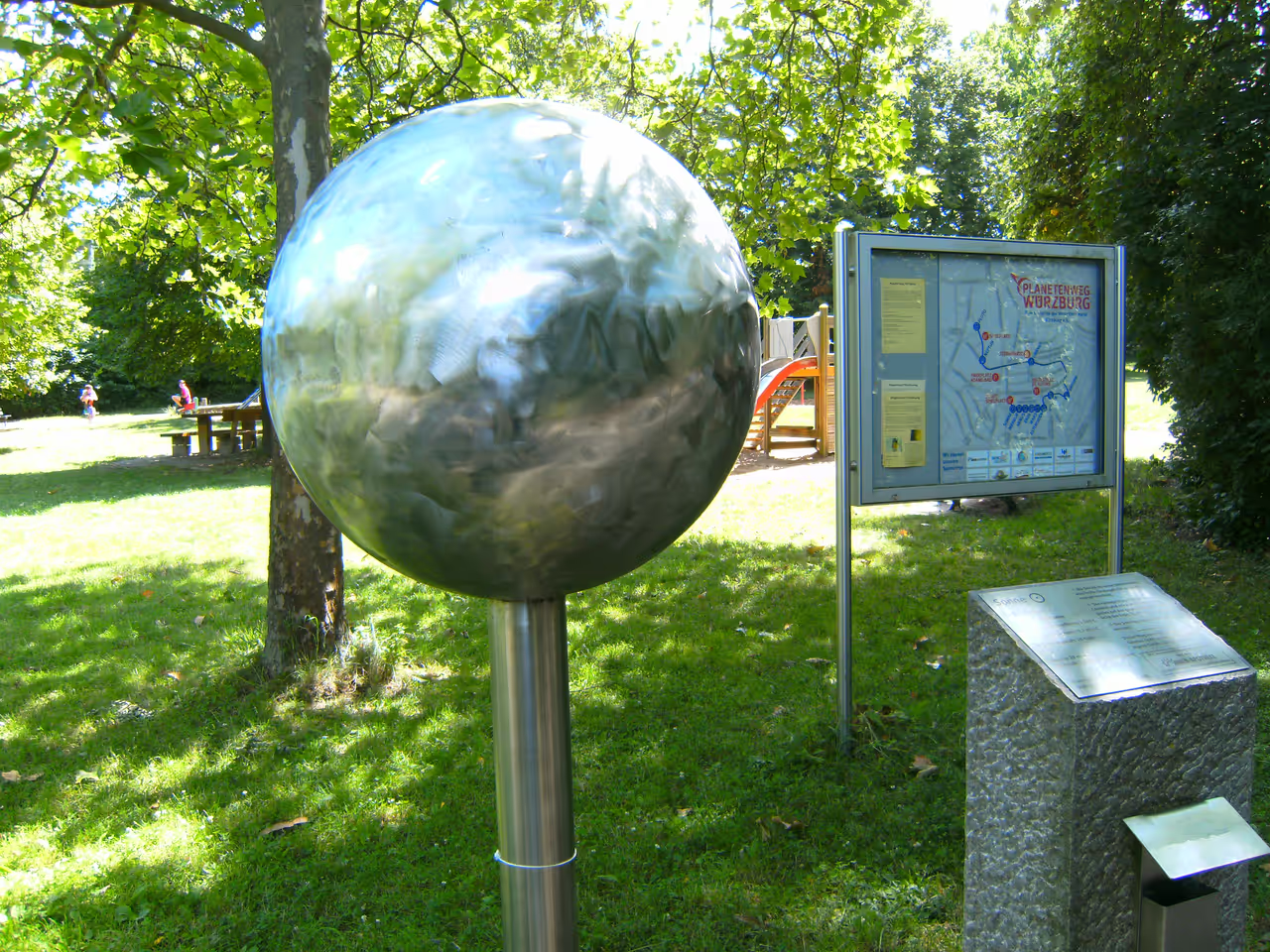
This elevated walking route cuts directly through the heart of the most famous vineyard in the entire region. The path challenges walkers with some steep inclines but rewards every effort with spectacular, sweeping panoramas. Informational boards dot the trail, offering fascinating insights into the unique limestone terroir and ancient wine making traditions. The air up here feels cleaner and warmer, radiating off the sun baked stones that line the terraces. It is an intensely romantic and educational journey through the agricultural soul of Franconia.
Architecture & Landmarks
Falkenhaus Facade
The exterior of this prominent market square building boasts the most exuberant and elaborate Rococo stucco work in the entire...
viewKäppele
Perched dramatically on a wooded hillside, this highly picturesque pilgrimage church is a masterclass in playful Late Baroque...
viewResidence Staircase
This breathtaking architectural feature represents the absolute pinnacle of European Baroque spatial design. Masterminded by the...
view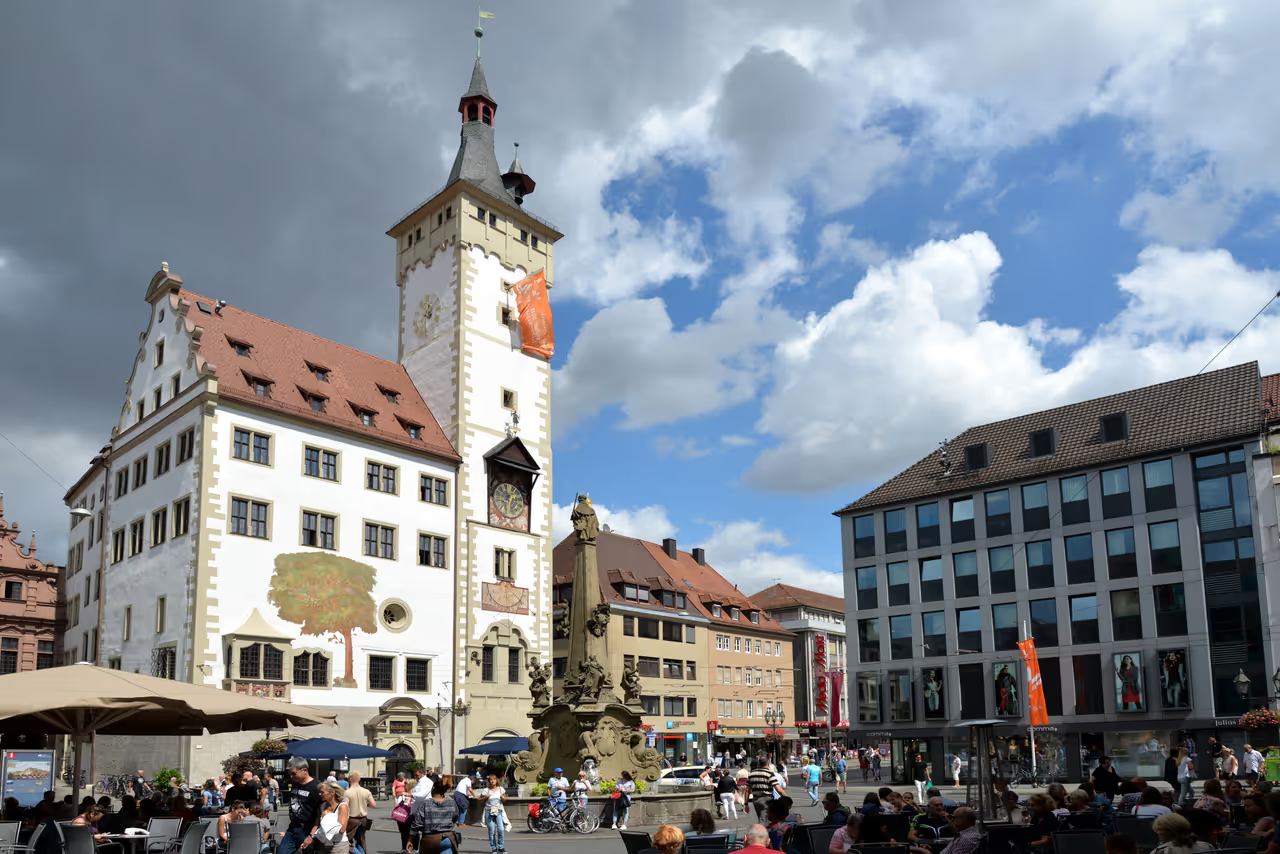
Historical Town Hall
This deeply fascinating structure is a remarkable architectural collage, bearing the physical marks of numerous centuries of...
view
Markets & Shopping
Würzburg Nightlife
Photo Spots
Activities & Experiences
Cycling Routes
 HIGHLY RECOMMENDED
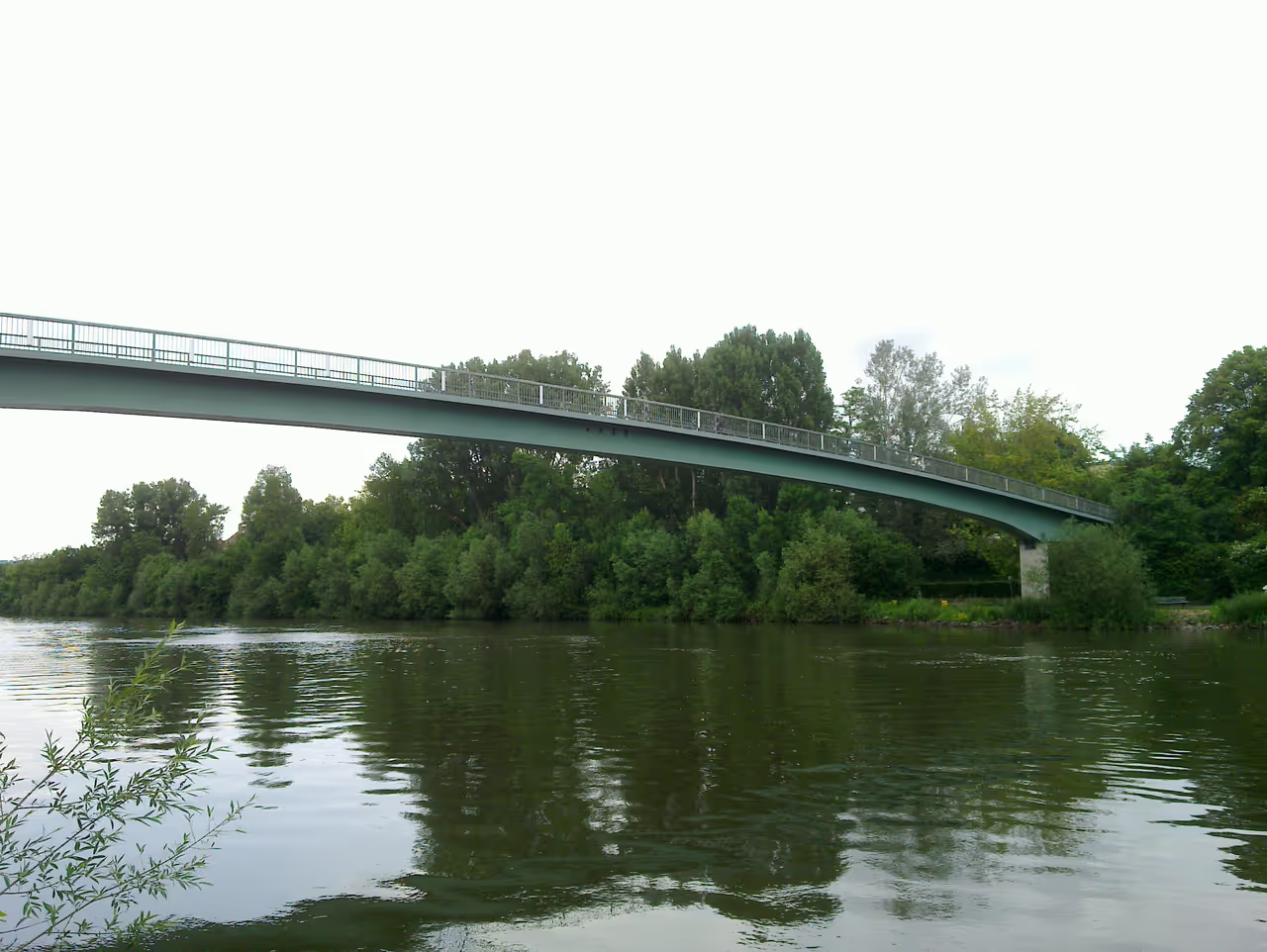
Main River Cycle Route
This effortless journey follows the gentle curves of the river, providing an uninterrupted flow of scenic beauty. The flat, impeccably maintained paths ensure a comfortable ride that requires minimal physical exertion. Cyclists are treated to constant views of the water, passing by small boat locks and lush green riverbanks. It perfectly highlights the harmonious relationship between the city and the natural waterway that sustains it. This ride offers a profound sense of tranquillity while keeping the majestic cityscape in constant view.
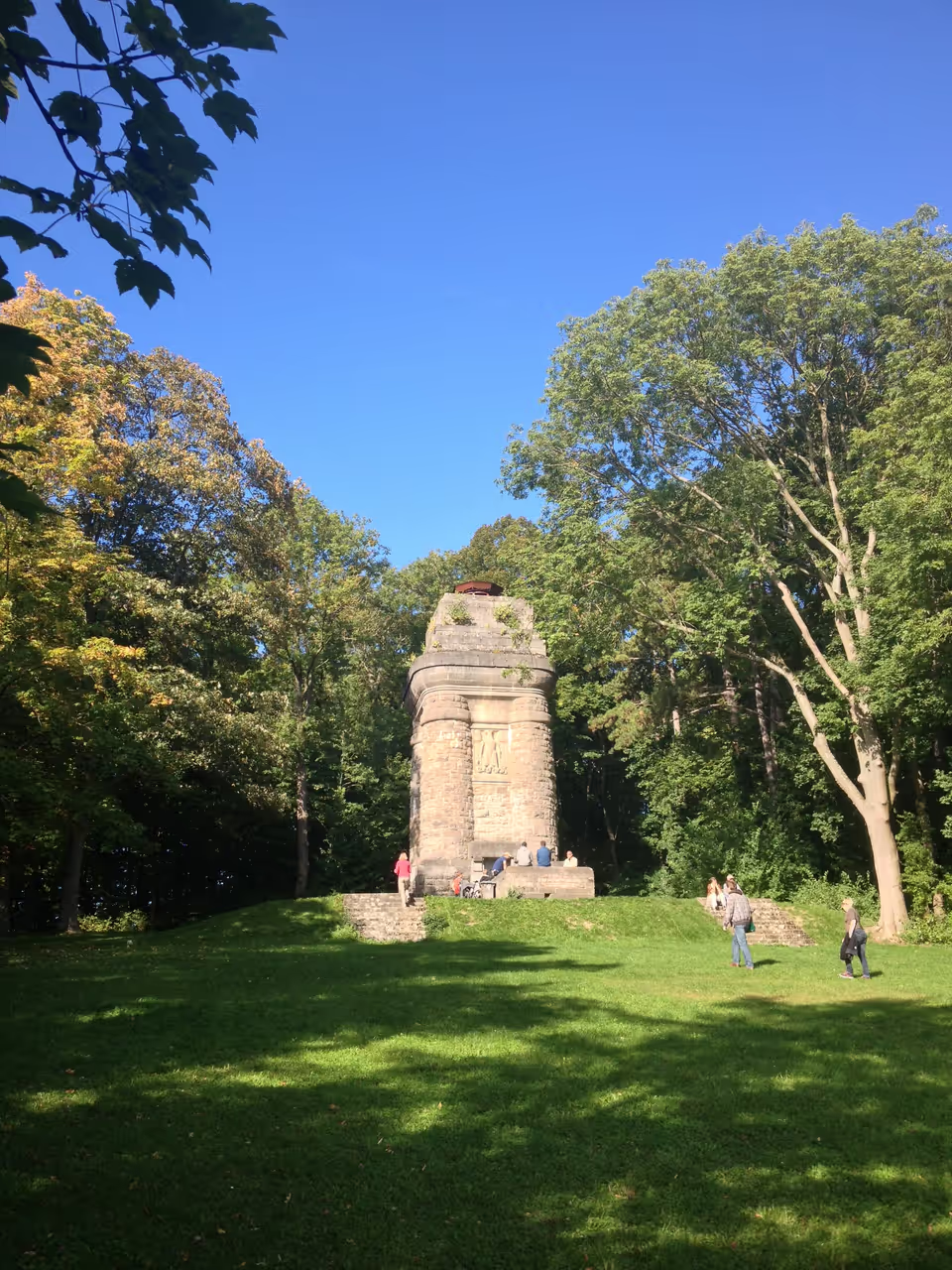
Vineyard Panorama Ride
This engaging ride takes cyclists out of the flat valley and onto the elevated, sun soaked slopes surrounding the city. The winding paths cut directly through ancient, meticulously maintained grapevines offering an immersive agricultural experience. Riders are consistently rewarded with stunning, elevated viewpoints overlooking the entire sprawling municipality. The changing light playing across the limestone soil and green leaves creates a visually intoxicating environment. It perfectly captures the profound essence of the Franconian wine making heritage.
Würzburg Forest Trail
Escaping the urban environment, this ride plunges into the cool, shaded tranquillity of the nearby protected woodlands. The dense canopy of mature trees provides wonderful relief on hot summer days, filtering the sunlight into dappled patterns. The paths are generally unpaved but well maintained, offering a slightly more rugged, adventurous feel. It is a fantastic opportunity to breathe in crisp, pine scented air and listen to the sounds of local wildlife. This route reveals the surprising proximity of wild, untouched nature to the historic city centre.
Self-Guided Tours
Baroque Brilliance
This tour immerses walkers in the flamboyant, highly decorative architectural style that defined the city's rebirth in the seventeenth and eighteenth centuries. It showcases the masterful work of legendary architects like Balthasar Neumann who transformed the cityscape into a theatrical display of curves and stucco. The route reveals how the Baroque aesthetic permeated everything from grand civic hospitals to intimate pilgrimage chapels. It is a visual feast of ornate facades, playful sculptures, and dramatic, sweeping interiors. The journey highlights the absolute pinnacle of southern German artistry.
- HIGHLY RECOMMENDED
Prince Bishops Legacy
This route traces the immense architectural and political footprint left by the powerful religious rulers who shaped the city for centuries. Walkers will journey between the colossal defensive structures they built to protect themselves and the opulent palaces they constructed to flaunt their wealth. The tour highlights the dramatic shift from medieval military austerity to breathtaking Baroque extravagance. It paints a vivid picture of absolute power, immense wealth, and deep religious devotion. By connecting these monumental landmarks, the narrative of the city's golden age comes sharply into focus.
- HIGHLY RECOMMENDED
Franconian Wine Culture Trail
This highly enjoyable route dives deep into the liquid soul of the city, exploring the institutions that have perfected local viticulture. Walkers will discover the three massive, historic wine estates that dominate the cultural and economic life of the region. The journey reveals the fascinating charitable history behind these wineries, which have funded hospitals and care homes for centuries. It highlights the deep connection between the limestone soil, the local traditions, and the iconic Bocksbeutel bottle. It is a wonderfully relaxed, sensory exploration of regional identity.
Annual Festivals & Events
 HIGHLY RECOMMENDED
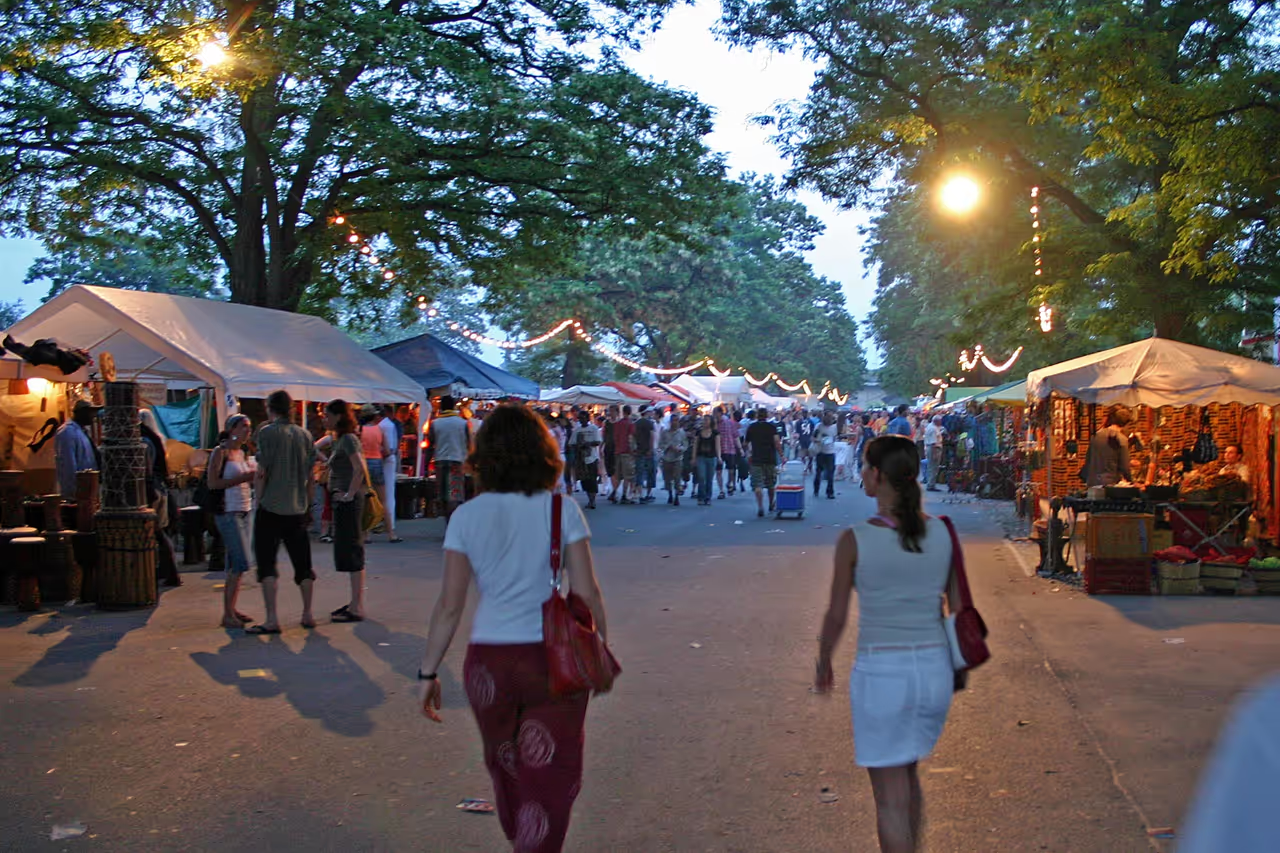
Africa Festival
This vibrant gathering is celebrated as the largest festival of African music and culture in Europe. It transforms the riverside meadows into a colourful hub of international sounds, exotic aromas, and lively dancing. Visitors can browse extensive bazaar tents featuring traditional crafts, textiles, and art from across the African continent. The event attracts renowned musicians and enthusiastic crowds, creating an incredibly joyful and inclusive atmosphere. It is a fantastic opportunity to experience global culture right in the heart of Franconia. The energetic vibe makes it an absolute highlight of the early summer calendar.
 HIGHLY RECOMMENDED
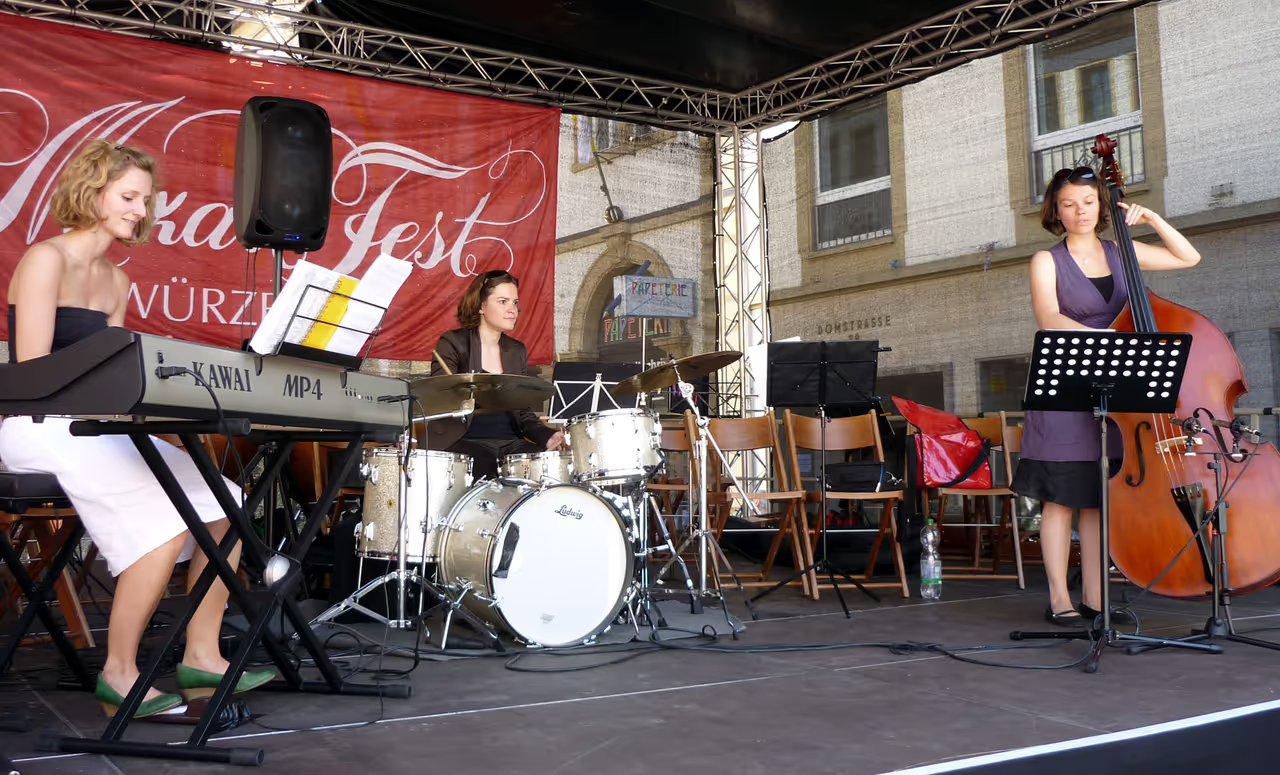
Mozart Festival
Renowned as the oldest festival dedicated to Wolfgang Amadeus Mozart in Germany, this event offers a month of exquisite classical music. The performances take place in breathtaking historical venues, most notably the opulent halls and illuminated gardens of the Residence. Top tier international orchestras and soloists gather to perform symphonies, chamber music, and vocal pieces. The combination of genius compositions and Baroque architecture provides a truly transcendent auditory and visual experience. It draws classical music aficionados from around the globe who appreciate the highest standards of performance. The magical evening concerts under the stars are particularly unforgettable.
- HIGHLY RECOMMENDED
Würzburg Wine Village
Celebrating the deep rooted viticultural heritage of the region, this festival sees the central market square transformed into a charming village of wooden wine stalls. Dozens of local estates present their finest vintages, offering over a hundred different wines to eager tasting crowds. The focus is heavily on the crisp, mineral rich white wines that have made Franconia famous. Culinary booths provide perfect regional pairings like roasted sausages, pretzels, and local cheese specialities. The convivial atmosphere encourages strangers to share tables and toast to good health and great weather. It is the quintessential Franconian social experience.
Insider Tips
Purchase a Bayern Ticket if arriving from Munich or Nuremberg to cover your regional train journey and all local public transport for the entire day.
Ask for a Brückenschoppen at the Old Main Bridge to partake in the beloved local tradition of sipping wine outdoors while enjoying the view.
Always carry some cash as many traditional wine taverns and smaller market stalls do not accept credit cards.
Look out for the traditional Bäck taverns where you are explicitly allowed to bring and eat your own food as long as you buy their wine.
When ordering a bratwurst at the market square, order like a local by simply saying eine mit for mustard or eine ohne to skip it.
Utilise the seasonal bus route 9 during the warmer months for a direct and effortless connection from the Residence up the steep hill to the fortress.
PERFECT FOR
This destination is perfect for cultural enthusiasts, history buffs, and wine lovers seeking an authentic taste of Franconia. It appeals strongly to travellers who appreciate stunning architecture but prefer a more relaxed pace than larger metropolitan hubs. Couples looking for romantic riverside strolls and foodies eager to explore deep culinary traditions will find themselves right at home here.
VIBE
The atmosphere blends aristocratic elegance with youthful exuberance. Historic alleyways echo with the chatter of students heading to lectures, while mature travellers savour crisp white wines along the sunny riverbanks. It feels simultaneously grand and intimately welcoming.
Frequently Asked Questions about Würzburg
While we strive to keep this information accurate and up to date, we recommend verifying any details independently before making decisions based on them.