Ringpark
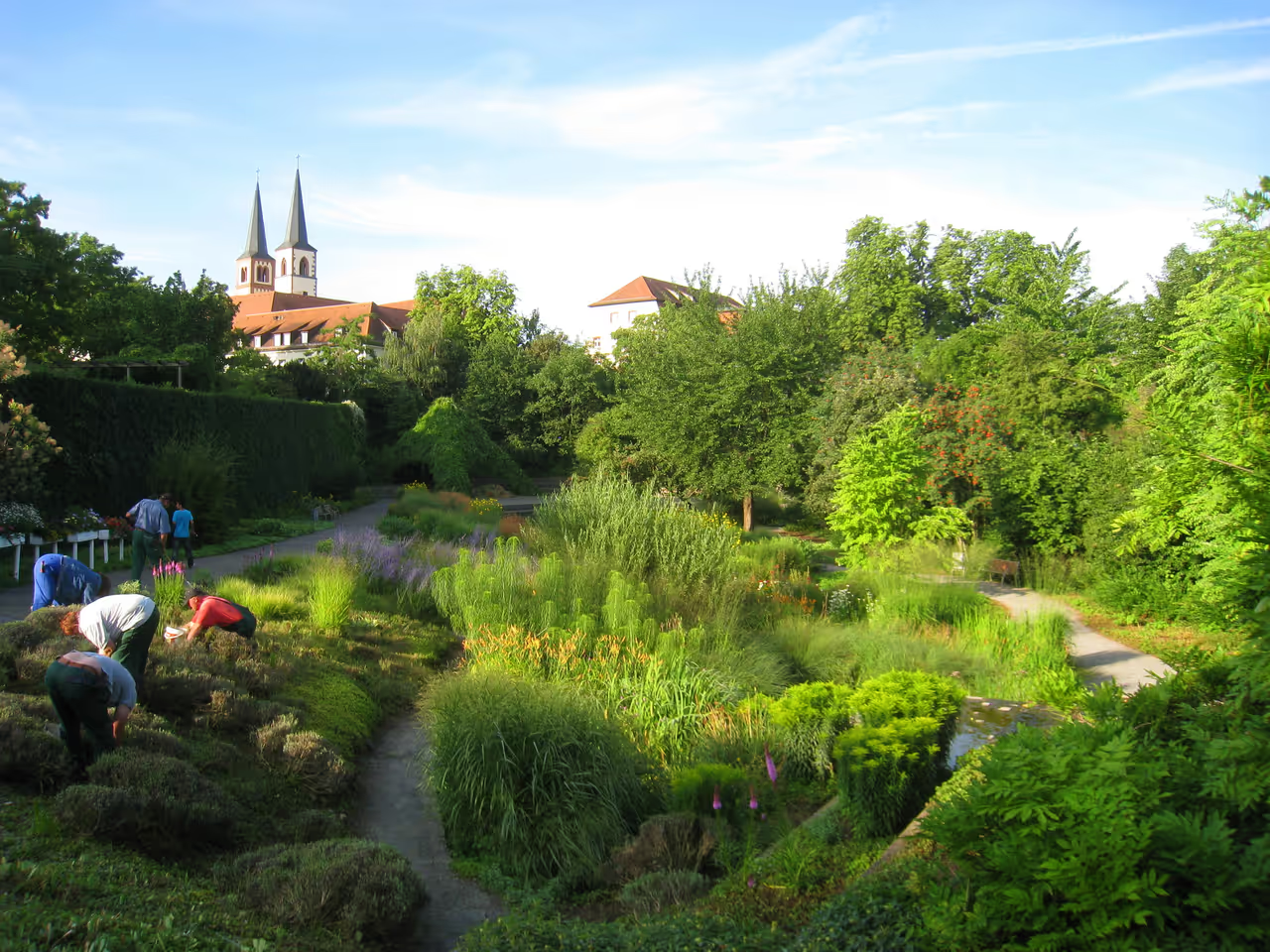
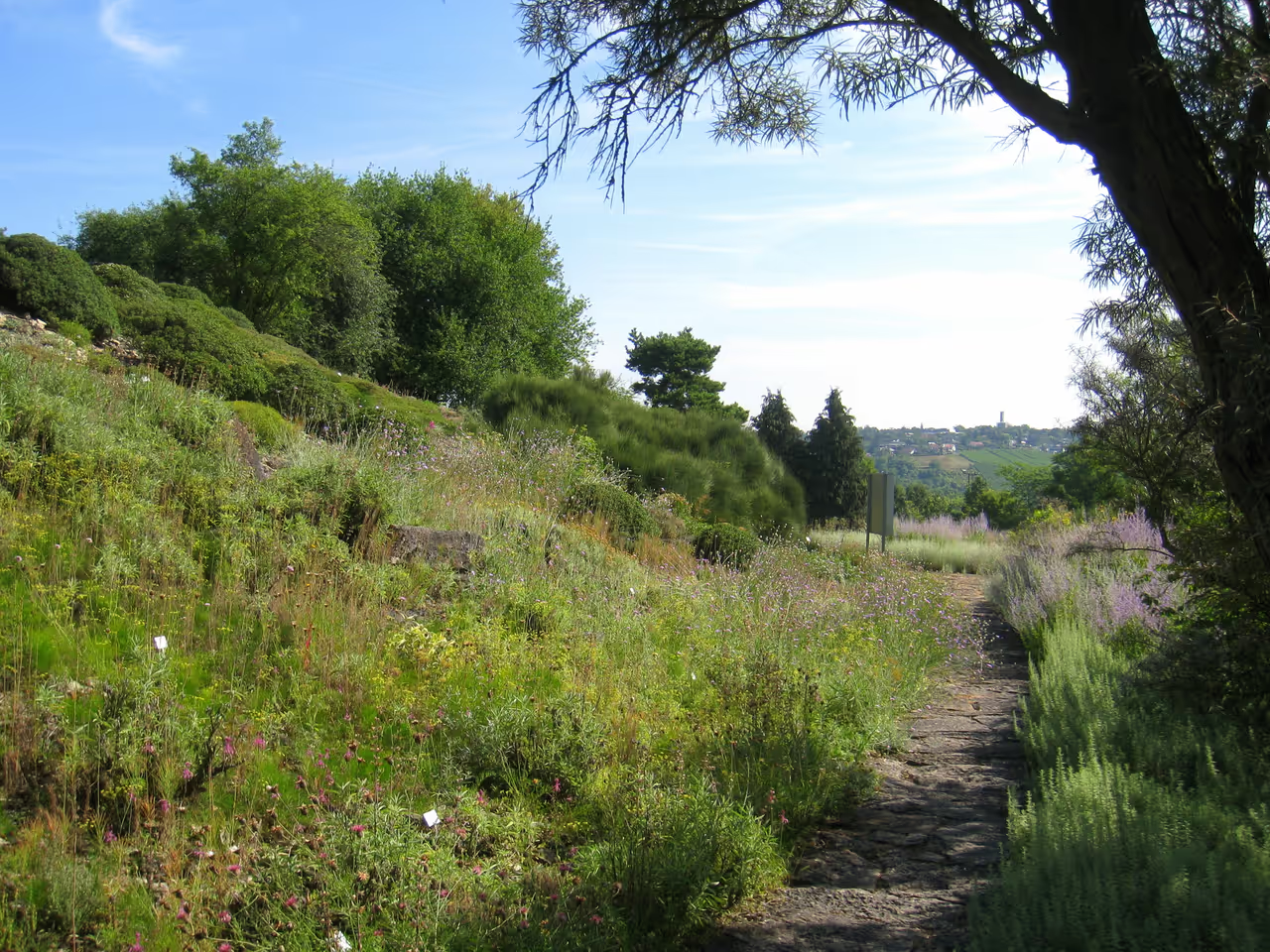
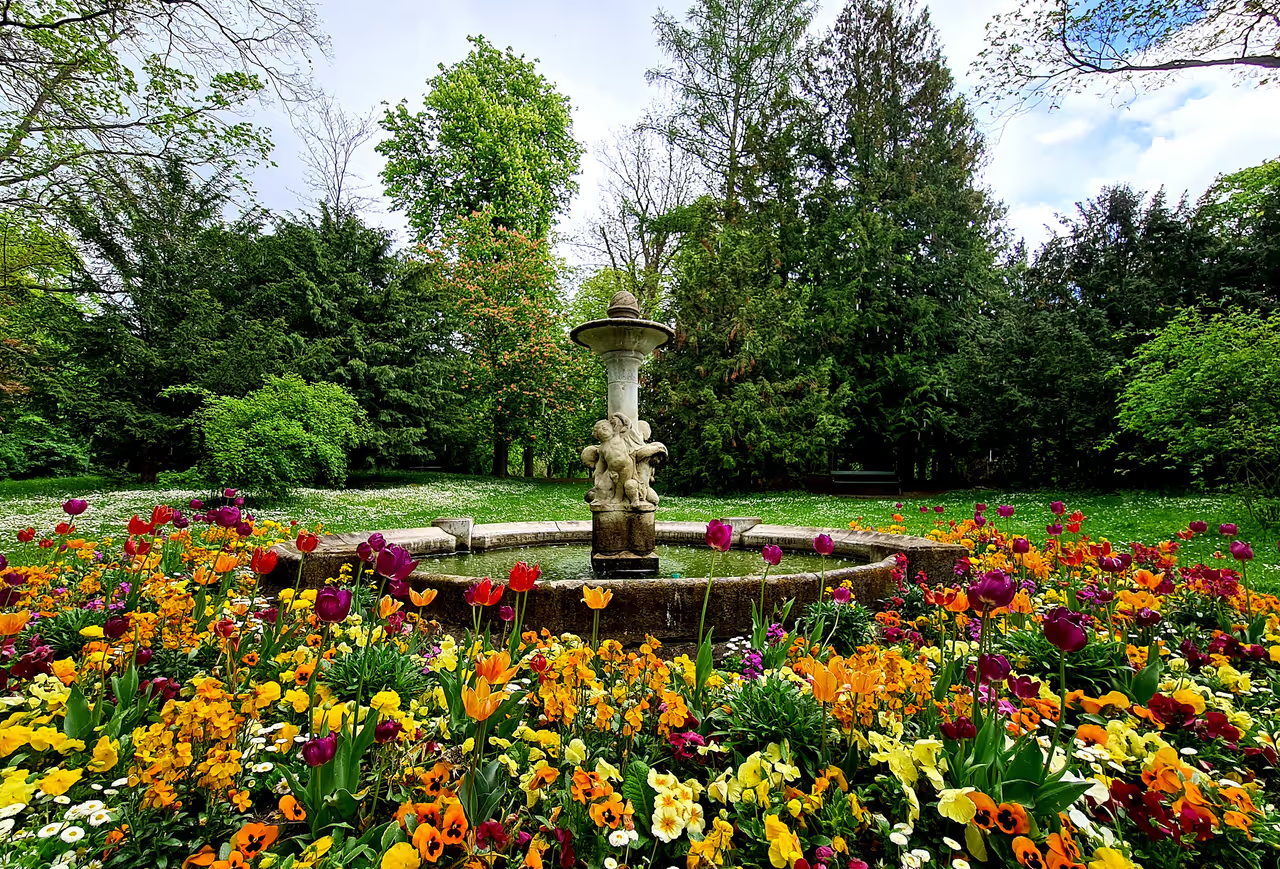
Wrapped like a lush green necklace around the historical old town, the Ringpark is the leafy soul of Würzburg. This semi circular park provides a breath of fresh air and a scenic escape that follows the path of former city fortifications. You can wander along three and a half kilometres of winding paths, discovering hidden ponds, charming monuments, and over 300 species of native and exotic trees. The atmosphere shifts from quiet botanical wonder to vibrant social hub, especially in the delightful area known as Klein Nizza. Visiting offers a perfect blend of local history and natural beauty, making it an essential part of any Würzburg itinerary. It is a place where you can see the city's military past literally blossoming into a peaceful public sanctuary.
Videos
History of Ringpark
The story of the Ringpark is a tale of a city literally casting off its armour to embrace a greener future. For centuries, Würzburg was enclosed by formidable walls and a wide, empty space known as the glacis, which was kept clear of trees so that soldiers could see any approaching enemies. However, by the mid nineteenth century, these massive stone barriers had become obsolete. When the city finally purchased the land from the Bavarian crown, a bold decision was made to transform these former sites of war into a sanctuary for peace and leisure. Inspired by the magnificent boulevards of Vienna, local leaders envisioned a green belt that would provide both beauty and fresh air to the growing urban population. The task fell largely to a talented Swedish landscape architect named Jens Person Lindahl. He brought the romantic aesthetics of the English landscape garden to Franconia, meticulously planning curved paths and diverse tree clusters that felt natural rather than rigid. However, the project was not without its drama. Lindahl faced constant bickering from city officials over expenses and design choices. The pressure became so intense that he tragically took his own life within the very grounds he was creating. His successor continued the work, eventually adding the crown jewel of the park, the ornate area known as Klein Nizza, which provided the locals with a taste of the Mediterranean landscape. Today, the Ringpark stands as one of Germany's best preserved examples of late nineteenth century urban planning. It serves as the city's green lungs, balancing the climate and providing a home for hundreds of exotic plant species and local wildlife. As you walk beneath the canopy of ancient trees, you are treading on the footprint of old battlements that have been reclaimed by nature. It remains a beloved symbol of Würzburg's transition from a fortified stronghold to an open, welcoming, and vibrant modern city.
Events spanning 99 years
Fun Facts
- • A genuine segment of the Berlin Wall stands at Berliner Platz within the park as a memorial to German reunification.
- • Botanists will love that there are over 300 different species of trees and shrubs, many of which are labelled with their Latin names.
- • Construction of the park involved filling in massive defensive ditches that were up to 12 metres deep.
- • Exotic trees from China and North America were specifically imported to give the park its unique botanical diversity.
- • It replaced the old Glacis, which were once open defensive fields and walls designed to protect the city from invaders.
- • Local officials originally faced fierce opposition from citizens who were worried about the high costs of such an ambitious gardening project.
- • The Swedish architect Jens Person Lindahl designed the park in the style of an English landscape garden, featuring rolling hills and irregular water bodies.
- • The annual Ringparkfest takes place in August, turning the Klein Nizza area into a lively festival ground with music and children's activities.
- • The park covers approximately 34 hectares, forming a vital green lung that helps regulate the city's temperature during hot summers.
- • The park is home to at least 43 different species of birds, making it a prime spot for urban birdwatching.
- • The park is roughly 3.5 kilometres long and varies in width, reaching up to 240 metres at its widest point.
- • The section named Klein Nizza was so called because its beautiful Mediterranean feel reminded locals of the French Riviera.
Ringpark FAQ
While we strive to keep this information accurate and up to date, we recommend verifying any details independently before making decisions based on them.
Ringpark Map & Neighborhood Explorer
This interactive map is centered on Ringpark. Zoom in and move the map around to automatically discover Wikipedia photos and summaries of other nearby sights, monuments, and historical points of interest and stories in real-time!
Places near Ringpark
Make the most of your trip. Check out these top-rated spots located nearby.
 304m
304mMozart Festival
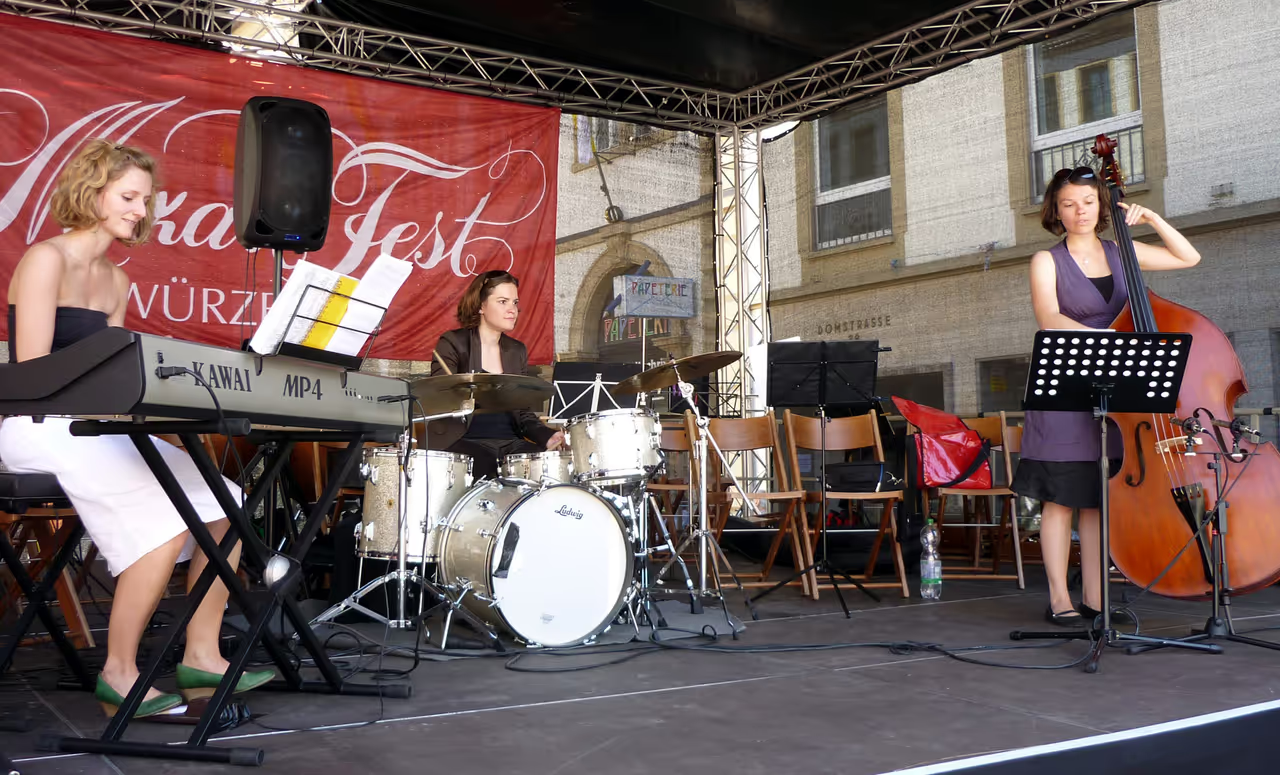
Renowned as the oldest festival dedicated to Wolfgang Amadeus Mozart in Germany, this event offers a month of exquisite classical music. The performances take place in breathtaking historical venues, most notably the opulent halls and illuminated gardens of the Residence. Top tier international orchestras and soloists gather to perform symphonies, chamber music, and vocal pieces. The combination of genius compositions and Baroque architecture provides a truly transcendent auditory and visual experience. It draws classical music aficionados from around the globe who appreciate the highest standards of performance. The magical evening concerts under the stars are particularly unforgettable.
festival view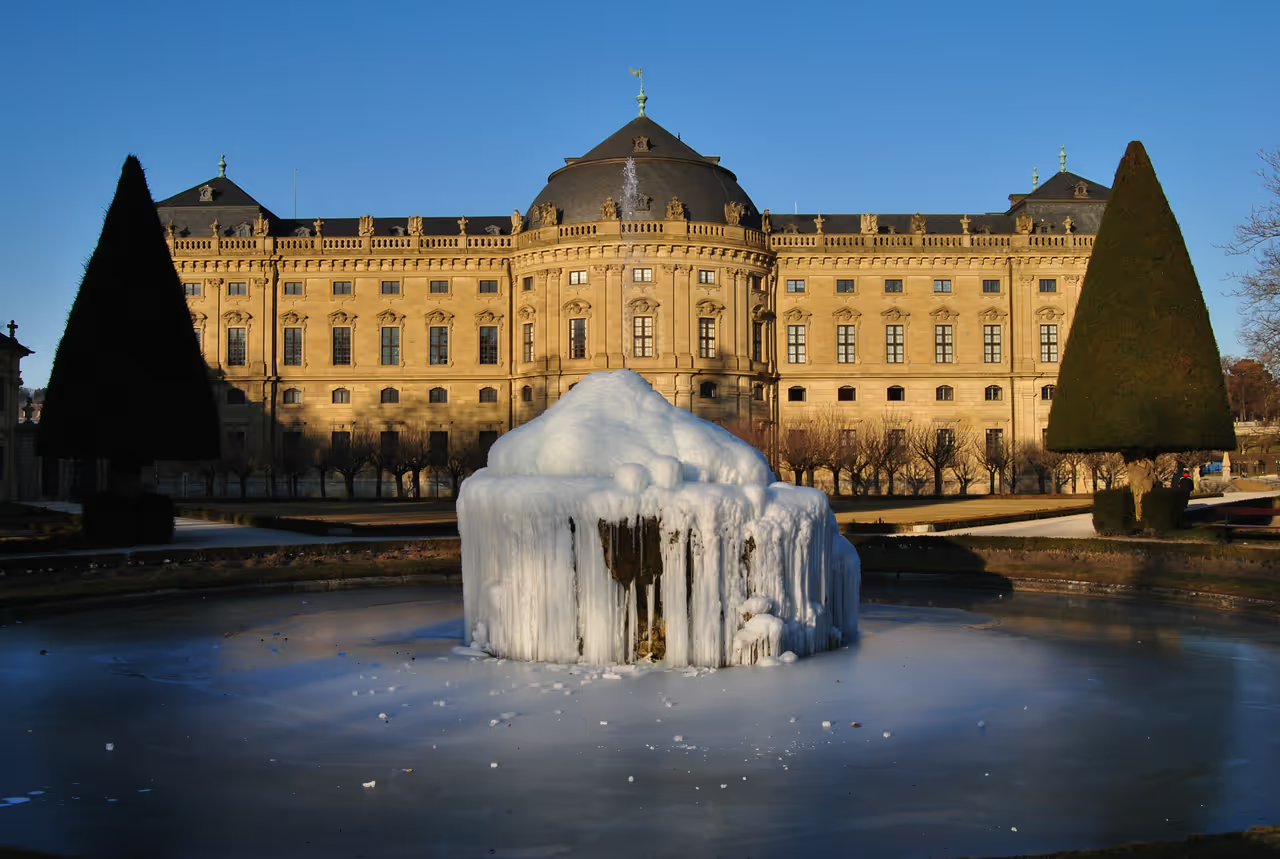 306m
306mWürzburg Residence
Würzburg Residence stands as one of the most magnificent palaces in Europe, often cited as a pinnacle of South German Baroque architecture. Visiting this UNESCO World Heritage site allows you to step into a world of royal opulence and artistic mastery. Its crown jewel is the grand staircase, featuring the largest single ceiling fresco ever painted, a work of art that leaves visitors speechless. Beyond the palace walls, the meticulously manicured Court Gardens offer a serene escape filled with sculptures and seasonal blooms. This landmark represents a triumph of human creativity and restoration, having been rebuilt with incredible detail after the devastation of the Second World War. It is a place where history feels alive, inviting you to wander through corridors that once welcomed emperors and kings.
unesco heritage site view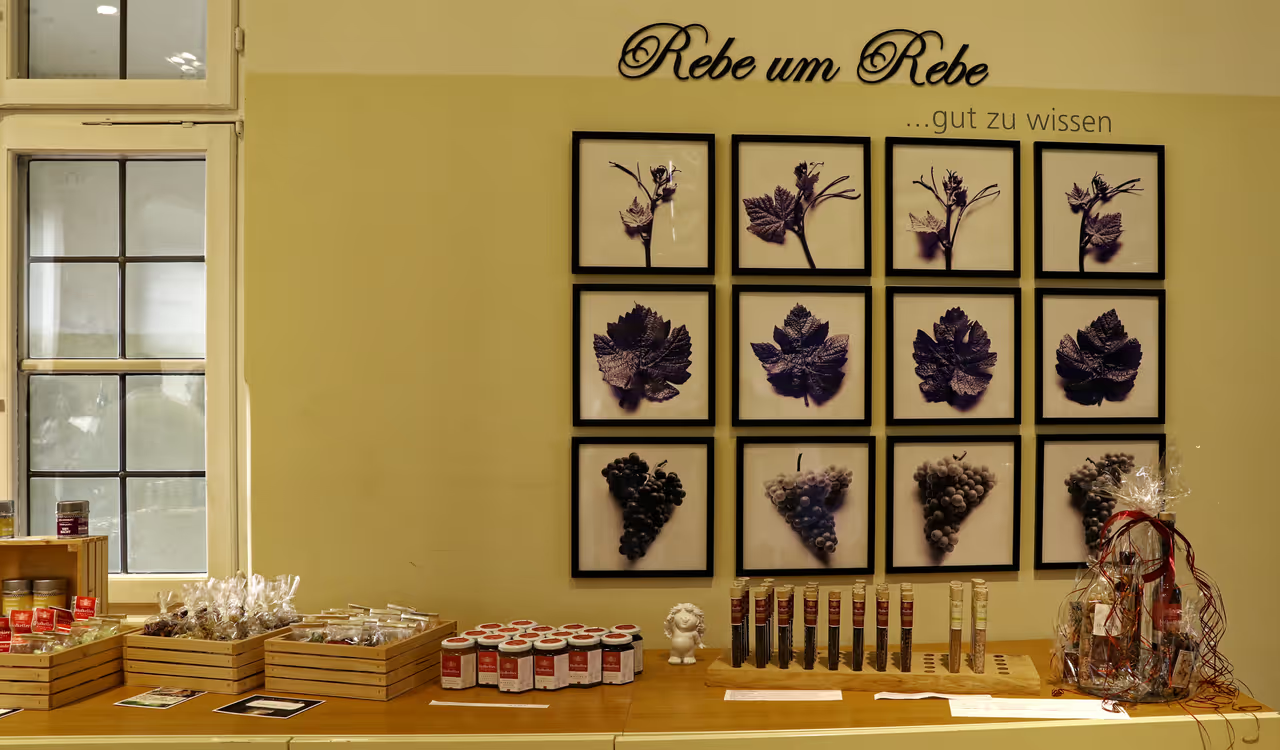 447m
447mState Court Cellar
Buried deep beneath the resplendent Würzburg Residence lies one of the most breathtaking and historic wine cellars in the world. Owned by the Bavarian state, this massive subterranean labyrinth features endlessly vaulted ceilings and ornately carved, giant wooden casks. The dramatic, moody lighting creates an atmosphere of deep aristocratic mystery as visitors wander through the cool, damp tunnels. Guided tours offer fascinating insights into centuries of royal wine production, culminating in highly atmospheric tasting sessions. It is an incredibly evocative environment that completely transports you to the golden age of the prince bishops. Experiencing the sheer scale of these vaults is an absolute necessity for any wine enthusiast.
highlight view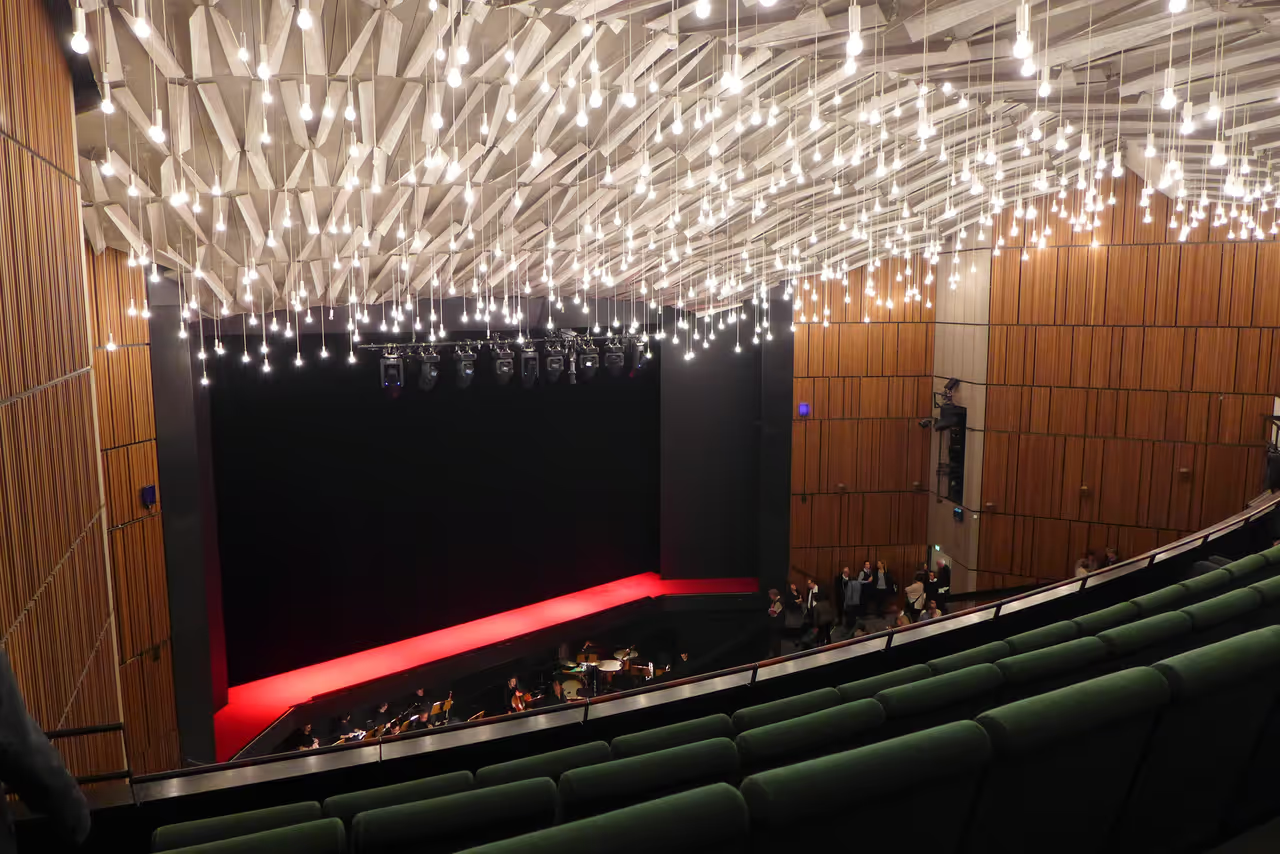 621m
621mMainfranken Theater
This cultural institution is the artistic heartbeat of the city, offering a rich and diverse programme of performing arts. The modern building houses highly talented ensembles dedicated to drama, opera, ballet, and orchestral music. Attending a performance here provides a wonderful glimpse into the sophisticated cultural appetite of the local population. The theatre frequently stages bold new interpretations of classic German dramas alongside popular international operas. The welcoming, inclusive atmosphere ensures that both seasoned theatregoers and curious newcomers feel entirely comfortable. It is a fantastic venue to experience high quality, professional entertainment after a day of sightseeing.
highlight view
Featured on These Itineraries and Routes
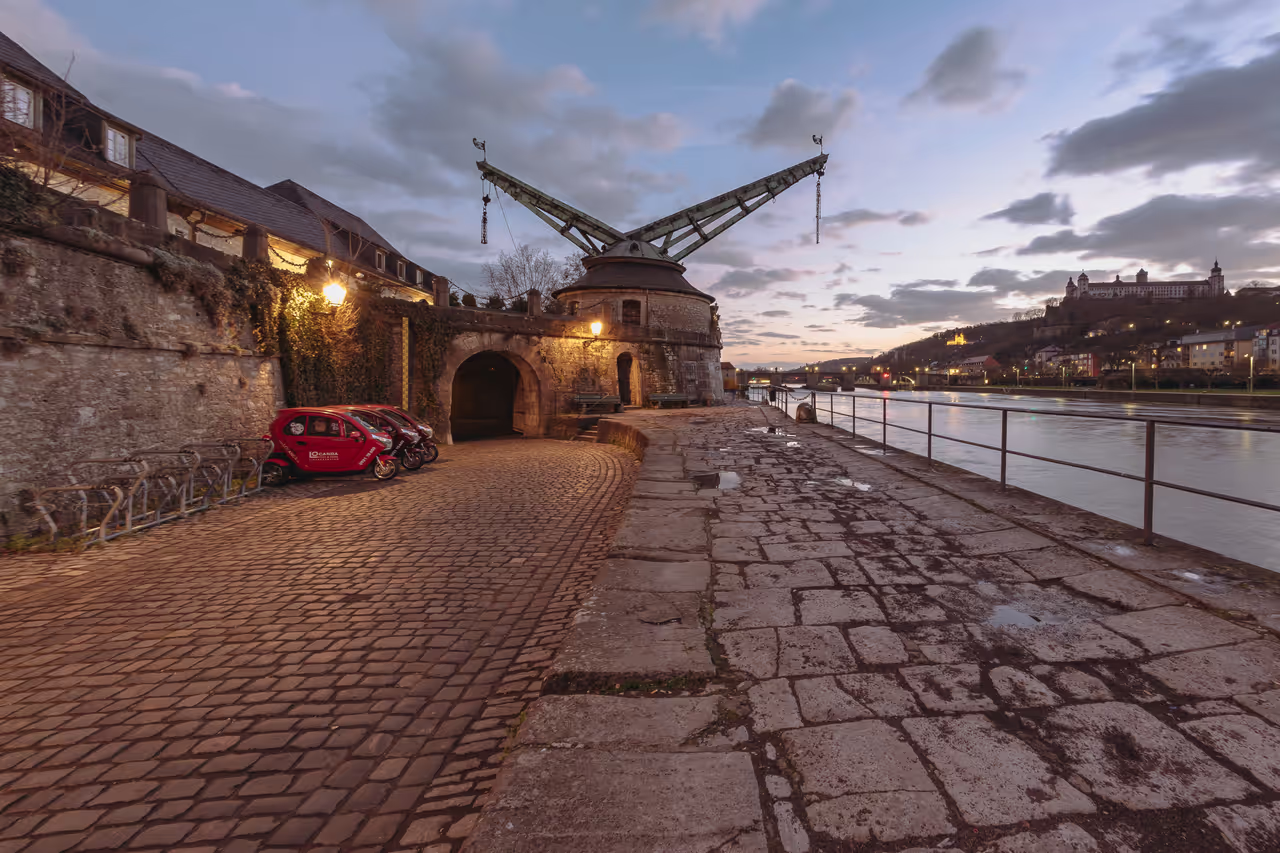
5 Days in Würzburg: Deep Dive Itinerary
This extensive, unhurried itinerary is crafted for the deeply curious traveller who wants to uncover every layer of history, art, and nature the municipality has to offer. With five full days, the journey reaches far beyond the central squares, exploring massive hillside pilgrimage churches, quiet botanical parks, and highly specialised museums. It affords the incredible luxury of experiencing the renowned wine culture through multiple, distinct historical cellars without ever rushing the tastings. The generous timeframe allows for deeply immersive, peaceful strolls through the surrounding landscapes and ancient fortifications. It is the ultimate, definitive way to experience the city like a knowledgeable, highly cultured local. The pace ensures complete relaxation alongside profound historical education.
view itinerary
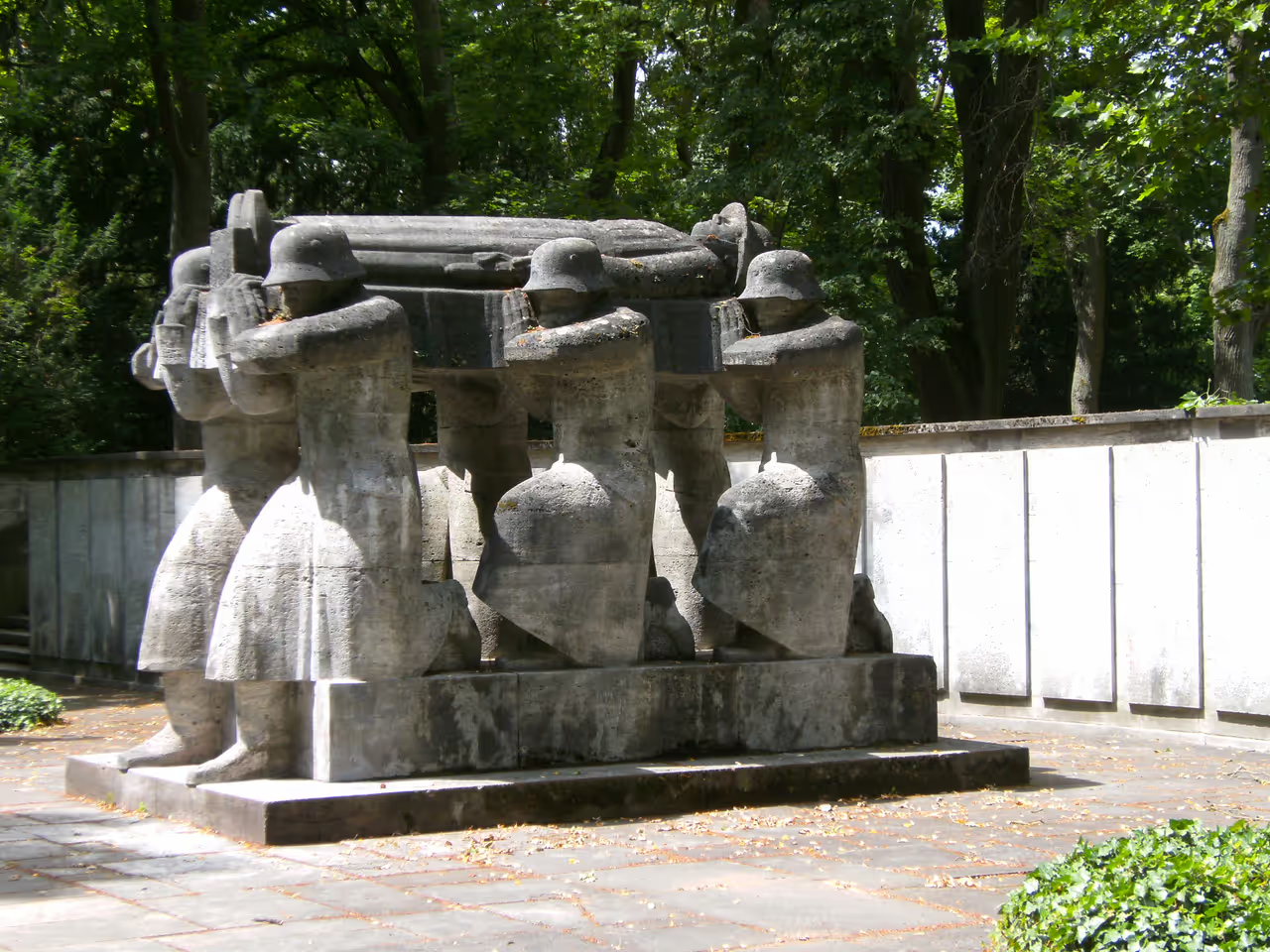
Ringpark Nature Walk
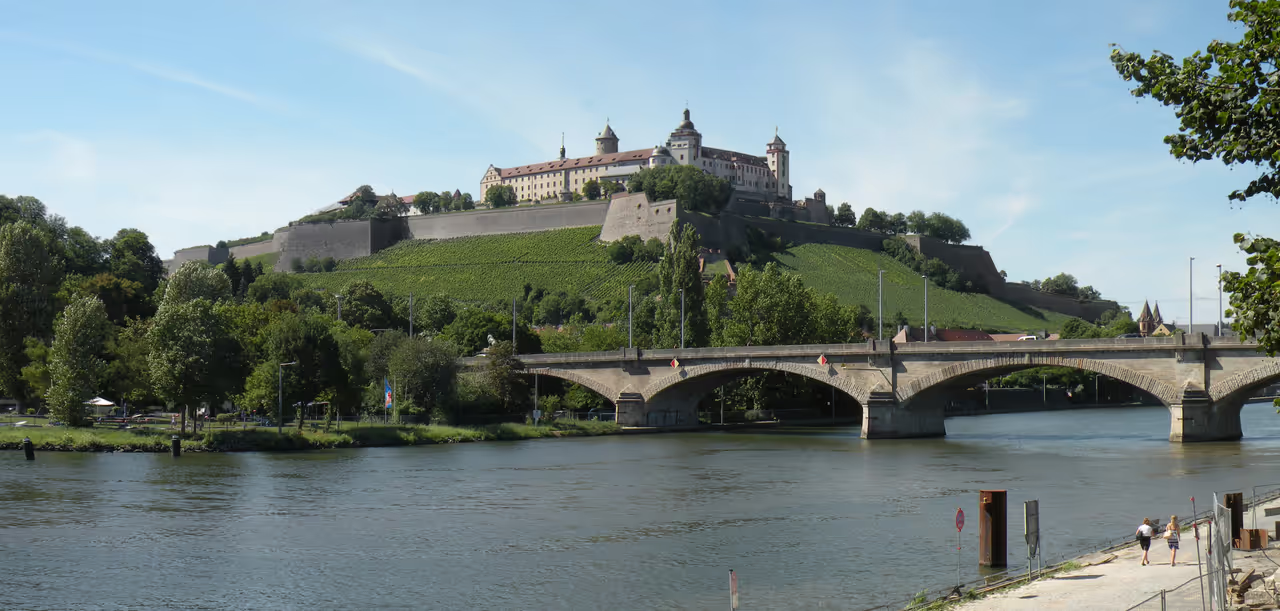
This magnificent green belt wraps around the historic old town like a lush, protective embrace. Created on the site of former defensive fortifications, the park now offers miles of winding, shaded pathways. It features a spectacular array of exotic and native trees, each carefully labelled for curious botanists. The gentle curves of the path reveal hidden monuments, classical fountains, and quiet reading nooks. It provides an essential, incredibly peaceful escape for both weary tourists and studying locals.
view walking route
See all nature & parks in Würzburg
1990 State Garden Show Park, Würzburg University Botanical Garden...