Würzburg Residence
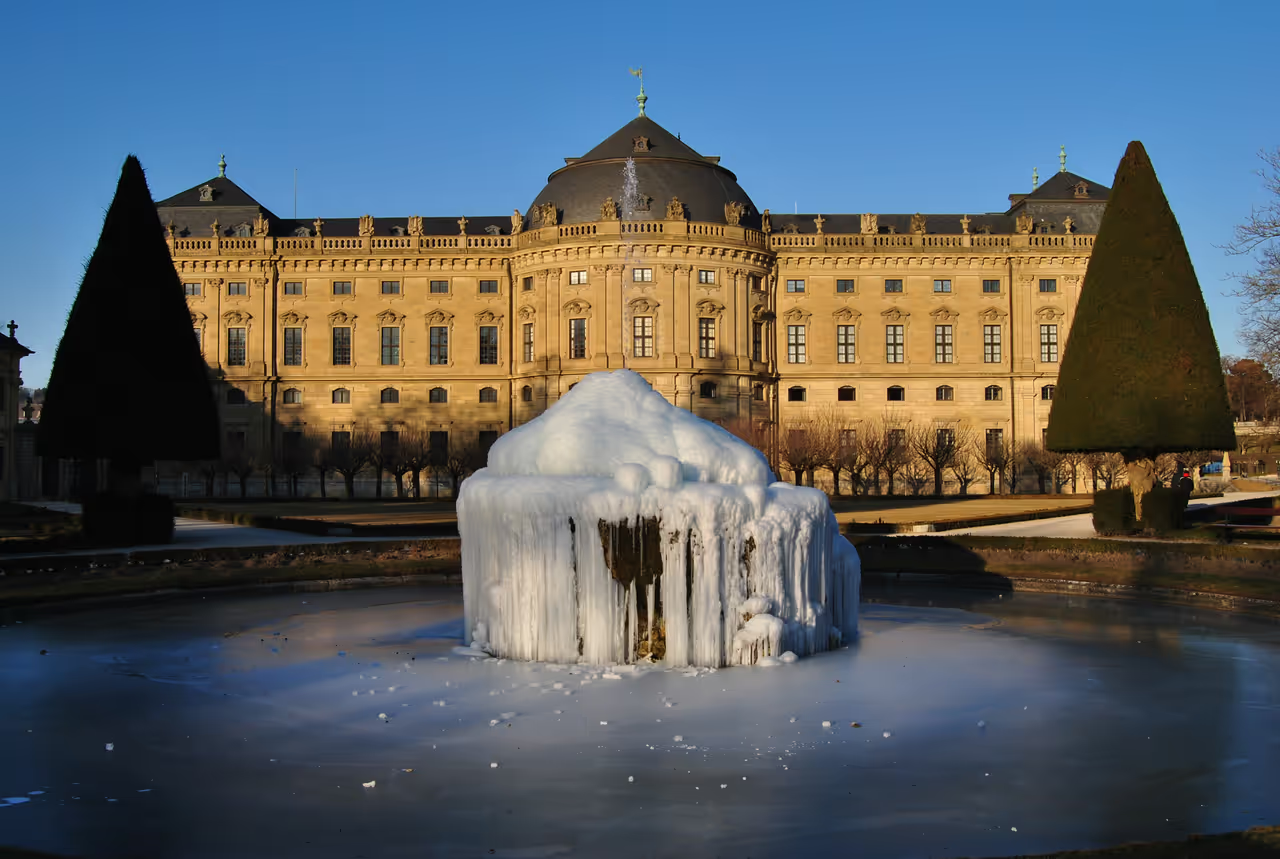
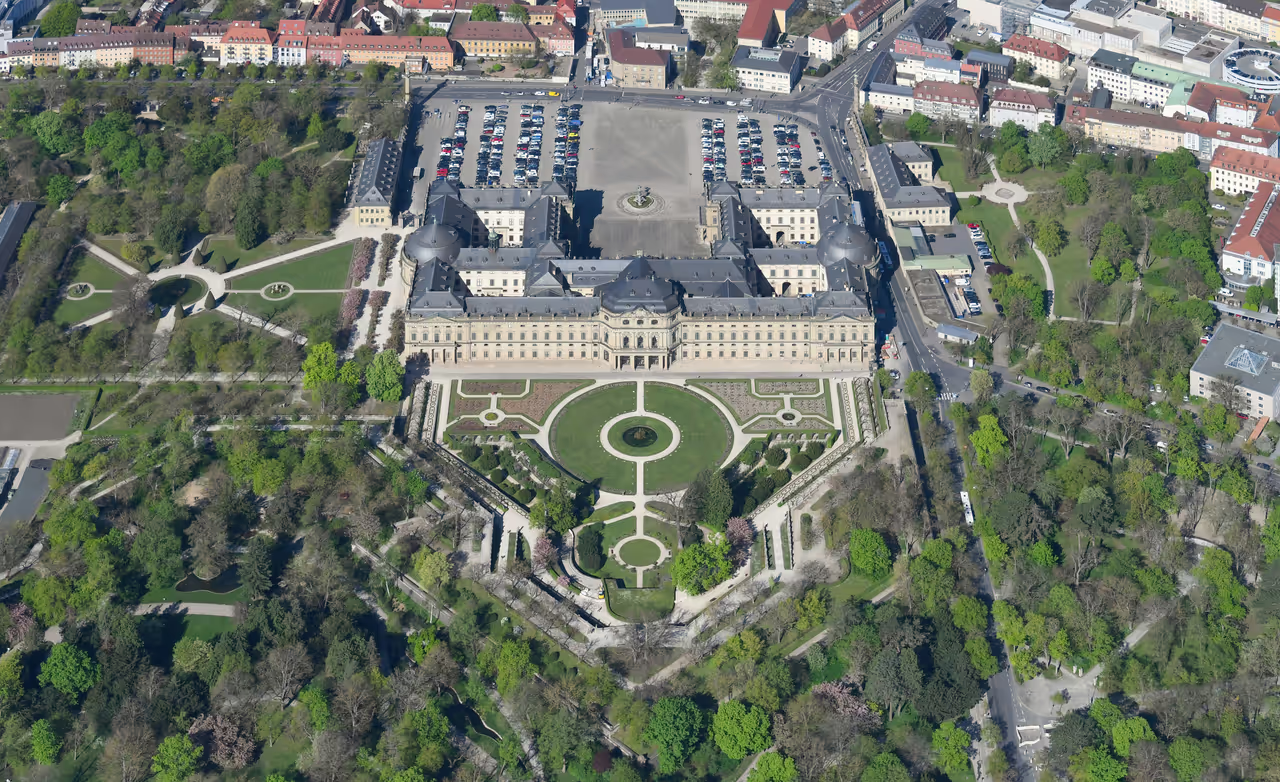
Würzburg Residence stands as one of the most magnificent palaces in Europe, often cited as a pinnacle of South German Baroque architecture. Visiting this UNESCO World Heritage site allows you to step into a world of royal opulence and artistic mastery. Its crown jewel is the grand staircase, featuring the largest single ceiling fresco ever painted, a work of art that leaves visitors speechless. Beyond the palace walls, the meticulously manicured Court Gardens offer a serene escape filled with sculptures and seasonal blooms. This landmark represents a triumph of human creativity and restoration, having been rebuilt with incredible detail after the devastation of the Second World War. It is a place where history feels alive, inviting you to wander through corridors that once welcomed emperors and kings.
Videos
History of Würzburg Residence
The Würzburg Residence was born from the ambitious dreams of the Schönborn family, who wanted a palace that reflected their absolute power. They chose Balthasar Neumann, a relatively unknown military engineer at the time, to design a structure that would rival the greatest residences of Europe. Neumann masterfully blended styles from across the continent, creating a harmonious masterpiece that serves as a bridge between the Renaissance and the coming Neoclassicism. The building was designed to accommodate the heavy coaches of royal guests, allowing them to drive directly into the grand vestibule. The interior reached its peak of splendour in the mid eighteenth century when the Venetian master Giovanni Battista Tiepolo arrived. He spent years painting the massive ceiling above the staircase, depicting the four continents known at the time in a swirling display of colour and light. Alongside him, the plasterer Antonio Bossi created delicate, white stucco work that seems to defy gravity, particularly in the elegant White Hall. This era was a golden age of craftsmanship, making Würzburg a primary destination for artists and royalty alike. Tragedy struck in March 1945 when a firestorm caused by Allied bombing destroyed much of the city and the palace wings. Remarkably, the stone vaults of the main halls held firm, protecting the priceless Tiepolo frescoes from total ruin. An American officer and art historian named John Davis Skilton played a crucial role in securing the building with emergency roofing immediately after the war. This set the stage for decades of careful reconstruction, culminating in the late twentieth century with the rebirth of the Mirror Cabinet, ensuring the legacy of the Schönborns lives on for modern travellers.
Events spanning 267 years
Fun Facts
- • During the Second World War, American Monuments Man John Davis Skilton purchased timber with his own money to cover the exposed vaults and save the frescoes.
- • If you look closely at the staircase fresco, you can see Balthasar Neumann himself depicted as a figure sitting on a cannon.
- • Napoleon Bonaparte was so impressed by the building that he jokingly called it the nicest parsonage in Europe during his visits.
- • Over three hundred rooms fill the palace, with ninety two of them being grand state rooms designed for the highest imperial visits.
- • The Court Church uses clever mirrored surfaces on its windowless walls to create a perfectly symmetrical and bright interior.
- • The Court Gardens were designed with a unique perspective, incorporating the old city fortifications into the landscaping to provide panoramic views.
- • The ceiling fresco above the staircase covers nearly six hundred square metres, making it the largest continuous fresco in the world.
- • The intricate Mirror Cabinet was so badly damaged in 1945 that its reconstruction took eight years of specialised work using nearly forgotten glass techniques.
- • The lead architect Balthasar Neumann was so confident in his staircase design that he offered to have cannons fired in the hall to prove the vault would not collapse.
- • The residence was a prominent feature on the old German fifty Mark banknote, celebrating its architectural significance to the nation.
RESOURCES
Heritage UNESCO SiteWürzburg Residence FAQ
While we strive to keep this information accurate and up to date, we recommend verifying any details independently before making decisions based on them.
Würzburg Residence Map & Neighborhood Explorer
This interactive map is centered on Würzburg Residence. Zoom in and move the map around to automatically discover Wikipedia photos and summaries of other nearby sights, monuments, and historical points of interest and stories in real-time!
Places near Würzburg Residence
Make the most of your trip. Check out these top-rated spots located nearby.
 8m
8mMozart Festival
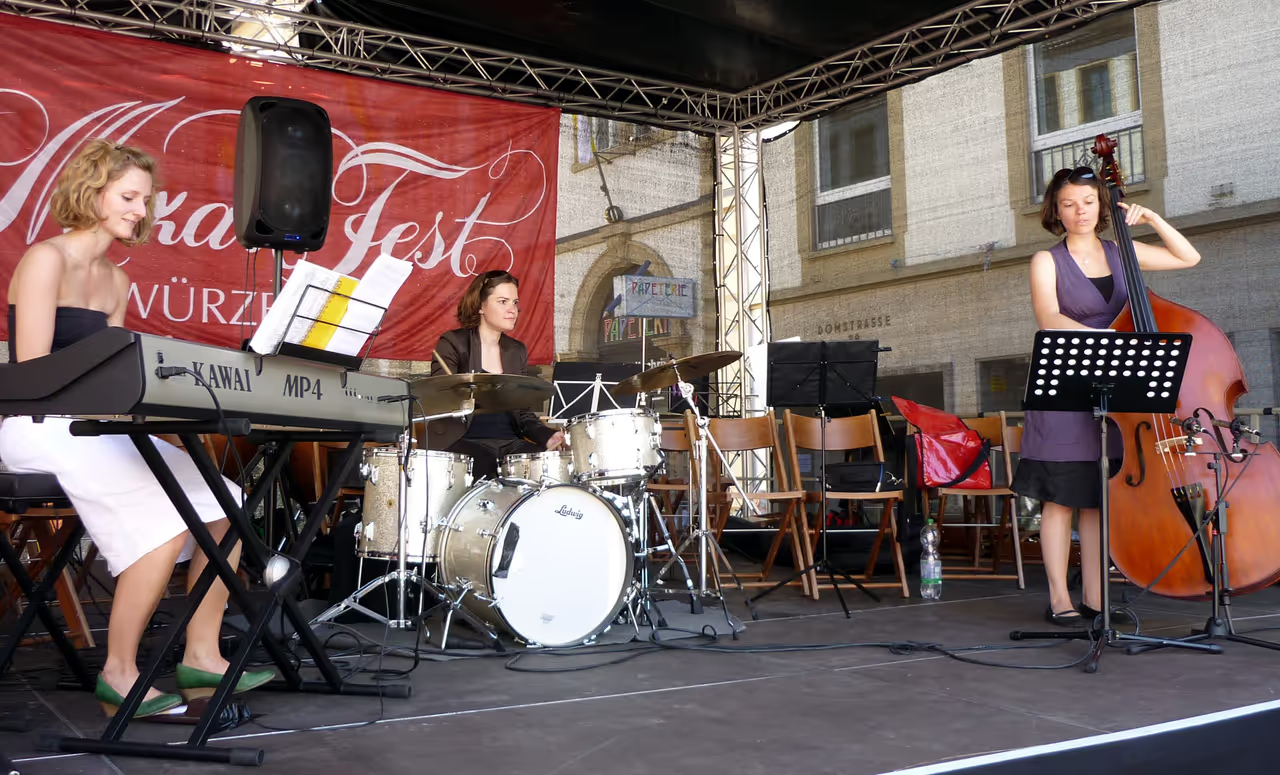
Renowned as the oldest festival dedicated to Wolfgang Amadeus Mozart in Germany, this event offers a month of exquisite classical music. The performances take place in breathtaking historical venues, most notably the opulent halls and illuminated gardens of the Residence. Top tier international orchestras and soloists gather to perform symphonies, chamber music, and vocal pieces. The combination of genius compositions and Baroque architecture provides a truly transcendent auditory and visual experience. It draws classical music aficionados from around the globe who appreciate the highest standards of performance. The magical evening concerts under the stars are particularly unforgettable.
festival view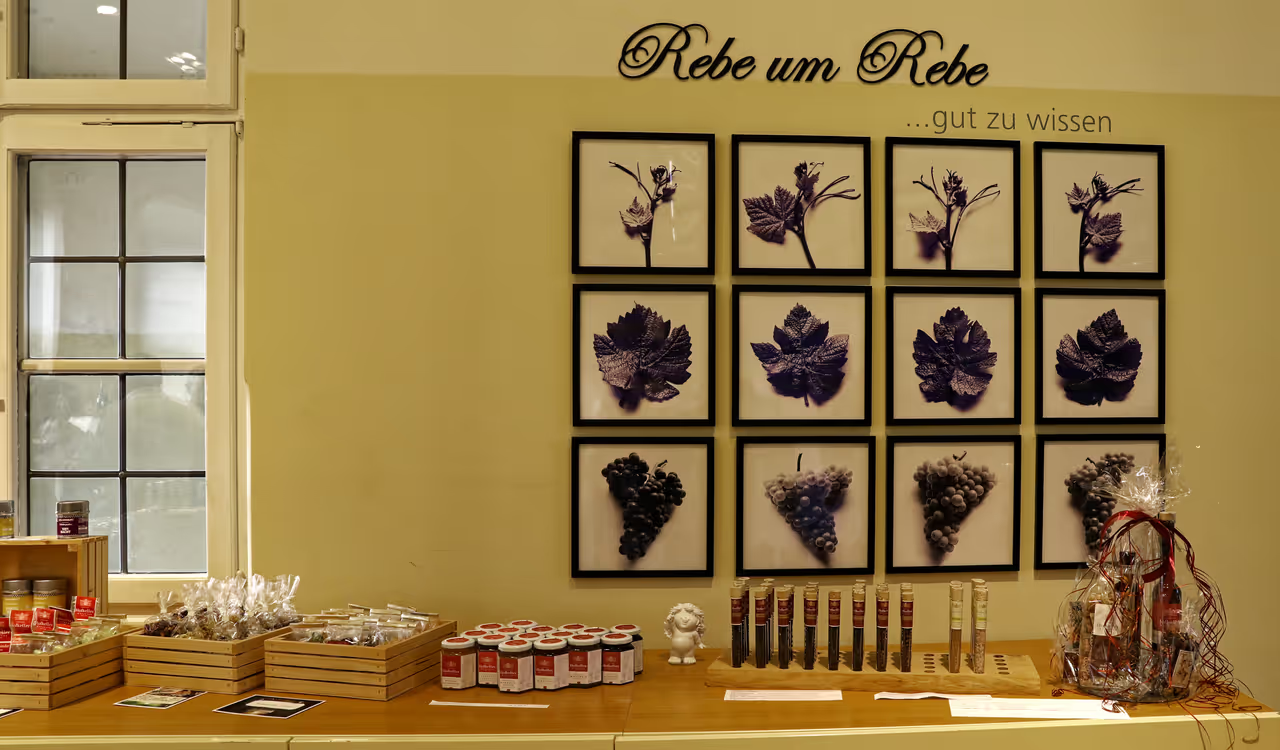 146m
146mState Court Cellar
Buried deep beneath the resplendent Würzburg Residence lies one of the most breathtaking and historic wine cellars in the world. Owned by the Bavarian state, this massive subterranean labyrinth features endlessly vaulted ceilings and ornately carved, giant wooden casks. The dramatic, moody lighting creates an atmosphere of deep aristocratic mystery as visitors wander through the cool, damp tunnels. Guided tours offer fascinating insights into centuries of royal wine production, culminating in highly atmospheric tasting sessions. It is an incredibly evocative environment that completely transports you to the golden age of the prince bishops. Experiencing the sheer scale of these vaults is an absolute necessity for any wine enthusiast.
highlight view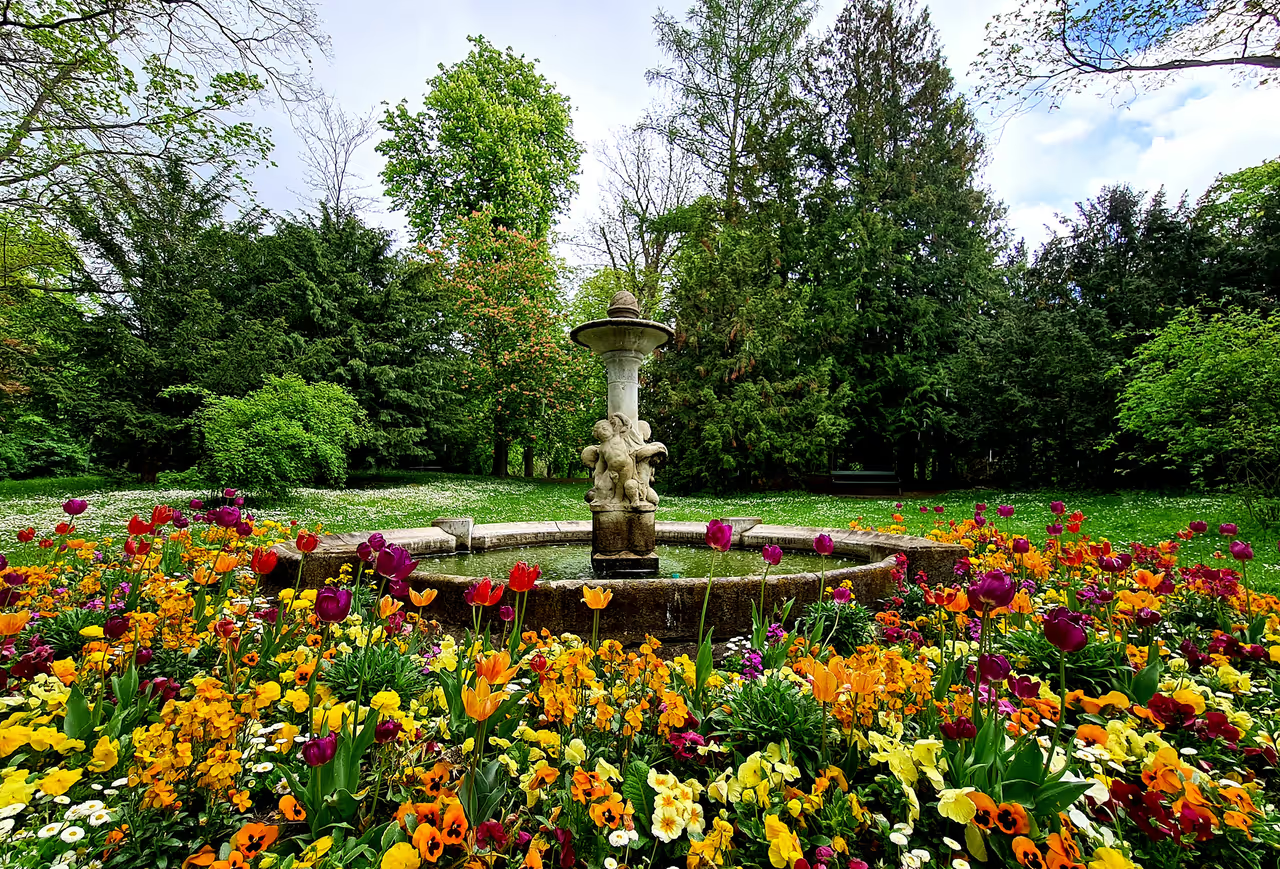 306m
306mRingpark
Wrapped like a lush green necklace around the historical old town, the Ringpark is the leafy soul of Würzburg. This semi circular park provides a breath of fresh air and a scenic escape that follows the path of former city fortifications. You can wander along three and a half kilometres of winding paths, discovering hidden ponds, charming monuments, and over 300 species of native and exotic trees. The atmosphere shifts from quiet botanical wonder to vibrant social hub, especially in the delightful area known as Klein Nizza. Visiting offers a perfect blend of local history and natural beauty, making it an essential part of any Würzburg itinerary. It is a place where you can see the city's military past literally blossoming into a peaceful public sanctuary.
park & nature view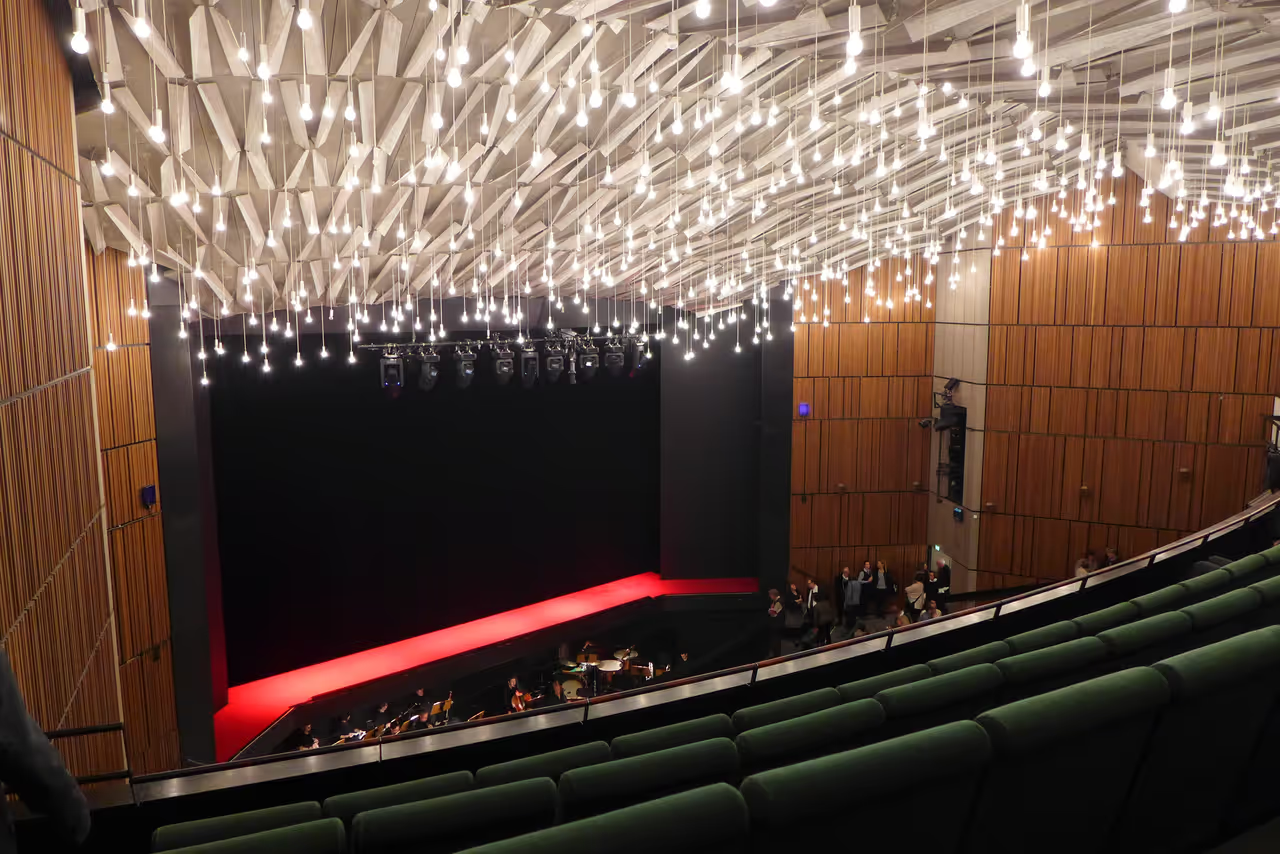 319m
319mMainfranken Theater
This cultural institution is the artistic heartbeat of the city, offering a rich and diverse programme of performing arts. The modern building houses highly talented ensembles dedicated to drama, opera, ballet, and orchestral music. Attending a performance here provides a wonderful glimpse into the sophisticated cultural appetite of the local population. The theatre frequently stages bold new interpretations of classic German dramas alongside popular international operas. The welcoming, inclusive atmosphere ensures that both seasoned theatregoers and curious newcomers feel entirely comfortable. It is a fantastic venue to experience high quality, professional entertainment after a day of sightseeing.
highlight view
Featured on These Itineraries and Routes
1 Day in Würzburg Itinerary
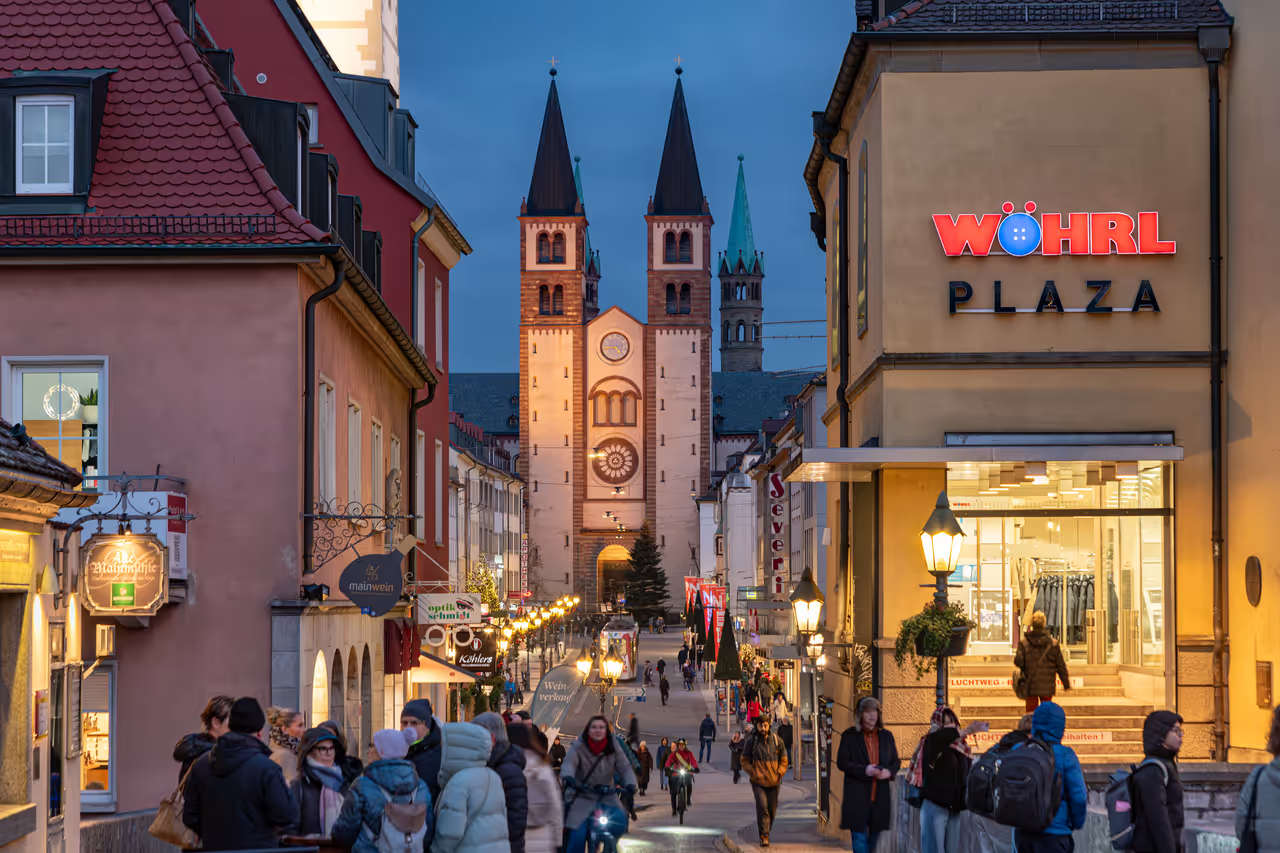
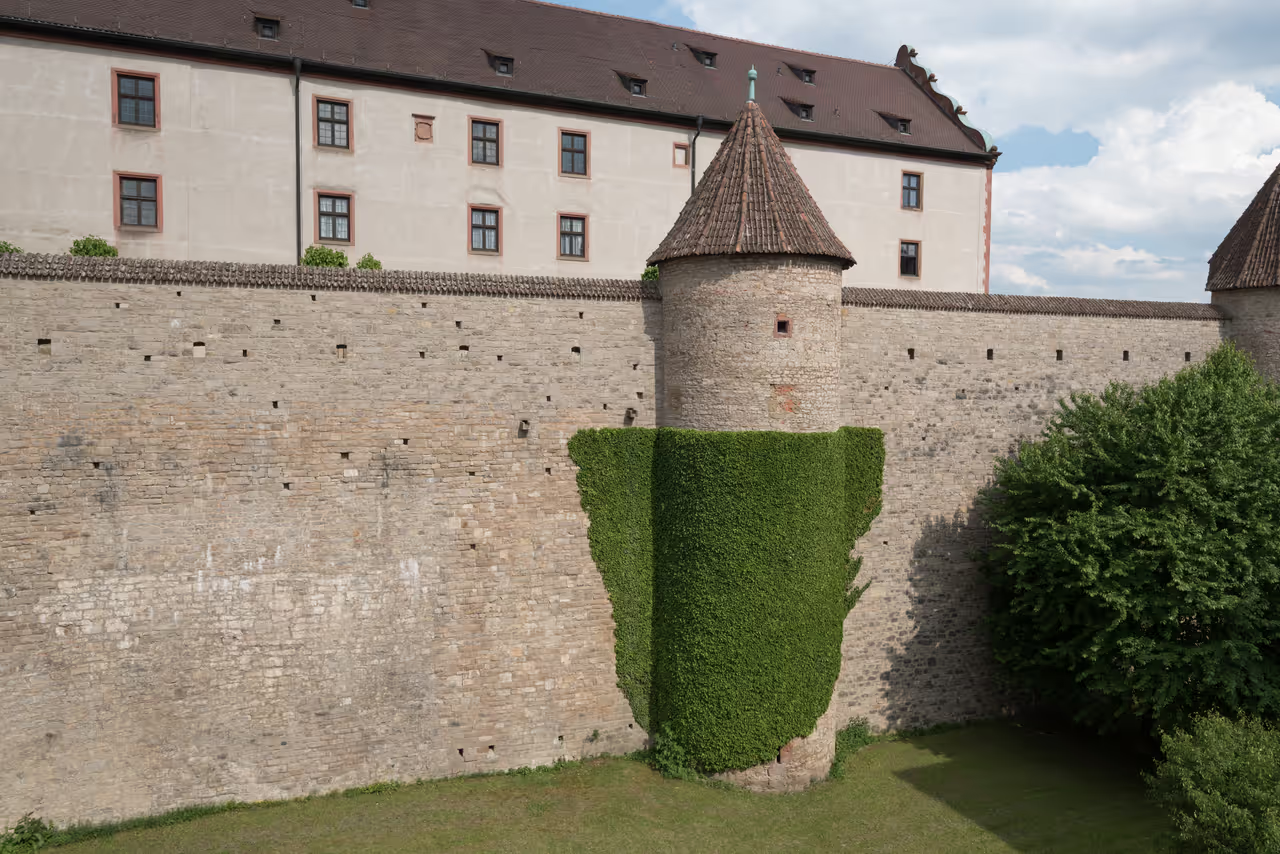
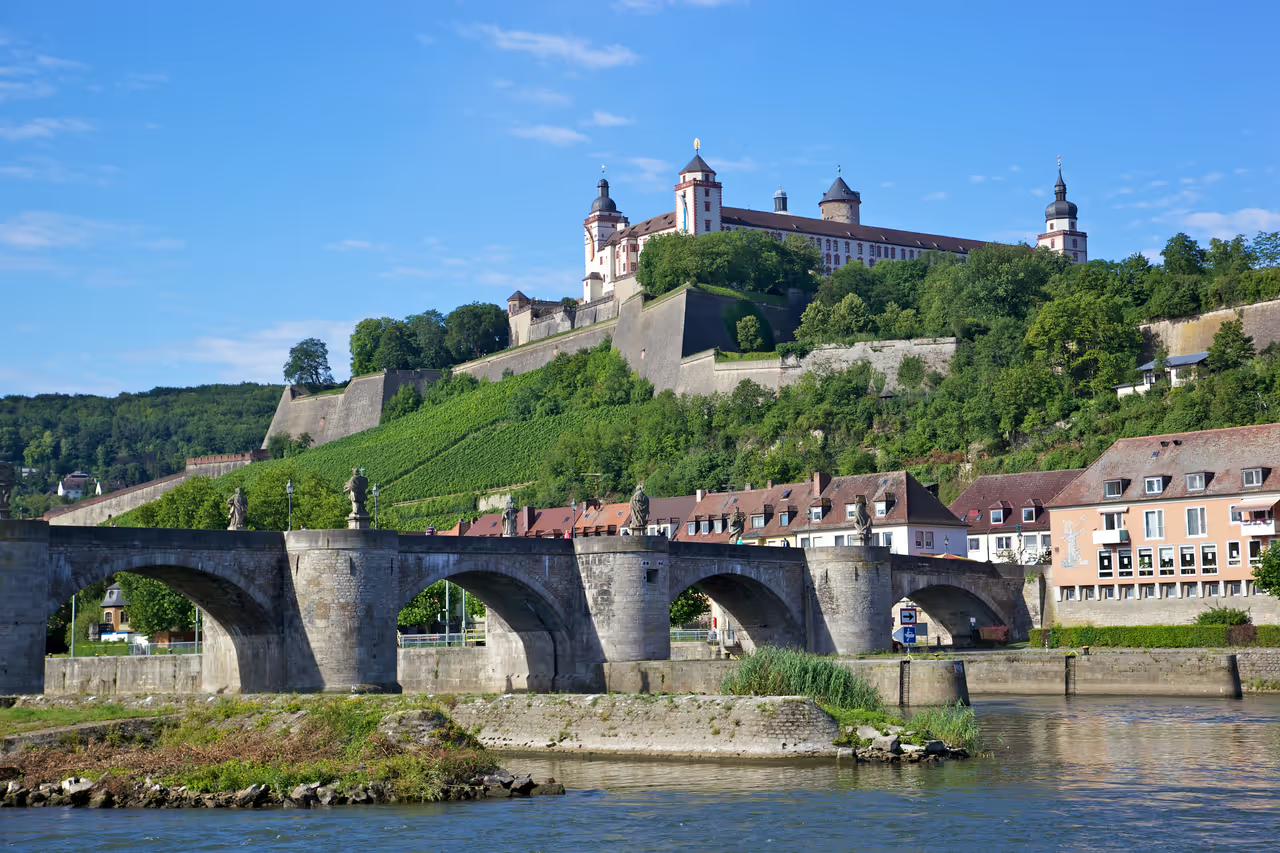
This highly focused, fast paced itinerary is designed specifically for travellers with very limited time who wish to experience the absolute pinnacle highlights of the city. It connects the most monumental, globally recognised landmarks to provide a deep understanding of the region's immense historical and architectural significance. The journey covers the breathtaking heights of Baroque palace design before transitioning to the robust, unyielding military might of the medieval era. It includes the essential, iconic visual panoramas that define the city on every postcard. By following this route, visitors will efficiently absorb the dual legacy of aristocratic wealth and defensive authority. It promises an incredibly dense, unforgettable day of grand sightseeing.
view itinerary
3 Days in Würzburg Itinerary
This balanced, comprehensive itinerary allows visitors to fully digest the rich history, stunning architecture, and vibrant wine culture of the region at a very comfortable pace. Over three days, the journey expands beyond the primary monuments to include elegant gardens, important museums, and deeply authentic local culinary institutions. It provides ample time to genuinely appreciate the incredibly intricate details of the Baroque masterpieces without suffering from museum fatigue. The plan thoughtfully mixes rigorous historical exploration with highly relaxing, sensory experiences like exploring ancient, cavernous wine cellars. It is the absolute ideal duration to capture the true, relaxed essence of Franconian life. Visitors will leave with a profound, well rounded appreciation of the city.
view itinerary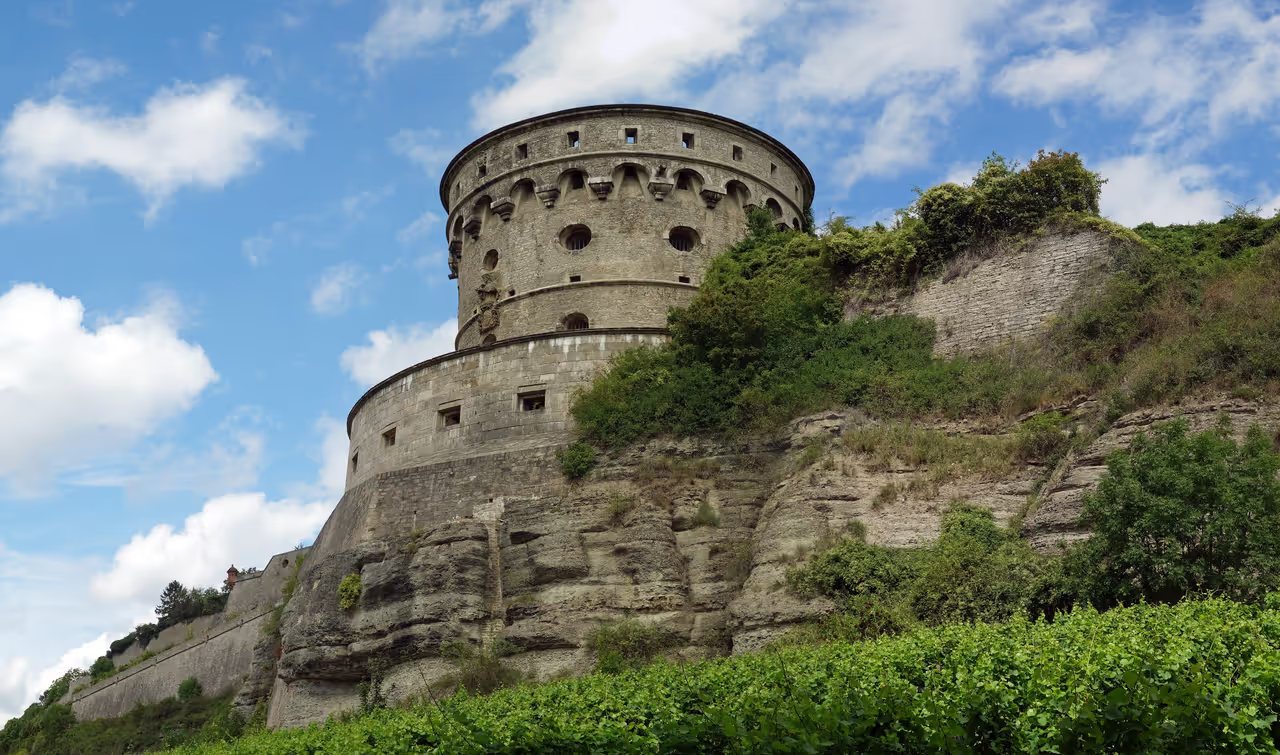
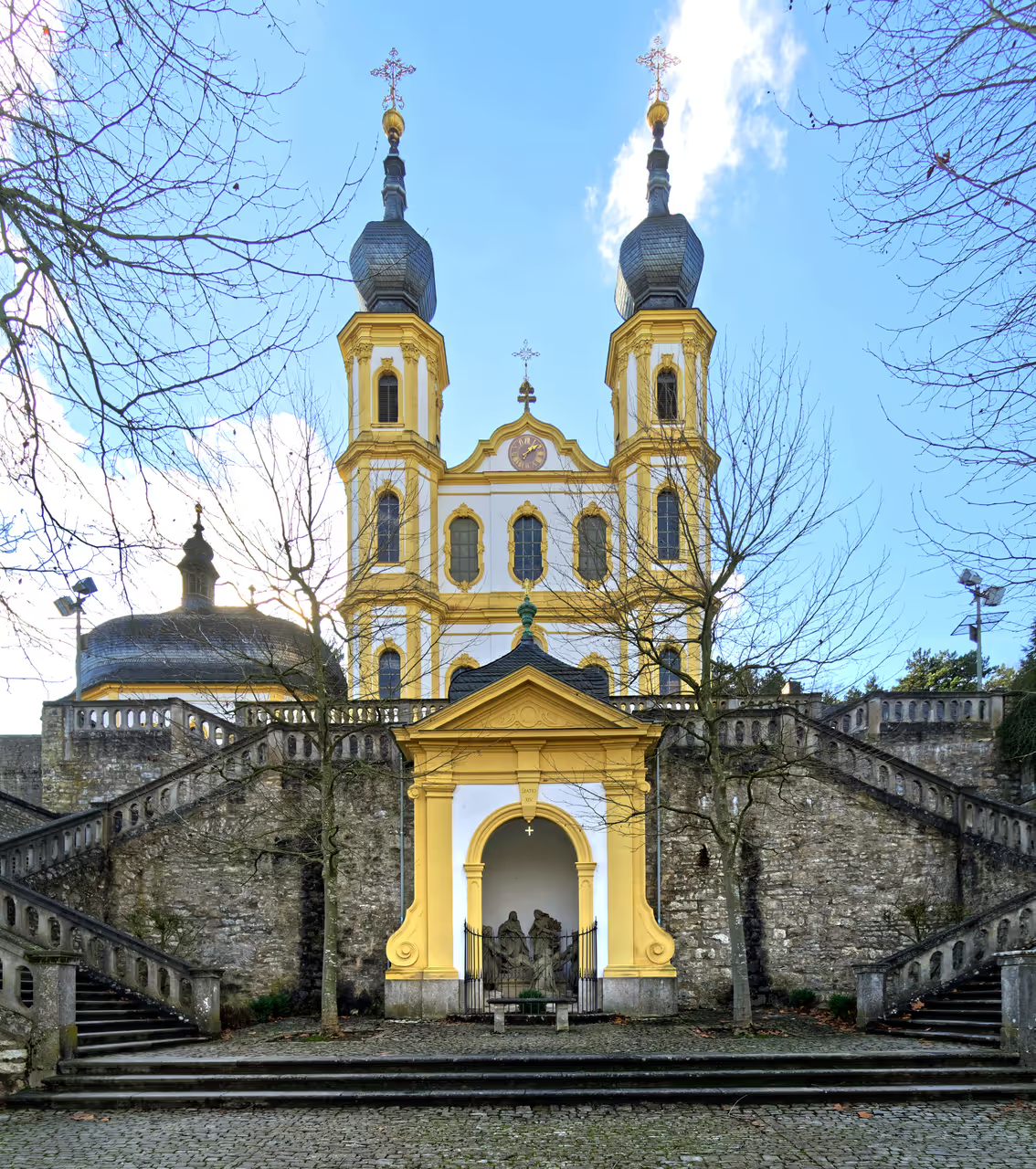
5 Days in Würzburg: Deep Dive Itinerary
This extensive, unhurried itinerary is crafted for the deeply curious traveller who wants to uncover every layer of history, art, and nature the municipality has to offer. With five full days, the journey reaches far beyond the central squares, exploring massive hillside pilgrimage churches, quiet botanical parks, and highly specialised museums. It affords the incredible luxury of experiencing the renowned wine culture through multiple, distinct historical cellars without ever rushing the tastings. The generous timeframe allows for deeply immersive, peaceful strolls through the surrounding landscapes and ancient fortifications. It is the ultimate, definitive way to experience the city like a knowledgeable, highly cultured local. The pace ensures complete relaxation alongside profound historical education.
view itinerary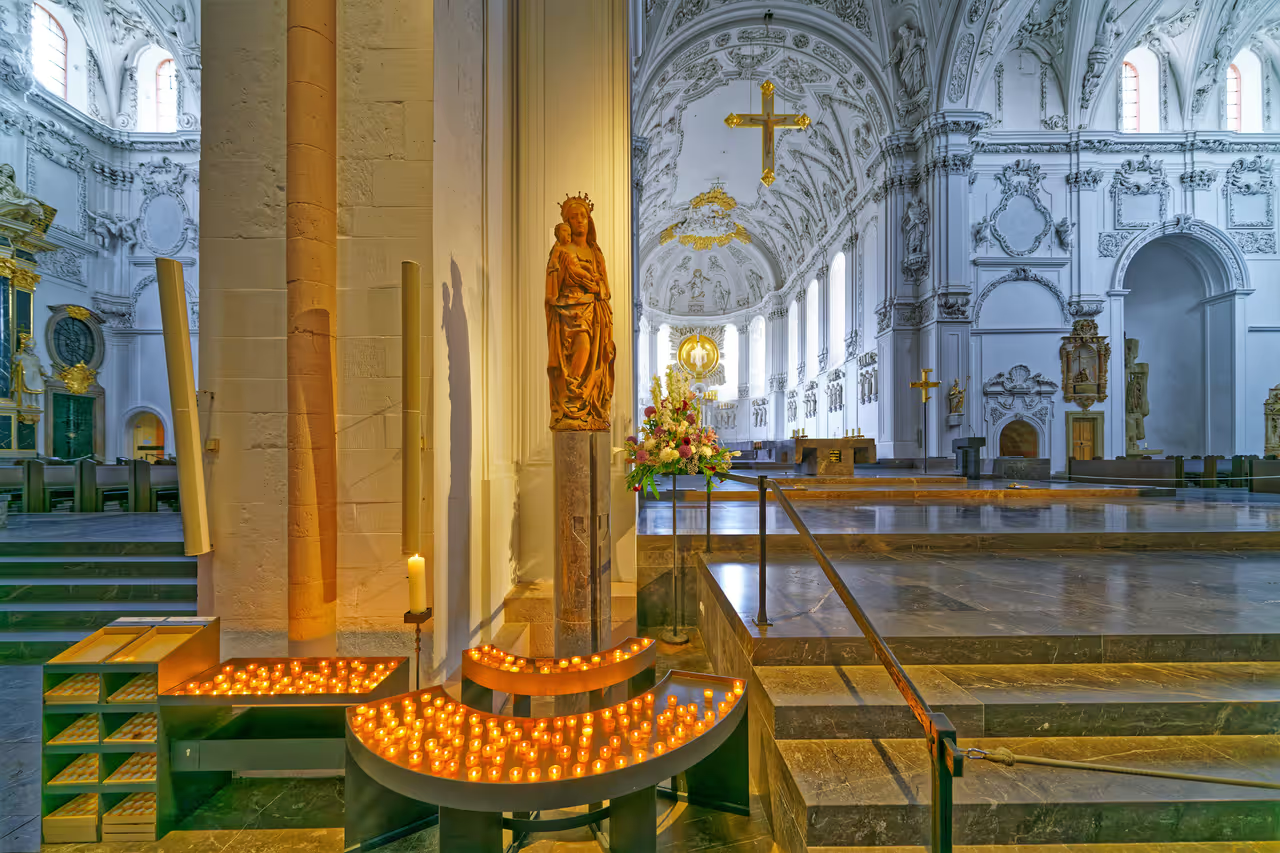
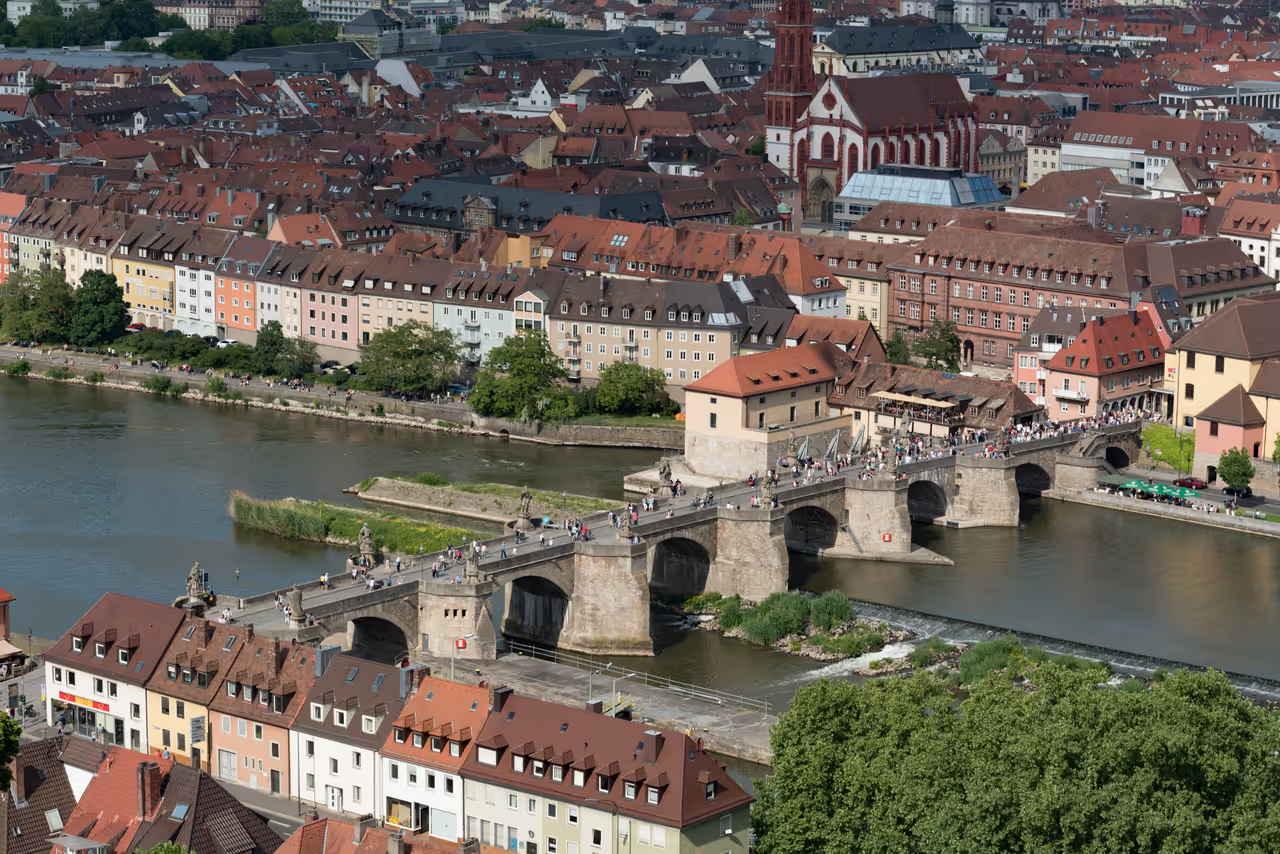
Prince Bishops Legacy
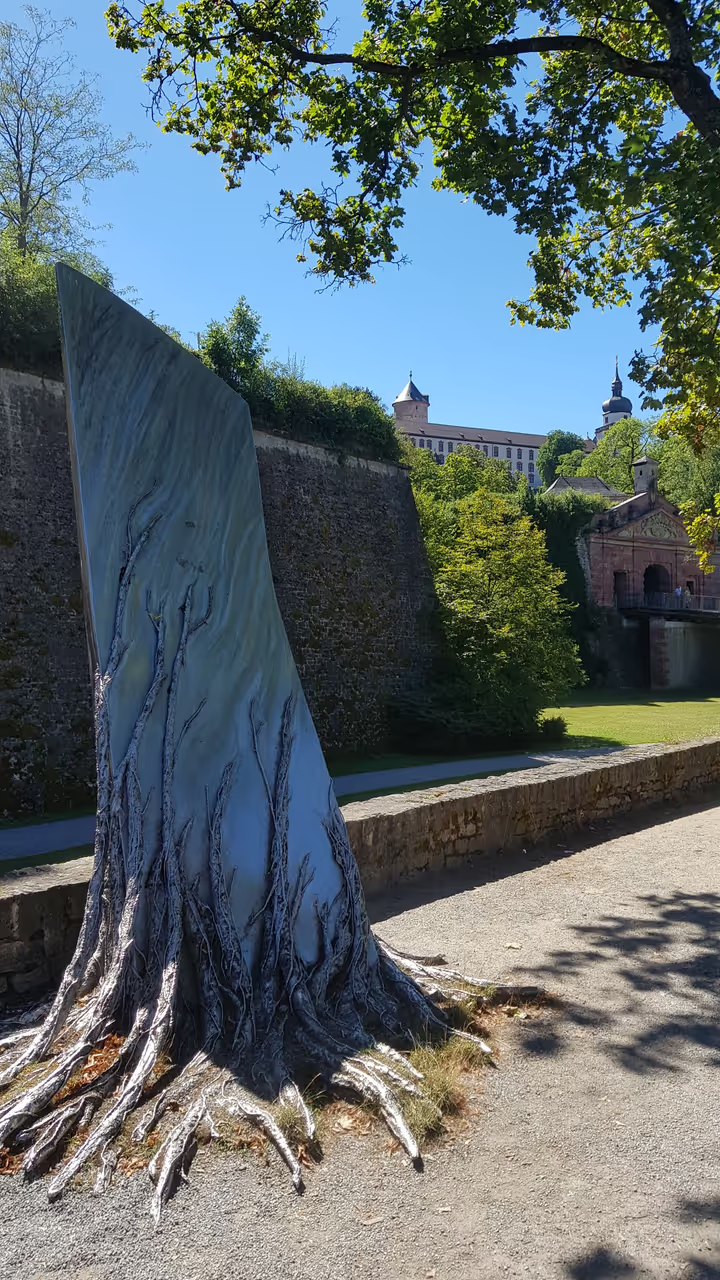
This route traces the immense architectural and political footprint left by the powerful religious rulers who shaped the city for centuries. Walkers will journey between the colossal defensive structures they built to protect themselves and the opulent palaces they constructed to flaunt their wealth. The tour highlights the dramatic shift from medieval military austerity to breathtaking Baroque extravagance. It paints a vivid picture of absolute power, immense wealth, and deep religious devotion. By connecting these monumental landmarks, the narrative of the city's golden age comes sharply into focus.
view self-guided tour