Falkenhaus
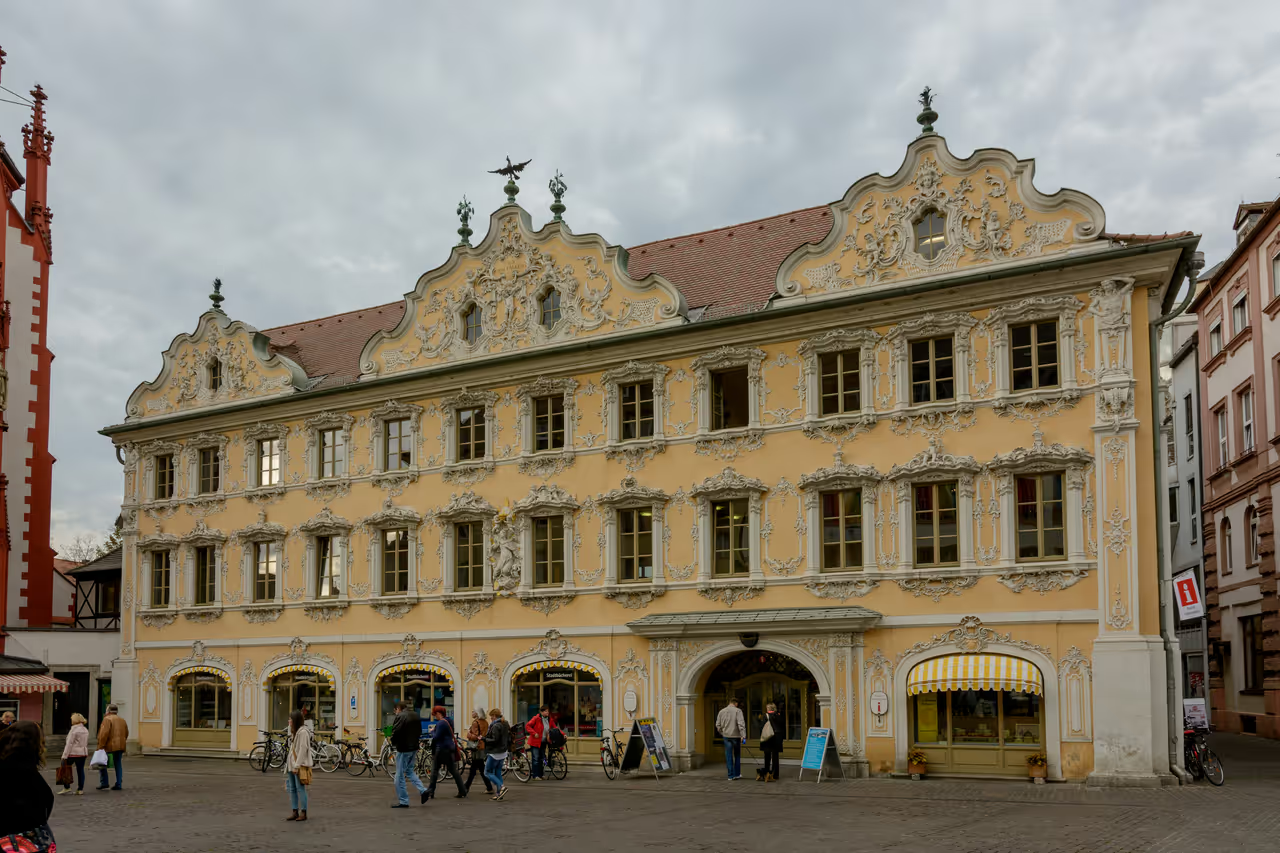
Standing proud on the edge of Würzburg's lively market square, the Falkenhaus is an architectural masterpiece that captures the whimsical spirit of the Rococo era. Its lemon yellow facade is adorned with some of the most intricate and beautiful stucco work in southern Germany, making it an absolute magnet for photographers and history lovers alike. Once a grand inn and the city's social heart, it now serves as a welcoming hub for visitors and locals as the home of the tourist information centre and the city library. The building is a testament to the city's resilience, having been painstakingly reconstructed to its former glory after the devastation of the Second World War. Visiting this spot allows you to appreciate the delicate balance between historical grandeur and modern civic life. Whether you are seeking travel tips or simply want to marvel at the swirling floral patterns of its exterior, the Falkenhaus is an essential stop on any Würzburg itinerary.
History of Falkenhaus
The story of the Falkenhaus begins in the medieval era, though its early years were far more modest than its current appearance suggests. Originally established in the 14th century as a residence for the local cathedral priest, it was a sturdy, functional building known as the Hof zur Burgpfarre. It was not until the 18th century that the property found its true calling as a centre of hospitality. Purchased by Franz Thomas Meißner in 1735, it was rebranded as the Zum Falken inn, eventually becoming the most prestigious guest house in Würzburg and a hub for the city's social elite. The building's most defining feature arrived in 1751. Following the death of the innkeeper, his widow decided to gift the city something truly spectacular by commissioning an elaborate three gabled Rococo facade. This masterpiece of stucco work transformed the inn into a visual landmark, featuring swirling decorative elements that epitomised the grace and luxury of the age. For years, its grand halls echoed with the sounds of concerts and dances, serving as the only dedicated venue for such festivities in the city until well into the 19th century. However, the 20th century brought a dark chapter. On 16 March 1945, a massive air raid left much of Würzburg in ruins, and the Falkenhaus was not spared. The building burned to a shell, and its magnificent facade largely collapsed. In the wake of the war, there were difficult choices to be made about how to rebuild the shattered city. Thankfully, local pride prevailed, and the decision was made to meticulously recreate the Falkenhaus using old photographs as a blueprint. Today, it stands as a symbol of Würzburg’s rebirth, blending its historical soul with its modern role as a welcoming gateway for global travellers.
Events spanning 614 years
Fun Facts
- • Before it was a library, the building was a premier destination for high society travellers visiting the Franconian region.
- • During the reconstruction, the interior was completely modernised to serve as a library, while the exterior remained strictly historical.
- • Experts consider the 1950s reconstruction of the stucco work to be one of the most successful and authentic examples of historical restoration in Germany.
- • For nearly a century, the Falkenhaus hosted the only concert and dance hall in the entire city of Würzburg.
- • The building sits directly next to the Marienkapelle, creating a famous visual contrast between bright Rococo and red sandstone Gothic architecture.
- • The building was originally known as the Hof zur Burgpfarre before it became the House of the Falcon.
- • The decision to rebuild the Falkenhaus was highly debated after the war, with some architects originally favouring a more modern replacement.
- • The incredibly detailed Rococo facade was not part of the original medieval structure but was added during the 18th century.
- • The stucco patterns include a variety of naturalistic motifs such as flowers, shells, and scrolled leaves typical of the late Baroque style.
- • The vibrant yellow colour of the building was specifically chosen to highlight the delicate white details of the stucco ornaments.
Falkenhaus FAQ
While we strive to keep this information accurate and up to date, we recommend verifying any details independently before making decisions based on them.
Falkenhaus Map & Neighborhood Explorer
This interactive map is centered on Falkenhaus. Zoom in and move the map around to automatically discover Wikipedia photos and summaries of other nearby sights, monuments, and historical points of interest and stories in real-time!
Places near Falkenhaus
Make the most of your trip. Check out these top-rated spots located nearby.
 60m
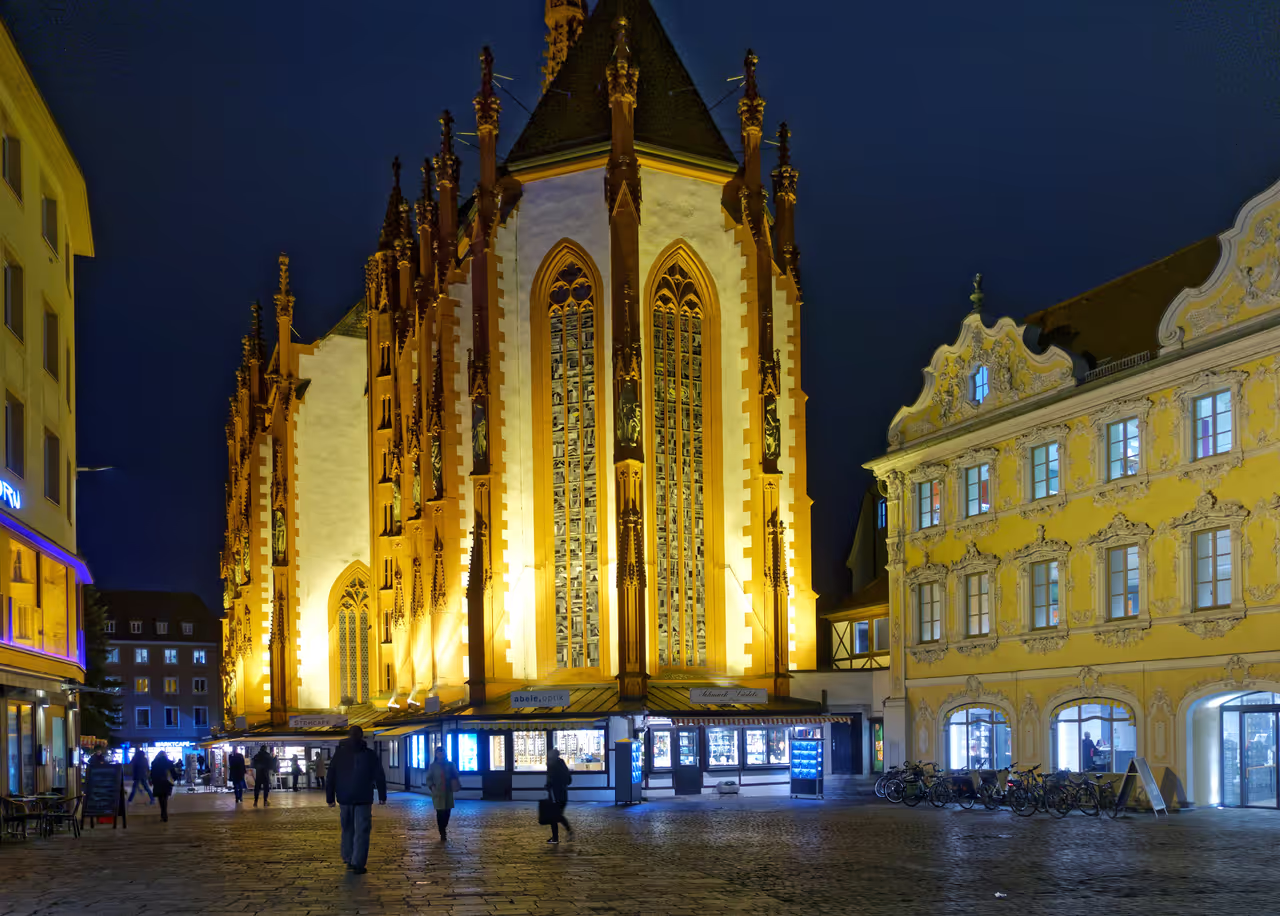
60mMarienkapelle
Standing proudly on Würzburg's market square, the Marienkapelle is a striking late Gothic masterpiece famous for its vibrant red and white facade. While it looks like a massive cathedral, it is technically a chapel because it was built by the city's citizens rather than the church hierarchy. Visiting this site offers a chance to see some of the finest examples of German sculpture, including works by the legendary Tilman Riemenschneider. The atmosphere inside provides a peaceful retreat from the surrounding market, while the exterior is famous for the tiny shops built directly into its walls. It is a place where deep medieval history meets the local spirit of Würzburg. Whether you are an art lover or a history enthusiast, the chapel represents the city's resilience and artistic golden age.
attraction view 94m
94mStreet Music Festival
This dynamic event turns the entire pedestrianised city centre into a massive open air stage for international street performers. Hundreds of musicians, acrobats, jugglers, and comedians entertain massive crowds without charging any admission fee. The spontaneous nature of the performances creates a lively, unpredictable energy that sweeps through the cobblestone streets. Visitors wander from square to square, discovering incredible hidden talents and interacting directly with the artists. The festival champions a hat culture, encouraging audiences to tip performers directly for their impressive shows. It brings a wonderfully bohemian and artistic spirit to the historic town.
festival view- 117m
Green Market
This lively agricultural market is the beating heart of local culinary life, where farmers from the surrounding countryside bring their freshest produce. Stalls overflow with vibrant seasonal vegetables, freshly baked breads, fragrant herbs, and beautiful floral arrangements. It is a fantastic place to observe the daily rhythms of the residents as they meticulously select ingredients for their weekend meals. Visitors can pick up incredibly fresh apples, local cheeses, and regional honey directly from the producers. The lively banter between vendors and regular customers adds a wonderful authentic charm. It is an ideal spot to grab a healthy snack before a day of sightseeing.
market view 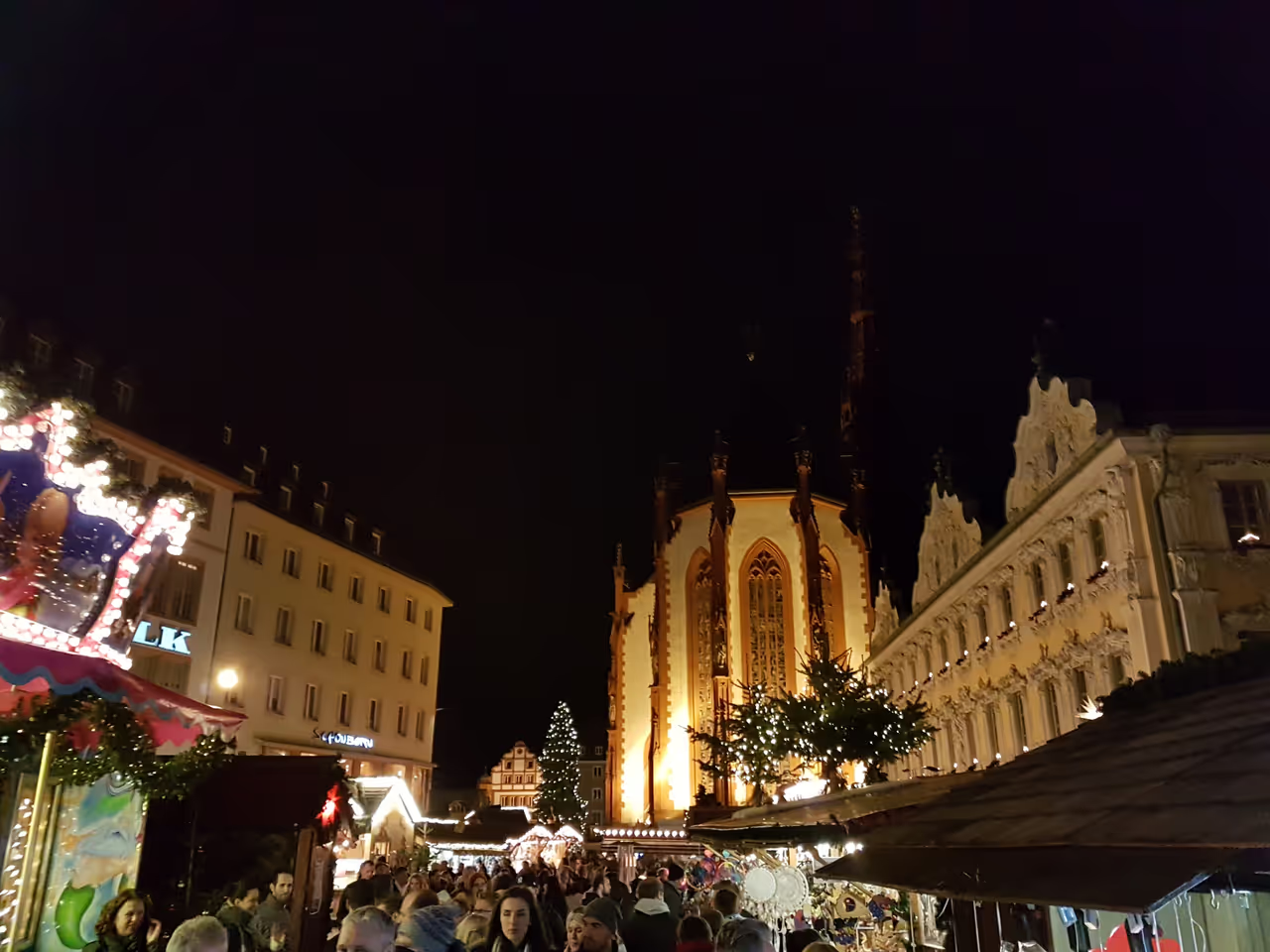 117m
117mWürzburg Christmas Market
Set against the stunning Gothic backdrop of the Marienkapelle and the historic Falkenhaus, this festive market is a winter wonderland. Dozens of beautifully decorated wooden chalets offer everything from intricate handmade crafts to delicate glass ornaments. The air is thick with the warming scents of roasted almonds, spiced gingerbread, and traditional hot mulled wine. Visitors can easily spend hours browsing the unique artisanal gifts and soaking in the joyful, twinkling atmosphere. It provides an incredibly romantic and nostalgic experience during the colder months. The historical setting elevates it to one of the most picturesque holiday markets in the region.
market view
Featured on These Itineraries and Routes
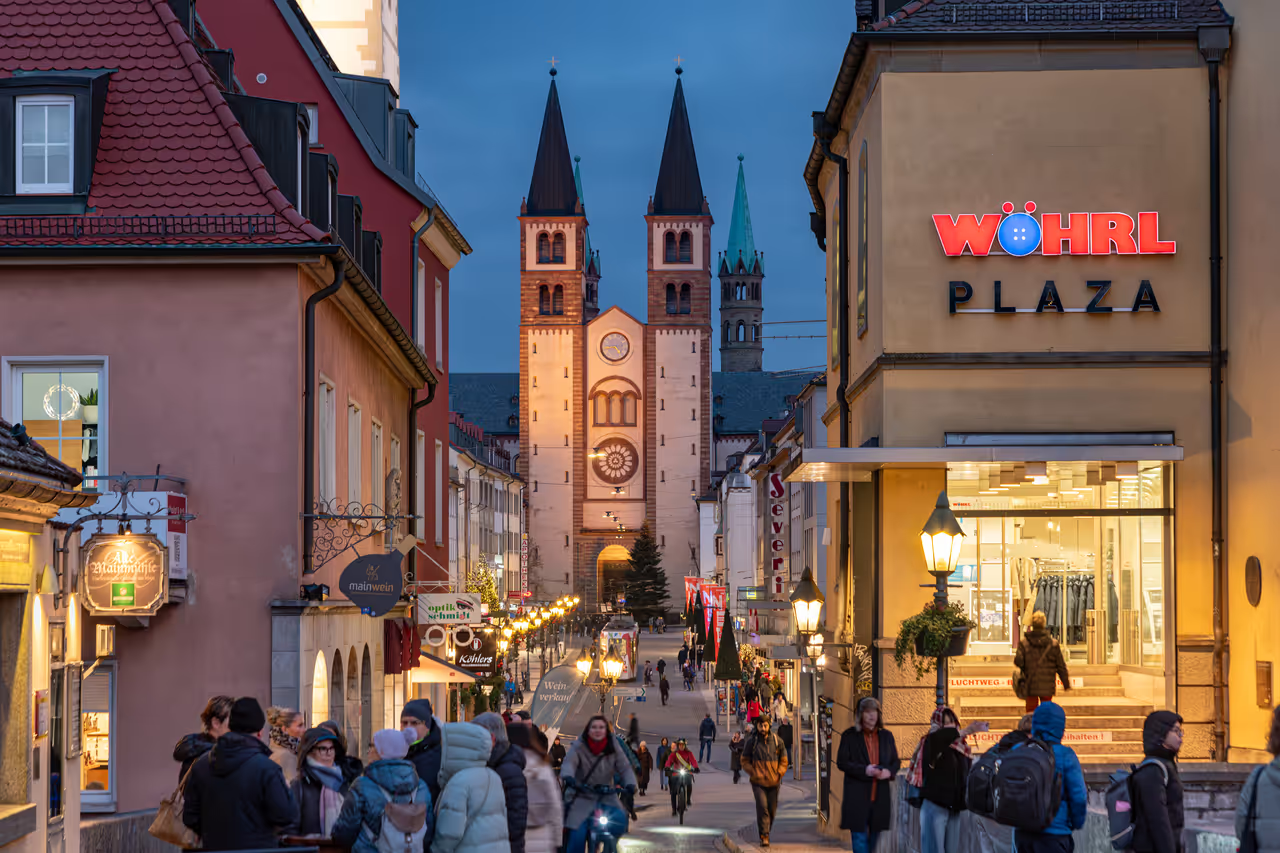
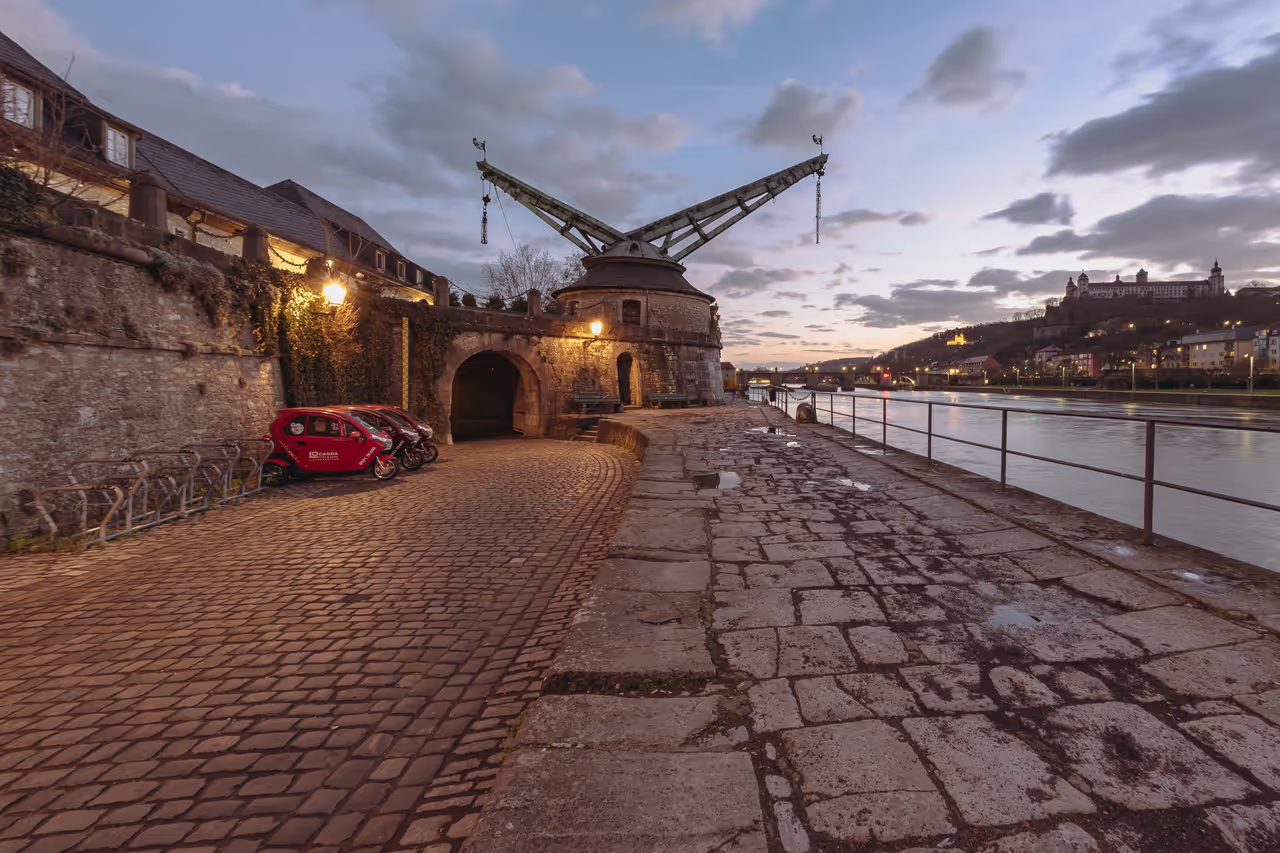
3 Days in Würzburg Itinerary
This balanced, comprehensive itinerary allows visitors to fully digest the rich history, stunning architecture, and vibrant wine culture of the region at a very comfortable pace. Over three days, the journey expands beyond the primary monuments to include elegant gardens, important museums, and deeply authentic local culinary institutions. It provides ample time to genuinely appreciate the incredibly intricate details of the Baroque masterpieces without suffering from museum fatigue. The plan thoughtfully mixes rigorous historical exploration with highly relaxing, sensory experiences like exploring ancient, cavernous wine cellars. It is the absolute ideal duration to capture the true, relaxed essence of Franconian life. Visitors will leave with a profound, well rounded appreciation of the city.
view itinerary
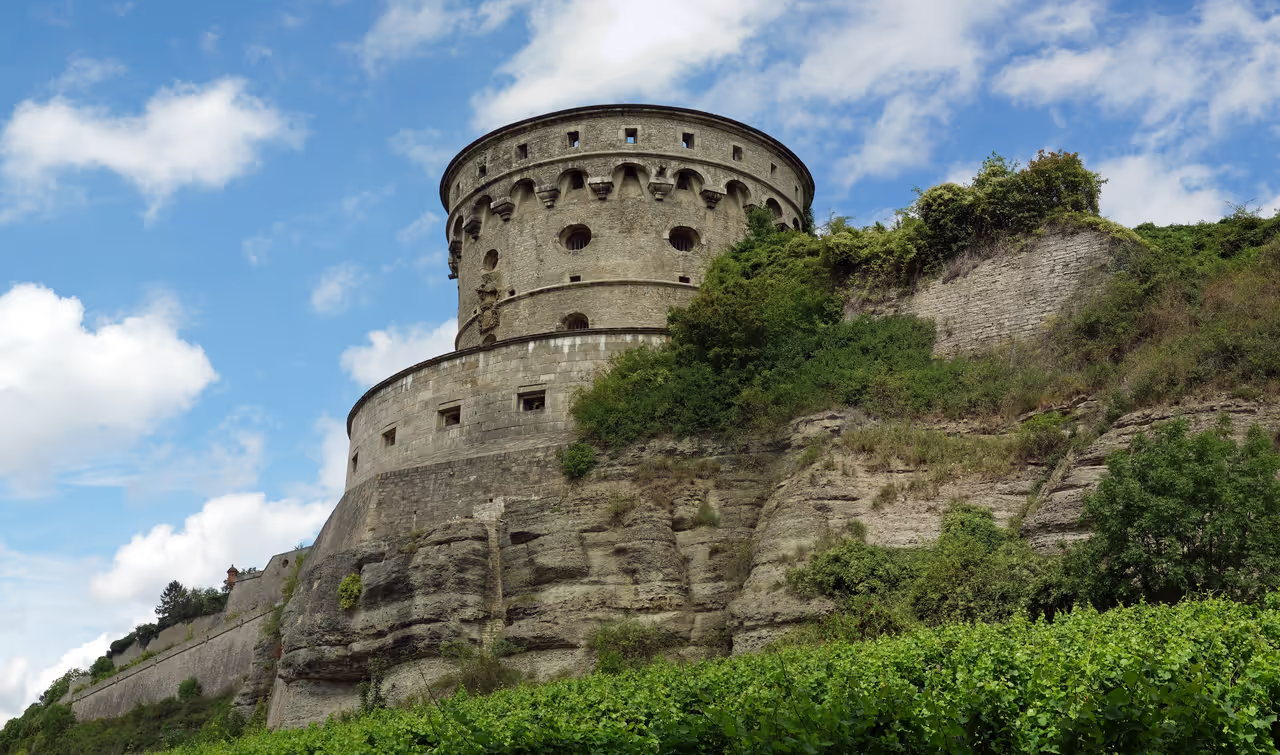
5 Days in Würzburg: Deep Dive Itinerary
This extensive, unhurried itinerary is crafted for the deeply curious traveller who wants to uncover every layer of history, art, and nature the municipality has to offer. With five full days, the journey reaches far beyond the central squares, exploring massive hillside pilgrimage churches, quiet botanical parks, and highly specialised museums. It affords the incredible luxury of experiencing the renowned wine culture through multiple, distinct historical cellars without ever rushing the tastings. The generous timeframe allows for deeply immersive, peaceful strolls through the surrounding landscapes and ancient fortifications. It is the ultimate, definitive way to experience the city like a knowledgeable, highly cultured local. The pace ensures complete relaxation alongside profound historical education.
view itinerary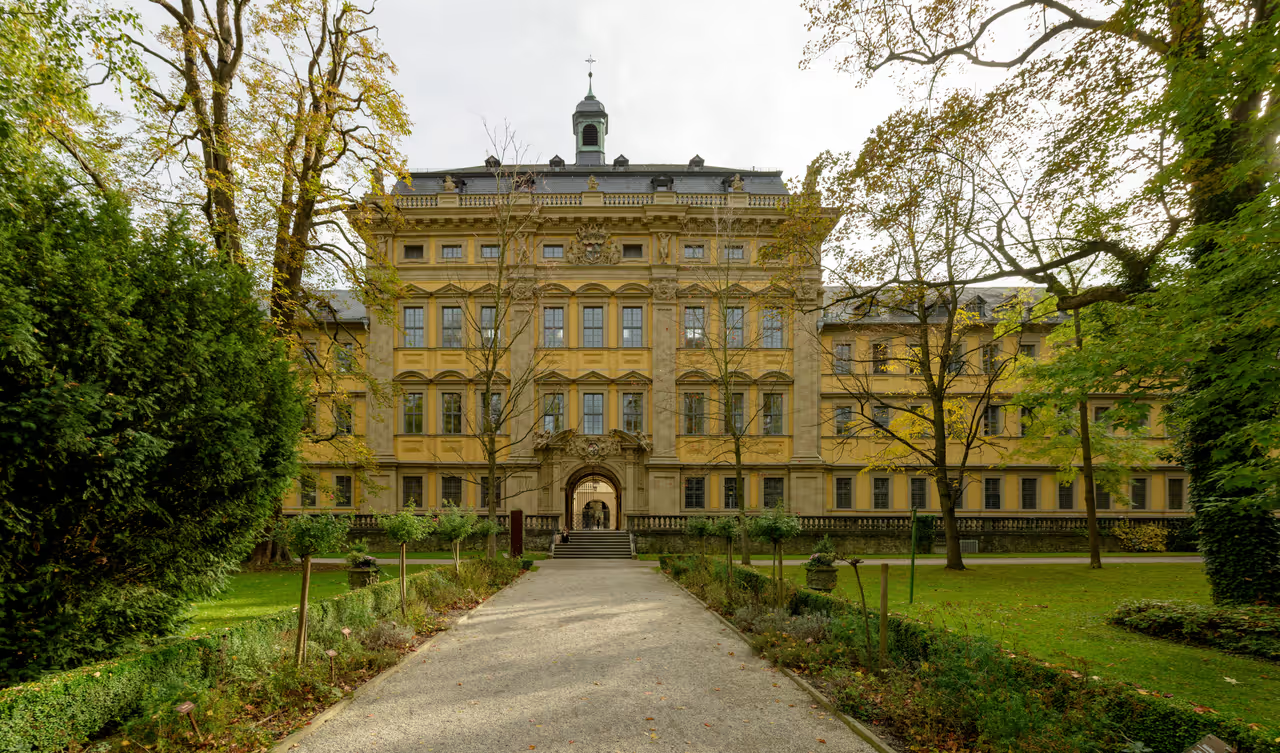
Baroque Brilliance
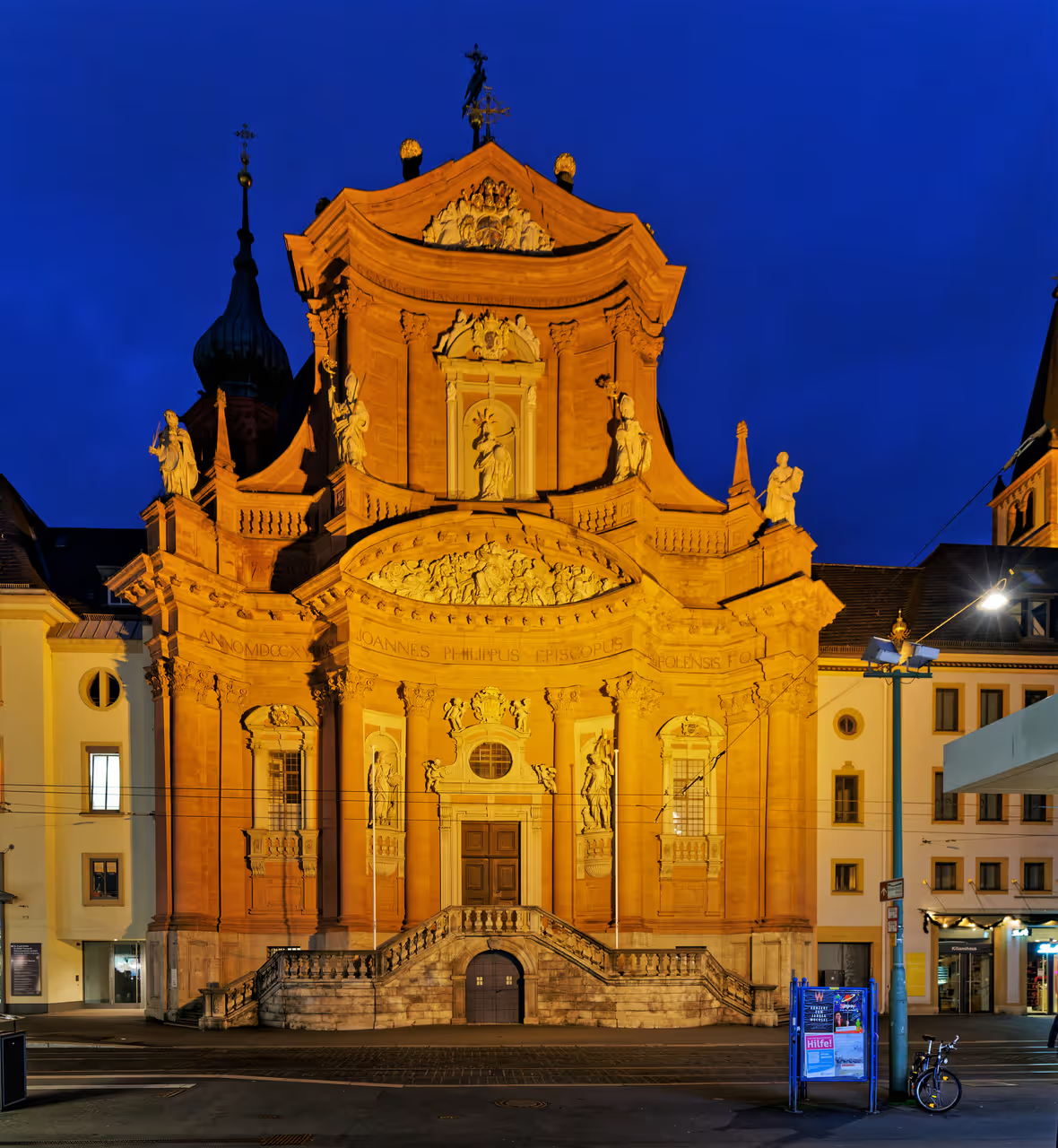
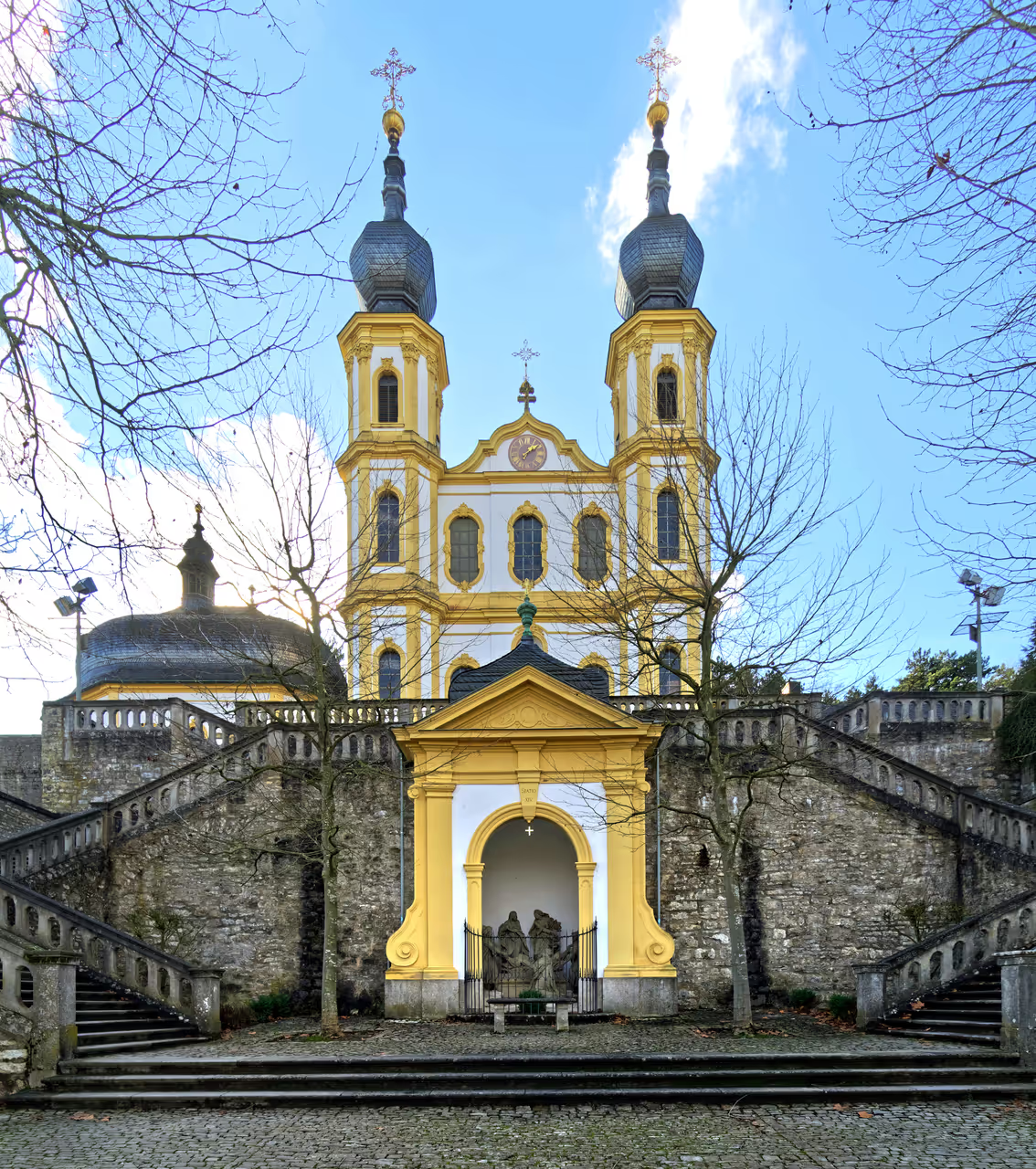
This tour immerses walkers in the flamboyant, highly decorative architectural style that defined the city's rebirth in the seventeenth and eighteenth centuries. It showcases the masterful work of legendary architects like Balthasar Neumann who transformed the cityscape into a theatrical display of curves and stucco. The route reveals how the Baroque aesthetic permeated everything from grand civic hospitals to intimate pilgrimage chapels. It is a visual feast of ornate facades, playful sculptures, and dramatic, sweeping interiors. The journey highlights the absolute pinnacle of southern German artistry.
view self-guided tour
See all attractions in Würzburg
Juliusspital Foundation, Little Chapel, Marienberg Fortress, Marienkapelle, Neumünster Collegiate Church, Old Main Bridge, St. Kilian's Cathedral...