Marienkapelle
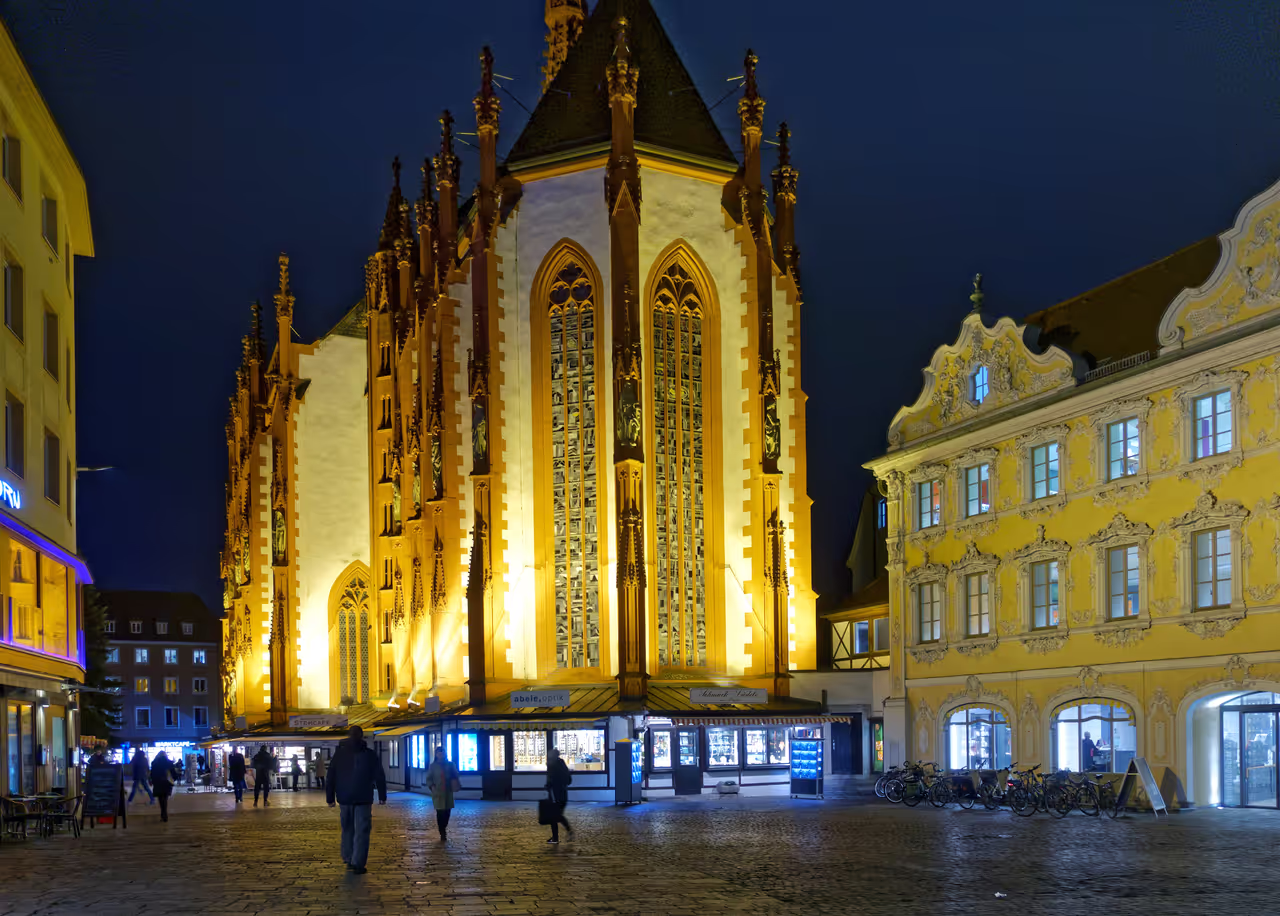
Standing proudly on Würzburg's market square, the Marienkapelle is a striking late Gothic masterpiece famous for its vibrant red and white facade. While it looks like a massive cathedral, it is technically a chapel because it was built by the city's citizens rather than the church hierarchy. Visiting this site offers a chance to see some of the finest examples of German sculpture, including works by the legendary Tilman Riemenschneider. The atmosphere inside provides a peaceful retreat from the surrounding market, while the exterior is famous for the tiny shops built directly into its walls. It is a place where deep medieval history meets the local spirit of Würzburg. Whether you are an art lover or a history enthusiast, the chapel represents the city's resilience and artistic golden age.
Videos
History of Marienkapelle
The Marienkapelle is a monument to the resilience and ambition of the people of Würzburg. Its story began in the 14th century, rising from the site of a tragic past to become a symbol of community identity. Unlike the nearby cathedral, which represented the power of the Prince Bishops, this chapel was the project of the citizens. They poured their own wealth into its construction, wanting a spiritual home that reflected their own growing influence in the Holy Roman Empire. The resulting structure, with its slender Gothic windows and soaring tower, remains a central fixture of the city skyline. Throughout the late Middle Ages, the chapel became a gallery for the greatest artists of the era. The most famous of these was Tilman Riemenschneider, whose lifelike sandstone sculptures of Adam and Eve caused a sensation when they were first unveiled. These figures broke with tradition by showing the human form with startling realism and emotion. Even as the city changed through the Reformation and the Baroque era, the Marienkapelle remained a beloved landmark, eventually becoming the final resting place for Balthasar Neumann, the architectural genius who shaped much of Würzburg's royal identity. The most testing chapter of the chapel's history arrived on a single night in March 1945. The firebombing that devastated Würzburg left the Marienkapelle a hollow shell, its roof gone and its interior scorched. However, the post war generation refused to let the building perish. Over nearly two decades, they meticulously rebuilt the vaults and restored the exterior. Today, the chapel stands as a bridge between the medieval past and the modern city, its rotating golden Madonna watching over the daily life of the market square below.
Events spanning 585 years
Fun Facts
- • Balthasar Neumann, the world famous architect of the Würzburg Residence, is buried within the chapel walls.
- • Despite its grand size and 70 metre tower, it is officially a chapel because it never held the legal rights of a parish church.
- • One of the Schwalbenlädle currently houses what is arguably the smallest cafe in Würzburg.
- • Remnants of a medieval Jewish ritual bath, or Mikvah, are said to exist beneath the current sacristy.
- • The chapel was built on the site of a former synagogue that was destroyed during a dark period of local history in 1349.
- • The chapel's distinctive red and white colour scheme is a classic hallmark of Franconian Gothic architecture.
- • The exterior walls feature tiny integrated shops known as Schwalbenlädle, which have been rented out to merchants since 1437.
- • The golden Madonna on the spire is 3.45 metres tall and is designed to turn with the wind to face the elements.
- • The legendary sculptor Tilman Riemenschneider created the original statues of Adam and Eve for the south portal in 1490.
- • The original sandstone figures of Adam and Eve were moved to a museum for protection, replaced on the facade by high quality copies.
Marienkapelle FAQ
While we strive to keep this information accurate and up to date, we recommend verifying any details independently before making decisions based on them.
Marienkapelle Map & Neighborhood Explorer
This interactive map is centered on Marienkapelle. Zoom in and move the map around to automatically discover Wikipedia photos and summaries of other nearby sights, monuments, and historical points of interest and stories in real-time!
Places near Marienkapelle
Make the most of your trip. Check out these top-rated spots located nearby.
 34m
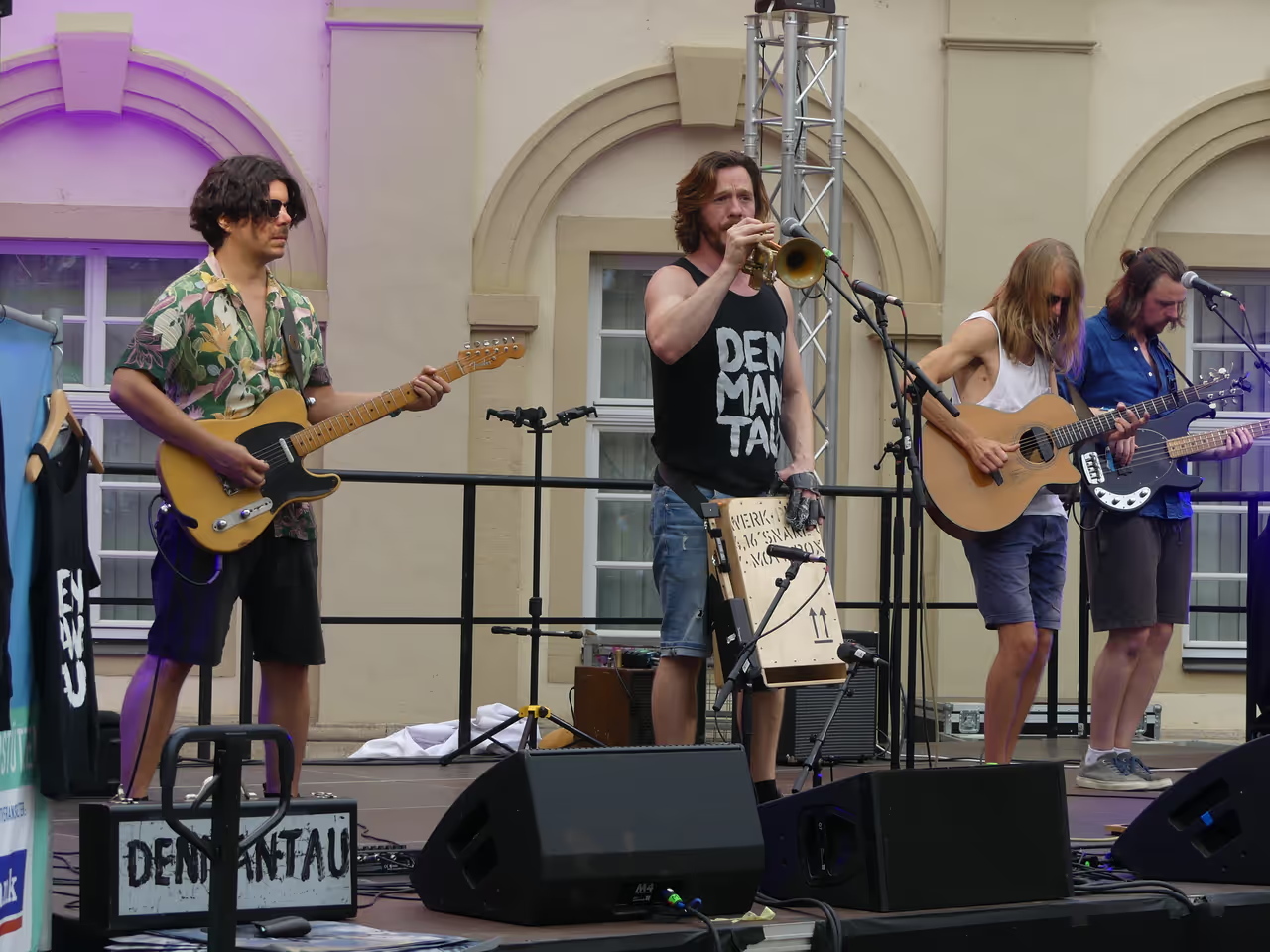
34mStreet Music Festival
This dynamic event turns the entire pedestrianised city centre into a massive open air stage for international street performers. Hundreds of musicians, acrobats, jugglers, and comedians entertain massive crowds without charging any admission fee. The spontaneous nature of the performances creates a lively, unpredictable energy that sweeps through the cobblestone streets. Visitors wander from square to square, discovering incredible hidden talents and interacting directly with the artists. The festival champions a hat culture, encouraging audiences to tip performers directly for their impressive shows. It brings a wonderfully bohemian and artistic spirit to the historic town.
festival view- 58m
Green Market
This lively agricultural market is the beating heart of local culinary life, where farmers from the surrounding countryside bring their freshest produce. Stalls overflow with vibrant seasonal vegetables, freshly baked breads, fragrant herbs, and beautiful floral arrangements. It is a fantastic place to observe the daily rhythms of the residents as they meticulously select ingredients for their weekend meals. Visitors can pick up incredibly fresh apples, local cheeses, and regional honey directly from the producers. The lively banter between vendors and regular customers adds a wonderful authentic charm. It is an ideal spot to grab a healthy snack before a day of sightseeing.
market view 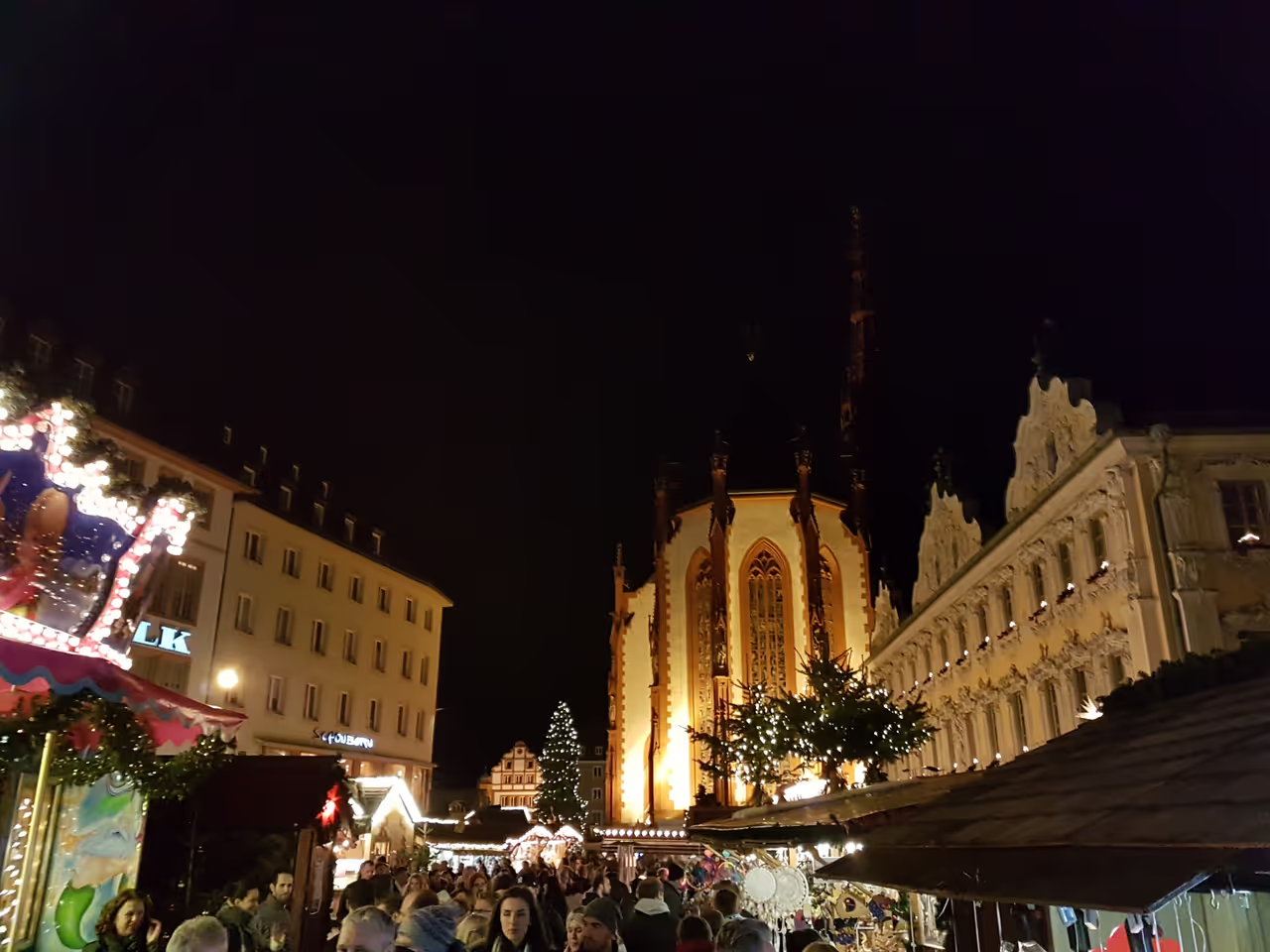 58m
58mWürzburg Christmas Market
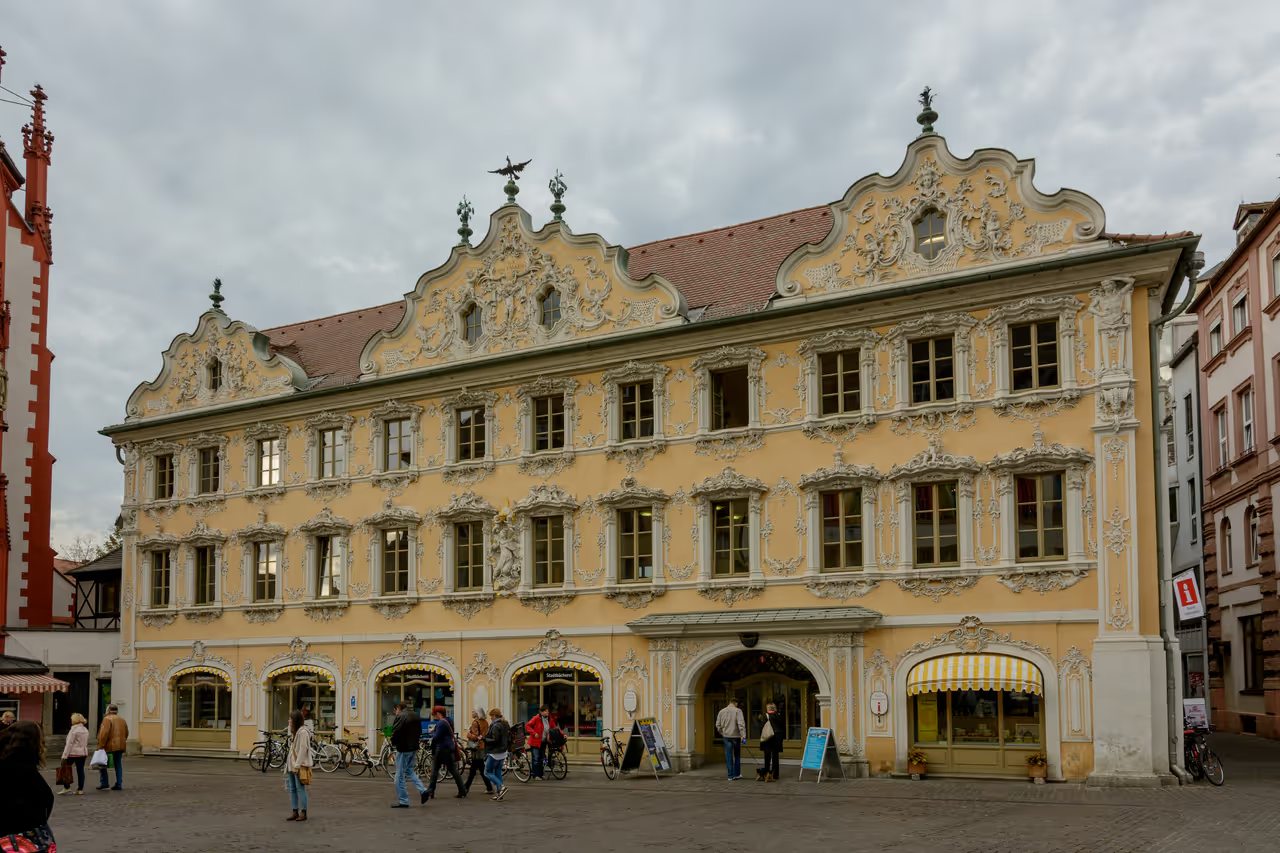
Set against the stunning Gothic backdrop of the Marienkapelle and the historic Falkenhaus, this festive market is a winter wonderland. Dozens of beautifully decorated wooden chalets offer everything from intricate handmade crafts to delicate glass ornaments. The air is thick with the warming scents of roasted almonds, spiced gingerbread, and traditional hot mulled wine. Visitors can easily spend hours browsing the unique artisanal gifts and soaking in the joyful, twinkling atmosphere. It provides an incredibly romantic and nostalgic experience during the colder months. The historical setting elevates it to one of the most picturesque holiday markets in the region.
market view- 58m
Würzburg Wine Village
Celebrating the deep rooted viticultural heritage of the region, this festival sees the central market square transformed into a charming village of wooden wine stalls. Dozens of local estates present their finest vintages, offering over a hundred different wines to eager tasting crowds. The focus is heavily on the crisp, mineral rich white wines that have made Franconia famous. Culinary booths provide perfect regional pairings like roasted sausages, pretzels, and local cheese specialities. The convivial atmosphere encourages strangers to share tables and toast to good health and great weather. It is the quintessential Franconian social experience.
festival view
Explore Similar Places in This Collection
Featured on This Itinerary
See all attractions in Würzburg
Falkenhaus, Juliusspital Foundation, Little Chapel, Marienberg Fortress, Neumünster Collegiate Church, Old Main Bridge, St. Kilian's Cathedral...