Juliusspital Foundation
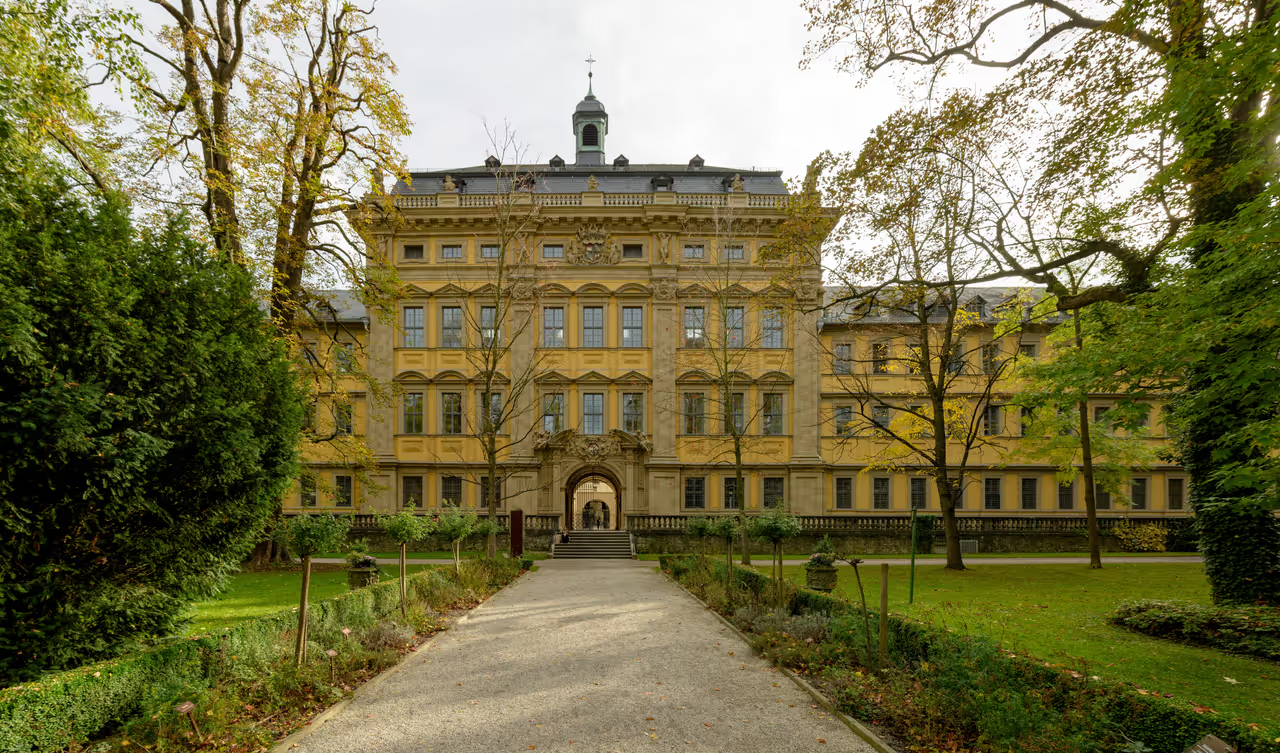
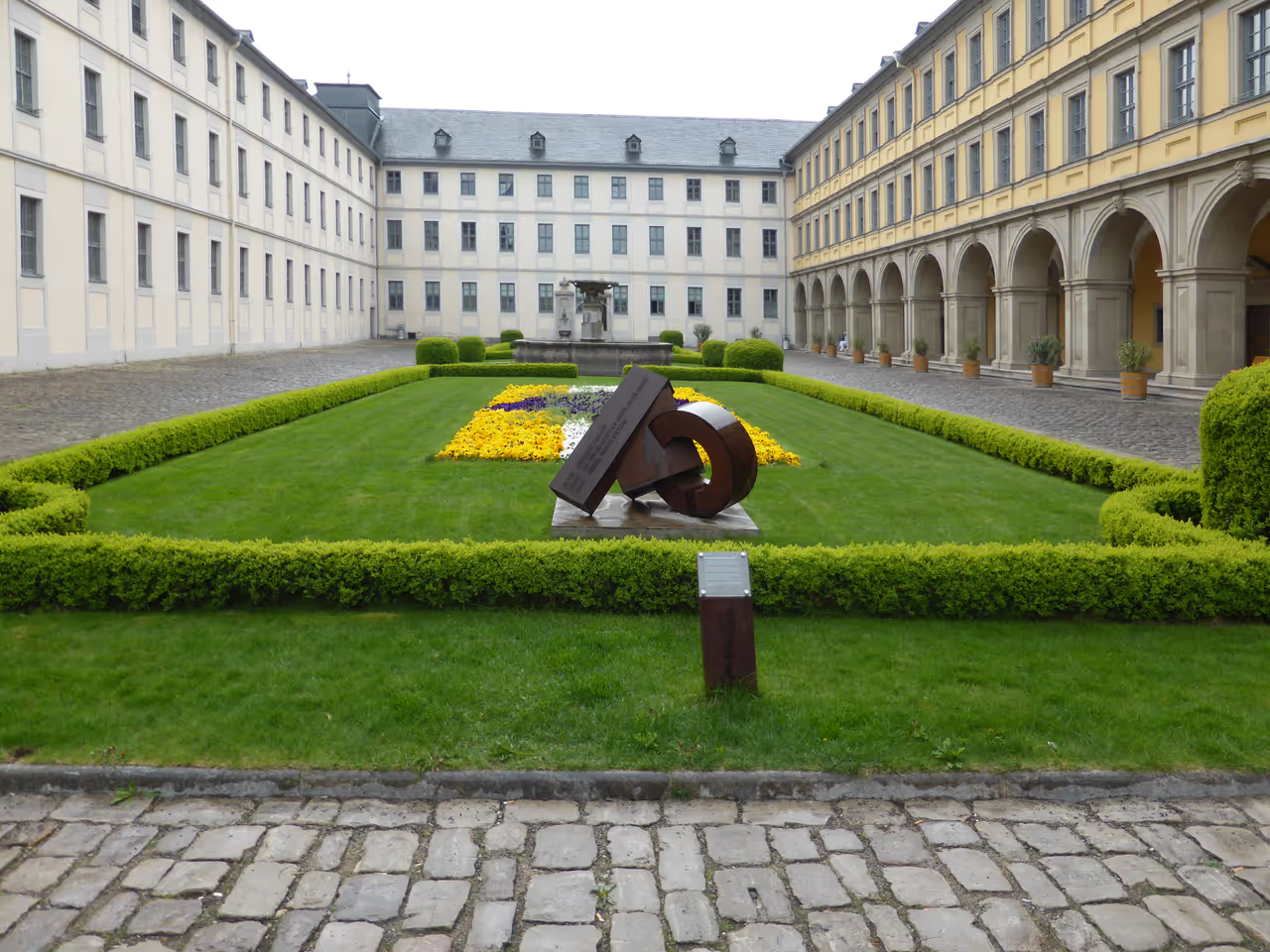
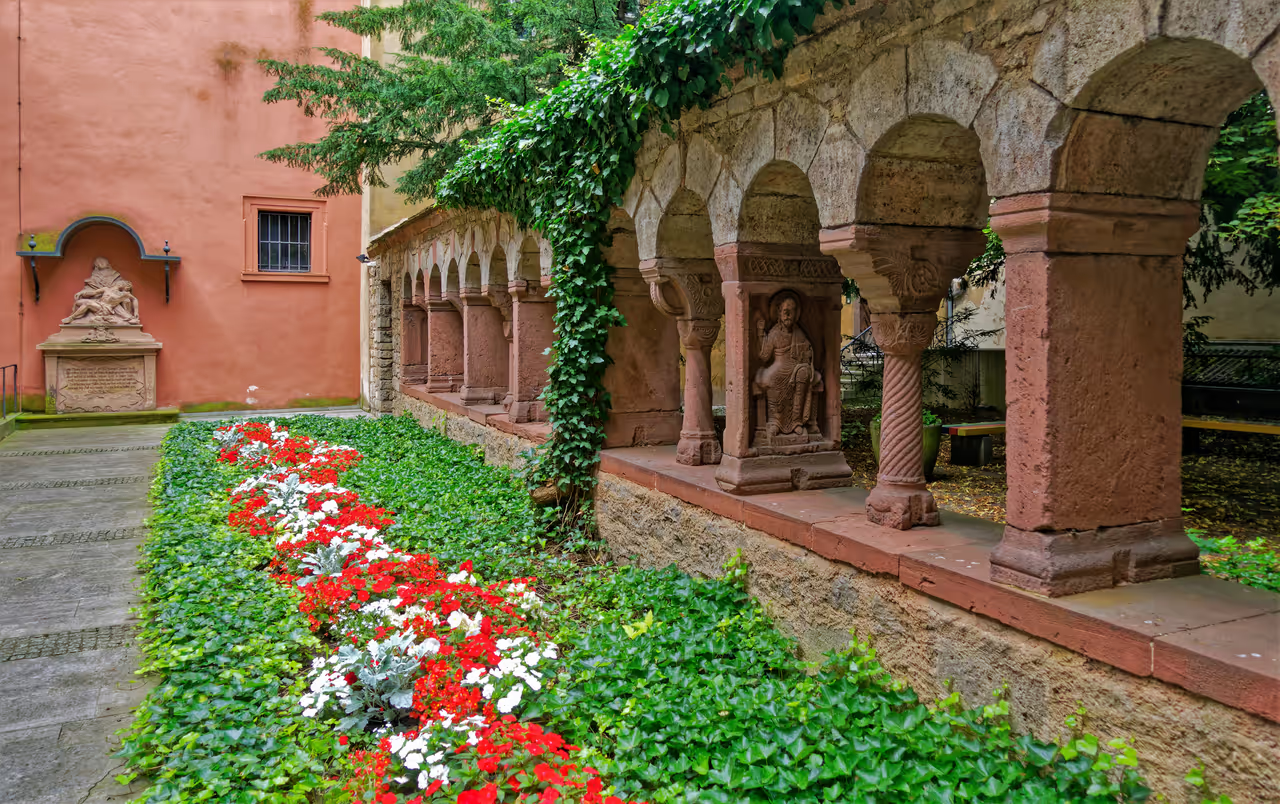
Juliusspital is much more than a historical landmark; it is a living foundation that has cared for the people of Würzburg for over four centuries. Visiting this site allows you to explore a unique blend of world-class medical history, stunning Baroque architecture, and one of Germany's most prestigious wineries. You can stroll through its tranquil courtyard, admire the intricate Rococo pharmacy, or descend into the atmospheric wine cellars. It offers a rare opportunity to see how a 16th-century charitable vision continues to thrive in the modern day. Whether you are a history enthusiast, an architecture lover, or a wine connoisseur, the estate's grand scale and welcoming spirit make it an essential stop. The atmosphere shifts beautifully from the clinical precision of its heritage to the warm, social charm of its wine-tasting rooms.
Videos
History of Juliusspital Foundation
The story of Juliusspital begins in 1576 with a bold and somewhat controversial move by Prince-Bishop Julius Echter von Mespelbrunn. Seeking to reform the city's social care and reassert Catholic influence during the Counter-Reformation, he established a foundation for the poor, the sick, and the orphaned. To fund this massive project, he used his own wealth and assets, but he also controversially repurposed the site of a Jewish cemetery. This mix of high-minded charity and political steel created an institution that would become one of the most powerful and enduring in Franconia. Over the centuries, the hospital evolved from a Renaissance refuge into a Baroque architectural marvel. After a catastrophic fire in 1699, the foundation rose from the ashes with even greater grandeur. Master architects like Joseph Greissing and later Balthasar Neumann left their mark on the site, creating the sweeping curves and majestic facades that define Würzburg’s skyline. It became a centre for scientific excellence, where the medical faculty of the university pioneered research that helped shape modern medicine. Walking through the courtyards today, the echoes of this intellectual golden age are still palpable. What makes Juliusspital truly remarkable is its survival and modern relevance. Unlike many ancient charities that faded into history, this foundation remains a powerhouse. It manages vast forests and some of the finest vineyards in the world to ensure its charitable mission never falters. It is a rare place where a sip of exquisite Silvaner wine directly supports the care of the elderly and the healing of the sick. This unique cycle of tradition and philanthropy makes the estate a proud symbol of Würzburg’s identity and a testament to enduring civic spirit.
Events spanning 377 years
Fun Facts
- • During the coronation of Queen Elizabeth II in 1953, a 1950 vintage Riesling from this estate was chosen for the royal banquet.
- • Every bottle of wine produced here features a distinctive shoulder coat of arms, the official seal of the founder.
- • Famous medical pioneers such as Rudolf Virchow and Albert von Kölliker taught and conducted research within these walls.
- • Juliusspital is home to the second largest winery in Germany, covering around 180 hectares of prime Franconian vineyards.
- • The Four Streams Fountain in the courtyard features allegorical figures representing the Main, Saale, Werra, and Fulda rivers.
- • The Garden Pavilion originally served as an anatomical theatre, where students observed dissections from a circular gallery.
- • The Rococo pharmacy within the building contains a perfectly preserved interior from 1760, featuring work by the sculptor Antonio Giuseppe Bossi.
- • The estate's historic wine cellar stretches for a staggering 250 metres beneath the grand Fürstenbau building.
- • The foundation remains entirely self-sustaining, using profits from its wine, timber, and agriculture to fund its modern hospital and care homes.
- • The foundation was partially funded by the controversial seizure and levelling of a Jewish cemetery, a dark chapter noted in local history.
Juliusspital Foundation FAQ
While we strive to keep this information accurate and up to date, we recommend verifying any details independently before making decisions based on them.
Juliusspital Foundation Map & Neighborhood Explorer
This interactive map is centered on Juliusspital Foundation. Zoom in and move the map around to automatically discover Wikipedia photos and summaries of other nearby sights, monuments, and historical points of interest and stories in real-time!
Places near Juliusspital Foundation
Make the most of your trip. Check out these top-rated spots located nearby.
 281m
281mJuliuspromenade & Theaterstraße
This elegant central boulevard caters to a slightly older and more upscale crowd seeking refined entertainment. The area boasts stylish cocktail lounges, sophisticated wine bars, and the bustling venues surrounding the main city theatre. It is the ideal district for those looking to dress up a little and enjoy expertly crafted mixed drinks or premium local vintages. The atmosphere is chic but remains friendly, lacking the pretension found in larger metropolitan cities. Late night revellers can easily transition from a sophisticated dinner into a lively lounge setting without walking far. The architecture along the promenade provides a beautiful backdrop for a night out.
nightlife view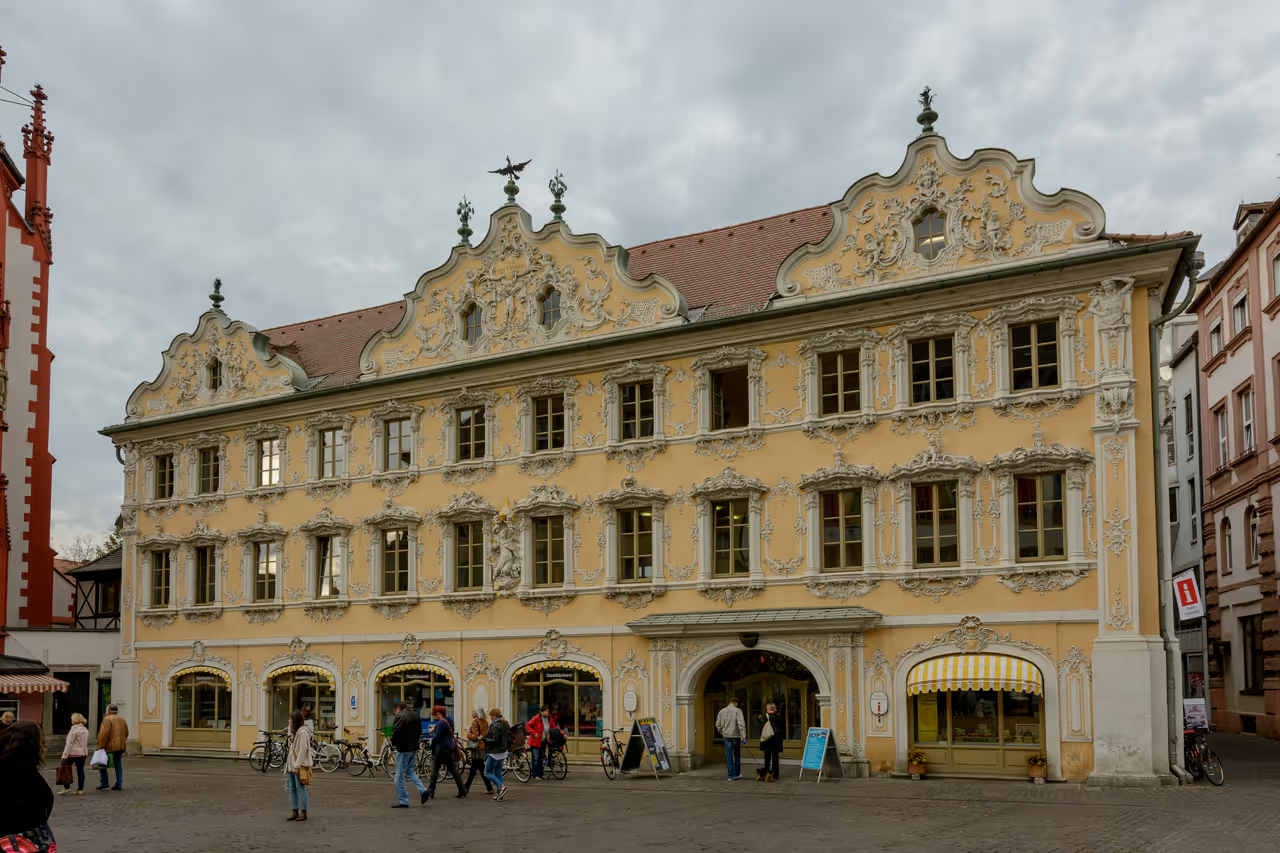 322m
322mFalkenhaus
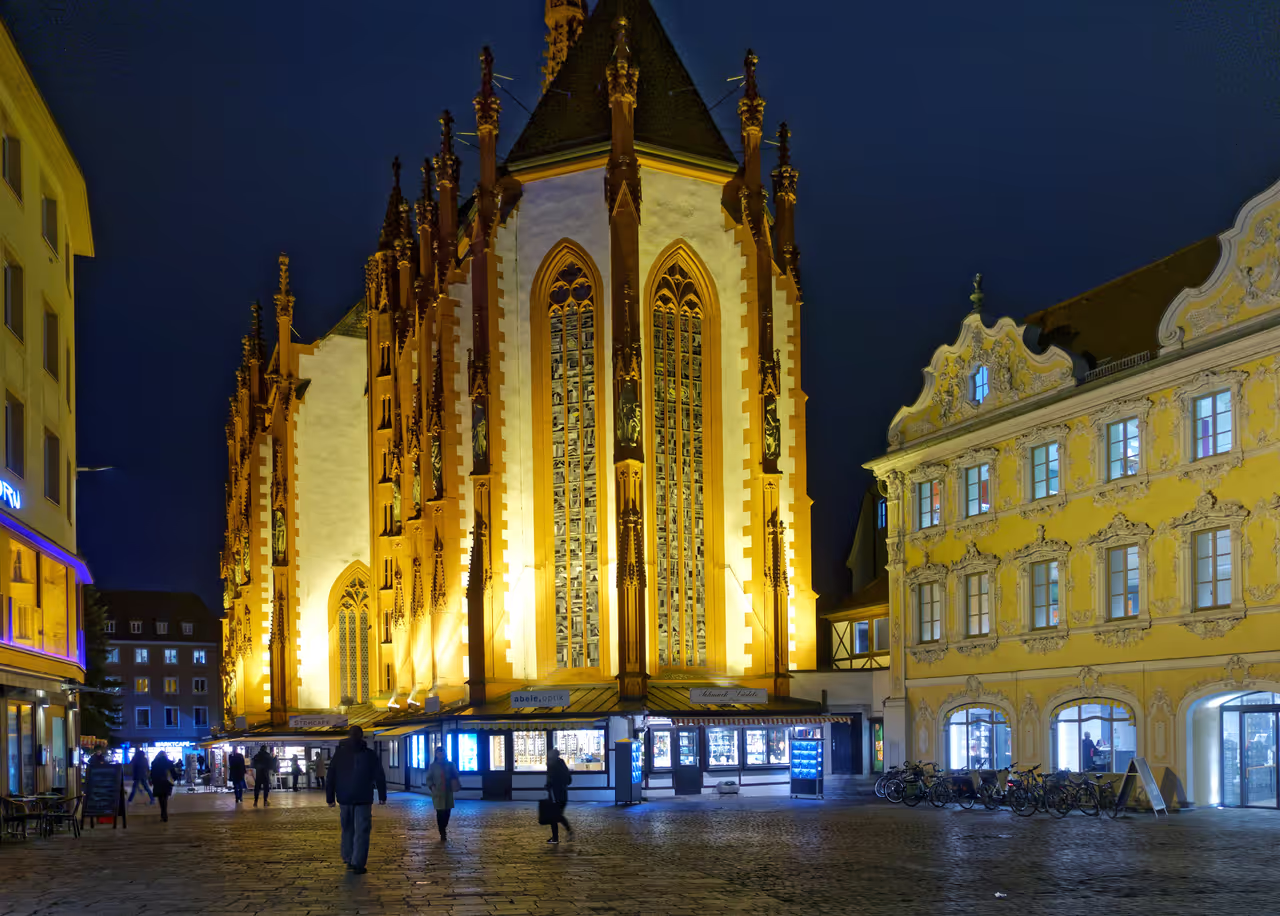
Standing proud on the edge of Würzburg's lively market square, the Falkenhaus is an architectural masterpiece that captures the whimsical spirit of the Rococo era. Its lemon yellow facade is adorned with some of the most intricate and beautiful stucco work in southern Germany, making it an absolute magnet for photographers and history lovers alike. Once a grand inn and the city's social heart, it now serves as a welcoming hub for visitors and locals as the home of the tourist information centre and the city library. The building is a testament to the city's resilience, having been painstakingly reconstructed to its former glory after the devastation of the Second World War. Visiting this spot allows you to appreciate the delicate balance between historical grandeur and modern civic life. Whether you are seeking travel tips or simply want to marvel at the swirling floral patterns of its exterior, the Falkenhaus is an essential stop on any Würzburg itinerary.
attraction view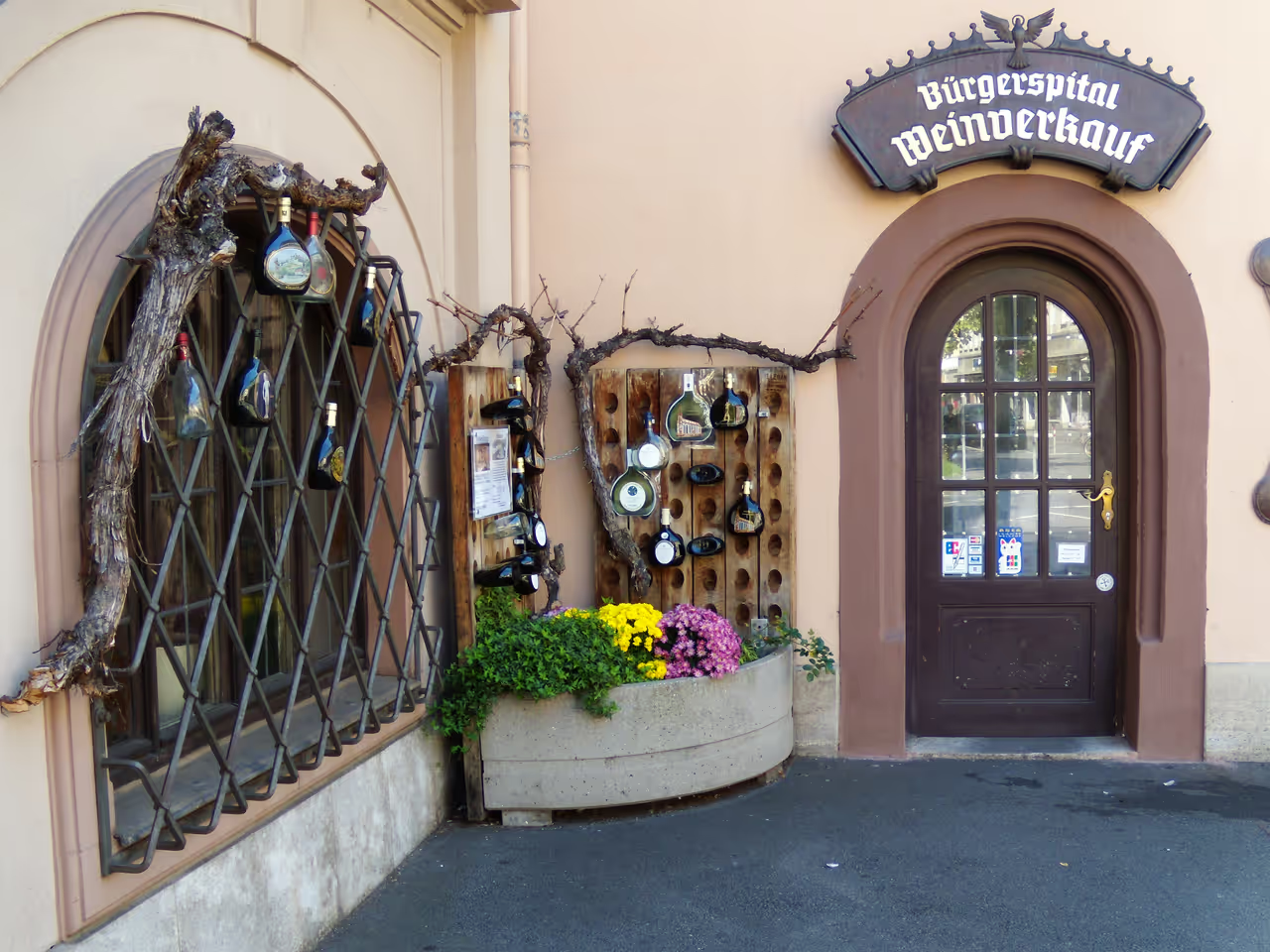 327m
327mBürgerspital Wine Estate
Founded in the fourteenth century as a charitable home for those in need, this massive estate remains one of the premier wine producers in Germany. The sprawling complex is a maze of historic courtyards, traditional wine taverns, and immense underground cellars. Visitors can explore the atmospheric, oak barrel lined vaults where some of the finest regional vintages are aged to perfection. The estate is highly celebrated for popularising the iconic Bocksbeutel bottle shape that defines Franconian wine. Enjoying a hearty local meal accompanied by a crisp white wine in their traditional courtyard is a quintessential local experience. It perfectly embodies the region's historic dedication to charity and excellent viticulture.
highlight view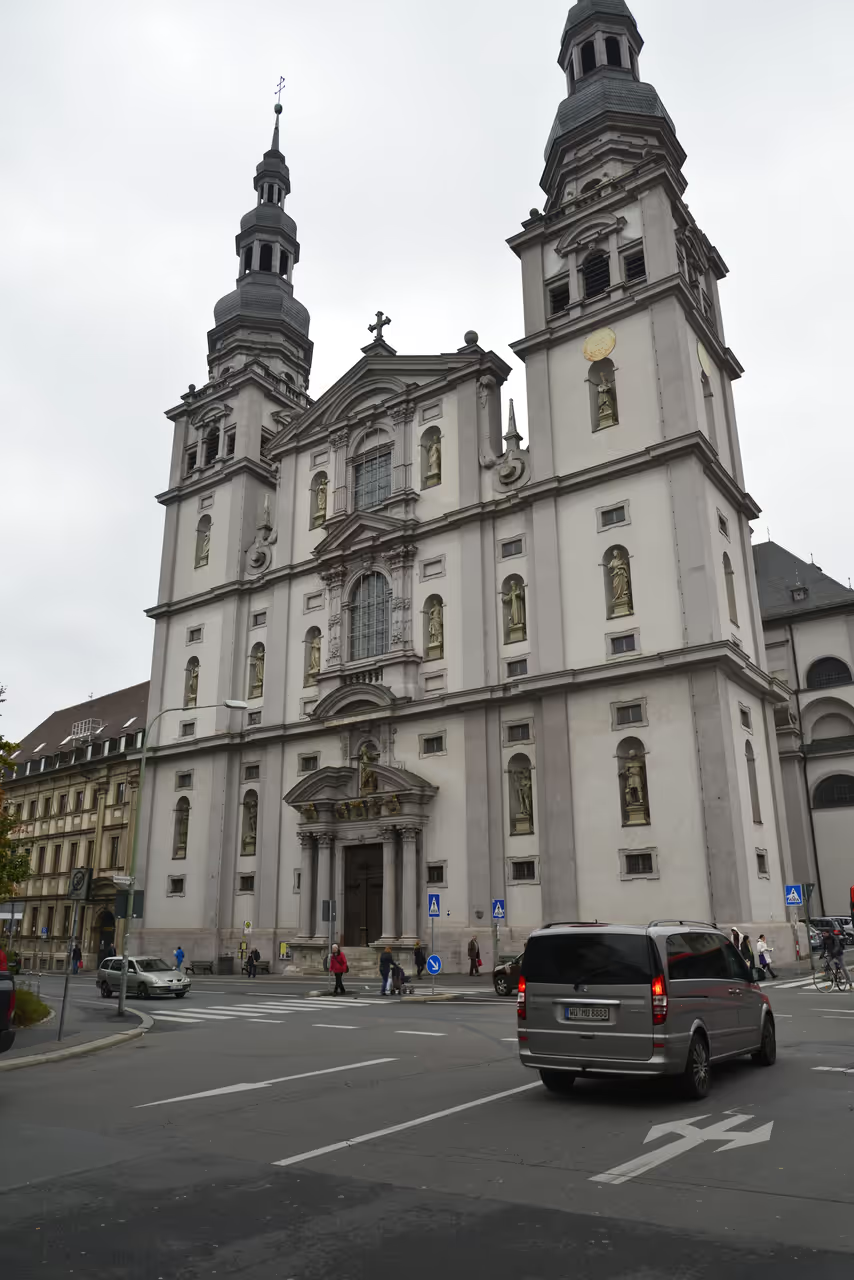 340m
340mStift Haug Church
This imposing structure is notable as the very first major Baroque church built in the Franconian region, setting a highly influential architectural precedent. Designed by the Italian architect Antonio Petrini in the seventeenth century, its massive, commanding twin towers dominate the northern city skyline. The defining feature is its colossal, towering central dome, which floods the otherwise stark, monumental interior with brilliant natural light. The heavy, muscular stone facade projects an aura of immense strength and unshakeable religious authority. It provides a fascinating, somewhat sombre contrast to the lighter, highly decorative Rococo style that would later sweep the city. Observing the sheer scale of the dome from the street level is an awe inspiring experience.
architecture view
Featured on These Itineraries and Routes
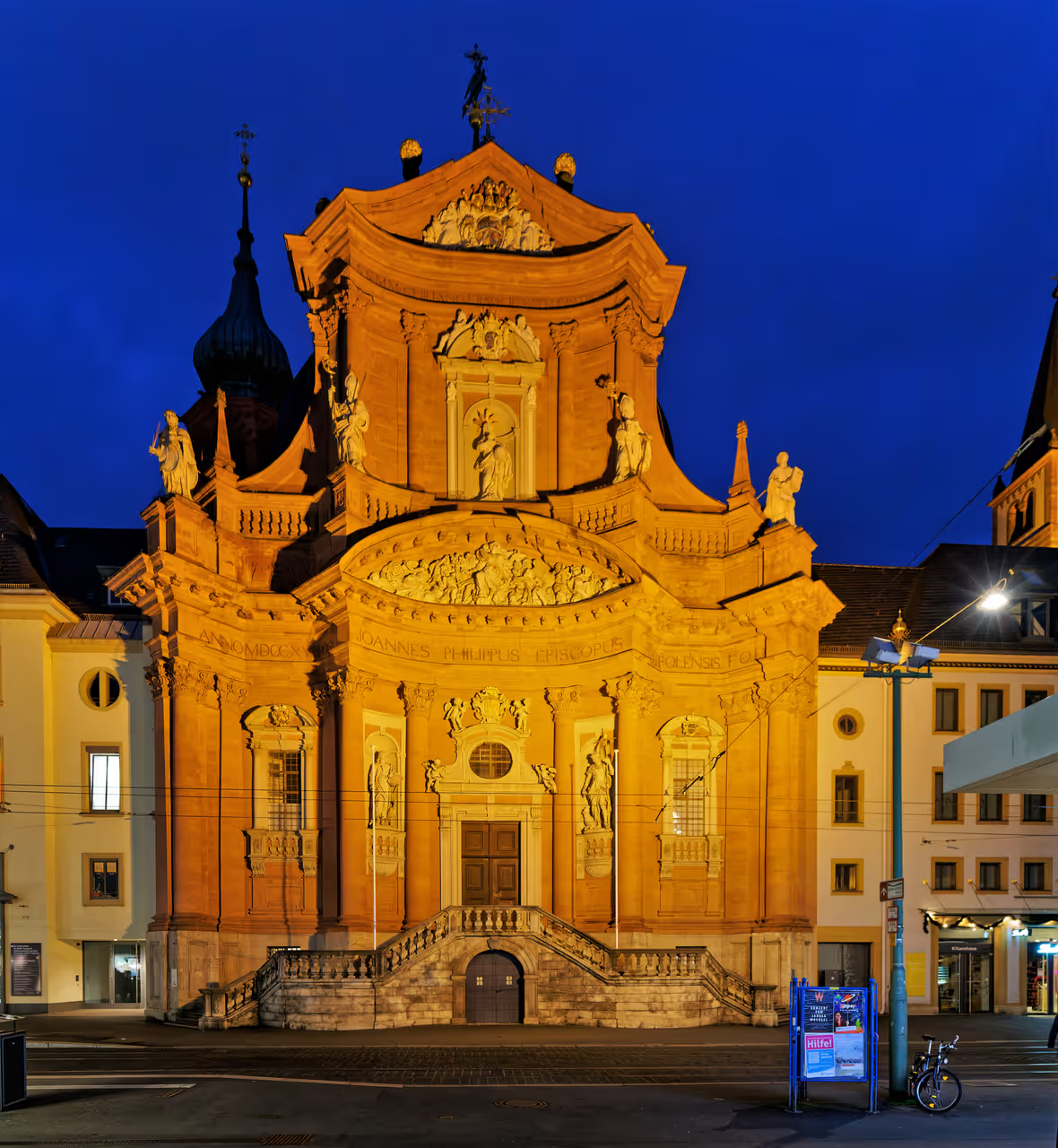
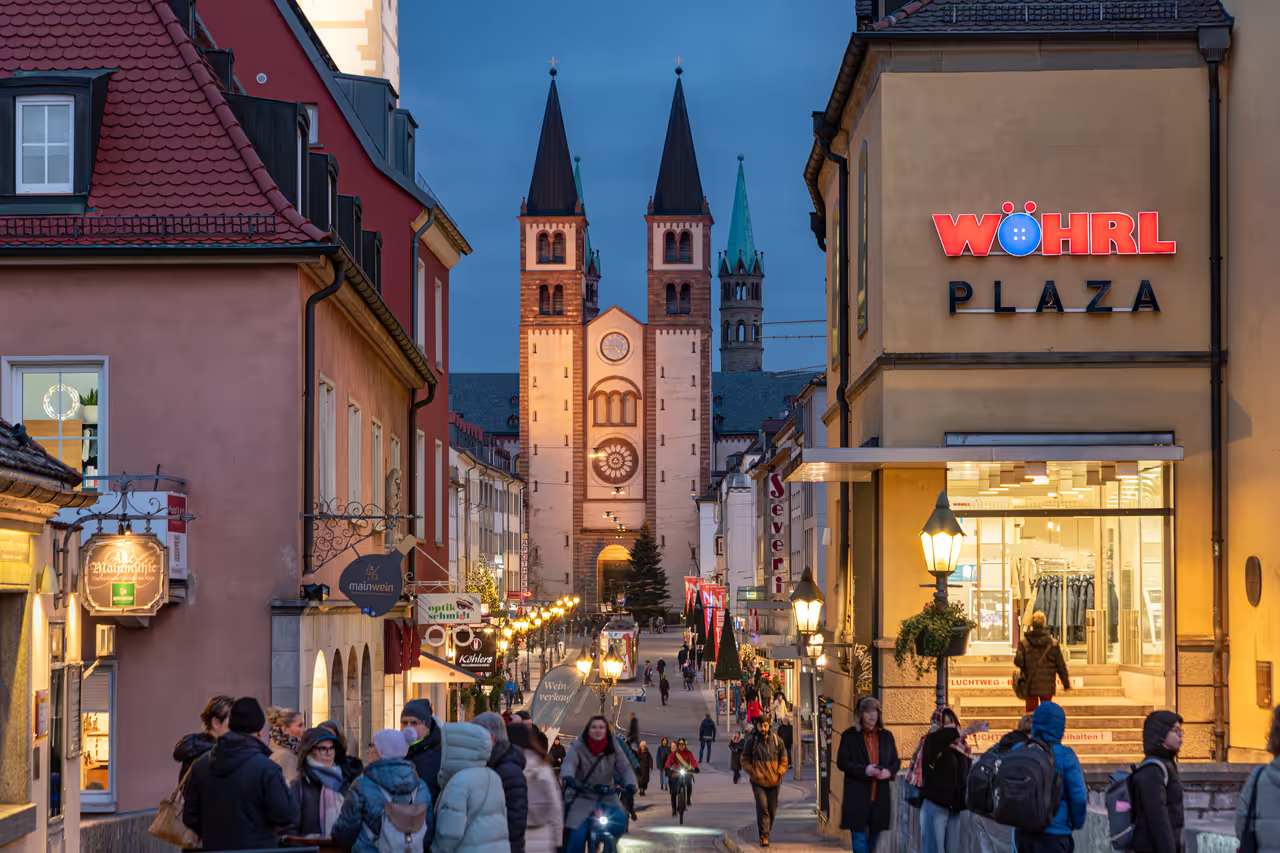
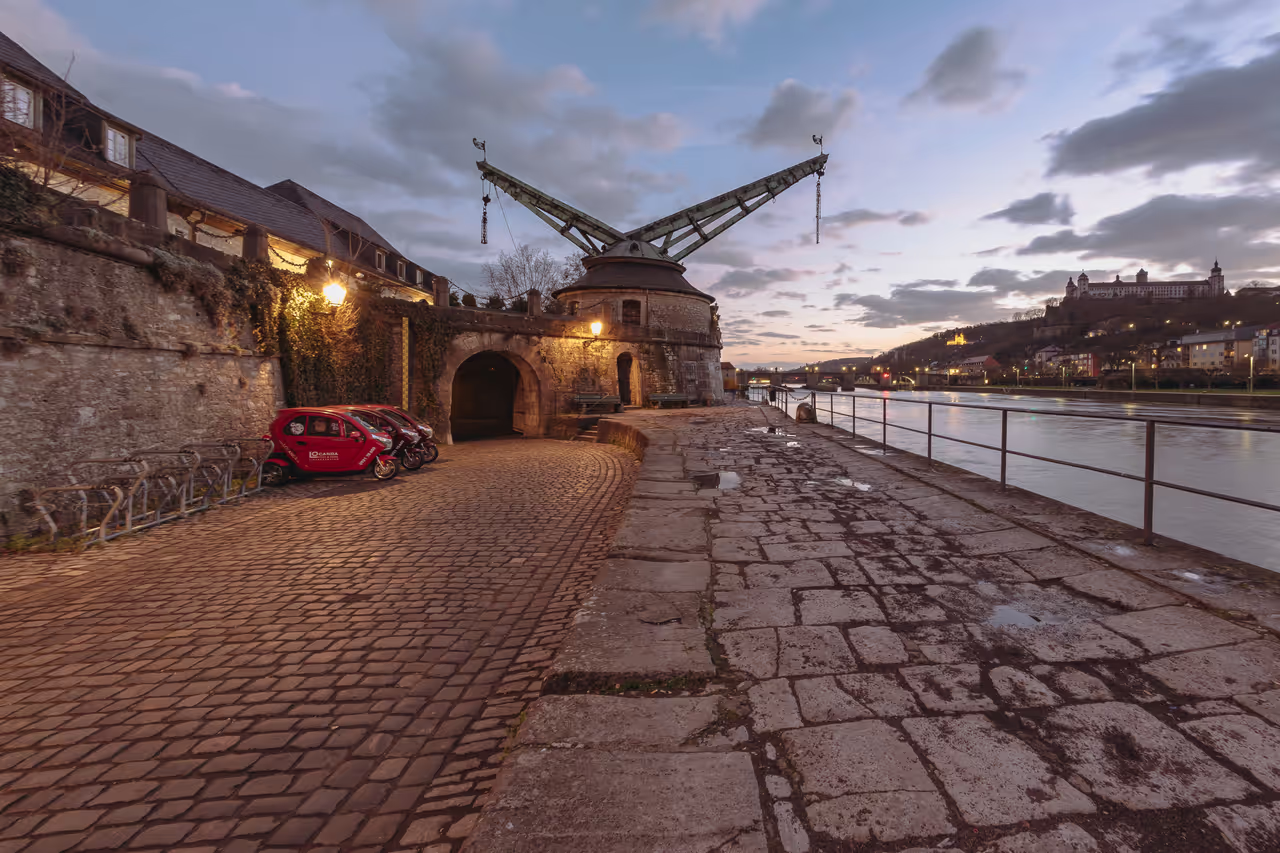
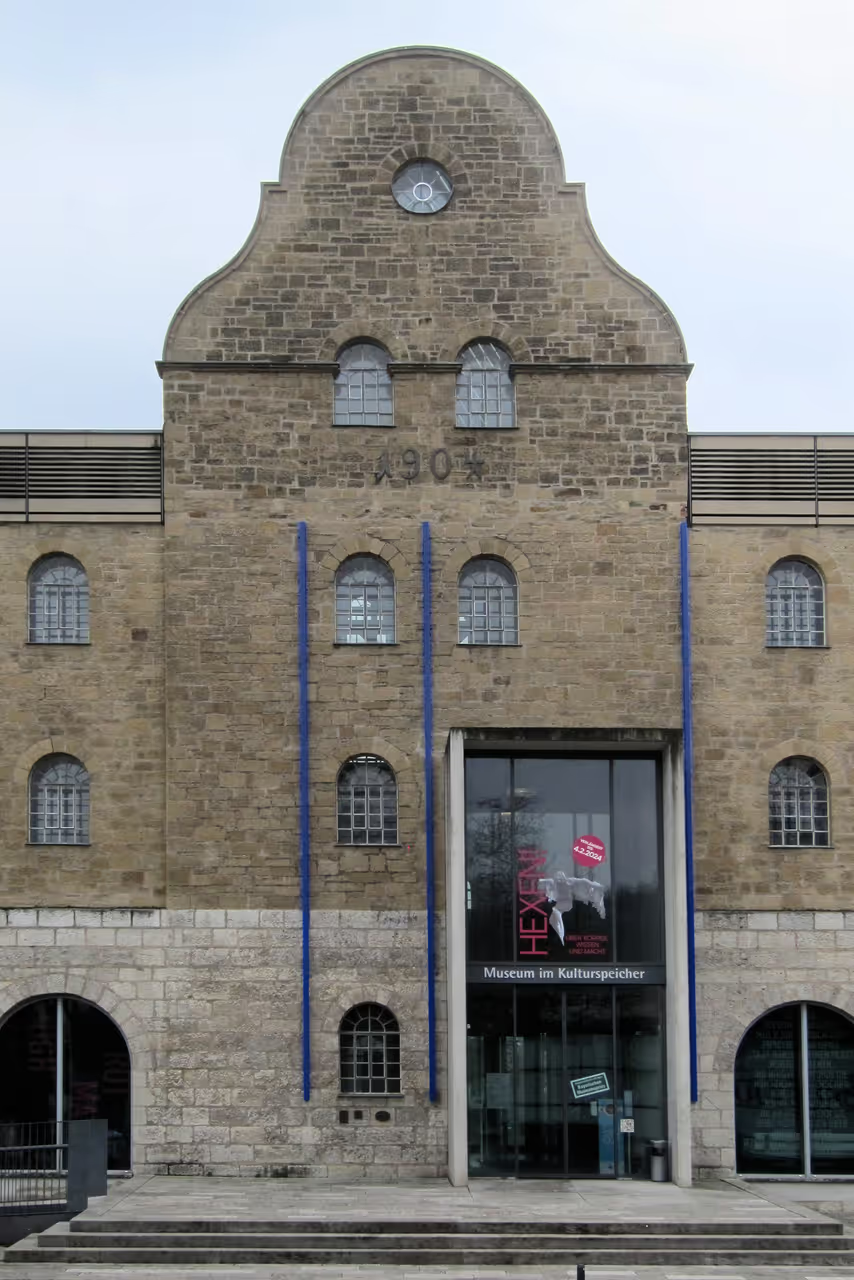
3 Days in Würzburg Itinerary
This balanced, comprehensive itinerary allows visitors to fully digest the rich history, stunning architecture, and vibrant wine culture of the region at a very comfortable pace. Over three days, the journey expands beyond the primary monuments to include elegant gardens, important museums, and deeply authentic local culinary institutions. It provides ample time to genuinely appreciate the incredibly intricate details of the Baroque masterpieces without suffering from museum fatigue. The plan thoughtfully mixes rigorous historical exploration with highly relaxing, sensory experiences like exploring ancient, cavernous wine cellars. It is the absolute ideal duration to capture the true, relaxed essence of Franconian life. Visitors will leave with a profound, well rounded appreciation of the city.
view itinerary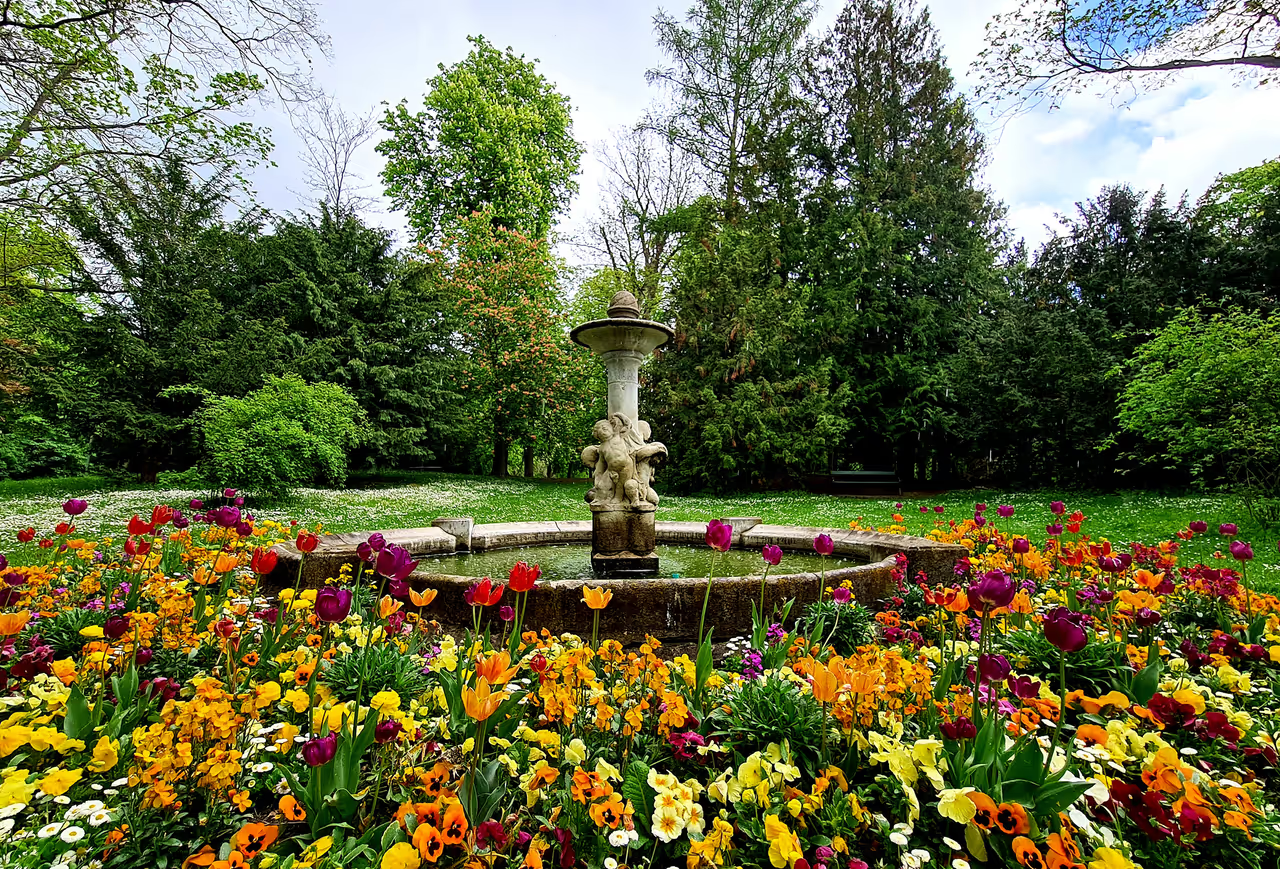
5 Days in Würzburg: Deep Dive Itinerary
This extensive, unhurried itinerary is crafted for the deeply curious traveller who wants to uncover every layer of history, art, and nature the municipality has to offer. With five full days, the journey reaches far beyond the central squares, exploring massive hillside pilgrimage churches, quiet botanical parks, and highly specialised museums. It affords the incredible luxury of experiencing the renowned wine culture through multiple, distinct historical cellars without ever rushing the tastings. The generous timeframe allows for deeply immersive, peaceful strolls through the surrounding landscapes and ancient fortifications. It is the ultimate, definitive way to experience the city like a knowledgeable, highly cultured local. The pace ensures complete relaxation alongside profound historical education.
view itinerary
Baroque Brilliance
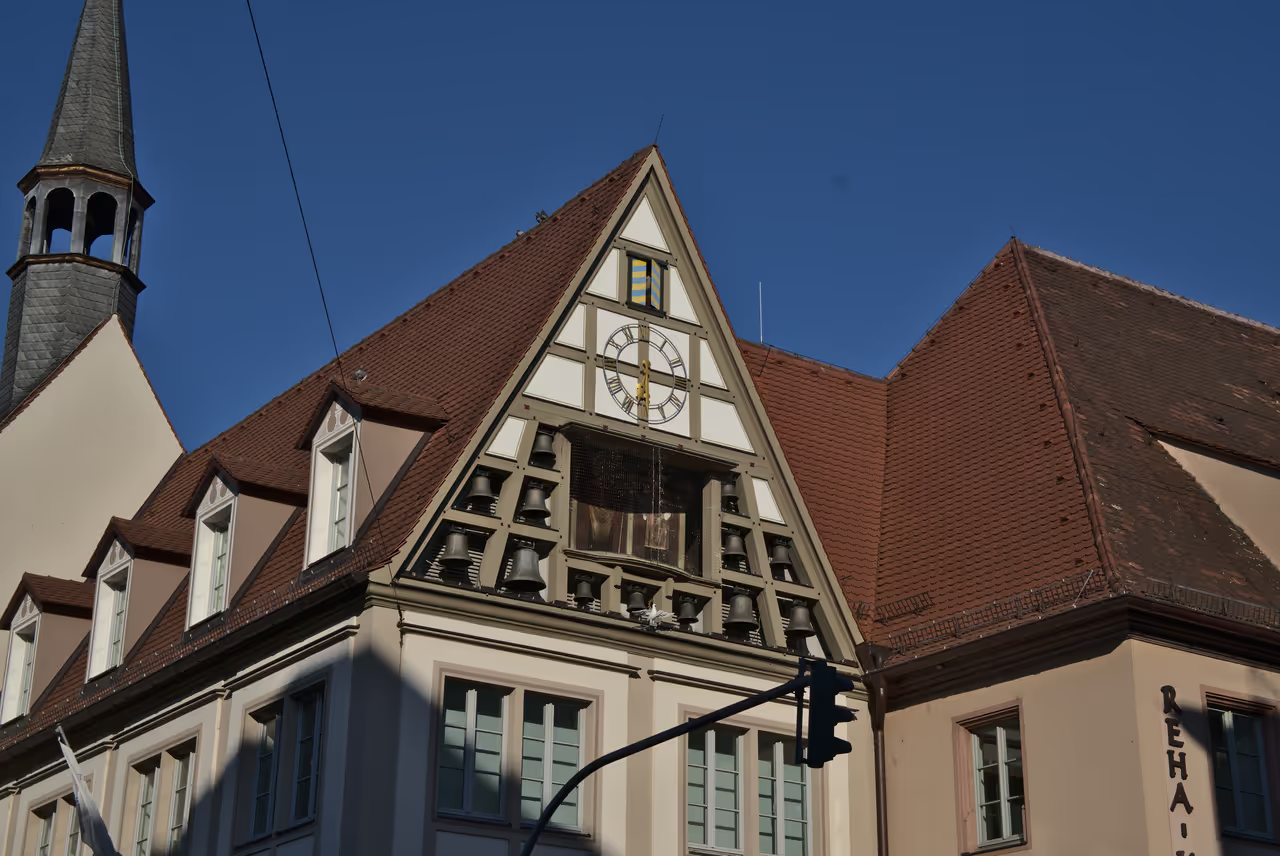
This tour immerses walkers in the flamboyant, highly decorative architectural style that defined the city's rebirth in the seventeenth and eighteenth centuries. It showcases the masterful work of legendary architects like Balthasar Neumann who transformed the cityscape into a theatrical display of curves and stucco. The route reveals how the Baroque aesthetic permeated everything from grand civic hospitals to intimate pilgrimage chapels. It is a visual feast of ornate facades, playful sculptures, and dramatic, sweeping interiors. The journey highlights the absolute pinnacle of southern German artistry.
view self-guided tour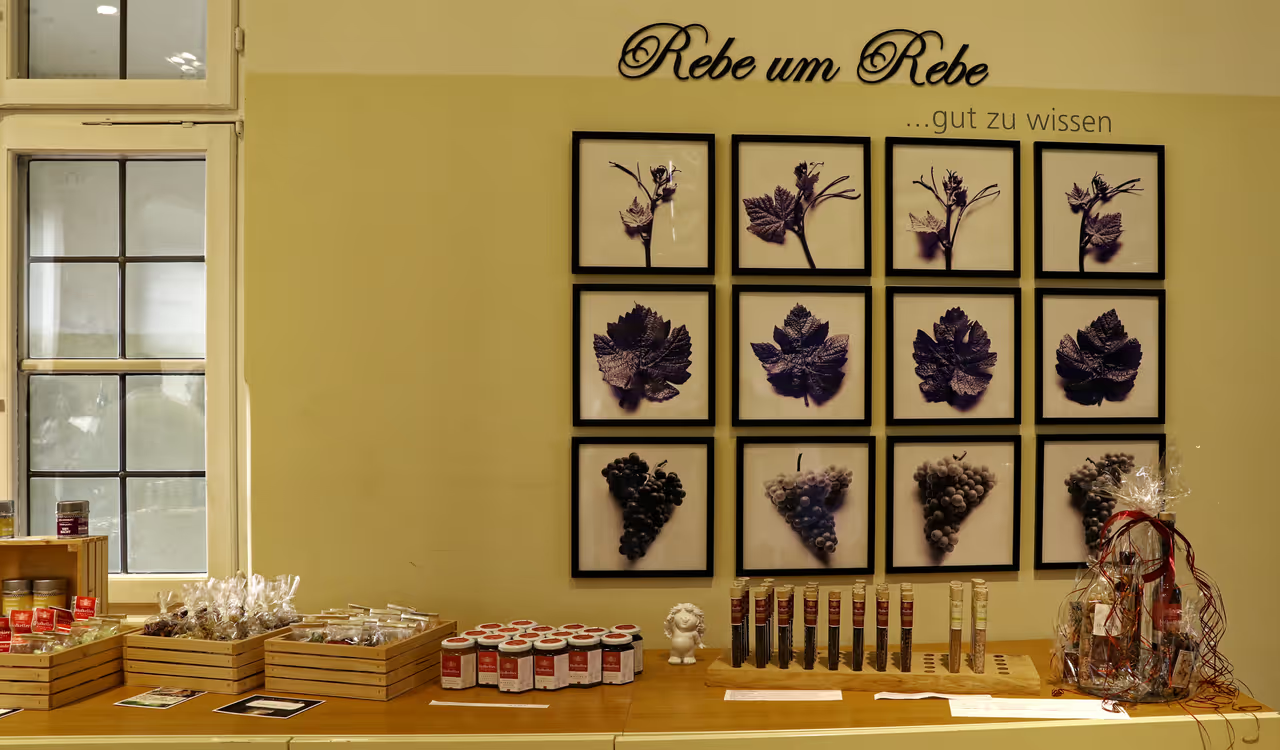
Franconian Wine Culture Trail
This highly enjoyable route dives deep into the liquid soul of the city, exploring the institutions that have perfected local viticulture. Walkers will discover the three massive, historic wine estates that dominate the cultural and economic life of the region. The journey reveals the fascinating charitable history behind these wineries, which have funded hospitals and care homes for centuries. It highlights the deep connection between the limestone soil, the local traditions, and the iconic Bocksbeutel bottle. It is a wonderfully relaxed, sensory exploration of regional identity.
view self-guided tour
See all attractions in Würzburg
Falkenhaus, Little Chapel, Marienberg Fortress, Marienkapelle, Neumünster Collegiate Church, Old Main Bridge, St. Kilian's Cathedral...