Little Chapel
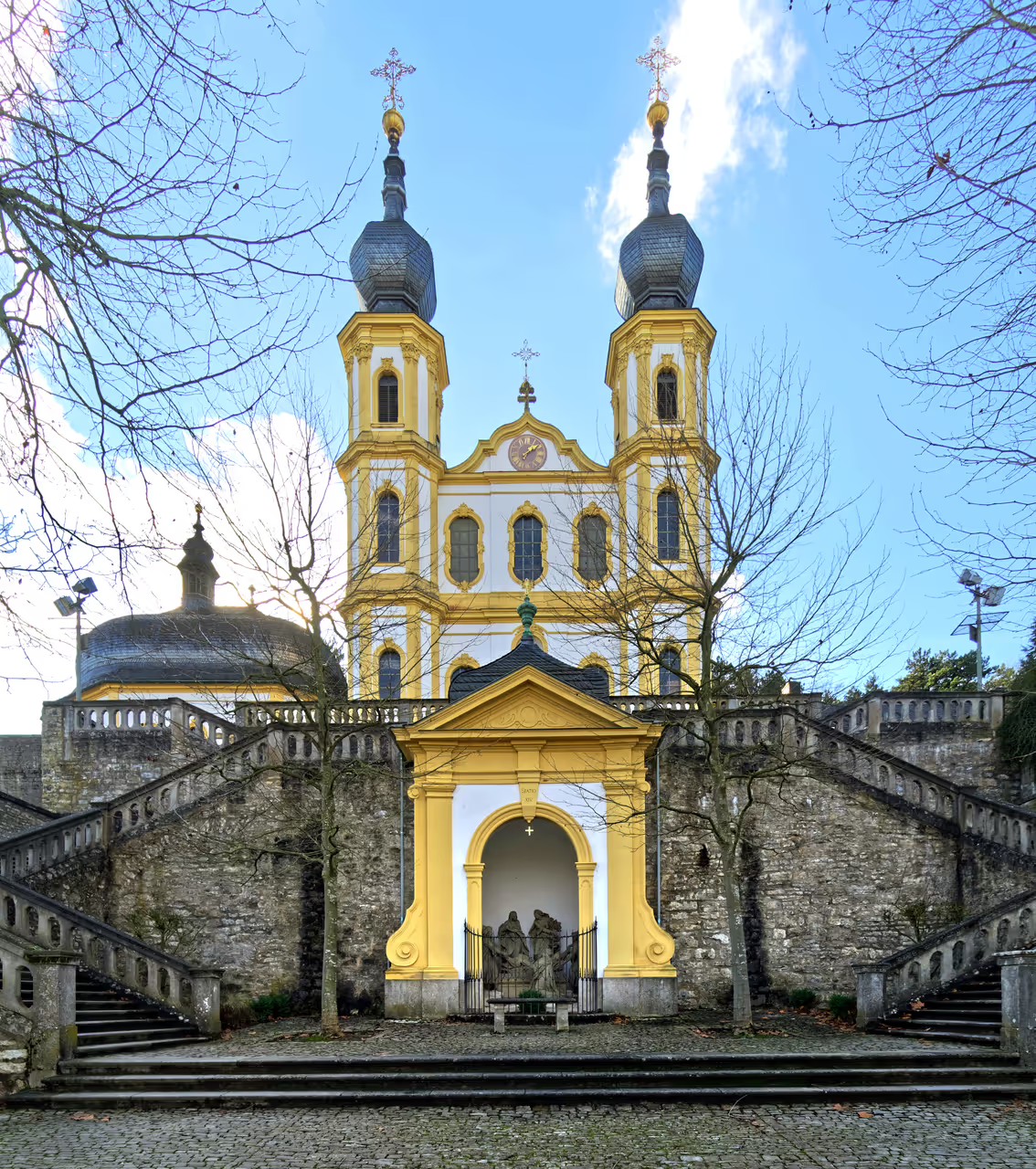
Perched high on the Nikolausberg, the Käppele is a scenic vantage point and a masterpiece of Rococo architecture. Designed by the legendary Balthasar Neumann, its bulbous domes and elegant towers dominate the skyline across from the fortress. Reaching the top involves a scenic climb through Germany’s largest Stations of the Cross, flanked by grand plane trees and intricate sculptures. Inside, the atmosphere shifts to one of quiet devotion, surrounded by vibrant frescoes and a gold-laden altar. It is a place where history, faith, and nature merge, offering a peaceful retreat from the city below. Whether you come for the art or the panoramic views, the experience is truly unforgettable.
History of Little Chapel
The story of the Käppele begins not with a king or a bishop, but with a humble fisherman during the dark days of the Thirty Years' War. In 1640, amidst the chaos of conflict, this man placed a small religious image in his vineyard on the Nikolausberg. What started as a private act of devotion soon attracted local pilgrims seeking solace, and by 1653, the first wooden chapel stood on the site. As the popularity of the shrine grew, the need for a structure reflecting its spiritual importance became clear. Enter Balthasar Neumann, the visionary architect of the Baroque era. In 1748, he began transforming the site into a Rococo jewel. Neumann did not simply tear down the old; he integrated the existing Gnadenkapelle into a magnificent new pilgrimage church. With its distinctive onion domes and twin towers, the building became a beacon of faith visible from across the Main River. Inside, the artistry of Matthäus Günther brought the ceilings to life with frescoes that seem to open the roof to the heavens themselves. Perhaps the most dramatic chapter in the history of the church occurred during the final days of World War II. While Würzburg was being devastated by air raids, the Käppele stood largely defiant. In April 1945, an SS officer ordered the church to be destroyed by anti-aircraft fire from the opposite bank. A soldier named Ludwig Herrmann, recognizing the senselessness of destroying such a landmark, risked his life by repeatedly claiming he lacked the ammunition to carry out the order. Thanks to his quiet rebellion, the church remains a testament to both artistic brilliance and human conscience.
8 Events spanning 374 years
Fun Facts
- • A brave soldier named Ludwig Herrmann faked a munitions shortage in 1945 to avoid obeying an order to destroy the building.
- • Architect Balthasar Neumann is the same genius responsible for the UNESCO-listed Würzburg Residence.
- • The Pietà located in the grace chapel is the original 1640 figure that started the entire pilgrimage tradition.
- • The Stations of the Cross leading up the hill represent the largest ensemble of its kind in Germany.
- • The church was cleverly built around the original smaller chapel rather than replacing it, preserving the historical heart of the site.
- • The church’s two octagonal towers were designed to echo the silhouette of the Stift Haug church in the city centre.
- • The frescoes on the ceiling were painted by Matthäus Günther, one of the most significant Bavarian painters of the late Baroque era.
- • The grand plane trees lining the terraces of the Stations of the Cross provide a dense canopy that keeps the path cool in summer.
- • The organ inside features a special 'nightingale' register that uses small pipes submerged in water to mimic bird songs.
- • The path to the summit includes roughly 265 steps, making it a popular exercise route for locals as well as a spiritual journey.
Little Chapel FAQ
While we strive to keep this information accurate and up to date, we recommend verifying any details independently before making decisions based on them.
Little Chapel Map & Neighborhood Explorer
This interactive map is centered on Little Chapel. Zoom in and move the map around to automatically discover Wikipedia photos and summaries of other nearby sights, monuments, and historical points of interest and stories in real-time!
Places near Little Chapel
Make the most of your trip. Check out these top-rated spots located nearby.
 534m
534mMaschikuli Tower
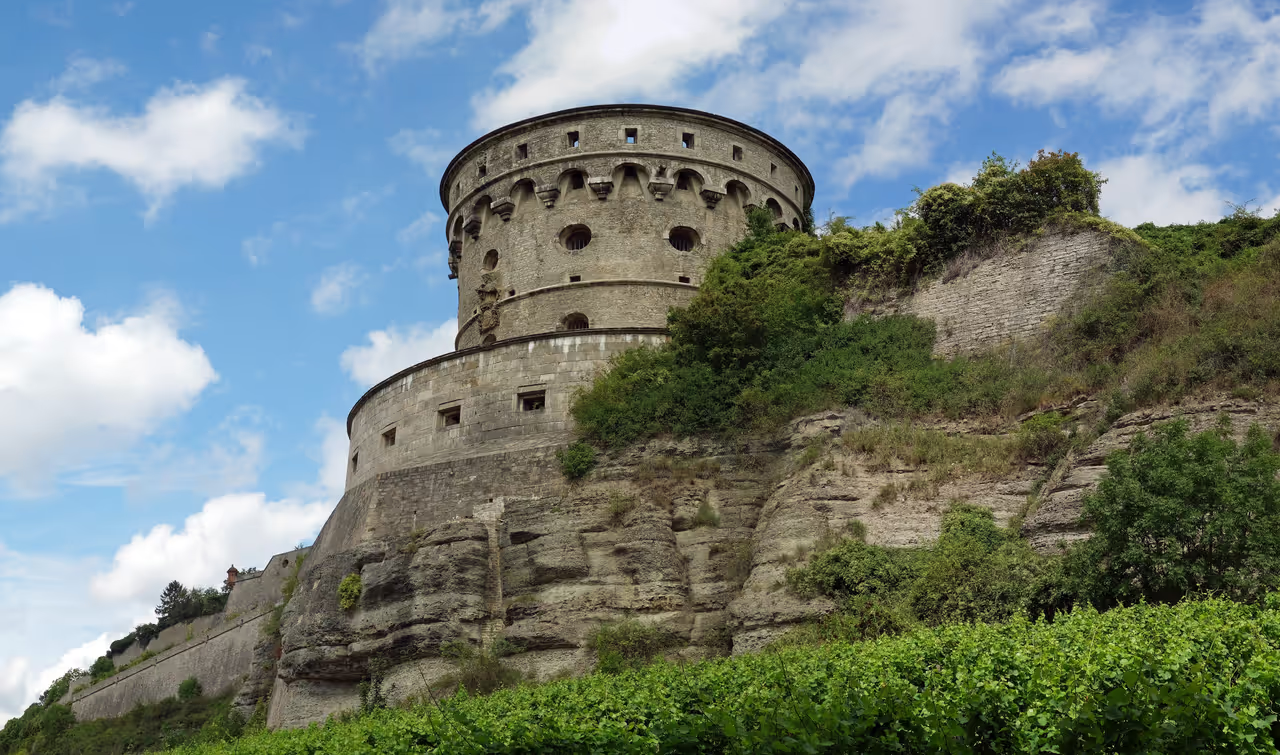
This formidable, multi story artillery tower clings dramatically to the steep southern flank of the Marienberg Fortress, often missed by tourists who only visit the main courtyard. Designed by the master architect Balthasar Neumann in the eighteenth century, it represents a fascinating departure from his usual delicate, opulent palace designs. The tower is a masterpiece of brutal, functional military engineering, featuring thick stone walls and an array of downward facing defensive firing slits known as machicolations. The sheer scale and grim utility of the structure are deeply impressive when viewed from the valley path below. Exploring the exterior provides a powerful reminder of the intense, martial history of the prince bishops. It stands as a stoic, unyielding stone sentinel overlooking the river.
hidden gem view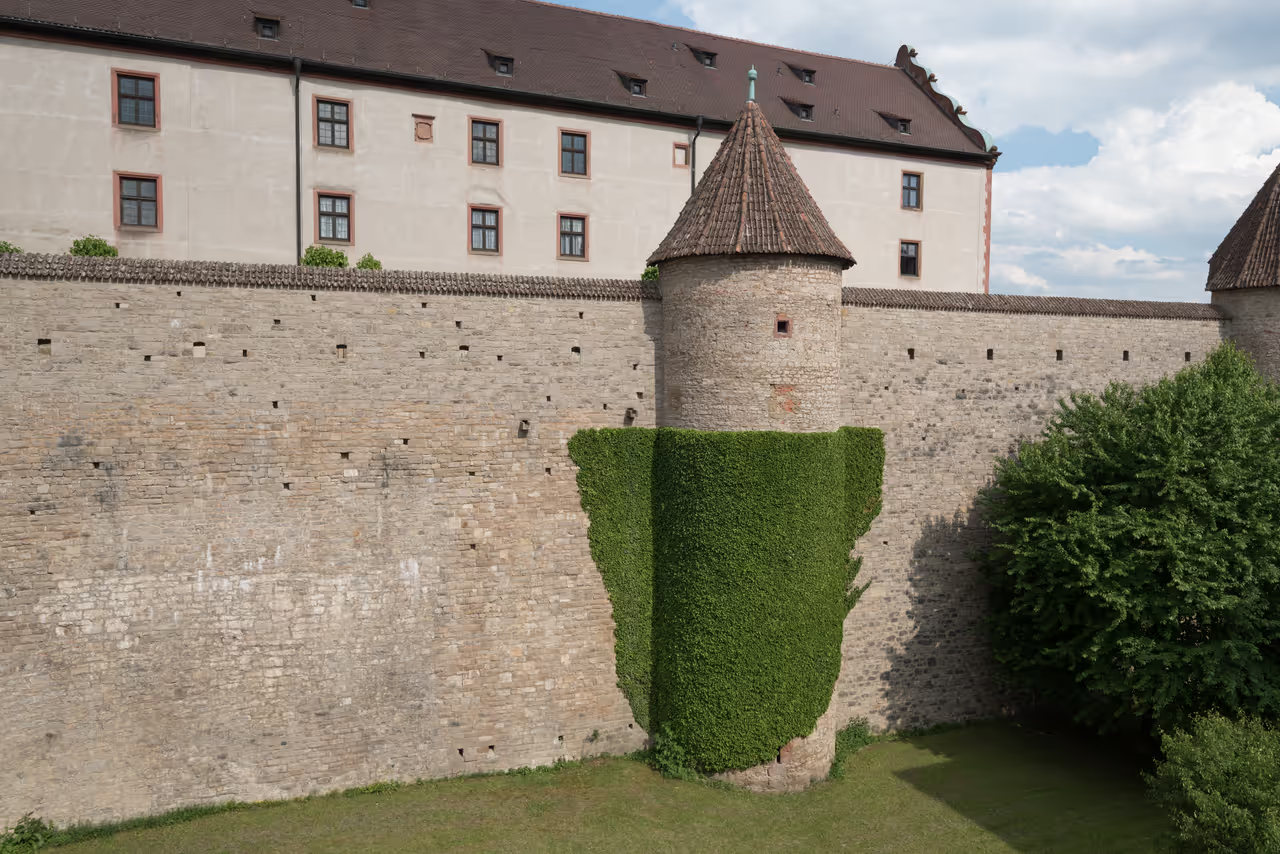 597m
597mMarienberg Fortress
Perched high above the Main River, Marienberg Fortress is the defining landmark of the Würzburg skyline. This massive complex blends the rugged strength of a medieval stronghold with the refined elegance of a Renaissance palace and Baroque gardens. Visiting offers a journey through three millennia of history, from its beginnings as a Celtic hillfort to its centuries as the seat of the powerful Prince-Bishops. The atmosphere is one of regal authority and timeless charm, especially when strolling through the terraced vineyards that cling to the hillside. It is a place where you can peer into one of Germany's oldest churches and enjoy panoramic views that stretch across the city's red roofs and church spires. Whether you are exploring the deep, rock-cut well or the art-filled museums, the fortress provides a truly grand perspective on Franconian heritage.
attraction view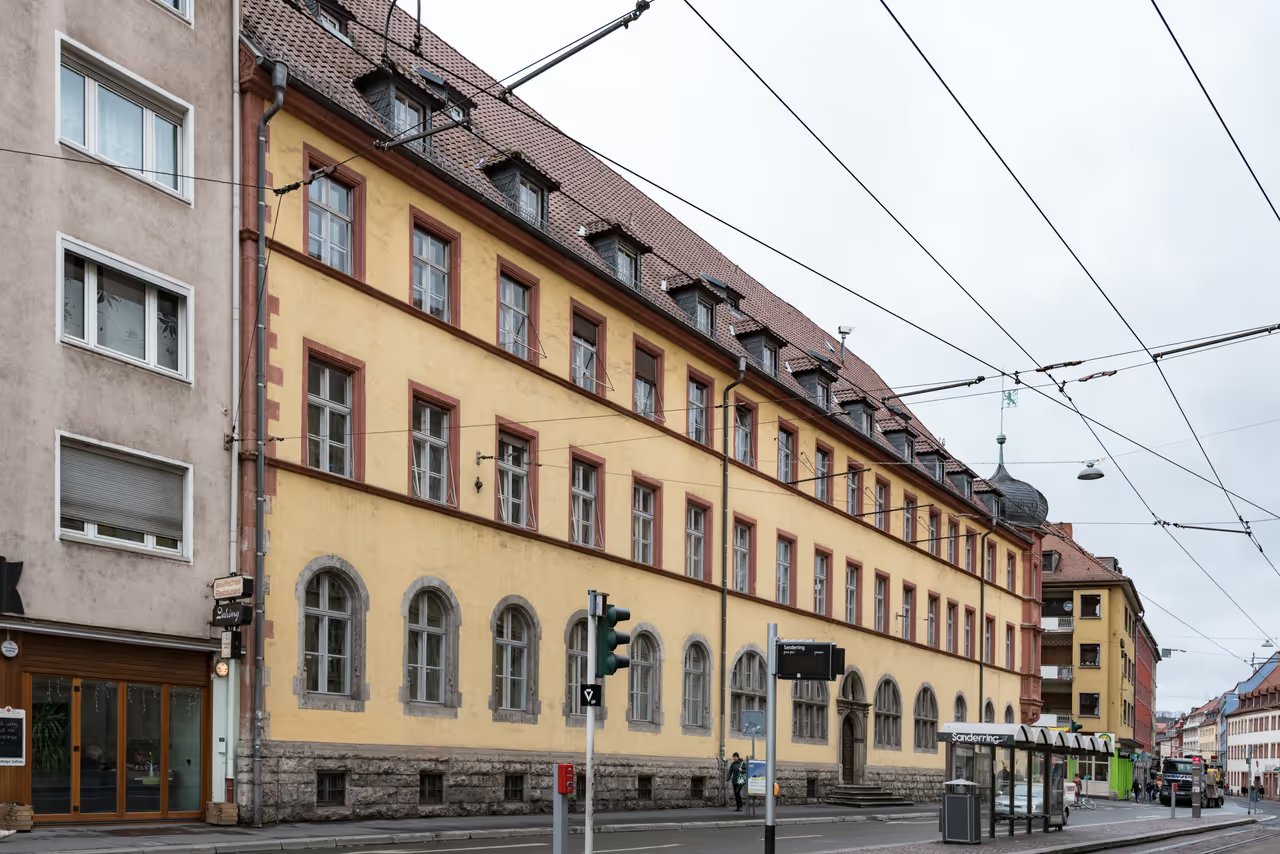 814m
814mSanderstraße District
This lively artery is the epicentre of the city's student nightlife and youthful alternative culture. The street is packed tightly with casual pubs, eclectic dive bars, and vibrant late night eateries serving cheap but delicious food. It has a distinctly bohemian and unpretentious vibe, making it incredibly welcoming for newcomers and solo travellers. People often spill out onto the pavements on warm evenings, creating a massive, interconnected street party atmosphere. It is the perfect place to sample affordable local beers and mingle with friendly locals. The energy here remains high and boisterous well into the early hours of the morning.
nightlife view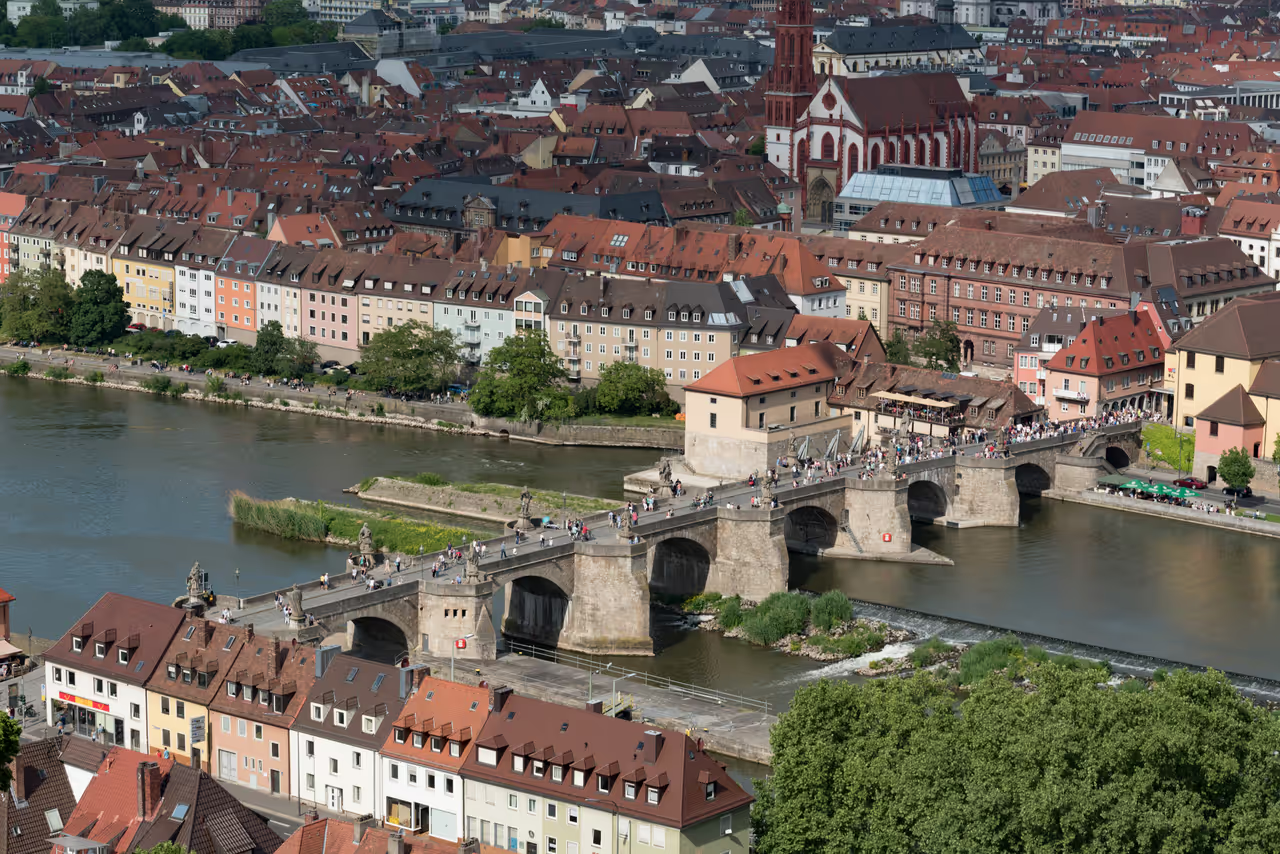 996m
996mOld Main Bridge
Wander across the Alte Mainbrücke and step into the heart of Würzburg’s history. As the city’s oldest river crossing, this stone marvel serves as a stunning gateway between the historic Old Town and the majestic Festung Marienberg. Lined with dramatic baroque statues of saints and historical figures, the bridge offers a uniquely picturesque atmosphere that is perfect for a leisurely stroll. Today, it stands as a lively pedestrian walkway, inviting locals and visitors alike to linger, take in the serene river views, and appreciate the timeless architecture that has survived centuries of transformation. It is more than just a bridge; it is a symbol of the city's resilience and enduring spirit. Whether you are catching the golden hour light or simply enjoying the vibrant energy of the riverfront, this landmark is the undisputed soul of Würzburg.
attraction view
Explore Similar Places in This Collection
Featured on These Itineraries and Routes
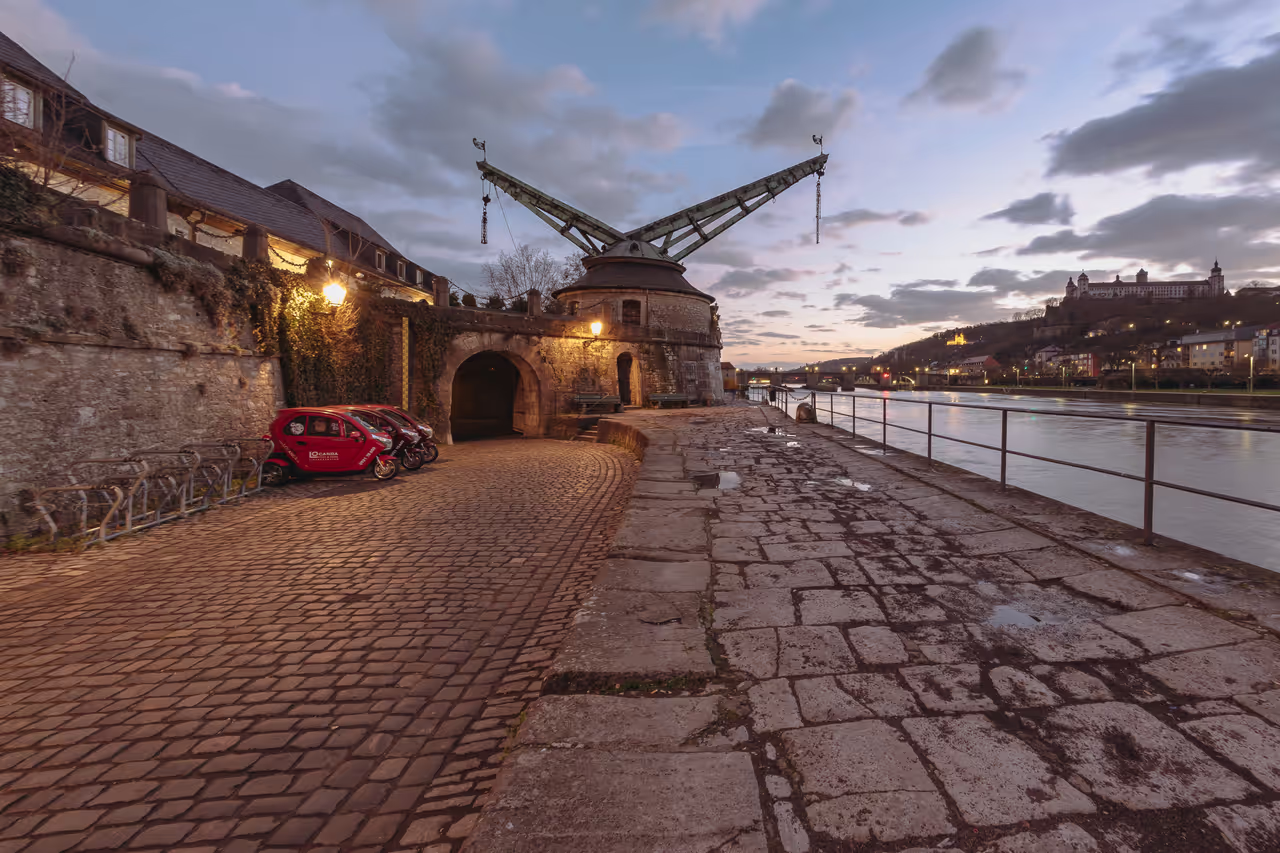
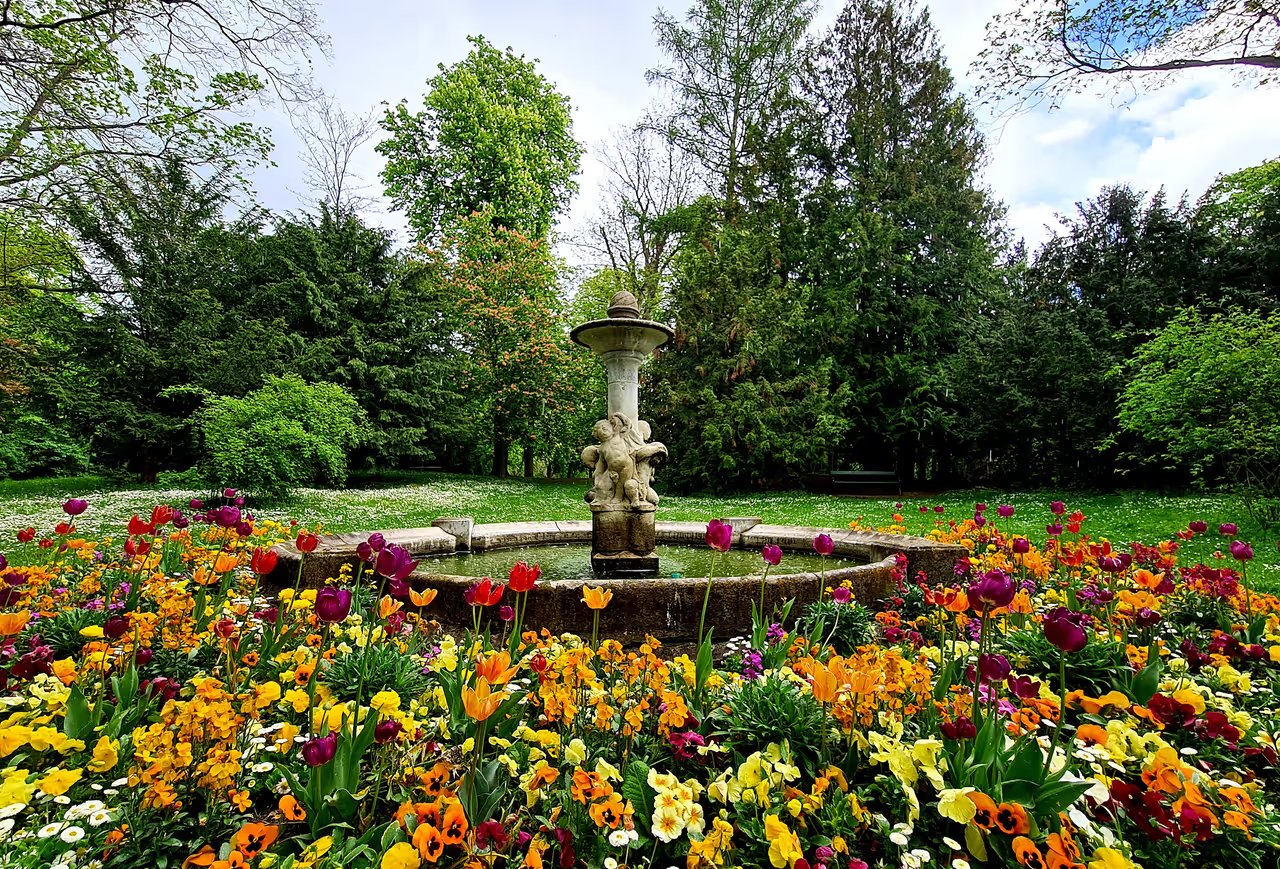
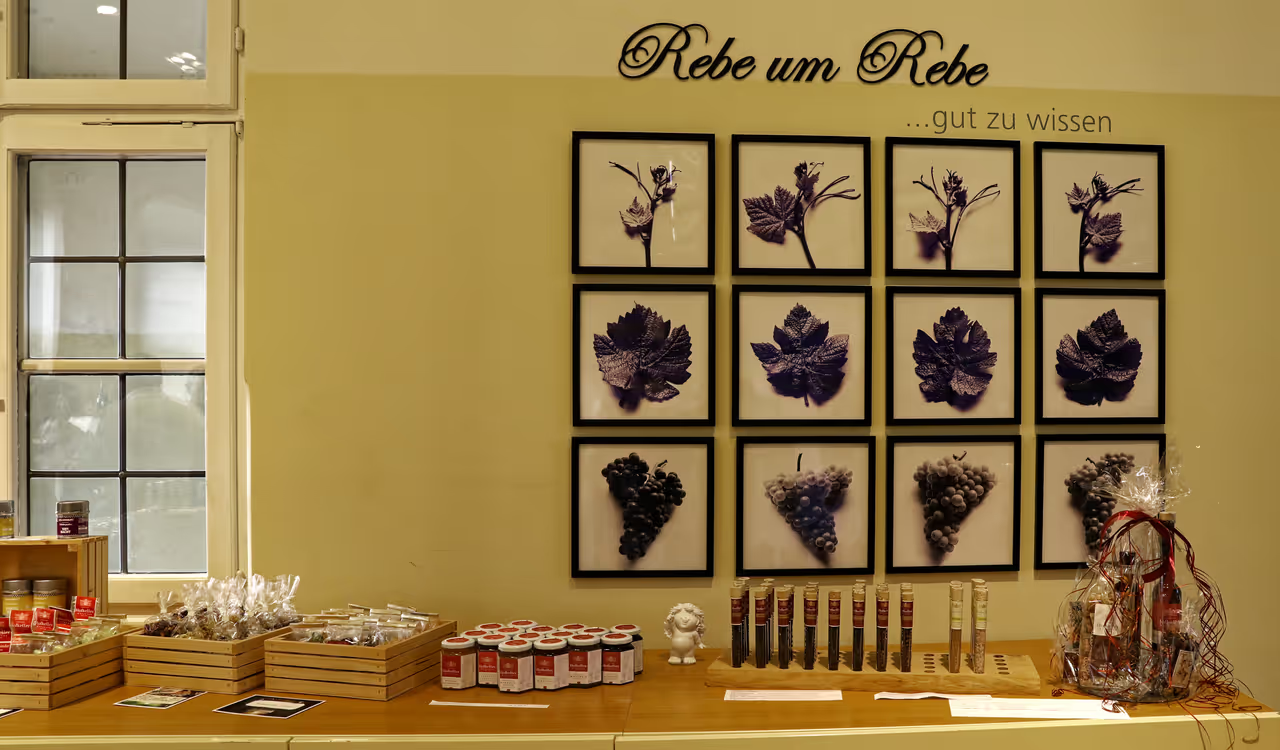
5 Days in Würzburg: Deep Dive Itinerary
This extensive, unhurried itinerary is crafted for the deeply curious traveller who wants to uncover every layer of history, art, and nature the municipality has to offer. With five full days, the journey reaches far beyond the central squares, exploring massive hillside pilgrimage churches, quiet botanical parks, and highly specialised museums. It affords the incredible luxury of experiencing the renowned wine culture through multiple, distinct historical cellars without ever rushing the tastings. The generous timeframe allows for deeply immersive, peaceful strolls through the surrounding landscapes and ancient fortifications. It is the ultimate, definitive way to experience the city like a knowledgeable, highly cultured local. The pace ensures complete relaxation alongside profound historical education.
view itinerary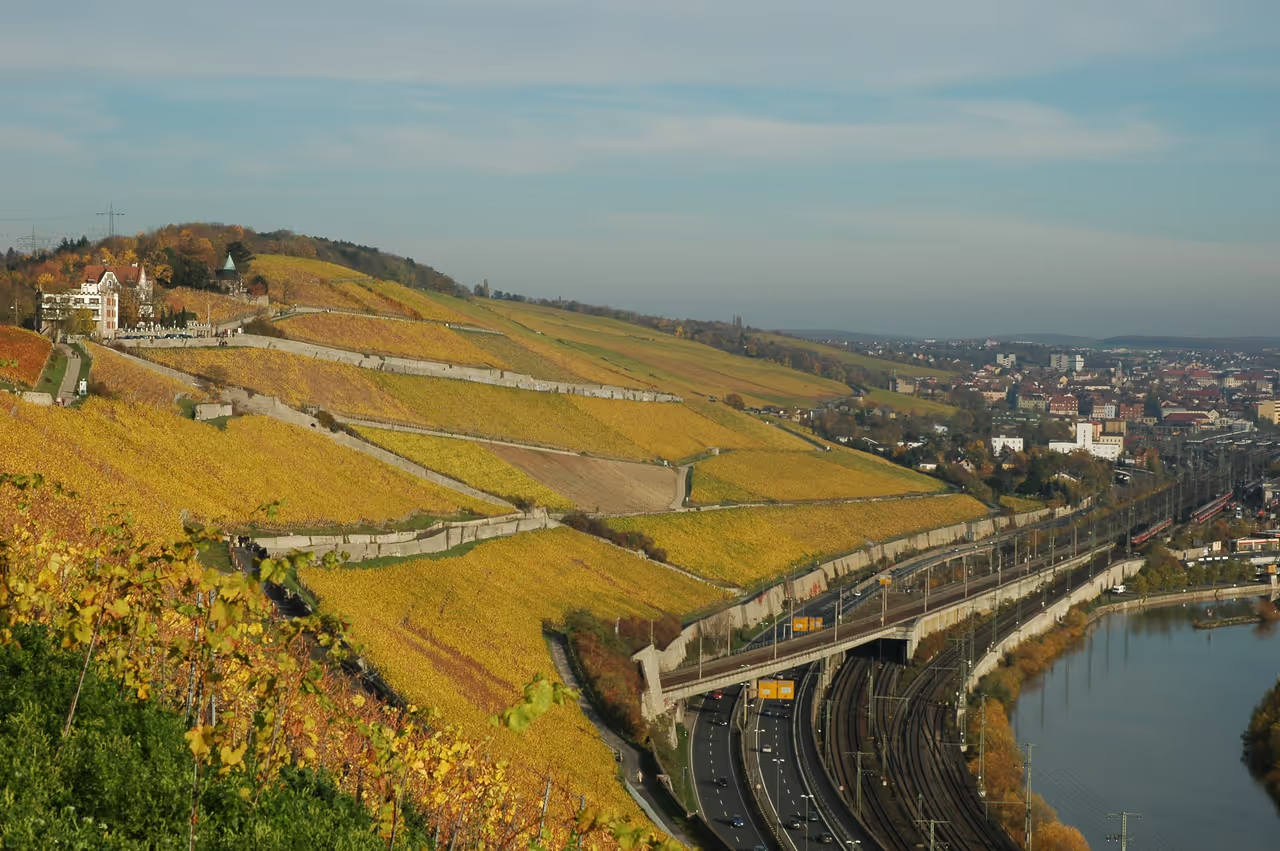
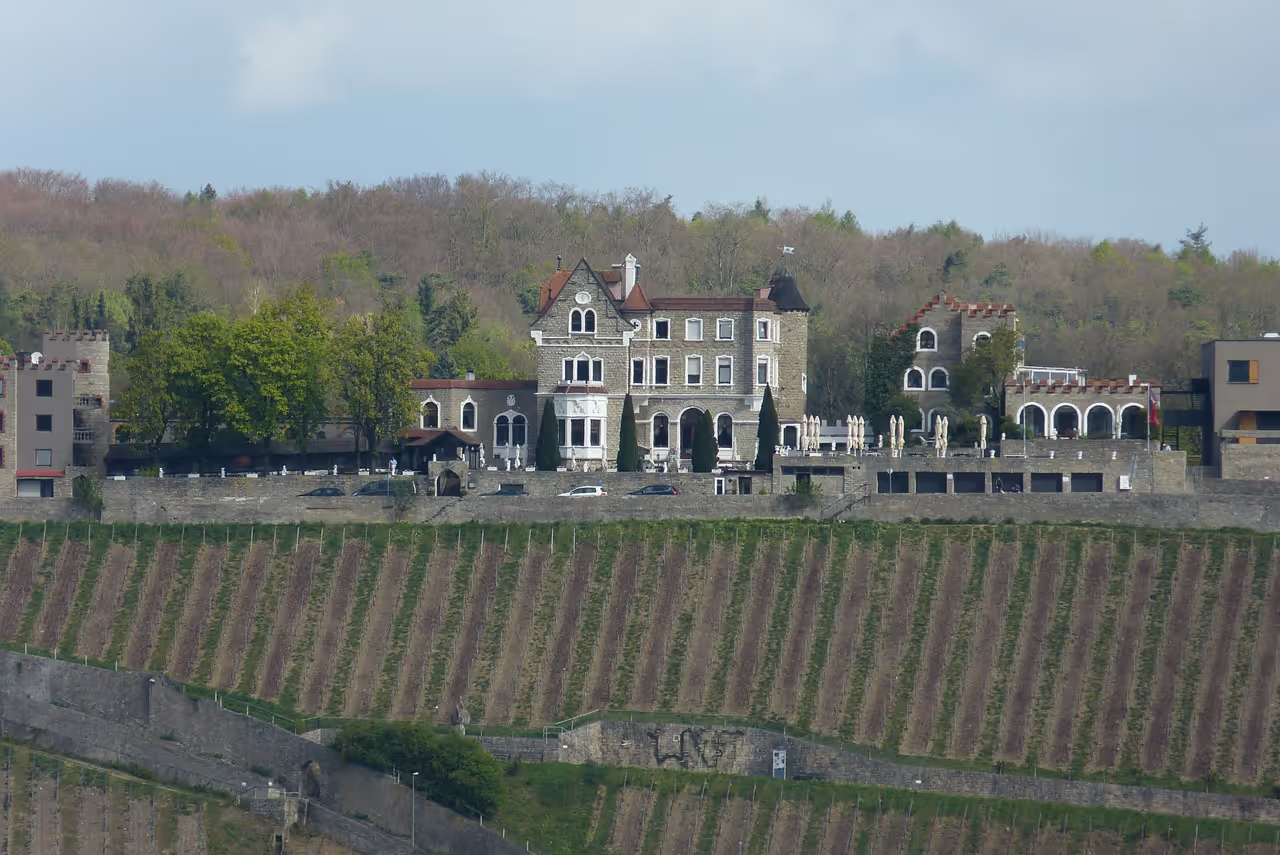
Vineyard Panorama Ride
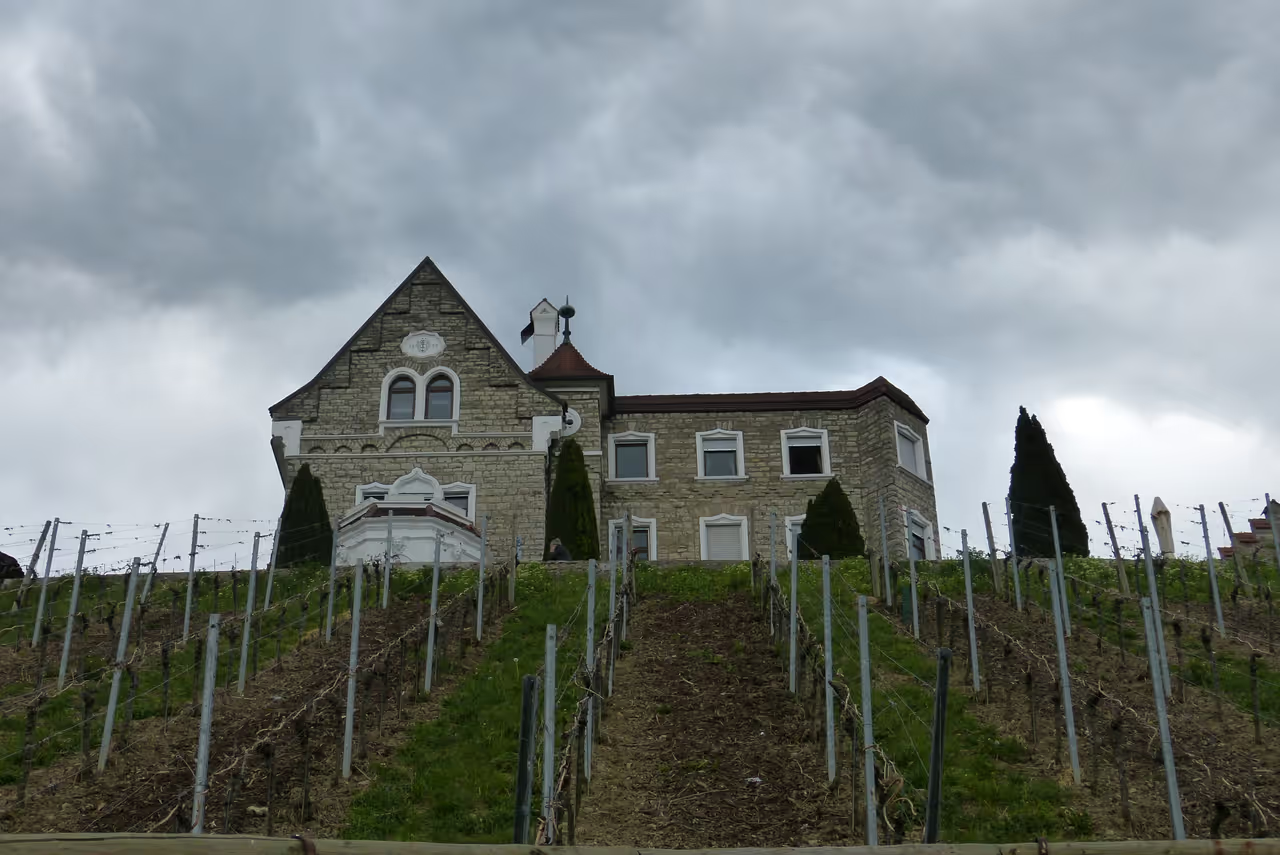
This engaging ride takes cyclists out of the flat valley and onto the elevated, sun soaked slopes surrounding the city. The winding paths cut directly through ancient, meticulously maintained grapevines offering an immersive agricultural experience. Riders are consistently rewarded with stunning, elevated viewpoints overlooking the entire sprawling municipality. The changing light playing across the limestone soil and green leaves creates a visually intoxicating environment. It perfectly captures the profound essence of the Franconian wine making heritage.
view cycling route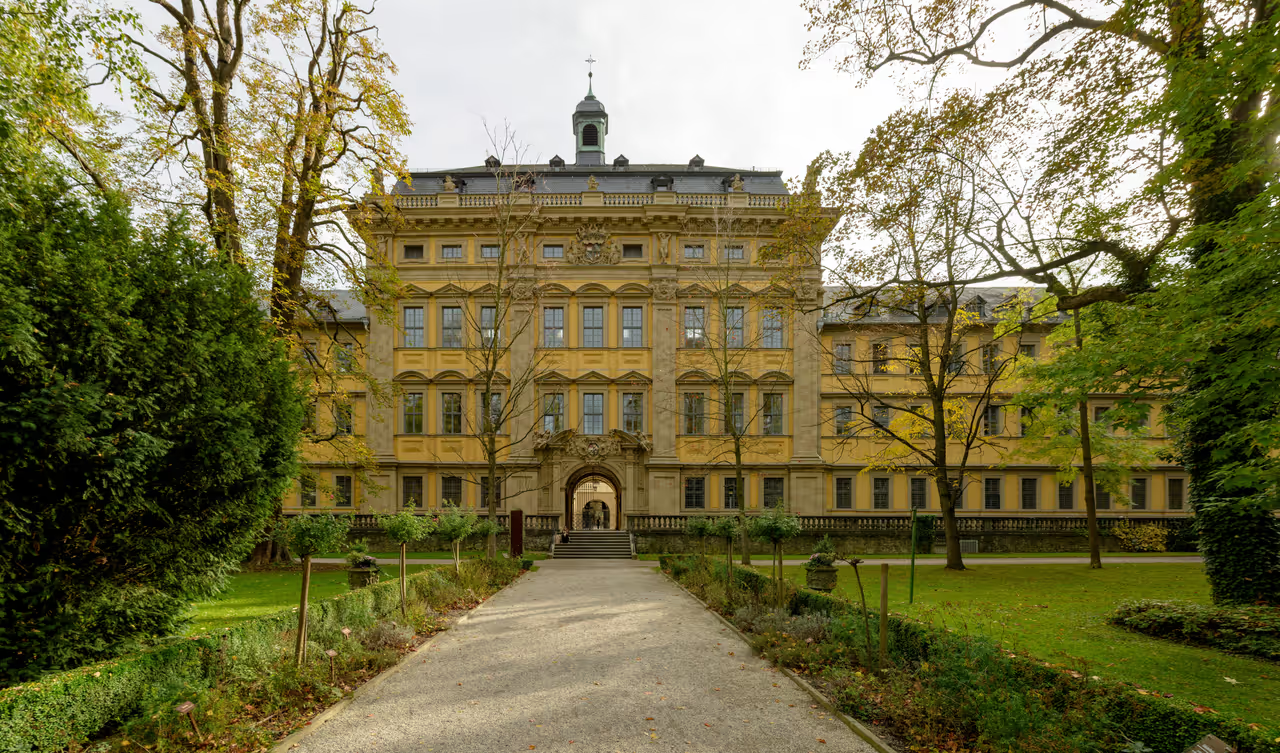
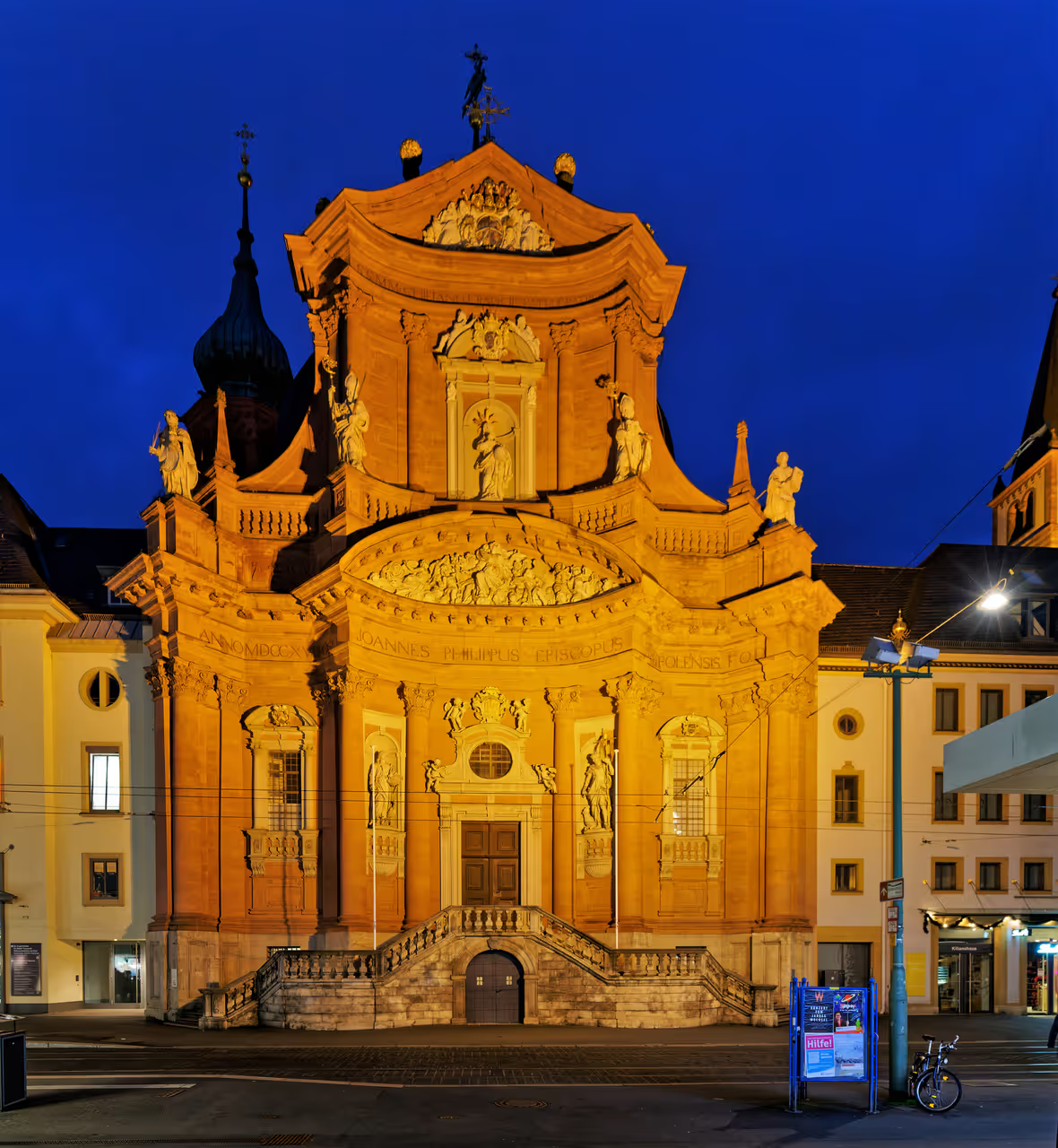
Baroque Brilliance
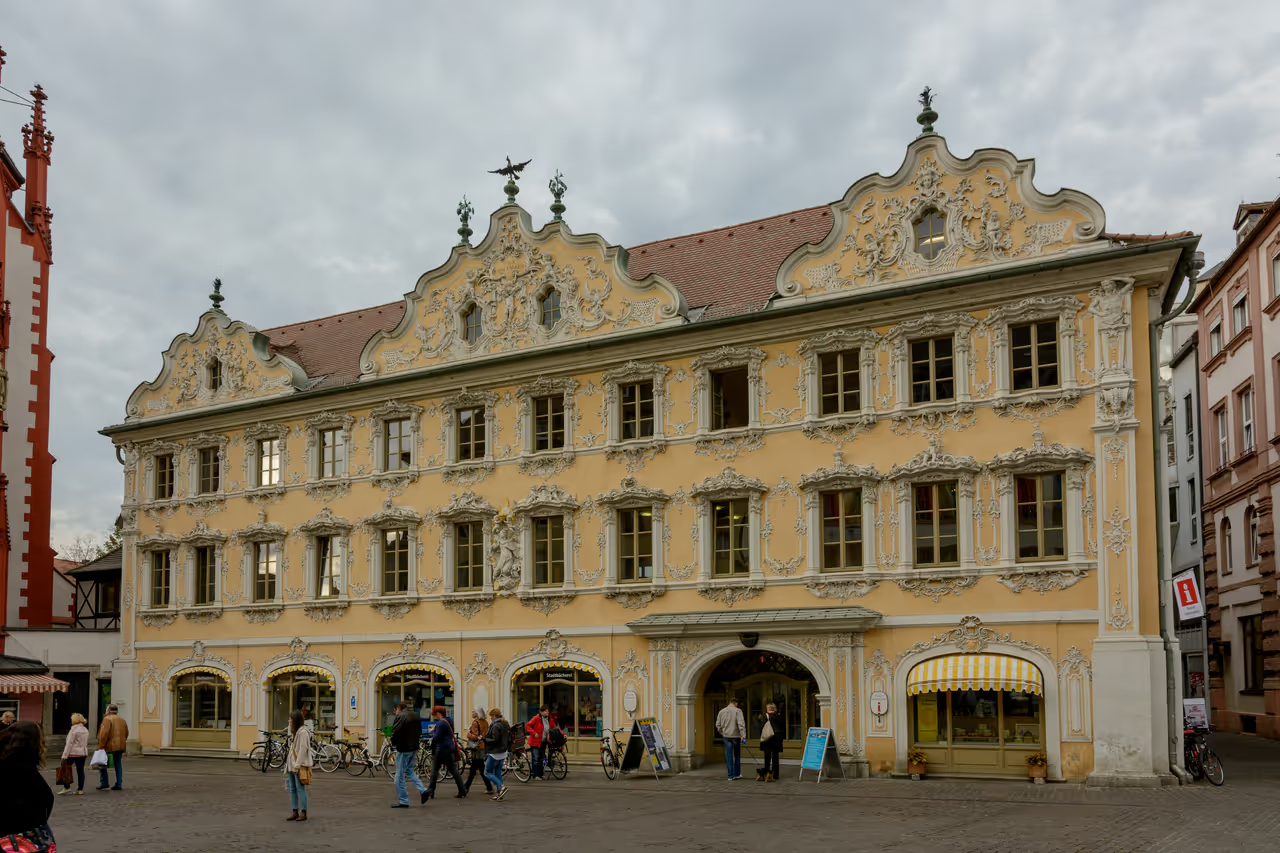
This tour immerses walkers in the flamboyant, highly decorative architectural style that defined the city's rebirth in the seventeenth and eighteenth centuries. It showcases the masterful work of legendary architects like Balthasar Neumann who transformed the cityscape into a theatrical display of curves and stucco. The route reveals how the Baroque aesthetic permeated everything from grand civic hospitals to intimate pilgrimage chapels. It is a visual feast of ornate facades, playful sculptures, and dramatic, sweeping interiors. The journey highlights the absolute pinnacle of southern German artistry.
view self-guided tour
See all attractions in Würzburg
Falkenhaus, Juliusspital Foundation, Marienberg Fortress, Marienkapelle, Neumünster Collegiate Church, Old Main Bridge, St. Kilian's Cathedral...