Old Main Bridge
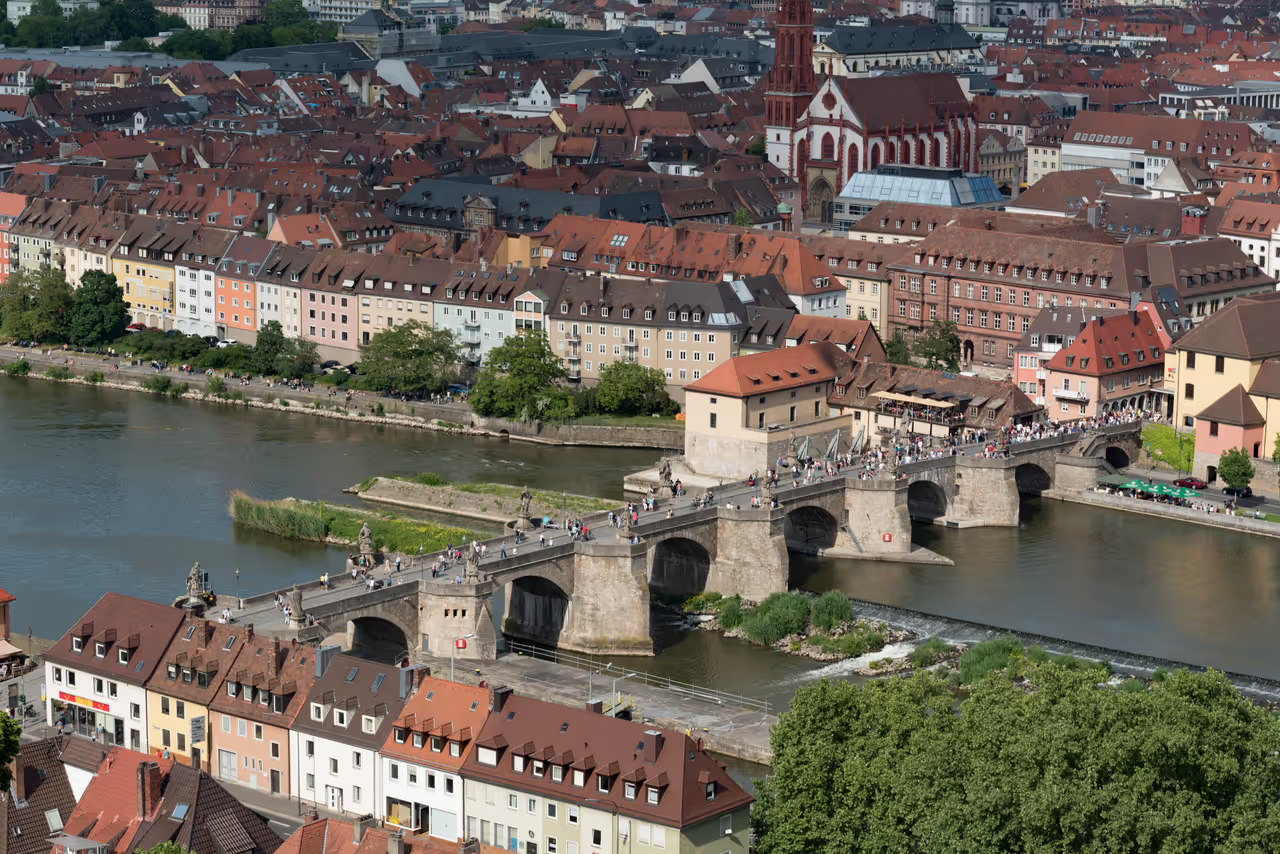
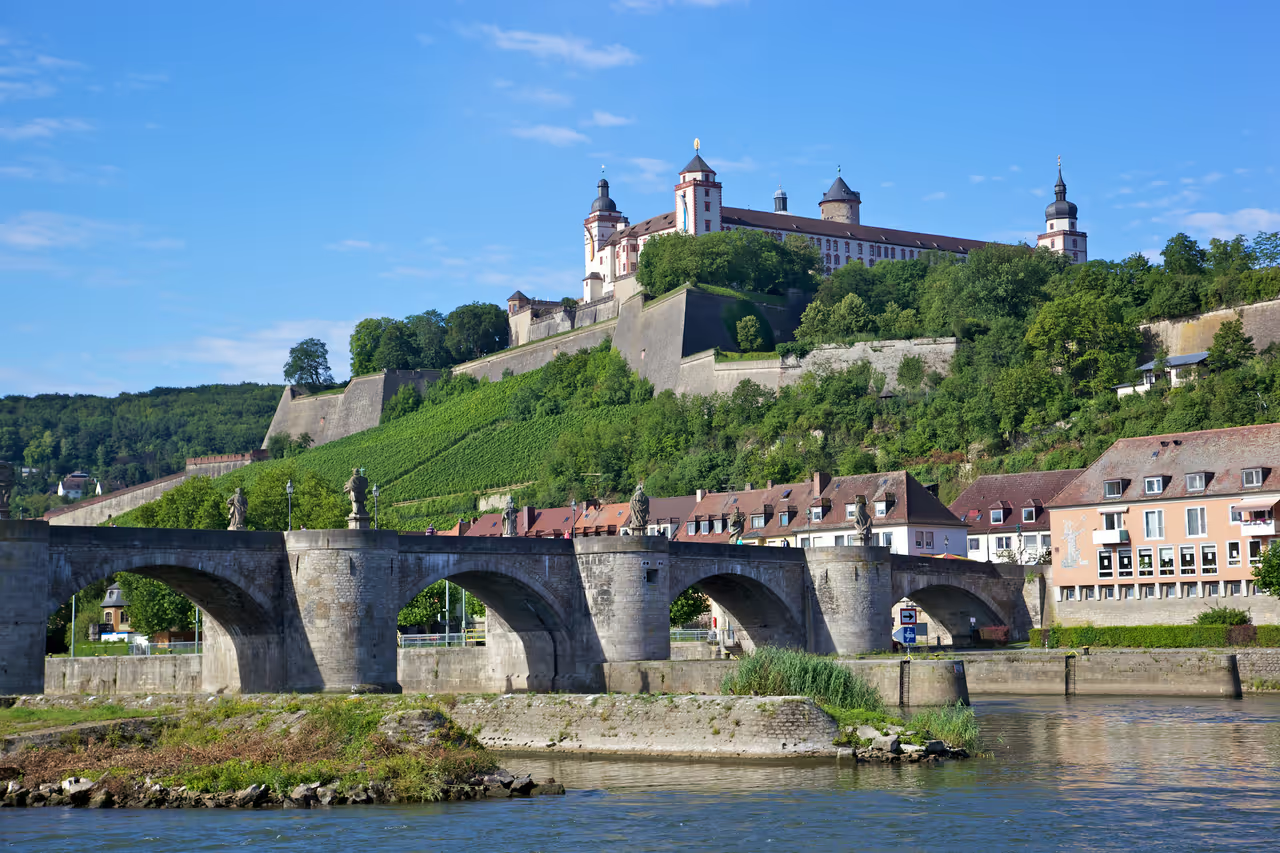
Wander across the Alte Mainbrücke and step into the heart of Würzburg’s history. As the city’s oldest river crossing, this stone marvel serves as a stunning gateway between the historic Old Town and the majestic Festung Marienberg. Lined with dramatic baroque statues of saints and historical figures, the bridge offers a uniquely picturesque atmosphere that is perfect for a leisurely stroll. Today, it stands as a lively pedestrian walkway, inviting locals and visitors alike to linger, take in the serene river views, and appreciate the timeless architecture that has survived centuries of transformation. It is more than just a bridge; it is a symbol of the city's resilience and enduring spirit. Whether you are catching the golden hour light or simply enjoying the vibrant energy of the riverfront, this landmark is the undisputed soul of Würzburg.
Videos
History of Old Main Bridge
Würzburg has always relied on this crossing to connect its urban life with the heights of the Marienberg Fortress. The current stone structure, begun in 1476, replaced an earlier medieval bridge that had struggled against floods and river traffic for centuries. This shift from wood to stone was a monumental undertaking that spanned generations, finally reaching its mature form in the early 18th century. It was a vital artery for trade and movement in a city defined by the Main river. As the baroque period took hold, the bridge evolved from a purely functional path into a gallery of piety and political power. The addition of twelve colossal stone statues transformed the crossing into a sacred space, echoing the artistic traditions of Rome and Prague. These figures were more than mere decoration; they served as silent protectors and symbols of ecclesiastical authority, watching over the steady flow of people and goods moving between the fortress and the town. The bridge survived floods, sieges, and political shifts, but its darkest hour came in April 1945. The explosion of its central arches marked a profound scar in the city's landscape. Yet, like the city itself, the bridge was not lost to time. Reconstruction brought it back to its former glory, and its transition to a pedestrian-only zone in 1990 returned the structure to the people. It remains the most beloved spot in Würzburg, where the weight of history meets the casual joy of modern urban life.
Events spanning 870 years
Fun Facts
- • An American-built Bailey bridge served as a temporary crossing immediately after the war while the stone structure was repaired.
- • During the final days of the Second World War, two of the bridge's arches were blown up by retreating forces.
- • Initial construction started in the 15th century and took over two centuries to complete all its stone arches.
- • It connects the Altstadt on the right bank with the towering Marienberg Fortress.
- • It features twelve striking baroque statues of saints, designed in a tradition similar to the famous Charles Bridge in Prague.
- • It was Würzburg’s only bridge across the river until 1886.
- • One of the statues depicts the patron saint of Franconia, highlighting the regional significance of the location.
- • Some of the original 18th-century statues have been replaced by faithful copies to preserve them from weathering.
- • The bridge deck is paved with cobblestones that add to its authentic historic character.
- • The bridge has served as a filming location for major international productions including the 2011 film The Three Musketeers.
- • The bridge is a focal point for the city's wine culture, where locals and visitors often gather to enjoy a glass of local wine directly on the bridge.
- • The bridge was built using durable Muschelkalk limestone sourced from the nearby Bromberg quarry.
- • The bridge was once heavily fortified and featured a gatehouse that included four statues of warriors.
- • The statues on the bridge face inwards towards the walkway rather than outwards towards the river, a distinct design choice.
Old Main Bridge FAQ
While we strive to keep this information accurate and up to date, we recommend verifying any details independently before making decisions based on them.
Old Main Bridge Map & Neighborhood Explorer
This interactive map is centered on Old Main Bridge. Zoom in and move the map around to automatically discover Wikipedia photos and summaries of other nearby sights, monuments, and historical points of interest and stories in real-time!
Places near Old Main Bridge
Make the most of your trip. Check out these top-rated spots located nearby.
 208m
208mHistorical Town Hall
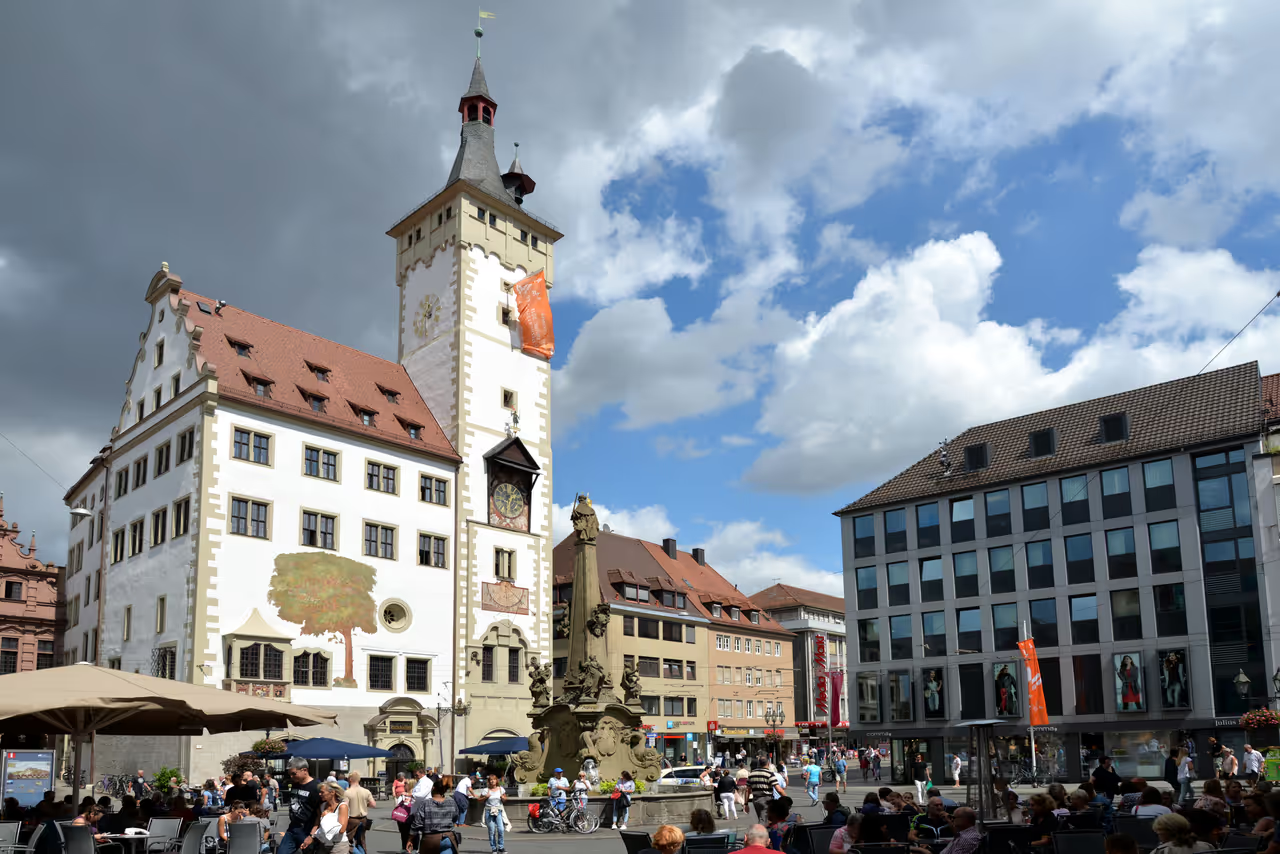
This deeply fascinating structure is a remarkable architectural collage, bearing the physical marks of numerous centuries of continual adaptation. The core of the building, known as the Grafeneckart, features a robust, ancient Romanesque tower that dates all the way back to the late twelfth century. As the centuries passed, elegant Renaissance additions and vivid murals were grafted onto the sturdy medieval base, reflecting the growing wealth and pride of the civic population. The sprawling complex vividly illustrates the ongoing struggle for power between the secular townspeople and the ruling religious bishops. The bold, asymmetrical composition makes it an incredibly engaging piece of urban history to visually dissect. It serves as the resilient, beating administrative heart of the city.
architecture view- 285m
Green Market
This lively agricultural market is the beating heart of local culinary life, where farmers from the surrounding countryside bring their freshest produce. Stalls overflow with vibrant seasonal vegetables, freshly baked breads, fragrant herbs, and beautiful floral arrangements. It is a fantastic place to observe the daily rhythms of the residents as they meticulously select ingredients for their weekend meals. Visitors can pick up incredibly fresh apples, local cheeses, and regional honey directly from the producers. The lively banter between vendors and regular customers adds a wonderful authentic charm. It is an ideal spot to grab a healthy snack before a day of sightseeing.
market view 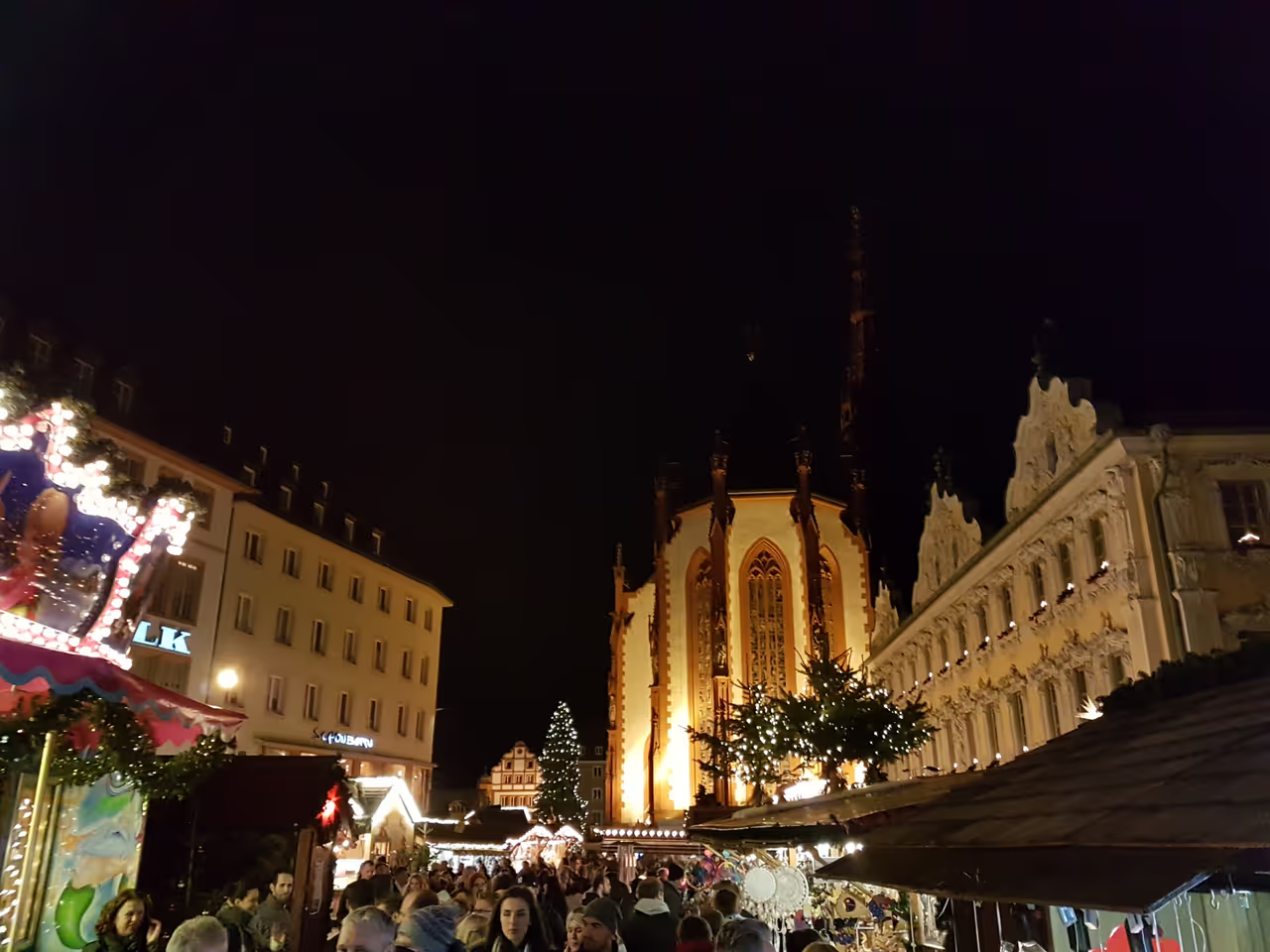 285m
285mWürzburg Christmas Market
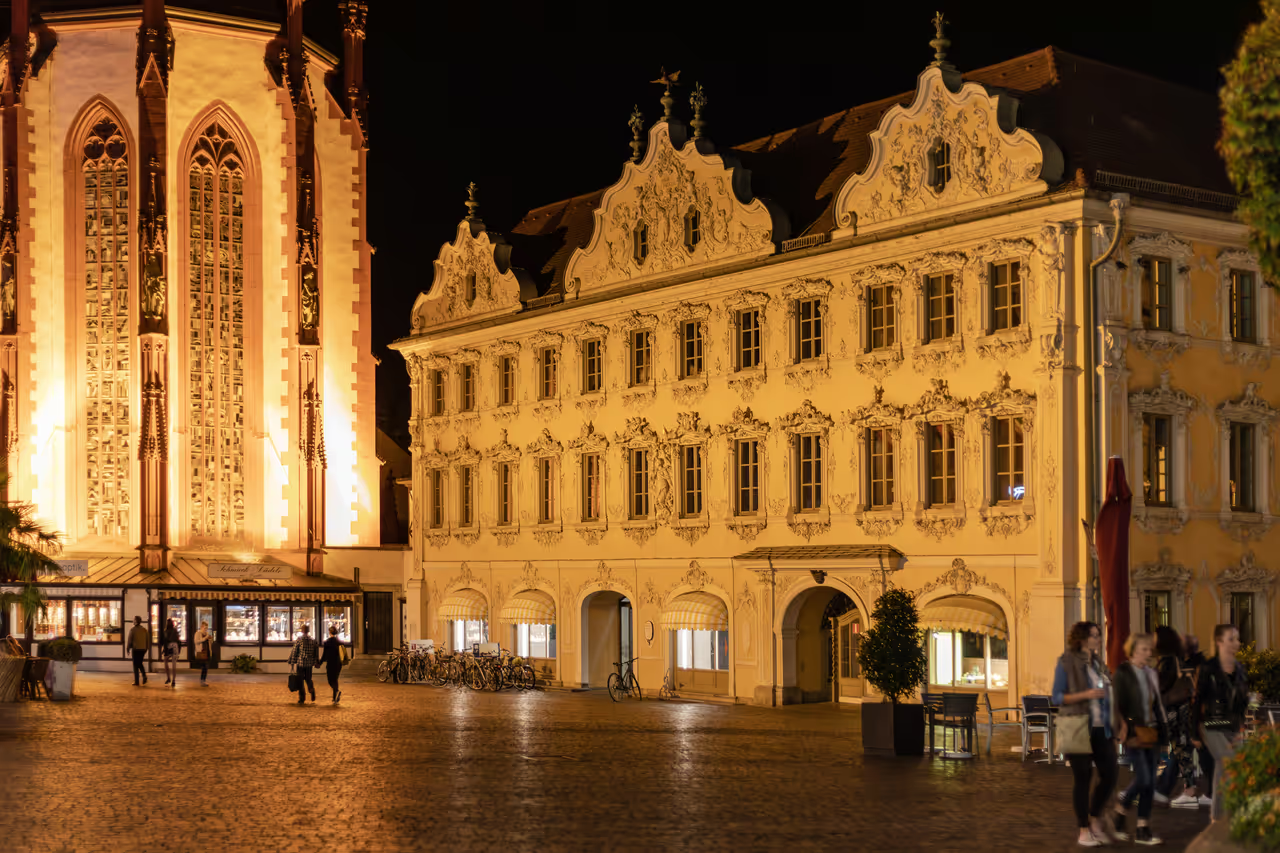
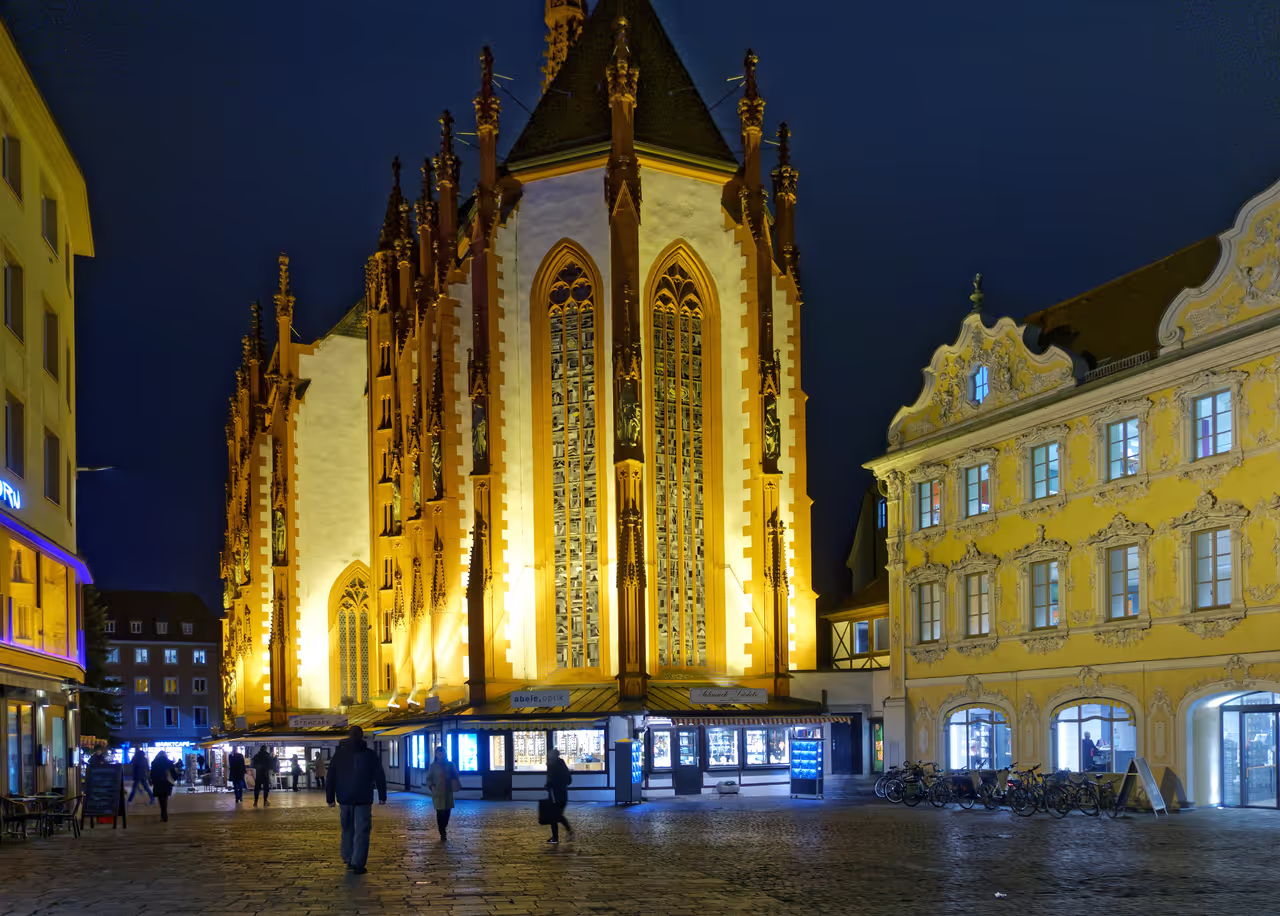
Set against the stunning Gothic backdrop of the Marienkapelle and the historic Falkenhaus, this festive market is a winter wonderland. Dozens of beautifully decorated wooden chalets offer everything from intricate handmade crafts to delicate glass ornaments. The air is thick with the warming scents of roasted almonds, spiced gingerbread, and traditional hot mulled wine. Visitors can easily spend hours browsing the unique artisanal gifts and soaking in the joyful, twinkling atmosphere. It provides an incredibly romantic and nostalgic experience during the colder months. The historical setting elevates it to one of the most picturesque holiday markets in the region.
market view- 285m
Würzburg Wine Village
Celebrating the deep rooted viticultural heritage of the region, this festival sees the central market square transformed into a charming village of wooden wine stalls. Dozens of local estates present their finest vintages, offering over a hundred different wines to eager tasting crowds. The focus is heavily on the crisp, mineral rich white wines that have made Franconia famous. Culinary booths provide perfect regional pairings like roasted sausages, pretzels, and local cheese specialities. The convivial atmosphere encourages strangers to share tables and toast to good health and great weather. It is the quintessential Franconian social experience.
festival view
Explore Similar Places in This Collection
Featured on These Itineraries and Routes
1 Day in Würzburg Itinerary
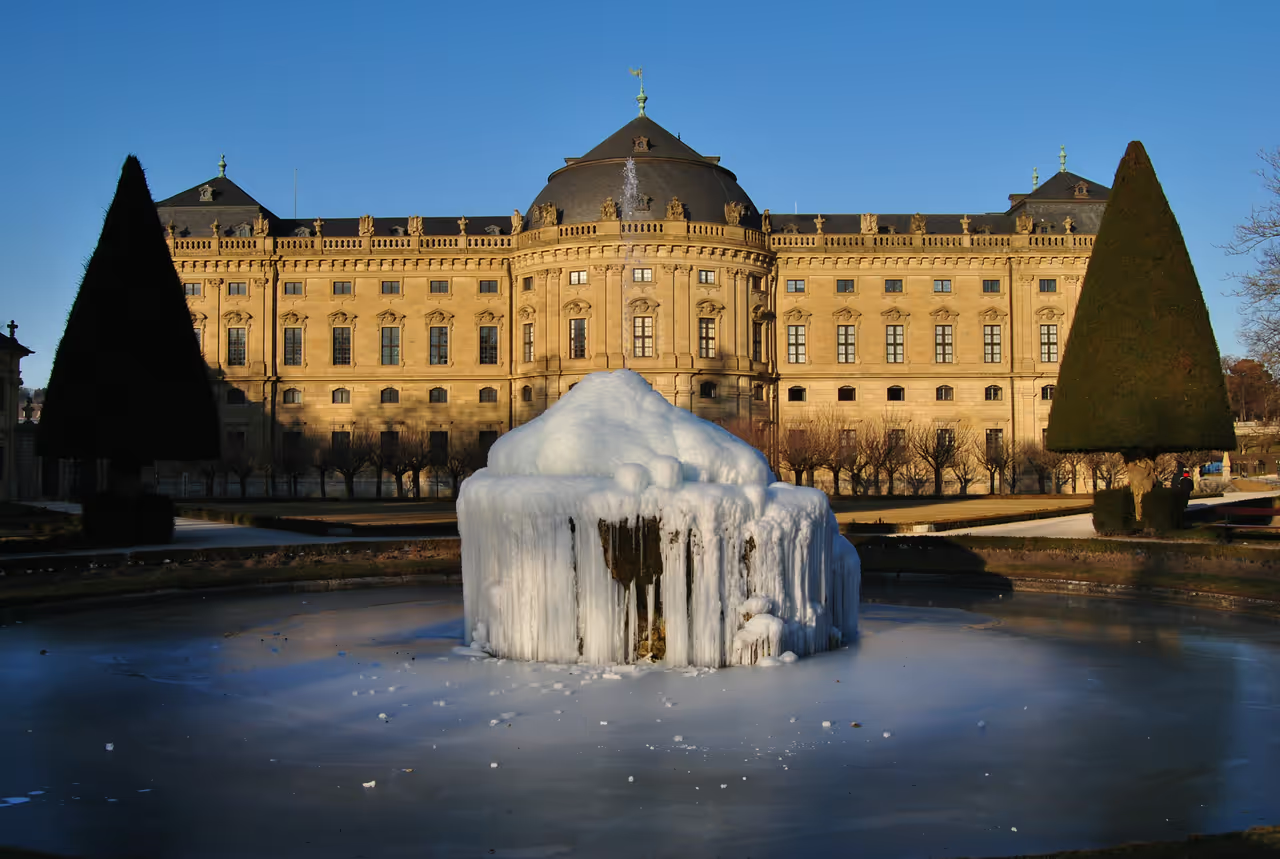
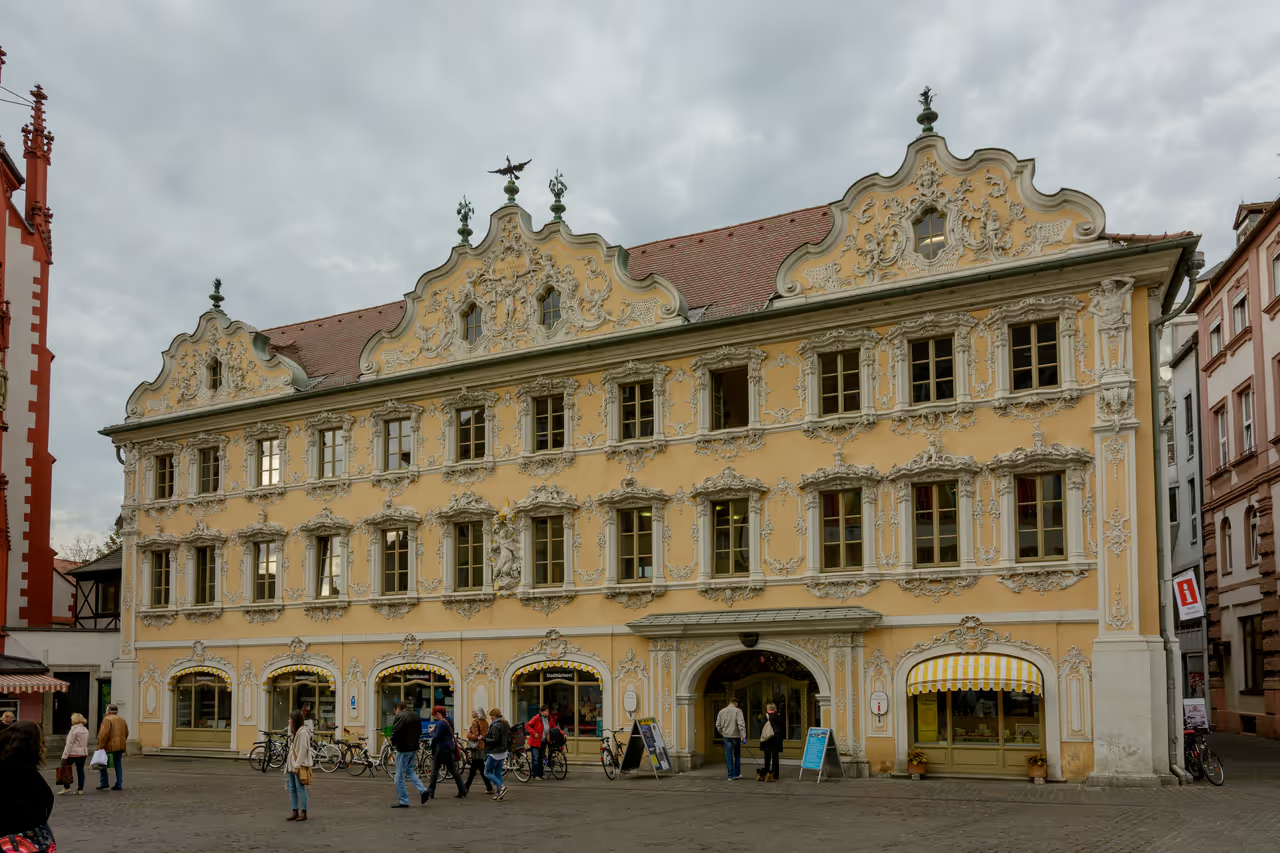
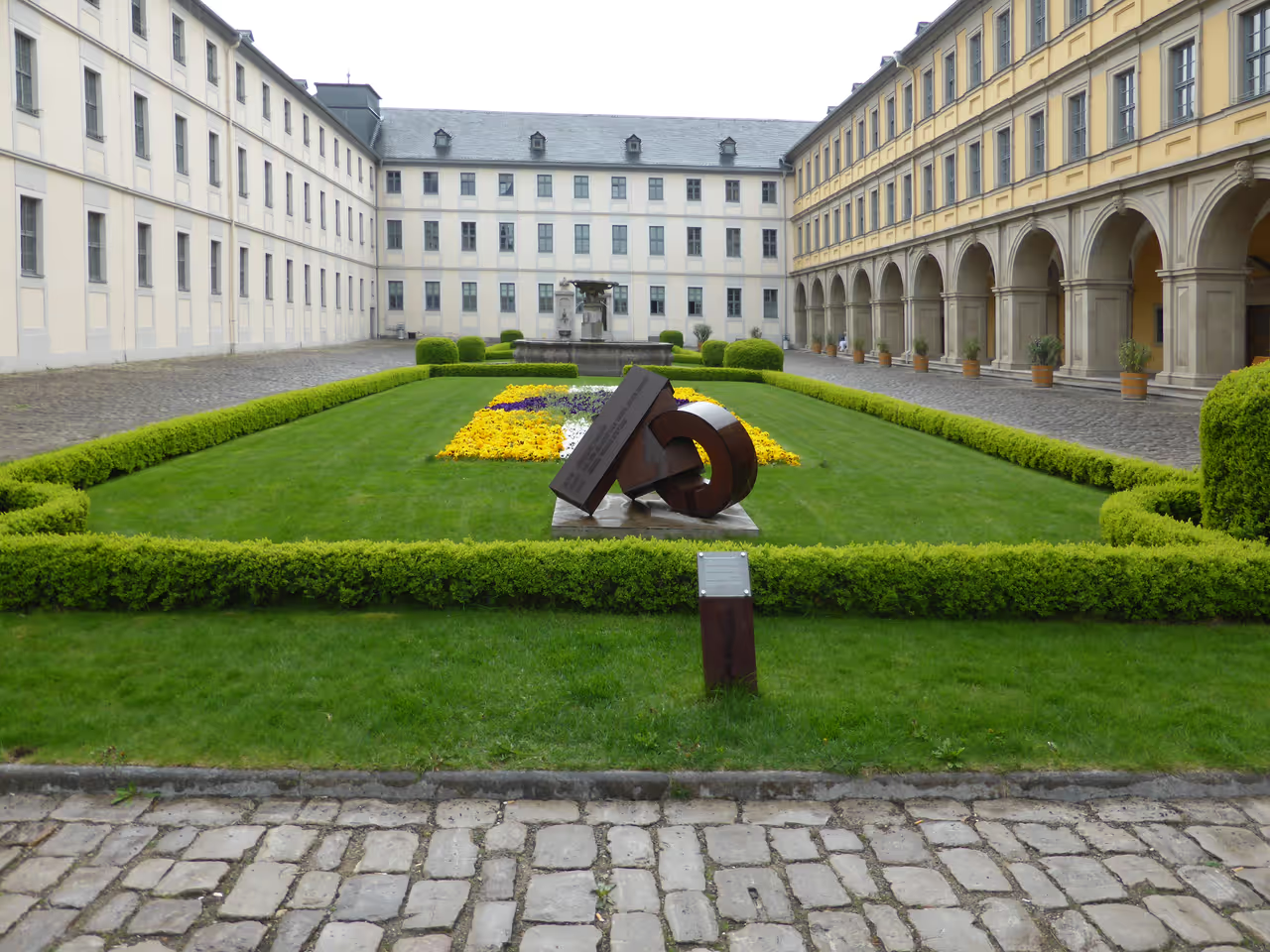
This highly focused, fast paced itinerary is designed specifically for travellers with very limited time who wish to experience the absolute pinnacle highlights of the city. It connects the most monumental, globally recognised landmarks to provide a deep understanding of the region's immense historical and architectural significance. The journey covers the breathtaking heights of Baroque palace design before transitioning to the robust, unyielding military might of the medieval era. It includes the essential, iconic visual panoramas that define the city on every postcard. By following this route, visitors will efficiently absorb the dual legacy of aristocratic wealth and defensive authority. It promises an incredibly dense, unforgettable day of grand sightseeing.
view itinerary
3 Days in Würzburg Itinerary
This balanced, comprehensive itinerary allows visitors to fully digest the rich history, stunning architecture, and vibrant wine culture of the region at a very comfortable pace. Over three days, the journey expands beyond the primary monuments to include elegant gardens, important museums, and deeply authentic local culinary institutions. It provides ample time to genuinely appreciate the incredibly intricate details of the Baroque masterpieces without suffering from museum fatigue. The plan thoughtfully mixes rigorous historical exploration with highly relaxing, sensory experiences like exploring ancient, cavernous wine cellars. It is the absolute ideal duration to capture the true, relaxed essence of Franconian life. Visitors will leave with a profound, well rounded appreciation of the city.
view itinerary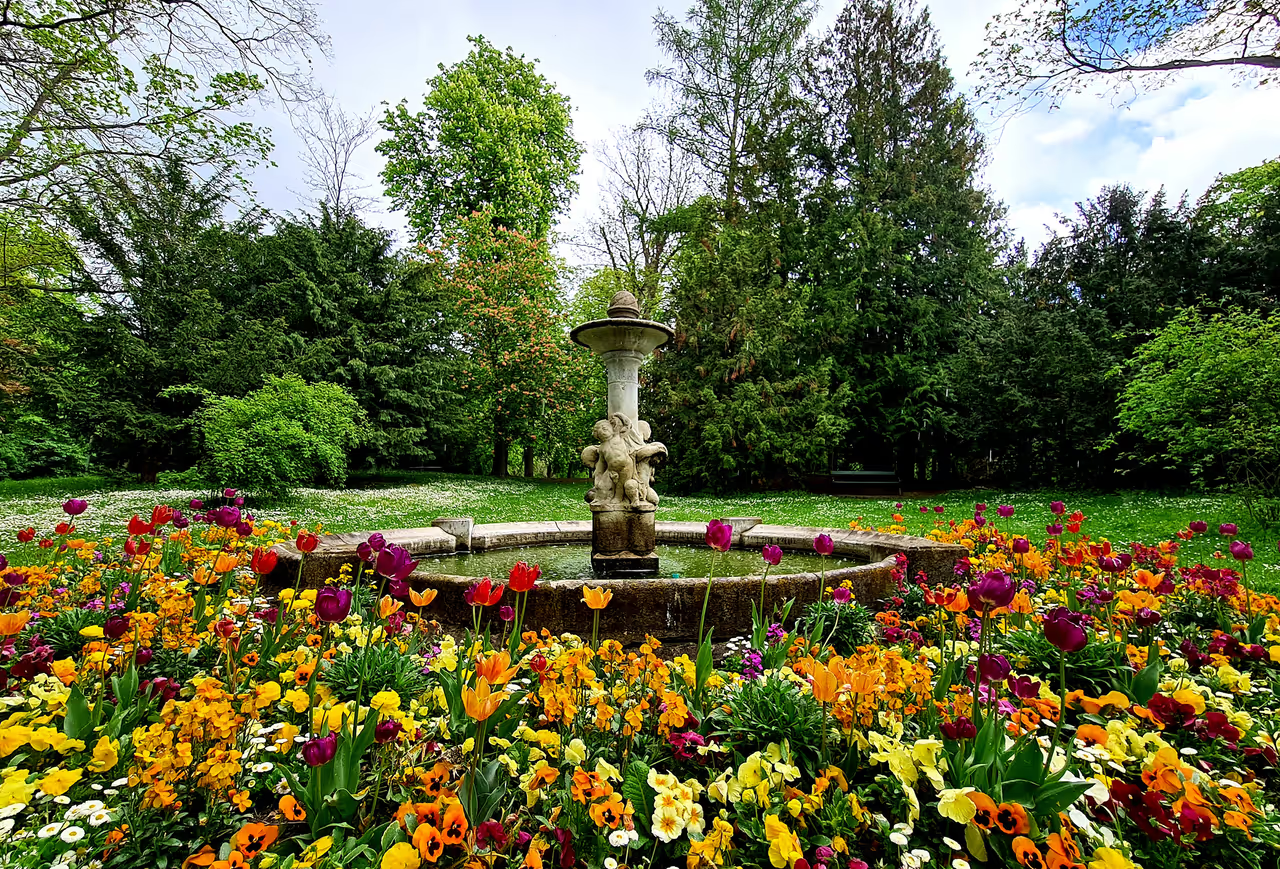
5 Days in Würzburg: Deep Dive Itinerary
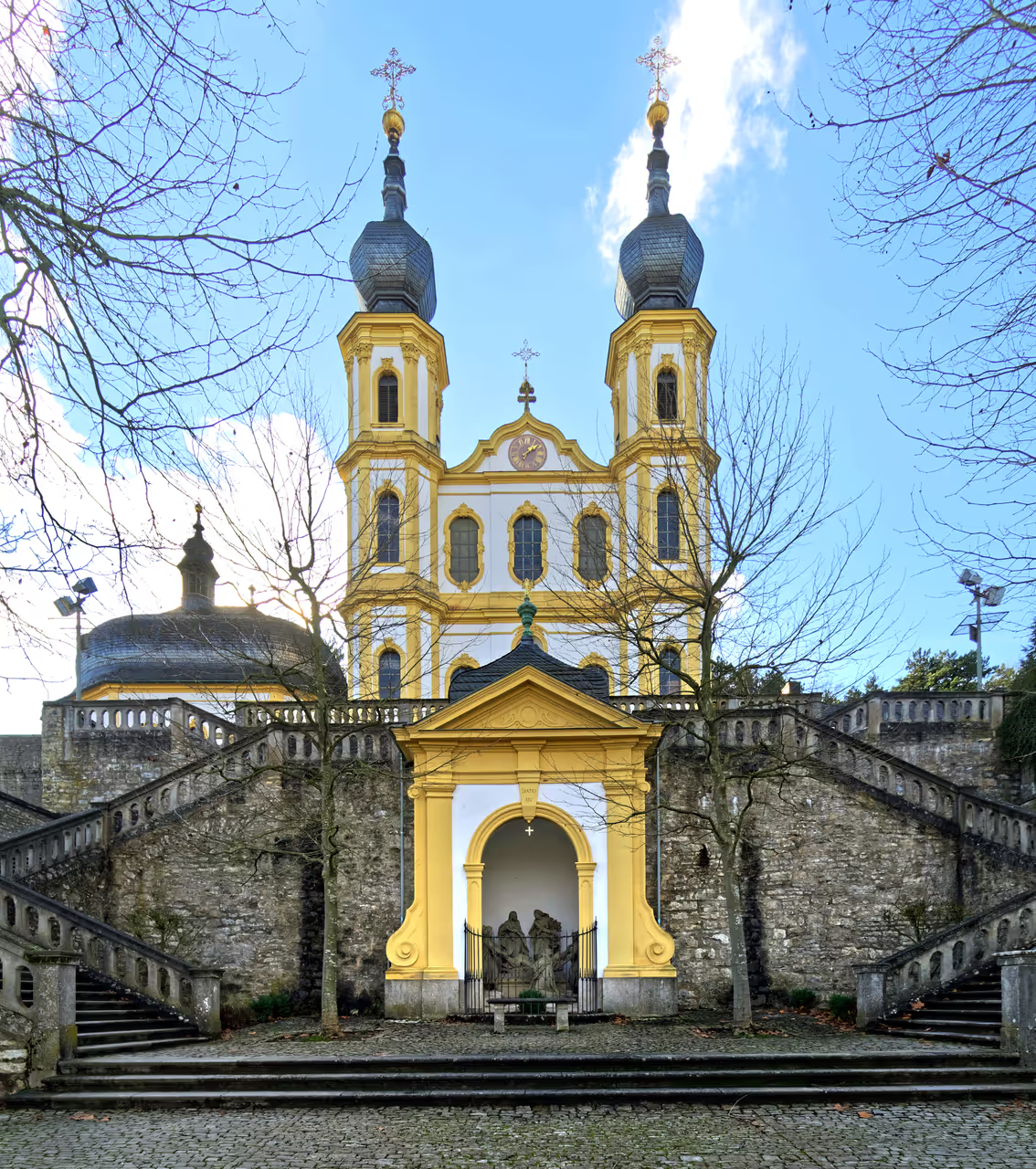
This extensive, unhurried itinerary is crafted for the deeply curious traveller who wants to uncover every layer of history, art, and nature the municipality has to offer. With five full days, the journey reaches far beyond the central squares, exploring massive hillside pilgrimage churches, quiet botanical parks, and highly specialised museums. It affords the incredible luxury of experiencing the renowned wine culture through multiple, distinct historical cellars without ever rushing the tastings. The generous timeframe allows for deeply immersive, peaceful strolls through the surrounding landscapes and ancient fortifications. It is the ultimate, definitive way to experience the city like a knowledgeable, highly cultured local. The pace ensures complete relaxation alongside profound historical education.
view itinerary
Old Town River Promenade
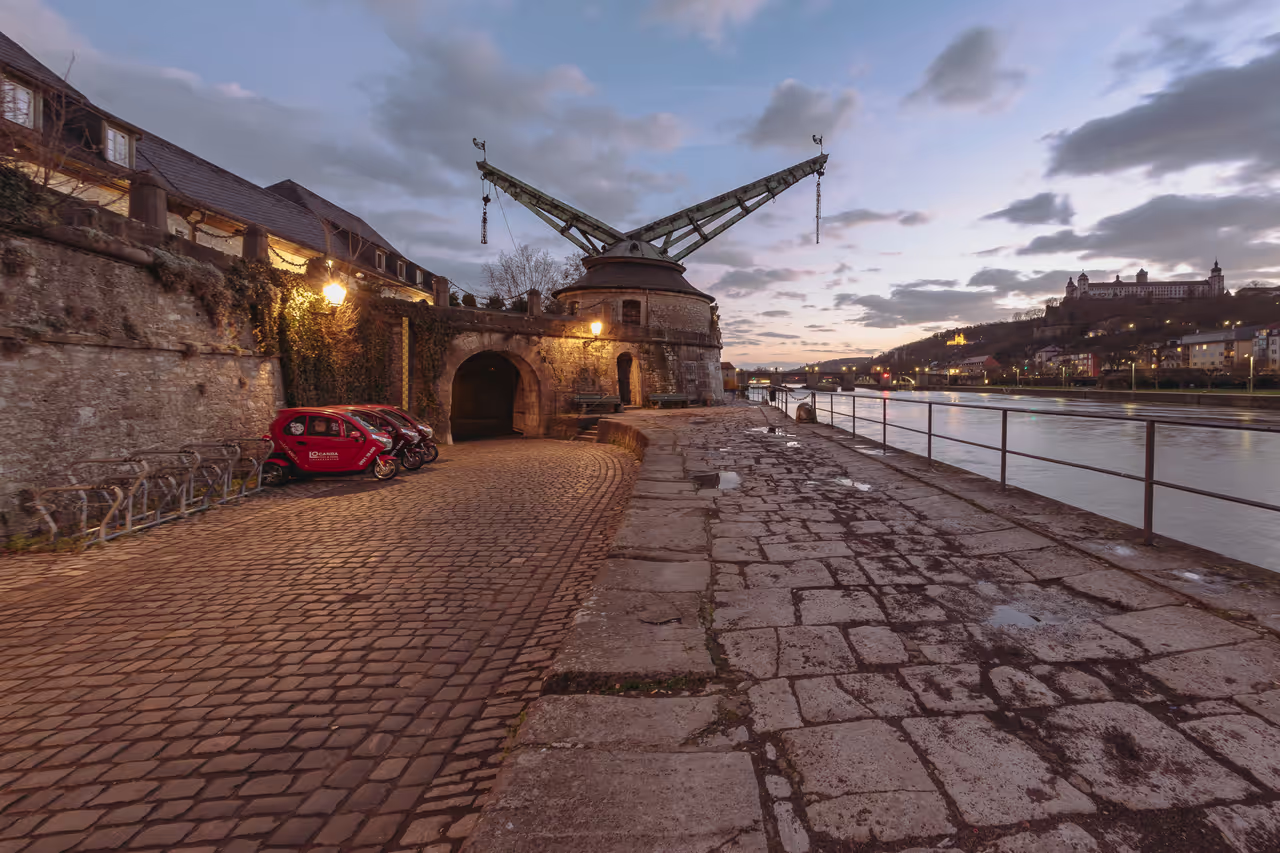
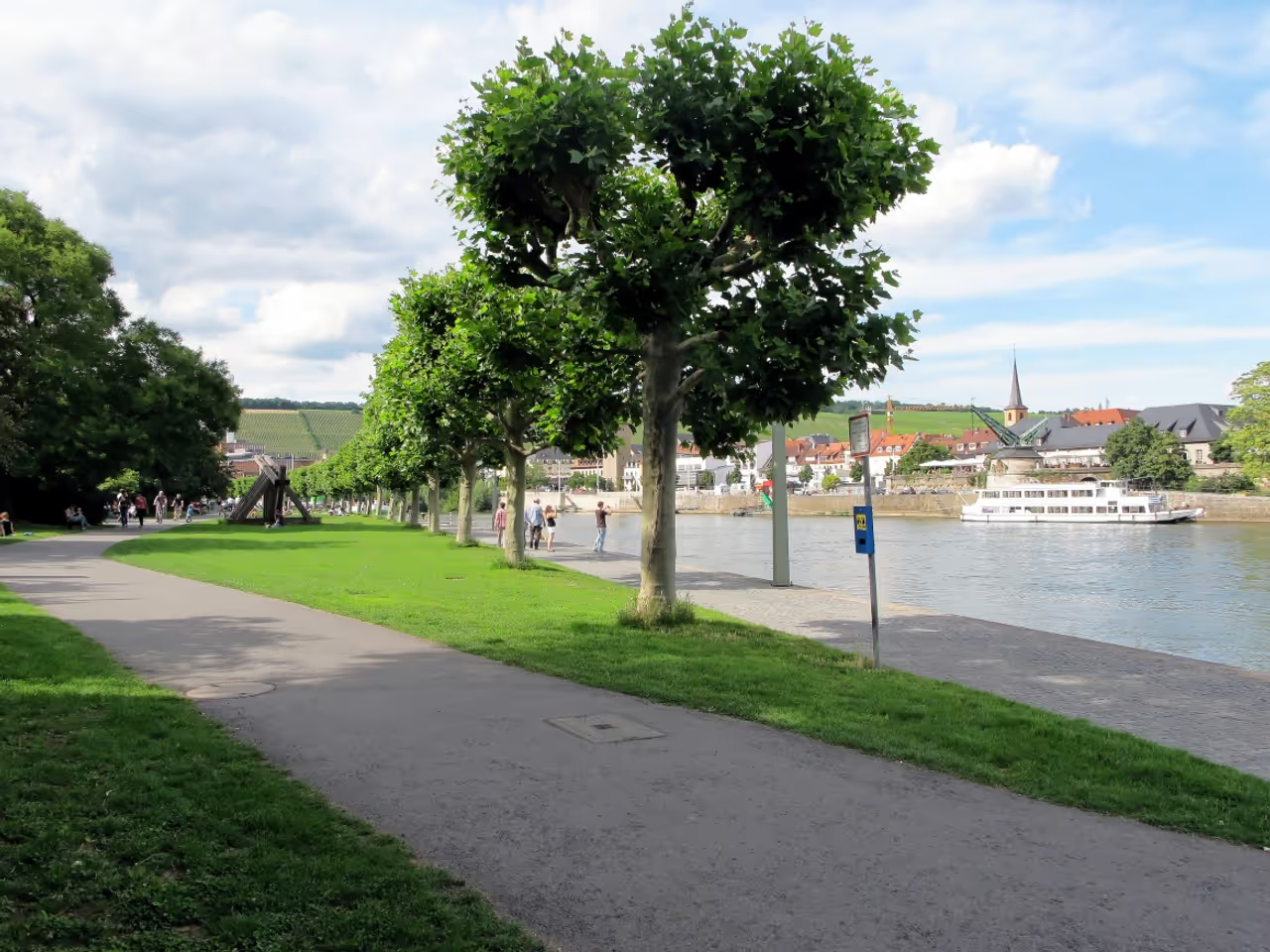
Following the gentle curve of the river, this flat and exceptionally well paved walkway is the main artery of local leisure. It offers magnificent, unobstructed views of the fortress towering on the opposite bank while keeping you close to the historic city centre. The promenade is flanked by mature trees and features numerous inviting benches perfect for people watching. Swans and small boats glide peacefully over the water, creating a highly dynamic yet relaxing visual scene. It is the perfect place to feel the true, unhurried pulse of the city.
view walking route
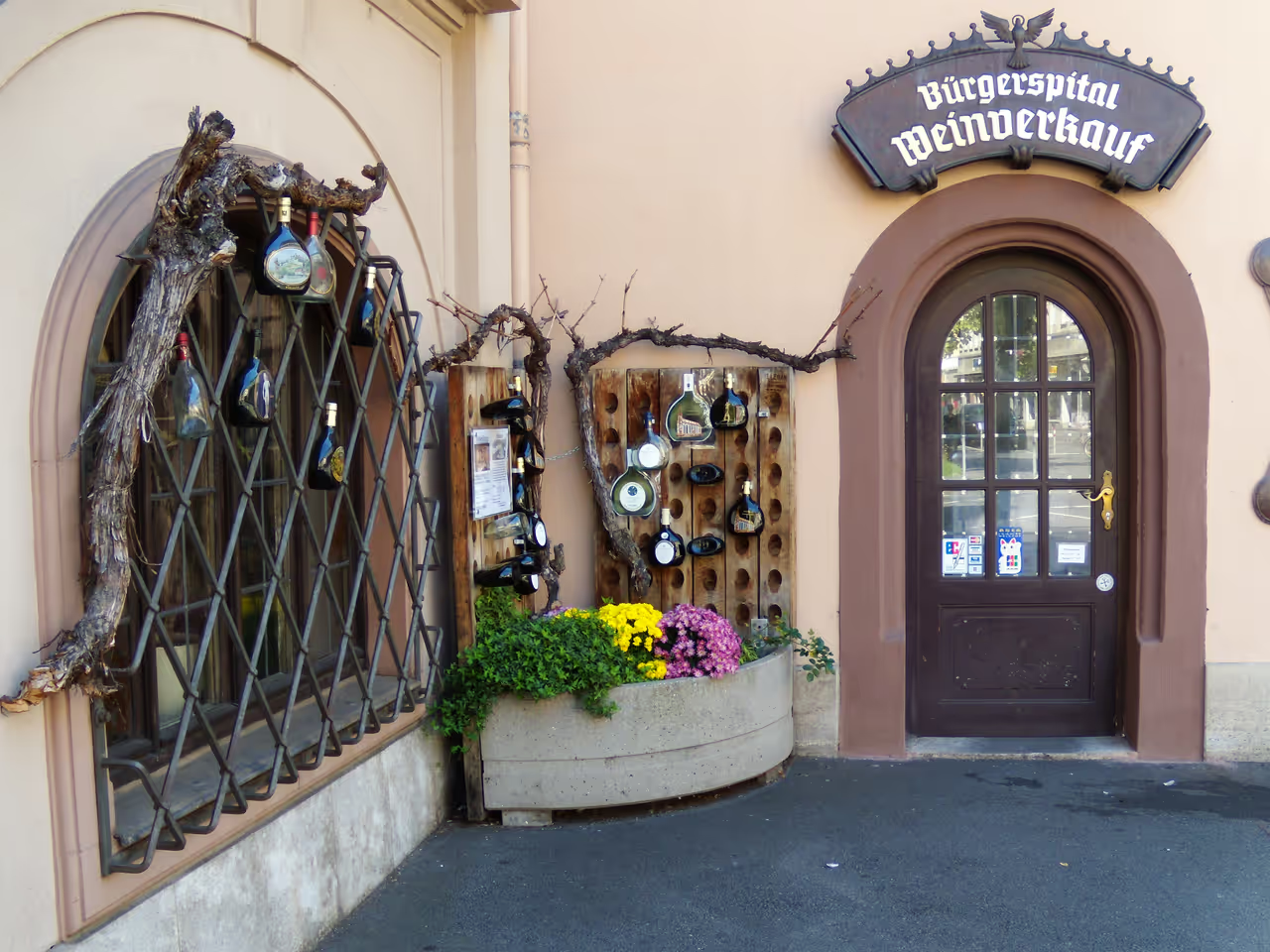
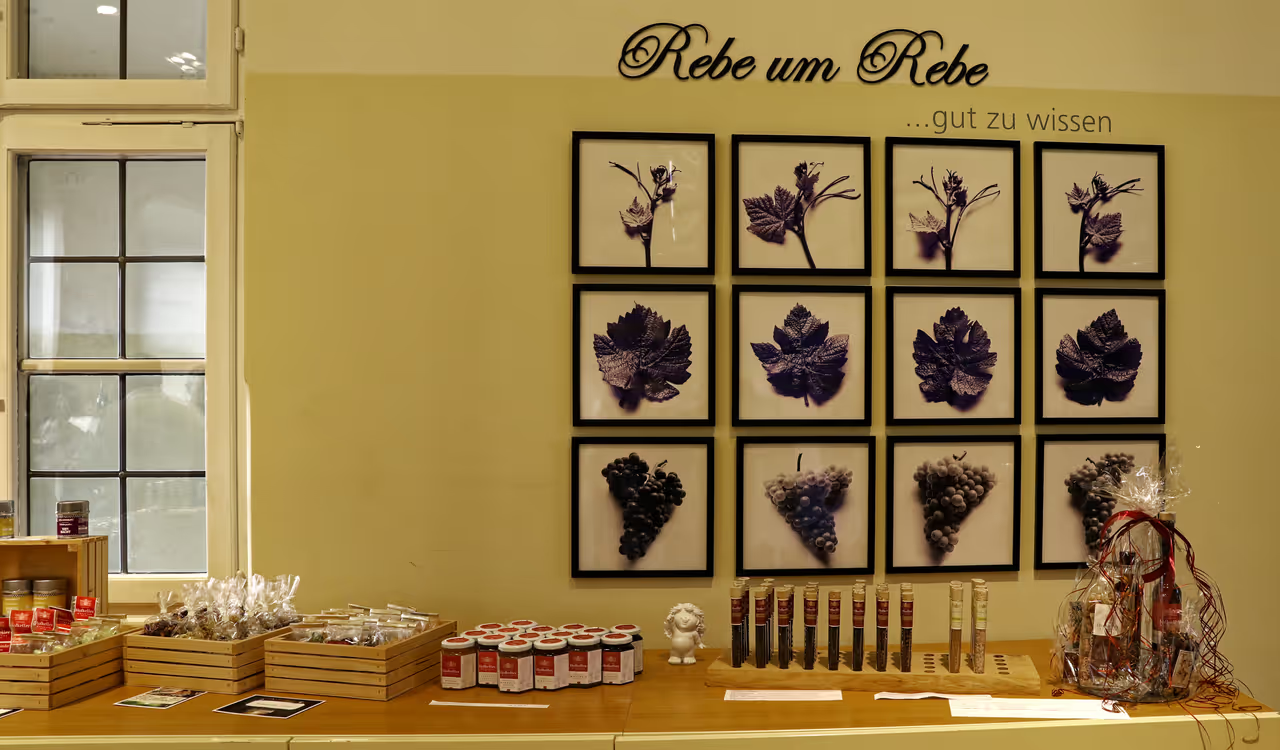
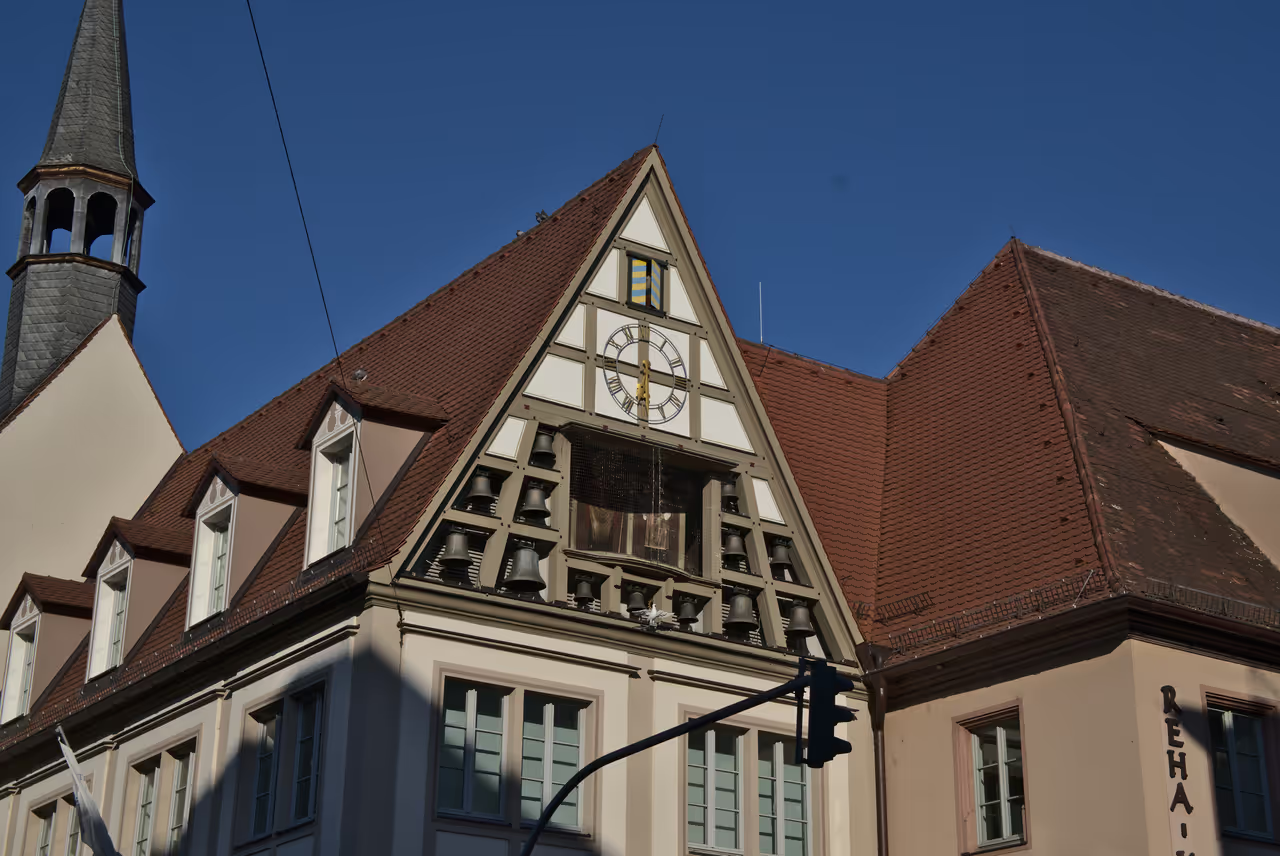
Franconian Wine Culture Trail
This highly enjoyable route dives deep into the liquid soul of the city, exploring the institutions that have perfected local viticulture. Walkers will discover the three massive, historic wine estates that dominate the cultural and economic life of the region. The journey reveals the fascinating charitable history behind these wineries, which have funded hospitals and care homes for centuries. It highlights the deep connection between the limestone soil, the local traditions, and the iconic Bocksbeutel bottle. It is a wonderfully relaxed, sensory exploration of regional identity.
view self-guided tour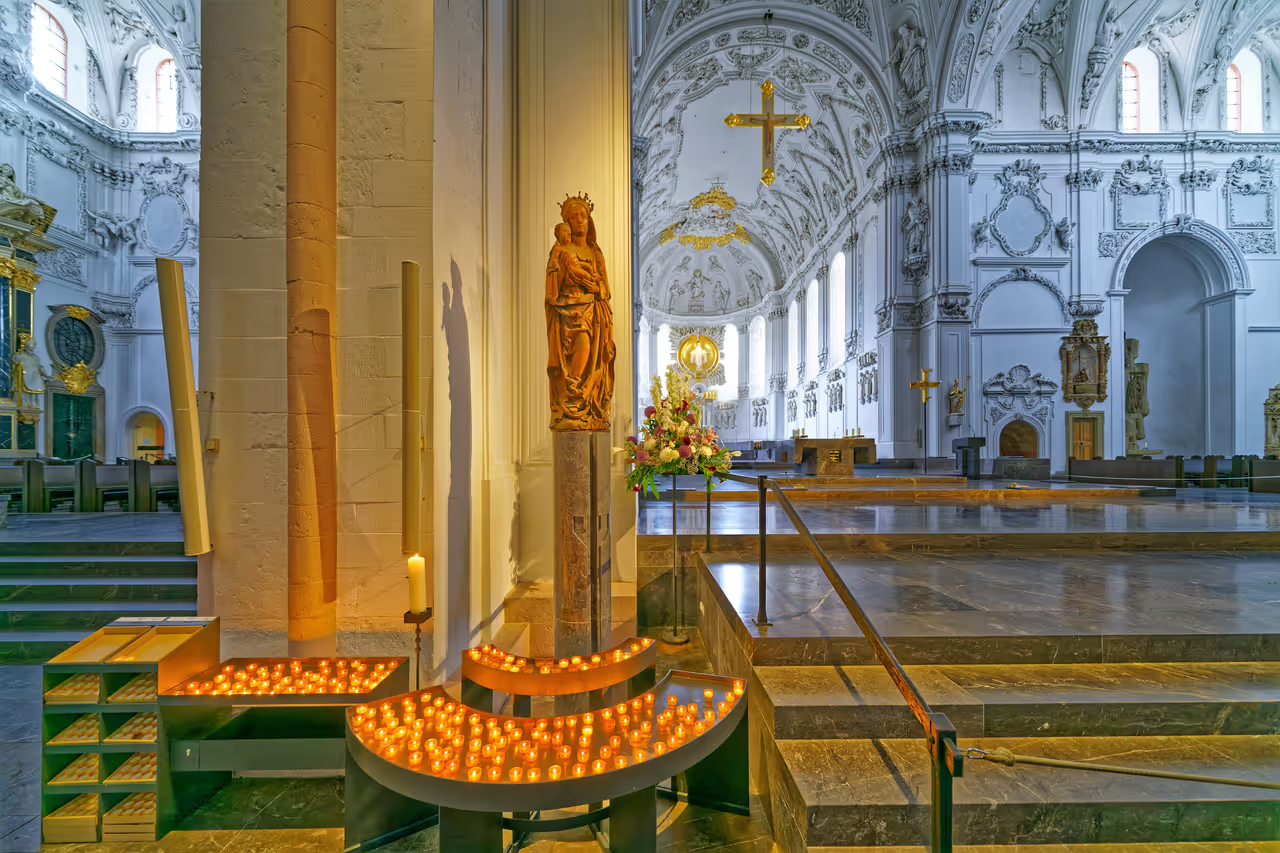
Prince Bishops Legacy
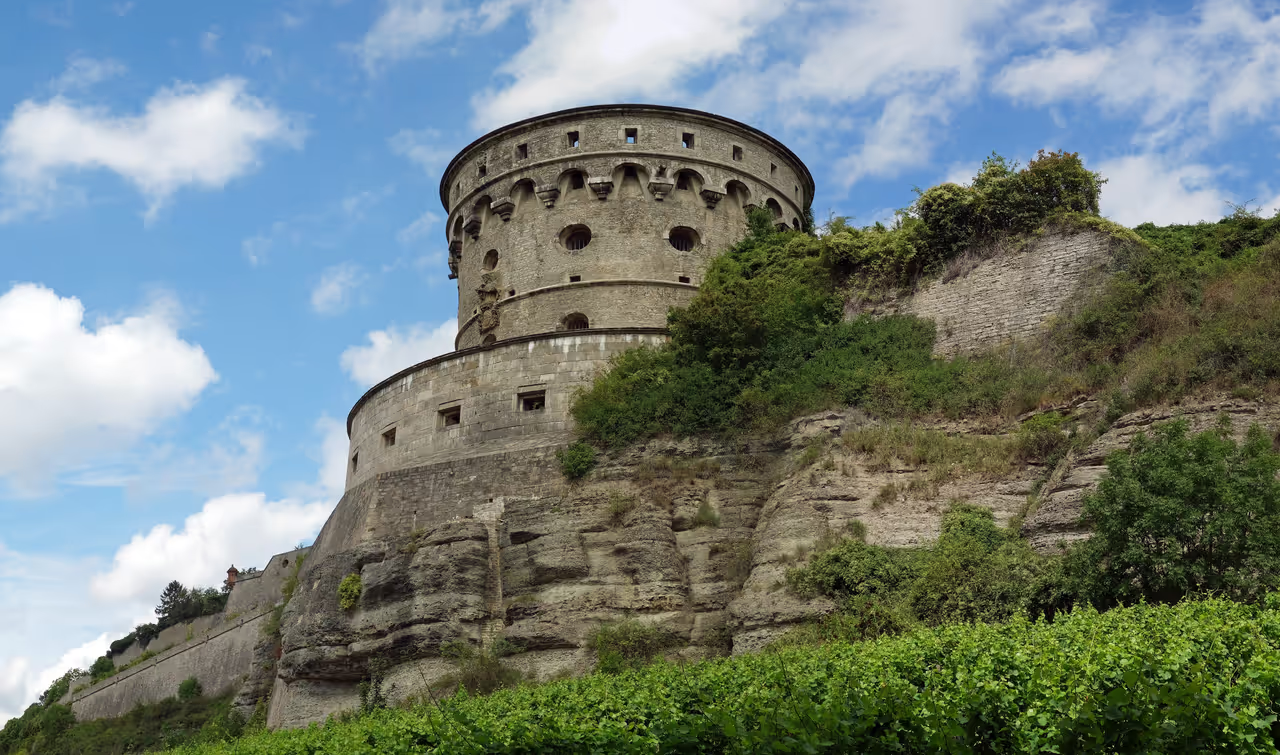
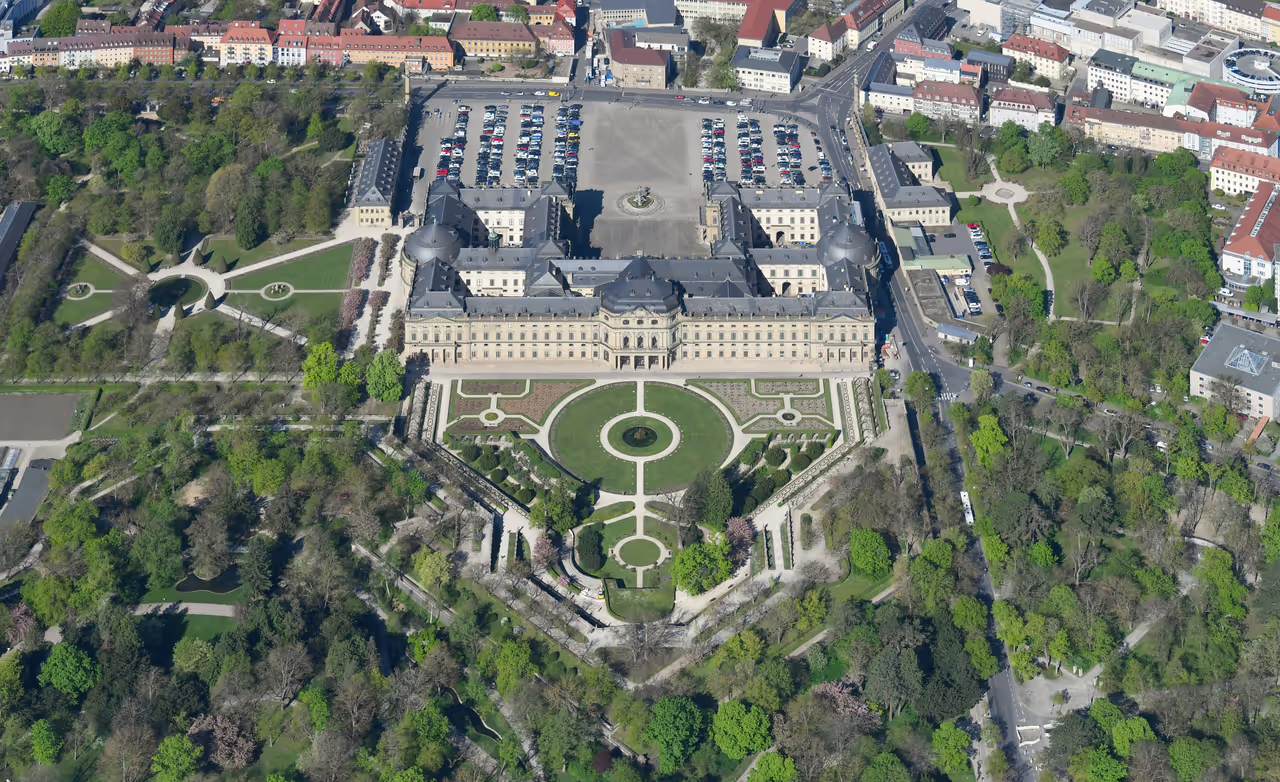
This route traces the immense architectural and political footprint left by the powerful religious rulers who shaped the city for centuries. Walkers will journey between the colossal defensive structures they built to protect themselves and the opulent palaces they constructed to flaunt their wealth. The tour highlights the dramatic shift from medieval military austerity to breathtaking Baroque extravagance. It paints a vivid picture of absolute power, immense wealth, and deep religious devotion. By connecting these monumental landmarks, the narrative of the city's golden age comes sharply into focus.
view self-guided tour
See all attractions in Würzburg
Falkenhaus, Juliusspital Foundation, Little Chapel, Marienberg Fortress, Marienkapelle, Neumünster Collegiate Church, St. Kilian's Cathedral...