Schaezlerpalais
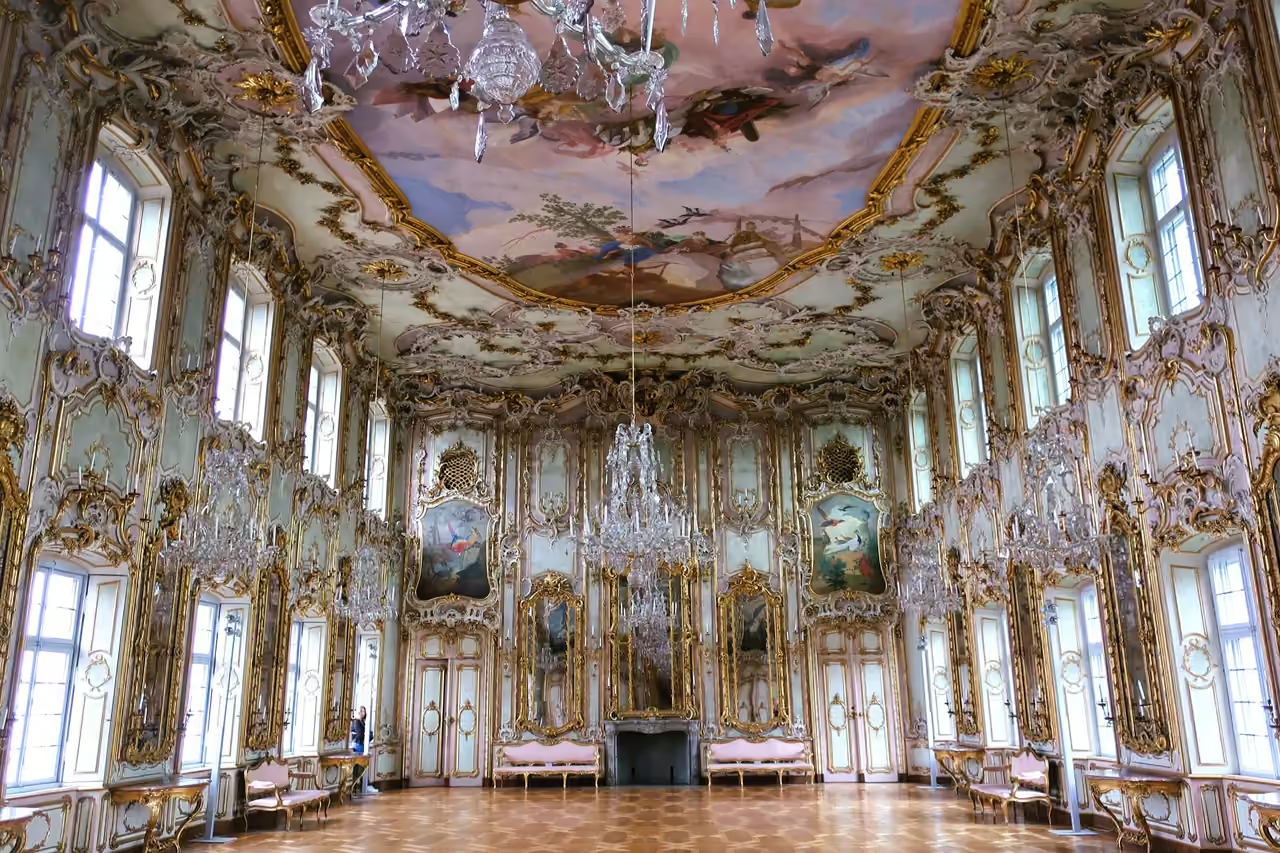
Step into Augsburg's Schaezlerpalais and feel the opulent grandeur of a bygone era, where every hall whispers tales of aristocratic life and celebrated art. This magnificent Rococo palace, once home to powerful bankers, now showcases an extraordinary collection of South German Baroque painting and masterpieces by European greats like Veronese and Canaletto. Imagine the youthful Marie Antoinette gracing its dazzling Festsaal, dancing across its polished floors during her journey to Versailles. Visiting here is a truly worthwhile experience, offering a vivid immersion into history, high society, and unparalleled artistic beauty, all within a setting that feels both grand and intimately preserved.
Videos
History of Schaezlerpalais
The story of the Schaezlerpalais begins long before its current Rococo splendour, with records of a building on this very spot dating back to 1346. By 1499, a grander structure stood here, commissioned by Imperial Councillor Philipp Adler, where none other than Emperor Maximilian I himself would often take lodging. It was within these very walls that Adler's daughter, Anna, gave birth to Philippine Welser, a woman whose life story became intertwined with the Habsburg dynasty through her marriage to Archduke Ferdinand II. The real transformation began in 1764 when Benedikt Adam Liebert, a banker whose family had grown wealthy through the silver trade in Augsburg, acquired the property. With his family recently elevated to hereditary nobility, a residence befitting their new status was essential. Liebert enlisted the talents of Karl Albert von Lespilliez, the Munich court architect, to design an entirely new palace, embarking on a four-and-a-half-year construction project that would result in the exquisite Rococo masterpiece we see today. The interior was lavished with detail, featuring richly carved panelling by Placidus Verhelst, opulent stucco by Franz Xaver Feichtmayr d. J., and a magnificent ceiling painting 'Mercury and World Trade' by Gregorio Guglielmi. The palace's grand inauguration on 28 April 1770 became a legendary event, marked by the presence of a very special guest: the 14-year-old Marie Antoinette, en route to her marriage with the French Dauphin. Local lore still recounts how she danced so enthusiastically in the two-storey Festsaal that she wore out a pair of red shoes. Over the following decades, the palace continued to host dignitaries, including King Maximilian I Joseph of Bavaria, and even opened its magnificent hall for public concerts. The palace's legacy continued with Liebert's daughter, Marianna Barbara, who married Johann Lorenz Schaezler. He gradually acquired all ownership shares, giving the palace the name it carries today. The Schaezler family resided in and maintained the city palace for four generations, a testament to their enduring connection. Crucially, the palace survived World War II without significant damage, a rare fortune. In 1958, Wolfgang Freiherr von Schaezler, in memory of his sons lost in the war, generously donated the building to the City of Augsburg with the profound condition that it must never be sold and always be used for cultural purposes, securing its future as a centre for art and history. Since then, the Schaezlerpalais has become a cherished home for Augsburg's municipal art collections and a gateway to the State Gallery of Old German Masters, cementing its role as a cultural beacon.
8 events spanning 660 years
Fun Facts
10- 01
A legendary tale claims that the 14-year-old Marie Antoinette danced a pair of red shoes to tatters in the magnificent Festsaal during her stopover on the way to marry the French Dauphin.
- 02
During its construction, the palace was designed by Karl Albert von Lespilliez, the esteemed court architect from Munich, making it a significant example of his Rococo artistry.
- 03
King Maximilian I Joseph of Bavaria attended a festive ball in the Liebertschen Palais in 1808 during a transit to Munich, highlighting the palace's role as a venue for high-society events.
- 04
The Liebert family, who commissioned the palace, amassed their fortune through the silver trade after arriving in Augsburg in 1733, rising to become part of the city's patriciate.
- 05
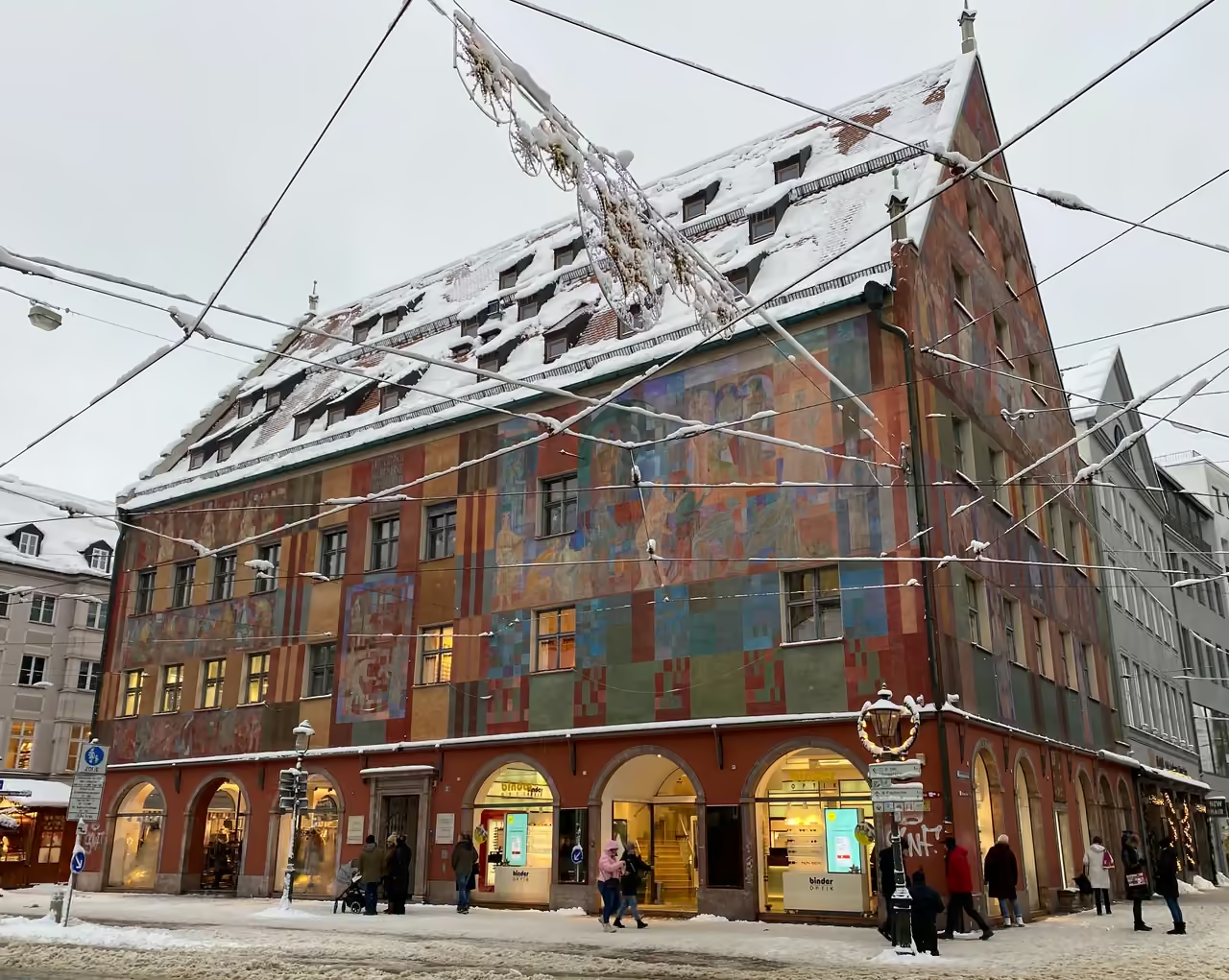
The Schaezlerpalais features a remarkably narrow facade on Maximilianstraße, measuring just 19 metres, yet extends to an impressive 107 metres along Katharinengasse.
- 06
The Schaezlerpalais remarkably survived the devastation of World War II without major damage, preserving its intricate Rococo architecture and art for future generations.
- 07
The building that originally stood on this site was the birthplace of Philippine Welser, a notable figure who later became the morganatic wife of Archduke Ferdinand II of Austria.
- 08
The elaborate interior decorations of the Schaezlerpalais involved renowned artists: Placidus Verhelst crafted the rich wall panelling, Franz Xaver Feichtmayr d. J. created the stucco work, and Gregorio Guglielmi painted the impressive ceiling mural depicting 'Mercury and World Trade'.
- 09
To ensure the palace's long-term upkeep and cultural use, Wolfgang von Schaezler not only donated the building to the city but also transferred 138 hectares of forest to Augsburg.
- 10
Today, the Schaezlerpalais is home to the German Baroque Gallery and the Karl and Magdalene Haberstock Foundation, showcasing masterpieces by artists such as Paolo Veronese, Canaletto, and Van Dyck.
FULL PLACE DETAILS
ARCHITECTURE & HERITAGE
- Heritage Status
- Architectural Heritage Monument In Bavaria
- Architects
- Carl Albert Von Lespilliez
WEB & AMENITIES
Schaezlerpalais Map & Neighborhood Explorer
This interactive map is centered on Schaezlerpalais. Zoom in and move the map around to automatically discover Wikipedia photos and summaries of other nearby sights, monuments, and historical points of interest and stories in real-time!
Schaezlerpalais FAQ
The Schaezlerpalais is home to several important art collections. You can explore the German Baroque Gallery, the Karl and Magdalene Haberstock Foundation with European masters like Veronese and Canaletto, and the State Gallery of Old German Masters, which features works by Swabian and South German artists from the 15th and 16th centuries, including Albrecht Dürer’s famous Fugger portrait.
Yes, the Schaezlerpalais has a particularly enchanting historical moment: in 1770, the 14-year-old Marie Antoinette, on her way to marry the French Dauphin, made a stopover here and famously danced in the grand Festsaal during its inauguration.
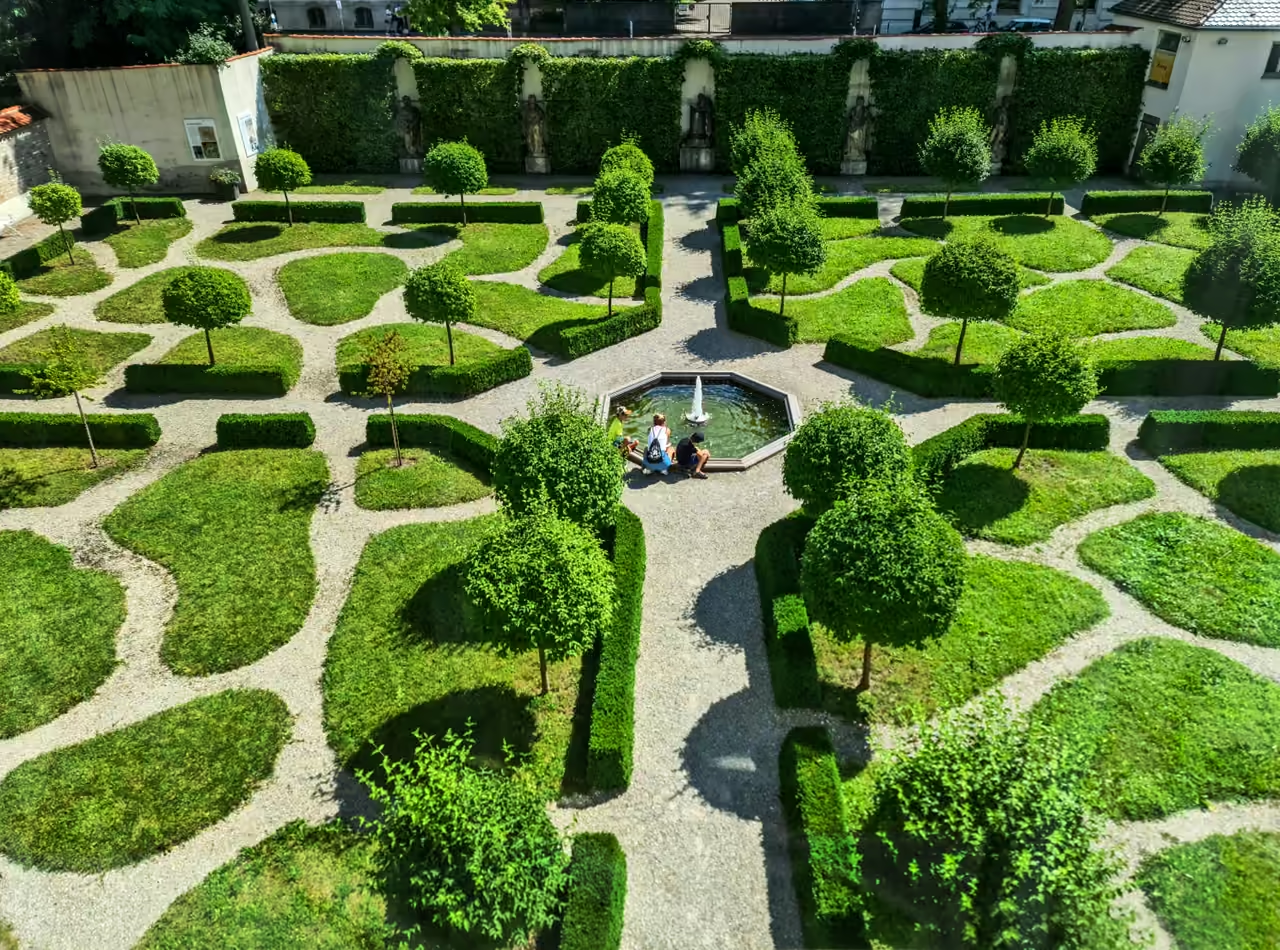
Absolutely! The palace features a beautifully reconstructed Rococo garden, offering a serene escape and a glimpse into 18th-century landscape design.
Yes, the Schaezlerpalais serves as the gateway to the State Gallery of Old German Masters, which is housed in the adjacent former Katharinenkirche. Your visit to one seamlessly connects you to the other.
A typical visit takes about 3 hours. We recommend planning your schedule accordingly to make the most of your time there.
The closest place to visit near Schaezlerpalais is Maximilian Street Bars, around 41 m away. Other things to do near Schaezlerpalais include Hercules Fountain (57 m), Fugger City Palace (136 m) and Roman Museum (162 m). All of these are within roughly 162 m of Schaezlerpalais, close enough to walk.
Schaezlerpalais holds the following heritage designation: Architectural Heritage Monument In Bavaria.
Schaezlerpalais was designed by Carl Albert von Lespilliez.
While we strive to keep this information accurate and up to date, we recommend verifying any details independently before making decisions based on them.
Places near Schaezlerpalais
Make the most of your trip. Check out these top-rated spots located nearby.
 41m
Maximilian Street Bars
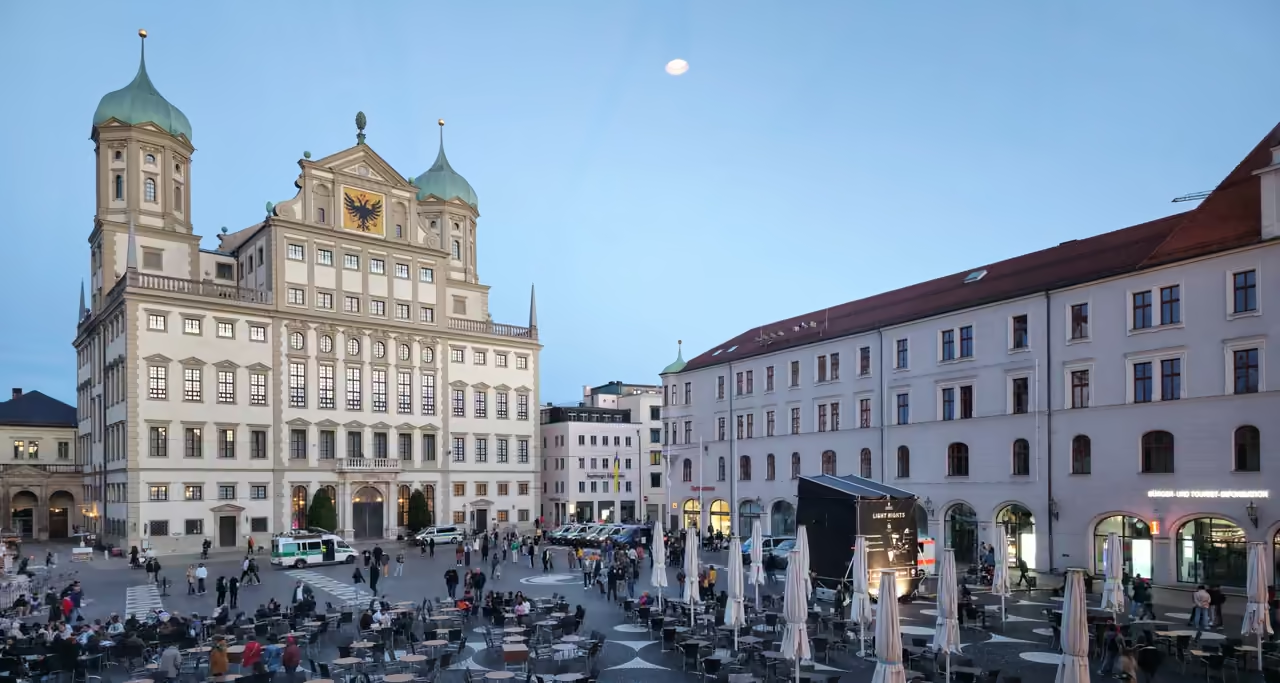
The grandest boulevard in the city transforms into a massive, loud party zone as soon as the sun sets. High-end cocktail bars, noisy student pubs, and fast-food kebab shops sit side-by-side beneath ornate Renaissance facades. Throngs of young people spill out onto the wide pavements, holding glasses of beer and shouting over heavy bass beats. The atmosphere gets highly chaotic on weekends, occasionally requiring police presence to manage the sheer volume of revelers. It is the absolute core of the local nocturnal economy.
nightlife view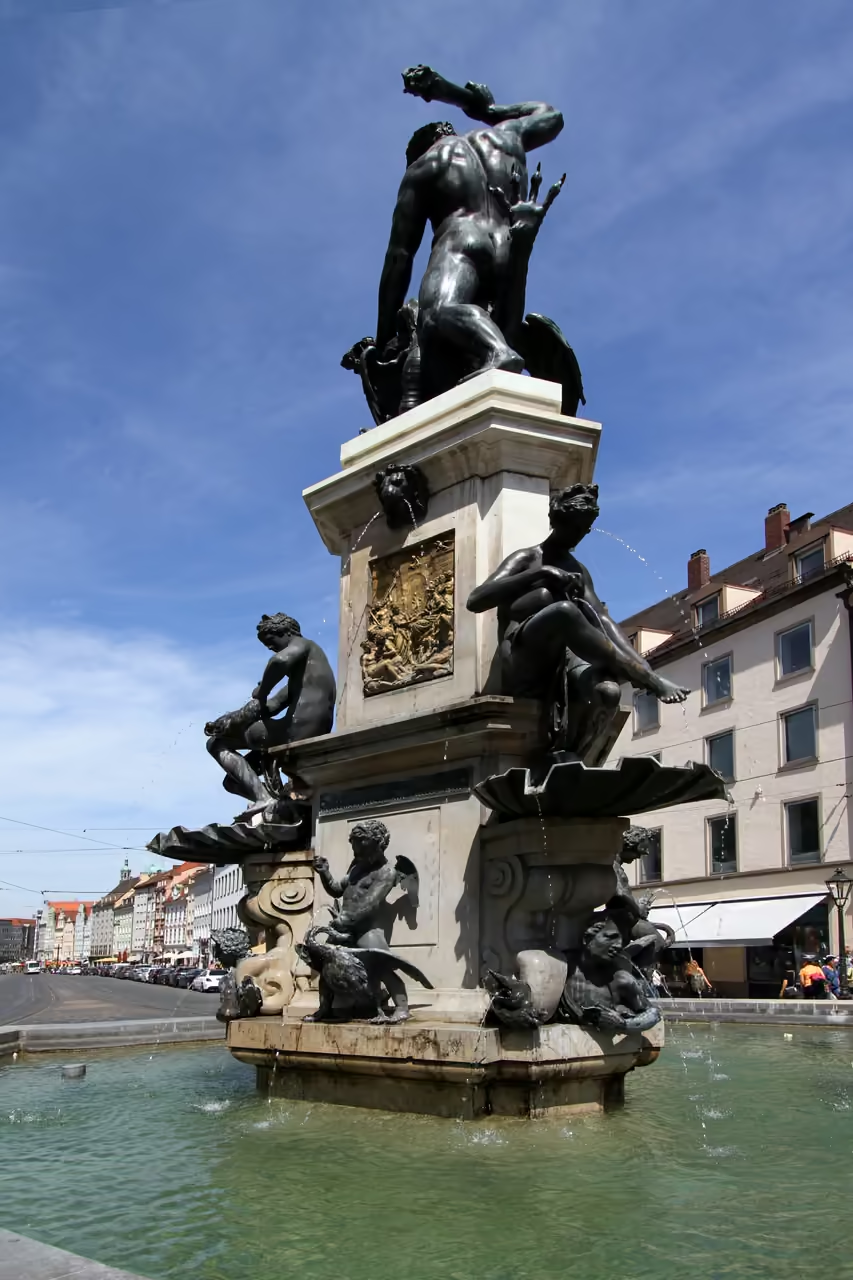 57m
Hercules Fountain
A massive, highly ornate bronze fountain sitting directly in the centre of the city's widest, grandest boulevard. The exceptionally detailed metalwork catches the harsh sunlight brilliantly, while the heavy spray of water adds motion to the frame. Positioning the shot correctly allows you to frame the imposing Renaissance palace facades directly behind the cascading water.
photo spot view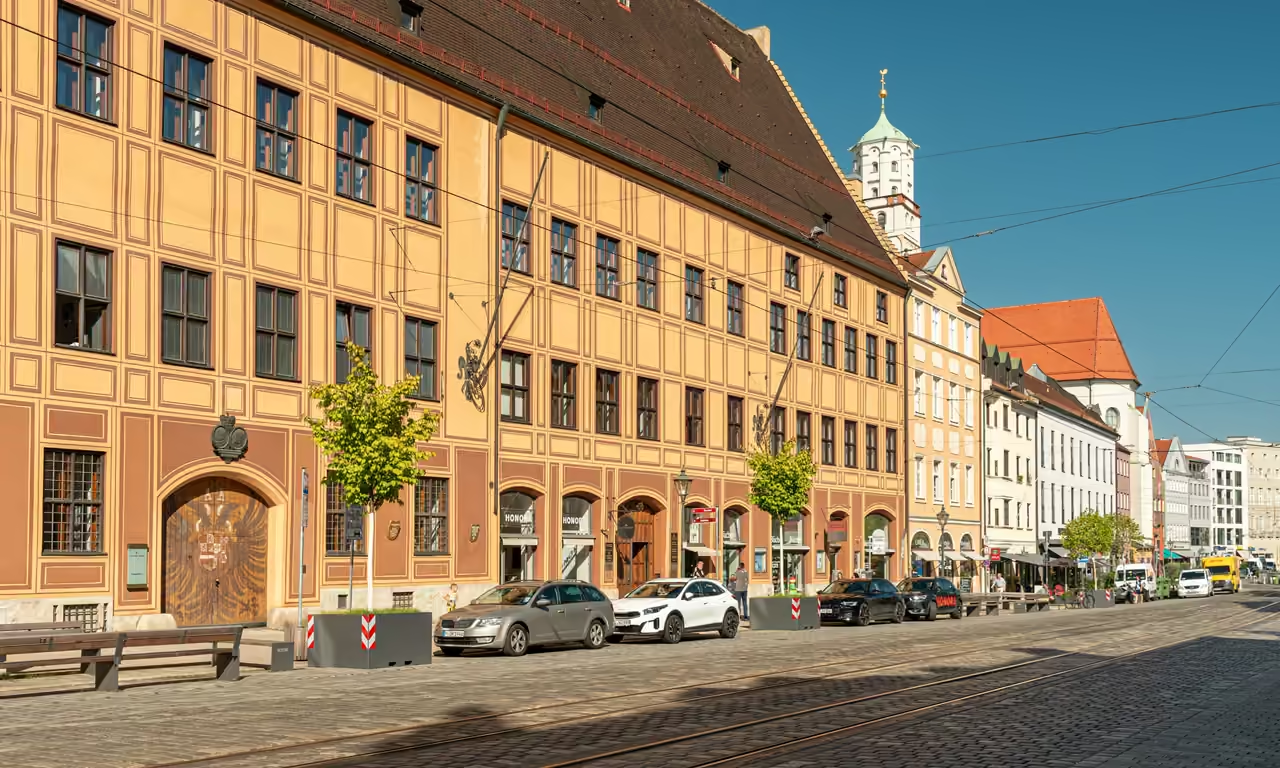 136m
Fugger City Palace
A sprawling, heavy Renaissance complex spanning a massive stretch of the city's main boulevard. This served as the primary residence and highly secure command centre for the ultra-wealthy Fugger banking dynasty. The exterior projects strict, understated power, but stepping into the inner courtyards reveals intricate Italianate arcades and quiet, shaded spaces. Rulers and emperors, including Charles V, literally stayed in these rooms when asking the bankers for loans. It remains entirely in the private possession of the Fugger family.
architecture view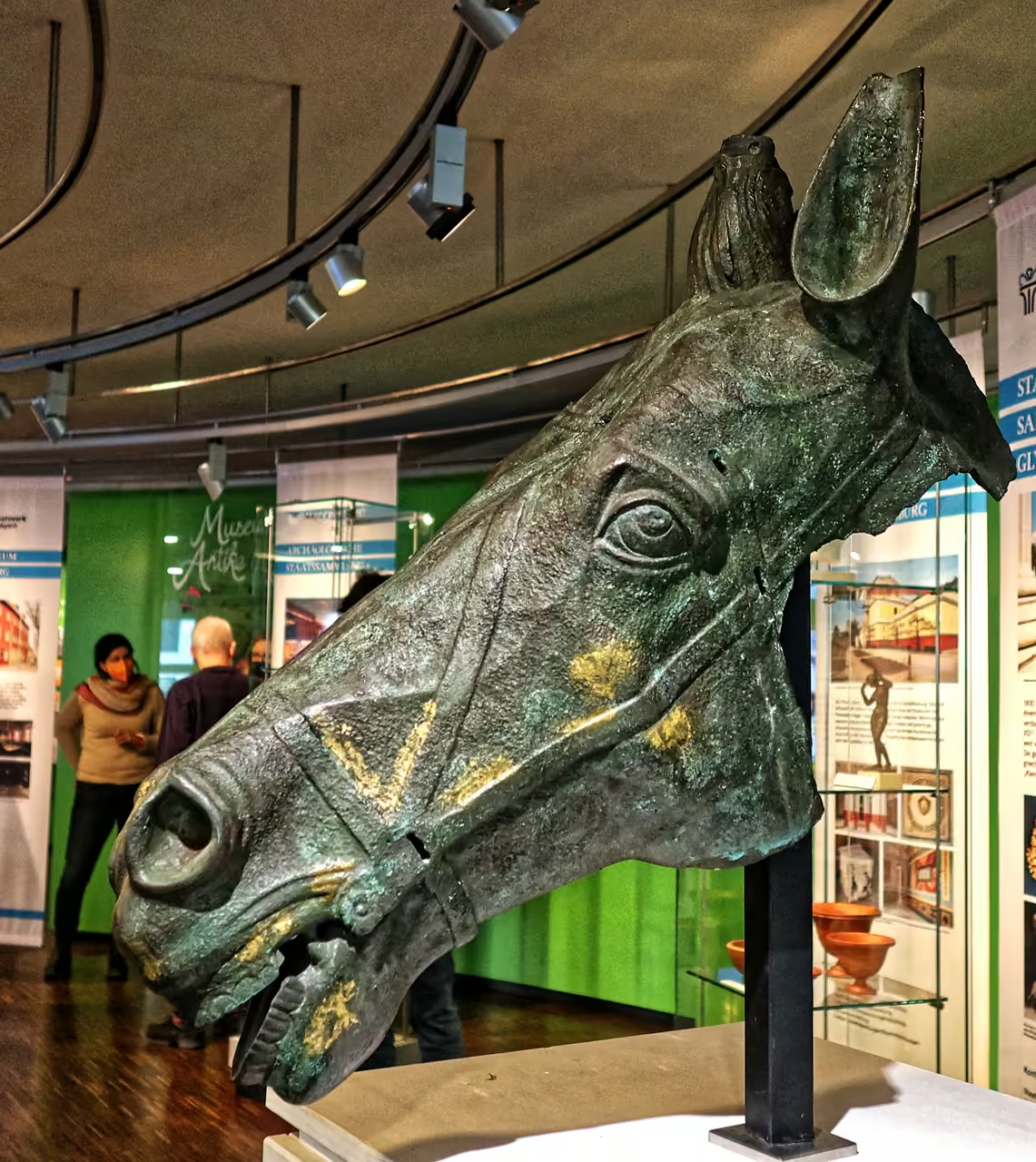 162m
Roman Museum
A highly concentrated collection of artifacts proving the city's deep origins as a brutal Roman military camp. Because the original church housing the museum suffered severe structural issues, the core exhibition temporarily occupies a space in the historic arsenal. You will confront massive stone monuments, heavy bronze military gear, and exceptionally fragile glassware pulled from local excavations. It firmly roots the city in antiquity, long before the famous bankers arrived. The presentation is highly academic but deeply fascinating.
highlight view
Explore Similar Places in This Collection
Featured on These Itineraries and Routes
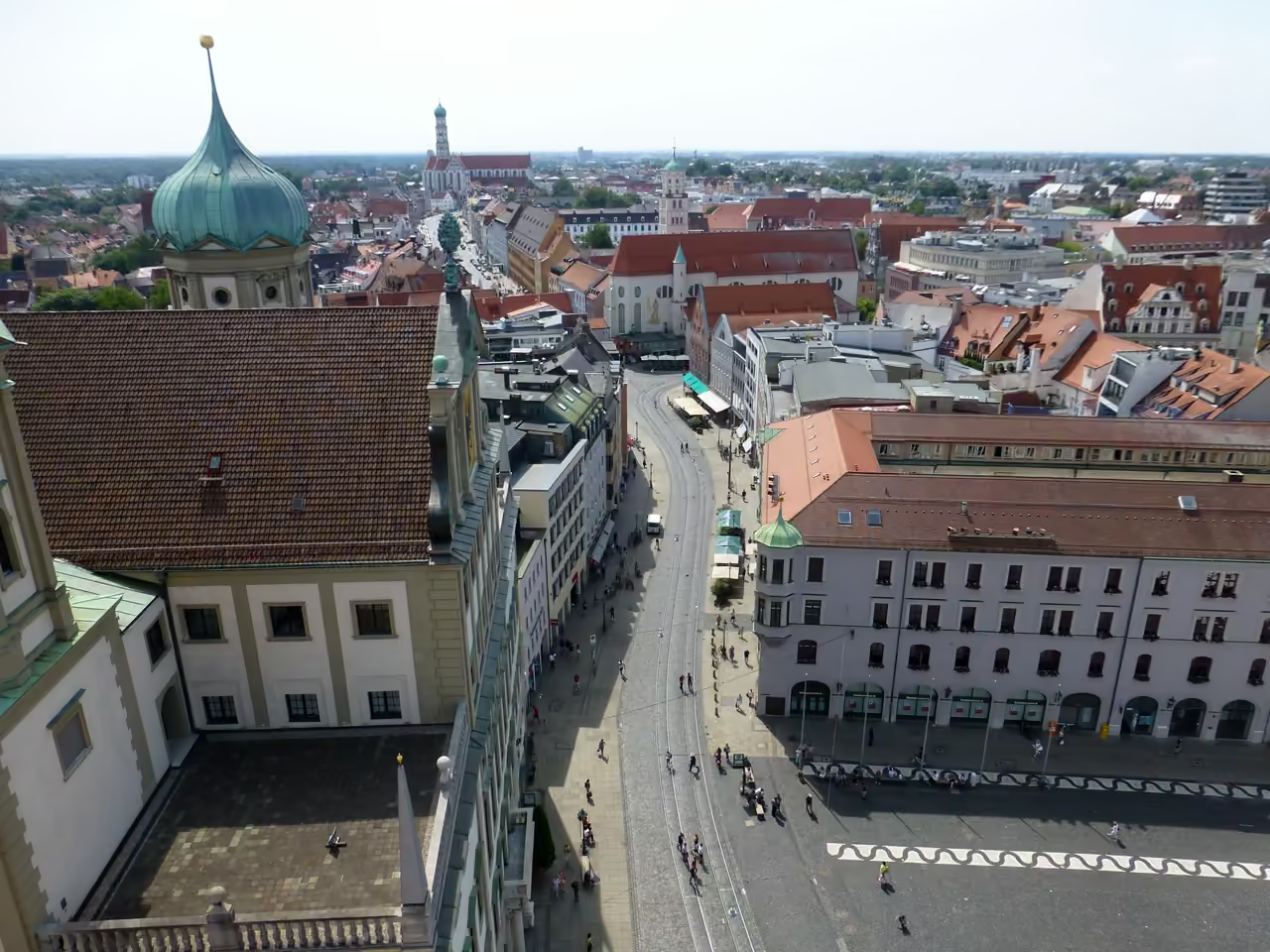
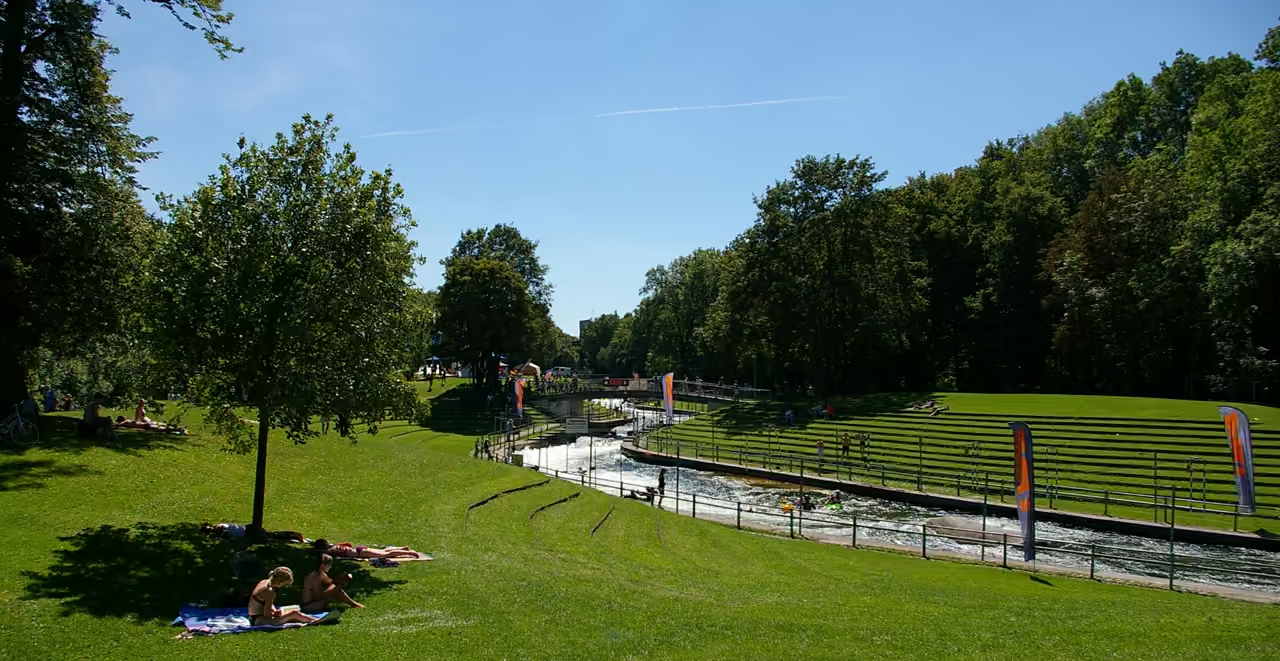
3 Days in Augsburg
A well-paced exploration that successfully balances the aggressive architectural grandeur of the centre with the deep natural elements surrounding it. You will dedicate time to highly ornate art collections before retreating into the heavy shade of the urban forests. It allows you to actually understand the historical water systems rather than just glancing at a canal.
view itinerary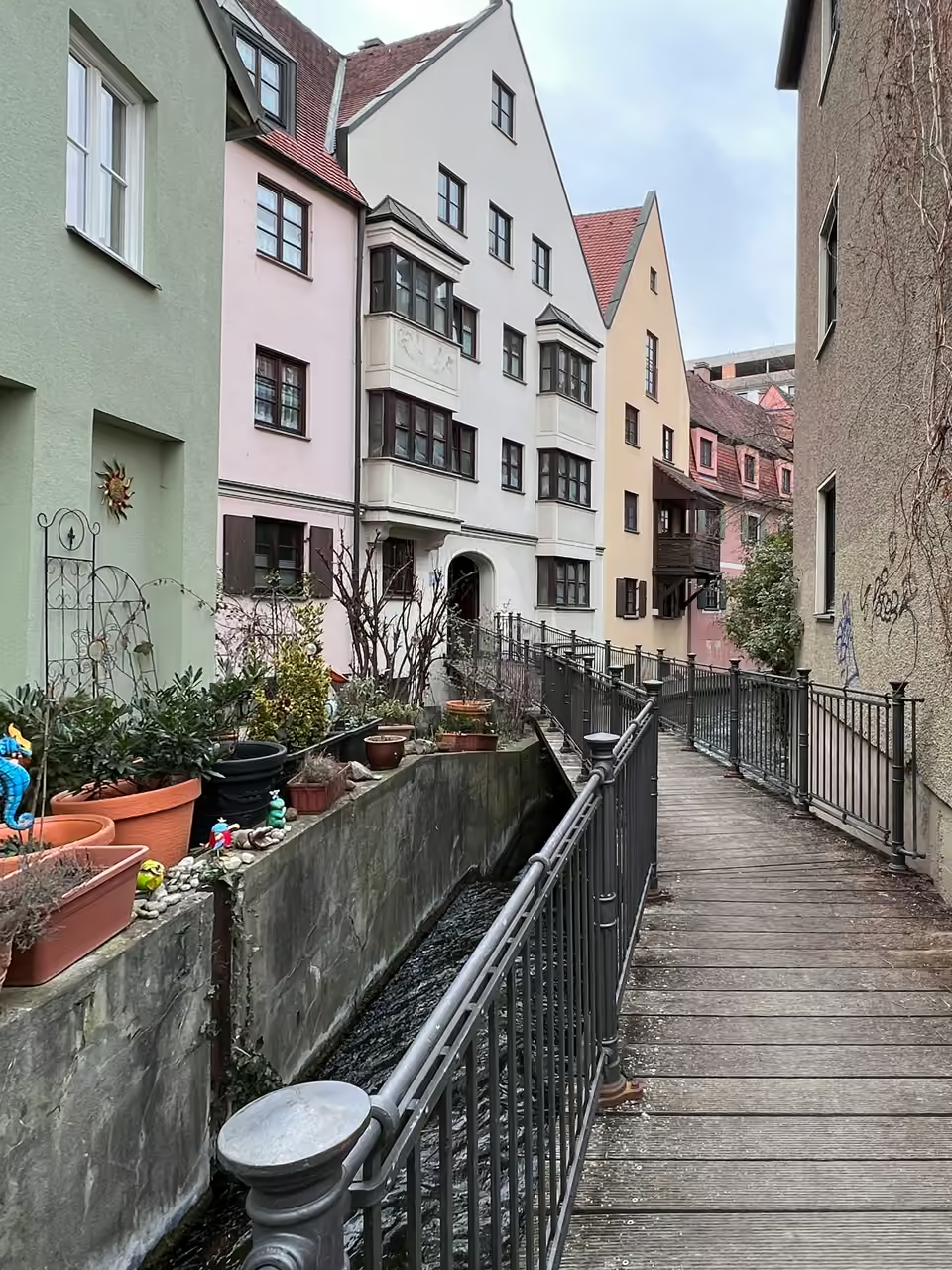
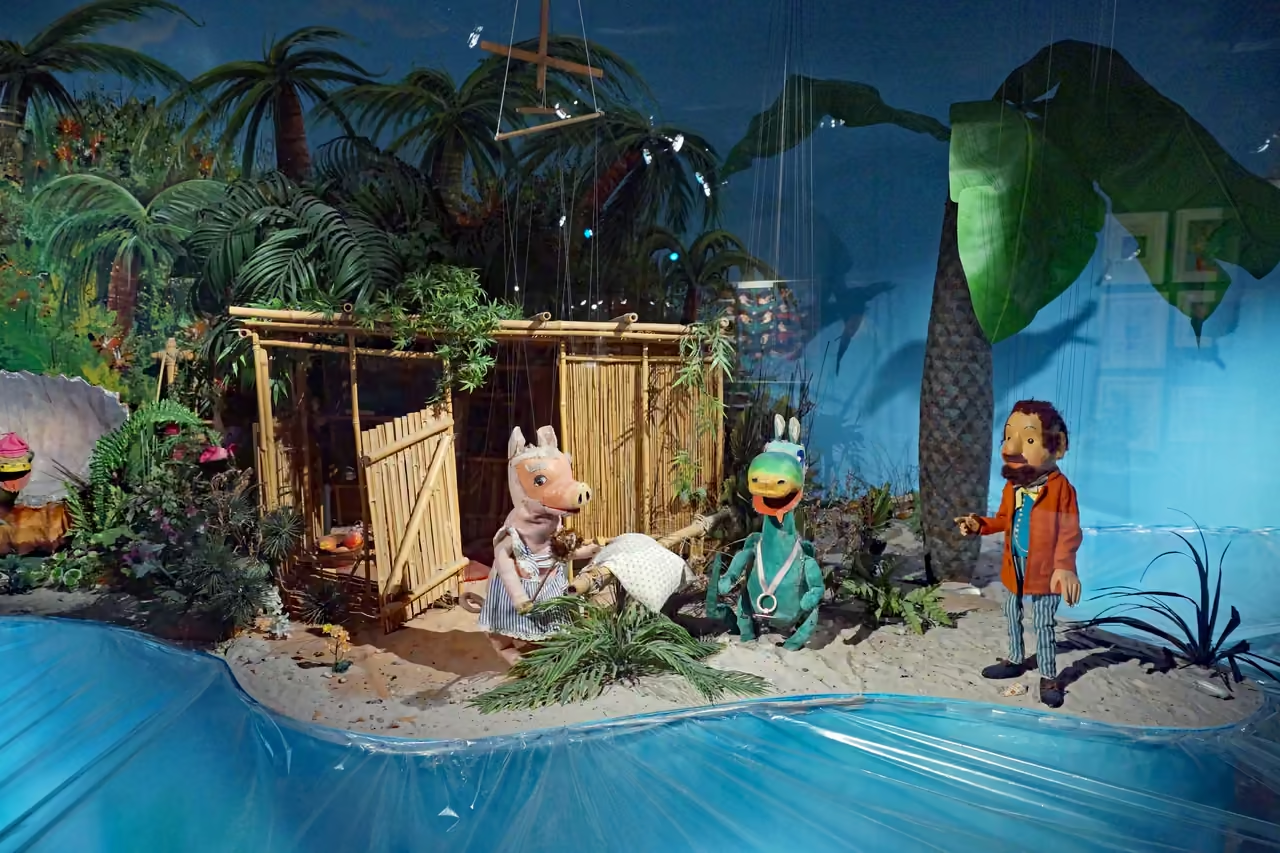
5 Days in Augsburg
A deeply comprehensive, highly exhaustive deep dive into every facet of the city's complex identity. You will transition from Roman foundations to massive industrial machinery, tracking the complete evolution of a major European powerhouse. It prevents museum fatigue by heavily incorporating long stretches of nature and unscripted time in eccentric local pubs.
view itinerary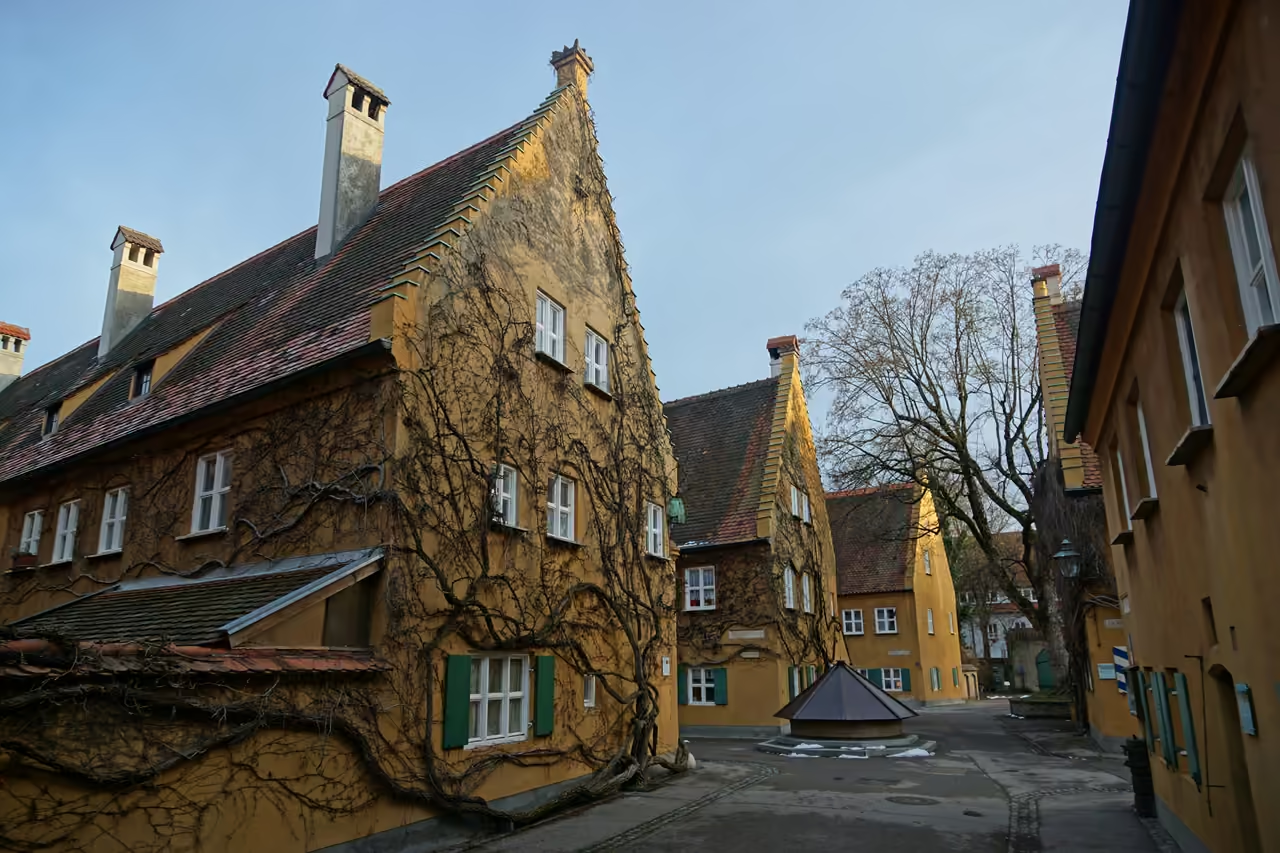
Fugger Merchant Empire Tour
A deep dive into the staggering, incomprehensible wealth accumulated by a single banking family during the Renaissance. You will trace their influence from their private palaces to the massive social housing complex they funded. The route visually explains how early capitalism physically shaped the city's most prominent buildings. Expect heavy doses of gold leaf and intricate stonework.
view self-guided tour
See all attractions in Augsburg
Including Augsburg Cathedral, Fuggerei, Augsburg Puppet Theatre, and more