Ravenna
Full City Guide, Map & 109 Things To Do
155,751 people live here.
That's 0.26% of the entire population of Italy.
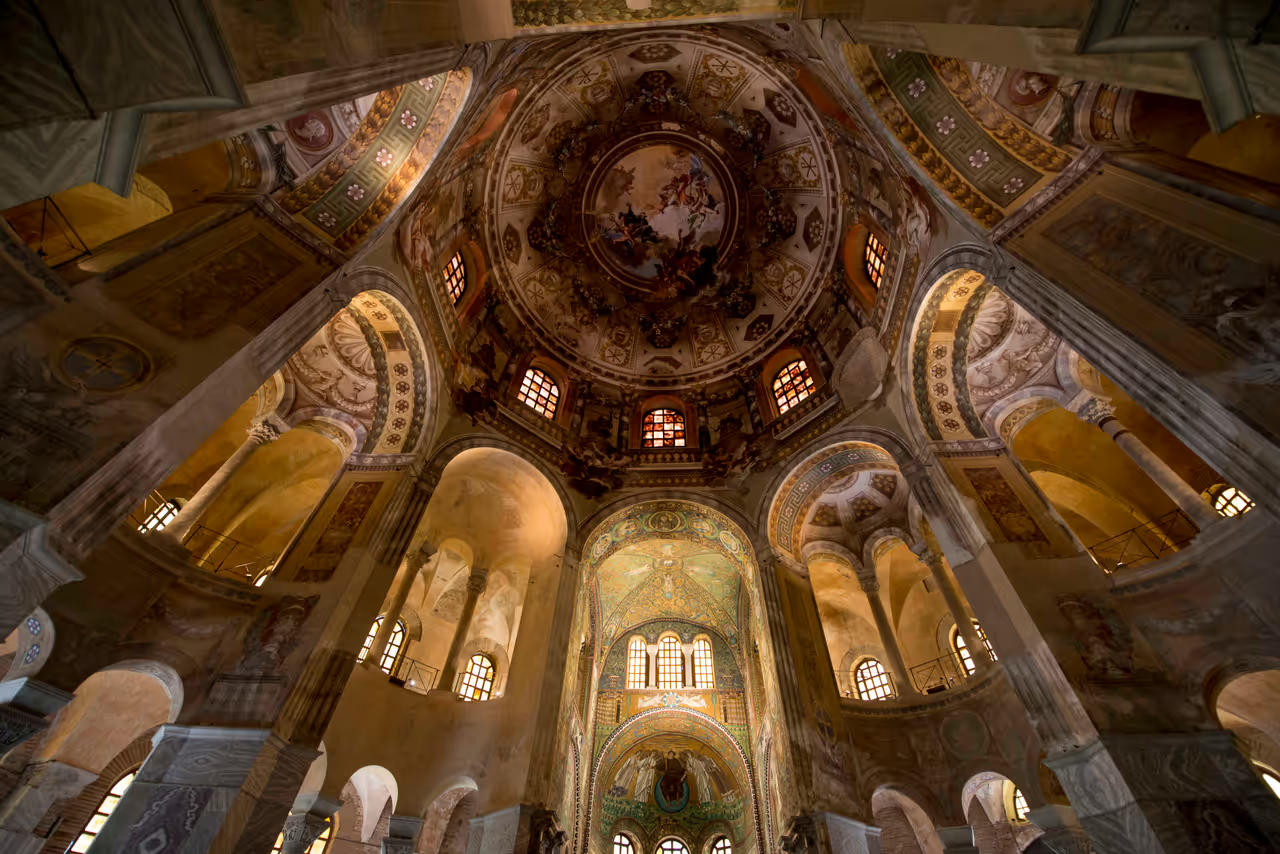
Ravenna is a captivating city in Emilia Romagna where the grand legacy of late antiquity meets the relaxed charm of modern Italian life. It stands as a global capital of mosaic art, boasting eight extraordinary monuments recognised by UNESCO for their unparalleled beauty and historical significance. Walking through its elegant, pedestrianised centre feels like traversing a living museum, where unassuming brick facades hide interiors that explode with golden, mesmerising artworks. Beyond its visual splendour, the city is steeped in literary history as the final resting place of Dante Alighieri. With a flat, easily navigable layout, a deep cycling culture, and the Adriatic coast just a short ride away, it offers an enriching and delightfully slow paced escape.
Ravenna DNA
History of Ravenna
Mud and water formed Ravenna’s first line of defence. Ancient Umbrians thrived here for centuries precisely because the settlement was nearly impossible to reach on foot. Surrounded by the murky expanse of the Padusa marsh and the Adriatic Sea, the town caught the attention of Roman Emperor Augustus. He recognised the strategic brilliance of this watery fortress and stationed a massive fleet of 250 warships at the nearby port of Classe. When the Western Roman Empire began to collapse under the threat of Visigoth invasions in 402 AD, Emperor Honorius panicked and moved his entire court from Milan to Ravenna. Imperial life relocated to a humid lagoon, turning a military outpost into the capital of the Western world. This sudden elevation brought grand basilicas and palaces, but the very mud that protected the city also swallowed it. Subsidence choked the port of Classe, turning the once busy naval hub into a stagnant swamp. In 493, the Ostrogoth King Theodoric the Great seized control and launched a massive rescue operation. He drained the wetlands, repaired the Roman aqueducts, and built an opulent new palace. His reign left a permanent physical mark on the landscape, most notably his own tomb. Unlike the brick structures favoured by his predecessors, Theodoric’s mausoleum was constructed from solid Istrian stone, crowned with a single limestone monolith that still rests heavily on the marshy soil today. The Byzantine Empire soon decided they wanted Italy back. In 540, Justinian’s general Belisarius besieged and captured the city, transforming it into the Exarchate of Ravenna. Under Archbishop Maximian, the city became a cultural powerhouse to rival Rome and Constantinople, filling the basilicas of San Vitale and Sant'Apollinare with gold and lapis lazuli mosaics. Yet this golden age literally cracked under pressure. A series of violent earthquakes between 726 and 744 shattered the urban layout, leaving buildings in ruins. When the Lombards finally expelled the Byzantines in 751, the city was already a decaying shadow of its imperial peak, soon to be stripped of its remaining marble statues by Charlemagne to decorate his own palace in Aachen. For centuries, the former capital operated as a giant open air quarry. Local aristocratic families spent the Middle Ages fighting for control over the rubble. The Traversari family eventually lost their grip in 1275 to the Da Polenta dynasty, who staged a coup and set about rebuilding the brick houses and dredging the blocked canals. They also provided a final refuge for a prominent political exile. Dante Alighieri arrived in 1313 and spent his last years walking the nearby Pineta di Classe, before contracting malaria and dying a few years later. The city refused to return his bones to Florence, hiding his remains in a Roman sarcophagus illuminated by a perpetually burning oil lamp. Venice briefly took charge in the fifteenth century, fortifying the town with the imposing Rocca Brancaleone, before the Papal States absorbed Ravenna in 1509. Under the popes, the city faced an entirely different kind of siege. The Ronco and Montone rivers steadily raised their beds, breaching their banks and flooding the streets fifteen times between 1544 and 1715. Residents navigated their own squares by boat until engineers finally diverted the rivers into the Fiumi Uniti canal south of the city. To replace the lost water routes, they dug the Canale Corsini, reconnecting the landlocked streets directly to the Adriatic. The nineteenth century brought an agricultural boom as landowners drained the surrounding valleys to plant rice. While a few grew wealthy, thousands of labourers lived in crude shantytowns on the edges of the fields, sparking intense union movements led by local figures like Nullo Baldini. After the bombardments of the Second World War, Ravenna reinvented itself again, this time as an industrial heavyweight. Huge petrochemical plants and methane extraction platforms sprouted along the Canale Candiano. The aggressive extraction took a familiar toll on the environment, causing the coastline to sink once more. At Lido di Dante, the beaches have dropped by 35 centimetres since the turn of the century, a modern echo of the same shifting earth that originally trapped the Roman fleet.
15 Events spanning 2496 years
Map of Ravenna
Interactive Destination & Itinerary Map
This map blends our curated city guides—featuring best photo spots, scenic walks, viewpoints, hidden gems and much more—with a live Wikipedia explorer. Click on our numbered pins to plan your routes, or zoom in on the surrounding neighborhoods to discover verified local landmarks, museums, and stories with dynamic Wikipedia summaries and photos!
Fun Facts
- • In 1903, the renowned Austrian painter Gustav Klimt visited the city and was so mesmerised by the Byzantine mosaics that they directly inspired his famous 'Golden Phase'.
- • Irish playwright Oscar Wilde was captivated by the city during a visit in 1877, subsequently writing an award winning poem simply titled 'Ravenna'.
- • Dante Alighieri's bones were secretly hidden by Franciscan monks in a wall for centuries to prevent the city of Florence from reclaiming the remains of the poet they had exiled.
- • The fast paced sport of beach tennis was actually invented on the sandy shores of Marina di Ravenna in the early 1980s.
- • The city celebrates the feast of Saint Catherine by baking 'Caterine', traditional chocolate covered biscuits shaped like hens or dolls, a custom entirely unique to the area within the ancient city walls.
Did You Know?
- • The city holds the extraordinary distinction of having served as the capital of three different states: the Western Roman Empire, the Ostrogothic Kingdom, and the Byzantine Exarchate.
- • It contains eight separate monuments inscribed on the UNESCO World Heritage list, representing a unique blend of Greco Roman tradition, Christian iconography, and oriental styles.
- • Due to human activity and geology, the city experiences severe subsidence, causing ancient buildings to sink into the ground, which is why the crypt of San Francesco is permanently flooded with groundwater.
- • The local port is one of the top twenty busiest ports in Italy, handling millions of tonnes of cargo and serving as a crucial hub for the energy and agricultural sectors.
- • The municipality covers the second largest surface area of any commune in Italy, surpassed only by Rome, encompassing vast agricultural lands, pine forests, and nine distinct coastal towns.
RESOURCES
Official WebsiteVideos of Ravenna
Seasons
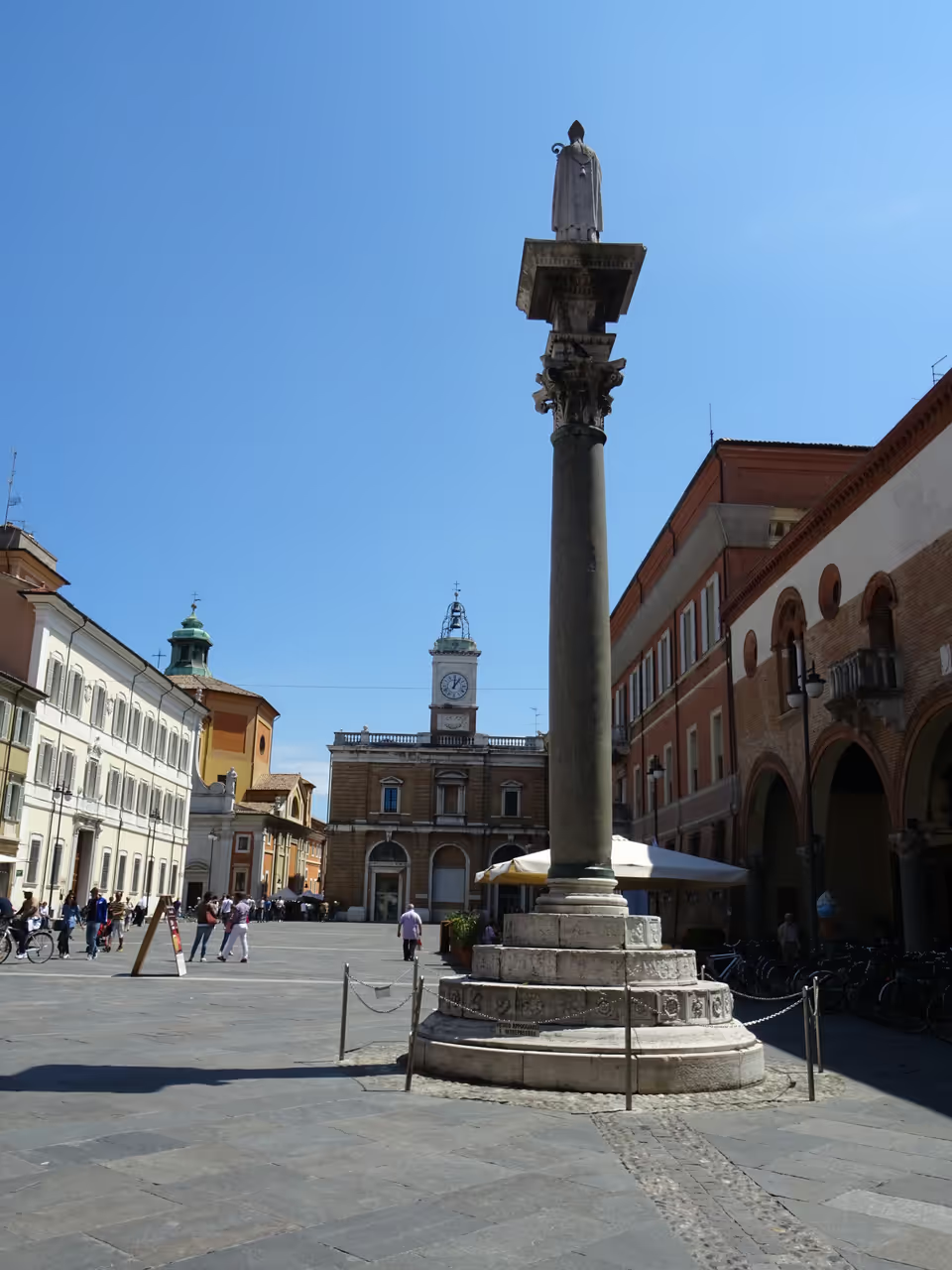
Spring
The city awakens with pleasant, mild temperatures that make cycling between monuments incredibly comfortable. The parks and...
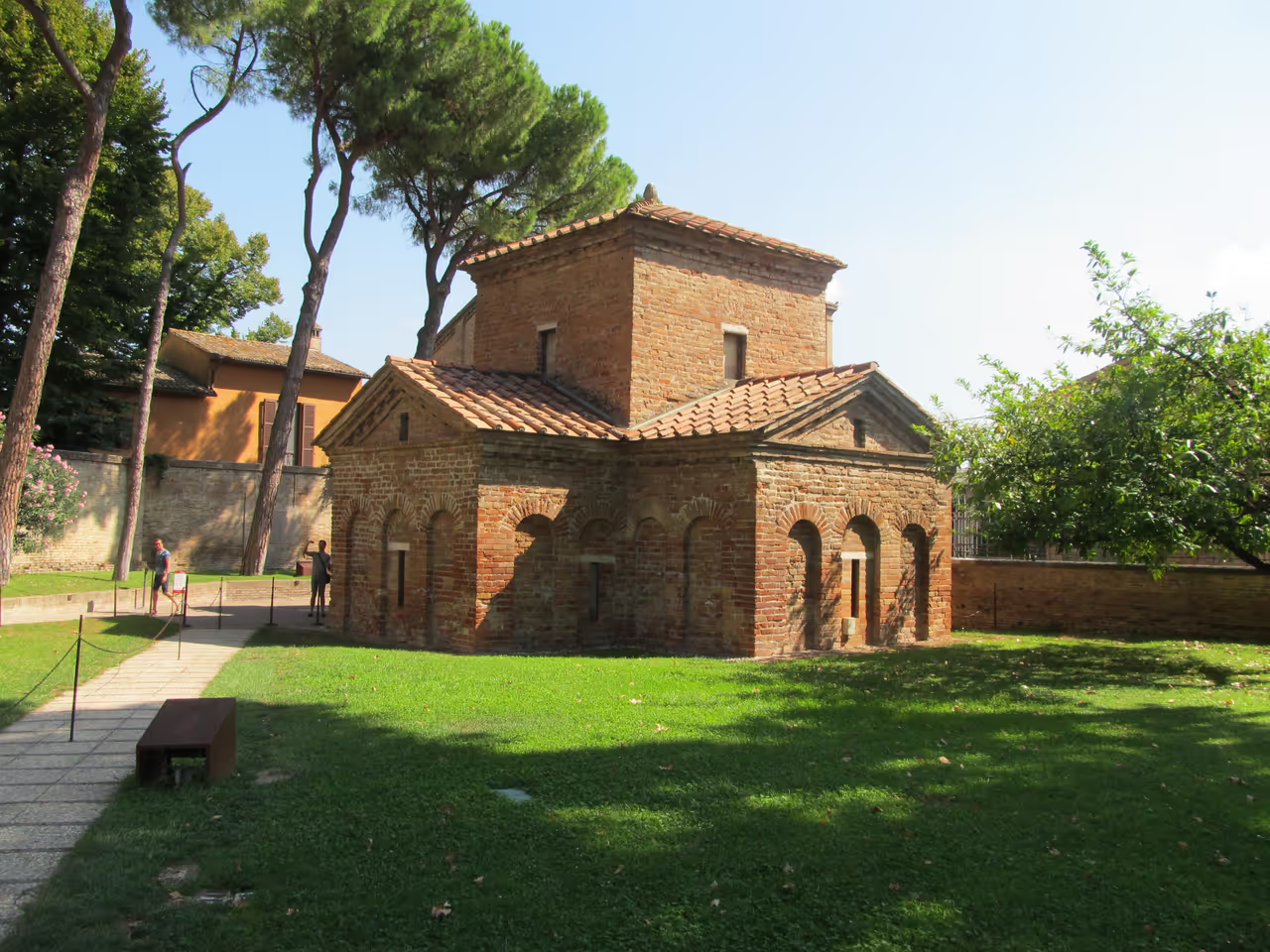
Summer
The climate turns hot and distinctly humid, driving both locals and visitors towards the coastal towns like Marina di Ravenna...
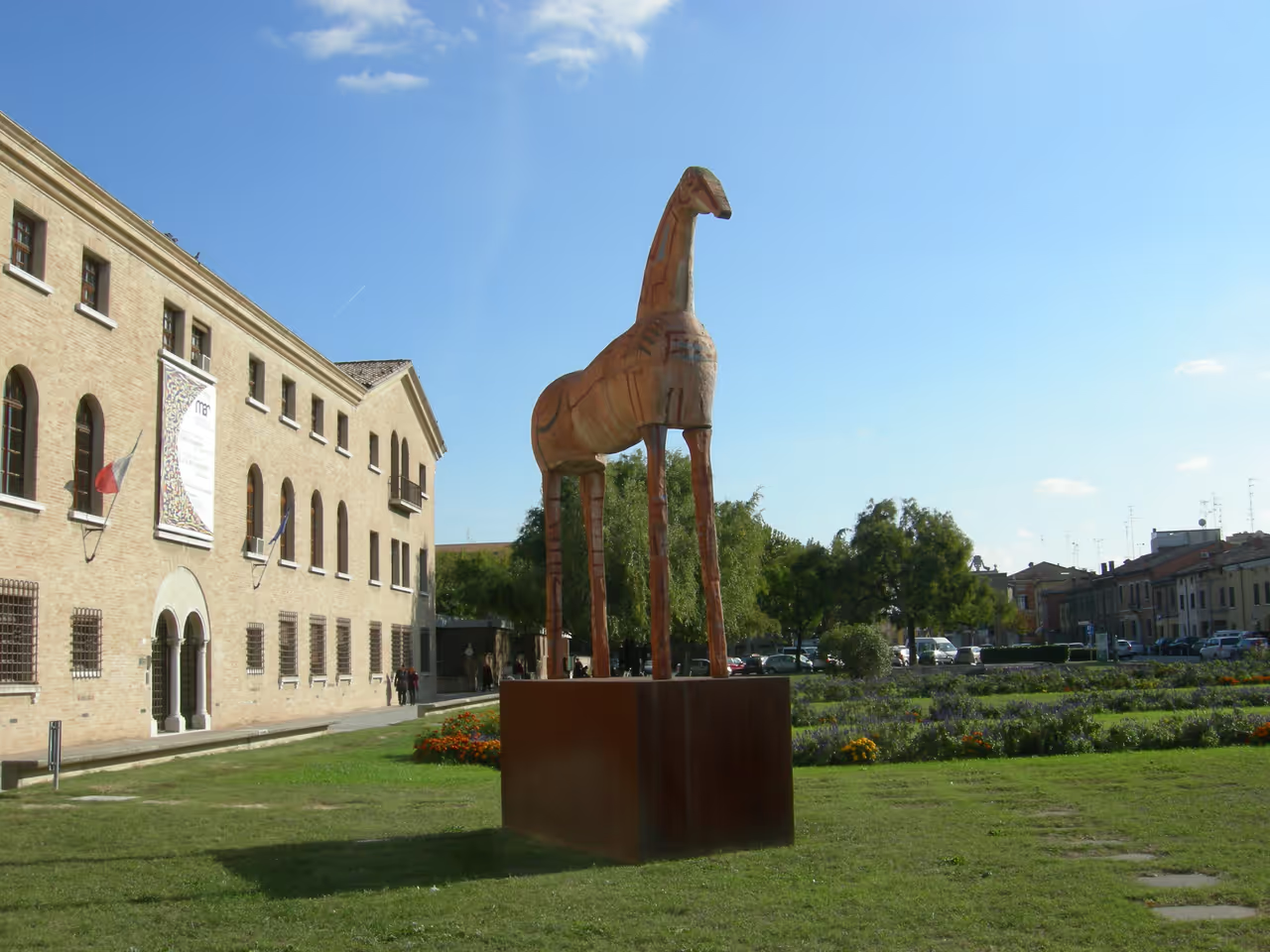
Autumn
The intense heat subsides, leaving comfortable, slightly crisp days that are ideal for exploring the historical centre. The...
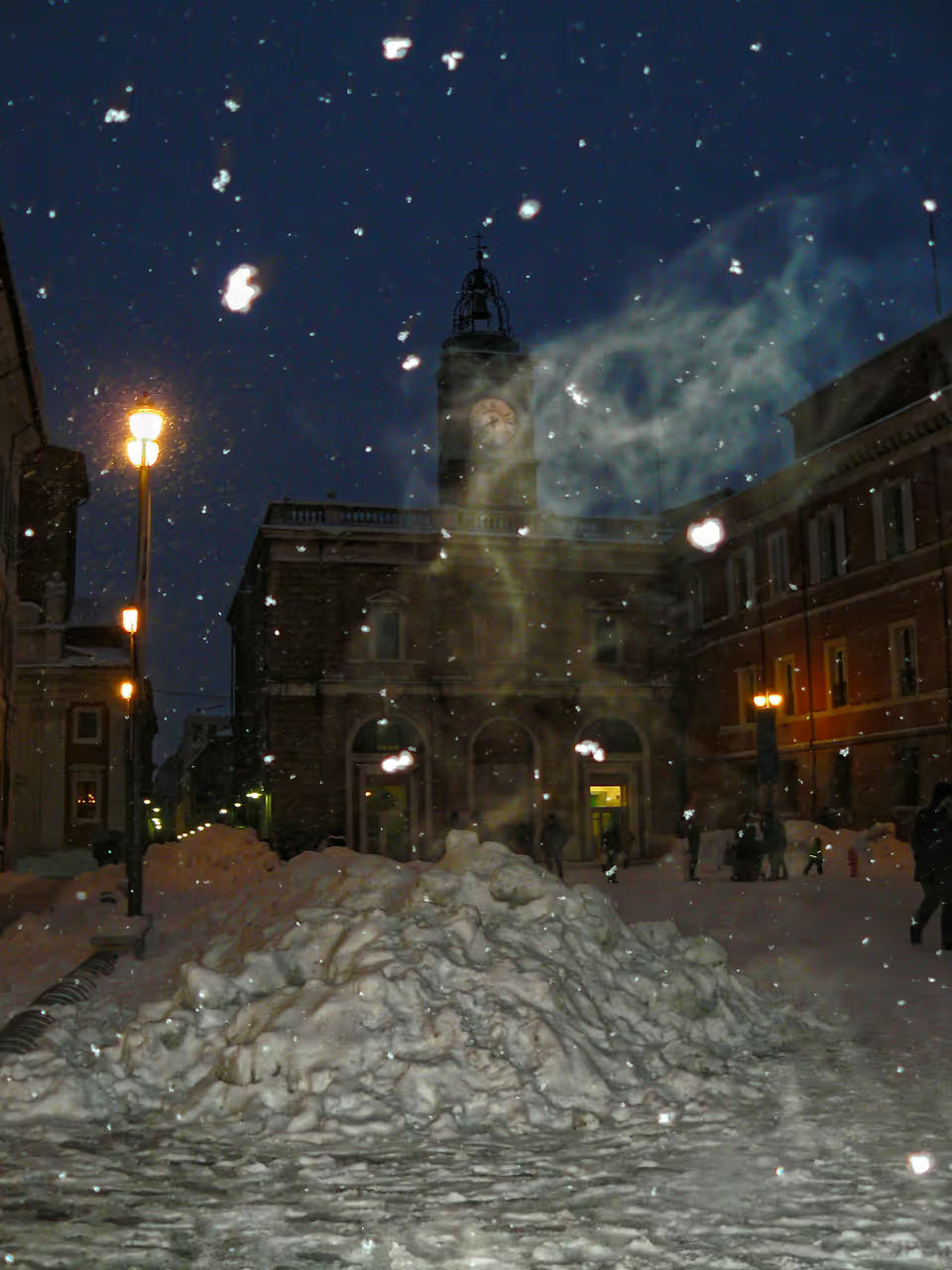
Winter
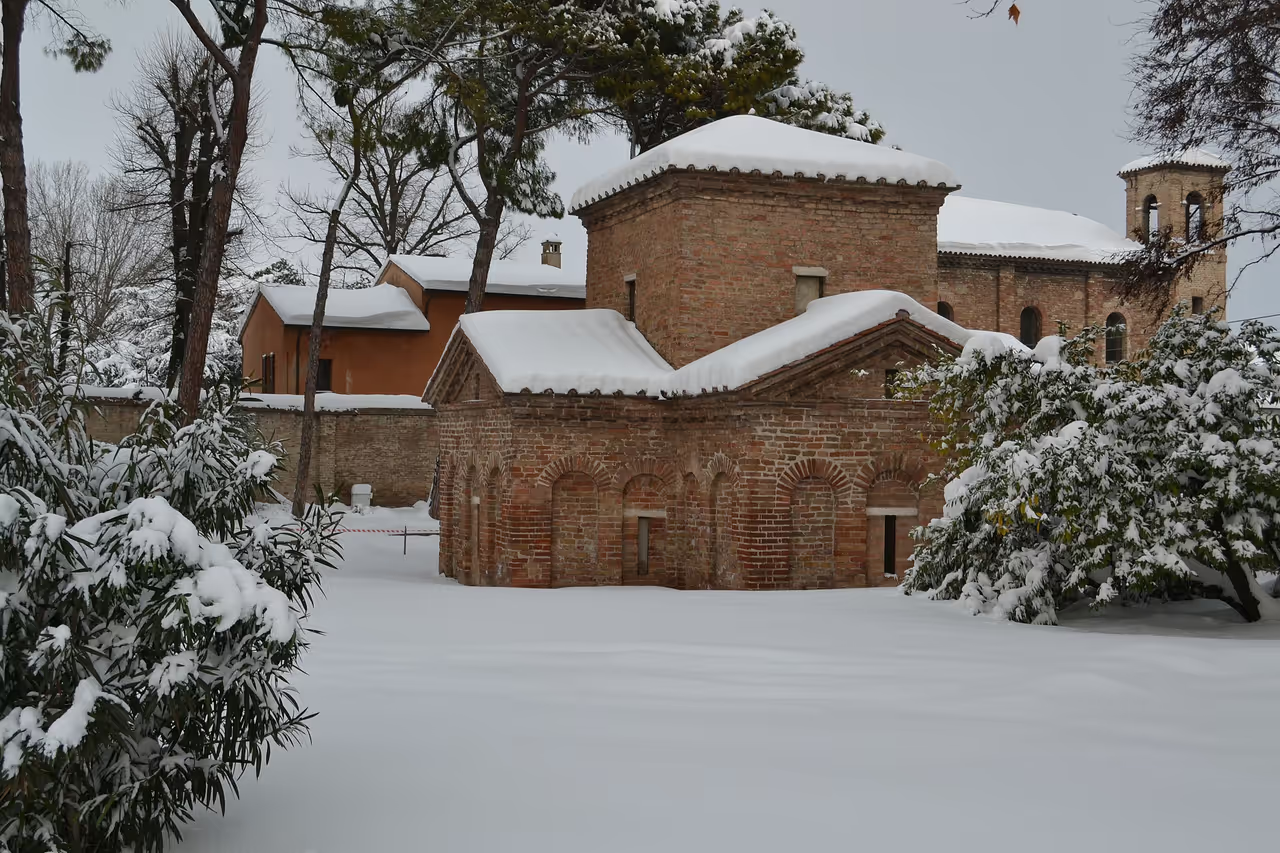
A quiet, highly reflective season descends upon the city, with cold temperatures and frequent mist rolling in from the sea. The...
Top Attractions in Ravenna
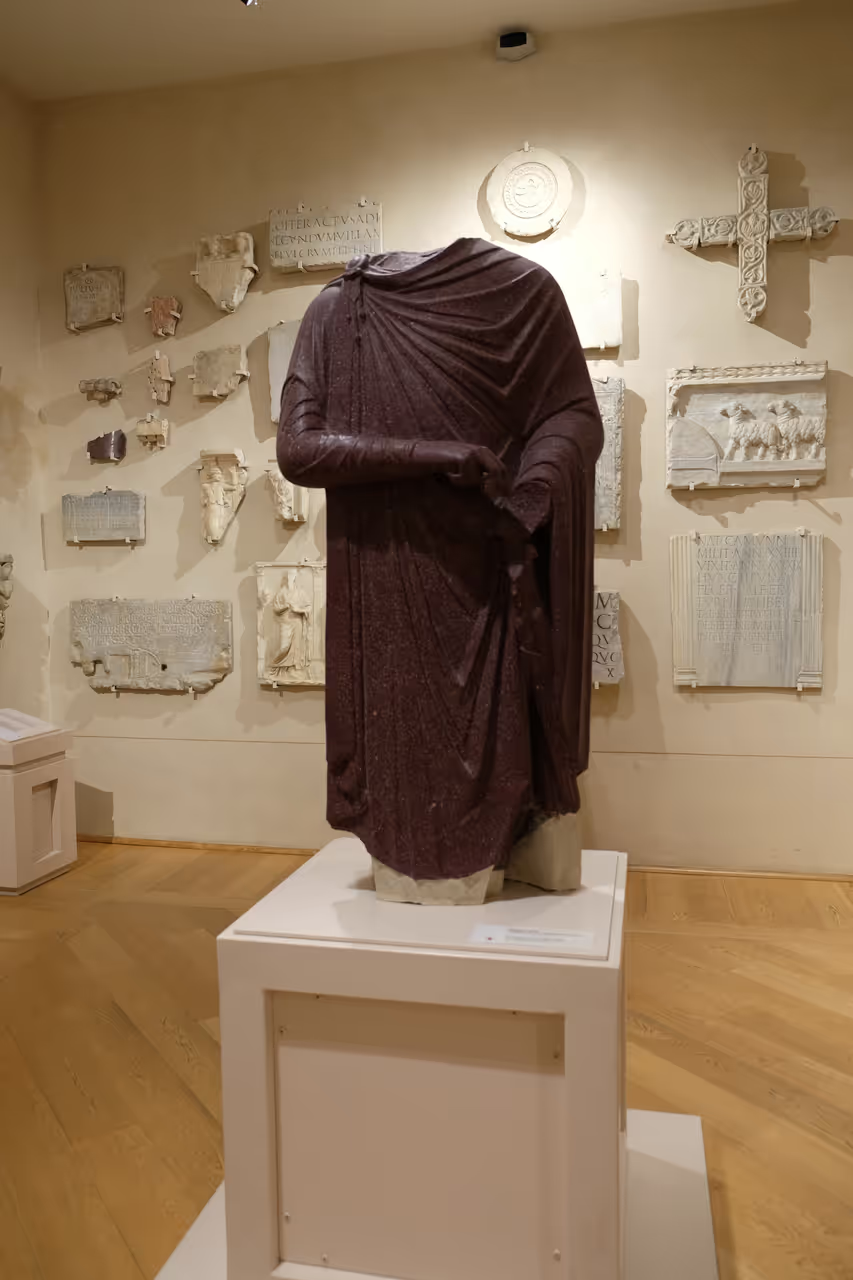
Archiepiscopal Museum
Step into a treasure house where the echoes of Ravenna's imperial past resonate through ancient stone and gold. The...
view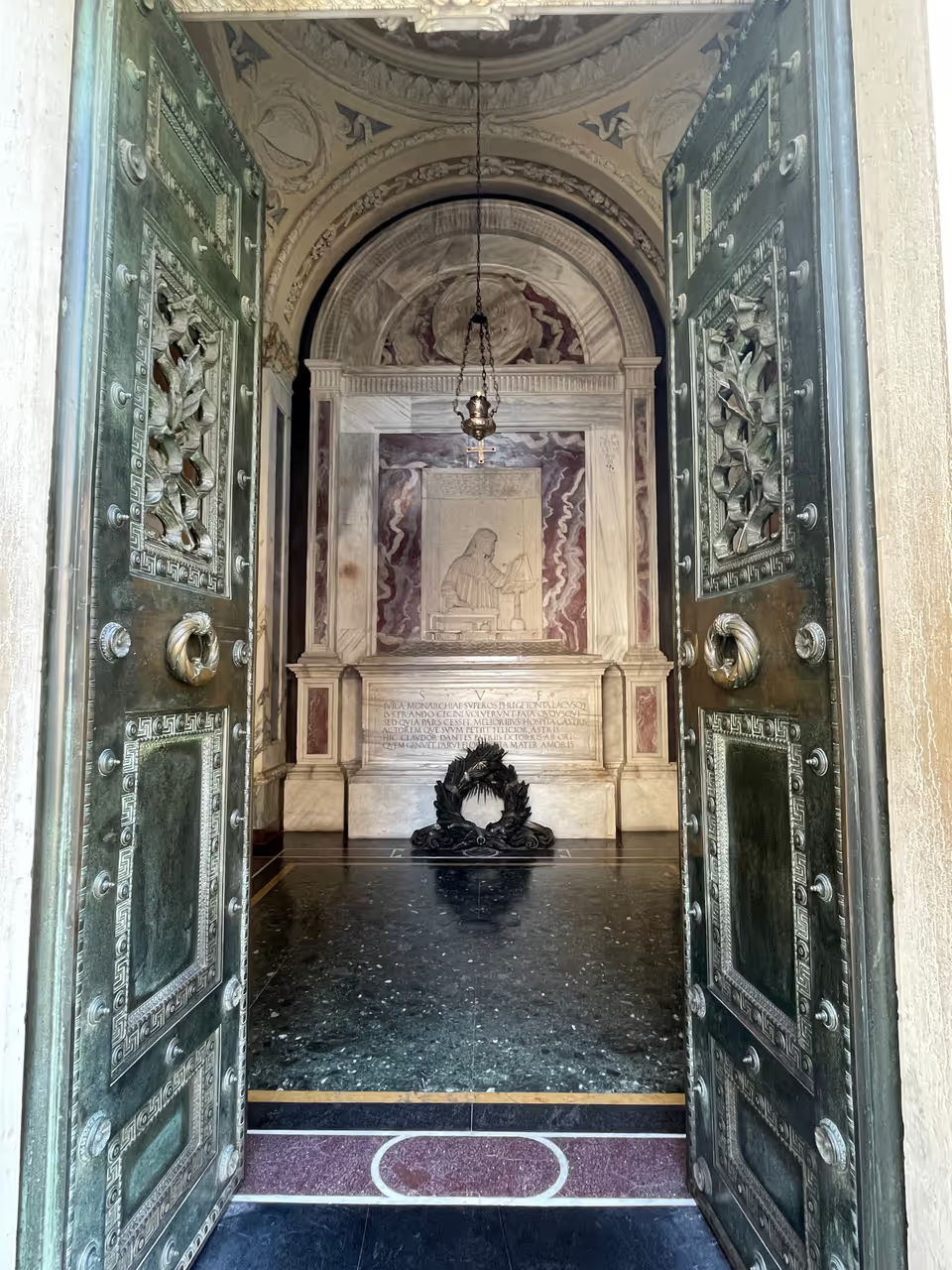
Tomb of Dante Alighieri
Step into the hallowed ground where the legacy of Italy’s greatest literary figure rests. Dante’s Tomb in Ravenna stands as a...
view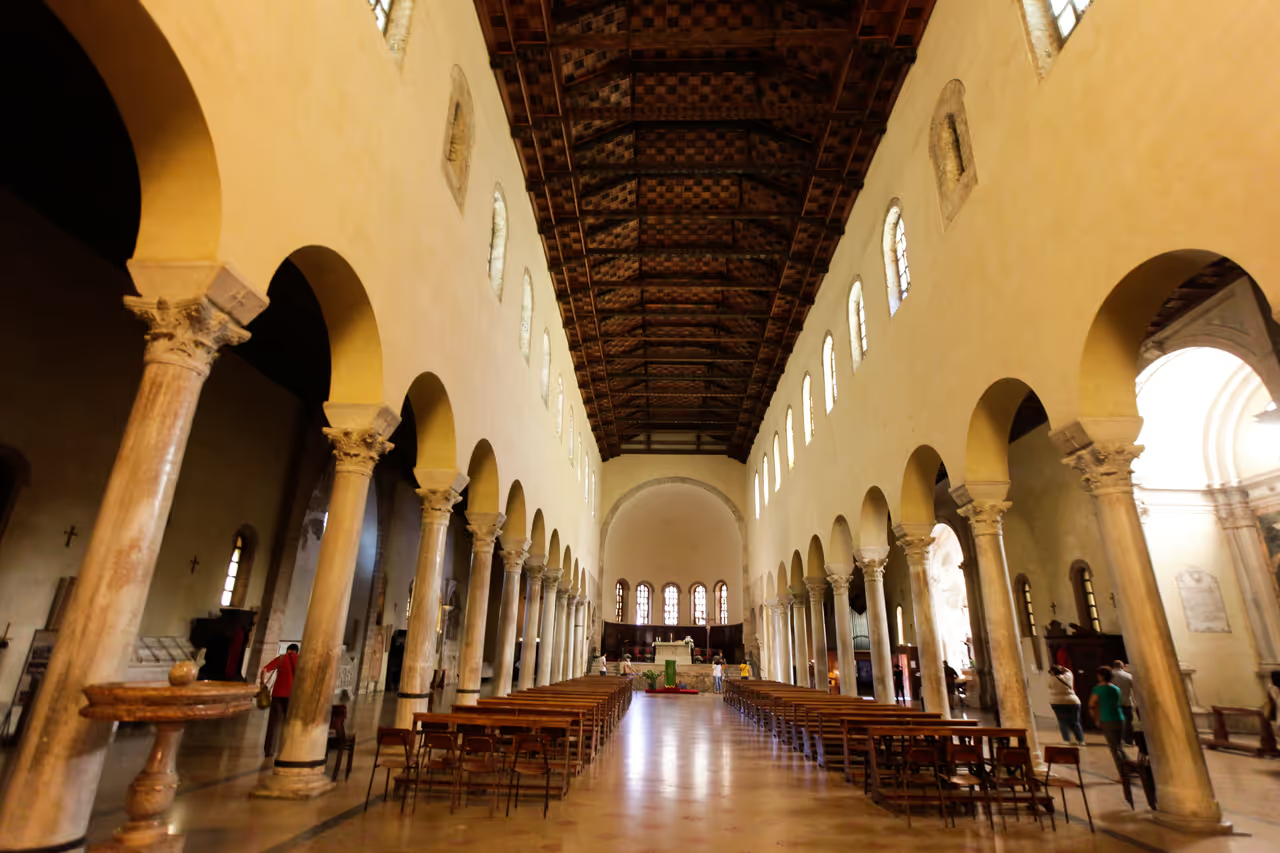
Basilica of Saint Francis
Step into the quiet heart of Ravenna’s history at the Basilica of Saint Francis. This ancient site is famously tied to the life...
view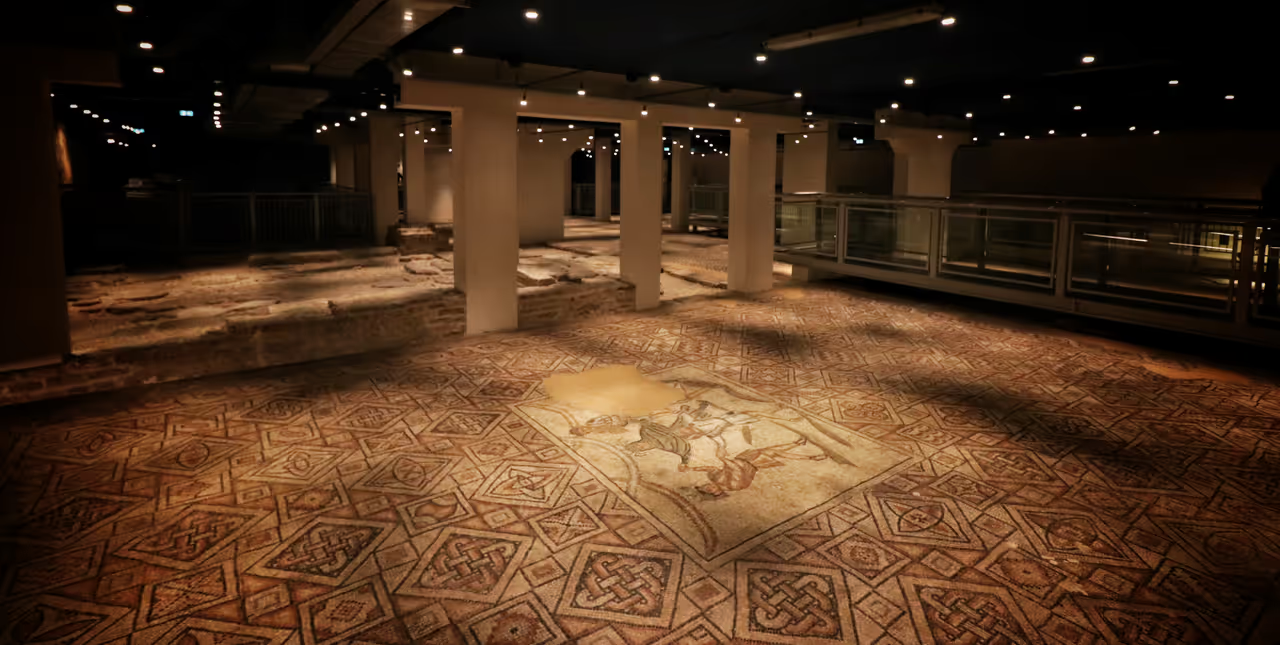
House of the Stone Carpets
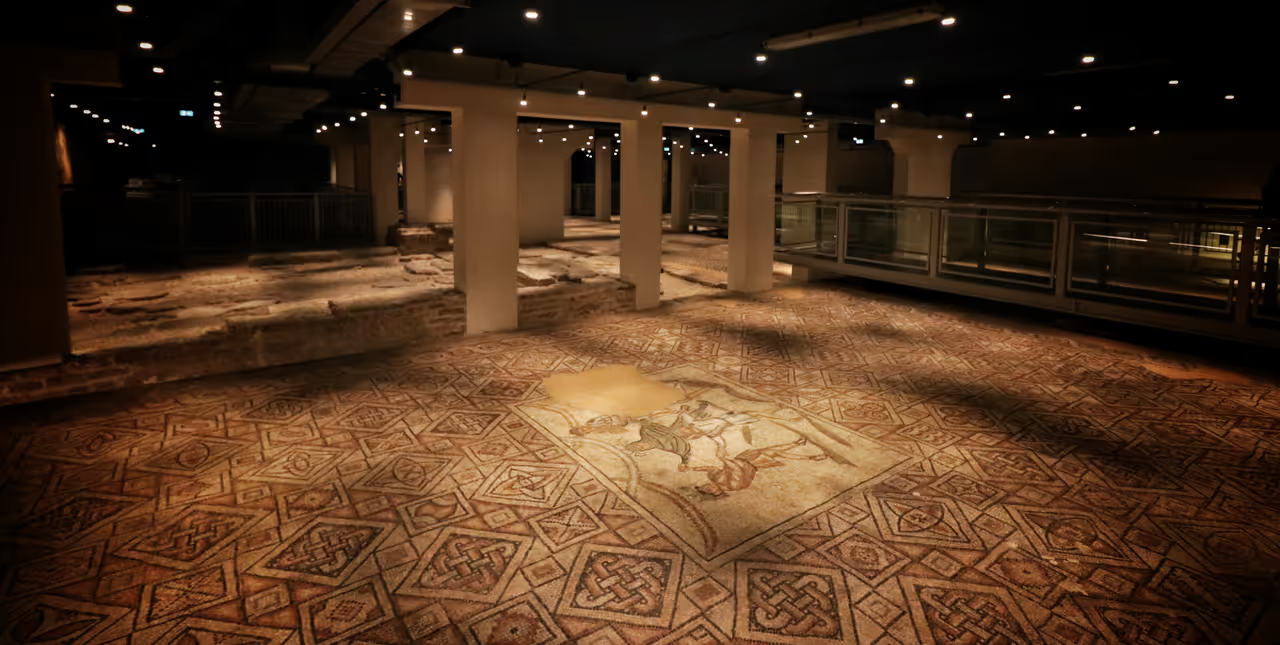
Hidden beneath the streets of modern Ravenna lies a spectacular secret waiting to be unveiled. The Domus dei Tappeti di Pietra...
view
Best Views
Ravenna Itineraries
TRIP PLANNER
2 Days Recommended
Two days allows for a comfortable, deeply rewarding pace to appreciate the intricate details of the eight UNESCO monuments without experiencing mosaic fatigue. It provides enough time to wander the pedestrian centre, visit Dante's Tomb, and enjoy a leisurely Romagnolo dinner. This timeframe also leaves room for a quick bus or bike ride to the coastal pines or Sant'Apollinare in Classe.
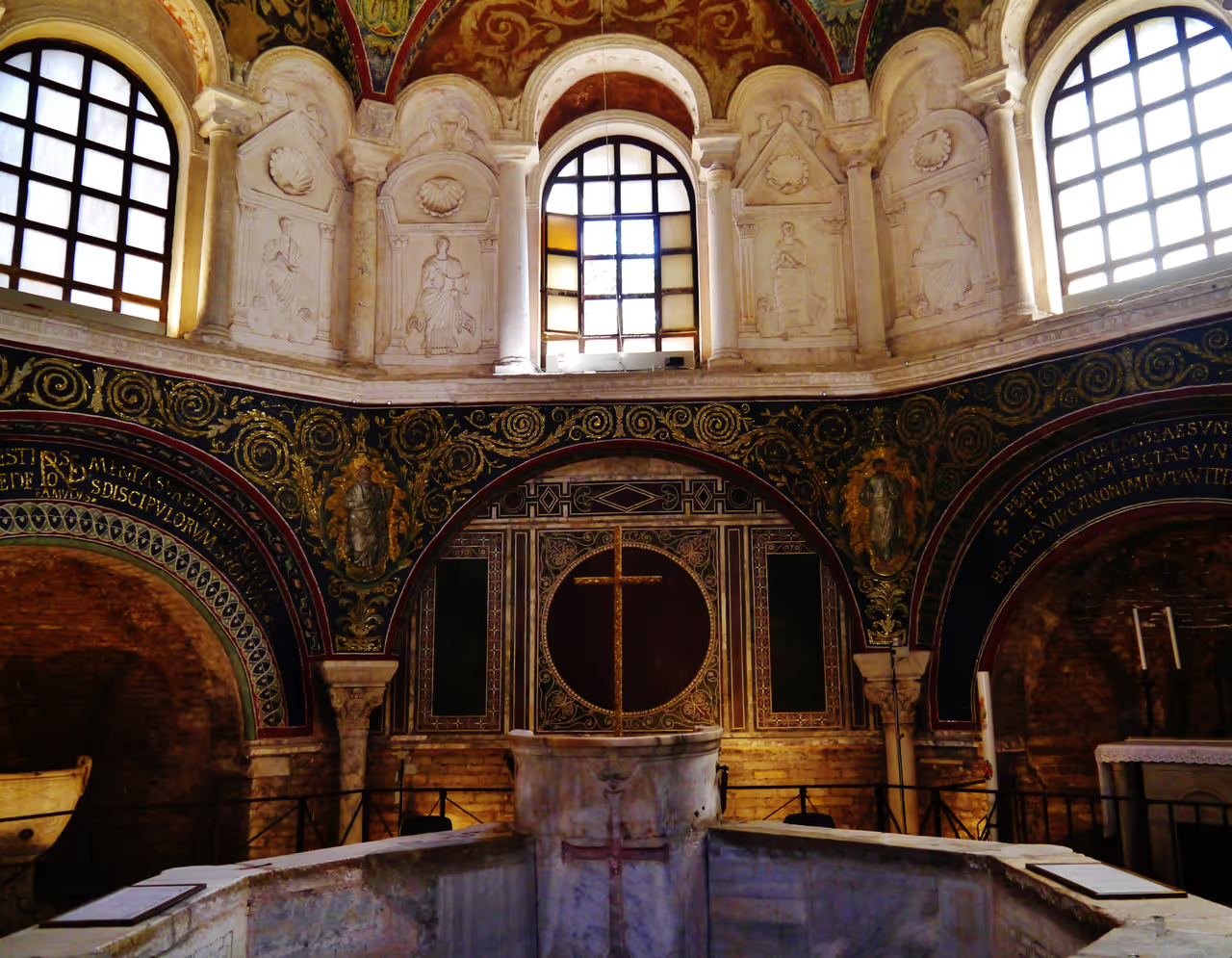
1 Day in Ravenna: Mosaics and Poetry Itinerary
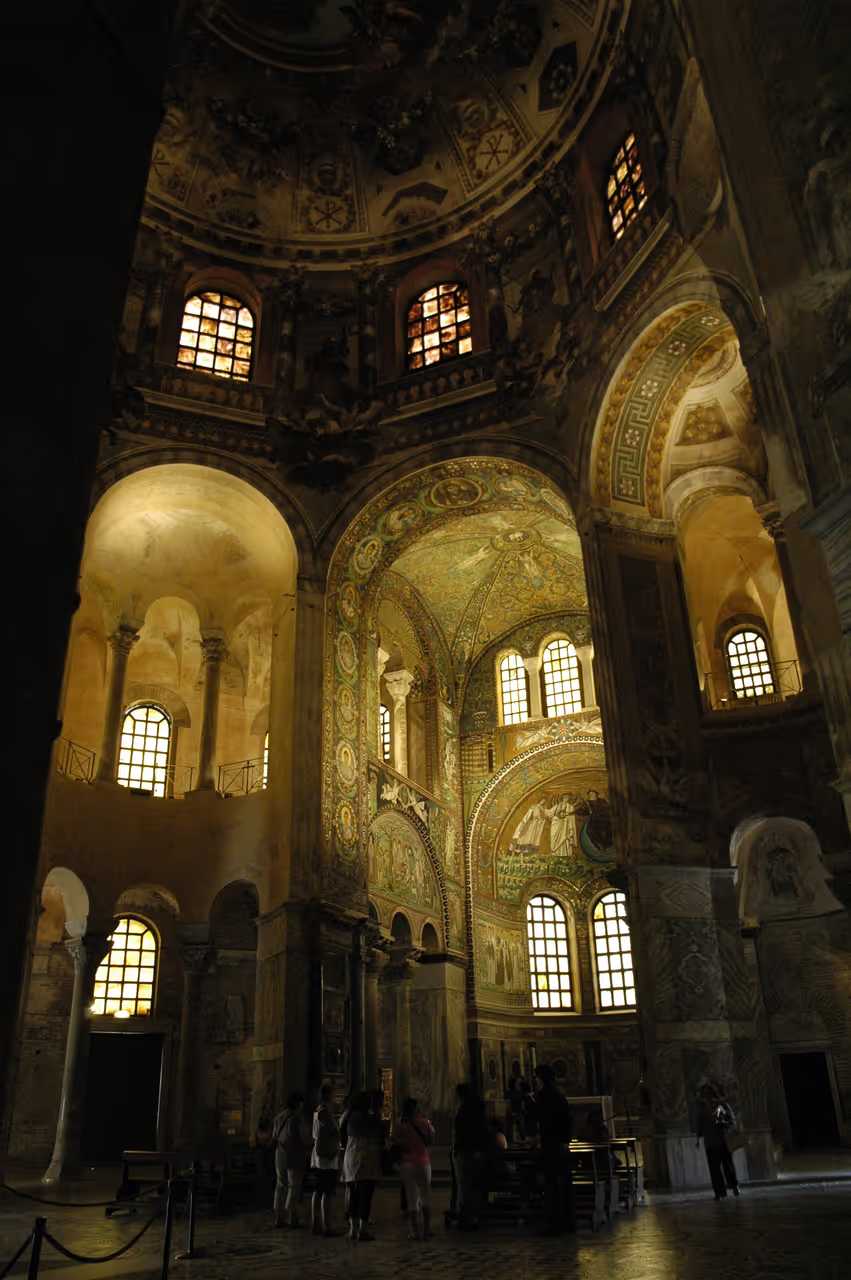
This tightly packed itinerary focuses entirely on the absolute must see highlights located within the easily walkable historical centre. It ensures you witness the most spectacular UNESCO mosaics and pay your respects to Dante, capturing the essence of the city in a short time. Prepare for a visually overwhelming day as you jump between awe inspiring, golden interiors. It is perfectly designed for a day trip, ending with a relaxing moment in the main square.
view itinerary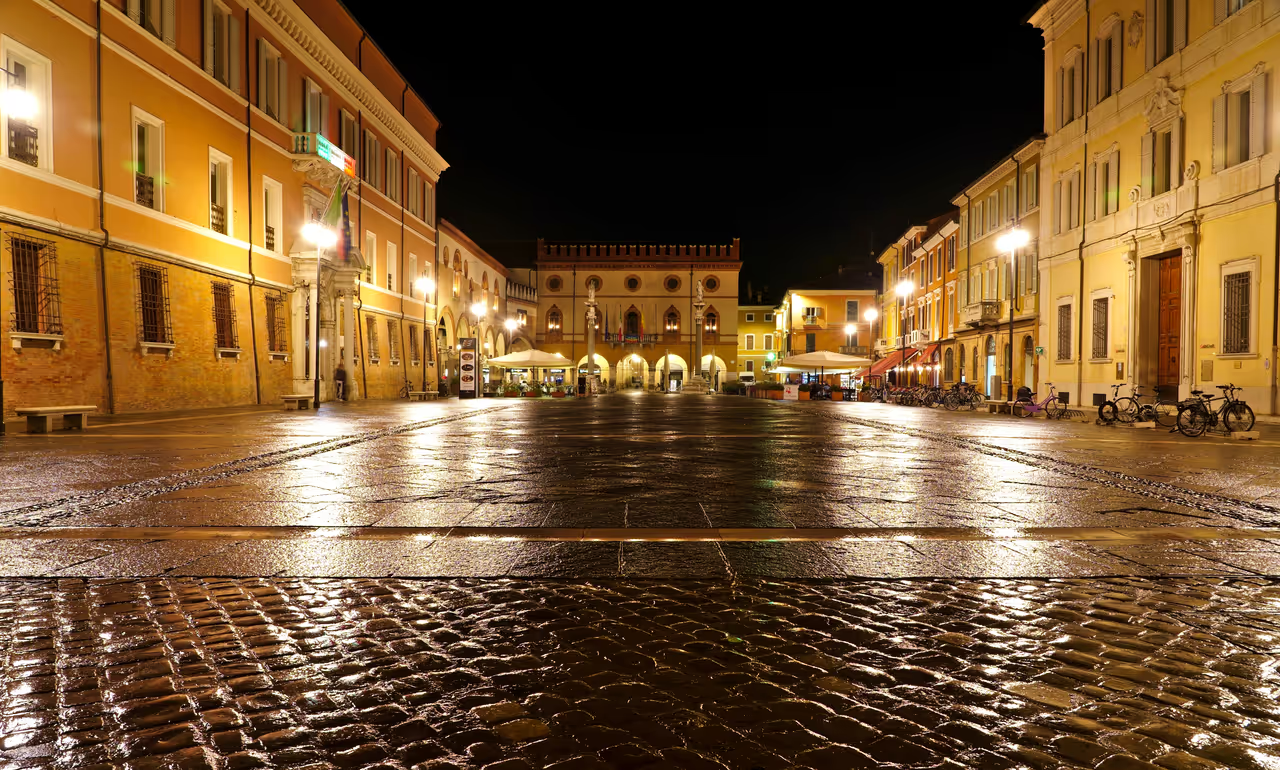
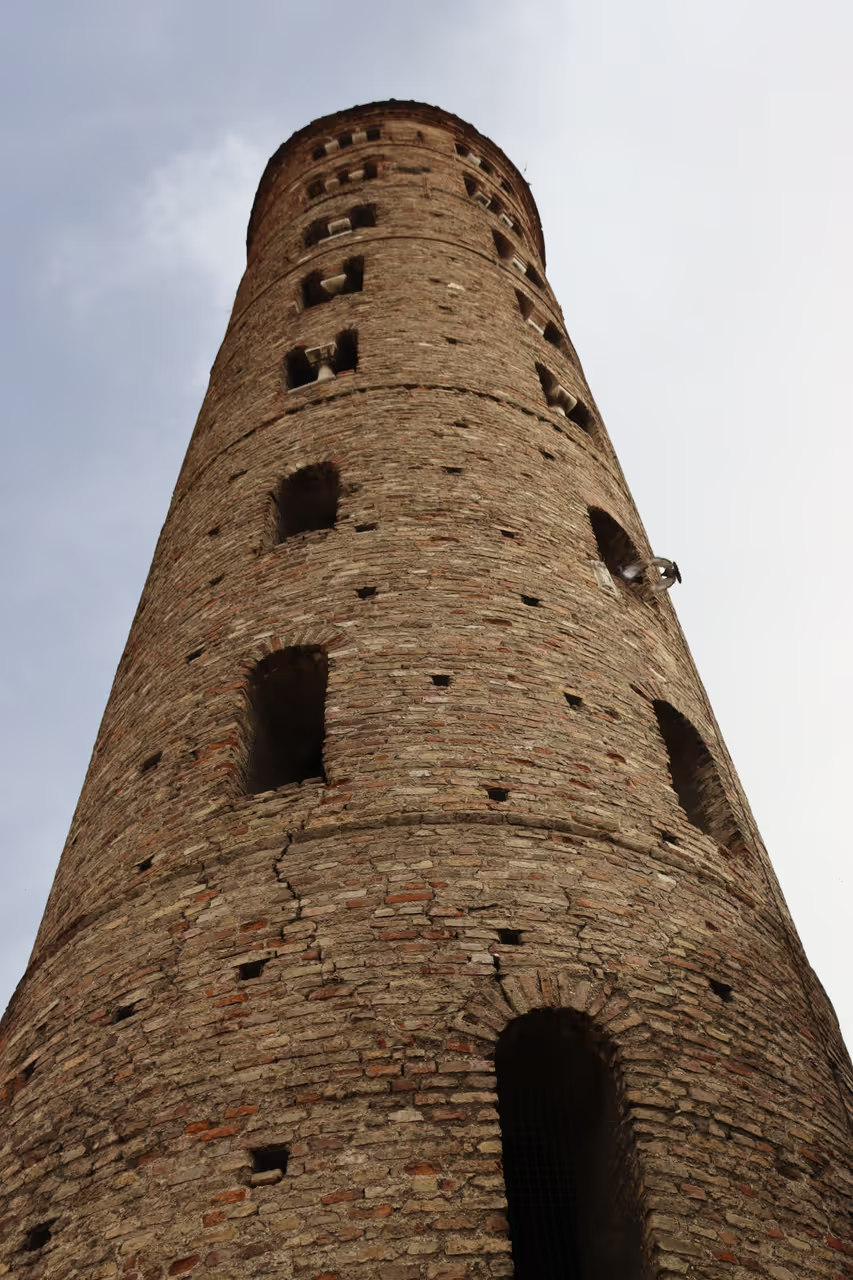
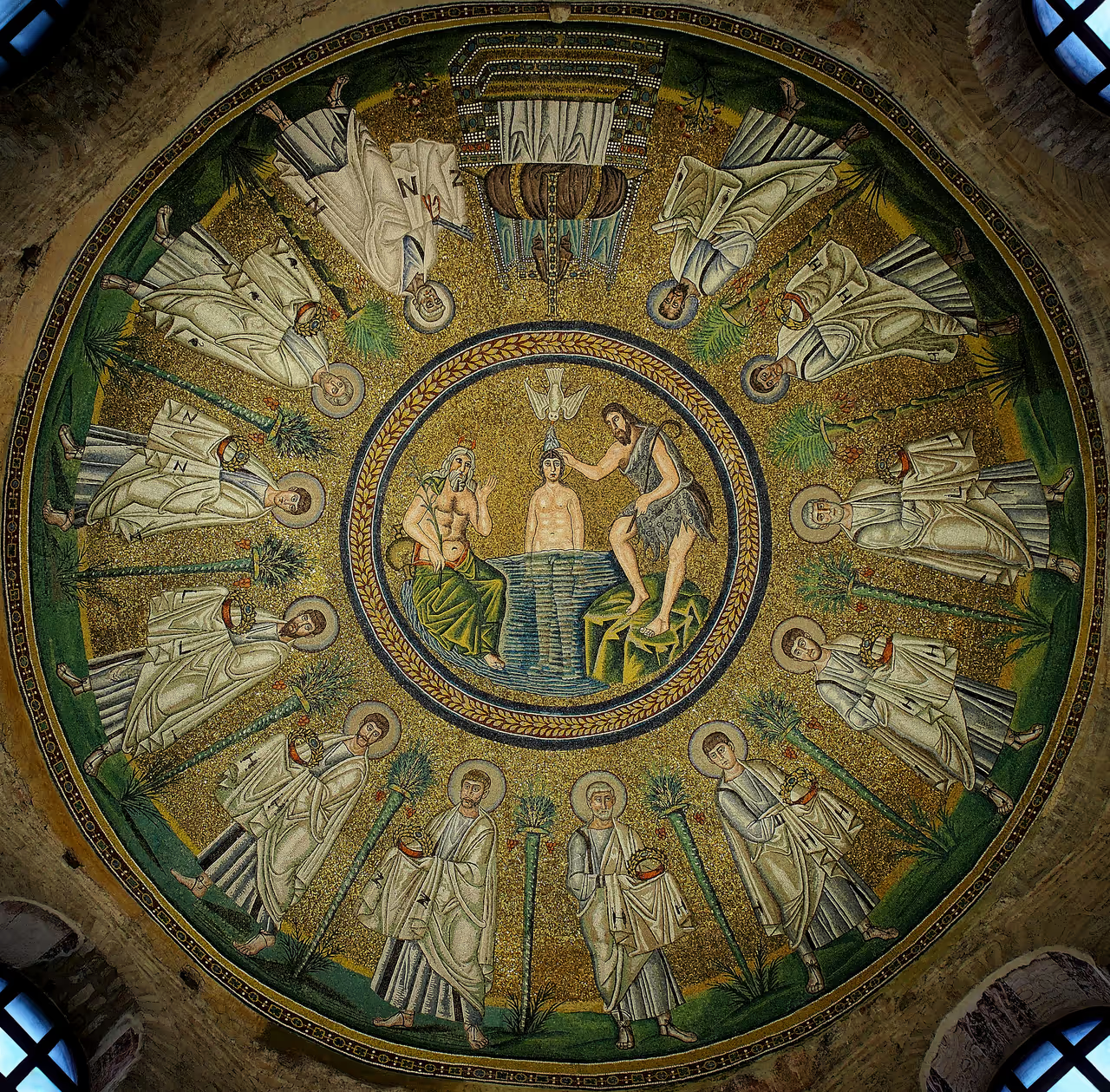
3 Days in Ravenna: Exploring Empires Itinerary
With three days, you can significantly expand your exploration beyond the central cluster, taking the time to absorb the profound differences between the Arian, Orthodox, and Byzantine monuments. This pace allows for unhurried museum visits, a trip to the magnificent flooded crypt, and a short excursion outside the city centre to Classe. It strikes the perfect balance between intense cultural sightseeing and the slow, enjoyable lifestyle of the Romagna region. You will leave with a deeply comprehensive understanding of the city's golden age.
view itinerary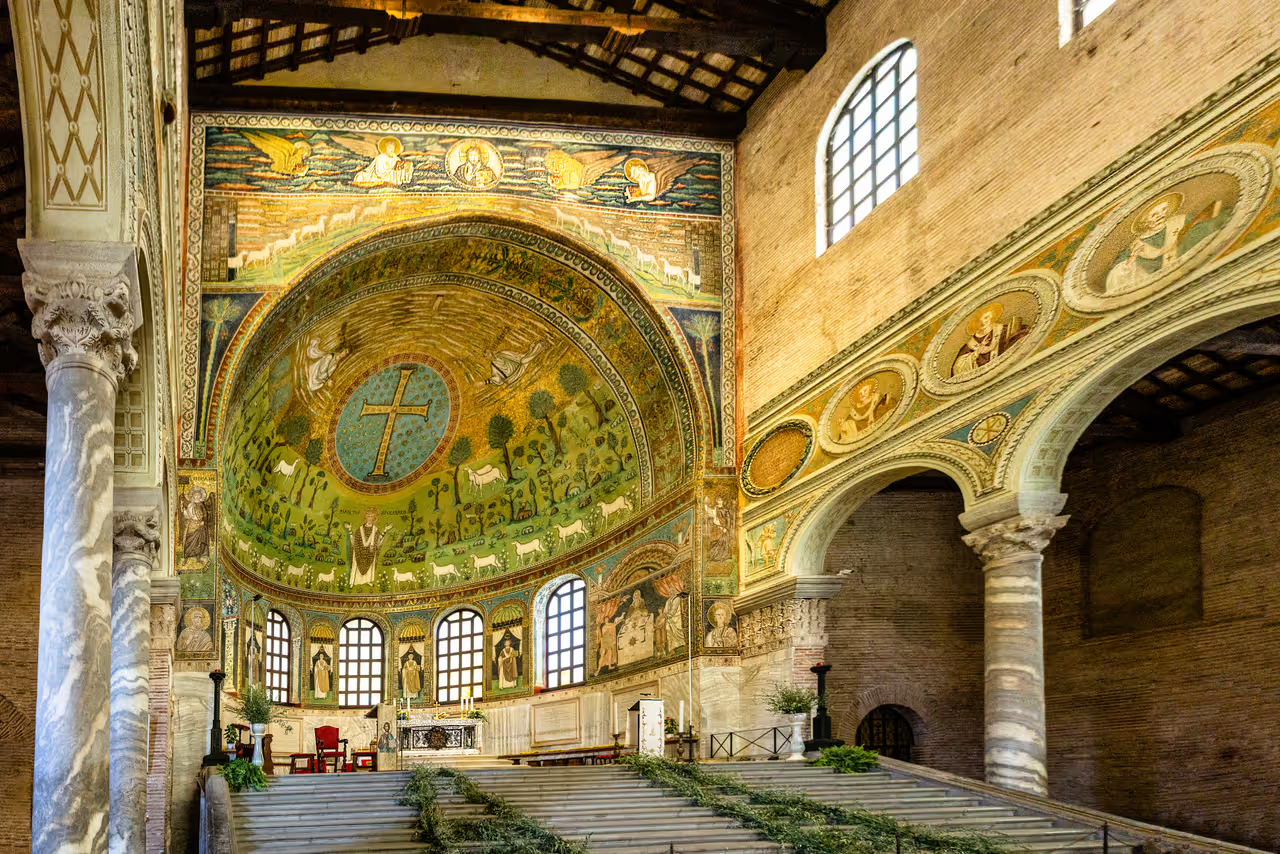
5 Days in Ravenna: The Complete Experience Itinerary
A five day stay transforms a cultural trip into a fully immersive holiday. You have the luxury to discover every single UNESCO monument, including the imposing Mausoleum of Theodoric, and explore the city's superb art museums. Crucially, it allows you to step outside the history books and experience the city's stunning natural surroundings, from the ancient pine forests to the lively Adriatic beaches. It is the ultimate way to appreciate both the ancient grandeur and the vibrant modern spirit of the area.
view itinerary
Food in Ravenna
UNESCO World Heritage Sites
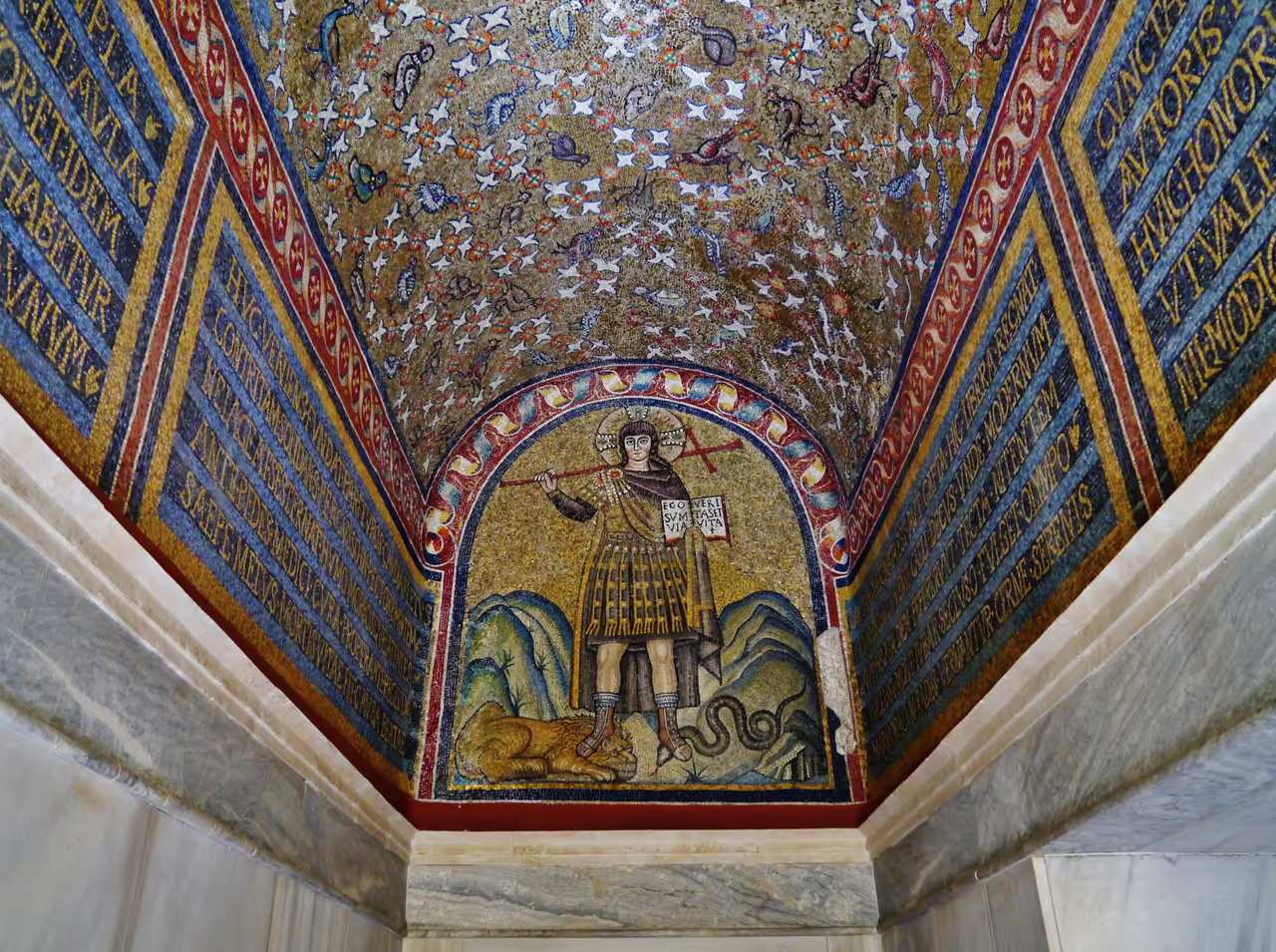
Archiepiscopal Chapel
Step into the Archiepiscopal Chapel and witness one of the most intimate, yet powerful, treasures of Ravenna. As the only...
viewBasilica of Sant'Apollinare in Classe
Standing silently amidst the countryside just outside Ravenna, the Basilica of Sant'Apollinare in Classe acts as a portal to a...
viewBasilica of Sant'Apollinare Nuovo
This UNESCO World Heritage site is a breathtaking testament to Ravenna's golden age. Step inside to witness some of the world's...
viewBasilica of San Vitale
Stepping inside the Basilica of San Vitale is like walking into a jewellery box of the Byzantine world. This UNESCO World...
view
Free Things to do in Ravenna
Parks & Nature
Classe Pine Forest
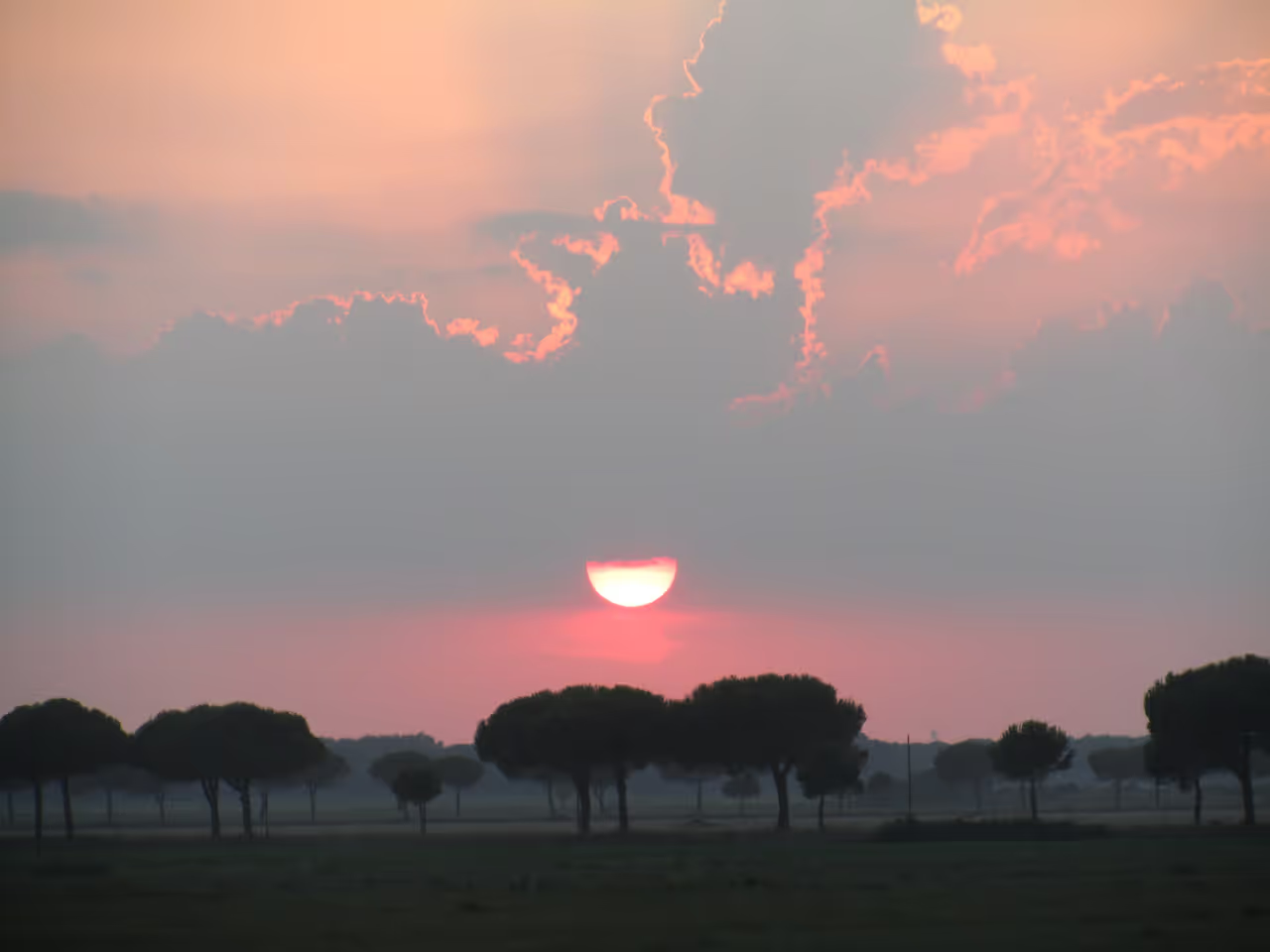
Step into a living literary masterpiece where ancient stone pines whisper secrets of Italy’s greatest writers. This expansive...
view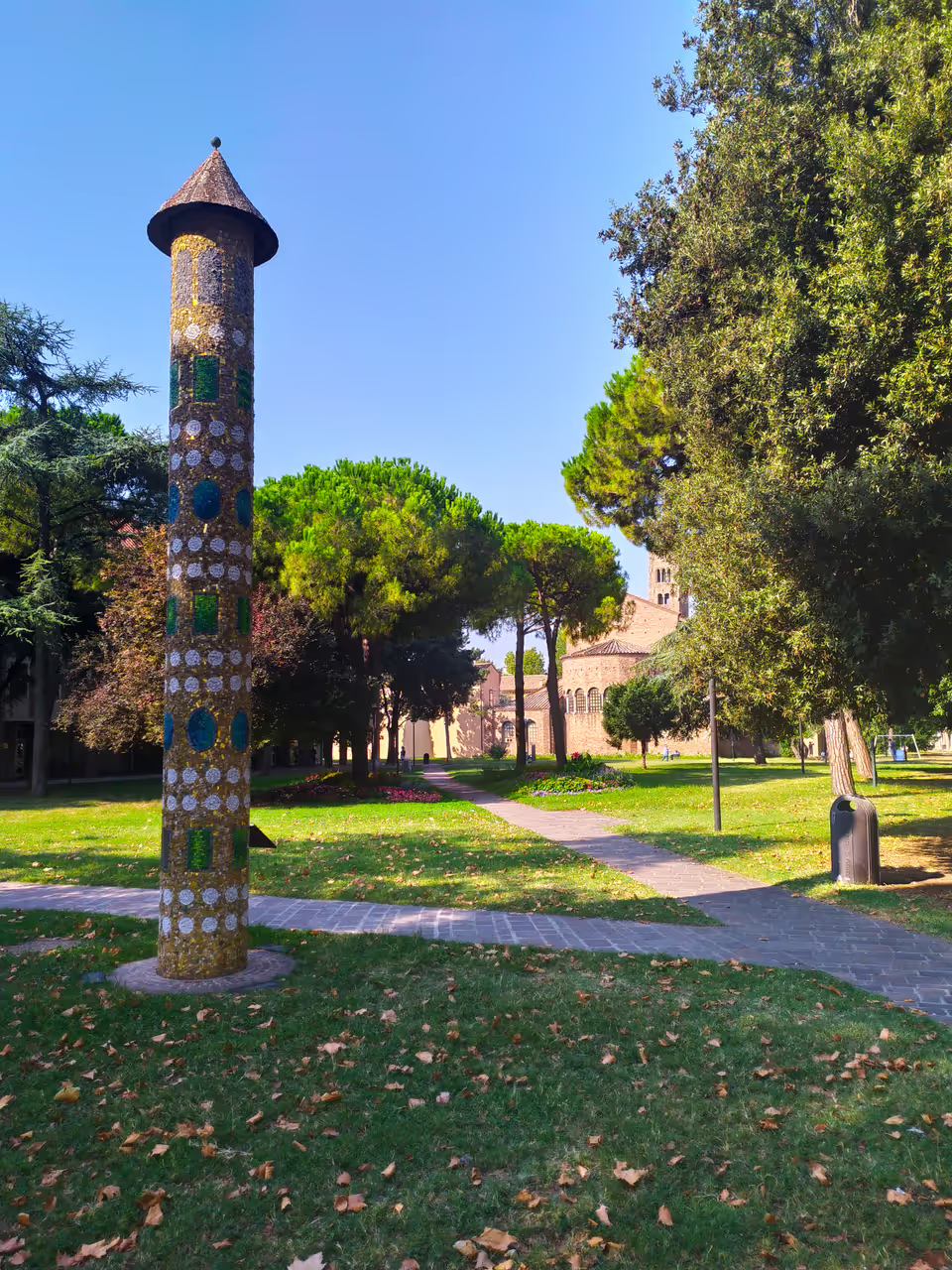
Ravenna Public Gardens
The Ravenna Public Gardens offer a refreshing green sanctuary located in the south-eastern corner of the city centre...
viewRocca Brancaleone
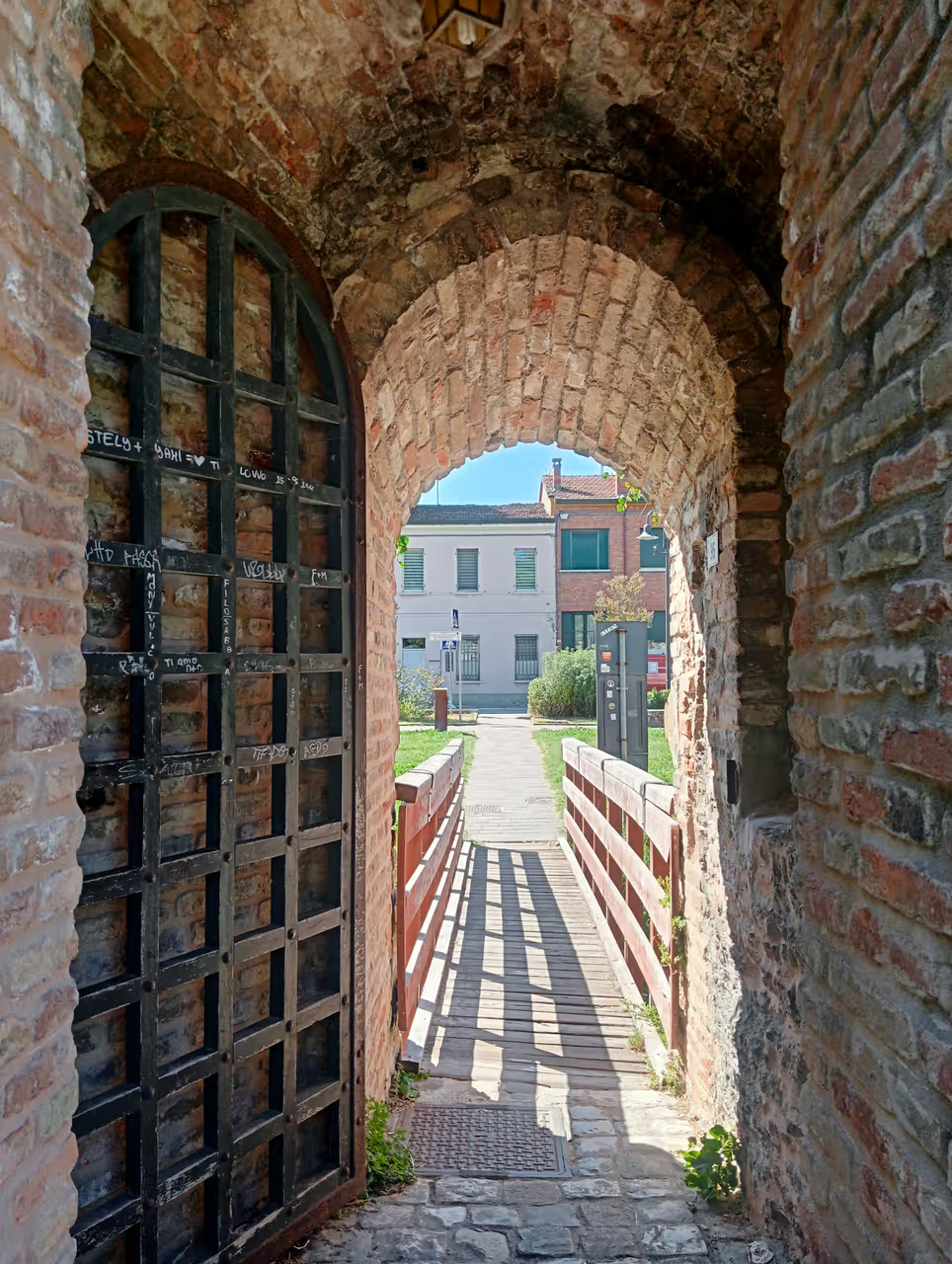
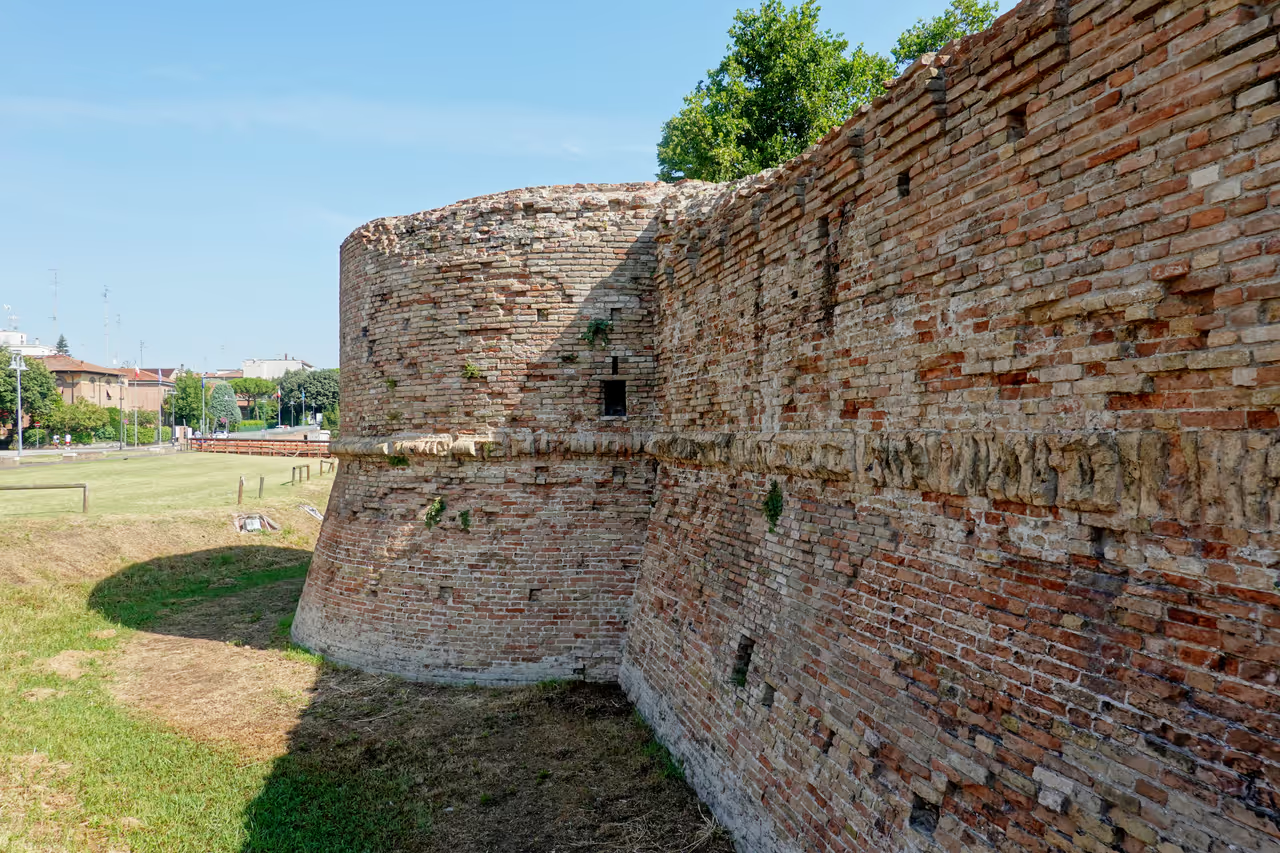
Once a formidable military stronghold built by the Venetians, Rocca Brancaleone has gracefully transformed into a peaceful...
view
Highlights & Must-Sees
People's Square
This is the elegant, beating heart of the city's pedestrianised centre. Created by the Venetians in the late thirteenth century...
view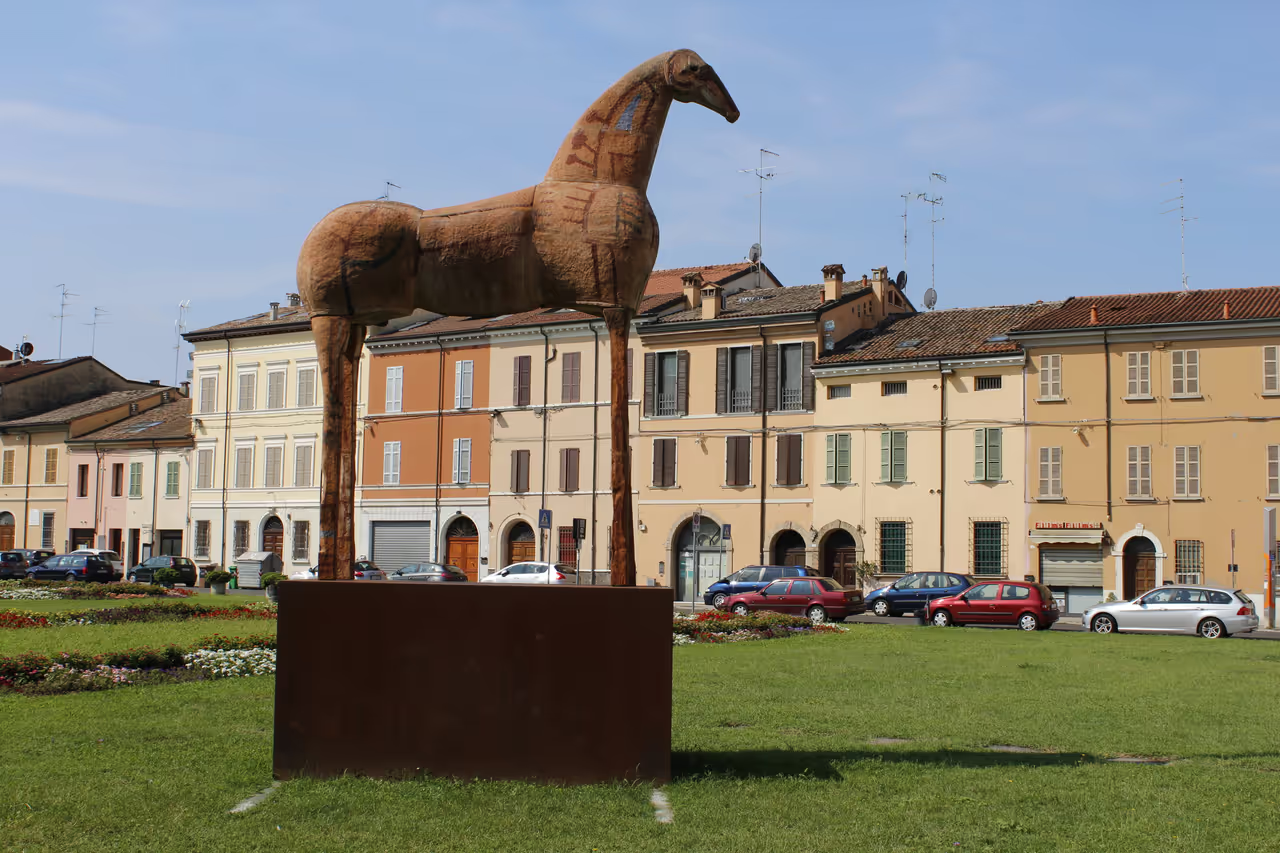
City Art Museum
Housed in a monumental sixteenth century monastery, this museum brilliantly connects the city's ancient heritage with modern...
view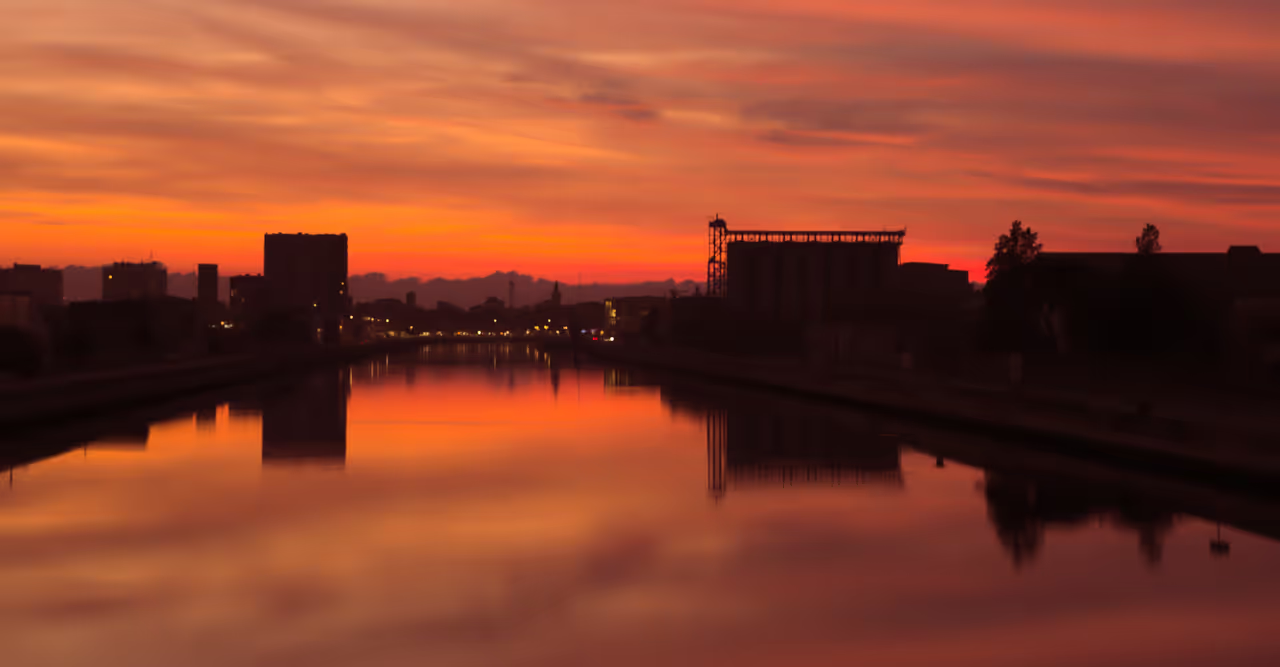
City Dock
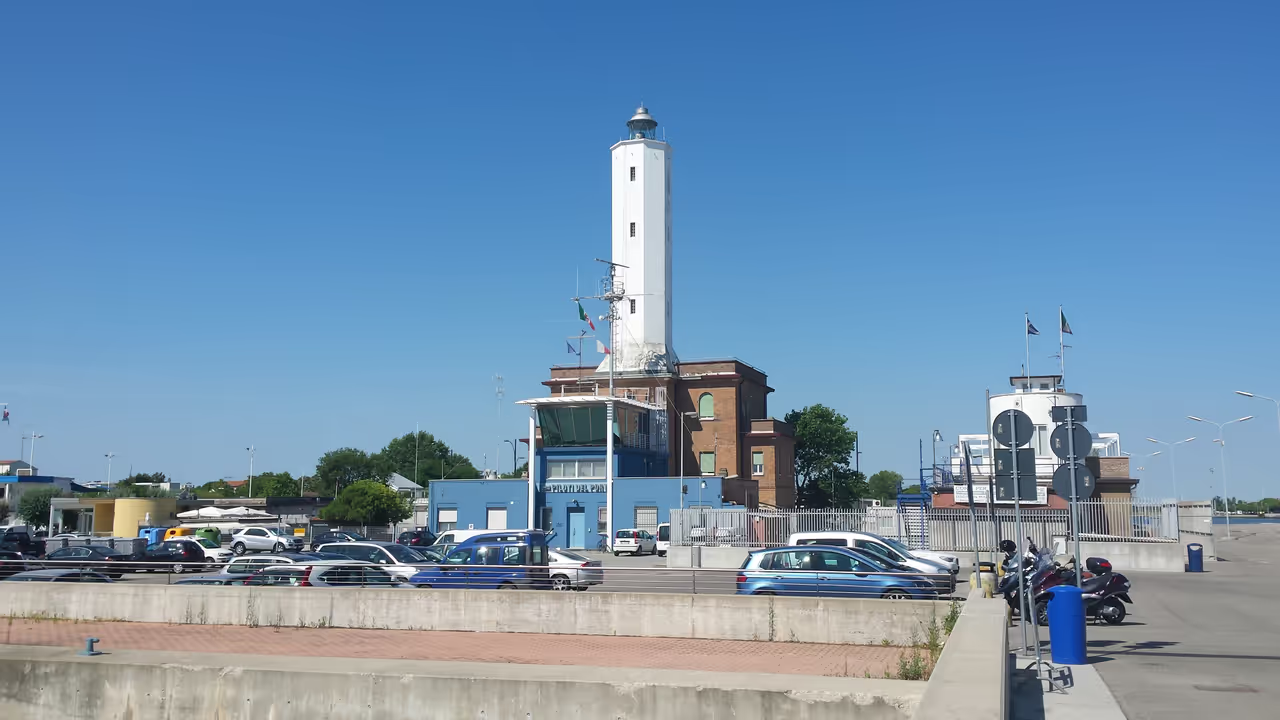
This former industrial port area has been transformed into the city's most dynamic and modern district. The wide waterfront...
view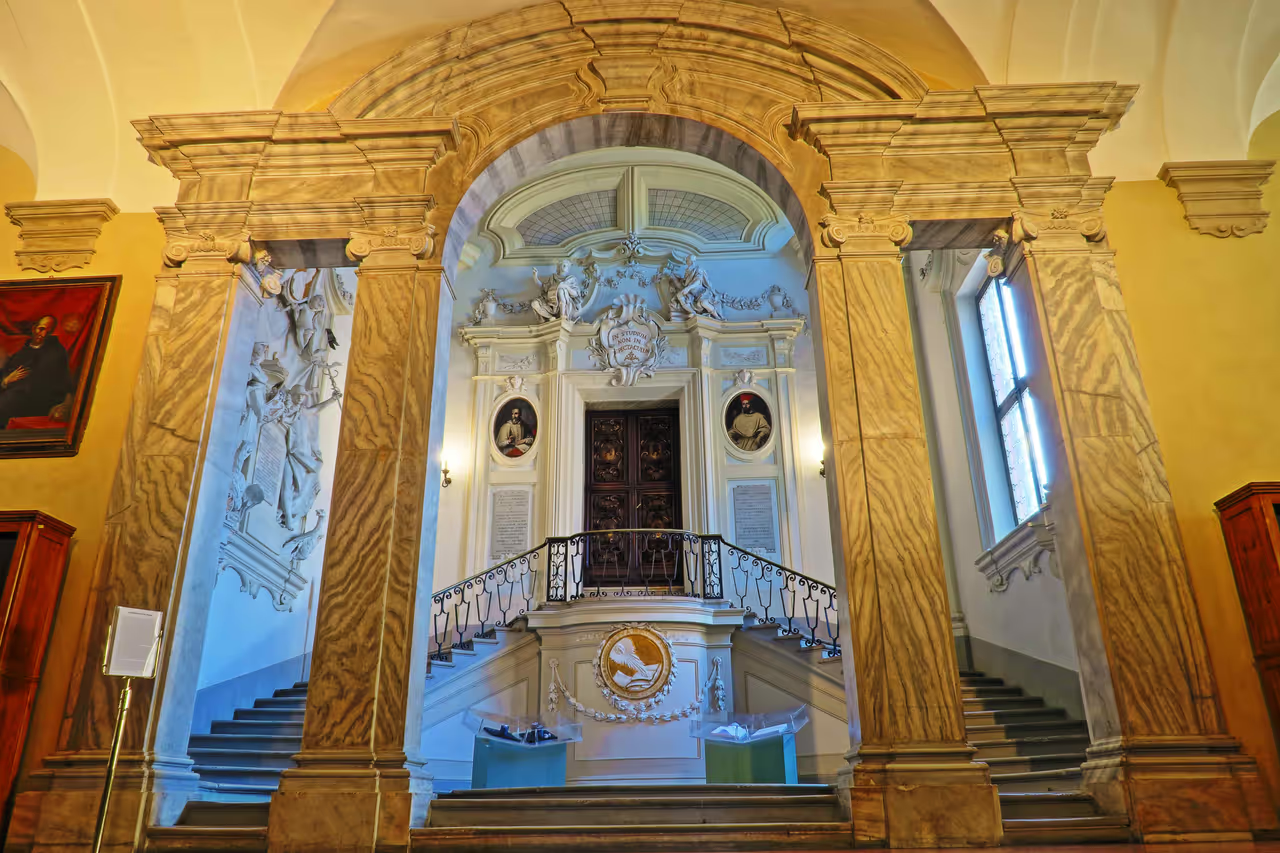
Classense Library
Housed in a sprawling sixteenth century Camaldolese abbey, this is one of the most important and beautiful libraries in Italy...
view
Best Walks in Ravenna
- HIGHLY RECOMMENDED
Heart of the City Walk
Immerse yourself in the timeless elegance of the pedestrianised old town. This stroll takes you past elegant boutiques, lively cafes, and monumental brick architecture dating back centuries. The flat, impeccably paved streets make walking effortless, allowing you to focus entirely on the charming details and atmosphere. It is a wonderful way to feel the sophisticated yet unhurried pulse of local life.
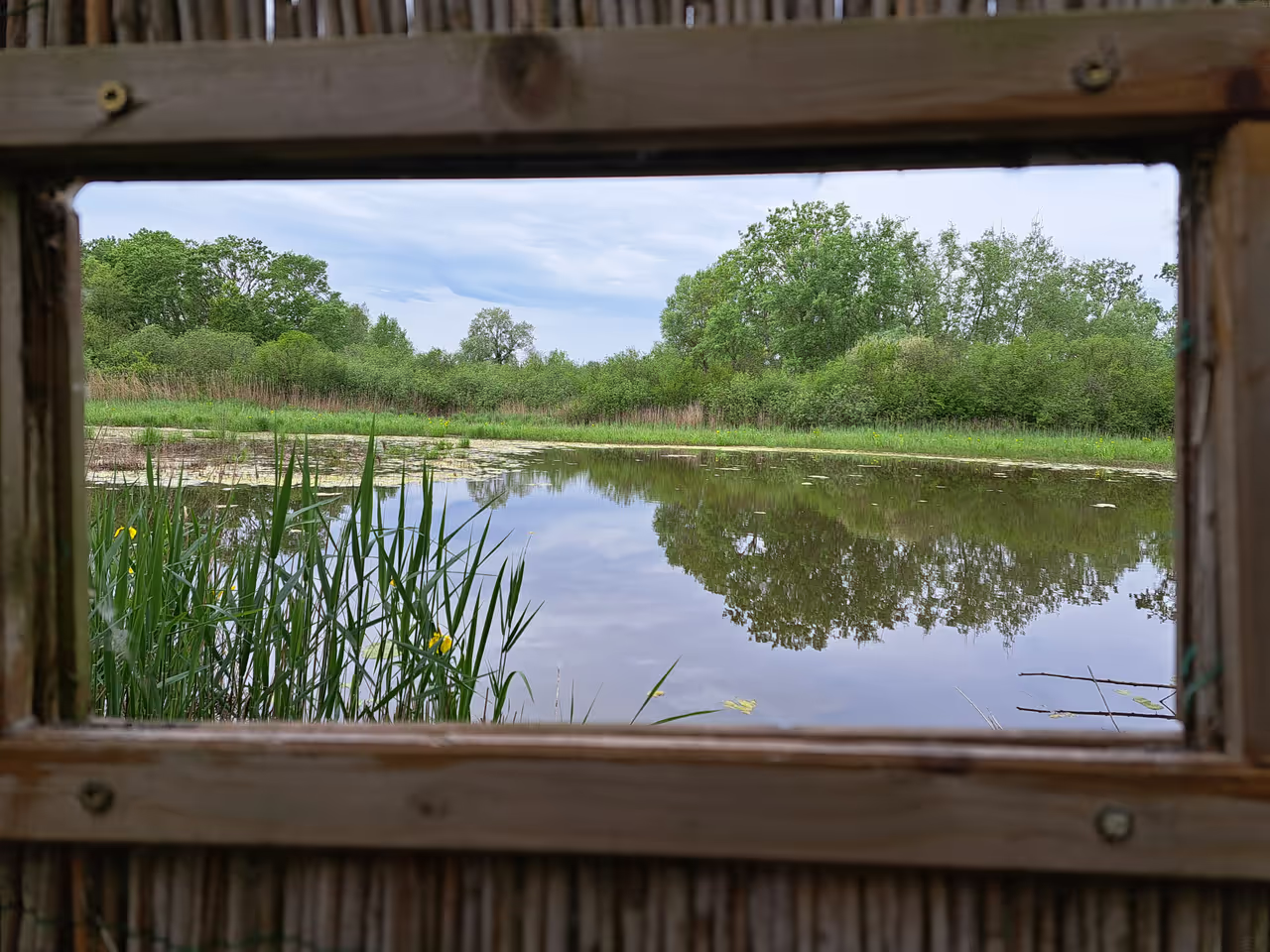
San Vitale Pine Forest
Explore the northern expanse of the historic pine forests, a landscape characterised by wetlands, broadleaf trees, and the iconic umbrella pines. The walking paths here are incredibly scenic, crossing small wooden bridges over quiet waterways. The area is a haven for biodiversity, particularly birdlife drawn to the nearby lagoons. It is a refreshing, earthy walk that connects you to the wilder side of the territory.
Architecture & Landmarks
Basilica of Saint Mary in Porto
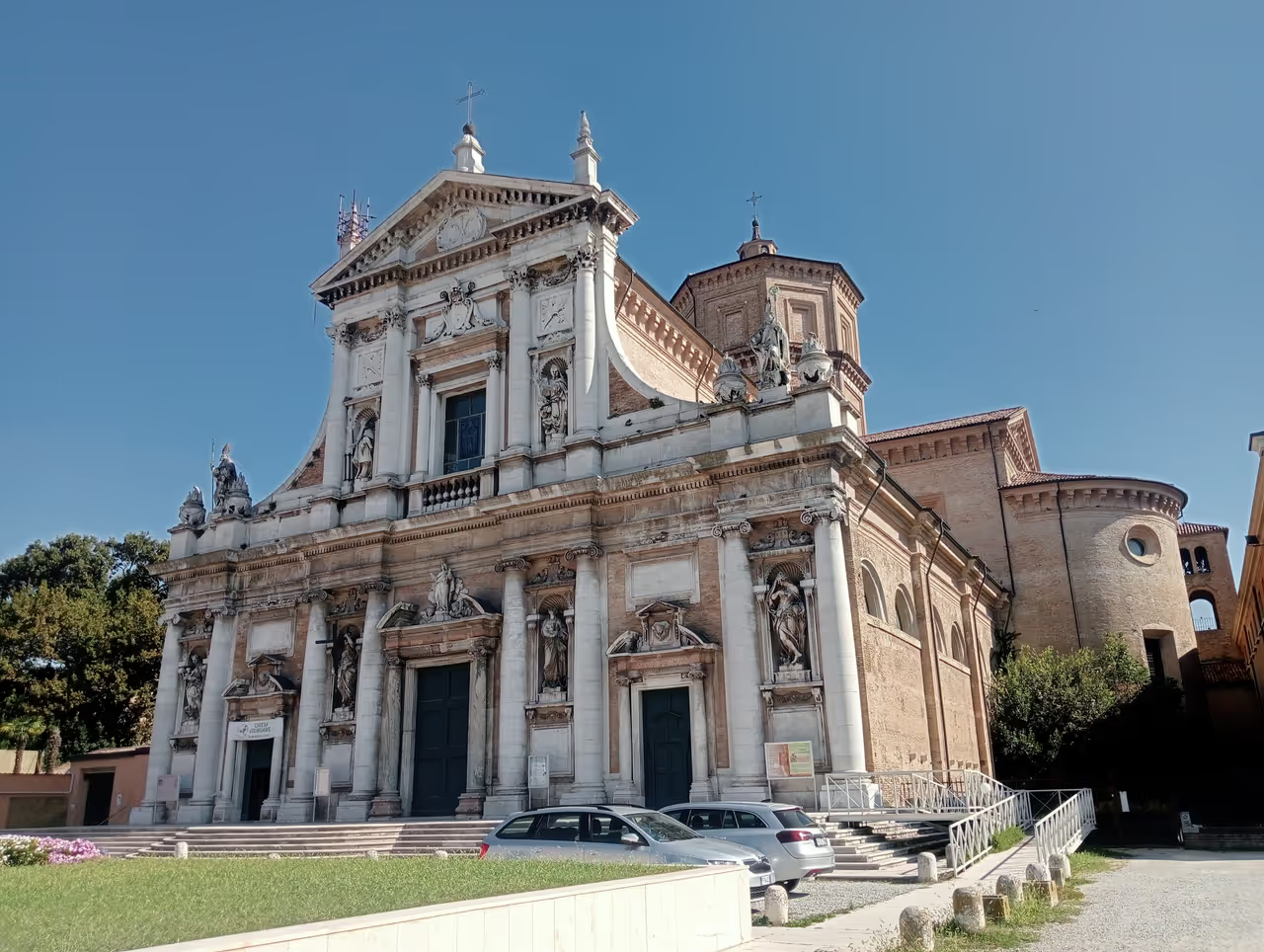
This is an exceptionally grandiose and theatrical piece of architecture standing proudly in the city. Constructed between the...
view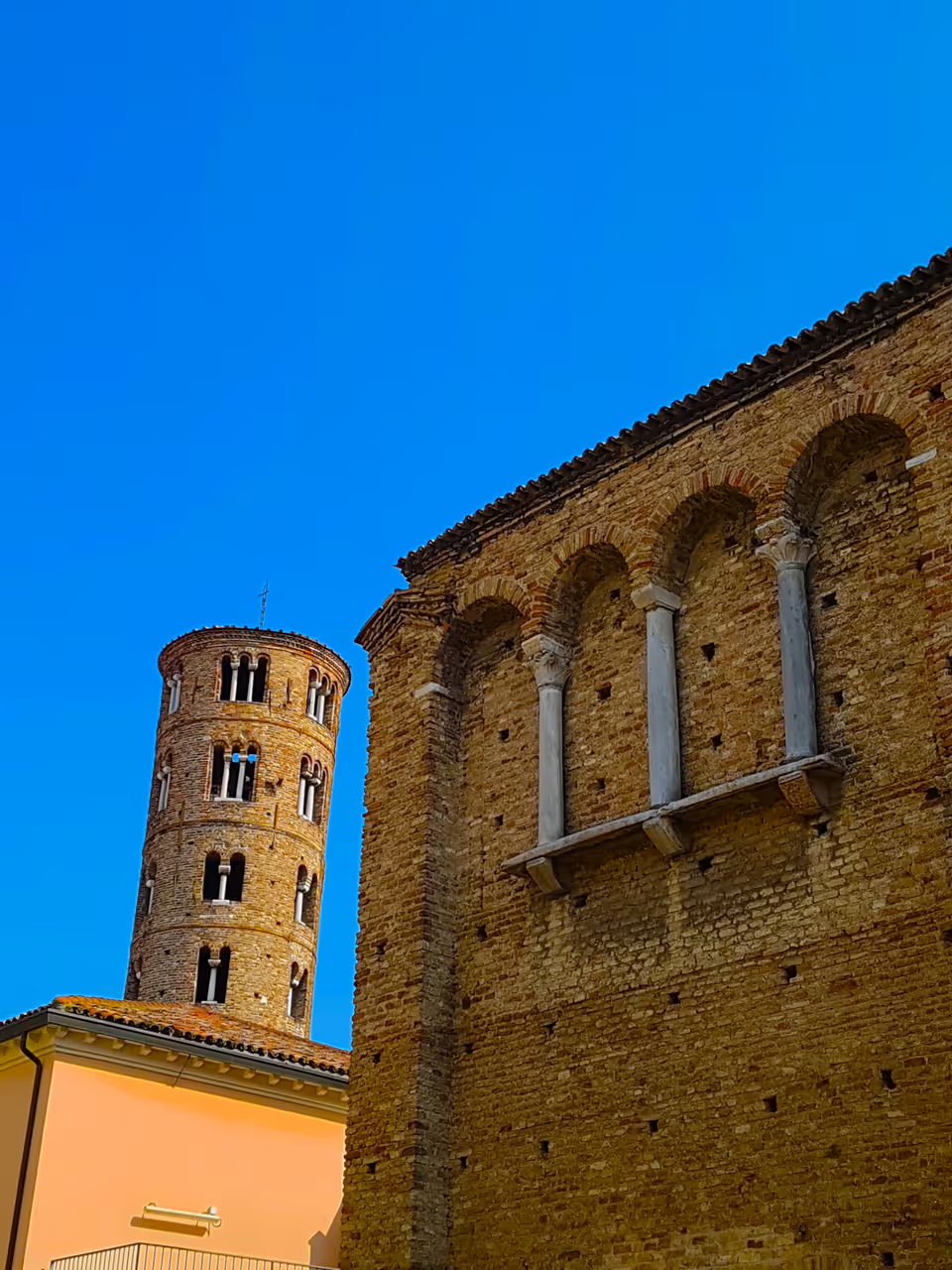
Palace of Theodoric
Standing as a hauntingly beautiful fragment of late antiquity, these striking brick ruins were long thought to be the royal...
view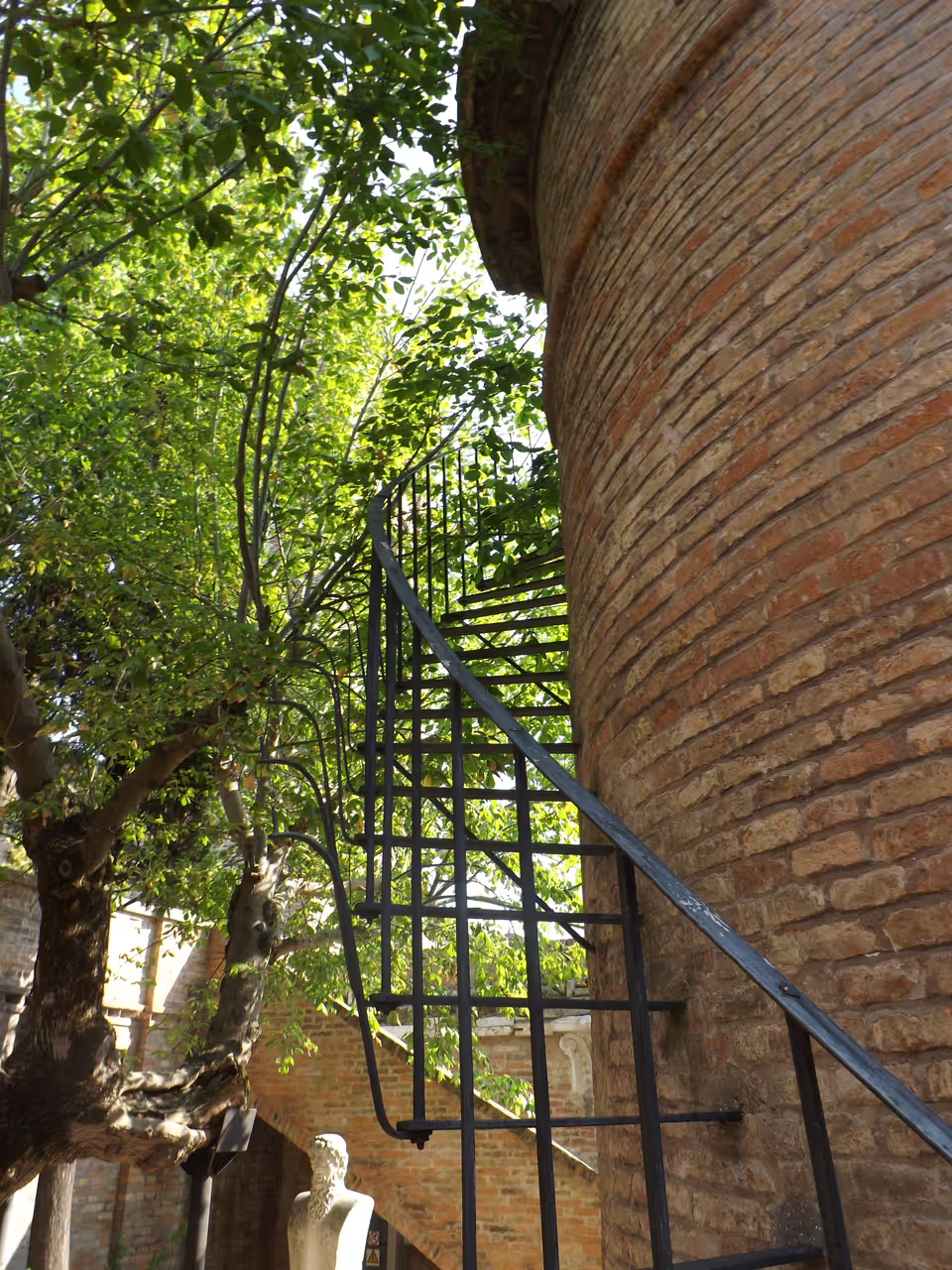
Provincial Palace
Situated directly next to the Basilica of San Francesco, this elegant palazzo is the administrative heart of the local province...
view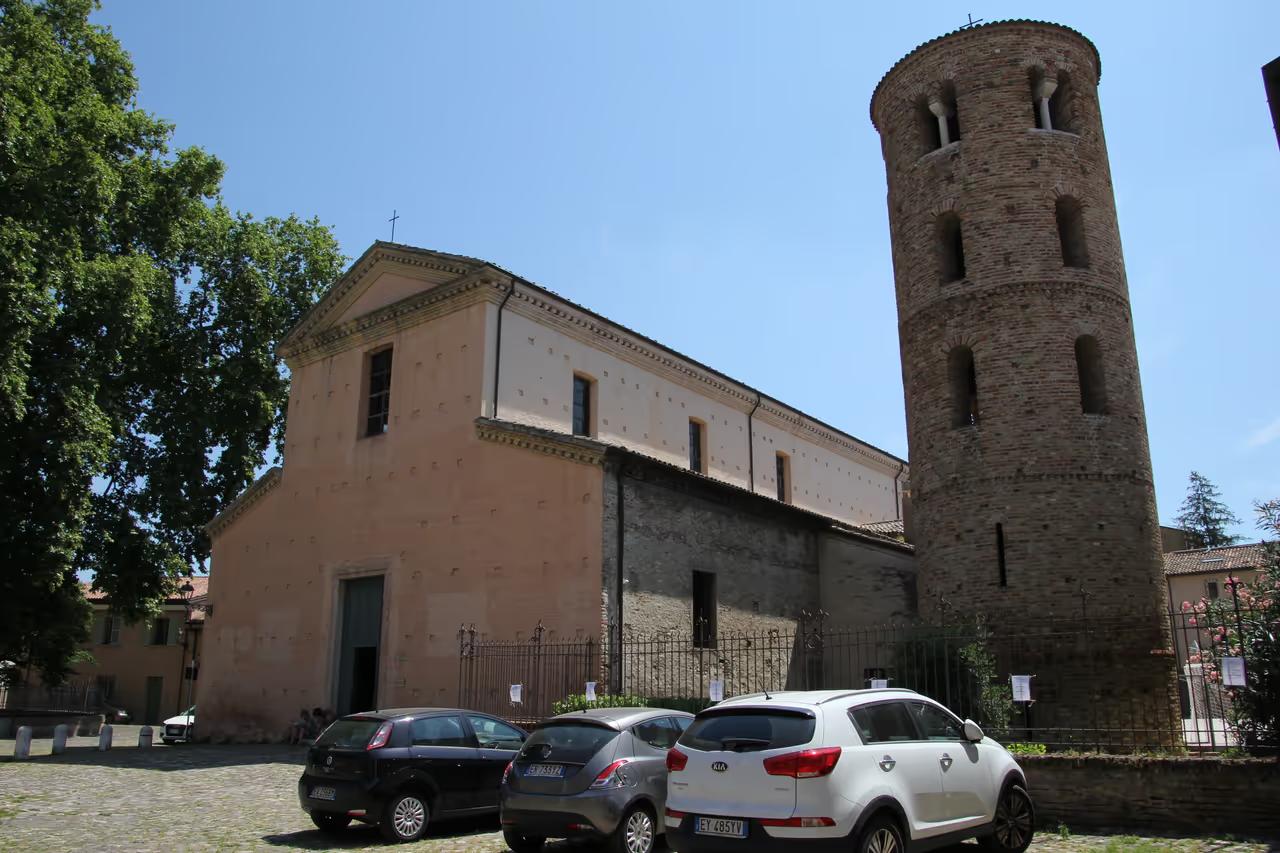
Church of Santa Maria Maggiore
A compelling example of a church that has continually evolved alongside the city itself. Founded in the sixth century, it...
view
Markets & Shopping
Ravenna Nightlife
Photo Spots
Activities & Experiences
Cycling Routes
Adriatic Coastal Route
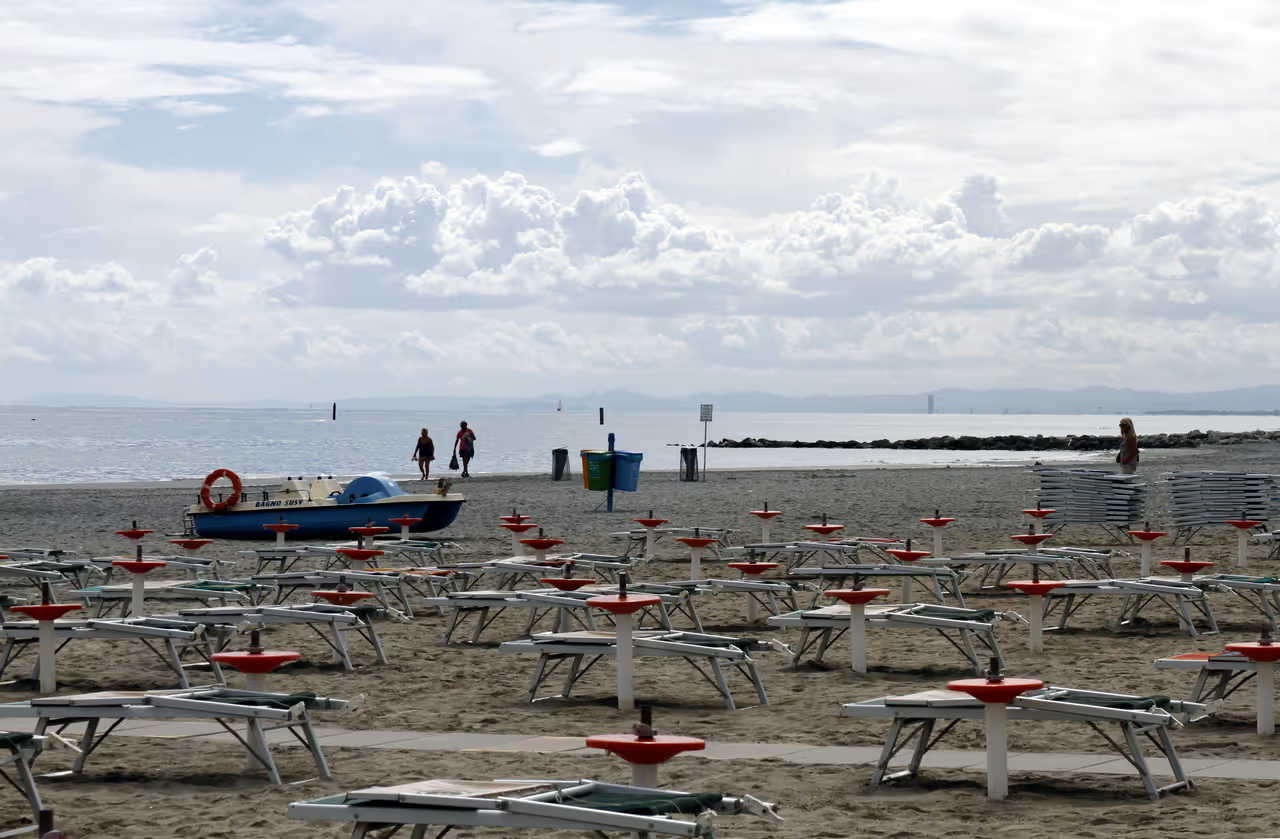
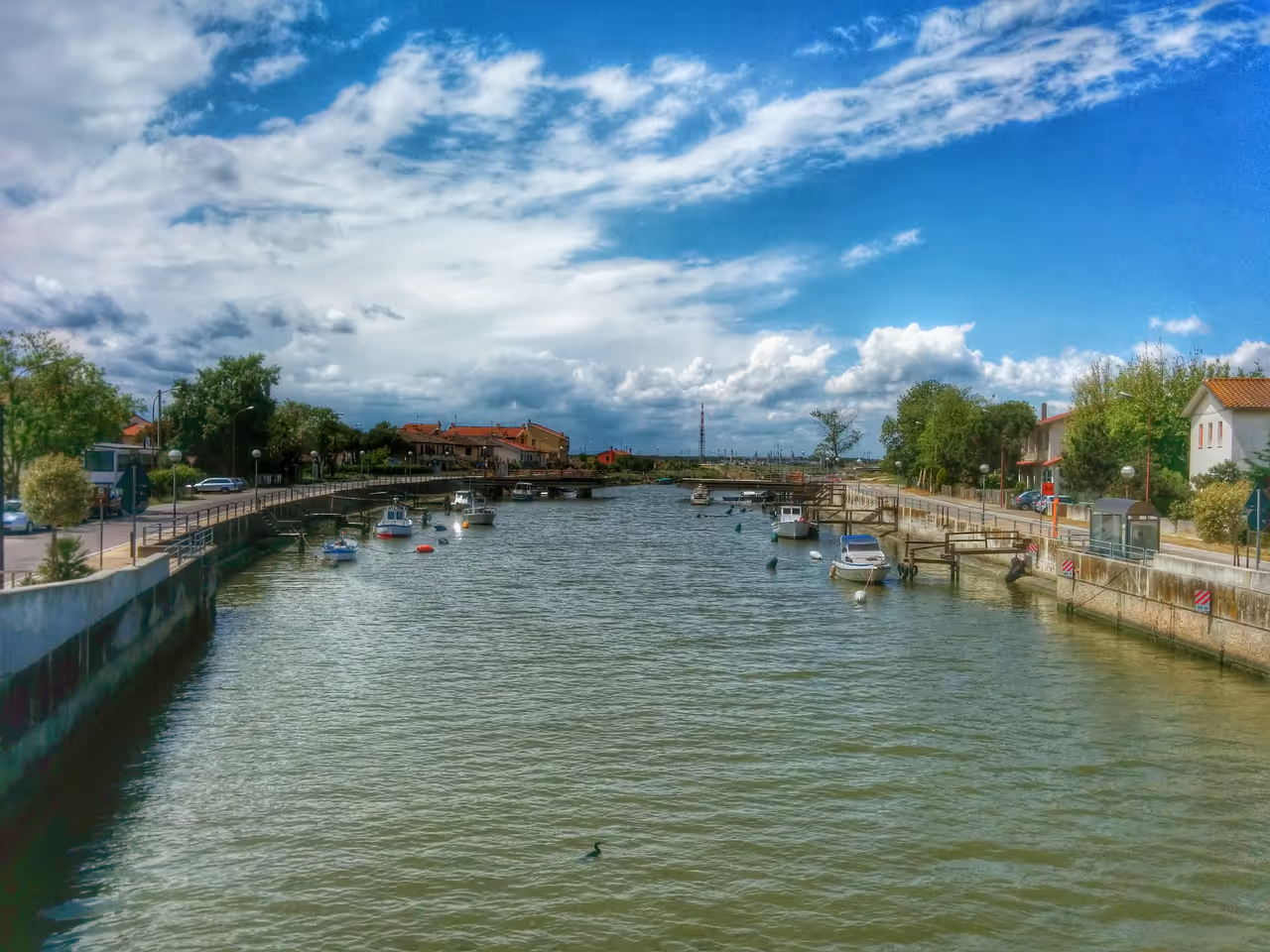
This stunning route takes you out of the city and along the beautiful coastline, connecting the northern beach towns. You will ride from Casal Borsetti down to Porto Corsini, passing through the charming Marina Romea. The path offers constant sea breezes and the scent of salt in the air, with dedicated bike lanes ensuring a safe journey. It is a wonderfully refreshing ride that showcases the area's coastal charm.
- HIGHLY RECOMMENDED
Classe Pine Forest Trail
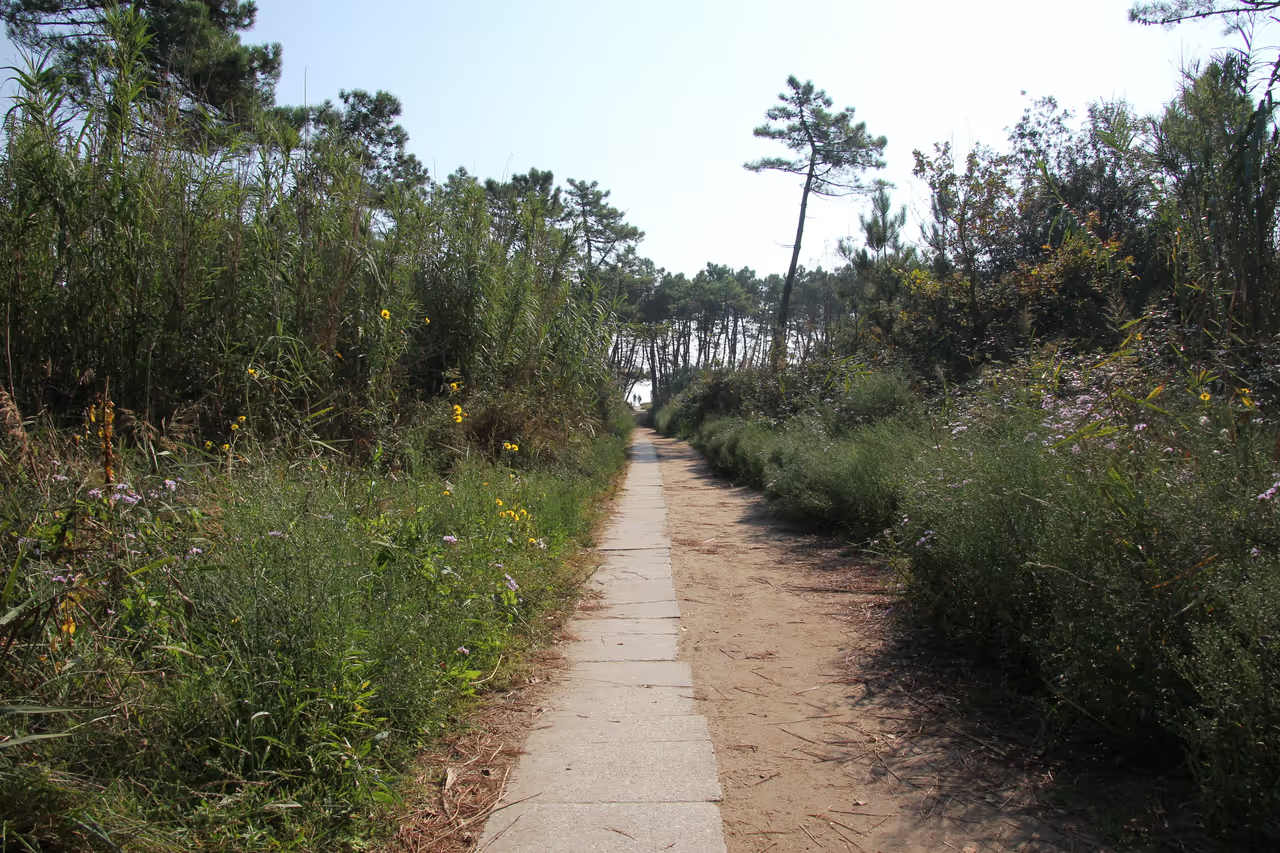
Venture south of the city to explore the legendary pine forest that was praised in the writings of Boccaccio and Dante. The dirt and gravel trails wind through towering umbrella pines, offering a cool, shaded environment perfect for cycling. You will pass through areas of rich biodiversity, surrounded by the calming sounds of nature. It is an immersive journey into one of the region's most celebrated landscapes.
Canal to the Sea
This fascinating urban ride follows the path of the Candiano Canal, connecting the city centre directly to the Adriatic Sea. You will cycle past historical industrial architecture, modern waterfront regenerations, and busy port facilities. The dedicated bike path makes navigating this industrial yet highly scenic landscape a breeze. It culminates in the vibrant coastal resort of Marina di Ravenna.
Self-Guided Tours
In the Footsteps of Dante
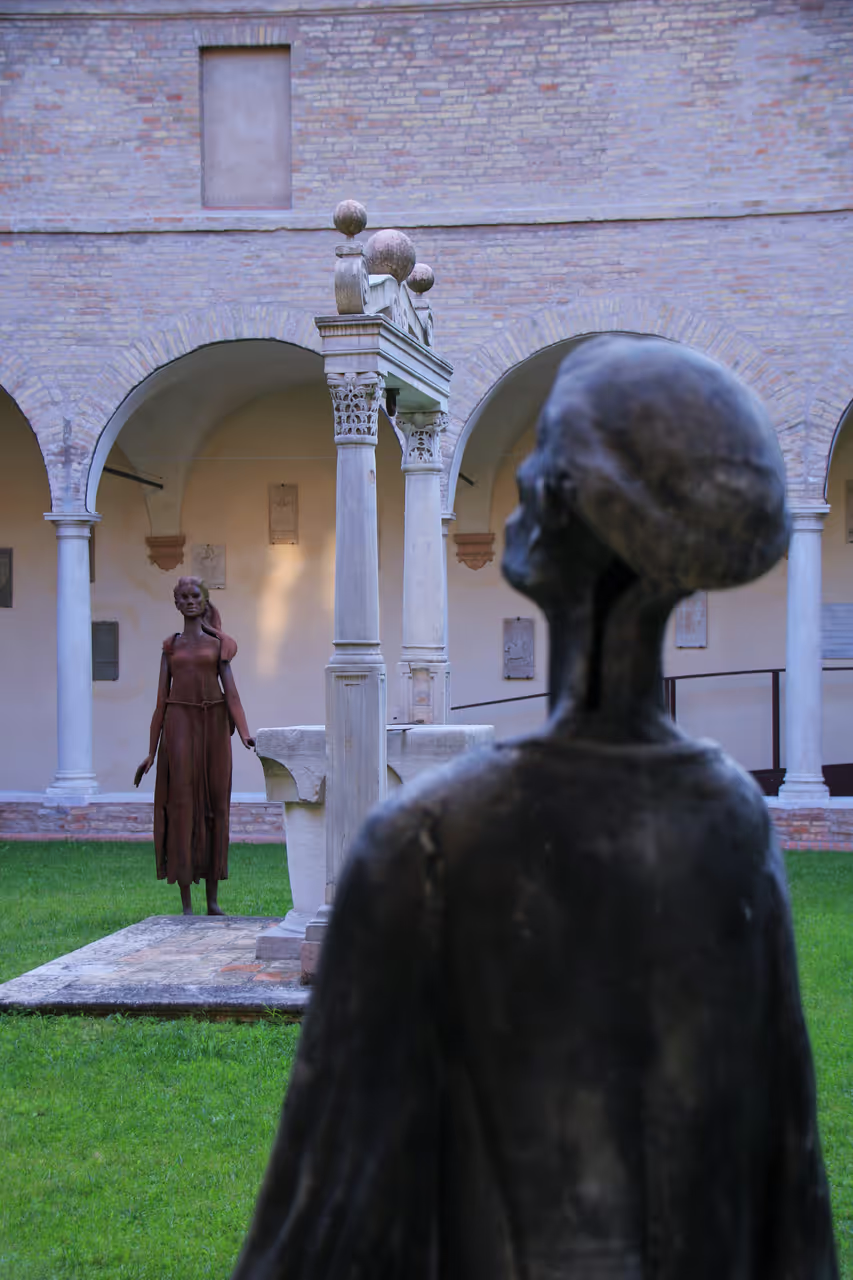
Trace the final years of the Supreme Poet, who found refuge and inspiration here after his painful exile from Florence. This walk visits the places deeply connected to his life, death, and enduring legacy in the city. You will see where his remains were fiercely protected from Florentine grasp and where his memory is honoured daily. It is a highly evocative journey through literary history and local pride.
Empires of the Dark Ages
Discover the contrasting legacies of the two great powers that ruled the city after the fall of Rome. This tour highlights the architectural differences between the Arian Ostrogoths and the Orthodox Byzantines. You will explore monumental structures that tell the story of theological conflicts, military conquests, and the clash of civilisations. It is a fascinating dive into a complex, often misunderstood era of European history.
- HIGHLY RECOMMENDED
Golden Mosaics Trail
Embark on a visually staggering journey through the pinnacle of early Christian and Byzantine art. This tour connects the most breathtaking UNESCO World Heritage sites located within the historic centre. You will witness the evolution of mosaic artistry, moving from the rich, starry blues of the fifth century to the dazzling, imperial gold of the sixth century. It is a profound exploration of how light, glass, and faith were woven together to create eternal masterpieces.
Annual Festivals & Events
 HIGHLY RECOMMENDED
Ravenna Festival
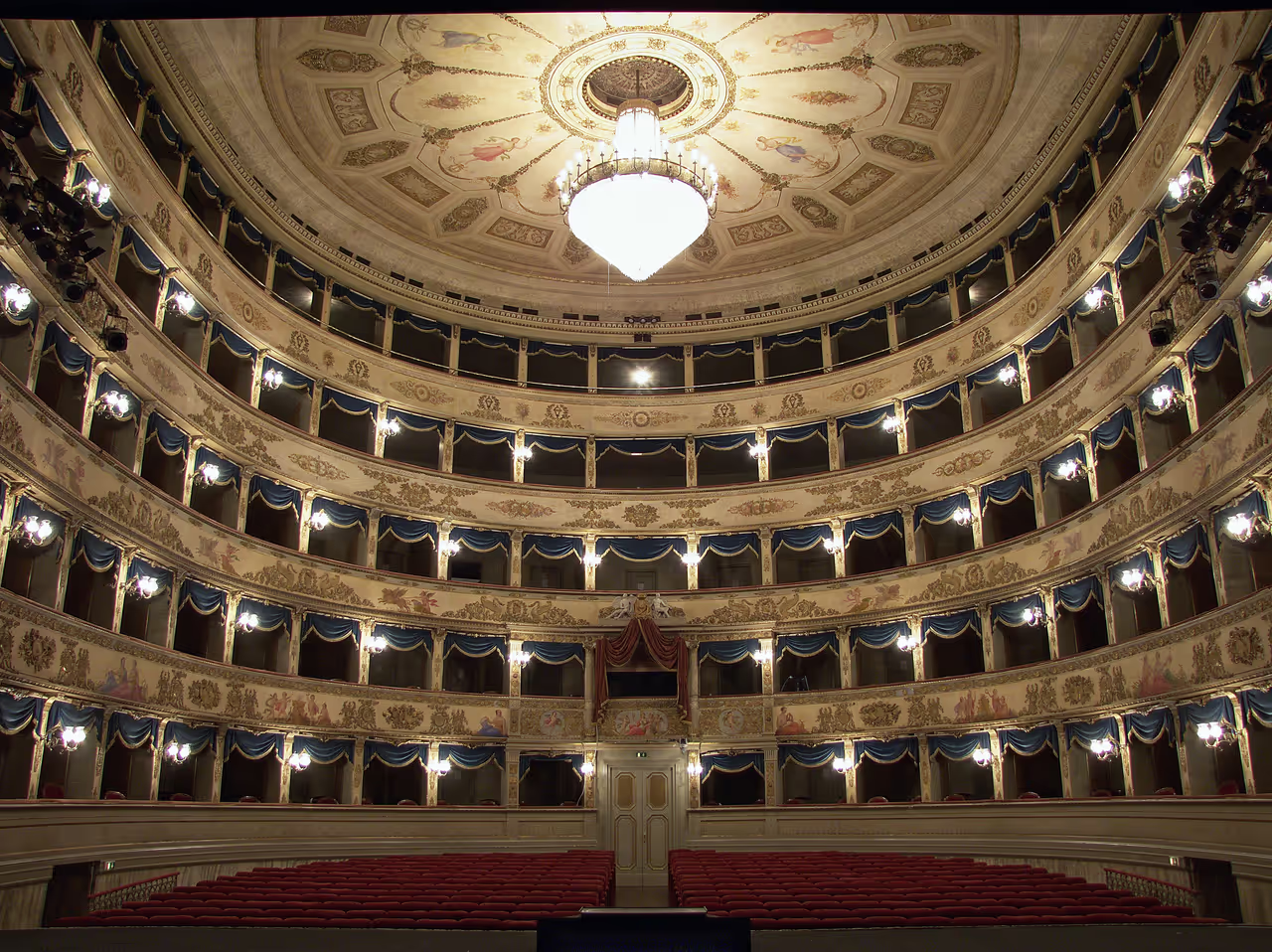
This prestigious summer event is a cornerstone of the city's cultural calendar, drawing artists and performers from around the globe. It offers an incredibly diverse programme encompassing opera, classical music, dance, and contemporary theatre. Performances are held in spectacular historical venues, including ancient basilicas and the magnificent Pala De André. The festival transforms the entire city into a vibrant stage, creating an unforgettable atmosphere of artistic celebration.
Festival of Cultures
A vibrant and colourful event that celebrates diversity, coexistence, and international heritage in the Darsena waterfront district. It features global music performances, international food stalls, and thought provoking debates on citizenship and rights. The festival creates a lively, welcoming atmosphere that reflects the city's modern multicultural identity. It is a wonderful place to enjoy global street food and dance the evening away.
Ravenna Jazz
Running since 1973, this is one of the longest established and most respected jazz festivals in Italy. It brings a sophisticated and lively rhythm to the spring air, featuring both internationally renowned legends and emerging talents. Concerts are hosted in traditional theatres as well as intimate local clubs. It provides a perfect evening soundtrack after a day of exploring historical monuments.
Insider Tips
Many shops and smaller businesses observe a siesta between 12:30 and 16:00. Plan your shopping and errands outside these hours.
Book your tickets for the main UNESCO monuments online well in advance, as the smaller sites have strict time slots and fill up quickly.
Bring a €1 coin when visiting the Basilica of San Francesco to illuminate the flooded crypt and see the goldfish swimming above the ancient mosaics.
If taking the bus to Sant'Apollinare in Classe, buy your ticket at the station or a tobacconist beforehand to avoid paying a higher fare onboard.
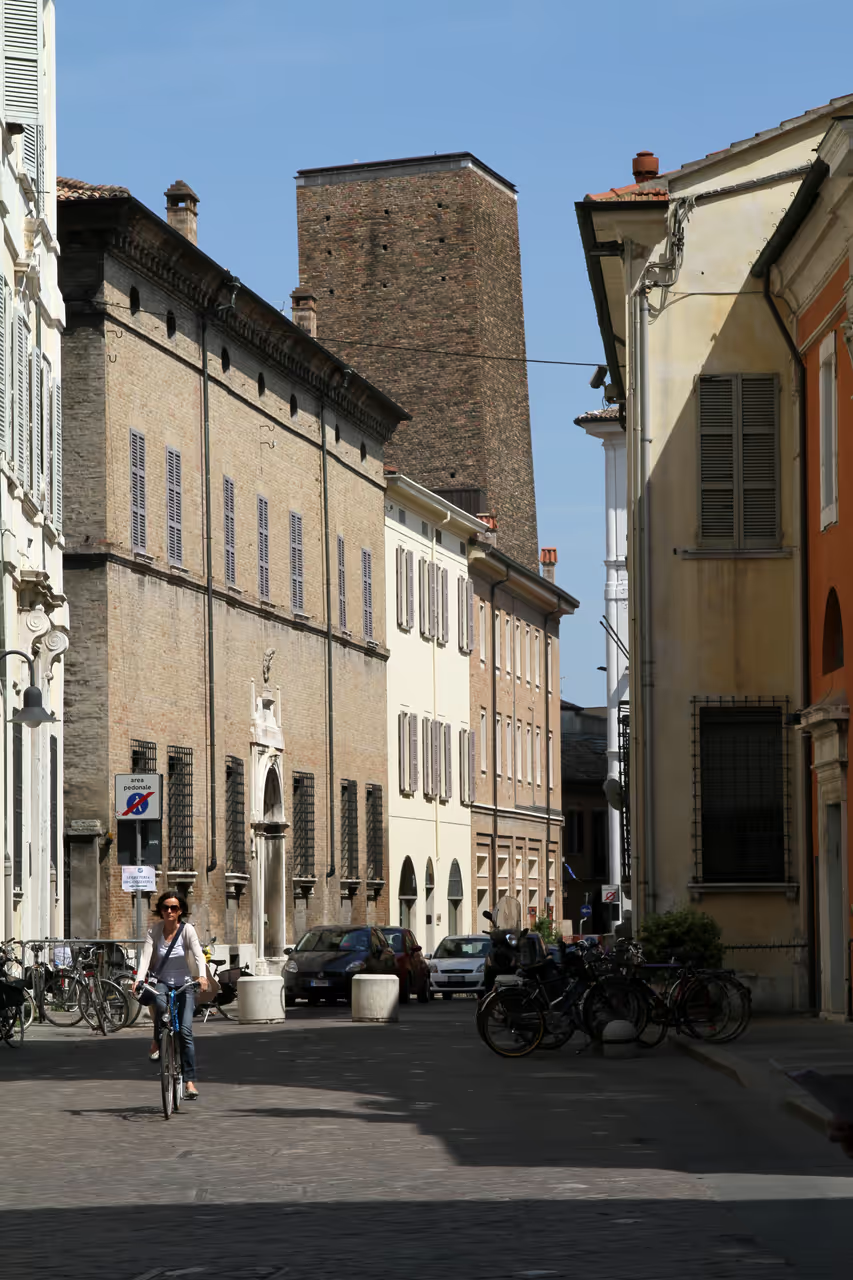
The historic centre is flat and heavily pedestrianised, making a rental bicycle the absolute best and most authentic way to get around.
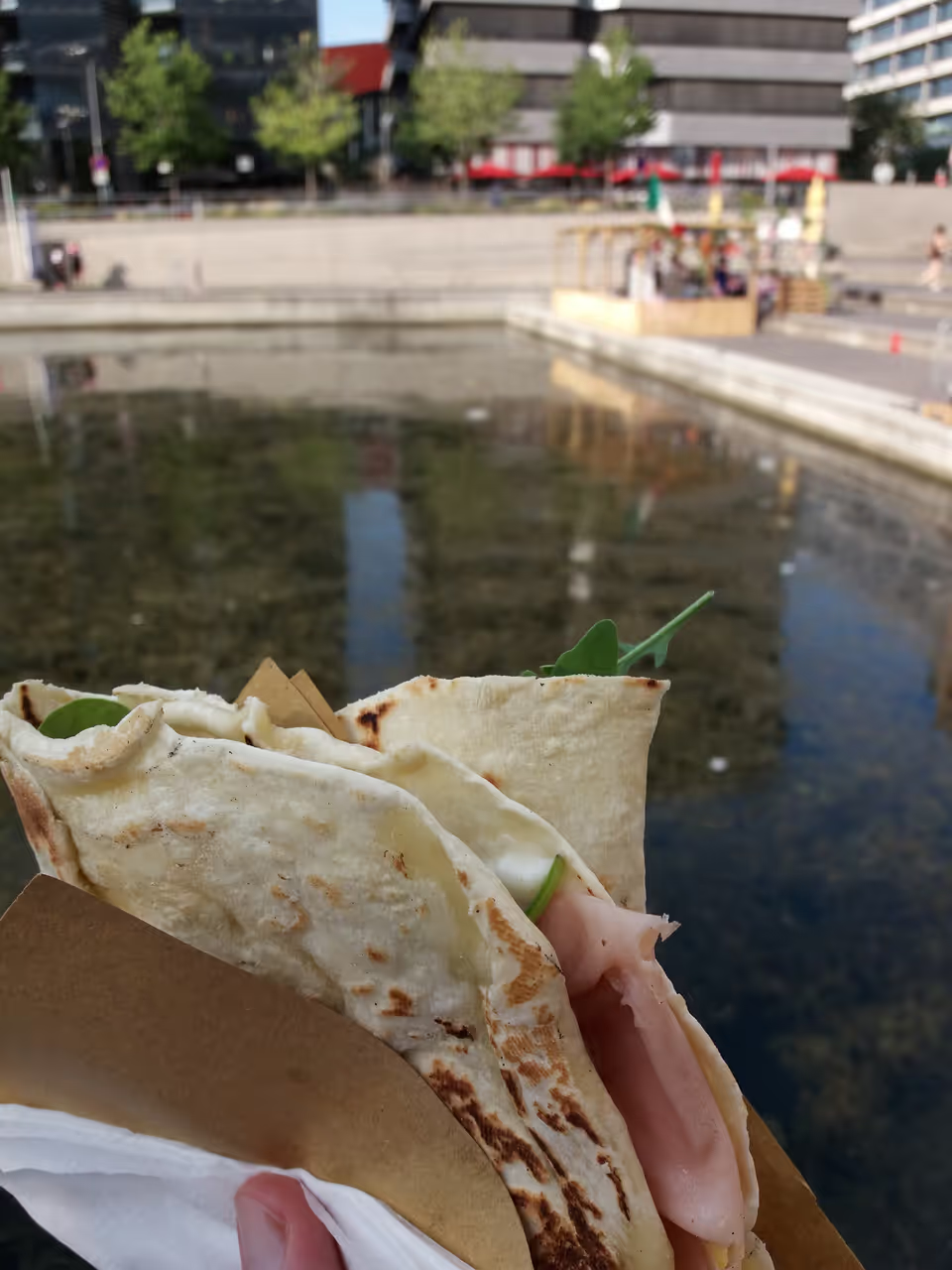
Skip the sit down restaurants for at least one lunch and grab a fresh piadina or crescione from a street kiosk for a cheap, authentic local meal.
PERFECT FOR
This destination is a dream for history enthusiasts and art lovers seeking profound cultural experiences without the overwhelming crowds of major tourist hubs. It is perfect for slow travellers who appreciate exploring flat, elegant streets by bicycle and pausing for long lunches. Romantics and literary fans will also find immense joy in tracing the footsteps of poets and emperors through its ancient alleys.
VIBE
The atmosphere here is wonderfully serene and deeply historical, moving at the relaxed pace typical of the Romagna region. Bicycles silently glide past elegant brick facades, while the aroma of fresh coffee and piadina drifts from lively pavement cafes. There is a sense of quiet pride among the locals, aware that behind unassuming church doors lie some of the most spectacular artistic treasures in the world.
Frequently Asked Questions about Ravenna
While we strive to keep this information accurate and up to date, we recommend verifying any details independently before making decisions based on them.
Similar Destinations in Italy
Continue your journey. Explore these highly recommended cities and uncover more of what Italy has to offer.